Tag: ZINUS

  • (069960) HYUNDAI DEPARTMENT STORE Earnings (Q3 2025): A Deep Financial Analysis for Investors

    (069960) HYUNDAI DEPARTMENT STORE Earnings (Q3 2025): A Deep Financial Analysis for Investors

    The latest HYUNDAI DEPARTMENT STORE earnings report for Q3 2025 has sent ripples through the market, revealing a performance that fell short of analyst expectations. For investors, this moment presents a critical juncture: is this a temporary stumble for a retail giant, or a sign of deeper structural challenges? This comprehensive HYUNDAI DEPARTMENT STORE financial analysis will dissect the numbers, explore the underlying causes, and provide a forward-looking perspective to help you navigate the crisis and identify potential opportunities.

    As a cornerstone of South Korea’s retail landscape, the performance of HYUNDAI DEPARTMENT STORE CO.,LTD is often seen as a barometer for consumer health. The Q3 2025 results, with misses on both revenue and profit, demand a closer look at the company’s strategy, its resilience against macroeconomic headwinds, and its roadmap for future growth.

    Unpacking the Q3 2025 Earnings Report

    The provisional results for Q3 2025 painted a concerning picture, with key metrics failing to meet the market consensus. Let’s break down the official figures to understand the scale of the challenge. For a detailed breakdown, investors can consult the Official Disclosure (DART).

    Key Financial Metrics vs. Expectations

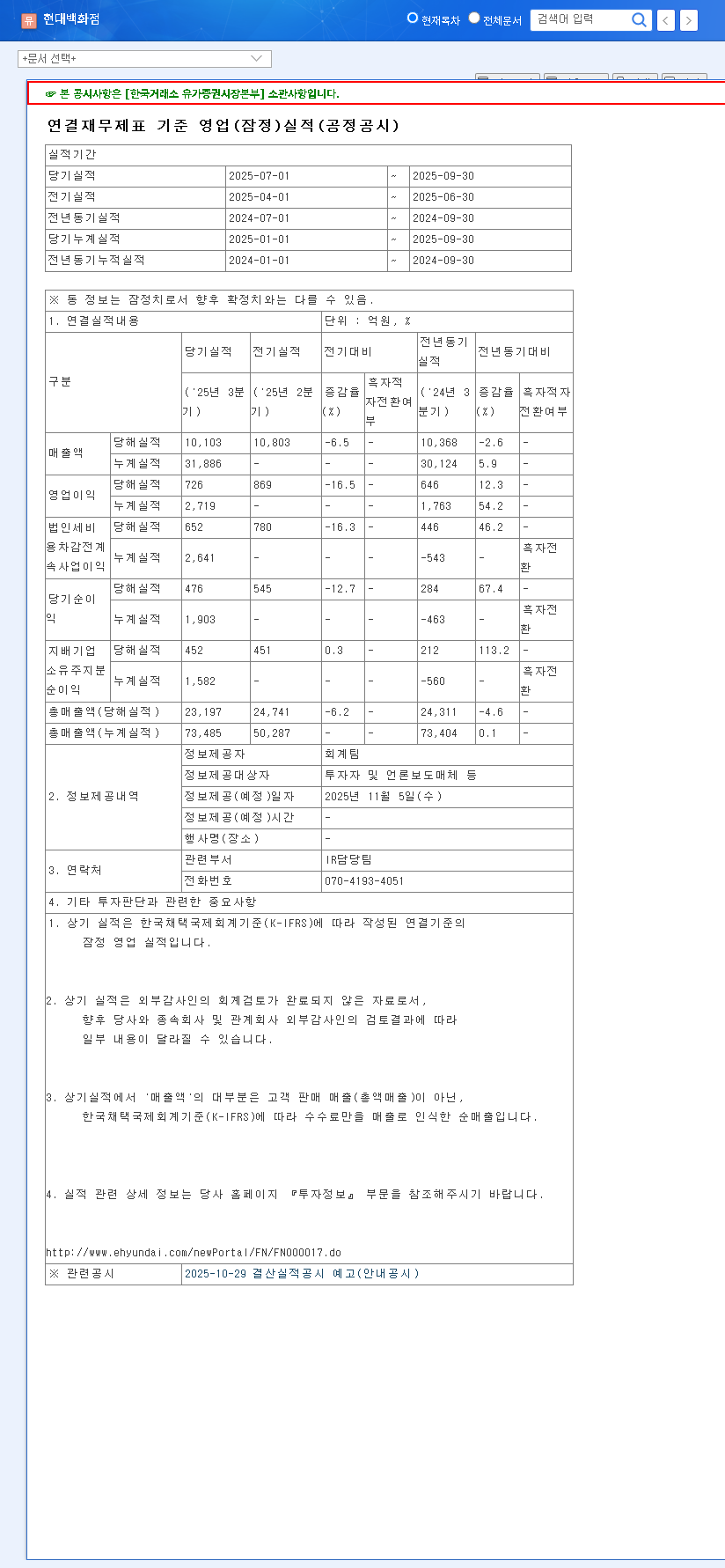
    • Revenue: Reported KRW 1,010.3 billion, missing the market’s expectation of KRW 1,016.9 billion. This represents a 2.5% decrease year-over-year and continues a downward trend seen throughout 2025.
    • Operating Profit: Came in at KRW 72.6 billion, a significant 7% below the consensus of KRW 78.4 billion. While up 12.4% from the prior year, the operating profit margin has worryingly declined from its Q1 peak.
    • Net Profit: At KRW 45.2 billion, it missed expectations by 3% and showed a sharp decline from the previous two quarters, highlighting pressure from non-operating factors.

    The persistent revenue decline since the start of the year, culminating in a year-over-year drop in Q3, signals a fundamental weakening in consumer spending and raises questions about the long-term growth trajectory of traditional department store channels.

    Forces Behind the Slump: Macro Pressures and Sector Challenges

    The disappointing HYUNDAI DEPARTMENT STORE earnings are not occurring in a vacuum. A combination of broad economic headwinds and industry-specific challenges are contributing to the decline. As reported by sources like Reuters, global inflation and interest rate policies are squeezing consumer disposable income worldwide.

    Weakening Consumer Sentiment and Fierce Competition

    The core department store division is facing a perfect storm. Rising interest rates and inflation are forcing households to cut back on discretionary spending, which directly impacts luxury and high-end retail. Simultaneously, the relentless growth of e-commerce continues to erode market share from brick-and-mortar establishments. To learn more, you can read our analysis of South Korea’s retail sector trends. This dual pressure makes it difficult to sustain revenue growth without significant innovation in customer experience and online integration.

    Adverse Macroeconomic Environment

    • Currency Fluctuations: A rising KRW/USD exchange rate negatively impacts divisions with overseas operations, such as the ZINUS furniture segment, by increasing import costs for raw materials and affecting sales conversion.
    • Interest Rate Burden: While benchmark rates have stabilized, elevated government bond yields can increase borrowing costs for future investments and expansion projects, adding a layer of financial risk.
    • High Debt Ratio: A projected debt-to-equity ratio of 114.65% is a significant concern, especially in a rising rate environment, as it can strain financial flexibility and amplify risks.

    Investor Outlook: Strategy and Key Recommendations

    Given the challenges, the path forward for HYUNDAI DEPARTMENT STORE requires bold, decisive action. For investors, the key is to monitor whether the company’s strategic responses can effectively counteract the negative trends and unlock value in its diverse portfolio.

    Pathways to Recovery and Growth

    To enhance shareholder value and secure a sustainable future, management should focus on several key areas. The performance of the HYUNDAI DEPARTMENT STORE stock will likely depend on successful execution in these domains:

    • Core Business Innovation: The department store division must evolve. This means strengthening its online-to-offline (O2O) strategy, creating unique experiential retail content, and curating merchandise that resonates with modern consumer lifestyles.
    • Profitability and Efficiency: With revenue under pressure, a rigorous focus on cost efficiency is paramount. This includes reducing fixed costs, optimizing the supply chain, and improving capital structure to mitigate financial risks.
    • Diversified Growth Engines: The positive momentum in the Duty-Free and ZINUS divisions must be nurtured. Successful new store openings (e.g., The Hyundai Gwangju) will also be crucial for reigniting growth.
    • Transparent Communication: Restoring investor confidence requires clear and proactive communication about the turnaround strategy and measurable milestones for its implementation.

    In conclusion, the Q3 2025 HYUNDAI DEPARTMENT STORE earnings serve as a critical wake-up call. While significant headwinds exist, the company possesses strong assets and potential growth drivers. Investors should closely watch for signs of strategic execution and fundamental improvements in the quarters to come.
    (069960) HYUNDAI DEPARTMENT STORE Earnings (Q3 2025): A Deep Financial Analysis for Investors 관련 이미지
  • (013890) ZINUS INC. Q3 2025 Earnings Shock: A Deep Dive for Investors

    (013890) ZINUS INC. Q3 2025 Earnings Shock: A Deep Dive for Investors

    The recent news cycle for ZINUS INC. has been dominated by a significant development that has investors on high alert. While the company issued a minor correction to a business report filing, the true story lies within the bombshell release of its preliminary ZINUS INC. Q3 2025 earnings report. This report paints a concerning picture of the company’s current financial health, revealing a major revenue shortfall and an unexpected swing to an operating loss.

    This analysis will move beyond the administrative filing correction to dissect the critical details of the Q3 earnings, explore the underlying causes of this performance slump, and provide a comprehensive outlook for current and potential investors weighing their next move with Zinus stock.

    The Filing Correction vs. The Real Story

    It’s important to first clarify the nature of the business report correction submitted on March 12, 2025. This was a technical procedure involving adjustments to XBRL footnotes and content within financial statement notes to rectify system errors. This is not a material event impacting the company’s core business. The market’s attention, therefore, has rightly pivoted to the far more consequential release of the Q3 2025 preliminary earnings. For official details on the filing, you can view the Official Disclosure (DART).

    Unpacking the ZINUS INC. Q3 2025 Earnings Shock

    The preliminary results for Q3 2025 revealed a severe underperformance that caught the market by surprise, triggering what is commonly known as an ‘earnings shock’. The figures show a sharp deterioration not only against market consensus but also compared to previous quarters.

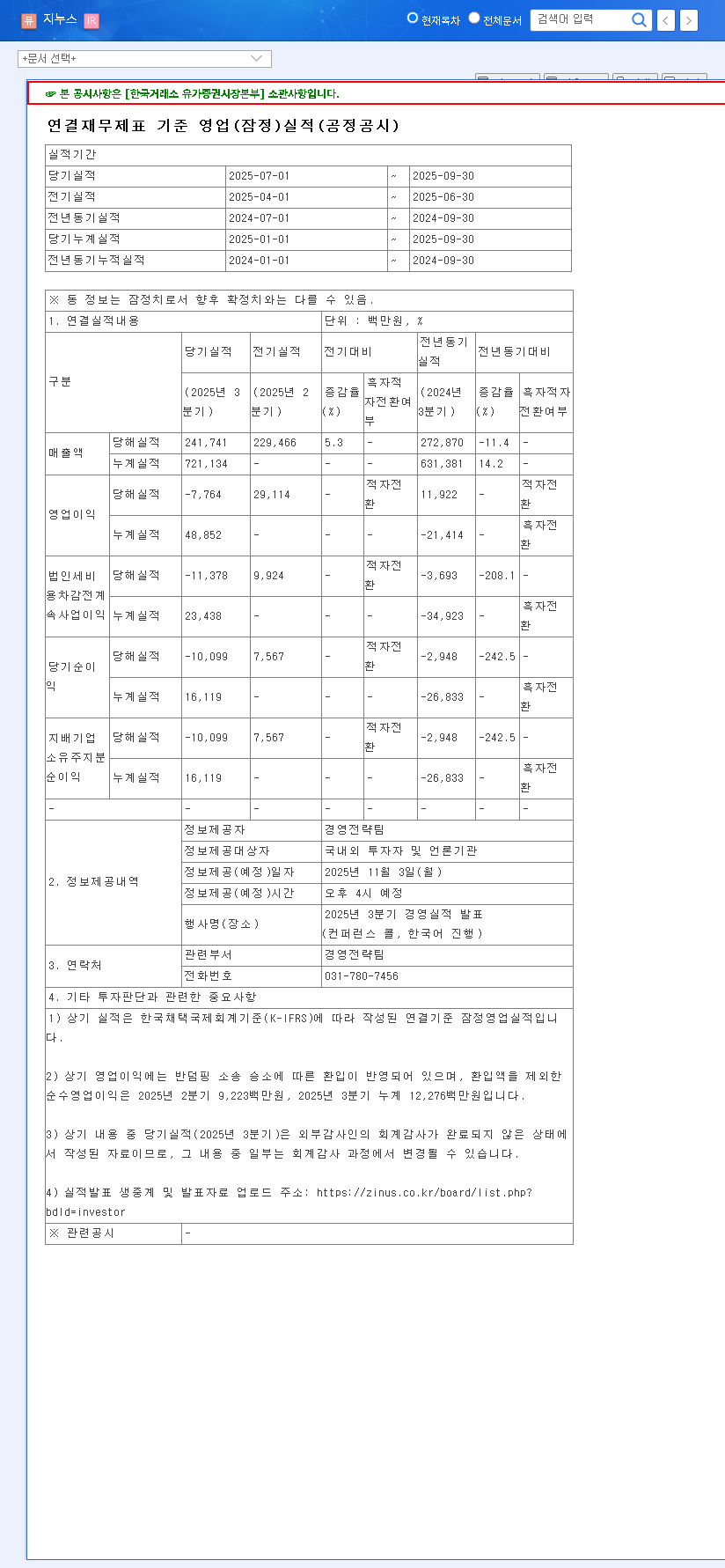
    The transition from a consistent operating profit in the first half of 2025 to a significant operating loss of KRW 7.8 billion in Q3 marks a critical inflection point, raising serious concerns among investors about the company’s near-term trajectory.

    Key Performance Metrics vs. Market Expectations

    • Revenue: KRW 241.7 billion, a staggering 19.4% below the market expectation of KRW 300 billion.
    • Operating Profit: KRW -7.8 billion. This represents a shocking reversal from the market’s anticipated profit of KRW 14.5 billion.
    • Net Income: KRW -10.1 billion, confirming the switch to a significant loss.

    Analyzing the Root Causes of the Slump

    The poor Q3 performance isn’t the result of a single factor but a confluence of internal vulnerabilities and external pressures. While macroeconomic indicators like stabilizing freight costs and favorable exchange rates should have provided some tailwinds, they were insufficient to counteract more fundamental issues.

    Core Business and Market Headwinds

    The core of the earnings deterioration appears to stem from a structural decline in revenue and profitability. Key contributing factors include:

    • Weakening Consumer Sentiment: Key markets, especially in North America, are experiencing a slowdown in discretionary spending, which directly impacts furniture and mattress sales. This aligns with broader market trends reported by sources like leading financial news outlets.
    • Major Client Order Restrictions: Zinus has a high reliance on specific large retail partners (accounting for 42.9% of sales in 2024). When these major clients restrict or reduce order volumes to manage their own inventory, Zinus’s performance is significantly impacted.
    • Increased Market Competition: The online ‘mattress-in-a-box’ market, which Zinus pioneered, has become increasingly saturated, putting pressure on pricing and market share.

    Investor Outlook: Short-Term Pain vs. Long-Term Potential

    The ZINUS INC. Q3 2025 earnings will undoubtedly cast a shadow on investor sentiment in the short term. However, a complete Zinus stock analysis requires balancing these immediate headwinds against the company’s long-term fundamental strengths. To gain a deeper understanding, investors may want to learn more about analyzing quarterly reports for deeper insights.

    Short-Term Risks to Consider

    • Negative Market Reaction: A sharp decline in stock price is anticipated as the market digests the earnings miss.
    • Analyst Downgrades: The significant discrepancy with market expectations could lead to target price downgrades from financial analysts.
    • Continued Uncertainty: Persistent macroeconomic uncertainty could delay the recovery in consumer spending.

    Long-Term Positive Factors

    • Robust Business Model: Zinus’s core strengths—its innovative ‘Mattress-in-a-box’ technology, leadership in the online furniture market, and vertically integrated supply chain—remain intact.
    • Synergy with Parent Group: Support and synergy from the Hyundai Department Store Group can provide financial stability and new growth avenues.
    • Global Expansion: The company’s capabilities for global expansion position it well to capitalize on an eventual market recovery.

    Investment Strategy: Navigating Zinus Stock

    Given the Q3 earnings shock, a cautious and patient approach is warranted. While the company’s long-term business model has merit, investors should wait for clear signs of an earnings turnaround before considering a new or expanded position. Key monitoring points include:

    • Future Earnings Reports: Closely watch Q4 2025 and 2026 earnings for evidence of stabilization and recovery.
    • Revenue Diversification: Look for strategic efforts to acquire new customers and reduce reliance on a few large clients.
    • Profitability Initiatives: Monitor the company’s plans to improve its cost structure and enhance efficiency to protect margins.

    In conclusion, while the business model’s long-term competitiveness is not fundamentally broken, the severity of the Q3 2025 earnings deterioration has significantly reduced Zinus’s short-term investment appeal. Prudence and diligent monitoring are the best strategies for now.

    (013890) ZINUS INC. Q3 2025 Earnings Shock: A Deep Dive for Investors 관련 이미지
  • (069960) Hyundai Department Store Earnings (069960): Q3 2025 Preview & Stock Analysis

    (069960) Hyundai Department Store Earnings (069960): Q3 2025 Preview & Stock Analysis

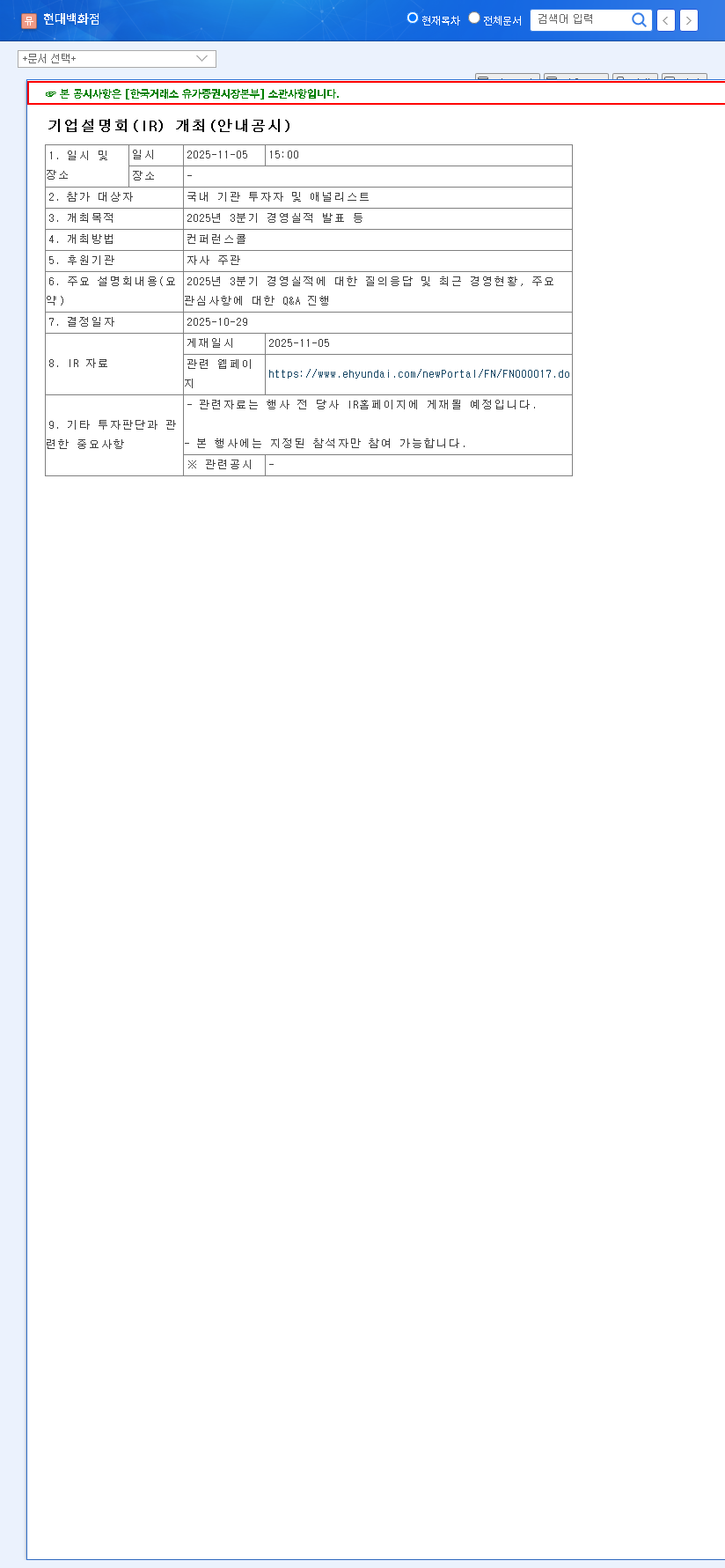
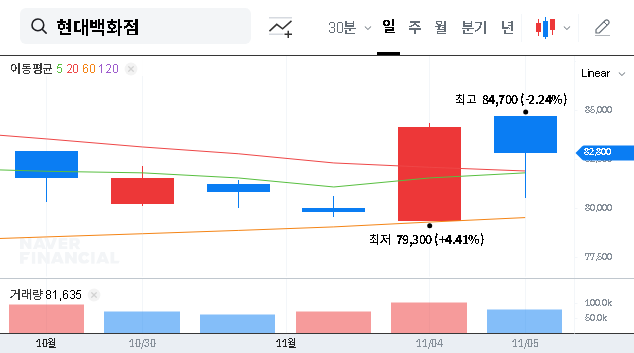
    The upcoming Hyundai Department Store earnings report for Q3 2025 represents a critical juncture for investors and market analysts. On November 5, 2025, HYUNDAI DEPARTMENT STORE CO.,LTD (KRX: 069960) will unveil its performance metrics and strategic outlook in its much-anticipated Investor Relations (IR) session. This event is more than a routine financial update; it’s a comprehensive look into the company’s ability to navigate a complex economic landscape, from fierce retail competition to the promising global expansion of its subsidiaries.

    This in-depth investment analysis will dissect the core pillars of Hyundai’s business, evaluate the market’s expectations, and provide a strategic roadmap for investors looking to make informed decisions about 069960 stock. Can the company solidify its premium market position, steer its duty-free segment to profitability, and capitalize on the international success of Zinus? Let’s explore the key factors to watch.

    The Main Event: Q3 2025 IR Announcement Details

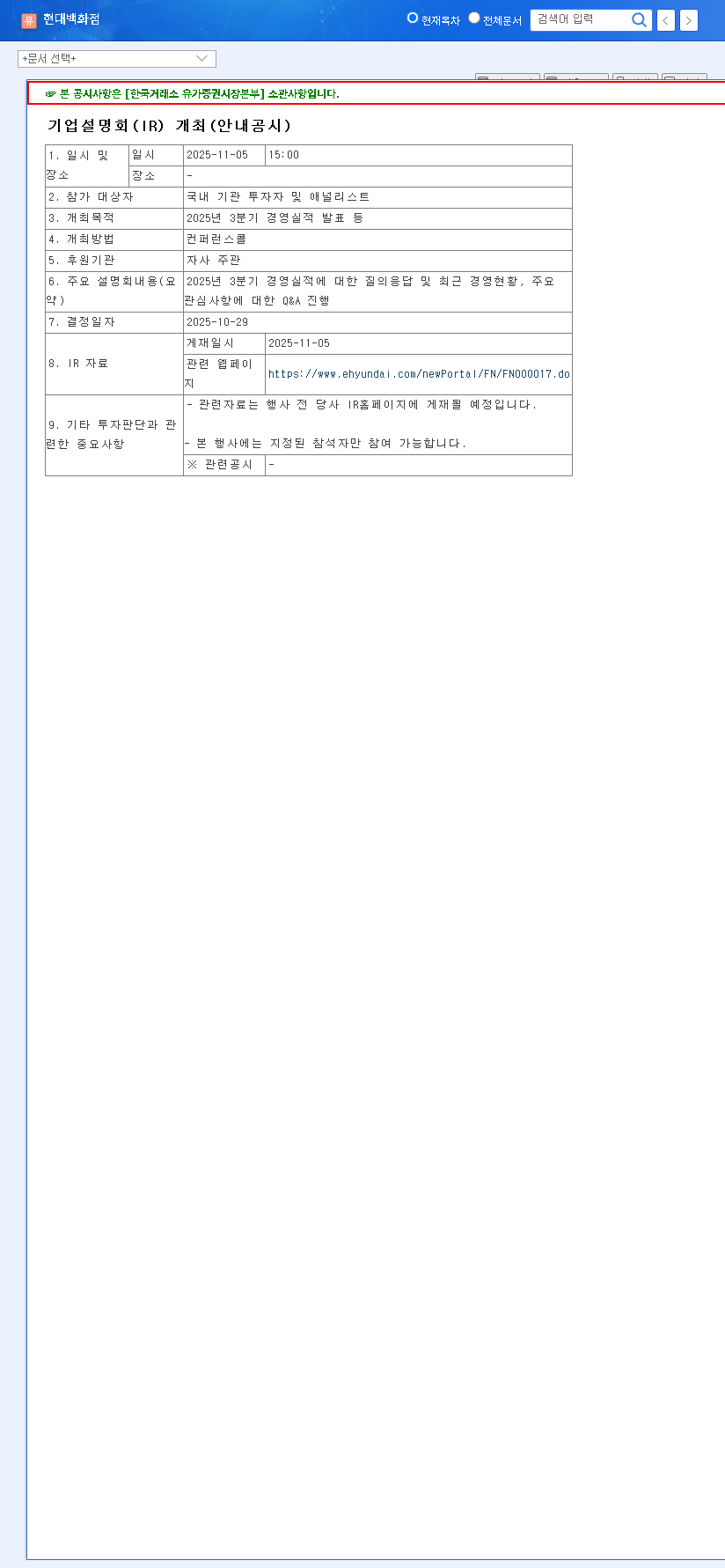
    Mark your calendars: HYUNDAI DEPARTMENT STORE CO.,LTD has scheduled its Q3 2025 earnings release and IR session for November 5, 2025, at 3:00 PM KST. The session will provide a detailed review of third-quarter performance, an update on current management initiatives, and a crucial Q&A on future growth strategies. With a market capitalization hovering around 1.84 trillion KRW, the disclosures from this event will be closely scrutinized. The official announcement can be reviewed in the company’s regulatory filing (Official Disclosure: Click to view DART report).

    This IR is a litmus test for Hyundai’s diversified strategy. The market is eager for signs of a turnaround in the duty-free business and continued momentum from Zinus to offset the highly competitive domestic retail environment.

    Analyzing the Core Business Segments

    A thorough investment analysis of Hyundai Department Store requires a deep dive into its three primary revenue streams. The Q3 results will provide clarity on their individual trajectories.

    1. Department Store Division: The Premium Anchor

    Constituting over half of the company’s revenue (52.5% in H1 2025), this division is the bedrock of the business. Its strategy hinges on premiumization and creating destination shopping experiences, exemplified by flagships like The Hyundai Seoul and upcoming projects in Busan and Gwangju. However, intense competition from rivals like Shinsegae and Lotte, coupled with shifting consumer habits towards online platforms, presents an ongoing challenge. The Q3 figures will be vital in assessing if these premium strategies are effectively protecting and growing market share.

    2. Duty-Free Division: The Path to Profitability

    The Duty-Free segment (26.1% of revenue) has been a drag on profitability, posting an operating loss in the first half of the year. Yet, there are silver linings. The operating loss is narrowing year-over-year, and the recovery of international travel, particularly from key markets, offers significant tailwinds. The strategic closure of the underperforming Dongdaemun store should also aid in cost consolidation. The key question for the Hyundai Q3 2025 IR will be: when can this division finally turn a profit?

    3. Zinus (Furniture Division): The Global Growth Engine

    The standout performer has been Zinus (21.3% of revenue), the furniture manufacturing arm acquired by Hyundai. Its innovative ‘Mattress-in-a-box’ model has resonated with consumers globally, leading to robust sales and a successful turnaround to profitability. Continued Zinus performance is crucial for Hyundai’s overall growth story. Investors will be listening for updates on its expansion into new international markets and its strategies for mitigating risks associated with raw material price volatility, a common concern in the manufacturing sector. For more on market trends, see our 2025 Global Retail Trends Report.

    Financial Health and Key Risk Factors

    As of mid-2025, Hyundai’s financial standing appears stable, with a manageable debt-to-equity ratio of 78.94%. However, investors must remain aware of external macroeconomic risks that could impact the bottom line.

    • Foreign Exchange Volatility: With significant foreign currency assets and liabilities, a 10% swing in exchange rates could affect profitability by an estimated 9 billion KRW.
    • Interest Rate Fluctuations: A 1% increase in interest rates could raise annual interest expenses by approximately 2 billion KRW due to variable-rate borrowings.
    • Intense Competition: The relentless competition across department stores, duty-free shops, and the online furniture market remains the most significant operational threat.

    Actionable Investment Strategy Post-IR

    The outcome of the Hyundai Department Store earnings call could trigger significant stock price movement. A proactive investment approach is essential.

    • Analyze the Data, Not the Noise: Wait for the official transcript and analyst reports. Focus on key metrics like same-store sales growth, operating margins for each division, and any revisions to full-year guidance. Reports from high-authority sources like Reuters can provide unbiased context.
    • Evaluate Management’s Vision: Pay close attention to the Q&A session. A confident and transparent management team with clear strategies for mitigating risks and driving growth can significantly boost long-term investor confidence.
    • Focus on Long-Term Fundamentals: Avoid knee-jerk reactions to short-term price volatility. Re-evaluate your investment thesis based on whether the company’s fundamental value and growth prospects have materially changed. Consider the valuation of 069960 stock relative to its industry peers.

    In conclusion, the Q3 2025 IR is a pivotal event that will offer a clearer picture of Hyundai Department Store’s corporate health and future. By focusing on the performance of its core divisions and the clarity of its strategic path forward, investors can position themselves to make prudent and profitable decisions. We wish all investors successful trading.

    (069960) Hyundai Department Store Earnings (069960): Q3 2025 Preview & Stock Analysis 관련 이미지
  • (069960) HYUNDAI DEPARTMENT STORE IR 2025: Deep-Dive Analysis & Stock Impact

    (069960) HYUNDAI DEPARTMENT STORE IR 2025: Deep-Dive Analysis & Stock Impact

    On November 13, 2025, all eyes will be on the HYUNDAI DEPARTMENT STORE IR (Investor Relations) conference. This pivotal event is more than a routine update; it’s a critical moment where the company will unveil its strategic vision, potentially shaping its stock trajectory for the foreseeable future. For investors, this is a prime opportunity to look beyond the numbers and understand the narrative driving one of South Korea’s retail giants. This comprehensive investor relations analysis will break down the key factors at play, from growth drivers to latent risks, providing the insights needed to make informed decisions regarding Hyundai Department Store stock.

    In a shifting retail landscape, understanding a company’s forward-looking strategy is not just beneficial—it’s essential for prudent investment. The upcoming HYUNDAI DEPARTMENT STORE IR is the definitive platform for this clarity.

    Fundamental Diagnostics: A Look Inside Hyundai’s Operations

    Based on the semi-annual report from June 2025, Hyundai Department Store maintains a stable operational foundation. However, a closer look reveals a multi-faceted performance across its diverse business segments. Understanding these nuances is key to creating an accurate HDS stock forecast.

    1. Core Department Store Division

    As the company’s bedrock, accounting for 52.5% of total sales, the department store division is projected to see modest growth. However, investors should be wary of declining operating profit margins, a result of fierce competition and rising operational costs. While ambitious new store openings like ‘The Hyundai Gwangju’ signal long-term potential, the initial capital expenditure and ramp-up period present a short-term burden that requires careful monitoring.

    2. Strategic Duty-Free Segment

    The duty-free division showcases a story of resilience. Despite a sales decrease, the segment has successfully returned to operating profitability—a testament to efficient cost management and operational streamlining. This turnaround is a significant positive, but the business remains highly susceptible to external volatilities, including geopolitical tensions affecting international travel and sharp fluctuations in currency exchange rates. A robust retail investment strategy must account for these macro risks.

    3. The Zinus Furniture Division

    Similarly, the Zinus furniture manufacturing arm has also achieved a positive operating profit despite lower sales. This reflects successful overseas market expansion and diversification efforts. However, profitability remains under pressure from volatile raw material prices and currency headwinds, given its significant exposure to international markets.

    Financial Health and Risk Management

    The company’s financial standing appears solid, with stable debt-to-equity ratios and an excellent credit rating. Robust cash flow from operations provides a strong foundation. However, a significant cash outflow from investing activities highlights the financial commitment to new projects. The company’s own disclosures reveal exposure to foreign exchange, price, and interest rate risks, with a 10% change in exchange rates projected to have a notable impact on pre-tax profits. This data is derived directly from the company’s latest filings (Official Disclosure: Click to view DART report).

    Potential Stock Price Catalysts from the IR Event

    The upcoming HYUNDAI DEPARTMENT STORE IR is a double-edged sword, with the potential to either catalyze a rally or trigger a sell-off depending on the information disclosed.

    Positive Scenarios (The Bull Case)

    • Clarity on Growth Drivers: A detailed, confident presentation on new store rollouts and long-term strategies for the duty-free and Zinus segments could ignite investor optimism.
    • Proof of Performance: If management effectively communicates that the turnarounds in duty-free and furniture are sustainable and not temporary, it could build significant investor confidence.
    • Enhanced Shareholder Value: Concrete announcements regarding share buybacks, dividend increases, or other shareholder-friendly policies would be a strong positive signal.

    Negative Risks (The Bear Case)

    • Pessimistic Outlook: A focus on macroeconomic headwinds, such as weakening consumer sentiment or rising interest rates, could sour market sentiment.
    • Unconvincing Investment Case: If the company fails to adequately justify the large capital expenditures and address concerns about return on investment, investors may view the plans as a financial drag.
    • Vague Risk Strategies: A lack of clear, proactive strategies for managing currency and commodity price risks could amplify uncertainty and deter investment.

    An Actionable Playbook for Investors

    To navigate this event successfully, investors should focus on several key areas. Pay close attention to the specificity of growth plans—are they backed by data and realistic timelines? Assess the sustainability of the recent performance improvements. Finally, scrutinize the company’s risk management capabilities. For broader context, compare their strategy to industry trends reported by major outlets like Bloomberg and see how they stack up. A deeper understanding can also be found in our full analysis of the South Korean retail market.

    In conclusion, the HYUNDAI DEPARTMENT STORE IR is a crucial event that will provide the data and narrative needed to re-evaluate the company’s investment thesis. By balancing management’s vision with tangible performance metrics and the broader economic environment, investors can position themselves to make well-informed and strategic decisions.

    (069960) HYUNDAI DEPARTMENT STORE IR 2025: Deep-Dive Analysis & Stock Impact 관련 이미지
  • (013890) ZINUS INC. Q3 2025 Earnings: A Deep Dive into Turnaround Potential & Stock Analysis

    (013890) ZINUS INC. Q3 2025 Earnings: A Deep Dive into Turnaround Potential & Stock Analysis

    The upcoming ZINUS INC. Q3 2025 earnings call, scheduled for November 3, 2025, is more than just a financial report; it’s a critical inflection point for the company. After a turbulent 2024 characterized by revenue decline and operating losses, investors and market analysts are keenly watching for definitive signs of a ZINUS turnaround. This event will provide crucial insights into the company’s recent performance, strategic direction, and its ability to reclaim growth momentum in a competitive global market.

    This in-depth ZINUS stock analysis will explore the core fundamentals, market dynamics, and the potential outcomes of the Q3 investor relations event. We aim to equip you with the necessary information to make an informed investment decision.

    Can ZINUS INC. leverage its core strengths to navigate macroeconomic headwinds and deliver a performance that reignites investor confidence? The Q3 report holds the key.

    Deconstructing ZINUS’s 2024 Financial Performance

    To understand the significance of the upcoming report, we must first look back. In 2024, ZINUS reported a consolidated revenue of KRW 920.4 billion, down 3.3% year-over-year, and swung to an operating loss of KRW 5.4 billion. This downturn was largely attributed to two primary factors: weakened consumer sentiment in the crucial U.S. market and reduced orders from major retail partners. The company’s balance sheet also tells a story of strategic investment amidst challenge; total assets and liabilities grew due to investments in production capacity, like the third factory in Indonesia, financed partly by increased borrowings. This makes the upcoming report on ZINUS financial performance a test of whether those investments are beginning to yield returns.

    Core Strengths vs. Market Headwinds

    The Bull Case: ZINUS’s Competitive Advantages

    Despite recent struggles, ZINUS possesses fundamental strengths that form the basis for a potential recovery. A furniture industry investment into ZINUS is a bet on these core pillars:

    • Vertically Integrated Value Chain: Control over manufacturing and logistics allows for better quality assurance, cost management, and adaptability.
    • Innovation & IP: Continuous R&D investment has resulted in a robust portfolio of patents and trademarks, particularly in the ‘mattress-in-a-box’ category.
    • Growth Potential: There are significant opportunities in expanding its geographical footprint beyond North America and diversifying its product lines within the growing online furniture market.
    • ESG Commitment: A focus on eco-friendly practices can attract a new class of socially conscious investors and enhance long-term brand value.

    The Bear Case: Macroeconomic Pressures

    The path to recovery is not without obstacles. External factors continue to pose significant risks, including global economic slowdowns that dampen consumer spending on durable goods. Furthermore, currency volatility (KRW/USD) can impact export profitability, while fluctuating interest rates affect borrowing costs for capital-intensive projects. Investors should consult wider market analysis, such as reports from reputable financial news sources, to understand these broader trends.

    Investor’s Playbook for the ZINUS INC. Q3 2025 Earnings Call

    As the management team presents its findings and answers questions, focus on these critical areas to gauge the company’s trajectory. A positive signal in several of these categories could signal the start of a meaningful ZINUS turnaround.

    • Top-Line Revenue Growth: Is revenue stabilizing or, better yet, showing year-over-year growth? Look for commentary on North American market recovery and order volumes from key clients.
    • Profitability Margins: Are operating margins improving? This would indicate that cost-cutting measures and production efficiencies from new facilities are taking effect.
    • Future Guidance: What is the outlook for Q4 and early 2026? Confident and clear guidance can significantly boost investor sentiment.
    • Strategic Clarity: How clearly does management articulate plans for market expansion, new product launches, and strengthening their online sales channels?

    For those interested in the raw data, ZINUS’s own filings provide the most direct information. You can review the Official Disclosure on DART for complete details.

    Conclusion: A Prudent Approach

    The ZINUS INC. Q3 2025 earnings call will be a litmus test for the company’s resilience and strategic execution. A positive report that beats expectations and provides a clear growth roadmap could be a powerful catalyst for the stock. Conversely, continued underperformance could prolong investor uncertainty. By focusing on the key metrics outlined above, investors can better interpret the results and make decisions aligned with their risk tolerance. For more on this sector, see our guide on analyzing consumer discretionary stocks.

    (013890) ZINUS INC. Q3 2025 Earnings: A Deep Dive into Turnaround Potential & Stock Analysis 관련 이미지
    (013890) ZINUS INC. Q3 2025 Earnings: A Deep Dive into Turnaround Potential & Stock Analysis 관련 이미지
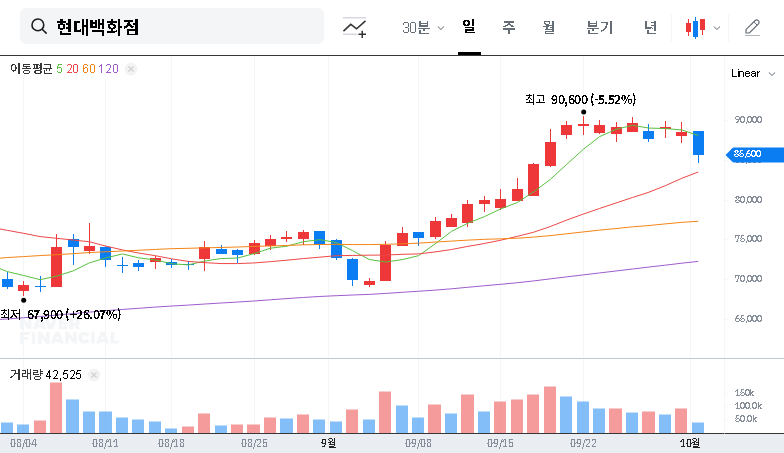
  • (069960) Hyundai Department Store Stock Analysis: Will a Major Shareholder Stake Increase Boost its Outlook?

    (069960) Hyundai Department Store Stock Analysis: Will a Major Shareholder Stake Increase Boost its Outlook?

    The market is buzzing with the latest news surrounding the Hyundai Department Store stock, as its largest shareholder, Hyundai GF Holdings, has increased its stake. This move has investors asking a critical question: Is this a signal of renewed confidence and a precursor to a stock price surge, or a minor adjustment with little long-term impact? This comprehensive Hyundai Department Store analysis will dissect the event, evaluate the company’s core fundamentals, and explore the macroeconomic landscape to provide a clear investor outlook.

    We will delve into the strategic intent behind this decision, the health of its diverse business segments, and the external pressures that could shape its future. For anyone considering an investment, understanding these interconnected factors is paramount.

    The Shareholder Move: A Closer Look

    What Exactly Happened?

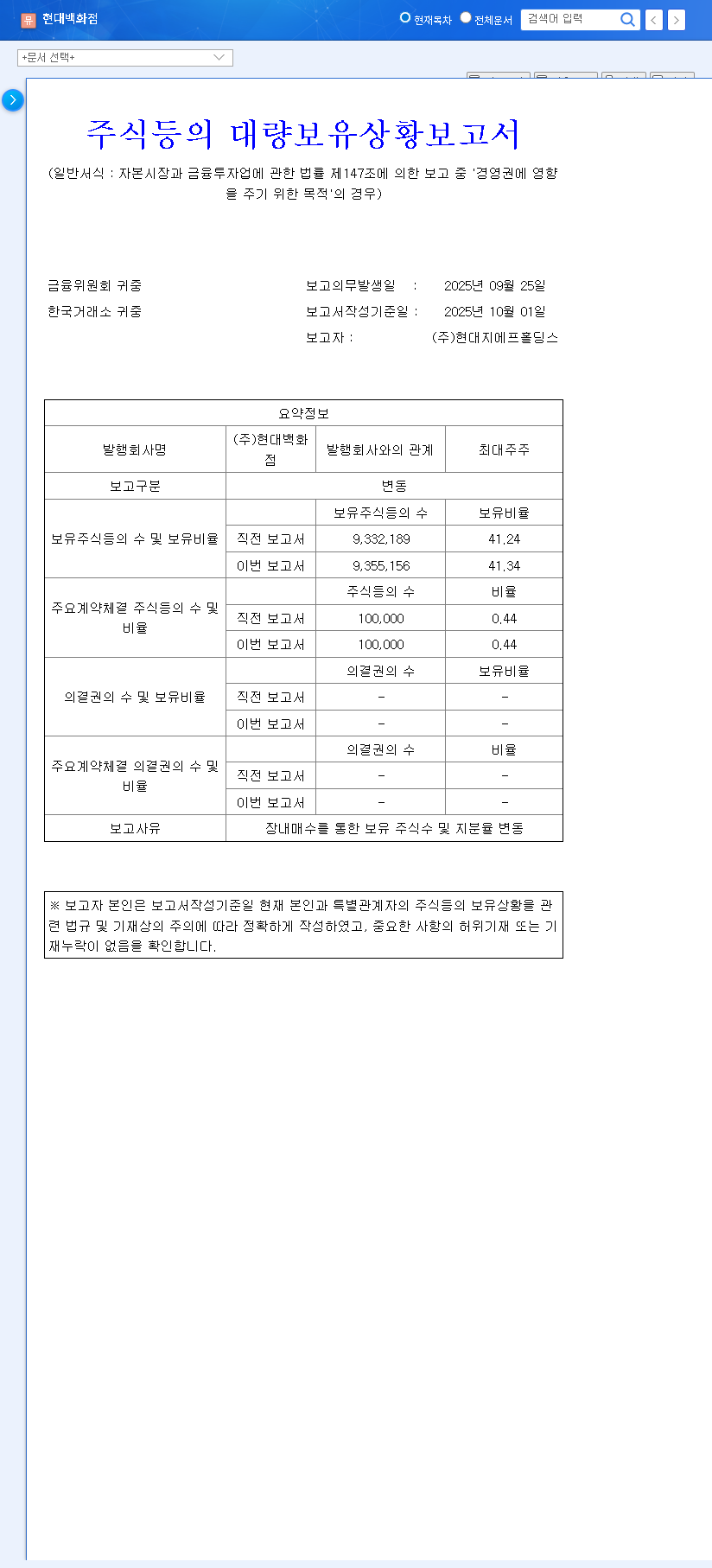
    Hyundai GF Holdings Co., Ltd. formally announced an acquisition of additional shares in Hyundai Department Store. According to the public filing, this transaction increased their total ownership by 0.1 percentage points, from 41.24% to 41.34%. While seemingly small, the stated purpose of ‘Influence over Management Rights’ is a clear declaration of intent. You can view the Official Disclosure on DART for complete details.

    The Strategic Rationale: Why Increase the Stake Now?

    This move is widely interpreted as a strategic maneuver by Hyundai GF Holdings to reinforce its control and signal a long-term commitment to the company’s value. In a competitive retail environment, a stable and decisive management structure is crucial for executing ambitious growth plans, such as new store openings or digital transformations. This act serves to reassure the market that leadership is consolidated and focused on sustainable growth rather than short-term financial gains.

    This stake increase, though minor in percentage, is a significant symbolic vote of confidence from the parent company, aiming to stabilize management and steer the company towards long-term value creation.

    Fundamental Analysis of Hyundai Department Store

    To truly understand the investor outlook, we must look beyond a single event and analyze the company’s operational health. Hyundai Department Store is a multi-faceted business with distinct strengths and challenges across its segments.

    Strengths and Weaknesses

    • Robust Core Business: The department store division remains the company’s anchor, contributing over 52% of consolidated revenue. It has demonstrated resilience and continues to be a powerful engine for profitability.
    • Successful Turnaround (Zinus): The furniture subsidiary, Zinus, has successfully transitioned back to profitability, demonstrating effective business restructuring and operational improvements. This diversification provides a healthy buffer for the overall portfolio.
    • Duty-Free Segment Struggles: A significant headwind is the underperforming duty-free segment. It faces intense competition and high operating costs, which have been a drag on overall profitability. A clear strategy for improving this division is essential for future growth.
    • Solid Financial Health: The company maintains a healthy debt-to-equity ratio of 78.94%. However, increased investment has slightly raised the net borrowing ratio, and exposure to foreign exchange risk requires careful management.

    Market Impact and Hyundai Department Store Stock Outlook

    The key question for investors is how this news translates into stock performance. The impact can be viewed from both a short-term and long-term perspective.

    Short-Term Sentiment vs. Long-Term Value

    In the short term, the stake increase is a positive signal that could boost investor confidence. However, given the marginal 0.1% change, it is unlikely to be a catalyst for a major, immediate rally in the Hyundai Department Store stock price. The long-term trajectory will depend entirely on the company’s ability to capitalize on its stable management. If this leads to better strategies—especially in turning around the duty-free business—the positive impact on fundamental value will eventually be reflected in the stock price. For a broader view on market trends, investors often consult sources like Bloomberg’s market analysis.

    Navigating Macroeconomic Headwinds

    No company operates in a vacuum. Several macroeconomic variables present both risks and opportunities for Hyundai Department Store.

    • Interest Rates: With benchmark rates holding steady in both the U.S. and South Korea, borrowing costs are stable. However, any future hikes could dampen consumer spending on discretionary and luxury goods, impacting department store sales.
    • Exchange Rates: A volatile KRW/USD exchange rate can be a double-edged sword. A weaker won makes imported goods more expensive but could attract more foreign tourists to its duty-free shops, potentially boosting that segment.
    • Logistics Costs: Rising global freight indices signal increasing pressure on supply chain costs. This could squeeze margins on imported products sold across its retail platforms. For more on this, see our analysis of the Korean retail sector.

    Investor Strategy and Final Recommendations

    Considering all factors, the recent stake increase by Hyundai GF Holdings is a net positive, but it is not a standalone reason to invest. The long-term success of the Hyundai Department Store stock hinges on sustained fundamental improvements.

    Short-Term Approach

    The immediate impact is limited. A wait-and-see or phased buying strategy is advisable. Aggressively buying based on this news alone carries unnecessary risk.

    Long-Term Perspective

    Investors should focus on key performance indicators: sustained growth in the core department store segment, a clear path to profitability for the duty-free business, and the continued success of Zinus. The company’s ability to manage macroeconomic risks will also be critical. The stabilized management should, in theory, provide the foundation to tackle these challenges effectively.

    (069960) Hyundai Department Store Stock Analysis: Will a Major Shareholder Stake Increase Boost its Outlook? 관련 이미지
  • Hyundai Department Store IR Analysis: A Turning Point for the Second Half of 2025?

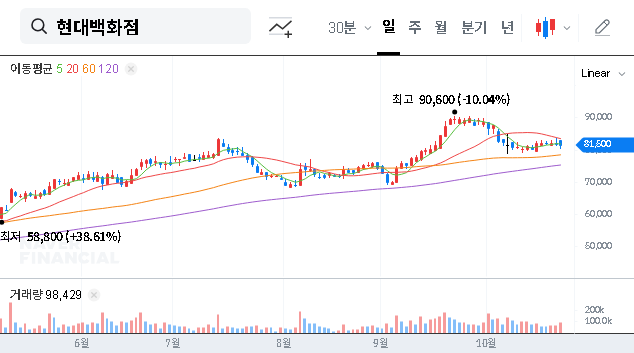
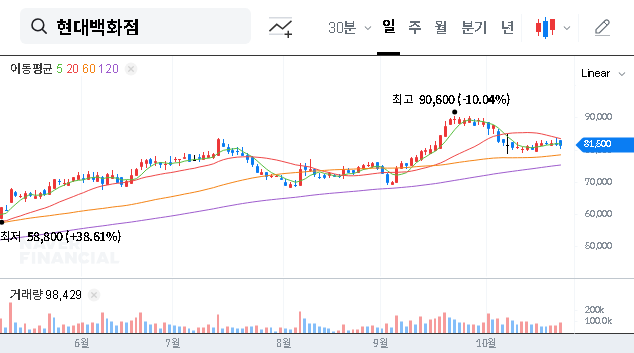
    Hyundai Department Store IR Analysis: A Turning Point for the Second Half of 2025? 대표 차트 이미지

    1. What’s Happening with Hyundai Department Store?

    Hyundai Department Store experienced mixed results in the first half of 2025. While the turnaround and robust profitability of the furniture manufacturing division (Zinus) were positive, the sluggish performance of the department store and duty-free divisions remains a challenge. Weakening consumer sentiment and intensified competition are cited as the main causes, with the duty-free division particularly struggling due to changes in inbound tourist spending patterns and increased competition.

    2. Why Does it Matter? – Future Strategies Revealed at the IR

    This IR presents a crucial opportunity for Hyundai to outline its strategies for overcoming current challenges and achieving future growth. Investors will focus on innovation strategies for the department store and duty-free divisions, the potential application of Zinus’s success to other business segments, and strategies to address the uncertain macroeconomic environment. The new store opening plan and online channel strengthening strategy will be particularly important indicators of future growth momentum.

    3. What Should Investors Do? – Action Plan

    Investors should carefully analyze the information presented at the IR and objectively assess the company’s future growth potential. It’s crucial to seek answers to the following questions:

    • • What are the specific plans to improve profitability in the department store and duty-free sectors?
    • • How will Hyundai apply the Zinus success model to other business segments?
    • • What are the strategies to address the volatile macroeconomic environment?

    Monitor stock price movements after the IR and gather additional information to continuously adjust your investment strategy.

    Frequently Asked Questions (FAQ)

    What are Hyundai Department Store’s main business segments?

    Hyundai Department Store’s main business segments are department stores, duty-free shops, and furniture manufacturing (Zinus).

    What are the key points investors should focus on in this IR?

    Key points include innovation strategies for department stores and duty-free shops, applying Zinus’s success to other segments, and strategies to address the macroeconomic environment.

    What precautions should investors take when investing in Hyundai Department Store?

    Investors should analyze IR information, monitor stock price movements, and gather additional information to adjust their investment strategies accordingly.

    Hyundai Department Store IR Analysis: A Turning Point for the Second Half of 2025? 관련 이미지
  • ZINUS (013890) IR: Profitability Returns, But Can They Conquer US Market Challenges?

    ZINUS IR: Key Analysis and Investor Takeaways

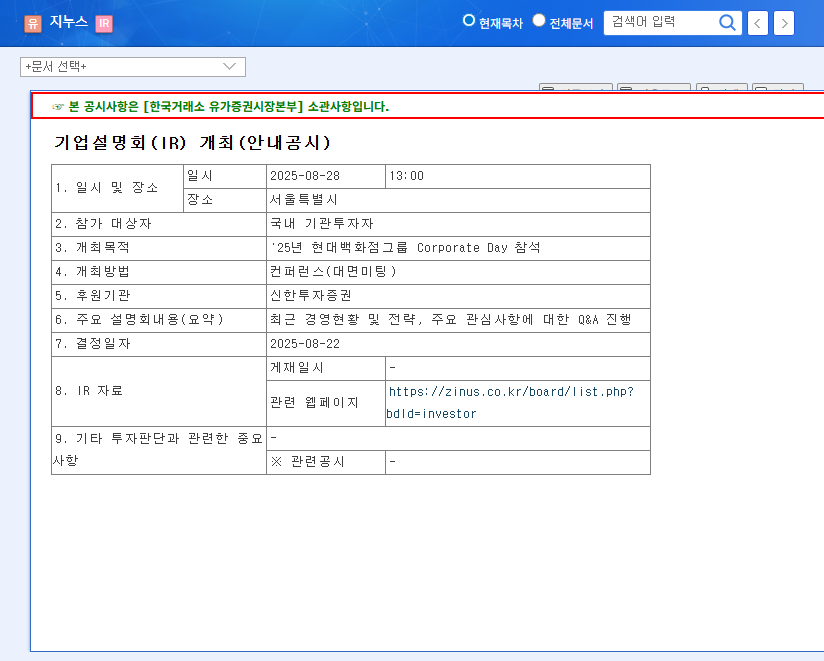
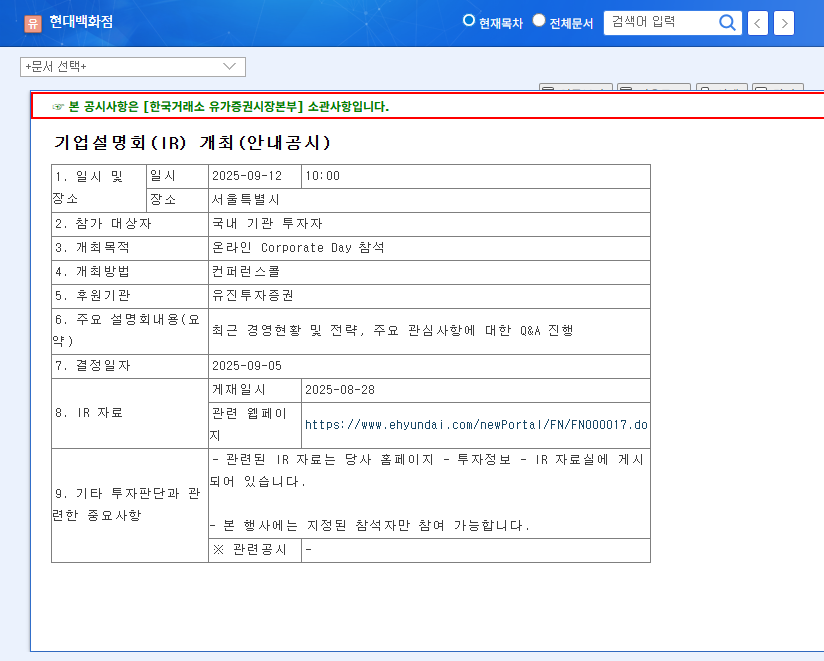
    ZINUS will host an IR session at the Hyundai Department Store Group Corporate Day on August 28, 2025. The company will share its current business status, future strategies, and address investor questions.

    1. Back to Profit, But US Market Decline Continues

    ZINUS recently announced its return to profitability in its semi-annual report. However, the persistent decline in US market sales remains a significant challenge that needs to be addressed.

    2. Key Investor Concerns

    • What are the specific strategies for overcoming the US market slump?
    • What are the plans for increasing R&D investment and securing future growth engines?
    • How will ZINUS manage risks related to exchange rate fluctuations and raw material price volatility?

    3. Investor Action Plan

    Investors should pay close attention to management’s responses regarding:

    • Clear strategies and concrete action plans to address the declining US market
    • A roadmap for increased R&D investment and new technology development to secure future growth engines
    • Effective risk management strategies to mitigate exchange rate and raw material price volatility

    This information will be crucial for reassessing ZINUS’ investment value and formulating informed investment strategies.

    Frequently Asked Questions

    What is ZINUS’s main business?

    ZINUS is a global furniture company specializing in mattresses. They also offer bed frames, sofas, tables, and other furniture products.

    How has ZINUS been performing recently?

    ZINUS recently returned to profitability according to their semi-annual report, but they are experiencing a continued decline in US sales.

    What are the key things to watch for in this IR?

    Key points of interest include strategies for addressing the US market decline, plans for increasing R&D investment, and strategies for managing exchange rate and raw material price volatility.

  • Hyundai Department Store: Earnings Surprise, but Hold Your Horses! H1 2025 Report Analysis

    1. What Happened? : H1 2025 Earnings Surprise

    Hyundai Department Store reported sales of KRW 10,802 billion, operating profit of KRW 868 billion, and net profit of KRW 544 billion in the first half of 2025, exceeding market expectations. Operating profit, in particular, showed significant growth year-on-year.

    2. Why These Results? : Drivers and Concerns

    • Positive Factors: Turnaround and profitability in the furniture division (Zinus), securing growth momentum through new store openings (The Hyundai Gwangju, The Hyundai Busan, etc.), and a stable credit rating.
    • Negative Factors: Declining market share in the department store sector, sluggish duty-free business, high levels of financial debt, and low R&D investment.

    3. What’s Next? : Positive Momentum Coexists with Risks

    In the short term, strong Q2 results are expected to have a positive impact on stock prices. However, the sluggish performance of department store and duty-free businesses, coupled with high debt levels, raises concerns about mid-to-long-term growth. The increasing volatility in interest rates and exchange rates can act as significant risk factors.

    4. What Should Investors Do? : Maintain HOLD Strategy and Continuous Monitoring

    Investors should maintain a ‘HOLD’ strategy and continuously monitor the effects of new store openings, the global expansion of the furniture business, and debt management strategies. The digital transformation of the department store business and increased R&D investment are also key observation points.

    Frequently Asked Questions

    How did Hyundai Department Store perform in the first half of 2025?

    Hyundai Department Store achieved an ‘earnings surprise’ in the first half of 2025, recording sales of KRW 10,802 billion, operating profit of KRW 868 billion, and net profit of KRW 544 billion, exceeding market expectations.

    What were the main factors behind the strong performance?

    The turnaround and profitability of the furniture division (Zinus) and growth momentum secured through new store openings (The Hyundai Gwangju, The Hyundai Busan, etc.) are analyzed as the main factors.

    What are the key points to consider when investing?

    The sluggish performance of department store and duty-free businesses, high levels of financial debt, and increased volatility in interest rates and exchange rates are key risk factors to consider when investing.

  • ZINUS (013890) Q2 2025 Earnings Surprise: Back to Profit, But What’s Next?

    1. What Happened? ZINUS Q2 Earnings Breakdown

    ZINUS reported its Q2 2025 earnings on August 14, 2025. Revenue reached ₩229.4 billion, slightly exceeding expectations but still lower than the same period last year. Operating profit reached ₩29.1 billion, an impressive 81% beat on consensus estimates. However, net income came in at ₩7.5 billion, below expectations.

    2. Why These Results? Analyzing the Drivers

    The surge in operating profit is attributed to restructuring efforts and cost-cutting measures. Improved sales and administrative expense efficiency, coupled with increased operating rates at overseas production facilities, contributed significantly to improved profitability. The decline in net income is likely due to non-operating income or tax-related factors. Slowing demand and increased competition in the US market are cited as primary reasons for the revenue decline. The increasing revenue contribution from the Non-Mattress segment is a positive sign.

    3. What’s Next? Future Outlook and Stock Implications

    In the short term, the positive earnings surprise is expected to have a positive impact on the stock price. However, the continued decline in revenue remains a key concern for the medium to long term. Recovery in the US market, expansion into new markets, growth in the Non-Mattress segment, and operational efficiency improvements will be critical factors influencing ZINUS’s future growth trajectory.

    4. What Should Investors Do? Investment Strategies

    Short-term investors may capitalize on the positive momentum generated by the earnings announcement. Long-term investors should carefully consider factors such as revenue recovery prospects, growth potential of the Non-Mattress segment, reasons for the lower-than-expected net income, and currency and raw material price volatility before making investment decisions.

    Q: What were the key takeaways from ZINUS’s Q2 earnings?

    A: The key highlights were the positive earnings surprise in operating profit and the return to profitability. However, revenue continues to decline, and net income was below expectations.

    Q: What is the outlook for ZINUS’s stock price?

    A: The short-term outlook is positive, but the medium to long-term outlook hinges on revenue recovery.

    Q: What should investors consider when evaluating ZINUS?

    A: Investors should analyze factors like revenue recovery prospects, Non-Mattress segment growth, reasons for lower net income, and currency/raw material price volatility.