Tag: Treasury Stock Disposition

  • (003160) DI Corporation Treasury Stock & Bond Issue: A Deep Dive Stock Analysis and Share Price Impact

    (003160) DI Corporation Treasury Stock & Bond Issue: A Deep Dive Stock Analysis and Share Price Impact

    DI Corporation recently announced a major financial maneuver involving the disposition of treasury stock and the issuance of exchangeable bonds, sending ripples through the investment community. This DI Corporation stock analysis explores the critical question on every shareholder’s mind: What is the real share price impact of this decision? While the company’s semiconductor division is thriving, underlying financial health concerns and struggling business segments cast a shadow. We will dissect the company’s core fundamentals, evaluate the consequences of the DI Corporation treasury stock sale, and offer a clear-eyed view for potential investors.

    The Catalyst: A Closer Look at the Announcement

    On November 13, 2025, DI Corporation confirmed its decision to dispose of 1,103,915 treasury shares, valued at approximately 30 billion KRW. According to the Official Disclosure filed with DART, these shares, representing 3.9% of total common stock, are being used to back a private issuance of exchangeable bonds. This move signals a significant pivot in the company’s capital-raising strategy, aiming to secure funds without immediately turning to traditional debt or public equity markets.

    Decoding DI Corporation’s Financial Health

    A comprehensive stock analysis requires looking beyond a single announcement. Based on its H1 2025 financial reports, DI Corporation presents a classic case of a company with a powerful growth engine alongside notable vulnerabilities.

    Strengths: The Semiconductor Powerhouse

    The company’s primary strength is its semiconductor equipment business, which is firing on all cylinders. In the first half of 2025, DI reported a consolidated revenue of 229.3 billion KRW and turned around to an operating profit of 22.2 billion KRW—a stunning 183.6% year-over-year revenue increase. This division now constitutes nearly 95% of total revenue, driven by soaring demand for its DDR5 and HBM inspection equipment. The company’s proactive development of next-generation wafer testers shows it is well-positioned for future industry shifts. Furthermore, a positive operating cash flow of 22.5 billion KRW marks a significant improvement in operational efficiency.

    Weaknesses: Financial Strains and Lagging Divisions

    However, the picture is not entirely rosy. Other business units, such as electronic components and audio equipment, are underperforming and generating operating losses. The once-promising secondary battery business has been temporarily suspended. These lagging segments are a drag on overall profitability. More concerning are the signs of financial strain: the debt-to-equity ratio has climbed to 111.37%, and a recent credit rating downgrade to BB(+) could increase future borrowing costs. This financial fragility is a key risk factor for investors to monitor.

    The core challenge for DI Corporation is to leverage its semiconductor dominance to shore up its overall financial structure and either revitalize or divest its underperforming assets. The new capital is a critical tool in this endeavor.

    Analyzing the Impact of the Treasury Stock & Bond Strategy

    This financial strategy has both immediate and long-term implications for the share price impact and shareholder value.

    • Share Dilution Concerns: Releasing 1.1 million treasury shares into the market increases the total number of outstanding shares. This can lead to short-term share dilution, potentially putting downward pressure on the stock price as each share now represents a smaller piece of the company. The exchangeable bonds also carry a future dilution risk if and when bondholders exercise their right to convert them into stock.
    • Strategic Use of Capital: The long-term market reaction will depend heavily on how DI Corporation uses the 30 billion KRW. If deployed effectively for high-return R&D, strategic acquisitions in the semiconductor space, or paying down high-interest debt, the move could be a significant long-term positive. Transparency regarding the fund’s utilization plan is paramount to earning investor confidence.
    • Market & Economic Outlook: The semiconductor industry outlook remains strong, as detailed by industry reports from sources like Gartner. However, global economic headwinds and intense competition are persistent risks. Investors should also follow our Deep Dive into the Semiconductor Industry’s Future for more context.

    Investor’s Playbook & Final Recommendation

    For investors considering DI Corporation, this decision introduces both opportunities and risks. A prudent approach is essential. The success of this capital raise hinges on management’s ability to translate funds into tangible growth that outweighs the effects of share dilution. While the semiconductor division provides a powerful tailwind, the company’s financial weaknesses cannot be ignored.

    The final verdict will be written by how efficiently DI Corporation allocates this new capital. Close monitoring of quarterly reports for improvements in the debt ratio and progress in other business segments will be key to making an informed investment decision.

    Disclaimer: This analysis is for informational purposes only and is based on publicly available data. All investment decisions should be made with the consultation of a qualified financial advisor.
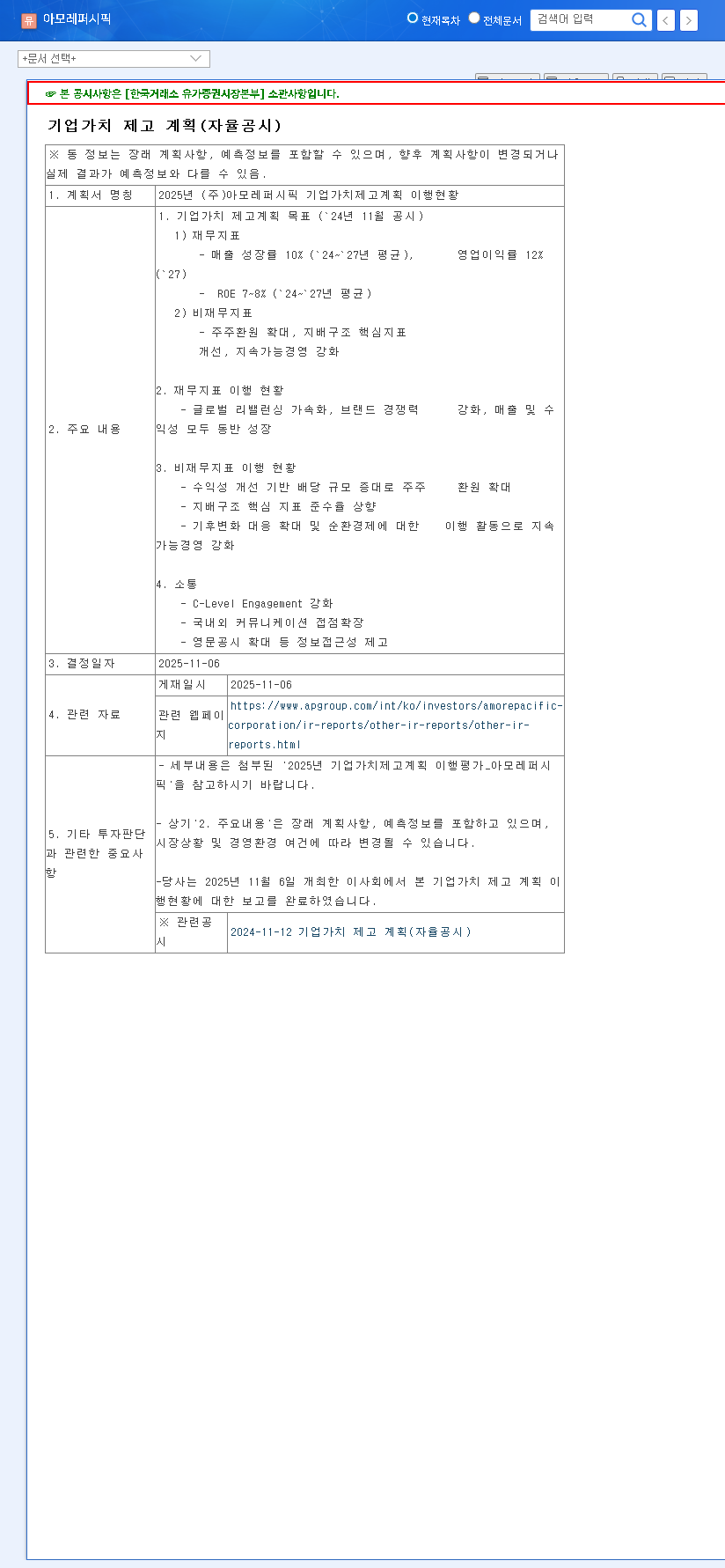
  • (090430) AMOREPACIFIC Treasury Stock Disposition: A 2025 Deep Dive for Investors

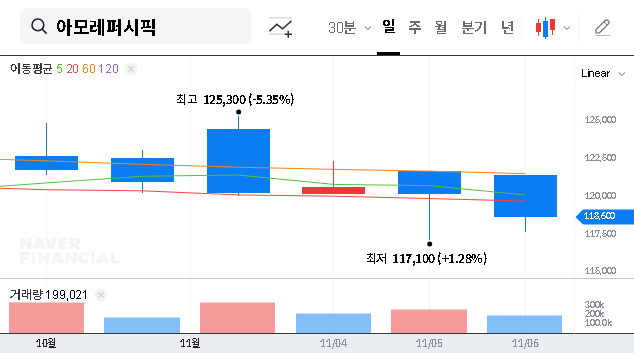
    (090430) AMOREPACIFIC Treasury Stock Disposition: A 2025 Deep Dive for Investors

    The recent announcement regarding the AMOREPACIFIC treasury stock disposition has captured the attention of investors and market analysts alike. On November 6, 2025, the South Korean beauty giant, AMOREPACIFIC CORP., is set to dispose of 19,283 treasury shares, valued at approximately ₩2.3 billion. While the stated purpose is to reward employees and bolster morale, the underlying question for stakeholders is clear: What does this mean for the company’s financial health and future stock performance? This in-depth analysis unpacks the decision, evaluates its impact, and provides a clear guide for investors navigating this development.

    This move is less about immediate financial engineering and more about a long-term investment in human capital. By aligning employee interests with company performance, AMOREPACIFIC aims to foster a culture of ownership and innovation essential for sustained growth.

    Deconstructing the Treasury Stock Disposition

    According to the official filing, AMOREPACIFIC’s board of directors has approved the disposal of these common shares from its treasury. The transaction will be facilitated by Mirae Asset Securities, with the primary objective being the payment of employee bonuses. This method of compensation is often employed by companies to reward performance without an immediate cash outlay, while also giving employees a direct stake in the company’s success. For full transparency, you can view the Official Disclosure on DART.

    The Rationale: Beyond the Balance Sheet

    At its core, this decision is a strategic initiative aimed at strengthening the company from within. The expected benefits are twofold:

    • Enhanced Employee Motivation: Directly linking compensation to company stock can significantly boost morale, productivity, and employee loyalty. It fosters a powerful sense of ownership and shared purpose.
    • Talent Acquisition & Retention: In the competitive global beauty market, attracting and retaining top-tier talent is paramount. Stock-based compensation is a key tool in creating attractive packages that compete with global players. Learn more about effective corporate governance strategies on authoritative sites like Harvard Business Review.

    Investment Impact: A Neutral but Nuanced View

    For investors, the key question is the tangible impact of the AMOREPACIFIC treasury stock disposition. Our analysis suggests the direct financial effects are largely neutral, but the context is crucial.

    Impact on Financial Fundamentals

    The number of shares being disposed of is relatively small compared to the total number of outstanding shares. Consequently, the direct impact on key financial metrics is limited.

    • Earnings Per Share (EPS): Since these shares are re-entering the market, there will be a very slight increase in the number of outstanding shares, which could minimally dilute EPS. However, the effect will be negligible.
    • Cash Flow: This is a non-cash expense for the period, preserving the company’s immediate liquidity. The company is using an existing asset (treasury stock) for compensation rather than cash.

    Market and Share Price Reaction

    The market is unlikely to react strongly to this news. The scale of the disposition is too small to create significant selling pressure. Instead, institutional investors will remain focused on the larger strategic picture and core performance drivers, which have a far greater bearing on the AMOREPACIFIC stock analysis.

    Investor Guidance: Focus on the Core Business

    This event should be viewed as a minor operational decision, not a major strategic shift. Prudent investors should maintain a long-term perspective and concentrate on the fundamental drivers of AMOREPACIFIC’s value.

    Key Catalysts to Monitor

    Rather than focusing on this treasury share disposal, investors’ attention should be directed towards these critical areas:

    • Cosrx Integration: The successful acquisition and synergy realization from Cosrx is a major potential growth driver, particularly in international markets.
    • Global Expansion: Performance in the Americas and EMEA regions is crucial for diversifying revenue away from traditionally strong but increasingly competitive Asian markets. Read our analysis on AMOREPACIFIC’s Global Strategy for more details.
    • Domestic Market Share: Assessing the company’s ability to innovate and maintain its competitive edge in the saturated South Korean beauty market is vital.
    • Profitability and Margins: Keep a close eye on half-year and full-year reports for improvements in operating margins and overall profitability, which signal underlying business health.

    In conclusion, while the AMOREPACIFIC treasury stock disposition is a positive signal for employee relations, its impact on the company’s investment appeal is minimal. Long-term investors should continue to base their decisions on a thorough analysis of fundamental performance, strategic execution, and the broader macroeconomic landscape.

    (090430) AMOREPACIFIC Treasury Stock Disposition: A 2025 Deep Dive for Investors 관련 이미지
  • (005930) Samsung Electronics Stock: Analysis of Treasury Stock Disposition & H1 2025 Performance

    (005930) Samsung Electronics Stock: Analysis of Treasury Stock Disposition & H1 2025 Performance

    For investors evaluating Samsung Electronics stock, a recent corporate action—the disposition of treasury stock—offers a valuable lens through which to view the company’s strategy and health. While seemingly a minor event, it provides crucial context when paired with the company’s strong H1 2025 performance and the broader macroeconomic landscape. This analysis will dissect what this move signifies for employee incentives, future growth, and overall investment value.

    We will move beyond a simple news brief to provide an in-depth examination of Samsung’s corporate fundamentals, market position, and the potential impact of global economic trends, empowering you with the insights needed for an informed investment strategy.

    The key for investors is to understand how small corporate actions, like a treasury stock disposition, fit into the larger picture of a company’s financial strength and long-term vision.

    Unpacking the Treasury Stock Disposition

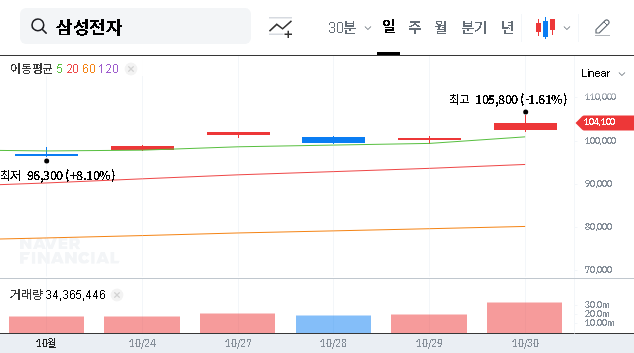
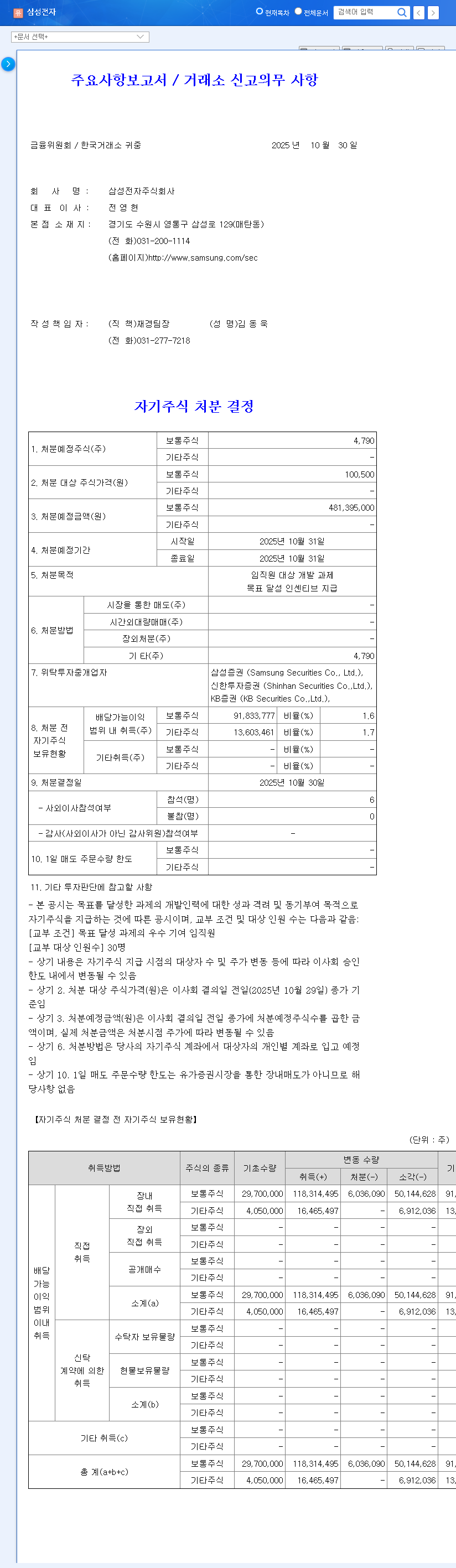
    On October 30, 2025, Samsung Electronics filed a disclosure regarding a Treasury Stock Disposition Decision. This event, while modest in scale, is a deliberate strategic move. The official report can be viewed directly from the source (Source: Official Disclosure).

    Key Details of the Disposition

    • Purpose: To provide performance-based incentives for employees who achieved key development project goals.
    • Shares Disposed: 4,790 common shares.
    • Total Value: Approximately 500 million KRW.
    • Intermediaries: Samsung Securities, Shinhan Investment Corp., KB Securities.

    The primary implication is positive: Samsung is using its own equity to reward and retain top talent, directly aligning employee performance with shareholder interests. Given the minuscule number of shares relative to the total outstanding, concerns about share dilution are negligible. This is less about financial engineering and more about fostering a culture of innovation and excellence.

    Analyzing Samsung Electronics Stock Performance & H1 2025 Fundamentals

    The company’s fundamentals provide a robust backdrop to this corporate action. Samsung Electronics reported impressive financial results for the first half of 2025, showcasing resilience and growth. Sales reached 153.71 trillion KRW, a solid 5.3% increase year-over-year.

    Core Growth Drivers

    • Device eXperience (DX) Division: This consumer-facing segment, including mobiles and electronics, grew by 6.6%, signaling strong brand loyalty and product appeal.
    • Device Solutions (DS) Division: Growing by 2.5%, this division was significantly boosted by the explosive demand for AI-oriented servers. This has led to increased sales of high-performance server DRAM and SSDs, a critical area for future growth. For more on this trend, read our detailed analysis of the semiconductor market.
    • Technological Leadership: Continuous R&D investment is paying off with the mass production of 6th-gen 10nm-class DRAM and the development of GDDR7 DRAM, keeping Samsung at the forefront of the memory market.

    Navigating Macroeconomic Headwinds

    No company operates in a vacuum, and Samsung’s performance is influenced by global economic conditions. As reported by leading financial news outlets, factors like currency fluctuations, interest rates, and commodity prices create a complex operating environment. The volatility of the Korean Won against the US Dollar and Euro directly impacts import costs and export revenues. While stable policy interest rates are a positive, global economic uncertainty and geopolitical risks remain persistent concerns that savvy investors must monitor.

    Investment Outlook: A Mid-to-Long Term Perspective

    The outlook for Samsung Electronics stock remains positive, underpinned by its solid H1 2025 performance and strategic positioning in high-growth markets like AI. The recovery of the semiconductor industry, coupled with aggressive R&D and shareholder-friendly policies, enhances its investment appeal.

    Key Takeaways for Investors

    • Focus on Fundamentals: The treasury stock disposition is a minor event. The real story lies in the company’s strong divisional performance and technological edge.
    • AI is the Catalyst: The DS division’s growth, fueled by AI server demand, is a powerful indicator of Samsung’s alignment with the most significant tech trend of the decade.
    • Adopt a Long-Term View: Short-term market noise from macroeconomic data should be weighed against the company’s long-term growth potential in AI, automotive semiconductors, and its foundry business.

    In conclusion, while the Samsung treasury stock disposition is a positive signal of its corporate culture, investors should anchor their decisions in the company’s robust business fundamentals. With a strong foothold in the burgeoning AI market and a recovering semiconductor industry, Samsung Electronics presents a compelling case for those with a mid-to-long-term investment horizon.

    (005930) Samsung Electronics Stock: Analysis of Treasury Stock Disposition & H1 2025 Performance 관련 이미지
  • (376980) Wanted Lab Treasury Stock Disposition: A Deep Dive Analysis for Investors (376980)

    (376980) Wanted Lab Treasury Stock Disposition: A Deep Dive Analysis for Investors (376980)

    Wanted Lab Inc. (KRX: 376980), a prominent AI-driven HR technology company, recently announced a Wanted Lab treasury stock disposition. This strategic move, involving 15,206 common shares, is intended for employee incentives in the form of Restricted Stock Units (RSUs). While this may seem like a routine corporate action, it raises critical questions for investors: What does this signal about the company’s confidence? How will it affect the stock price, and what does it mean for the long-term growth trajectory of this innovative tech firm? This comprehensive Wanted Lab stock analysis will dissect the announcement, evaluate the company’s current financial health, and provide a clear action plan for investors.

    Unpacking the Announcement: Details of the Disposition

    On October 24, 2025, Wanted Lab filed a material information report detailing the disposition of its treasury stock. The key facts are straightforward: 15,206 common shares, representing a modest 0.16% of the total outstanding shares, will be allocated to employees. The primary purpose is for granting RSUs, a popular method for attracting and retaining key talent in the competitive technology sector. For full transparency, investors can review the Official Disclosure (DART report). This move is less about capital raising and more about investing in human capital—the core engine of any tech company’s success.

    Current Financial Health: A Company in Transition

    To understand the context of the Wanted Lab treasury stock disposition, we must examine the company’s underlying fundamentals. The latest financial reports paint a picture of a company facing significant headwinds in its core business while simultaneously planting seeds for future growth.

    Core Business Headwinds and Profitability Challenges

    The 2025 semi-annual report revealed a concerning trend: revenue from Wanted Lab’s core recruitment AI business saw a year-over-year decrease of 31.8%. This slowdown suggests increased competition or a potential cooling in the hiring market. Consequently, the consolidated operating loss has widened. However, a notable silver lining is that the company successfully achieved a net profit, largely driven by an increase in financial income. This indicates savvy financial management but doesn’t solve the core operational challenge.

    Strategic Investments and Global Expansion

    Despite the core business struggles, Wanted Lab is not standing still. The company is actively pursuing growth through diversification and expansion. Its Japanese subsidiary, WANTED JAPAN, INC., represents a key push into a major international market. Furthermore, its financial investment arm, Wanted Lab Partners, is demonstrating robust growth. With R&D investment accounting for 6.06% of sales, the company remains committed to sharpening its technological edge in AI and HR solutions, which is a vital component of any HR tech investment thesis.

    While the disposition itself is a minor event in terms of share volume, it strategically signals management’s focus on retaining top talent—a crucial factor for long-term success and innovation in the competitive tech landscape.

    Impact Analysis: Stock Price and Long-Term Value

    The central question for holders of the 376980 stock is the tangible impact of this decision. We can analyze this from both a short-term and long-term perspective.

    Short-Term: A Ripple, Not a Wave

    In the short term, the direct impact on the stock price is likely to be negligible. A disposition of only 0.16% of total shares is too small to cause significant dilution or selling pressure. Since the shares are allocated for employee compensation and not sold on the open market, it doesn’t create immediate downward pressure. This is a routine administrative action, not a major market event.

    Long-Term: Investing in the Future

    The long-term implications are far more significant. By using shares for Restricted Stock Units (RSUs), Wanted Lab is aligning employee interests with those of shareholders. This can be a powerful tool to motivate key personnel, reduce employee turnover, and foster a culture of ownership. In the fast-paced world of AI and HR tech, retaining top engineers and business strategists is paramount. This move, therefore, is a direct investment in the company’s ability to innovate and execute its growth strategy over the coming years.

    Investor Action Plan & Key Risks

    While the Wanted Lab treasury stock disposition is a positive signal for talent management, it doesn’t change the fundamental investment case overnight. Investors should focus on the following factors:

    • Core Business Turnaround: Monitor quarterly earnings for signs of stabilization and renewed growth in the recruitment AI and AX business segments. Concrete strategies to combat the revenue decline are critical.
    • Profitability Improvement: Look for a reduction in the operating loss. Sustainable profitability must come from core operations, not just financial income.
    • New Growth Engine Execution: Track the progress of new ventures and the Japanese market expansion. These need to translate from plans into tangible revenue streams.
    • Macro Environment: Keep an eye on the overall IT/HR tech market and macroeconomic trends, as a broader slowdown in hiring could continue to impact Wanted Lab’s performance. You can read more in our analysis of the Korean HR Tech Market Trends.

    In conclusion, Wanted Lab Inc. is at a crossroads, possessing innovative technology but facing immediate business challenges. This treasury stock disposition is a small but logical step to secure its talent base for the future. The ultimate trajectory of the 376980 stock will depend not on this single action, but on management’s ability to successfully navigate the current downturn and execute its long-term vision for growth.

  • (068270) Celltrion Treasury Stock Disposition: A 2025 Deep Dive for Investors

    (068270) Celltrion Treasury Stock Disposition: A 2025 Deep Dive for Investors

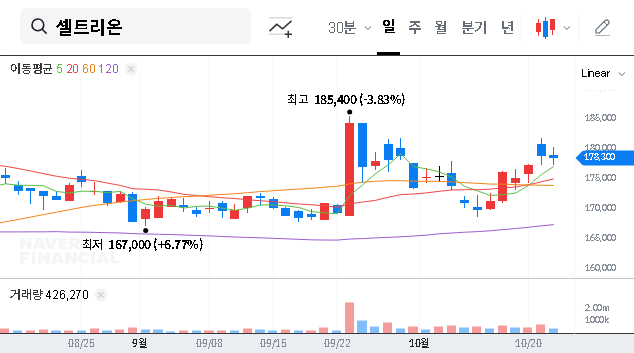
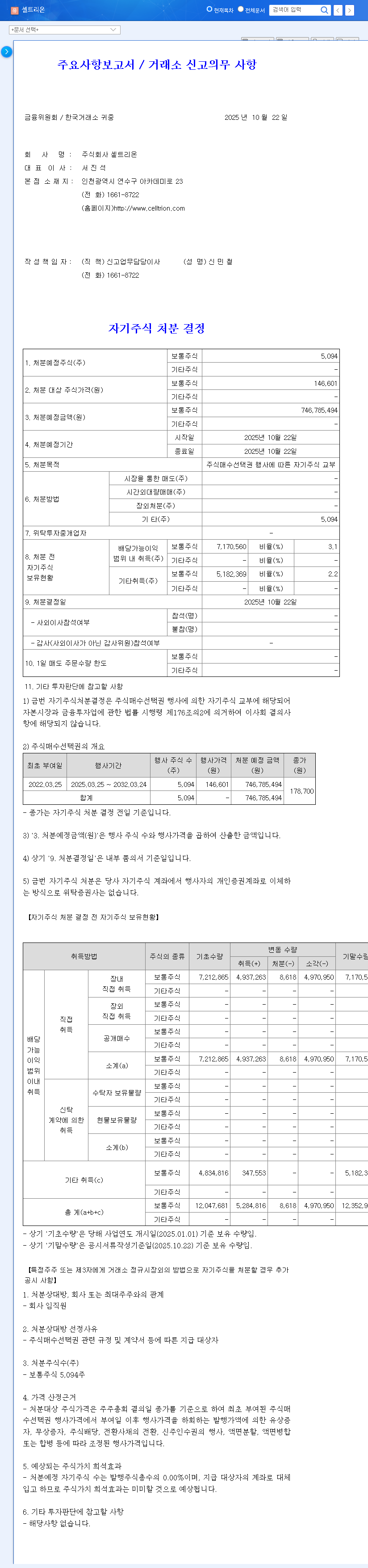
    On October 22, 2025, South Korean biotech giant Celltrion, Inc. (셀트리온) filed a disclosure regarding a planned stock action that caught the attention of the market. The announcement of a Celltrion treasury stock disposition has prompted many investors to ask a critical question: What does this mean for the company’s stock value and my investment strategy? This analysis will provide a comprehensive breakdown of the event, explaining the rationale, assessing the market impact, and offering clear, strategic guidance for current and potential shareholders.

    Instead of a cause for alarm, this event is a routine corporate action with a specific, positive purpose. We’ll delve into the details to help you look beyond the headlines and focus on the fundamental drivers of Celltrion’s long-term value.

    Deconstructing the October 2025 Announcement

    The official disclosure, filed with the Financial Supervisory Service, outlines a decision by Celltrion to dispose of a small portion of its treasury stock. Treasury stocks are shares that a company has repurchased from the open market. While they are held by the company, they don’t have voting rights and don’t pay dividends. Companies dispose of them for various reasons, from raising capital to funding acquisitions. You can view the Official Disclosure (DART Report) for the precise details.

    Key Figures from the Disclosure:

    • Shares Disposed: 5,094 common shares.
    • Approximate Value: 700 million KRW.
    • Context: This represents a minuscule fraction of Celltrion’s market capitalization of over 41 trillion KRW.

    The ‘Why’: Unpacking the Purpose of the Disposition

    The primary motivation behind this Celltrion treasury stock disposition is clearly stated: ‘to grant treasury stock for the exercise of stock options.’ This is a critical distinction. Unlike a disposition to raise emergency funds, this action is part of the company’s employee compensation and retention strategy. Stock options incentivize employees by giving them the right to purchase company shares at a predetermined price, aligning their personal success with the company’s performance. This is a common and healthy practice in innovative industries like biotechnology.

    Essentially, this move is about rewarding and motivating the talent that drives Celltrion’s growth. For long-term investors, this should be viewed as a positive signal of a healthy corporate culture focused on performance.

    Market Impact Analysis: Short-Term Ripple vs. Long-Term Wave

    Short-Term Stock Price Impact: Negligible

    The direct impact of this specific event on Celltrion’s stock price is expected to be virtually zero. The number of shares (5,094) is a drop in the ocean compared to the millions of shares traded daily and the company’s massive market cap. Because the purpose is for pre-arranged stock options, it doesn’t introduce unexpected supply to the market. Therefore, any short-term price fluctuations are highly unlikely to be related to this news.

    Long-Term Outlook: Focus on Core Fundamentals

    Prudent investors should look past this minor event and focus on the fundamental pillars that truly drive Celltrion’s long-term value. This Celltrion investor analysis should center on the bigger picture. Key areas to monitor include:

    • R&D Pipeline Progress: The success of ongoing clinical trials and the approval of new biosimilars or drugs are the lifeblood of a biotech firm. This is where real value is created.
    • Financial Health: Keep an eye on quarterly earnings reports for revenue growth, profit margins, and cash flow. You can Read Our Full Analysis of Celltrion’s Recent Earnings for more context.
    • Competitive Landscape: Celltrion operates in the highly competitive global biosimilar market. Understanding the moves of competitors and regulatory changes in key markets like the U.S. and Europe is crucial.

    Action Plan for Investors

    Rather than reacting to the news of the treasury stock disposition, your energy is better spent on a disciplined, long-term strategy. Maintain a macro perspective by continuously monitoring corporate disclosures, analyst reports, and industry news. Base your investment decisions on Celltrion’s growth potential and its ability to execute on its promising pipeline, not on administrative corporate actions like this one.

    Frequently Asked Questions (FAQ)

    Q1: Is this treasury stock disposition a bad sign for Celltrion?

    A1: No. Given its tiny scale and its purpose for employee stock options, it’s a routine and generally positive action. It signals that the company is rewarding its employees, which is vital for long-term innovation and success.

    Q2: Should I sell my Celltrion stock because of this?

    A2: Making an investment decision based solely on this minor event would be unwise. The direct impact is negligible. Your decision should be based on your overall thesis for owning a South Korean biotech stock like Celltrion, focusing on its fundamentals and long-term prospects.

    Q3: What should I be watching for instead?

    A3: Focus on substantive news: clinical trial results, new drug approvals from the FDA or EMA, quarterly financial performance, and major strategic partnerships or acquisitions.

    (068270) Celltrion Treasury Stock Disposition: A 2025 Deep Dive for Investors 관련 이미지
  • (131290) TSE Treasury Stock Disposition: A 13.9B KRW Move Investors Must Analyze

    (131290) TSE Treasury Stock Disposition: A 13.9B KRW Move Investors Must Analyze

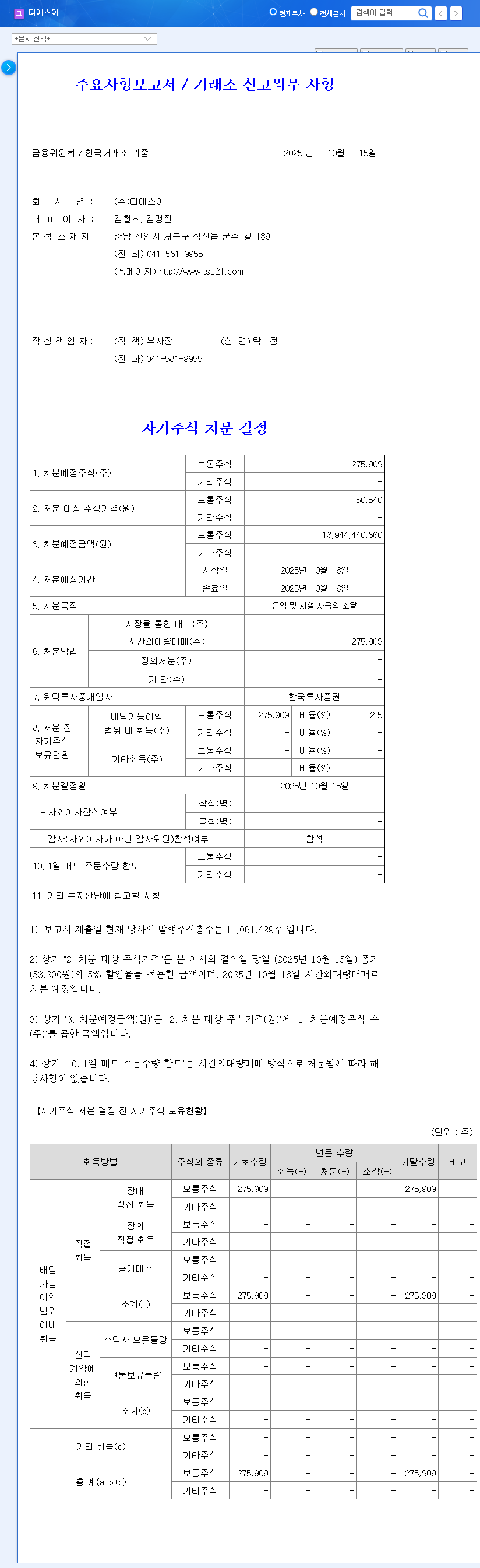
    The recent announcement of the TSE treasury stock disposition has captured the attention of the market. TSE CO.,Ltd, a key player in semiconductor inspection equipment, has unveiled a plan to sell 13.9 billion KRW in treasury stock. This strategic financial maneuver, aimed at securing operational and facility funds, presents a critical juncture for the company and its investors. Is this a savvy move to fuel future growth, or does it signal underlying financial pressures that could lead to shareholder value dilution?

    This comprehensive analysis will dissect the implications of TSE’s decision. We’ll explore the immediate impact on the TSE stock price, the long-term effects on corporate value, and the crucial signals investors must monitor. For full transparency, the company’s filing can be reviewed in the Official Disclosure (DART).

    Understanding the TSE Treasury Stock Disposition

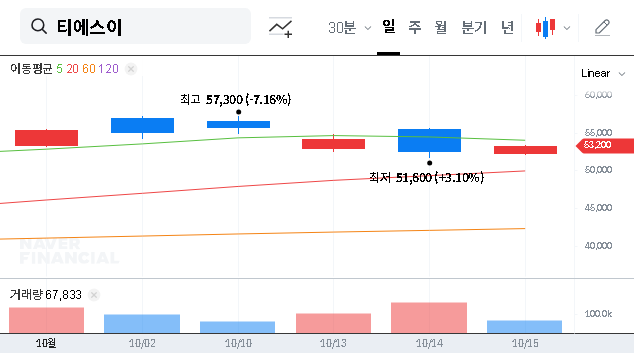
    On October 15, 2025, TSE CO.,Ltd disclosed its plan to dispose of 275,909 of its own common shares, known as treasury stock. The transaction, valued at approximately 13.9 billion KRW and brokered by Korea Investment & Securities, effectively reintroduces these shares into the market. But why does a company buy back its own shares only to sell them later?

    Treasury stock is often held for various corporate purposes, such as employee stock options or for use in acquisitions. A treasury stock sale like this one is primarily a capital-raising strategy. Instead of issuing new shares or taking on debt, the company sells existing assets (its own stock) to generate cash. The stated purpose for this infusion of capital is twofold: operational funding and facility investment.

    Decoding the ‘Why’: Operational and Facility Funds

    The company’s justification for the sale provides the first clues for our investor analysis. Let’s break down what these categories mean.

    1. Securing Operational Funds

    This refers to the cash needed for day-to-day business activities. While it could be a proactive measure to improve cash flow for large-scale projects or R&D, it can sometimes be interpreted as a signal that current operations are not generating sufficient cash. In the competitive semiconductor sector, this could mean funding advanced research into next-generation probe cards or test sockets to stay ahead of rivals.

    2. Investing in Facility Funds

    This is the forward-looking component. Facility investments are about growth—expanding production capacity, upgrading to more advanced manufacturing equipment, or building new testing centers. For TSE, this could mean acquiring state-of-the-art machinery to produce finer-pitch components for the latest generation of microchips. A successful facility investment can lead to significant revenue growth and market share gains.

    The core question for investors is whether this 13.9 billion KRW is being used to patch a leak or build a new engine for growth. The answer will determine the long-term trajectory of the TSE stock price.

    Potential Impacts on TSE’s Stock and Corporate Value

    A TSE treasury stock disposition creates both opportunities and risks that investors must weigh carefully.

    The Bull Case (Positive Impacts)

    • Strengthened Financial Health: An immediate 13.9B KRW cash injection bolsters the balance sheet, providing financial flexibility and reducing reliance on debt.
    • Fueling Future Growth: If invested wisely in high-ROI facility upgrades, this capital can secure long-term growth drivers, enhancing TSE’s competitive edge in the semiconductor market.
    • Positive Market Signaling: If the company effectively communicates a compelling growth story tied to this funding, it can boost investor confidence. For insights into broader market trends, it’s often helpful to consult resources like major financial news outlets.

    The Bear Case (Potential Risks)

    • Shareholder Value Dilution: This is the most significant risk. By increasing the number of shares available on the market, the ownership stake and earnings per share (EPS) of existing shareholders are diluted, which can put downward pressure on the stock price.
    • Negative Signaling: If the market perceives the sale as a move to cover operational shortfalls rather than to fund growth, it can erode investor confidence and negatively impact the company’s valuation.
    • Execution Risk: The success of this move hinges on TSE’s ability to generate a return on this new capital that outweighs the cost of dilution. A poorly executed expansion plan could be detrimental.

    Strategic Action Plan for Investors

    Given the dual nature of this event, a prudent investor must remain vigilant. Here are the key areas to monitor:

    • Monitor Fund Usage Plans: Watch for subsequent company announcements that provide specific details on how the 13.9B KRW will be allocated. Vague plans are a red flag; concrete, strategic initiatives are a positive sign.
    • Analyze the Disposition Price: The price at which the shares are sold is critical. A sale at or above the current market price is favorable, while a significant discount could be a cause for concern.
    • Re-evaluate Company Fundamentals: This event should trigger a fresh look at TSE’s core business. For more on this, see our guide on how to conduct a fundamental stock analysis. Assess their profitability, competitive position, and the overall health of the semiconductor industry.
    • Watch Market and Analyst Reactions: Pay close attention to how institutional investors and securities analysts react. Their revised ratings and reports can provide valuable third-party perspectives on the TSE stock price.

    In conclusion, TSE’s treasury stock disposition is a pivotal event, not merely a routine financial transaction. For informed investors, it’s a call to action—a time to dig deeper, ask critical questions, and position their portfolio based on a thorough understanding of the risks and rewards at play.

    (131290) TSE Treasury Stock Disposition: A 13.9B KRW Move Investors Must Analyze 관련 이미지
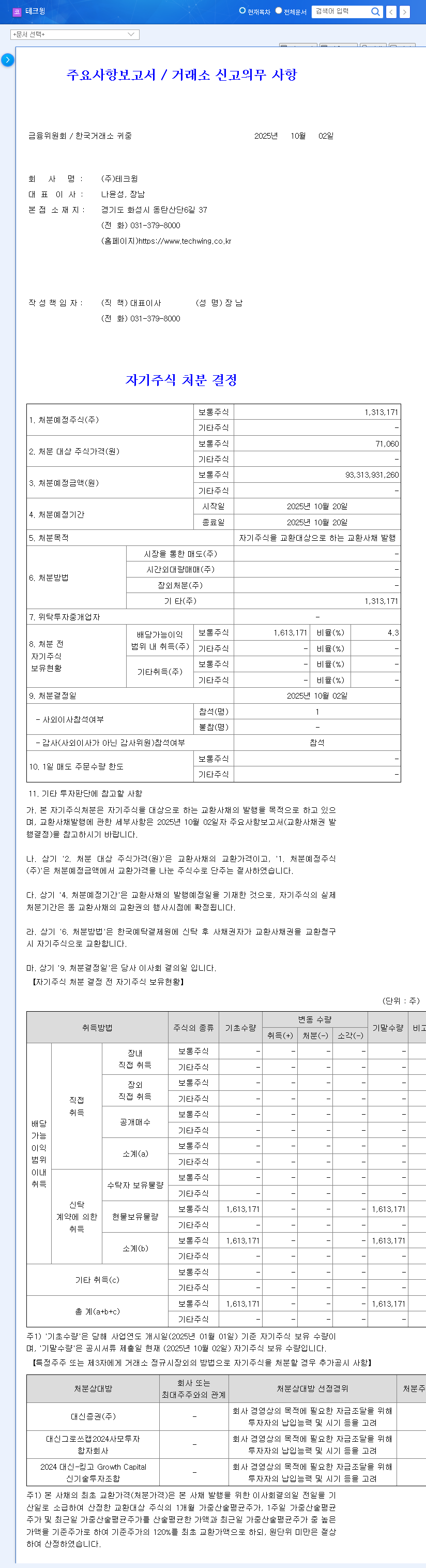
  • (089030) Techwing Treasury Stock Sale: Fueling HBM Ambitions or Sparking Dilution Fears?

    (089030) Techwing Treasury Stock Sale: Fueling HBM Ambitions or Sparking Dilution Fears?

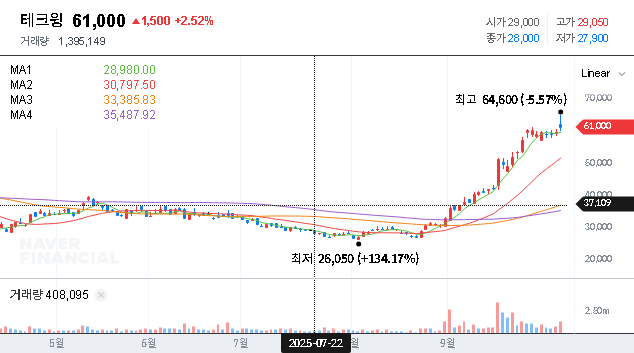
    Techwing Co., Ltd., a key player in the semiconductor inspection equipment sector, has made a decisive financial move that has the market buzzing. The company’s recent announcement of a significant Techwing treasury stock disposition to fund its expansion into High Bandwidth Memory (HBM) equipment is a classic high-stakes gambit. On one hand, it promises to unlock immense growth in the AI-driven HBM market; on the other, it raises valid stock dilution concerns for existing shareholders. This analysis will dissect the decision, its strategic rationale, and the potential outcomes for investors.

    The Announcement Deconstructed: ₩93.3 Billion at Play

    On October 2, 2025, Techwing’s board of directors greenlit the disposition of 1,313,171 shares of its treasury stock, valued at approximately 93.3 billion KRW. The mechanism for this capital raise is the issuance of exchangeable bonds (EB). This isn’t just a routine financial adjustment; it’s a clear signal of the company’s aggressive strategy to secure a leadership position in a next-generation technology segment. The full details of this strategic move were filed and are available for public review in the Official Disclosure (DART report).

    Why Now? The Strategy Behind the Exchangeable Bonds

    Choosing to issue exchangeable bonds is a calculated move. EBs are a hybrid financial instrument that acts like a bond, paying interest, but also gives the holder the right to exchange it for a set number of the company’s treasury shares at a later date. This allows Techwing to raise a substantial amount of capital at a potentially lower interest rate than a traditional loan, making it an attractive option for funding ambitious projects.

    Fueling the Future: Techwing HBM Investment

    The primary motivation for this capital injection is clear: to dominate the emerging market for HBM inspection equipment. HBM is a critical component in the AI and high-performance computing revolution, stacking memory chips vertically to deliver unprecedented speed and efficiency. Techwing’s new ‘Cube Prober’ is designed specifically for this market, and the funds will be essential for R&D, scaling up mass production, and solidifying its market entry. As a technology, HBM is foundational to modern AI infrastructure, a fact detailed by industry leaders like NVIDIA on their tech blog.

    A Look at Financial Health

    While the growth story is compelling, a look at Techwing’s financials reveals a more nuanced picture. The first half of 2025 showed a welcome return to profitability. However, the balance sheet also indicates rising liabilities and a high total debt ratio, suggesting that careful financial management is paramount. The issuance of EBs will add to this debt burden, making the successful and timely launch of the HBM equipment line even more critical to justify the added financial risk.

    Techwing is at a crossroads, balancing the immediate financial pressure of increased debt and potential share dilution against the transformative potential of becoming a leader in the HBM semiconductor equipment market.

    The Investor’s Dilemma: Weighing Growth vs. Risk

    For current and prospective investors, the Techwing treasury stock sale creates a complex scenario with clear potential upsides and significant risks that must be carefully considered.

    Potential Positives: The Growth Engine

    • Capital for Innovation: The ₩93.3B provides the necessary firepower to accelerate the development and deployment of new, high-margin HBM products.
    • Market Leadership: A successful HBM equipment launch could significantly increase corporate value and establish Techwing as a critical supplier in the AI hardware chain.
    • Cost-Effective Funding: Using EBs allows the company to secure these funds at a lower cost than other financing methods, preserving more capital for operations.

    Potential Negatives & Considerations

    • Shareholder Dilution: This is the primary concern. If and when bondholders convert their EBs into stock, the total number of shares outstanding increases, potentially diluting the ownership stake and reducing the earnings per share (EPS) for existing shareholders.
    • Increased Debt Load: The bonds add to the company’s liabilities, increasing its financial risk profile until the investment in HBM equipment begins to generate significant returns.
    • Execution Risk: The entire strategy hinges on the successful market adoption of the ‘Cube Prober’. Any delays or technical setbacks could strain the company’s finances without the expected revenue to offset the new debt.

    Investment Outlook and Strategic Monitoring

    Given the balance of factors, the investment outlook remains neutral but cautiously optimistic, pending execution. Investors should adopt a strategy of diligent monitoring. For those interested in this sector, understanding the broader landscape is key, and you may find value in Our Guide to Semiconductor Stock Analysis. Focus on tracking the progress of the Techwing HBM investment, any announcements regarding the ‘Cube Prober’s’ adoption by major clients, and the company’s quarterly reports for signs of debt reduction and improving cash flow.

    Ultimately, Techwing’s decision to leverage its treasury stock is a bold bet on its own technological future. Success could redefine its market position and deliver substantial long-term value, but the path is laden with financial risks that demand respect and close observation.

    (089030) Techwing Treasury Stock Sale: Fueling HBM Ambitions or Sparking Dilution Fears? 관련 이미지
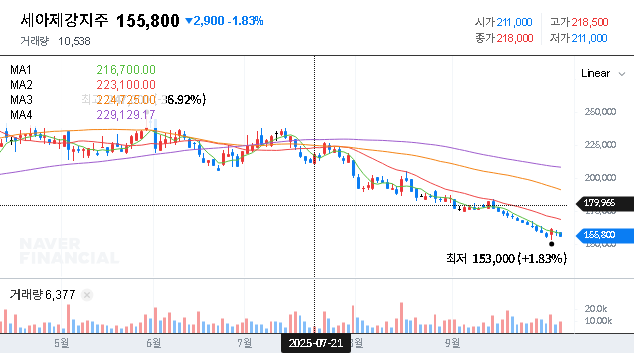
  • (003030) SeAH Steel Holdings: Fueling Offshore Wind Growth with Exchangeable Bonds

    (003030) SeAH Steel Holdings: Fueling Offshore Wind Growth with Exchangeable Bonds

    The recent strategic financial maneuver by SeAH Steel Holdings has captured the attention of the investment community. The company’s decision to dispose of treasury stock to facilitate an Exchangeable Bond (EB) issuance is a clear signal of its ambition to secure future growth drivers. This move, aimed at bolstering its financial health and aggressively pursuing new ventures like offshore wind power, requires a thorough analysis for any serious investor.

    This comprehensive guide will deconstruct the intricacies of SeAH Steel Holdings’ strategy, exploring its impact on financial stability, stock valuation, and long-term corporate value. We will delve into the opportunities and risks, providing you with the critical insights needed to navigate this pivotal moment in the company’s trajectory.

    The Strategic Move: Treasury Stock and Exchangeable Bonds

    A Landmark Announcement

    On October 1, 2025, SeAH Steel Holdings announced a pivotal strategic decision in an Official Disclosure: the disposition of 101,196 treasury shares. This transaction, valued at approximately KRW 19.3 billion, is not a simple sale of assets. Instead, it serves as the underlying collateral for a sophisticated capital-raising instrument: Exchangeable Bonds (EB).

    An Exchangeable Bond is a hybrid debt instrument that gives the bondholder the right to exchange the bond for shares of a company other than the issuer—in this case, treasury shares of SeAH Steel Holdings itself. This makes it an attractive, flexible tool for corporate financing.

    Why Choose Exchangeable Bonds?

    The choice of EBs over traditional bonds or a direct stock sale is a calculated one. This strategy allows SeAH Steel Holdings to achieve several key objectives simultaneously:

    • Lower Cost of Capital: EBs typically carry a lower interest rate (coupon) than conventional bonds because the conversion option offers investors potential upside in the stock’s value.
    • Minimized Share Dilution: Unlike issuing new shares, using existing treasury stock for the EBs avoids immediate dilution of earnings per share (EPS) for current stockholders.
    • Funding for Growth: Most importantly, it unlocks KRW 19.3 billion in capital earmarked for strategic investments, particularly in high-potential sectors.

    Powering the Future: SeAH Steel and Offshore Wind

    The capital raised is directly linked to SeAH Steel Holdings’ ambition to become a dominant force in the offshore wind power industry. This sector represents a monumental growth opportunity for steel manufacturers capable of producing the massive, high-specification components required. The investment will likely target:

    • Expansion of production facilities for monopiles and jacket foundations, which are the critical substructures for offshore wind turbines.
    • Research and development into next-generation steel grades that can withstand harsh marine environments.
    • Strengthening the structural pipe business to support the entire energy infrastructure supply chain.

    According to the International Energy Agency, the global offshore wind market is set for exponential growth, making this a timely and strategic pivot for SeAH Steel Holdings. Success in this area could redefine the company’s long-term revenue streams and market valuation.

    Investor’s Guide: Financial and Market Impact

    Analyzing the Financial Health of SeAH Steel Holdings

    The infusion of KRW 19.3 billion provides a welcome boost to short-term liquidity. However, investors must consider the multi-faceted impact on the balance sheet. While the EBs are initially recorded as debt (potentially increasing the debt-to-equity ratio), their future conversion into equity could improve the capital structure. The key is to monitor the progress of the investments funded by this capital. For further context, you can read our Deep Dive into Global Steel Market Trends.

    Stock Price and Market Expectations

    The market’s reaction will likely be two-phased:

    • Short-Term Volatility: The news of a treasury stock disposition can sometimes create downward pressure on the stock price. The market may exhibit caution until the terms of the EB and the specifics of the investment plan are fully digested.
    • Long-Term Potential: The long-term trajectory will depend entirely on execution. If the investment in offshore wind yields tangible contracts and profitable returns, it will act as a powerful catalyst for stock price appreciation. If results fall short, the initial debt burden could weigh on valuation.

    Macroeconomic Headwinds to Monitor

    No analysis of a steel company is complete without considering the broader economic climate. Key variables for SeAH Steel Holdings include:

    • Interest Rates: With a trend of rising rates globally, the company’s borrowing costs could increase, impacting profitability.
    • Exchange Rates: As a major exporter, fluctuations in the KRW against the USD and EUR directly affect revenue and margins.
    • Commodity Prices: The cost of raw materials like iron ore and coking coal, as well as energy prices, remain a critical factor for operational efficiency.

    The Bottom Line for Investors

    SeAH Steel Holdings’ issuance of Exchangeable Bonds is a bold, forward-looking strategy. It demonstrates a clear commitment to securing a leadership position in the high-growth offshore wind sector while intelligently managing its capital structure.

    Investors should adopt a long-term perspective. While short-term price swings are possible, the ultimate success of this initiative hinges on the company’s ability to translate this fresh capital into profitable, sustainable growth. Continuous monitoring of project milestones in the offshore wind business, alongside a keen awareness of macroeconomic shifts, will be essential for making informed investment decisions regarding SeAH Steel Holdings.

    Disclaimer: This analysis is for informational purposes only and does not constitute investment advice. All investment decisions should be made with the consultation of a qualified financial professional.

    (003030) SeAH Steel Holdings: Fueling Offshore Wind Growth with Exchangeable Bonds 관련 이미지
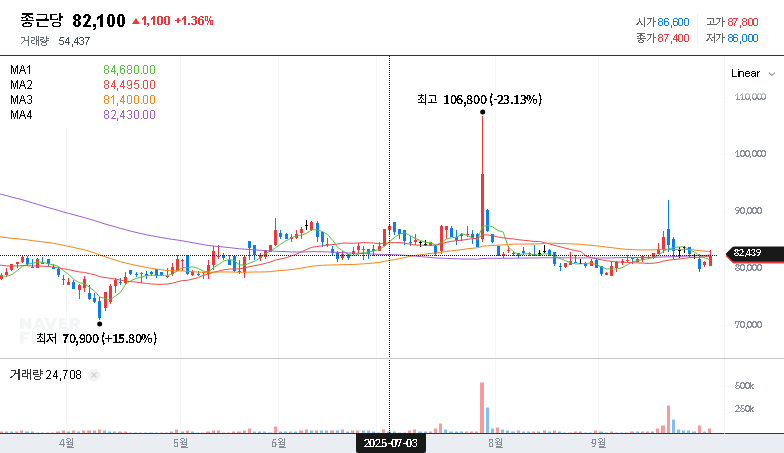
  • (185750) Chong Kun Dang Convertible Bond: A Deep Dive into Their ₩61.1B Financing Strategy

    (185750) Chong Kun Dang Convertible Bond: A Deep Dive into Their ₩61.1B Financing Strategy

    The recent announcement regarding the Chong Kun Dang convertible bond issuance has sent ripples through the pharmaceutical investment community. On September 30, 2025, the company revealed a strategic plan to dispose of 626,712 treasury shares to raise approximately KRW 61.1 billion. This isn’t just a standard capital raise; it’s a calculated move designed to fund future growth and solidify the company’s financial standing. In this detailed analysis, we’ll break down the purpose behind this decision, assess Chong Kun Dang’s current fundamentals, and outline a savvy investment strategy for navigating what comes next.

    Understanding the KRW 61.1 Billion Decision

    At its core, the move involves two interconnected actions: the disposition of Chong Kun Dang treasury shares and the subsequent issuance of convertible bonds. According to the company’s board resolution, this financial maneuver is a pivotal part of its long-term strategy. The funds are earmarked for critical investments that will define its competitive edge in the coming years. You can view the complete filing in the Official Disclosure (DART).

    What Exactly Are Convertible Bonds?

    Before diving deeper, it’s crucial to understand the instrument at play. A convertible bond is a hybrid security that starts as debt but includes an option for the investor to convert it into a predetermined number of the company’s common shares at a later date. This offers companies like Chong Kun Dang a way to raise capital at a lower interest rate than traditional loans, while giving investors the potential for equity upside if the stock performs well. For a more detailed explanation, you can refer to authoritative sources like Investopedia’s guide on corporate finance.

    The Core Strategy: Why This Move, and Why Now?

    The primary driver behind this pharmaceutical financing decision is proactive, not reactive. Chong Kun Dang is strategically positioning itself to capitalize on future opportunities by securing significant investment capital. The plan aims to achieve two main objectives:

    This capital injection is about more than just cash flow; it’s about aggressively pursuing a next-generation pipeline and securing a leadership position in a rapidly evolving market.

    Fueling Future Growth Engines

    The majority of the KRW 61.1 billion will be funneled directly into the company’s growth drivers. This includes accelerating the development of promising new drug pipelines, securing cutting-edge technology through licensing or acquisition, and investing in state-of-the-art manufacturing facilities. A key area of focus is likely the continued development and commercialization efforts following the successful technology export of their HDAC6 inhibitor, ‘CKD-510’, which is a significant part of their new drug development pipeline.

    Strengthening Financial Foundations

    While the issuance introduces debt, the immediate effect is a substantial increase in liquidity. This cash infusion improves the company’s ability to navigate short-term market volatility and operational needs. In the long term, if the investments pay off, the resulting business expansion will enhance corporate capital efficiency and ultimately strengthen Chong Kun Dang’s overall financial soundness, despite the initial interest expenses associated with the bonds.

    Current Financial Health & Market Position (H1 2025)

    This decision was made against a mixed but stable financial backdrop. Here’s a snapshot of Chong Kun Dang’s situation as of the first half of 2025:

    • Performance Metrics: Consolidated revenue and operating profit saw a decrease compared to the previous year, influenced by macroeconomic headwinds.
    • Domestic Strength: Despite the top-line dip, domestic sales increased, showcasing strong market competitiveness and brand loyalty at home.
    • Financial Stability: The company maintains a healthy debt-to-equity ratio of 64.0%, indicating a stable and manageable financial structure.
    • Growth Catalysts: The ‘CKD-510’ technology export and a portfolio of other new drug candidates remain powerful potential growth drivers.

    Predicting the Market’s Reaction

    The market’s response to the Chong Kun Dang convertible bond issuance will likely be multifaceted. In the short term, the stock may experience volatility as investors digest the news. Long-term performance, however, will hinge on how effectively the capital is deployed.

    • Positive Outlook: Investors who believe in the management’s vision will see this as a positive step toward unlocking significant long-term value and enhancing financial resilience.
    • Potential Concerns: Cautious investors will focus on the risk of equity dilution. If the bonds are converted into stock, it increases the number of shares outstanding, potentially reducing the value of existing shares. The new interest expenses could also weigh on short-term profits.

    A Smart Investment Strategy for CKD

    For those considering an investment, a well-researched CKD investment strategy is essential. It’s crucial to look beyond the immediate announcement and focus on the bigger picture.

    • Analyze the Terms: Once released, scrutinize the specific terms of the convertible bonds—such as the conversion price, coupon rate, and maturity date. A high conversion price is generally favorable for existing shareholders.
    • Monitor Fund Utilization: Keep a close eye on company announcements regarding how the funds are being used. Successful R&D milestones or strategic acquisitions will be key validation points.
    • Adopt a Long-Term View: This strategy is built for the long haul. Short-term price fluctuations are likely, but the true measure of success will be the company’s fundamental growth over the next several years.

    In conclusion, Chong Kun Dang’s decision to issue convertible bonds is a bold, forward-looking strategic play. While it carries inherent risks like potential dilution, it also equips the company with the necessary capital to pursue high-impact growth initiatives that could significantly increase shareholder value in the long run.

    (185750) Chong Kun Dang Convertible Bond: A Deep Dive into Their ₩61.1B Financing Strategy 관련 이미지