Tag: treasury shares

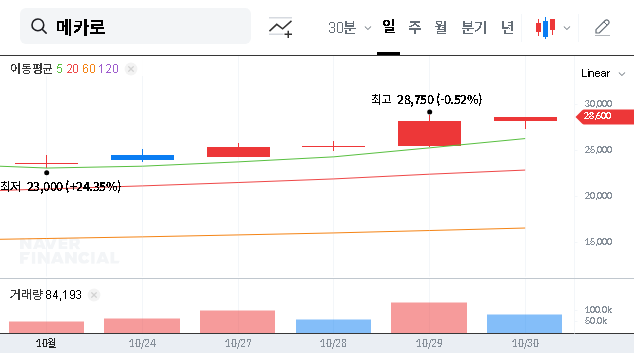
  • (241770) MECARO Stock Analysis 2025: A Deep Dive into Fundamentals & Investment Strategy

    (241770) MECARO Stock Analysis 2025: A Deep Dive into Fundamentals & Investment Strategy

    When MECARO.CO.,LTD. announced the disposal of treasury shares, it may have caused a ripple of curiosity among investors. However, this comprehensive MECARO stock analysis delves beyond the headlines to uncover the true value proposition of the company. We will dissect the minor stock option news, explore the company’s robust financial health, dominant market position, and chart a course for a sound MECARO investment strategy based on its powerful fundamentals and the surrounding macroeconomic environment.

    Deconstructing the Treasury Stock News: A Non-Event

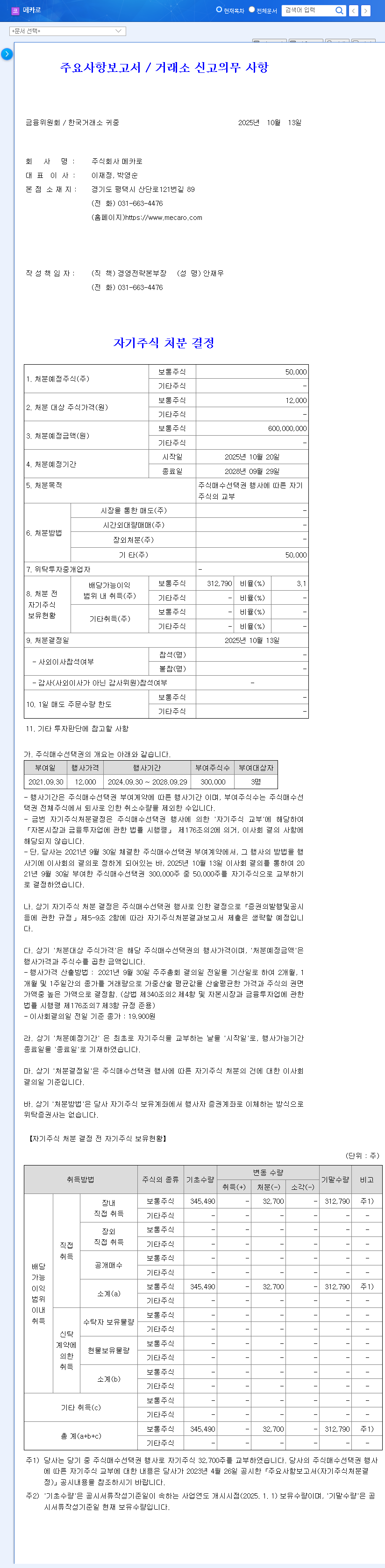
    On November 13, 2025, MECARO.CO.,LTD. announced its decision to dispose of 3,000 treasury shares resulting from the exercise of stock options. While such announcements can sometimes signal significant shifts, in this case, the volume is negligible, representing a mere 0.03% of total outstanding shares. This action is best understood as a routine administrative process for employee compensation—a standard tool to incentivize and retain talent. The details of this stock option exercise were confirmed in an Official Disclosure on DART. For discerning investors, this news has minimal bearing on the company’s intrinsic value and should not trigger any short-term trading decisions.

    In-Depth MECARO Stock Analysis: The Core Strengths

    To truly evaluate a potential MECARO investment, one must look past minor events and focus on the company’s powerful underlying fundamentals, which paint a very compelling picture.

    Stellar H1 2025 Performance & Profitability

    The first half of 2025 was a landmark period for MECARO. The company not only returned to profitability but did so with explosive growth. Consolidated revenue hit KRW 44.4 billion, with an operating profit of KRW 6.7 billion. More impressively, net profit soared to KRW 7.2 billion—a staggering 15-fold increase year-over-year. This remarkable turnaround was fueled by the resurgence in the semiconductor market, strategic expansion of overseas sales, and beneficial foreign exchange rates.

    A 15-fold increase in net profit is not just a number; it’s a testament to MECARO’s operational excellence and its ability to capitalize on favorable market conditions, solidifying its strong financial footing.

    Dominant Core Business & Future Growth Engines

    MECARO’s stability is anchored by its Heater Block business, which constitutes over 98% of its total sales. The company’s dominance is undeniable, holding an estimated 90% share of the domestic market. This creates a high barrier to entry and a reliable revenue stream. However, MECARO is not resting on its laurels. The company is actively investing in future growth by:

    • Developing advanced Aluminum Nitride (AlN) ceramic components, which are critical for next-generation semiconductor manufacturing processes.
    • Expanding into the renewable energy sector with its solar cell business through MECARO Energy.
    • Strategically discontinuing non-core operations, like its valve business, to sharpen its focus and optimize resource allocation.

    Impeccable Financial Stability

    A cornerstone of the positive MECARO fundamentals is its exceptionally strong balance sheet. With a debt-to-equity ratio of just 7.03%, the company operates with virtually no financial leverage, making it highly resilient to economic downturns and rising interest rates. This financial prudence provides a solid foundation for sustainable growth and future investment.

    Macroeconomic Outlook: Tailwinds and Headwinds

    MECARO’s performance is also influenced by broader economic trends. A favorable USD/KRW exchange rate has been a significant tailwind, boosting the value of its substantial overseas sales. Furthermore, recent cuts in benchmark interest rates in both the U.S. and Korea could lower financing costs and spur investment across the broader technology sector. However, investors must remain vigilant about potential headwinds, such as volatility in international oil prices and rising logistics costs, which could exert pressure on profit margins. Understanding these dynamics is crucial for anyone looking to invest in semiconductor industry stocks.

    A Sound Investment Strategy for MECARO

    Given the comprehensive MECARO stock analysis, the treasury share disposal is a non-factor. The investment thesis rests squarely on the company’s robust fundamentals and future growth trajectory.

    • Short-Term Perspective: Investors should monitor macroeconomic data, particularly exchange rates, and look for signs of continued strength in the semiconductor industry. The stock is unlikely to experience major volatility from company-specific news alone.
    • Mid-to-Long-Term Perspective: The key catalysts for long-term growth will be the successful commercialization of its new ventures in AlN ceramics and solar energy. An investor’s focus should be on quarterly reports to confirm that the impressive H1 2025 performance is sustainable and that these new growth engines are beginning to contribute meaningfully to the top line.

    In conclusion, MECARO presents a compelling case for investors who prioritize strong fundamentals, market leadership, and prudent financial management. While external risks exist, the company’s core strengths position it well for continued success.

    Disclaimer: This report is based on publicly available information and is intended for informational purposes only. It does not constitute investment advice. All investment decisions should be made at your own discretion after careful consideration.
  • (006260) LS Corp. 2025 IR Analysis: Essex Solutions IPO & Shareholder Return Strategy

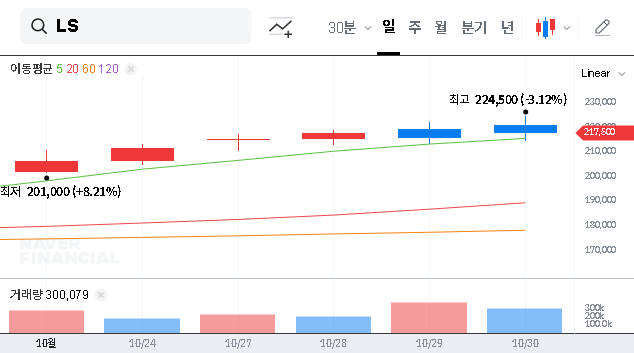
    (006260) LS Corp. 2025 IR Analysis: Essex Solutions IPO & Shareholder Return Strategy

    The upcoming LS Corp. IR (Investor Relations) conference, scheduled for November 20, 2025, is poised to be a pivotal event for investors. In a climate of economic uncertainty, this meeting offers a crucial window into the company’s future, focusing on two major catalysts: the highly anticipated IPO of its key affiliate, Essex Solutions, and a newly reinforced strategy for shareholder returns. This analysis will dissect the key announcements, evaluate the macroeconomic landscape, and provide investors with a comprehensive outlook on what to expect from LS Corp. (006260) and its potential for long-term growth.

    We will explore the potential for a significant re-evaluation of LS Corp.’s corporate valuation and outline the opportunities and risks that lie ahead for current and prospective shareholders.

    The Twin Pillars of the LS Corp. IR: IPO & Shareholder Value

    The agenda for the 9 AM conference is clear and impactful. It’s not a routine update; it’s a strategic unveiling designed to build investor confidence and chart a new course for growth. The two central themes are the Essex Solutions IPO and the company’s renewed commitment to its investors.

    Unlocking Value: The Essex Solutions IPO

    The listing of Essex Solutions is arguably the most significant driver for LS Corp.’s near-term valuation. As a key affiliate, a successful IPO could unlock substantial hidden value on LS Corp.’s balance sheet. Investors will be keenly listening for details on the IPO timeline, the estimated valuation of Essex Solutions, and the strategic synergies planned post-listing. A transparent and ambitious plan could lead to a positive re-rating of LS Corp. stock as the market prices in the value of this high-growth subsidiary. An internal link to a related topic could be helpful for investors looking to learn more about how to analyze IPOs.

    The success of the Essex Solutions IPO is not just about a one-time cash infusion; it’s about validating LS Corp.’s ability to cultivate and scale high-value enterprises, which fundamentally enhances its long-term investment thesis.

    A Strengthened Commitment to Shareholder Returns

    LS Corp. has already signaled a more aggressive stance on shareholder returns. A recent amendment to its business report, confirmed via an Official Disclosure, explicitly redefines the purpose of its treasury shares. The new language emphasizes ‘securing financial resources for flexible financial operations and reviewing various forms of shareholder returns, such as future dividend expansion.’ This is a significant shift, moving from passive holding to an active strategy for value distribution. The market will be looking for concrete plans during the IR, such as a clear dividend policy or a potential share buyback program funded by the IPO proceeds.

    Navigating the Macroeconomic Headwinds and Tailwinds

    No company operates in a vacuum. The success of LS Corp.’s strategy will be influenced by several key macroeconomic factors. A comprehensive analysis from a source like Bloomberg’s economic outlook can provide deeper context.

    • Interest Rates: Potential rate freezes or cuts in the U.S. and Europe could lower borrowing costs and spur investment, creating a favorable environment for the Essex Solutions IPO and LS Corp.’s capital-intensive projects.
    • Exchange Rates: As a global operator, volatility in the KRW/USD exchange rate directly impacts profitability. A weaker Won can make exports more competitive but increases the cost of imported raw materials.
    • Commodity Prices: Geopolitical risks continue to affect oil and other raw material prices, which are critical inputs for LS Corp.’s core manufacturing and electric wire businesses.
    • Global Logistics: While the China Containerized Freight Index (CCFI) shows signs of stabilization, any renewed disruption to global supply chains could impact operational efficiency and costs.

    Investment Outlook: Key Checkpoints for the LS Corp. IR

    While the LS Corp. IR itself may not cause massive short-term price swings, the information revealed will set the tone for the company’s performance in the medium to long term. Investors should approach this event with a clear checklist.

    Potential Positives to Watch For:

    • IPO Clarity: A detailed roadmap for the Essex Solutions IPO with a credible valuation range.
    • Concrete Return Policy: A specific, measurable commitment to dividend increases or share buybacks.
    • Confident Q&A: Management’s ability to confidently address shareholder concerns and articulate a clear vision.

    Risks and Red Flags:

    • Vague Information: If the IR fails to provide specifics and instead offers only generalities, it could disappoint the market.
    • Unresolved Concerns: Failure to address uncertainties around the IPO process or a deteriorating market outlook.
    • Weak Divisional Performance: Any negative surprises regarding the performance of core businesses, such as the Mtron division, could overshadow positive announcements.

    Ultimately, a positive long-term outlook for LS Corp. hinges on execution. If the company successfully lists its affiliate and translates its policy promises into tangible shareholder returns, it will likely enhance its corporate value significantly. However, investors must remain vigilant, balancing the exciting potential of the upcoming LS Corp. IR with a cautious awareness of the broader economic and business risks.

    (006260) LS Corp. 2025 IR Analysis: Essex Solutions IPO & Shareholder Return Strategy 관련 이미지
  • (078890) KAON Group Self-Stock Disposal: A Deep Dive on Stock Price Impact & Future Outlook

    (078890) KAON Group Self-Stock Disposal: A Deep Dive on Stock Price Impact & Future Outlook

    KAON Group’s Self-Stock Disposal: Unpacking the ₩5.6 Billion Decision

    The recent announcement of the KAON Group self-stock disposal has sent ripples through the investment community. On November 10, 2025, the company disclosed its plan to dispose of 1,349,258 treasury shares, valued at approximately 5.6 billion KRW. This move, representing 7.48% of total issued shares, is not for raising capital but for a specific purpose: a ‘gratuitous contribution to the KAON Employee Welfare Foundation’. But what does this strategic decision truly mean for the KAON Group stock price and its long-term corporate value? This in-depth analysis will provide clear, actionable insights for current and potential investors.

    We will delve into the fundamentals driving this decision, assess the potential impacts on shareholder value, and outline a strategic action plan for investors navigating this development. The official details of this transaction can be reviewed in the Official Disclosure on DART.

    Understanding the Mechanism: What Are Treasury Shares?

    Before analyzing the impact, it’s crucial to understand the asset in question. Treasury shares, or self-stock, are shares that a company has repurchased from the open market. Companies hold these shares for various reasons, such as to fund employee stock option plans, use in acquisitions, or to reduce the number of outstanding shares and boost earnings per share. For a more detailed explanation, you can refer to resources from authoritative sites like Investopedia.

    KAON Group’s disposal is unique because its stated purpose is to enhance employee welfare via its foundation, distinguishing it from typical capital-raising or stock cancellation strategies. This signals a focus on internal human capital as a long-term growth driver.

    A Fundamental Analysis of KAON Group

    The decision for this self-stock disposal did not occur in a vacuum. It is deeply connected to the company’s current financial health, strategic initiatives, and market position. A balanced view reveals both significant strengths and notable challenges.

    Positive Factors Fueling Growth

    • Diversified Business Foundation: The company maintains a strong foothold in OTT and network solutions, with a significant portion of its revenue generated from overseas exports, providing geographic diversification.
    • Future-Forward Investments: KAON Group is actively pursuing next-generation growth engines, including robotics, XR (Extended Reality), and ESS (Energy Storage Systems) for secondary batteries. Tangible results, like AR content and XR device launches, are beginning to emerge.
    • Improved Financial Health: Despite market headwinds, the company achieved a consolidated operating profit of 1.9 billion KRW in the first half of 2025, demonstrating a successful turnaround and strengthening its financial posture.
    • Commitment to ESG: With the issuance of its first Sustainability Report and joining the UNGC, KAON Group is bolstering its commitment to ESG principles, which is increasingly important to institutional investors. For more on their strategy, you might read our previous analysis of KAON’s ESG report.

    Potential Risks and Headwinds

    • Profitability Concerns: The OTT business unit’s operating loss of 3.5 billion KRW highlights a critical area needing strategic improvement to enhance overall profitability.
    • Operational Inefficiencies: A low utilization rate at its Brazilian production facility and a high reliance on outsourcing pose challenges to cost control and operational efficiency.
    • Macroeconomic Sensitivity: With a high percentage of foreign currency transactions, the company is vulnerable to exchange rate volatility. A 10% fluctuation could significantly impact net income.
    • Credit Rating Pressure: A recent credit rating downgrade from BB+ to BB may increase borrowing costs and signal underlying financial risks to creditors and investors.

    Impact on Stock Price and Corporate Value

    The effect of the KAON Group self-stock disposal is multifaceted. In the short term, the market reaction will likely be muted. Since the disposal isn’t flooding the market with new shares for capital, it avoids the typical dilutive effect. However, investors will closely watch the disposal price. A significant discount to the market price could create temporary selling pressure. Conversely, the market may interpret the investment in employee welfare as a positive signal of long-term thinking.

    In the mid-to-long term, the impact hinges on execution. If enhanced employee morale and retention lead to higher productivity, innovation, and talent acquisition, this 5.6 billion KRW investment could generate a substantial return in corporate value. However, the immediate effect is a reduction in net assets. If the benefits of improved welfare do not materialize in financial performance, the market may view this as a simple depletion of company assets.

    Action Plan for KAON Group Investors

    Given this complex situation, investors should adopt a proactive and analytical approach. Rather than reacting to short-term price movements, focus on the following key areas:

    • Demand Transparency: Monitor company communications for details on the disposal price and the specific utilization plans for the funds within the welfare foundation.
    • Track Fundamental Progress: Keep a close watch on quarterly reports for signs of profitability improvement in the OTT segment and tangible revenue from new ventures in XR, robotics, and ESS.
    • Assess Risk Management: Evaluate the company’s strategies for mitigating exchange rate risks and its plans to improve its credit rating.
    • Maintain a Long-Term View: This self-stock disposal is a long-term play on human capital. Base investment decisions on the company’s intrinsic value and its ability to execute its growth strategy over the next several years.

    (078890) KAON Group Self-Stock Disposal: A Deep Dive on Stock Price Impact & Future Outlook 관련 이미지
  • (317830) SP SYSTEMS Treasury Share Disposal: A Deep Dive Analysis for Investors

    (317830) SP SYSTEMS Treasury Share Disposal: A Deep Dive Analysis for Investors

    The recent announcement of the SP SYSTEMS treasury share disposal has sent ripples through the investment community. This strategic financial maneuver is more than just a line item on a balance sheet; it’s a critical signal about the company’s future ambitions, financial health, and long-term growth trajectory. For investors, it raises pivotal questions: Is this a catalyst for significant growth, or does it signal impending stock price volatility?

    This comprehensive analysis will dissect the decision, explore the mechanics of the deal, and provide actionable insights for current and prospective shareholders of SP SYSTEMS. We will delve into the core reasons, potential impacts, and what you need to watch for in the coming months.

    By leveraging treasury shares to issue exchangeable bonds, SP SYSTEMS aims to fuel its expansion in high-growth sectors like robotics and electric vehicles without immediate shareholder dilution.

    The Details of the Treasury Share Disposal

    On October 31, 2025, SP SYSTEMS CO., LTD. officially announced its plan to dispose of 603,100 common shares. This block of shares represents approximately 5.6% of the total shares outstanding and is valued at around 6.9 billion KRW. As per the Official Disclosure on DART, these treasury shares are not being sold on the open market. Instead, they will serve as the underlying asset for a private placement of exchangeable bonds (EBs).

    What Are Exchangeable Bonds?

    Understanding this financial instrument is key to the SP SYSTEMS analysis. Unlike convertible bonds, which convert into new shares of the issuing company, exchangeable bonds are debt securities that can be exchanged for shares of a different company that the issuer holds in its portfolio. In this case, investors in the EBs can later exchange their bonds for the existing treasury shares of SP SYSTEMS. This method of fundraising is often chosen to raise capital with potentially lower interest costs and without the immediate dilutive effect of issuing new stock. For a deeper explanation, you can refer to authoritative sources like Investopedia’s guide on corporate bonds.

    Strategic Rationale: Why is SP SYSTEMS Making This Move Now?

    The timing of the SP SYSTEMS treasury share disposal is directly linked to its current operational landscape and future growth ambitions.

    • Fueling Growth Engines: The primary objective is to secure capital for strategic investments. SP SYSTEMS is heavily involved in the booming smart factory, secondary battery, and EV industries. This capital injection is expected to fund R&D and expand its Robotics and ICT business divisions.
    • Improving Profitability: The H1 2025 financial report indicated persistent operating losses. This fundraising is a proactive step to alleviate financial pressure, strengthen the balance sheet, and build a foundation for a sustainable return to profitability.
    • Capitalizing on a Strong Order Book: With a robust order backlog of 113.9 billion KRW, the company has confirmed future revenue streams. However, executing large-scale projects requires significant upfront capital, which this fundraise will provide.

    Market Impact: Opportunities and Risks for SP SYSTEMS Stock

    This decision presents a dual-sided scenario for the market and requires a nuanced assessment.

    The Positive Outlook

    • Enhanced Financial Structure: Raising capital via EBs improves financial soundness without immediately increasing the debt-to-equity ratio in the same way as a traditional loan.
    • Growth Momentum: Fresh capital can accelerate the development and deployment of new technologies, helping the company secure a larger market share.
    • Limited Immediate Dilution: Because it’s a private placement of EBs, there is no immediate flood of new shares hitting the public market, which mitigates concerns of instant value dilution for existing shareholders.

    Potential Risks and Considerations

    • Short-Term Volatility: The overhang of 5.6% of total shares potentially entering the market in the future could create short-term selling pressure and increase stock price volatility.
    • Future Dilution Risk: If and when bondholders exercise their option to exchange the bonds for shares, it will dilute the ownership stake of existing shareholders. The exchange price and timing are critical variables to watch.
    • Execution is Key: The success of this move hinges entirely on the company’s ability to translate the new capital into tangible profits. A failure to improve fundamental profitability would render the fundraising ineffective.

    Investor Checklist: What to Monitor Next

    For those invested in SP SYSTEMS stock, a cautious but watchful approach is warranted. Focus on these key areas:

    • Use of Proceeds: Monitor company disclosures for specific details on how the capital is deployed. Look for announcements related to new R&D projects, factory expansions, or strategic acquisitions.
    • Profitability Trends: The most crucial metric will be the trend in operating profit from H2 2025 onwards. Is the company turning the corner and converting its backlog into profit?
    • Bond Terms and Conversion Price: Pay close attention to the exchange price set for the bonds. A high exchange price is favorable for current shareholders as it makes dilution less likely. For more on this, you can read our guide to corporate finance strategies.

    Frequently Asked Questions (FAQ)

    Q1: Why is SP SYSTEMS disposing of its treasury shares?

    SP SYSTEMS is disposing of treasury shares to raise capital by issuing exchangeable bonds. This funding is earmarked for new investments and business expansion, particularly to enhance its competitiveness in high-growth industries like smart factories and secondary batteries, and to improve its overall financial health.

    Q2: How will this treasury share disposal affect SP SYSTEMS’ stock price?

    In the short term, the potential for 5.6% of shares to eventually enter the market could cause price volatility. However, the long-term impact depends on success. If the capital is used effectively to drive growth and profitability, it could have a very positive effect on the stock price, outweighing the initial concerns.

    Q3: What do the exchangeable bonds mean for existing shareholders?

    Initially, there is no dilution. Exchangeable bonds are a form of debt. The risk of dilution only materializes if and when the bondholders decide to convert their bonds into shares. Investors should monitor the conversion price—a price significantly higher than the current stock price is a good sign for existing shareholders.

    (317830) SP SYSTEMS Treasury Share Disposal: A Deep Dive Analysis for Investors 관련 이미지
  • (416180) Shinsung ST (416180) Treasury Shares & Bonds: A Deep Dive Stock Analysis for Investors

    (416180) Shinsung ST (416180) Treasury Shares & Bonds: A Deep Dive Stock Analysis for Investors

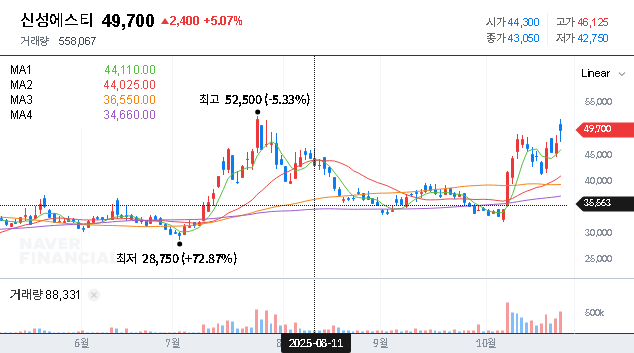
    Shinsung ST Co., Ltd. (416180) has announced a significant corporate finance move: the disposition of 155,592 treasury shares to back the issuance of exchangeable bonds (EB) valued at approximately KRW 8.8 billion. This decision comes at a pivotal moment, following a challenging first half in 2025. This comprehensive Shinsung ST stock analysis will dissect this complex maneuver, evaluate its potential impact, and provide a clear roadmap for investors navigating the path forward.

    Understanding the nuances of Shinsung ST treasury shares and bonds is crucial for making informed decisions. We will explore the company’s underlying financial health, its strategic investments, and what this capital raise signals about its future ambitions, particularly in the competitive secondary battery market.

    The Core Announcement: Treasury Shares for Exchangeable Bonds

    On October 29, 2025, Shinsung ST confirmed its plan to raise capital. The mechanism involves disposing of its own shares (treasury shares) and simultaneously issuing Shinsung ST exchangeable bonds, which are backed by these shares. In essence, the company is using its own stock as collateral to borrow funds. This is a common strategy to secure financing without immediately diluting shareholder equity as a direct stock offering would. The full details can be found in the Official Disclosure (DART).

    This capital raise is a strategic bet on future growth, but it’s being placed against a backdrop of recent underperformance. The key for investors is to determine if the potential rewards of expansion outweigh the immediate financial risks.

    Context: A Look at H1 2025 Financial Performance

    To grasp why Shinsung ST is seeking capital now, we must analyze its recent financial health. The H1 2025 report reveals a company under significant pressure, making this move both necessary and risky.

    Deteriorating Profitability and Financial Soundness

    • Revenue & Profit Collapse: H1 2025 revenue plummeted to KRW 53.356 billion, a staggering 58.0% year-over-year decrease. This decline was broad, affecting the secondary battery segment (-62.6%) and the IT/Automotive segment (-46.6%). Consequently, operating profit (-64.4%) and net income (-72.3%) saw severe contractions.
    • Surging Debt Levels: While assets grew, total liabilities ballooned by 67.1%. This alarming increase is tied to heavy borrowing for strategic investments, including a new U.S. subsidiary in Kentucky, placing a substantial burden on the company’s balance sheet. For more on this, see our guide on How to Analyze a Company’s Debt Structure.

    Strategic Bets on Future Growth Drivers

    Despite the grim numbers, Shinsung ST is investing heavily in high-growth areas. The company committed KRW 14.292 billion to its U.S. Kentucky subsidiary, a strategic move to tap into the burgeoning American ESS (Energy Storage System) market. This aligns with global trends and government incentives like the U.S. Inflation Reduction Act, which favors local manufacturing. The success of this venture is critical to justifying the current financial strain.

    Stock Price Impact: Short-Term Pain for Long-Term Gain?

    The disposition of Shinsung ST treasury shares creates a classic conflict between short-term market sentiment and long-term strategic vision.

    Potential Short-Term Headwinds

    • Dilution Fears: Although not an immediate offering, the potential for the exchangeable bonds to be converted into common stock in the future can create an ‘overhang’ effect, where investors worry about the dilution of their ownership stake.
    • Supply Pressure: The transaction introduces a new supply of shares into the market equation, which could exert downward pressure on the stock price in the near term.
    • Execution Uncertainty: The market will be skeptical until the company provides a crystal-clear plan for how the KRW 8.8 billion will be deployed to generate a return on investment.

    Potential Long-Term Tailwinds

    If the capital is deployed effectively, the narrative could shift dramatically. Success in the U.S. ESS market, fueled by this new funding, could establish Shinsung ST as a key player in the global battery supply chain, a viewpoint shared by many analysts at firms like BloombergNEF. This would enhance long-term corporate value and could lead to significant stock price appreciation once the investments begin to yield tangible results.

    Investor Action Plan: Key Factors to Monitor

    A thorough Shinsung ST stock analysis requires looking beyond the immediate news. Investors should shift their focus to the company’s fundamental execution and monitor these critical areas:

    • Performance Turnaround: Closely watch financial reports from H2 2025 and 2026 for signs of revenue recovery and margin improvement.
    • U.S. Subsidiary Milestones: Look for tangible progress, such as construction completion, securing of customer contracts, and initial revenue generation from the Kentucky plant.
    • Debt Management: Assess the company’s strategy for managing its increased debt load and interest expenses. Is cash flow sufficient to service the debt?
    • Capital Allocation Updates: Pay attention to company announcements regarding the specific use of proceeds from the Shinsung ST exchangeable bonds.

    In conclusion, while Shinsung ST (416180) is navigating short-term turbulence, it is making a bold play for a larger piece of the future energy market. Cautious, long-term investors should focus on the company’s ability to execute its growth strategy rather than reacting to the immediate market noise surrounding its financing activities.

    (416180) Shinsung ST (416180) Treasury Shares & Bonds: A Deep Dive Stock Analysis for Investors 관련 이미지
  • (035150) BAIKSAN Stock Retirement (035150): A Deep Dive into Shareholder Value & 2025 Strategy

    (035150) BAIKSAN Stock Retirement (035150): A Deep Dive into Shareholder Value & 2025 Strategy

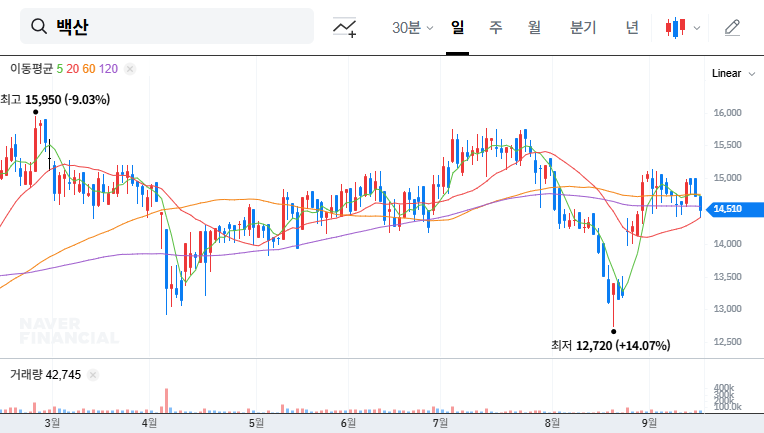
    The recent announcement regarding the BAIKSAN stock retirement has sent a clear and powerful message to the market. For investors tracking BAIKSAN CO.,LTD (035150), this move is more than a simple financial transaction; it’s a testament to the company’s confidence in its future and a strong commitment to enhancing BAIKSAN shareholder value. This strategic decision to retire a significant number of treasury shares is designed to increase earnings per share (EPS), bolster the stock price, and signal robust financial health.

    This comprehensive analysis will delve into the specifics of the stock retirement, evaluate BAIKSAN’s underlying fundamentals, and outline a clear investment strategy for 2025 and beyond. We aim to provide investors with the critical insights needed to make informed decisions about their position in BAIKSAN.

    Understanding the BAIKSAN Stock Retirement Announcement

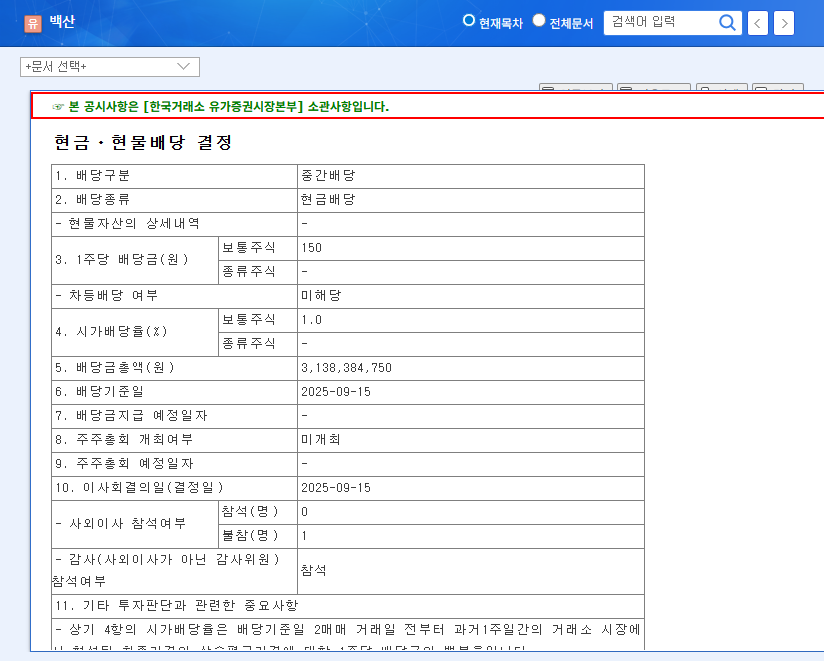
    On October 27, 2025, BAIKSAN CO.,LTD made a pivotal disclosure regarding its capital management strategy. According to the Official Disclosure on DART, the company’s board approved the retirement of a substantial volume of its own shares. A treasury stock retirement is a process where a company permanently cancels shares it has previously repurchased from the open market, reducing the total number of shares outstanding. For more context, you can learn about the mechanics of share cancellation here.

    Key Details of the Retirement

    • Retirement Volume: 463,100 common shares.
    • Monetary Value: Approximately KRW 6.6 billion.
    • Market Cap Proportion: Represents about 2.28% of the total market capitalization.
    • Scheduled Date: The retirement is set for November 3, 2025.

    In-Depth Financial & Fundamental Analysis

    A sound BAIKSAN investment strategy must be built on a thorough understanding of its financial health. The company has demonstrated a consistent ability to balance aggressive growth with policies that enhance shareholder value.

    Revenue Strength and Profitability Metrics

    BAIKSAN reported robust revenue of KRW 256.29 billion, a 9.25% increase year-on-year. This growth is primarily driven by its dominant sports footwear segment (83.2% of revenue) and a growing automotive interior materials segment (15.2%). However, despite this top-line growth, operating profit saw a 13.06% decrease to KRW 33.284 billion. This compression in the operating profit margin to 13.06% is due to rising costs and administrative expenses, a key factor for investors to monitor.

    On a positive note, the company’s financial structure is solid. The debt-to-equity ratio improved to a healthy 49.01%, and its Return on Equity (ROE) stands at an exceptionally high 20.13%, indicating superior efficiency in generating profits from shareholders’ equity.

    The decision to retire treasury stock directly enhances per-share metrics, making the company fundamentally more attractive and potentially lowering its P/E ratio, which currently stands at 20.66.

    Strategic Implications for Investors

    The 035150 stock analysis reveals several direct benefits from this capital action. The reduction in outstanding shares automatically increases Earnings Per Share (EPS), a primary driver of stock valuation. This can make the stock appear undervalued and attract more investment.

    Opportunities and Risks to Consider

    • Positive Catalyst: The stock retirement acts as a strong short-term catalyst, likely improving supply-demand dynamics and supporting the share price.
    • Long-Term Value: This move reinforces management’s commitment to BAIKSAN shareholder value, increasing confidence in future capital allocation policies.
    • Monitor Profitability: The recent dip in operating profit margin is a crucial point to watch. Long-term appreciation will depend on the company’s ability to manage costs and improve core profitability. You can review our guide on analyzing quarterly earnings reports for more information.
    • New Ventures: BAIKSAN is diversifying into new areas like art museum operations and F&B. While these could be new growth engines, they also introduce execution risk and require careful monitoring.

    In conclusion, the BAIKSAN stock retirement is a significant positive development. It immediately enhances the company’s financial profile on a per-share basis and underscores a shareholder-friendly management approach. While investors should remain watchful of margin trends and new venture performance, this action provides a solid reason for a bullish short-to-medium-term outlook.

    Disclaimer: This content is for informational purposes only and does not constitute investment advice. All investment decisions should be made based on your own research and judgment.

    Frequently Asked Questions (FAQ)

    What does BAIKSAN CO.,LTD’s (035150) stock retirement decision mean?

    BAIKSAN’s stock retirement signifies a strong commitment to enhancing shareholder value by reducing the number of outstanding shares, thereby boosting Earnings Per Share (EPS) and improving corporate valuation. This typically has a positive impact on the stock price.

    Does stock retirement always have a positive impact on the stock price?

    In most cases, stock retirement is received as a positive signal by the market, tending to drive up stock prices due to improved supply-demand dynamics and higher EPS expectations. However, the actual impact can vary depending on market conditions, the company’s fundamentals, and the scale of the retirement.

    What is BAIKSAN’s current financial health?

    BAIKSAN demonstrates sound financial health with a debt-to-equity ratio of 49.01% and excellent profitability, evidenced by an ROE of 20.13%. However, the recent slight decline in operating profit margin warrants careful observation.

    What are BAIKSAN’s main business segments and growth drivers?

    BAIKSAN’s core businesses are the sports footwear segment (83.2%) and the automotive interior materials segment (15.2%). The company is also actively pursuing new growth engines through investments in art museum operations, art sales and leasing, and F&B businesses.

    What should investors be cautious about when investing in BAIKSAN stock?

    Despite the positive impact of stock retirement, investors should be mindful of the recent trend of declining operating profit margins and uncertainties related to new business ventures. For long-term investment, it’s crucial to continuously monitor BAIKSAN’s efforts to improve profitability and the success of its new business initiatives.

    (035150) BAIKSAN Stock Retirement (035150): A Deep Dive into Shareholder Value & 2025 Strategy 관련 이미지
    (035150) BAIKSAN Stock Retirement (035150): A Deep Dive into Shareholder Value & 2025 Strategy 관련 이미지
  • (241770) MECARO Self-Stock Disposal: A 2025 In-Depth Financial Analysis for Investors

    (241770) MECARO Self-Stock Disposal: A 2025 In-Depth Financial Analysis for Investors

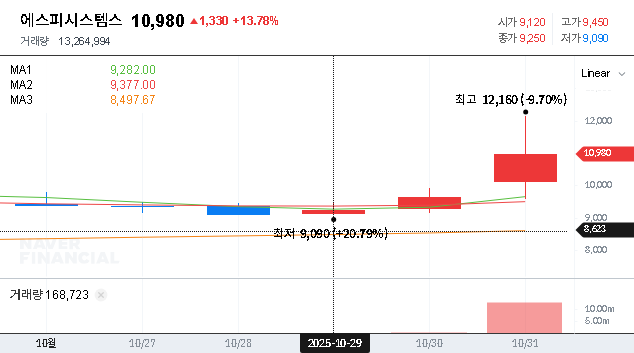
    A recent disclosure regarding a MECARO self-stock disposal has raised questions among investors. On October 13, 2025, the semiconductor equipment leader announced a plan to dispose of treasury shares linked to employee stock options. While such announcements can cause market uncertainty, a deeper look reveals a standard corporate procedure that may signal underlying strengths rather than weaknesses. This comprehensive analysis will break down the details of the disposal, evaluate MECARO’s robust financial health, and provide a clear, actionable strategy for current and potential investors looking beyond the headlines.

    This event is less about immediate stock dilution and more about MECARO’s strategy for long-term growth and employee incentivization. The key for investors is to focus on the company’s strong fundamentals.

    Deconstructing the MECARO Self-Stock Disposal Announcement

    MECARO.CO.,LTD. (메카로) formally filed a ‘Report on Major Matters (Decision on Disposal of Treasury Shares)’, a standard procedure for publicly traded companies in South Korea. The details, sourced from the official disclosure, are straightforward:

    • Event: Decision on disposal of treasury shares.
    • Purpose: Issuance of shares to employees exercising their MECARO stock options.
    • Volume: 50,000 common shares.
    • Value: Approximately 600 million KRW.
    • Market Impact: Represents just 0.49% of total issued shares.

    The primary reason for this disposal is to fulfill obligations from previously granted stock options. Stock options are a powerful tool used by companies to attract, retain, and motivate talented employees by giving them the right to buy company stock at a predetermined price. When employees exercise these options, the company often uses its own treasury shares to deliver them. This is a sign that employees are confident in the company’s future performance. For full transparency, you can view the Official Disclosure (Source) on the DART system.

    MECARO Financial Analysis: A Foundation of Strength

    The true context for the disposal of MECARO treasury shares lies within its fundamental health. A review of its H1 2025 financial report reveals a company on a powerful growth trajectory, making the 0.49% share disposal seem insignificant by comparison.

    Positive Fundamentals & Growth Drivers

    • Explosive Financial Performance: H1 revenue surged by 70% year-over-year to 44.4 billion KRW. The company achieved a significant turnaround, swinging from a loss to an operating profit of 6.7 billion KRW, with net profit skyrocketing by approximately 15 times to 7.2 billion KRW.
    • Dominant Market Position: MECARO commands an impressive 90%+ domestic market share for its heater block components, a critical part of the semiconductor manufacturing process.
    • Rock-Solid Financial Structure: With an exceptionally low debt ratio of 7.03%, MECARO operates with financial stability and resilience, minimizing risk for investors.
    • Future-Focused R&D: The company is actively investing in next-generation growth areas, including aluminum nitride (AlN) components and advanced solar cells, positioning itself for future market trends.

    Potential Risks to Monitor

    While the outlook is strong, prudent investors should remain aware of potential headwinds. These include currency exchange rate fluctuations (USD, JPY, CNY) that could impact profitability and the ever-present threat of increased competition within the dynamic semiconductor equipment investment landscape.

    Investor Strategy: Navigating the Path Forward

    Given the minimal scale of the share disposal and the company’s strong fundamentals, a long-term, fundamentals-driven approach is recommended.

    1. Focus on the Long-Term Growth Story

    The core investment thesis for MECARO should revolve around its market leadership, financial stability, and strategic investments in new technologies. The disposal of shares for MECARO stock options is a minor footnote in this larger, more compelling narrative.

    2. Monitor Key Performance Indicators (KPIs)

    Continue to track the metrics that truly matter: revenue growth, profit margins, and progress in new business segments. These indicators provide a much clearer picture of the company’s value than short-term stock movements. For broader industry context, it’s always wise to follow market analysis from authoritative sources like leading global financial news outlets.

    3. Utilize Potential Volatility

    In the unlikely event that the market overreacts to this news, any resulting short-term dip in the stock price could present a strategic buying opportunity for investors with a long-term horizon. Keep an eye on our analysis of related semiconductor stocks for comparative insights.

    Conclusion: A Positive Signal in Disguise

    In summary, the MECARO self-stock disposal is a routine corporate action with negligible direct impact on the company’s valuation or long-term prospects. Instead of a red flag, it should be viewed as a neutral-to-positive event, reflecting employee confidence and a healthy incentive structure. The real story remains MECARO’s exceptional financial performance and strategic market position, which should be the primary focus for any serious investor.

    (241770) MECARO Self-Stock Disposal: A 2025 In-Depth Financial Analysis for Investors 관련 이미지
  • (089030) Techwing Share Cancellation: In-Depth Analysis & Investment Strategy for this HBM Stock

    (089030) Techwing Share Cancellation: In-Depth Analysis & Investment Strategy for this HBM Stock

    The recent announcement of the Techwing share cancellation has sent ripples through the investment community, particularly for those tracking key players in the semiconductor space. As a prominent HBM beneficiary stock, Techwing (089030) is at the center of the AI revolution. This strategic move to enhance shareholder value begs a critical question: Is this the catalyst for long-term growth, or a minor event in a much larger story? This comprehensive analysis will dissect the decision, evaluate the company’s fundamentals, and outline a clear Techwing investment strategy for 2025 and beyond.

    Deconstructing the Techwing Share Cancellation

    At its core, a share cancellation, or buyback and retirement, is a corporate action where a company repurchases its own shares from the marketplace and cancels them. This reduces the total number of shares outstanding, which can increase key per-share metrics like Earnings Per Share (EPS).

    The Specifics of Techwing’s Plan

    Techwing announced its plan to cancel 300,000 of its common treasury shares, a transaction valued at approximately KRW 2.7 billion. According to the Official Disclosure, the cancellation is scheduled for October 20, 2025. A critical detail is that Techwing is using already acquired treasury shares. This means the company is not spending new cash for a buyback, signaling a move to boost shareholder value without adding to its financial burden—a fiscally prudent approach that is often well-received by the market.

    Techwing’s Position as a Premier HBM Beneficiary Stock

    To understand Techwing’s potential, one must understand its deep connection to High Bandwidth Memory (HBM). HBM is a crucial component in the AI hardware ecosystem, providing the ultra-fast memory needed for training large language models and other data-intensive tasks. As demand for AI accelerators from NVIDIA, AMD, and others skyrockets, so does the demand for HBM and the equipment used to test it.

    This is where Techwing shines. The company’s core products, particularly its advanced HBM Test equipment like the Cube Prober, are essential for ensuring the quality and reliability of these next-generation memory chips. This direct link to the AI supply chain is the primary reason Techwing is considered a top-tier HBM beneficiary stock. The growth of this market is a powerful, long-term tailwind for the company. For more on this technology, you can read an in-depth overview on high-authority sites like AnandTech’s HBM explainer.

    While the share cancellation is a positive signal of shareholder-friendly governance, Techwing’s true long-term value is intrinsically tied to its execution within the rapidly expanding AI and HBM testing landscape.

    Financial Health and Market Realities

    Despite the promising long-term outlook, Techwing’s recent financial performance presents a more nuanced picture. The first half of 2025 saw a year-on-year decrease in both revenue and operating profit. This short-term adjustment, coupled with a notable increase in borrowings, highlights potential financial pressures that investors must monitor.

    Key Financial Points to Consider:

    • Positive Signal: A growing proportion of sales from components suggests successful revenue diversification efforts.
    • Short-Term Headwinds: A temporary slowdown in the core semiconductor test equipment division has impacted top-line growth.
    • Financial Leverage: Increased debt levels require careful management, especially in a fluctuating interest rate environment.
    • Macro Risks: Fluctuations in the KRW/USD exchange rate and global logistics costs can impact profitability.

    A Smart Techwing Investment Strategy

    Given these factors, a prudent Techwing investment strategy involves balancing the immense long-term growth potential against the current financial and macroeconomic risks. The share cancellation, while positive, is too small (0.12% of market cap) to be a primary investment thesis. Instead, it should be viewed as a confirmation of management’s confidence and commitment to shareholder returns.

    The Bull Case (Reasons to be Optimistic)

    The primary driver is the unabated growth in AI, which directly fuels the demand for Techwing HBM testing solutions. As semiconductor technology advances, the importance of post-processing and testing grows, placing Techwing in a critical, high-value segment of the market. The shareholder-friendly policy reinforces a positive corporate image.

    The Bear Case (Points of Caution)

    Investors must not overlook the short-term financial performance and the increased debt load. A sustained downturn in the broader semiconductor cycle or failure to manage debt effectively could hinder growth. For more on this, see our guide to analyzing semiconductor company financials.

    Conclusion: A Long-Term Perspective is Key

    The Techwing share cancellation is a positive, albeit small, step that reinforces the company’s commitment to its investors. The real story remains its strategic position within the essential HBM and AI markets. While navigating short-term financial headwinds is crucial, Techwing’s long-term growth trajectory appears solid. Investors should focus on future performance indicators, such as HBM-related order growth and debt management, as the true measures of the company’s success.

    (089030) Techwing Share Cancellation: In-Depth Analysis & Investment Strategy for this HBM Stock 관련 이미지
  • Devsisters to Sell Treasury Shares Worth ₩39.5B: Taking Cookie Run to New Heights?


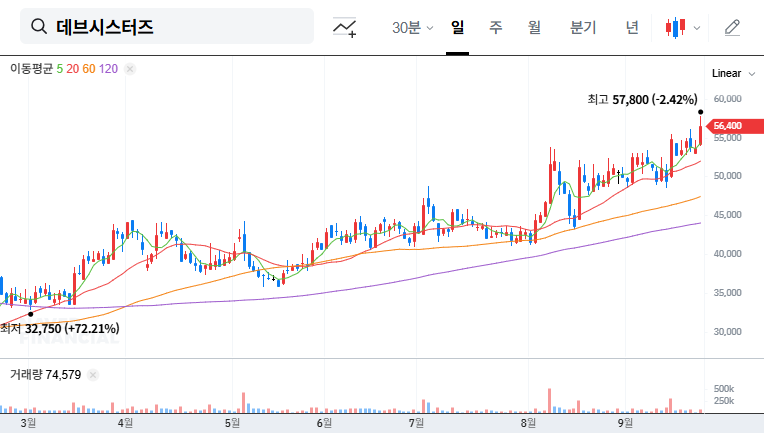
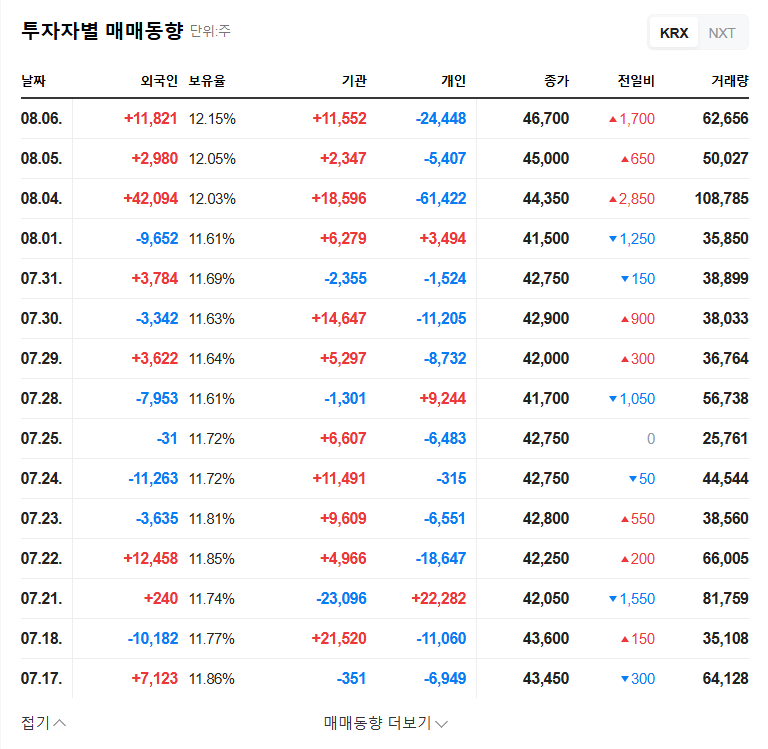
    Devsisters to Sell Treasury Shares Worth ₩39.5B: Taking Cookie Run to New Heights? 대표 차트 이미지


    1. What Happened? : Devsisters Announces ₩39.5B Treasury Share Sale

    On September 22, 2025, Devsisters announced its decision to sell 638,376 treasury shares, equivalent to ₩39.5 billion. The proceeds will be used to issue convertible bonds.

    2. Why? : Strengthening Finances and Fueling Growth

    The sale aims to improve the company’s financial structure and secure funds for business expansion. The capital raised through convertible bonds is expected to be used for new game development, IP acquisition, and global market expansion.

    3. What’s Next? : Analyzing Opportunities and Risks

    • Positive Impacts: Strengthened financial health, increased investment capacity, new growth drivers, enhanced market trust
    • Potential Risks: Terms of convertible bond issuance, efficiency of fund utilization, market volatility

    Devsisters showed robust growth in Q1 2025 with revenue of ₩181.058 billion and operating profit of ₩19.517 billion (turning to profit). However, uncertainties remain, including the terms of the convertible bond issuance and the effectiveness of its fund utilization plan.

    4. What Should Investors Do? : A Long-Term Perspective

    Devsisters’ treasury share sale can be interpreted as a strategic move for growth. The company’s solid fundamentals and the success of its new game are positive factors. However, investors should be mindful of short-term stock price volatility and consider a long-term investment horizon. Carefully reviewing the disclosed information and market conditions before making investment decisions is crucial.


    Frequently Asked Questions (FAQ)

    How will the sale of treasury shares affect Devsisters’ stock price?

    While short-term volatility may increase, it could positively impact the company’s value in the long run.

    What are convertible bonds?

    Convertible bonds are bonds that can be converted into the issuing company’s stock after a certain period.

    What is the outlook for Devsisters?

    A positive outlook can be expected based on its strong performance and growth strategy, but monitoring market conditions and changes in the competitive landscape is essential.


    Devsisters to Sell Treasury Shares Worth ₩39.5B: Taking Cookie Run to New Heights? 관련 이미지
    Devsisters to Sell Treasury Shares Worth ₩39.5B: Taking Cookie Run to New Heights? 관련 이미지


  • A-Pro Disposes of Treasury Shares: Impact on Stock Price & Investment Analysis

    1. A-Pro’s Treasury Share Disposal: What Happened?

    On August 22nd, A-Pro announced the disposal of 40,330 treasury shares worth 300 million KRW. The purpose is to pay employee bonuses.

    2. Why Dispose of Treasury Shares?

    The disposal aims to provide employee bonuses in the form of treasury shares. This can help motivate employees and increase their sense of responsibility for company growth.

    3. So, What’s the Impact on Stock Price?

    The disposal size is only 0.28% of the total outstanding shares, so the direct impact on the stock price is expected to be minimal. However, as it can influence investor sentiment, market reactions should be monitored.

    • Positive Aspect: Increased employee motivation and responsibility.
    • Negative Aspect: Potential for short-term stock price volatility.

    4. What Should Investors Do?

    Investors should focus on A-Pro’s fundamentals rather than short-term stock price fluctuations. A thorough analysis of the growth of the secondary battery equipment business, the performance of new businesses, and improvements in profitability is crucial for making investment decisions. It’s particularly important to closely monitor whether the recent trend of declining profitability can be reversed. The growth potential of new businesses, such as GaN power semiconductors, should also be continuously monitored.

    Frequently Asked Questions

    Does the disposal of treasury shares negatively affect the stock price?

    The scale of this disposal is small, so the direct impact is expected to be limited. However, there may be short-term volatility depending on investor sentiment.

    What is the outlook for A-Pro’s secondary battery business?

    Considering the cooperative relationship with LG Energy Solution and expansion into overseas markets, the outlook remains positive.

    What should investors be aware of when investing in A-Pro?

    Investors should closely monitor the recent decline in profitability and the performance of new businesses.