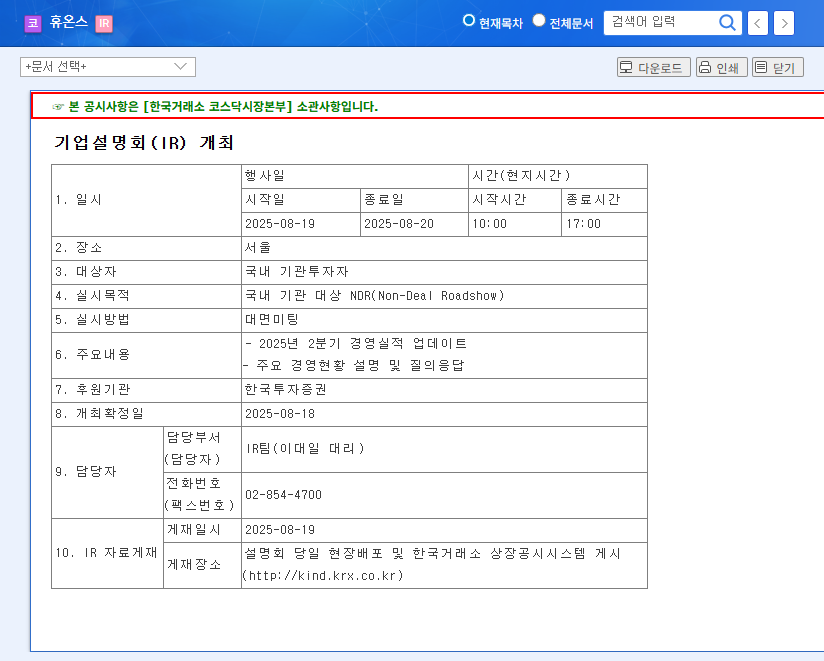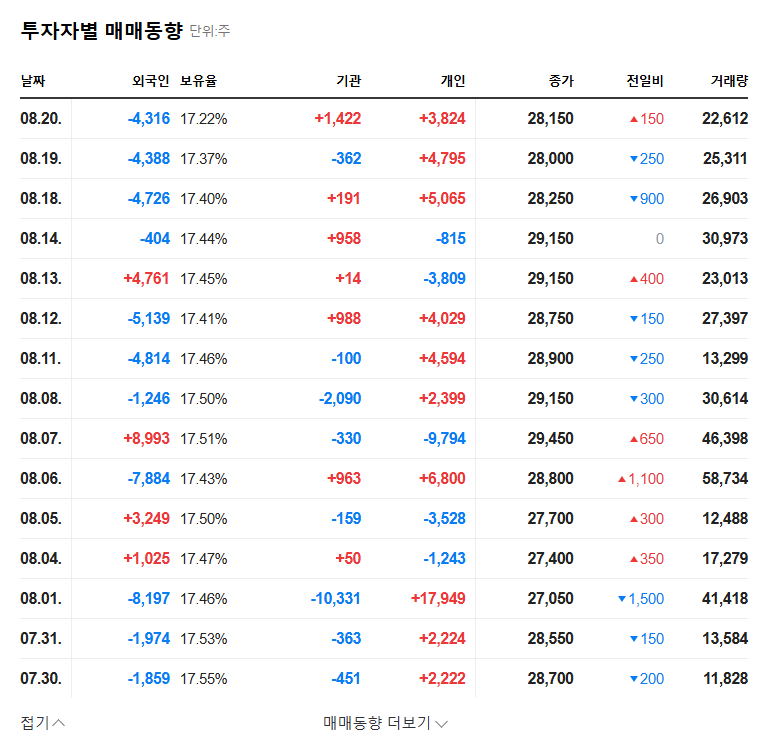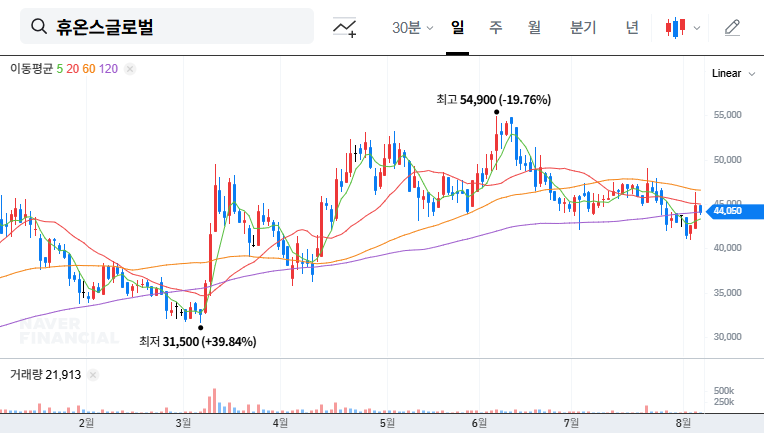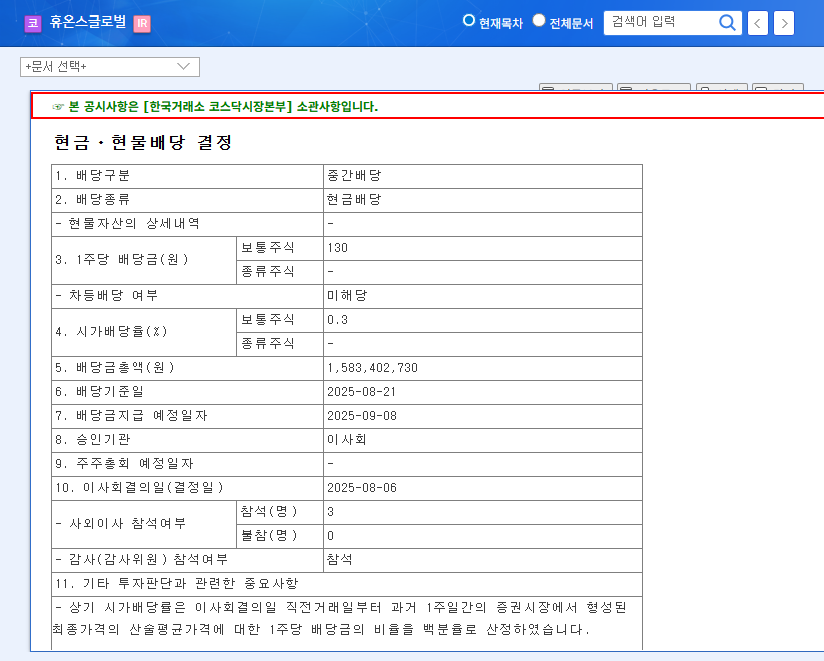
An important strategic decision from HUONS CO., LTD. (243070) has caught the attention of the market. The pharmaceutical leader recently announced the disposal of treasury shares to facilitate an Exchangeable Bond (EB) issuance, a move signaling a pivotal moment for the company’s financial future. For current and potential investors, this development raises critical questions: Is this a sign of strength or a defensive maneuver? How will this impact the HUONS stock price in the short and long term? This comprehensive HUONS stock analysis will dissect the announcement, evaluate the company’s underlying financial health, and provide a clear action plan for investors.
This isn’t just a financial transaction; it’s a strategic message from HUONS’ management about their plans for future growth and capital management. Understanding the nuances is key to making an informed investment decision.
The Core Announcement: A Breakdown
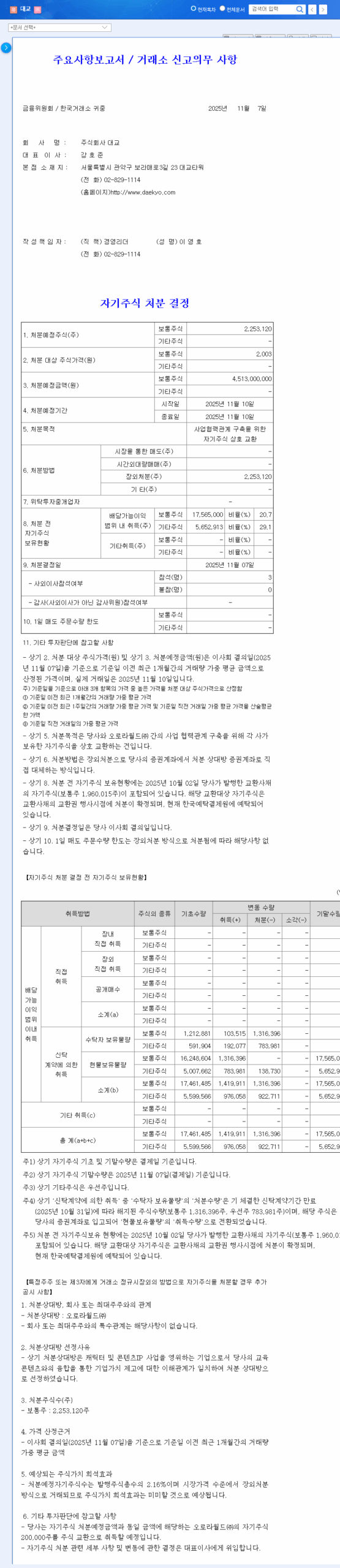
On November 10, 2025, HUONS CO., LTD. formally disclosed its plan to dispose of 220,317 of its own common shares, commonly known as treasury shares. This block of shares, valued at approximately KRW 7.1 billion, represents 1.84% of the total issued shares. According to the Official Disclosure on DART, these shares will not be sold on the open market. Instead, they will serve as the underlying asset for the issuance of Exchangeable Bonds (EBs). This method allows the company to raise capital by essentially loaning out its treasury stock, giving bondholders the option to exchange their bonds for shares at a later date.
What are Exchangeable Bonds?
Unlike convertible bonds, which convert into new shares and dilute existing shareholders, Exchangeable Bonds convert into existing shares—in this case, the company’s treasury stock. This is a crucial distinction. For investors, it means the total number of outstanding shares doesn’t necessarily increase. For a deeper dive into the mechanics of these financial instruments, resources like Investopedia offer excellent explanations. The key takeaway for HUONS CO., LTD. is that this is a less dilutive way to raise funds compared to other options.
Analyzing Huons’ Financial Health & Strategic Rationale
This fundraising move doesn’t happen in a vacuum. It’s a direct response to the company’s current financial position and its ambitions for growth. A closer look reveals a mix of strong fundamentals and emerging challenges.
Strengths: The Foundation for Growth
- •Diversified Revenue: Huons has shown balanced growth across its professional pharmaceuticals and its beauty/wellness divisions, preventing over-reliance on a single market segment.
- •Steady CMO Business: The Contract Manufacturing Organization (CMO) business provides a stable and predictable revenue stream, which is a significant asset in the volatile biotech industry.
- •Strategic Acquisitions: The company is actively pursuing new growth engines, as seen with its acquisition of PanGen, demonstrating a forward-looking strategy.
Weaknesses: The Pressure Points
- •Declining Profitability: The most significant concern is the sharp drop in the operating profit margin, which fell from over 16% in 2022 to under 5% in 2024. This indicates rising costs are outpacing revenue growth.
- •High Cost Structure: Heavy R&D spending and financial costs from existing debt are weighing on the bottom line, making fresh, flexible capital essential.
- •Liquidity Questions: While the debt-to-equity ratio has improved, it remains over 100%. More alarmingly, the current ratio’s decline to 37.91% in 2024 raises questions about short-term financial flexibility.
Impact on HUONS Stock (243070) and Investment Strategy
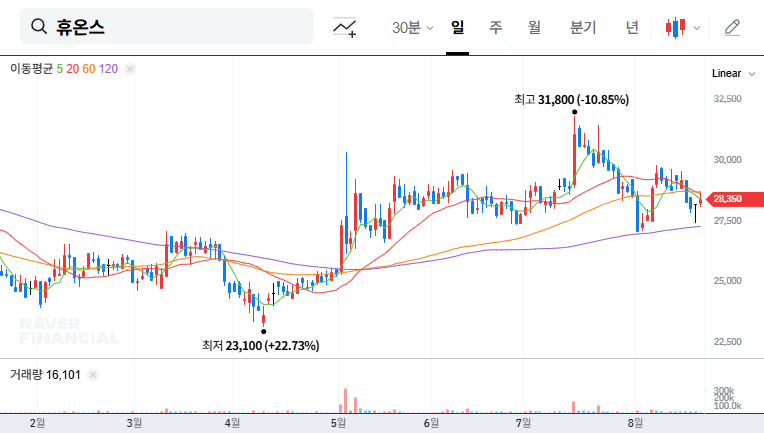
The HUONS treasury share disposal and EB issuance will have multifaceted effects. In the short term, the release of treasury shares into the market via EBs could create a supply overhang, potentially putting mild pressure on the stock price. However, this is often counteracted by the market’s positive interpretation of a company securing capital for growth.
The long-term outlook for the HUONS stock depends entirely on how effectively this new capital is deployed. If the funds are used to accelerate R&D, launch profitable new products, or make value-accretive acquisitions, the stock price will likely see significant appreciation. Conversely, if the funds are used merely to cover operational shortfalls without addressing the core profitability issues, it could be a negative signal. For more on this, consider reading our Guide to Biotech Company Valuations.
Action Plan for HUONS Investors
Navigating this period requires diligence. Investors should focus on the following key areas:
- •Analyze the EB Terms: Once published, scrutinize the conversion price, maturity date, and interest rate. A high conversion price is favorable for current shareholders.
- •Monitor Fund Allocation: Watch for company announcements regarding the specific use of the KRW 7.1 billion. Are the funds earmarked for high-ROI projects?
- •Track Profitability Metrics: Pay close attention to the next few quarterly earnings reports. Look for signs that the operating margin is stabilizing or improving.
- •Assess Macro Environment: Keep an eye on exchange rates (KRW/USD) and raw material costs, as these can indirectly impact Huons’ bottom line.
In conclusion, the decision by HUONS CO., LTD. is a calculated risk to bolster its financial position and fuel future growth. While it highlights some underlying financial pressures, it is also a proactive step. For investors, this is a time for careful monitoring rather than immediate alarm. The successful execution of the company’s strategy in the coming months will ultimately determine the long-term value of HUONS stock.