Tag: Tires

  • Hankook Tire & Technology Announces Value Enhancement Plan: Investment Strategy Analysis

    Hankook Tire & Technology Announces Value Enhancement Plan: Investment Strategy Analysis 대표 차트 이미지

    1. What Happened?

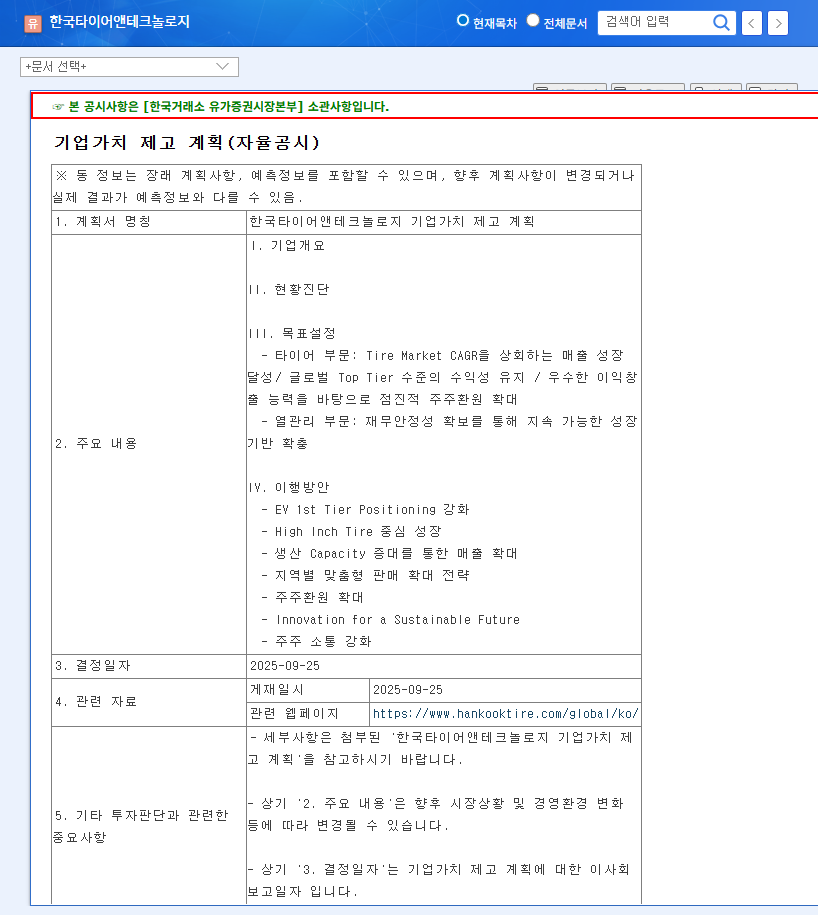
    On September 25, 2025, Hankook Tire & Technology announced its ‘Value Enhancement Plan’ through a voluntary disclosure. This plan focuses on securing future growth drivers based on two main pillars: the continuous growth of the tire business and financial stability of Hanon Systems.

    2. Why Does It Matter?

    This plan is a crucial indicator of Hankook Tire & Technology’s future growth strategy. Capturing the expanding EV tire market, focusing on high-inch tires, and expanding shareholder returns offer important investment points for investors.

    • Tire Business: Strengthening the ‘iON’ EV tire lineup and expanding high-inch tire sales to secure market competitiveness.
    • Thermal Management Business: Establishing a sustainable growth foundation through securing the financial stability of Hanon Systems.
    • Shareholder Return Expansion: Gradual expansion of shareholder returns to enhance shareholder value.

    3. What’s the Expected Outcome?

    With successful implementation of the plan, Hankook Tire & Technology is expected to secure a leading position in the EV tire market and strengthen the growth and profitability of its tire business. However, external factors such as global economic slowdown, raw material price volatility, and interest rate hikes could pose potential risks.

    4. What Should Investors Do?

    While positive momentum is expected in the short term, investors should carefully monitor the plan’s execution and market conditions from a mid-to-long-term perspective. Pay close attention to Hanon Systems’ performance improvement, risk management related to exchange rate and interest rate fluctuations, and efforts to strengthen ESG management.

    Frequently Asked Questions

    What are the key points of Hankook Tire’s value enhancement plan?

    The key aspects are the growth and profitability enhancement of the tire business and securing the financial stability of Hanon Systems. Focusing on the EV tire market and expanding shareholder returns are key elements.

    What should investors be aware of?

    Investors should consider external factors like global economic slowdown, raw material price fluctuations, interest rate hikes, and the performance volatility of Hanon Systems.

    What is Hankook Tire’s EV tire strategy?

    Hankook Tire aims to establish a leading position in the EV tire market by strengthening its ‘iON’ EV tire lineup and investing in technology development.
    Hankook Tire & Technology Announces Value Enhancement Plan: Investment Strategy Analysis 관련 이미지
    Hankook Tire & Technology Announces Value Enhancement Plan: Investment Strategy Analysis 관련 이미지
  • Hankook & Company Invests in Hanon Systems: Opportunities vs. Risks – What Investors Need to Know


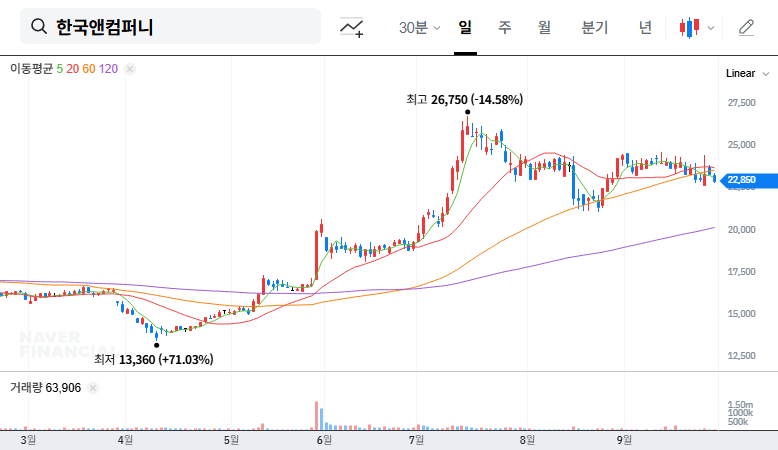
    Hankook & Company Invests in Hanon Systems: Opportunities vs. Risks - What Investors Need to Know 대표 차트 이미지


    1. What Happened?

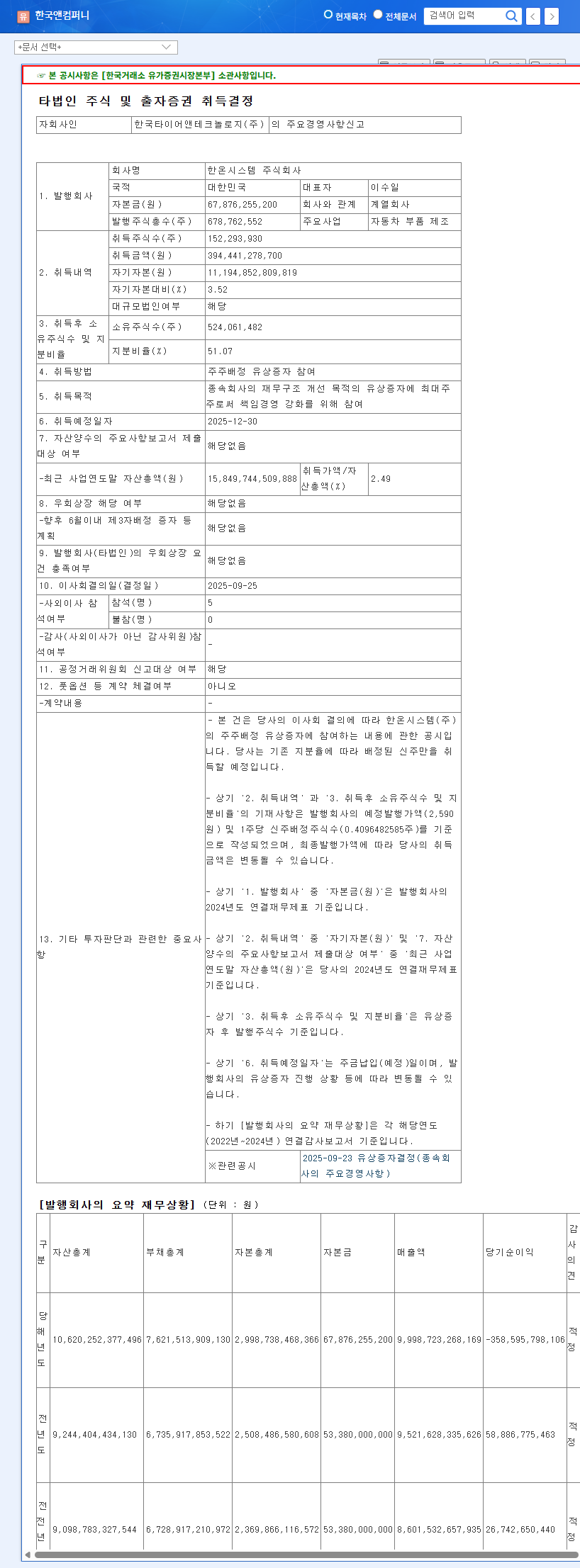
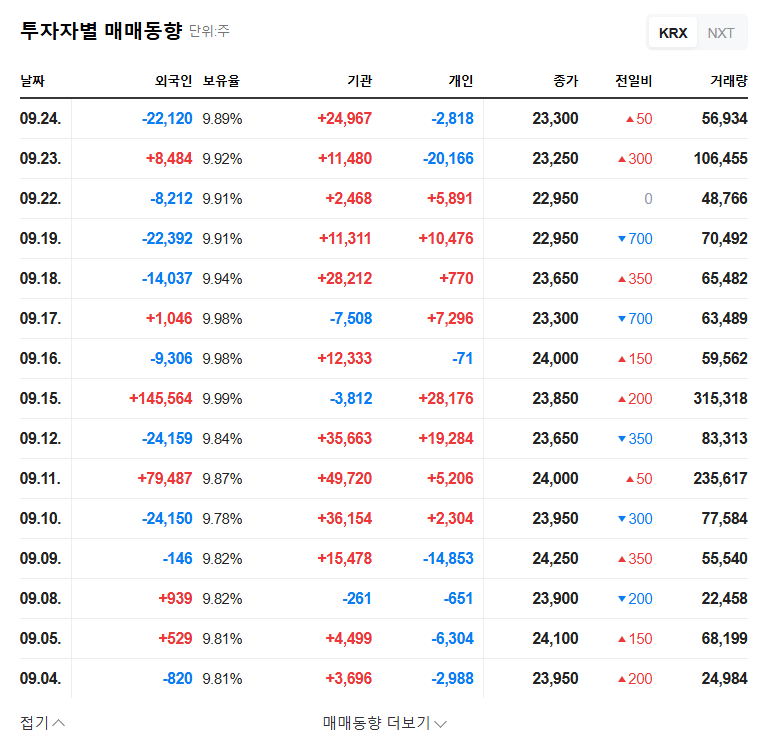
    Hankook & Company decided to invest 394.4 billion KRW (acquiring a 51.07% stake) in Hanon Systems by participating in Hankook Tire & Technology’s rights offering. This decision aims to improve Hankook Tire & Technology’s financial structure and strengthen responsible management.

    2. Why This Investment?

    The investment seeks to stabilize Hankook Tire & Technology’s operations through financial restructuring and create synergy with Hanon Systems, an automotive parts manufacturer. This synergy is expected to drive new technology development, cost reduction, and new market exploration.

    3. What are the Potential Outcomes?

    • Positive Effects: Improved subsidiary financial structure, synergy with Hanon Systems, securing long-term growth momentum
    • Negative Effects: Increased financial burden, investment uncertainty, exchange rate fluctuation risk

    4. What Should Investors Do?

    While this investment is seen as a positive sign in the long term, investors should consider the short-term financial burden and investment uncertainties. Closely monitor the following:

    • Subsidiary’s financial improvement and synergy effects
    • Changes in Hankook & Company’s financial soundness
    • Exchange rate and interest rate trends
    • Automotive industry and tire market conditions


    FAQ

    What is the purpose of Hankook & Company’s investment in Hanon Systems?

    To improve the financial structure and strengthen the responsible management of its subsidiary, Hankook Tire & Technology.

    How will this investment impact Hankook & Company?

    Positively, it’s expected to improve the subsidiary’s financials and create synergy with Hanon Systems. Negatively, there are concerns about increased financial burden and investment uncertainty.

    What should investors pay attention to?

    Investors should monitor the subsidiary’s financial improvement, changes in Hankook & Company’s financial health, exchange rate and interest rate fluctuations, and the automotive and tire market conditions.


    Hankook & Company Invests in Hanon Systems: Opportunities vs. Risks - What Investors Need to Know 관련 이미지
    Hankook & Company Invests in Hanon Systems: Opportunities vs. Risks - What Investors Need to Know 관련 이미지


  • NEXEN Issues KRW 23.5 Billion in Convertible Bonds: Impact on Stock Price?


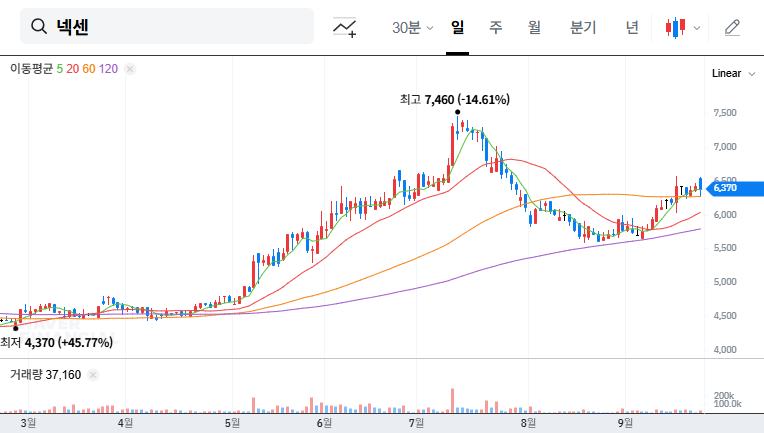
    NEXEN Issues KRW 23.5 Billion in Convertible Bonds: Impact on Stock Price? 대표 차트 이미지


    1. NEXEN’s Convertible Bond Issuance: What Happened?

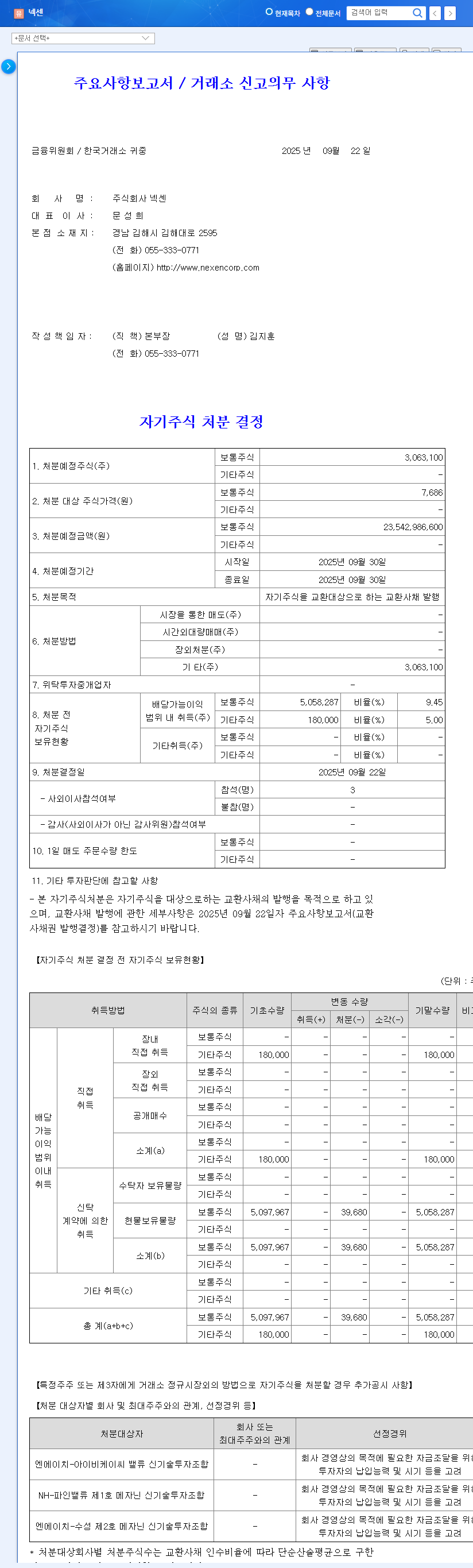
    On September 22, 2025, NEXEN decided to issue KRW 23.5 billion in convertible bonds. The conversion price is set at KRW 7,686, with a 0% coupon and maturity rate. Major investors include NH Investment & Securities and Soosung Asset Management.

    2. Why Issue Convertible Bonds?

    • Secure Operating Funds: The funds will be used to secure future growth engines such as R&D and facility investment.
    • 0% Interest Rate: This is a strategy to minimize short-term financial burden.
    • Potential Investment Attraction: The conversion price is set higher than the current stock price, allowing investors to profit if the stock price rises.

    3. Impact on Investors

    • Positive Aspects: Increased corporate growth is expected through investments in new businesses and R&D using the funds raised. The low interest rate reduces the financial burden.
    • Negative Aspects: There is a possibility of stock dilution upon conversion of the bonds. If the stock price fails to reach the conversion price, investors may incur losses.

    4. Investor Action Plan

    Investment decisions should be made after comprehensive analysis of NEXEN’s fundamentals, growth potential, and risk factors. In particular, careful consideration should be given to the tire industry outlook, NEXEN’s competitiveness, and the macroeconomic environment. This analysis is not an investment recommendation, and the responsibility for investment decisions lies with the individual investor.


    FAQ

    What are convertible bonds?

    Convertible bonds are bonds that can be converted into shares of the issuing company’s stock. Investors can either hold the bonds to maturity and receive interest or convert them into shares to realize profits if the share price rises.

    How will NEXEN’s convertible bond issuance affect the stock price?

    In the short term, positive news about fundraising can boost stock prices. However, in the long term, the potential for stock dilution due to bond conversions could have a negative impact on stock prices.

    What precautions should investors take?

    Investors should carefully consider NEXEN’s financial status, business outlook and conversion terms. Ongoing monitoring of market conditions and competitor trends is also critical.


    NEXEN Issues KRW 23.5 Billion in Convertible Bonds: Impact on Stock Price? 관련 이미지
    NEXEN Issues KRW 23.5 Billion in Convertible Bonds: Impact on Stock Price? 관련 이미지


  • Nexen Tire IR Analysis: Securing Growth Momentum in the EV Era? (September 2025)


    Nexen Tire IR Analysis: Securing Growth Momentum in the EV Era? (September 2025) 대표 차트 이미지


    1. Nexen Tire IR: What Was Discussed?

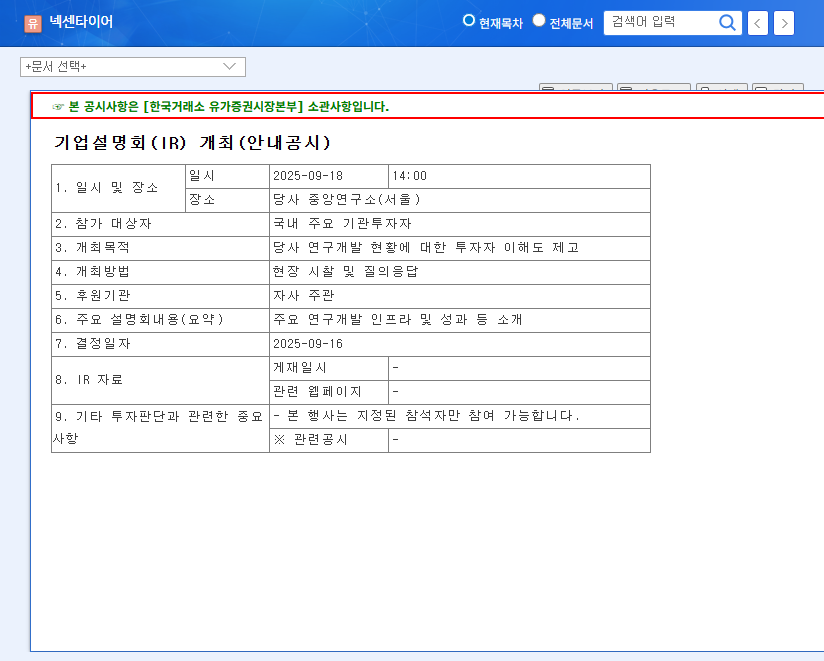
    Nexen Tire held an IR session on September 18, 2025, aiming to enhance investor understanding of the company’s R&D status. Key R&D infrastructure and achievements were presented, with a particular focus on EV-specific tires and eco-friendly material development.

    2. Why Pay Attention to Nexen Tire?

    • Solid Growth: As of H1 2025, Nexen Tire recorded improved performance compared to the same period of the previous year, with sales of KRW 1.5759 trillion and operating profit of KRW 83.3 billion (operating profit margin of 5.29%).
    • Securing Future Growth Drivers: The company has established a foundation for sustainable growth through the expansion of its global sales network, stabilization of its European plant operations, and increased supply to premium car manufacturers.
    • Increased R&D Investment: Nexen Tire is focusing on securing future competitiveness through continuous R&D investment at approximately 2.9% of sales, particularly in the development of EV-specific tires and eco-friendly materials.
    • Stable Financial Structure: The company maintains a stable capital ratio with a net debt-to-equity ratio of 45.19%.

    3. Key Investment Takeaways

    Positive Factors:

    • Expected benefits from the growth of the EV and eco-friendly tire market
    • Market expansion based on a global sales network and European production base
    • Strengthened technological competitiveness through continuous R&D investment

    Risk Factors:

    • Continued uncertainty regarding US anti-dumping duties
    • Possibility of deteriorated export profitability due to exchange rate fluctuations
    • Increased burden of raw material price increases and logistics costs
    • Intensified competition in technology development and new product launches compared to competitors

    Investment Action Plan: Carefully review the IR presentation and continuously monitor changes in the macroeconomic environment and the company’s performance trends when making investment decisions.


    FAQ

    What are Nexen Tire’s main business segments?

    Nexen Tire’s core business segment is the tire segment (99.77% share). The non-tire segment, including transportation and storage, generates stable profits, while the mold segment requires profitability improvement.

    What is Nexen Tire’s R&D investment status?

    Nexen Tire consistently invests approximately 2.9% of its sales in R&D, focusing on the development of EV-specific tires and eco-friendly materials.

    What is the outlook for Nexen Tire’s stock price?

    While this IR event could have a positive impact, the stock price may fluctuate depending on market conditions and the content of the announcement. It is crucial to thoroughly review the IR materials and subsequent earnings announcements.


    Nexen Tire IR Analysis: Securing Growth Momentum in the EV Era? (September 2025) 관련 이미지
    Nexen Tire IR Analysis: Securing Growth Momentum in the EV Era? (September 2025) 관련 이미지


  • Kumho Tire Halts Production: Impact Analysis and Investment Strategies

    Kumho Tire Halts Production: Impact Analysis and Investment Strategies 대표 차트 이미지

    1. What Happened? Kumho Tire’s Gwangju Plant Production Halt

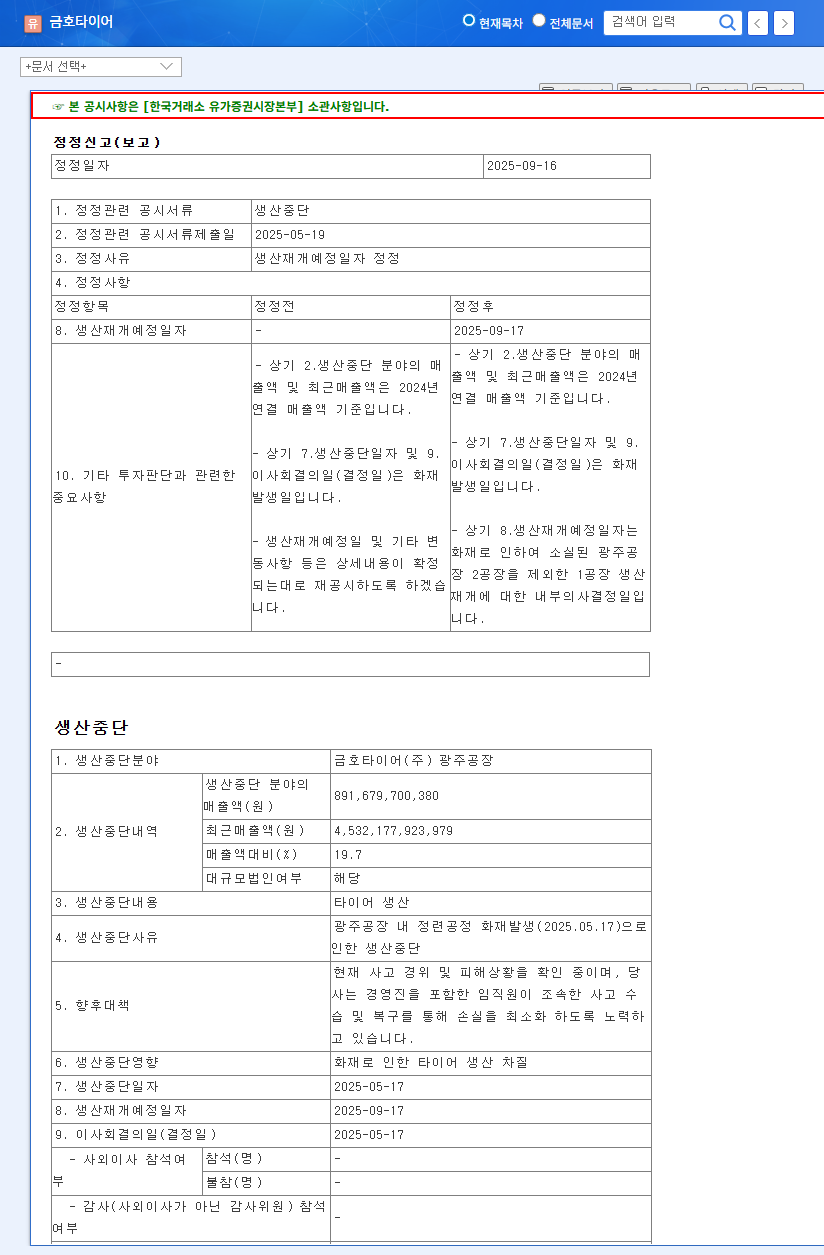
    Kumho Tire announced a production halt at its Gwangju plant on September 16, 2025. This represents a production disruption of 891.7 billion KRW, equivalent to 19.7% of annual sales. Following a strong performance in the first half of the year, this halt has sent shockwaves through the market.

    • Halt Details: Tire production at Gwangju plant
    • Financial Impact: 891.7 billion KRW (19.7% of sales)
    • Announcement Date: September 16, 2025

    2. Why the Halt? Background and Analysis

    The specific cause of the production halt isn’t explicitly stated in the provided text. However, the need for further analysis on the exact cause suggests potential factors beyond the mentioned fire incident. This requires careful monitoring of future company disclosures and news.

    3. What’s the Impact? Short-Term and Long-Term Analysis

    3.1. Short-Term Impact

    • Sales decline and profitability deterioration
    • Production planning adjustments and supply chain disruptions
    • Increased costs (production restart, recovery, alternative production)
    • Downward pressure on stock price

    3.2. Long-Term Impact

    • Delayed profitability recovery
    • Potential market share loss
    • Possible deterioration of financial health
    • Weakening of new growth drivers
    • Potential Positives: Enhanced safety & quality, supply chain restructuring

    4. What Should Investors Do? Investment Strategies

    • New Investors: Wait and see, assess the situation
    • Current Holders: Consider reducing holdings or monitoring the situation
    • Long-Term Investors: Potential buying opportunity (thorough analysis required)

    Frequently Asked Questions (FAQ)

    How will the Gwangju plant production halt affect Kumho Tire’s stock price?

    Downward pressure on the stock price is expected in the short term. The significant scale of the production disruption is likely to negatively impact investor sentiment.

    How is Kumho Tire responding to this situation?

    According to the provided information, specific response measures haven’t been publicly disclosed yet. Future announcements from the company should be closely monitored.

    What is the long-term investment outlook for Kumho Tire?

    Kumho Tire’s crisis management capabilities and the speed of production normalization are crucial. While the situation might present a buying opportunity for those who believe in the company’s long-term growth potential, careful consideration is essential.

    Kumho Tire Halts Production: Impact Analysis and Investment Strategies 관련 이미지
  • Nexen Tire Investor Relations (IR) Analysis: What’s the Outlook for H2 2025?


    Nexen Tire Investor Relations (IR) Analysis: What's the Outlook for H2 2025? 대표 차트 이미지


    1. What’s Happening with Nexen Tire?

    Nexen Tire achieved consolidated revenue of KRW 1.5759 trillion in the first half of 2025, a 9.3% increase year-on-year. Strengthened global sales networks and expanded premium OE supply have contributed to continued sales growth, with operating profit also improving to KRW 83.3 billion. However, the operating profit margin remains low at 5.29%.

    2. Why is Nexen Tire Important?

    The global tire market is expected to grow steadily due to emerging market growth and the expansion of the electric vehicle market, but competition is also intensifying. Uncertainties in the external environment, such as rising raw material prices, increasing logistics costs, exchange rate fluctuations, and US market risks, could continue to weigh on Nexen Tire’s profitability. In this context, Nexen Tire is focusing on securing future growth engines, such as electric vehicle tires, through expanded R&D investment while maintaining a solid financial structure.

    3. Key Takeaways from the September 11th IR

    This IR will provide insights into Nexen Tire’s growth strategies and future vision. Key areas of interest include profitability improvement strategies, electric vehicle tire development status, global market strategies, exchange rate and interest rate volatility response strategies, and US market risk mitigation strategies. The information presented at the IR can significantly impact investor sentiment and stock prices.

    4. What Should Investors Do?

    • Carefully analyze the IR content: Evaluate management’s vision and risk management capabilities through the presentation and Q&A session.
    • Maintain a long-term perspective: Consider Nexen Tire’s long-term growth potential without being swayed by short-term stock price fluctuations.
    • Consult expert opinions: Refer to expert analysis and advice before making investment decisions.


    FAQ

    When is the Nexen Tire IR meeting?

    It is scheduled for September 11, 2025, at 2:20 PM.

    What will be presented at the IR?

    The first half of 2025 business performance, future growth strategies, and key risk management plans will be presented.

    How can I participate in the IR?

    You can find participation details on the Nexen Tire IR website or through public disclosures.


    Nexen Tire Investor Relations (IR) Analysis: What's the Outlook for H2 2025? 관련 이미지
    Nexen Tire Investor Relations (IR) Analysis: What's the Outlook for H2 2025? 관련 이미지


  • Hankook Tire & Technology Takes Off with Hanon Systems Acquisition: Investment Strategy Analysis

    1. The Hanon Systems Acquisition: What Happened?

    Hankook Tire & Technology acquired Hanon Systems, achieving both business diversification and external growth. This strategic move goes beyond simple expansion and strengthens the company’s competitiveness in the future mobility market.

    2. Why It Matters: Positive Impacts and Growth Potential

    • Synergy Effects: The acquisition is expected to diversify Hankook Tire & Technology’s business portfolio and expand its global influence.
    • Solid Tire Business Performance: The stable profitability of the existing tire business provides a solid foundation.
    • Investment in Future Technologies: Active investment in future mobility technologies, such as electric vehicle tires and Airless Wheels, will contribute to securing long-term growth momentum.

    3. What’s Next?: Market Outlook and Investment Strategy

    Hankook Tire & Technology is expected to continue its stable growth based on positive fundamentals. However, caution is also needed regarding external environmental changes.

    4. Investor Action Plan: Key Investment Points and Risk Management

    Key Investment Points

    • Business diversification and synergy effects
    • Solid tire business performance
    • Investment in future technologies

    Risk Factors

    • Exchange rate volatility
    • Rising raw material prices and logistics costs
    • Intensifying competition
    • Post-acquisition integration risks

    Investors should comprehensively consider these factors when making investment decisions.

    Frequently Asked Questions

    How will the Hanon Systems acquisition impact Hankook Tire & Technology?

    The acquisition is expected to contribute to business diversification and external growth, as well as strengthen Hankook Tire & Technology’s competitiveness in the future mobility market.

    What are the key risks to consider when investing?

    Key risks include exchange rate volatility, rising raw material prices, intensifying competition, and potential risks during the post-acquisition integration process.

    What are the future growth drivers for Hankook Tire & Technology?

    Investments in future mobility technologies, such as electric vehicle tires and Airless Wheels, are expected to be key growth drivers.

  • Hankook Tire’s Interim Dividend: Opportunity or Risk? Key Takeaways and Outlook

    1. The Interim Dividend: What Happened?

    Hankook Tire & Technology will distribute an interim cash dividend of KRW 800 per share, with a record date of September 4, 2025. This translates to a dividend yield of approximately 1.96% based on the current share price. While this provides additional returns for investors, it also raises questions about the company’s financial health and future investment plans.

    2. Why the Interim Dividend?

    The interim dividend is a positive sign, demonstrating the company’s commitment to enhancing shareholder value. The robust performance of the tire division has generated a stable cash flow, enabling the dividend payout. However, the increased debt-to-equity ratio on the consolidated financial statements following the acquisition of Hanon Systems is a crucial factor for investors to consider.

    3. Impact of the Dividend: What’s Next?

    In the short term, increased stock price volatility can be expected around the ex-dividend date. However, the long-term trajectory will depend on the performance improvement of the Hanon Systems division and the company’s ability to secure future growth engines. Fluctuations in raw material prices, exchange rates, and the global automotive market will also play a significant role.

    4. Investor Action Plan: What Should You Do?

    Investors should make informed decisions based on a comprehensive evaluation of Hankook Tire’s business portfolio, financial health, and external factors. Continuous monitoring of the Hanon Systems division’s performance and the company’s future growth strategy is particularly important. A long-term perspective focused on evaluating the company’s intrinsic value is recommended, rather than reacting to short-term price fluctuations.

    What is the interim dividend amount for Hankook Tire?

    KRW 800 per share.

    What are the record and payment dates for the dividend?

    The record date is September 4, 2025, and the payment date is September 19, 2025.

    How will the interim dividend decision affect the stock price?

    Short-term volatility can be expected around the ex-dividend date, but the long-term stock price will depend on the company’s performance and growth strategy.

  • DN Automotive’s H1 2025 Earnings Analysis: Restructuring and Future Growth Potential

    1. DN Automotive’s H1 2025 Performance: A Look at the Numbers

    DN Automotive reported consolidated revenue of KRW 909.6 billion, operating profit of KRW 121.5 billion, and net income of KRW 53.4 billion for the first half of 2025. While revenue and operating profit declined year-over-year, net income improved. What are the implications of these changes?

    2. Restructuring for Future Growth

    • 2.1 Merger Synergies: The merger with Donga Tire expands DN Automotive’s presence in the tire and rubber products market, promising revenue diversification and economies of scale.
    • 2.2 Holding Company Transition: This creates a favorable environment for strategic investments and new growth engine development. However, managing subsidiary performance volatility and regulatory compliance remain crucial.
    • 2.3 Continued Investment in Technology: Ongoing R&D investment reinforces technological competitiveness, evidenced by successful supply contracts with global automakers.

    3. Financial Analysis: Positive Factors and Risk Management

    • 3.1 Improved Financial Health: Treasury stock cancellation demonstrates a commitment to shareholder value, and the decrease in consolidated debt is positive. However, increasing accounts receivable and inventory levels highlight the need for enhanced inventory management and sales strategies.
    • 3.2 Analyzing Profitability Shifts: The decline in consolidated performance is attributed to weakness in the machine tool business and increased consolidation adjustments. However, the growth of the automotive parts and tube businesses on a separate basis is encouraging.

    4. Action Plan for Investors

    DN Automotive is focusing on securing future growth engines through restructuring. Investors should consider the following points when developing their investment strategy:

    • Monitoring exchange rate and interest rate volatility
    • Inventory management efficiency
    • Performance of investments in new growth engines
    • Changes in the macroeconomic environment
    What was DN Automotive’s revenue for the first half of 2025?

    KRW 909.6 billion.

    What are DN Automotive’s main businesses?

    Automotive parts, tire and rubber products, and tubes. The merger with Donga Tire has expanded their business portfolio.

    What is the outlook for DN Automotive’s stock price?

    Stock price volatility may increase due to uncertainties surrounding the restructuring and holding company transition, as well as global economic fluctuations. Careful consideration is advised before investing.

  • Hankook Tire & Technology H1 2025 Earnings: Navigating Growth and Debt Post-Hanon Systems Acquisition

    1. What Happened in H1 2025?

    Hankook Tire showed mixed results, with revenue growth but a decline in operating profit. Revenue reached ₩53.697 trillion, exceeding market expectations, while operating profit fell short at ₩3.536 trillion. Net profit, although down year-on-year, beat market forecasts at ₩1.821 trillion.

    2. Why These Results?

    Positive Factors: Robust tire sales and the Hanon Systems acquisition fueled revenue growth. The expansion of the eco-friendly/high-performance tire lineup, spearheaded by the electric vehicle tire ‘iON,’ had a positive impact.

    Negative Factors: Rising raw material prices, interest rate hikes, increased R&D investment, and Hanon Systems’ weak profitability are the main reasons for the decline in operating profit. The increased debt and high interest rates from the Hanon Systems acquisition are putting pressure on financial soundness.

    3. What’s Next?

    Long-Term Outlook: The structural growth of the tire market, the expansion of the EV market, and potential synergies with Hanon Systems are positive.

    Short-Term Outlook: Increased financial burden, pressure on profitability, and operating profit falling short of market expectations are causes for concern.

    4. What Should Investors Do?

    The current investment recommendation is ‘Hold.’ Closely monitor Hankook Tire’s strategy for synergy with Hanon Systems, financial soundness recovery, and response to changes in the macroeconomic environment. Pay close attention to Hanon Systems’ profitability improvement, debt-to-equity ratio trends, and the impact of exchange rate and interest rate fluctuations.

    Q: Hankook Tire’s H1 2025 earnings in one sentence?

    A: Revenue grew, but profitability declined. The effects of the Hanon Systems acquisition coexist with financial risks.

    Q: Should I invest in Hankook Tire now?

    A: The current investment recommendation is ‘Hold.’ Observe the synergy with Hanon Systems and financial improvement.

    Q: What factors influence Hankook Tire’s stock price?

    A: Raw material prices, exchange rates, interest rate fluctuations, and Hanon Systems’ performance are key variables.