Tag: Supply Contract

  • (348350) WITHTECH Stock Analysis: Impact of ₩3.6B SK hynix Deal & 2026 Investment Outlook

    (348350) WITHTECH Stock Analysis: Impact of ₩3.6B SK hynix Deal & 2026 Investment Outlook

    The outlook for WITHTECH stock has entered a pivotal phase following a major contract announcement. WITHTECH, Inc., a key player in the semiconductor ecosystem, recently secured a substantial ₩3.6 billion supply deal with industry giant SK hynix. While this news injects significant optimism, it arrives amidst underlying profitability concerns. This comprehensive analysis will dissect the contract’s implications, evaluate the company’s fundamental health, and present a clear investment strategy for investors considering a position in WITHTECH Inc.

    Can this landmark deal be the catalyst that resolves persistent profitability issues and propels the company into a new era of sustainable growth? We will explore the opportunities and risks to provide a balanced view on making a wise WITHTECH investment.

    The Landmark SK hynix Deal: A Closer Look

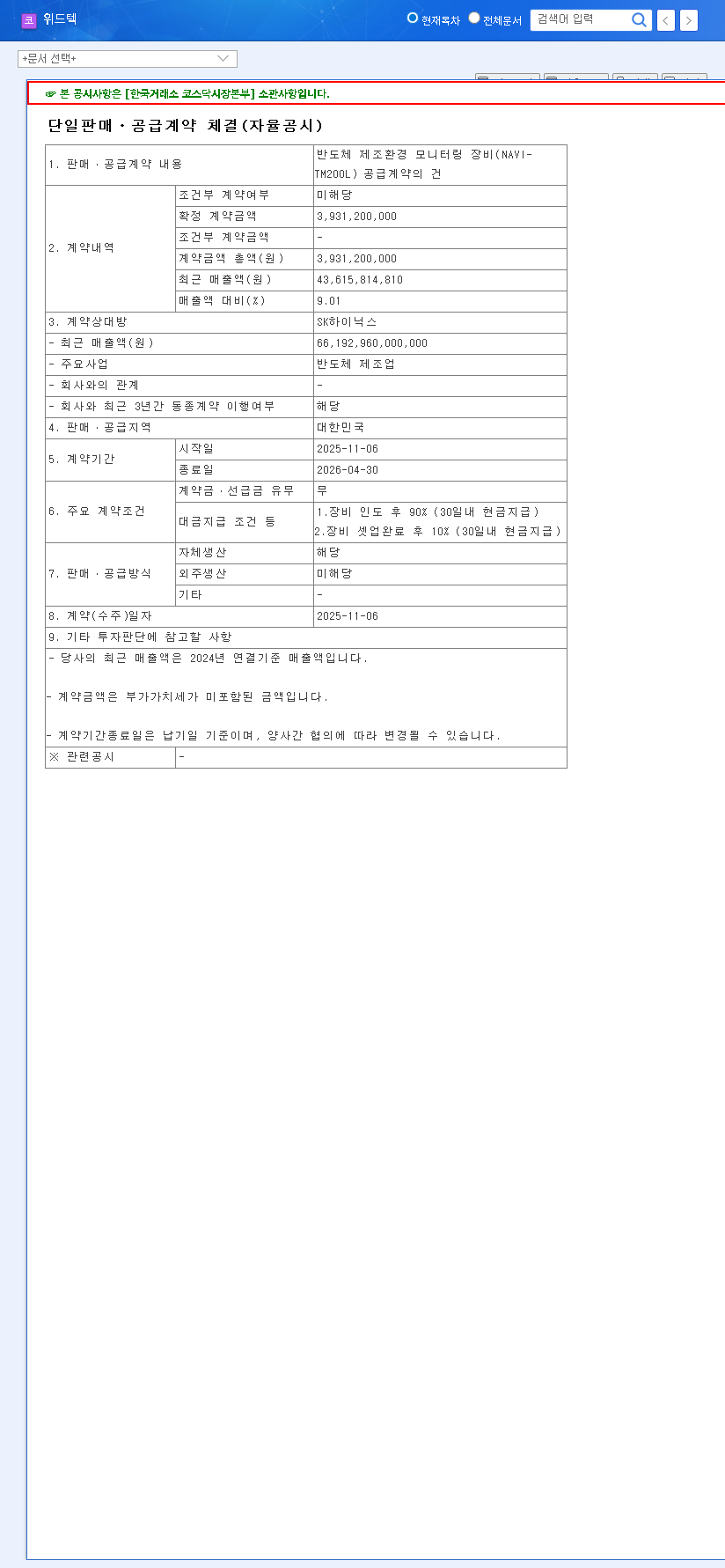
    On November 10, 2025, WITHTECH, Inc. announced a significant supply contract with SK hynix, one of the world’s leading memory chip makers. The deal, valued at ₩3.6 billion, is for advanced semiconductor manufacturing environment monitoring equipment, including their flagship NAVI-TM200L model. According to the Official Disclosure, this contract represents a substantial 8.24% of the company’s projected 2025 revenue. The contract period extends from November 7, 2025, to May 31, 2026, ensuring a solid revenue stream for the next two quarters.

    This SK hynix deal is more than just a financial boost; it’s a powerful endorsement of WITHTECH’s technological capabilities, solidifying its position as a critical supplier within the highly competitive semiconductor industry.

    Fundamental Analysis: Growth with Underlying Challenges

    A review of WITHTECH’s H1 2025 semi-annual report reveals a complex picture. The company achieved an impressive 16% year-on-year revenue growth, a clear sign of market demand. However, this top-line growth was overshadowed by an operating loss of ₩590 million, highlighting a critical decline in profitability. This was attributed to a rise in the cost of goods sold and increased SG&A expenses.

    The AMC Segment: WITHTECH’s Growth Engine

    The primary driver behind the revenue surge was the ‘Atmospheric Molecular Contamination’ (AMC) segment, which saw an explosive 393% increase. AMC control is vital in modern semiconductor fabrication, where even parts-per-billion level contaminants can ruin entire batches of wafers. WITHTECH’s expertise in high-sensitivity measurement and contamination control technology places it at the forefront of this crucial niche, a fact validated by the recent SK hynix deal.

    Core Strengths and Weaknesses

    • Strengths: Leading-edge precision measurement technology, a robust portfolio of patents, a deep pool of engineering talent, and promising diversification into new markets like nuclear power plant decommissioning waste analysis.
    • Weaknesses: Deteriorating operating and net profit margins, negative ROE and EPS in H1 2025. The company faces an urgent need to improve its financial health and translate revenue into profit.

    Navigating Macroeconomic Headwinds

    The global environment presents both opportunities and risks for any semiconductor stock analysis. While the overall industry growth is a tailwind, WITHTECH must navigate several macroeconomic factors:

    • Interest Rates: A high-interest rate environment, particularly in the U.S., increases borrowing costs, which can strain a company working to improve its financial standing.
    • Exchange Rates: Fluctuations in the EUR/KRW and USD/KRW rates can impact the value of foreign currency assets and liabilities, affecting both revenue from exports and the cost of imported components.
    • Supply Chain & Logistics: As noted by the rising China Containerized Freight Index, global supply chain instability persists. This can lead to increased logistics costs, directly impacting WITHTECH’s bottom line. For more on this, see analysis from sources like The Wall Street Journal’s logistics reports.

    Investment Strategy: A Prudent Approach to WITHTECH Stock

    Our overall opinion on a WITHTECH investment is currently “Neutral.” The company holds significant growth potential validated by the SK hynix contract, but this is balanced by the critical challenge of improving profitability.

    The core investment thesis hinges on whether WITHTECH can leverage its top-line momentum to achieve operational efficiency and deliver sustainable profit growth. A cautious, monitoring-focused approach is advised.

    Short-Term Outlook (1-3 Months)

    Investors should closely watch for initial market reactions to the deal and the company’s next quarterly earnings report. Look for specific commentary on cost management strategies during the SK hynix contract execution. A strategy of staggered buying or observing from the sidelines is recommended until clear signs of margin improvement appear.

    Mid- to Long-Term Outlook (6+ Months)

    The long-term health of WITHTECH stock depends on two key factors: the sustained growth of its core AMC business and tangible progress in its new ventures, particularly the nuclear power plant decommissioning analysis unit. Investment decisions should be guided by evidence of improving financial health and the successful expansion into these new, high-potential markets.
    (348350) WITHTECH Stock Analysis: Impact of ₩3.6B SK hynix Deal & 2026 Investment Outlook 관련 이미지
  • (082740) Hanwha Engine Secures KRW 270.3B Contract with Hanwha Ocean: Stock Analysis & Forecast

    (082740) Hanwha Engine Secures KRW 270.3B Contract with Hanwha Ocean: Stock Analysis & Forecast

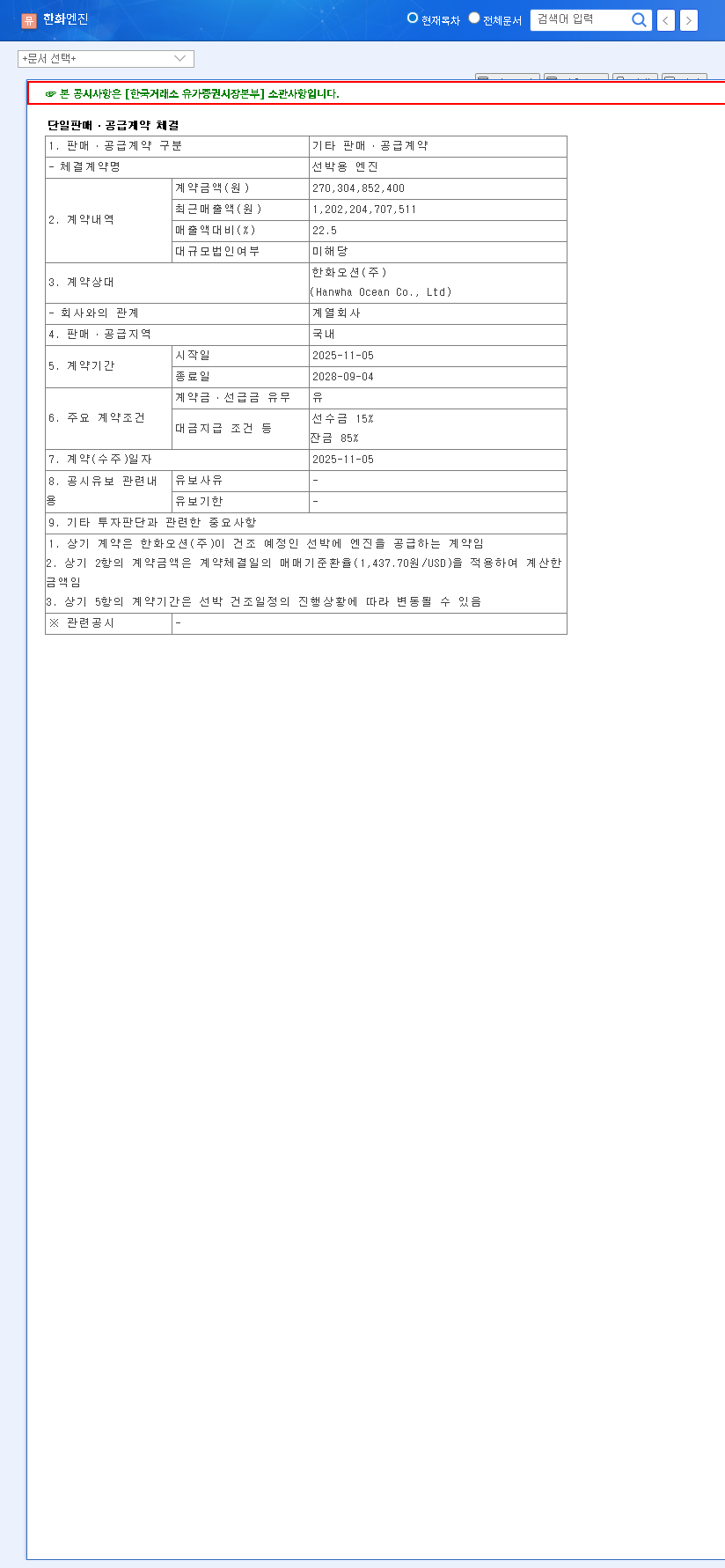
    In a significant development for the global shipbuilding industry, Hanwha Engine Co., Ltd. has officially announced a massive Hanwha Engine contract with its affiliate, Hanwha Ocean. This deal, valued at a staggering KRW 270.3 billion, is a pivotal moment for the company and its investors. This comprehensive analysis will dissect the contract’s details, explore its profound implications for the Hanwha Engine stock, and provide a strategic outlook for stakeholders navigating this dynamic market.

    The announcement signals more than just a large order; it’s a testament to Hanwha’s strengthening internal synergies and its strategic positioning as a leader in next-generation, eco-friendly marine propulsion systems. Let’s delve into the specifics.

    Unpacking the KRW 270.3 Billion Hanwha Engine Contract

    According to the official filing, this ship engine supply agreement is one of the most substantial in the company’s recent history. The KRW 270.3 billion figure represents a remarkable 22.5% of Hanwha Engine’s entire revenue from the 2023 fiscal year, highlighting its immense scale and importance. The contract period is set from November 5, 2025, to September 4, 2028, establishing a stable and predictable revenue stream for nearly three years. You can view the complete details in the Official Disclosure (DART).

    This long-term agreement with a key partner like Hanwha Ocean not only secures a significant portion of future revenue but also dramatically enhances the company’s order book visibility, a key metric for investor confidence.

    Market Context: Riding the Wave of a Shipbuilding Supercycle

    This landmark deal doesn’t exist in a vacuum. It arrives amidst a powerful upswing in the global shipbuilding sector. Several key factors are driving this boom, directly benefiting suppliers like Hanwha Engine.

    The Push for Eco-Friendly Vessels

    The maritime industry is under immense pressure to decarbonize. Regulations from bodies like the International Maritime Organization (IMO) are forcing fleet owners to replace aging, inefficient vessels with modern ships powered by cleaner fuels. This is where Hanwha Engine excels. The company is a leader in producing high-value dual-fuel (DF) engines capable of running on LNG, methanol, and other alternative fuels. While the specifics of this contract’s engines are yet to be fully detailed, it is highly probable that it includes these eco-friendly ship engines, reinforcing Hanwha’s technological edge.

    Strengthening Hanwha Group Synergy

    The client, Hanwha Ocean (formerly Daewoo Shipbuilding & Marine Engineering), is a sister company within the larger Hanwha Group. This intra-group deal is a powerful demonstration of vertical integration. It creates a streamlined, efficient supply chain that benefits both entities, reducing counterparty risk and fostering collaborative innovation. This synergy is a core part of the investment thesis for the Hanwha Engine stock, promising a stable demand pipeline from one of the world’s largest shipbuilders.

    Financial Implications & Potential Risks

    While the top-line revenue boost is clear, investors must consider both the opportunities and the potential headwinds. A balanced view is crucial for making informed decisions.

    Investment Positives (The Bull Case)

    • Revenue & Profitability: The contract provides a guaranteed, multi-year revenue stream, which is expected to significantly improve profitability and earnings per share (EPS).
    • Market Leadership: Securing such a large order for likely eco-friendly engines solidifies Hanwha Engine’s position at the forefront of marine technology.
    • Improved Fundamentals: A stronger balance sheet and predictable cash flow could lead to credit rating upgrades and increased investor appeal. For more on this, see our guide to analyzing industrial stocks.

    Potential Risks to Monitor (The Bear Case)

    • Margin Pressure: While the deal is in KRW, many engine components are imported. Significant currency volatility (e.g., a strengthening USD) could erode profit margins.
    • Raw Material Costs: Fluctuations in the prices of steel and other critical metals can impact the cost of goods sold, affecting the contract’s overall profitability.
    • Execution Risk: Delivering on a contract of this magnitude requires flawless execution. Any production delays or quality issues could lead to penalties and reputational damage.

    Investor Outlook & Strategic Takeaways

    The announcement of the Hanwha Engine contract has likely already catalyzed positive short-term sentiment for the stock. However, savvy investors should look beyond the initial excitement. The medium-to-long-term outlook appears highly promising, underpinned by strong industry fundamentals and the company’s enhanced competitive position. Investors should closely monitor the company’s quarterly reports for updates on the contract’s execution, margin performance, and any further large-scale orders. This deal serves as a powerful validation of Hanwha Engine’s strategy and its integral role in the future of sustainable shipping.

    (082740) Hanwha Engine Secures KRW 270.3B Contract with Hanwha Ocean: Stock Analysis & Forecast 관련 이미지
  • (217330) Cytogen, Inc. (217330) Analysis: ₩1 Billion Contract Boosts Liquid Biopsy Future

    (217330) Cytogen, Inc. (217330) Analysis: ₩1 Billion Contract Boosts Liquid Biopsy Future

    Biotechnology innovator Cytogen, Inc. (217330) has captured significant market attention by securing a major government contract, signaling a potential turning point for the company. Fresh off resolving a prolonged management dispute, this new development provides a crucial lens through which to re-evaluate the company’s prospects. This in-depth analysis will explore the specifics of the contract, its strategic importance for Cytogen’s core liquid biopsy technology, the lingering financial challenges, and what it all means for potential investors.

    We will provide a comprehensive Cytogen stock analysis, balancing the newfound optimism with a realistic look at the hurdles that remain on its path to sustainable profitability and long-term growth.

    Deconstructing the ₩1 Billion Government Contract

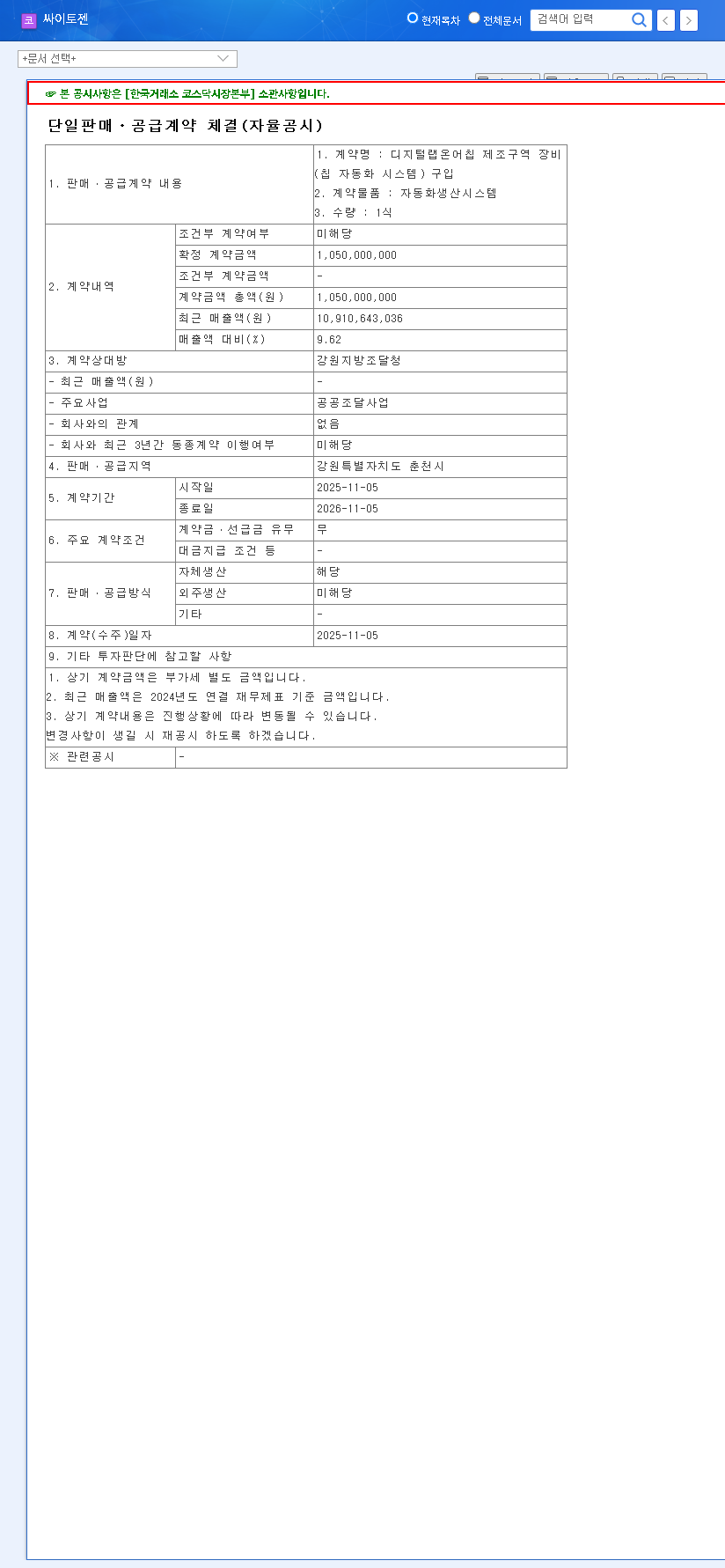
    On November 5, 2025, Cytogen, Inc. announced the signing of a substantial ₩1 billion (approx. $740,000 USD) supply contract with the Gangwon Regional Public Procurement Service. This agreement, detailed in an Official Disclosure, is for the delivery of a digital lab-on-a-chip manufacturing zone equipment (chip automation system) over a one-year period. Representing 9.62% of the company’s 2024 sales, this contract is a significant revenue event.

    The importance of this deal extends beyond its monetary value. Securing a contract with a government body like the Public Procurement Service serves as a powerful third-party validation of Cytogen’s technological capabilities and business reliability. This can act as a crucial stepping stone, enhancing the company’s credibility and potentially opening doors to further public and private sector projects in the future.

    This government contract is more than just a revenue boost; it’s a vote of confidence in Cytogen’s technology and its strategic direction, particularly in automating the production of its core diagnostic components.

    The Core Technology: Powering the Future of Liquid Biopsy

    To fully appreciate the contract’s impact, one must understand Cytogen’s core focus: liquid biopsy technology. This cutting-edge field of medicine is poised to revolutionize diagnostics, especially in oncology.

    What is Liquid Biopsy?

    A liquid biopsy is a minimally invasive test done on a sample of blood to look for cancer cells or for pieces of DNA from tumor cells that are circulating in the blood. Unlike traditional surgical biopsies, which are invasive and can be risky, liquid biopsies offer a safer, faster, and repeatable method for detecting cancer, monitoring treatment effectiveness, and checking for recurrence. You can learn more about the science behind liquid biopsy technology from leading research institutions.

    How the New Equipment Enhances Cytogen’s Capabilities

    The chip automation system in the Cytogen contract is the key. This equipment is designed to mass-produce the sophisticated microfluidic ‘lab-on-a-chip’ devices that are the heart of their liquid biopsy platform. By automating this process, Cytogen can increase production efficiency, reduce costs, and ensure higher quality control, paving the way for the commercial-scale rollout of its diagnostic products.

    Navigating Financial Headwinds and Governance Tailwinds

    While the contract is a clear positive, a prudent Cytogen, Inc. analysis requires a look at the full picture. The company has recently emerged from a period of uncertainty. The resolution of its management dispute in favor of the largest shareholder, Candyx Holdings, has brought much-needed stability. Furthermore, the installation of an Audit Committee is a commendable step towards strengthening corporate governance and protecting shareholder interests.

    However, significant financial challenges persist. Investors must remain aware of these fundamental hurdles:

    • Persistent Operating Losses: The company has recorded consecutive years of operating losses, which puts pressure on its cash flow and overall financial health.
    • Accumulated Deficit: A substantial accumulated deficit remains on the balance sheet, reflecting past losses and the capital-intensive nature of biotech research and development.
    • Convertible Bond Liabilities: The presence of outstanding convertible bonds could lead to future dilution for existing shareholders if these bonds are converted into equity.

    Investment Outlook: A Cautious but Optimistic Path Forward

    For investors, the story of Cytogen, Inc. is one of a high-potential turnaround play fraught with risk. The recent contract and management stabilization provide a compelling bull case, but the financial realities demand caution. A successful investment thesis hinges on the company’s ability to leverage this momentum into sustained commercial success.

    Investors should closely monitor key performance indicators in the coming quarters: the successful implementation of the new manufacturing equipment, progress on the commercialization of its liquid biopsy products, securing of additional, larger-scale contracts, and a clear trend toward improved profitability. Evaluating these factors is crucial, just as it is when considering other high-growth biotech stocks.

    In conclusion, this ₩1 billion contract is a significant and positive catalyst for Cytogen, Inc. It validates their technology and provides a near-term revenue boost. However, it is a single step on a much longer journey. The path to transforming its innovative liquid biopsy technology into a profitable, market-leading enterprise will require continued operational excellence and financial discipline.

    (217330) Cytogen, Inc. (217330) Analysis: ₩1 Billion Contract Boosts Liquid Biopsy Future 관련 이미지
  • (096350) DAECHANG SOLUTION (096350) Stock Analysis: Can a ₩3.1B Steel Contract Fix Its Fundamentals?

    (096350) DAECHANG SOLUTION (096350) Stock Analysis: Can a ₩3.1B Steel Contract Fix Its Fundamentals?

    DAECHANG SOLUTION CO.,LTD. (096350) has captured significant investor attention following the announcement of a major supply contract. The company secured a ₩3.1 billion special steel deal with the US-based BARDEX CORPORATION, a development seen as a potential lifeline amidst challenging financial headwinds. While the news offers a welcome revenue boost, it arrives as the company contends with deteriorating profitability and a concerningly high debt ratio. This comprehensive analysis will dissect the contract’s true impact, examining whether it represents a genuine turning point for DAECHANG SOLUTION’s fundamentals or is merely a temporary bright spot in a larger, more complex financial picture.

    The Landmark Deal: A Breakdown of the Contract

    On November 4, 2025, DAECHANG SOLUTION formally disclosed the agreement, which you can view in the Official Disclosure (DART). The contract outlines the supply of shipyard special steel to BARDEX CORPORATION over a 12-month period, concluding on October 31, 2026. This deal is not just another order; it’s a strategic entry into the competitive US market, a move that could pave the way for future North American expansion.

    The contract value of ₩3.1 billion represents approximately 5.03% of the company’s projected 2025 annual revenue. While not a transformative figure on its own, its importance lies in diversifying the company’s revenue stream away from its traditional markets and showcasing its product quality on an international stage. This could be a critical step in mitigating risks associated with regional economic downturns, a topic often covered by global economic analysts.

    This export contract to the US market signifies more than just a sales increase; it’s a strategic maneuver to diversify DAECHANG SOLUTION’s geographical footprint and enhance its global brand recognition.

    The Sobering Reality: DAECHANG SOLUTION’s Financial Health

    To accurately gauge the contract’s impact, we must place it in the context of DAECHANG SOLUTION’s current financial standing. The 2025 semi-annual report paints a picture of a company facing significant structural challenges that a single contract cannot instantly resolve.

    Core Profitability and Debt Concerns

    The company’s core issues are twofold: declining profits and soaring debt. Sluggish performance in its primary shipbuilding materials and cryogenic industrial sectors has led to sustained operating losses. Compounding this issue is the company’s financial structure.

    • Surging Debt Ratio: The debt-to-equity ratio has ballooned to an alarming 295.38%, driven by increased borrowings and convertible bonds. This level of debt creates immense financial pressure and limits the company’s flexibility. For more information, you can read our guide on Understanding Debt-to-Equity Ratios.
    • Sustained Operating Losses: The company continues to struggle with profitability, indicating that its core business segments are underperforming in the current market.
    • Financial Liabilities: The presence of convertible bonds and derivative liabilities adds another layer of complexity and risk to the company’s financial health, potentially diluting shareholder value in the future.

    Strategic Pivots and Future Growth

    Despite these challenges, DAECHANG SOLUTION is not standing still. The company is actively investing in R&D for promising eco-friendly energy sectors, including ammonia and hydrogen, in a bid to secure future growth drivers. Furthermore, its marine solutions segment, which focuses on offshore wind power, has shown encouraging growth, partially offsetting the decline in traditional shipbuilding materials.

    Investor Verdict: A Neutral Stance with Cautious Monitoring

    The ₩3.1 billion special steel contract is unequivocally positive news. It provides a short-term revenue boost, strengthens a key customer relationship, and marks a successful entry into the US market. However, these positives are weighed down by the company’s significant underlying financial vulnerabilities. The contract’s 5.03% contribution to annual revenue is insufficient to fundamentally alter the company’s high-debt, low-profitability structure.

    Therefore, the recommended investment opinion is “Neutral.” Investors should view this development as a single step in what must be a long journey toward recovery. A sustained turnaround will require more than one contract; it will demand a comprehensive strategy to improve profitability and deleverage the balance sheet.

    Key Monitoring Points for Investors

    • Follow-on Orders: Will this deal with BARDEX CORPORATION lead to additional, larger contracts in the US market?
    • Debt Reduction Strategy: Look for concrete plans and actions from management to reduce the 295.38% debt-to-equity ratio.
    • New Growth Engine Progress: Are the investments in eco-friendly energy (ammonia, hydrogen) and offshore wind translating into tangible revenue?
    • Profitability Improvements: Monitor quarterly earnings reports for signs of a turnaround in operating margins and a return to net profit.

    In conclusion, while celebrating this short-term victory for DAECHANG SOLUTION, prudent investors should maintain a cautious, long-term perspective, focusing on the company’s progress in addressing its deep-rooted structural and financial challenges.

    (096350) DAECHANG SOLUTION (096350) Stock Analysis: Can a ₩3.1B Steel Contract Fix Its Fundamentals? 관련 이미지
  • (440110) FADU INC. Secures Landmark SSD Supply Contract: A Deep Dive for Investors

    (440110) FADU INC. Secures Landmark SSD Supply Contract: A Deep Dive for Investors

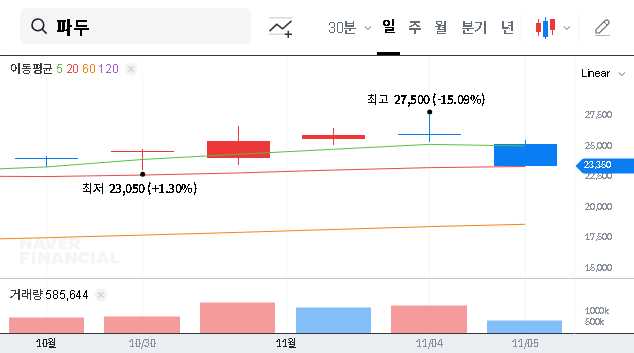
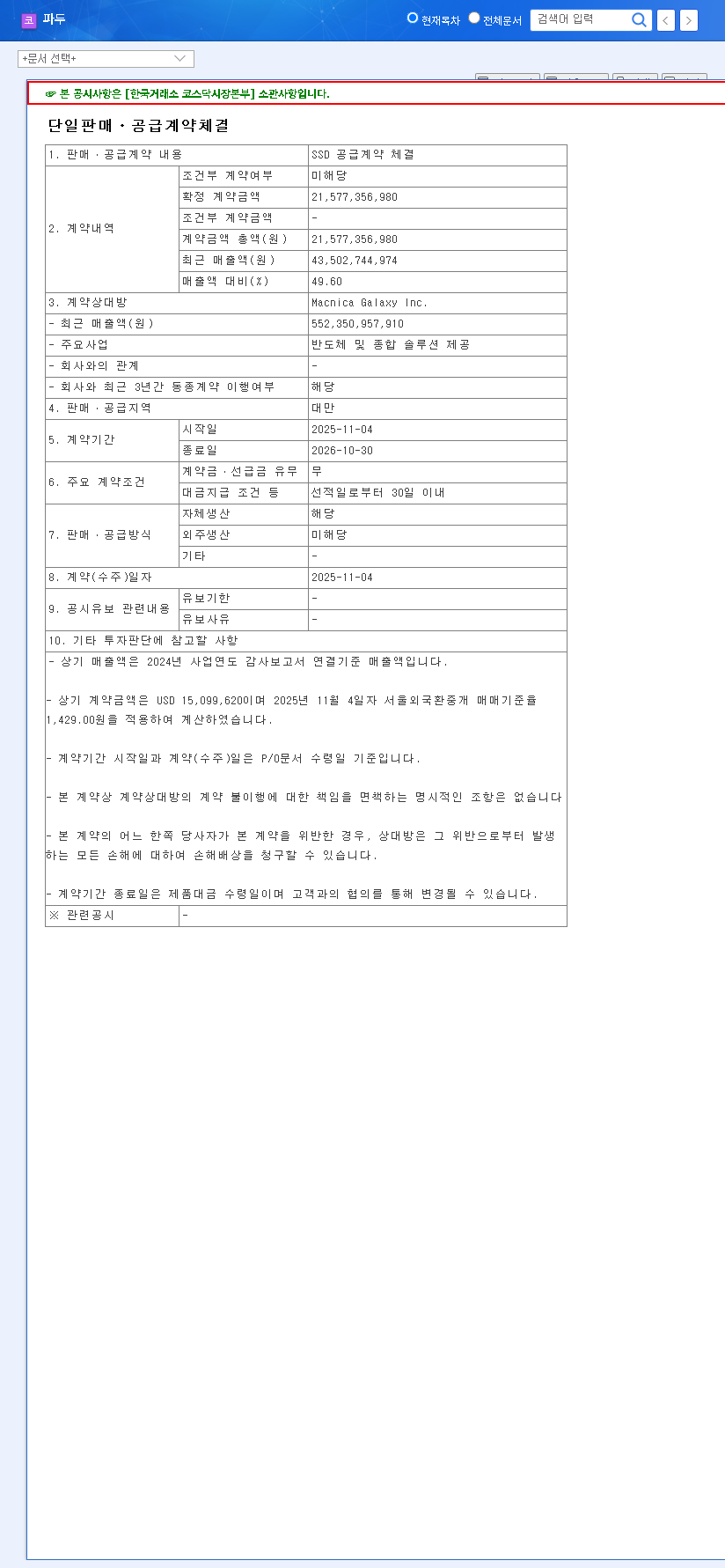
    In a significant development for the semiconductor industry, FADU INC., a key player in the data center SSD controller market, has announced a landmark FADU INC. SSD supply contract. This colossal deal, valued at KRW 21.6 billion, represents a staggering 49.60% of the company’s projected 2025 revenue. This news has understandably sent ripples through the investment community, raising critical questions: What does this mean for FADU’s future trajectory? And how should potential investors strategically approach FADU stock now? This comprehensive analysis will break down the contract details, explore the company’s fundamentals, and provide a clear outlook on the investment implications.

    Deconstructing the Landmark KRW 21.6 Billion Deal

    On November 5, 2025, FADU officially disclosed the signing of a major SSD supply agreement with Macnica Galaxy Inc., a prominent technology distributor. This isn’t just another contract; it’s a foundational piece of FADU’s revenue strategy for the upcoming fiscal year. The agreement, which can be viewed in the Official Disclosure on DART, outlines a 12-month supply period to Taiwan, running from November 2025 to October 2026. At approximately USD 16.6 million, the deal provides exceptional revenue visibility and significantly de-risks the company’s short-term sales forecasts.

    This contract single-handedly accounts for nearly half of FADU’s estimated 2025 revenue, making its successful execution the most critical factor for the company’s performance over the next year.

    FADU’s Corporate Health: A Fundamental Analysis

    To understand the true weight of this FADU INC. SSD supply contract, we must look at the company’s current operational and financial landscape. While the deal is a massive win, it exists within a complex context of challenges and opportunities.

    Financial Performance and Profitability Hurdles

    While FADU has demonstrated positive revenue growth, a key concern for investors has been its negative net profit margins. This indicates that despite growing sales, the company is not yet profitable, a common challenge for tech firms in a high-growth, high-spend phase. Factors like inventory valuation losses have previously impacted the bottom line. Therefore, a primary question surrounding this new contract is whether the profit margins are sufficient to help FADU pivot towards sustained profitability.

    Core Technology and Long-Term Growth Engines

    FADU’s core strength lies in its competitive position within the high-demand data center SSD controller market. The company is not resting on its laurels; it is actively investing in next-generation technologies like PCIe Gen5 and CXL (Compute Express Link). These advancements are crucial for handling the massive data loads of AI and cloud computing, positioning FADU at the forefront of the industry. For more information on market trends, you can explore reports from authoritative sources like Gartner’s semiconductor analysis. However, this commitment to R&D comes with significant costs, which can temporarily suppress short-term profits.

    Impact Analysis: Opportunities and Risks

    The deal’s impact is twofold, presenting both clear benefits and potential risks that warrant careful consideration.

    The Bull Case: Positive Catalysts

    • Secured Revenue Pipeline: The contract provides a rock-solid revenue foundation for the next 12 months, drastically improving financial predictability.
    • Global Market Validation: Securing a major deal in Taiwan with a partner like Macnica Galaxy Inc. reinforces FADU’s global competitiveness and expands its footprint in the critical Asian tech market.
    • Path to Profitability: If managed efficiently, this surge in revenue could provide the scale needed to overcome fixed costs and finally achieve positive net profit margins.

    The Bear Case: Risks to Monitor

    • Customer Concentration Risk: With one contract representing nearly 50% of revenue, FADU’s performance is now heavily dependent on a single client relationship. Any disruption to this contract would be highly impactful.
    • Margin Uncertainty: The announcement focuses on top-line revenue. The actual profitability of the deal remains unknown and is a critical variable for long-term FADU stock analysis.
    • Macroeconomic Headwinds: The global semiconductor market is notoriously cyclical and sensitive to interest rates, currency fluctuations, and geopolitical tensions, all of which remain as external risks.

    Investor Action Plan & Strategic Outlook

    Given the evidence, how should investors view FADU? The new supply contract is undeniably a major positive catalyst. It provides a clear growth narrative for the short term.

    The primary focus for any FADU investment thesis must shift to monitoring execution and profitability. Investors should closely watch quarterly earnings reports for commentary on the contract’s progress and, most importantly, its contribution to the bottom line. Furthermore, securing additional large-scale contracts will be key to proving this is a sustainable growth model and not a one-off event. For those interested in diversifying within this space, learning about investing in other semiconductor stocks could provide valuable context.

    Final Assessment

    In conclusion, the FADU INC. SSD supply contract is a transformative event that solidifies the company’s revenue base and validates its market position. It shifts the narrative from potential to proven demand. However, the journey towards sustainable profitability is still in progress. Cautious optimism is warranted. The contract provides a powerful tailwind, but investors must remain diligent in monitoring profitability metrics and the company’s efforts to diversify its customer base over the long term.

    (440110) FADU INC. Secures Landmark SSD Supply Contract: A Deep Dive for Investors 관련 이미지
  • (040910) ICD Co.,Ltd (040910) Analysis: KRW 25.1B LG Display Contract & Investment Outlook

    (040910) ICD Co.,Ltd (040910) Analysis: KRW 25.1B LG Display Contract & Investment Outlook

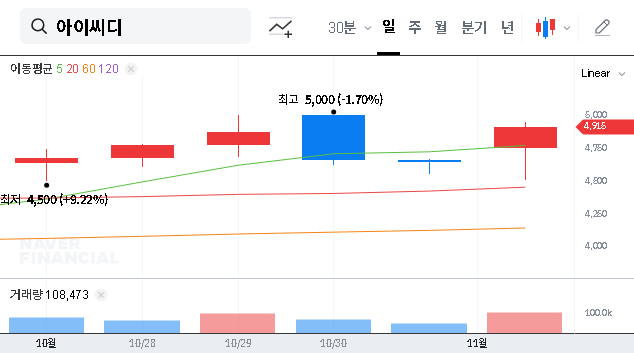
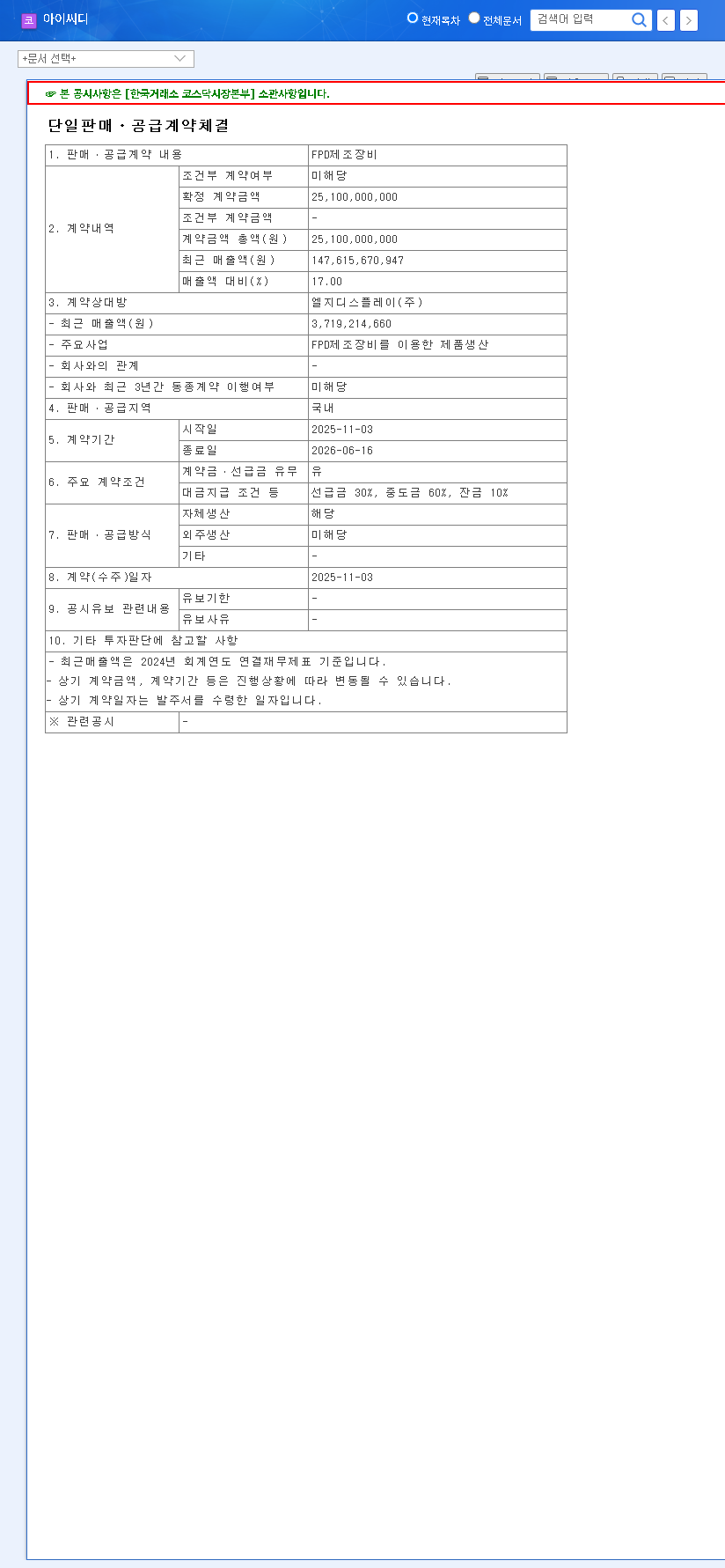
    An in-depth analysis of ICD Co.,Ltd (040910) reveals a pivotal moment for the FPD (Flat Panel Display) manufacturing equipment specialist. The company recently secured a massive KRW 25.1 billion supply contract with industry giant LG Display, a deal representing a significant 17% of its projected 2024 revenue. This has ignited debate among investors: is this the catalyst for a genuine turnaround, or a temporary reprieve for a company facing persistent financial headwinds? This analysis will dissect the contract, examine the underlying health of ICD Co.,Ltd, and provide a strategic outlook for potential investors.

    The Landmark ICD LG Display Contract: A Closer Look

    On November 3, 2025, ICD Co.,Ltd formally announced a landmark supply agreement with LG Display Co., Ltd., one of its most crucial clients. This contract for FPD manufacturing equipment is not just another order; its scale and timing make it a critical event for the company’s short-to-medium-term trajectory. The details, confirmed in an Official Disclosure, underscore its importance.

    Contract Snapshot:
    Value: KRW 25.1 Billion
    Client: LG Display Co., Ltd.
    Scope: FPD Manufacturing Equipment
    Duration: November 2025 – June 2026
    Significance: Represents 17.00% of ICD’s 2024 estimated revenue.

    Company Deep Dive: Financial Health & Market Position

    To understand the impact of this deal, we must first assess the current state of ICD Co.,Ltd. The company specializes in high-tech equipment essential for producing modern screens, such as the HDP (High-Density Plasma) Etcher and Vacuum Transfer Systems, for clients like Samsung Display and Canon Tokki Corporation.

    Performance & Persistent Financial Challenges

    The company’s performance has been a rollercoaster. After revenue plummeted from KRW 150.9 billion in 2022 to just KRW 62.2 billion in 2023 amid a display market downturn, a recovery to KRW 147.6 billion is forecast for 2024. Despite this revenue rebound and a secured order backlog of KRW 158.7 billion, the bottom line tells a concerning story. ICD posted a consolidated operating loss of KRW 26.7 billion and a net loss of KRW 28.3 billion in 2024. These losses are driven by several factors:

    • High Debt Burden: Increased interest expenses from Convertible Bonds are weighing heavily on profitability.
    • Credit Rating Downgrade: A consistent downgrade to BB- over three years signals rising financial risk and makes future fundraising more difficult and expensive.
    • Adverse Audit Opinion: A critical red flag is the 2024 auditor’s report, which gave an ‘adverse opinion’ on the company’s internal financial controls. This suggests significant weaknesses in how the company manages and reports its finances, a major concern for investors. For more on this topic, see this guide on understanding audit reports.

    Evaluating the Bull vs. Bear Case for ICD Co.,Ltd

    The Bull Case: A Catalyst for Growth

    The positive argument is straightforward. The KRW 25.1 billion from the ICD LG Display contract provides a powerful and immediate revenue injection. This strengthens the company’s relationship with a key domestic player, enhancing credibility and potentially leading to more stable, long-term partnerships. Furthermore, it validates that ICD’s core business and technology for FPD manufacturing equipment remain in demand, especially as the broader display industry analysis points towards growth in OLED for IT, automotive, and television applications. This contract is a clear signal of robust ongoing operations.

    The Bear Case: Masking Deeper Issues?

    However, the risks are substantial. A single large contract, while beneficial, does not solve fundamental profitability issues. The core challenge for ICD Co.,Ltd is converting revenue into profit. The company must demonstrate stringent cost management and operational efficiency to make this deal truly accretive. The equipment industry is highly cyclical, heavily dependent on the investment cycles of major panel makers. Another market downturn could quickly erase recent gains. Finally, macroeconomic factors like volatile exchange rates and rising interest rates could erode margins and increase borrowing costs, adding further pressure to an already strained balance sheet.

    Prudent Investment Strategy & Outlook

    Given the dual nature of this situation, a one-size-fits-all investment strategy is inappropriate. Investors should tailor their approach based on their risk tolerance and time horizon.

    • For Short-Term Traders: The focus should be on execution. Monitor the contract’s progress, revenue recognition schedules, and any immediate changes in the company’s cash flow statements. Positive momentum could create short-term opportunities, but be wary of relying solely on headline news without seeing tangible financial improvement.
    • For Long-Term Investors: The lens must be wider. Look for a concrete, communicated strategy for achieving sustainable profitability. This includes cost-cutting measures, development of higher-margin products, and a clear plan to improve the financial structure. Resolving the adverse audit opinion and restoring the company’s credit rating are non-negotiable checkpoints for long-term viability. Keep an eye on the broader display and semiconductor industry trends for signs of sustained capital investment.

    In conclusion, the LG Display contract has provided ICD Co.,Ltd with a crucial lifeline and a foundation for growth. However, the path to long-term corporate value and stock appreciation will be paved not just with revenue, but with disciplined financial management and a demonstrated ability to achieve lasting profitability.

    (040910) ICD Co.,Ltd (040910) Analysis: KRW 25.1B LG Display Contract & Investment Outlook 관련 이미지
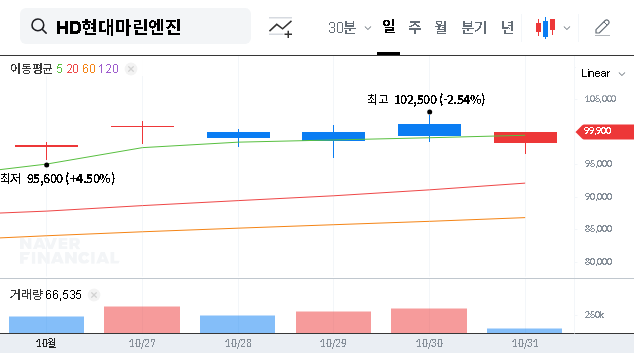
  • (071970) HD-Hyundai Marine Engine Contract: A ₩53.1B Deal Driving Future Growth

    (071970) HD-Hyundai Marine Engine Contract: A ₩53.1B Deal Driving Future Growth

    Analyzing the Landmark ₩53.1 Billion HD-Hyundai Marine Engine Contract

    In a significant development for the global shipbuilding industry, HD-Hyundai Marine Engine Co., Ltd. has secured a major shipbuilding engine supply contract valued at ₩53.1 billion. This pivotal agreement not only provides a substantial revenue injection but also solidifies the company’s position as a key player in the transition towards eco-friendly marine technology. This in-depth analysis will dissect the specifics of the HD-Hyundai Marine Engine contract, evaluate its impact on the company’s robust fundamentals, and explore the broader implications for the shipbuilding engine market and potential investors.

    For anyone considering an HD-Hyundai Marine Engine investment, understanding the nuances of this deal is critical. It serves as a powerful indicator of the company’s growth trajectory, its alignment with stringent environmental regulations, and its synergistic strength within the wider HD-Hyundai Group.

    Contract Breakdown: The Core Details

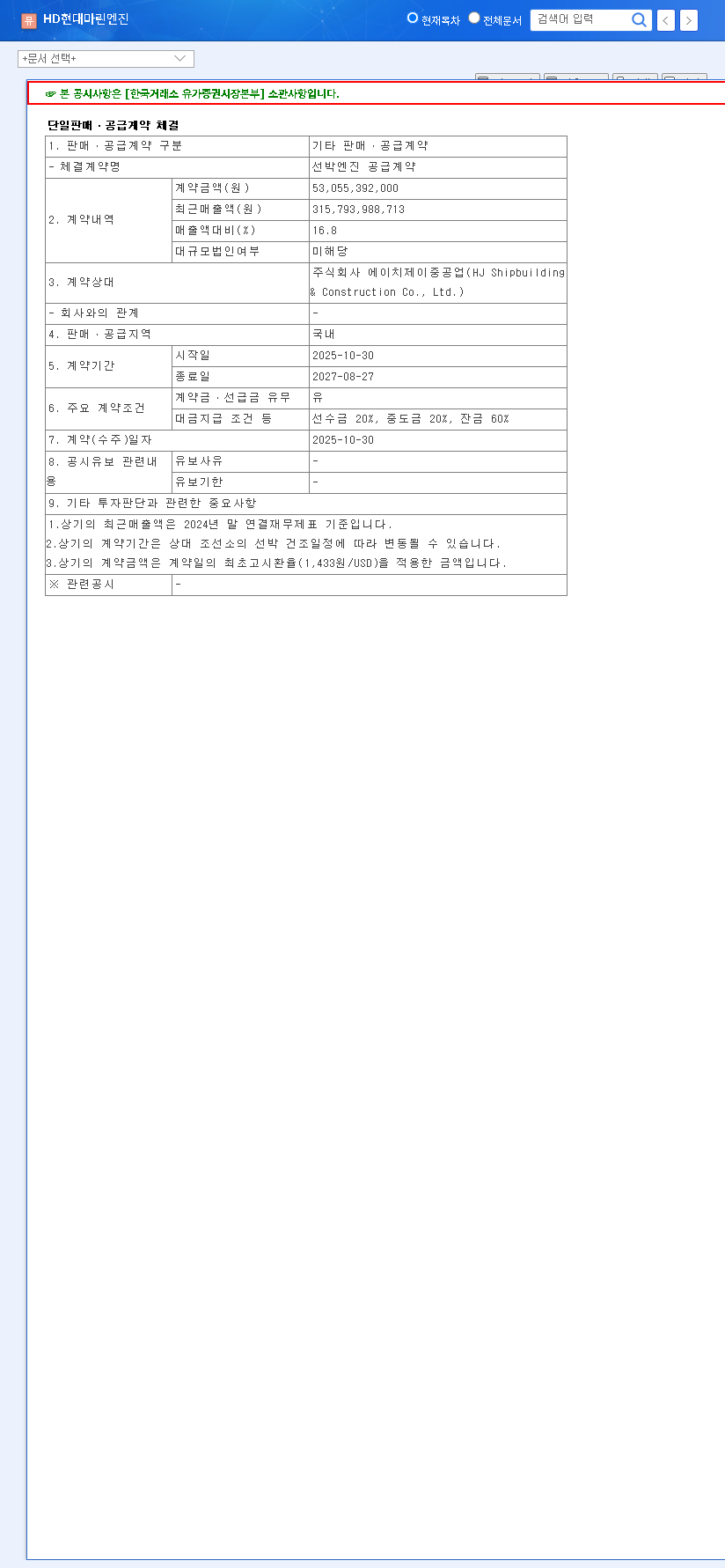
    On October 31, 2025, HD-Hyundai Marine Engine Co., Ltd. officially signed the ₩53.1 billion engine supply contract with HJ Shipbuilding & Construction Co., Ltd. The agreement’s details, confirmed in an official disclosure (Source: DART), highlight its strategic importance. The contract value represents a significant 16.8% of the company’s revenue from the first half of 2025. Spanning a period of nearly two years, from October 30, 2025, to August 27, 2027, this deal ensures a stable and predictable revenue stream, bolstering the company’s financial foundation.

    This long-term contract is more than just a number; it’s a testament to market confidence in HD-Hyundai’s technology and a crucial pillar for its mid-term financial stability and growth projections.

    Why This Deal Matters: Fundamentals and Future Outlook

    The timing of this contract aligns perfectly with HD-Hyundai Marine Engine’s strong performance and favorable market trends. The company’s fundamentals paint a picture of a healthy, growing enterprise poised to capitalize on industry shifts.

    Robust Financial Health

    The company’s financial performance in H1 2025 was exceptional, providing a strong base for this new contract. Key indicators include:

    • Impressive Growth: Revenue surged to ₩182.252 billion, a 24% year-on-year increase, driven by high demand for marine engines and crankshafts, especially in the Asian market.
    • Solid Profitability: A healthy Return on Equity (ROE) of approximately 8.5% and a manageable debt-to-equity ratio around 60% demonstrate financial stability.
    • Strong Cash Flow: Operating cash flow improved dramatically to ₩71.141 billion, a vital sign of operational efficiency in a capital-intensive industry.

    Capitalizing on the Green Shipping Revolution

    A primary driver of the positive outlook for the shipbuilding engine market is the global push for decarbonization. The International Maritime Organization (IMO) has set ambitious goals for reducing greenhouse gas emissions. These tightening regulations are forcing a fleet-wide transition to cleaner technologies, creating immense demand for eco-friendly marine engines. HD-Hyundai Marine Engine is perfectly positioned as a beneficiary of this trend, producing the advanced, dual-fuel engines that the market requires. You can learn more about these regulations directly from the official IMO website.

    Market Impact and Strategic Investment Outlook

    The ₩53.1 billion contract sends a clear, positive signal to the market and investors. It reinforces the company’s order-winning capabilities and strengthens its momentum. The partnership with HJ Shipbuilding & Construction also underscores the powerful synergy within the broader HD-Hyundai Group, a competitive advantage that can lead to more stable and integrated projects.

    While macroeconomic factors like exchange rate volatility and fluctuating raw material prices remain potential risks, the company’s current trajectory is decidedly positive. A stronger US Dollar, for instance, has been shown to positively impact profit margins on its export-heavy business model. For investors looking for a deeper dive, consider reviewing our complete guide to investing in the shipbuilding industry.

    Investor Action Plan & Key Takeaways

    The HD-Hyundai Marine Engine contract is a fundamentally positive event that reinforces the company’s growth narrative. Investors should:

    • Recognize the direct contribution to revenue growth and long-term stability.
    • Appreciate the strengthened order momentum and enhanced market sentiment.
    • Monitor macroeconomic factors, particularly exchange rates and commodity prices.
    • Watch for future financial announcements and news of additional orders.

    Frequently Asked Questions (FAQ)

    Q1: What are the key details of the contract?

    A1: HD-Hyundai Marine Engine signed a ₩53.1 billion engine supply contract with HJ Shipbuilding & Construction. This represents 16.8% of H1 2025 revenue and runs for approximately 1 year and 10 months, until August 2027.

    Q2: How does this contract impact the company financially?

    A2: It provides a direct boost to revenue and establishes a stable income base for nearly two years, enhancing financial predictability and supporting the company’s impressive growth trend.

    Q3: What is the business outlook for HD-Hyundai Marine Engine?

    A3: The outlook is highly positive. The increasing demand for eco-friendly marine engines, driven by IMO regulations, creates a favorable market. Synergy within the HD-Hyundai Group further strengthens its competitive position.

    (071970) HD-Hyundai Marine Engine Contract: A ₩53.1B Deal Driving Future Growth 관련 이미지
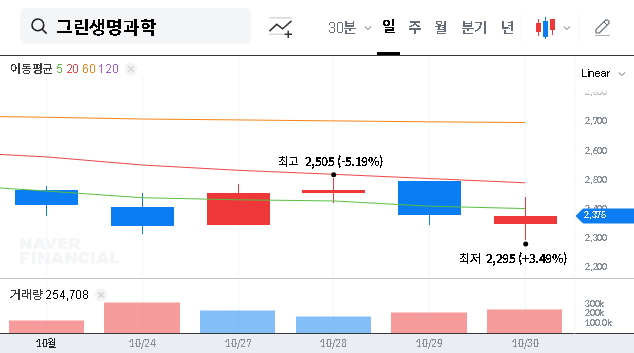
  • (114450) GREEN LIFESCIENCE Stock: Analysis of the ₩13.6B AI Semiconductor Material Deal

    (114450) GREEN LIFESCIENCE Stock: Analysis of the ₩13.6B AI Semiconductor Material Deal

    In a strategic pivot that has captured the market’s attention, GREEN LIFESCIENCE CO., LTD. has announced its formal entry into the booming AI semiconductor material sector. This move is substantiated by a massive supply contract, signaling a potential new era of growth beyond its traditional pharmaceutical business. This analysis will dissect the contract’s details, evaluate the company’s fundamentals, and explore the future trajectory for investors considering GREEN LIFESCIENCE stock.

    The Landmark ₩13.6 Billion Supply Contract

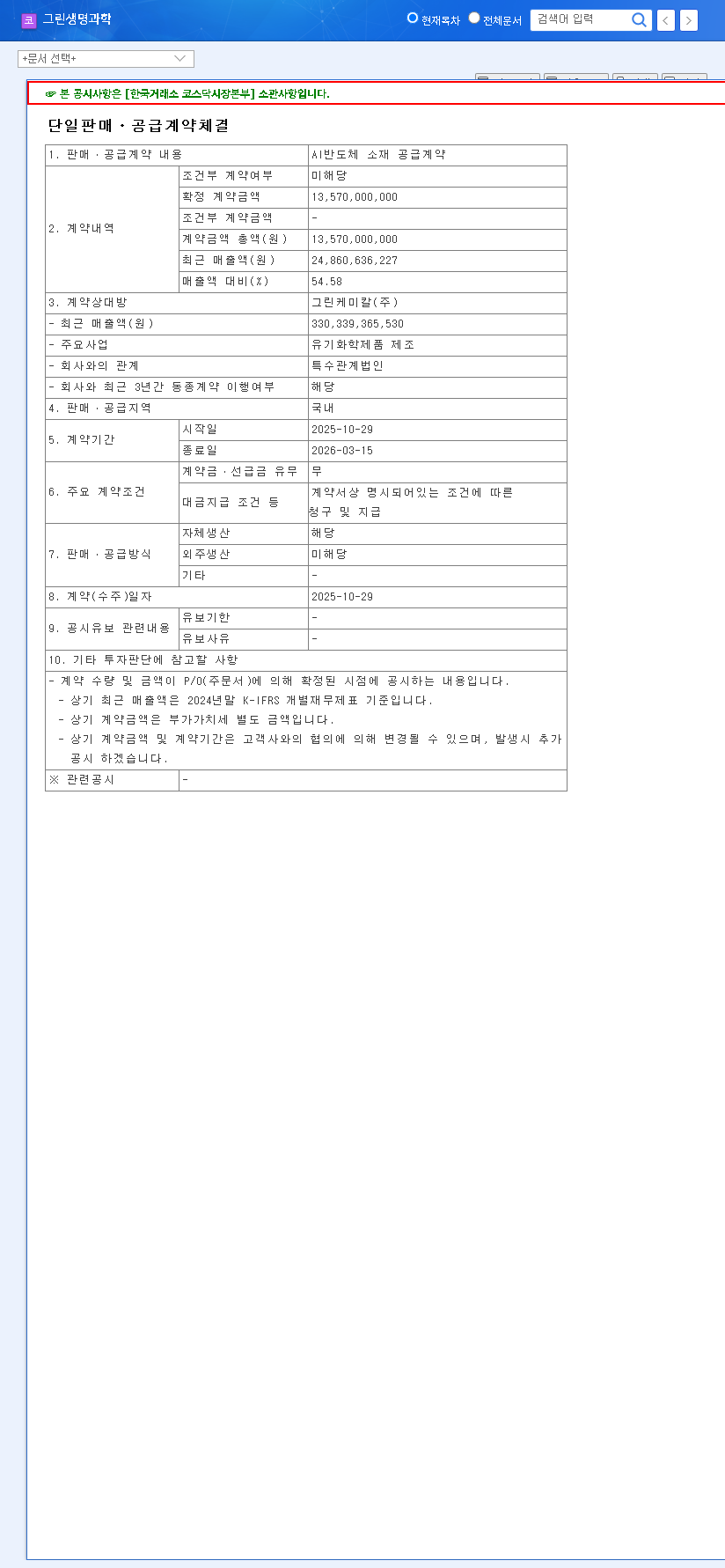
    On October 30, 2025, GREEN LIFESCIENCE disclosed a supply contract for AI semiconductor materials worth a staggering ₩13.6 billion with Green Chemical Co., Ltd. The contract, which represents a remarkable 54.58% of the company’s recent annual revenue, is scheduled for domestic supply over a four-month period, from October 29, 2025, to March 15, 2026. This isn’t just a large order; it’s a statement of intent, validating the company’s diversification strategy and technological capabilities. For official verification, you can view the Official Disclosure (DART Report).

    Fundamental Analysis: The State of GREEN LIFESCIENCE

    Before this transformative deal, GREEN LIFESCIENCE presented a mixed but promising financial picture. A thorough stock analysis reveals both solid strengths and notable risks.

    Core Strengths (Positive Factors)

    • Impressive Revenue Growth: The company’s half-year revenue for 2025 hit ₩16.351 billion, marking a 23.2% year-on-year increase.
    • Strategic Diversification: Proactive expansion into high-growth areas like electronic materials, secondary battery additives, and now AI semiconductor materials, showcases a forward-thinking growth strategy.
    • Technical Edge: Possession of unique technologies, including phosgene utilization, gives it a distinct competitive advantage within Korea.
    • CMO Competitiveness: With cGMP-compliant facilities, the company has strong potential for expanding its contract manufacturing organization (CMO) business.

    Challenges and Risks (Negative Factors)

    • Profitability Concerns: Despite revenue growth, an operating loss of ₩-1.122 billion was recorded due to rising costs.
    • Inventory Management: A 53.8% increase in inventory assets raises questions about operational efficiency and potential write-downs.
    • Macroeconomic Headwinds: The business is susceptible to external factors like exchange rate volatility, high interest rates, and fluctuating raw material costs.

    Impact of the AI Semiconductor Material Contract

    This contract is a pivotal event. The AI semiconductor market is projected to grow exponentially, driven by advancements in machine learning and data centers. According to industry experts at McKinsey, this sector represents one of the most significant growth opportunities of the decade. For GREEN LIFESCIENCE, successfully entering this market could redefine its future.

    This deal is more than just revenue; it’s a validation of GREEN LIFESCIENCE’s technological pivot. Success here could unlock access to a far larger, high-margin global supply chain.

    Potential Upsides

    • Revenue and Profit Surge: The immediate ₩13.6 billion revenue boost is clear. If margins are favorable, it could significantly reverse the recent operating loss.
    • Market Re-evaluation: The contract enhances brand value and proves its capabilities, potentially leading to a higher stock valuation and attracting new high-profile clients.
    • Future Growth Engine: Establishes a strong foothold in a rapidly expanding industry, reducing reliance on the traditional pharmaceutical market.

    Potential Downsides & Execution Risks

    • Margin Uncertainty: The profitability of this specific contract is unknown. High initial production costs for AI semiconductor material could squeeze margins.
    • Operational Risks: The semiconductor industry demands exceptionally high quality and supply chain stability. Any delays or quality issues could lead to severe penalties.
    • Short-Term Nature: The four-month contract duration provides a short-term boost, but long-term success hinges on securing follow-up orders and building lasting partnerships.

    Comprehensive Outlook and Investor Strategy

    The GREEN LIFESCIENCE AI semiconductor material deal is a powerfully positive catalyst. However, prudent investors should monitor several key performance indicators closely. Focus on the company’s ability to manage costs, maintain financial health amid rising interest rates, and demonstrate quality control. Future earnings reports will be critical for verifying the actual profit margins from this new venture.

    For sustained, long-term growth, GREEN LIFESCIENCE must prove this is not a one-off contract but the beginning of a successful business division. Continued investment in R&D and securing additional orders will be the ultimate determinants of the company’s re-evaluation. For more insights, you can review our complete guide to investing in specialty chemical companies.

    Disclaimer: This analysis is for informational purposes only and is based on publicly available data. It does not constitute investment advice. All investment decisions should be made with the consultation of a qualified financial advisor.

    (114450) GREEN LIFESCIENCE Stock: Analysis of the ₩13.6B AI Semiconductor Material Deal 관련 이미지
  • (005870) HUNEED TECHNOLOGIES’ $11.5M Boeing Contract: A Turning Point or False Hope? (In-Depth Analysis)

    (005870) HUNEED TECHNOLOGIES’ $11.5M Boeing Contract: A Turning Point or False Hope? (In-Depth Analysis)

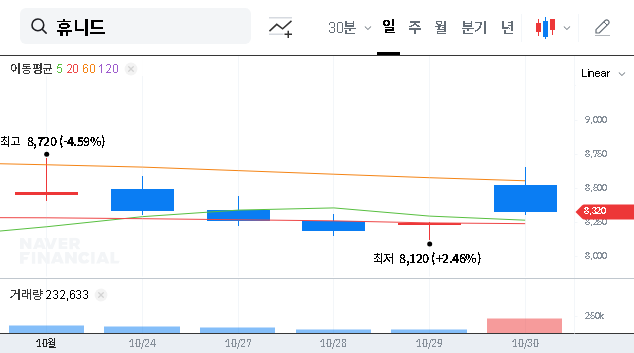
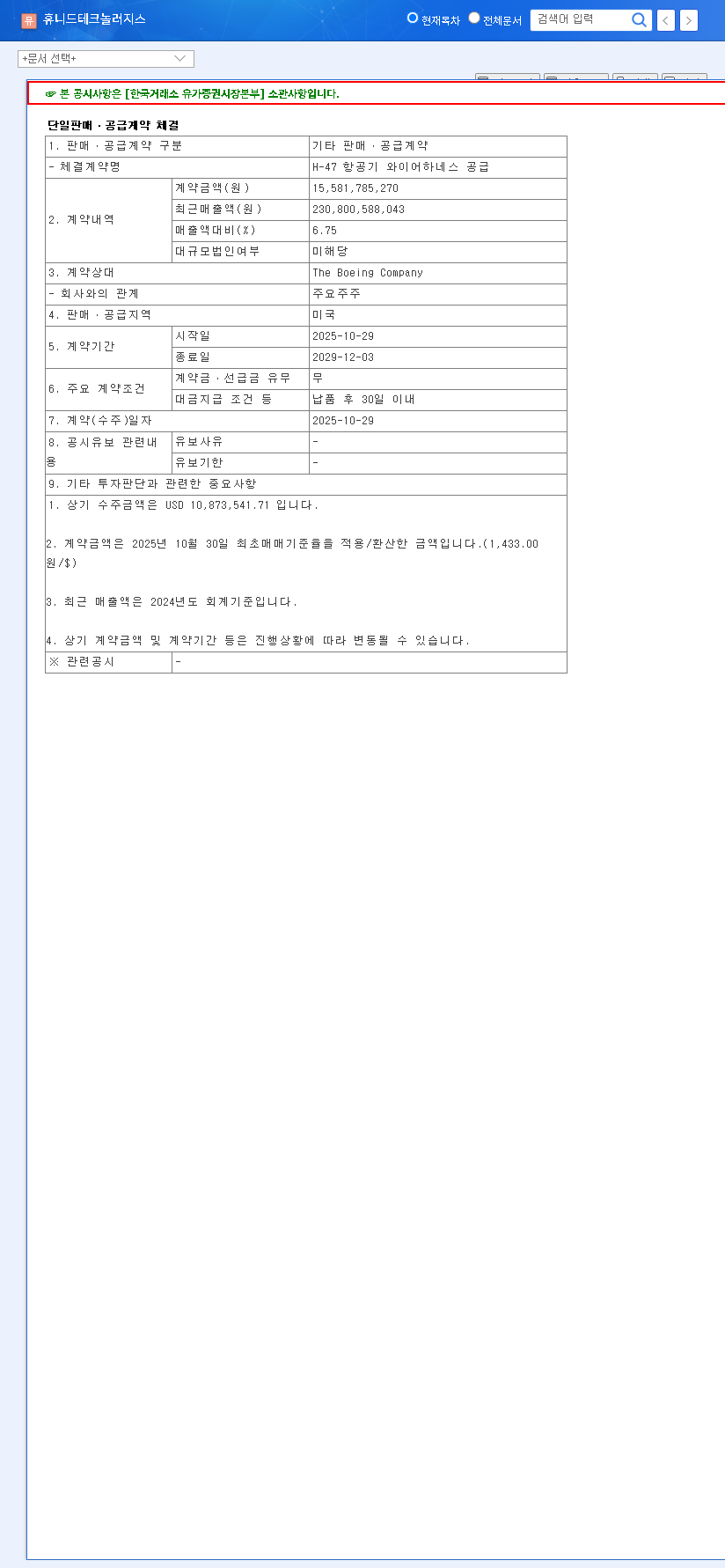
    In the highly competitive global aerospace and defense sector, a major contract with an industry titan can change a company’s trajectory. This is the pivotal moment facing HUNEED TECHNOLOGIES, which recently announced a significant supply agreement with The Boeing Company. This deal, centered on the critical H-47 wire harness, has generated both excitement and skepticism among investors.

    While the ₩15.6 billion contract is a clear vote of confidence in HUNEED’s capabilities, it arrives amidst a period of severe financial underperformance for the company. This in-depth aerospace investment analysis will dissect the details of the HUNEED Boeing contract, evaluate the company’s current financial health, and provide a clear investment thesis on whether this deal is a true lifeline or simply a temporary reprieve.

    Unpacking the Landmark Boeing Deal

    Contract Specifics and Official Confirmation

    On October 30, 2025, HUNEED TECHNOLOGIES formally announced a supply contract with The Boeing Company valued at ₩15.6 billion KRW (approximately $11.5 million USD). This long-term agreement, spanning over four years until December 2029, covers the production and supply of wire harnesses for the H-47 Chinook helicopter. According to the company’s official disclosure, this contract represents 6.75% of its revenue from the first half of 2025. You can view the Official Disclosure (DART) for complete details.

    A wire harness is a critical component, often called the ‘central nervous system’ of an aircraft, bundling various electrical wires and connectors to transmit signals and power. Securing this contract for a globally recognized platform like the H-47 validates HUNEED’s technical expertise and manufacturing quality on an international stage.

    The Strategic Importance of the H-47 Chinook Platform

    The Boeing H-47 Chinook is not just any helicopter; it’s a legendary twin-engine, tandem-rotor, heavy-lift helicopter that has been a workhorse for military and civilian operators worldwide for decades. Its continuous upgrades and widespread use ensure a long-term demand for spare parts and new components. By becoming a key supplier for this platform, HUNEED TECHNOLOGIES inserts itself into a stable, long-lasting revenue stream and strengthens its relationship with a top-tier OEM. For more on this versatile aircraft, see Boeing’s official H-47 Chinook page.

    This contract with Boeing is more than just revenue; it’s a strategic validation of HUNEED’s technology and a potential gateway to deeper integration within the global aerospace supply chain.

    The Elephant in the Room: HUNEED’s Financial Headwinds

    A Look at the H1 2025 Performance Slump

    The excitement around the Boeing deal is tempered by HUNEED’s stark financial results from the first half of 2025. The company reported a staggering 71% year-over-year decrease in revenue, falling to ₩66.4 billion KRW. More alarmingly, it swung to an operating loss of ₩5.6 billion KRW. This downturn was attributed to a sharp decline in its domestic defense business and weaker performance from overseas operations, raising serious concerns among investors about the company’s core stability.

    Analyzing the Balance Sheet: Debt vs. R&D

    HUNEED’s financial structure presents a complex picture. The company took on ₩62 billion KRW in long-term borrowings, significantly increasing total liabilities. This adds financial risk, particularly if interest rates rise, as it could strain cash flow and profitability. However, there are silver linings. The company holds a healthy order backlog of ₩187.8 billion KRW, providing some revenue visibility. Furthermore, HUNEED TECHNOLOGIES maintains a high R&D investment ratio of 10.89% of revenue. This commitment to innovation is crucial for long-term competitiveness in the fast-evolving defense sector and is a key factor in our analysis of the global aerospace supply chain.

    Investment Thesis & Final Verdict

    The HUNEED Boeing contract is undeniably a positive catalyst. It provides a multi-year revenue stream, enhances the company’s global reputation, and demonstrates its technological prowess. However, this single contract, representing less than 7% of H1 2025 revenue, is not a silver bullet. It cannot single-handedly erase the deep-seated issues that led to the recent performance slump.

    Our HUNEED stock analysis suggests that a full recovery will take considerable time and requires a broader turnaround in its core domestic business. Therefore, we recommend a cautious ‘Hold’ (or ‘Wait and See’) investment opinion. The Boeing deal is a foundational brick, but the company still needs to build the rest of the house.

    Key Factors for Investors to Monitor

    • Contract Execution & Expansion: Monitor for the smooth execution of the current contract and any news of follow-on orders or new projects with Boeing and other international partners.
    • Domestic Business Recovery: Look for signs of a turnaround in the domestic defense sector, which remains the company’s largest revenue driver.
    • New Business Traction: Track the progress of new initiatives, such as drone technology, and whether they are converting into tangible revenue streams.
    • Financial Health Improvement: Watch for concrete plans and actions to manage and reduce the long-term debt burden to improve financial soundness.

    (005870) HUNEED TECHNOLOGIES' $11.5M Boeing Contract: A Turning Point or False Hope? (In-Depth Analysis) 관련 이미지
  • (092870) Exicon Samsung Contract: ₩20.4B Deal Analysis & Stock Forecast

    (092870) Exicon Samsung Contract: ₩20.4B Deal Analysis & Stock Forecast

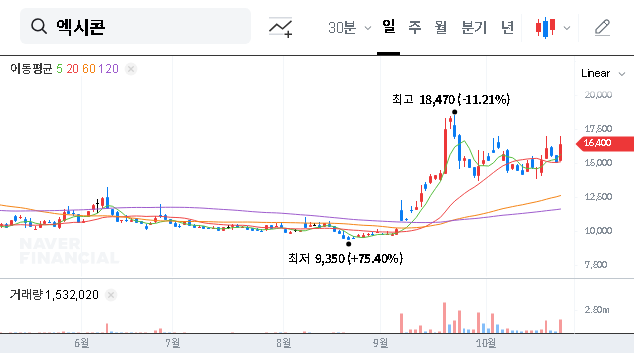
    In a landmark move for the semiconductor industry, Exicon Co., Ltd. (092870), a leading specialist in semiconductor inspection equipment, has announced a monumental ₩20.4 billion Exicon Samsung contract. This deal with industry titan Samsung Electronics isn’t just another line on the order book; it represents a pivotal moment that could redefine Exicon’s market position, validate its next-generation technology, and provide significant tailwinds for its stock performance. This comprehensive analysis will dissect the contract’s details, explore its profound financial implications, and offer a clear perspective for potential investors.

    Deep Dive: The Exicon Samsung Contract Details

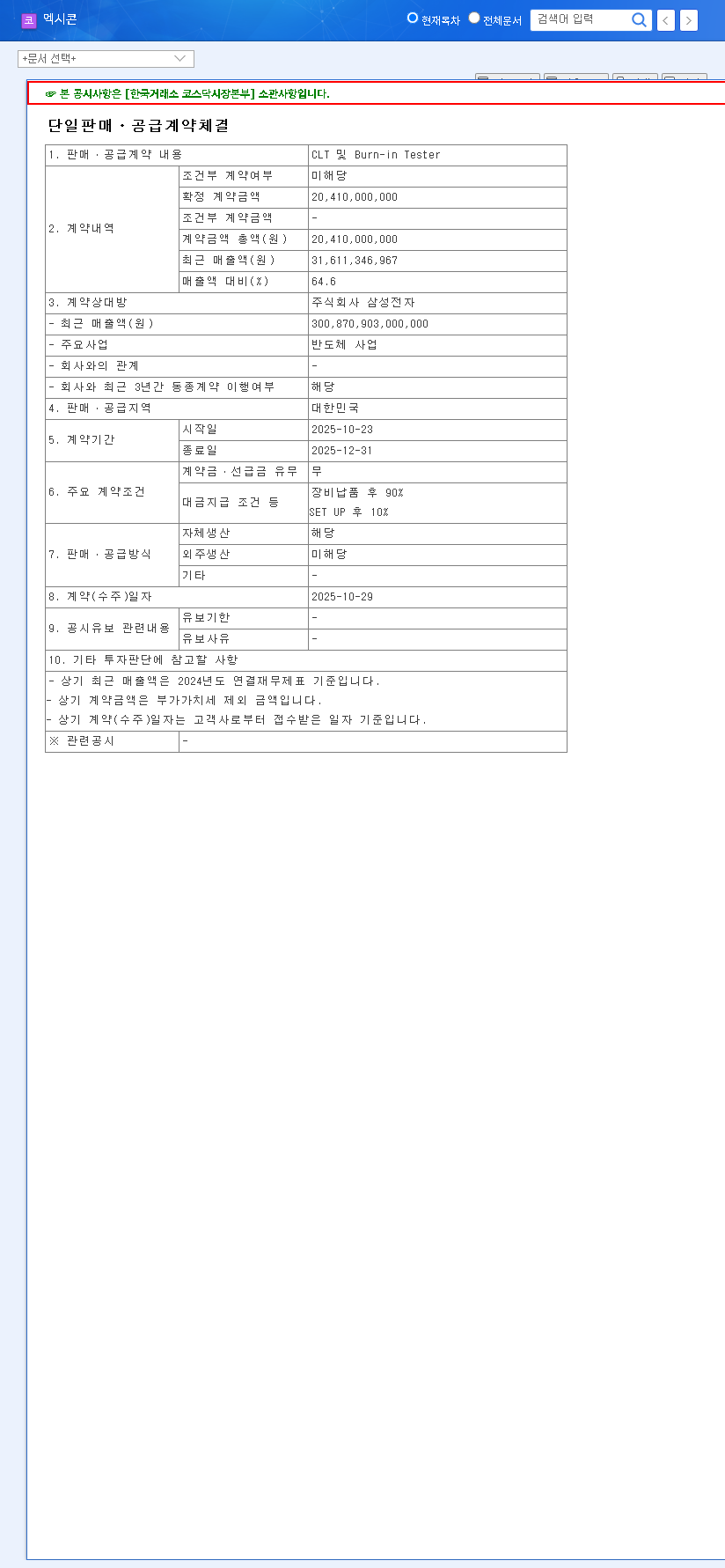
    The announcement sent ripples through the market, and for good reason. The scale and nature of this agreement are fundamentally significant. Let’s break down the core components confirmed in the Official Disclosure (Source) on the DART system.

    Contract Overview

    • Parties Involved: Exicon Co., Ltd. (Supplier) and Samsung Electronics Co., Ltd. (Client)
    • Contract Value: ₩20.4 billion (approx. $14.2 million USD)
    • Products Supplied: Chamber Type Low-Frequency Tester (CLT) and Burn-in Testers.
    • Contract Period: October 23, 2025, to December 31, 2025.
    • Financial Scale: Represents a staggering 64.6% of Exicon’s 2024 annual consolidated revenue.

    This isn’t just a sale; it’s a strategic partnership. The inclusion of the new CLT tester validates Exicon’s R&D efforts at the highest level and paves the way for future market dominance in this niche.

    Why This Deal is a Game-Changer for Exicon

    The significance of the Exicon Samsung contract extends far beyond the immediate revenue boost. It touches upon technological validation, market positioning, and long-term growth prospects, making it a cornerstone event for the company.

    1. Validation of Next-Generation Technology

    The most crucial aspect is the initial supply order for the newly developed CLT (Chamber Type Low-Frequency Tester). Securing Samsung, one of the world’s most demanding technology clients, as the launch customer is a powerful endorsement. It proves the product’s viability, performance, and readiness for the high-stakes semiconductor manufacturing environment. This de-risks future sales and establishes the CLT as a credible, market-ready solution.

    2. Immense Financial and Operational Impact

    A single contract accounting for over 64% of a company’s annual revenue is transformative. This deal will directly and massively impact Q4 2025 earnings, likely turning it into a record-breaking quarter. It will significantly improve cash flow, providing Exicon with the capital to reinvest in R&D, pay down debt, or expand production capacity. For more information on how such deals influence corporate finance, you can explore resources from authoritative sites like Investopedia.

    3. Fortifying a Core Business Relationship

    Deepening the partnership with Samsung Electronics solidifies Exicon’s position as a key supplier in the competitive semiconductor inspection equipment market. This long-term relationship creates a significant competitive moat, making it harder for rivals to displace them. It also raises the prospect of follow-on orders and collaboration on future technologies, creating a virtuous cycle of innovation and revenue.

    Analysis for Investors: Outlook & Action Plan

    For those evaluating Exicon stock, this development is a powerful bullish signal. The direct financial injection is clear, but the intangible benefits—enhanced reputation, technological validation, and strengthened client relationships—are arguably even more valuable in the long run.

    Potential Risks and Considerations

    While the outlook is overwhelmingly positive, a balanced view requires acknowledging potential headwinds. The semiconductor industry is cyclical, as you can learn in our guide to understanding the semiconductor market. Exicon’s recent increase in inventory (up 84.20%) signals that broader market sluggishness could still be a factor. Furthermore, dependence on a single major client, while lucrative, carries inherent concentration risk. Investors should also monitor macroeconomic factors like currency fluctuations and interest rates.

    Investment Opinion: BUY

    Despite the risks, the strategic importance and sheer scale of the Exicon Samsung contract serve as a powerful catalyst for growth. We maintain a BUY opinion on Exicon Co., Ltd. The contract is expected to drive short-term stock price momentum while laying a robust foundation for medium to long-term value creation. The successful market entry of the CLT tester, backed by Samsung, has the potential to unlock new revenue streams and significantly increase the company’s intrinsic value.

    Disclaimer: This analysis is for informational purposes only and does not constitute investment advice. All investment decisions should be made with the consultation of a qualified financial professional.

    (092870) Exicon Samsung Contract: ₩20.4B Deal Analysis & Stock Forecast 관련 이미지