Tag: Subsidiary Divestment

  • (060980) HL Holdings Corporation Stake Sale: In-Depth Investor Analysis & 2025 Outlook

    (060980) HL Holdings Corporation Stake Sale: In-Depth Investor Analysis & 2025 Outlook

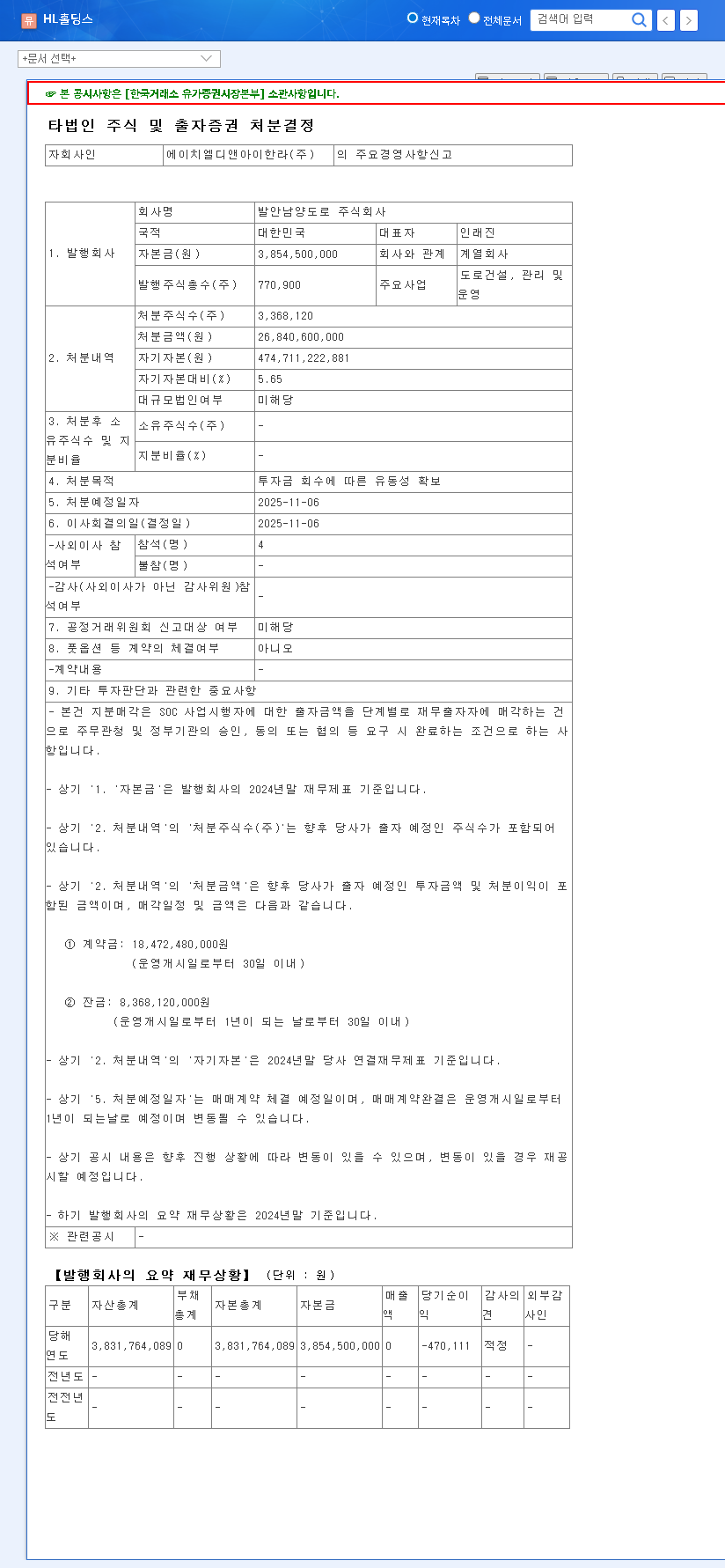
    In a significant strategic move, HL Holdings Corporation announced that its subsidiary, HL D&I Halla, will divest its entire stake in the Balan Namyang Road project. This transaction, valued at 26.8 billion KRW, is primarily aimed at securing vital liquidity amidst challenging financial conditions. For investors, this news raises critical questions: Is this a sign of strength or a defensive maneuver? What are the true implications for the company’s long-term value and stock performance?

    This comprehensive investor analysis delves deep into the HL Holdings Corporation subsidiary divestment. We will dissect the financial rationale, evaluate the potential impact on profitability and market sentiment, and provide a clear, actionable roadmap for current and prospective shareholders.

    Deconstructing the Divestment: What Exactly Happened?

    On November 6, 2025, HL D&I Halla, a key subsidiary operating under the HL Holdings Corporation umbrella, finalized its decision to sell off its shares in a subsidiary tied to the Balan Namyang Road infrastructure project. The total value of the disposed shares is approximately 26.8 billion KRW. According to the Official Disclosure filed with DART, this amount represents 5.65% of HL Holdings’ total capital. Upon completion of this transaction, the company’s ownership stake in the project subsidiary will be reduced to zero.

    The core motivation behind this subsidiary divestment is clear: to secure liquidity and strengthen the company’s financial foundation by recovering invested capital.

    An In-Depth Investor Analysis of the Financial Impact

    While the headline focuses on liquidity, a thorough investor analysis requires a multi-faceted view of the consequences. The influx of cash is undeniably a short-term positive, but its long-term effects on profitability and market perception are more nuanced.

    Short-Term Gain: Enhanced Liquidity and Financial Stability

    The immediate benefit is a 26.8 billion KRW cash injection. This is particularly crucial given that HL Holdings Corporation has recently seen a rise in its debt-to-equity ratio and a fall in its current ratio—classic signs of tightening liquidity. This capital can be used to pay down debt, cover operational expenses, or create a buffer against economic headwinds. However, as the sale represents just 5.65% of consolidated assets, investors should not expect a dramatic overnight transformation of the entire balance sheet.

    The Profitability Question: A Calculated Risk

    The impact on future profits is uncertain without public data on the Balan Namyang Road subsidiary’s performance. There are two primary scenarios:

    • Positive Scenario: If the project was a low-margin or loss-making venture, this divestment trims operational fat and could improve the consolidated net profit for HL Holdings Corporation.
    • Negative Scenario: If the subsidiary was a steady source of income, its sale could create a revenue gap that the company will need to fill through its other core operations or new investments.

    Market Perception and Past Accounting Concerns

    It’s important to remember that HL Holdings has a history of accounting corrections, which can make investors cautious. This divestment could be perceived as a proactive step toward financial transparency and simplification. The market’s reaction will likely be muted initially, as the sum is about 7.5% of the company’s market cap. However, sentiment could shift positively if this move is part of a larger, coherent strategy for growth and stability, as detailed in our internal guide to corporate restructuring strategies.

    Actionable Plan for HL Holdings Corporation Investors

    Rather than making a hasty decision, a prudent investor should monitor several key areas following this subsidiary divestment announcement. Your focus should be on the company’s subsequent actions and strategic direction.

    • Track the Use of Funds: The most critical factor is how the 26.8 billion KRW is allocated. Will it be used for high-return investments, strategic debt reduction, or shareholder returns like buybacks? The answer will reveal management’s vision for future growth.
    • Monitor Core Business Performance: Is the company strengthening its primary business segments? Look for signs of enhanced competitiveness and operational efficiency beyond one-off financial maneuvers.
    • Analyze Macroeconomic Factors: Keep an eye on broader economic trends. Factors like interest rate changes and commodity prices can significantly impact the construction and holding sectors, where HL Holdings operates. Expert opinions from sources like Reuters Business can provide valuable context.
    • Look for Future Disclosures: Pay close attention to upcoming quarterly reports and investor calls for management’s commentary on the long-term strategy post-divestment.

    In conclusion, this divestment is a positive tactical move by HL Holdings Corporation to manage risk and improve its liquidity profile. However, its true success will be determined by the strategic follow-through. A cautious, observant approach is the most sensible course of action for investors right now.
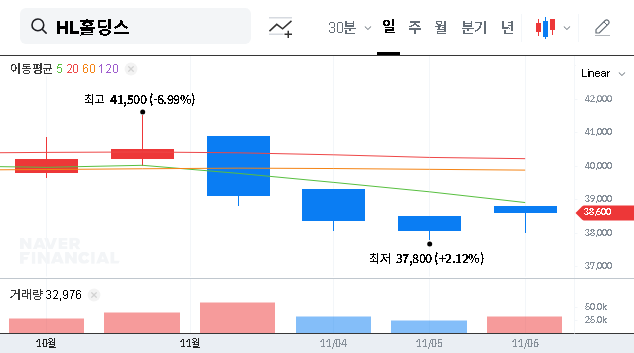
    (060980) HL Holdings Corporation Stake Sale: In-Depth Investor Analysis & 2025 Outlook 관련 이미지
  • (013520) Hwaseung Corporation Divestment: An In-Depth Stock Analysis (013520)

    (013520) Hwaseung Corporation Divestment: An In-Depth Stock Analysis (013520)

    In a significant strategic pivot, Hwaseung Corporation (013520) has announced the disposition of a major stake in its Chinese subsidiary. This move, framed as a step towards business restructuring and a sharpened focus on core operations, has sent ripples through the investor community. For stakeholders, the critical question is clear: is this divestment a catalyst for future growth, or a red flag signaling underlying challenges? This comprehensive Hwaseung stock analysis will dissect the announcement, evaluate the company’s financial health, and provide a clear roadmap for what investors should watch next.

    We will delve deep into the fundamentals of Hwaseung Corporation, exploring how this strategic decision aligns with the evolving automotive market, particularly the seismic shift towards electric vehicles (EVs). Understanding the nuances of this deal is paramount to forecasting the company’s mid-to-long-term trajectory.

    The Announcement: Unpacking the Hwaseung Corporation Divestment

    Key Details of the Disposition

    On October 28, 2025, Hwaseung Corporation formally disclosed its plan to sell shares and equity in its subsidiary, Hwaseung Automotive Components (Taicang) Co., Ltd. The stated objective is to streamline operations and concentrate capital and resources on primary business lines. For complete transparency, the company filed an Official Disclosure with the Financial Supervisory Service.

    The core details of the transaction are as follows:

    • Divested Subsidiary: Hwaseung Automotive Components (Taicang) Co., Ltd., a key manufacturer of automotive parts in China.
    • Disposition Amount: KRW 14.7 billion, which represents 4.07% of the company’s total capital.
    • Remaining Stake: Post-disposition, Hwaseung Corporation will retain a significant 33.00% equity ratio.
    • Expected Completion: The transaction is slated to be finalized by December 31, 2025.

    Company Financials: A Tale of Stability and Concern

    Strengths and Opportunities

    In the first half of 2025, Hwaseung Corporation demonstrated robust top-line growth, with sales reaching KRW 894.7 billion—a 7.46% increase year-on-year. This was largely propelled by its dominant Auto Parts Business (71.2% of total revenue), which saw strong performance in the Americas and domestic Korean markets. The company’s financial structure appears solid on the surface, with a low debt-to-equity ratio of 49.01% and an impressive retained earnings ratio of 1,237.13%. This indicates a strong capacity for reinvestment, R&D, and potential shareholder returns.

    Weaknesses and Threats

    However, a look below the surface reveals points of concern. Net profit fell by KRW 10.2 billion to KRW 36.2 billion, a decline attributed to lower gains from asset disposals and unfavorable foreign exchange movements. More critically, the consolidated net debt-to-capital ratio stands at a relatively high 126.4%, and significant losses from derivative transactions highlight a need for more stringent risk management protocols. This Hwaseung Corporation divestment could be a strategic move to inject capital and address these specific vulnerabilities.

    While the KRW 14.7 billion infusion is welcome, its direct impact on net profit may be limited. The real test will be how Hwaseung’s management deploys this capital to strengthen the balance sheet and fuel genuine innovation in its core business areas.

    Market Dynamics: Navigating a Shifting Automotive Landscape

    No company operates in a vacuum, and Hwaseung Corporation is at the crossroads of several major industry trends. The global acceleration of EV adoption is fundamentally reshaping the automotive components sector. Companies that traditionally supplied parts for internal combustion engines must now pivot to manufacturing components for electric drivetrains, battery systems, and thermal management. This transition requires significant capital investment and technological adaptation. For a deeper dive into market trends, authoritative sources like Reuters’ automotive industry reports provide excellent context. Concurrently, macroeconomic factors such as the sustained depreciation of the Korean Won create a mixed bag—boosting export competitiveness but increasing the cost of imported raw materials.

    Investor Action Plan: What to Monitor for Hwaseung Stock (013520)

    This divestment is a clear signal of intent from Hwaseung Corporation’s leadership. While it’s unlikely to trigger major short-term stock price volatility, it places a spotlight on the company’s long-term strategy. Investors performing a Hwaseung stock analysis should closely monitor the following points:

    • Clarity on ‘Core Business’ Focus: The company must provide specific details on which business units will receive the focused investment. Are they doubling down on existing automotive parts for new EV platforms or diversifying into new growth areas?
    • Use of Proceeds: How will the KRW 14.7 billion be allocated? Prioritizing debt reduction would be a prudent move to de-risk the balance sheet, while strategic investments in R&D could unlock future growth.
    • Performance of Retained Stake: With a 33% holding, the performance of Hwaseung Automotive Components (Taicang) will still impact the bottom line. Monitoring its trajectory remains crucial.
    • Risk Management Improvements: Watch for future earnings reports for evidence that the company is better managing its exposure to derivatives and foreign currency fluctuations. You can learn more about trends in the broader Korean automotive sector on our site.

    In conclusion, this event marks a pivotal chapter for Hwaseung Corporation. While the move towards a leaner, more focused structure is promising, the market requires more clarity. A cautious but watchful approach is advised until the company unveils its next strategic moves in greater detail.

    Disclaimer: This analysis is based on publicly available information and is for informational purposes only. It does not constitute financial advice. All investment decisions should be made based on your own research and judgment.

    (013520) Hwaseung Corporation Divestment: An In-Depth Stock Analysis (013520) 관련 이미지
    (013520) Hwaseung Corporation Divestment: An In-Depth Stock Analysis (013520) 관련 이미지
  • (001510) SK Securities Subsidiary Divestment: A 2025 Investor’s Guide to the Rebalancing Strategy

    (001510) SK Securities Subsidiary Divestment: A 2025 Investor’s Guide to the Rebalancing Strategy

    The recent news surrounding the SK Securities subsidiary divestment strategy has captured significant attention from the investment community. On September 25, 2025, reports surfaced detailing the company’s plan to rebalance its portfolio, including the potential sale of its subsidiary, NBH Capital. This strategic move, coming on the heels of a successful profit turnaround in the first half of the year, raises crucial questions for current and prospective shareholders. What does this rebalancing mean for the company’s future, and how should investors navigate the potential volatility? This comprehensive guide provides a deep analysis of the situation.

    The NBH Capital Divestment Plan: Background and Official Status

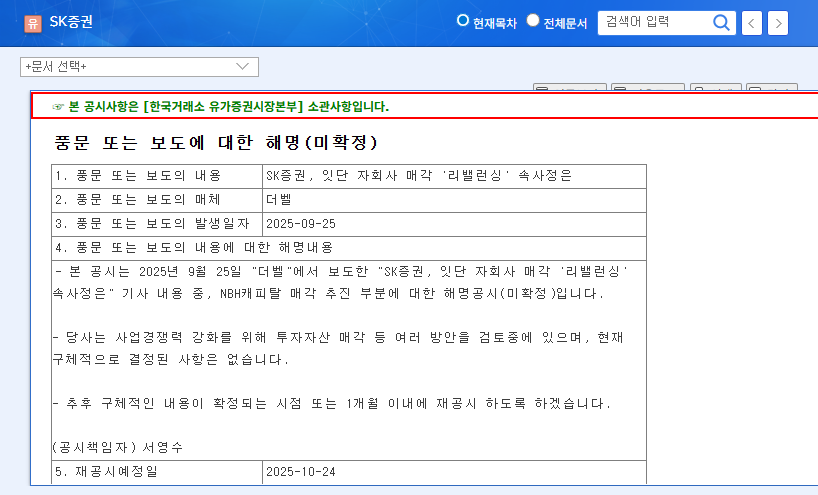
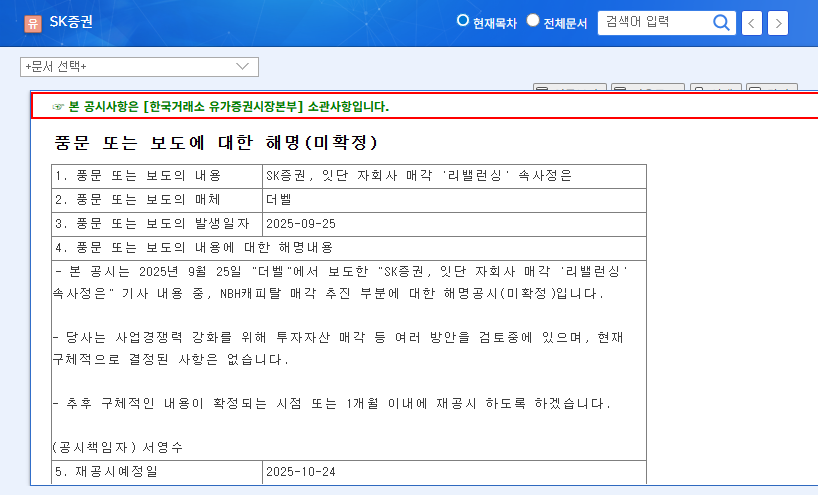
    The core of SK Securities’ rebalancing initiative is the potential sale of non-core assets to sharpen its focus and bolster its financial structure. The primary asset under consideration is NBH Capital. In response to market inquiries, SK Securities confirmed that it is reviewing various strategic options to enhance business competitiveness, which includes the sale of investment assets. However, the company has clarified that no concrete decisions have been finalized. According to the Official Disclosure on DART, further updates are expected within the next three months. This period of review is critical for investors to monitor closely.

    Analyzing SK Securities’ H1 2025 Financial Health

    To understand the context of this strategic shift, it’s essential to look at the company’s recent performance. SK Securities demonstrated a significant turnaround in the first half of 2025, returning to profitability with a net profit of KRW 15.5 billion. This success was largely fueled by strong performance in proprietary trading and investment banking (IB) segments.

    Key Financial Indicators to Watch

    • Net Capital Ratio (NCR): At 211.79%, the NCR is stable but has decreased year-on-year. This ratio is a key measure of a securities firm’s financial soundness, indicating its ability to absorb potential losses.
    • Leverage Ratio: This ratio has increased to 904.10%, suggesting higher debt relative to equity. While leverage can amplify returns, it also increases risk, making this a critical metric to monitor. For more on this, you can read our guide on Understanding Financial Ratios for Stock Analysis.

    Potential Impacts of the Subsidiary Divestment

    The SK Securities subsidiary divestment carries both significant opportunities and potential risks that investors must weigh carefully.

    The Upside: Strategic Focus and Financial Fortification

    • Improved Financial Structure: Selling NBH Capital would inject cash into the company, which could be used to pay down debt (lowering the leverage ratio) or reinvest in core, high-growth business areas.
    • Enhanced Business Efficiency: Divesting non-core assets allows management to dedicate more time, resources, and capital to its primary operations like IB and trading, potentially driving stronger long-term profitability.
    • Renewed Investor Confidence: A successful and transparent restructuring process can signal strong, proactive leadership, which often helps restore investor trust and can positively influence the stock price.

    The Downside: Uncertainty and Execution Risk

    The path of divestment is fraught with uncertainty. The macroeconomic environment, as reported by sources like Reuters, presents challenges with rising exchange rates and oil prices that could dampen investor sentiment and complicate the sale process. A failed or delayed sale could be interpreted as a sign of weakness, negatively impacting the stock. Furthermore, if the sale price is lower than anticipated, it may not provide the expected financial benefits, potentially worsening capital soundness ratios.

    Investor Outlook & Strategic Recommendation

    The SK Securities rebalancing strategy is a logical and potentially positive move for its long-term health. However, the current stage is defined by uncertainty. The “unconfirmed” nature of the NBH Capital sale, combined with broader market volatility, calls for a prudent and cautious investment approach.

    Investment Recommendation: Maintain a “Hold” Stance.
    Given the significant execution risks and lack of confirmed details, a wait-and-see approach is advisable. Aggressive accumulation is not recommended until there is more clarity on the sale’s progress, terms, and the planned use of proceeds.

    Key Monitoring Points for Investors

    • Official announcements regarding the progress and final terms of the NBH Capital divestment.
    • Management’s detailed plans for utilizing the proceeds from the sale.
    • Quarterly changes in key financial health indicators (NCR, Leverage Ratio).
    • Shifts in the macroeconomic landscape, particularly interest rate policies and currency exchange rates.

    In conclusion, while SK Securities is making promising strides towards a more efficient and focused business model, the immediate future contains notable uncertainties tied to its divestment strategy. A watchful and informed approach will be the key to navigating this transitional period successfully.

    Disclaimer: This analysis is for informational purposes only and is based on publicly available information. It should not be considered as financial advice. The ultimate responsibility for investment decisions rests with the individual investor.

    (001510) SK Securities Subsidiary Divestment: A 2025 Investor's Guide to the Rebalancing Strategy 관련 이미지
  • SK Securities Divestment Deep Dive: Analyzing the NBH Capital Sale & Future Outlook

    Recent market buzz suggests SK Securities is considering a major strategic shift by divesting subsidiaries, including NBH Capital. This move could significantly reshape the company’s financial structure and future direction. For investors, this moment presents both opportunities and risks. This article breaks down the divestment plan, analyzes its potential impact, and provides a clear action plan for navigating the path ahead.

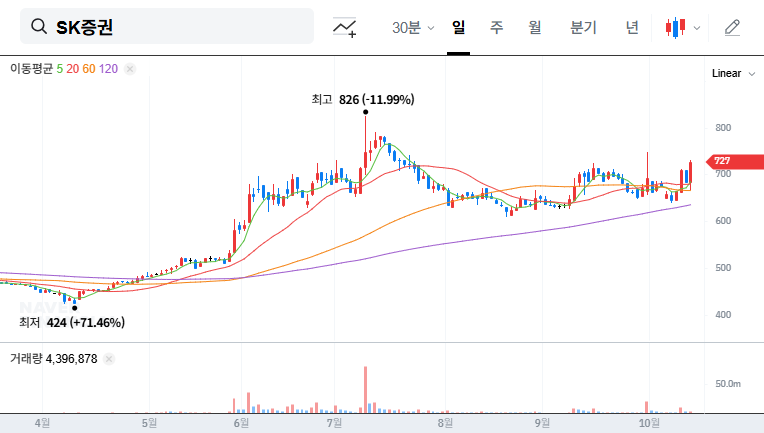
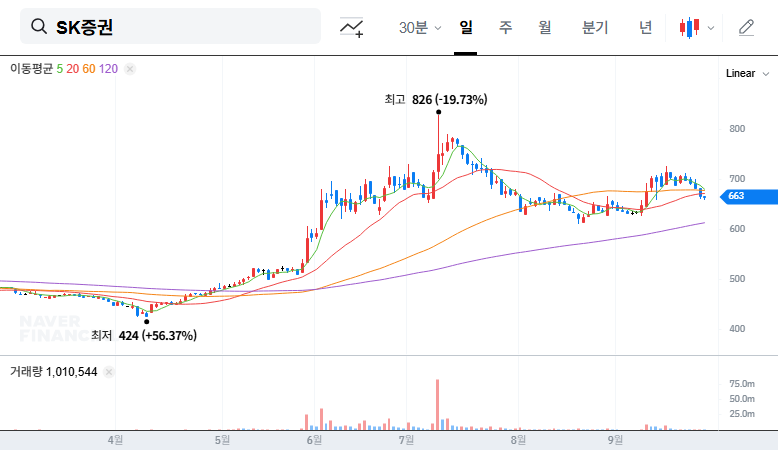
    SK Securities Financial Chart

    The Core Issue: SK Securities’ Divestment Strategy

    On September 25, 2025, reports emerged detailing SK Securities’ potential sale of its subsidiary, NBH Capital. While the company has officially stated it is “reviewing various options to enhance corporate value and competitiveness,” this news has sparked widespread speculation about its long-term strategy. The primary goal appears to be streamlining operations to focus on and reinvest in core, high-growth business areas like Investment Banking (IB) and asset management.

    Weighing the Outcomes: Potential Benefits vs. Risks

    A successful divestment could be a game-changer, but the process is not without its uncertainties. Investors must carefully consider both sides of the coin.

    Potential Upsides

    • Improved Financial Structure: Securing capital through the sale can significantly strengthen the company’s balance sheet.
    • Strategic Reinvestment: Funds can be channeled into core profit centers like Investment Banking and asset management, fueling future growth.
    • Enhanced Efficiency: A leaner corporate structure allows for more agile management and focused operations.

    Potential Downsides & Risks

    • Execution Risk: The sale process could face delays, unfavorable terms, or even fail to materialize, creating market uncertainty.
    • Negative Market Reaction: If the market perceives the sale as a sign of weakness, it could negatively impact the stock price in the short term.
    • Future Divestments: This move could signal further sales of non-core assets, increasing short-term volatility.

    “While SK Securities returned to profitability in the first half of 2025, investors should remain watchful of persistent losses from its savings bank subsidiary and potential volatility in its proprietary trading segment.”

    Strategic Action Plan for Investors

    Navigating this period requires a proactive and informed approach. Here are three key steps for investors to take:

    1. Monitor Closely: Stay updated on all official announcements regarding the divestment’s progress, terms, and the company’s revised business plans. The details will be crucial.
    2. Conduct Fundamental Analysis: Look beyond the headlines. Re-evaluate the company’s core financial health, profitability metrics, and the long-term sustainability of its primary business segments.
    3. Consider the Macro Environment: Factor in broader economic trends, such as interest rate fluctuations and overall stock market sentiment, which will influence the investment’s outcome.

    Conclusion: A Cautious but Strategic Outlook

    SK Securities’ potential divestment of NBH Capital is a significant strategic pivot that could unlock substantial value. However, the associated risks and uncertainties cannot be ignored. A successful investment in SK Securities during this transitional period hinges on careful due diligence and continuous monitoring. By staying informed and analytical, investors can better position themselves to capitalize on potential upsides while mitigating risks.

    Frequently Asked Questions (FAQ)

    What is the main purpose of SK Securities’ subsidiary divestment?

    SK Securities is pursuing this strategy to strengthen its overall business competitiveness and improve its financial structure. The plan aims to streamline operations by focusing capital and resources on core, high-growth business areas.

    How could this divestment impact SK Securities’ stock price?

    A successful sale could positively impact the stock price due to an improved balance sheet and increased investment in core businesses. Conversely, a failed sale, poor terms, or a negative market reaction could lead to a short-term decline in the stock price.

    What key factors should investors watch closely?

    Investors should monitor the divestment progress, specific sale terms, and the company’s future business plans. It is also crucial to analyze SK Securities’ fundamental financial health and consider macroeconomic factors like interest rates and market trends.

    SK Securities Official Disclosure Information
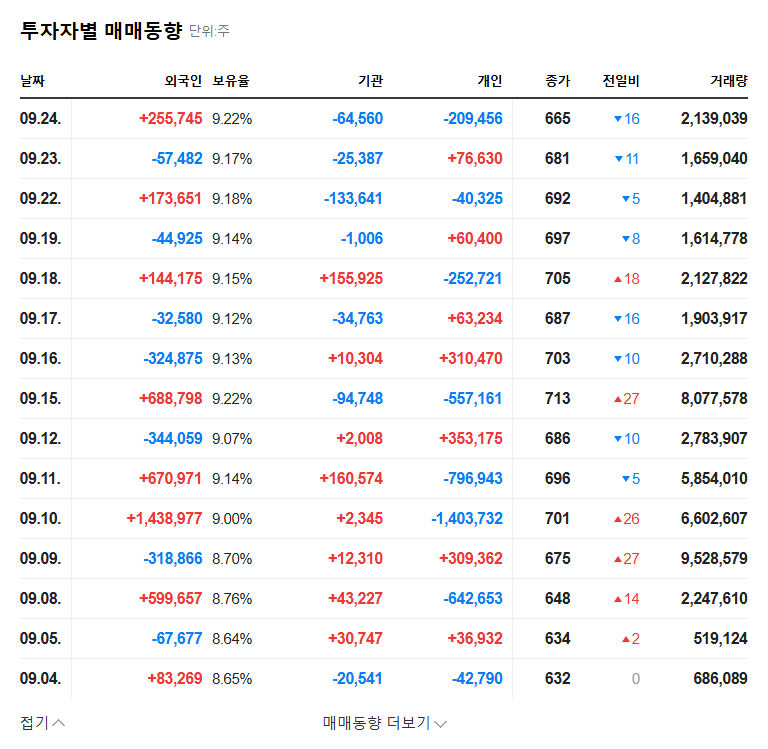
    SK Securities Investor Trends Chart