Tag: Stocks

  • TP Corporation (007980) In-Depth Analysis: Navigating Risks and Opportunities


    What’s Happening with TP Corporation?

    TP Corporation reported a 51.5% year-over-year decrease in consolidated revenue to 515.3 billion KRW in the first half of 2025. Operating profit also declined by 45.6%, marking the second consecutive year of deteriorating profitability. The company’s core apparel business (88.7% of revenue) has been directly impacted by the global economic slowdown, and the downturn in the down clothing business has worsened.

    What are the Underlying Causes?

    TP Corporation’s challenges are not solely attributed to the temporary economic downturn. Structural issues, including high dependence on overseas markets (83.35% export ratio), increasing debt (total debt of 549.7 billion KRW, up 7.7% from the end of last year), low R&D investment (0.23% of sales), and reliance on major customers (top 2 customers account for 21.4% of sales), are compounding the difficulties. External factors, such as the rising KRW/USD exchange rate, can also negatively impact profitability.

    So, What Should Investors Do?

    TP Corporation needs to proactively address profitability improvement, financial stability, and securing new growth engines. In the short term, the focus should be on cost reduction and debt management. In the long term, increasing R&D investment, exploring new business opportunities, and diversifying the customer base are crucial for sustainable growth. Decisions regarding treasury stock buybacks or cancellations can positively influence the stock price.

    Investor Action Plan

    • Short-term investors: Closely monitor changes in financial indicators and management’s response strategies, while being mindful of short-term stock price volatility.
    • Long-term investors: Evaluate the company’s efforts to improve its business structure and assess its long-term growth potential before making investment decisions.


    Frequently Asked Questions (FAQ)

    What is TP Corporation’s main business?

    TP Corporation’s primary business is manufacturing and selling apparel, with a high dependence on overseas markets.

    What are the biggest risk factors for TP Corporation currently?

    The global economic slowdown, increasing exchange rate volatility, and high debt ratio are identified as the main risk factors.

    How do you assess TP Corporation’s future growth potential?

    With active R&D investments, new business development, and financial restructuring efforts, TP Corporation can establish a foundation for long-term growth. However, management’s ability to execute its strategies will be key.

    What should investors be aware of when investing?

    Investors should continuously monitor global economic conditions, exchange rate fluctuations, and changes in the company’s financial status before making investment decisions.
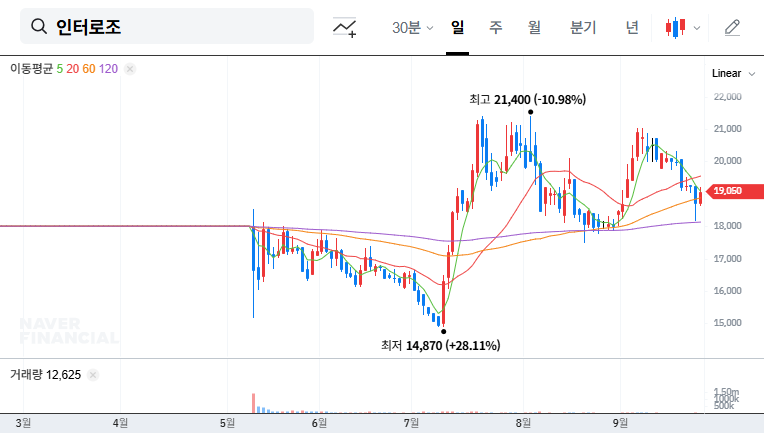
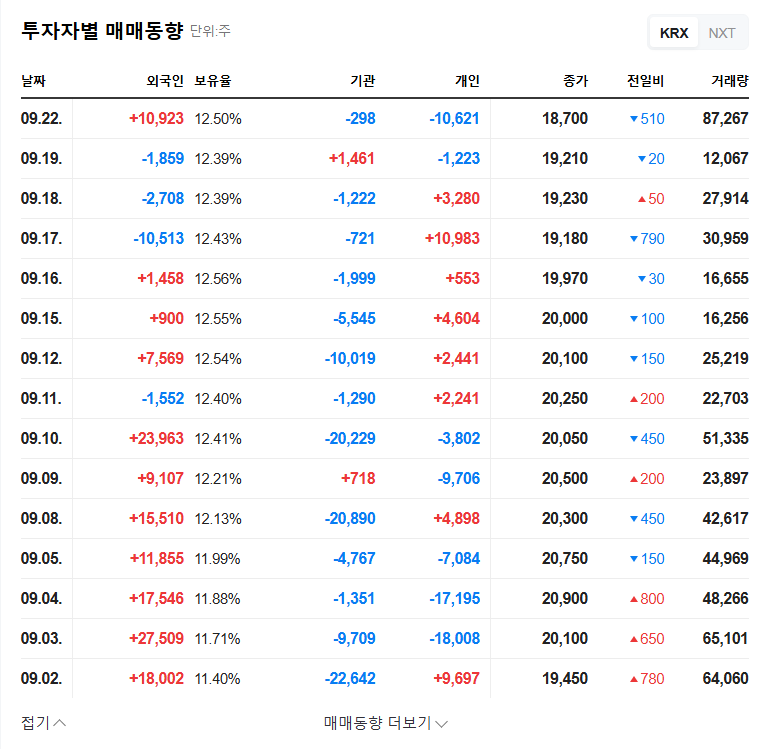
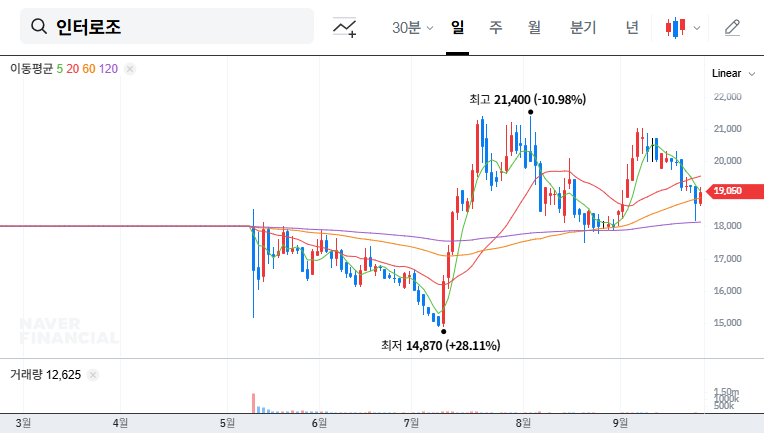
  • Interojo Announces KRW 21.8 Billion Share Buyback: What’s Next for the Stock?

    Interojo Announces KRW 21.8 Billion Share Buyback: What's Next for the Stock? 대표 차트 이미지

    1. What Happened?

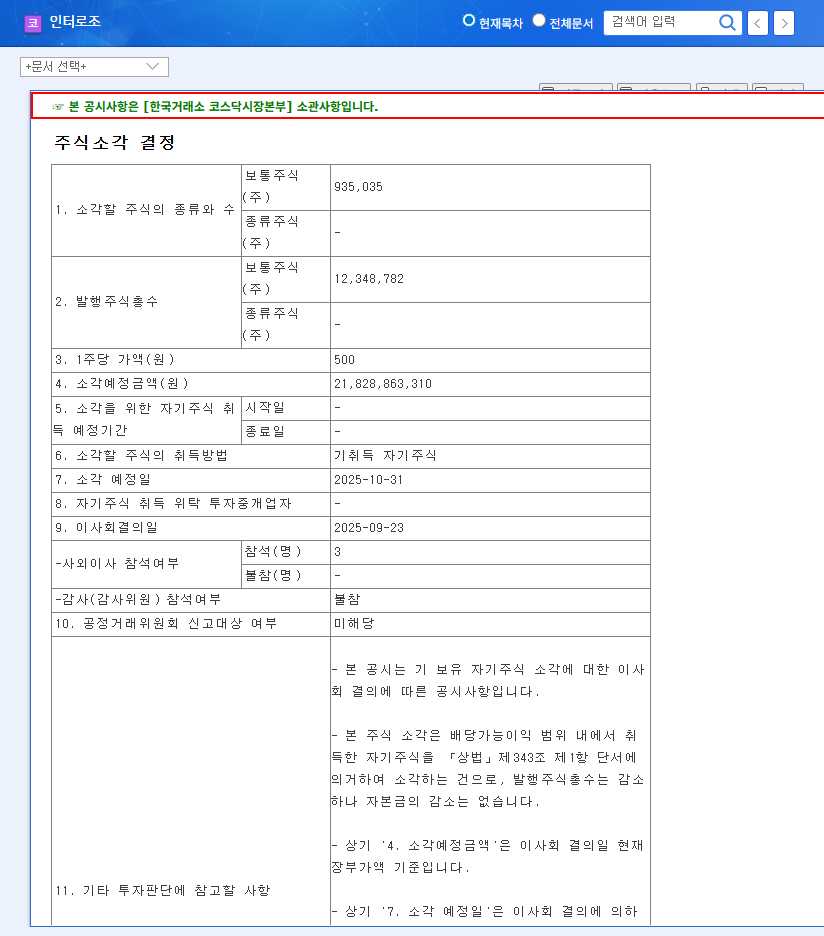
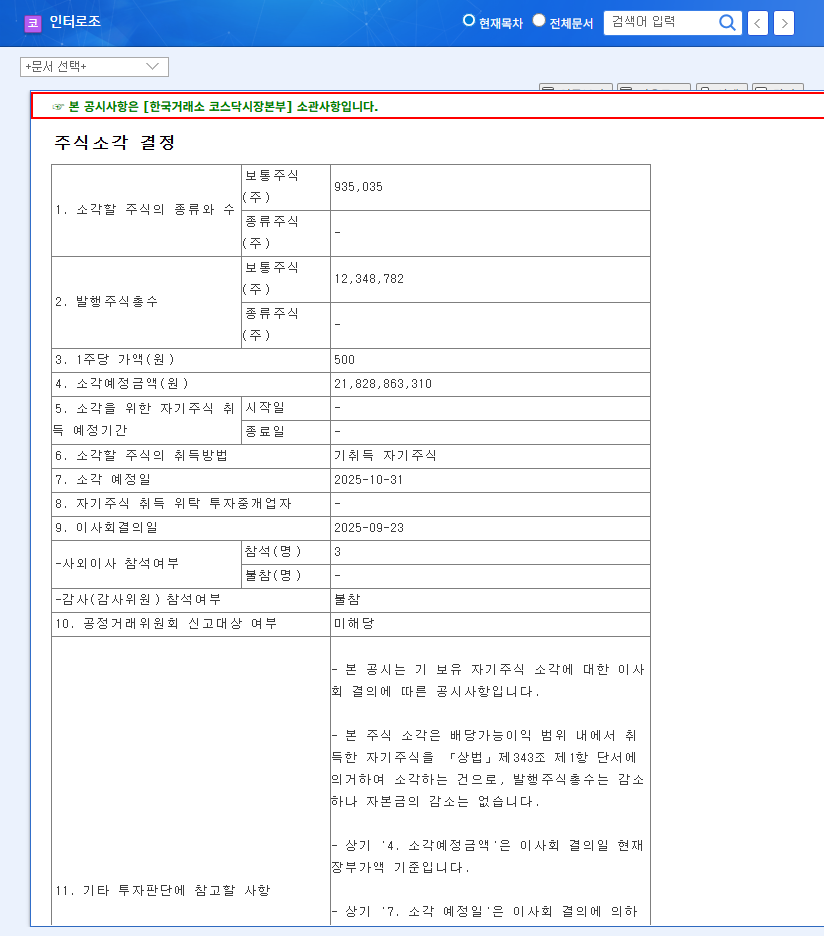
    On September 23, 2025, Interojo’s board of directors approved a share buyback program of 935,035 shares, totaling approximately KRW 21.8 billion. The buyback is scheduled to be completed by October 31, 2025.

    2. Why the Buyback?

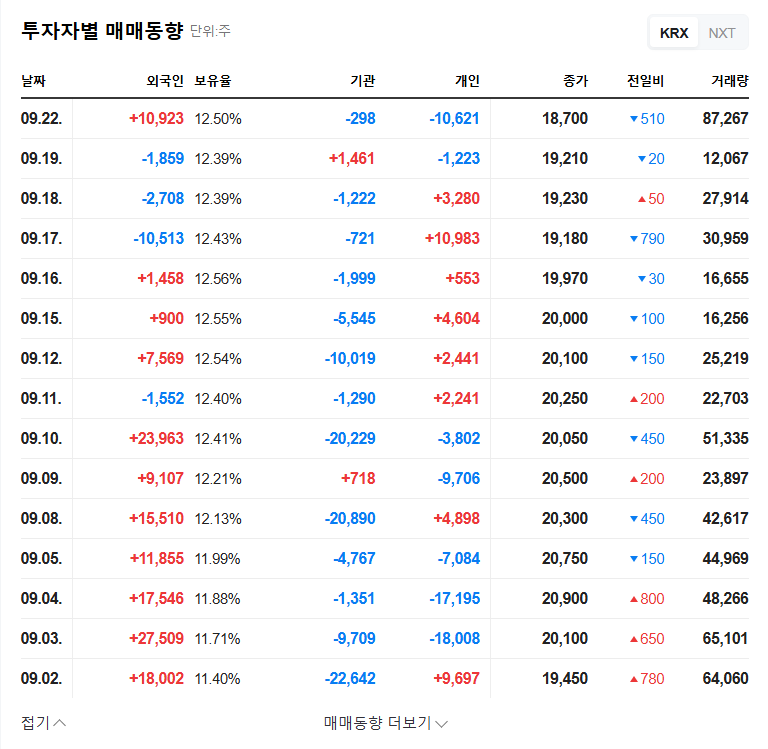
    Share buybacks reduce the number of outstanding shares, increasing the value per share. This is generally seen as a way to return value to shareholders and boost the company’s overall valuation. Interojo has a history of share buybacks positively impacting its stock price.

    3. What Does This Mean for the Stock Price?

    • Positive Outlook: The buyback is expected to create upward momentum for the stock price due to increased earnings per share and improved investor sentiment.
    • Negative/Limited Outlook: If fundamental issues like declining sales and internal accounting control weaknesses persist, the positive impact may be limited. External economic factors could also increase stock volatility.

    4. What Should Investors Do?

    • Short-Term Investors: A price increase following the announcement is possible, but be aware of potential volatility.
    • Long-Term Investors: Carefully consider the impact of the new factory, new product launches, and improvements in fundamentals before making investment decisions. Pay close attention to sales recovery and improvements in internal accounting controls.
    • Risk Management: Continuously monitor potential risks such as exchange rate fluctuations, customer concentration, and macroeconomic conditions.

    Disclaimer: This content is not investment advice. All investment decisions are the sole responsibility of the investor.

    What is a share buyback?

    A share buyback is when a company repurchases its own shares from the market and retires them. This reduces the number of outstanding shares, increasing the value of each remaining share.

    Why do companies buy back their shares?

    Companies buy back shares to increase shareholder value, boost stock prices, and improve the company’s overall valuation.

    When will Interojo’s share buyback be completed?

    The buyback is scheduled for completion on October 31, 2025.

    Interojo Announces KRW 21.8 Billion Share Buyback: What's Next for the Stock? 관련 이미지
    Interojo Announces KRW 21.8 Billion Share Buyback: What's Next for the Stock? 관련 이미지
  • Interojo’s Rights Offering: Opportunity or Risk? Key Analysis and Investment Strategies


    Interojo's Rights Offering: Opportunity or Risk? Key Analysis and Investment Strategies 대표 차트 이미지


    1. What’s Happening with Interojo’s Rights Offering?

    Interojo announced a rights offering on September 23, 2025. They will issue 1,493,428 new shares at ₩20,088 per share, representing a 12% increase. The main investor is Stick Prism Co., Ltd., and the payment date is October 1, 2025.

    2. Why the Rights Offering?

    Interojo plans to use the funds from this rights offering to expand production capacity, increase R&D investment, explore overseas markets, and secure future growth engines. They also anticipate improvements in their financial structure.

    3. Rights Offering: Opportunity or Risk?

    3.1 Positive Impacts

    • Improved Financial Structure and Investment Resources
    • Enhanced Growth Potential
    • Increased Market Confidence

    3.2 Negative Impacts (Short-term)

    • Concerns about Share Dilution
    • Burden of Participation for Existing Shareholders
    • Uncertainty Regarding Fund Utilization Plans

    4. What Investment Strategies Should Be Considered?

    4.1 Short-term Investment Strategies

    • Observation and Information Gathering
    • Stock Price Impact Analysis

    4.2 Mid- to Long-term Investment Strategies

    • Monitoring the Execution of Growth Strategies
    • Checking for Improvements in Financial Health
    • Monitoring Fundamental Improvements and Market Environment Changes


    FAQ

    What is the purpose of Interojo’s rights offering?

    To secure investment resources for expanding production capacity, increasing R&D investment, exploring overseas markets, and securing future growth engines, as well as improving the financial structure.

    How will the rights offering affect the stock price?

    In the short term, there is a possibility of share dilution due to the increase in the number of shares. However, in the long term, stock price increases can be expected depending on the company’s growth.

    What should investors be aware of?

    It is important to make investment decisions by comprehensively considering the company’s plans for utilizing the rights offering funds, market conditions, and the company’s fundamentals.


    Interojo's Rights Offering: Opportunity or Risk? Key Analysis and Investment Strategies 관련 이미지
    Interojo's Rights Offering: Opportunity or Risk? Key Analysis and Investment Strategies 관련 이미지


  • RF Systems Secures KRW 8.5 Billion Contract: What it Means for Investors


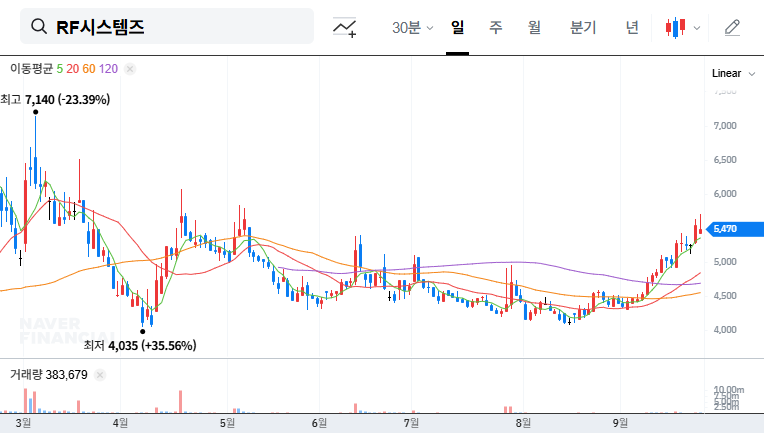
    RF Systems Secures KRW 8.5 Billion Contract: What it Means for Investors 대표 차트 이미지


    RF Systems’ KRW 8.5 Billion Contract – What Happened?

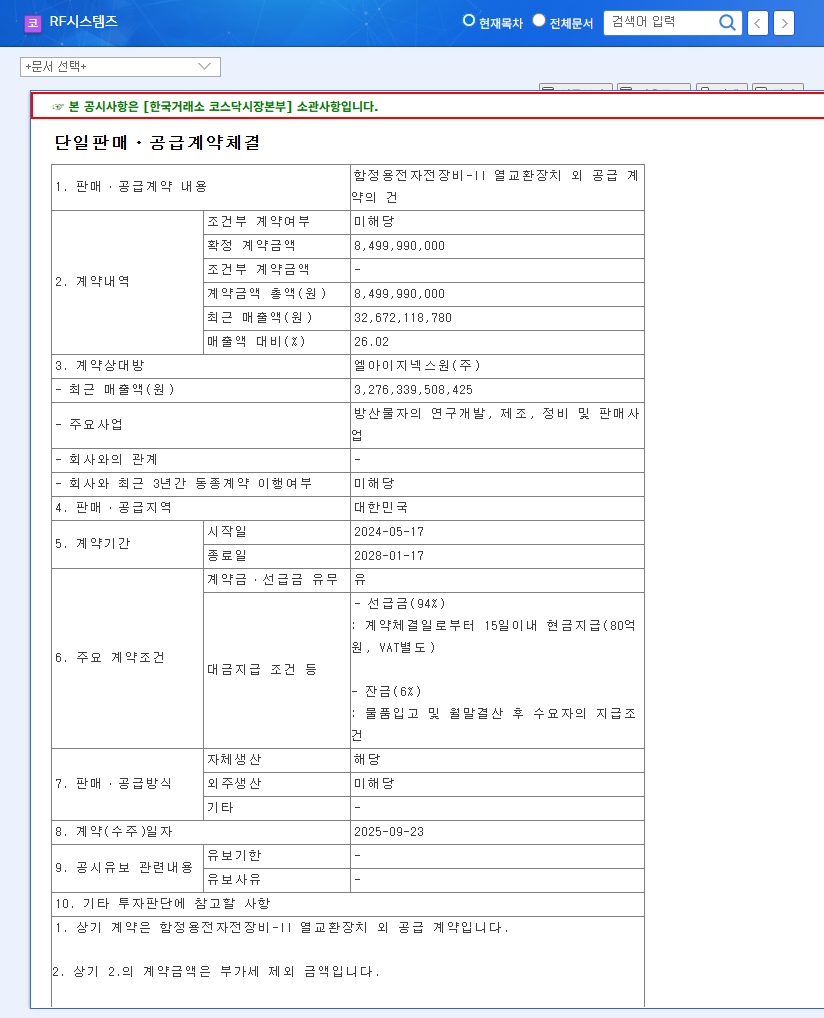
    RF Systems has secured a KRW 8.5 billion contract with LIG Nex1 to supply electronic warfare equipment for naval vessels. The contract period spans 3 years and 8 months, from May 17, 2024, to January 17, 2028.

    The Significance of the Contract – Why Does it Matter?

    This contract is substantial, amounting to approximately 49.8% of RF Systems’ revenue for the first half of 2025. The long-term nature of the 3-year and 8-month contract provides a stable revenue stream for RF Systems and is expected to mitigate the recent decline in sales. Furthermore, the collaboration with LIG Nex1, a major defense company, enhances RF Systems’ technological prowess and credibility.

    Impact on Investors – What Does This Mean for You?

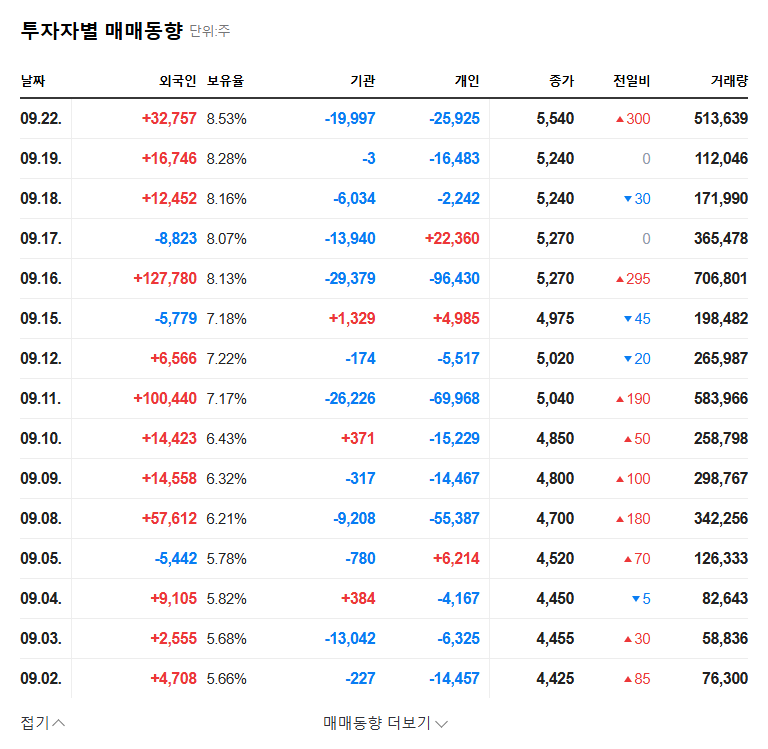
    In the short term, the contract announcement could boost investor sentiment, leading to a potential rise in stock price and trading volume. In the long term, improved performance through contract fulfillment can serve as a foundation for stock price growth. However, risks associated with contract execution and macroeconomic volatility should be considered.

    Investment Strategy – What Should Investors Do?

    • Short-term Investment: Capitalize on the potential stock price increase driven by the contract announcement. Monitor trading volume and market reactions.
    • Long-term Investment: Continuously monitor contract implementation progress, performance recovery in other business segments, and R&D achievements. Pay attention to the possibility of follow-up contracts with LIG Nex1.


    FAQ

    What is the value of the contract?

    KRW 8.5 Billion.

    Who is the counterparty to the contract?

    LIG Nex1.

    Will this contract positively impact RF Systems’ stock price?

    Short-term price increases can be anticipated, but long-term impacts will depend on contract execution and market conditions.

    What should investors be cautious of?

    Be mindful of risks related to contract execution and macroeconomic volatility.


    RF Systems Secures KRW 8.5 Billion Contract: What it Means for Investors 관련 이미지
    RF Systems Secures KRW 8.5 Billion Contract: What it Means for Investors 관련 이미지


  • AK Holdings Acquires ₩61 Billion in Income Securities: Impact on Financial Structure


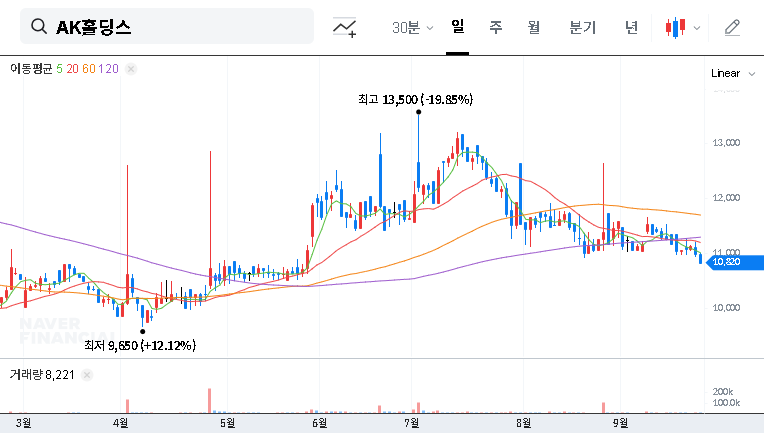
    AK Holdings Acquires ₩61 Billion in Income Securities: Impact on Financial Structure 대표 차트 이미지


    1. What Happened? – AK Holdings’ ₩61 Billion Acquisition

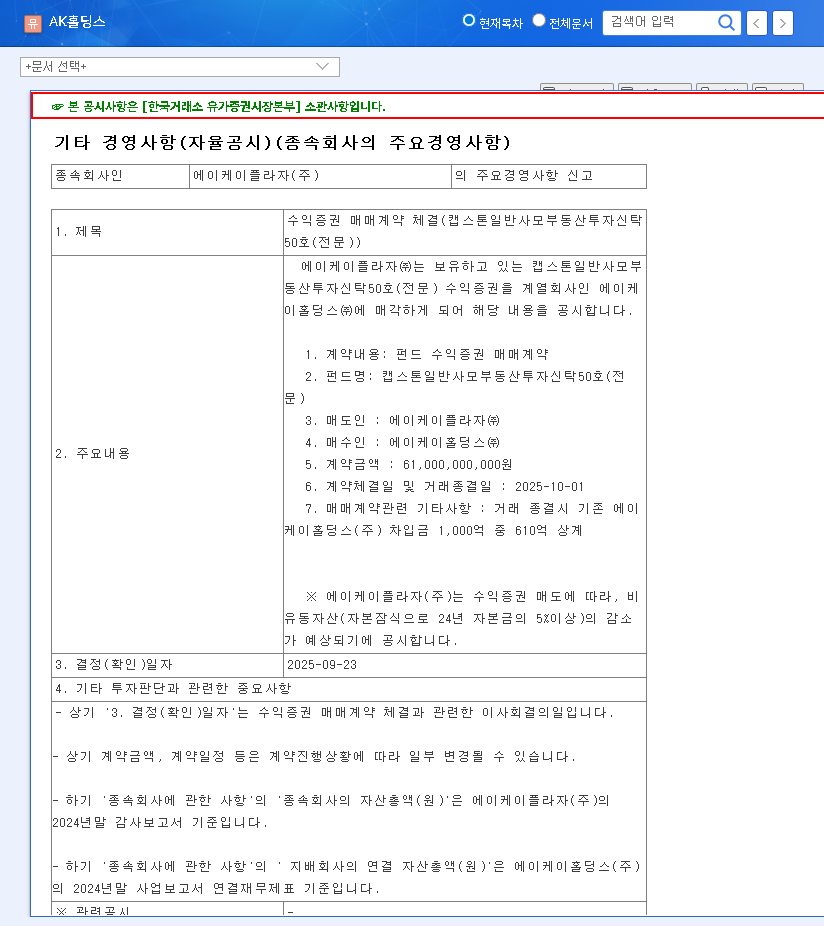
    AK Holdings has entered into an agreement to acquire income securities, specifically ‘Capstone Private Real Estate Investment Trust No. 50’, worth ₩61 billion from its subsidiary, AK Plaza. This allows AK Holdings to offset ₩61 billion of its existing ₩100 billion debt.

    2. Why This Decision? – Improving Financial Structure and Capital Efficiency

    The primary objectives of this transaction are to improve AK Holdings’ financial structure and enhance capital efficiency within the group. By offsetting debt, AK Holdings aims to reduce its liabilities and strengthen its financial health, while simultaneously providing AK Plaza with an opportunity to secure operating funds.

    3. What’s the Impact? – Positive Effects and Potential Risks

    • Positive Effects:
      • Debt reduction and improved financial structure for AK Holdings
      • Increased liquidity for AK Plaza
      • Enhanced financial stability for the entire group
    • Potential Risks:
      • Volatility risk associated with income securities, particularly influenced by real estate market conditions
      • Impact of reduced non-current assets on AK Plaza’s future operations

    4. What Should Investors Do? – Close Monitoring is Crucial

    Investors should consider both the positive impact on AK Holdings’ financial health and the potential risks associated with the volatility of income securities. Closely monitoring the underlying assets and returns of the securities, as well as AK Plaza’s future operational plans, is crucial. Furthermore, continuous attention to macroeconomic conditions, especially real estate market trends and interest rate fluctuations, is necessary.


    FAQ

    What does this acquisition mean for AK Holdings?

    It’s a strategic decision aimed at improving AK Holdings’ financial structure and increasing capital efficiency within the group. The main goal is to reduce debt and enhance financial health through debt offsetting.

    What should investors pay attention to?

    Investors need to carefully consider the volatility of the income securities, potential changes in AK Plaza’s operations, and shifts in the macroeconomic environment.

    What are the underlying assets of the income securities?

    According to the information, the underlying asset is ‘Capstone Private Real Estate Investment Trust No. 50,’ suggesting a likely connection to real estate. Investors should verify the details through investment prospectuses or other relevant documents.


    AK Holdings Acquires ₩61 Billion in Income Securities: Impact on Financial Structure 관련 이미지
    AK Holdings Acquires ₩61 Billion in Income Securities: Impact on Financial Structure 관련 이미지


  • HDC Hyundai Development Co. Wins $7.2B Redevelopment Project: Investment Opportunity?


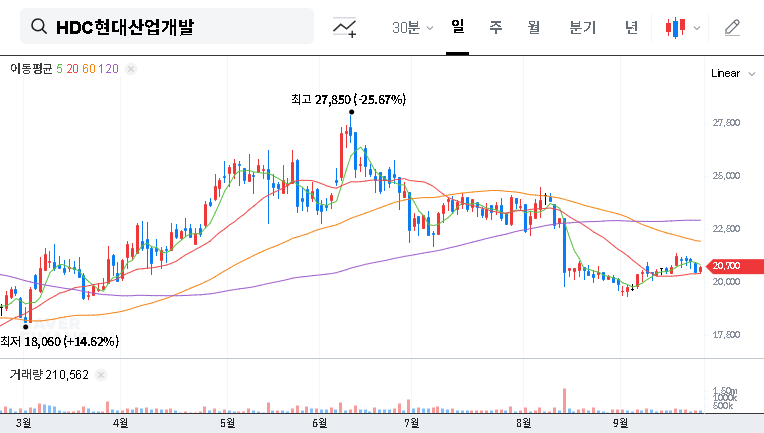
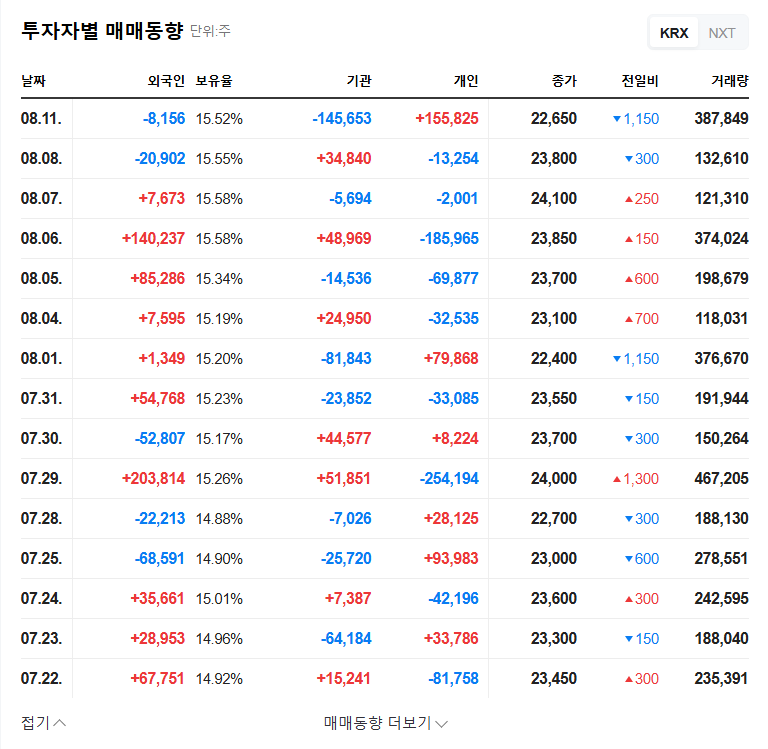
    HDC Hyundai Development Co. Wins $7.2B Redevelopment Project: Investment Opportunity? 대표 차트 이미지


    What Happened?

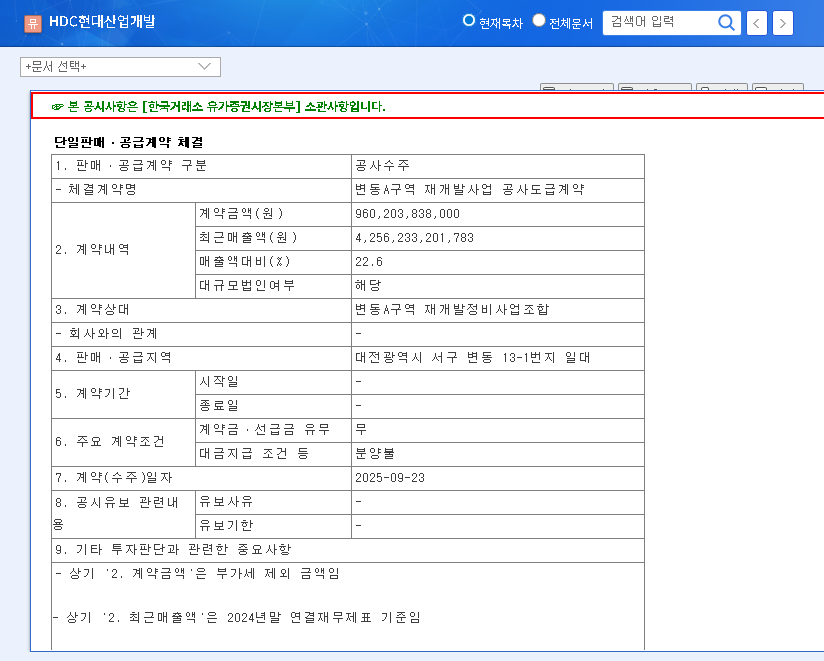
    On September 23, 2025, HDC Hyundai Development Co. signed a construction contract worth $7.2 billion with the ‘Byeondong-A District Redevelopment Association’ for the ‘Byeondong-A District Redevelopment Project.’ This represents a substantial 22.6% of HDC’s recent revenue.

    Why is This Project Important?

    This project will directly impact HDC’s future revenue growth and is expected to further accelerate the positive growth trend following the return to profitability in 2023. This could positively influence the company’s value and stock price. It’s also anticipated to contribute to restoring the company’s image, which was tarnished by the I-Park collapse incident.

    What are the Potential Outcomes?

    • Positive Effects: Increased revenue and profit, strengthened financial soundness, improved corporate image
    • Potential Risks: Fluctuations in raw material prices, adherence to construction deadlines, permitting risks, existing debt management, changes in the macroeconomic environment

    What Should Investors Do?

    Investors should continuously monitor the actual profitability of this project, the company’s earnings announcements, project progress, financial soundness indicators, and changes in the macroeconomic environment. It is crucial to carefully examine the company’s fundamental changes from a long-term perspective rather than being swayed by short-term stock price fluctuations. Analyzing the impact of macroeconomic factors such as the construction market, interest rate changes, and exchange rate fluctuations on the company is essential. Thoroughly reviewing the existing debt management and financing plans is also necessary.


    FAQ

    How will this project affect HDC’s stock price?

    While it could provide short-term upward momentum, volatility is possible depending on market conditions and other factors. Long-term impact hinges on profitability.

    What is HDC’s current financial status?

    HDC returned to profitability in 2023 after a loss in 2022. This project is expected to strengthen its financial soundness, but existing PF-related contingent liabilities remain a risk.

    What precautions should investors take?

    Consider macroeconomic changes (construction market, interest rates, exchange rates), project profitability, and HDC’s debt management capabilities.


    HDC Hyundai Development Co. Wins $7.2B Redevelopment Project: Investment Opportunity? 관련 이미지
    HDC Hyundai Development Co. Wins $7.2B Redevelopment Project: Investment Opportunity? 관련 이미지


  • Hanon Systems Rights Offering: Opportunity or Threat? IR Analysis and Future Outlook


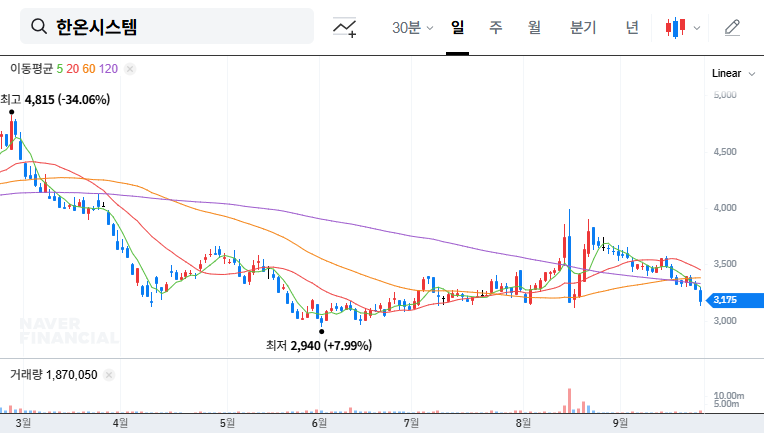
    Hanon Systems Rights Offering: Opportunity or Threat? IR Analysis and Future Outlook 대표 차트 이미지


    Hanon Systems Rights Offering: What’s Happening?

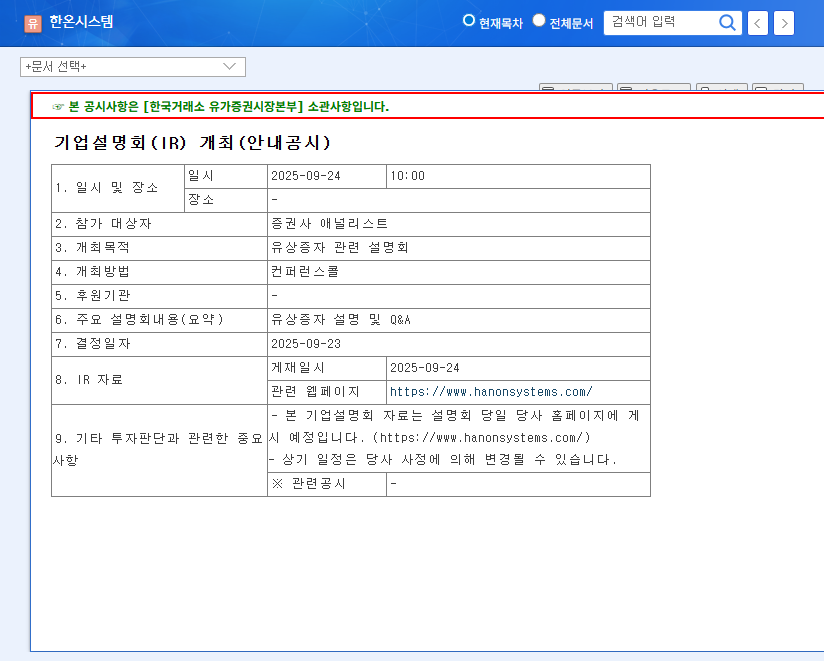
    Hanon Systems will hold an investor relations (IR) meeting on September 24, 2025, regarding its rights offering. This meeting will disclose key information that investors are curious about, such as the background of the offering, its size, and future capital utilization plans.

    Why the Rights Offering?

    While no official announcement has been made, the industry speculates various possibilities, including improving financial structure, new investments, and securing operating funds. Considering the high debt-to-equity ratio (257.2%), it’s highly likely that the funds will be used for debt repayment. It could also be intended to secure funds for investment in eco-friendly car parts in response to the expanding electric vehicle market.

    Rights Offering: Opportunity or Threat?

    A rights offering can have both positive and negative impacts on a company’s value.

    • Positive Aspects:
      • Improved financial structure and reduced debt-to-equity ratio through fundraising
      • Securing future growth engines through new investments (e.g., eco-friendly car parts)
      • Improved investor sentiment
    • Negative Aspects:
      • Stock dilution due to an increased number of issued shares
      • Short-term stock price decline due to a low offering price
      • Negative investor sentiment due to uncertainty surrounding the offering’s background

    What Should Investors Do?

    Pay close attention to the announcements made during the September 24th IR meeting. In particular, look for answers to the following key questions:

    • Where will the funds from the rights offering be used?
    • What is the offering price and the number of shares to be issued? What is the expected stock dilution effect?
    • What are the future earnings improvement and growth prospects?
    • What is the synergy creation strategy with Hankook Tire?

    Carefully analyze the contents of the IR meeting and use it as a reference for your investment decisions. Approach investments with caution.


    FAQ

    What is the purpose of Hanon Systems’ rights offering?

    While there’s no official announcement yet, it’s expected to be for improving financial structure, new investments, or securing operating funds. Details will be revealed at the IR meeting on September 24th.

    How will the rights offering affect the stock price?

    It can have both positive and negative effects depending on the purpose of the funds, the offering price, and market conditions. While it can be positive if used for improving financial structure or securing growth engines, the possibility of stock dilution should also be considered.

    What should investors pay attention to?

    Investors should carefully review the size of the rights offering, the use of funds plan, and future earnings outlook announced at the IR meeting before making investment decisions.


    Hanon Systems Rights Offering: Opportunity or Threat? IR Analysis and Future Outlook 관련 이미지
    Hanon Systems Rights Offering: Opportunity or Threat? IR Analysis and Future Outlook 관련 이미지


  • Intops Issues 13 Billion Won Convertible Bonds: Analysis and Investment Strategy


    Intops Issues 13 Billion Won Convertible Bonds: Analysis and Investment Strategy 대표 차트 이미지


    1. Key Details of Intops’ Convertible Bond Issuance

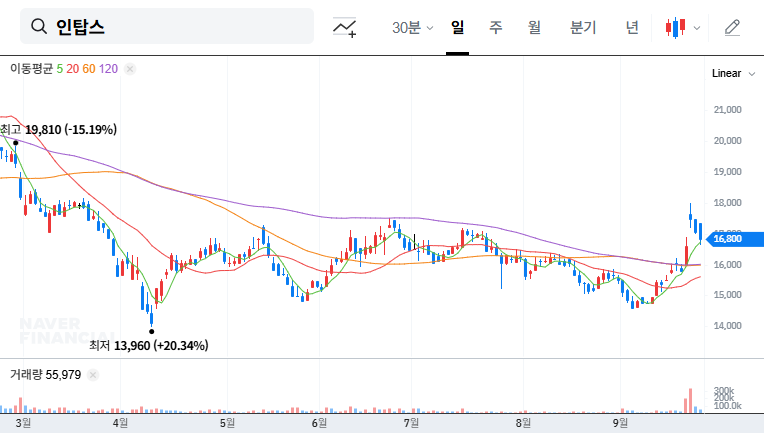
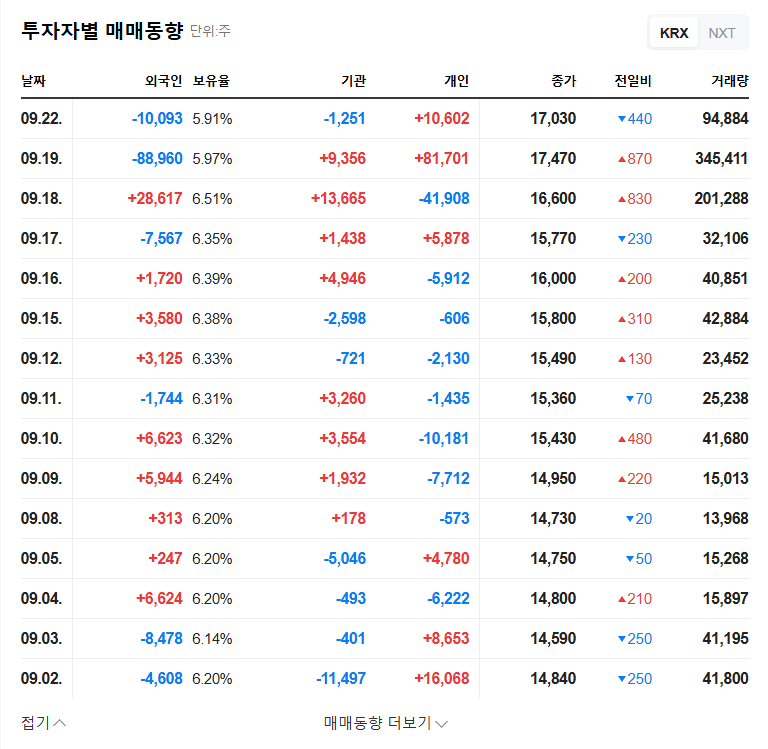
    Intops has issued 13 billion won worth of convertible bonds through a private placement. The conversion price is set at 20,609 won, significantly higher than the current stock price of 10,980 won. Does this reflect expectations of future stock price increases? Or could it act as downward pressure on the stock price?

    2. Why Issue Convertible Bonds Now?

    Intops recorded a decline in sales and an operating loss in the first half of 2025 on a consolidated basis. Its credit rating has also been downgraded from A- to BBB+. Facing financial difficulties such as a high debt ratio and negative retained earnings, securing funds was likely essential. The 0% coupon rate allows Intops to secure funds with a low interest burden.

    3. Impact on Investors

    • Positive Impacts: Improved financial structure, secured liquidity, and investment capacity for future growth engines.
    • Negative Impacts: Potential downward pressure on stock price due to the gap between the conversion price and the current stock price, and possible weakening of stock price momentum until the bond maturity date.

    4. Investment Strategy

    • Focus on fundamental improvement: Closely monitor whether Intops’ performance improves after securing the funds.
    • Track stock price movements and conversion price achievement: Pay attention to the possibility and timing of the conversion of convertible bonds into stocks.
    • Monitor macroeconomic and industry environment changes: Understand changes in the macroeconomic environment, such as exchange rates and interest rates, and trends in the IT/automotive industry.
    • Cautious approach for short-term investment: A conservative investment approach is recommended until clear signals of earnings improvement and financial soundness recovery emerge.


    Frequently Asked Questions (FAQ)

    What are convertible bonds?

    Convertible bonds are bonds that can be exchanged for the issuing company’s stock. Investors can hold the bonds until maturity to receive principal and interest, or exchange them for the issuer’s stock within a specified period.

    How will Intops’ convertible bond issuance affect its stock price?

    In the short term, there are expectations of improved financial structure through fundraising, but in the long term, stock price volatility may increase due to the difference between the conversion price and the current stock price.

    Should I invest in Intops?

    Intops’ current fundamentals show weaknesses, so caution is advised for short-term investments. It’s recommended to make investment decisions while observing the trend of earnings improvement and financial soundness recovery.


    Intops Issues 13 Billion Won Convertible Bonds: Analysis and Investment Strategy 관련 이미지
    Intops Issues 13 Billion Won Convertible Bonds: Analysis and Investment Strategy 관련 이미지


  • Surplus Global Issues ₩6.5B Convertible Bonds: A Strategic Move or a Desperate Gamble?


    Surplus Global Issues ₩6.5B Convertible Bonds: A Strategic Move or a Desperate Gamble? 대표 차트 이미지


    1. What Happened at Surplus Global?

    On September 23, 2025, Surplus Global announced the issuance of ₩6.5 billion in convertible bonds. The conversion price is set at ₩3,018, approximately 18.4% higher than the current stock price. Key investors include Korea Investment & Securities, Shinhan Investment Corp., and IBK Capital.

    2. Why Issue Convertible Bonds?

    Surplus Global’s performance in the first half of 2025 was weak. Sales decreased by 58.8% year-on-year, and both operating income and net income turned to losses. The high debt ratio and increasing inventory levels raise concerns about financial soundness. In this situation, issuing convertible bonds appears to be an inevitable choice to secure short-term working capital and raise funds for new business investments.

    3. Convertible Bonds: Opportunity or Risk?

    • Positive Aspects:
      • Securing short-term liquidity.
      • Potential for securing growth engines through investment in new businesses.
    • Negative Aspects:
      • Increased financial burden due to a higher debt ratio.
      • Pressure on stock price due to the high conversion price compared to the current market price.
      • Risk of future interest rate hikes and exchange rate fluctuations.

    4. What Should Investors Do?

    While the issuance of convertible bonds can provide a short-term cash injection, long-term growth cannot be guaranteed without fundamental improvements in business competitiveness. Investors should carefully monitor the following:

    • Conversion of convertible bonds.
    • Performance of new businesses (used semiconductor equipment cluster, global open market).
    • Recovery trend of the semiconductor market.
    • Future profitability improvement.

    Currently, it is advisable to maintain a cautious wait-and-see approach and take a conservative perspective, considering the additional financial burden and the high conversion price.


    FAQ

    What are convertible bonds?

    Convertible bonds are bonds that give the holder the right to convert them into shares of the issuing company’s stock. Investors can hold the bonds to maturity and receive principal and interest, or they can convert them into stock within a specified period.

    How will this convertible bond issuance affect Surplus Global’s stock price?

    In the short term, it could be positive due to increased liquidity. However, in the long term, there is the possibility of stock dilution due to bond conversion. The company’s earnings improvement will likely have a greater impact on the stock price.

    What should investors be aware of?

    It’s important to consider the company’s financial restructuring efforts, the performance of new businesses, and the overall semiconductor market conditions when making investment decisions.


    Surplus Global Issues ₩6.5B Convertible Bonds: A Strategic Move or a Desperate Gamble? 관련 이미지
    Surplus Global Issues ₩6.5B Convertible Bonds: A Strategic Move or a Desperate Gamble? 관련 이미지


  • JoongAng Advanced Materials (051980) Convertible Bond Exercise: Opportunity or Risk?

    JoongAng Advanced Materials (051980) Convertible Bond Exercise: Opportunity or Risk? 대표 차트 이미지

    What Happened?

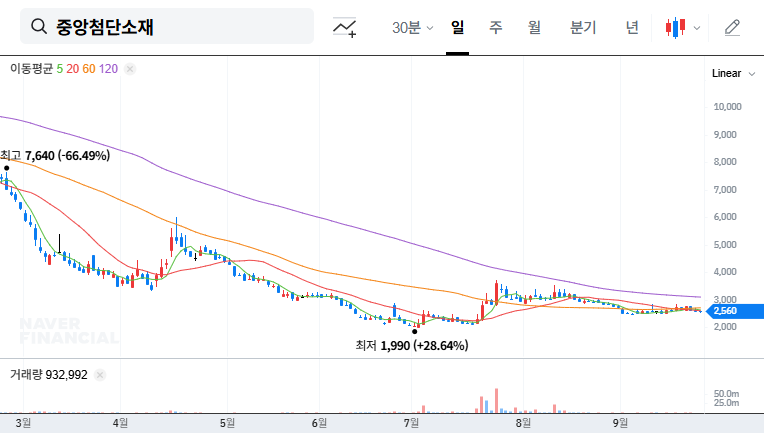
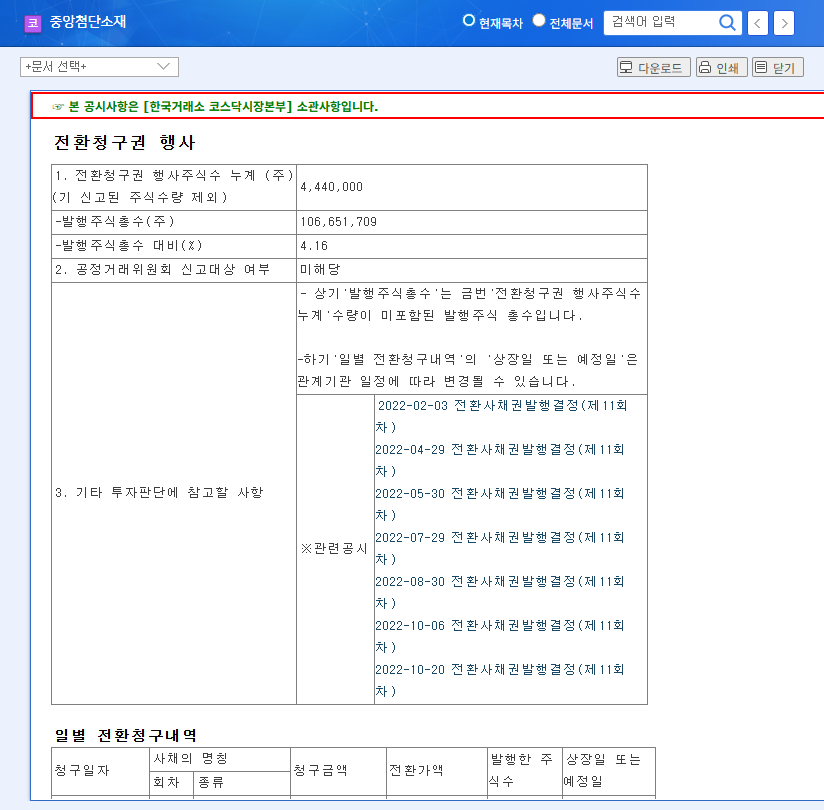
    JoongAng Advanced Materials announced the exercise of its convertible bonds, resulting in 4,440,000 new shares. This represents about 4.16% of the total existing shares and is scheduled to be listed on October 15, 2025. The conversion price is 500 KRW, significantly lower than the current stock price of 2,560 KRW.

    Why Does This Matter?

    The convertible bond exercise has a direct impact on the company’s capital structure and stock price. On the positive side, it can improve the financial structure and secure growth momentum through capital expansion. Conversely, the dilution effect from the increased number of outstanding shares can lower the value per share.

    So, What’s the Impact on Stock Price?

    Positive Factors

    • Capital Expansion and Improved Financial Structure: The influx of funds through the convertible bond exercise strengthens financial soundness and increases investment capacity.
    • Growth of Secondary Battery Materials Business: JoongAng Advanced Materials has secured growth momentum in the secondary battery materials business, which can contribute to future increases in corporate value.
    • Stable Contract with Hyundai Rotem: The contract with Hyundai Rotem provides a stable sales base and enhances business stability.

    Negative Factors

    • Stock Dilution and Potential EPS Decline: The increase in the number of outstanding shares can lead to a dilution of earnings per share (EPS).
    • Accumulated Deficit and Business Delay Risks: The accumulated deficit and some business delays revealed in past business reports remain challenges to be addressed.

    What Should Investors Do?

    JoongAng Advanced Materials’ convertible bond exercise presents both opportunities and risks. Investors should make prudent investment decisions by comprehensively considering both positive and negative factors. It is particularly important to closely monitor the market absorption of newly listed shares, the performance of the secondary battery materials business, and the company’s continuous efforts to improve profitability.

    Frequently Asked Questions

    What are convertible bonds?

    Convertible bonds are issued as debt but give the bondholder the option to convert them into a predetermined number of shares of the issuing company’s common stock.

    Does the exercise of convertible bonds always have a positive impact on stock price?

    No, not always. Because both capital increase effects and stock dilution effects occur simultaneously, investors must consider various factors when making investment decisions.
    What is the outlook for JoongAng Advanced Materials?

    There are positive factors such as growth potential in the secondary battery materials business and a stable contract with Hyundai Rotem. However, the accumulated deficit and business delay risks should also be considered. It is necessary to monitor future earnings trends and market conditions.

    JoongAng Advanced Materials (051980) Convertible Bond Exercise: Opportunity or Risk? 관련 이미지
    JoongAng Advanced Materials (051980) Convertible Bond Exercise: Opportunity or Risk? 관련 이미지