Tag: StockMarket

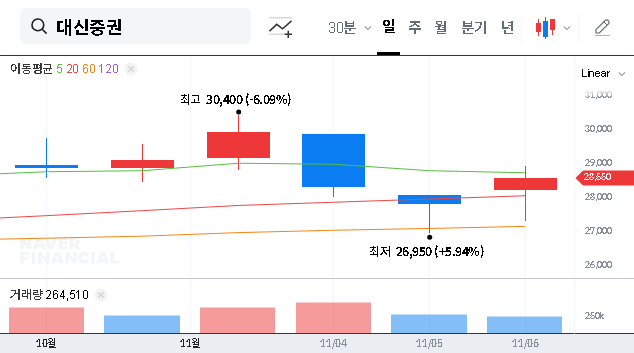
  • (003540) DAISHIN SECURITIES Q3 2025 Earnings Analysis: Profit Soars 36%, But Red Flags Emerge

    (003540) DAISHIN SECURITIES Q3 2025 Earnings Analysis: Profit Soars 36%, But Red Flags Emerge

    The latest DAISHIN SECURITIES Q3 2025 earnings report presents a fascinating and complex picture for investors. In a period of sustained market volatility, the company has posted a provisional earnings announcement that is stirring significant debate. On one hand, core business performance, reflected by operating profit, has shattered market expectations. On the other, the bottom-line net income has faltered, raising critical questions about underlying financial health and future prospects.

    This comprehensive DAISHIN SECURITIES earnings analysis will dissect these contrasting results, explore the driving factors behind them, and provide a strategic guide for current and potential investors. What does this divergence signify for the DAISHIN SECURITIES stock, and how should you position your portfolio in response?

    While operating profit surged an impressive 36% above expectations, net income unexpectedly dipped 6% below forecasts, creating a complex narrative that requires a deeper look beyond the headlines.

    DAISHIN SECURITIES Q3 2025 Earnings: The Official Numbers

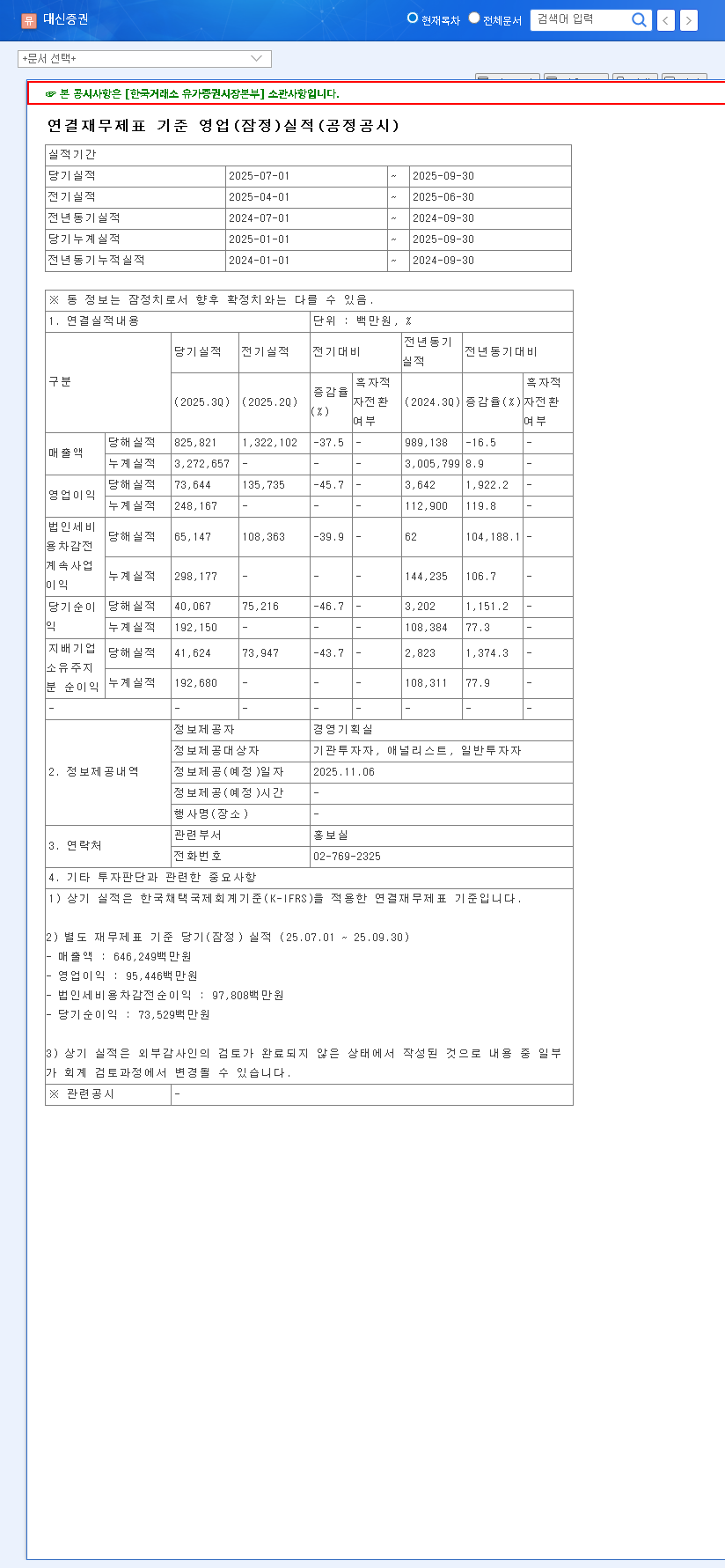
    According to the provisional data disclosed on November 6, 2025, the company’s consolidated performance for the third quarter revealed the following key metrics. For a complete and unfiltered view, investors can review the Official Disclosure filed with the Financial Supervisory Service (DART).

    • Revenue: KRW 825.8 billion (Market Estimate N/A)
    • Operating Profit: KRW 73.6 billion (36% above the market estimate of KRW 54.3 billion)
    • Net Profit: KRW 41.6 billion (6% below the market estimate of KRW 44.3 billion)

    The Bull & Bear Case: Deconstructing the Results

    The core of this quarter’s story lies in the significant gap between operational success and net profitability. Let’s break down the positive and negative drivers influencing these outcomes.

    The Bull Case: A Resilient Core Business

    The standout figure—operating profit of KRW 73.6 billion—is a powerful testament to the strength of DAISHIN SECURITIES’ primary business activities. This performance indicates that segments like brokerage, investment banking, and asset management are thriving despite a challenging economic backdrop. The company has shown a remarkable turnaround, maintaining a strong positive operating profit trend since Q1 2025, following a loss in Q4 2024. This consistent recovery builds confidence in the management’s strategy and operational execution.

    The Bear Case: The Mystery of the Net Income Miss

    Despite the robust operating profit, the net income of KRW 41.6 billion is a point of concern. This shortfall suggests that factors outside of core operations negatively impacted the bottom line. Such factors could include:

    • Non-operating Losses: Losses from the valuation of financial assets, investments in associate companies, or foreign exchange translations could be significant culprits.
    • One-Time Expenses: A specific, non-recurring cost or a significant litigation provision could have dragged down net profit.
    • Higher Corporate Taxes: An increase in the effective tax rate for the quarter could also explain the discrepancy. For more details, investors might want to review our guide on analyzing a company’s income statement.

    This quarterly decline in net income, when compared to Q1 (KRW 76.9 billion) and Q2 (KRW 75.2 billion), warrants close scrutiny in the full, audited report.

    Market Outlook and Strategic Considerations

    The forward-looking picture for securities company earnings is tied to broader market forces. A projected revenue decline for Q4 2025 could signal weakening investor sentiment or lower asset management fees. Furthermore, macroeconomic variables such as high KRW/USD exchange rates and interest rate policies from central banks can introduce significant volatility, as highlighted by recent global market analysis from Reuters. While stable U.S. Treasury yields may offer some stability, the overall environment remains uncertain.

    The company’s previously stated purpose for holding treasury shares—to enhance shareholder value and improve its financial structure—is a positive signal of shareholder-friendly policies. However, its direct impact on near-term profitability remains to be seen.

    Investor Guide: A Smart Action Plan

    Given the mixed signals from the DAISHIN SECURITIES Q3 2025 earnings, investors should adopt a cautiously optimistic approach. While the operational recovery is encouraging, the potential red flags cannot be ignored. Here is a checklist for informed decision-making:

    • Analyze the Full Report: Wait for the finalized, detailed financial statements to pinpoint the exact cause of the net income decline.
    • Monitor Revenue Trends: Closely watch for signs that the company is developing new growth drivers to counter the potential slowdown in revenue.
    • Track Treasury Stock Utilization: Observe how and when the company uses its treasury stock to ensure it translates into tangible shareholder value.
    • Assess Macro-Environment: Stay informed about changes in exchange rates, interest rates, and overall market sentiment that directly affect the securities industry.

    Frequently Asked Questions (FAQ)

    What are the key takeaways from DAISHIN SECURITIES’ Q3 2025 earnings?

    The key takeaway is a dual narrative: the company’s core operations are performing exceptionally well (operating profit up 36% over estimates), but its final net profit was dragged down by other factors (down 6% vs. estimates), signaling a need for deeper investigation.

    Why did net income decrease while operating profit rose?

    The most likely causes are non-operating factors. These can include valuation losses on investments, foreign exchange impacts, one-time expenses, or a higher-than-expected corporate tax bill. The full financial report will provide clarity.

    What should investors watch for in the coming months?

    Investors should focus on the detailed explanation for the net income miss, the company’s strategy to address declining revenue trends, and how management plans to use treasury stock to benefit shareholders.
    (003540) DAISHIN SECURITIES Q3 2025 Earnings Analysis: Profit Soars 36%, But Red Flags Emerge 관련 이미지
  • (000890) Bohae Brewery Treasury Share Acquisition: A Deep Dive for Investors (000890)

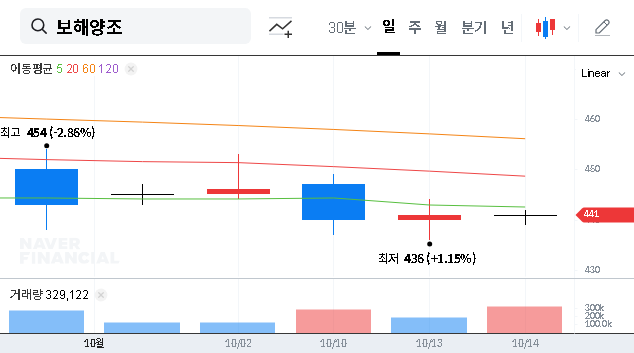
    (000890) Bohae Brewery Treasury Share Acquisition: A Deep Dive for Investors (000890)

    The recent Bohae Brewery treasury share acquisition has captured the attention of the market, signaling a pivotal moment for investors in BOHAE BREWERY CO.,LTD (000890). When a company buys back its own stock, it’s often a sign of confidence in its own future and a direct commitment to increasing shareholder value. This strategic move, backed by improving financial health, warrants a closer look. This comprehensive analysis will break down the details of the acquisition, evaluate the company’s underlying fundamentals, and provide a clear roadmap for what this means for the Bohae Brewery stock price.

    This analysis explores Bohae Brewery’s 100 million KRW share buyback, its improved H1 2025 financial performance, and the potential impact on its stock valuation and long-term investor returns.

    The Details: What We Know About the Share Buyback

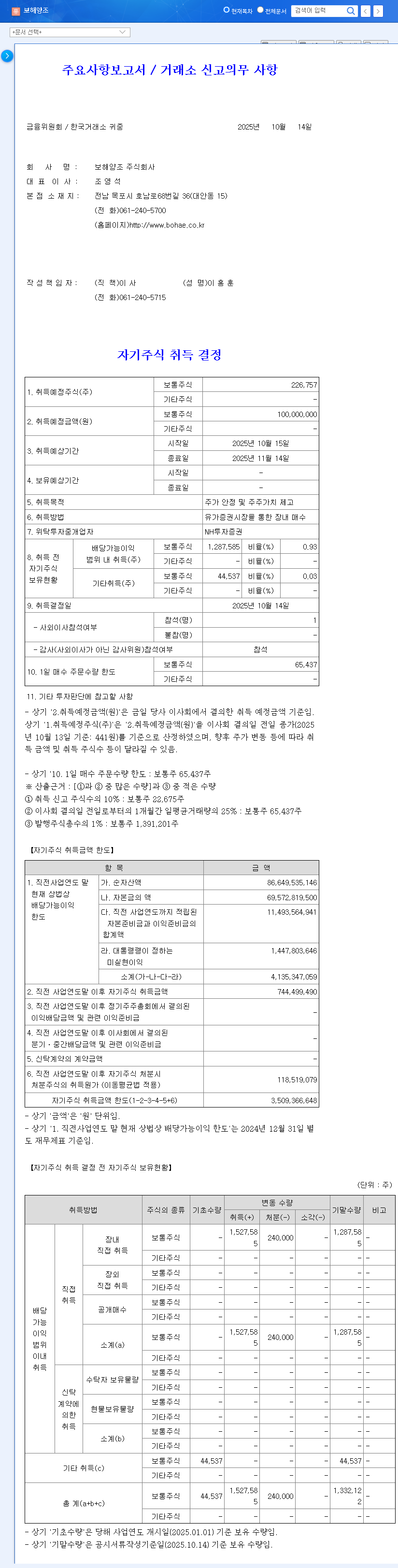
    On October 14, 2025, Bohae Brewery formally announced its plan to acquire its own shares from the open market. According to the Official Disclosure (Source: DART), the primary goals are to stabilize the stock price and boost shareholder value—two key pillars of investor confidence. The specifics of the plan are as follows:

    • Total Acquisition Value: 100 million KRW
    • Number of Shares: Approximately 226,757 common shares.
    • Percentage of Market Cap: This represents about 0.16% of the company’s total market capitalization.
    • Method: On-market purchases via the KOSPI exchange.

    Under the Hood: Analyzing Bohae Brewery’s Financial Health

    A share buyback is most meaningful when it’s supported by strong company fundamentals. Bohae Brewery’s decision appears well-founded, based on its impressive performance in the first half of 2025.

    Profitability Turnaround

    The H1 2025 report reveals a significant positive shift. While revenue saw a slight dip to 43.19 billion KRW, the company’s strategic focus on cost reduction and efficient management of selling, general, and administrative (SG&A) expenses paid off. This resulted in an operating profit of 2.46 billion KRW and a net profit of 1.94 billion KRW, marking a successful return to profitability. This demonstrates operational excellence even in a challenging market.

    A Rock-Solid Balance Sheet

    Perhaps the most compelling metric is the company’s financial stability. The debt ratio has been dramatically reduced to a mere 6.91%, an exceptionally healthy figure that indicates very low financial risk. Combined with strong liquidity ratios and a substantial increase in operating cash flow, Bohae Brewery is not just profitable—it’s financially resilient and managing its working capital effectively.

    Impact Analysis: What Does This Mean for the Stock?

    The Bohae Brewery treasury share acquisition is a multifaceted event with both immediate and long-term implications for the stock price.

    The Bull Case: Positive Signals for Investors

    The buyback sends a powerful message: management believes the stock is undervalued. This can create a floor for the stock price, providing downside protection. By reducing the number of shares outstanding, the company increases its earnings per share (EPS), a key metric for valuation. This act of confidence, coupled with solid fundamentals, is likely to improve investor sentiment and attract new capital. To learn more about how buybacks work, you can read this guide on stock buybacks from Investopedia.

    The Bear Case: Important Considerations

    While positive, it’s crucial to maintain perspective. The acquisition size of 100 million KRW (0.16% of market cap) is relatively modest. Its direct impact on supply and demand dynamics will be limited. Therefore, this single event is unlikely to trigger a massive, sustained rally. The long-term trajectory of the Bohae Brewery stock price will depend more on continued operational performance, market trends, and future shareholder return policies, such as dividend increases or more substantial buyback programs.

    Investor Action Plan & Final Verdict

    For current and prospective investors, this news should be viewed as a confirmation of the company’s positive direction. Here’s how to approach it:

    • Short-Term Outlook: View this as a stabilizing factor. The buyback provides support for the current stock price and enhances investor confidence, which could lead to modest near-term gains.
    • Long-Term Outlook: Focus on the bigger picture. The true driver of shareholder value will be sustained profitability, successful new product launches, and the company’s ability to navigate macroeconomic headwinds. Monitor future announcements regarding dividends and other capital allocation strategies. For a deeper dive into financial health, consider reading our guide on Understanding Financial Ratios for Stock Analysis.

    In conclusion, the Bohae Brewery treasury share acquisition is a clear positive for the company. It validates the impressive financial turnaround and signals a commitment to rewarding shareholders. However, investors should see it not as a silver bullet for the stock price, but as one piece of a larger, encouraging puzzle. Prudent investment decisions will be based on a continued analysis of the company’s intrinsic value and its execution of long-term strategy.

    (000890) Bohae Brewery Treasury Share Acquisition: A Deep Dive for Investors (000890) 관련 이미지
  • (278470) APR Stock Analysis: Why Morgan Stanley’s Stake Change Isn’t a Red Flag

    (278470) APR Stock Analysis: Why Morgan Stanley’s Stake Change Isn’t a Red Flag

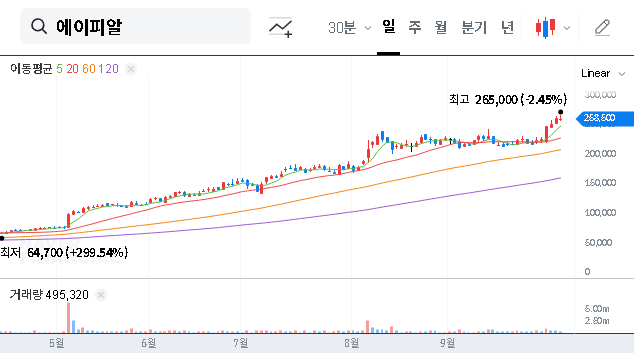
    Recent news about Morgan Stanley’s portfolio adjustment has put a spotlight on APR stock, sparking questions among investors. Whenever a major institution like Morgan Stanley alters its position, the market takes notice. However, a knee-jerk reaction can often be a mistake. This comprehensive analysis will dissect the event, evaluate APR’s unshakable core fundamentals, and provide a clear roadmap for your investment strategy, helping you separate the signal from the noise.

    We will explore why this disclosure is likely a minor event in the grand scheme of APR’s growth trajectory and how its intrinsic value remains firmly intact. Let’s delve into the details to empower your investment decisions.

    Decoding Morgan Stanley’s APR Shareholding Adjustment

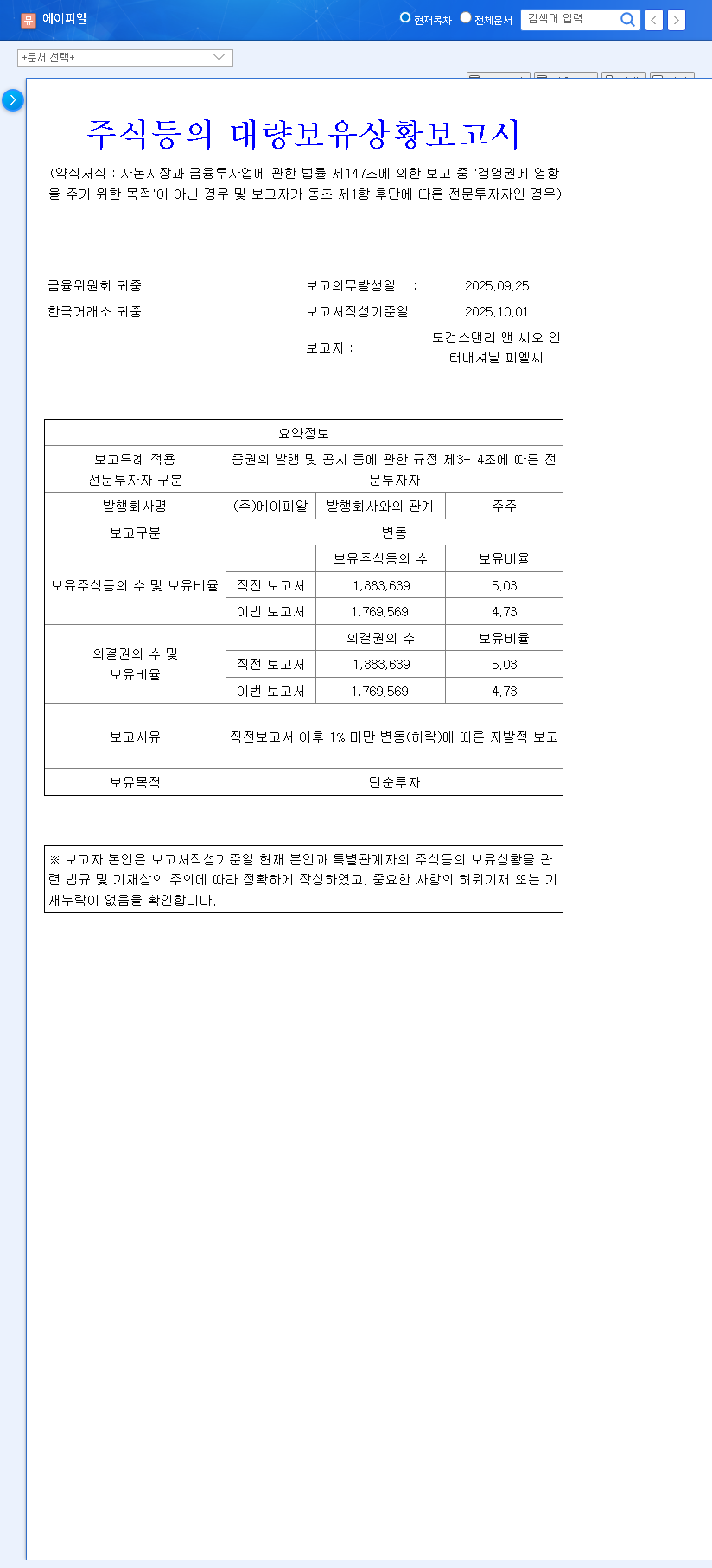
    On October 2, 2025, Morgan Stanley & Co. International PLC filed a public disclosure regarding its holdings in APR. According to the Official Disclosure (DART Report), the institution’s stake changed as follows:

    • Previous Stake: 5.03%
    • New Stake: 4.73%
    • Reason for Report: Voluntary disclosure for a change under 1%.

    The key takeaway here is the voluntary nature of the filing for a minor 0.3% reduction. This is not indicative of a large-scale, panicked sell-off. Instead, it aligns with routine portfolio rebalancing or a minor strategic shift, common practices for large investment firms managing diverse global assets. Such adjustments are often made for reasons entirely unrelated to the target company’s performance, such as managing fund liquidity or sector allocation targets.

    “While institutional selling can be a headwind, it’s crucial to analyze the magnitude and context. A sub-1% voluntary disclosure is more of a footnote than a headline, especially for a company with strong underlying growth.”

    APR’s Unwavering Fundamentals: The Real Story

    To truly gauge the future of APR stock, we must look beyond market noise and focus on its intrinsic value. The H1 2025 interim report paints a picture of a company firing on all cylinders, driven by innovation and global expansion.

    1. Exceptional Financial Performance

    APR’s financial results speak for themselves. With H1 2025 revenue hitting KRW 593.8 billion and operating profit at KRW 139.1 billion, the company is not just growing; it’s growing profitably. This performance is largely fueled by the phenomenal success of its home beauty device division and a savvy global market strategy that has turned international sales into a primary growth engine.

    2. Rock-Solid Financial Health

    A strong balance sheet is the foundation for sustainable growth. Following its IPO, APR has intelligently used the influx of capital and retained earnings to significantly boost its liquid assets. This has led to an improved debt-to-equity ratio and other key financial health indicators. This financial stability gives APR the flexibility to invest aggressively in future opportunities without taking on undue risk. For a detailed breakdown of balance sheet analysis, investors can consult resources from authoritative sites like Investopedia.

    3. A Unique Competitive Moat

    APR’s competitive advantage is built on its vertically integrated value chain. By controlling everything from R&D to production for its home beauty devices, the company can innovate faster and maintain higher quality standards than competitors. This, combined with the continued strength of its core cosmetic brands and an export ratio exceeding 55%, positions APR not just as a Korean leader but as a formidable global enterprise. Investors interested in company fundamentals should check out our guide to fundamental analysis.

    Investor Action Plan & Future Outlook for APR Stock

    Given the limited impact of the APR shareholding change and the company’s powerful fundamentals, the mid-to-long-term outlook for APR remains highly positive. The stock’s current valuation, in light of its growth trajectory, suggests significant upside potential.

    Strategic Approach for Investors

    • Short-Term: Treat any market overreaction to this news as a potential buying opportunity. Avoid panic-selling based on this isolated event and instead observe the price action for attractive entry points during any temporary dips.
    • Mid-to-Long-Term: Maintain a focus on the core business drivers. The investment thesis for APR is built on its earnings growth, global expansion, and innovation in the beauty device sector. These are the metrics that will determine its long-term value.

    Key Factors to Monitor Moving Forward:

    • Quarterly Earnings Reports: Continued confirmation of revenue and profit growth.
    • Global Expansion Milestones: Success in penetrating new international markets.
    • New Product Pipeline: The performance of upcoming product launches and R&D updates.
    • Macroeconomic Conditions: Changes in exchange rates and consumer spending trends.

    In conclusion, Morgan Stanley’s minor stake reduction should be viewed as background noise. The compelling story for investors is APR’s robust business performance, strategic global positioning, and solid financial foundation. The company remains a highly attractive investment for those with a mid-to-long-term horizon.

    (278470) APR Stock Analysis: Why Morgan Stanley's Stake Change Isn't a Red Flag 관련 이미지
  • (046070) Kodaco Delisting Halted: A Complete 2025 Investor’s Guide to the Financial Crisis

    (046070) Kodaco Delisting Halted: A Complete 2025 Investor’s Guide to the Financial Crisis

    The sudden suspension of the Kodaco delisting procedure has sent shockwaves through the market, leaving Kodaco investors grappling with a mix of fragile hope and profound uncertainty. While the halt of liquidation trading offers a temporary reprieve, it fails to address the deep-seated financial crisis plaguing Kodaco Co., Ltd. Is this a genuine turning point, or merely a delay of the inevitable? This comprehensive analysis will dissect the situation, explore the severe underlying risks, and provide a clear strategy for investors navigating this volatile landscape.

    The Official Announcement: Kodaco Delisting Procedure Halted

    On October 1, 2025, Kodaco Co., Ltd. confirmed the suspension of its scheduled delisting and liquidation trading. This decision was triggered by a ‘request for an injunction to suspend the effect of the delisting decision’ filed with the courts. As detailed in the company’s Official Disclosure to the Financial Supervisory Service, all procedures are on hold pending a final court ruling. This legal maneuver has bought the company time, but it simultaneously magnifies the uncertainty for all stakeholders.

    Unpacking the Severe Kodaco Financial Crisis

    Despite the legal pause, the fundamental financial health of Kodaco remains in critical condition. A close examination of its 2025 half-year report reveals a company on the brink.

    Going Concern Uncertainty: The Core Risk

    The most glaring red flag is the auditor’s warning of ‘events that raise significant doubt about the company’s ability to continue as a going concern.’ This is not a standard business challenge; it’s an existential threat. The primary driver for this is the delayed payment of rehabilitation claims from 2024. While the company is scrambling to raise funds by selling assets, any failure in this revised plan could trigger a complete collapse.

    A Mountain of Debt and Anemic Profits

    Kodaco’s financial structure is exceptionally fragile. Key indicators of this weakness include:

    • Astronomical Debt Ratio: The consolidated debt-to-equity ratio sits at a staggering 1,643.46%. This makes the company hyper-sensitive to any changes in interest rates or currency exchange rates.
    • Weak Profitability: While operating profit edged into the positive at 1.4 billion KRW, the net profit remains firmly in the red. This indicates that even with operations running, the company cannot cover its massive financial burdens.
    • Disclaimer of Audit Opinion: This is a critical blow to investor trust. When an auditor issues a disclaimer, it means they were unable to obtain sufficient evidence to form an opinion on the financial statements. This effectively renders the company’s financial reporting unreliable.

    The combination of a disclaimer of audit opinion and extreme debt creates a high-risk environment where the fundamental value of the Kodaco stock is nearly impossible to ascertain, making any investment highly speculative.

    Impact on Kodaco Investors: Navigating the Uncertainty

    The suspension of the Kodaco delisting process has distinct short-term and long-term consequences for investors. The immediate relief from delisting is overshadowed by prolonged ambiguity.

    Short-Term: Heightened Volatility

    In the short term, investors should brace for extreme price swings. The legal limbo creates a vacuum of information, where rumors can drive erratic trading. While the immediate threat of total loss is paused, the unresolved fundamentals mean that investor sentiment will remain overwhelmingly negative. This is not a stable environment for investment; it is a speculator’s arena where understanding risk management is paramount.

    Mid-to-Long-Term: Eroding Trust and Fundraising Hurdles

    Looking ahead, the path for Kodaco is fraught with challenges. The injunction prolongs the rehabilitation process, making it harder for the company to execute its turnaround plan. Securing new funding will be nearly impossible with the threat of delisting still looming, which in turn jeopardizes the very business operations needed for recovery. This cycle of uncertainty further erodes the trust of both investors and financial markets.

    Macroeconomic Headwinds Adding to the Pressure

    Kodaco’s internal problems are amplified by external economic pressures. As a company with a high debt load, it is extremely vulnerable to macroeconomic shifts. Global interest rate policies, such as those analyzed by sources like Bloomberg’s economic forecasts, could significantly increase Kodaco’s debt servicing costs. Furthermore, a slowdown in the global automotive parts industry, fluctuating raw material costs, and volatile exchange rates all add layers of risk that the company is ill-equipped to handle in its current state.

    Investment Strategy: The Final Verdict on Kodaco Stock

    Given the overwhelming evidence, the investment opinion on Kodaco Co., Ltd. remains ‘Highly Negative’ and ‘Unsuitable for Investment.’ The temporary halt in the delisting process does not change the fact that fundamental questions about the company’s survival are unresolved. The risk of a sudden resumption of the delisting procedure, which could lead to a total loss of investment, is exceptionally high.

    Investors must vigilantly monitor the following key variables, as they will determine the company’s fate:

    • Court’s Injunction Decision: This is the most critical near-term catalyst. A rejection will likely mean an immediate resumption of delisting.
    • Rehabilitation Plan Progress: Watch for concrete news on asset sales and fundraising. Failure to meet targets is a major red flag.
    • Future Audit Opinions: A clean audit opinion is a non-negotiable prerequisite for restoring any semblance of trust.
    • Macroeconomic Changes: Keep an eye on interest rates and industry trends that directly impact Kodaco’s thin margins.

    In conclusion, the Kodaco delisting saga is far from over. This suspension is a legal pause, not a financial rescue. For investors, the message is clear: the level of risk is extreme, and extreme caution is advised.

    (046070) Kodaco Delisting Halted: A Complete 2025 Investor's Guide to the Financial Crisis 관련 이미지
  • (290660) Neofect Investment: ₩5B Tech Fund Gamble or Strategic Growth Play? An In-Depth Analysis

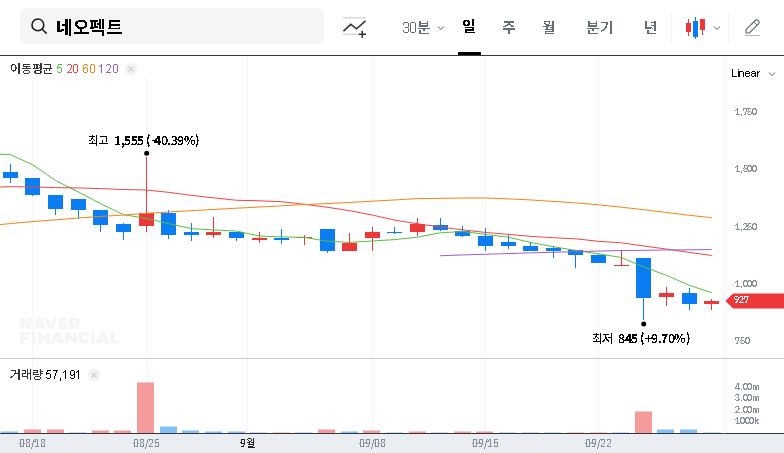
    (290660) Neofect Investment: ₩5B Tech Fund Gamble or Strategic Growth Play? An In-Depth Analysis 대표 차트 이미지

    Neofect, a prominent name in rehabilitation medical devices, has announced a significant Neofect investment of 5 billion KRW into a new technology fund. This move comes at a critical juncture for the company, which is currently navigating turbulent financial waters marked by declining revenues and a ballooning debt ratio. For investors, this decision raises a crucial question: Is this a visionary leap towards future growth, or a reckless gamble that could strain its already fragile finances?

    This comprehensive financial analysis will dissect the layers of this high-stakes decision. We’ll explore the specifics of the investment, evaluate Neofect’s current financial health, and weigh the potential opportunities against the significant threats. Our goal is to provide investors with a clear, data-driven perspective on what this Neofect investment means for the company’s stock and its long-term trajectory.

    With a market capitalization of just 46.8 billion KRW, this 5 billion KRW investment represents over 10% of the company’s value—a bold move demanding close scrutiny from the market and its stakeholders.

    Deconstructing the ₩5 Billion Neofect Investment

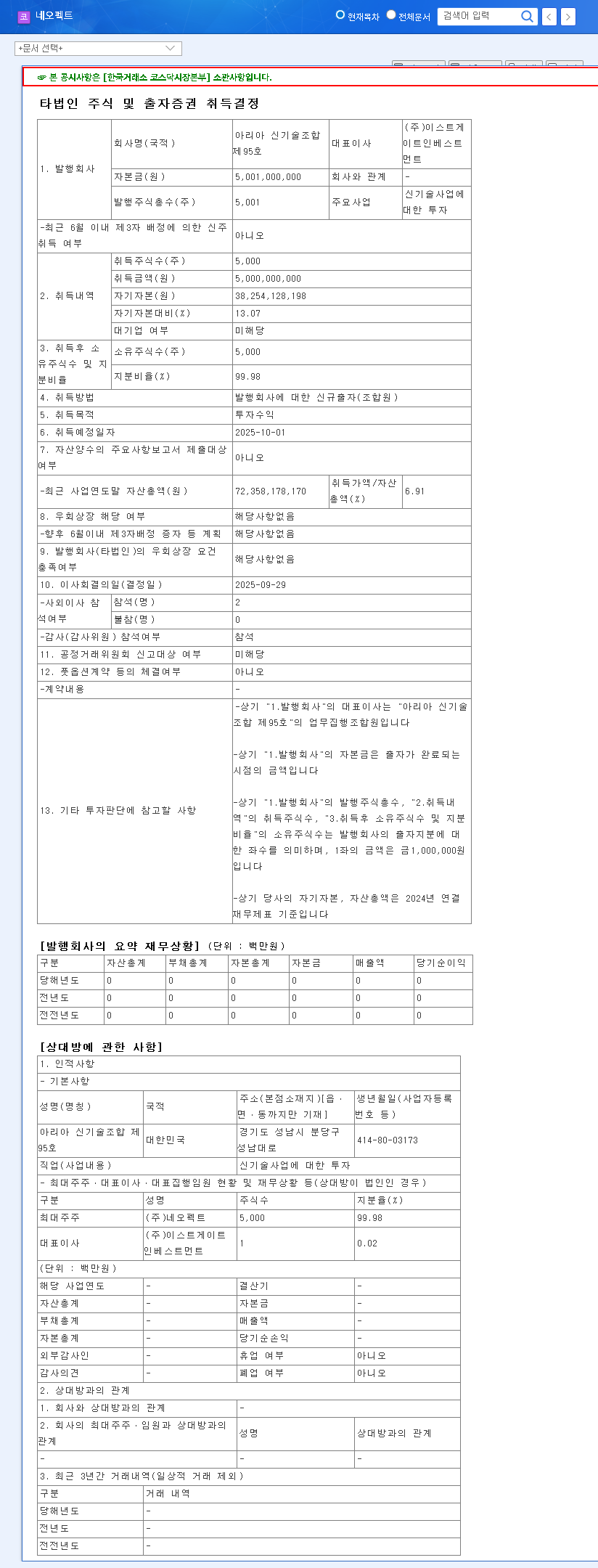
    Neofect’s board has committed to a new capital contribution of 5 billion KRW to the ‘Aria New Technology Investment Association No. 95’. This transaction will grant Neofect a commanding 99.98% stake in the fund, with an effective date of October 1, 2025. The officially stated purpose is the pursuit of ‘investment returns’. This decision was formally announced in an Official Disclosure filed with the Financial Supervisory Service. Representing 13.07% of the company’s capital, this is a substantial bet on the ability of the new technology fund to identify and nurture high-growth ventures.

    Current Financial State: A Company Under Pressure

    A detailed Neofect financial analysis reveals a company facing significant headwinds. The first half of 2025 painted a challenging picture, highlighting several areas of concern that make this new investment particularly noteworthy:

    • Declining Core Revenue: The primary rehabilitation device sector is struggling with intensified competition and insurance coverage limitations, leading to a steady decline in sales.
    • Soaring Debt Ratio: The debt-to-equity ratio skyrocketed to 193.92% by mid-year, more than doubling from 89.15% at the end of the previous year. This signals a precarious financial structure and raises red flags about its long-term solvency.
    • Expanding Losses: The company’s net loss widened, driven by the combination of falling revenue, rising financial costs, and losses from derivative valuations.
    • Nascent New Ventures: A newer venture into automotive electronics software is still in its infancy, consuming capital without yet contributing meaningful revenue.

    Opportunities vs. Threats: A High-Risk, High-Reward Scenario

    Every major investment carries both potential and peril. For Neofect, the stakes are exceptionally high given its current position.

    The Upside: Potential for a Turnaround

    Investing in a specialized new technology fund is a strategic pivot to secure new growth engines outside its struggling core market. If the fund successfully invests in a breakout technology or company, the returns could be substantial, offering a lifeline to improve Neofect’s financial structure, pay down debt, and ultimately boost the Neofect stock price. This diversification could be the key to long-term survival and prosperity.

    The Downside: Exacerbating the Crisis

    The most immediate threat is the cash outflow. A 5 billion KRW investment represents a significant drain on liquidity for a company already under financial duress. Furthermore, there’s no guarantee of returns. Venture-style investments are inherently uncertain, and a failure to generate profits would not only be a financial loss but could also be seen by the market as a critical strategic error. The lack of direct synergy with its existing businesses means this is a pure financial play, without the operational benefits a more related acquisition might offer. These concerns are amplified by challenging global macroeconomic trends, including rising interest rates that increase the cost of capital.

    Investor Guidance and Strategic Outlook

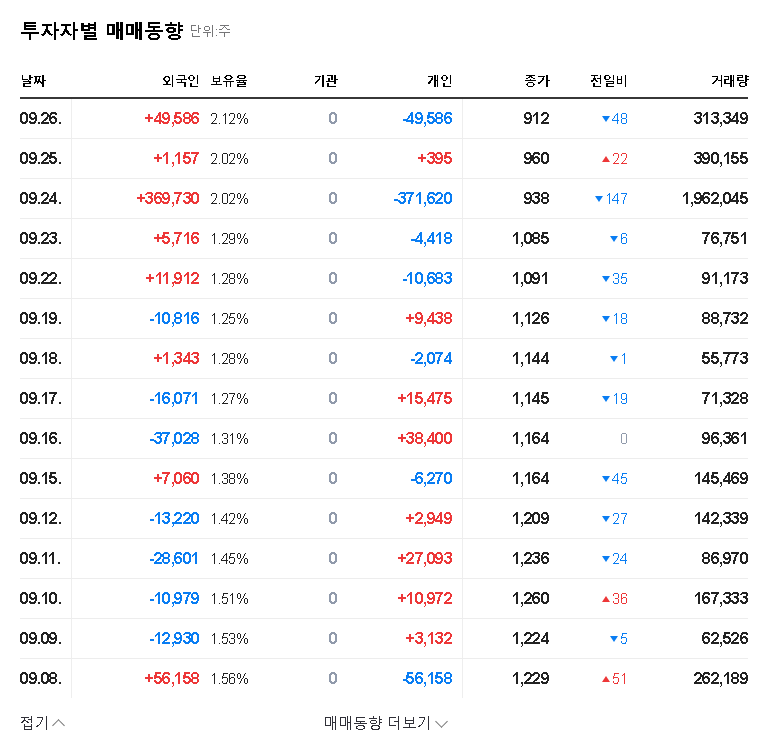
    The market is likely to view this Neofect investment with skepticism in the short term. The immediate financial burden and the inherent uncertainty could apply downward pressure on the stock. The long-term outlook, however, is now intrinsically tied to the success of the Aria New Technology Investment Association. A major win from the fund could lead to a significant re-evaluation of the company.

    Investors should exercise caution and conduct thorough due diligence. For more information on evaluating such companies, you can review our guide to analyzing small-cap tech stocks.

    Frequently Asked Questions (FAQ)

    What is the core issue with Neofect’s finances?
    Neofect is facing a combination of declining revenue in its main business, minimal contribution from new ventures, and a rapidly increasing debt-to-equity ratio, which has surged to 193.92%, signaling significant financial risk.

    How might this ₩5 billion investment affect the Neofect stock price?
    In the short-term, negative sentiment is likely due to the added financial strain and uncertainty, potentially lowering the stock price. Long-term performance will heavily depend on whether the tech fund generates substantial returns.

    What should investors monitor regarding this investment?
    Key areas to watch are: 1) The specific companies the ‘Aria New Technology Investment Association No. 95’ invests in. 2) Neofect’s cash flow and any new measures to secure liquidity. 3) The company’s ability to balance this new venture with efforts to turn around its core rehabilitation device business.

    (290660) Neofect Investment: ₩5B Tech Fund Gamble or Strategic Growth Play? An In-Depth Analysis 관련 이미지
    (290660) Neofect Investment: ₩5B Tech Fund Gamble or Strategic Growth Play? An In-Depth Analysis 관련 이미지
  • Techwing’s After-Hours Block Trade: A Sign of Soaring Growth with HBM?

    What Happened?

    A significant after-hours block trade of 123,947 Techwing shares, totaling approximately 4.1 billion KRW, took place on August 29, 2025. This considerable transaction, relative to the company’s market capitalization, suggests concentrated buying activity from specific investors.

    Why Does This Matter?

    The timing of this block trade, coinciding with net buying by foreign investors, is particularly noteworthy. This foreign investment influx raises the likelihood of further institutional buying, potentially creating upward momentum for the stock price.

    • HBM Testing Equipment Leadership: Techwing is poised to benefit significantly from the growth of the AI market, holding a strong competitive position in the HBM testing equipment sector.
    • Solid Fundamentals: Despite a decrease in revenue, Techwing’s 2025 half-year results demonstrate improved operating and net profits, indicating a strengthening financial position.

    What Should Investors Do?

    In the short term, close monitoring of market trends and trading volume following the block trade is crucial. A long-term perspective requires ongoing observation of HBM market growth, Techwing’s technological competitiveness, and new business expansion plans.
    What are the Risks?
    Investors should consider potential risks such as global economic uncertainties, semiconductor industry fluctuations, and changes in exchange rates and interest rates. Continued underperformance in the display evaluation equipment segment also warrants attention.

    What is Techwing’s main business?

    Techwing manufactures semiconductor back-end test handlers, HBM testing equipment, and display inspection equipment. They are particularly recognized as a beneficiary of the increasing demand for HBM testing equipment driven by AI market growth.

    What does an after-hours block trade signify?

    An after-hours block trade refers to a large-volume transaction of shares outside of regular trading hours. It can indicate deliberate buying or selling activity by specific investors and may significantly impact stock prices.

    What should investors consider when investing in Techwing?

    Investors should consider macroeconomic factors like global economic uncertainties, fluctuations in the semiconductor industry, and exchange rate/interest rate changes. The potential for continued underperformance in the display evaluation equipment sector should also be monitored.

  • QSI(066310) Treasury Stock Disposal: A Turning Point Through Collaboration?

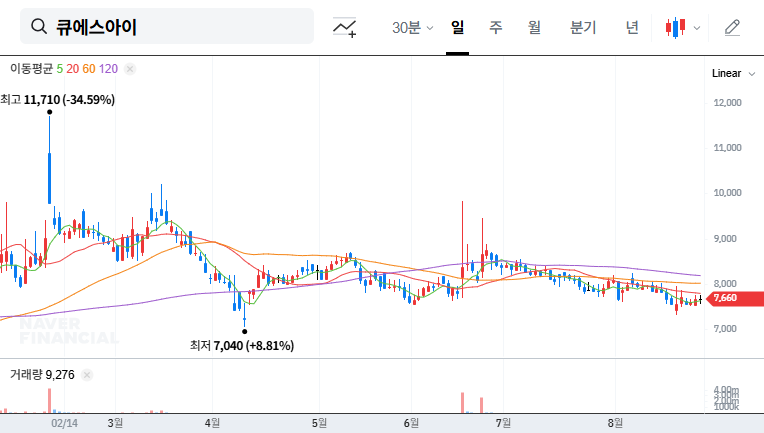
    QSI(066310) Treasury Stock Disposal: A Turning Point Through Collaboration? 대표 차트 이미지

    1. What Happened?: Treasury Stock Disposal Announced

    QSI announced the disposal of treasury stock worth 3 billion KRW on August 27, 2025. The stated purpose is ‘pursuing collaborations according to mid- to long-term management strategies.’

    2. Why?: Strengthening Collaborations and Improving Financial Structure

    QSI aims to strengthen collaborations with potential partners and secure new business opportunities through this treasury stock disposal. The proceeds will also be used to improve the financial structure and secure liquidity.

    3. What’s Next?: Opportunities and Risks Coexist

    • Positive Aspects: Increased growth potential through collaboration, improved financial structure.
    • Negative Aspects: Short-term stock price volatility, uncertainty in achieving disposal objectives, continued poor performance.

    4. Investor Action Plan: 4 Key Checkpoints

    Investors should consider the following factors:

    • Specific terms of the treasury stock disposal (target, price, schedule, etc.)
    • Performance improvement from the second half of 2025 onwards
    • Tangible results from R&D investments
    • Changes in the macroeconomic environment (interest rates, exchange rates, etc.)

    While the treasury stock disposal is a positive signal, a true rebound requires accompanying performance improvements.

    What is the purpose of QSI’s treasury stock disposal?

    The purpose is ‘pursuing collaborations according to mid- to long-term management strategies.’

    What is the size of the treasury stock disposal?

    Approximately 3 billion KRW.

    Will the treasury stock disposal positively impact the stock price?

    While there is potential for growth through strengthened collaborations, short-term stock price volatility and the possibility of continued poor performance should also be considered.

    What should investors be cautious of?

    Investors should comprehensively analyze the terms of the treasury stock disposal, performance improvement, R&D results, and changes in the macroeconomic environment.

    QSI(066310) Treasury Stock Disposal: A Turning Point Through Collaboration? 관련 이미지
    QSI(066310) Treasury Stock Disposal: A Turning Point Through Collaboration? 관련 이미지
  • MIQUBESOLUTIONS Q2 2025 Earnings: Beat Expectations, But Can They Sustain It?

    1. What Happened with MIQUBESOLUTIONS?

    MIQUBESOLUTIONS reported revenue of ₩7.4B, operating loss of ₩0.2B, and net income of ₩0B for Q2 2025. Beating market expectations on operating and net income is a positive sign, but the year-over-year revenue decline is a concern.

    2. Why the Change in Performance?

    • Positive Factors:

      • Growth of the smart factory market and government support
      • Strengthening technological competitiveness in AI and digital twin
      • Improved cash flow from operating activities
    • Negative Factors:

      • Continued decline in revenue (TC and AI sales decrease)
      • Continued operating losses (increased SG&A expenses)
      • Cash outflow from investment activities
      • Intensifying competition

    3. What’s Next for MIQUBESOLUTIONS?

    In the short term, exceeding market expectations could create upward momentum for the stock price, but the declining revenue remains a burden. Long-term growth potential exists within the expanding smart factory market, but profitability improvement and investment efficiency are key. Sensitivity to macroeconomic changes should also be considered.

    4. What Should Investors Do?

    Investors considering MIQUBESOLUTIONS should pay attention to the following:

    • Confirmation of revenue recovery and return to profitability in future earnings announcements
    • Analysis of new solution market response and competitiveness against competitors
    • Consideration of the impact of macroeconomic variables
    • Focus on fundamental changes rather than short-term stock price fluctuations
    Q: What is MIQUBESOLUTIONS’s main business?

    A: MIQUBESOLUTIONS provides smart factory solutions, utilizing advanced technologies such as AI and digital twins to support the digital transformation of manufacturing sites.

    Q: What are the key takeaways from this earnings announcement?

    A: While operating and net income exceeded market expectations, revenue continues to decline. The company faces the dual challenge of capitalizing on the growth potential of the smart factory market while addressing its profitability.

    Q: What should investors consider when evaluating MIQUBESOLUTIONS?

    A: Investors should consider revenue recovery, market response to new solutions, competitive landscape, and macroeconomic factors. A long-term investment strategy focused on fundamental changes is recommended.

  • KEC’s Treasury Stock Disposal: Impact on Investment Strategy

    KEC Treasury Stock Disposal: What Happened?

    On August 12, 2025, KEC announced its decision to dispose of treasury stock. They plan to sell 27,175 common shares and 18,747 preferred shares acquired during the 2023 split and merger.

    Background and Purpose of Disposal: Why?

    This treasury stock disposal is interpreted as a decision to improve the financial structure and secure cash liquidity. It appears to be intended to alleviate the financial burden caused by the sluggish Q1 earnings.

    Investment Impact Analysis: So What?

    The disposal volume is small compared to the total number of issued shares, so the short-term impact on the stock price is expected to be limited. However, considering the sluggish Q1 earnings, investors need to pay attention to practical business improvement efforts. The growth of the automotive electronics business is positive, but the sluggishness of the industrial products division and the uncertainty of cost burden relief remain uncertain.

    Investor Action Plan

    • Neutral Investment Opinion: The treasury stock disposal itself is not a strong buy/sell signal. It is necessary to comprehensively consider factors such as future treasury stock disposal, performance of the automotive electronics business, improvement of the industrial products division, response strategies to external environmental changes, and the possibility of operating profit turnaround.
    • Key Check Points:
      • Future treasury stock disposal plans
      • Growth drivers for automotive electronics business
      • Improvement of industrial products division performance
      • Improvement of operating profit and cash flow
    How will KEC’s treasury stock disposal affect its stock price?

    The short-term impact is expected to be limited due to the small disposal volume, but the long-term impact may vary depending on the company’s fundamentals and market conditions.

    How was KEC’s Q1 2025 performance?

    KEC recorded a decrease in sales and an operating loss, but net income turned to profit. Refer to the article for details.

    What should I be aware of when investing in KEC?

    Investment decisions should be made carefully, considering factors such as the sluggish performance of the industrial products division, cost burden, and changes in the global economy.

  • Telechips Q2 2025 Earnings Shock: What Investors Need to Know

    1. Telechips Q2 2025 Earnings: Analyzing the Shock

    Telechips reported Q2 2025 revenue of ₩44.3 billion, an operating loss of ₩3.6 billion, and a net loss of ₩3.2 billion, significantly missing market forecasts. Revenue fell 13% short of expectations, and the company swung to a larger-than-expected loss.

    2. Reasons Behind the Underperformance

    The disappointing results are attributed to a combination of factors, including intensifying competition in the automotive semiconductor market, difficulties in acquiring new customers, and macroeconomic headwinds such as exchange rate volatility and rising interest rates. The worsening profitability raises concerns about Telechips’ ability to fund business expansion and new technology development, potentially hindering long-term growth.

    3. Investor Action Plan: Short-Term vs. Long-Term

    In the short term, investors should exercise caution and closely monitor the company’s response and plans for improvement as the stock price is likely to face downward pressure following the earnings announcement.
    For the long term, investors should closely track the company’s progress in its key growth areas, including ADAS, AI, and automotive gateways. The key to recovery lies in the company’s ability to restructure its portfolio, demonstrate tangible results from new businesses, and improve operational efficiency.

    4. Telechips’ Future: Risks and Opportunities

    Global economic slowdown, intensifying competition, and exchange rate and interest rate volatility add uncertainty to Telechips’ future outlook. However, successful development and launch of key technologies, coupled with effective management strategies, could still unlock the company’s long-term growth potential.

    What were Telechips’ Q2 2025 financial results?

    Telechips reported revenue of ₩44.3 billion, an operating loss of ₩3.6 billion, and a net loss of ₩3.2 billion for Q2 2025, significantly below market expectations.

    What are the main reasons for the poor performance?

    The underperformance is attributed to increased competition in the automotive semiconductor market, challenges in securing new clients, exchange rate volatility, and rising interest rates.

    How should investors react?

    Investors should remain cautious in the short term, monitoring the company’s response, while focusing on the company’s performance in key growth areas in the long term.