Tag: StockInvestment

  • (042520) Han’s Biome Stock Analysis (2025): Osstem Implant Stake Sale & Investment Outlook

    (042520) Han’s Biome Stock Analysis (2025): Osstem Implant Stake Sale & Investment Outlook

    The latest movements in Han’s Biome stock have caught the attention of the market, primarily driven by a significant development: Osstem Implant, a major shareholder, has reduced its stake. This action is more than just a line item on a report; it’s a signal that can have profound implications for the company’s valuation and future trajectory. For current and prospective investors, the key question is what this means for their investment strategy. Is this a warning sign or a temporary fluctuation in a complex market?

    This comprehensive Han’s Biome stock analysis will dissect the details of Osstem Implant’s sale, evaluate the company’s underlying fundamentals, and assess the broader market environment. We will provide a clear, actionable framework to help you navigate the potential risks and opportunities ahead.

    The Catalyst: Osstem Implant’s Stake Reduction

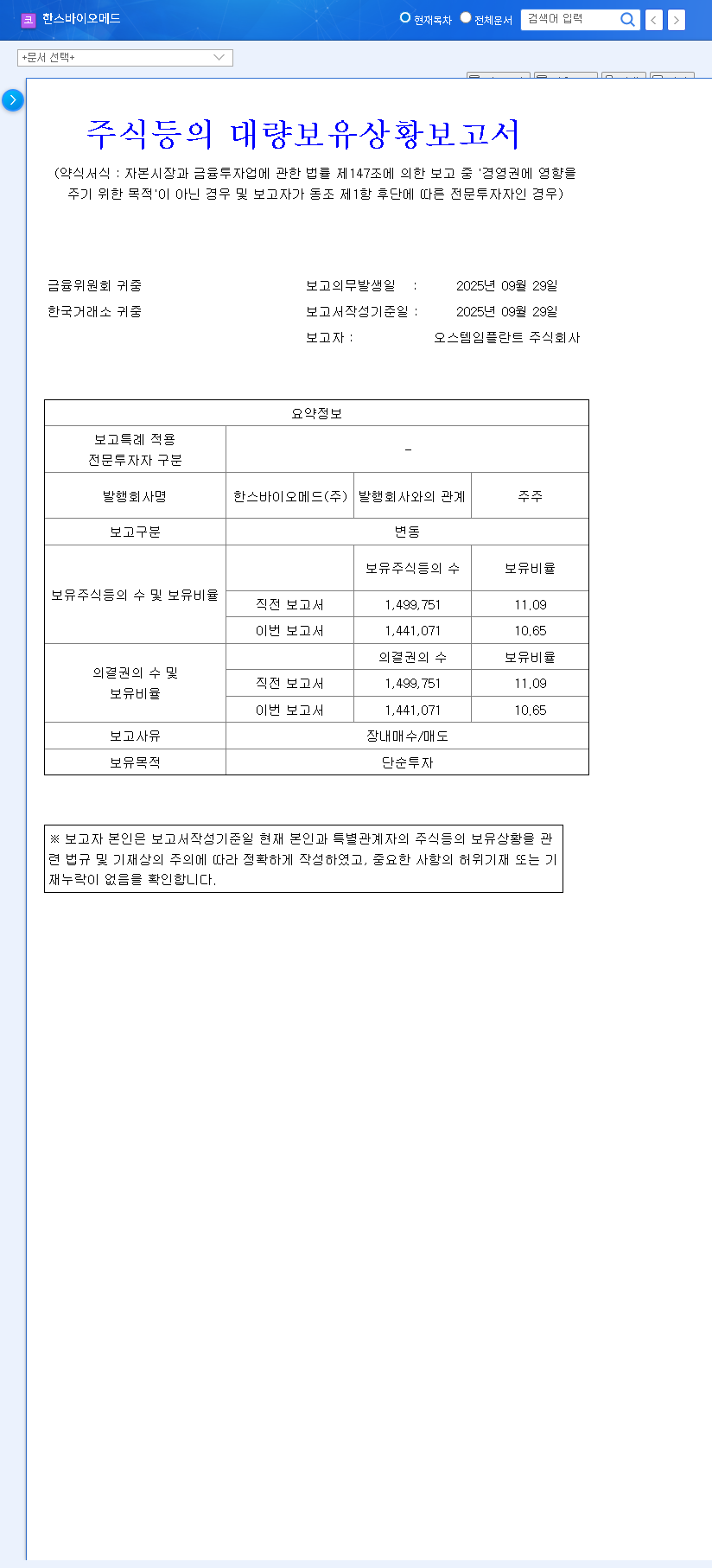
    According to the official disclosure filed on September 30, 2025, Osstem Implant Co., Ltd. sold 64,000 shares of Han’s Biome Co., Ltd. on the open market. This transaction reduced its total holding from 11.09% to 10.65%, a decrease of 0.44 percentage points. While the stated purpose was ‘simple investment,’ such a move by a significant institutional holder often prompts a deeper look into the company’s health and outlook. You can review the complete filing here: Official Disclosure (DART).

    When a major shareholder trims their position, the market takes notice. It’s crucial to determine if this is a strategic portfolio adjustment or a reaction to underlying weaknesses within the company.

    Financial Health: A Look Under the Hood of Han’s Biome

    A thorough analysis of the Q3 FY27 quarterly report reveals a mixed but concerning financial picture for Han’s Biome. Understanding these fundamentals is key to any sound investment strategy.

    Revenue vs. Profitability

    On the surface, the 69.4% year-on-year increase in operating profit seems positive. However, this is overshadowed by an 18.6% decline in revenue, which fell to KRW 66.065 billion. This suggests that while cost-cutting measures may be effective, the core business is shrinking. Furthermore, net income losses expanded significantly to KRW -4.203 billion, indicating that profitability at the bottom line remains elusive, a major red flag for Han’s Biome stock investors.

    Business Segment Performance

    The company’s performance is a tale of two segments. The Human Tissue segment shows solid growth and remains a core strength, bolstered by FDA clearances and its contract with Osstem Implant. Conversely, the Medical Device segment, despite the competitiveness of its ‘Mintlift’ product, is experiencing an overall revenue decline. Efforts in new ventures, like the ‘Revoss’ joint venture in China, are promising but have yet to contribute meaningfully to offset current weaknesses.

    Key Risks and Financial Soundness

    Several risks cloud the company’s future. The consolidated debt-to-equity ratio has climbed to 108.65%, and operating cash flow has deteriorated. This tightening financial position could limit the company’s ability to invest in growth or weather economic downturns. Additionally, major litigation risks persist, which could result in unforeseen financial liabilities. For a deeper dive into market trends, investors often consult resources like Reuters Market Data for broader context.

    Analyzing the Ripple Effect on Stock Price

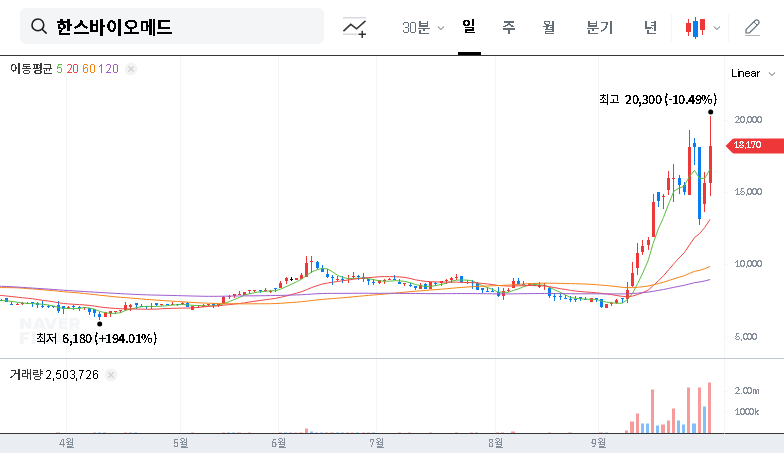
    Osstem Implant’s sale is likely to impact Han’s Biome stock price forecast in both the short and long term.

    • Short-Term Impact: The immediate reaction could be negative. The sale acts as a bearish signal, potentially triggering a sell-off from retail investors and increasing stock volatility. Downward pressure is a distinct possibility as the market digests this news.
    • Medium-to-Long-Term Impact: The long-term effects depend on Han’s Biome’s ability to address its fundamental challenges. If the company can reverse the revenue decline and strengthen its balance sheet, this event will become a minor footnote. However, if performance continues to lag, Osstem’s sale might be seen as the first of many institutional exits, creating sustained pressure on the stock.

    Investment Thesis: A Cautious Approach is Warranted

    Given the combination of declining sales, financial risks, and the negative signal from Osstem Implant’s sale, a cautious investment approach is recommended. While there are positive aspects, the headwinds are significant. If you are new to this sector, consider reading our guide on how to evaluate biotech company stocks.

    Investment Opinion: Cautious Sell or Hold

    For current investors, holding the position while closely monitoring for signs of a turnaround—such as revenue recovery and litigation resolution—is a viable strategy. For new investors, it would be prudent to wait for more concrete evidence of fundamental improvement before initiating a position. The near-term outlook for Han’s Biome stock appears challenged, and better entry points may present themselves in the future.

    Frequently Asked Questions (FAQ)

    Why did Osstem Implant sell its Han’s Biome shares?

    The official reason cited is ‘simple investment’ through an on-market sale. However, market analysts often interpret such moves as a strategic portfolio reallocation or a potential re-evaluation of the company’s growth prospects and intrinsic value.

    What is Han’s Biome’s current financial health?

    The company’s financial health is mixed. While operating profit saw an increase in Q3 FY27, this was against a backdrop of falling revenue. Key concerns include a widening net loss, a rising debt-to-equity ratio, and weakening operating cash flow.

    What is the investment recommendation for Han’s Biome stock?

    The current recommendation is ‘Cautious Sell or Hold.’ The combination of fundamental weaknesses and the negative market signal from the stake sale suggests significant near-term headwinds. Long-term success hinges on the company’s ability to execute a turnaround.
    (042520) Han's Biome Stock Analysis (2025): Osstem Implant Stake Sale & Investment Outlook 관련 이미지
    (042520) Han's Biome Stock Analysis (2025): Osstem Implant Stake Sale & Investment Outlook 관련 이미지
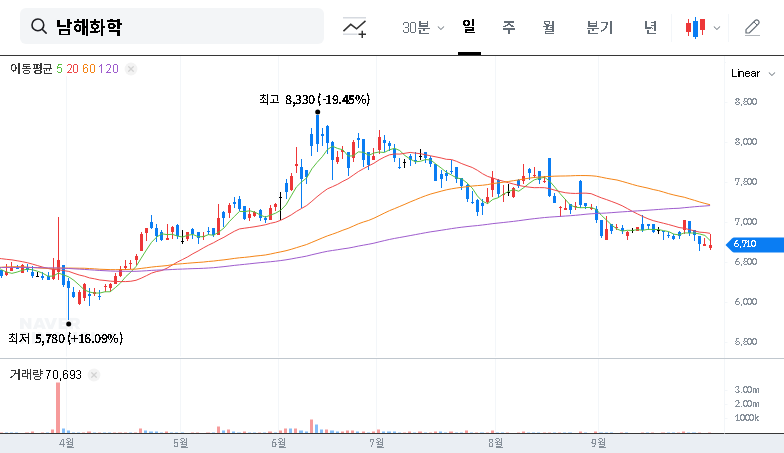
  • (025860) Namhae Chemical Nakpo Wharf Investment (2025-2030): A Deep-Dive Analysis for Investors

    (025860) Namhae Chemical Nakpo Wharf Investment (2025-2030): A Deep-Dive Analysis for Investors

    The recent announcement of the Namhae Chemical Nakpo Wharf investment marks a pivotal moment for Korea’s largest fertilizer producer. This ambitious, multi-year project to overhaul its core logistics hub is being presented as a masterstroke for long-term stability and efficiency. However, with a substantial 4.5-year timeline and undisclosed capital expenditure, it also introduces significant financial questions. For investors, this move represents a critical juncture, balancing future growth against present-day risk.

    This comprehensive analysis will dissect the investment’s fundamentals, evaluate the surrounding macroeconomic landscape, and provide a clear framework for assessing the potential impacts on Namhae Chemical’s stock and future performance. Is this a foundation for sustainable growth or a high-stakes gamble in uncertain times?

    Unpacking the Namhae Chemical Nakpo Wharf Investment

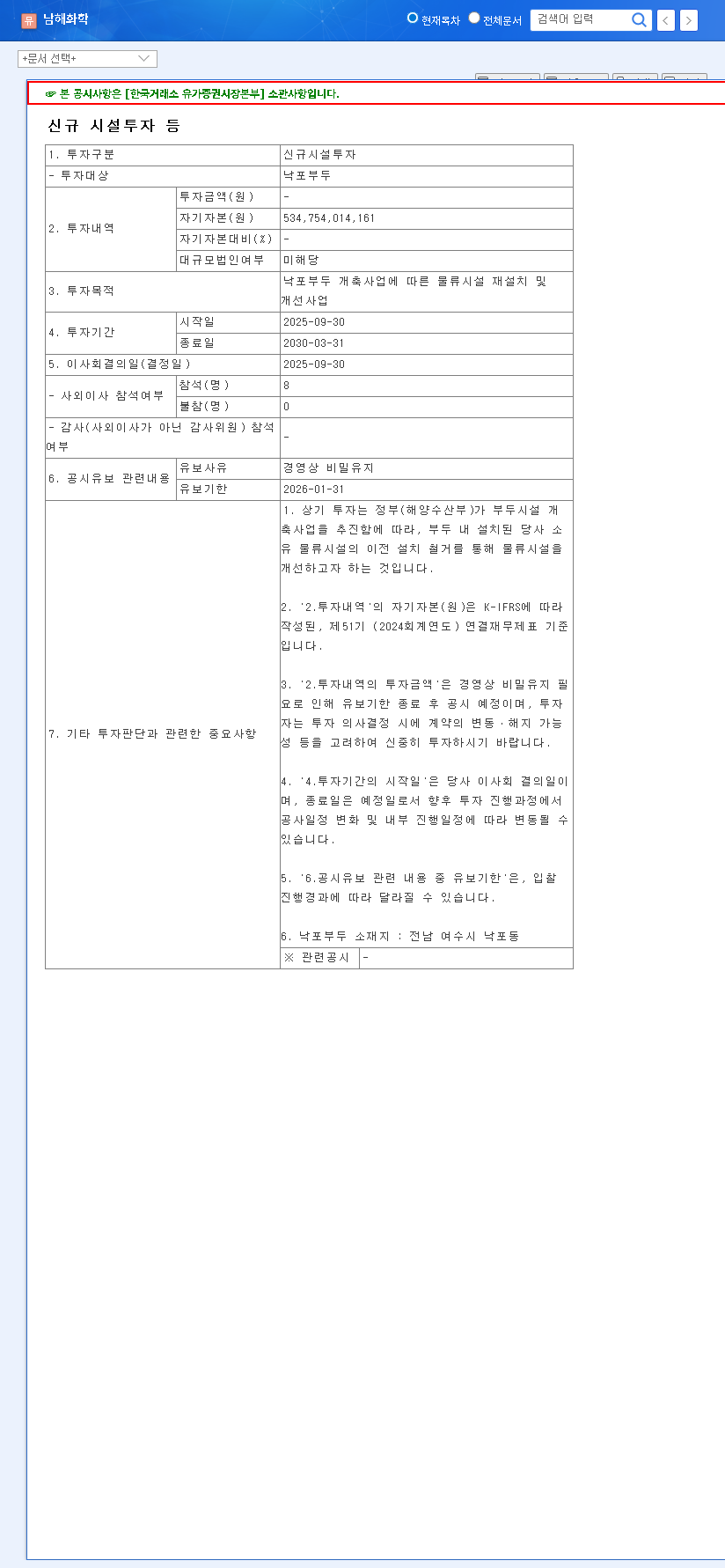
    On September 30, 2025, Namhae Chemical officially detailed its plan to re-establish and improve the logistics facilities at its crucial Nakpo Wharf. According to the company’s public filing (Source: Official Disclosure), this is a significant, long-term undertaking.

    Key Project Details

    • Project Timeline: The project is scheduled to span 4.5 years, commencing on September 30, 2025, and concluding on March 31, 2030.
    • Primary Goal: To modernize aging infrastructure, maximizing the efficiency of handling, storing, and transporting raw materials and finished products.
    • Strategic Imperative: To proactively prepare for growing maritime cargo volumes and ensure compliance with evolving safety and environmental regulations.
    • Investment Capital: The total investment amount remains undisclosed, a key point of uncertainty for financial analysts and investors.

    Company Fundamentals: A Financial Snapshot

    As of H1 2025, Namhae Chemical’s operations are divided into three core segments. Understanding each is vital to grasping the context of the Namhae Chemical Nakpo Wharf investment.

    Core Business Segments

    • Fertilizer & Chemicals: The company’s bedrock, with stable sales guaranteed by a supply contract with Nonghyup Economic Holdings. Profitability faces pressure from volatile raw material costs (urea, sulfur).
    • Petroleum Products: A consistent cash flow generator, serving industrial and agricultural sectors that provide steady demand despite the rise of EVs.
    • Semiconductor-Grade Sulfuric Acid: The new growth engine. Currently operating at a loss due to initial costs, its success is tied to the expanding semiconductor industry.

    The company’s financial health presents a mixed picture. A dramatic increase in short-term borrowings in H1 2025 (from KRW 83B to KRW 278.6B) signals aggressive capital mobilization. While this funded investments, it also raises leverage concerns, especially with low ROE and ROA metrics highlighting a need for improved overall profitability. This pre-existing debt load makes the funding strategy for the Nakpo Wharf project even more critical.

    The core dilemma for Namhae Chemical is funding a strategically essential, long-term logistics upgrade while navigating short-term financial pressures and a volatile macroeconomic environment. Success hinges on flawless execution and prudent financial management.

    Macroeconomic Risks and Opportunities

    No investment occurs in a vacuum. The success of the Nakpo Wharf modernization will be heavily influenced by global economic trends, as reported by leading financial news outlets like Bloomberg. Key factors include:

    • Elevated Interest Rates: Persistently high benchmark rates in major economies will increase the interest burden on Namhae Chemical’s substantial borrowings, directly impacting the project’s financing costs.
    • Exchange Rate Volatility: A fluctuating KRW/USD exchange rate directly affects the cost of imported raw materials and the price competitiveness of exports, adding a layer of uncertainty to profitability forecasts.
    • Raw Material & Energy Prices: The price of oil, sulfur, and other key inputs is notoriously volatile. Spikes could erode the very cost savings the new logistics facility aims to create.

    The Bull vs. Bear Case: Weighing the Outcomes

    The Bull Case (Positive Long-Term Impacts)

    • Enhanced Logistics Competitiveness: Modern facilities can drastically cut costs through faster vessel turnaround, reduced demurrage fees, and optimized inventory management. This directly boosts the bottom line.
    • Future-Proofing Operations: The investment secures a stable foundation for decades, allowing the company to handle larger cargo volumes and expand its business without logistical bottlenecks.
    • Strengthened ESG Profile: Upgrading facilities to meet modern environmental and safety standards improves corporate sustainability, which is increasingly important to institutional investors.

    The Bear Case (Potential Risks & Headwinds)

    • Significant Financial Burden: The undisclosed cost, coupled with existing debt, could strain the balance sheet for years, limiting other growth opportunities or dividend potential.
    • Execution Risk: Large-scale construction projects are prone to delays and cost overruns, which could disrupt operations and negatively impact short-term earnings.
    • Negative Market Reaction: The market may react poorly to the increased debt and short-term uncertainty, putting downward pressure on the stock price until tangible results are demonstrated.

    Investor Checklist: Key Questions to Ask

    Before making any decisions, a thorough Namhae Chemical stock analysis should consider the following. This investment is a long-term play, and success will depend on the company’s ability to provide clarity on these points.

    • What is the projected Return on Investment (ROI) and payback period for the Nakpo Wharf upgrade?
    • How will the company manage its debt load and interest expenses during the 4.5-year construction phase?
    • What is the growth trajectory for the new semiconductor business, and can it offset the investment cash burn?
    • What contingency plans are in place to mitigate construction delays or macroeconomic shocks?

    For a broader look at the sector, see our complete analysis of the global fertilizer market.

    Frequently Asked Questions (FAQ)

    Q1: What is the main goal of the Namhae Chemical Nakpo Wharf investment?

    The primary goal is to completely modernize Namhae Chemical’s core logistics hub to boost efficiency, lower operational costs, ensure long-term stability, and comply with modern environmental and safety standards.

    Q2: How will this investment benefit Namhae Chemical in the long run?

    In the long run, it should lead to significant cost savings, provide a stable foundation for future growth, and enhance the company’s competitiveness and sustainability profile.

    Q3: What are the biggest risks associated with this project?

    The biggest risks are the financial burden from the large, undisclosed investment cost, the potential for operational disruptions during the 4.5-year construction, and the impact of volatile macroeconomic conditions.

    Disclaimer: This analysis is based on publicly available information. Investment decisions carry inherent risks, and the final responsibility rests solely with the investor. This article does not constitute financial advice.

    (025860) Namhae Chemical Nakpo Wharf Investment (2025-2030): A Deep-Dive Analysis for Investors 관련 이미지
    (025860) Namhae Chemical Nakpo Wharf Investment (2025-2030): A Deep-Dive Analysis for Investors 관련 이미지
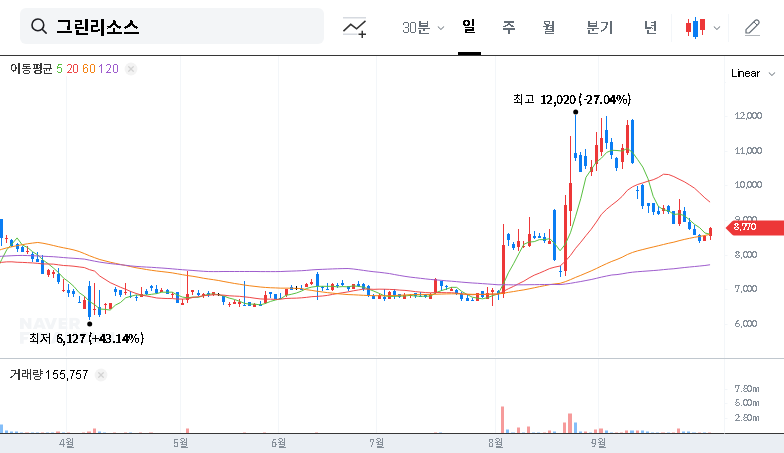
  • (402490) Greenresource Palm Mixture Contract: A Deep-Dive Investment Analysis for 2025

    (402490) Greenresource Palm Mixture Contract: A Deep-Dive Investment Analysis for 2025

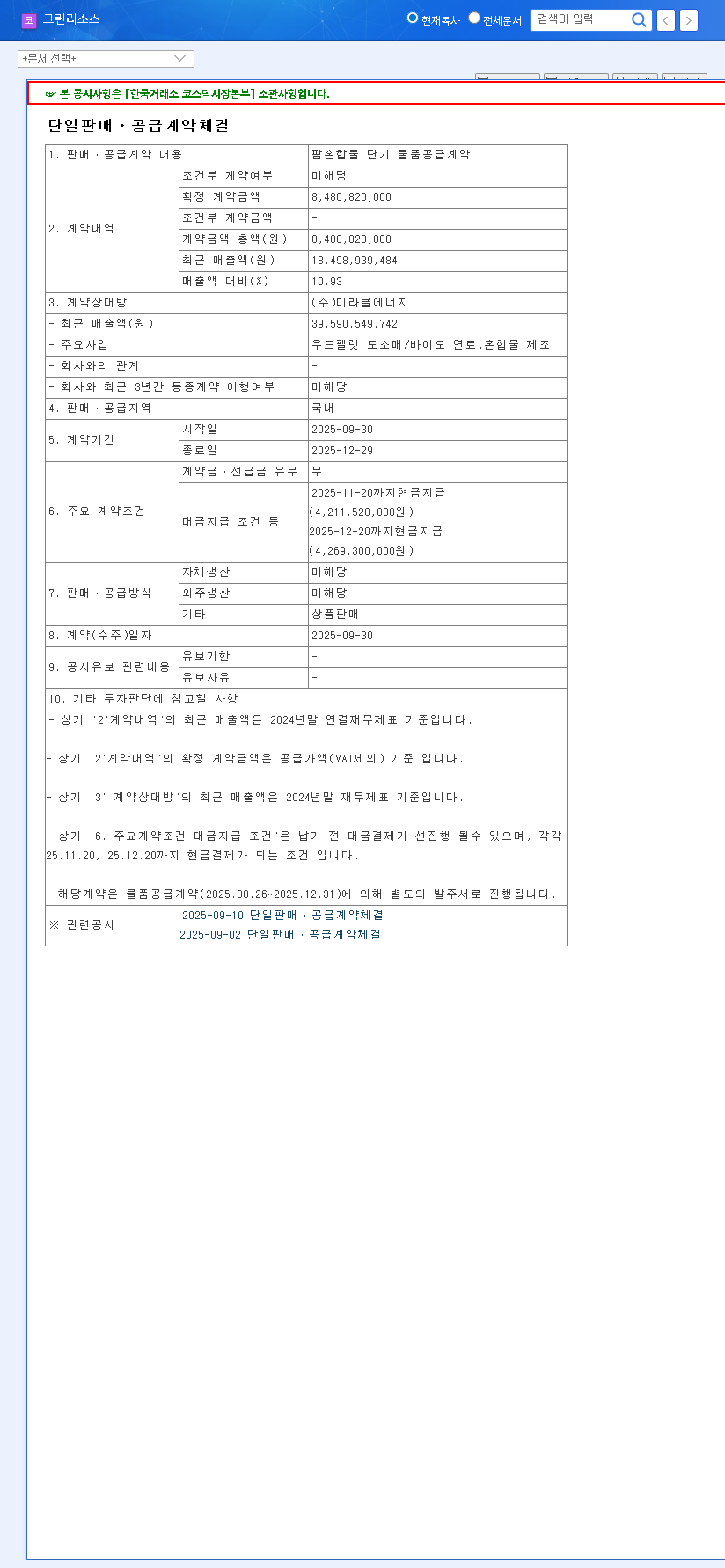
    The recent announcement of the Greenresource palm mixture contract has sent ripples through the investment community. Valued at a substantial ₩8.5 billion, this deal with Miracle Energy Co., Ltd. represents a significant portion of Greenresource’s projected revenue. For investors, this news raises a critical question: is this a temporary lifeline for a company facing performance challenges, or the first step in a bold new strategic direction? This comprehensive Greenresource investment analysis will dissect the contract’s implications, evaluate the company’s underlying fundamentals, and provide an actionable strategy for navigating the opportunities and risks tied to Greenresource stock.

    Deconstructing the Greenresource Palm Mixture Contract

    On the surface, the deal is a clear positive. It injects significant, guaranteed revenue into the company over a short period. However, the nature of the product—’palm mixture’—is what creates uncertainty, as it seemingly lies outside Greenresource’s established expertise in high-tech coatings and equipment. The full details of the agreement can be reviewed in the Official Disclosure filed with DART.

    Key Contract Details at a Glance

    • Counterparty: Miracle Energy Co., Ltd.
    • Contract Value: ₩8.5 Billion (approx. 10.93% of estimated 2024 revenue)
    • Product: Short-term supply of ‘palm mixture’
    • Contract Period: September 30, 2025 – December 29, 2025

    This contract provides a much-needed short-term revenue boost. The critical task for investors now is to determine if ‘palm mixture’ is a profitable, sustainable diversification or a high-risk, low-synergy distraction from the core business.

    Short-Term Gains vs. Long-Term Uncertainty

    Immediate Financial Impact

    The ₩8.5 billion deal, concentrated within a single quarter, will lead to rapid revenue recognition. This influx of cash is expected to significantly improve Greenresource’s short-term liquidity and cash flow, providing operational stability and potentially boosting investor sentiment. It serves as a welcome counter-narrative to the company’s recent performance slump and could positively influence the Greenresource stock price in the near term.

    The ‘Palm Mixture’ Enigma: A New Growth Engine?

    The core of the uncertainty lies with the product itself. ‘Palm mixture’ is not related to Greenresource’s primary operations in semiconductor/display coating technology or superconducting wire equipment. This suggests a strategic pivot towards business diversification. While diversification can reduce dependency on a single market, it also introduces execution risk. Investors must question the company’s expertise in this new commodity market, the stability of its supply chain, and the ultimate profitability of the venture. This is a pivotal point in any Greenresource investment analysis.

    Fundamental Health Check: Opportunities and Threats

    Current Strengths and Future Drivers

    • Improved Financial Structure: A recent ₩20 billion fundraising via convertible bonds has fortified the company’s balance sheet for new investments.
    • Expanded Production Capacity: The new headquarters, completed in March 2024, is set to increase future production capabilities for core products.
    • Long-Term Growth Potential: The company remains positioned to benefit from wider EUV process adoption in semiconductors and the growth of the superconducting wire market.

    Significant Risk Factors to Monitor

    • Performance and Profitability: 2024 has seen revenues fall below forecasts and operating margins shrink due to rising costs and expenses.
    • Customer Concentration: A heavy reliance on a single major client (‘Company A’) creates significant revenue risk if that relationship falters.
    • Supply Chain Dependency: The company’s reliance on China for key raw materials like yttrium oxide powder exposes it to geopolitical and price volatility risks.

    Action Plan for Investors

    Given the mix of positive momentum from the Greenresource palm mixture contract and underlying fundamental risks, a prudent approach is required. Macroeconomic trends, such as exchange rate volatility, could either benefit exports or increase the cost of imported raw materials for the new venture, a factor that leading financial outlets like Reuters continually monitor.

    Investors should consider the following steps:

    • Demand More Clarity: Seek additional information from company IR disclosures and news reports about the specifics of the palm mixture business, including sourcing, margins, and long-term strategy.
    • Analyze Profitability: Go beyond the headline revenue number. A thorough analysis must estimate the costs associated with this new supply chain to determine its actual contribution to net profit.
    • Monitor Core Business Health: The long-term value of Greenresource stock still hinges on its primary tech segments. For more on this, see our guide to semiconductor industry investments.

    In conclusion, the ₩8.5 billion contract offers a compelling, positive catalyst. However, it also introduces significant uncertainty. The medium-to-long-term trajectory of Greenresource will be defined by its ability to execute on this new venture profitably while simultaneously reviving its core technology business. Cautious optimism, backed by rigorous due diligence, is the most sensible path forward.

    (402490) Greenresource Palm Mixture Contract: A Deep-Dive Investment Analysis for 2025 관련 이미지
    (402490) Greenresource Palm Mixture Contract: A Deep-Dive Investment Analysis for 2025 관련 이미지
  • (210120) CanvasN Major Shareholder Change: An Expert Investment Analysis (210120)

    (210120) CanvasN Major Shareholder Change: An Expert Investment Analysis (210120) 대표 차트 이미지

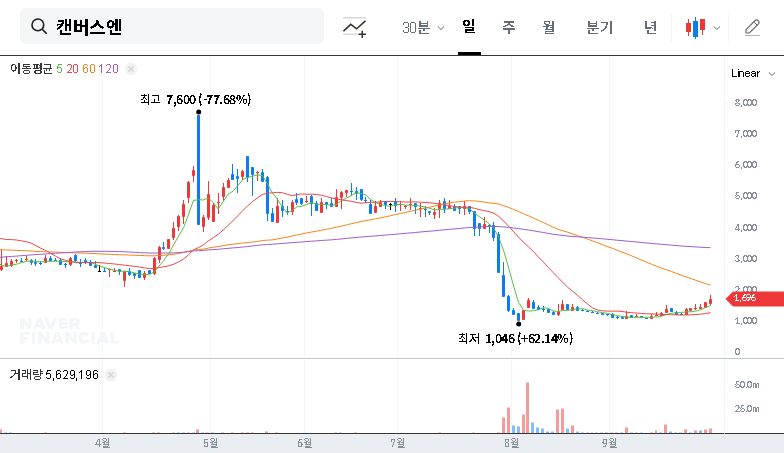
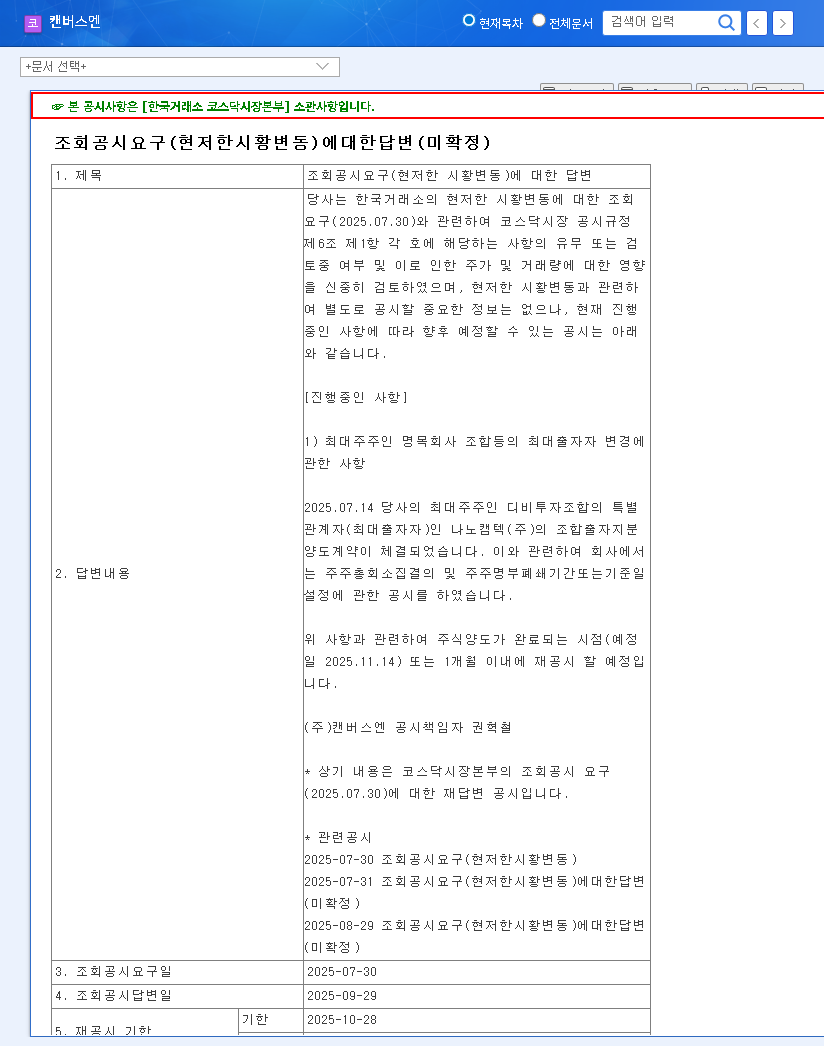
    On September 29, 2025, CanvasN (210120) confirmed that a significant CanvasN major shareholder change is underway, sending ripples of uncertainty through the market. This development, disclosed in response to a Korea Exchange inquiry, introduces a critical variable into the company’s future. For investors, this moment is pivotal: will new leadership steer the company out of its current financial distress, or will it compound existing risks? This comprehensive analysis provides a deep dive into CanvasN’s fundamentals, the potential repercussions of this transition, and a clear action plan to help you navigate your investment decisions with confidence.

    With the company facing declining revenues and mounting debt, the impending change in ownership represents both a potential lifeline and a significant gamble. Understanding the nuances is paramount for any current or prospective shareholder.

    The Official Announcement: What We Know So Far

    CanvasN’s announcement confirmed that the process of a major shareholder change is in progress, with an expected completion date around November 14, 2025. This move signals a fundamental shift in control and strategic direction for the company. The disclosure was made public following a regulatory inquiry into significant market fluctuations, suggesting that the event has already captured the attention of market authorities. For full transparency, investors can review the Official Disclosure (DART report). A re-disclosure with more detailed information is anticipated upon completion.

    A Deep Dive into CanvasN’s Financial Health

    Before assessing the impact of new ownership, it’s crucial to understand the challenges they will inherit. An analysis of CanvasN’s 2025 semi-annual report reveals a company in a precarious position. A successful CanvasN investment analysis must begin here.

    Collapsing Core Business Revenue

    Revenue has fallen by approximately 4.3% year-over-year. More alarmingly, income from drama production—historically a core business segment—was recorded as zero. This indicates a severe operational breakdown in a key profit center, a major red flag for any potential investor.

    Skyrocketing Operational Costs

    Selling, General, and Administrative (SG&A) expenses surged by an astounding 126.4% compared to the previous year. While the company attributes this to investments in new business ventures, such a dramatic increase has decimated profitability and flipped the company to an operating loss.

    Deteriorating Financial Stability

    CanvasN’s balance sheet shows signs of distress. Cash reserves have dwindled, while increased borrowings and convertible bond issuances have caused the debt-to-equity ratio to rise. This financial burden not only increases interest expenses but also limits the company’s flexibility to invest and navigate market downturns. Understanding this metric is key; you can learn more about it from authoritative sources like Investopedia.

    Impact Analysis: Short-Term Volatility vs. Long-Term Potential

    The CanvasN major shareholder change creates two distinct timelines for investors to consider.

    Short-Term Outlook: Heightened Uncertainty

    • Stock Price Volatility: Expect significant price swings as the market digests news and speculation about the new leadership’s intentions.
    • Negative Sentiment: Given the weak fundamentals, the immediate investor reaction could be negative until a clear, credible turnaround plan is presented.
    • Increased Trading Volume: The event will attract traders and speculators, leading to higher-than-average trading volumes.

    Mid-to-Long-Term Outlook: A Fork in the Road

    The company’s future hinges entirely on the new shareholder’s strategy and execution capabilities.

    Positive Scenario: The new leadership injects fresh capital, implements a strict cost-control regime, revitalizes the core drama business, and leverages its expertise to make the new ventures profitable. This could lead to a sustainable recovery and significant upside for the 210120 stock price.

    Negative Scenario: If the new management fails to address the fundamental issues, continues cash-burning investments without clear returns, or if their strategy is flawed, the company’s financial health could worsen, leading to further value erosion and potential delisting risks.

    Strategic Investor Action Plan

    Given the high degree of uncertainty, a disciplined and cautious approach is essential. This is not the time for impulsive decisions.

    • Adopt a ‘Wait and See’ Stance: Avoid making significant investments until the shareholder change is finalized and the new management publicly outlines its strategic plan.
    • Scrutinize the Re-disclosure: The follow-up disclosure around November 14 is the most important piece of information. Analyze it for details on the new shareholder’s identity, vision, and concrete plans for financial and operational improvements.
    • Assess the New Management’s Credibility: Research the track record of the new controlling party. Do they have experience in turning around distressed companies or in the content industry? Their past performance is a strong indicator of future success.
    • Prioritize Risk Management: If you currently hold a position, review its size in your portfolio. If you are considering a new position, be mindful of the high risk and size your investment accordingly. For more on portfolio management, consider our guide on Analyzing Corporate Financial Statements.

    In conclusion, the CanvasN major shareholder change is a defining moment for the company. While it offers a glimmer of hope for a turnaround, the path is fraught with risk due to the company’s severe underlying problems. Prudent investors will remain on the sidelines, gathering information and waiting for a clear, actionable strategy to emerge from the new leadership before committing capital.

    (210120) CanvasN Major Shareholder Change: An Expert Investment Analysis (210120) 관련 이미지
    (210120) CanvasN Major Shareholder Change: An Expert Investment Analysis (210120) 관련 이미지
  • ExicureHytron Contract: In-Depth Analysis of the ₩1.7B Public Sector Deal

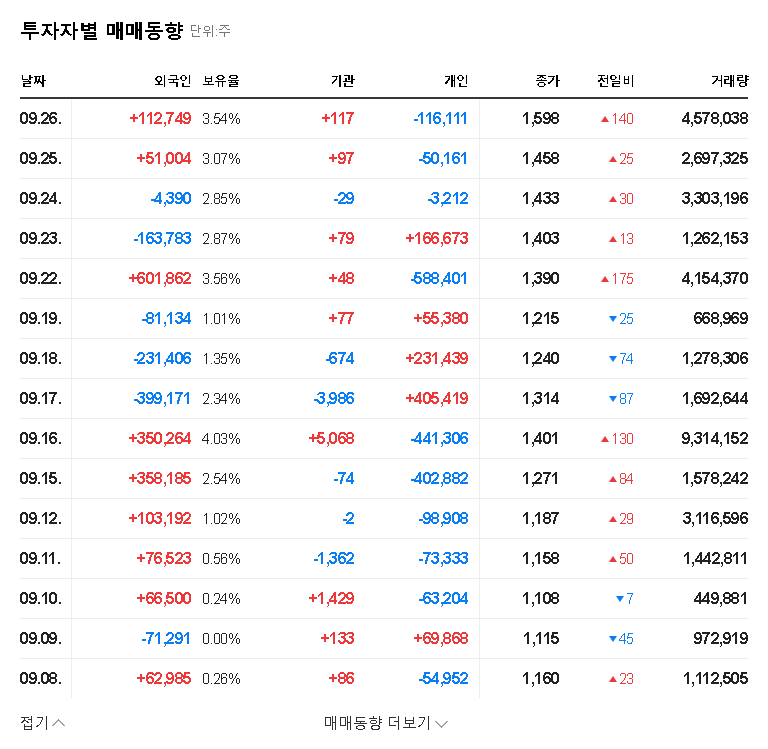
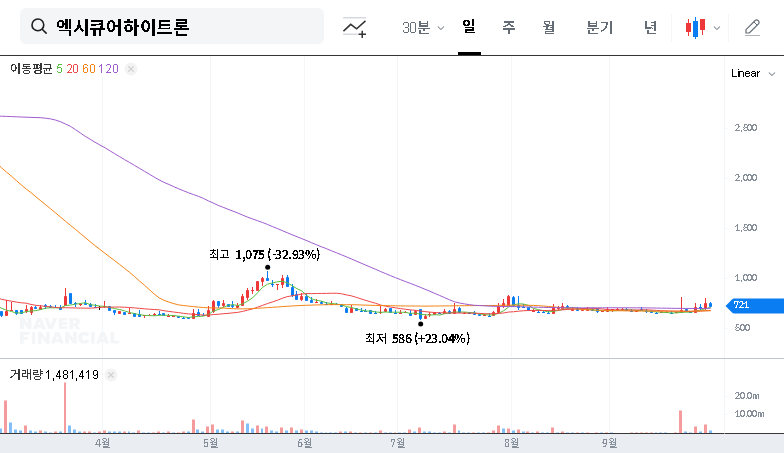
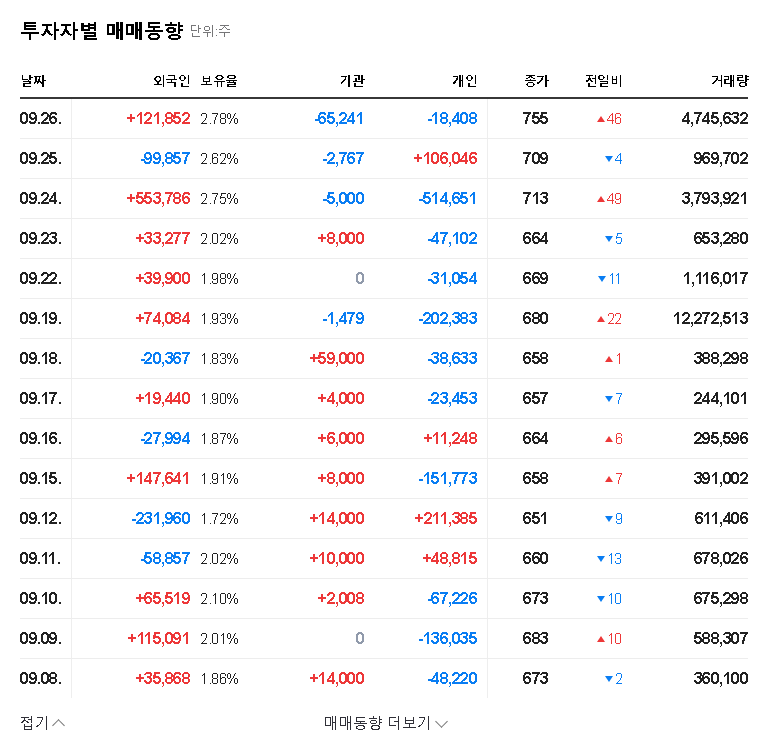
    ExicureHytron Contract: In-Depth Analysis of the ₩1.7B Public Sector Deal 대표 차트 이미지

    ExicureHytron Contract: Analyzing the ₩1.7B Deal and Its Real Impact

    In a move that has caught the attention of investors, ExicureHytron Co., Ltd. has landed a significant public sector deal. But while the headline figure of ₩1.7 billion looks impressive, a deeper look reveals a complex picture of opportunity and risk. This article provides a comprehensive analysis of the new ExicureHytron contract, exploring what it means for the company’s future, its shaky financials, and what investors should be monitoring closely.

    While this contract represents a 25.67% boost based on recent sales, ExicureHytron has been navigating severe financial turbulence. The critical question remains: is this a genuine turning point or merely a temporary patch on a much larger problem? Let’s break down the details.

    What’s Inside the ₩1.7 Billion ExicureHytron Contract?

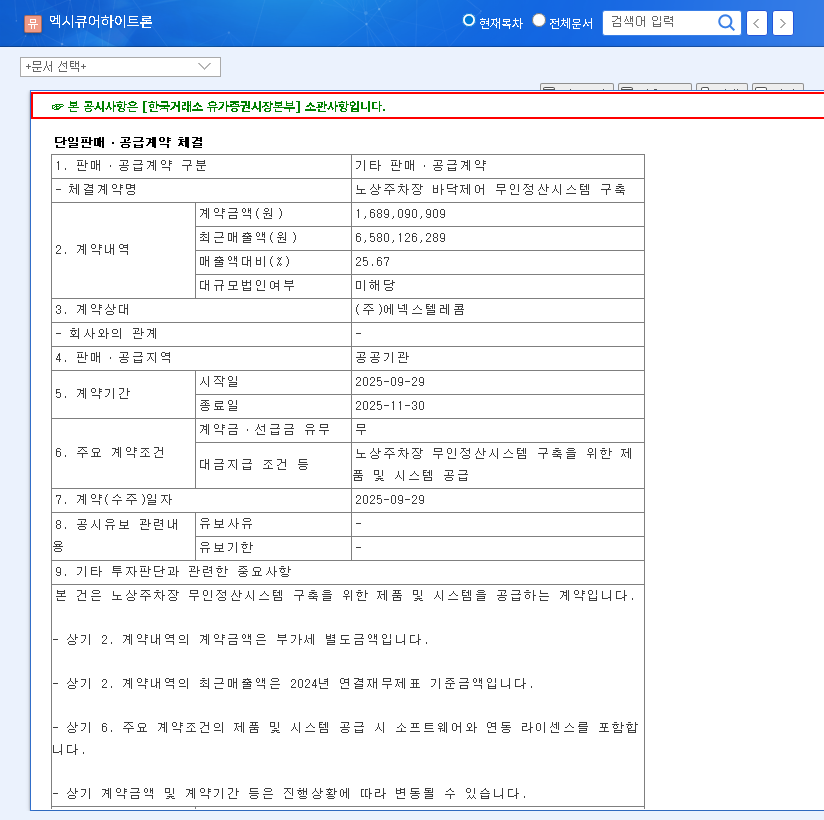
    On September 29, 2025, ExicureHytron announced the signing of a contract with Enex Telecom Co., Ltd. The project, valued at ₩1.7 billion, is for the “Construction of Roadside Parking Floor Control Unmanned Settlement System” for a public institution. This marks a strategic, albeit temporary, pivot from their core business.

    Here’s a quick overview:

    • Project Value: ₩1.7 billion (approx. 25.67% of recent revenue).
    • Project Scope: Building an automated, unmanned payment system for roadside parking.
    • Contract Period: A short two-month window from September 29, 2025, to November 30, 2025.
    • Client Type: Public institution, which typically signifies a stable and reliable client.

    This venture into IT infrastructure for public transit systems is a notable diversification from ExicureHytron’s primary focus on its AI-based security solution, ‘HASS’. Securing a government-related project can often open doors to more opportunities and lends credibility to a company’s technical capabilities.

    A Glimmer of Hope Amidst Financial Turmoil

    To understand the importance of this contract, we must look at the company’s recent financial health. The first half of 2025 painted a bleak picture, with operating losses surpassing ₩10 billion and net losses exceeding ₩20 billion. A high debt-to-equity ratio and the burden of convertible bonds have placed immense pressure on the company’s balance sheet.

    Against this backdrop, the ExicureHytron contract offers several key advantages:

    • Immediate Revenue Injection: The most direct benefit is the short-term revenue boost, which can provide much-needed cash flow.
    • Business Diversification: It demonstrates the company’s ability to win contracts outside its core security market, potentially reducing reliance on a single product line.
    • Enhanced Credibility: Winning a competitive public tender proves the company’s technical reliability and project management skills, which can be leveraged for future bids.

    A Reality Check: Will This Deal Be Enough?

    While the positives are clear, it’s crucial for investors to maintain a pragmatic perspective. A single, short-term contract is rarely enough to solve deep-rooted financial issues. According to standard financial reporting principles from major regulators, one-time revenue events can sometimes mask ongoing operational inefficiencies.

    Hopes: The Upside Potential

    • Portfolio Expansion: Success in this project could establish ExicureHytron as a viable player in the smart city and IT infrastructure space.
    • Follow-on Business: A well-executed project might lead to maintenance contracts or further projects with the same public institution.

    Hurdles: The Significant Limitations

    • Insufficient Scale: A ₩1.7 billion revenue bump is a drop in the bucket compared to the tens of billions in accumulated losses. It does not fundamentally alter the company’s weak financial structure.
    • Short-Term Nature: The two-month contract period raises concerns about sustainability. Without a pipeline of similar deals, this will be a one-off event.
    • Unknown Profitability: Revenue does not equal profit. The project’s actual profit margin is unknown, and it may not contribute significantly to improving operating income after costs are factored in.

    Investor Action Plan: A Call for Cautious Optimism

    Given the circumstances, a ‘wait and see’ approach is the most prudent strategy. While the ExicureHytron contract is a positive development, it shouldn’t be the sole basis for an investment decision. Before committing capital, it’s essential to understand the company’s complete technology stack. For more details on their main product, see our previous analysis of the AI-based security solutions market.

    Key Monitoring Points for Investors:

    1. Future Contract Wins: Is the company securing additional business, particularly in this new IT infrastructure sector? Or was this a one-time win?
    2. Quarterly Financial Reports: Closely monitor the upcoming financial statements for real changes. Look for improved profit margins, a reduction in the debt ratio, and sustained revenue growth beyond this single contract.
    3. Core Business Performance: Don’t lose sight of the ‘HASS’ AI security solution. Is the core business showing signs of growth, or is the company desperately seeking revenue elsewhere?
    4. Management Commentary: Pay attention to official company communications regarding their strategy for achieving long-term financial stability.

    In conclusion, this deal is a step in the right direction but not a leap. It provides a temporary lifeline and a chance to prove its capabilities in a new market. However, the path to financial recovery for ExicureHytron remains long and uncertain. A ‘Hold’ or ‘Cautious Approach’ rating is advisable until there is clear evidence of a sustainable turnaround.
    ExicureHytron Contract: In-Depth Analysis of the ₩1.7B Public Sector Deal 관련 이미지
    ExicureHytron Contract: In-Depth Analysis of the ₩1.7B Public Sector Deal 관련 이미지
  • Pangrim Announces Treasury Stock Disposal: Impact on Stock Price?


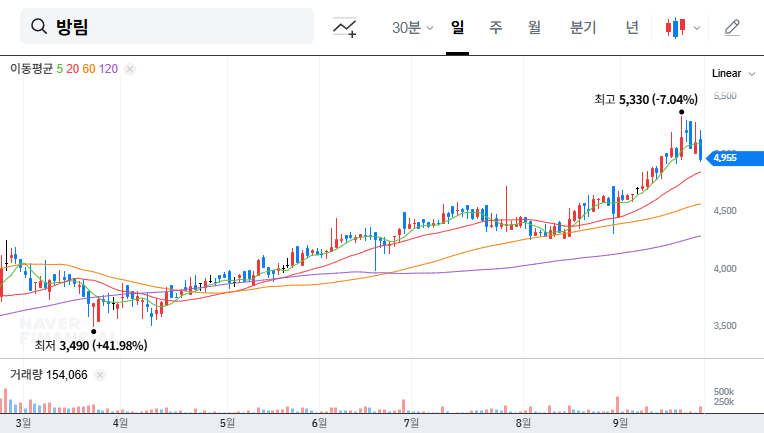
    Pangrim Announces Treasury Stock Disposal: Impact on Stock Price? 대표 차트 이미지


    Treasury Stock Disposal: What’s Happening?

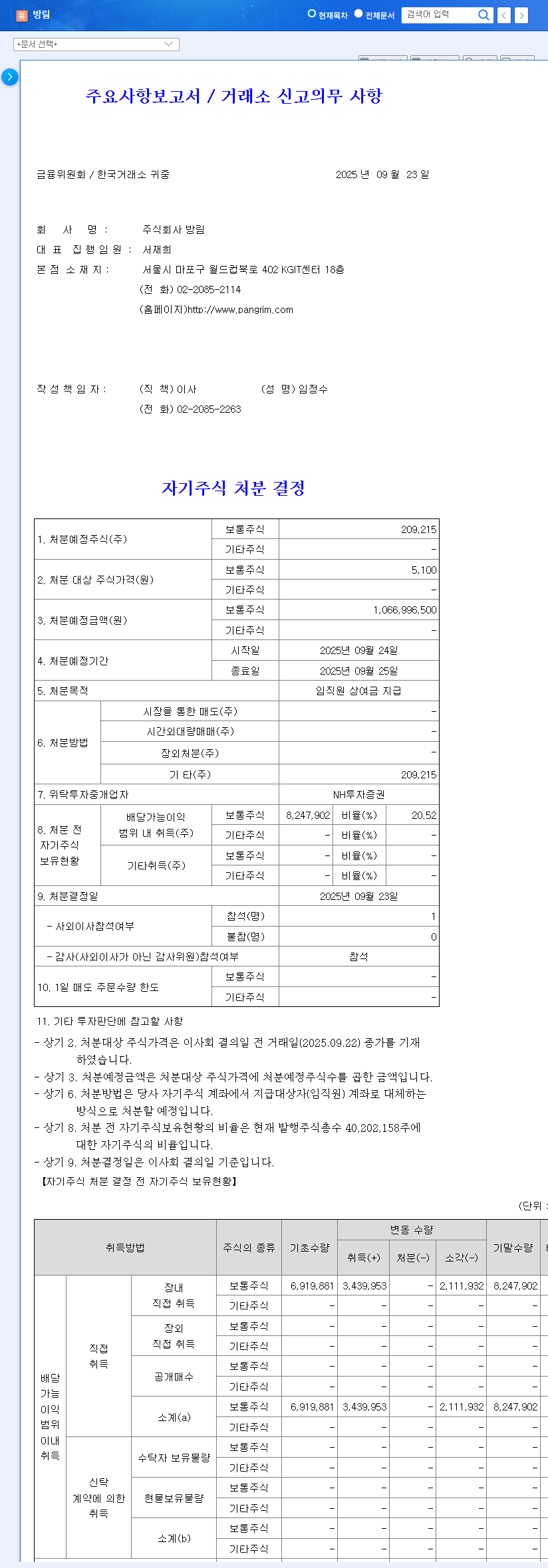
    On September 23, 2025, Pangrim decided to dispose of 209,215 treasury shares (0.52% of total common stock) over-the-counter to fund employee bonuses. The disposal amount is approximately KRW 1.1 billion.

    Purpose and Scale of Disposal: Impact on Stock Price?

    The purpose of this treasury stock disposal is to provide employee bonuses. This is part of the company’s internal management activities and can be expected to have a positive effect on employee motivation and performance compensation. As the disposal scale is very small compared to the total number of issued shares, the stock dilution effect is expected to be minimal. While it may act as a supply burden in the short term, considering Pangrim’s improving fundamentals, the impact is expected to be insignificant.

    Pangrim’s Q3 Earnings Turnaround!

    Pangrim achieved a turnaround in Q3, recording consolidated revenue of KRW 88.3 billion (+9% YoY), operating profit of KRW 760 million (turned to profit), and net income of KRW 3.95 billion (+65% YoY). The main factors contributing to this strong performance are reduced SG&A expenses, improved cost of goods sold ratio, gains from the disposal/valuation of financial assets, and increased foreign exchange gains.

    Investment Strategy: What Should You Consider?

    In the short term, investors should monitor stock price volatility due to the treasury stock disposal, but if the trend of improving fundamentals continues, this could be considered a buying opportunity. In the medium to long term, maintaining a positive investment outlook is recommended, focusing on the strong Q3 results and the expected improvement in profitability. It’s crucial to continuously monitor the growth potential of the eco-friendly materials business and the performance improvement of the Vietnamese subsidiary.


    FAQ

    What is the purpose of Pangrim’s treasury stock disposal?

    It is for the payment of employee bonuses.

    What is the scale of the treasury stock disposal?

    It involves 209,215 shares, representing 0.52% of the total common stock.

    What is the impact of the treasury stock disposal on the stock price?

    While it may create a supply burden in the short term, the impact is expected to be minimal due to the small scale and solid fundamentals.

    How was Pangrim’s Q3 performance?

    The company achieved a turnaround, recording KRW 88.3 billion in consolidated revenue, KRW 760 million in operating profit (turned to profit), and KRW 3.95 billion in net income.

    What should I consider when investing in Pangrim?

    Monitor short-term stock price volatility due to the treasury stock disposal and, in the medium to long term, track the growth potential of the eco-friendly material business and the performance of the Vietnamese subsidiary.


    Pangrim Announces Treasury Stock Disposal: Impact on Stock Price? 관련 이미지
    Pangrim Announces Treasury Stock Disposal: Impact on Stock Price? 관련 이미지


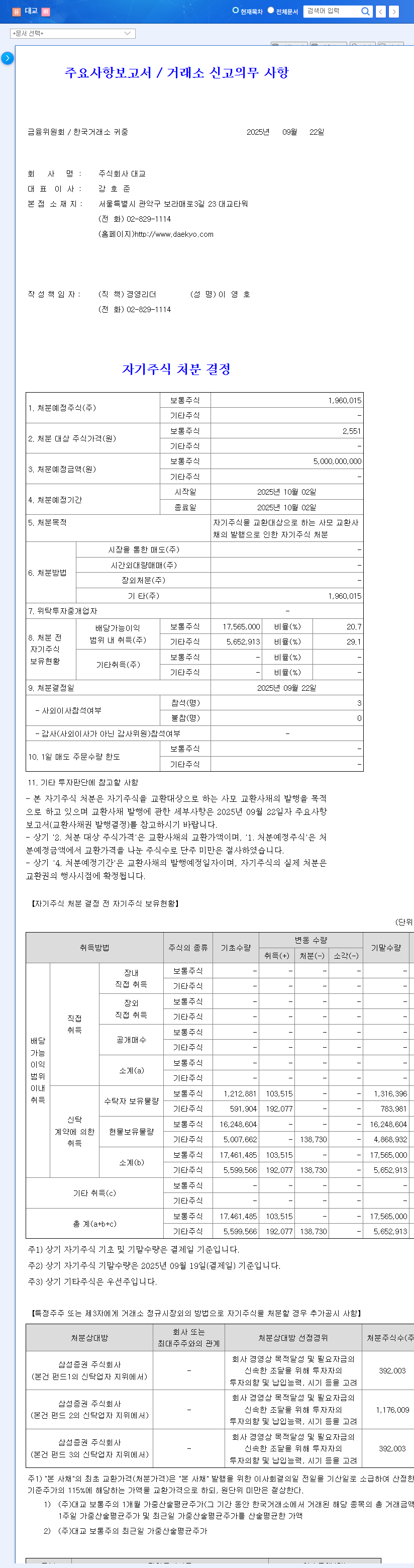
  • Daegyo Announces ₩5 Billion Treasury Stock Disposal: Investment Analysis & Outlook


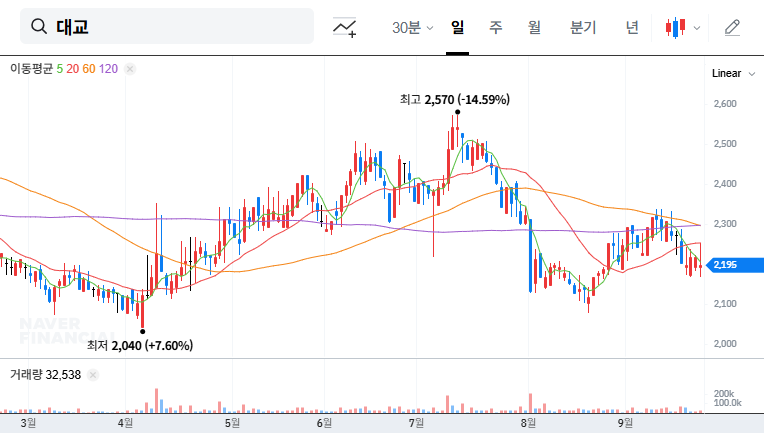
    Daegyo Announces ₩5 Billion Treasury Stock Disposal: Investment Analysis & Outlook 대표 차트 이미지


    Daegyo’s Treasury Stock Disposal: What Happened?

    On September 22, 2025, Daegyo announced its decision to dispose of 1,960,015 treasury shares (2.31% of total shares), amounting to ₩5 billion. This disposal aims to raise funds for the issuance of privately placed exchangeable bonds.

    Reasons and Objectives Behind the Disposal

    Unlike the previous plan for treasury stock cancellation, this disposal is part of a financial strategy. The ₩5 billion raised will be used for improving Daegyo’s financial structure or for new investments. Recently, Daegyo has shown positive fundamental improvement trends, including increased sales and a return to profitability. This funding is expected to further bolster this growth momentum.

    Impact on Investors

    • Positive Impacts: Capital increase and improved financial structure, potential for business expansion.
    • Negative Impacts: Potential stock dilution upon conversion of exchangeable bonds, short-term market volatility.

    Investors should monitor the terms and timing of the potential conversion of the exchangeable bonds due to the risk of stock dilution.

    Investment Strategy and Future Outlook

    This treasury stock disposal is expected to have a neutral impact in the short term and a positive impact in the long term. Focusing on the improving fundamentals and the growth potential through the raised capital, we recommend a buy or hold strategy from a mid- to long-term perspective.

    It is important to monitor future fund utilization plans, the conversion status of the exchangeable bonds, changes in the competitive landscape of the education market, and earnings announcements when making investment decisions.

    Disclaimer: This report is based on the provided information, and the final responsibility for investment decisions rests with the investor.


    Frequently Asked Questions

    What is treasury stock disposal?

    It refers to a company selling its own treasury stock on the market. This is utilized for various purposes such as raising capital and improving financial structure.

    What is the purpose of this treasury stock disposal?

    The purpose is to raise funds for the issuance of privately placed exchangeable bonds. The raised funds will be used to improve the financial structure or for new investments.

    What should investors be aware of?

    Investors should be aware of the potential stock dilution due to the possibility of converting exchangeable bonds into shares and short-term market volatility. It’s also crucial to continuously monitor the fund utilization plans and earnings improvement trends.


    Daegyo Announces ₩5 Billion Treasury Stock Disposal: Investment Analysis & Outlook 관련 이미지
    Daegyo Announces ₩5 Billion Treasury Stock Disposal: Investment Analysis & Outlook 관련 이미지


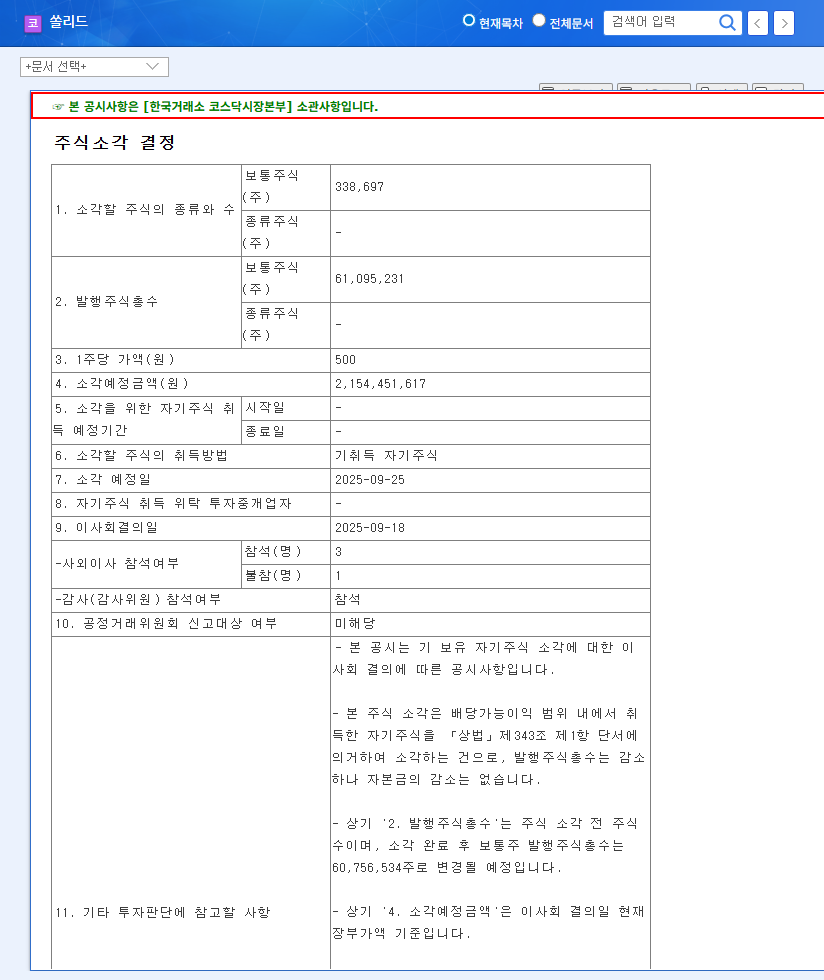
  • Solid Announces KRW 2.2 Billion Share Buyback: Analyzing Stock Outlook and Investment Strategy


    Solid Announces KRW 2.2 Billion Share Buyback: Analyzing Stock Outlook and Investment Strategy 대표 차트 이미지


    What Happened? – Solid Announces KRW 2.2 Billion Share Buyback

    On September 18, 2025, Solid announced its decision to buy back 338,697 common shares. The estimated amount is approximately KRW 2.2 billion, representing 0.52% of the market capitalization. The buyback is scheduled for September 25.

    Why the Buyback? – Enhancing Shareholder Value and Investor Sentiment

    Solid stated that this share buyback aims to enhance shareholder value and improve market sentiment. The decrease in outstanding shares is expected to increase earnings per share (EPS) and signals the company’s commitment to shareholder return.

    So, What About the Stock Price? – Short-Term Gains Possible, Long-Term Outlook Uncertain

    The share buyback could boost the stock price in the short term. However, Solid’s first-half 2025 results showed declining sales and profits, coupled with increasing debt. Therefore, it’s difficult to be optimistic about the long-term stock outlook. The key variables will be the performance of its core businesses, including 5G, Open RAN, defense contracts, and venture capital investments.

    What Should Investors Do? – Remain Cautious, Monitor Key Indicators

    The investment recommendation is ‘Hold.’ Investors should closely monitor global telecom market recovery, Open RAN performance, defense and venture capital investment outcomes, further shareholder return policies, and debt reduction efforts to inform their investment strategies.


    FAQ

    What is a share buyback?

    A share buyback is when a company repurchases its own outstanding shares, reducing the number of shares available on the market. This often increases the value of the remaining shares.

    What is the size of Solid’s share buyback?

    The buyback is worth KRW 2.2 billion, representing 0.52% of the total outstanding shares.

    What is the outlook for Solid’s stock price after the buyback?

    While the buyback might positively impact the stock price in the short term, the long-term outlook depends on Solid’s business performance improvements.

    What should investors pay attention to?

    Investors should monitor Solid’s core business performance, debt reduction efforts, and potential further shareholder return initiatives.


    Solid Announces KRW 2.2 Billion Share Buyback: Analyzing Stock Outlook and Investment Strategy 관련 이미지
    Solid Announces KRW 2.2 Billion Share Buyback: Analyzing Stock Outlook and Investment Strategy 관련 이미지


  • Samhyun Announces KRW 3 Billion Share Buyback: Impact on Stock Price and Investment Strategy

    Samhyun Announces KRW 3 Billion Share Buyback: Impact on Stock Price and Investment Strategy 대표 차트 이미지

    1. Samhyun’s Share Buyback: What Happened?

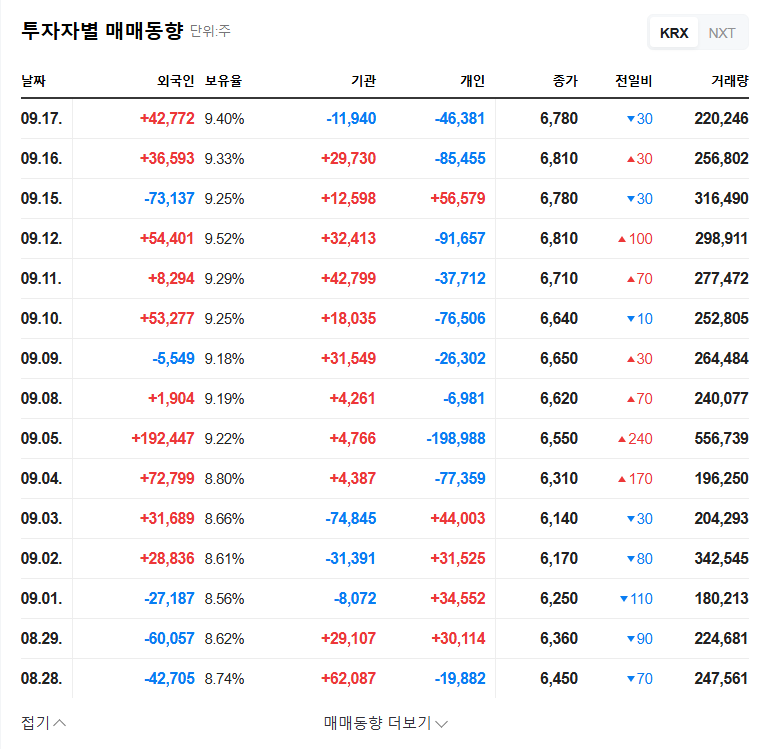
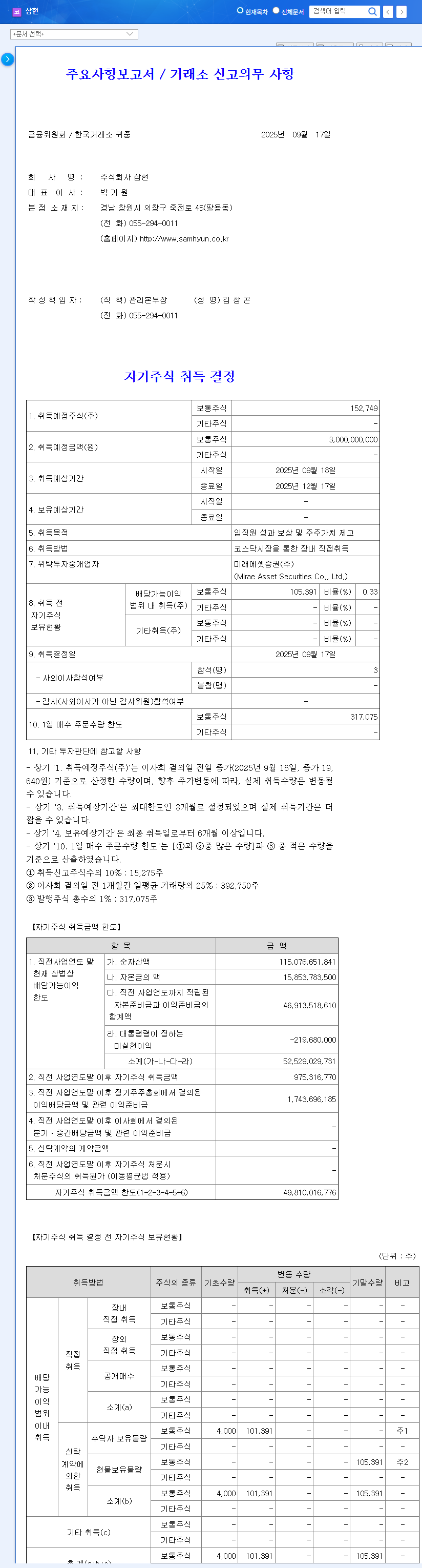
    On September 17, 2025, Samhyun announced its decision to repurchase 152,749 common shares (0.48% of total market capitalization) for approximately KRW 3 billion through open market purchases. The stated purpose is employee performance compensation and shareholder value enhancement.

    2. Why the Buyback?: Rationale and Implications

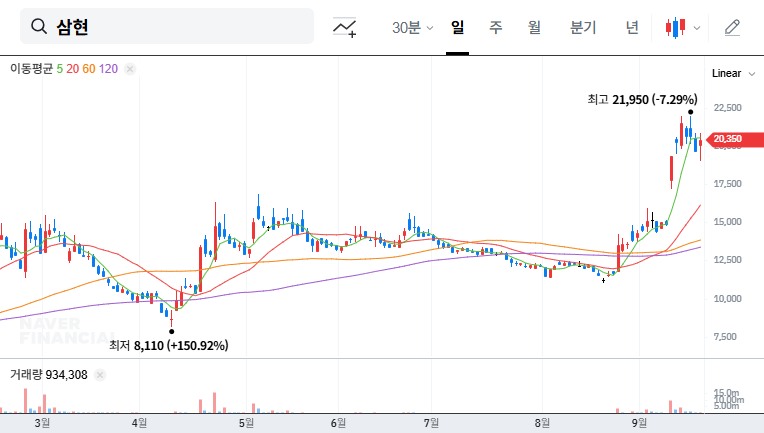
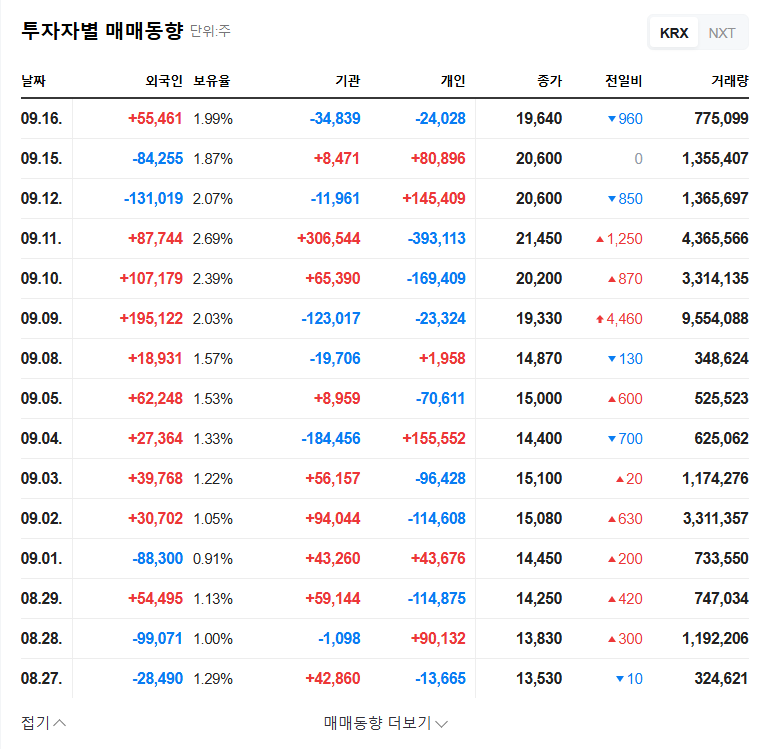
    Share buybacks can increase earnings per share by reducing the number of outstanding shares and may have a positive impact on stock price. It can also signal management’s confidence in the company’s future, potentially improving investor sentiment. Given Samhyun’s recent stock price volatility, this move could provide stability to the market.

    3. Samhyun’s Fundamentals: Unveiling Hidden Opportunities

    • Core Business: Providing ‘3-in-1 Solutions’ (integrated motor, controller, and reducer) applicable to various industries including automotive, defense, and robotics.
    • Growth Drivers: Expansion into future mobility sectors such as robotics, electric ships, and AAM.
    • Technological Prowess: First domestic producer of DCT motors, first global mass production of CVVD products, and A-SPICE CL2 certification.
    • Financial Status: Decline in revenue in the first half of 2025 and increasing debt. However, the growing proportion of defense/research institute sales is a positive sign.

    4. Market Reaction: Expert Analysis

    Concrete market expectations from analyst reports are yet to be seen. However, share buybacks generally act as a short-term positive catalyst for stock prices.

    5. Investor Action Plan: Should You Invest in Samhyun Now?

    While the share buyback is a positive signal, investment decisions require careful consideration. Existing holders may maintain a ‘hold’ position, while new investors should adopt a ‘wait-and-see’ approach, closely monitoring the company’s future performance and business strategies.

    What is the size of Samhyun’s share buyback?

    Approximately KRW 3 billion, representing 152,749 common shares (0.48% of the total market capitalization).

    What is the purpose of the share buyback?

    Employee performance compensation and enhancement of shareholder value.

    What is Samhyun’s main business?

    Samhyun provides ‘3-in-1 Solutions,’ integrating motors, controllers, and reducers for the automotive, defense, and robotics industries.

    Samhyun Announces KRW 3 Billion Share Buyback: Impact on Stock Price and Investment Strategy 관련 이미지
    Samhyun Announces KRW 3 Billion Share Buyback: Impact on Stock Price and Investment Strategy 관련 이미지
  • WaveElectro Announces ₩3.2 Billion Share Buyback: Impact on Stock Price


    WaveElectro Announces ₩3.2 Billion Share Buyback: Impact on Stock Price 대표 차트 이미지


    WaveElectro Announces Share Buyback – What Happened?

    On September 10, 2025, WaveElectro announced its decision to buy back 598,850 common shares. The total value of the buyback is ₩3.2 billion, which is approximately 4% of its market capitalization (₩87.9 billion). The buyback is scheduled for September 16.

    Why the Share Buyback?

    Share buybacks are generally interpreted as a decision to enhance shareholder value. Reducing the number of outstanding shares can increase earnings per share (EPS), and the decrease in circulating shares can have a positive impact on supply and demand dynamics. Despite recent growth in its defense business, WaveElectro has experienced challenges, including a consolidated operating loss and net loss in the first half of 2025, and an increase in inventory assets. In this context, the share buyback is interpreted as an attempt to alleviate shareholder concerns and improve investment sentiment.

    Impact of the Share Buyback on Stock Price

    • Positive impacts: Increase in share value, enhancement of shareholder value, decrease in circulating shares, potential increase in ROE
    • Negative impacts: Decrease in short-term liquidity, potential opportunity cost (loss of other investment opportunities) – However, these negative impacts are expected to be limited.

    In the short term, the share buyback announcement may create upward momentum for the stock price, but significant increases may be limited due to fundamental uncertainties. In the medium to long term, the direction of the stock price will be determined by factors such as continued growth in the defense business, turnaround in the telecommunications business, and improvement in inventory management efficiency.

    What Should Investors Do?

    While the share buyback is a positive sign, investors need to carefully analyze WaveElectro’s fundamentals and the market situation. Short-term investors should be wary of stock price volatility after the announcement, while long-term investors should continuously monitor WaveElectro’s earnings improvement. Pay particular attention to the continued growth of the defense business, the possibility of a turnaround in the telecommunications business, and the improvement of financial soundness and profitability. This analysis is for investment reference only, and the responsibility for investment decisions lies with the investor.


    FAQ

    What is the size of WaveElectro’s share buyback?

    It’s worth ₩3.2 billion, representing about 4% of the current market capitalization.

    How does a share buyback affect the stock price?

    Generally, it has a positive impact by increasing the value per share and reducing the number of outstanding shares. However, the actual stock price can fluctuate depending on various factors, including company performance and market conditions.

    What precautions should be taken when investing in WaveElectro?

    In the short term, be cautious of stock price volatility following the share buyback announcement. In the medium to long term, closely monitor the company’s fundamental improvements, especially the performance of its defense and telecommunications businesses.


    WaveElectro Announces ₩3.2 Billion Share Buyback: Impact on Stock Price 관련 이미지
    WaveElectro Announces ₩3.2 Billion Share Buyback: Impact on Stock Price 관련 이미지