Tag: Stock Price Outlook

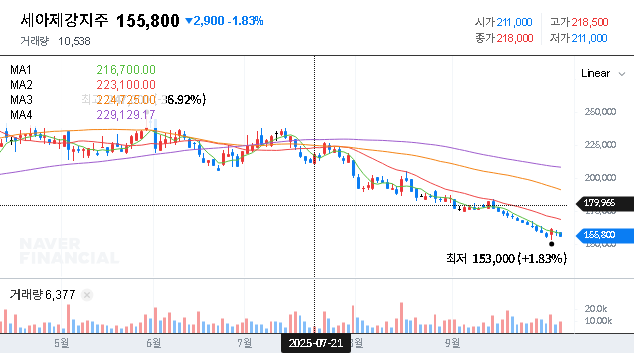
  • (003030) SeAH Steel Holdings: Fueling Offshore Wind Growth with Exchangeable Bonds

    (003030) SeAH Steel Holdings: Fueling Offshore Wind Growth with Exchangeable Bonds

    The recent strategic financial maneuver by SeAH Steel Holdings has captured the attention of the investment community. The company’s decision to dispose of treasury stock to facilitate an Exchangeable Bond (EB) issuance is a clear signal of its ambition to secure future growth drivers. This move, aimed at bolstering its financial health and aggressively pursuing new ventures like offshore wind power, requires a thorough analysis for any serious investor.

    This comprehensive guide will deconstruct the intricacies of SeAH Steel Holdings’ strategy, exploring its impact on financial stability, stock valuation, and long-term corporate value. We will delve into the opportunities and risks, providing you with the critical insights needed to navigate this pivotal moment in the company’s trajectory.

    The Strategic Move: Treasury Stock and Exchangeable Bonds

    A Landmark Announcement

    On October 1, 2025, SeAH Steel Holdings announced a pivotal strategic decision in an Official Disclosure: the disposition of 101,196 treasury shares. This transaction, valued at approximately KRW 19.3 billion, is not a simple sale of assets. Instead, it serves as the underlying collateral for a sophisticated capital-raising instrument: Exchangeable Bonds (EB).

    An Exchangeable Bond is a hybrid debt instrument that gives the bondholder the right to exchange the bond for shares of a company other than the issuer—in this case, treasury shares of SeAH Steel Holdings itself. This makes it an attractive, flexible tool for corporate financing.

    Why Choose Exchangeable Bonds?

    The choice of EBs over traditional bonds or a direct stock sale is a calculated one. This strategy allows SeAH Steel Holdings to achieve several key objectives simultaneously:

    • Lower Cost of Capital: EBs typically carry a lower interest rate (coupon) than conventional bonds because the conversion option offers investors potential upside in the stock’s value.
    • Minimized Share Dilution: Unlike issuing new shares, using existing treasury stock for the EBs avoids immediate dilution of earnings per share (EPS) for current stockholders.
    • Funding for Growth: Most importantly, it unlocks KRW 19.3 billion in capital earmarked for strategic investments, particularly in high-potential sectors.

    Powering the Future: SeAH Steel and Offshore Wind

    The capital raised is directly linked to SeAH Steel Holdings’ ambition to become a dominant force in the offshore wind power industry. This sector represents a monumental growth opportunity for steel manufacturers capable of producing the massive, high-specification components required. The investment will likely target:

    • Expansion of production facilities for monopiles and jacket foundations, which are the critical substructures for offshore wind turbines.
    • Research and development into next-generation steel grades that can withstand harsh marine environments.
    • Strengthening the structural pipe business to support the entire energy infrastructure supply chain.

    According to the International Energy Agency, the global offshore wind market is set for exponential growth, making this a timely and strategic pivot for SeAH Steel Holdings. Success in this area could redefine the company’s long-term revenue streams and market valuation.

    Investor’s Guide: Financial and Market Impact

    Analyzing the Financial Health of SeAH Steel Holdings

    The infusion of KRW 19.3 billion provides a welcome boost to short-term liquidity. However, investors must consider the multi-faceted impact on the balance sheet. While the EBs are initially recorded as debt (potentially increasing the debt-to-equity ratio), their future conversion into equity could improve the capital structure. The key is to monitor the progress of the investments funded by this capital. For further context, you can read our Deep Dive into Global Steel Market Trends.

    Stock Price and Market Expectations

    The market’s reaction will likely be two-phased:

    • Short-Term Volatility: The news of a treasury stock disposition can sometimes create downward pressure on the stock price. The market may exhibit caution until the terms of the EB and the specifics of the investment plan are fully digested.
    • Long-Term Potential: The long-term trajectory will depend entirely on execution. If the investment in offshore wind yields tangible contracts and profitable returns, it will act as a powerful catalyst for stock price appreciation. If results fall short, the initial debt burden could weigh on valuation.

    Macroeconomic Headwinds to Monitor

    No analysis of a steel company is complete without considering the broader economic climate. Key variables for SeAH Steel Holdings include:

    • Interest Rates: With a trend of rising rates globally, the company’s borrowing costs could increase, impacting profitability.
    • Exchange Rates: As a major exporter, fluctuations in the KRW against the USD and EUR directly affect revenue and margins.
    • Commodity Prices: The cost of raw materials like iron ore and coking coal, as well as energy prices, remain a critical factor for operational efficiency.

    The Bottom Line for Investors

    SeAH Steel Holdings’ issuance of Exchangeable Bonds is a bold, forward-looking strategy. It demonstrates a clear commitment to securing a leadership position in the high-growth offshore wind sector while intelligently managing its capital structure.

    Investors should adopt a long-term perspective. While short-term price swings are possible, the ultimate success of this initiative hinges on the company’s ability to translate this fresh capital into profitable, sustainable growth. Continuous monitoring of project milestones in the offshore wind business, alongside a keen awareness of macroeconomic shifts, will be essential for making informed investment decisions regarding SeAH Steel Holdings.

    Disclaimer: This analysis is for informational purposes only and does not constitute investment advice. All investment decisions should be made with the consultation of a qualified financial professional.

    (003030) SeAH Steel Holdings: Fueling Offshore Wind Growth with Exchangeable Bonds 관련 이미지
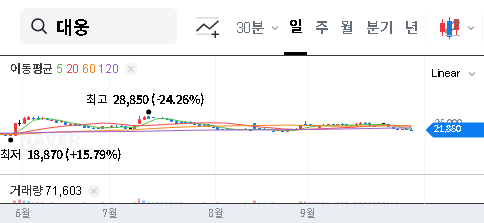
  • (003090) Daewoong Treasury Stock Disclosure: Investment Analysis & 2025 Outlook

    (003090) Daewoong Treasury Stock Disclosure: Investment Analysis & 2025 Outlook

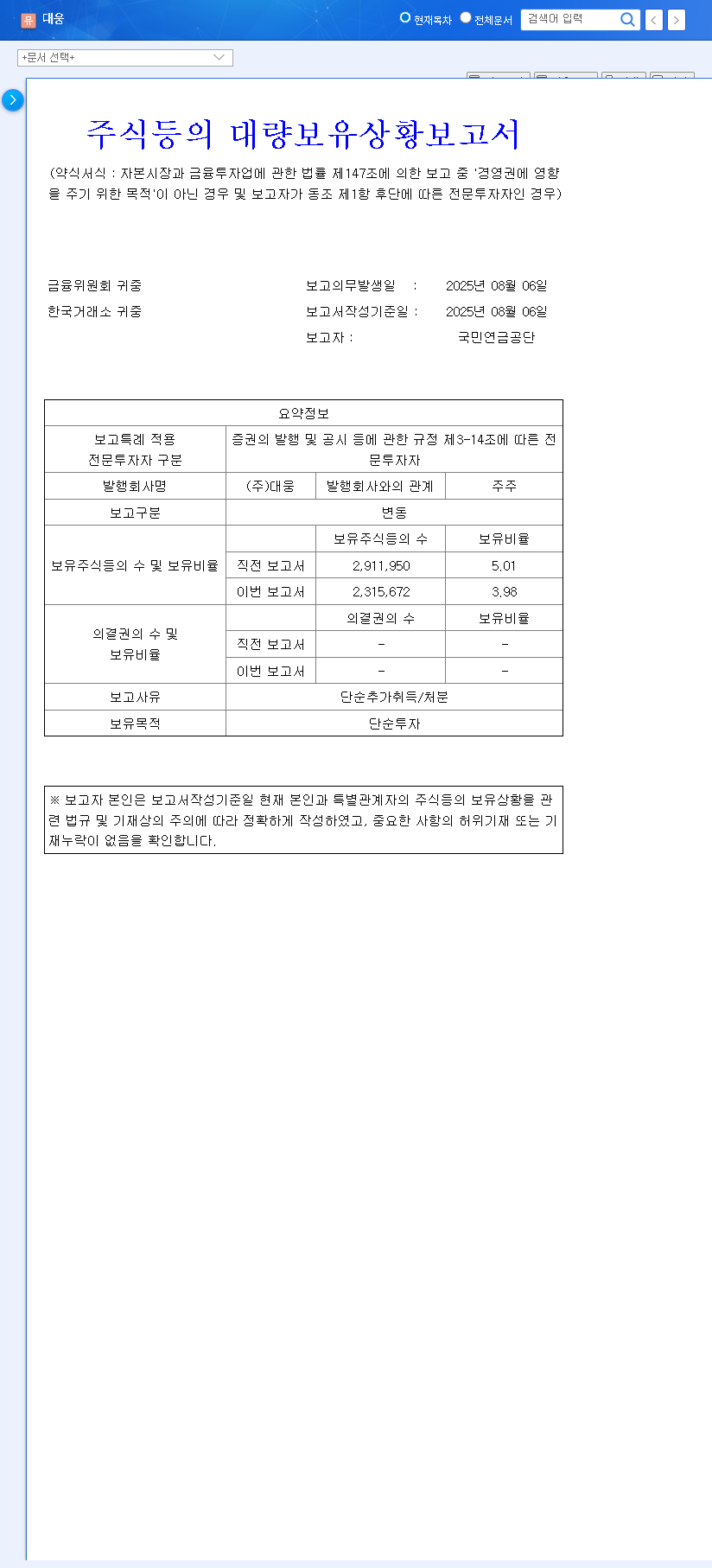
    Daewoong Co., Ltd. recently filed a correction regarding its treasury stock holdings, a move that initially appears to be a simple administrative update. However, for astute investors, such disclosures can offer deeper insights into a company’s financial health and strategic direction. This comprehensive analysis will explore the specifics of the Daewoong treasury stock adjustment, its potential impact on corporate fundamentals, and how it fits within the broader macroeconomic landscape to help you formulate a sound investment strategy.

    While the disclosure is a correction of past data, it raises the total treasury stock to over 31% of issued shares, a significant figure that warrants a closer look at the company’s capital strategy and shareholder value initiatives.

    Deconstructing the Daewoong Treasury Stock Correction

    On October 1, 2025, Daewoong Co., Ltd. filed a corrective report to amend its treasury stock status as of December 31, 2024. The primary goal was to enhance informational accuracy. The full details can be reviewed in the Official Disclosure (Source: DART). The key changes are as follows:

    • Direct Acquisitions: An increase of 32,774 common shares, primarily due to employee stock option exercises.
    • Other Acquisitions: An increase of 1,060,055 shares, reflecting the incorporation of merger-related treasury stock and dispositions from the employee stock ownership association.
    • Total Change: The total number of treasury shares rose by 1,092,829, bringing the new total to 18,344,099 shares.

    This adjustment increases the company’s treasury stock ratio from 29.67% to approximately 31.55% of total issued shares. This is a significant holding and understanding its implications is key to a proper Daewoong Co., Ltd. investment analysis.

    Beyond the Numbers: Fundamental and Strategic Implications

    Contrary to what a ‘correction’ might imply, this update is not a negative signal for Daewoong fundamentals. In fact, it can be interpreted positively from several angles. The use of treasury stock is a common corporate finance strategy used to return capital to shareholders or manage stock price volatility.

    Boosting Transparency and Shareholder Value

    By promptly correcting reporting errors, Daewoong enhances its corporate transparency and reliability, which builds investor trust. Furthermore, the components of the increase—employee stock options and association dispositions—are tied to shareholder-friendly policies. Aligning employee incentives with stock performance often leads to better long-term corporate value.

    The High Ratio: A Double-Edged Sword

    A treasury stock ratio of over 31% is notable. On one hand, it significantly reduces the number of shares available for public trading (the ‘float’), which can increase stock price volatility. On the other, it gives management a powerful tool. These shares can be re-issued for future M&A activities, used for employee compensation, or retired to boost earnings per share (EPS), all of which can be beneficial for long-term investors.

    Macroeconomic Context and Investor Strategy

    No stock exists in a vacuum. The current macroeconomic environment presents both challenges and opportunities for Daewoong. Rising interest rates increase borrowing costs, while exchange rate volatility (especially USD/KRW) can impact profitability for a global player. Conversely, falling commodity prices could lower production costs. Investors must weigh these external factors against the company’s internal strategy for managing its Daewoong treasury stock.

    An Action Plan for Investors

    • Focus on Core Business: The ultimate driver of the Daewoong stock price is the performance of its key pharmaceutical products like Nabota and Fexuclue. Monitor their global sales and the progress of the R&D pipeline. Our internal report on Daewoong’s Pharmaceutical Pipeline provides further details.
    • Monitor Treasury Stock Policy: Keep an eye out for future announcements regarding the use of these treasury shares. Any large-scale disposal or retirement will be a significant market event.
    • Maintain a Balanced View: This disclosure is not a direct catalyst for immediate price action. Given the macroeconomic uncertainties, a ‘Hold’ or ‘Observe’ stance is prudent. Base long-term investment decisions on sustained improvements in earnings and business fundamentals.

    In conclusion, the Daewoong treasury stock correction is more than an accounting formality; it’s a reaffirmation of the company’s commitment to transparency and provides a window into its capital management strategy. While not an immediate buy signal, it reinforces the need for investors to monitor core business performance and future strategic uses of this substantial treasury shareholding.

    (003090) Daewoong Treasury Stock Disclosure: Investment Analysis & 2025 Outlook 관련 이미지
  • (032560) Hwanggeum ST (032560) Stock Analysis: CEO Increases Stake – What Investors Need to Know

    (032560) Hwanggeum ST (032560) Stock Analysis: CEO Increases Stake – What Investors Need to Know

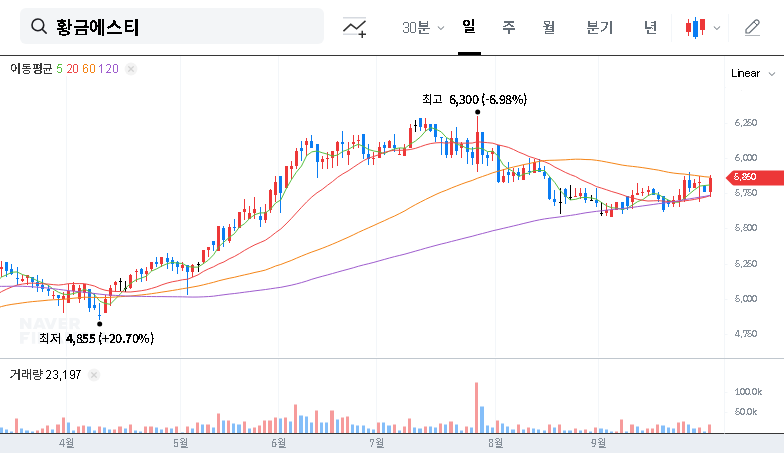
    In a move signaling profound confidence, the leadership of Hwanggeum ST (032560) has sent a powerful message to the market. CEO Kim Jong-hyun recently increased his personal stake in the company through on-market purchases, an action often interpreted as a bullish indicator of a company’s future prospects. This development prompts a crucial question for investors: Is this the catalyst for a significant re-evaluation of the Hwanggeum ST stock price?

    This comprehensive analysis will dissect the details of the CEO’s stake increase, perform a deep dive into Hwanggeum ST’s H1 2025 fundamentals, and explore the potential short-term and long-term impacts on its valuation. We will provide a strategic action plan for current and prospective investors navigating this new information.

    The Details: CEO Kim Jong-hyun’s Stake Increase

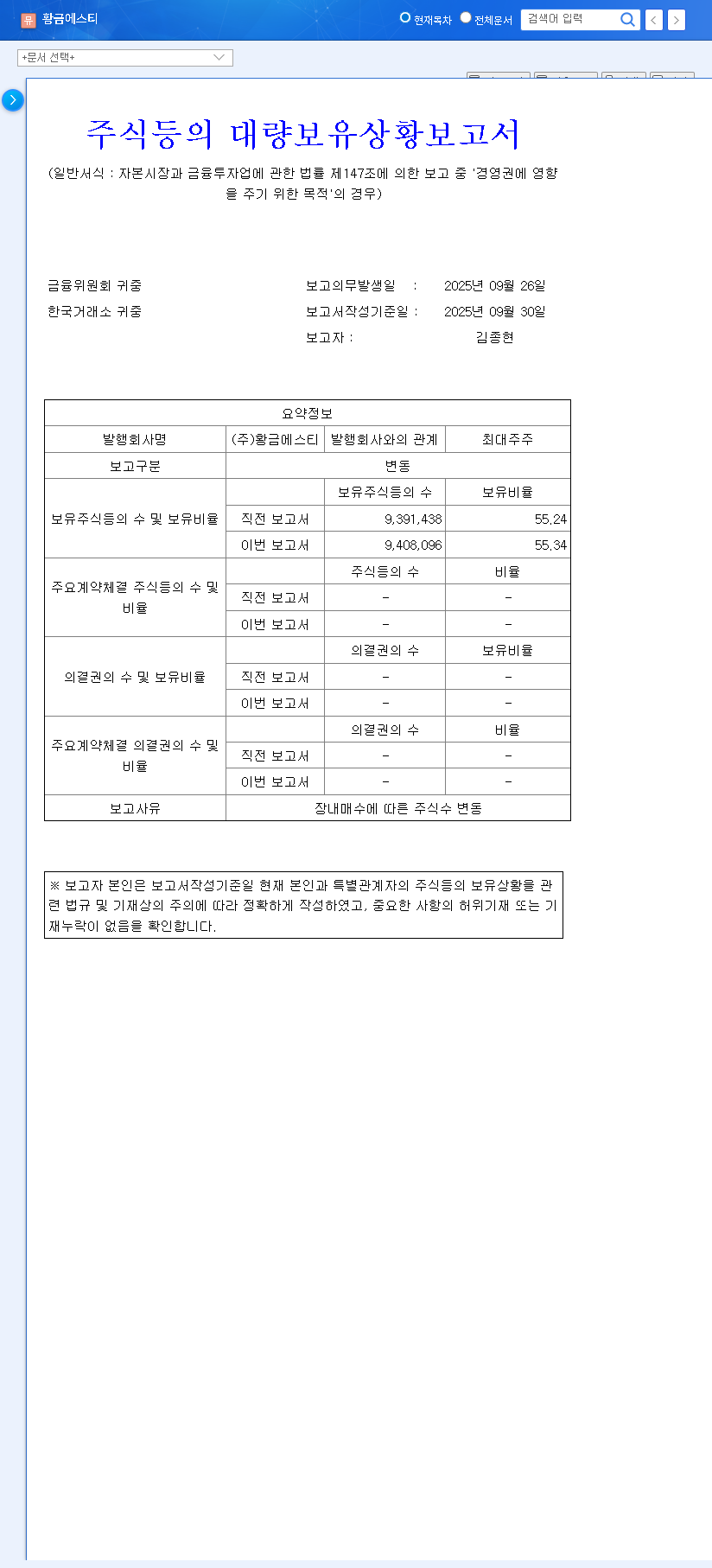
    On September 30, 2025, a disclosure filed with the regulatory authorities revealed key changes in CEO Kim Jong-hyun’s holdings. The specifics, as detailed in the Official Disclosure (DART), are as follows:

    • Shareholding Change: Increased from 55.24% to 55.34% (a +0.10% point increase).
    • Reason for Change: On-market purchases totaling 16,658 shares across two days.
    • Stated Purpose: To exert ‘management influence,’ reinforcing a commitment to stable leadership.

    An on-market purchase is particularly significant. Unlike stock options or grants, it involves the CEO using their own capital to buy shares at the current market price, indicating a strong belief that the stock is undervalued and poised for growth. It’s a classic case of ‘skin in the game.’

    Hwanggeum ST Fundamentals: A Deep Dive (H1 2025)

    To understand the context of this insider buying, we must examine the company’s underlying health. The H1 2025 report for Hwanggeum ST reveals a company with a stable core and promising ventures for future growth.

    Financial Performance & Stability

    While revenue saw a minor dip, profitability metrics tell a more optimistic story. Net profit increased year-on-year, bolstered by strong performance from equity-accounted investments. More importantly, the company’s financial structure has been significantly reinforced. An improved debt-to-equity ratio and a higher current ratio demonstrate enhanced financial stability and a reduced risk profile for investors. This fiscal prudence makes the CEO’s investment in Hwanggeum ST appear even more calculated and confident.

    Analysis of Core Business Segments

    • Steel Business: The backbone of the company remains robust. Operating at a healthy 91.46% plant utilization rate, this division maintains a competitive edge through effective management of raw material costs and foreign exchange volatility.
    • Construction Business: This segment is a key driver of recent success. With a stable 84.95% utilization rate and a strategic focus on government SOC projects, it is positioned for significant future revenue growth from large project wins.
    • Smart Farm Business: Representing a strategic pivot towards a high-value, future-oriented market, this new venture is a potential long-term growth engine. While still in the R&D phase, its development is a critical factor for the company’s future valuation.

    Impact on the Hwanggeum ST Stock Price

    How will this CEO stake increase affect the stock? We can anticipate effects on multiple timelines.

    Short-Term: News of significant insider buying often creates positive market sentiment. It can attract retail and institutional investors, leading to increased buying pressure and a potential short-term boost in the stock price. The explicit goal of ‘management influence’ further solidifies this signal.

    Medium-to-Long-Term: The lasting impact depends on the company’s ability to execute. The CEO’s investment signals a long-term belief in the company’s strategy—namely, the continued stability of its core businesses and the successful launch of the Smart Farm venture. If Hwanggeum ST delivers on these fundamental improvements, the CEO’s vote of confidence could mark the beginning of a sustained upward trend in corporate value and stock price.

    Strategic Action Plan for Investors

    While this news is overwhelmingly positive, prudent investment requires a holistic view. Consider the following action points when evaluating your position in Hwanggeum ST (032560):

    • Monitor Insider Activity: Keep an eye on any further changes in shareholdings from CEO Kim Jong-hyun or other executives. Continued buying would strengthen the bullish case.
    • Verify Fundamental Progress: Scrutinize upcoming quarterly earnings reports. Look for continued profitability, margin improvements, and, crucially, concrete milestones from the Smart Farm division.
    • Assess Macroeconomic Factors: Stay informed about exchange rates, global steel prices, and interest rate policies, as these external factors can significantly impact Hwanggeum ST’s profitability. Explore our guide to analyzing industrial stocks for more on this.
    • Analyze the Competitive Landscape: Understand the competitive pressures in both the steel and construction industries and how Hwanggeum ST is innovating to maintain its edge.

    In conclusion, the CEO’s increased stake in Hwanggeum ST is a significant and positive development. It aligns leadership’s financial interests directly with those of shareholders and suggests a deep-seated belief in the company’s intrinsic value and future trajectory. For investors, this moment serves as a compelling reason to conduct fresh due diligence, balancing this powerful insider signal with a rigorous analysis of the company’s fundamentals and the broader market environment.

    (032560) Hwanggeum ST (032560) Stock Analysis: CEO Increases Stake – What Investors Need to Know 관련 이미지
    (032560) Hwanggeum ST (032560) Stock Analysis: CEO Increases Stake – What Investors Need to Know 관련 이미지
  • (262840) Iquest Stock Price Analysis: H1 2025 Earnings Surge & Treasury Stock Impact

    (262840) Iquest Stock Price Analysis: H1 2025 Earnings Surge & Treasury Stock Impact

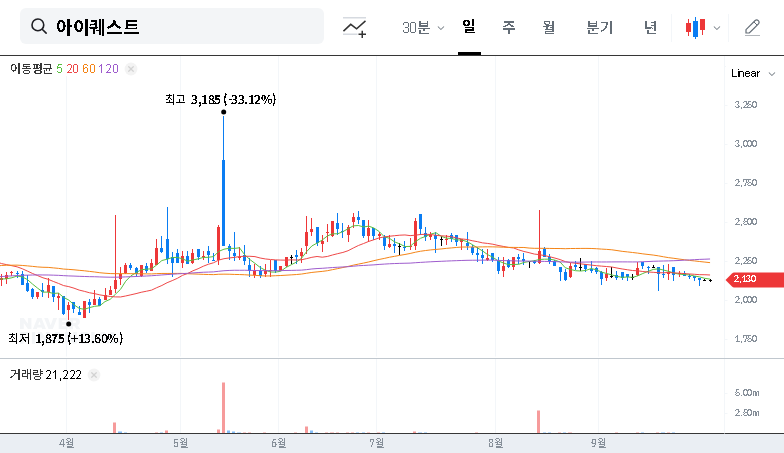
    The latest financial reports for Iquest (262840) have captured significant market attention, revealing remarkable growth and strategic initiatives that could redefine the Iquest stock price trajectory. With an extraordinary earnings improvement in its H1 2025 report and a calculated treasury stock disposal, investors are keenly evaluating the company’s long-term value. This comprehensive Iquest analysis will dissect the impressive financial performance, explore the nuances of the treasury stock decision, and provide a clear outlook for potential and current investors.

    Iquest’s H1 2025 Earnings: A Financial ‘Surprise’

    Iquest delivered what can only be described as an ‘earnings surprise’ for the first half of 2025, showcasing robust fundamental strength. The company recorded impressive growth rates that significantly outpaced market expectations, reinforcing its financial health and operational efficiency. The key driver behind this success was the stellar performance of its subsidiary, Dfocus, whose IT consulting division fueled a substantial portion of the revenue growth. This, combined with meticulous and efficient cost management across the parent company, created a powerful combination for profit amplification.

    Key Financial Highlights (H1 2025 vs. H1 2024)

    • Revenue: Reached KRW 20.34 billion, a solid 12.7% increase year-over-year.
    • Operating Profit: Skyrocketed to KRW 2.06 billion, an astounding 122.3% increase year-over-year.
    • Net Profit: Turned profitable at KRW 3.2 billion, a massive 666.3% improvement from the previous year’s loss.
    • Earnings Per Share (EPS): Reached KRW 153, marking a significant turnaround to profitability.

    While these Iquest earnings are impressive, the balance sheet tells a story of aggressive investment. Total assets grew by 61.3%, primarily due to strategic investments in AI business infrastructure. However, this expansion was financed partly by debt, causing total liabilities to rise by 453.3%. This pushed the debt-to-equity ratio to 68.07%, a figure that warrants monitoring. For investors, this represents a calculated use of financial leverage to secure future growth engines, a common strategy in the tech sector.

    Unpacking the Treasury Stock Disposal Decision

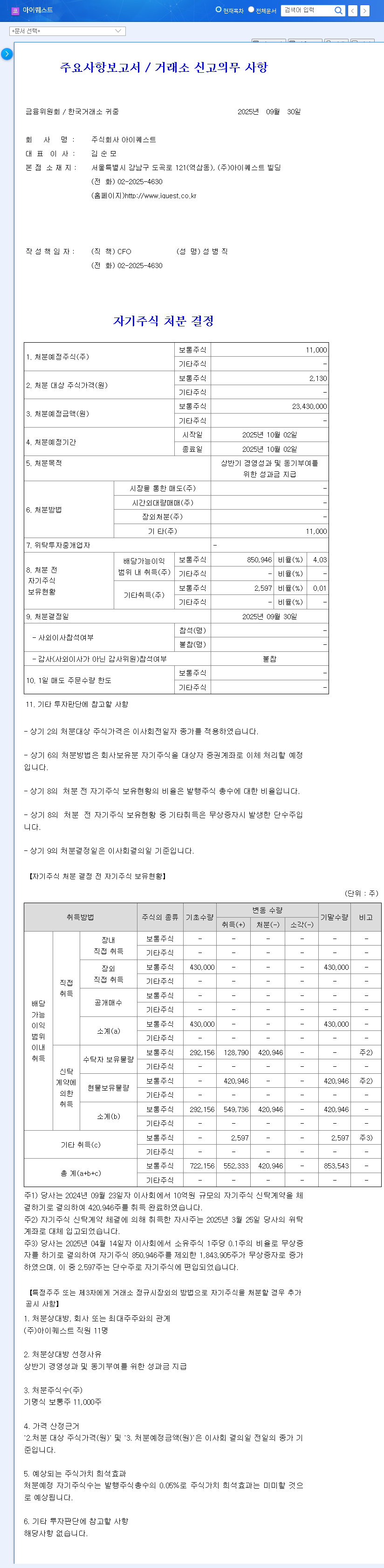
    On September 30, 2025, Iquest announced a significant corporate action. According to the Official Disclosure filed with DART, the company decided to dispose of 11,000 common shares. This treasury stock disposal is not a fundraising effort but a strategic move to distribute shares as performance bonuses to employees. This action is a direct reward for the excellent H1 business performance and serves as a powerful tool to boost morale and foster long-term loyalty among the talent driving the company’s success.

    This treasury stock disposal should be viewed less as a market event and more as an investment in human capital, signaling management’s confidence in its team and future prospects.

    Forecasting the Impact on the Iquest Stock Price

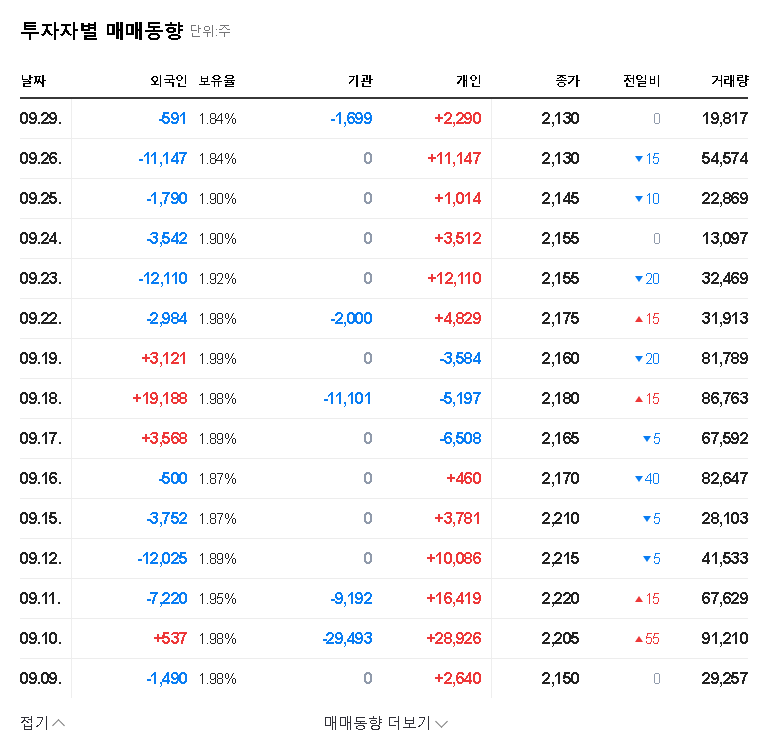
    The direct, short-term impact of this treasury stock disposal on the Iquest stock price is expected to be minimal. The volume of 11,000 shares represents a mere 0.05% of the total outstanding shares, which is too small to materially alter supply and demand dynamics in the market. However, the indirect and long-term implications are overwhelmingly positive. By aligning employee interests with shareholder value, Iquest is fostering a culture of ownership and performance that can lead to sustained innovation and improved corporate results over time. This can, in turn, positively influence the stock price in the long run.

    Investor Outlook: AI, Growth, and Prudent Strategy

    Looking ahead, the primary driver for the Iquest stock price will be its ability to execute its growth strategy, particularly in the high-potential AI sector. The company’s investments in AI infrastructure are a forward-looking move to capitalize on a market that, according to industry reports from authorities like Gartner, is poised for exponential growth. Success here could transform Iquest’s revenue streams and solidify its competitive advantage. However, investors must also weigh macroeconomic factors, such as rising interest rates which could increase financing costs, and exchange rate volatility impacting its overseas sales.

    Actionable Investor Checklist

    For those considering an investment in Iquest, a long-term perspective is crucial. It’s essential to look beyond minor news events and focus on the core fundamentals. For a deeper understanding of this approach, consider reviewing our guide to long-term investing. Focus on monitoring the following key areas:

    • Sustained Performance: Watch for continued revenue growth and margin improvement in future Iquest earnings reports.
    • AI Business Monetization: Track progress on the successful launch and profitability of its new AI ventures.
    • Financial Health Management: Monitor how the company manages its increased debt load and its path back to a more conservative debt-to-equity ratio.
    • Macroeconomic Resilience: Assess the company’s ability to navigate shifts in interest rates and currency markets.

    In conclusion, Iquest (262840) is at an exciting inflection point, backed by solid H1 2025 results and a strategic vision for AI-driven growth. While the treasury stock disposal is a positive sign of internal confidence, the company’s fundamental business performance and successful execution of its future roadmap will ultimately determine the long-term trajectory of the Iquest stock price.

    (262840) Iquest Stock Price Analysis: H1 2025 Earnings Surge & Treasury Stock Impact 관련 이미지
    (262840) Iquest Stock Price Analysis: H1 2025 Earnings Surge & Treasury Stock Impact 관련 이미지
  • (104460) DYPNF Stock Buyback Analysis (2024): A Smart Move or a Red Flag?

    (104460) DYPNF Stock Buyback Analysis (2024): A Smart Move or a Red Flag?

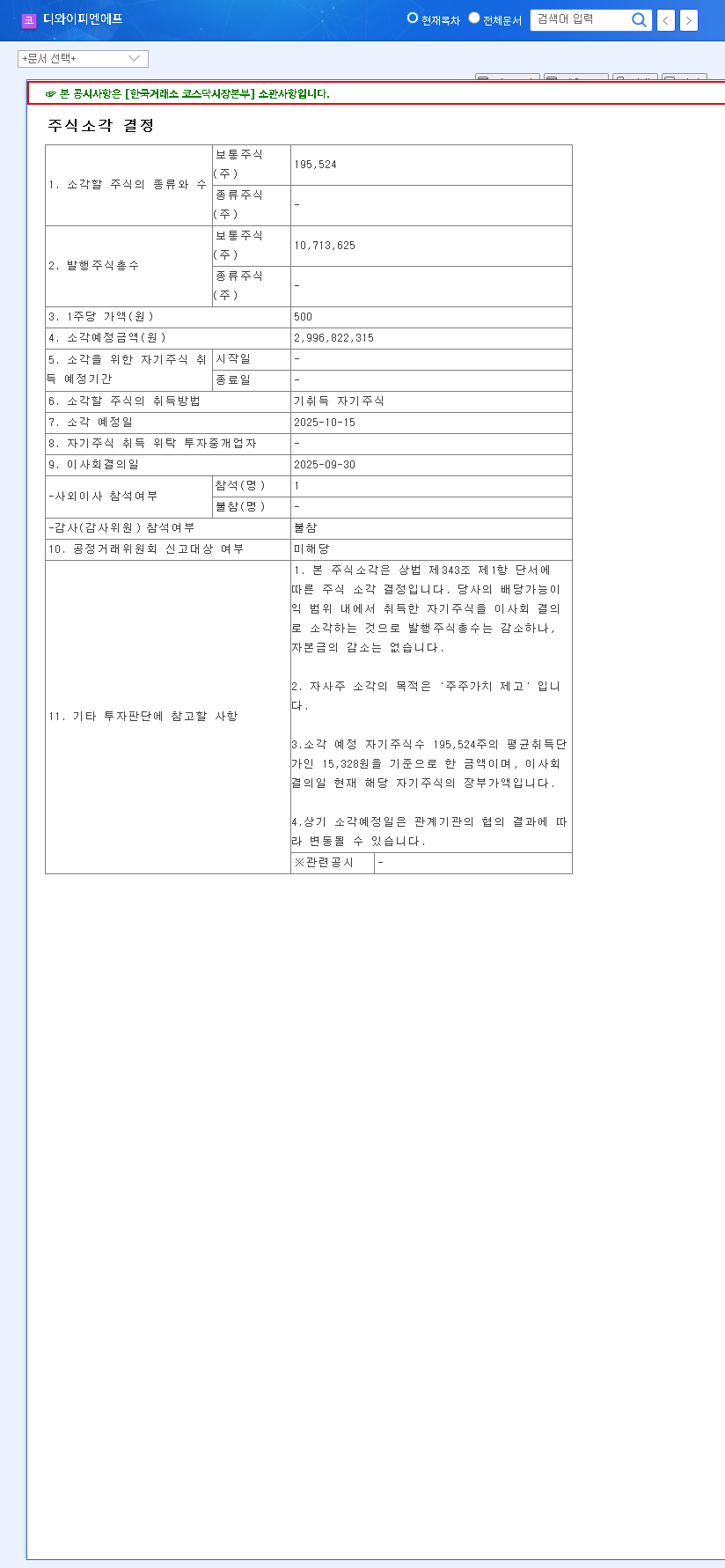
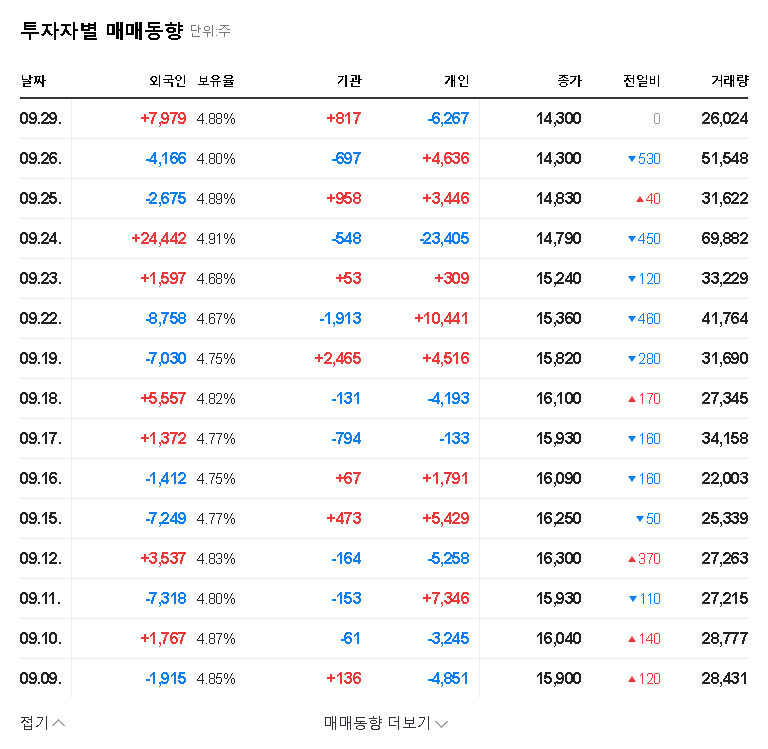
    (104460) DYPNF Stock Buyback Analysis (2024): A Smart Move or a Red Flag? 대표 차트 이미지

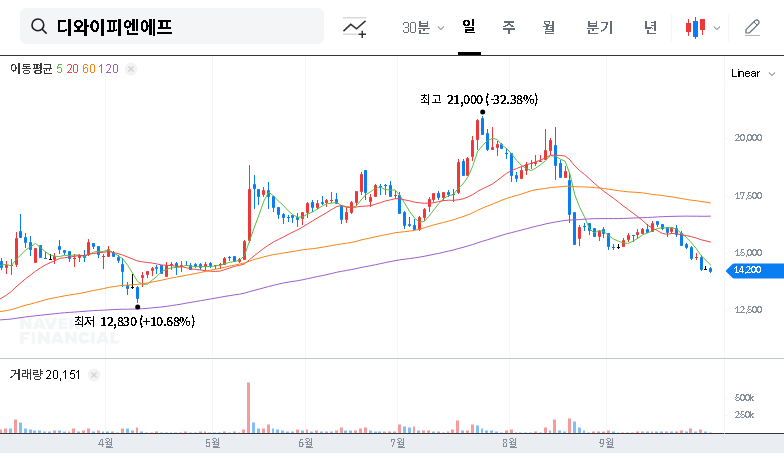
    DYPNF Co., Ltd. has captured the market’s attention with a significant announcement: a 3 billion KRW treasury stock cancellation. This move, a classic DYPNF stock buyback and cancellation strategy, is typically a bullish signal designed to enhance shareholder value. However, it comes at a time when the company is grappling with severe performance headwinds, including a major contract termination. This leaves investors at a critical crossroads: is this a genuine catalyst for long-term growth or merely a temporary boost to a struggling stock price?

    This comprehensive analysis dissects the implications of the DYPNF stock cancellation. We will delve into the company’s financial health, the stark contrast of its operational challenges, and what this strategic move means for your investment portfolio in 2024 and beyond.

    What is the DYPNF Stock Cancellation?

    DYPNF Co., Ltd. has committed to canceling 195,524 of its common shares, valued at 3 billion KRW, with the cancellation scheduled for October 15, 2025. This process involves the company using its own funds to buy back its shares from the open market and then permanently retiring them. By reducing the total number of outstanding shares (in this case, by approximately 1.96%), the value of each remaining share theoretically increases. This is a direct method of returning capital to shareholders and is often interpreted by the market as a sign of management’s confidence in the company’s future prospects and undervalued stock price.

    The Bull Case: Why This Buyback is a Positive Sign

    Enhancing Per-Share Value

    The most immediate benefit of a stock cancellation is the enhancement of key financial metrics. With fewer shares in circulation, metrics like Earnings Per Share (EPS) and Book Value Per Share (BPS) automatically increase. A higher EPS can make the stock appear more attractive to investors, potentially leading to a higher valuation over time. This is a fundamental way to increase shareholder value.

    Improving Supply and Demand

    Basic economics dictates that reducing the supply of an asset can increase its price, assuming demand remains constant or grows. By removing nearly 2% of its shares from the market, DYPNF is tightening the available supply. This can help stabilize the DYPNF stock price by absorbing selling pressure and creating a more favorable supply-demand balance for existing shareholders.

    The Bear Case: Fundamental Headwinds Persist

    A Devastating Contract Termination

    The positive news of the DYPNF stock buyback is overshadowed by a significant operational blow: the termination of a 9.019 billion KRW contract with ENTER Engineering Pte. Ltd. This setback, blamed on the global economic downturn, creates a massive hole in the company’s revenue stream and fundamentally alters its 2024 outlook.

    2024 Projections for DYPNF are grim: Revenue is expected to plummet to 316 billion KRW from 823 billion KRW in 2023. Operating profit is projected at a staggering loss of -159 billion KRW, with a net profit loss of -14 billion KRW. This represents a severe operating profit margin of -50.29%.

    No amount of financial engineering can completely mask such a dramatic decline in core business performance. The key question for the DYPNF stock price is whether the company can secure new contracts to fill this void.

    Unproven Growth Engines

    While DYPNF is making efforts to diversify into new growth sectors like secondary batteries and hydrogen, these are long-term plays. The company needs to show tangible, revenue-generating results from these ventures soon to convince investors that a sustainable turnaround is underway. Until then, they remain speculative ventures rather than reliable profit centers.

    Investment Strategy and Final Verdict

    The decision to proceed with a stock cancellation amidst poor DYPNF performance is a double-edged sword. On one hand, it’s enabled by the company’s impressively sound financial health—its debt-to-equity ratio is projected to be a very low 7.90% in 2024. This financial stability allows it to reward shareholders even in tough times.

    However, investors should be cautious. A stock buyback can put a floor under a stock price, but it cannot create a ceiling of growth if the underlying business is failing. For more details, investors can review the Official Disclosure (Source: DART). If you are new to this type of analysis, consider reading our guide to analyzing company financials for more context.

    Key Takeaways for Investors:

    • Short-Term Positive: The stock cancellation is a clear short-term positive, likely to provide some support for the stock price and reward loyal shareholders.
    • Long-Term Concern: The fundamental issue is the dramatic drop in revenue and profitability. The buyback does not solve this problem.
    • Monitor Core Business: The primary focus should be on whether DYPNF can secure new, large-scale orders to replace the lost contract.
    • Watch New Ventures: Look for concrete progress and revenue generation from the secondary battery and hydrogen initiatives.

    Recommendation: While the DYPNF stock buyback is a commendable sign of financial strength and pro-shareholder sentiment, it should be viewed as a defensive maneuver, not an offensive growth strategy. A cautious, long-term approach is advised, prioritizing fundamental business recovery over the short-term hype of the share cancellation.

    (104460) DYPNF Stock Buyback Analysis (2024): A Smart Move or a Red Flag? 관련 이미지
    (104460) DYPNF Stock Buyback Analysis (2024): A Smart Move or a Red Flag? 관련 이미지
  • (004450) Samhwa Crown (004450) Treasury Stock Disposal: A Deep Dive Analysis for Investors

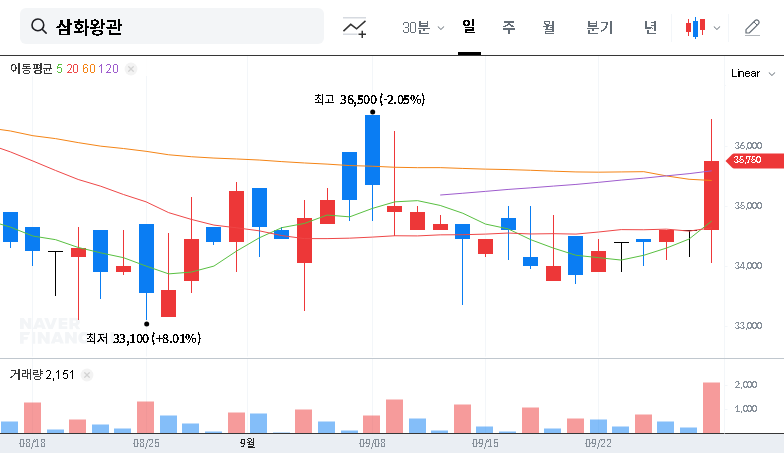
    (004450) Samhwa Crown (004450) Treasury Stock Disposal: A Deep Dive Analysis for Investors 대표 차트 이미지

    The recent announcement of the Samhwa Crown treasury stock disposal has sent ripples through the market, leaving investors to weigh the potential for strategic growth against risks of price volatility. While the company cites ‘establishing continuous business cooperative relationships’ as the core reason, a deeper look into its fundamentals and the broader economic landscape is crucial. This comprehensive Samhwa Crown stock analysis will dissect the event, examine the company’s financial health, and provide actionable strategies for those considering an 004450 investment.

    Is this a masterstroke to secure long-term growth, or a move that could introduce short-term instability? We’ll provide the insights you need to make an informed decision.

    Deconstructing the Treasury Stock Disposal

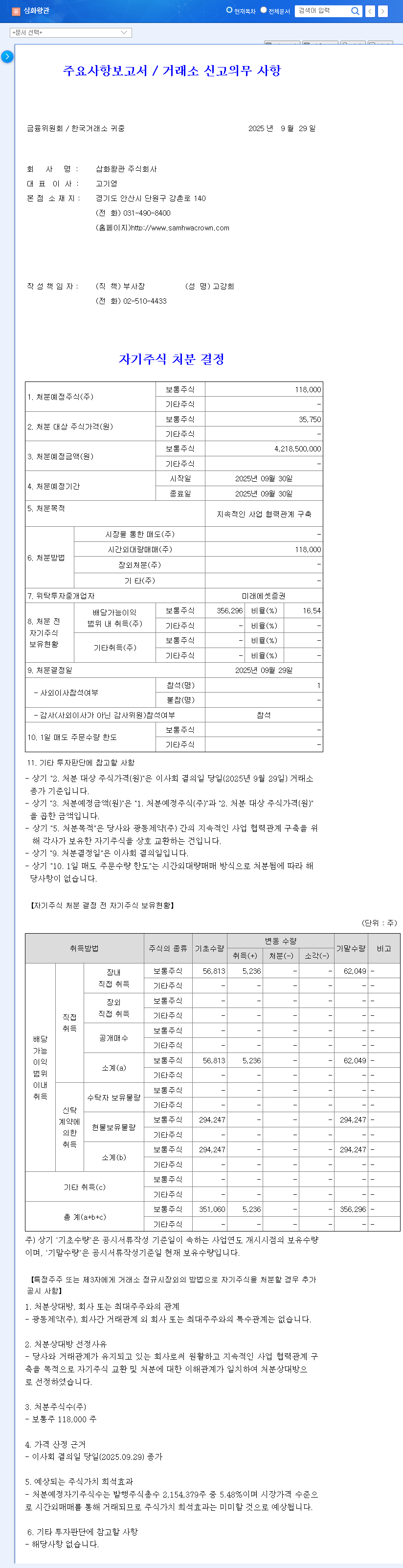
    On September 29, 2025, Samhwa Crown (ticker: 004450) officially decided to dispose of 118,000 of its treasury shares, a transaction valued at approximately 4.2 billion KRW. The stated purpose is strategic rather than purely financial: to forge and strengthen key business partnerships. This move signals a potential shift from using treasury stock for price stabilization to leveraging it for strategic expansion and synergy creation. The official regulatory filing provides the complete details of the transaction. You can view the Official Disclosure (DART) for more information. This is a critical piece of information for any in-depth Samhwa Crown stock analysis.

    Current Financial Health: A Look at Samhwa Crown’s Fundamentals

    Before evaluating the impact of the disposal, we must understand the company’s current standing. The fundamentals paint a mixed picture, presenting both challenges and opportunities.

    Core Business Performance (H1 2025)

    • Sales Downturn: The company experienced a year-on-year sales decline across both its primary divisions: the CAP division (bottle caps, ~73% of sales) and the Plastic Container division (~26.5% of sales).
    • Profitability Concerns: Operating profit saw a significant decrease, highlighting a challenge in maintaining margins and raising questions about near-term profitability.
    • Financial Soundness: On a positive note, the debt-to-equity ratio improved slightly to 79%, indicating a stable and manageable debt level. For more on this, check our guide on key financial ratios for investors.

    Macroeconomic Influences

    External factors add another layer of complexity. Falling oil prices could benefit the company by lowering raw material costs for its plastic division. Conversely, a potential domestic consumption slowdown may limit growth in the bottle cap segment. However, the plastic container division could see a significant boost from the booming K-Beauty industry, presenting a clear growth avenue.

    Stock Price Impact: The Bull vs. Bear Case

    The Samhwa Crown treasury stock disposal creates two distinct potential narratives for the company’s stock price.

    The Bull Case: A Catalyst for Growth

    The optimistic view is that this disposal is a strategic move to lock in long-term partners. If this collaboration leads to new contracts, expanded market access, or innovative synergies, it could become a powerful growth driver. This would transform the narrative from a simple financial transaction to a foundational step toward enhanced profitability and, ultimately, higher shareholder value. Success here could help the stock break out of its recent trading range.

    The Bear Case: A Burden on Fundamentals

    The pessimistic view centers on the company’s current weak fundamentals. Disposing of shares amidst declining sales and profits could be perceived negatively if the market isn’t convinced of the collaboration’s immediate benefits. This act, often a form of corporate stock buyback in reverse, increases the supply of shares in the market. Without concrete positive news from the new partnership, the increased supply could pressure the stock price downwards, especially given the uncertain global economic climate. As a highly respected source like Investopedia explains, such actions can sometimes signal a company’s need for cash, which can worry investors.

    Actionable Investment Strategy & Outlook

    Given the competing factors, a prudent investment strategy for 004450 requires careful monitoring and patience. The ultimate trajectory of Samhwa Crown’s stock hinges on whether the promise of strategic collaboration can outweigh the reality of its current financial performance.

    • Monitor Partnership News: The most crucial catalyst will be tangible news about the business collaboration. Watch for announcements of new joint ventures, supply agreements, or strategic initiatives.
    • Track Fundamental Recovery: Pay close attention to upcoming quarterly earnings reports. Look for signs of a sales recovery in the CAP division and continued growth in the plastic container segment.
    • Technical Levels to Watch: From a technical perspective, it is wise to see if the stock can hold support at the 30,000 KRW level. A confirmed breach above the resistance level around 32,000 KRW, backed by positive news, could signal a new upward trend.

    In conclusion, while the Samhwa Crown treasury stock disposal presents a compelling long-term story, the short-term path is clouded by fundamental weaknesses. Cautious optimism is warranted, but entry should be considered only after seeing concrete evidence of a business turnaround and successful partnership execution.

    (004450) Samhwa Crown (004450) Treasury Stock Disposal: A Deep Dive Analysis for Investors 관련 이미지
    (004450) Samhwa Crown (004450) Treasury Stock Disposal: A Deep Dive Analysis for Investors 관련 이미지
  • (380540) Opticore Convertible Bond Issuance: A Deep Dive for Investors on Stock Price & Share Dilution

    (380540) Opticore Convertible Bond Issuance: A Deep Dive for Investors on Stock Price & Share Dilution 대표 차트 이미지

    The recent Opticore convertible bond issuance has sent ripples through the investment community. The company announced its decision to issue KRW 9 billion in convertible bonds (CBs) to secure vital capital for future growth engines. While this move signals confidence and provides necessary funding, it also introduces the critical risk of share dilution for existing stockholders. This comprehensive analysis will explore the nuances of this financial maneuver, its potential impact on the Opticore stock price, and offer a strategic outlook for investors.

    We will dissect the issuance details, weigh the pros and cons, and provide a forecast for both short-term and long-term price direction, helping you make an informed investment decision.

    First, What Are Convertible Bonds?

    Before diving into Opticore’s specifics, it’s essential to understand the instrument at play. Convertible bonds are a hybrid security, acting initially as a standard bond that pays interest to the holder. However, they carry a unique feature: the option to convert the bond into a predetermined number of the issuing company’s common shares at a specific price. This offers investors the safety of a bond with the potential upside of a stock. Learn more about convertible bonds from a trusted financial source.

    In essence, it’s a loan to the company that can later be swapped for ownership (stock). This flexibility makes it an attractive, albeit complex, fundraising tool.

    Dissecting the Opticore Convertible Bond Issuance

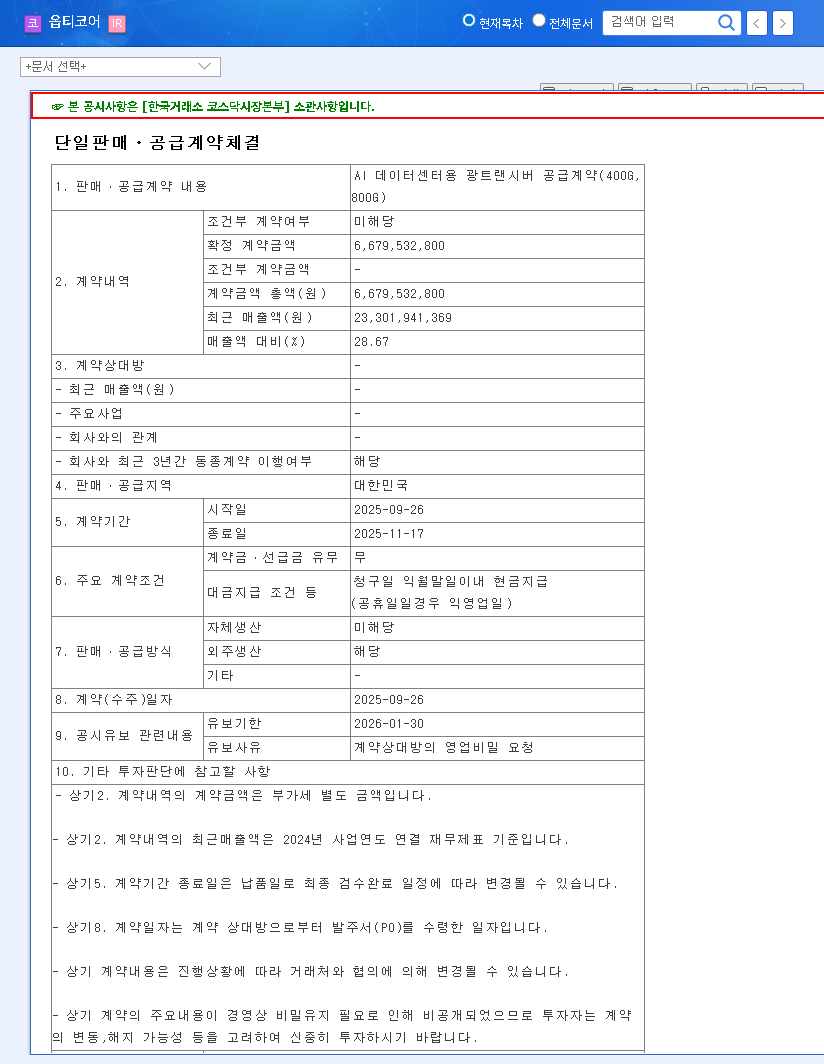
    Opticore is raising KRW 9 billion through a private placement to fund its operations and critical Research & Development (R&D) initiatives. Here are the key details from the official filing. For a complete breakdown, investors can review the Official Disclosure on the DART system.

    • Issuance Amount: KRW 9 billion
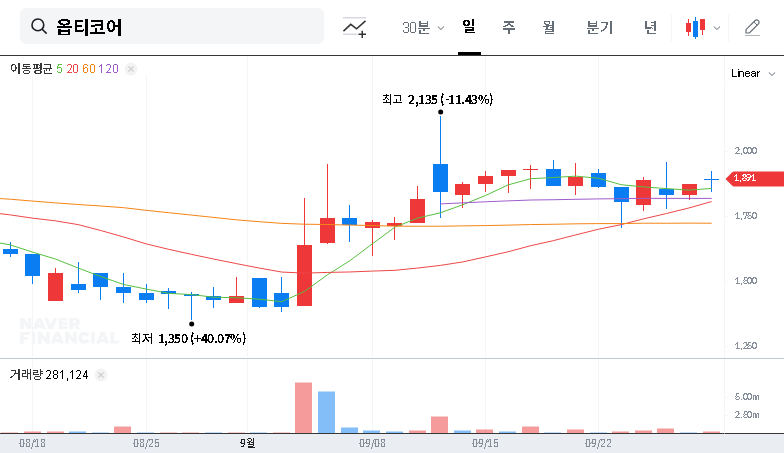
    • Conversion Price: KRW 1,847 (Slightly below the current stock price of KRW 1,891, increasing conversion likelihood)
    • Interest Rates: 2.0% coupon rate, 7.0% yield-to-maturity (YTM)
    • Conversion Period: From October 13, 2026, to September 13, 2028
    • Key Investors: A consortium of institutional investors including Baro Savings Bank, Korea Investment & Securities, and JC Asset Management.

    The Double-Edged Sword: Growth vs. Dilution

    This fundraising move presents both significant opportunities and notable risks for the company and its shareholders.

    The Upside: Fueling Future Growth in AI and 6G

    The primary positive takeaway is Opticore’s proactive stance on securing its future. Amid declining revenue in its core business, this capital injection is earmarked for R&D in high-growth sectors like Artificial Intelligence (AI) and the coming 6G era. Securing this funding, especially from reputable institutional investors, demonstrates a strong commitment to innovation and enhances short-term financial stability.

    The Downside: Understanding Share Dilution and Financial Burden

    The most significant risk is share dilution. When these bonds are converted, new shares are created. This increases the total number of outstanding shares, meaning each existing share represents a smaller percentage of the company. It’s like cutting a pizza into more slices; each slice becomes smaller. This can negatively impact metrics like Earnings Per Share (EPS), a key factor in stock valuation. To learn more, read our guide on Understanding Key Financial Metrics for Investors.

    Additionally, the bond’s interest payments add a direct financial burden, and the increased debt raises the company’s financial leverage, which could be a concern if the investments do not yield profitable returns promptly.

    Stock Price Forecast: Short-Term Pain for Long-Term Gain?

    Short-Term Outlook: Navigating Investor Sentiment

    In the short term, the market is likely to focus on the negatives. The overhang of potential share dilution can suppress investor sentiment. Traders may price in the risk of an increased share count, potentially leading to downward pressure or sideways movement in the Opticore stock price. The positive news of the funding may be overshadowed by these immediate concerns.

    Mid-to-Long-Term Outlook: The Bet on Innovation

    The long-term trajectory of Opticore’s stock will be determined by one thing: execution. The success or failure of the R&D and new business ventures funded by this KRW 9 billion will be the ultimate catalyst. If Opticore can develop and commercialize new technologies in AI and 6G, it could create substantial new revenue streams, improve fundamentals, and drive the stock price significantly higher, far outweighing the initial dilution. Conversely, if these investments fail to materialize, the company will be left with a heavier debt load and a diluted shareholder base, a recipe for poor stock performance.

    A Strategic Investment Blueprint

    Given the dual nature of the Opticore convertible bond issuance, a prudent investment strategy is required.

    • Monitor for Progress: Keep a close eye on company announcements regarding its R&D progress, partnerships, and new product timelines. Tangible results are the key to long-term value creation.
    • Assess Short-Term Volatility: Be prepared for price fluctuations in the near term. A cautious approach is warranted until the market digests the full impact of the potential dilution.
    • Evaluate the Macro Environment: Factors like interest rates and market liquidity will influence both Opticore’s financing costs and overall investor appetite for growth stocks.

    In conclusion, Opticore’s convertible bond issuance is a calculated risk. It’s a strategic pivot towards future technologies, financed in a way that presents both a challenge and an opportunity for investors. The ultimate verdict on whether this was a smart move will be written in the company’s performance over the coming years.

    (380540) Opticore Convertible Bond Issuance: A Deep Dive for Investors on Stock Price & Share Dilution 관련 이미지
    (380540) Opticore Convertible Bond Issuance: A Deep Dive for Investors on Stock Price & Share Dilution 관련 이미지
  • (112290) YC Chem BW Issuance: A Deep-Dive Stock Analysis for Investors

    (112290) YC Chem BW Issuance: A Deep-Dive Stock Analysis for Investors 대표 차트 이미지

    The recent news of the YC Chem BW issuance has sent ripples through the investment community. Young Chemical Co., Ltd.’s decision to raise 22 billion KRW through a private placement of Bonds with Warrants (BW) presents a complex scenario. Is this a strategic capital injection to fuel future growth, or is it a warning sign of underlying financial strain that could lead to significant stock dilution? This comprehensive financial analysis will dissect the issuance, evaluate YC Chem’s fundamentals, and provide a clear action plan for current and potential investors.

    All information is based on the company’s official public filing. (Source: DART Official Disclosure).

    Deconstructing the YC Chem BW Issuance

    On September 29, 2025, YC Chem finalized its decision to issue 22 billion KRW in Bonds with Warrants. A Bond with Warrants is a hybrid security that gives the holder the right to purchase a company’s stock at a specific price within a certain timeframe. Here are the critical details of this particular offering:

    • Issuance Amount: KRW 22 billion (representing 9.35% of the company’s total assets).
    • Issuance Method: Private Placement, meaning it’s offered to a select group of investors rather than the public.
    • Warrant Exercise Price: KRW 21,093 per share.
    • Coupon & Maturity Yield: 0.0%, indicating the bond itself pays no interest. The value is entirely in the warrant’s potential.
    • Exercise Period: From October 14, 2026, to September 14, 2030.

    The most glaring detail is the massive chasm between the current stock price (KRW 824) and the warrant exercise price (KRW 21,093). This disparity is the central factor driving investor concern about potential future stock dilution.

    Company Health: A Financial Analysis of YC Chem

    To understand the ‘why’ behind this fundraising, we must examine YC Chem’s operational and financial standing. The picture is one of technological promise shadowed by financial fragility.

    Competitive Strengths in Advanced Materials

    YC Chem operates at the cutting edge of the semiconductor industry, producing vital process materials for ArF, EUV, and other advanced manufacturing nodes. The company’s focus on next-generation technologies like EUV photoresists and materials for HBM (High Bandwidth Memory) is a significant positive. Its established supply chain to major domestic semiconductor giants validates its technical capabilities. However, fierce global competition remains a constant threat.

    Financial Vitals: Green Shoots Amid High Debt

    While H1 2025 revenue saw a 14.6% decline, the company achieved a crucial turnaround to profitability, posting an operating profit of KRW 2.358 billion. This suggests successful cost optimization. The primary concern is the high debt ratio, which increased to 188.9%. This level of leverage, driven by aggressive capital investments, poses a risk, especially in a high-interest-rate environment. The YC Chem BW issuance is likely a move to secure working capital without taking on more interest-bearing debt.

    Impact on Stock Price and Investor Strategy

    The decision to issue these warrants will have both immediate and long-term consequences for YC Chem’s stock price and shareholder value.

    The Specter of Stock Dilution

    Stock dilution is the primary risk here. If, in the future, YC Chem’s stock price soars past KRW 21,093, the warrant holders will exercise their right to buy shares at this much lower price. This influx of new shares would dilute the ownership stake of existing shareholders, potentially capping the stock’s upside. While immediate exercise is impossible, this long-term overhang will likely place downward pressure on the stock in the short term as the market prices in this future risk. For a detailed guide on market trends, review our comprehensive semiconductor industry report.

    Long-Term Growth vs. Short-Term Pain

    The bull case is that this KRW 22 billion is the fuel YC Chem needs. If deployed effectively into R&D and capacity expansion, it could solidify the company’s competitive position and lead to substantial revenue growth. Success would eventually drive the stock price up organically, making the dilution a manageable consequence of growth. However, the execution risk is high, and investors must be cautious.

    Investor Action Plan

    A prudent approach is required. Investors should focus on monitoring these key areas:

    • Capital Deployment: Track company announcements and financial reports to see precisely how the funds from the BW issuance are being used. Is it for value-accretive projects?
    • Industry Catalysts: Monitor the recovery of the semiconductor market. A rising tide could lift all boats, but YC Chem needs to secure new orders for its advanced materials to truly benefit.
    • Performance vs. Projections: Scrutinize the company’s track record of meeting its own business goals. This will help gauge the reliability of future promises.

    In conclusion, the YC Chem BW issuance is a double-edged sword. While it provides necessary capital, the terms introduce significant long-term dilution risk. A cautious, research-driven investment strategy is paramount.

    (112290) YC Chem BW Issuance: A Deep-Dive Stock Analysis for Investors 관련 이미지
    (112290) YC Chem BW Issuance: A Deep-Dive Stock Analysis for Investors 관련 이미지
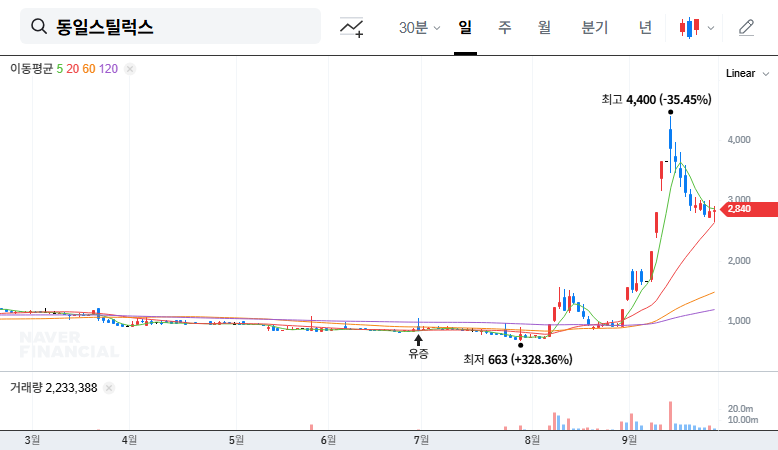
  • Dongil Steelux Designated as Investment Warning Stock: Crisis or Opportunity?


    Dongil Steelux Designated as Investment Warning Stock: Crisis or Opportunity? 대표 차트 이미지


    What Happened? Dongil Steelux Designated as Investment Warning Stock

    On September 24, 2025, Dongil Steelux was designated as an investment warning stock by the Korea Exchange. This signifies that the stock price has surged in the short term or trading volume has exceeded a certain threshold, indicating a potential market overheat.

    Why the Designation? Analyzing the Background and Causes

    The designation of Dongil Steelux as an investment warning stock is analyzed to be due to the recent expectations surrounding new business ventures (robots, MRO, etc.) and speculative buying by some investors. However, according to the company’s 2025 semi-annual report, the fundamentals, such as continuous operating losses and high debt ratio, remain weak.

    What’s Next? Future Stock Price Outlook and Investment Strategies

    In the short term, increased attention due to the investment warning designation may lead to greater stock price volatility. However, without fundamental improvements, sustained stock price increase is unlikely, and the possibility of designation as an overheated stock and trading suspension should be considered.

    • Positive aspects: Growth potential of new businesses (robots, MRO)
    • Negative aspects: Weak financial structure (high debt ratio, operating loss), uncertainty about going concern ability

    What Should Investors Do? Action Plan

    Investors should not be misled by short-term stock price fluctuations and should closely monitor the company’s fundamental improvements. It is important to continuously monitor improvements in financial structure, concrete results of new businesses, and changes in management strategies after the change of the largest shareholder, and to make prudent investment decisions.


    Frequently Asked Questions (FAQ)

    What is an investment warning stock?

    An investment warning stock refers to a stock whose price has rapidly increased or whose trading volume has surged, raising concerns about speculative trading.

    What are the sanctions for being designated as an investment warning stock?

    If the stock price continues to rise even after the designation, trading may be suspended.

    What is the future outlook for Dongil Steelux?

    The success of new businesses and improvements in the financial structure are expected to significantly impact future stock prices.


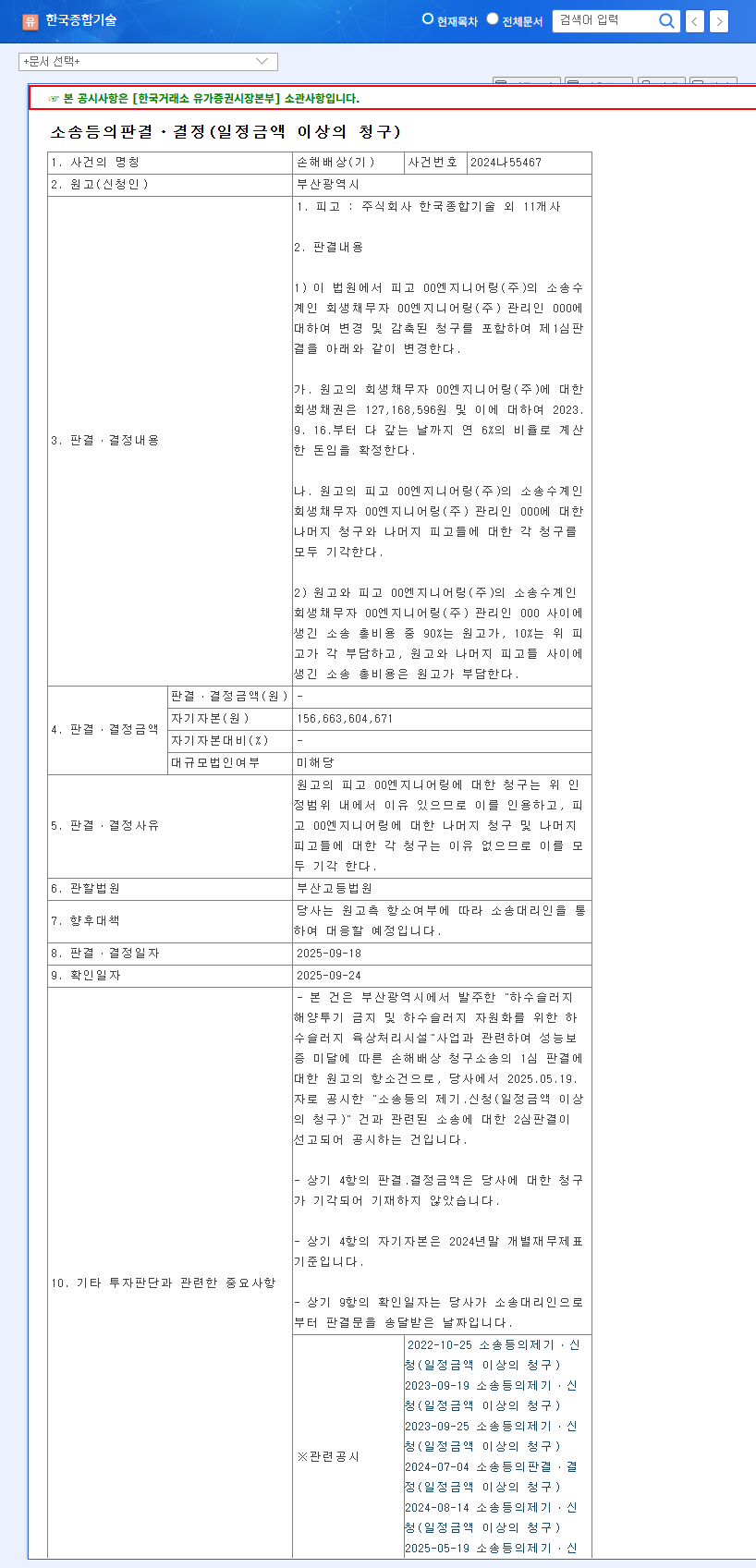
  • Korea Engineering Consultants Corp. Wins Lawsuit: Positive Implications for Investment Outlook (September 24, 2025)

    Korea Engineering Consultants Corp. Wins Lawsuit: Positive Implications for Investment Outlook (September 24, 2025) 대표 차트 이미지

    1. What Happened?

    KECC won the second trial in a lawsuit related to the ‘Prohibition of Marine Dumping of Sewage Sludge and Land Treatment Facilities for Sewage Sludge Resource Recovery’ project. The Busan High Court dismissed the claims against KECC, holding 00 Engineering Co., Ltd. partially liable for damages.

    2. Why Does it Matter?

    This victory liberates KECC from a potential financial burden. The uncertainty surrounding ‘multiple ongoing lawsuits’ mentioned in previous business reports has been resolved, and the ruling is expected to positively impact the company’s image and credibility. This is particularly significant for KECC, which has a high debt-to-equity ratio of 176.3%, providing a crucial opportunity to secure financial stability.

    3. What’s Next?

    The resolution of the lawsuit is likely to have a positive impact on the stock price. In the short term, further upward momentum can be expected, and in the long term, the company can focus on growth in its engineering design sector and expansion of new businesses based on its secured financial stability.

    • Short-term Impact: Upward momentum in stock price
    • Long-term Impact: Secured financial stability, new business expansion

    4. What Should Investors Do?

    While the lawsuit victory is a positive sign, investors should consider the market reaction, the company’s core business competitiveness, and the performance of new businesses when making investment decisions. Continuous monitoring of macroeconomic indicators is also important.

    Why is the KECC lawsuit outcome important?

    The lawsuit victory relieves KECC of a potential financial burden, secures its financial stability, and is expected to positively impact the company’s image.

    What is the outlook for KECC’s stock price?

    Upward momentum is expected in the short term, and long-term growth is anticipated based on financial stability. However, it is crucial to make investment decisions considering market conditions and the company’s performance.

    Korea Engineering Consultants Corp. Wins Lawsuit: Positive Implications for Investment Outlook (September 24, 2025) 관련 이미지