Tag: Stock Options

  • (241770) MECARO Stock Analysis 2025: A Deep Dive into Fundamentals & Investment Strategy

    (241770) MECARO Stock Analysis 2025: A Deep Dive into Fundamentals & Investment Strategy

    When MECARO.CO.,LTD. announced the disposal of treasury shares, it may have caused a ripple of curiosity among investors. However, this comprehensive MECARO stock analysis delves beyond the headlines to uncover the true value proposition of the company. We will dissect the minor stock option news, explore the company’s robust financial health, dominant market position, and chart a course for a sound MECARO investment strategy based on its powerful fundamentals and the surrounding macroeconomic environment.

    Deconstructing the Treasury Stock News: A Non-Event

    On November 13, 2025, MECARO.CO.,LTD. announced its decision to dispose of 3,000 treasury shares resulting from the exercise of stock options. While such announcements can sometimes signal significant shifts, in this case, the volume is negligible, representing a mere 0.03% of total outstanding shares. This action is best understood as a routine administrative process for employee compensation—a standard tool to incentivize and retain talent. The details of this stock option exercise were confirmed in an Official Disclosure on DART. For discerning investors, this news has minimal bearing on the company’s intrinsic value and should not trigger any short-term trading decisions.

    In-Depth MECARO Stock Analysis: The Core Strengths

    To truly evaluate a potential MECARO investment, one must look past minor events and focus on the company’s powerful underlying fundamentals, which paint a very compelling picture.

    Stellar H1 2025 Performance & Profitability

    The first half of 2025 was a landmark period for MECARO. The company not only returned to profitability but did so with explosive growth. Consolidated revenue hit KRW 44.4 billion, with an operating profit of KRW 6.7 billion. More impressively, net profit soared to KRW 7.2 billion—a staggering 15-fold increase year-over-year. This remarkable turnaround was fueled by the resurgence in the semiconductor market, strategic expansion of overseas sales, and beneficial foreign exchange rates.

    A 15-fold increase in net profit is not just a number; it’s a testament to MECARO’s operational excellence and its ability to capitalize on favorable market conditions, solidifying its strong financial footing.

    Dominant Core Business & Future Growth Engines

    MECARO’s stability is anchored by its Heater Block business, which constitutes over 98% of its total sales. The company’s dominance is undeniable, holding an estimated 90% share of the domestic market. This creates a high barrier to entry and a reliable revenue stream. However, MECARO is not resting on its laurels. The company is actively investing in future growth by:

    • Developing advanced Aluminum Nitride (AlN) ceramic components, which are critical for next-generation semiconductor manufacturing processes.
    • Expanding into the renewable energy sector with its solar cell business through MECARO Energy.
    • Strategically discontinuing non-core operations, like its valve business, to sharpen its focus and optimize resource allocation.

    Impeccable Financial Stability

    A cornerstone of the positive MECARO fundamentals is its exceptionally strong balance sheet. With a debt-to-equity ratio of just 7.03%, the company operates with virtually no financial leverage, making it highly resilient to economic downturns and rising interest rates. This financial prudence provides a solid foundation for sustainable growth and future investment.

    Macroeconomic Outlook: Tailwinds and Headwinds

    MECARO’s performance is also influenced by broader economic trends. A favorable USD/KRW exchange rate has been a significant tailwind, boosting the value of its substantial overseas sales. Furthermore, recent cuts in benchmark interest rates in both the U.S. and Korea could lower financing costs and spur investment across the broader technology sector. However, investors must remain vigilant about potential headwinds, such as volatility in international oil prices and rising logistics costs, which could exert pressure on profit margins. Understanding these dynamics is crucial for anyone looking to invest in semiconductor industry stocks.

    A Sound Investment Strategy for MECARO

    Given the comprehensive MECARO stock analysis, the treasury share disposal is a non-factor. The investment thesis rests squarely on the company’s robust fundamentals and future growth trajectory.

    • Short-Term Perspective: Investors should monitor macroeconomic data, particularly exchange rates, and look for signs of continued strength in the semiconductor industry. The stock is unlikely to experience major volatility from company-specific news alone.
    • Mid-to-Long-Term Perspective: The key catalysts for long-term growth will be the successful commercialization of its new ventures in AlN ceramics and solar energy. An investor’s focus should be on quarterly reports to confirm that the impressive H1 2025 performance is sustainable and that these new growth engines are beginning to contribute meaningfully to the top line.

    In conclusion, MECARO presents a compelling case for investors who prioritize strong fundamentals, market leadership, and prudent financial management. While external risks exist, the company’s core strengths position it well for continued success.

    Disclaimer: This report is based on publicly available information and is intended for informational purposes only. It does not constitute investment advice. All investment decisions should be made at your own discretion after careful consideration.
  • (145020) Hugel Treasury Stock Disposal: A Deep Dive Analysis for Investors

    (145020) Hugel Treasury Stock Disposal: A Deep Dive Analysis for Investors

    Corporate disclosures can often feel dense and confusing, leaving investors to wonder what they truly mean. The recent announcement regarding the Hugel treasury stock disposal is one such event. As a global leader in the booming medical aesthetics market, any financial move by Hugel, Inc. warrants a closer look. Is this a routine financial maneuver, or does it signal a deeper strategic shift? This comprehensive Hugel stock analysis will dissect the disclosure, evaluate the company’s fundamentals, and provide a clear roadmap for anyone considering a medical aesthetics investment.

    Understanding the Hugel Treasury Stock Disposal

    Before analyzing the impact, it’s crucial to understand the mechanism at play. What exactly is treasury stock, and why would a company dispose of it?

    What is a Treasury Stock Disposal?

    Treasury stock (or treasury shares) are shares of a company’s own stock that it has repurchased from the open market. These shares are held by the company itself and are not included in the count of outstanding shares, meaning they don’t have voting rights or receive dividends. A ‘disposal’ of this stock simply means the company is releasing these shares back out, but not typically onto the open market. In most cases, like Hugel’s, it is done to fulfill obligations related to employee compensation, such as stock options.

    Crucially, disposing of existing treasury stock for stock options is not dilutive. Unlike issuing new shares, it does not increase the total number of shares outstanding, thus protecting existing shareholder value.

    The Specifics of Hugel’s Announcement

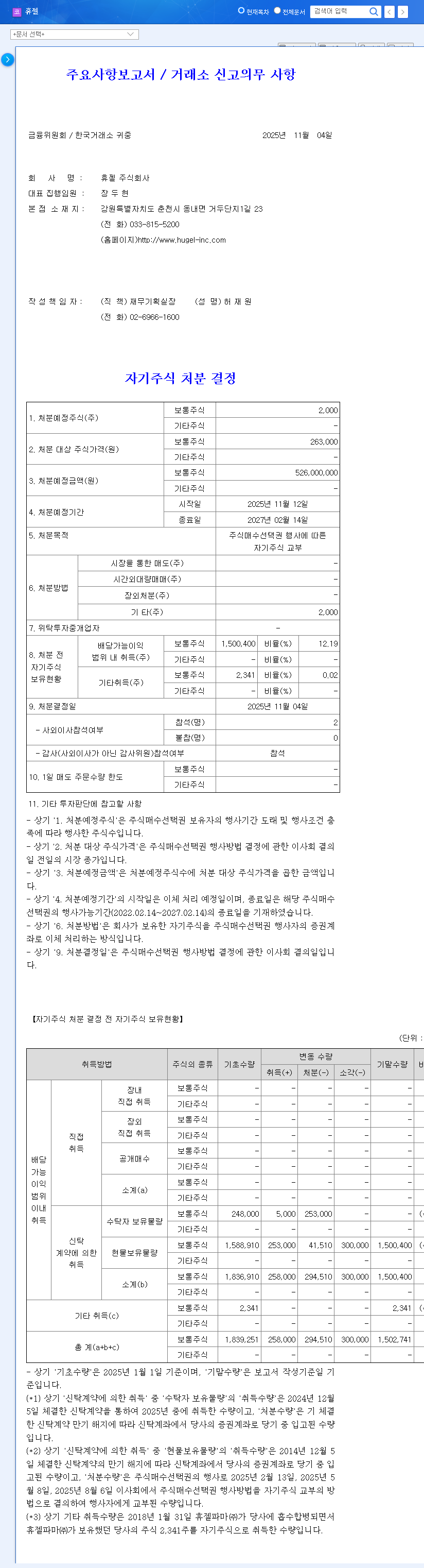
    According to the Official Disclosure (Source) filed on November 4, 2025, Hugel, Inc. decided to dispose of 2,000 common shares of its treasury stock, valued at approximately 500 million KRW. The stated purpose is explicit: to grant these shares to employees who are exercising their stock options. This is a standard and healthy corporate governance practice designed to reward and retain key talent.

    In-Depth Hugel Stock Analysis & Market Position

    The treasury stock event itself is minor. The real story for investors lies in the company’s underlying strength and growth potential. Any sound medical aesthetics investment must be based on solid fundamentals.

    A Global Leader in Aesthetics

    Hugel, Inc. is a powerhouse in the medical aesthetics field, primarily known for its botulinum toxin product, ‘Botulax’, and its line of HA fillers, ‘The Chaeum’. The company has successfully built a diversified portfolio that also includes:

    • Cosmetics (‘Wellage’): Tapping into the consumer skincare market.
    • Skin Boosters (‘Bylizn’): Catering to the demand for regenerative and non-invasive treatments.
    • Lifting Threads (‘Blue Rose’): Expanding its footprint in minimally invasive procedures.

    This diverse lineup, combined with a reputation for high quality at a competitive price point, gives Hugel a formidable edge in a rapidly expanding global anti-aging market.

    Impact on Share Price: A Measured View

    Short-Term Impact: Negligible

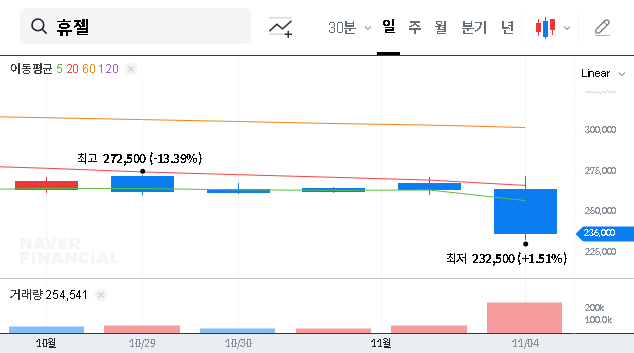
    The direct impact of this specific Hugel treasury stock disposal on the short-term share price is expected to be virtually zero. The number of shares (2,000) and their value (500 million KRW) are minuscule relative to Hugel’s total market capitalization. As a non-dilutive, routine event, it does not alter the company’s financial structure or earnings per share.

    Long-Term Impact: A Quietly Positive Signal

    From a long-term perspective, this action can be viewed as a positive indicator. The exercise of stock options signifies that employees are confident in the company’s future and are motivated to contribute to its success. Aligning employee incentives with shareholder value is a hallmark of strong corporate governance and can foster a culture of innovation and performance that drives long-term growth.

    Macroeconomic Risks for Your Medical Aesthetics Investment

    While Hugel’s fundamentals are strong, no company operates in a vacuum. Investors must monitor key macroeconomic variables. For a global company like Hugel, currency fluctuations are a primary concern.

    Exchange Rate Volatility is Key

    With a significant portion of its revenue generated overseas, Hugel is highly sensitive to shifts in the KRW/USD and KRW/EUR exchange rates. A 10% change in currency values can have a ‘significant impact on pre-tax income.’ As such, investors should track these rates closely, as a stronger Won could translate foreign sales into lower profits back home. For more on global market trends, investors often consult sources like Bloomberg’s market analysis.

    Strategic Investor Action Plan

    In conclusion, the Hugel treasury stock disposal is a non-event for the stock price. The investment thesis for Hugel remains firmly rooted in its strong business fundamentals and the growth of the global aesthetics market. A smart strategy involves focusing on the following:

    • Core Product Performance: Keep a close eye on sales growth for Botulax and The Chaeum in key international markets.
    • New Business Traction: Monitor the market penetration and profitability of newer segments like Wellage and Bylizn.
    • Currency Impact: Analyze quarterly reports for the effect of foreign exchange on profitability and assess the company’s hedging strategies.
    • Competitive Landscape: Stay informed about regulatory approvals and competitor movements within the medical aesthetics space. For a broader view, you can read our guide to investing in the biotech sector.

    Disclaimer: This article is for informational purposes only and does not constitute financial advice. The ultimate responsibility for investment decisions lies with the individual investor.

    (145020) Hugel Treasury Stock Disposal: A Deep Dive Analysis for Investors 관련 이미지
  • (094850) Very Good Tour Co.,Ltd. Stock Option Exercise: An Investor’s Deep Dive (2025 Analysis)

    (094850) Very Good Tour Co.,Ltd. Stock Option Exercise: An Investor’s Deep Dive (2025 Analysis)

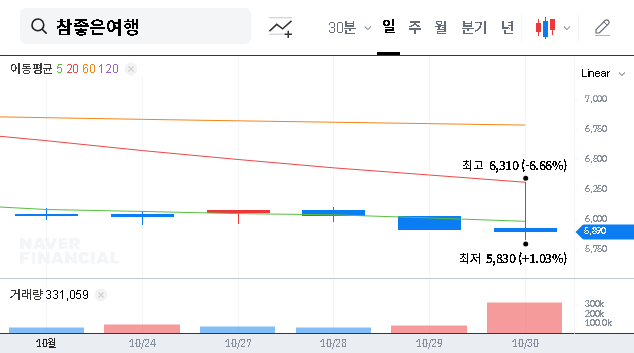
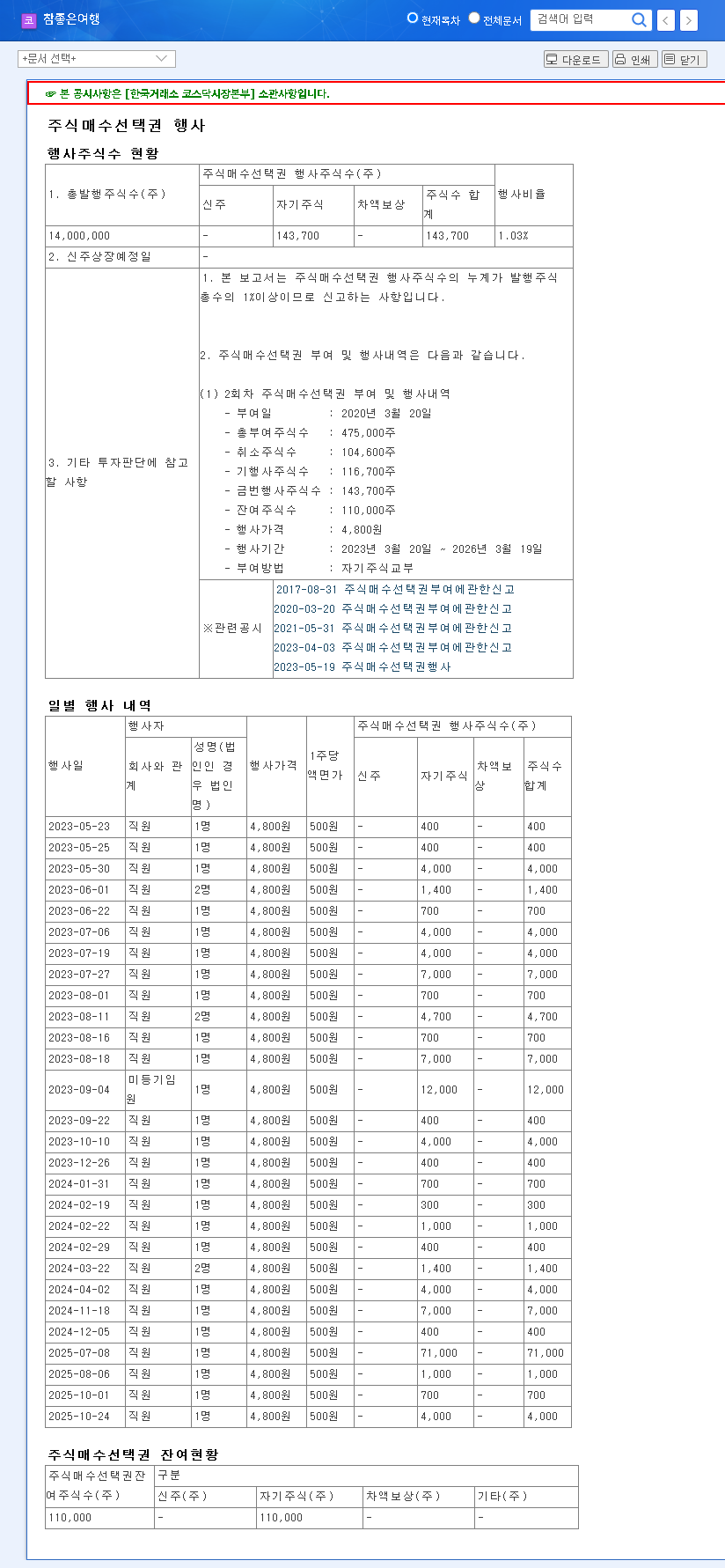
    Investors are closely watching Very Good Tour Co.,Ltd. following the recent announcement of a significant Very Good Tour Co.,Ltd. stock option exercise. On October 30, 2025, the company disclosed the exercise of 140,000 stock options, a move that has sent ripples through the investment community. This event, representing 1.03% of total outstanding shares, requires a nuanced analysis beyond the headline number.

    This comprehensive guide will dissect the implications of this development, examine the company’s robust Q2 2025 performance, and evaluate the potential risks and rewards. Our goal is to provide a clear framework for making informed investment decisions regarding Very Good Tour Co.,Ltd.’s future trajectory in the recovering global travel market.

    Analyzing the Q2 2025 Financial Health

    To understand the context of the stock option exercise, we must first assess the company’s underlying financial strength. The H1 2025 report reveals a company capitalizing on the resurgence of global travel.

    Impressive Revenue and Profitability Growth

    • Q2 Revenue Surge: The company posted revenues of KRW 43.42 billion, a solid 3.2% increase year-over-year, signaling consistent demand for its travel services.
    • Exceptional Operating Profit: More notably, operating profit soared by an incredible 77.8% to KRW 2.67 billion. This demonstrates significant operational efficiency and enhanced profitability.

    Strengthened Financial Stability

    Beyond profits, the balance sheet shows marked improvement. The debt-to-equity ratio has decreased from 78.10% to a healthier 64.62%, indicating reduced leverage. With KRW 22.02 billion in cash and cash equivalents, Very Good Tour Co.,Ltd. possesses strong short-term liquidity to navigate market fluctuations and invest in growth opportunities. For more on financial health metrics, check our guide to fundamental analysis.

    The Impact of the Very Good Tour Co.,Ltd. Stock Option Exercise

    A stock option exercise can be a double-edged sword. It’s essential to understand both the short-term pressures and the long-term potential it signals for VGT stock analysis.

    While the immediate market reaction might focus on dilution, the long-term view often reveals a vote of confidence from the management team, incentivized to drive sustainable growth.

    Short-Term Considerations: Dilution and Selling Pressure

    The most immediate concern for existing shareholders is share dilution. If the company issues new shares to cover the options, the total number of shares outstanding increases. This can dilute the ownership stake and earnings per share for current investors. You can learn more about this effect from authoritative sources like Investopedia. Additionally, if the exercise price is significantly lower than the current market price, employees may sell their newly acquired shares to realize profits, creating temporary selling pressure on the stock.

    Mid-to-Long-Term Positives: A Motivated Team

    Conversely, stock options are a powerful tool for aligning the interests of employees and executives with those of shareholders. This exercise signals that the team is motivated to push the company’s value higher. This incentive structure can foster innovation, efficiency, and a long-term focus on corporate performance, which ultimately benefits all stakeholders. The influx of capital from the exercise, though modest, also contributes positively to the company’s equity base.

    Navigating Potential Risks and Headwinds

    No investment is without risk. Beyond the stock option event, investors must monitor several key factors that could impact Very Good Tour Co.,Ltd. fundamentals.

    • Ongoing Litigation: A lawsuit related to the Hungary cruise ship accident remains a significant variable. A KRW 3.26 billion liability has been recognized, but the case is now appealed to a higher court, creating uncertainty.
    • Receivables Uncertainty: The status of receivables from TMON/WeMakePrice needs careful monitoring as it could affect cash flow.
    • Market Volatility: As a company in the travel sector, its performance is intrinsically linked to macroeconomic trends, geopolitical stability, and consumer travel sentiment.

    An Investor’s Playbook: Key Takeaways

    The Very Good Tour Co.,Ltd. stock option event should be viewed as one piece of a larger puzzle. A prudent travel stock investment strategy requires a holistic approach:

    1. Verify the Details: It is crucial to confirm the exact exercise method (new share issuance vs. treasury stock) and the strike price. This information, available in the company’s public filings, will clarify the true extent of dilution. The Official Disclosure (DART Report) provides the primary source documentation.

    2. Focus on Fundamentals: Look past short-term market noise. The company’s ability to continue its strong earnings trajectory and manage its risks effectively will be the ultimate driver of its long-term stock value.

    3. Monitor the Macro Environment: Keep a close eye on the health of the global travel industry. Continued recovery is a powerful tailwind for Very Good Tour Co.,Ltd. and its peers.

    In conclusion, while the stock option exercise introduces short-term variables, the company’s solid fundamentals and the powerful incentive for management present a compelling long-term narrative. Cautious, informed analysis is the key to navigating this event successfully.

    (094850) Very Good Tour Co.,Ltd. Stock Option Exercise: An Investor's Deep Dive (2025 Analysis) 관련 이미지
  • (160190) HIGEN RNM Treasury Stock Disposal: A 2025 Investment Analysis

    (160190) HIGEN RNM Treasury Stock Disposal: A 2025 Investment Analysis

    Investors are closely examining the recent HIGEN RNM treasury stock disposal, a significant corporate action that warrants careful analysis. On October 27, 2025, HIGEN RNM CO., LTD (160190) disclosed its plan to dispose of treasury stock. For savvy investors, understanding the nuances of such a decision is crucial. It’s not just a line item in a report; it’s a signal about the company’s strategy, confidence, and long-term vision. This article provides a comprehensive breakdown of the disposal, its implications for HIGEN RNM stock, and the key insights needed to make an informed investment decision.

    Deconstructing the Announcement: What Exactly Happened?

    To grasp the full picture, let’s start with the facts as laid out in the company’s official filing. The details provide the foundation for our entire investment analysis.

    Key Details of the Disposal

    HIGEN RNM announced its decision to dispose of 145,100 of its common shares held in treasury, valued at approximately 700 million KRW. The stated purpose is explicit: to deliver these shares to individuals exercising their stock options. This is not a sale on the open market but a fulfillment of prior contractual obligations to its employees. For complete transparency, you can review the Official Disclosure on the DART system.

    The ‘Why’ Behind the Move: A Strategy for Growth

    A treasury stock disposal linked to stock options is fundamentally a strategic human resources and capital management decision. It’s a powerful tool for aligning employee interests with those of shareholders, fostering a culture of ownership and shared success.

    When employees become owners, they think and act like owners. This decision by HIGEN RNM is less about a financial transaction and more about investing in its most critical asset: its people.

    The long-term benefits of this strategy are multi-faceted:

    • Attracting and Retaining Elite Talent: In a competitive industry, stock options are a key differentiator for securing top-tier engineers, researchers, and executives who drive innovation.
    • Fostering a Performance-Driven Culture: It creates a direct link between the company’s success and personal financial reward, powerfully motivating employees to contribute to corporate growth.
    • Ensuring Long-Term Vision: By giving employees a stake in the future, it encourages a long-term perspective over short-term gains, crucial for sustainable development and R&D breakthroughs.

    Analyzing the Impact of the HIGEN RNM Treasury Stock Disposal

    Investors’ primary concern is the effect on stock price and valuation. We can analyze the impact from both short-term and long-term perspectives.

    Short-Term Market Reaction

    The short-term impact on the HIGEN RNM stock price is expected to be minimal. The number of shares (145,100) is a very small fraction of the total outstanding shares, meaning it won’t create significant selling pressure. Unlike a secondary offering, this action doesn’t dilute existing shareholders’ ownership percentage because the shares were already issued and held by the company. The market often views such events as neutral to positive, recognizing them as standard operational procedures that boost employee morale.

    Long-Term Value and Fundamentals

    From a long-term viewpoint, this is a bullish signal. It indicates that HIGEN RNM is committed to its growth strategy by retaining key personnel who are vital for its research and development pipeline. For a technology-focused company, consistent innovation is the main driver of future earnings, and this move directly supports that. While investors should always monitor the cumulative effect of stock option exercises over many years for potential dilution, this specific treasury stock disposal is a sign of a healthy, forward-looking corporate governance policy.

    Investor’s Playbook: Key Takeaways and Action Plan

    Given this analysis, the HIGEN RNM treasury stock disposal should be viewed as a positive development for long-term investors. Here are the key actionable insights:

    • Focus on Fundamentals: Look past the headline and focus on what this action represents—a commitment to talent and innovation. Continue to monitor core fundamentals like revenue growth, R&D progress, and market expansion.
    • Monitor Future Disclosures: While this single event is minor, keep an eye on the frequency and volume of future stock option-related disposals to track the overall impact on share structure.
    • Consider the Broader Context: Correlate this corporate action with the company’s performance within its industry. For deeper insights, you can review our in-depth analysis of HIGEN RNM’s market sector and consult authoritative financial news sources for macroeconomic trends.

    In conclusion, HIGEN RNM’s decision is a standard, healthy corporate practice aimed at fueling its long-term growth engine. For investors, it reinforces the narrative of a company investing in its future, making the intrinsic value and fundamental business performance the most important metrics to watch.

  • (114810) Hansol IONES Treasury Stock Acquisition (2025): A Deep Dive for Investors

    (114810) Hansol IONES Treasury Stock Acquisition (2025): A Deep Dive for Investors

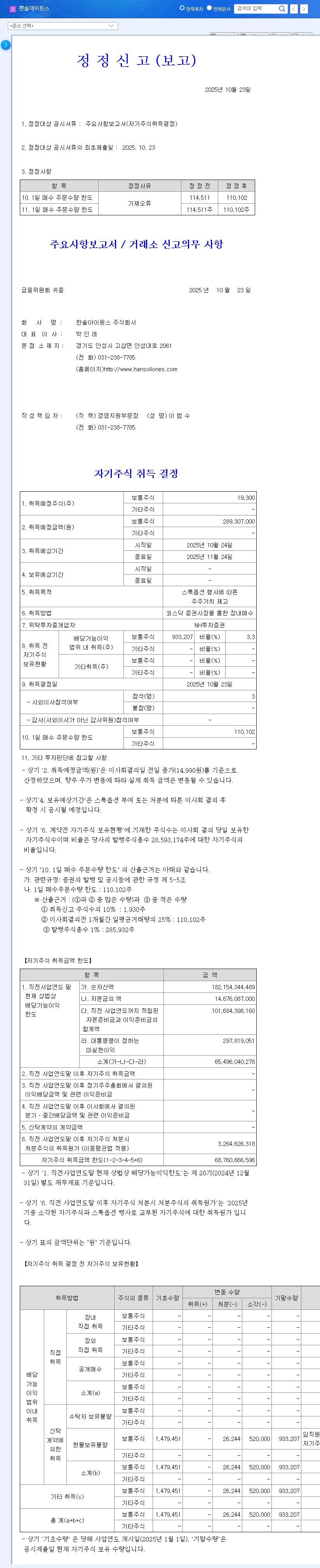
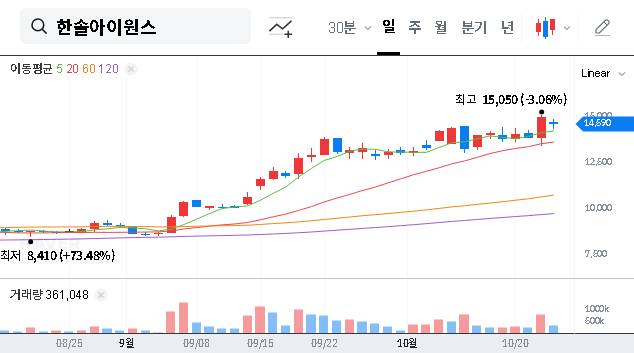
    The recent announcement of the Hansol IONES treasury stock acquisition has generated significant buzz among investors. When a company buys back its own shares, it’s often seen as a bullish signal—a sign of management’s confidence in the company’s future. However, a savvy investor knows that the devil is in the details. The scale, timing, and stated purpose of a share buyback are critical factors that determine its actual impact.

    This in-depth analysis will dissect the decision made by Hansol IONES Co., Ltd. on October 23, 2025. We’ll explore the immediate implications for its stock price, the long-term effect on shareholder value, and provide a clear action plan for current and potential investors. Is this a game-changing move or a minor footnote in the company’s financial story? Let’s find out.

    Event Overview: The Hansol IONES Share Buyback Details

    On October 23, 2025, Hansol IONES officially disclosed its plan to acquire its own common stock. The acquisition will be conducted via open market purchases on the KOSDAQ exchange. Here are the key figures from the announcement:

    • Company: Hansol IONES Co., Ltd.
    • Market Cap (as of 2025.10.23): 417.2 billion KRW
    • Shares to be Acquired: 19,300 common shares
    • Total Acquisition Amount: 300 million KRW
    • Proportion of Market Cap: A modest 0.07%
    • Source: Official DART Disclosure

    Purpose Analysis: Why is Hansol IONES Buying Back Stock?

    The company explicitly stated the reason for this move is to “enhance shareholder value due to stock option exercise.” This is a crucial piece of information. When employees exercise stock options, the company issues new shares, which increases the total number of outstanding shares. This can lead to a dilution effect, where the value of each existing share is slightly reduced.

    By purchasing its own shares from the open market, Hansol IONES aims to counteract this dilution. The acquired shares (treasury stock) are not considered outstanding, effectively reducing the share count. This can lead to a higher Earnings Per Share (EPS), which is a key metric investors use to assess a company’s profitability. The transparency in stating this purpose is a positive signal of responsible corporate governance.

    Analyzing the Impact of the Hansol IONES Treasury Stock Acquisition

    The Positive Signals for Investors

    From a high level, a share buyback program is generally positive. It demonstrates that management believes the stock is undervalued and represents a good use of company capital. Key benefits include:

    • EPS Accretion: Fewer shares outstanding can lead to a higher EPS, making the stock appear more attractive on a per-share basis.
    • Stock Price Support: The act of buying shares on the open market creates demand, which can provide a floor for the stock price during periods of market volatility.
    • Management Confidence: It signals to the market that the company’s leadership is confident in its operational outlook and financial stability.

    The Critical Limitation: Scale Matters

    Despite the positive intentions, the most significant constraint of this specific treasury stock acquisition is its size. The 300 million KRW buyback represents just 0.07% of the company’s 417.2 billion KRW market capitalization. This is a very small fraction.

    While the strategic intent behind the Hansol IONES treasury stock acquisition is sound, its 0.07% scale means its direct, short-term impact on the stock price will likely be negligible. The symbolic value outweighs the immediate financial effect.

    Because the volume of shares being purchased is minimal compared to daily trading volumes, it is unlikely to create a significant supply-demand imbalance that would drive the stock price up meaningfully in the short term. The opportunity cost is also low; 300 million KRW is unlikely to have been a make-or-break amount for a major R&D or capital expenditure project.

    Action Plan for Investors & Future Outlook

    This event should be viewed as a small, positive data point rather than a primary investment thesis. Investors should focus on the bigger picture. A prudent strategy involves a long-term perspective and monitoring these key areas:

    • Monitor for Follow-Up Actions: Will this be a one-time event, or is it the start of a larger, more sustained capital return program? Future disclosures about additional buybacks would be a much stronger bullish signal.
    • Track Company Fundamentals: Ultimately, share price is driven by business performance. Keep a close eye on Hansol IONES’s revenue growth, profit margins, and position within its industry. This is more important than any small-scale buyback. For more on this, see our guide on How to Read Financial Disclosures on DART.
    • Analyze Stock Option Trends: Since the buyback is tied to option exercises, monitor the scale and timing of these exercises. This will provide context for the effectiveness and necessity of the buyback program.

    In conclusion, while the Hansol IONES treasury stock acquisition is a welcome sign of shareholder-friendly management, its limited scale prevents it from being a major catalyst. Investors should not expect a short-term price surge but can interpret it as a reaffirmation of management’s commitment to protecting shareholder value. The core focus must remain on the company’s intrinsic value and long-term business strategy.

    Frequently Asked Questions (FAQ)

    What does this treasury stock acquisition mean?

    It signifies that Hansol IONES is using its cash to buy 300 million KRW worth of its own shares from the stock market. The stated goal is to enhance shareholder value by offsetting the potential share dilution from employees exercising their stock options.

    Is a share buyback always good for the stock price?

    Generally, it’s viewed positively as it can increase EPS and signal management confidence. However, the impact depends heavily on the scale. In this case, the buyback is only 0.07% of the company’s market cap, so its direct impact on the stock price is expected to be very limited.

    What should investors focus on instead?

    Investors should focus on the fundamentals: Hansol IONES’s core business performance, earnings growth, and the broader market environment. This small buyback is a minor detail; the company’s operational health is the primary driver of long-term value.

    (114810) Hansol IONES Treasury Stock Acquisition (2025): A Deep Dive for Investors 관련 이미지
  • (114810) Hansol IONES Share Buyback: An Investor’s Guide to Strategy & Value

    (114810) Hansol IONES Share Buyback: An Investor’s Guide to Strategy & Value

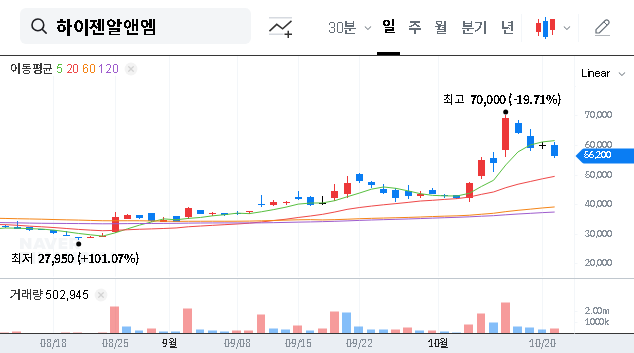
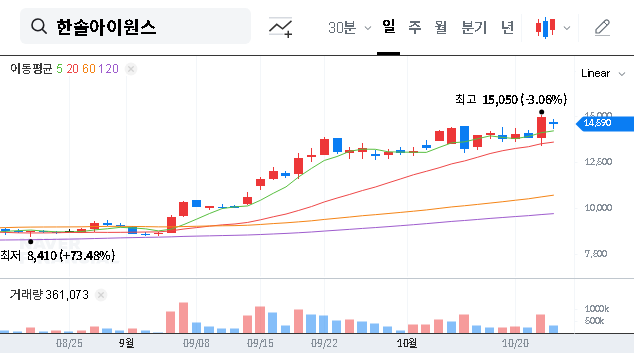
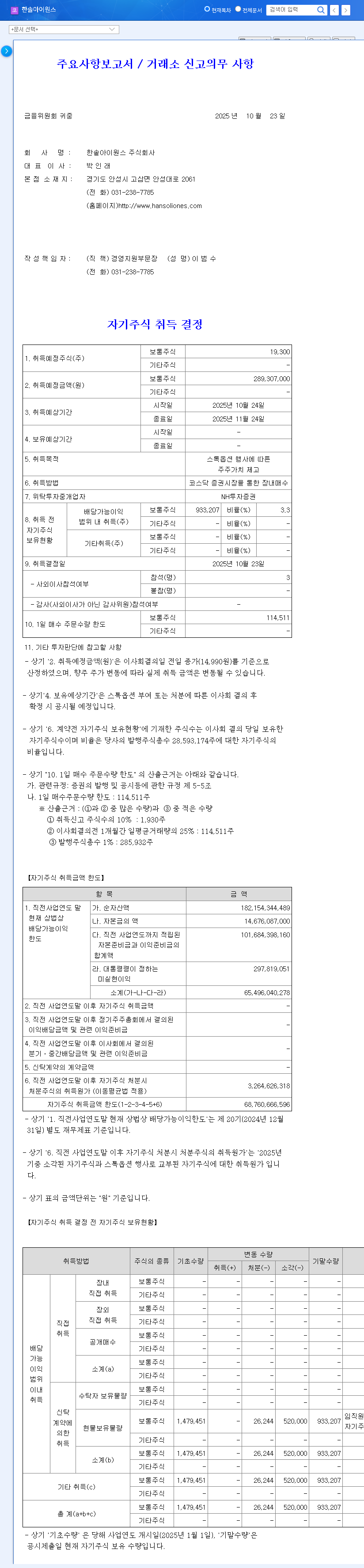
    The recent Hansol IONES share buyback announcement has captured the attention of investors. Corporate decisions to repurchase treasury shares are significant events, often signaling management’s confidence and a commitment to boosting shareholder value. On May 15, 2024, Hansol IONES Co., Ltd. (한솔아이원스) unveiled its plan, prompting crucial questions about its impact on the company’s stock price and the right investment strategy moving forward. This comprehensive analysis will break down the details, explore the potential consequences, and provide a clear playbook for investors.

    Deconstructing the Hansol IONES Share Buyback Announcement

    Hansol IONES officially disclosed its intention to acquire its own treasury shares, citing the primary goal of enhancing shareholder value in light of upcoming stock option exercises. The specifics of this corporate action, as detailed in the official disclosure, are crucial for a complete understanding.

    • Shares & Value: The company plans to acquire 19,300 common shares, representing a total value of 300 million KRW.
    • Method: The shares will be purchased on the open market via the KOSDAQ stock exchange.
    • Acquisition Period: The buyback is scheduled to run until October 23, 2025, giving the company a long window to execute the purchases.
    • Broker: The transaction will be managed by NH Investment & Securities.
    • Official Source: Investors can verify these details directly through the Official Disclosure on DART.

    Why This Buyback Matters: Purpose & Implications

    The company’s stated reason—’enhancement of shareholder value due to stock option exercise’—is key. This points directly to a strategy of mitigating stock option dilution. When employees exercise stock options, the company issues new shares, which can dilute the ownership stake of existing shareholders. By repurchasing a similar number of shares from the market, the company effectively neutralizes this dilution, protecting the value of each existing share.

    A share buyback acts as a powerful signal. It tells the market that the company’s own management believes the stock is undervalued and represents a good use of corporate capital, all while directly supporting key financial metrics.

    The Bull Case: Potential Upsides for Investors

    From an investor’s perspective, this Hansol IONES share buyback presents several positive indicators:

    • EPS Accretion: By reducing the total number of shares outstanding, the company’s Earnings Per Share (EPS) will increase, assuming profits remain constant. A higher EPS is often correlated with a higher stock price.
    • Vote of Confidence: A company spending its own cash to buy its stock is a strong declaration that the board believes its shares are currently trading below their intrinsic value.
    • Shareholder-Friendly Policy: This action demonstrates a direct commitment to returning capital to shareholders and enhancing their returns, which can attract long-term investors.

    The Bear Case: Important Considerations and Risks

    However, a prudent investment strategy requires looking at the full picture. The immediate impact may be muted by several factors:

    • Modest Scale: A 300 million KRW buyback is relatively small compared to the company’s overall market capitalization. Its direct effect on supply and demand dynamics might be limited in the short term.
    • Opportunity Cost: Could this capital have generated higher returns if invested in research and development, strategic acquisitions, or debt reduction? This is a question investors should consider.
    • Market Headwinds: A share buyback does not make a company immune to broader market trends. If the overall market or industry faces a downturn, the stock price may still fall despite the buyback program. For a deeper understanding of how these programs work, see Investopedia’s guide to share buybacks.

    Your Investment Strategy: An Actionable Guide

    While the Hansol IONES share buyback is a positive development, it should be viewed as one piece of a larger puzzle. A sound investment decision requires further due diligence.

    Investor Action Plan

    • Analyze Company Fundamentals: Look beyond the announcement. Dive into Hansol IONES’s recent financial statements. Assess revenue growth, profit margins, and debt levels. A guide on understanding corporate financial statements can be a great starting point.
    • Monitor Market Reaction: Keep a close watch on the stock’s price and volume following the announcement. Pay attention to analyst reports and news coverage to gauge institutional sentiment.
    • Adopt a Long-Term View: Avoid making rash decisions based on a single news event. The true impact of this buyback will unfold over its duration until 2025. Base your investment on the company’s long-term growth potential and intrinsic value.

    In conclusion, Hansol IONES’s decision to repurchase its own treasury shares is a clear, shareholder-friendly move. While its immediate impact on the stock price may be limited due to its scale, it provides a valuable signal about management’s confidence and commitment to preventing shareholder value dilution. For the discerning investor, this news should serve as a catalyst for deeper fundamental research, not as a standalone buy signal.

    (114810) Hansol IONES Share Buyback: An Investor's Guide to Strategy & Value 관련 이미지
  • (068270) Celltrion Treasury Stock Disposition: A 2025 Deep Dive for Investors

    (068270) Celltrion Treasury Stock Disposition: A 2025 Deep Dive for Investors

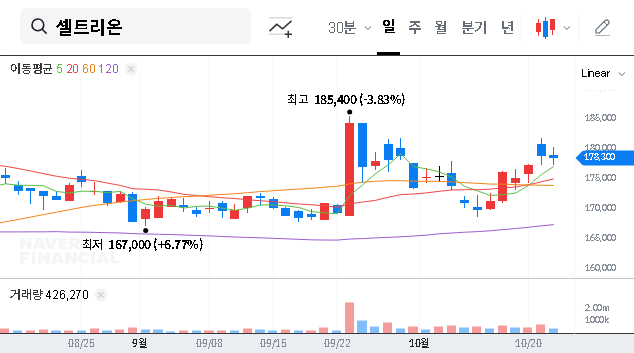
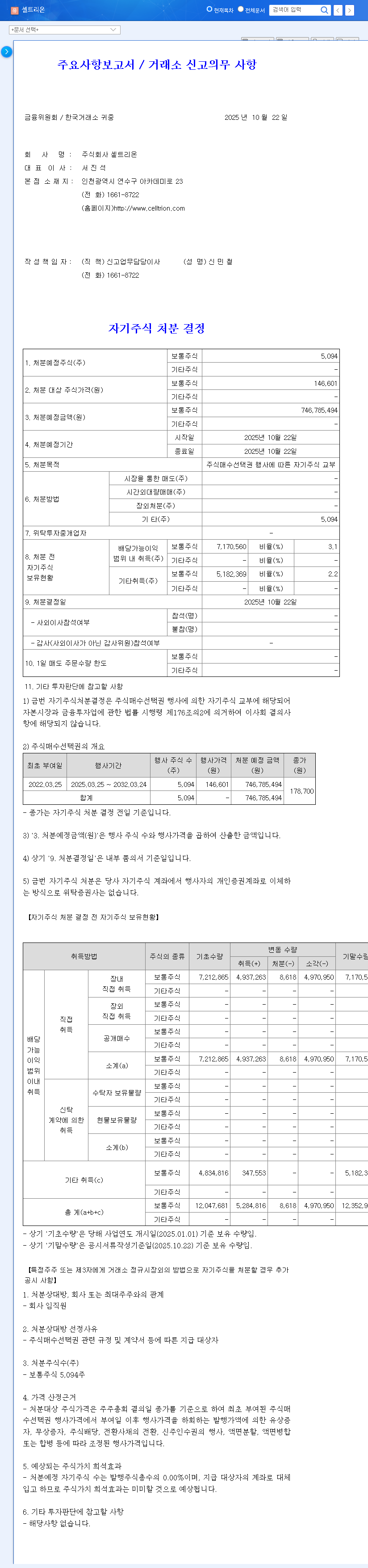
    On October 22, 2025, South Korean biotech giant Celltrion, Inc. (셀트리온) filed a disclosure regarding a planned stock action that caught the attention of the market. The announcement of a Celltrion treasury stock disposition has prompted many investors to ask a critical question: What does this mean for the company’s stock value and my investment strategy? This analysis will provide a comprehensive breakdown of the event, explaining the rationale, assessing the market impact, and offering clear, strategic guidance for current and potential shareholders.

    Instead of a cause for alarm, this event is a routine corporate action with a specific, positive purpose. We’ll delve into the details to help you look beyond the headlines and focus on the fundamental drivers of Celltrion’s long-term value.

    Deconstructing the October 2025 Announcement

    The official disclosure, filed with the Financial Supervisory Service, outlines a decision by Celltrion to dispose of a small portion of its treasury stock. Treasury stocks are shares that a company has repurchased from the open market. While they are held by the company, they don’t have voting rights and don’t pay dividends. Companies dispose of them for various reasons, from raising capital to funding acquisitions. You can view the Official Disclosure (DART Report) for the precise details.

    Key Figures from the Disclosure:

    • Shares Disposed: 5,094 common shares.
    • Approximate Value: 700 million KRW.
    • Context: This represents a minuscule fraction of Celltrion’s market capitalization of over 41 trillion KRW.

    The ‘Why’: Unpacking the Purpose of the Disposition

    The primary motivation behind this Celltrion treasury stock disposition is clearly stated: ‘to grant treasury stock for the exercise of stock options.’ This is a critical distinction. Unlike a disposition to raise emergency funds, this action is part of the company’s employee compensation and retention strategy. Stock options incentivize employees by giving them the right to purchase company shares at a predetermined price, aligning their personal success with the company’s performance. This is a common and healthy practice in innovative industries like biotechnology.

    Essentially, this move is about rewarding and motivating the talent that drives Celltrion’s growth. For long-term investors, this should be viewed as a positive signal of a healthy corporate culture focused on performance.

    Market Impact Analysis: Short-Term Ripple vs. Long-Term Wave

    Short-Term Stock Price Impact: Negligible

    The direct impact of this specific event on Celltrion’s stock price is expected to be virtually zero. The number of shares (5,094) is a drop in the ocean compared to the millions of shares traded daily and the company’s massive market cap. Because the purpose is for pre-arranged stock options, it doesn’t introduce unexpected supply to the market. Therefore, any short-term price fluctuations are highly unlikely to be related to this news.

    Long-Term Outlook: Focus on Core Fundamentals

    Prudent investors should look past this minor event and focus on the fundamental pillars that truly drive Celltrion’s long-term value. This Celltrion investor analysis should center on the bigger picture. Key areas to monitor include:

    • R&D Pipeline Progress: The success of ongoing clinical trials and the approval of new biosimilars or drugs are the lifeblood of a biotech firm. This is where real value is created.
    • Financial Health: Keep an eye on quarterly earnings reports for revenue growth, profit margins, and cash flow. You can Read Our Full Analysis of Celltrion’s Recent Earnings for more context.
    • Competitive Landscape: Celltrion operates in the highly competitive global biosimilar market. Understanding the moves of competitors and regulatory changes in key markets like the U.S. and Europe is crucial.

    Action Plan for Investors

    Rather than reacting to the news of the treasury stock disposition, your energy is better spent on a disciplined, long-term strategy. Maintain a macro perspective by continuously monitoring corporate disclosures, analyst reports, and industry news. Base your investment decisions on Celltrion’s growth potential and its ability to execute on its promising pipeline, not on administrative corporate actions like this one.

    Frequently Asked Questions (FAQ)

    Q1: Is this treasury stock disposition a bad sign for Celltrion?

    A1: No. Given its tiny scale and its purpose for employee stock options, it’s a routine and generally positive action. It signals that the company is rewarding its employees, which is vital for long-term innovation and success.

    Q2: Should I sell my Celltrion stock because of this?

    A2: Making an investment decision based solely on this minor event would be unwise. The direct impact is negligible. Your decision should be based on your overall thesis for owning a South Korean biotech stock like Celltrion, focusing on its fundamentals and long-term prospects.

    Q3: What should I be watching for instead?

    A3: Focus on substantive news: clinical trial results, new drug approvals from the FDA or EMA, quarterly financial performance, and major strategic partnerships or acquisitions.

    (068270) Celltrion Treasury Stock Disposition: A 2025 Deep Dive for Investors 관련 이미지
  • (270660) EVERYBOT Inc. Shareholding Analysis: Is 34.19% a Threat to Management Control?

    (270660) EVERYBOT Inc. Shareholding Analysis: Is 34.19% a Threat to Management Control?

    A recent update on EVERYBOT Inc. shareholding has captured the attention of the investment community. While the major shareholder’s stake saw a minor decrease, the underlying details reveal important signals about the company’s stability, executive actions, and potential future direction. For investors, understanding these nuances is critical to navigating the stock’s trajectory.

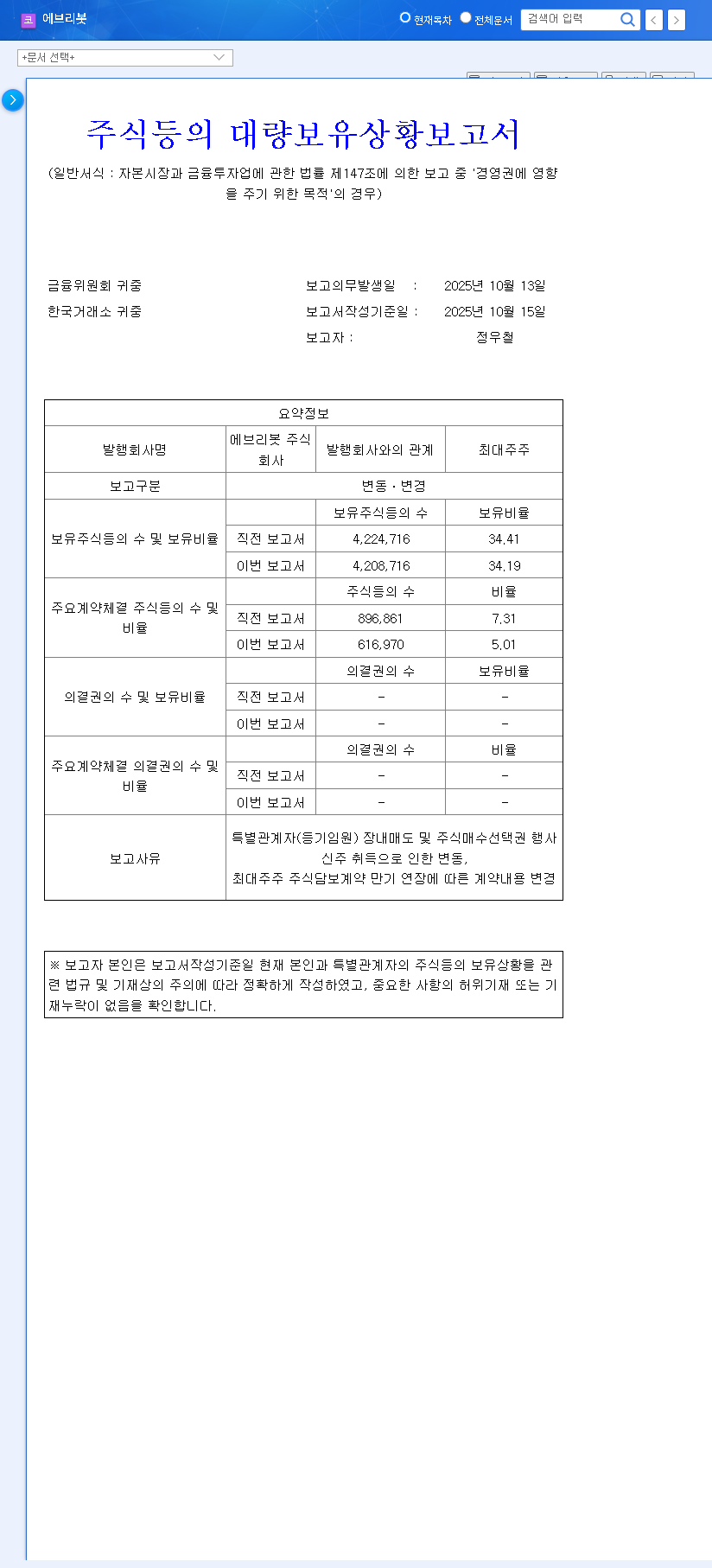
    This comprehensive investor analysis unpacks the official large shareholder report filed on October 16, 2025. We will explore the reasons behind the change, its direct impact on EVERYBOT management control, and provide a strategic outlook for current and potential shareholders. The official filing can be viewed here: Official Disclosure (Source).

    Key Details from the EVERYBOT Shareholder Report

    On October 16, 2025, with a market capitalization of KRW 260.6 billion, EVERYBOT Inc. released its mandatory Large Shareholding Status Report. The headline figures show a seemingly minor adjustment, but the story is in the details:

    • Previous Shareholding: 34.41%
    • New Shareholding: 34.19%
    • Net Change: A decrease of 0.22 percentage points.

    This change was not a single event but a combination of three distinct actions, each with its own implications.

    Analyzing the Three Core Reasons for the Shift

    To perform a thorough EVERYBOT stock analysis, we must dissect each contributing factor.

    1. On-Market Sale by a Registered Executive

    Mr. Hwang Min-soo, a special related party and executive, sold 15,999 common shares. While insider selling can sometimes be a red flag, the relatively small size of this sale suggests it’s likely for personal financial planning or liquidity rather than a loss of faith in the company. However, the market often reacts cautiously to any insider sales, making it a point to monitor.

    2. New Share Acquisition via Stock Options

    The exercise of stock options introduces new shares into the market. This is beneficial for the company as it brings in capital. However, for existing shareholders, it can lead to share dilution, where the value of each individual share decreases because the total number of shares has increased. The report lacked specifics on volume and price, making a precise calculation of the dilution effect difficult at this stage.

    3. Maturity Extension of a Stock Pledge Agreement

    The major shareholder extended a stock pledge agreement. This means shares are used as collateral for a loan. Extending the agreement suggests financial stability and the ability to meet obligations, which is a positive signal. It reinforces their long-term commitment. Yet, the specific terms (like interest rates or collateral ratios) are unknown and represent a potential risk if financial conditions were to change.

    While the headline change in the EVERYBOT Inc. shareholding is minimal, the combination of an executive sale, share dilution, and a stable pledge agreement creates a complex but cautiously optimistic picture for management control.

    Impact on Management Control and Market Sentiment

    The most critical question is whether this shift weakens the primary shareholder’s grip on the company.

    Assessing EVERYBOT Management Control

    A 34.19% stake is a formidable position. In most publicly traded companies, this is more than sufficient to maintain effective management control and direct corporate strategy. The report’s explicit statement that the holding purpose is ‘management influence’ further solidifies this intent. There is no immediate threat. However, continuous dilution or further sales by related parties could slowly erode this position, potentially opening the door to activist investors in the long run. For more context, you can read about how shareholding structures affect corporate governance on our blog.

    Short-Term vs. Long-Term Market Reaction

    In the short term, the news might create minor selling pressure due to dilution fears and the executive sale. However, the impact is expected to be muted. The long-term outlook depends more on the company’s fundamental performance—its financial health, innovation in the robotics sector, and overall market position—than on this minor shareholding adjustment.

    Investor Checklist: Your Next Steps

    Based on this large shareholder report, here are actionable recommendations for investors:

    • Focus on Fundamentals: Look beyond this report. Analyze EVERYBOT’s latest financial statements, revenue growth, and profitability. Is the core business strong?
    • Monitor Future Disclosures: Pay close attention to future filings for details on the stock option exercise price and the renewed terms of the pledge agreement. This will provide a clearer risk profile.
    • Analyze the Competitive Landscape: Understand where EVERYBOT stands in the broader consumer robotics industry. Who are its main competitors, and what are its unique advantages?
    • Watch for Insider Trends: While this one sale is minor, a pattern of continued selling by multiple insiders would be a more significant warning sign.

    In conclusion, the recent update on EVERYBOT Inc. shareholding does not signal a major disruption. Management control remains secure. For the discerning investor, this event is simply one piece of a much larger puzzle, underscoring the need for continuous, fundamentals-based research rather than a reaction to isolated news.

    (270660) EVERYBOT Inc. Shareholding Analysis: Is 34.19% a Threat to Management Control? 관련 이미지
  • (251370) YMT (251370) Treasury Stock Disposal: What Investors MUST Know

    (251370) YMT (251370) Treasury Stock Disposal: What Investors MUST Know

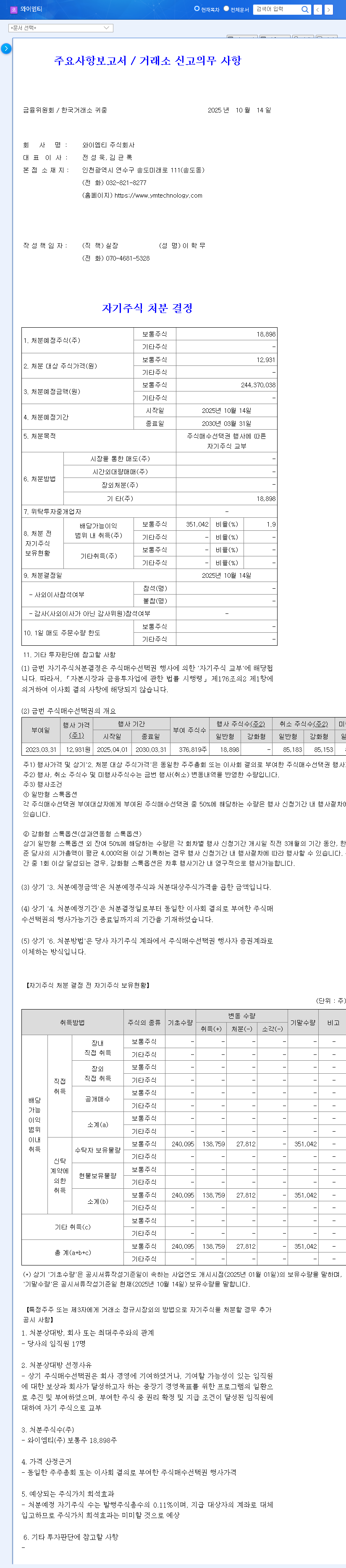
    The recent news of the YMT treasury stock disposal has caught the attention of investors. On October 14, 2025, YMT CO., LTD. (251370) announced a decision that, on the surface, might seem concerning. However, a knee-jerk reaction based on the headline alone can be misleading. To truly understand the implications for YMT’s stock price and long-term value, a deeper dive into the company’s strategy and financial health is essential.

    This comprehensive YMT stock analysis will dissect the official disclosure, clarify the real-world impact of this move, and explore the company’s broader financial landscape, including its ambitious new ventures and mounting financial obligations. Our goal is to provide you with the clarity needed to make an informed 251370 investment strategy.

    Deconstructing the Treasury Stock Disposal

    The Core Details of the Announcement

    YMT announced its decision to dispose of 18,898 treasury shares, valued at approximately 200 million KRW. You can view the complete details in the Official Disclosure (Source). It’s crucial to note that this figure represents a mere 0.11% of the total outstanding shares. The stated purpose for this action is the delivery of shares resulting from the exercise of employee stock options. This context is key: it’s not a market sale to raise capital but a pre-planned part of an employee compensation and motivation program.

    This treasury stock disposal is a routine corporate action tied to employee incentives, not a signal of financial distress. The market impact is expected to be negligible.

    Short-Term Impact: Why Investors Shouldn’t Worry

    The immediate impact on YMT’s stock price is likely to be minimal, if any. The introduction of 18,898 shares into the market is too small to create significant selling pressure. In fact, this can be viewed through a positive lens. The exercise of stock options suggests that employees are confident in the company’s future growth, aligning their personal success with that of the corporation. This boosts morale and incentivizes strong performance, which are long-term positives for any business.

    Beyond the Headline: A Look at YMT CO LTD Financials

    Since the stock disposal doesn’t alter core fundamentals, a thorough YMT stock analysis requires looking at the bigger picture. This includes recent financial performance, strategic shifts, and governance practices.

    2024 Performance: A Story of Growth and Growing Pains

    In 2024, YMT demonstrated impressive top-line growth, with revenue climbing 8% year-on-year to 137.2 billion KRW. The company achieved a significant milestone by turning its operating profit back to black at 3.59 billion KRW. However, the story isn’t entirely rosy. A net loss of 2.33 billion KRW was recorded, driven by increased non-operating expenses. This indicates that while core operations are improving, financial burdens are weighing on the bottom line.

    Strategic Investments and Financial Leverage

    YMT is not standing still. The company is actively investing in future growth engines, particularly in high-potential sectors like semiconductor package substrate chemical materials and ultra-thin copper foil. These initiatives are supported by major capital expenditures, including the Songdo R&D Center and a new factory in Zhuhai, China.

    This expansion comes at a cost. Total liabilities surged by 52.3% to 154 billion KRW by the end of 2024. Consequently, the debt-to-equity ratio rose to 78.33%. While not yet at a critical level, this increased financial leverage, fueled by borrowings and convertible bonds, is a key metric for investors to monitor closely. For more on this, you can read about how to properly analyze a company’s debt-to-equity ratio on Investopedia.

    Investor Action Plan & Final Verdict

    The YMT treasury stock disposal is a non-event for short-term traders. For long-term investors, it serves as a prompt to conduct a deeper strategic review. A prudent approach requires careful consideration of the following points.

    • Focus on New Business Traction: The ultimate success of YMT hinges on its new ventures. Investors should demand concrete results and market share gains from its semiconductor and copper foil businesses. Keep an eye on our future reports, like our upcoming deep dive into the semiconductor materials market.
    • Monitor Financial Health: While growth is exciting, it must be sustainable. Track the debt-to-equity ratio and cash flow statements in subsequent quarterly reports to ensure the company can manage its increased debt load without compromising operational stability.
    • Value Corporate Governance: YMT’s amendment to its 2024 business report to improve clarity is a positive step. Continued transparency and clear communication with shareholders are crucial for building long-term investor trust.

    In conclusion, investment decisions regarding YMT (251370) should not be swayed by the minor event of a routine treasury stock disposal. Instead, a comprehensive 251370 investment strategy must be built upon a thorough evaluation of the company’s ability to execute its growth plans, manage its financial leverage, and navigate a complex macroeconomic environment. The potential for high reward exists, but it is accompanied by tangible risks that require diligent monitoring.

    (251370) YMT (251370) Treasury Stock Disposal: What Investors MUST Know 관련 이미지
  • (241770) MECARO Self-Stock Disposal: A 2025 In-Depth Financial Analysis for Investors

    (241770) MECARO Self-Stock Disposal: A 2025 In-Depth Financial Analysis for Investors

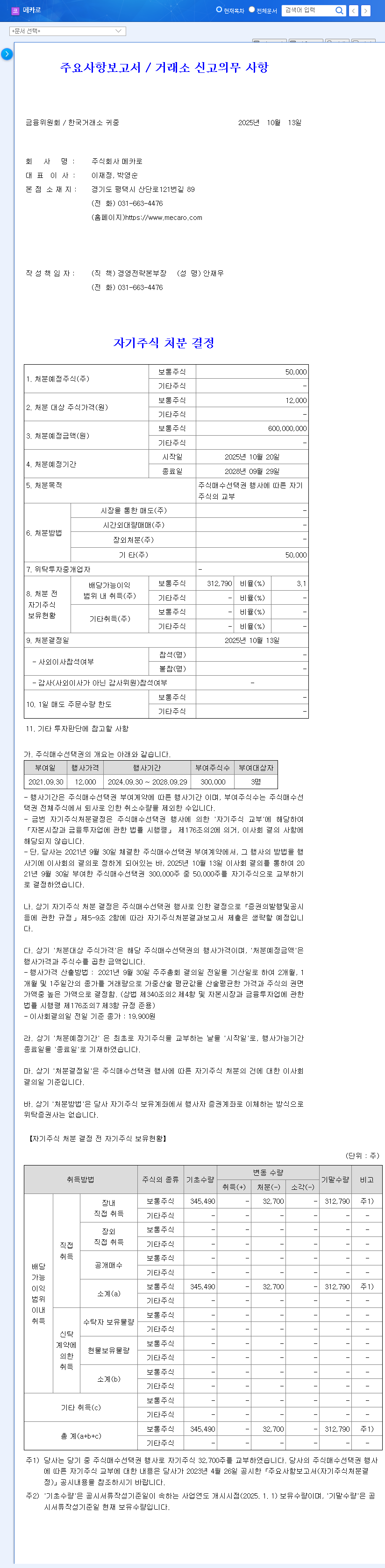
    A recent disclosure regarding a MECARO self-stock disposal has raised questions among investors. On October 13, 2025, the semiconductor equipment leader announced a plan to dispose of treasury shares linked to employee stock options. While such announcements can cause market uncertainty, a deeper look reveals a standard corporate procedure that may signal underlying strengths rather than weaknesses. This comprehensive analysis will break down the details of the disposal, evaluate MECARO’s robust financial health, and provide a clear, actionable strategy for current and potential investors looking beyond the headlines.

    This event is less about immediate stock dilution and more about MECARO’s strategy for long-term growth and employee incentivization. The key for investors is to focus on the company’s strong fundamentals.

    Deconstructing the MECARO Self-Stock Disposal Announcement

    MECARO.CO.,LTD. (메카로) formally filed a ‘Report on Major Matters (Decision on Disposal of Treasury Shares)’, a standard procedure for publicly traded companies in South Korea. The details, sourced from the official disclosure, are straightforward:

    • Event: Decision on disposal of treasury shares.
    • Purpose: Issuance of shares to employees exercising their MECARO stock options.
    • Volume: 50,000 common shares.
    • Value: Approximately 600 million KRW.
    • Market Impact: Represents just 0.49% of total issued shares.

    The primary reason for this disposal is to fulfill obligations from previously granted stock options. Stock options are a powerful tool used by companies to attract, retain, and motivate talented employees by giving them the right to buy company stock at a predetermined price. When employees exercise these options, the company often uses its own treasury shares to deliver them. This is a sign that employees are confident in the company’s future performance. For full transparency, you can view the Official Disclosure (Source) on the DART system.

    MECARO Financial Analysis: A Foundation of Strength

    The true context for the disposal of MECARO treasury shares lies within its fundamental health. A review of its H1 2025 financial report reveals a company on a powerful growth trajectory, making the 0.49% share disposal seem insignificant by comparison.

    Positive Fundamentals & Growth Drivers

    • Explosive Financial Performance: H1 revenue surged by 70% year-over-year to 44.4 billion KRW. The company achieved a significant turnaround, swinging from a loss to an operating profit of 6.7 billion KRW, with net profit skyrocketing by approximately 15 times to 7.2 billion KRW.
    • Dominant Market Position: MECARO commands an impressive 90%+ domestic market share for its heater block components, a critical part of the semiconductor manufacturing process.
    • Rock-Solid Financial Structure: With an exceptionally low debt ratio of 7.03%, MECARO operates with financial stability and resilience, minimizing risk for investors.
    • Future-Focused R&D: The company is actively investing in next-generation growth areas, including aluminum nitride (AlN) components and advanced solar cells, positioning itself for future market trends.

    Potential Risks to Monitor

    While the outlook is strong, prudent investors should remain aware of potential headwinds. These include currency exchange rate fluctuations (USD, JPY, CNY) that could impact profitability and the ever-present threat of increased competition within the dynamic semiconductor equipment investment landscape.

    Investor Strategy: Navigating the Path Forward

    Given the minimal scale of the share disposal and the company’s strong fundamentals, a long-term, fundamentals-driven approach is recommended.

    1. Focus on the Long-Term Growth Story

    The core investment thesis for MECARO should revolve around its market leadership, financial stability, and strategic investments in new technologies. The disposal of shares for MECARO stock options is a minor footnote in this larger, more compelling narrative.

    2. Monitor Key Performance Indicators (KPIs)

    Continue to track the metrics that truly matter: revenue growth, profit margins, and progress in new business segments. These indicators provide a much clearer picture of the company’s value than short-term stock movements. For broader industry context, it’s always wise to follow market analysis from authoritative sources like leading global financial news outlets.

    3. Utilize Potential Volatility

    In the unlikely event that the market overreacts to this news, any resulting short-term dip in the stock price could present a strategic buying opportunity for investors with a long-term horizon. Keep an eye on our analysis of related semiconductor stocks for comparative insights.

    Conclusion: A Positive Signal in Disguise

    In summary, the MECARO self-stock disposal is a routine corporate action with negligible direct impact on the company’s valuation or long-term prospects. Instead of a red flag, it should be viewed as a neutral-to-positive event, reflecting employee confidence and a healthy incentive structure. The real story remains MECARO’s exceptional financial performance and strategic market position, which should be the primary focus for any serious investor.

    (241770) MECARO Self-Stock Disposal: A 2025 In-Depth Financial Analysis for Investors 관련 이미지