Tag: Stock Market

  • (425420) TFE Co., Ltd. Q3 2025 IR: A Deep-Dive Stock Analysis for Investors

    (425420) TFE Co., Ltd. Q3 2025 IR: A Deep-Dive Stock Analysis for Investors

    The upcoming TFE Co., Ltd. Q3 2025 IR is a pivotal event for investors navigating the dynamic semiconductor industry. As a key player with unique technological capabilities, TFE Co., Ltd. (KRX: 425420) is poised at the intersection of market recovery and next-generation tech demands. This conference is more than a simple earnings report; it’s a critical window into the company’s future growth trajectory, financial health, and overall investment appeal.

    In this comprehensive analysis, we will provide a detailed preview of the key IR topics, dissect TFE’s fundamental strengths, evaluate potential market impacts, and present an actionable strategy for making informed investment decisions. Join us as we explore the strategic positioning of TFE Co., Ltd. and its outlook for sustained growth.

    Event Snapshot: The TFE Co., Ltd. Q3 2025 Investor Conference

    TFE Co., Ltd. has officially scheduled its Investor Relations (IR) conference to discuss third-quarter performance. The event is set for November 18, 2025, at 09:00 AM KST. The primary objective is to enhance investor understanding by presenting a thorough review of the Q3 2025 management performance, followed by an interactive Q&A session. This forum provides direct access to management’s perspective on both recent achievements and future strategies. The official disclosure for this event can be viewed here: Official Disclosure.

    Fundamental Analysis: Why TFE Stands Out

    TFE Co., Ltd. has carved a unique niche as a total solution provider for essential semiconductor testing components. The company designs, develops, and sells Change Over Kits (COK), Test Boards, and Test Sockets. Crucially, it is the only domestic company in Korea capable of supplying all three core components, giving it a significant competitive advantage and a diversified client base across memory and system semiconductor markets.

    TFE’s ability to offer an integrated ‘total solution’ for the semiconductor test process is a key differentiator, reducing supply chain complexity for its clients and creating a strong economic moat.

    Key Business & Financial Highlights (Q3 2025 YTD)

    • Robust Revenue Growth: Cumulative revenue reached KRW 74,293 million, a noteworthy increase year-on-year. This growth is propelled by the broader semiconductor market recovery and, more specifically, by surging demand in high-performance memory (like HBM) and Advanced Package testing, driven by the AI revolution. The export ratio has also climbed to 27.5%, indicating successful global market penetration.
    • Sound Financial Structure: The company boasts a stable balance sheet with assets of KRW 148,211 million against liabilities of KRW 59,168 million. While the recent issuance of convertible bonds increased liabilities, it simultaneously bolstered the company’s capital, providing essential resources for future R&D and capacity expansion projects.
    • Commitment to Innovation: TFE maintains an impressive R&D investment ratio of 8.27% of sales. This capital is funneled into developing next-generation solutions for high-performance memory (DDR5, LPDDR6, GDDR7) and complex Advanced Packages, ensuring the company remains at the forefront of technological advancement.
    • Strategic Market Alignment: The company is perfectly aligned with macro trends. As AI, autonomous vehicles, and IoT devices demand more powerful and efficient chips, the need for sophisticated semiconductor test solutions escalates. TFE is directly capitalizing on this secular growth trend.

    Investment Impact: What to Expect from the IR Event

    The TFE Co., Ltd. Q3 2025 IR is expected to be a significant market catalyst. Investor sentiment and the company’s stock price could see short-term volatility based on the details revealed. Here are the potential scenarios:

    Potential Positive Catalysts

    If Q3 results outperform market consensus or if management announces major new client acquisitions or technological breakthroughs in the Advanced Package segment, it could trigger a strong upward movement in the stock price. A confident and clear roadmap from the leadership team regarding future growth and risk management will also bolster investor trust.

    Potential Negative Factors

    Conversely, if earnings fall short of expectations or if guidance for Q4 is conservative, it could lead to a temporary downturn. Inadequate answers regarding the management of exchange rate risks (USD/JPY fluctuations) or competitive pressures could also dampen investor enthusiasm.

    Investor Action Plan: Key Watch Points for the TFE IR

    To make a well-informed decision, investors should focus on the following key areas during the conference call. Consider reviewing broader semiconductor market trends from an authoritative source like Bloomberg Technology for context.

    • Detailed Earnings Breakdown: Look beyond the headline numbers. Analyze revenue and profit margins by segment.
    • Forward-Looking Guidance: Pay close attention to the outlook for Q4 2025 and the preliminary forecast for 2026.
    • Growth Segment Progress: Seek specific updates on high-performance memory and Advanced Package projects.
    • Risk Mitigation Plans: How is the company addressing currency volatility and competition?
    • R&D Roadmap: What are the next major technological milestones and commercialization timelines?

    Overall Investment Outlook: Cautiously Optimistic. TFE Co., Ltd. is a technologically robust company in a high-growth sector. Its consistent R&D spending and unique market position provide a solid foundation for future success. This IR is a crucial opportunity for the company to validate its growth narrative. A long-term investment perspective, based on a thorough analysis of the IR announcements, is the recommended approach for any TFE stock analysis.

    (425420) TFE Co., Ltd. Q3 2025 IR: A Deep-Dive Stock Analysis for Investors 관련 이미지
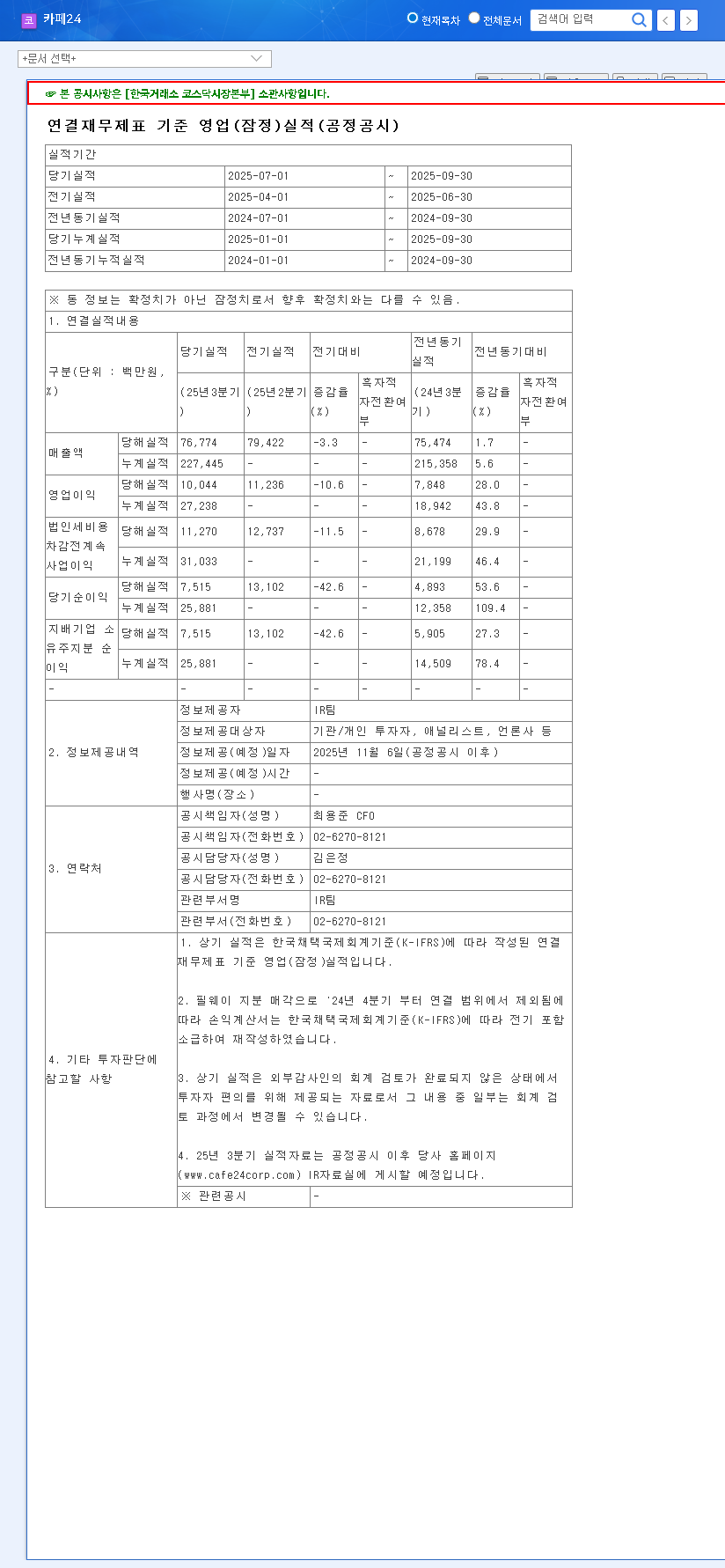
  • (042000) Cafe24 Corp. Share Acquisition: A 2025 Deep Dive on Stock Impact & Management Stability

    (042000) Cafe24 Corp. Share Acquisition: A 2025 Deep Dive on Stock Impact & Management Stability

    A recent Cafe24 Corp. share acquisition by a special related party has sent subtle but important signals through the market. While the transaction size is minor, the stated purpose of ‘influencing management rights’ warrants a closer look. What does this maneuver signify for Cafe24’s management stability, its future strategy, and ultimately, its stock price? This deep-dive analysis unpacks the event, examines the company’s Q3 2025 fundamentals, and provides a clear outlook for investors.

    The Event: A Closer Look at the Share Acquisition

    On November 13, 2025, a public disclosure revealed that a special related party linked to Woo Chang-kyun acquired shares of Cafe24 Corp. on the open market. The key detail in this filing, which can be viewed in the Official Disclosure (DART), was the explicitly stated purpose: ‘influencing management rights’.

    Though the net change in the party’s ownership stake was negligible (shifting from 23.31% to 23.30% due to other executive changes), the open market purchase of 100 shares by related party Choi Yong-jun under this banner is the noteworthy action. In corporate governance, such a declaration, regardless of share volume, is a deliberate message to the market about the leadership’s commitment and strategic intentions.

    Even a minor share purchase becomes significant when it’s publicly declared as a move to bolster management influence. It’s less about the numbers and more about signaling unwavering confidence in the company’s long-term vision.

    Analysis of Cafe24’s Q3 2025 Fundamentals

    To understand the context of this move, a thorough Cafe24 stock analysis requires looking at its core business health. The Q3 2025 quarterly report paints a picture of a company with a solid foundation, albeit with external market risks to monitor.

    Core Strengths and Opportunities

    • Dominant E-Commerce Platform: The EC platform business is the powerhouse, accounting for 88.7% of operating revenue. This highlights successful market penetration and a robust, scalable solution for online merchants.
    • Future-Focused R&D: Significant and sustained investment in AI and big data technologies is not just an expense but a crucial strategy to build a competitive moat and secure future growth engines.
    • Solid Financial Health: A low debt-to-equity ratio and substantial cash reserves provide resilience against economic shocks and the flexibility to pursue strategic acquisitions or further investment.
    • Global Market Expansion: Active strategies for global growth are key to diversifying revenue streams and capturing a larger piece of the global e-commerce market, which continues to show strong growth according to industry reports from sources like eMarketer.

    Potential Headwinds and Risk Factors

    • Macroeconomic Volatility: Fluctuations in the USD/KRW and EUR/KRW exchange rates can impact overseas earnings, while rising interest rates could slightly increase borrowing costs.
    • Intense Competition: The e-commerce space is highly competitive. Continuous innovation is necessary to stay ahead of rivals and maintain market share.
    • One-Off Financial Events: Any business disposals or discontinuations could lead to temporary, one-off costs that may affect a single quarter’s financial statements.

    Implications for Investors: Reading Between the Lines

    The Cafe24 Corp. share acquisition, while small, has several implications for both short-term stock price and long-term company value.

    1. A Vote for Management Stability: This action serves as a public reaffirmation of the management team’s belief in their own strategy and the company’s long-term growth trajectory. For investors, this signals a stable and committed leadership, reducing governance risk.

    2. Potential Short-Term Stock Impact: Insider buying, even on a small scale, is often seen as a bullish indicator. It can create positive sentiment and short-term upward pressure on the stock price by signaling to the market that those with the most information believe the stock is undervalued.

    3. Long-Term Value Creation: Ultimately, the long-term impact will be dictated by fundamentals. If Cafe24 continues to execute on its growth strategies, this event will be viewed in hindsight as an early indicator of leadership’s confidence that fueled a period of sustained value creation.

    Investor Action Plan & Final Outlook

    Given the strong fundamentals of its core EC platform and the positive signal from management, the outlook for Cafe24 Corp. is cautiously optimistic. This share acquisition reinforces the investment thesis rather than changes it. It suggests that leadership is aligned with shareholder interests in pursuing long-term growth.

    Investors should interpret this event as a positive but minor data point within a larger picture. Prudent due diligence is still paramount. Key areas to monitor include:

    • Quarterly Earnings Performance: Track revenue growth, profit margins, and updates on the global expansion strategy.
    • Competitive Landscape: Watch for strategic moves by competitors and Cafe24’s response to maintain its market position. For more context, see our guide to investing in Korean tech stocks.
    • Macroeconomic Indicators: Keep an eye on exchange rates and interest rate policies that could impact profitability.

    In conclusion, this insider activity adds a layer of confidence to the existing positive fundamentals of Cafe24 Corp., making it a compelling company to watch in the dynamic e-commerce sector.

    (042000) Cafe24 Corp. Share Acquisition: A 2025 Deep Dive on Stock Impact & Management Stability 관련 이미지
  • (102280) SBW Delisting Confirmed: The Final Investor Action Plan for Ssangbangwool Stock

    (102280) SBW Delisting Confirmed: The Final Investor Action Plan for Ssangbangwool Stock

    The final chapter for Ssangbangwool (SBW, 102280) on the public market is closing. The recent court decision has officially confirmed the SBW delisting, creating an urgent and high-stakes situation for all current shareholders. This is no longer a distant threat; it is an immediate reality that could result in the total loss of investment capital if not addressed with a clear and decisive strategy. This in-depth analysis breaks down the final verdict, the underlying causes, and provides a critical action plan for investors navigating this financial storm.

    The Final Verdict: Liquidation Trading Begins

    On November 12, 2025, the court delivered a critical blow by denying SBW’s request for an injunction to halt the delisting process. This ruling effectively sealed the company’s fate. As a direct consequence, the Korea Exchange announced that a final period of liquidation trading for SBW shares will take place from November 19, 2025, to November 27, 2025. After this brief window, trading will be permanently halted, rendering the shares illiquid and effectively worthless on the public market. For more details on the official proceedings, you can review the Official Disclosure.

    Unraveling the Downfall: Why is Ssangbangwool Being Delisted?

    A company’s delisting is rarely a sudden event. In SBW’s case, it’s the culmination of severe, long-standing issues that have systematically eroded investor trust and destroyed the company’s financial foundation. The primary reasons for the Ssangbangwool delisting can be traced back to three core areas of failure.

    A Crisis of Integrity: Embezzlement and Breach of Trust

    The most significant catalyst was the alleged embezzlement and breach of trust by former executives, amounting to over 13.4 billion KRW. Such massive internal corruption strikes at the very heart of a publicly-traded company’s credibility. It signals a complete breakdown in corporate governance and transparency, making it impossible for exchanges and investors to trust the company’s management and financial reporting.

    The Bleeding Balance Sheet: Critical Financial Instability

    The company’s financial health has been in a state of terminal decline. With consolidated deficits soaring past 173.2 billion KRW, SBW was suffering from severe capital impairment. Continuous operating losses and declining sales painted a picture of a business unable to sustain itself. This financial distress, exacerbated by the potential liabilities from the ongoing legal battles, left the company fundamentally nonviable in the eyes of regulators.

    A Pattern of Deception: History of Dishonest Disclosures

    Trust is the currency of the stock market. SBW’s history of being designated as a ‘dishonest disclosure corporation’ further damaged its reputation. Issues surrounding supply contract disclosures demonstrated a lack of transparency, making it impossible for investors to make informed decisions based on reliable information. This pattern of behavior is a major red flag that stock exchanges take extremely seriously.

    The confirmed delisting signifies a final vote of no confidence from the market. For shareholders, this means the value of their SBW stock will almost certainly converge to zero, leading to irreversible capital losses.

    Your Urgent Investor Action Plan

    Given the finality of the SBW delisting, immediate and pragmatic action is required. Hope is not a strategy. Investors must consider the following steps to mitigate further damage. For a broader understanding of this process, you can read more about what delisting means for shareholders on high-authority financial sites.

    • Absolutely No New Investments: Under no circumstances should you invest new money into SBW. The delisting is confirmed, and any additional capital invested is highly likely to be lost completely.
    • Utilize the Liquidation Trading Window: For current shareholders, the period from Nov. 19 to Nov. 27 is the last chance to exit your position. We strongly advise selling your holdings to salvage any remaining value, however small. Be prepared for extremely low prices and high volatility.
    • Abandon ‘Wait and See’ Approaches: Holding on in the hope of a miraculous turnaround is unrealistic. Once delisted, shares become untradable on public exchanges, and recovering any investment becomes nearly impossible.
    • Consult a Financial Advisor: If your holdings are significant, consult with a professional financial advisor to discuss potential tax implications and strategies for managing investment losses within your portfolio.

    In conclusion, the court’s decision has removed all uncertainty: the SBW delisting is happening. The priority for every investor must now shift from potential gains to immediate loss mitigation. The liquidation trading period is the final opportunity to act before the window closes for good.

  • (066790) CCS 066790 Management Dispute: In-Depth Analysis of Delisting Risk & Financial Crisis

    (066790) CCS 066790 Management Dispute: In-Depth Analysis of Delisting Risk & Financial Crisis

    The ongoing CCS 066790 management dispute has taken a critical turn, placing investors on high alert. A recent public disclosure reveals a shareholder has initiated legal action to compel access to the company’s books, a move that signals deepening distrust and intensifies the already severe turmoil surrounding Korea Cable T.V Chung-Buk System Co., Ltd. (CCS, 066790). This development is not merely a legal footnote; it is a significant catalyst that could accelerate the company’s path toward a potential delisting, compounding its grave financial and operational challenges.

    For any stakeholder, understanding the implications of this shareholder lawsuit is paramount. This article provides a comprehensive CCS 066790 financial analysis, dissecting the latest disclosure, its impact on the company’s fundamentals, and the escalating CCS delisting risk.

    Decoding the Shareholder Lawsuit: A Public Vote of No Confidence

    On November 12, 2025, CCS disclosed a filing titled “Application for Indirect Compulsory Enforcement of Provisional Disposition to Permit Inspection and Copying of Books, etc.” According to the Official Disclosure on DART, a shareholder, Mr. Choi, has requested court intervention to force management to provide access to critical financial and operational documents. This legal maneuver, known as indirect compulsory enforcement, is a powerful tool used when a party believes management is obscuring information or mismanaging company assets.

    This legal action is not just a procedural matter; it is a public declaration of profound distrust in the current leadership. It transforms a private CCS 066790 management dispute into a formal, public crisis with severe financial penalties attached.

    A Company in Crisis: In-depth CCS 066790 Financial Analysis

    This lawsuit doesn’t exist in a vacuum. It is a symptom of a deeply troubled company. The fundamentals of Korea Cable T.V Chung-Buk System have been deteriorating for years, creating a perfect storm of risk.

    Irrecoverable Financial Condition

    • Persistent Revenue Decline: The company’s core business in the hyper-competitive cable TV industry is shrinking, with no clear strategy for a turnaround.
    • Widening Losses: Both operating and net losses are expanding, indicating a fundamental inability to generate profit from its primary operations.
    • Severe Liquidity Pressure: A high provision for doubtful accounts suggests the company is struggling to collect what it’s owed, further straining its cash flow.

    Endless Management Disputes and Litigation

    The company’s leadership has been in a state of constant flux, paralyzing strategic decision-making. The instability is characterized by frequent changes in major shareholders, delays in regulatory approval, and a litany of legal battles. This environment makes it nearly impossible to execute a coherent business plan. Investors looking to protect themselves may want to review our guide on how to analyze at-risk stocks.

    The Domino Effect: How This Lawsuit Amplifies CCS Delisting Risk

    This latest CCS shareholder lawsuit acts as a powerful accelerant to the company’s existing problems, pushing it closer to the brink.

    • Intensified Management Paralysis: Management must now divert precious time and capital to fighting a legal battle instead of fixing the business. This further prolongs any hope of normalization.
    • Accelerated Cash Burn: If the court sides with the shareholder and CCS fails to comply, it faces a penalty of 20 million KRW per day. For a company already in financial distress, this is a potentially fatal blow to its liquidity.
    • Shattered Investor Confidence: With the company already designated an ‘Administrative Issue Stock’ and trading suspended, this public dispute solidifies its toxic reputation. This makes attracting new capital virtually impossible and severely amplifies the CCS delisting risk.

    Conclusion: Extreme Caution Required for CCS 066790

    The situation at Korea Cable T.V Chung-Buk System Co., Ltd. is dire. The shareholder lawsuit is a clear indicator that internal conflicts have reached a boiling point, further threatening the company’s survival. With a paralyzed management, deteriorating financials, and a mounting pile of legal and regulatory issues, the prospect of business normalization appears distant. Investors must exercise extreme caution, as the underlying risks, including the potential for a complete delisting, are substantial and growing daily.

    Disclaimer: This analysis is for informational purposes only and is based on publicly available information. It does not constitute investment advice. All investment decisions should be made based on your own judgment and research.

    (066790) CCS 066790 Management Dispute: In-Depth Analysis of Delisting Risk & Financial Crisis 관련 이미지
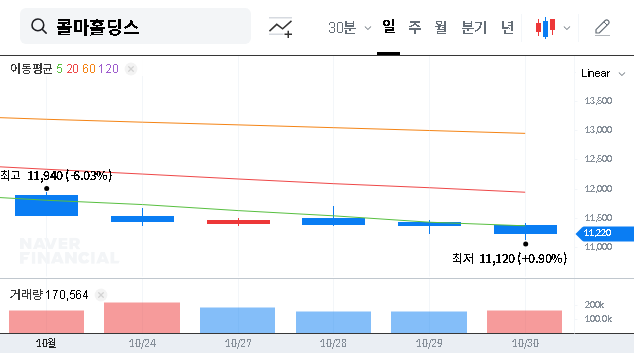
  • (024720) KOLMAR HOLDINGS Stock (024720): Sell Alert After 93% Revenue Plunge in Q3 2025 Earnings

    (024720) KOLMAR HOLDINGS Stock (024720): Sell Alert After 93% Revenue Plunge in Q3 2025 Earnings

    Investors in KOLMAR HOLDINGS stock (024720) are facing a period of significant uncertainty. The company recently released two major disclosures: a routine business report correction and a bombshell provisional earnings announcement for Q3 2025. While one hints at improved governance, the other reveals a catastrophic financial performance, sending shockwaves through the market. A staggering 93% plunge in revenue and a swing to a net loss have raised urgent questions about the company’s operational health and future prospects.

    This comprehensive analysis dissects these critical events, exploring their impact on the fundamentals of KOLMAR HOLDINGS stock. We will delve into the alarming numbers, evaluate the potential causes, and provide a clear investment thesis based on the available data. If you are holding or considering an investment in KOLMAR HOLDINGS, this report provides the essential insights needed to navigate the current turmoil.

    Deconstructing the Disclosures: A Tale of Two Reports

    To understand the current situation, we must look at the two distinct pieces of information released by the company. One is a procedural update, while the other is a fundamental blow to investor confidence.

    1. Business Report Correction: A Minor Positive Signal

    KOLMAR HOLDINGS filed a disclosure to correct and supplement its business report. In the grand scheme, this is an administrative action, but it contains subtle indicators of a management team focusing on governance. These changes, while not impacting immediate financials, can be viewed as a long-term positive for the KOLMAR HOLDINGS investment thesis.

    • Enhanced ESG Focus: The inclusion of agenda items related to ESG (Environmental, Social, and Governance) performance and risk management systems points toward a commitment to sustainable, modern management practices.
    • Improved Governance: Clarifying shareholder rights and explicitly noting the election of an outside director via a shareholder proposal suggests a move toward a more transparent and shareholder-friendly corporate structure.
    • Greater Transparency: Detailed minutes from general meetings increase information accessibility, which helps build long-term investor trust.

    However, any goodwill generated by these procedural improvements was completely overshadowed by the subsequent financial disclosure.

    2. The Q3 2025 Earnings Shock: A Fundamental Crisis

    The provisional KOLMAR HOLDINGS Q3 2025 earnings report was nothing short of disastrous. The figures paint a picture of a company in severe distress, with a sudden and dramatic collapse in performance. The data can be viewed in the Official Disclosure on DART.

    The Q3 earnings report revealed a staggering 93.4% quarter-over-quarter revenue decrease and a swing from a KRW 39.3 billion profit to a KRW 6.8 billion net loss. This is a critical red flag for any investor.

    • Revenue Annihilation: Revenue came in at a mere KRW 11.6 billion, a collapse of over 93% from the previous quarter (KRW 175.7 billion) and the prior year’s same quarter (KRW 163 billion). This indicates a severe breakdown in its key subsidiaries like Korea Kolmar and Kolmar BNH.
    • Profit Evaporation: Operating profit of KRW 0.6 billion is down over 96% from the previous quarter’s KRW 16.4 billion. While still positive, it is negligible and cannot be seen as a sign of stability.
    • Plunge into Net Loss: The company posted a net loss of KRW -6.8 billion. This is a stark reversal from Q2 2025’s KRW 39.3 billion profit and a clear signal of deep-seated operational or financial issues.

    Macro Headwinds or Company-Specific Failure?

    When a company’s performance deteriorates this rapidly, investors must ask whether the cause is a broad economic downturn or a problem unique to the firm. While global macroeconomic factors like high interest rates and fluctuating currency exchange rates certainly play a role, the sheer magnitude of KOLMAR HOLDINGS’ decline points squarely toward company-specific issues. A 93% revenue drop is not a cyclical dip; it is a sign of a potential crisis within one or more of its core business segments. For more on this, read our guide on how to analyze company-specific risk.

    The market needs immediate clarification on the root cause. Was there a loss of a major client? A catastrophic failure in a new product line? Or perhaps significant one-off expenses that have not yet been fully disclosed? Without transparency, investor confidence in KOLMAR HOLDINGS stock will continue to erode.

    Investment Outlook: A Clear ‘Sell’ Recommendation

    Given the overwhelming negativity of the Q3 2025 provisional earnings, our investment recommendation for KOLMAR HOLDINGS is an unequivocal ‘Sell’ or ‘Reduce Weight.’ The financial deterioration is too severe to ignore, and the risk of further decline is substantial. A ‘Sell’ rating from analysts, such as this one from Investopedia, typically indicates that a stock is expected to underperform the broader market significantly.

    The projected negative EPS and PER for 2025 reflect a complete breakdown in profitability. Until the company can provide a transparent account of this performance collapse and present a credible turnaround strategy, the stock is likely to remain under intense pressure.

    Key Actions for Investors to Monitor

    • Demand Transparency: Watch for official company statements that clearly explain the cause of the Q3 disaster.
    • Look for a Recovery Plan: Management must outline concrete steps, such as cost-cutting, asset sales, or strategic pivots, to stabilize the business.
    • Monitor Subsidiary Performance: Pay close attention to the individual results of Korea Kolmar, Kolmar BNH, and HK inno.N in the coming quarters.
    • Re-evaluate After Q4 Results: The next earnings report will be critical to determine if Q3 was a one-off catastrophe or the start of a prolonged downturn.

    Disclaimer: This analysis is based on publicly available information. All investment decisions carry risk and are the sole responsibility of the investor.

    (024720) KOLMAR HOLDINGS Stock (024720): Sell Alert After 93% Revenue Plunge in Q3 2025 Earnings 관련 이미지
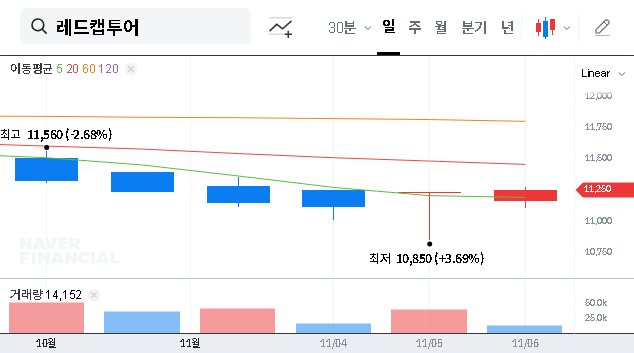
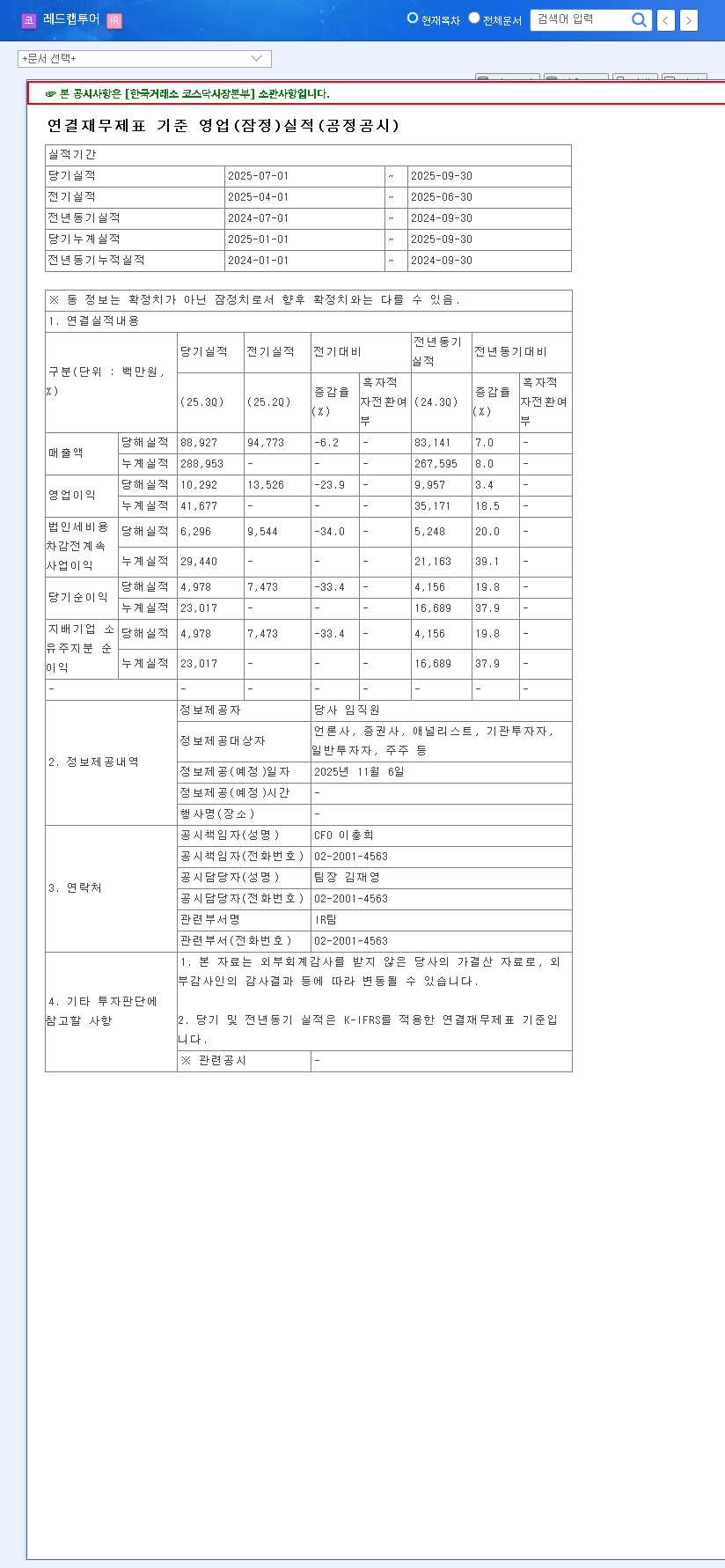
  • (038390) RedcapTour Co., Ltd. IR Analysis (Nov 2025): A Deep Dive for Investors

    (038390) RedcapTour Co., Ltd. IR Analysis (Nov 2025): A Deep Dive for Investors

    This comprehensive RedcapTour Co., Ltd. IR Analysis provides investors with a detailed preview of the upcoming online Investor Relations (IR) event scheduled for November 19, 2025. As the company navigates a complex macroeconomic landscape, this event, organized by the Korea Exchange, represents a pivotal moment for management to articulate its vision and address pressing shareholder questions. We will delve into the dual narrative of RedcapTour: the robust, high-growth engine of its rent-a-car division and the potential turnaround story of its travel business.

    Our goal is to equip you with the insights needed to critically evaluate the company’s performance, understand its strategic direction, and make informed investment decisions. This report breaks down the H1 2025 financial results, analyzes key market drivers, and outlines the critical questions that will likely define the success of the IR event.

    Event Overview: What to Expect on November 19, 2025

    RedcapTour is set to host its online IR session at 2 PM KST. The agenda promises a thorough company introduction, a detailed breakdown of its core business segments—RedcapTour rent-a-car and RedcapTour travel business—and an interactive Q&A session. This is a prime opportunity for the market to gain clarity on corporate strategy and value directly from the source. For official filings, investors can refer to the Official Disclosure (DART).

    In-Depth Financial Analysis of RedcapTour H1 2025

    The first half of 2025 painted a picture of divergence. While the rent-a-car segment fired on all cylinders, the travel arm faced headwinds, even as it improved profitability. Understanding these dynamics is central to a complete RedcapTour financial analysis.

    Rent-a-Car Business: The Growth Juggernaut

    The rent-a-car division continues to be the company’s crown jewel, demonstrating impressive resilience and growth. The focus on long-term rental contracts has created a stable, recurring revenue stream that is less susceptible to short-term market shocks.

    • Revenue: Reached KRW 179.17 billion, a significant 9.6% increase year-over-year.
    • Operating Profit: Surged to KRW 27.20 billion, marking a powerful 26.8% YoY growth.
    • Strategic Advantage: The company’s market position is bolstered by a modern fleet and superior service, driving customer loyalty and market share expansion.

    Travel Business: A Story of Profitability Over Volume

    While revenue saw a minor dip, the travel segment showcased commendable operational efficiency. The partnership with AMEX appears to be paying dividends, shifting the focus towards higher-margin, premium services. For more context, you can read our comprehensive guide to analyzing travel sector stocks.

    • Revenue: Declined slightly by 3.0% YoY to KRW 20.85 billion.
    • Operating Profit: Increased by a healthy 9.6% YoY to KRW 4.18 billion, indicating improved margins.
    • Future Outlook: The key challenge is reigniting top-line growth while preserving these hard-won profitability gains amidst fluctuating travel demand.

    The core tension for investors is clear: Can RedcapTour’s new ventures and travel segment recovery provide enough momentum to complement the already powerful rent-a-car business, justifying a higher valuation for the RedcapTour stock?

    Navigating Macroeconomic Headwinds & Financial Health

    No RedcapTour Co., Ltd. IR Analysis would be complete without scrutinizing the external risks and internal financial structure. The company faces several macroeconomic pressures that investors must monitor.

    • Currency Risk: A weaker Korean Won could impact its Chinese subsidiary’s earnings.
    • Interest Rates: While stable short-term rates are a positive, rising long-term bond yields could increase future financing costs. For updates, investors often follow reports from sources like Bloomberg’s market analysis.
    • Operating Costs: Rising oil prices and freight costs directly pressure the margins of both the rent-a-car and travel segments.
    • Financial Health: The debt-to-equity ratio has crept up to 245.6%, and a high dividend payout has reduced total equity. While short-term liquidity is not a concern, a clear plan for managing this leverage will be expected.

    Key Investor Questions for the IR Event

    A successful IR hinges on management’s ability to provide transparent and convincing answers. Here are the critical areas investors should focus on during the Q&A:

    1. Strategy for New Growth Engines

    The company has entered the used car import/export and information services sectors. What is the specific roadmap for monetization? What are the expected revenue contributions and synergy effects with existing businesses over the next 2-3 years?

    2. Financial Prudence and Capital Allocation

    What is the plan to manage the 245.6% debt-to-equity ratio? How does the board justify the high dividend payout in light of decreasing operating cash flow and rising leverage? Will this capital allocation strategy change?

    3. Travel Business Turnaround Plan

    Beyond improving margins, what concrete steps are being taken to reverse the revenue decline in the travel segment? How is the company positioning itself against fierce competition in a post-pandemic travel market?

    4. Macroeconomic Risk Mitigation

    What specific hedging strategies or operational adjustments are in place to counter the negative impacts of currency fluctuations, rising oil prices, and potential interest rate hikes?

    Ultimately, this IR event is RedcapTour’s platform to reassure investors. By effectively communicating the strengths of its core businesses and providing a clear, credible vision for tackling its challenges, the company has an opportunity to positively influence its market valuation and build long-term shareholder trust.

    (038390) RedcapTour Co., Ltd. IR Analysis (Nov 2025): A Deep Dive for Investors 관련 이미지
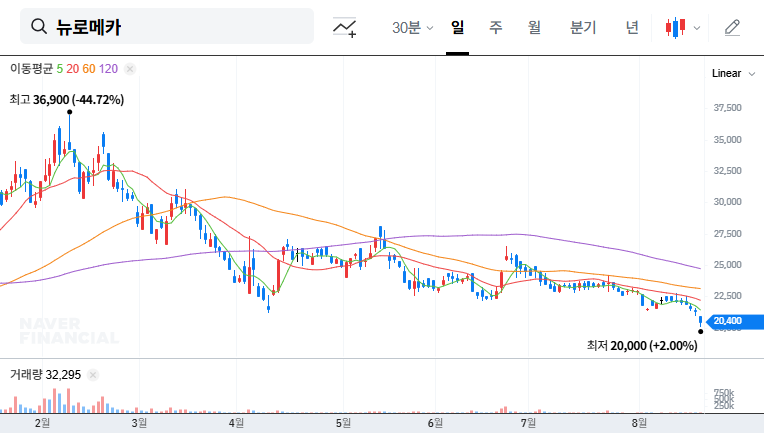
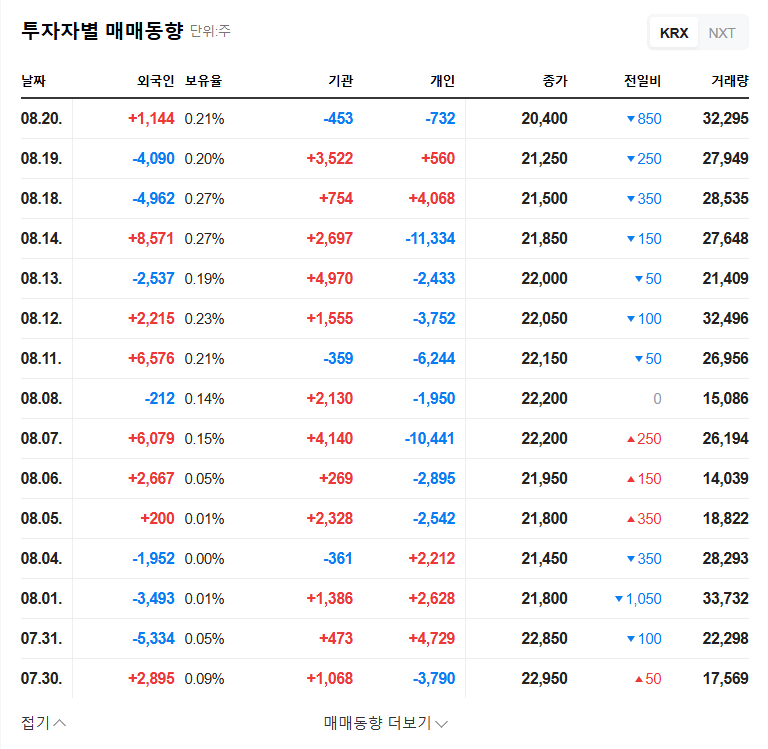
  • (348340) Neuromeka Stock Analysis: Major Shareholder Sale & 2025 Investor Guide

    (348340) Neuromeka Stock Analysis: Major Shareholder Sale & 2025 Investor Guide

    Recent market activity surrounding Neuromeka Co., Ltd., a prominent name in the collaborative robots industry, has raised important questions for current and potential investors. A significant disclosure revealed that a major shareholder divested a portion of their holdings. While the official reason is ‘simple investment purpose,’ such a move always warrants a closer look. This analysis delves into the specifics of the sale, examines the underlying health of Neuromeka stock, and provides a comprehensive outlook to help you make informed investment decisions.

    The Event: A Closer Look at the Shareholder Sale

    On November 11, 2025, a mandatory disclosure confirmed that ‘DaeShin-Skywalk New Technology Investment Association,’ a key institutional investor, sold a portion of its shares on the open market. This transaction reduced their total stake in Neuromeka Co., Ltd. from 8.20% to 6.79%. According to the Official Disclosure filed with the regulatory body, the reason cited was for ‘simple investment purposes.’ This typically means the sale is part of the fund’s portfolio management strategy, such as realizing profits or rebalancing assets, rather than a reaction to negative internal information about the company’s future.

    Decoding the Impact on Neuromeka Stock

    While the sale itself may not signal a fundamental crisis, its ripple effects are worth analyzing. We must consider both the immediate market reaction and the deeper financial context of Neuromeka Co., Ltd.

    Short-Term Market Sentiment and Supply Dynamics

    The immediate consequence of a major shareholder sale is an increase in the supply of shares available for trading. This can create short-term downward pressure on the stock price as the market absorbs the new liquidity. Investor psychology plays a critical role here; if the market interprets the sale as a lack of confidence, it could trigger further selling. However, given the ‘simple investment’ classification and the relatively modest size of the divestment, the direct impact on Neuromeka stock may be contained. The key is to watch for sustained selling pressure in the following weeks.

    Neuromeka’s Financial Health: A Deeper Dive

    Beyond the noise of this single transaction, the true value of Neuromeka lies in its fundamental financial health and growth trajectory. The picture here is mixed, presenting both challenges and opportunities.

    While possessing significant growth potential in the collaborative robots sector, Neuromeka is currently navigating significant financial headwinds, most notably a high debt-to-equity ratio that demands investor caution.

    • Revenue and Profitability: After a period of consistent growth, revenue saw a downturn in 2024. More concerningly, operating losses have widened due to increased spending on Research & Development and other operational costs. While R&D is vital for a tech company, it currently weighs on profitability.
    • Debt Burden: The company’s debt-to-equity ratio surged to an alarming 776.1% by the end of 2024. This level of leverage poses a significant financial risk and increases the company’s vulnerability to interest rate fluctuations and economic downturns.
    • Capital Raising: To its credit, management is actively addressing these financial strains through continuous capital-raising efforts. The successful completion of a planned capital increase in early 2025 is a positive step toward shoring up the balance sheet.

    Growth Strategy and Market Opportunities

    The investment case for Neuromeka Co., Ltd. hinges on its ability to execute its growth strategy within a booming market. The global demand for collaborative robots is expanding rapidly across manufacturing, logistics, and service industries. According to a report by MarketsandMarkets, the cobot market is projected to grow significantly over the next five years.

    Neuromeka’s key strategy is to leverage its technological innovation and expand its Robot as a Service (RaaS) business model. RaaS lowers the barrier to entry for small and medium-sized businesses to adopt automation, creating a recurring revenue stream for Neuromeka. Success in this area could transform the company’s financial profile. For more on this trend, see our article on The Rise of Robot-as-a-Service.

    Investor Action Plan: Navigating Neuromeka Stock

    Given the conflicting signals, a prudent investment approach is required. The recent shareholder sale should be viewed not as a definitive sell signal, but as a prompt to re-evaluate the risk-reward profile of Neuromeka stock.

    The Bull Case (Opportunities)

    • Strong position in the high-growth collaborative robots market.
    • Innovative RaaS model with potential for recurring revenue.
    • Technological edge and ongoing R&D investments.

    The Bear Case (Risks)

    • High debt-to-equity ratio creating financial instability.
    • Persistent operating losses and a challenging path to profitability.
    • Intense market competition and macroeconomic headwinds like exchange rate volatility.

    In conclusion, this major shareholder sale is best interpreted as short-term market noise. The long-term value of Neuromeka stock will ultimately be determined by the company’s ability to navigate its financial challenges, improve profitability, and successfully execute its growth strategy in the competitive robotics investment landscape.

    (348340) Neuromeka Stock Analysis: Major Shareholder Sale & 2025 Investor Guide 관련 이미지
  • (396270) Nextchip Co., Ltd. Stock: A Deep Dive on Daishin Securities’ Investment

    (396270) Nextchip Co., Ltd. Stock: A Deep Dive on Daishin Securities’ Investment

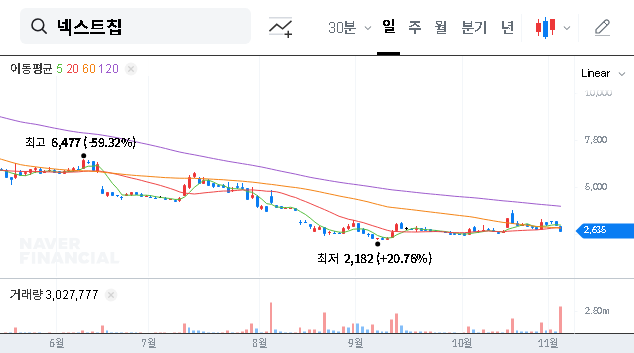
    The recent news of Daishin Securities acquiring a significant stake in Nextchip Co., Ltd. through convertible bonds has sent ripples through the investment community. This move raises a critical question: is this a vote of confidence that could rescue Nextchip from its financial turmoil, or is it merely a speculative play that adds more uncertainty to the company’s future? This comprehensive analysis delves into the official disclosure, Nextchip’s financial health, and the strategic implications for investors considering Nextchip stock.

    The Catalyst: Daishin Securities’ Strategic Stake

    On November 10, 2025, a pivotal development unfolded as Daishin Securities filed a ‘Report on the Status of Large Shareholdings.’ This report, submitted for simple investment purposes, confirmed their acquisition of Nextchip’s convertible bonds, resulting in a reported 9.21% stake. You can view the Official Disclosure on DART for complete details. Typically, when a reputable securities firm takes a notable position in a company, the market interprets it as a positive sign of underlying value. However, to truly understand the potential of Nextchip stock, we must look beyond this single event and scrutinize the company’s precarious financial foundation.

    Unpacking Nextchip’s Financial Crisis

    While the Daishin Securities news might spark short-term optimism, the reality for Nextchip Co., Ltd. is one of severe financial vulnerability. A clear-eyed view of its balance sheet reveals significant red flags that any prudent investor must consider.

    As of the first half of 2025, Nextchip is in a state of capital impairment, with total liabilities exceeding total assets. This is a critical warning sign regarding the company’s long-term solvency.

    Key Financial Weaknesses

    • Capital Impairment: With liabilities of KRW 46.64 billion surpassing assets of KRW 44.96 billion, the company is technically insolvent, a major concern for financial stability.
    • Persistent Losses: The company posted a significant operating loss of KRW 7.45 billion and a net loss of KRW 10.49 billion in H1 2025, continuing a troubling trend of unprofitability.
    • Declining Revenue: Sales have plummeted, with core products like automotive Image Signal Processors (ISP) and AHD solutions underperforming. New ventures in robotics and drones have yet to contribute meaningfully to the top line.

    Despite securing KRW 30 billion via convertible bonds in 2023 and a KRW 7.6 billion rights offering in 2025, these measures have been insufficient to resolve the deep-seated capital impairment issue. Continuous heavy investment in R&D, while necessary for future growth, further strains the company’s cash flow in the short term.

    Market Opportunity vs. Current Performance

    The irony for Nextchip Co., Ltd. is that it operates in sectors with immense growth potential. The disconnect between market opportunity and the company’s financial results is at the heart of the investment dilemma.

    High-Growth Automotive Semiconductors

    The market for automotive semiconductors is booming, fueled by the rapid adoption of Advanced Driver-Assistance Systems (ADAS) and the progression toward fully autonomous vehicles. Global safety mandates, such as Europe’s GSR II, are making features like driver monitoring and advanced cameras standard, creating sustained demand for Nextchip’s core technologies. For more context, you can read our Guide to Investing in the Semiconductor Sector.

    The Double-Edged Sword of Convertible Bonds

    Daishin’s investment was made through convertible bonds, a hybrid security that acts like a bond but can be converted into company stock. While this provides Nextchip with crucial funding, it presents a future risk. If Daishin converts these bonds to stock, it will increase the number of outstanding shares, potentially diluting the value for existing shareholders. Understanding how convertible bonds work is essential for any Nextchip stock investor. This mechanism adds another layer of volatility and is a key factor to monitor.

    Investor Action Plan: Navigating the Uncertainty

    Investing in Nextchip at this juncture is a high-risk, high-reward proposition. The involvement of Daishin Securities provides a glimmer of credibility, but it doesn’t erase the fundamental financial challenges. A prudent investment decision requires careful monitoring of several key areas.

    Key Monitoring Points:

    • Path to Profitability: Watch for tangible signs of operational turnaround, such as improved margins, cost controls, and rising sales revenue.
    • New Business Traction: Look for concrete revenue generation from the robotics and drone sectors, moving from potential to actual performance.
    • Daishin’s Next Moves: Closely track whether Daishin converts its bonds, sells its stake, or becomes more actively involved in the company’s strategy.
    • Capital Structure: Monitor for any additional fundraising efforts, as resolving the capital impairment is non-negotiable for long-term survival.

    Ultimately, investors must prioritize Nextchip’s fundamental recovery over short-term market hype. The road ahead is uncertain, but for those with a high tolerance for risk, the potential alignment with the growing automotive semiconductors market could offer significant upside if the company can navigate its financial crisis.

    Frequently Asked Questions (FAQ)

    Why did Daishin Securities invest in Nextchip Co., Ltd.?

    Daishin Securities acquired Nextchip’s Convertible Bonds for simple investment purposes. This suggests their analysis identified significant potential long-term value in the company, possibly tied to its technology and market position, despite its current financial state.

    What is Nextchip’s current financial status?

    As of H1 2025, Nextchip is in a state of capital impairment (liabilities exceed assets) and is experiencing continuous operating and net losses, along with a significant year-over-year decrease in sales revenue.

    How could the CB acquisition affect Nextchip’s stock price?

    In the short term, it may boost investor sentiment and the stock price. However, in the long term, if the bonds are converted to stock, it could lead to share dilution, potentially putting downward pressure on the stock price.

  • (019660) GLOBON CO., LTD. Stock: In-Depth Analysis of Beitree’s 10% CB Investment

    (019660) GLOBON CO., LTD. Stock: In-Depth Analysis of Beitree’s 10% CB Investment

    A significant development has captured the market’s attention surrounding GLOBON CO., LTD., a company at a critical juncture of business diversification. The recent disclosure of Beitree acquiring a substantial stake through convertible bonds has created both excitement and uncertainty. This comprehensive investment analysis will dissect the deal, explore the underlying fundamentals of GLOBON stock, and provide a clear, actionable framework for current and potential investors.

    The Landmark Deal: Understanding Beitree’s Stake in GLOBON CO., LTD.

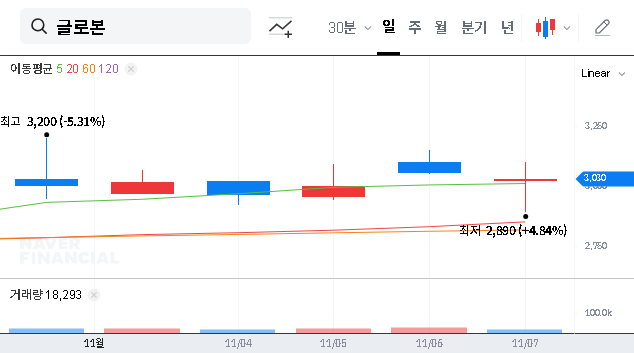
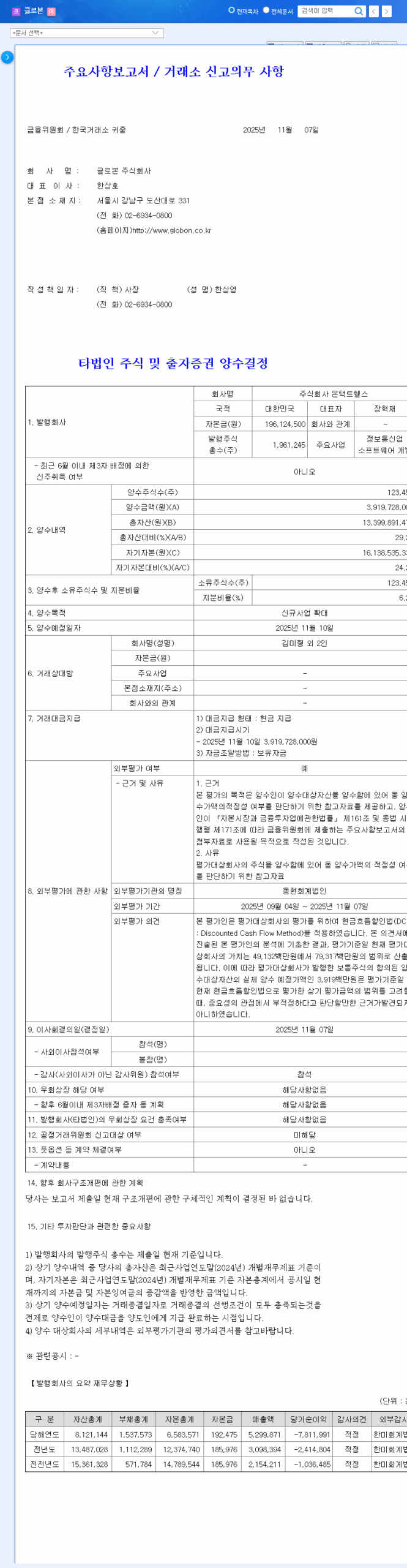
    According to the official filing on the Financial Supervisory Service’s Electronic Disclosure System (DART), Beitree has acquired convertible bonds (CBs) in GLOBON CO., LTD., which, upon conversion, would represent a 10.03% ownership stake. This transaction, involving 1,398,601 potential shares, immediately establishes Beitree as a major shareholder, a move that demands careful scrutiny from the investment community. You can view the Official Disclosure here.

    Convertible bonds are a hybrid financial instrument; they start as debt but can be converted into company stock at a predetermined price. For a company like GLOBON, issuing CBs is a way to raise capital without immediately diluting existing shareholders’ equity. For an investor like Beitree, it offers the fixed income security of a bond with the potential upside of an equity investment if the GLOBON stock price appreciates. For more information on this type of security, see this guide on convertible bonds from a high-authority financial site.

    Decoding the Investment: Why GLOBON and What are the Risks?

    A Strategic Pivot from Cosmetics to High-Growth Sectors

    GLOBON is aggressively attempting to pivot from its legacy cosmetics business into a portfolio of seemingly disparate, high-growth industries. These new ventures include fertilizer derivative materials, hydrogen plants, secondary batteries, and even metaverse and AI technologies. The company has already shown some traction, generating revenue from fertilizer material exports. This diversification is likely what attracted Beitree’s attention, representing a high-risk, high-reward bet on GLOBON’s ability to execute in these new domains.

    The Financial Tightrope: A Look at GLOBON’s Fundamentals

    Despite the promise of new ventures, the underlying financial health of GLOBON CO., LTD. presents a significant challenge. The company is grappling with declining sales in its core cosmetics division, persistent operating losses, and a high accumulated deficit. While recent capital increases have shored up the balance sheet, the fundamental issue of profitability remains unresolved. Beitree’s investment, structured as a convertible bond, may be a cautious nod to the potential turnaround story while mitigating some downside risk compared to a direct equity purchase.

    Beitree’s investment can be seen as either a strong vote of confidence in GLOBON’s future or a strategic financial play. The key for investors is to determine which scenario is more likely.

    Potential Impacts on GLOBON Stock: A Balanced View

    The arrival of a new major shareholder can swing a stock in either direction. Here’s a breakdown of the potential positive and negative impacts of this Beitree investment.

    Positive Catalysts for Investors

    • Enhanced Credibility: The backing of a significant new investor can serve as a positive signal to the market, potentially boosting confidence in GLOBON’s turnaround strategy.
    • Increased Liquidity: This news is likely to increase trading volume and stock volatility, creating more opportunities for traders and injecting vitality into the stock.
    • Capital for Growth: The funds from the CB issuance provide GLOBON with much-needed capital to fuel its diversification efforts and improve its financial structure.

    Risks and Headwinds to Consider

    • Potential Overhang Issue: The ‘overhang’ refers to the potential for a large number of new shares to hit the market when the convertible bonds are converted. This future supply can put downward pressure on the stock price.
    • Uncertain Synergy: It remains unclear if there is a strategic synergy between Beitree and GLOBON’s new ventures. Without a clear partnership, this may just be a passive financial investment with limited long-term operational benefits.
    • Short-term Financial Burden: GLOBON must make interest payments on the bonds. These payments add to the company’s expenses until the bonds are either converted or mature.

    Investor Action Plan: A Checklist for Prudent Decisions

    While this news provides a potential catalyst, prudent investment decisions must be based on fundamentals. Investors should monitor the following points closely. You can find more strategies in our company analysis section.

    • Track Beitree’s Actions: Is this a prelude to a more active role in management or a strategic partnership? Monitor future filings for any changes in their position or intent.
    • Demand Tangible Results: Look for concrete progress in the new business ventures. Are they generating meaningful revenue and moving towards profitability?
    • Analyze the CB Terms: Understand the conversion price, maturity date, and interest rate of the convertible bonds. This is crucial for assessing the risk of future dilution.
    • Monitor Core Business Health: Do not lose sight of the legacy cosmetics business. Any signs of stabilization or recovery would be a major positive for the overall financial picture.

    In conclusion, Beitree’s investment in GLOBON CO., LTD. has opened a new, speculative chapter for the company. However, the story’s success hinges entirely on GLOBON’s ability to translate its ambitious diversification plans into sustainable profits. A cautious, research-driven approach is essential for any investor considering this high-stakes opportunity.

    (019660) GLOBON CO., LTD. Stock: In-Depth Analysis of Beitree's 10% CB Investment 관련 이미지
  • (181710) NHN Corporation Q3 2025 Earnings Analysis: Stock Outlook After 85% Revenue Shock

    (181710) NHN Corporation Q3 2025 Earnings Analysis: Stock Outlook After 85% Revenue Shock

    The latest NHN Corporation Q3 2025 earnings report has sent shockwaves through the market, revealing a significant deviation from analyst expectations. For NHN Corporation investors, this announcement serves as a critical inflection point, raising questions about the company’s current trajectory and future growth potential. The provisional report shows a staggering 85% drop in revenue against forecasts, a clear signal of underlying challenges that demand a closer look. This comprehensive analysis will dissect the report, explore the root causes behind the numbers, evaluate the potential NHN stock outlook, and propose a strategic framework for investors navigating this turbulent period.

    Understanding the nuances of this earnings shock is paramount for making informed decisions. We will move beyond the headlines to diagnose issues within key business segments—from gaming to cloud services—and provide actionable insights into both short-term and long-term investment strategies.

    NHN Corporation Q3 2025 Earnings: The Shocking Numbers

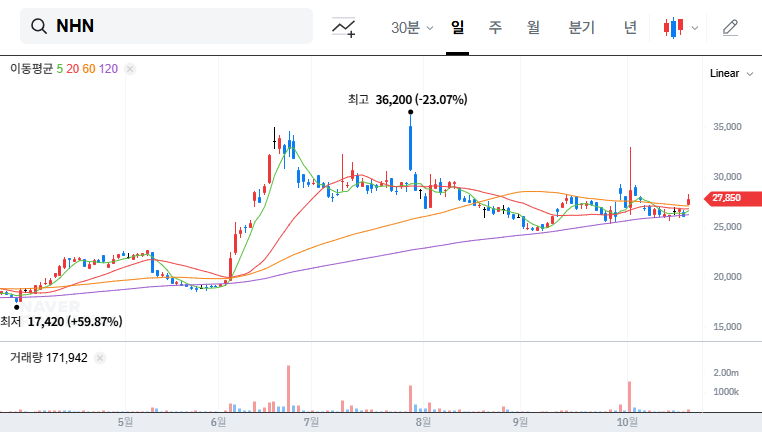
    On November 10, 2025, NHN Corporation released its provisional Q3 earnings, which fell dramatically short of the market consensus. The official filing, available via Korea’s DART system, provides the full context. (Official Disclosure). Here is a breakdown of the key metrics that have alarmed investors:

    • Revenue: Reported at KRW 93.2 billion, a shocking 85% below the consensus forecast of KRW 633.2 billion. This massive shortfall in NHN revenue is the primary driver of market concern.
    • Operating Profit: Came in at KRW 17.3 billion, which is 34% below the expected KRW 26.3 billion. This indicates severe pressure on operational efficiency and profitability.
    • Net Profit: Recorded at KRW 20.9 billion, falling 18% short of the KRW 25.5 billion forecast.

    Unpacking the Underperformance: A Segment-by-Segment Diagnosis

    The drastic decline wasn’t isolated to one area; it reflects broad challenges across NHN’s diversified portfolio. These results materialize long-held market concerns about a potential slowdown in the company’s core growth engines.

    Gaming Segment: A High-Stakes Bet Fails to Pay Off

    The gaming division, historically a cornerstone of NHN’s success, appears to be the epicenter of the problem. Anticipated performance boosts from new game launches did not materialize. The revenue plunge suggests that new titles may have failed to gain traction, or that legacy games are experiencing a faster-than-expected decline in user engagement. Furthermore, escalating development and marketing costs in a highly competitive global market likely compressed margins, contributing significantly to the profit miss.

    Payment & Advertising: Facing Fierce Headwinds

    The payment and advertising segment, once a bastion of robust growth, is likely experiencing a significant slowdown. The fintech landscape has become saturated, with intense competition from both traditional players and agile startups. This environment makes it difficult to maintain growth without substantial investment in new technologies and user acquisition, which can pressure short-term profitability. For a deeper look into fintech trends, authoritative sources like Reuters’ financial technology section provide excellent market context.

    Cloud, Commerce & Content: Growth Not Fast Enough

    While NHN has invested in diversifying into high-growth areas like cloud computing, e-commerce, and digital content, these segments were unable to offset the steep declines elsewhere. The cloud business, in particular, operates in a market dominated by global giants, leading to intense pricing pressure that can hinder profitability, even as revenue grows. This quarter’s results suggest that these future growth pillars are not yet mature enough to carry the company’s financial performance.

    “The Q3 report is a wake-up call. The market will be looking for a clear and decisive strategic pivot from NHN’s management. Without a convincing plan to reignite growth and control costs, investor confidence will be difficult to restore.” – Fictional Market Analyst.

    NHN Stock Outlook and Investment Strategy

    Given the severity of the earnings miss, the immediate NHN stock outlook is bearish. A sharp, short-term price correction is highly probable as the market digests this negative surprise. Securities firms are expected to issue target price downgrades, further dampening investment appeal.

    Short-Term Investment Strategy (1-3 Months)

    • Existing Investors: A cautious, defensive posture is advised. Re-evaluate your position and consider setting stop-loss orders to manage further downside risk.
    • New Investors: It is prudent to remain on the sidelines. Wait for the stock price to stabilize and for management to provide a clear turnaround plan before considering an entry point.

    Mid- to Long-Term Investment Strategy (6+ Months)

    The long-term case for NHN hinges entirely on management’s response. The underlying potential in segments like cloud and commerce remains, but execution is key. For those interested in this sector, understanding the broader landscape is vital. You can learn more with our guide to investing in the Korean tech market. A successful long-term NHN investment strategy requires monitoring these key factors:

    • Management’s Turnaround Plan: Look for a detailed, credible strategy in the upcoming earnings call that addresses the root causes of underperformance.
    • Cost Optimization Measures: Evidence of disciplined cost control and improved operational efficiency will be a positive signal.
    • Performance of New Initiatives: Closely track the launch and reception of any new games or services designed to be new growth engines.

    In conclusion, the NHN Corporation Q3 2025 earnings report marks a significant challenge for the company. Investors must now exercise diligence and patience, weighing the short-term risks against the potential for a long-term recovery contingent on a strategic and effective corporate response.

    (181710) NHN Corporation Q3 2025 Earnings Analysis: Stock Outlook After 85% Revenue Shock 관련 이미지