Tag: Stock Dilution

  • (033160) Convertible Bond Conversion Explained: MKElectron’s Impact on Stock Price

    (033160) Convertible Bond Conversion Explained: MKElectron’s Impact on Stock Price

    MKElectron recently announced the exercise of its ‘convertible bond conversion rights,’ a financial event that can send ripples through a company’s stock value. For investors, understanding the nuances of a convertible bond conversion is critical. Is it a sign of strength or a red flag for potential shareholder dilution? This comprehensive analysis will demystify MKElectron’s recent move, explore the direct impact on its stock price, and provide a clear action plan for making informed investment decisions.

    First, What is a Convertible Bond Conversion?

    Before diving into the MKElectron case, it’s essential to grasp the fundamentals. A convertible bond (CB) is a hybrid security that acts like a regular bond, paying interest to the holder. However, it comes with a unique feature: the option to convert the bond into a predetermined number of the issuing company’s common shares. The act of turning that bond into stock is the convertible bond conversion itself. Companies issue CBs as a flexible way to raise capital, often at a lower interest rate than traditional bonds because the conversion option offers investors potential upside.

    MKElectron’s Conversion: The Key Details

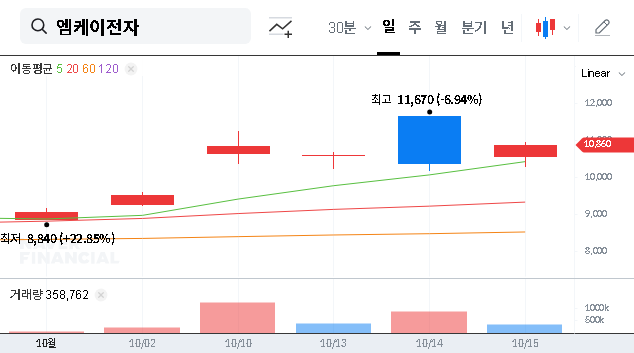
    On October 15, 2025, MKElectron (Market Cap: KRW 239.6 billion) filed a disclosure announcing a significant CB conversion event. Understanding the numbers is the first step in a proper investment analysis. You can view the Official Disclosure for complete details. Here are the critical facts:

    • Number of New Shares: 393,455
    • Proportion of Market Cap: 1.78%
    • Conversion Price: KRW 7,988 per share
    • Stock Price at Announcement: KRW 10,232 per share
    • Expected Listing Date: October 31, 2025

    The key takeaway here is the spread between the conversion price (KRW 7,988) and the market price (KRW 10,232). This creates a strong incentive for bondholders to convert and potentially sell for an immediate profit, a crucial factor in predicting short-term stock behavior.

    Analyzing the Impact on MKElectron Stock

    A CB conversion is a double-edged sword, presenting both potential risks and benefits for the company and its shareholders.

    The Downside: Shareholder Dilution and Selling Pressure

    The most immediate concern is shareholder dilution. With 393,455 new shares entering the market, the ownership percentage of existing shareholders decreases. While the 1.78% increase is relatively small, it can still impact earnings per share (EPS). Furthermore, the profitable spread for bondholders can lead to significant selling pressure as new shares become available, potentially driving the stock price down in the short term. This is a classic arbitrage scenario that investors should anticipate around the listing date.

    The Upside: A Stronger Financial Foundation

    On the other hand, the conversion has significant long-term benefits. By converting debt into equity, MKElectron effectively cleans up its balance sheet. This has two positive effects: it reduces the company’s debt burden and eliminates future interest payments associated with those bonds. This improved financial structure can make the company more attractive to long-term investors and credit rating agencies. It also signals that the capital raised via the bonds was likely put to good use, fueling growth that made the conversion attractive in the first place.

    Investor Action Plan & Risk Assessment

    Given the limited public information, a cautious and analytical approach is necessary. Before making any decisions regarding MKElectron stock, investors must conduct thorough due diligence.

    Your Due Diligence Checklist

    • Fundamental Analysis: Go beyond the announcement. Scrutinize MKElectron’s recent financial statements, business reports, and strategic plans to evaluate its intrinsic value. You can learn more about analyzing company financial statements on our blog.
    • Market Sentiment: Seek out brokerage reports and professional investment analysis to understand how market experts view the company’s prospects post-conversion.
    • Monitor Price Action: Keep a close eye on the stock’s trading volume and price fluctuations around the October 31, 2025, listing date to see how the market absorbs the new shares.
    • Macro-Economic Factors: Consider the broader economic environment. Interest rates and industry trends can significantly influence a company’s performance, regardless of its capital structure. For a deeper dive into financial terminology, visit authoritative sources like Investopedia.

    Frequently Asked Questions (FAQ)

    What does MKElectron’s convertible bond conversion mean for investors?

    It can lead to short-term stock price volatility and minor shareholder dilution. However, it also positively impacts the company by reducing debt and improving its financial health, which requires a comprehensive analysis from investors.

    What are the direct impacts of this CB conversion on the stock price?

    The primary impact is potential downward pressure on the stock price. This is driven by the issuance of new shares and the likelihood that converting bondholders will sell their new shares to realize a profit, given the gap between the conversion price (KRW 7,988) and the market price (KRW 10,232).

    What are the positive aspects of this event for MKElectron?

    When bonds are converted to stock, the company’s debt-to-equity ratio improves and interest expense decreases. This strengthens the balance sheet and enhances financial stability, which can be a very positive long-term signal.

    (033160) Convertible Bond Conversion Explained: MKElectron's Impact on Stock Price 관련 이미지
  • (052900) KX HITECH Convertible Bond Conversion: A Deep Dive for Investors (052900)

    (052900) KX HITECH Convertible Bond Conversion: A Deep Dive for Investors (052900)

    The recent announcement regarding the KX HITECH convertible bond conversion has sent ripples through the investment community. For stakeholders in KX HITECH CO.,LTD (052900), understanding the implications of this event is crucial. An exercise of conversion rights, set to introduce 7,950,020 new common shares, represents a significant 14.42% of the company’s market capitalization. This analysis will break down what this means for the KX HITECH stock, explore the potential for share dilution, and provide a clear investment strategy to navigate the coming weeks.

    This report offers an expert perspective on how this ‘surprise event’, which lacked prior market expectation, could influence stock price volatility and what fundamental factors will ultimately determine KX HITECH’s long-term trajectory.

    Event Overview: The KX HITECH Convertible Bond Conversion

    On October 15, 2025, KX HITECH announced the exercise of convertible bond conversion rights. In simple terms, this means debt is being converted into equity. For those unfamiliar, a convertible bond is a type of debt security that the holder can convert into a specified number of a company’s common shares. It’s a hybrid security with features of both debt and equity.

    Here are the critical details of this event, based on the Official Disclosure (Source: DART):

    • Event Type: Exercise of Convertible Bond Conversion Rights
    • Date of Occurrence: October 15, 2025
    • Shares to be Listed: 7,950,020 common shares
    • Ratio to Market Cap: 14.42%
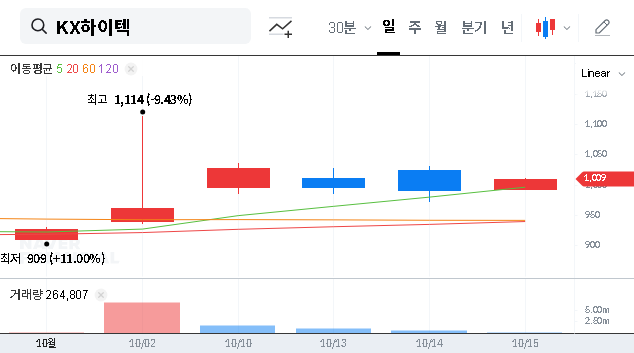
    • Conversion Price: 974 KRW per share
    • Scheduled Listing Date: November 05, 2025

    Short-Term Stock Impact: The Double-Edged Sword

    The immediate market reaction to a large-scale convertible bond conversion is often negative due to two primary factors: dilution and selling pressure.

    Understanding Share Dilution

    When the total number of outstanding shares increases, the ownership stake of existing shareholders is reduced, or ‘diluted’. This share dilution can negatively affect key financial metrics like Earnings Per Share (EPS), as the company’s net income is now divided among a larger number of shares. A lower EPS can make a stock appear less attractive to investors, potentially leading to a price decline.

    Anticipating Selling Pressure

    Bondholders who convert their bonds into stock often do so to realize a profit. With a conversion price of 974 KRW and a recent stock price around 1,009 KRW, there’s a modest 3.5% profit margin. While not substantial, this could still incentivize selling, especially if the stock price rises. The introduction of nearly 8 million new shares into the market creates a supply overhang that can absorb buying demand and suppress the stock price.

    The most critical unknown is the purpose of the original bond issuance. The long-term success of the KX HITECH stock hinges entirely on whether the capital raised was used for value-creating growth or simply to cover operational shortfalls.

    Long-Term Outlook: It All Depends on Growth

    While the short-term view may be cloudy, the long-term impact of the KX HITECH convertible bond event is not predetermined. The future of the stock price will be dictated by how effectively the company utilized the capital raised from the initial bond sale.

    • Positive Scenario: If the funds were invested in R&D, new technology, market expansion, or strategic acquisitions that generate significant revenue and profit, the resulting corporate growth could easily outweigh the initial share dilution. In this case, long-term investors may be rewarded.
    • Negative Scenario: If the funds were used for general working capital, to repay other debts, or on initiatives that failed to produce a return, the dilution effect will become permanent baggage for the stock, likely leading to sustained downward pressure.

    Actionable Strategy for Investors

    Given the circumstances, a cautious and research-driven approach is paramount. Here are our recommendations:

    • Monitor Trading Volume: Keep a close eye on trading volume around the November 05 listing date. A spike in volume accompanied by falling prices could indicate heavy selling by former bondholders.
    • Dig into Company Filings: The most important task is to find disclosures explaining the use of proceeds from the original bond sale. This information will provide the best clue to the long-term convertible bond conversion impact.
    • Analyze Core Fundamentals: Look beyond this single event. Review KX HITECH’s recent earnings reports, competitive landscape, and industry trends. You can review our Deep Dive into KX HITECH’s Q3 Earnings for more context.
    • Consider a Defensive Stance: For risk-averse investors, it may be prudent to wait until the market absorbs the new shares and a clear price trend emerges post-listing.

    Disclaimer: This analysis is for informational purposes only and does not constitute investment advice. All investment decisions are the sole responsibility of the investor.

    (052900) KX HITECH Convertible Bond Conversion: A Deep Dive for Investors (052900) 관련 이미지
  • (354200) NGeneBio Convertible Bonds: A ₩25B Gamble on Growth or a Major Stock Dilution Risk?

    (354200) NGeneBio Convertible Bonds: A ₩25B Gamble on Growth or a Major Stock Dilution Risk?

    The recent announcement of the NGeneBio convertible bonds issuance, a massive ₩25 billion capital raise, has sent ripples through the investment community. For NGeneBio Co., Ltd., a pioneering firm in genomic analysis, this move represents a critical juncture. On one hand, it’s a powerful injection of liquidity to fuel research and expansion. On the other, it introduces the significant risk of NGeneBio stock dilution, a primary concern for existing shareholders. This comprehensive analysis will explore the strategic implications of this financial maneuver, offering investors a clear roadmap to navigate the potential rewards and inherent risks.

    This capital infusion could be the catalyst for NGeneBio’s next growth phase, but its success hinges entirely on prudent fund allocation and transparent execution. Investors must weigh the promise of innovation against the tangible threat of shareholder value erosion.

    Deconstructing the ₩25 Billion Issuance

    To understand the impact, we must first examine the core details of the private placement. The deal, equivalent to a staggering 36.95% of the company’s market capitalization, involves several key financial institutions. The structure of these NGeneBio convertible bonds provides critical clues about the company’s strategy and the market’s perception.

    Key Terms of the Convertible Bonds

    • Issuance Amount: ₩25 billion
    • Key Investors: Baro Savings Bank, Sangsangin Savings Bank, Sangsangin Plus Savings Bank
    • Conversion Price: ₩1,704 per share
    • Coupon Rate (Interest): 2.0% annually
    • Yield to Maturity: 6.0%
    • Conversion Period: October 23, 2026, to September 23, 2028

    The proximity of the conversion price (₩1,704) to the recent market price is a critical factor. It creates a delicate balance: if the stock price fails to appreciate significantly, bondholders may prefer repayment at maturity, placing a heavy financial burden on NGeneBio. Conversely, a rising stock price makes conversion attractive, leading to the aforementioned stock dilution.

    The Financial Tightrope: Liquidity vs. Long-Term Health

    The decision to issue convertible bonds is a classic high-stakes balancing act. The immediate benefit is undeniable, but the potential long-term consequences require careful consideration as part of any NGeneBio financial analysis.

    The Upside: Fueling the Growth Engine

    For a biotech company, consistent capital flow is lifeblood. This ₩25 billion can be strategically deployed to accelerate R&D for new precision diagnostic technologies, fund expensive clinical trials, or expand its commercial footprint into new markets. As noted in a recent McKinsey report on biotech innovation, securing such funding at key moments can create a significant competitive advantage. If used effectively, this capital could generate returns that far outweigh the cost of dilution.

    The Downside: Debt and Dilution Dangers

    Until converted, these bonds are debt on the balance sheet, increasing NGeneBio’s leverage and financial risk. The company is on the hook for interest payments and, crucially, the full ₩25 billion principal if the bonds aren’t converted by 2028. The primary risk for shareholders, however, remains NGeneBio stock dilution. If all bonds are converted, it would introduce a significant number of new shares into the market, potentially reducing the earnings per share (EPS) and the ownership percentage of existing investors. Understanding this is a core part of any convertible bond investment strategy.

    An Investor’s Strategic Checklist

    For those considering an investment or holding a current position in NGeneBio Co., Ltd., a proactive monitoring approach is essential. The outcome of this issuance is not yet written and will depend on the company’s future actions.

    • Scrutinize Fund Utilization: Watch for detailed announcements on how the ₩25 billion will be spent. Is it earmarked for specific, high-potential R&D projects or simply to cover operational shortfalls? The difference is critical.
    • Monitor Stock Price vs. Conversion Price: The stock’s performance relative to the ₩1,704 conversion price is the single most important indicator of whether dilution or repayment is the more likely outcome.
    • Review Financial Health Metrics: Keep an eye on the company’s updated debt-to-equity ratio and interest coverage ratio in subsequent quarterly reports.
    • Consult the Primary Source: All serious analysis should begin with the official filing. The company’s complete plans and terms are detailed in the Official Disclosure on the DART system.

    Conclusion: A Calculated Risk for Future Growth

    Ultimately, the issuance of the NGeneBio convertible bonds is a bold, calculated risk. It provides the necessary capital to compete in the fast-paced biotech arena but shifts significant risk onto the company’s future performance and its shareholders. Whether this move becomes a launchpad for unprecedented growth or a cautionary tale of financial overreach will be determined by NGeneBio’s ability to innovate, execute, and ultimately drive its share price well above the critical conversion threshold. For investors, due diligence is more important than ever.

    (354200) NGeneBio Convertible Bonds: A ₩25B Gamble on Growth or a Major Stock Dilution Risk? 관련 이미지
  • (032790) MGEN SOLUTIONS Convertible Bond: A Deep Dive on Stock Price Impact & Dilution

    (032790) MGEN SOLUTIONS Convertible Bond: A Deep Dive on Stock Price Impact & Dilution

    Investors in MGEN SOLUTIONS CO., LTD. are closely watching the recent developments surrounding the company’s 23rd series of debt instruments. The announced exercise of the MGEN SOLUTIONS convertible bond conversion rights has introduced significant uncertainty. This analysis will dissect the immediate and long-term consequences of this financial maneuver, focusing on its direct impact on stock price, shareholder value, and the company’s overall financial stability. Our goal is to provide a clear, data-driven perspective to help you navigate this complex situation and make well-informed investment decisions.

    The Conversion Event: A Closer Look

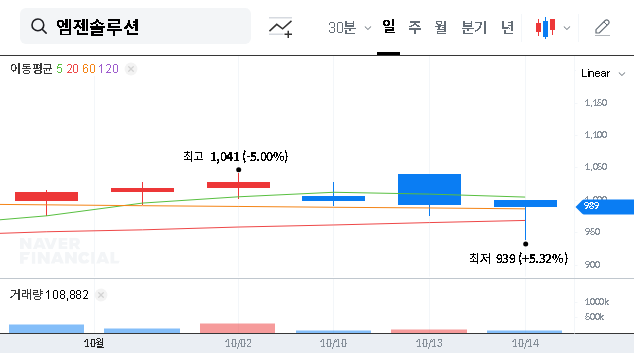
    MGEN SOLUTIONS CO., LTD. is preparing for the listing of 969,932 new common shares. This action is a direct result of bondholders exercising their conversion rights on the 23rd series convertible bonds (CBs). These new shares, scheduled to be listed on October 28, 2025, represent approximately 2.08% of the company’s total market capitalization. A critical point of concern for the market is the discrepancy between the current stock price (around 989 KRW) and the bond’s conversion price of 1,031 KRW. This suggests that bondholders are converting at a price higher than the current market value, a scenario that warrants deeper investigation.

    The conversion of debt to equity is a pivotal moment for any company. While it can alleviate debt pressure, the introduction of new shares often leads to stock dilution, a primary concern for existing shareholders.

    Analyzing MGEN SOLUTIONS’ Financial Health

    A review of MGEN SOLUTIONS’ recent fundamentals, particularly the 2025 semi-annual report, reveals several areas of concern that provide context for the convertible bond conversion.

    Deteriorating Profitability and Widening Losses

    The company’s core revenue streams are showing signs of weakness. Revenue from the ICT sector has declined, and the imaging equipment sector has seen a dramatic drop. This has translated into a significant decrease in consolidated operating profit and a widening of operating losses. The expanding accumulated deficit, as reflected in the decline of retained earnings, signals a persistent challenge in achieving profitability.

    Escalating Financial Instability

    The company’s balance sheet is also under pressure. Key indicators of this instability include:

    • Rising Debt-to-Equity Ratio: An increase from 61.88% to 68.98% indicates greater reliance on debt to finance operations, increasing financial risk.
    • Large-Scale CB Issuance: The issuance of the 22nd (50 billion KRW) and 23rd (60 billion KRW) series of convertible bonds has created a significant overhang, threatening further stock dilution and increasing interest expense burdens. For more information on how to interpret these metrics, you can review this guide on analyzing a company’s financial statements.

    While MGEN SOLUTIONS is pursuing new business ventures in promising sectors like robotics, drones, and AI-based solutions, our analysis suggests that these initiatives are unlikely to yield substantial financial improvements in the short term.

    Impact of the MGEN SOLUTIONS Convertible Bond Conversion

    This event presents a mixed bag of consequences for the company and its investors. The official filing provides granular details. Source: Official DART Disclosure.

    Potential Positives

    • Balance Sheet Improvement: Converting approximately 1 billion KRW of debt into equity will provide a minor, temporary improvement to the company’s debt-to-equity ratio by reclassifying a liability as capital.

    Overwhelming Negatives

    • Stock Value Dilution: The introduction of 969,932 new shares will increase the total number of outstanding shares. This dilutes the ownership stake of existing shareholders, potentially leading to a decrease in earnings per share (EPS) and the stock’s market value.
    • Negative Market Signal: The fact that the conversion is happening while the stock price is below the conversion price is a bearish signal. It suggests a lack of confidence in the stock’s near-term appreciation potential and may indicate that bondholders are seeking an exit even at a relative loss.
    • Need for More Capital: The minor financial improvement from this conversion is insufficient to solve the company’s underlying profitability issues. This suggests a higher probability of future capital-raising activities, which could lead to even more dilution.

    Investment Strategy and Outlook

    Given the factors at play, a prudent investment strategy is essential. The global macroeconomic environment, with rising oil prices and volatile exchange rates as reported by sources like Bloomberg, adds another layer of cost pressure that could further impact MGEN’s profitability.

    In the short term, the combination of stock dilution and the negative signal from the conversion price disparity will likely place downward pressure on the MGEN SOLUTIONS stock price. Investors should anticipate this volatility. The key to long-term success will be the company’s ability to address its fundamental weaknesses. This conversion does not solve the core problem of declining profitability.

    Therefore, investors should shift their focus from short-term stock price movements to long-term performance indicators. Closely monitor upcoming earnings reports, progress on new business ventures, and any management strategies aimed at improving financial health. A cautious, long-term perspective is strongly advised before making any significant investment decisions.

    (032790) MGEN SOLUTIONS Convertible Bond: A Deep Dive on Stock Price Impact & Dilution 관련 이미지
  • (192410) Oul E&M Convertible Bond: A Deep-Dive Financial Analysis on 55% Stock Dilution Risk

    (192410) Oul E&M Convertible Bond: A Deep-Dive Financial Analysis on 55% Stock Dilution Risk

    A critical investor alert has been issued for Oul E&M (오늘이엔엠) following a public disclosure regarding its 5th series of Convertible Bonds (CBs). The impending Oul E&M convertible bond conversion is set to unleash a massive wave of new shares, signaling severe financial distress and creating significant downside risk for the company’s stock price. This is not a routine financial event; it’s a major red flag that demands immediate attention from current and prospective shareholders.

    This comprehensive financial analysis will dissect the implications of this massive stock dilution, evaluate the company’s deteriorating fundamentals, and provide a clear, strategic outlook for investors navigating this turbulent period.

    The Ticking Time Bomb: A Massive CB Conversion Looms

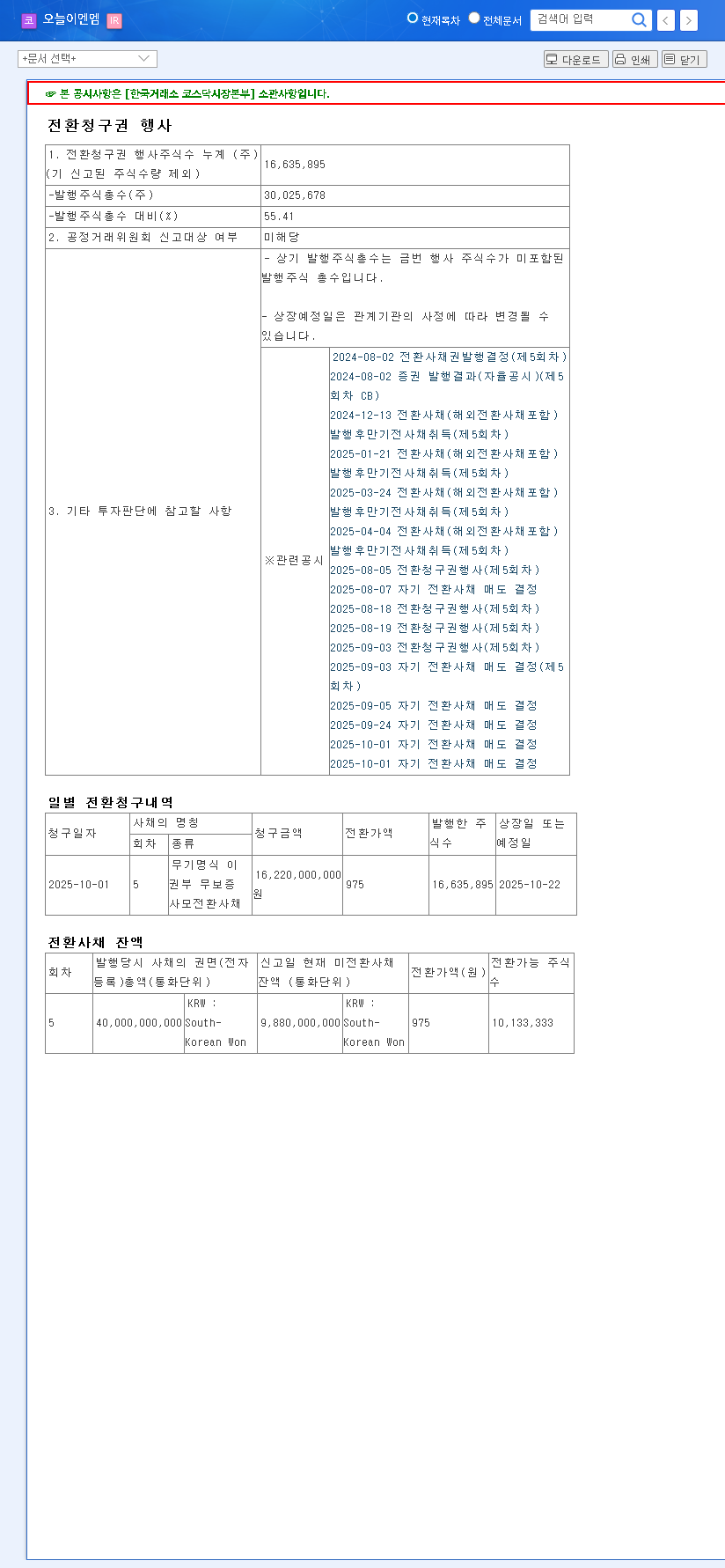
    On October 1, 2025, Oul E&M announced that conversion rights for its 5th series CBs had been exercised. This will result in 16,635,895 new shares flooding the market, scheduled for listing on October 22, 2025. The scale of this event cannot be overstated.

    Key Event Details:
    New Shares to be Listed: 16,635,895
    Percentage of Market Cap: 55.41%
    Conversion Price: 975 KRW
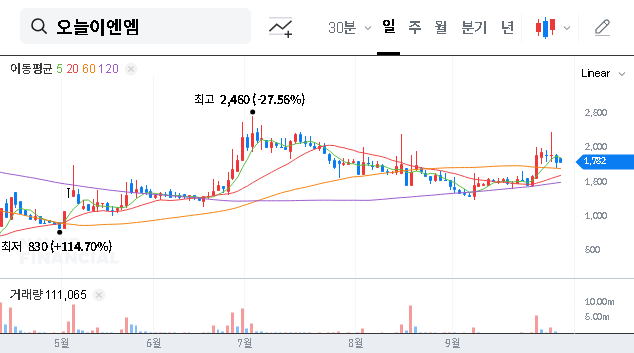
    Stock Price at Announcement: 1,782 KRW
    Expected Listing Date: October 22, 2025

    The conversion price of 975 KRW is nearly half the market price at the time of the announcement. This creates a powerful incentive for bondholders to immediately sell their newly acquired shares to lock in substantial profits, creating immense selling pressure on the Oul E&M stock.

    Diagnosing the Crisis: Why Oul E&M’s Financial Health is Crumbling

    This large-scale conversion isn’t happening in a vacuum. It is a symptom of a deeply troubled company facing a multi-faceted crisis. Bondholders are likely rushing for the exits due to these severe underlying issues.

    1. Collapse of Core Business Operations

    Revenue streams are drying up across all of Oul E&M’s primary business segments as of H1 2025:

    • Antenna Business: Revenue plunged 41.4% year-over-year. This is a direct consequence of reduced 5G infrastructure investment and the cancellation of the 28GHz frequency allocation by the government.
    • Robot Business: Revenue cratered by a staggering 84.5%. The company blames a nascent market and internal resource shifts, but the numbers suggest a fundamental failure in strategy or execution.
    • Travel Business: Now deemed non-core, revenue has fallen 87.8% and is on a path to complete divestment or shutdown.

    2. Severe Financial Deterioration and Capital Impairment

    The company’s balance sheet is in a state of emergency. As of mid-2025, total equity was a negative 20.693 billion KRW, meaning its liabilities far exceed its assets. This state of complete capital impairment is a grave sign of insolvency risk. Furthermore, with current liabilities surging 83.4% while cash flow from operations shows a massive net outflow of 78.584 billion KRW, the company faces a severe, short-term liquidity crisis. For more details on how to evaluate this, see our guide to analyzing company financials.

    3. Crippling Tax Investigations and Litigation

    Adding to the financial strain, Oul E&M is grappling with a tax assessment of approximately 29.6 billion KRW and ensuing lawsuits. While a temporary injunction provides minor relief, a negative outcome in the main lawsuit could be a final blow to the company’s finances. The uncertainty alone is enough to spook any rational investor. The full details of this event can be reviewed in the Official Disclosure filed with DART.

    Investor Alert: The Impact of the Oul E&M Convertible Bond

    For existing shareholders, the consequences of this CB conversion are direct and severe.

    • Massive Stock Dilution: The issuance of new shares equivalent to 55.41% of the company will drastically reduce the ownership percentage and value per share for existing investors. It’s the financial equivalent of cutting a pizza into many more, much smaller slices—each person’s share becomes less valuable. This is a classic example of share dilution on a massive scale.
    • Intense Selling Pressure: With over 16 million new shares becoming available to traders who can sell for an immediate profit, a significant supply/demand imbalance is virtually guaranteed. This ‘overhang’ will likely suppress the stock price leading up to and following the October 22 listing date.
    • Cratering Investor Confidence: A large CB conversion, especially amidst a capital impairment crisis, is a vote of no confidence from bondholders. This damages the company’s reputation and creditworthiness, making it harder and more expensive to raise capital in the future.

    Expert Financial Analysis & Strategic Outlook

    While Oul E&M is attempting to pivot into new, high-growth sectors like AI semiconductors and data centers, these are capital-intensive ventures with long timelines and no guarantee of success. These speculative new businesses are not enough to offset the immediate and severe risks facing the company.

    Investment Opinion: High Risk / Cautious Approach Advised

    Short-Term (0-6 Months): The outlook is overwhelmingly negative. The combination of poor fundamentals and the technical selling pressure from the Oul E&M convertible bond conversion creates a high probability of further stock price decline. A short-term investment is exceptionally risky.

    Mid-to-Long-Term (6+ Months): A turnaround is possible but highly improbable without a drastic resolution. Investors should closely monitor the following before considering a long-term position:

    • Resolution of the capital impairment through restructuring or a capital raise.
    • A favorable outcome in the ongoing tax litigation.
    • Tangible revenue and contracts from new business ventures.
    • A demonstrated recovery in core antenna and robot business performance.

    In conclusion, the exercise of these convertible bonds is a major accelerant to an already critical situation at Oul E&M. Investors are strongly advised to exercise extreme caution. The combination of fundamental weakness and technical pressure presents a formidable headwind for the Oul E&M stock in the foreseeable future.

    (192410) Oul E&M Convertible Bond: A Deep-Dive Financial Analysis on 55% Stock Dilution Risk 관련 이미지
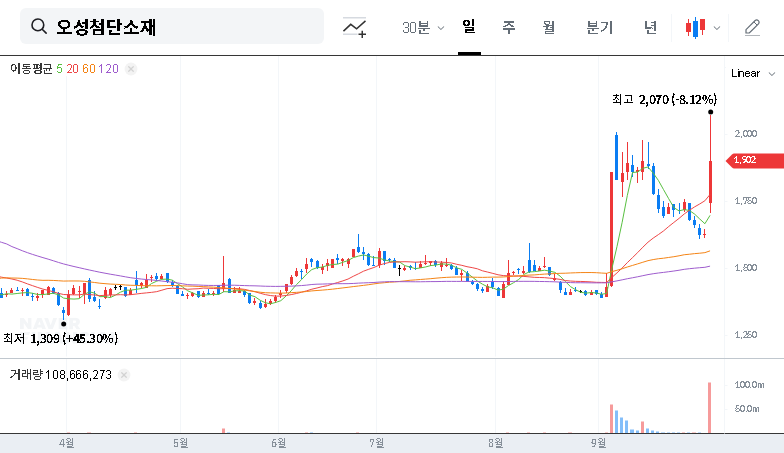
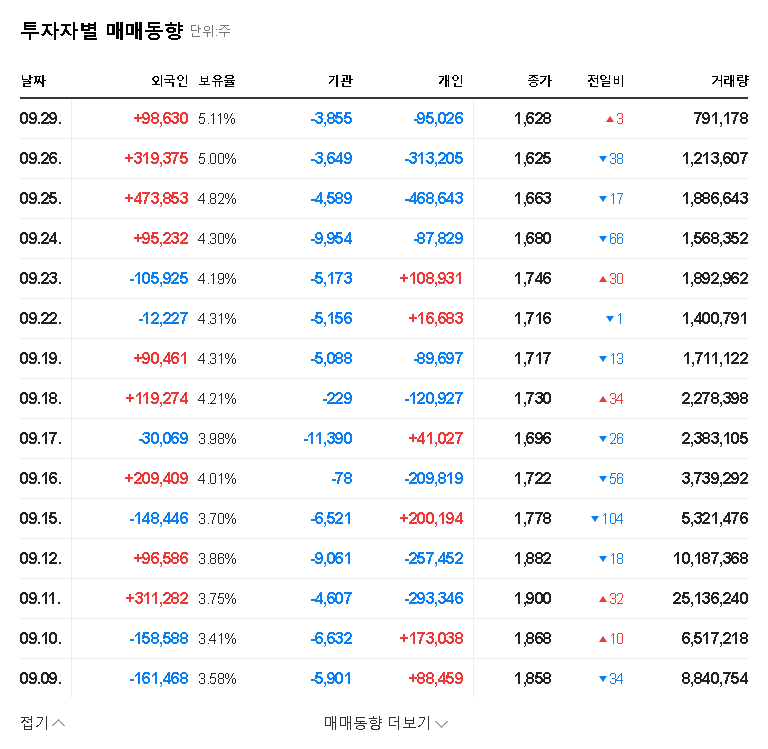
  • (052420) Ohsung Advanced Materials CB Issuance: A Deep Dive into Growth vs. Dilution Risk

    (052420) Ohsung Advanced Materials CB Issuance: A Deep Dive into Growth vs. Dilution Risk

    The recent announcement regarding the Ohsung Advanced Materials CB issuance of KRW 10 billion in private convertible bonds has sent ripples through the investment community. This significant capital injection stands at a crossroads: is it a powerful catalyst that will propel the company into a new era of growth, or does it signal a looming threat of equity dilution for existing shareholders? For investors, understanding the nuances of this financial maneuver is critical.

    This comprehensive analysis goes beyond the surface-level announcement. We will dissect the strategic motivations behind the fundraising, evaluate the potential upsides, and weigh them against the inherent risks. By examining the terms of the deal, the company’s expansion plans—including the pivotal acquisition of Hwail Pharmaceutical—and the broader macroeconomic context, this article will provide you with the insights needed to form a clear and informed investment thesis on Ohsung Advanced Materials.

    The KRW 10 Billion CB Issuance at a Glance

    To understand the implications, we must first look at the core details of the deal. A convertible bond is a hybrid security that acts like a bond (paying interest) but can be converted into a predetermined number of common stock shares. Here are the essential terms for the Ohsung Advanced Materials CB issuance:

    • Issuer: Ohsung Advanced Materials Co., Ltd.
    • Total Size: KRW 10 billion
    • Coupon/Maturity Rate: 4% per annum, offering a modest yield to bondholders.
    • Conversion Price: KRW 1,715 per share. This is the price at which bondholders can convert their debt into equity.
    • Conversion Period: October 23, 2026, to September 23, 2028.
    • Lead Investor: Korea Bond Investment Management

    For complete, verified details, investors should always refer to the Official Disclosure (Source: DART).

    Strategic Intent: Fueling a Diversified Future

    This capital raise is not merely about shoring up the balance sheet; it’s a calculated move to finance a strategic pivot. The primary use of proceeds is earmarked for the acquisition of Hwail Pharmaceutical Co., Ltd., an initiative seen as a cornerstone for future growth. By entering the pharmaceutical space, Ohsung aims to diversify its revenue streams away from its traditional—and currently struggling—display material business.

    Furthermore, the funds will bolster the company’s financial stability. Management has been actively deleveraging, with the debt ratio falling from 17.15% in 2022 to a projected 7.90% in 2024. This CB issuance, with its relatively low 4% interest rate, allows the company to secure growth capital without taking on expensive bank debt, aligning with its strategy of prudent financial management.

    This is a classic growth-versus-risk scenario. The capital provides the fuel for transformative acquisitions, but the conversion feature means existing shareholders must be confident that the future value created will outweigh the potential dilution of their stake.

    Fundamental Impact Analysis: The Bull vs. Bear Case

    The Bull Case: Growth and Financial Fortitude

    • Accelerated Business Diversification: The funds are a direct enabler for expansion into promising sectors like pharmaceuticals (via Hwail Pharm), cannabis medical, and international logistics, creating new, potentially high-margin revenue streams.
    • Strengthened Financial Health: With KRW 10 billion in cash, the company enhances its liquidity and investment capacity. This financial cushion is vital for navigating the costly Post-Merger Integration (PMI) process with Hwail Pharm and weathering economic uncertainties.
    • Managed Dilution Risk: The conversion price of KRW 1,715 is set just below the recent stock price, suggesting confidence. A floor price of KRW 1,201 for conversion adjustments also provides a buffer, protecting investors from extreme dilution in a downturn.

    The Bear Case: Risks and Execution Uncertainty

    • Inevitable Shareholder Dilution: If the company succeeds and the stock price rises above KRW 1,715, bondholders will convert their debt to equity. This will increase the total number of shares outstanding, diluting the ownership stake of existing shareholders. This is a primary concern in any Ohsung Advanced Materials investment thesis.
    • New Business Uncertainty: Success in new ventures is not guaranteed. The cannabis medical field faces regulatory hurdles, real estate is cyclical, and integrating Hwail Pharm effectively presents significant execution risk. A failure to generate returns from these investments would leave the company with debt and a weakened core business.
    • Core Business Weakness: The company’s legacy display material business is struggling, with sales down approximately 45% year-on-year. If this core segment cannot be stabilized, its losses could negate any gains from the new ventures, placing further pressure on the company’s overall profitability.

    Investor Action Plan & Key Monitoring Points

    The Ohsung Advanced Materials CB issuance is a strategic bet on the future. While it strengthens the company’s ability to pursue transformative growth, investors must remain vigilant. A successful outcome depends entirely on management’s ability to execute its diversification strategy effectively. For more information on assessing company health, you can read our guide on Understanding Financial Statements for Investors.

    Moving forward, investors should closely monitor the following key areas:

    • Hwail Pharm Integration: Track reports on synergy realization and the financial impact of the PMI. Are cost savings being achieved? Is revenue growing as projected?
    • Core Business Performance: Look for signs of stabilization or a turnaround in the display material segment. Any improvement here would significantly de-risk the overall investment case.
    • New Venture Milestones: Demand tangible progress reports on the other new businesses. Are they hitting development or revenue milestones?
    • Market Reaction and Conversion: Monitor the stock price relative to the KRW 1,715 conversion price and keep an eye on disclosures related to bond conversions as the eligibility period begins.

    (052420) Ohsung Advanced Materials CB Issuance: A Deep Dive into Growth vs. Dilution Risk 관련 이미지
    (052420) Ohsung Advanced Materials CB Issuance: A Deep Dive into Growth vs. Dilution Risk 관련 이미지
  • (340810) SiseonAI Convertible Bond (340810): In-Depth Analysis for Investors

    (340810) SiseonAI Convertible Bond (340810): In-Depth Analysis for Investors

    (340810) SiseonAI Convertible Bond (340810): In-Depth Analysis for Investors 대표 차트 이미지

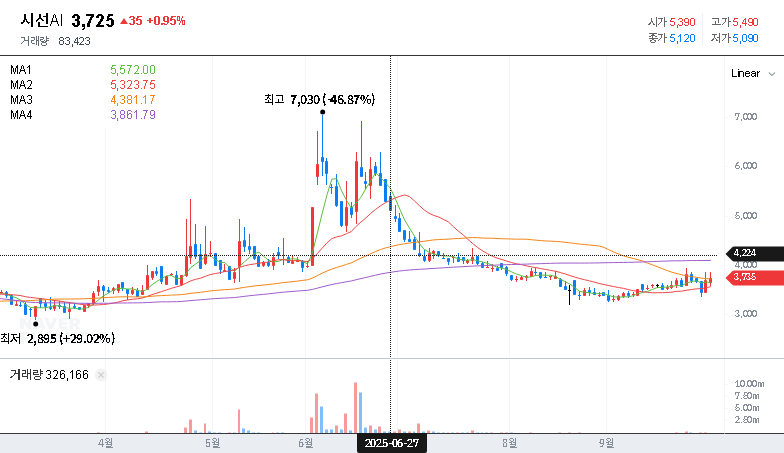
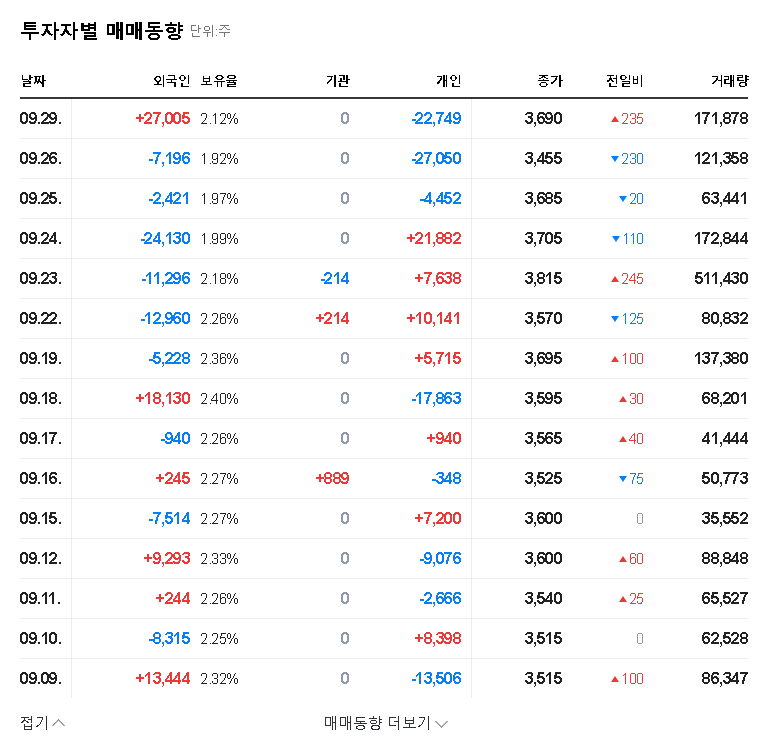
    The recent announcement of the SiseonAI convertible bond issuance has sent ripples through the investment community. SiseonAI (340810), a prominent name in AI technology, has opted to raise 2 billion KRW through convertible bonds (CBs). This move raises a critical question for current and prospective shareholders: Is this a strategic maneuver to fuel future growth and navigate financial headwinds, or a risky gamble that could dilute shareholder value and increase debt? This in-depth SiseonAI stock analysis will dissect the issuance, its implications, and provide a clear roadmap for investors.

    The Details of the SiseonAI CB Issuance

    On September 30, 2025, SiseonAI officially disclosed its decision to issue private placement convertible bonds valued at 2 billion KRW. The sole investor is Quintessa 7th Private Investment LLC. Understanding the terms is crucial for any analysis:

    • Total Value: 2 billion KRW
    • Conversion Price: 3,671 KRW per share
    • Maturity Yield: 3% annually
    • Conversion Period: From October 17, 2026, to September 17, 2055

    The full details of this financial maneuver are available in the company’s Official Disclosure (DART). A convertible bond is essentially a loan that can be converted into company stock at a predetermined price, offering a hybrid of debt and equity financing.

    Why Now? The Rationale Behind the Fundraising

    SiseonAI’s decision to issue a convertible bond stems from a convergence of pressing financial needs and ambitious growth plans. An examination of the company’s recent performance reveals a challenging landscape: revenue in the first half of 2025 plummeted by 84.5% year-over-year, leading to continued operating losses of nearly 7 billion KRW. This was compounded by extremely high R&D expenses, which are critical for staying competitive in the fast-paced AI sector.

    This capital injection is a crucial, albeit necessary, measure to bridge the gap between current operational costs and the future revenue streams from promising new ventures in AI robotics and wellness solutions.

    While core segments like AI facial recognition have seen reduced public sector demand, other areas like the financial sector’s adoption of SEEU ID show promise. The funds from the SiseonAI CB issuance are earmarked to provide vital liquidity and fuel investment into new, high-potential markets. For more on evaluating companies in this space, you can read our guide on how to analyze AI technology stocks.

    The Double-Edged Sword: Impact of the CB Issuance

    This fundraising will have a mixed and profound impact on SiseonAI’s financial health and stock valuation. Investors must weigh the potential upside against the significant risks.

    Positive Impacts: A Lifeline for Growth

    The most immediate benefit is a boost in short-term liquidity. The 2 billion KRW provides crucial operating capital, easing management uncertainty. Furthermore, it allows SiseonAI to accelerate investment in its next-generation ventures, such as AI medical solutions, wellness platforms, and robotics, which are essential for long-term growth and market diversification.

    Negative Impacts: Dilution and Debt Burden

    The primary concern for existing shareholders is potential stock dilution. If the bonds are converted, the number of outstanding shares increases, which can decrease the value of each individual share. While the conversion price of 3,671 KRW is slightly above the recent stock price, future market volatility could easily trigger conversions. Additionally, the 3% annual interest on the bonds adds to the company’s financial burden, and the principal must eventually be repaid if not converted. This type of debt financing can sometimes weaken investor sentiment, as noted by market analysts at sources like Bloomberg.

    Investor Strategy: Key Points to Monitor

    For those considering an investment in SiseonAI (340810), a cautious and vigilant approach is paramount. The success of this SiseonAI convertible bond hinges entirely on the company’s ability to execute its strategy and deliver tangible results.

    Your focus should be on the company’s fundamental performance. Monitor these key areas closely:

    • New Business Traction: Watch for actual revenue and profitability from the AI medical, wellness, and robot divisions. Are they hitting milestones?
    • Core Business Recovery: Is revenue from the established AI facial recognition and security solutions stabilizing or recovering?
    • Financial Health Metrics: Keep an eye on the debt ratio, cash flow statements, and any progress towards resolving capital impairment.
    • Future Fundraising: Be aware of any announcements of additional fundraising, which could signal further challenges or dilution.

    In conclusion, while the SiseonAI convertible bond provides a necessary financial bridge, it doesn’t solve the underlying challenge of declining revenue in its core business. Long-term success will depend on the fruitful commercialization of its world-class Vision AI technology in new markets. Investors should proceed with caution, basing their decisions on diligent monitoring of the company’s operational performance rather than short-term market sentiment.

    Frequently Asked Questions (FAQ)

    Q1: What is the main reason SiseonAI issued convertible bonds?

    SiseonAI issued the CBs to secure essential liquidity amid a sharp decline in revenue and ongoing operating losses. The funds will be used for both operational stability and to invest in new growth areas like AI robotics, medical, and wellness solutions.

    Q2: How might this CB issuance affect SiseonAI’s stock price?

    In the short term, the impact may be muted or negative due to concerns about future stock dilution. If the bonds are converted into shares, the increased supply of stock could put downward pressure on the price. Long-term impact depends entirely on how effectively the company uses the capital to generate profit.

    Q3: What should SiseonAI investors primarily monitor?

    Investors should focus on fundamental business performance. Key metrics include revenue growth from new ventures, the recovery of existing business lines, and overall improvement in financial health (e.g., debt ratio, cash flow). The CB issuance is a means to an end; the end goal of profitability is what matters.

    (340810) SiseonAI Convertible Bond (340810): In-Depth Analysis for Investors 관련 이미지
    (340810) SiseonAI Convertible Bond (340810): In-Depth Analysis for Investors 관련 이미지
  • (112290) Y.C.Chem Convertible Bond (112290): Dilution Risk or Growth Catalyst?

    (112290) Y.C.Chem Convertible Bond (112290): Dilution Risk or Growth Catalyst? 대표 차트 이미지


    The recent announcement of the Y.C.Chem convertible bond issuance has sent ripples through the investment community. Y.C.Chem (112290), a key player in semiconductor materials, has confirmed its plan to raise 11 billion KRW through private placement convertible bonds (CBs). This move presents a critical dilemma for current and potential investors: is this a precursor to significant stock dilution that will harm shareholder value, or is it a strategic masterstroke to fund the next wave of growth in high-demand sectors like High Bandwidth Memory (HBM)?

    This comprehensive analysis will dissect the issuance, weigh the short-term risks against the long-term potential, and provide a clear framework for what investors should monitor moving forward.

    Breaking Down the Y.C.Chem Convertible Bond Issuance

    On September 29, 2025, Y.C.Chem officially disclosed its decision to issue the 11 billion KRW in CBs. For a full breakdown, you can view the Official Disclosure (DART). The market’s attention is fixated on several key details:

    • Issuance Amount: 11 billion KRW via private placement.
    • Key Dates: Announced on Sept 29, 2025, with payment due Oct 14, 2025.
    • Investor Terms: A 0.0% coupon rate (zero-coupon) but a 4.5% maturity yield.
    • The Critical Disparity: A staggering gap between the current stock price (around 824 KRW) and the conversion price of 21,093 KRW.

    This massive difference between the market price and the conversion price is the primary source of investor anxiety, as it implies a future flood of new shares at a price far above the current valuation if conversion becomes possible.

    The Two Sides of the Coin: Dilution vs. Strategic Growth

    The Bear Case: The Threat of Stock Dilution

    The most immediate concern is stock dilution. When these convertible bonds are eventually converted into common stock, the total number of outstanding shares increases. This means each existing share represents a smaller percentage of ownership, potentially reducing its value. Given the conversion price of 21,093 KRW, if the stock price ever reaches that level, bondholders will have a massive incentive to convert. This overhang—the market’s awareness of potential future share issuance—can put significant downward pressure on the stock price in the short to medium term. For more on this topic, see this excellent explanation of convertible bonds from Investopedia.

    The Bull Case: Fueling the Future Growth Engine

    Conversely, this fundraising could be a pivotal strategic move. Y.C.Chem’s financial reports highlight a strong commitment to R&D. The 11 billion KRW is likely earmarked for high-growth initiatives that could redefine the company’s future. The primary target appears to be the localization of advanced materials like TSV photoresist, a critical component in HBM manufacturing. Successfully capturing a piece of this market could generate revenue far exceeding the dilutive effects of the Y.C.Chem convertible bond. The capital could be used for:

    • R&D Investment: Fast-tracking the development and commercialization of new technologies.
    • Facility Expansion: Building out production capacity to meet anticipated demand.
    • Working Capital: Ensuring operational liquidity during a period of aggressive expansion.

    A Savvy Investor’s Action Plan

    The direction of Y.C.Chem’s stock will ultimately depend on management’s execution. A cautious but watchful approach is warranted. Here are the key factors to monitor:

    1. Track the Use of Funds

    The most critical task is to follow the money. Look for specific company announcements, quarterly reports, and investor calls detailing how the 11 billion KRW is being deployed. Are there tangible results, such as new patents, client contracts for HBM materials, or successful production line tests? Vague promises are a red flag; concrete progress is the key to long-term value creation.

    2. Monitor Financial Health and Performance

    While the issuance increases debt, Y.C.Chem entered this with a very low debt ratio of just 7.90%, providing significant financial flexibility. However, it’s crucial to monitor if the company can reverse its 2024 performance slump and show improved profitability in 2025. You can learn more by reading our guide on how to analyze semiconductor stocks. Strong revenue growth is the best antidote to dilution fears.

    3. Watch Macroeconomic and Industry Trends

    The semiconductor market is notoriously cyclical. Keep an eye on global demand, supply chain issues, interest rates, and currency fluctuations. A rising tide in the semiconductor industry could lift Y.C.Chem’s stock price, making the conversion price target more attainable and validating the company’s growth strategy.

    In conclusion, the Y.C.Chem convertible bond is a high-stakes gamble on the company’s future. While short-term pain from dilution concerns is likely, the long-term prize could be substantial if the capital is used effectively to pioneer new technologies. Informed investors must remain vigilant and base their decisions on the company’s execution, not just its promises.


    (112290) Y.C.Chem Convertible Bond (112290): Dilution Risk or Growth Catalyst? 관련 이미지
    (112290) Y.C.Chem Convertible Bond (112290): Dilution Risk or Growth Catalyst? 관련 이미지


  • Xecure Hightron Issues ₩3B Convertible Bonds: Opportunity or Risk? (September 2025)

    Xecure Hightron Issues ₩3B Convertible Bonds: Opportunity or Risk? (September 2025) 대표 차트 이미지

    1. What Happened?: ₩3 Billion Convertible Bond Issuance

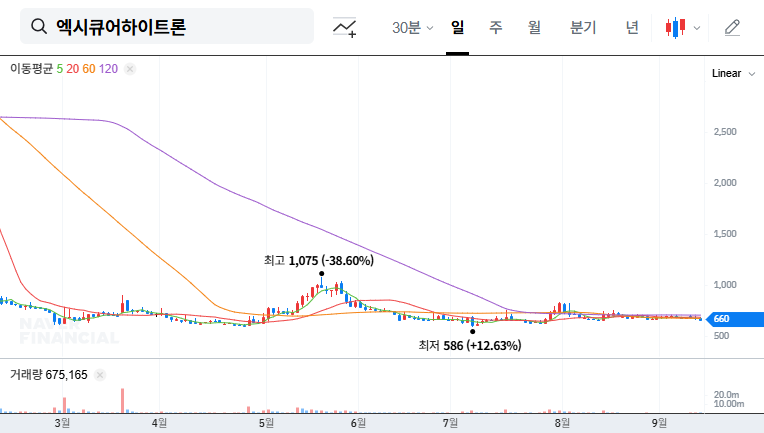
    Xecure Hightron announced the issuance of ₩3 billion convertible bonds with a payment date of September 18, 2025. This is a private offering to Sangsangin Plus Savings Bank and Sangsangin Securities, with a conversion price of ₩692, higher than the current stock price of ₩673.

    2. Why?: Funding Acquisition and Financial Structure Improvement

    Xecure Hightron aims to secure funds for new business investments and operations, as well as improve its financial structure through this bond issuance. This is due to the company’s financial difficulties, including expanding operating losses and increasing debt ratios, despite the growth of its information and communications business.

    3. What’s Next?: Opportunities and Risks Coexist

    • Positive Aspect: Short-term liquidity improvements could provide financial breathing room.
    • Negative Aspect: The conversion price is higher than the current stock price, leading to potential stock dilution. Increased interest expenses and future repayment obligations could exacerbate the financial burden.

    4. What Should Investors Do?: Proceed with Caution

    Investors should carefully consider Xecure Hightron’s fundamentals, market environment, and past stock price patterns before making investment decisions. Closely monitoring the possibility of future bond conversion and the company’s profitability improvement is crucial. While short-term funding is positive, long-term investment value is uncertain without fundamental improvements in profitability.

    What are convertible bonds?

    Convertible bonds are a type of debt security that can be converted into shares of common stock under certain circumstances.

    How does issuing convertible bonds affect stock prices?

    When conversion rights are exercised, the number of outstanding shares increases, leading to stock dilution. The issuance itself can also be interpreted as a negative signal about the company’s financial health, potentially causing the stock price to decline.

    What are the key investment points for Xecure Hightron?

    The growth of the information and communications business and the potential of the AI security market are positive factors. However, investors should proceed with caution, considering the deteriorating financial health and the risks associated with the convertible bond issuance.

    Xecure Hightron Issues ₩3B Convertible Bonds: Opportunity or Risk? (September 2025) 관련 이미지
    Xecure Hightron Issues ₩3B Convertible Bonds: Opportunity or Risk? (September 2025) 관련 이미지
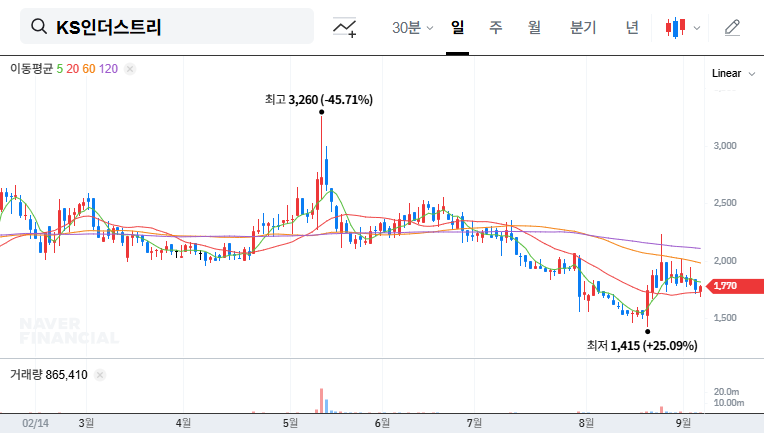
  • KS Industry Issues $20 Billion Convertible Bonds: Diversification vs. Dilution – Is it a Good Investment?


    KS Industry Issues $20 Billion Convertible Bonds: Diversification vs. Dilution - Is it a Good Investment? 대표 차트 이미지


    KS Industry’s $20 Billion Convertible Bond Offering: What Happened?

    KS Industry announced on September 4, 2025, a private offering of $20 billion in convertible bonds (CBs). The conversion price is set at ₩1,837, slightly higher than the current market price of ₩1,770, with a payment date of November 3, 2025.

    Why the Convertible Bond Offering?

    KS Industry is facing challenges due to sluggish performance in its core business of manufacturing ship components. With operating losses widening, securing funds for investments in new businesses like AI and topological insulators has become crucial. This CB offering aims to secure funding for these new ventures and improve the company’s financial structure.

    What is the Impact of the Convertible Bond Offering?

    • Positive Impacts:
      • Accelerated investment in new businesses (AI, topological insulators, etc.)
      • Improved financial structure and stability
    • Negative Impacts:
      • Potential stock dilution due to the conversion of CBs (31.85% of the total offering)
      • Possibility of conversion price adjustments downwards due to the set floor price (₩1,286), potentially increasing the company’s financial burden.

    What Should Investors Do?

    Investing in KS Industry hinges on the success of its new ventures. Caution is advised due to potential short-term stock volatility. Investors should carefully monitor the following factors before making investment decisions:

    • Conversion trends of the convertible bonds
    • Concrete progress and performance of new businesses
    • External factors such as global economic conditions, shipbuilding industry outlook, interest rates, and exchange rates


    Frequently Asked Questions (FAQ)

    What are KS Industry’s main businesses?

    KS Industry’s core business is manufacturing ship components. Recently, they have been expanding investments in new areas like cosmetics, AI, and topological insulators.

    How will the funds from this convertible bond offering be used?

    The funds will primarily be used for investments in new businesses such as AI and topological insulators.

    How will this convertible bond offering impact the stock price?

    In the short term, it is expected to improve financial stability through fundraising. However, in the long term, there is a possibility of stock dilution due to the conversion of the bonds.


    KS Industry Issues $20 Billion Convertible Bonds: Diversification vs. Dilution - Is it a Good Investment? 관련 이미지
    KS Industry Issues $20 Billion Convertible Bonds: Diversification vs. Dilution - Is it a Good Investment? 관련 이미지