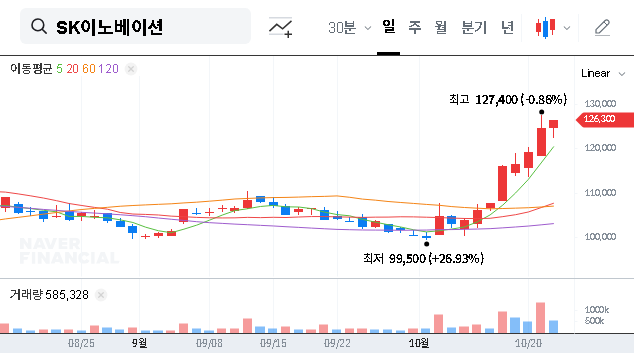
SK Innovation has made a significant financial move, announcing a ₩600 billion SK Innovation convertible bond (CB) issuance. This decision has sent ripples through the investment community, sparking a critical debate: Is this a masterstroke to fuel future growth, or a move that poses a serious shareholder dilution risk for the company’s stock? For current and prospective investors, understanding the nuances of this deal is paramount.
This comprehensive analysis will break down the mechanics of the SK Innovation CB issuance, explore the strategic rationale behind it, and weigh the potential rewards against the inherent risks. We will provide a clear-eyed view to help you formulate a sound investment strategy and navigate the future of SK Innovation stock.
This isn’t just about raising capital; it’s a calculated bet on SK Innovation’s next chapter in green energy and advanced materials. The terms of the deal reveal both confidence from institutional backers and a potential challenge for existing equity holders.
Deconstructing the ₩600 Billion Bond Issuance
To grasp the full picture, it’s essential to understand the specific terms of this private placement. These details dictate the financial implications for the company and its shareholders.
- •Total Issuance Amount: A substantial ₩600 billion, earmarked for strategic growth initiatives.
- •Interest Rate (Coupon & Yield): An aggressive 0.0%. This is a zero-coupon bond, meaning SK Innovation pays no interest, a significant advantage that minimizes the immediate financial burden.
- •Conversion Price: Set at ₩123,642 per share. This is the price at which bondholders can convert their debt into equity. Its relation to the market price is the crux of the shareholder dilution issue.
- •Conversion Period: Begins October 31, 2026. Bondholders can start converting to stock from this date, assuming the market price is favorable.
- •Key Investors: Participation from major players like Korea Investment Eastbridge Global Green Energy No. 1 Private Equity Fund signals strong institutional confidence in SK Innovation’s long-term vision.
Strategic Imperatives: Why Now?
The primary motivation behind this SK Innovation convertible bond is to secure a war chest for future growth without the immediate cost of interest payments. The funds are slated to enhance core business competitiveness and aggressively expand into new, high-growth sectors, particularly eco-friendly businesses and advanced battery technologies. This move allows the company to invest heavily in R&D and scale production, positioning itself as a leader in the global energy transition.
The Upside: A Catalyst for Growth
If successful, this capital injection could be transformative. It enables SK Innovation to accelerate its strategic pivots, potentially unlocking significant long-term value. A successful deployment of funds could lead to market share gains, innovative new products, and ultimately, a stronger bottom line. For investors, this translates into the potential for significant capital appreciation if the company’s growth story materializes and drives the SK Innovation stock price higher.
The Downside: The Specter of Shareholder Dilution
The most significant risk is shareholder dilution. Because the conversion price (₩123,642) is substantially lower than the recent market price, it creates a strong incentive for bondholders to convert their debt into stock if the share price remains high or appreciates further. When this happens, the total number of outstanding shares increases, which dilutes the ownership stake and earnings per share (EPS) for existing shareholders. This overhang can put downward pressure on the stock price in the short to medium term.
An Investor’s Playbook for the SK Innovation CB Issuance
Navigating this situation requires a proactive and informed investment strategy. While short-term volatility is likely, long-term success hinges on the company’s execution. For more context on how corporate bonds impact company valuations, you can review expert analysis from sources like Bloomberg.
- •Monitor Fund Utilization: Keep a close eye on company announcements regarding how the ₩600 billion is being spent. Are the investments strategic and likely to generate returns?
- •Track Business Performance: The ultimate antidote to dilution fears is strong performance. Watch key metrics like revenue growth, profit margins, and progress in the battery division. You can compare this with our deep dive on SK’s battery technology.
- •Evaluate Anti-Dilution Measures: Observe if the company communicates any strategies to mitigate the impact, such as future share buyback programs, to support the stock price.
- •Maintain a Long-Term Perspective: This is a long-term play. Short-term price drops due to dilution fears could present buying opportunities if you believe in the company’s fundamental growth story.
For complete transparency, investors are encouraged to review the company’s filing directly. The Official Disclosure (Source: DART) provides the unabridged details of the convertible bond issuance.
Conclusion: A Calculated Risk for a Greener Future
SK Innovation’s ₩600 billion convertible bond is a bold, strategic move that trades short-term dilution risk for the promise of long-term, sustainable growth. The zero-interest nature of the deal is a major financial coup, and the backing of institutional investors provides a powerful vote of confidence. For shareholders, the path forward requires diligence. The key is to look beyond the immediate market reaction and focus on whether this fresh capital translates into tangible business results and enhanced corporate value over time. Success in this venture could redefine SK Innovation’s market position for years to come.
