Tag: Sindoh

  • (029530) Sindoh Share Buyback (029530): KRW 10B Investment Analysis

    (029530) Sindoh Share Buyback (029530): KRW 10B Investment Analysis

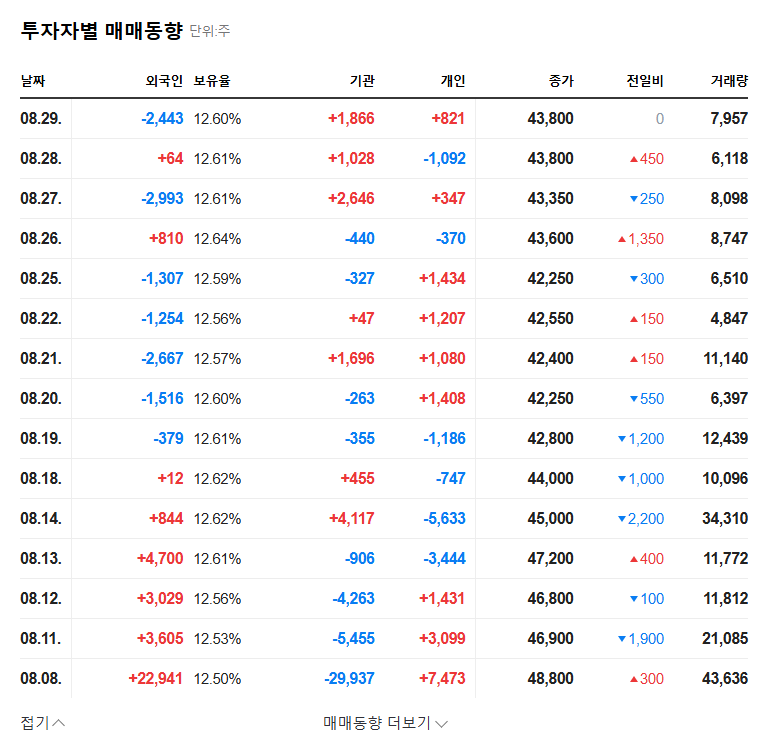
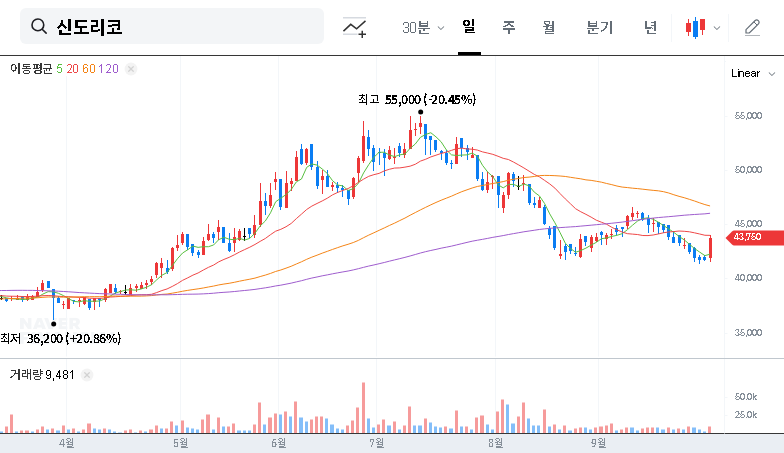
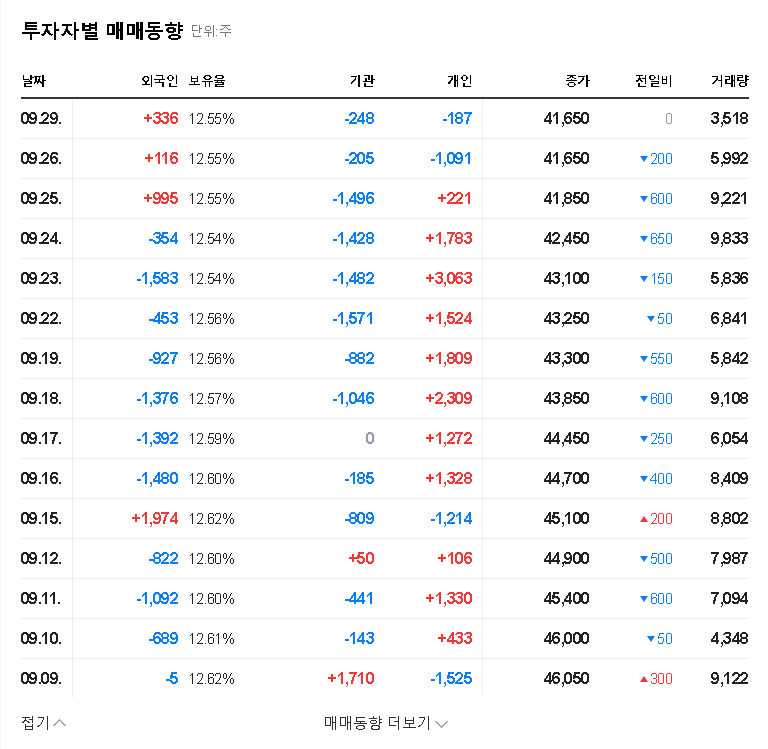
    In a significant move capturing investor attention, Sindoh (029530) has announced a substantial KRW 10 billion Sindoh share buyback program. This decision comes at a pivotal moment, as the company navigates a period of financial underperformance against a backdrop of global economic uncertainty. For investors, the key question is clear: Is this stock repurchase a strategic masterstroke to unlock shareholder value and signal a confident future, or is it a short-term measure to placate the market? This comprehensive investment analysis will dissect the buyback’s context, potential impacts, and crucial considerations for anyone monitoring Sindoh 029530.

    The Announcement: A KRW 10 Billion Commitment to Shareholders

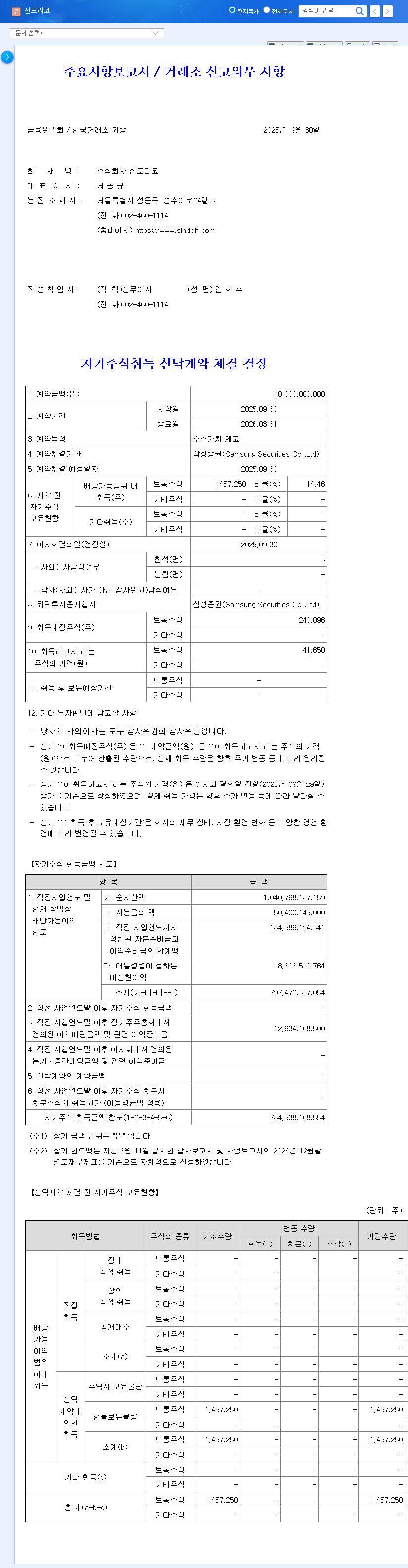
    On September 30, 2025, Sindoh, a stalwart in the office equipment sector, formally disclosed its plan to acquire its own shares through a trust agreement. The company has allocated KRW 10 billion for this purpose, contracting with Samsung Securities to execute the buyback. The program is set to run for six months, from September 30, 2025, to March 31, 2026. This move is explicitly aimed at enhancing shareholder value and stabilizing the stock price. You can view the complete filing in the Official Disclosure (DART).

    Analyzing the ‘Why’: Strategy Amidst a Downturn

    Confronting Recent Financial Headwinds

    The timing of the Sindoh share buyback is critical. The company’s H1 2025 report revealed challenging results: sales fell 16.13% year-on-year to KRW 150.28 billion, and operating profit saw a steep 91.88% decline to just KRW 1.63 billion. A significant 27.27% drop in exports highlighted the impact of a global slowdown, ultimately pushing the company to a net loss of KRW 1.51 billion. These figures paint a picture of a company facing intense competition and volatile raw material prices, making the commitment of KRW 10 billion to a buyback a bold statement of confidence.

    A Fortress Balance Sheet and Tech Foundation

    Despite the operational struggles, Sindoh’s financial foundation is exceptionally strong. A staggering current ratio of 1,752.43% and a minuscule debt-to-equity ratio of 7.90% indicate immense liquidity and low financial risk. This robust balance sheet is precisely what enables the company to fund a significant stock repurchase without jeopardizing its operational stability. Furthermore, consistent R&D investment and a portfolio of 673 industrial property rights underscore a commitment to long-term technological competitiveness, a crucial asset in the rapidly evolving office equipment industry. For more information on what these metrics mean, you can read this guide on Understanding Financial Ratios for Tech Companies.

    The core of this decision lies in the tension between recent poor performance and an incredibly strong financial structure. Management is signaling that they believe the company’s intrinsic value is far greater than its current market price reflects.

    Potential Impacts of the Sindoh Share Buyback

    A share buyback, also known as a stock repurchase, can have several positive effects. By reducing the number of shares outstanding, it mechanically increases key per-share metrics. A detailed explanation of this mechanism can be found on high-authority sites like Investopedia.

    The Bull Case: Enhanced Value and Confidence

    • Increased EPS and ROE: With fewer shares in circulation, Earnings Per Share (EPS) and Return on Equity (ROE) are likely to increase, assuming profits stabilize or grow. This makes the stock appear more attractive on a fundamental basis.
    • Stock Price Support: The buyback creates a consistent source of demand for the stock, which can act as a floor, preventing sharp price declines and contributing to overall stability during volatile periods.
    • Positive Management Signal: A buyback is often interpreted as a sign that the company’s management believes its stock is undervalued. This can significantly boost investor confidence and sentiment.

    The Bear Case: A Band-Aid on a Deeper Wound

    • Dependency on Performance: The positive effects of the buyback will be short-lived if not supported by a genuine turnaround in operational performance. A stock repurchase cannot indefinitely prop up a stock price if revenues and profits continue to decline.
    • Opportunity Cost: The KRW 10 billion could have been used for other strategic initiatives, such as acquisitions, aggressive R&D into new technologies, or marketing pushes to reclaim market share.
    • Market Headwinds: Broader macroeconomic factors, such as rising interest rates, currency fluctuations, and a sustained global slowdown, could overwhelm the positive impact of the buyback.

    Investor Action Plan & Final Verdict

    Our overall investment opinion for Sindoh 029530 remains Neutral. The Sindoh share buyback is an undeniably positive signal of commitment to shareholder value, made possible by an exemplary balance sheet. It provides a strong reason for existing shareholders to hold and a point of interest for potential investors.

    However, this action must be viewed as a single piece of a larger puzzle. A sustainable rally in the stock price will depend entirely on the company’s ability to navigate the tough market, innovate, and restore its profitability. Investors should not rely on the buyback alone but should instead monitor the following key points closely.

    Key Monitoring Points for Investors:

    • Buyback Execution: Track the progress and pace of the share repurchase over the next six months.
    • Quarterly Earnings Reports: Scrutinize the upcoming financial reports for any signs of a turnaround in sales and operating profit.
    • Strategic Initiatives: Look for announcements regarding new products, market expansion, or efficiency improvements that address the core performance issues.
    • Macroeconomic Indicators: Keep an eye on global trade data, currency exchange rates (especially USD/KRW), and raw material costs.

    Disclaimer: This article is for informational purposes only and does not constitute investment advice. All investment decisions should be made based on your own research and risk tolerance.
    (029530) Sindoh Share Buyback (029530): KRW 10B Investment Analysis 관련 이미지
    (029530) Sindoh Share Buyback (029530): KRW 10B Investment Analysis 관련 이미지
  • (029530) Sindoh Seongsu-dong Property Acquisition: An In-Depth Financial Analysis

    (029530) Sindoh Seongsu-dong Property Acquisition: An In-Depth Financial Analysis

    Sindoh, a stalwart in the business solutions industry for over 65 years, has made a decisive move that has captured the market’s full attention. The recent Sindoh Seongsu-dong property acquisition, a massive KRW 220.2 billion investment, raises a critical question for investors: Is this a visionary step towards future growth or a high-stakes gamble amid declining core business profitability? This significant capital allocation into Seoul’s trendiest district demands a thorough examination.

    In this comprehensive analysis, we will dissect the Sindoh real estate investment from every angle. We’ll explore the strategic rationale, analyze the company’s underlying financial health, evaluate the potential impacts on its operations and stock price, and provide actionable insights for current and prospective investors. Understanding the nuances of this deal is key to predicting Sindoh’s future trajectory.

    The Landmark Deal: Sindoh’s KRW 220.2 Billion Acquisition

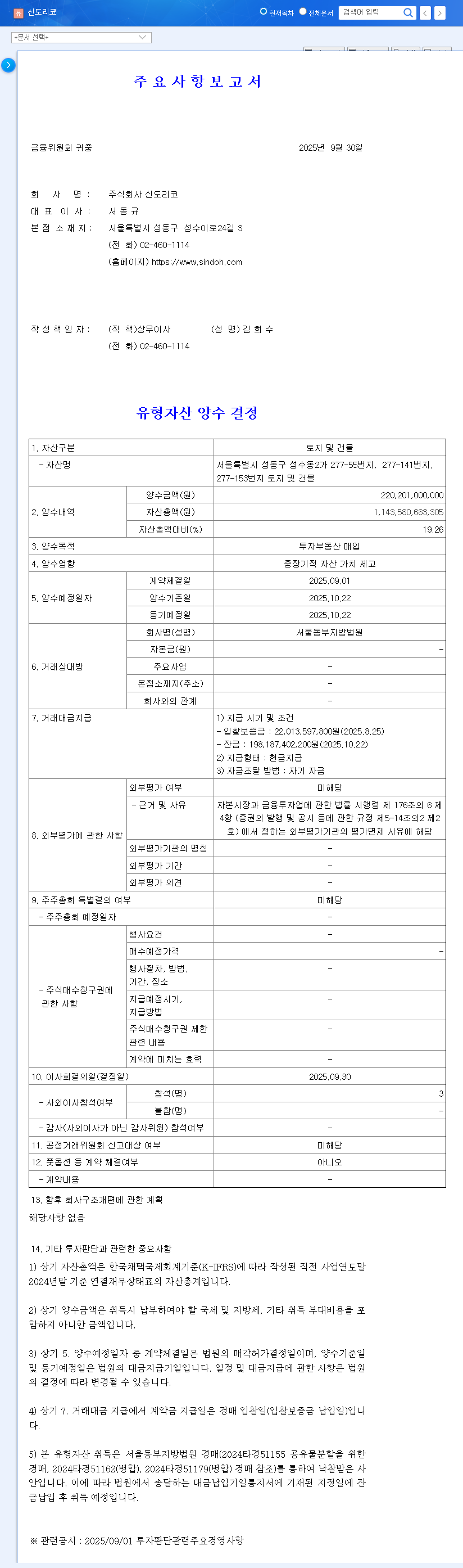
    On September 30, 2025, Sindoh formally announced its acquisition of prime land and buildings in Seongsu-dong, Seoul. The total transaction value of KRW 220.2 billion represents a staggering 19.26% of the company’s total assets, underscoring the magnitude of this strategic pivot. The deal was financed entirely through the company’s internal cash reserves, a testament to its conservative financial management over the years. The company officially detailed this transaction in its public filing (Source: Official Disclosure).

    Key Transaction Details:

    • Asset: Land and buildings in Seongsu-dong 2-ga, Seongdong-gu, Seoul.
    • Acquisition Amount: KRW 220.2 billion.
    • Financing: 100% internal cash funds.
    • Stated Purpose: Enhancement of long-term asset value via investment properties.

    Strategic Rationale: Why Seongsu-dong? Why Now?

    While the Sindoh Seongsu-dong property acquisition may seem disconnected from its core copier and printer business, it aligns with a broader strategy of portfolio diversification. The company’s traditional market is mature and facing headwinds from digitalization. This move into real estate is a clear attempt to hedge against these challenges and build new, stable revenue streams.

    Sindoh’s official purpose for the acquisition is to ‘enhance long-term asset value.’ This signals a shift from purely operational revenue generation to a blended strategy that includes significant asset appreciation.

    Seongsu-dong is not just any location; it’s the epicenter of Seoul’s modern cultural and business boom. Once an industrial zone, it has transformed into a vibrant hub for tech startups, luxury brands, art galleries, and trendy cafes. This makes it a prime location in Seoul’s booming real estate market, offering immense potential for both capital gains and high rental yields. By securing a foothold here, Sindoh is positioning itself to benefit from the area’s continued growth.

    Sindoh Financial Analysis: A Company at a Crossroads

    To understand the context of this investment, a deep dive into Sindoh’s fundamentals is crucial. The company presents a mixed financial picture.

    Strengths (The Foundation)

    • Rock-Solid Balance Sheet: A low debt-to-equity ratio showcases excellent financial stability.
    • Strong Cash Position: Growing cash reserves provided the firepower for this acquisition without taking on debt. For a deeper dive into our analysis of corporate financial health, see our guide on evaluating balance sheets.
    • Shareholder-Friendly: A history of stable dividends indicates a commitment to returning value to investors.

    Weaknesses (The Headwinds)

    • Eroding Profitability: The core business has seen declining sales and a significant net loss, pressured by market saturation and intense competition.
    • Negative Cash Flow: Weakening operating cash flow raises concerns about the core business’s ability to generate cash internally.
    • Operational Inefficiency: A low production utilization rate of around 37% points to inefficiencies in its manufacturing operations.

    Impact on Sindoh’s Stock and Future

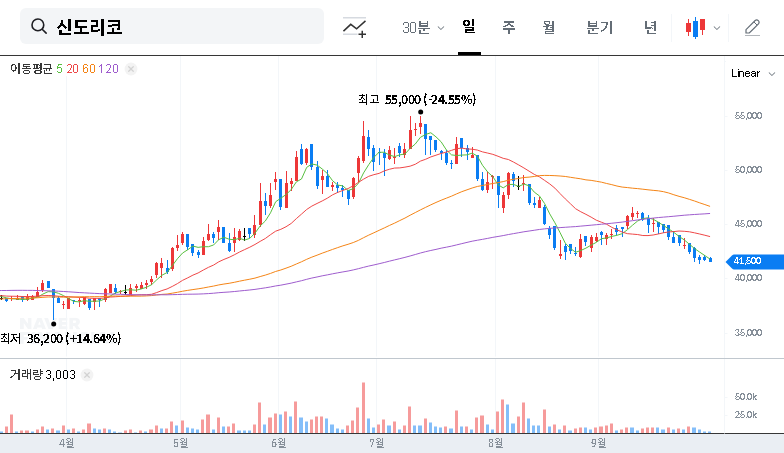
    The Sindoh stock price has been volatile, and this acquisition introduces new variables. In the short term, the market may react cautiously. A KRW 220.2 billion cash outflow, when the core business is struggling, could be viewed as a risky use of capital. However, the long-term perspective could be far more positive. If the Seongsu-dong property generates significant rental income or appreciates in value, it could transform Sindoh’s financial profile and provide a powerful new catalyst for its stock price.

    Investor Takeaways & Action Plan

    For investors, the Sindoh Seongsu-dong property acquisition is a pivotal event. The key is to monitor how the company balances this new venture with the need to revitalize its core operations.

    • Monitor for a Clear Strategy: Watch for clear communication from management about their development plans for the property and their strategy to improve core business profitability.
    • Track Financial Health: Keep a close eye on quarterly reports to see how the cash reduction impacts liquidity and whether operating cash flow begins to recover.
    • Assess Real Estate Performance: Look for news regarding tenants, development progress, or valuation updates for the Seongsu-dong asset.

    Ultimately, this investment could be the masterstroke that redefines Sindoh for the next decade. However, its success hinges on shrewd execution and a concurrent turnaround in its primary business. Cautious optimism and diligent monitoring are the recommended approaches for investors.

    (029530) Sindoh Seongsu-dong Property Acquisition: An In-Depth Financial Analysis 관련 이미지
    (029530) Sindoh Seongsu-dong Property Acquisition: An In-Depth Financial Analysis 관련 이미지
  • Sindoh’s $2.2 Billion Bet on Seongsu-dong Real Estate: Opportunity or Risk?

    Sindoh's $2.2 Billion Bet on Seongsu-dong Real Estate: Opportunity or Risk? 대표 차트 이미지

    1. What Happened?

    On September 1, 2025, Sindoh announced the acquisition of land and buildings in Seongsu-dong, Seoul, for ₩220.21 billion (approximately $2.2 billion USD) through a public auction. This represents about 19% of Sindoh’s total assets and is intended as an ‘investment property’ acquisition.

    2. Why This Investment?

    Sindoh is currently experiencing declining sales and deteriorating profitability. This investment is interpreted as an attempt to secure long-term growth momentum and strengthen its financial structure through property value appreciation and rental income. Seongsu-dong is an emerging hotspot in Seoul, with high future value expectations.

    3. What’s the Outlook?

    While this investment could have positive effects in the long run, it may pose financial burdens and liquidity issues in the short term. The current high interest rates and exchange rate volatility are likely to add pressure on Sindoh. The lack of direct synergy with its core business should also be considered.

    4. Investor Action Plan

    • Funding and Liquidity Management: Carefully review Sindoh’s funding plan and liquidity management strategy.
    • Monetization Strategy: Evaluate the expected rental income and return on investment plan to assess the investment’s effectiveness.
    • Exchange Rate Risk Management: Review their strategy for managing exchange rate risk, considering the potential for foreign currency transactions.
    • Synergy with Core Business: Analyze potential synergies with new business ventures or diversification plans.
    • Monitoring Performance Improvement: Continuously monitor Sindoh’s efforts to improve profitability and strengthen its core business competitiveness.

    Frequently Asked Questions

    Q1. What is the purpose of Sindoh’s investment in Seongsu-dong real estate?

    A1. The aim is to secure long-term growth momentum and strengthen the financial structure through property value appreciation and rental income.

    Q2. What are the positive and negative impacts of this investment?

    A2. Positively, long-term asset value appreciation and rental income are expected. Negatively, there are concerns about short-term liquidity burdens and increased exchange rate volatility.

    Q3. What should investors pay attention to?

    A3. Investors should carefully consider the funding plan, monetization strategy, exchange rate risk management, synergy with the core business, and efforts to improve performance.

    Sindoh's $2.2 Billion Bet on Seongsu-dong Real Estate: Opportunity or Risk? 관련 이미지
    Sindoh's $2.2 Billion Bet on Seongsu-dong Real Estate: Opportunity or Risk? 관련 이미지
  • Sindoh’s $65M Tokyo Real Estate Investment: Opportunity or Risk? (Investor Action Plan)

    Sindoh's $65M Tokyo Real Estate Investment: Opportunity or Risk? (Investor Action Plan) 대표 차트 이미지

    1. What Happened?: Sindoh Bets $65M on Tokyo Real Estate

    Sindoh’s subsidiary, Sindoh Property Japan, will acquire land and buildings in Shibuya, Tokyo, for $65 million, representing 7.37% of Sindoh’s total assets.

    2. Why?: Diversification Amidst Declining Core Business

    Sindoh faces challenges in its core printing business due to the global economic slowdown and intensified competition. With significant declines in revenue and operating profit in the first half of 2025, this investment appears to be a diversification strategy.

    3. What’s Next?: Opportunities and Risks

    • Opportunities:
      • Prime location in Shibuya, Tokyo, offers potential for stable rental income and future capital gains.
      • Strong cash reserves mitigate financial burden.
    • Risks:
      • Continued decline in core business profitability.
      • Lack of new business strategy raises concerns about long-term growth.

    4. Investor Action Plan: Proceed with Caution

    While this investment could be positive in the long term, the key lies in Sindoh’s ability to improve its core business performance. Investors should closely monitor Sindoh’s future earnings announcements and business strategies. Focus on the company’s efforts to strengthen its printing business and develop new growth engines.

    Frequently Asked Questions

    What is Sindoh’s main business?

    Sindoh’s primary business is manufacturing and selling office equipment, including multifunction printers and printers.

    What is the purpose of this real estate investment?

    The investment aims to generate rental income and increase asset value.

    How will the investment be funded?

    Sindoh is expected to fund the acquisition using its substantial cash reserves.

    Sindoh's $65M Tokyo Real Estate Investment: Opportunity or Risk? (Investor Action Plan) 관련 이미지
    Sindoh's $65M Tokyo Real Estate Investment: Opportunity or Risk? (Investor Action Plan) 관련 이미지
  • Sindoh’s H1 2025 Earnings Shock: A Deep Dive and Investment Outlook

    1. What Happened?: Sindoh’s Earnings Decline

    Sindoh reported consolidated revenue of ₩150.2 billion, operating profit of ₩1.6 billion, and a net loss of ₩1.5 billion for H1 2025. This represents a 19% decrease in revenue, a 91.9% decline in operating profit, and a shift from profit to loss compared to the same period last year.

    2. Why?: The Reasons Behind the Decline

    • Weak Overseas Performance: Exports declined by 27.27% due to a global economic slowdown and increased competition.
    • Declining Profitability: Factors include decreased sales, rising raw material prices, exchange rate volatility, and increased fixed costs.
    • Low Capacity Utilization: A low operating rate of 37.73% exacerbated weak sales and fixed cost burdens.

    3. What’s Next?: Outlook and Opportunities

    Despite these challenges, Sindoh has opportunities to rebound, leveraging its strong domestic market presence, proprietary technology, and relatively healthy financial structure.

    • Overseas Market Strategy Revamp: Exploring new markets and diversifying sales channels are crucial to overcoming export challenges.
    • High-Value-Added Products/Solutions: Increased investment in technology is essential for enhancing competitiveness and improving profitability.
    • Cost Efficiency: Improving productivity and reducing costs are vital for boosting profitability.

    4. What Should Investors Do?: Action Plan

    Investors should closely monitor Sindoh’s upcoming earnings announcements, strategic changes, and management responses. It is crucial to consider short-term price volatility and formulate investment strategies from a long-term perspective.

    Q: What are the main reasons for Sindoh’s poor performance in the first half of 2025?

    A: The main reasons are weak export performance in overseas markets, declining profitability, and low capacity utilization. The decline in exports due to the global economic slowdown and intensified competition had a particularly significant impact.

    Q: What is the outlook for Sindoh?

    A: While there is potential for a rebound based on its strong domestic market presence and technology, efforts such as revamping overseas market strategies, developing high-value-added products, and improving cost efficiency are necessary.

    Q: What should investors keep in mind?

    A: Investors should monitor Sindoh’s future earnings announcements and strategic changes, and make investment decisions from a long-term perspective, paying attention to short-term price volatility.

  • Sindoh’s $1.2B Bet on Japanese Real Estate: Opportunity or Risk? (Key Investor Analysis)

    1. What Happened?

    On August 12, 2025, Sindoh announced its decision to acquire a 99.96% stake in Godo Kaisha Sindoh Property Japan LLC for $1.218 billion. This represents 11.44% of Sindoh’s capital and will be funded through proceeds from a rights offering.

    2. Why Japanese Real Estate?

    Sindoh is entering the Japanese real estate market to secure new growth engines and diversify its business portfolio beyond its traditional office equipment business. This is interpreted as a strategy to generate new revenue streams and enhance corporate value in a low-growth environment.

    3. What are the Opportunities and Risks?

    • Opportunities:
      • Business diversification and new revenue streams
      • Potential gains from growth in the Japanese real estate market
    • Risks:
      • Financial burden due to large-scale capital deployment
      • JPY/USD exchange rate fluctuation risk
      • Uncertainty in the Japanese real estate market

    4. What Should Investors Do?

    Investors should consider the following:

    • Review additional information on Godo Kaisha Sindoh Property Japan LLC’s investment targets and expected returns
    • Monitor Sindoh’s financial performance and any changes in key financial ratios
    • Be aware of JPY/USD exchange rate volatility
    • Assess market conditions and investor sentiment

    Currently, a ‘hold and wait’ approach is recommended, with a reassessment of investment strategy based on future disclosures and market reactions.

    Frequently Asked Questions (FAQ)

    What is the purpose of Sindoh’s investment in Japanese real estate?

    Sindoh aims to diversify its business and secure new growth engines by entering the Japanese real estate market. This strategy seeks to generate new revenue streams beyond its existing office equipment business and enhance corporate value.

    What is the investment amount and how will it be funded?

    The investment amount is $1.218 billion, and it will be funded through the proceeds of a rights offering.

    What are the key risk factors associated with this investment?

    Key risk factors include the financial burden of large-scale capital deployment, JPY/USD exchange rate fluctuation risk, and uncertainties in the Japanese real estate market.

  • Sindoh’s Rights Offering: A Deep Dive for Investors

    1. What Happened?

    Sindoh announced a rights offering of 121.8 billion won for its Japanese subsidiary. The funds are intended to be used for the subsidiary’s operating expenses.

    2. Why the Rights Offering?

    Sindoh has recently been facing operating losses due to a global economic slowdown and increased competition. The rights offering aims to secure operating funds for the subsidiary and stabilize Sindoh’s financial structure.

    3. What’s the Potential Impact?

    Short-Term Impact:

    • Increased Stock Volatility: Share dilution concerns may put downward pressure on the stock price. However, expectations of improved financial stability could lead to a short-term rebound.
    • Impact on Investor Sentiment: Raising capital while facing operating losses may negatively impact investor sentiment.

    Long-Term Impact:

    • Improved Financial Structure: The funds raised can strengthen Sindoh’s financial position and enhance operational stability.
    • Subsidiary Growth Potential: The investment in the subsidiary could contribute to long-term growth for the entire group.
    • Share Dilution: The potential for share dilution and its impact on shareholder value needs careful consideration.

    4. What Should Investors Do?

    Investors should consider the following factors:

    • Analyze the Use of Funds and Expected Impact: Evaluate whether the funds will contribute to actual profitability improvements.
    • Assess the Subsidiary’s Business and Growth Potential: Evaluate the subsidiary’s business outlook and growth prospects.
    • Monitor Macroeconomic Conditions: Continuously monitor the impact of macroeconomic changes, such as exchange rates and interest rates, on Sindoh.

    FAQ

    Q: How will the rights offering affect Sindoh’s stock price?

    A: In the short term, share dilution concerns may put downward pressure on the stock. However, long-term improvements in financial stability and subsidiary growth could positively impact the stock price.

    Q: How will the funds from the rights offering be used?

    A: The funds will be used for operating expenses of the subsidiary, Joint Stock Company Sindoh Property Japan.

    Q: What is the outlook for Sindoh?

    A: While the rights offering can improve financial stability and the investment in the subsidiary can fuel future growth, the key will be whether Sindoh can return to profitability.