Tag: SiC

  • Iljin Display Halts Production: What Investors Need to Know


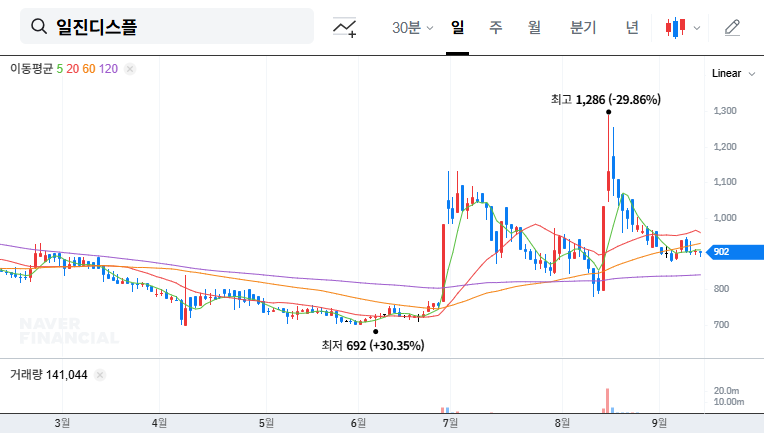
    Iljin Display Halts Production: What Investors Need to Know 대표 차트 이미지


    What Happened?

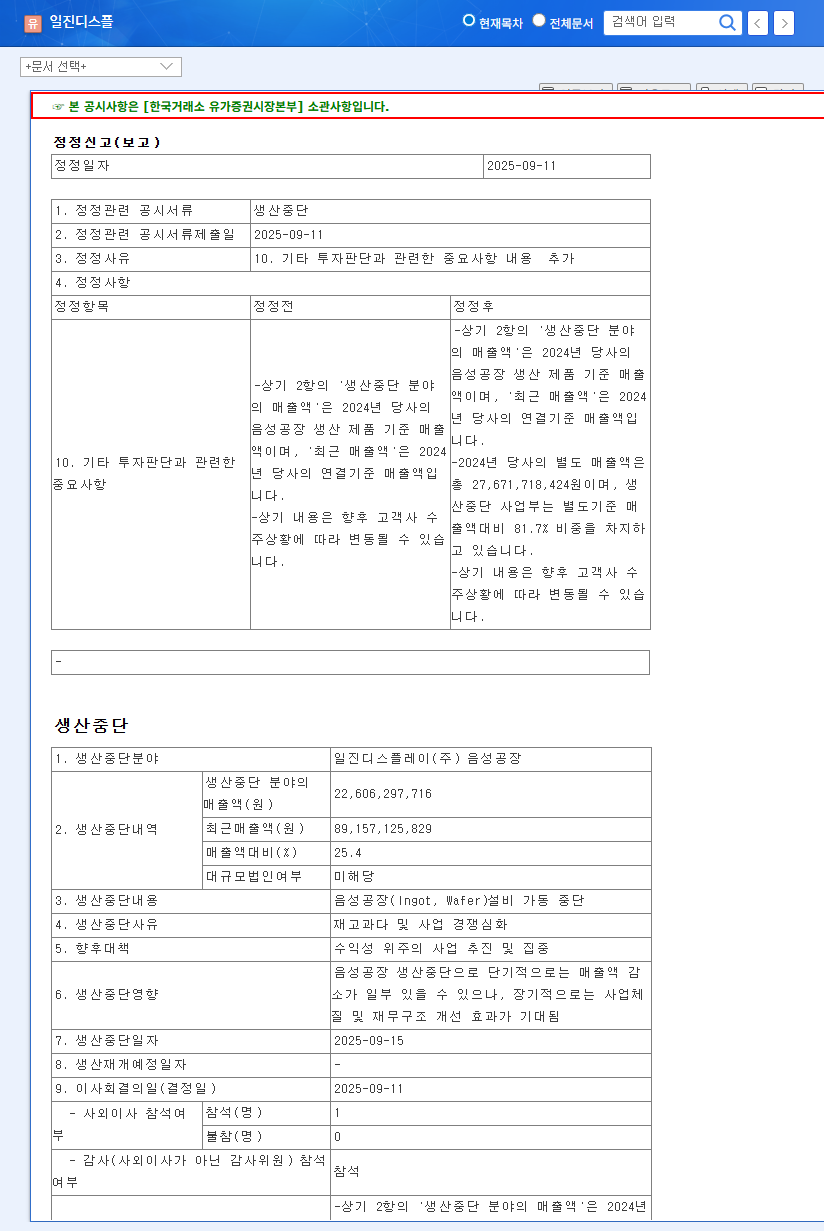
    Iljin Display announced on September 11, 2025, the suspension of Ingot and Wafer production at its Eumseong plant. This is projected to result in a sales decrease of approximately 226 billion won, representing 25.4% of the company’s total revenue.

    Why the Halt?

    Iljin Display has been facing declining sales in its DS (Touch Screen Panel) and AD (Sapphire Wafer) divisions due to a slowdown in the smartphone market and intensified competition. The production halt appears to be an inevitable choice to improve profitability. The company stated its intention to focus on new businesses, such as Micro-LED substrates and SiC processing.

    What’s the Impact?

    • Short-term Impact: Sales decline, profit deterioration, worsening financial health, stock price drop
    • Long-term Impact: Accelerated business restructuring, focus on new businesses, potential weakening of competitiveness, need for strengthened financial risk management, downward adjustment of market expectations

    What Should Investors Do?

    Investors should exercise extreme caution with Iljin Display at this time. Selling or reducing holdings should be considered. Closely monitor the company’s business restructuring, progress in new ventures, and efforts to improve financial health.


    FAQ

    Why did Iljin Display halt production at its Eumseong plant?

    The production halt is a strategic decision driven by struggling existing businesses due to a smartphone market slowdown and increased competition, coupled with a focus on new ventures.

    How will this production halt affect Iljin Display’s stock price?

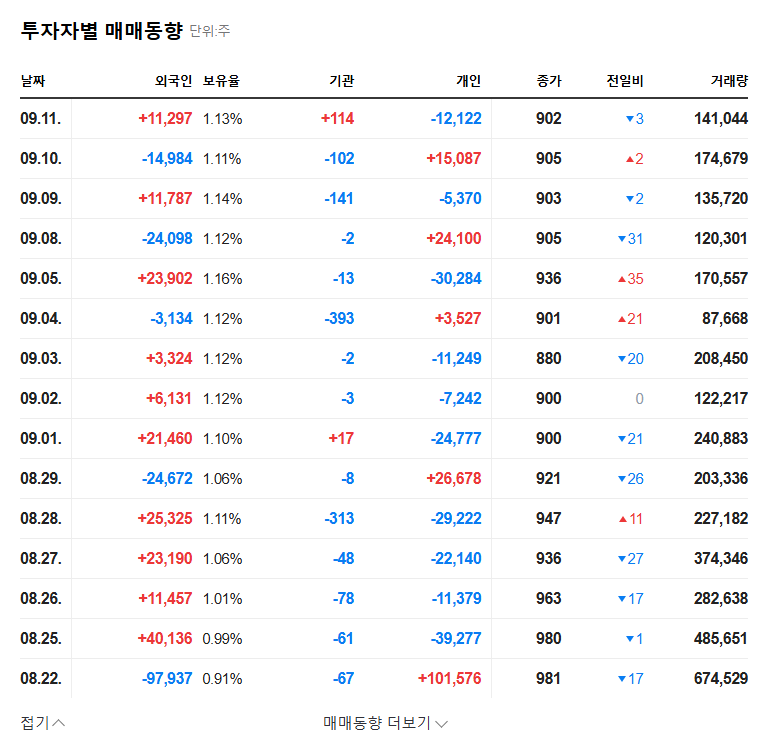
    The halt is expected to increase downward pressure on the stock price due to weakened investor sentiment.

    How should investors respond?

    Investors should consider selling or reducing their holdings and closely monitor the company’s restructuring efforts and progress in its new business ventures.


    Iljin Display Halts Production: What Investors Need to Know 관련 이미지
    Iljin Display Halts Production: What Investors Need to Know 관련 이미지


  • DB Hitek’s H1 2025 Earnings: Beating Expectations, but Hiding Risks?

    1. What Happened? DB Hitek’s H1 2025 Earnings Analysis

    DB Hitek recorded sales of KRW 337.4 billion and operating profit of KRW 73.8 billion in its Q2 2025 preliminary earnings, significantly exceeding market expectations. However, sales and operating profit decreased by 43.9% and 33.8%, respectively, compared to the same period last year. The company is struggling amidst macroeconomic headwinds such as the global economic slowdown and sluggish IT demand.

    2. Why These Results? Analysis of Earnings Fluctuations

    DB Hitek’s earnings fluctuations are attributed to multiple factors. Intensified competition in the 8-inch foundry market and the global IT demand slowdown are considered the primary causes. On the other hand, technological competitiveness in Analog & Power processes and high capacity utilization acted as positive factors. However, exchange rate volatility and the rejection of shareholder proposals remain as uncertainties.

    3. What’s Next? Future Outlook and Investment Strategy

    DB Hitek is striving to secure future growth engines through investments in new businesses such as SiC and GaN. Its stable financial structure is also a strength. However, the recovery of global IT demand, the performance of new businesses, and changes in the macroeconomic environment are key variables that will affect future fundamentals. Investors should consider these factors comprehensively to make prudent investment decisions.

    4. Investor Action Plan

    • Short-term investors: Carefully monitor market conditions and short-term earnings fluctuations of DB Hitek to determine investment timing.
    • Long-term investors: Focus on DB Hitek’s future growth drivers and competitiveness to establish a long-term investment strategy. It’s crucial to also understand changes in macroeconomic indicators and competitor trends.

    Frequently Asked Questions

    What is DB Hitek’s main business?

    DB Hitek’s main business is foundry services, particularly specializing in Analog & Power processes.

    How did DB Hitek perform in H1 2025?

    While exceeding market expectations, revenue and profit declined year-over-year. Refer to the article for details.

    What are DB Hitek’s future growth drivers?

    DB Hitek is securing future growth engines through investments in new high-value-added processes such as SiC and GaN.

  • KNJ (272110) H1 2025 Earnings Report Analysis: 37% Revenue Decline, but Hidden Opportunities?

    1. KNJ H1 2025 Performance: 37% Revenue Decline, But…

    KNJ reported KRW 39.2 billion in revenue for H1 2025, a 37% decrease year-over-year. This reflects the direct impact of the semiconductor market downturn. However, the company managed to control costs, maintaining a 27.32% operating profit margin, minimizing the decline in profits.

    2. Core Business Competitiveness: SiC, a Key Material for the 4th Industrial Revolution

    KNJ holds a technological advantage in CVD-SiC products (SiC Focus Ring, etc.), a key material for the 4th industrial revolution. Their in-house CVD deposition chamber development capability strengthens their yield and error response. Continuous R&D investment (0.89% of revenue) also demonstrates their commitment to securing future growth engines.

    3. Key Checkpoints for Investors

    • Inventory Management: High inventory levels (KRW 19.74 billion) relative to the revenue decline suggest the need for an efficient inventory depletion strategy.
    • Exchange Rate Volatility: Considering their high export ratio to China (40.45%), exchange rate fluctuations (a 10% increase impacts pre-tax profit by KRW 1.29 billion) can significantly affect profitability.

    4. Investment Strategies: Short-term vs. Long-term Investors

    Short-term Investors: The 37% revenue decline could negatively impact short-term stock prices. Carefully consider the earnings performance compared to market expectations and the timing of the market recovery.

    Long-term Investors: The growth potential of the SiC market and KNJ’s technological competitiveness are attractive. Monitor H2 earnings improvement trends, new business ventures, and R&D achievements, considering a dollar-cost averaging strategy.

    What is KNJ’s main business?

    KNJ’s main business is the production of CVD-SiC products (SiC Focus Ring, etc.) for semiconductor manufacturing. This is a key material for the 4th Industrial Revolution, and KNJ holds a technological advantage in this area.

    How was KNJ’s H1 2025 performance?

    While revenue decreased by 37% year-over-year due to the semiconductor market downturn, KNJ maintained a 27.32% operating profit margin, demonstrating successful cost control.

    What are the key points to consider when investing in KNJ?

    Investors should be mindful of the high inventory levels and exchange rate volatility. The high export ratio to China makes KNJ susceptible to exchange rate fluctuations.

  • TCK (064760) Q2 Earnings Shock: A Deep Dive into the Semiconductor Supplier’s Performance

    1. TCK Q2 Earnings: A Closer Look

    TCK reported Q2 2025 revenue of ₩72.7 billion (a 7% YoY decrease), operating profit of ₩19.5 billion (down 17%), and net income of ₩16 billion (an 18% decrease). These figures significantly missed market projections, contrasting sharply with the company’s strong performance in Q1.

    2. Unpacking the Underperformance: Key Factors

    • Slowing Growth in Solid SiC: The Solid SiC segment, a key driver of growth in Q1, experienced a slowdown, potentially due to increased competition or weakening demand.
    • Rising Raw Material Costs: A stronger Yen against the Korean Won, coupled with rising Graphite prices, likely squeezed TCK’s margins.
    • Global Economic Concerns: Growing anxieties about a global economic slowdown, fueled by rising interest rates and a potential recession, may have dampened demand in the semiconductor sector.

    3. Looking Ahead: Stock Price and Fundamental Outlook

    In the short term, TCK’s stock price is expected to face downward pressure. However, the company’s strong technological foundation and financial stability offer potential for long-term growth. Future stock performance will depend heavily on management’s strategic response and broader market conditions.

    4. Investor Action Plan

    • Short-term Investors: Proceed with caution, considering the increased volatility and potential for further negative news. A risk-managed approach is crucial.
    • Long-term Investors: For those who believe in TCK’s long-term growth potential, the current dip may present a buying opportunity. Closely monitor management’s upcoming announcements and market developments.

    TCK Q2 Earnings FAQ

    Q: What were the main reasons for TCK’s disappointing Q2 results?

    A: The primary factors include slowing growth in the Solid SiC segment, rising raw material costs, and concerns about a global economic slowdown.

    Q: What is the outlook for TCK’s stock price?

    A: While short-term pressure is expected, the long-term growth potential remains.

    Q: How should investors react to the earnings report?

    A: Short-term investors should exercise caution, while long-term investors might consider the dip as a buying opportunity. Monitoring market conditions and management’s response is key.

  • Costechsys Bets Big: A ₩14 Billion Investment in Power Semiconductors. Boom or Bust?

    What’s Happening? Costechsys’s Bold ₩14 Billion Move

    On July 18, 2025, Costechsys officially disclosed its decision to acquire land and a building in Namdong-gu, Incheon, for ₩14 billion. This is a significant investment, representing a substantial portion of its shareholders’ equity. The company stated it plans to finance the acquisition through a combination of its own capital and bank loans.

    Why? The Core Target is ‘Power Semiconductor Spacers’

    The clear objective of this investment is to expand production facilities for ‘power semiconductor spacers.’ Power semiconductors are crucial components for future-forward industries like electric vehicles (EVs) and renewable energy. The SiC (Silicon Carbide) power semiconductor market, in particular, is poised for explosive growth. With this investment, Costechsys aims to proactively meet the surging market demand and secure a long-term growth engine.

    So What? A Double-Edged Sword: The Pros and Cons

    A ₩14 billion investment presents a massive opportunity for Costechsys, but it also comes with considerable risks. Investors must carefully evaluate both sides of the coin.

    ✅ Opportunities (The Upside)

    • Expanded Production Capacity (CAPA): More factory space is the most direct path to increased sales. This could be the catalyst to overcome the initial hurdles in the EV spacer market, as mentioned in the Q3 report.
    • Potential for Improved Profitability: Increased production volume can lead to cost reductions through ‘economies of scale.’ This could help improve profitability, which has recently been squeezed by rising raw material costs.
    • Enhanced Corporate Value: A proactive investment in a key future industry signals long-term growth potential, which could lead to a re-evaluation of the company’s corporate value.

    🚨 Risks (The Downside)

    • Increased Financial Burden: ₩14 billion is a significant sum. Debt financing will increase the company’s debt-to-equity ratio, which was already on an upward trend, potentially weakening financial stability.
    • Market Uncertainty: While the power semiconductor market is growing, unforeseen factors like intensified competition or demand fluctuations could make it difficult to recoup the investment.
    • Potential for Short-Term Performance Dip: In the initial phase of operating the new facility, costs such as depreciation and labor will be incurred first, which could temporarily worsen financial performance.

    Action Plan for Investors: 3 Key Checkpoints

    Instead of relying on vague hopes or fears, investors should develop a strategy by continuously monitoring these three points:

    1. Details of the Financing Plan: Confirm the exact ratio of own capital to loans and the terms of the borrowing (e.g., interest rates). This is a crucial indicator of the financial burden.
    2. Post-Acquisition Strategy of New Management: Pay close attention to the synergy strategies the new major shareholder’s management team will implement. The success of the investment could hinge on their new direction.
    3. Monitor Future Earnings and Financial Metrics: Consistently track changes in financial health indicators like the debt-to-equity ratio and current ratio through quarterly/semi-annual reports. Closely watch the new factory’s utilization rate and when it begins to generate actual revenue.
    Q1. What is the core reason for Costechsys’s ₩14 billion investment?

    A. The primary goal is to proactively secure production capacity for ‘SiC power semiconductor spacers,’ a key component in the rapidly growing electric vehicle (EV) market. This is a strategic move to establish a future growth driver and boost sales.

    Q2. Will this investment guarantee a rise in Costechsys’s stock price?

    A. Not necessarily. While it’s positive for long-term growth prospects, short-term risks could weigh on the stock. These include the financial burden of the ₩14 billion investment and initial operating costs of the new facility, which might negatively impact short-term earnings.

    Q3. What is the most critical risk to watch when investing in Costechsys?

    A. ‘Financial stability.’ Investors must verify how much the debt-to-equity ratio increases due to the investment and whether the company has sufficient capacity to handle interest payments and other financial costs. The new management’s strategic direction following the recent change in the major shareholder is also a key variable to watch.