Tag: Shipping Industry

  • (005880) KOREA LINE Secures ₩66.5B Long-Term Charter Contract: A Full Analysis for Investors

    (005880) KOREA LINE Secures ₩66.5B Long-Term Charter Contract: A Full Analysis for Investors

    In a significant strategic move within the maritime industry, KOREA LINE CORPORATION (KLC) has officially secured a major long-term charter contract with its partner, H-Line Shipping Co., Ltd. This agreement, valued at a substantial 66.5 billion won, is far more than a simple revenue entry; it represents a foundational pillar for KLC’s future stability and growth. For investors and market analysts, understanding the nuances of this KOREA LINE CORPORATION contract is crucial for assessing the company’s trajectory in a notoriously cyclical industry. This analysis will dissect the deal’s structure, strategic implications, financial impact, and potential risks.

    This long-term commitment provides a predictable revenue stream, insulating a portion of KLC’s business from the extreme volatility of the spot market and strengthening its competitive position for the years to come.

    Breaking Down the ₩66.5 Billion KLC H-Line Shipping Deal

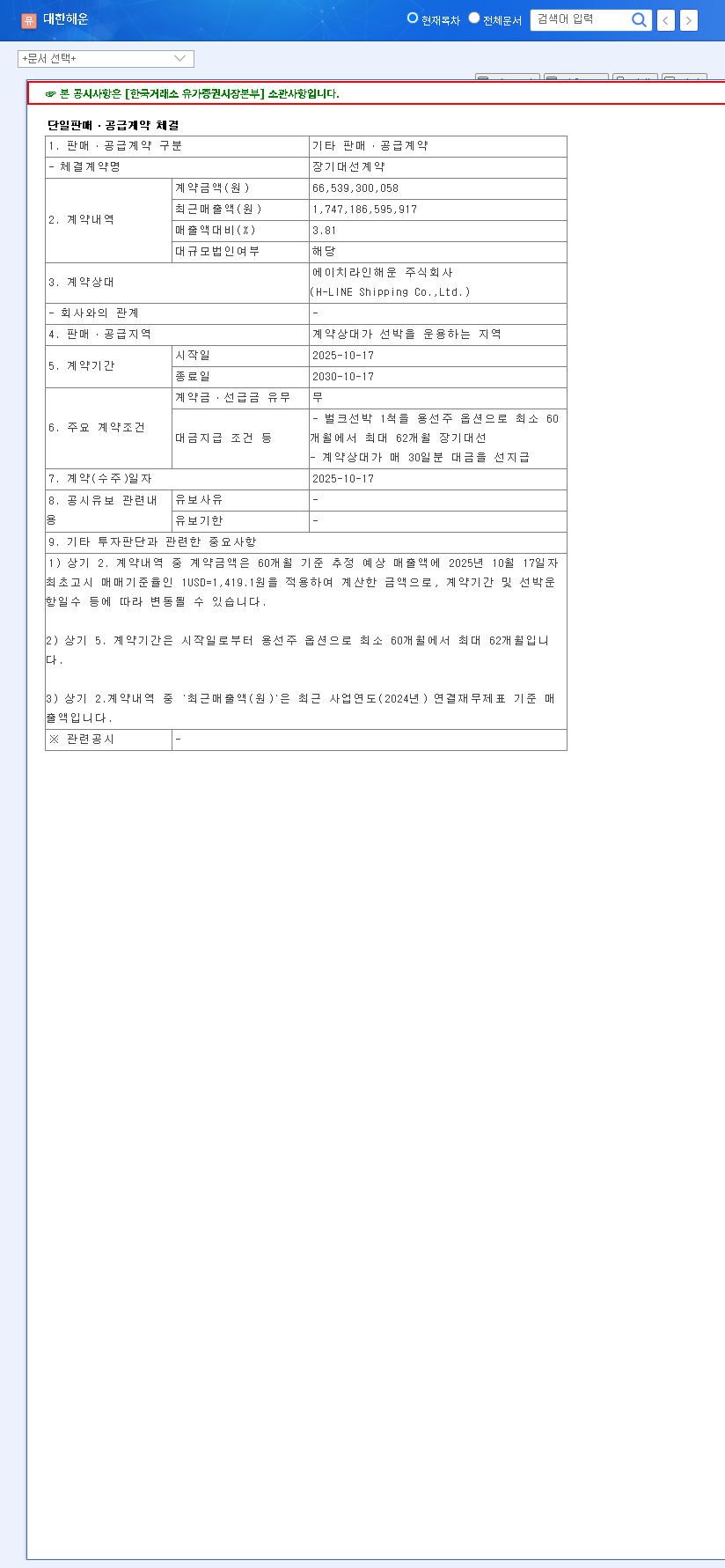
    On October 20, 2025, KOREA LINE CORPORATION announced the execution of a single sales/supply contract, specifically a long-term charter, with H-Line Shipping Co., Ltd. This type of agreement involves leasing vessels for an extended period at a pre-agreed rate, offering stability to both the vessel owner (KLC) and the charterer (H-Line). Here are the core details of the agreement:

    • Contracting Parties: KOREA LINE CORPORATION (as the provider) and H-Line Shipping Co., Ltd. (as the client).
    • Contract Value: 66.5 billion Korean Won (KRW).
    • Contract Duration: A five-year term, commencing on October 17, 2025, and concluding on October 17, 2030.
    • Revenue Significance: The total contract value represents approximately 3.81% of KLC’s most recent annual revenue, providing a notable and steady income contribution.

    Long-term charter contracts are the bedrock of stability in the shipping sector. They allow companies like KLC to de-risk their operations, secure financing for fleet expansion, and build resilient, lasting relationships with key clients.

    Strategic Importance & Financial Impact

    The strategic value of this KOREA LINE CORPORATION contract extends far beyond its face value. It’s a calculated move to fortify the company’s market standing and financial health.

    Enhanced Business Stability and Predictability

    The primary benefit is a significant boost in revenue predictability. The shipping industry is often subject to wild swings in spot market rates, which can make financial forecasting difficult. By locking in a five-year revenue stream, KLC can better plan for capital expenditures, operational costs, and future investments. This stability is highly valued by investors and lenders, potentially leading to a lower cost of capital.

    Strengthened Customer Relationships and Market Position

    Finalizing a multi-year deal with a major industry player like H-Line Shipping solidifies a critical business partnership. It demonstrates KLC’s reliability as an operator and enhances its reputation in the competitive Asian shipping market. This can serve as a powerful case study when bidding for other long-term contracts, creating a virtuous cycle of growth and solidifying its position within the global maritime industry.

    Positive Financial Cascade: Revenue, Cash Flow, and Profitability

    From a financial perspective, the contract is expected to have several positive effects. The consistent inflow of charter fees will improve cash flow management, providing liquidity for operations and debt servicing. While the exact profit margin is not public, long-term contracts are structured to ensure profitability by covering operating costs, depreciation, and a healthy margin. This predictable profit contribution will support KLC’s bottom line over the contract’s term.

    Navigating Risks and Investor Considerations

    While the outlook is positive, a comprehensive shipping investment analysis requires a clear-eyed view of potential risks. Investors should remain aware of several factors that could influence the outcome of this contract and KLC’s overall performance.

    • Counterparty Risk: The agreement’s success hinges on the financial health of H-Line Shipping. Any unforeseen financial distress on their part could disrupt contract fulfillment.
    • Operational Risks: Unforeseen vessel maintenance, downtime, or accidents could impact the efficiency and profitability of the chartered vessels.
    • Macroeconomic Headwinds: Global economic slowdowns, trade disputes, or sharp fluctuations in fuel prices and exchange rates can affect the broader shipping environment, even if the charter rate is fixed.
    • Opportunity Cost: If spot market rates were to surge dramatically and remain high, the fixed rate of the long-term charter might appear less profitable in hindsight. However, this is the trade-off for security.

    The complete details of the agreement were filed publicly as required by financial regulations. For those seeking primary source information, the filing is available for review. Source: Official Disclosure (DART).

    Conclusion: A Prudent Step Forward

    The 66.5 billion won long-term charter contract with H-Line Shipping is a clear positive for KOREA LINE CORPORATION. It enhances financial stability, strengthens a key partnership, and provides a solid foundation for future growth initiatives. While investors should monitor the associated risks, the market is likely to view this as a prudent and value-accretive strategic decision. Understanding the broader trends in global shipping, such as those monitored by the International Maritime Organization, provides further context for KLC’s strategy. For more insights, you can read our full analysis of the bulk carrier market. This move positions KLC to navigate the future with greater confidence and predictability, a quality that is highly prized in the dynamic world of maritime logistics.
    (005880) KOREA LINE Secures ₩66.5B Long-Term Charter Contract: A Full Analysis for Investors 관련 이미지
  • (011200) HMM Stock Buyback: In-Depth Analysis of the KRW 2.1T Shareholder Value Strategy

    (011200) HMM Stock Buyback: In-Depth Analysis of the KRW 2.1T Shareholder Value Strategy

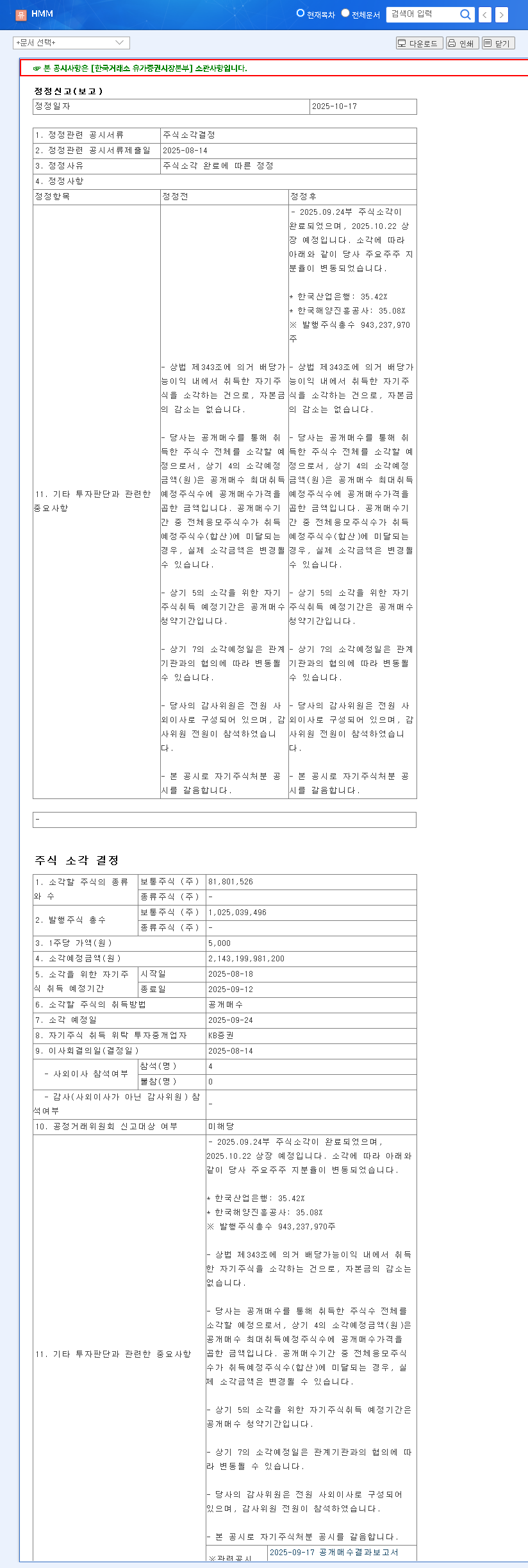
    The global shipping giant HMM CO., LTD has sent ripples through the market with a landmark announcement: a massive HMM stock buyback program valued at over KRW 2.1 trillion. This strategic decision to repurchase and cancel a significant portion of its shares is a clear move to enhance shareholder value. But for current and potential investors, this raises critical questions. Beyond a potential short-term price bump, what are the fundamental implications for HMM’s financial health, and how should you position your portfolio in response? This comprehensive analysis provides the crucial insights you need.

    We will dissect the mechanics of the stock tender offer, evaluate the profound benefits, uncover the potential risks, and provide a clear action plan for navigating this pivotal moment in HMM’s corporate journey.

    Breaking Down the HMM Stock Buyback Announcement

    On May 15, 2024, HMM CO., LTD formally announced its intention to cancel 81,801,526 of its common shares. This move, scheduled for completion by October 17, 2025, represents nearly 10% of the company’s current market capitalization. The acquisition of these shares will be conducted via a public tender offer, a method that invites shareholders to sell their shares back to the company at a specified price. For complete transparency, investors can review the Official Disclosure on the DART system (Source).

    A stock buyback of this magnitude is more than a financial transaction; it’s a powerful statement from management about their confidence in the company’s future value and a direct commitment to increasing shareholder returns.

    The Strategic Upside: Why This Is a Positive Signal

    This HMM stock buyback is a multi-faceted strategy aimed at optimizing the company’s financial structure and rewarding its investors. Here are the primary benefits:

    • Immediate Boost to Per-Share Metrics: By reducing the total number of shares outstanding, key financial metrics like Earnings Per Share (EPS) and Book Value Per Share (BPS) automatically increase. This makes the stock appear more valuable and attractive on a fundamental basis without diluting existing shareholders’ equity.
    • Support for Stock Price: The public tender offer creates a large, guaranteed buyer in the market (HMM itself). This can generate significant short-term buying pressure, supporting or even boosting the stock price. Furthermore, the signal of enhanced capital efficiency often improves overall investor sentiment.
    • Enhanced Shareholder Returns: While not a cash dividend, a buyback is a potent, tax-efficient form of returning capital to shareholders. It increases each remaining shareholder’s proportional ownership stake in the company, concentrating future earnings and dividends among fewer shares.
    • Optimized Capital Structure: Deploying excess cash for a buyback can improve a company’s return on equity (ROE) and signal that management is disciplined about its capital allocation, choosing to invest in its own stock when it believes it is undervalued.

    Navigating the Risks: An Investor’s Due Diligence Checklist

    Despite the clear positives, a prudent investment strategy demands a thorough examination of the potential risks and unanswered questions. The success of this shipping stock investment hinges on several factors.

    The Critical Question of Funding

    The source of the KRW 2.1 trillion is paramount. Will HMM fund this from its substantial cash reserves, or will it take on new debt? If it’s the latter, the increased leverage could introduce new financial risks and interest expenses, potentially offsetting some of the benefits. Investors must scrutinize upcoming financial reports for clarity on the funding mechanism.

    Market Expectations vs. Reality

    It’s crucial to gauge whether this move aligns with or falls short of market expectations. Did analysts and institutional investors anticipate a larger buyback, a special dividend, or a major strategic acquisition instead? Any significant disparity could lead to a muted or even negative market reaction. Keeping an eye on expert market analysis from sources like Bloomberg will be key.

    External Headwinds and Industry Cycles

    The global shipping industry is notoriously cyclical. A buyback’s effectiveness can be influenced by broader market trends, freight rates, and geopolitical events. A deep understanding of HMM’s core business value is essential, which is why we recommend reviewing our internal guide on how to evaluate shipping company fundamentals.

    Frequently Asked Questions (FAQ)

    What is the HMM CO.,LTD stock buyback decision?

    HMM CO.,LTD plans to buy back and cancel 81.8 million common shares (9.98% of its market cap) by October 2025 using a public tender offer. This is a strategy to improve its capital structure and increase shareholder value.

    How will this stock buyback affect HMM’s stock price?

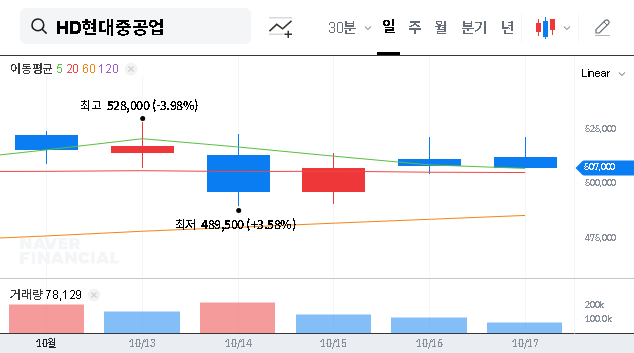
    The reduction in outstanding shares is expected to increase per-share value (EPS/BPS). The tender offer could also create short-term buying pressure, potentially having a positive impact. However, the long-term effect depends on funding details and broader market conditions.

    What is the biggest risk for investors to consider?

    The primary risk is the funding source for the KRW 2.1 trillion. If HMM takes on significant new debt, it could increase financial risk and interest burdens, which investors need to monitor closely in future financial disclosures.

    In conclusion, HMM’s decision to execute a large-scale stock buyback is a significant and largely positive development for shareholders. It signals confidence and a commitment to capital discipline. However, this is not a signal for passive investment. Proactive investors must continue to perform their due diligence, monitor company disclosures, and stay informed on industry trends to truly capitalize on this strategic move.

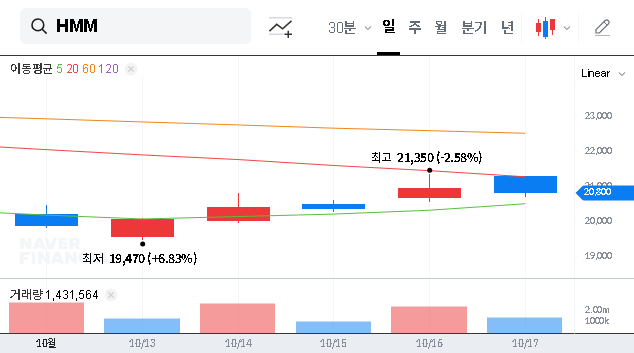
    (011200) HMM Stock Buyback: In-Depth Analysis of the KRW 2.1T Shareholder Value Strategy 관련 이미지
  • (329180) HD Hyundai Heavy Industries: Analyzing the Landmark Eco-Friendly Ship Order

    (329180) HD Hyundai Heavy Industries: Analyzing the Landmark Eco-Friendly Ship Order

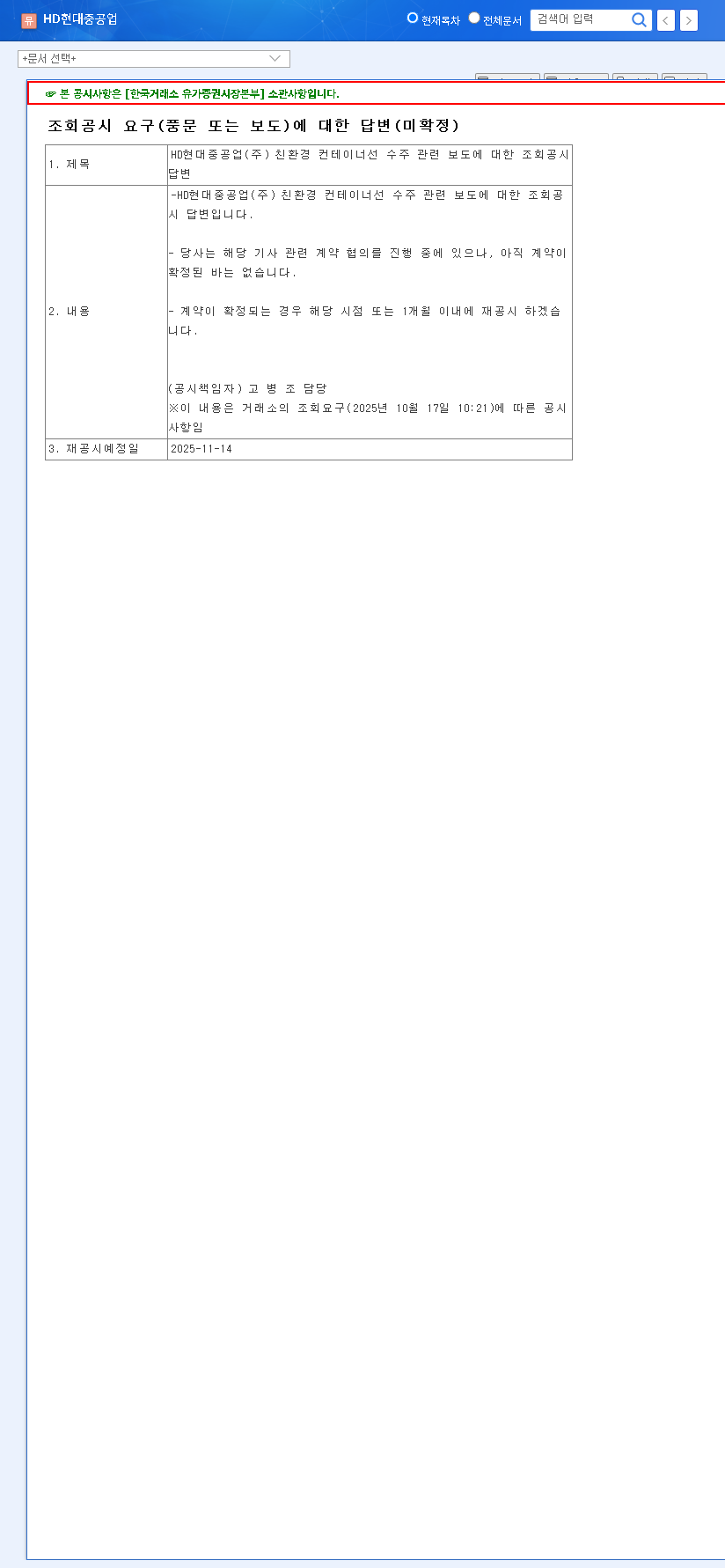
    The shipbuilding world is abuzz with reports of a massive potential deal for HD Hyundai Heavy Industries (HD HHI), centered on a new fleet of cutting-edge, eco-friendly container ship orders. While the official contract remains unconfirmed, the news has ignited a firestorm of speculation among investors and industry analysts. This single event could redefine HD HHI’s growth trajectory, but with great opportunity comes significant uncertainty. This comprehensive analysis will unpack the situation, explore the broader market trends, and provide a strategic playbook for investors navigating the waters ahead of the scheduled re-disclosure date of November 14, 2025.

    While the contract is not yet finalized, the potential order for eco-friendly container ships represents a pivotal moment for HD Hyundai Heavy Industries, aligning the company with the future of green shipping and promising a significant boost to its order backlog.

    The Current Situation: What We Know

    HD Hyundai Heavy Industries has officially addressed the market rumors, confirming that negotiations are actively underway but a final agreement has not been reached. The company has committed to a re-disclosure upon confirmation, setting a deadline of November 14, 2025. This lengthy timeline suggests a complex, high-value deal with numerous details to be ironed out. Investors must therefore balance the potential upside with the inherent risk of the deal falling through. The official statement can be tracked via the Official Disclosure (DART report).

    Why Eco-Friendly Container Ship Orders are a Game-Changer

    This isn’t just another large order. The focus on ‘eco-friendly’ vessels places HD Hyundai Heavy Industries at the forefront of one of the most significant shifts in the maritime industry: decarbonization. Global regulations, such as those set by the International Maritime Organization (IMO), are forcing shipping lines to invest heavily in ships that reduce greenhouse gas emissions. These new vessels often utilize alternative fuels like LNG (Liquefied Natural Gas), methanol, or are designed for future ammonia propulsion.

    Potential Upside for HD HHI

    • Revenue and Backlog Security: A confirmed mega-order would secure revenue streams for years, providing stability and predictability in a cyclical industry.
    • Technological Leadership: Successfully delivering a large fleet of green vessels would solidify HD HHI’s reputation as a leader in advanced, high-value shipbuilding, attracting further premium orders.
    • Enhanced Market Valuation: Positive news of this magnitude would almost certainly boost investor sentiment, potentially leading to a significant re-rating of the company’s stock and an improved HD HHI investment outlook.

    Navigating Potential Risks and Uncertainties

    Despite the optimism, caution is warranted. The primary risk is non-finalization; if the deal collapses, the market’s disappointment could trigger a sharp stock price correction. Furthermore, the final contract terms are unknown. Key details regarding pricing, profit margins, and payment schedules will determine the deal’s actual financial benefit. Rising steel prices and labor costs could also erode profitability, even on a large order.

    An Investment Strategy for HD Hyundai Heavy Industries Stock

    For those considering an HD HHI investment, a measured and informed approach is essential. The period leading up to the November 2025 disclosure will likely see increased stock volatility based on rumors and speculation. A prudent strategy involves thorough due diligence beyond this single potential contract.

    Investor Checklist: What to Monitor

    • The Official Re-disclosure: This is the most critical event. On or before November 14, 2025, check for confirmation and analyze the disclosed terms: total contract value, number of vessels, delivery dates, and client identity.
    • Brokerage Reports & Industry Analysis: Seek out professional analysis on HD HHI and the broader shipbuilding industry trends. These reports provide context on market expectations and peer performance.
    • Company Fundamentals: Look at HD HHI’s existing order backlog, debt levels, and quarterly earnings reports. A strong fundamental base makes the company more resilient, regardless of this single deal’s outcome.
    • Market Context: Stay informed about global trade volumes and the overall health of the shipping industry. For more information, you can read about The Future of Global Shipbuilding.

    Conclusion: A Defining Moment

    The rumored eco-friendly container ship orders represent a potential watershed moment for HD Hyundai Heavy Industries. A successful deal would not only provide a massive financial boost but also cement its status as a premier builder for the next generation of green shipping. However, the ‘unconfirmed’ status is a crucial caveat. Investors should embrace a strategy of vigilant optimism, closely monitoring official announcements and conducting comprehensive research to make an informed decision when the final details are revealed.

    (329180) HD Hyundai Heavy Industries: Analyzing the Landmark Eco-Friendly Ship Order 관련 이미지
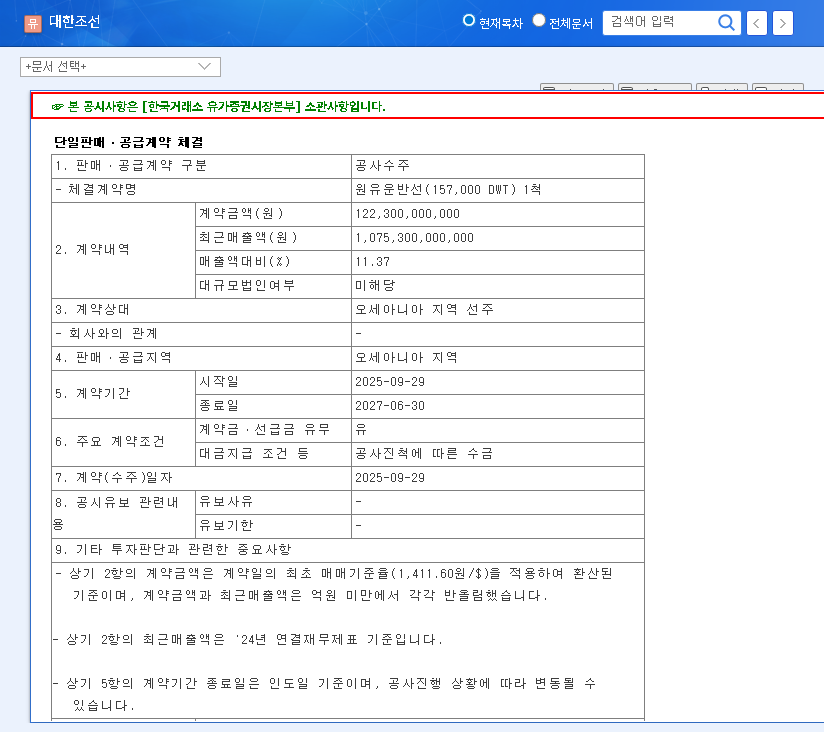
  • (439260) Daehan Shipbuilding Secures ₩122.3B Crude Oil Tanker Order: An In-Depth Investment Analysis

    (439260) Daehan Shipbuilding Secures ₩122.3B Crude Oil Tanker Order: An In-Depth Investment Analysis 대표 차트 이미지

    In a significant development for the global shipbuilding industry, Daehan Shipbuilding has officially announced a major new contract, capturing the attention of investors and market analysts. The company disclosed the securing of a ₩122.3 billion crude oil tanker order from a prominent shipowner in the Oceania region. This news not only provides a substantial boost to the company’s order backlog but also serves as a powerful testament to its technological prowess and competitive standing in a fiercely contested market. For those following Daehan Shipbuilding stock, this development warrants a closer look, as it holds considerable implications for future revenue streams, market sentiment, and overall valuation.

    This article provides a comprehensive, multi-faceted analysis of this latest contract, exploring its strategic significance, financial impact, and what it means for potential shipbuilding industry investment decisions.

    Deconstructing the Landmark Deal

    Contract Overview: The Core Details

    On September 30, 2025, Daehan Shipbuilding formalized a contract for the construction of one 157,000 DWT (Deadweight Tonnage) crude oil tanker. This vessel class, often referred to as a Suezmax tanker, is a workhorse of the global energy trade, capable of transiting the Suez Canal fully laden. The contract, valued at a substantial ₩122.3 billion, represents a significant 11.37% of the company’s recent annual revenue. The construction timeline spans from September 29, 2025, to June 30, 2027, ensuring a stable workflow for the shipyard over the next two years. The official filing can be viewed in the company’s disclosure. Official Disclosure (DART).

    This isn’t just another order; it’s a strategic validation of Daehan Shipbuilding’s expertise in high-value vessels and its ability to win competitive international tenders, solidifying its position in the critical Oceania market.

    Why This Crude Oil Tanker Order Matters

    Beyond the impressive headline number, the strategic importance of this contract is twofold:

    • Market Penetration and Trust: Securing a high-value contract from an Oceania-based shipowner demonstrates deep market penetration and confirms Daehan Shipbuilding’s reputation for quality and reliability in a key maritime region. This success can act as a powerful reference, potentially opening doors for further orders in the area and other new markets.
    • Technological Showcase: The construction of modern crude oil tankers requires adherence to stringent international environmental and safety standards, such as those set by the International Maritime Organization (IMO). Successfully building these vessels reaffirms the company’s advanced engineering capabilities and its capacity to deliver assets that meet the demands of a greener, more regulated shipping future.

    Analyzing the Impact on Daehan Shipbuilding’s Stock and Financials

    Financial Fortification

    The financial implications of this crude oil tanker order are overwhelmingly positive. The most direct benefits include:

    • Revenue Visibility: This contract provides a clear and predictable revenue stream for the next ~21 months, enhancing financial stability and making future earnings forecasts more reliable.
    • Strengthened Order Backlog: A robust order backlog is a key health indicator for any shipyard. This addition significantly shores up Daehan Shipbuilding’s backlog, ensuring high utilization of its facilities and workforce.
    • Improved Cash Flow Dynamics: While dependent on specific payment terms (advance, milestone, and final payments), large contracts typically improve a company’s working capital and liquidity throughout the construction lifecycle.

    Market and Investor Sentiment

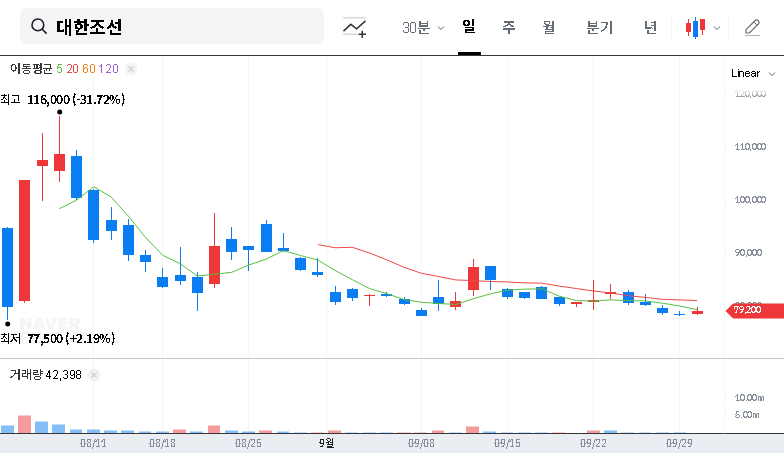
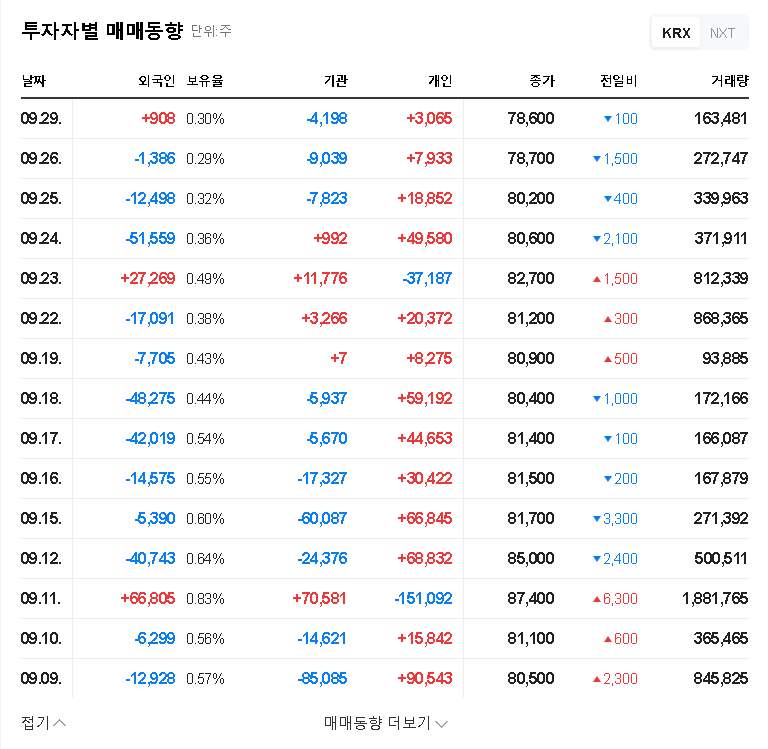
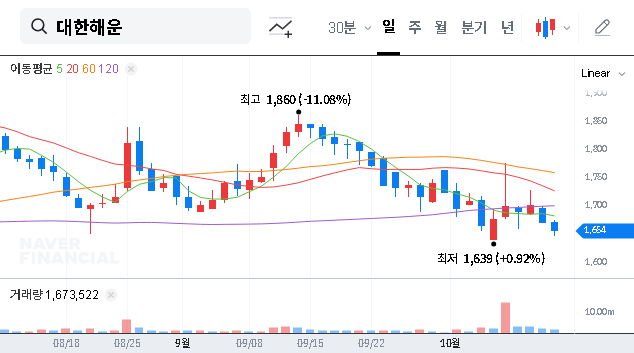
    For investors, news of this magnitude often serves as a catalyst. It can create positive short-term momentum for the Daehan Shipbuilding stock price, driven by heightened expectations for Q4 earnings and beyond. Furthermore, such a significant contract win may lead securities analysts to revise their financial models, potentially resulting in upgraded target prices and ‘buy’ recommendations. This boosts overall investor confidence and highlights the company as an attractive option within the broader maritime sector. For more context, you can read our Deep Dive into 2025 Shipbuilding Industry Trends.

    A Prudent Investor’s Action Plan

    While this contract is unequivocally good news, a thorough investment decision requires further due diligence. Investors should consider the following points:

    • Profitability Margins: Investigate the expected profit margin on this contract. Rising steel prices and labor costs can impact the final profitability of fixed-price contracts.
    • Company Financial Health: Analyze Daehan Shipbuilding’s balance sheet, looking at its debt-to-equity ratio and overall financial soundness to ensure it can execute this project smoothly.
    • Macro-Economic Factors: Consider the global outlook for crude oil demand, fleet renewal cycles, and potential geopolitical risks that could impact the tanker market.

    In conclusion, Daehan Shipbuilding’s ₩122.3 billion order is a landmark achievement that significantly brightens its outlook. It underscores the company’s competitive edge and provides a solid foundation for future growth. For discerning investors, this development marks a compelling reason to take a closer look at the company, balanced with a comprehensive analysis of the associated market dynamics and financial fundamentals.

    (439260) Daehan Shipbuilding Secures ₩122.3B Crude Oil Tanker Order: An In-Depth Investment Analysis 관련 이미지
    (439260) Daehan Shipbuilding Secures ₩122.3B Crude Oil Tanker Order: An In-Depth Investment Analysis 관련 이미지
  • STX Greenlogis: Soaring Revenue, Deepening Losses – What Investors Need to Know

    1. What Happened? : STX Greenlogis H1 2025 Performance Analysis

    STX Greenlogis achieved remarkable revenue growth of 319% year-on-year, reaching 91.4 billion won in the first half of 2025. However, this growth is overshadowed by an operating loss of 5.5 billion won and a net loss of 9.1 billion won. This is attributed to a combination of factors including increased cost of sales and administrative expenses, higher financial costs, and losses from derivatives.

    2. Why Did This Happen? : Reasons for the Decline

    The decline in profitability is a result of several factors, including the financial burden from aggressive business expansion, a downturn in the shipping industry, and fluctuations in exchange rates and interest rates. The sharp increase in the net debt-to-equity ratio to 101.92% is a serious warning sign regarding the company’s financial health.

    3. What’s Next? : Investment Strategy

    Investments in STX Greenlogis require careful consideration. In the short term, investors should monitor the company’s efforts to improve its financial health and reduce debt. In the long term, the recovery of the shipping industry and the success of the company’s diversification strategy will be key variables. The company’s efforts in green and digital transformation should also be closely watched.

    • Short-term Investment Strategy: Monitor financial restructuring and debt reduction efforts.
    • Long-term Investment Strategy: Observe the shipping industry recovery, diversification strategy success, and green transition initiatives.

    4. Investor Action Plan

    Investors should thoroughly review STX Greenlogis’s financial situation and business strategy and establish clear criteria for investment decisions. Continuously monitoring future financial disclosures and management announcements is crucial for adapting investment strategies accordingly.

    What was STX Greenlogis’ revenue in the first half of 2025?

    It was 91.4 billion won.

    Did STX Greenlogis report a profit or loss in the first half of 2025?

    It reported an operating loss of 5.5 billion won and a net loss of 9.1 billion won.

    What is STX Greenlogis’ main business?

    Its main business is bulk carrier shipping and ship management, with the bulk carrier business accounting for approximately 70% of its revenue.

    What are the key risks to consider when investing in STX Greenlogis?

    Investors should be aware of the high debt ratio and the volatility of the shipping industry. Closely monitor the company’s financial health improvements and the success of its diversification strategy.

  • HMM’s Potential SK Shipping Acquisition Failure: A Key Analysis for Investors

    1. What Happened?

    HMM responded to reports about potentially losing its preferred bidder status for SK Shipping, stating that nothing has been confirmed yet. The final outcome will be announced in a future public disclosure.

    2. Why Does It Matter?

    The SK Shipping acquisition could significantly impact HMM’s future. While success promised enhanced competitiveness through economies of scale, failure necessitates strategic adjustments. The shipping industry currently faces challenges like a downturn and US-China trade tensions, making HMM’s next move crucial. Given its weak Q1 performance, the outcome of this acquisition is a critical variable for HMM’s future.

    3. What Could Happen?

    3.1 Positive Impacts of Acquisition Failure

    • Reduced financial burden and increased investment capacity in existing businesses.
    • Focus on core business, including cooperation with THE Alliance.
    • Stabilization of stock prices due to removal of acquisition uncertainty.

    3.2 Negative Impacts of Acquisition Failure

    • Loss of opportunity to expand market share and diversify business.
    • Potential increase in market competition.
    • Decline in investor confidence.

    4. What Should Investors Do?

    Investors should carefully consider their investment decisions while awaiting HMM’s official announcement and further analysis. Understanding the specific reasons for the potential acquisition failure and HMM’s subsequent strategic changes will be crucial. A long-term perspective is recommended, avoiding impulsive reactions to short-term stock fluctuations.

    Frequently Asked Questions

    How was HMM’s Q1 2025 performance?

    HMM’s Q1 revenue and operating profit declined due to a weak container market and US-China trade tensions. However, the impact was mitigated by strong performance in the bulk segment.

    How will the failed SK Shipping acquisition affect HMM’s stock price?

    In the short term, removing uncertainty could stabilize the stock price. However, concerns about long-term growth potential could negatively impact the stock in the long run.

    Should I invest in HMM?

    Investment decisions are at the individual’s discretion. However, given the current high level of uncertainty, a cautious approach is recommended, considering HMM’s official announcements and further analyses.