Tag: Shareholding Disclosure

  • (148780) BECU AI Shareholder Disclosure: Expert Analysis of Share Transfer & Stock Impact

    A recent BECU AI shareholder disclosure has captured the attention of the market, detailing a significant share transfer from a key figure to related parties. For investors, such filings can be a source of both opportunity and uncertainty. This comprehensive analysis breaks down the specifics of the report, explores the potential ramifications for management stability and stock performance, and provides a clear, actionable path forward for evaluating your position in BECU AI Inc.

    We’ll move beyond the headlines to understand the substance behind this event, helping you distinguish between a routine internal adjustment and a signal of fundamental change for the company’s future.

    Decoding the BECU AI Major Shareholder Report

    On November 11, 2025, BECU AI Inc. (148780) submitted a ‘Report on Major Shareholder Status (General)’ which is a standard regulatory filing in South Korea. The central event detailed in this disclosure was the donation of shares by the principal reporting shareholder, Lim Kyeong-hwan, to several related individuals. You can view the complete filing directly from the source: Official Disclosure.

    Key Details from the Filing

    The purpose of the shareholding was explicitly stated as ‘influence over management.’ While Lim Kyeong-hwan’s personal stake decreased, the crucial detail is that the total combined shareholding of the group remained unchanged at 34.03%. This suggests a strategic internal redistribution rather than an external sale or dilution.

    • Lim Kyeong-hwan: Donated 219,000 shares on November 6, 2025.
    • Lim Hyo-seon: Received 42,000 shares.
    • Lim Hyo-jeong: Received 57,000 shares.
    • Cho Mi-ok: Received 120,000 shares.

    Why This Inter-Family Share Transfer Matters

    Even with no change in the total controlling stake, this type of share transfer analysis is vital for investors. Such moves are rarely arbitrary and can signal longer-term strategic intentions. Key considerations include:

    • Management Succession Planning: Donations within a family or to close relations are often a foundational step in a long-term plan for leadership transition. This could be about grooming the next generation of decision-makers.
    • Consolidation of Control: By distributing shares among trusted allies, the core shareholder group can fortify its voting bloc against potential external pressures or activist investors, ensuring strategic alignment on future decisions.
    • Tax & Estate Planning: Transferring assets via donation can be a strategic financial move related to gift taxes and estate planning, allowing for the efficient transition of wealth and influence.

    Impact Analysis: Separating Signal from Noise

    The most important task for investors is to evaluate the tangible impact on the BECU AI stock and its underlying business fundamentals.

    Effect on Company Fundamentals

    Directly, this share transfer has zero impact on BECU AI’s balance sheet, revenue, or profitability. It is a transaction between shareholders, not the company itself. However, it’s critical to note this disclosure does not solve the pre-existing fundamental challenges highlighted in the H1 2025 report, such as declining revenue and widening operating losses. Management stability appears secure in the short term, but investors should monitor if this new ownership distribution alters the company’s risk appetite or strategic priorities down the line.

    Market & Industry Context

    BECU AI operates in the high-growth generative AI and RAG technology sectors. The tailwinds for the AI industry remain incredibly strong, which provides a positive backdrop for the company’s long-term potential. A stable macroeconomic environment with easing interest rates could also benefit tech companies like BECU AI by lowering capital costs for research and expansion. The stock’s modest decline to 1,540 KRW on the disclosure day suggests a muted or cautious market reaction, likely because savvy investors recognize this as an internal matter rather than a red flag about the business’s operations.

    This major shareholder report should be viewed as a signal of internal structuring, not a crisis. The primary focus for investors must remain on BECU AI’s ability to execute its business strategy and address its existing financial performance issues.

    Comprehensive Evaluation & Investor Action Plan

    While the BECU AI shareholder disclosure is not an immediate cause for alarm, it reinforces the need for diligent monitoring. Investors should avoid making knee-jerk reactions and instead integrate this information into a broader thesis.

    • Focus on Fundamentals: Prioritize the company’s next earnings report. Look for signs of revenue stabilization, margin improvement, and concrete progress in product development or market penetration.
    • Monitor Management Communication: Pay close attention to any future statements from management regarding strategic direction, especially if new voices from the share-receiving parties join the board or executive team.
    • Assess Industry Position: Continue to evaluate BECU AI’s competitive standing within the AI market. Is their technology keeping pace? Are they winning key contracts? This is more important than shareholder shuffling. Explore our deep-dive into the AI technology sector for more context.

    In conclusion, this share transfer is an important piece of the puzzle but not the whole picture. It solidifies the controlling group’s influence, which can be a positive for long-term stability, provided their strategy is sound. The real test for the BECU AI stock value will be its ability to translate its promising AI technology into sustainable financial growth.
  • (102370) K Auction Stock Analysis: Decoding the Latest Shareholding Shift & Its Impact

    (102370) K Auction Stock Analysis: Decoding the Latest Shareholding Shift & Its Impact

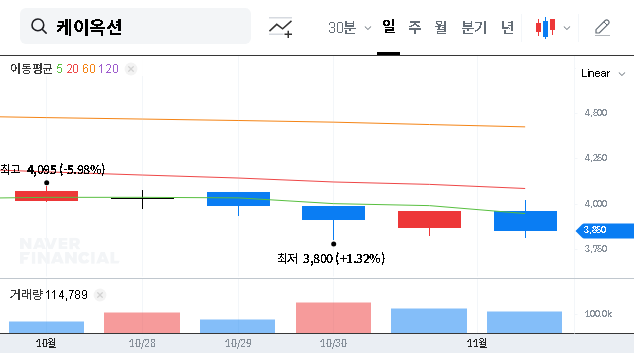
    A recent disclosure regarding a K Auction shareholding change has sent ripples through the investment community. For stakeholders in K Auction Inc. (케이옥션), a leader in South Korea’s art market, this news raises a critical question: Does this signal reinforced management stability, or does it mask deeper fundamental challenges? This comprehensive K Auction stock analysis will dissect the disclosure, evaluate the company’s financial health, and provide a strategic outlook to help you make informed investment decisions.

    We will explore the implications for K Auction’s corporate value, considering both the macroeconomic environment and the company’s ambitious new ventures. Let’s delve into the future of K Auction and what this pivotal moment means for its trajectory.

    The Disclosure: Key Details of the K Auction Shareholding Change

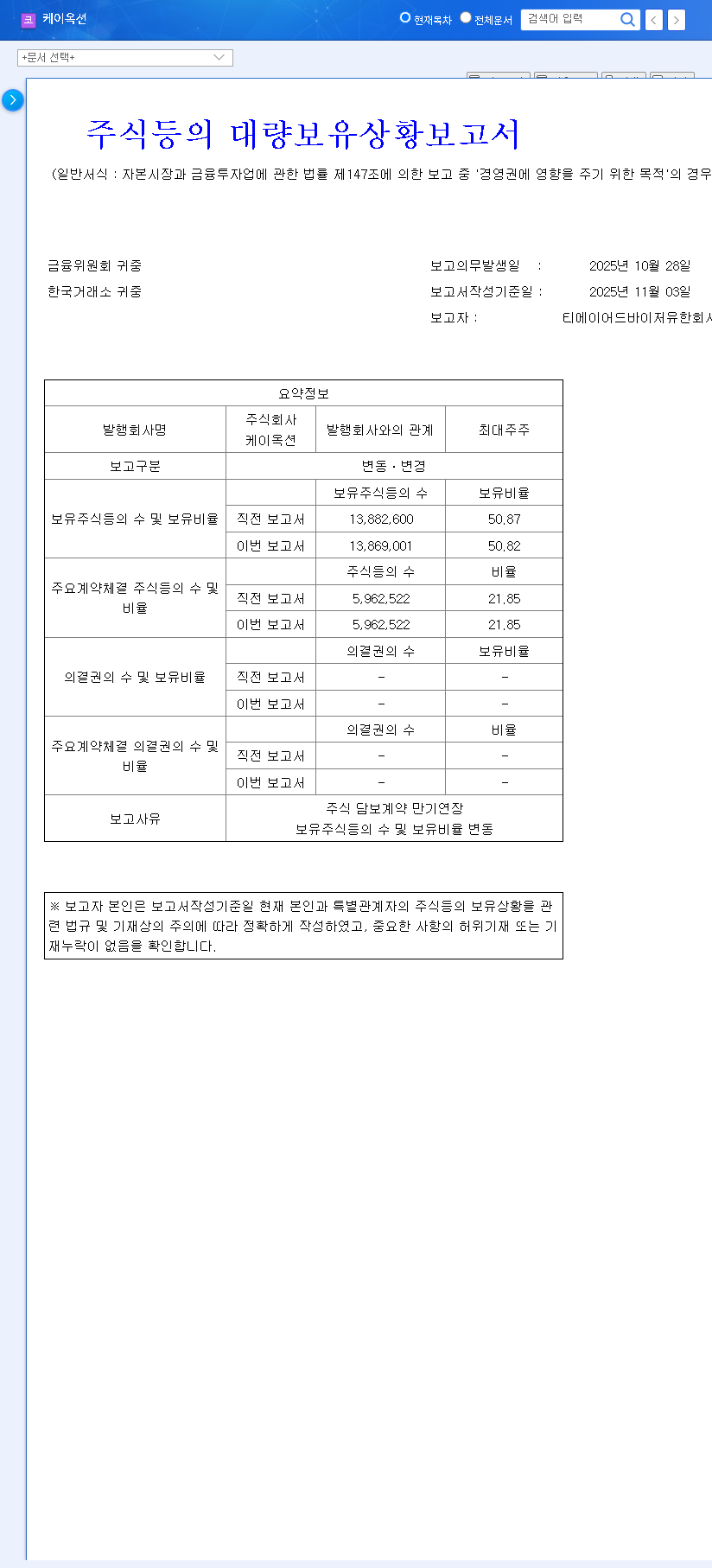
    On November 3, 2025, K Auction Inc. filed a “Report on the Status of Large Shareholding,” revealing a minor but significant shift in its ownership structure. According to the Official Disclosure from DART, the reporting entity, TA Advisor Co., Ltd., adjusted its stake. Here are the crucial details:

    • Reporting Entity: TA Advisor Co., Ltd.
    • Purpose of Holding: Explicitly stated as ‘Influence over Management’.
    • Shareholding Change: A slight decrease from 50.87% to 50.82% (a 0.05 percentage point change).
    • Reason for Change: Extension of a stock collateral agreement maturity.

    While the percentage change is minimal, the context is key. TA Advisor’s continued majority stake and its stated purpose signal a commitment to maintaining control, which is often viewed positively for short-term stability.

    Diagnosing the Fundamentals: Beyond the Headlines

    To truly understand the impact of the K Auction shareholding change, we must look past the announcement and analyze the company’s underlying financial health and the market it operates in.

    Financial Health Under a Microscope

    The 2025 half-year report paints a challenging picture. Revenue is trending downwards, and a persistent operating loss of KRW -1.767 billion highlights significant profitability issues. The primary culprit is a sharp decline in revenue from art sales, a core business segment. Furthermore, a high-cost structure, dominated by selling, general, and administrative (SG&A) expenses, continues to squeeze margins. The addition of KRW 49 billion in long-term borrowings also raises flags about the company’s financial leverage and soundness.

    Navigating a Tough Macroeconomic and Art Market Environment

    K Auction does not operate in a vacuum. The broader economic climate, as reported by sources like Bloomberg, shows sustained high-interest rates, which can dampen investment sentiment across all asset classes, including art. A strong exchange rate increases the cost of acquiring art from overseas, potentially impacting inventory and auction offerings. While the secondary auction market remains an oligopoly, the primary market is seeing intensified competition, pressuring K Auction from multiple angles.

    Pivoting to the Future: The STO Market Gamble

    Amid these challenges, K Auction is exploring new frontiers. A significant strategic move is its planned entry into the Security Token Offering (STO) market by issuing art investment contract securities through its affiliate, Together Art. An STO allows for fractional ownership of high-value assets like fine art, potentially democratizing art investment and opening up a new revenue stream. This is a bold, high-risk, high-reward strategy. Success could redefine K Auction’s corporate value, but failure could strain already tight resources. The execution of this new venture will be a critical factor in any future K Auction stock analysis.

    Strategic Outlook for Investors

    So, what does this all mean for investors? The shareholding disclosure provides a degree of comfort regarding management stability. However, this stability doesn’t automatically fix the foundational issues. The path forward for K Auction’s stock price depends less on this disclosure and more on the company’s ability to execute a turnaround.

    The key takeaway for investors is to look beyond the immediate news. Long-term value will be driven by tangible improvements in profitability, successful cost management, and the realized potential of new ventures like the STO market.

    Instead of a reactive approach, a prudent strategy involves monitoring key performance indicators: progress on cost-cutting initiatives, recovery in art sales revenue, and milestones achieved in the STO business. For those interested in the sector, our guide on How to Invest in the Art Market provides broader context.

    Frequently Asked Questions (FAQ)

    Q1: What does the recent K Auction shareholding change mean for management?

    A1: It primarily reinforces short-term management stability. With TA Advisor Co., Ltd. maintaining a clear majority stake (over 50%) and stating their purpose as ‘influence over management,’ the risk of a hostile takeover or abrupt leadership change is significantly reduced.

    Q2: What are the biggest challenges facing K Auction right now?

    A2: The company’s primary challenges are financial. It is facing a continuous operating loss, declining revenues in its core art sales division, a high-cost structure, and concerns about its debt load from long-term borrowings.

    Q3: How should I adjust my investment strategy based on this news?

    A3: This single event should not be the sole basis for an investment decision. It is a piece of a larger puzzle. Investors should focus on the company’s fundamental recovery plan. Watch for improvements in quarterly earnings reports, successful cost-cutting measures, and tangible progress in new business areas like STOs before making significant moves.

    (102370) K Auction Stock Analysis: Decoding the Latest Shareholding Shift & Its Impact 관련 이미지
  • (028260) SAMSUNG C&T Stock Disclosure: Decoding Lee Jae-yong’s ‘Contract Change’

    (028260) SAMSUNG C&T Stock Disclosure: Decoding Lee Jae-yong’s ‘Contract Change’

    In the world of high-stakes corporate finance, few events garner as much attention as a major shareholder filing. The recent SAMSUNG C&T stock disclosure by Lee Jae-yong is a prime example, creating a ripple of curiosity among investors. While his direct SAMSUNG C&T shareholding remained unchanged, the filing’s mention of a ‘contract change’ opens a door to strategic maneuvers happening behind the scenes. This report is more than a formality; it’s a signal about the future of Samsung’s intricate corporate governance structure.

    This comprehensive analysis will dissect the nuances of this disclosure, explore the potential meanings behind the mysterious ‘contract change,’ and provide a strategic framework for investors to navigate the implications for SAMSUNG C&T CORPORATION, the de facto holding company of the Samsung Group.

    Deconstructing the Official Disclosure

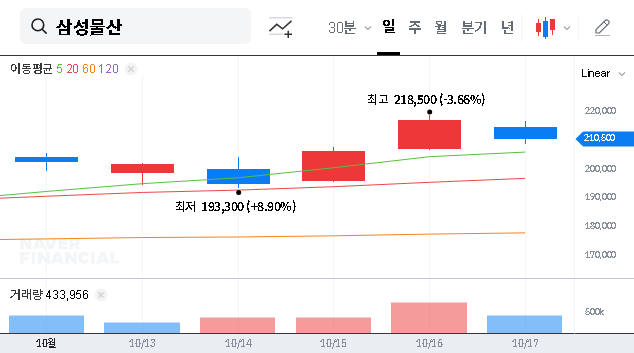
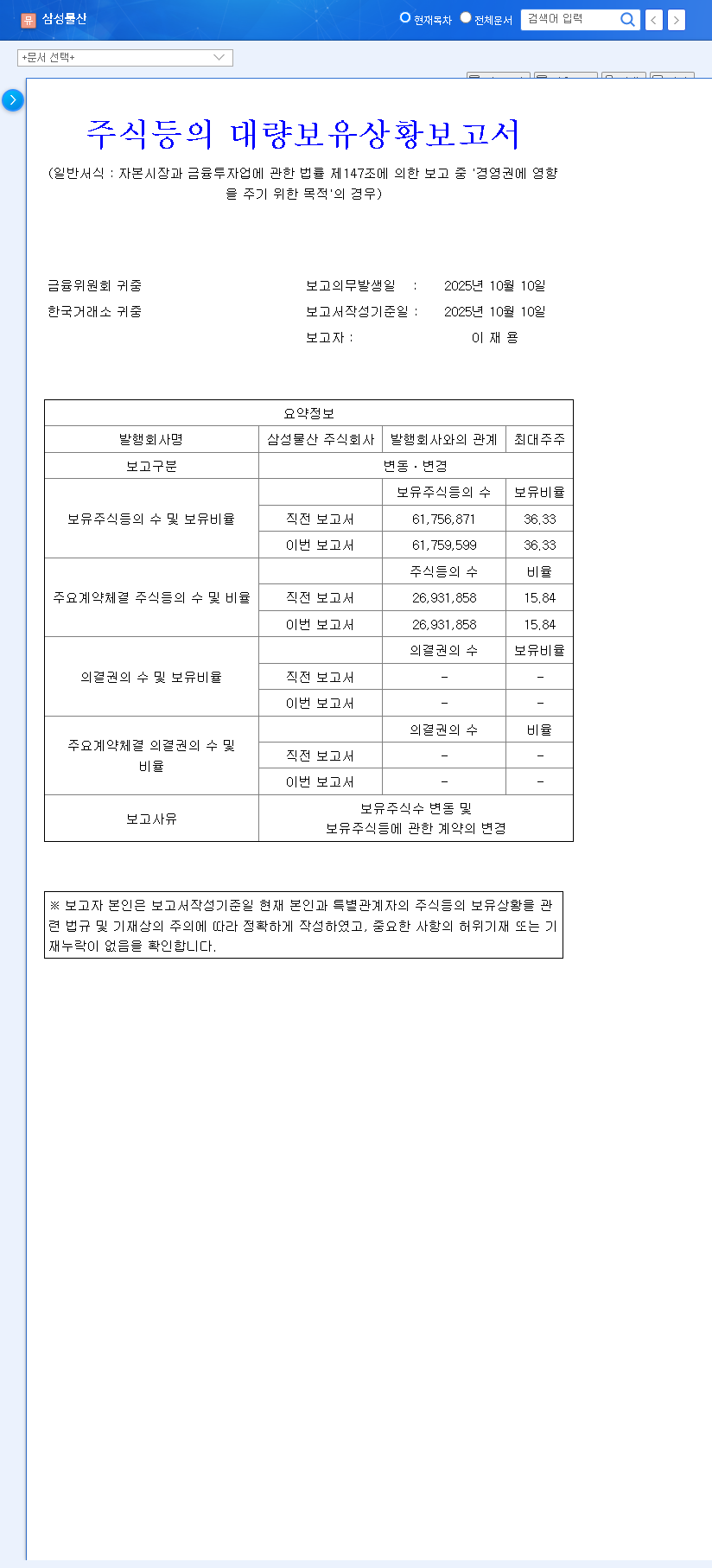
    On October 17, 2025, a mandatory filing titled ‘Report on the Status of Large Shareholder’s Holdings of Stocks, etc. (General)’ was submitted. The purpose stated by Lee Jae-yong for SAMSUNG C&T was explicitly ‘management control influence.’ While the headline numbers showed no change, the devil is in the details.

    Key Filing Details at a Glance

    • Reporting Party: Lee Jae-yong
    • Holding Purpose: Management control influence
    • Shareholding Ratio: Unchanged at 36.33%
    • Stated Reason for Report: Change in the number of shares held and change in contracts related to shares held.

    The complete filing offers the most granular data. You can review the Official Disclosure on DART for a first-hand look at the report.

    The Core Mystery: What is the SAMSUNG C&T ‘Contract Change’?

    The most significant part of this SAMSUNG C&T stock disclosure is the ‘contract change.’ This vague terminology can encompass several strategic financial arrangements that alter control or obligations without an outright sale or purchase of shares. Potential scenarios include:

    • Trust Agreements: Placing shares into a trust for succession planning, wealth management, or to consolidate voting rights.
    • Stock Lending or Collateral Agreements: Using shares as collateral for loans, which could have covenants that affect control under certain conditions.
    • Shareholder Agreements: A new or revised agreement with other major shareholders that redefines voting blocs or strategic alignment.

    While the share count remains static, the underlying power dynamics may be in flux. This ‘contract change’ is a precursor to a potential strategic shift, making it a critical detail for long-term investors.

    Why Samsung C&T is the Linchpin of Samsung’s Governance

    To understand the weight of this news, one must appreciate Samsung C&T’s role. It is not merely a construction and trading company; it is the key holding company at the apex of Samsung Group’s complex circular shareholding structure. Lee Jae-yong’s substantial stake in Samsung C&T gives him effective control over Samsung Life Insurance, which in turn is a major shareholder in Samsung Electronics. Therefore, any adjustment to his SAMSUNG C&T shareholding or related contracts has cascading effects throughout the entire conglomerate. For a deeper look, you can read our guide on Samsung’s Corporate Governance Structure.

    Investor Strategy: Navigating the Uncertainty

    Given the limited information, a knee-jerk reaction is unwarranted. However, proactive analysis is essential. The immediate market impact is likely to be muted, but the long-term implications depend entirely on the nature of the contract change.

    Potential Risks and Opportunities

    • Risk: Uncertainty is the primary risk. If the contract change introduces complexity or perceived instability in management control, it could create stock price volatility.
    • Opportunity: If the change is part of a broader strategy to streamline governance, simplify succession, or unlock value (e.g., restructuring), it could be a major long-term positive for corporate value.

    Actionable Monitoring Points

    Investors should monitor follow-up disclosures for clarity on the contract. It’s also wise to stay updated on analyses from reputable financial sources like Bloomberg or Reuters. Continue to evaluate Samsung C&T’s fundamentals across its diverse segments—Construction, Trading & Investment, Fashion, and Resort—to ensure the underlying business remains strong.

    Frequently Asked Questions (FAQ)

    Q1: What is the key takeaway from Lee Jae-yong’s recent SAMSUNG C&T stock disclosure?

    A1: The main takeaway is the ‘change in contracts related to shares held.’ While Lee Jae-yong’s 36.33% shareholding is unchanged, this contractual modification signals a potential strategic adjustment in his management control over Samsung Group.

    Q2: Did Lee Jae-yong’s ownership percentage in SAMSUNG C&T change?

    A2: No. The report clearly states his shareholding ratio in SAMSUNG C&T CORPORATION remained constant at 36.33%.

    Q3: How should investors react to this news?

    A3: The recommended approach is ‘watchful waiting.’ Avoid immediate trading decisions based on this single disclosure. Instead, focus on seeking more information about the contract change and continue to analyze Samsung C&T’s fundamental business performance.

    (028260) SAMSUNG C&T Stock Disclosure: Decoding Lee Jae-yong's 'Contract Change' 관련 이미지
  • (007370) JIN YANG PHARMACEUTICAL (007370) Stock: Analysis of Zenith Value Asset’s 6.08% CB Acquisition

    (007370) JIN YANG PHARMACEUTICAL (007370) Stock: Analysis of Zenith Value Asset’s 6.08% CB Acquisition

    The market is buzzing about JIN YANG PHARMACEUTICAL (007370) following a significant financial disclosure. A recent report reveals that Zenith Value Asset, an institutional investor, has secured a new 6.08% stake in the company. This was not a standard stock purchase, but rather an acquisition through convertible bonds (CBs). This move has sent ripples through the investment community, raising critical questions: What does this mean for the future of JIN YANG PHARMACEUTICAL stock? Is this a vote of confidence or a complex maneuver with hidden risks?

    This comprehensive analysis breaks down the event, explores the mechanics of convertible bond acquisitions, and provides a strategic outlook for investors trying to navigate this pivotal moment for JIN YANG PHARMACEUTICAL.

    Key Takeaway: A 6.08% stake acquisition by an asset management firm is a major event, signaling potential volatility and opportunity. Understanding the nuances of this deal is crucial for any current or prospective shareholder.

    The Core Event: A 6.08% Shareholding Shift

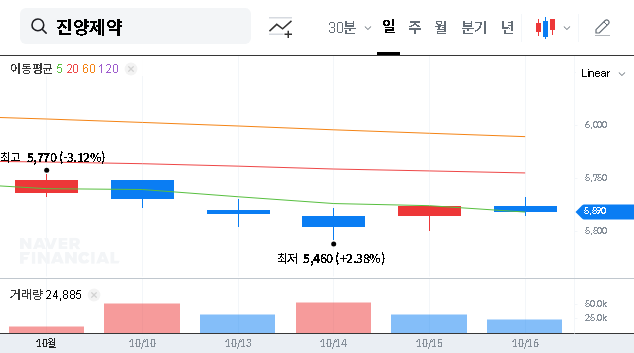
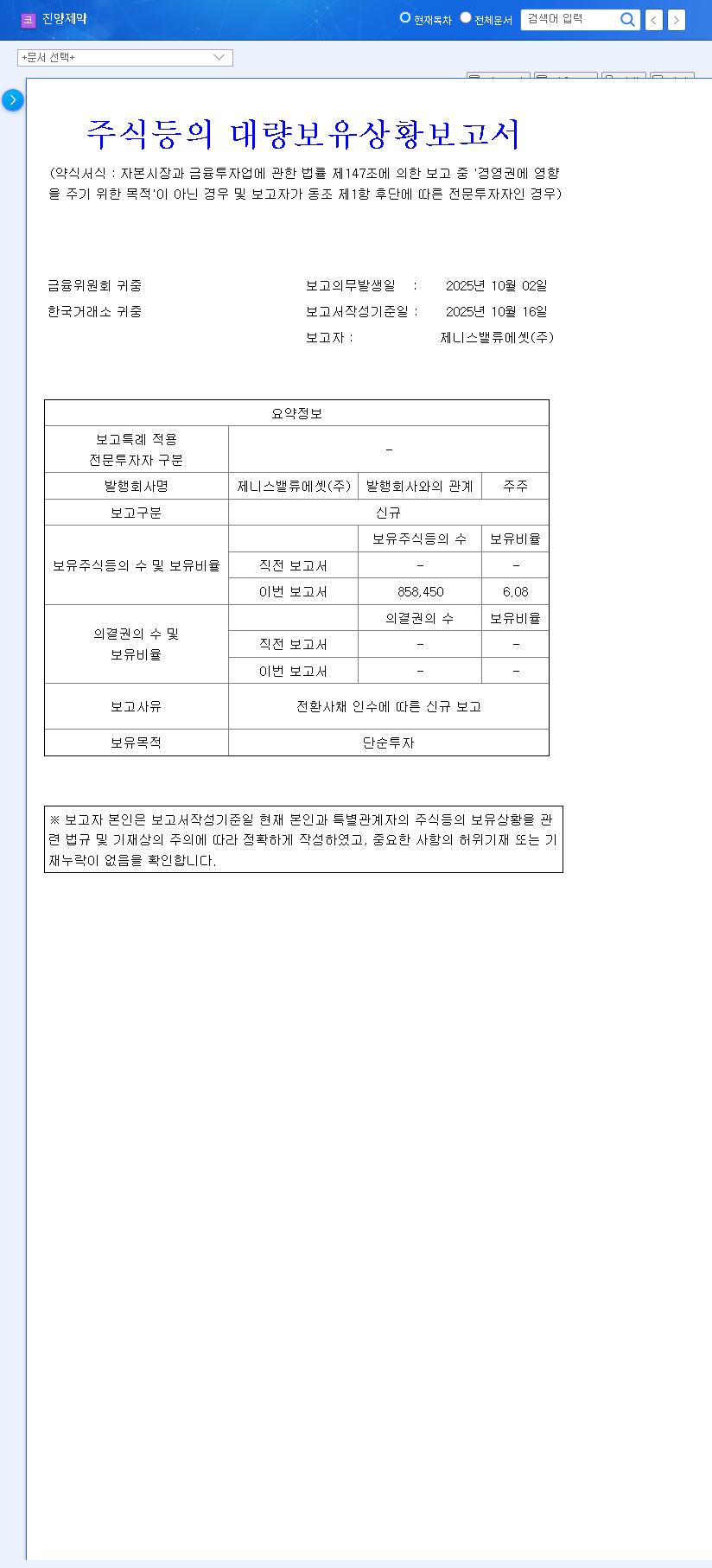
    On October 16, 2025, JIN YANG PHARMACEUTICAL (007370) filed a ‘Report on Large Volume Holdings of Shares.’ According to this document, Zenith Value Asset acquired 858,450 shares, equating to a 6.08% stake in the company. The official purpose was stated as ‘simple investment’. You can view the original filing directly from the source: Official Disclosure (DART).

    What makes this notable is the method of acquisition: through convertible bonds. A convertible bond is a type of debt security that the holder can convert into a specified number of shares of common stock in the issuing company. This hybrid nature makes it a complex instrument, blending the steady income of a bond with the growth potential of a stock.

    Analyzing the Impact on JIN YANG PHARMACEUTICAL Stock

    In a market where fresh analyst reports on JIN YANG PHARMACEUTICAL are scarce, a move this significant magnifies uncertainty. Let’s dissect the potential positive and negative implications.

    Potential Upside: A Bullish Signal?

    • Vote of Confidence: A large-scale acquisition, even if labeled a ‘simple investment,’ can be interpreted by the market as a strong sign of confidence in the company’s future prospects. Zenith Value Asset has effectively bet millions on the company’s success.
    • Increased Market Attention: This news puts JIN YANG PHARMACEUTICAL on the radar of more investors and financial media, potentially increasing trading volume and liquidity.
    • Shareholder Value Focus: The presence of a significant institutional investor could pressure management to focus more keenly on enhancing shareholder value, leading to positive strategic decisions.

    Potential Downside: Hidden Risks to Consider

    • Share Dilution: The most significant risk of a convertible bond acquisition is future dilution. When the bonds are converted into stock, the total number of outstanding shares increases, which can decrease the value of each individual share.
    • Potential Overhang: The market may become concerned about a large block of shares hitting the market if Zenith Value Asset decides to sell after conversion. This ‘stock overhang’ can suppress the price as traders anticipate the potential sale.
    • Uncertain Intentions: While the stated purpose is ‘simple investment,’ the lack of detail about Zenith’s holding period or exit strategy creates uncertainty that can lead to price volatility.

    Expert Recommendation: A Strategic Action Plan for Investors

    Given the mix of positive signals and inherent risks, a measured approach is essential. Hasty decisions are ill-advised. Here’s a strategic framework for how to respond.

    1. Conduct Deeper Due Diligence

    Before making any moves, gather more information. Focus on understanding the company’s core value, separate from this single event. Analyze its financial health, product pipeline, and competitive position. You can learn more by reading our guide to fundamental analysis.

    2. Define Your Investment Horizon

    • Short-Term Traders: This event will likely create volatility. Traders may find opportunities, but this requires strict risk management (e.g., stop-loss orders) due to high uncertainty and information asymmetry.
    • Long-Term Investors: If your analysis shows strong fundamentals for JIN YANG PHARMACEUTICAL, this could be a buying opportunity. However, be prepared for potential dilution and view the entry of Zenith as a long-term factor, not a short-term catalyst.

    3. Monitor Key Metrics

    Keep a close watch on any further disclosures regarding the convertible bonds, such as the conversion price and maturity date. Also, monitor trading volumes and institutional ownership changes in the coming quarters for clues about market sentiment.

    Disclaimer: This analysis is based on publicly available information and is for informational purposes only. It does not constitute financial advice. Market conditions can change, and investors should conduct their own research.

    (007370) JIN YANG PHARMACEUTICAL (007370) Stock: Analysis of Zenith Value Asset's 6.08% CB Acquisition 관련 이미지