Tag: Share Sale

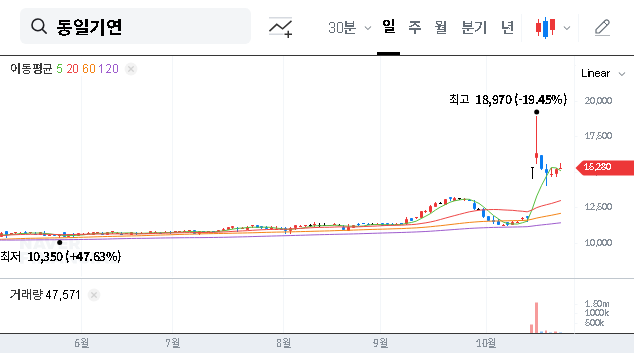
  • (032960) DongilTechnology Stock (032960): Analyzing the Major Shareholder Stake Sale & 2025 Outlook

    (032960) DongilTechnology Stock (032960): Analyzing the Major Shareholder Stake Sale & 2025 Outlook

    When a major shareholder of a company like DongilTechnology (032960) decides to sell a portion of their stake, the market takes notice. This single action can send ripples of uncertainty through the investor community, raising critical questions about the company’s future. Recently, Son Dong-jun, a key figure at this electronic components specialist, reduced his holdings, a move that demands a closer look, especially given the company’s challenging performance in the first half of 2025. This analysis will provide a comprehensive breakdown of the DongilTechnology major shareholder sale, its potential impact on the stock, the underlying corporate fundamentals, and the macroeconomic factors every investor must consider.

    We will dissect the financials, explore the market environment, and offer actionable insights to help you navigate this pivotal moment for your investment strategy in DongilTechnology stock.

    The Catalyst: Details of the Shareholder Stake Reduction

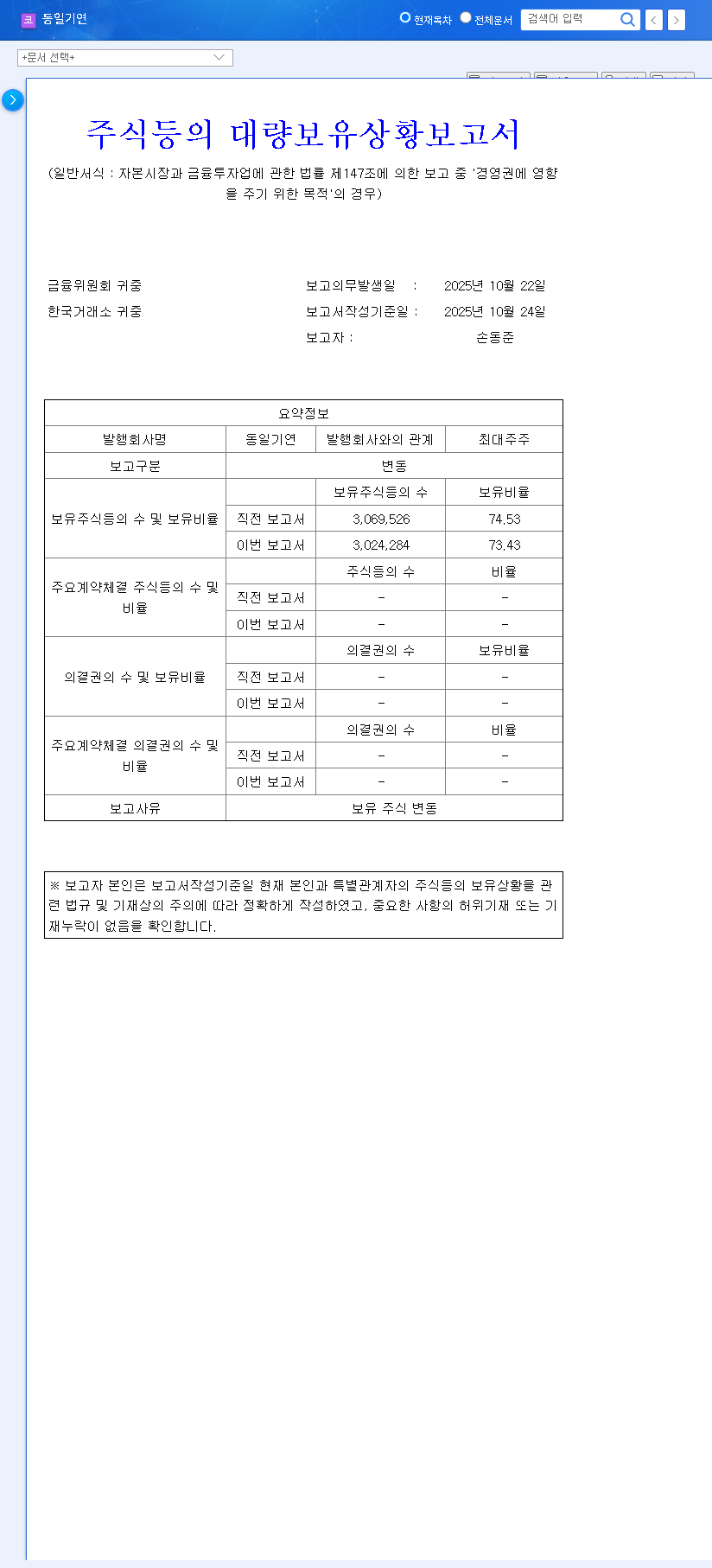
    On October 29, 2025, a significant disclosure was made public. The representative reporting person for DongilTechnology, Mr. Son Dong-jun, sold a portion of his shares on the open market. This wasn’t a minor transaction; it represents a notable shift in the company’s ownership structure.

    Key Transaction Details

    • Stake Change: The stake held by Mr. Son Dong-jun decreased from 74.53% to 73.43%, a reduction of 1.1 percentage points.
    • Method: The sale of 27,680 shares occurred through open market transactions between October 14 and October 23, 2025.
    • Official Source: The full details of this transaction can be verified in the Official Disclosure on DART, South Korea’s corporate filing system.

    While a 1.1% change might seem small, any sale by a controlling shareholder is a powerful signal. It forces investors to question the motivation behind the sale and its implications for the company’s long-term trajectory.

    A major shareholder’s sale, especially during a period of weak operational performance, often acts as a bearish signal, increasing uncertainty and potentially pressuring the stock price downwards in the short term.

    Fundamental Health Check: A Look at DongilTechnology’s Performance

    To understand the context of the sale, a thorough 032960 analysis is essential. The company’s H1 2025 financial report paints a mixed picture, revealing operational struggles masked by non-core gains.

    H1 2025 Financial Highlights

    • Sliding Revenue: Sales dropped to KRW 10.957 billion, a 14.35% year-over-year decrease, with both domestic and export markets for its electronic components showing weakness.
    • Operating Loss: The company swung from an operating profit of KRW 517 million to a loss of KRW 208 million, hit by the dual impact of lower revenue and higher administrative costs.
    • Misleading Net Profit: While a net profit of KRW 2.396 billion was reported, this was heavily inflated by KRW 1.863 billion in financial asset valuation gains. This indicates the core business is not the source of profitability.
    • Excellent Financial Stability: On a positive note, the company’s balance sheet is rock-solid. With a debt-to-equity ratio of just 0.17%, it has minimal debt and a healthy cash surplus. For more on this metric, you can read about the debt-to-equity ratio on Investopedia.

    Market Impact and Investor Sentiment

    The sale by Son Dong-jun couldn’t have come at a more delicate time. With the core business underperforming, this move is likely to amplify investor concerns and put short-term pressure on DongilTechnology stock. The market often interprets such sales as a lack of confidence from insiders, a need for personal liquidity, or a strategic pivot—all of which create uncertainty without clear communication from management.

    This event places a spotlight on the company’s management. A transparent explanation for the sale is now crucial to stabilize investor confidence. Without it, the market may assume the worst, further connecting the stock’s performance to the struggling fundamentals rather than its strong financial position. Investors looking for stability might find our guide on understanding financial reports for tech stocks helpful.

    Navigating the Headwinds: Key Macroeconomic Factors

    Beyond internal events, DongilTechnology operates within a complex global economic landscape. Investors should closely monitor these external variables:

    • Currency Volatility: As a company with both exports and imports, fluctuations in the KRW/USD and KRW/EUR exchange rates can significantly impact revenue and costs.
    • Interest Rate Environment: Persistently high interest rates can suppress investor appetite for equities and increase the cost of any future borrowing, despite the company’s current low debt.
    • Geopolitical & Commodity Risks: Rising oil prices and global political instability can disrupt supply chains and increase the cost of raw materials and logistics, squeezing profit margins.

    Investor Action Plan & Future Outlook

    Given the combination of weak operational results and the major shareholder’s stake sale, a cautious and vigilant approach is warranted. Here are key areas for investors to focus on:

    1. Demand Management Transparency

    The number one priority is a clear, official statement from DongilTechnology‘s management explaining the rationale behind the share sale. This is the fastest way to alleviate market uncertainty.

    2. Scrutinize Core Business Recovery

    Look past financial asset gains. The true measure of a turnaround will be a sustained recovery in the core electronic components business. Monitor quarterly reports for revenue growth and a return to operating profitability.

    3. Assess Long-Term Value Creation

    Evaluate the company’s strategic plan. Are they successfully diversifying into growth areas like medical devices and factory automation? Or are these initiatives failing to gain traction? The future value of DongilTechnology stock depends on the execution of these plans.

    In conclusion, while the company’s robust financial health provides a safety net, the recent stake sale combined with operational headwinds presents a significant challenge. Diligent monitoring and a demand for clear communication are essential before making any investment decisions.
    (032960) DongilTechnology Stock (032960): Analyzing the Major Shareholder Stake Sale & 2025 Outlook 관련 이미지
  • (062970) KOREA ADVANCED MATERIALS (062970) Stock Analysis: Shareholder Sell-Off Signals Deepening Crisis

    (062970) KOREA ADVANCED MATERIALS (062970) Stock Analysis: Shareholder Sell-Off Signals Deepening Crisis

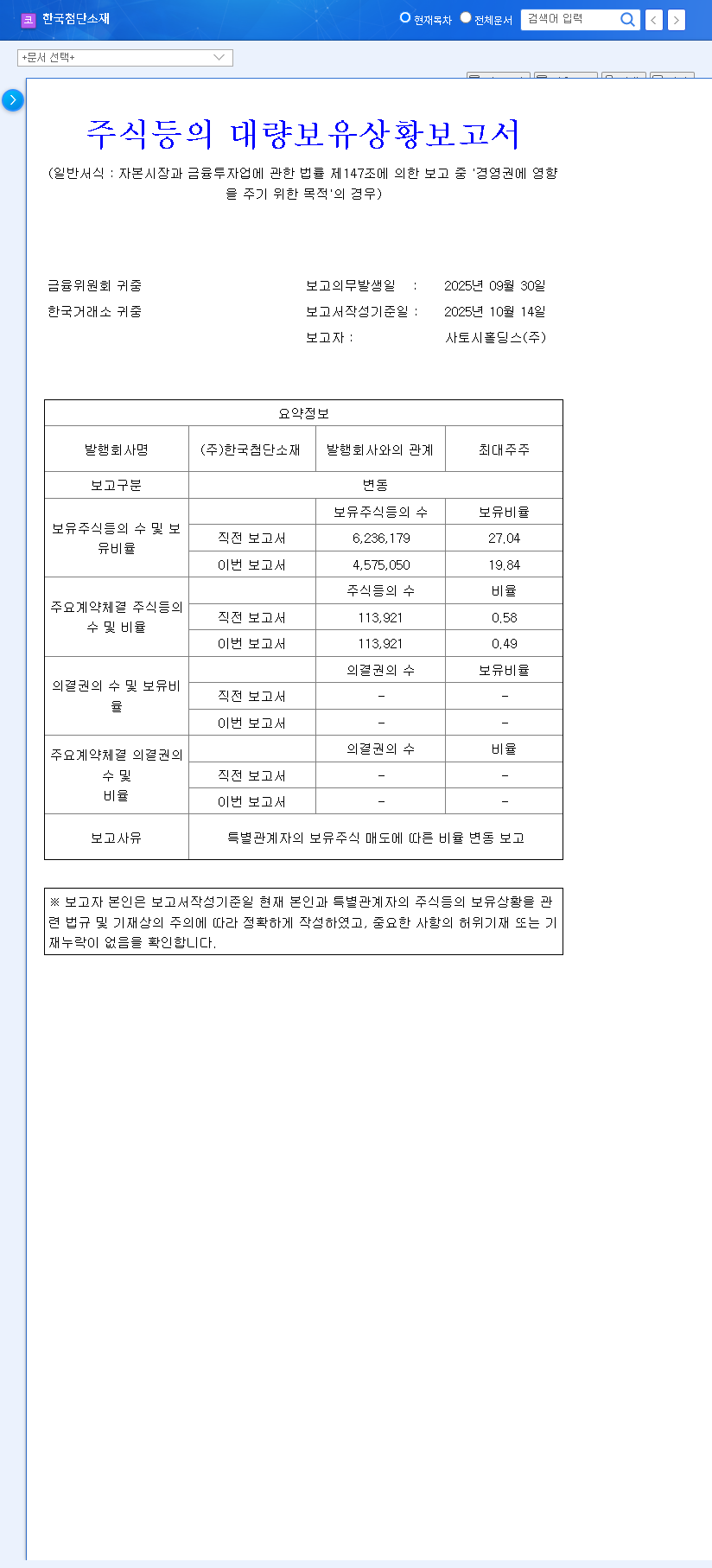
    Serious concerns are escalating around KOREA ADVANCED MATERIALS Co.,Ltd. (062970), a company now facing intense market scrutiny. The alarm was triggered on October 27, 2025, when major shareholder Satoshi Holdings announced a significant reduction in their stake. This move is far more than a routine portfolio adjustment; it’s a potential distress signal that questions the very foundation of the company’s financial health and management stability. This event has sent shockwaves through the investment community, prompting a closer look at what lies beneath the surface.

    Is this major shareholder sell-off a definitive indicator of an impending crisis for KOREA ADVANCED MATERIALS? This comprehensive stock analysis will delve into the company’s deteriorating fundamentals, the direct repercussions of this divestment, and the critical risk factors that every current and potential investor must understand to navigate these turbulent waters.

    The Catalyst: A Closer Look at the Shareholder Divestment

    The event that catalyzed the current wave of concern was a formal disclosure. On October 27, 2025, Satoshi Holdings and its special affiliates announced a substantial reduction of their stake in KOREA ADVANCED MATERIALS, slashing their ownership from 19.84% down to just 12.64%. This 7.2 percentage point decrease is a significant move from a shareholder whose stated purpose was to influence management. Such a large-scale sell-off is often interpreted by the market as a vote of no confidence, intensifying fears about the company’s future value and operational stability. You can view the Official Disclosure (DART) for precise details.

    When an insider with significant influence sells a large portion of their stake, it often signals a loss of faith in the company’s ability to overcome its challenges. This action speaks louder than any press release.

    Analysis of KOREA ADVANCED MATERIALS’ Financial Crisis

    The shareholder sell-off is not happening in a vacuum. It appears to be a reaction to the company’s deeply troubled financial and operational state. A detailed stock analysis reveals multiple red flags.

    1. Financial Health: On the Brink of Capital Impairment

    The company’s balance sheet is alarming. As of the first half of 2025, total equity was a mere KRW 13.8 billion, while the accumulated deficit had ballooned to approximately KRW 34.8 billion. This brings KOREA ADVANCED MATERIALS perilously close to full capital impairment, a state where a company’s total liabilities exceed its total assets. This is a direct result of persistent and significant operating losses.

    • Collapsing Revenue: Annual revenue plummeted from KRW 14.4 billion in 2023 to KRW 6.5 billion in 2024. The first half of 2025 shows no signs of recovery, with accumulated revenue at a dismal KRW 2 billion.
    • Worsening Profitability: Operating losses continue to expand, indicating severe and unresolved issues in its core management and business operations.
    • Heavy Debt Burden: The financial strain is compounded by a significant volume of convertible bonds, which create derivative liability valuation losses and further erode financial soundness.

    2. Business Outlook: Stagnation and Uncertainty

    The company’s business units offer little hope for a quick turnaround. The core business is struggling, and new ventures appear to be non-starters due to financial constraints.

    • Core Business (Optical Communication): While this sector is tied to high-growth areas like 5G and data centers, the company faces intense competition from low-cost international firms. Low production utilization rates suggest operational inefficiency and an inability to compete effectively.
    • New Ventures (Batteries, UAVs): While ambitious, plans to enter the secondary battery and UAV markets lack credibility. The company admits it has no concrete business plan for the next year, primarily due to its dire financial state and failure to secure necessary investment.

    Market Impact and Investment Risk

    The major shareholder sell-off has a powerful ripple effect. It directly impacts management stability and investor sentiment, creating a cascade of negative consequences.

    1. Destabilized Management and Governance

    With a significantly reduced stake, Satoshi Holdings’ ability to steer the company or maintain control is weakened. This governance vacuum could invite external intervention, a forced sale of management rights, or a hostile takeover, adding another layer of uncertainty for investors. To learn more about how market events shape stock prices, authoritative sources like Reuters Business provide excellent insights.

    2. Worsening Investor Sentiment and Price Pressure

    A major shareholder’s exit is a classic bearish signal. It almost invariably leads to negative selling pressure as retail and institutional investors follow the insider’s lead. Given the already fragile fundamentals of KOREA ADVANCED MATERIALS, this event is likely to accelerate an investor exodus and push the stock price further downward.

    Conclusion: An Unmistakable Warning for Investors

    The divestment by Satoshi Holdings is not just a symptom but an accelerant of the crisis at KOREA ADVANCED MATERIALS. The company is grappling with a severe liquidity crisis, a collapsing core business, and no viable path toward recovery. The investment risk associated with this stock is exceptionally high.

    Based on this analysis, the investment recommendation is clear: Strongly advise halting any new investment and maintaining a cautious, observational stance. The combination of profound fundamental weakness and management instability makes capital recovery highly improbable in the short to medium term. For those interested in risk assessment, our guide on How to Analyze High-Risk Stocks provides further context.

    Key Monitoring Points for the Future:

    • Any further changes in Satoshi Holdings’ remaining stake.
    • The announcement of any concrete, credible plans for financial restructuring.
    • Updates to the company’s credit rating (currently CCC+).
    • Movements or statements from other major shareholders.

    (062970) KOREA ADVANCED MATERIALS (062970) Stock Analysis: Shareholder Sell-Off Signals Deepening Crisis 관련 이미지
  • (064090) InkredibleBuzz Inc. Shareholder Sells Stake: A Deep Dive for Investors (064090)

    (064090) InkredibleBuzz Inc. Shareholder Sells Stake: A Deep Dive for Investors (064090)

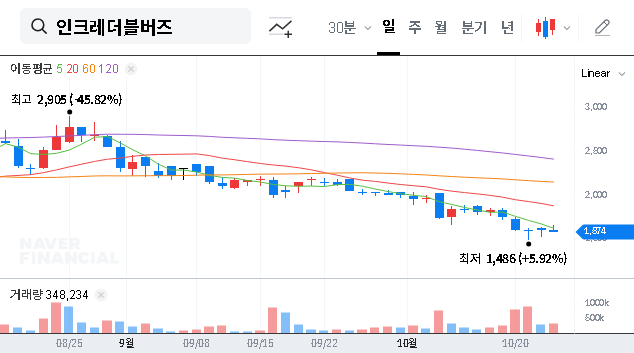
    The latest news surrounding an InkredibleBuzz Inc. shareholder has sent ripples through the investment community. A significant disclosure reveals that Ramikus, a major stakeholder in InkredibleBuzz Inc. (064090), has divested a portion of its shares. This move naturally raises critical questions for current and potential investors: What does this sale signal about the company’s future, and how should you adjust your investment strategy in response?

    This comprehensive analysis unpacks the details of the Ramikus divestment, explores the potential short-term market reactions, and provides a framework for evaluating the long-term implications for InkredibleBuzz Inc.’s stock. We will equip you with the insights and actionable steps needed to navigate this development with confidence.

    The Details: Ramikus Reduces Its Stake

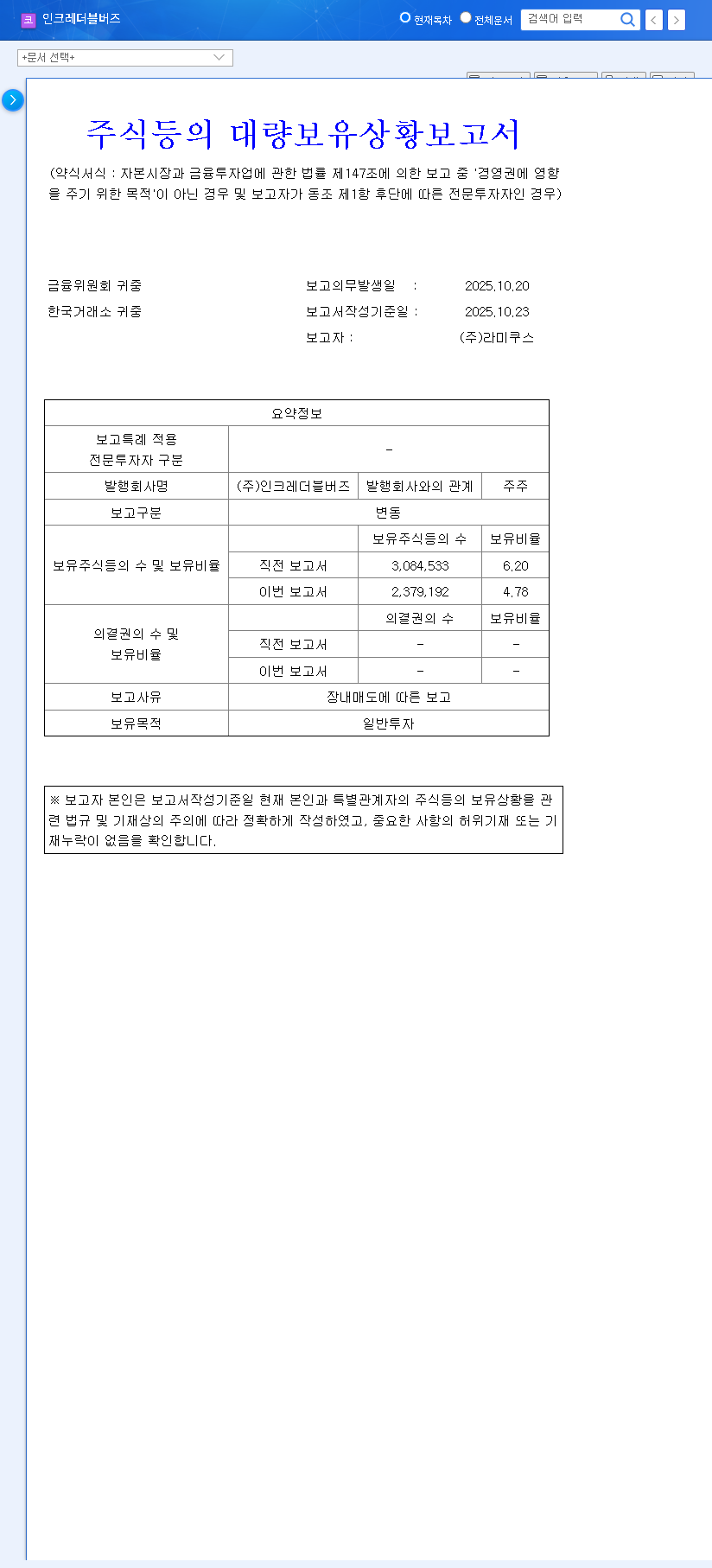
    On October 23, 2025, a public disclosure confirmed that Ramikus, classified as a general investor from South Korea, executed an on-market sale of its InkredibleBuzz Inc. shares. The sale was officially cited as being for “general investment purposes.” This is a crucial piece of information for any InkredibleBuzz Inc. shareholder to consider.

    Key Shareholding Changes at a Glance

    • Stake Before Sale: 6.20%
    • Stake After Sale: 4.78%
    • Total Change: A decrease of 1.42 percentage points.
    • Shares Sold: Approximately 2,150,000 shares.
    • Official Source: The transaction was formally documented in an official filing. You can view the Official Disclosure on DART for verification.

    It’s important to note that a sale for “general investment purposes” is intentionally broad. It can range from profit-taking and portfolio rebalancing to raising capital for other ventures. It does not automatically signal a loss of faith in the company’s core business.

    Analyzing the Short-Term Market Impact

    When a major investor reduces their position, the market often reacts swiftly. The initial interpretation can set the tone for trading in the subsequent days and weeks. For the InkredibleBuzz Inc. stock, the immediate effects could manifest in several ways.

    Potential Immediate Consequences

    • Negative Price Pressure: The large volume of shares entering the market, combined with the negative signal of a major holder selling, can create downward pressure on the stock price.
    • Weakened Investor Sentiment: Other investors may interpret the sale as a sign of concern, leading to a dip in overall confidence and potentially triggering further selling.
    • Increased Volatility: The news can lead to a period of heightened trading volume and price volatility as the market digests the information and finds a new equilibrium.

    Long-Term Outlook: Beyond the Initial Reaction

    While short-term price movements are inevitable, seasoned investors know that the long-term impact is dictated by the company’s underlying health. The key question is whether this InkredibleBuzz Inc. shareholder sale is a temporary event or a symptom of a deeper issue. To assess this, one must look beyond the transaction and focus on the company’s fundamentals.

    Is this a one-time portfolio adjustment by Ramikus, or the start of a complete exit? Continued selling could signal persistent concerns. Conversely, if the market readily absorbs the sold shares and the price stabilizes, it suggests underlying confidence in the company’s value. For a deeper understanding of what to look for, you can read our guide on How to Analyze Company Fundamentals.

    Critical Information for Your Due Diligence

    Before making any decisions, it’s essential to gather more data. A successful investment thesis cannot be built on a single news event. According to authoritative sources like Investopedia, a thorough analysis is paramount. Focus your research on:

    • Company Financials: Review recent quarterly reports for revenue growth, profit margins, and debt levels. Are the fundamentals strong and improving?
    • Industry Trends: How is InkredibleBuzz Inc. positioned within its industry? Does it have a competitive advantage or face significant headwinds?
    • Analyst Reports: What is the consensus among market analysts? Look for recent reports and target price adjustments following this news.
    • Management Commentary: Look for any official statements from InkredibleBuzz Inc.’s management regarding their business outlook or strategic plans.

    Conclusion: A Call for Prudence, Not Panic

    The divestment by Ramikus is a significant event that every InkredibleBuzz Inc. shareholder and potential investor must acknowledge. While it may cause short-term turbulence, the ultimate trajectory of the stock will depend on the company’s intrinsic value and future performance.

    Therefore, the recommended course of action is not to react hastily but to engage in diligent research. Use this event as a catalyst to re-evaluate your investment thesis for InkredibleBuzz Inc. By grounding your decisions in fundamental analysis and a comprehensive view of the market, you can navigate this development strategically and make choices that align with your long-term financial goals.

    (064090) InkredibleBuzz Inc. Shareholder Sells Stake: A Deep Dive for Investors (064090) 관련 이미지
  • (125020) TC Materials Co., Ltd. Stake Sale: A Deep-Dive Analysis for Investors

    (125020) TC Materials Co., Ltd. Stake Sale: A Deep-Dive Analysis for Investors

    The recent TC Materials Co., Ltd. stake sale has sent ripples through the investment community. When a major shareholder divests a significant portion of their holdings, it inevitably raises questions about the company’s future trajectory and stock value. This comprehensive analysis will break down the specifics of the sale by Reinvestment/South Korea, explore the potential market impacts, and provide a clear framework for investors to navigate this period of uncertainty.

    We will delve into the official disclosures to understand the facts, assess both short-term sentiment shifts and long-term fundamental implications, and offer actionable insights for anyone holding or considering an investment in TC Materials stock.

    Deconstructing the Major Shareholder Sale

    The Who, What, and Why of the Transaction

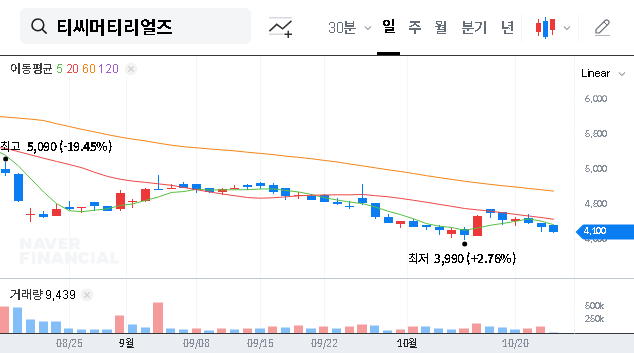
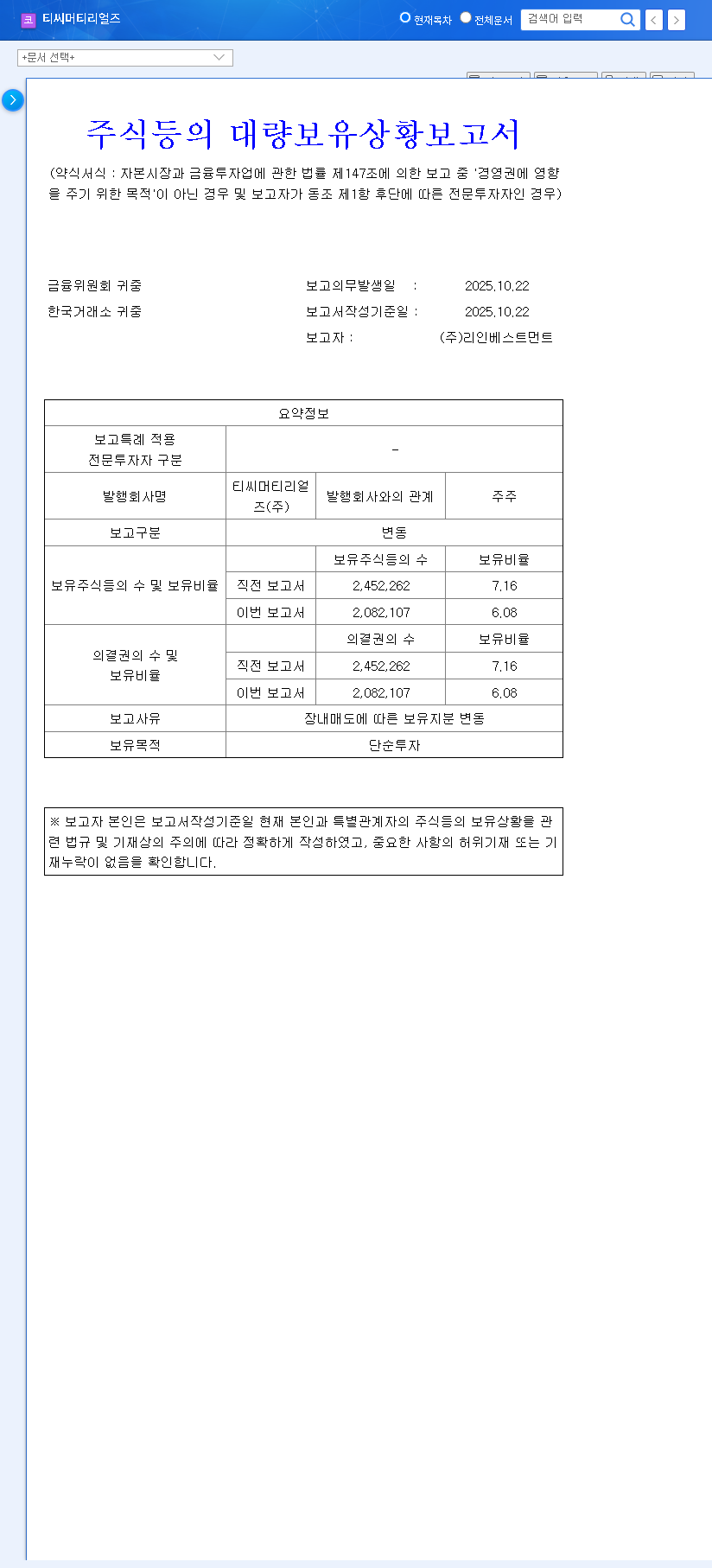
    The shareholder at the center of this event is Reinvestment/South Korea (Rebound New Technology Investment Association No. 1), a financial investor. According to public records, they executed a series of open market sales between September 25, 2025, and October 22, 2025. This activity resulted in the sale of 96,555 common shares of TC Materials Co., Ltd.

    This transaction reduced their ownership stake from 7.16% to 6.08%, a net decrease of 1.08 percentage points. The officially stated reason for the sale was a ‘decrease in shareholding due to open market sales’ for ‘simple investment’ purposes. This language typically suggests profit-taking, portfolio rebalancing, or a strategic capital reallocation rather than a direct response to a negative internal development within the company. For complete transparency, investors can review the Official Disclosure filed with DART.

    While a 1.08% reduction may seem modest, any voluntary sale by a major institutional holder is a significant market signal that warrants careful investment analysis and close attention from the broader market.

    Short-Term Market Impact and Investor Sentiment

    In the short term, a major shareholder selling shares often creates negative pressure on a stock’s price. This is driven by several key factors that influence market psychology and supply-demand dynamics. For more on this topic, see Investopedia’s explanation of shareholder disclosures.

    • Negative Signaling: The market may interpret the sale as a vote of no-confidence. Other investors might assume the seller has access to information or insights that suggest the stock is overvalued or facing headwinds.
    • Increased Supply: The act of selling a large block of shares increases the available supply on the market. If demand does not increase to absorb these new shares, the price will naturally face downward pressure.
    • Fear of Further Sales: This initial sale could signal the start of a larger divestment. The uncertainty around whether more shares will be sold can create an overhang on the stock, discouraging new buyers.

    Long-Term Outlook: Focusing on Fundamentals

    The long-term impact of the TC Materials Co., Ltd. stake sale is less about the sale itself and more about the underlying health of the business. An intelligent investor must look past the immediate market noise and focus on the company’s core fundamentals. Is the company’s revenue growing? Are its profit margins stable? Does it have a competitive advantage in its industry?

    Because the seller was a financial investor, their decision could be driven by factors entirely unrelated to TC Materials’ performance, such as meeting redemption requests or locking in profits to fund a new opportunity. A sale by a strategic partner or an insider would be a much stronger red flag. To properly assess the situation, a thorough review of the company’s financial health is crucial. You can learn more by reading our guide to analyzing financial reports.

    Investor Action Plan: What to Do Next

    Given the current information, a cautious and analytical approach is recommended. Here are key steps investors should take:

    • Dive into Financials: Scrutinize TC Materials’ latest quarterly and annual reports. Look for trends in revenue, earnings per share (EPS), and cash flow.
    • Analyze the Seller: Research Reinvestment/South Korea’s investment history. Is this part of a pattern of taking profits after a certain holding period, or is this an unusual move for them?
    • Monitor Market Consensus: Review what analysts and brokerage reports are saying about TC Materials. Does this sale contradict a broadly positive market outlook, or does it align with growing concerns?

    By gathering more information and focusing on the company’s intrinsic value, you can make a more informed decision that aligns with your investment strategy, independent of short-term market sentiment.

    (125020) TC Materials Co., Ltd. Stake Sale: A Deep-Dive Analysis for Investors 관련 이미지
  • (295310) HVM CEO Share Sale: Full Analysis of Stock Price Impact & 2025 Investor Strategy

    (295310) HVM CEO Share Sale: Full Analysis of Stock Price Impact & 2025 Investor Strategy

    The recent HVM CEO share sale has sent ripples through the investment community, leaving many to question the future of HVM’s stock price and management stability. On October 21, 2025, a significant disclosure revealed that CEO Choi Jae-young divested a substantial portion of his holdings. This move, involving shares initially held for ‘management influence,’ has understandably put the market on high alert. For investors, this isn’t just news; it’s a critical event that demands a deep, strategic analysis to navigate the resulting uncertainty and protect their portfolios.

    In this comprehensive breakdown, we will dissect the transaction, analyze the potential short-term and long-term consequences for the HVM stock price, and provide a clear, actionable investor strategy. Making informed decisions is paramount when a company’s leadership makes such a significant financial move.

    Deconstructing the HVM CEO Share Sale: Key Facts

    An Overview of the Transaction

    The core event revolves around the disclosure made by HVM CO.,LTD. (HVM) regarding its CEO, Choi Jae-young. The official details, as per the public disclosure, are crucial for a clear understanding.

    • Seller: Choi Jae-young, CEO of HVM CO.,LTD.
    • Date of Sale: October 14, 2025
    • Method of Sale: After-hours block deal
    • Volume Sold: 230,000 common shares
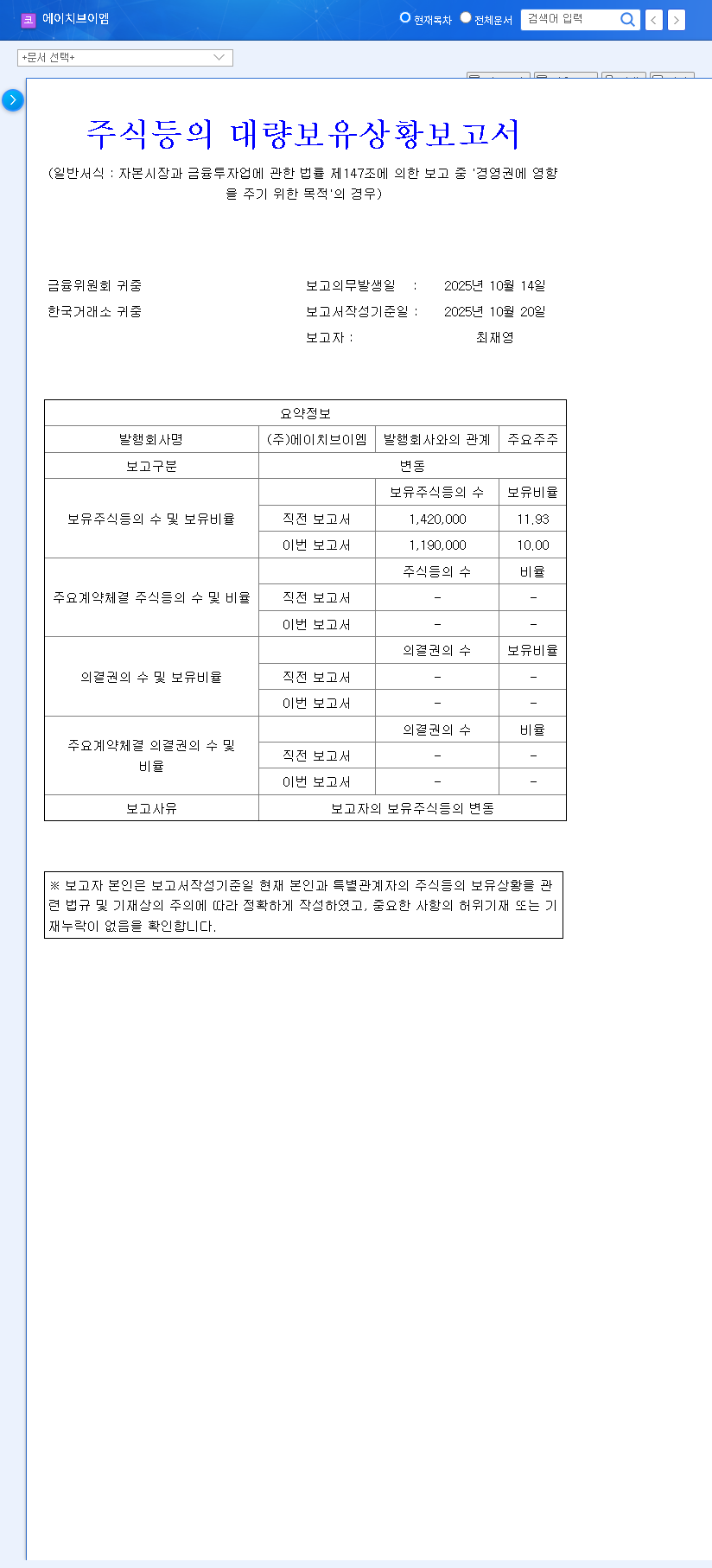
    • Change in Ownership: Dropped from 11.93% to 10.00% (a 1.93% decrease)
    • Original Holding Purpose: ‘Management influence’

    The critical takeaway is the shift in the purpose of the shares. When a CEO reduces a stake designated for ‘management influence,’ it’s interpreted by the market as more than just a personal financial transaction; it’s a potential signal about their long-term confidence and control. You can view the Official Disclosure (Source: DART) for primary verification.

    Analyzing the Market Impact: Short & Long-Term

    Short-Term: Volatility and Negative Sentiment

    The immediate aftermath of a major insider sale is often predictable. The market reacts swiftly, usually negatively, due to a few key factors:

    • Selling Pressure: The introduction of 230,000 shares into the market via a block deal creates a supply-demand imbalance. This can trigger a dip in the HVM stock price as the market absorbs the new supply.
    • Erosion of Investor Confidence: The market often follows the lead of insiders. A CEO selling shares can be perceived as a lack of faith in the company’s near-term prospects, leading to panic selling among retail investors.
    • Algorithmic Trading Triggers: Modern markets are heavily influenced by automated trading systems that are programmed to react to news like insider sales, which can amplify the downward price movement.

    Mid-to-Long-Term: Questions of Stability and Value

    Beyond the initial shock, the Choi Jae-young share sale raises more profound questions that will influence the stock over the coming months and years:

    • Management Stability: A CEO’s ownership stake is a pillar of management control. A reduced stake might be perceived as a chink in the armor, potentially inviting shareholder activism or, in extreme cases, hostile takeover speculation.
    • Corporate Value Perception: Without a clear, positive reason for the sale (e.g., funding a charitable foundation), the market may default to a negative interpretation—that the CEO believes the stock is currently overvalued.

    “Insider selling, especially from a CEO, is one of the most powerful negative signals in the market. While there can be benign reasons, the default assumption is that the person with the most information sees limited upside in the near future.”

    Investor Strategy HVM: A Cautious and Analytical Approach

    Reacting emotionally is the worst course of action. A prudent investor strategy for HVM stock now involves diligent research and a level-headed assessment. Here’s what to focus on:

    1. Deep-Dive Fundamental Analysis

    Ignore the noise and focus on the company’s actual health. A thorough HVM stock analysis should re-evaluate its intrinsic value. Look at:

    • Financial Health: Scrutinize recent quarterly reports. Are revenue and profit margins growing? How is the company’s debt-to-equity ratio and cash flow?
    • Growth Drivers: Is the company innovating with new products? Have there been any recent major contract wins or market expansions?
    • Valuation Metrics: How does its Price-to-Earnings (P/E) ratio compare to industry peers? Does the current stock price reflect its fundamental value? For more on this, check out this guide on fundamental analysis from Investopedia.

    2. Monitor for Further Information and Context

    The reason behind the sale is everything. Watch for official company statements or interviews where the CEO might clarify his motives. Legitimate reasons could include portfolio diversification, tax planning, or funding a separate venture. The absence of a clear reason is, in itself, a red flag. For ongoing updates, you might consult our dedicated HVM corporate news section.

    3. Assess the Overall Shareholder Structure

    Even with this sale, is the CEO’s control and the broader management’s position still secure? Analyze the total ownership of insiders and institutional investors. If control remains firmly consolidated, the risk of management instability is significantly lower.

    Frequently Asked Questions (FAQ)

    Why did the HVM CEO sell his shares?

    The official disclosure does not state the specific reason for the sale. While the transaction details are public, CEO Choi Jae-young’s personal motivation—be it for personal finances, diversification, or a change in strategy—has not been officially communicated. The market dislikes ambiguity, which is contributing to the negative sentiment.

    Is HVM stock a ‘Sell’ now?

    A hasty decision is ill-advised. While the HVM CEO share sale is a significant bearish signal, it should be weighed against the company’s fundamental strength. If your analysis shows HVM is fundamentally sound and potentially undervalued after a price drop, it could even present a long-term buying opportunity for contrarian investors. The key is to base your decision on comprehensive research, not a single news event.

    What should current HVM investors do?

    Current investors should remain calm and re-evaluate their thesis for owning HVM stock. Does this news change the company’s long-term business prospects? If not, the short-term volatility might be something to ride out. If this event shakes your confidence in management’s vision, it may be time to reconsider your position. Focus on the action plan outlined above before making any trades.

    (295310) HVM CEO Share Sale: Full Analysis of Stock Price Impact & 2025 Investor Strategy 관련 이미지
  • (140670) RS AUTOMATION Share Sale: CEO’s Move & Rights Offering Explained | Investor Analysis

    (140670) RS AUTOMATION Share Sale: CEO’s Move & Rights Offering Explained | Investor Analysis

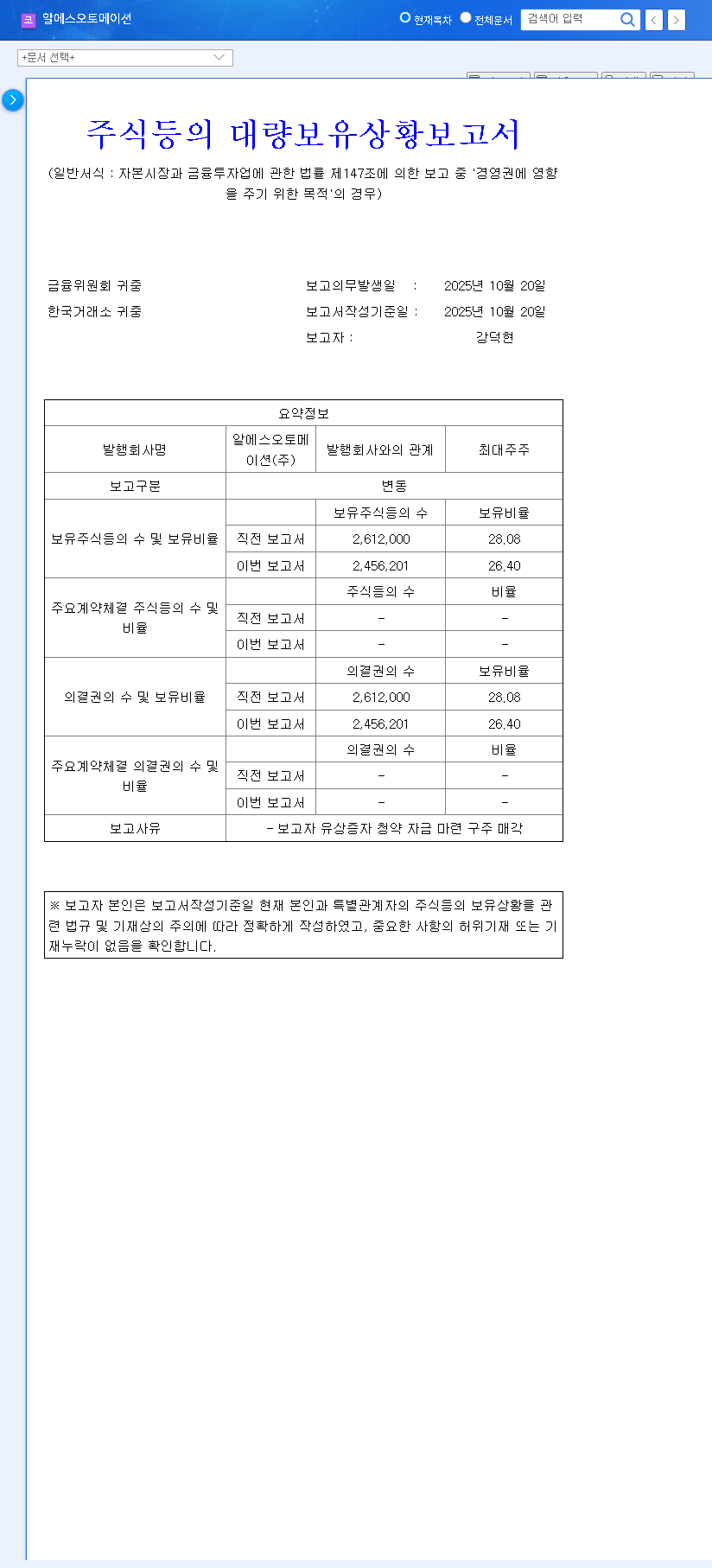
    The recent RS AUTOMATION share sale by CEO Kang Deok-hyun has sent ripples through the investment community, raising critical questions about the company’s trajectory and the stability of its leadership. On October 20, 2025, a disclosure revealed that the CEO sold a significant portion of his holdings in KOSDAQ: 140670. While the stated purpose was to fund his participation in an upcoming rights offering, such an insider sale inevitably creates uncertainty. This comprehensive investor analysis breaks down the transaction, explores the implications of the rights offering, and provides a strategic roadmap for current and potential shareholders.

    Deconstructing the RS AUTOMATION Share Sale

    The transaction, as detailed in the official filing, involved the off-market sale of shares held by CEO Kang Deok-hyun for the explicit purpose of influencing management. This detail is crucial, as it separates the sale from a simple portfolio diversification. The key figures from the disclosure are as follows:

    • Shareholding Before Report: 28.08%
    • Shareholding After Report: 26.40%
    • Total Change: -1.68% (123,551 shares sold)
    • Stated Reason: To secure funds for a rights offering subscription.

    This information is based on the report filed with the Financial Supervisory Service, which can be viewed in the Official Disclosure (DART). The context provided is vital for a complete investor analysis.

    The CEO’s move presents a dual signal: a commitment to the company’s future via the rights offering, clouded by the immediate negative sentiment of an insider sale to raise the necessary capital.

    The Rights Offering: A Double-Edged Sword?

    To understand the CEO’s actions, one must first understand the mechanism at play: the rights offering. A rights offering is a way for a company to raise capital by inviting existing shareholders to purchase additional new shares, often at a discount to the market price. While it can be a positive sign of growth and investment, the need for the CEO to sell existing shares to participate introduces complexity.

    Why the RS AUTOMATION Share Sale is a Mixed Signal

    On one hand, the CEO’s participation in the rights offering signals his belief in the company’s long-term strategy. The funds raised are typically used for expansion, R&D, or debt reduction—all potentially value-creating activities. However, the fact that he needed to liquidate a portion of his stake to do so could be interpreted negatively, suggesting personal cash flow constraints or an unwillingness to inject new, external capital. This nuance is central to any analysis of KOSDAQ: 140670 at this juncture.

    Potential Impact on Stock Price and Fundamentals

    Short-Term Market Reaction

    In the short term, the market is likely to react with caution. An insider sale, especially of shares tied to management control, often creates downward pressure on the stock price. The key mitigating factor is the declared reason. Unlike a sale signaling a lack of confidence, this one is tied to a reinvestment event. Still, investors should brace for potential volatility as the market digests this news.

    Long-Term Fundamental Outlook

    The long-term impact hinges entirely on the success of the rights offering and how the capital is deployed. For a high-tech company like RS AUTOMATION, a leader in robotics and industrial automation, this capital could fuel innovation and capture market share. Conversely, if the funds are used inefficiently, the move will have been detrimental. The focus for long-term investors should shift from the sale itself to the company’s subsequent strategic execution. For more on this, you can read our guide on evaluating corporate capital allocation.

    Strategic Action Plan for Investors

    Navigating this situation requires diligence. Here are the critical steps investors should take:

    • Analyze the Rights Offering Details: Once published, scrutinize the offering’s terms. The issue price, scale, and specific purpose of the funds are paramount for assessing shareholder dilution and future growth prospects.
    • Review Company Financials: Conduct a thorough review of RS AUTOMATION’s balance sheet, income statement, and cash flow. Is the company fundamentally strong, or is this capital raise a sign of financial distress?
    • Consult Market Analysis: Review reports from credible financial institutions and analysts. Understanding the broader market consensus, such as expert commentary on the tech sector, provides valuable external context.
    • Monitor Shareholding Trends: Keep a close eye on any further changes in shareholding from CEO Kang Deok-hyun or other major institutional investors.

    Final Takeaway

    The RS AUTOMATION share sale by its CEO is not a simple red flag but a complex event with layered implications. While the immediate market reaction may be negative, the ultimate outcome will be determined by the company’s strategic use of the capital raised from the rights offering. Investors should proceed with a strategy rooted in deep, fundamental analysis rather than a knee-jerk reaction to headlines.

    (140670) RS AUTOMATION Share Sale: CEO's Move & Rights Offering Explained | Investor Analysis 관련 이미지
  • (068930) Digital Daesung Stock Analysis: VIP Asset Management Sells 1.55% Stake | Investor Guide

    (068930) Digital Daesung Stock Analysis: VIP Asset Management Sells 1.55% Stake | Investor Guide

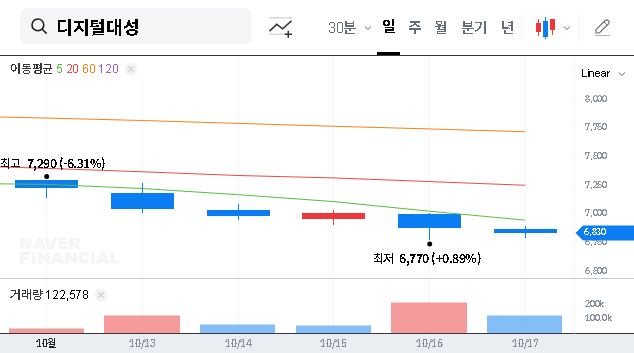
    Recent movements in Digital Daesung stock have caught the market’s attention after a significant disclosure revealed a substantial share sale by a major institutional investor, VIP Asset Management Co., Ltd. This divestment has created a wave of uncertainty, leaving many investors questioning the future trajectory of Digital Daesung’s share price and the appropriate strategy to adopt. Is this a signal of underlying issues, or simply a portfolio adjustment? This comprehensive analysis will dissect the official filing, explore the potential market repercussions, and provide a clear, actionable investment guide to help you navigate this pivotal moment.

    Understanding the nuances of such a large-scale transaction is crucial for making informed decisions. Let’s delve into the specifics of the sale and what it means for your investment in Digital Daesung stock.

    The Disclosure in Detail: What Exactly Happened?

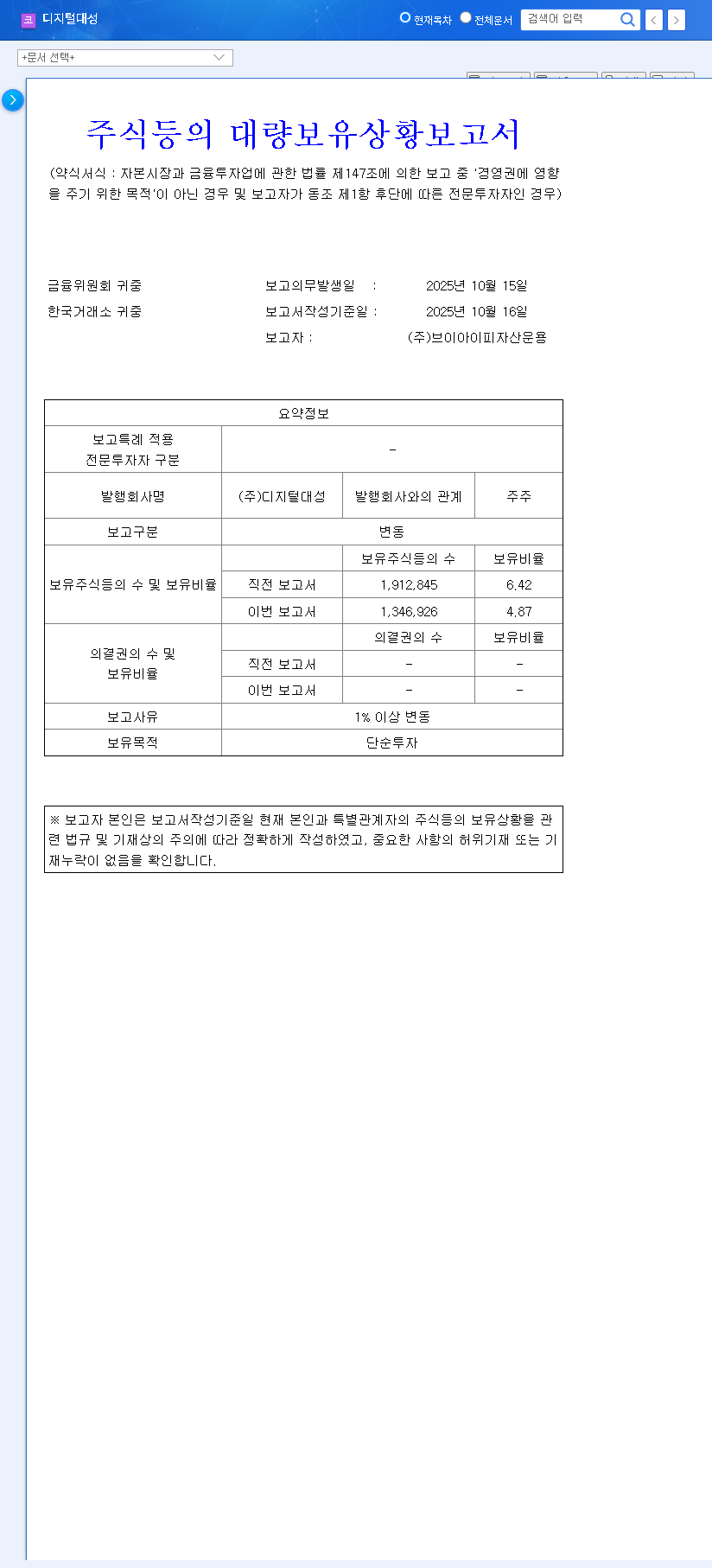
    On October 17, 2025, VIP Asset Management officially reported a significant change in its holdings of Digital Daesung. The key details from the public filing paint a clear picture of the transaction. The full details can be reviewed in the Official Disclosure filed with DART, but the critical takeaways are:

    • Reporting Entity: VIP Asset Management Co., Ltd.
    • Purpose of Holding: Officially listed as ‘Simple Investment’.
    • Shareholding Change: A decrease from 6.42% to 4.87%, marking a 1.55% reduction.
    • Total Shares Sold: 230,782 shares.
    • Sale Period: A concentrated selling period from October 10 to October 16, 2025.

    This sale is significant not just for its size, but for the speed at which it was executed. The divestment of over 230,000 shares in a single week indicates a decisive move by the asset manager.

    Potential Market Impact on Digital Daesung’s Share Price

    When a well-regarded institutional investor reduces its stake, the market often reacts with caution. Here are the most likely impacts on the Digital Daesung stock price and overall market sentiment.

    Immediate Downward Pressure

    The most immediate effect is the potential for short-term downward pressure. A large supply of shares entering the market can create an imbalance, spreading negative sentiment and leading to price drops. Investors may see increased volatility as the market works to absorb this new supply of shares.

    Decoding the ‘Simple Investment’ Motive

    While ‘simple investment’ is the stated purpose, the sale implies a shift in that investment thesis. It could suggest that VIP Asset Management no longer sees the same upside potential in Digital Daesung, or it could simply be a strategic portfolio rebalancing to lock in profits or allocate capital to more promising sectors. This ambiguity fuels market uncertainty.

    “Institutional sell-offs are a double-edged sword. While they can trigger short-term panic, they also present an opportunity for diligent investors to assess a company’s intrinsic value without the market noise.”

    An Investor’s Proactive Action Plan

    Instead of reacting emotionally, a structured approach is necessary. To truly understand this event’s impact on your stock analysis, consider the following steps.

    1. Re-evaluate Digital Daesung’s Fundamentals

    This is the time to look past the single event and scrutinize the company’s core health. Is the business model sound? Are revenues growing? How does it stack up against competitors in the rapidly evolving education market? A thorough review of financial statements, recent earnings calls, and industry trends is essential. This sale might be unrelated to the company’s performance, making the current price an attractive entry point if the fundamentals are strong. For more context, review our comprehensive guide to investing in EdTech stocks.

    2. Monitor Market Sentiment and News Flow

    Keep a close eye on trading volume, analyst ratings, and financial news. Are other institutional investors following suit, or are they buying the dip? Increased trading volume could signal a bottoming-out or further decline. Following reports from authoritative sources like Bloomberg can provide valuable macro-level context for the education sector and investor sentiment at large.

    Conclusion: A Prudent Path Forward

    The large-scale sale of Digital Daesung stock by VIP Asset Management is a significant market event that warrants caution but not panic. The lack of a specific reason for the sale means investors must rely on their own due diligence.

    For now, a wait-and-see approach is advisable for most. Avoid making rash decisions. Instead, use this period to intensify your research. A deep dive into Digital Daesung’s intrinsic value, competitive advantages, and financial stability will provide the clarity needed to act decisively when the time is right. In a volatile market, informed, patient investing always prevails. Continue to monitor the situation and base your final judgment on facts and thorough analysis.

    (068930) Digital Daesung Stock Analysis: VIP Asset Management Sells 1.55% Stake | Investor Guide 관련 이미지
  • (452200) Mintech Co., Ltd. Stock Analysis: Decoding the LG Energy Solution Share Sale

    (452200) Mintech Co., Ltd. Stock Analysis: Decoding the LG Energy Solution Share Sale

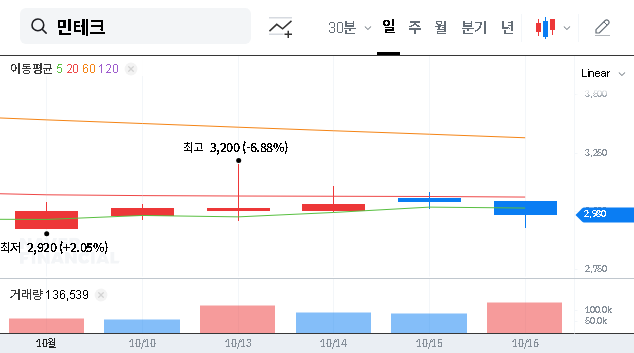
    Analyzing the future of Mintech Co., Ltd. stock has become a critical task for investors following recent news. LG Energy Solution, a cornerstone institutional investor, has trimmed its stake in the company, sending ripples of uncertainty through the market. This move, though seemingly minor, raises important questions: Is this a red flag for Mintech’s future, or simply a routine portfolio adjustment? This comprehensive analysis will dissect the transaction, evaluate the immediate market impact, and look beyond the headlines to assess Mintech’s fundamental value proposition in the burgeoning battery technology sector.

    The Catalyst: Unpacking LG Energy Solution’s Share Sale

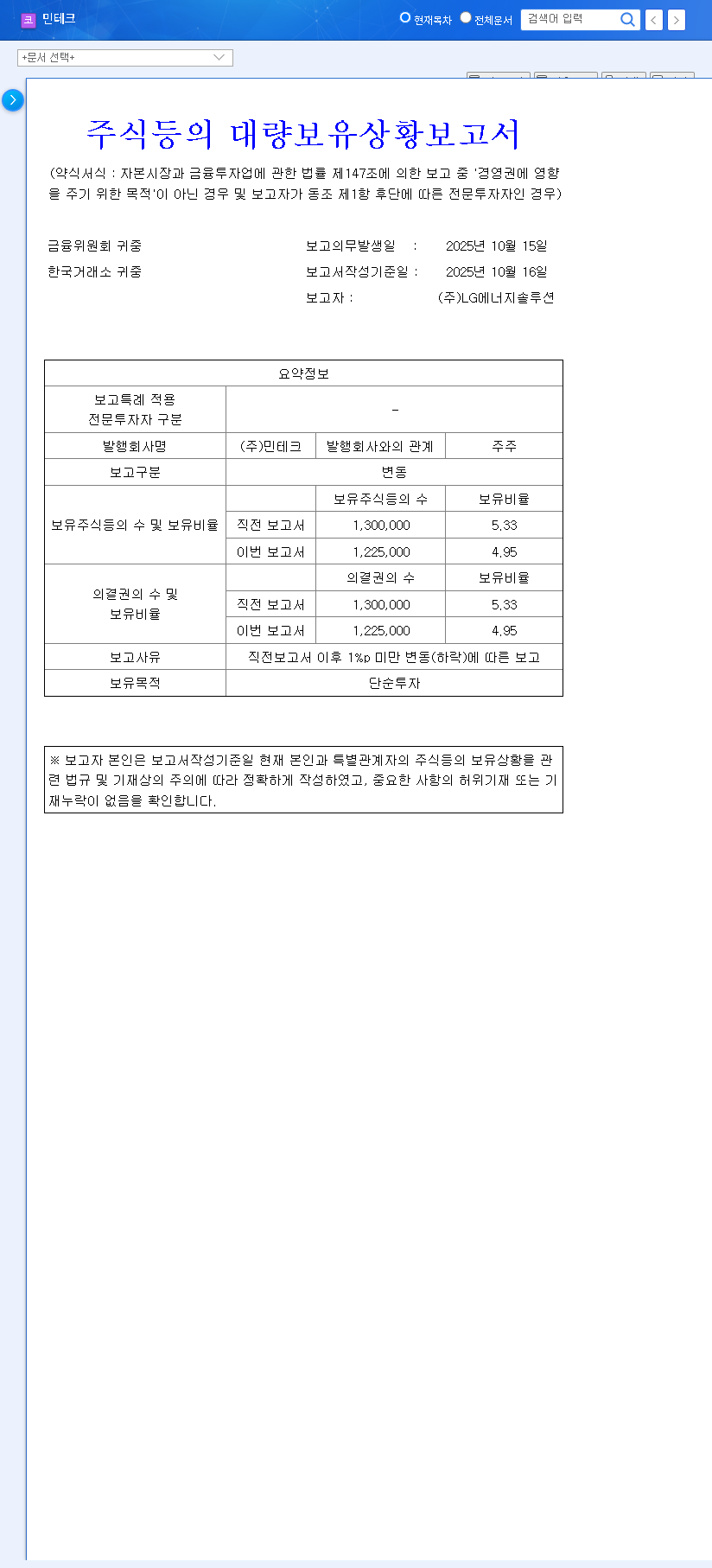
    On October 16, 2025, a regulatory filing revealed that LG Energy Solution had partially divested its holdings in Mintech. The official disclosure provides the precise details of this transaction, which is essential for a clear-eyed Mintech stock analysis.

    • Change in Stake: LG Energy Solution’s ownership decreased from 5.33% to 4.95%.
    • Transaction Volume: A total of 75,000 shares were sold on the open market.
    • Stated Purpose: The holding was listed for ‘Simple Investment’ purposes, suggesting the sale could be for portfolio rebalancing or profit-taking rather than a loss of faith in Mintech’s core business.
    • Official Source: The complete details are available in the Official Disclosure filed with DART.

    While a 0.38 percentage point reduction is not a massive liquidation, the identity of the seller is what gives the market pause. When an industry giant like LG Energy Solution adjusts its position, investors are right to seek a deeper understanding.

    In the world of institutional investment, even minor portfolio adjustments can send powerful signals through the market. The key for individual investors is to distinguish between strategic rebalancing and a fundamental loss of confidence.

    Analyzing the Impact on Mintech Co., Ltd. Stock

    Short-Term Market Sentiment

    The immediate, knee-jerk reaction to such news is often negative. The sale could introduce short-term downward pressure on Mintech Co., Ltd. stock as retail investors may interpret it as a bearish signal. This can lead to increased trading volume and volatility. However, the limited size of the sale may prevent a sustained sell-off, suggesting the impact might be contained. The market will be closely watching to see how the newly available shares are absorbed.

    Long-Term Fundamental Outlook

    This is where a discerning Mintech investor outlook becomes crucial. The LG Energy Solution share sale appears unrelated to Mintech’s intrinsic business operations. Mintech operates in the high-growth field of battery diagnostics and evaluation solutions—a critical component of the electric vehicle (EV) and energy storage supply chains. The company’s technology helps assess battery health, performance, and safety, which is vital for extending battery life and enabling the second-life battery market.

    The long-term value of Mintech Co., Ltd. stock is tied to these fundamentals, not the short-term trading decisions of a single investor. As the world transitions to electrification, the demand for reliable battery testing and lifecycle management is set to explode. This is a powerful secular trend that underpins Mintech’s growth story. For more on this trend, consider reviewing reports from authoritative sources like BloombergNEF’s global EV outlook.

    Actionable Strategy for Investors

    Instead of reacting emotionally, a structured approach is recommended. Investors should base their decisions on a combination of continuous monitoring and fundamental analysis.

    • Monitor Institutional Flow: Keep an eye on DART for any further sales from LG Energy Solution or other major shareholders. A pattern of selling would be more concerning than this isolated event.
    • Focus on Company News: Pay closer attention to Mintech’s own press releases, partnership announcements, and technological advancements. Positive developments can easily offset the sentiment from this sale.
    • Analyze Financial Health: Dive into Mintech’s upcoming quarterly reports. Are revenues growing? Are margins improving? Strong financial performance is the ultimate defense against market noise. You can learn more by reading our guide on How to Analyze Tech Company Financials.
    • Assess Buying Opportunities: If the stock price dips significantly due to this news without any change in the company’s strong fundamentals, it could represent a potential buying opportunity for long-term investors who believe in the battery diagnostics sector.

    Frequently Asked Questions (FAQ)

    Who sold shares of Mintech Co., Ltd.?

    LG Energy Solution Co., Ltd., a major institutional shareholder, sold a portion of its stake in Mintech.

    Why did LG Energy Solution sell its shares?

    The filing listed the purpose as ‘simple investment’, which typically points towards portfolio rebalancing, profit-taking, or other strategic financial adjustments not directly related to the target company’s performance.

    Does this sale negatively impact Mintech’s business?

    There is no information to suggest this sale has any direct impact on Mintech’s intrinsic corporate value, financial standing, or operational capabilities. The company’s long-term prospects remain tied to its technology and market position.

    What is the key takeaway for investors in Mintech Co., Ltd. stock?

    The key is to remain cautious but not overreact. While the sale could cause short-term price fluctuations, long-term investment decisions should be based on a thorough analysis of Mintech’s fundamental strengths and its role in the high-growth battery technology industry.

    Disclaimer: This article is for informational purposes only and is based on publicly available information. It does not constitute financial advice. Investment decisions should be made cautiously based on the investor’s own judgment and research.

    (452200) Mintech Co., Ltd. Stock Analysis: Decoding the LG Energy Solution Share Sale 관련 이미지
  • (029480) Kwangmu Major Shareholder Sale (029480): An In-Depth Investor Analysis

    (029480) Kwangmu Major Shareholder Sale (029480): An In-Depth Investor Analysis

    A seismic shift is underway at Kwangmu Co., Ltd. (029480), triggering significant concerns for current and potential investors. The complete divestment by its largest shareholder, Atlaspalcheun Co., Ltd., is more than a routine transaction; it’s a critical event that casts a long shadow over the company’s management stability and future strategy. This Kwangmu major shareholder sale has sent ripples through the market, leaving many to wonder if this is a precursor to a necessary corporate overhaul or a sign of deeper troubles ahead. This comprehensive investor analysis will dissect the event, evaluate the potential stock price impact, and provide a clear action plan for navigating the heightened management uncertainty.

    For anyone holding Kwangmu stock or considering an investment, understanding the nuances of this situation is paramount for making informed decisions in a volatile environment.

    The Catalyst: A Complete Divestment by the Largest Shareholder

    What Exactly Happened?

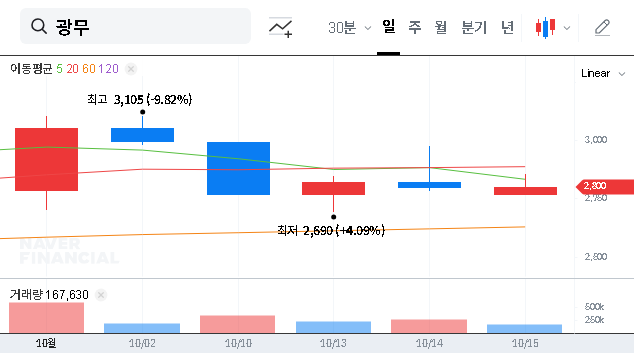
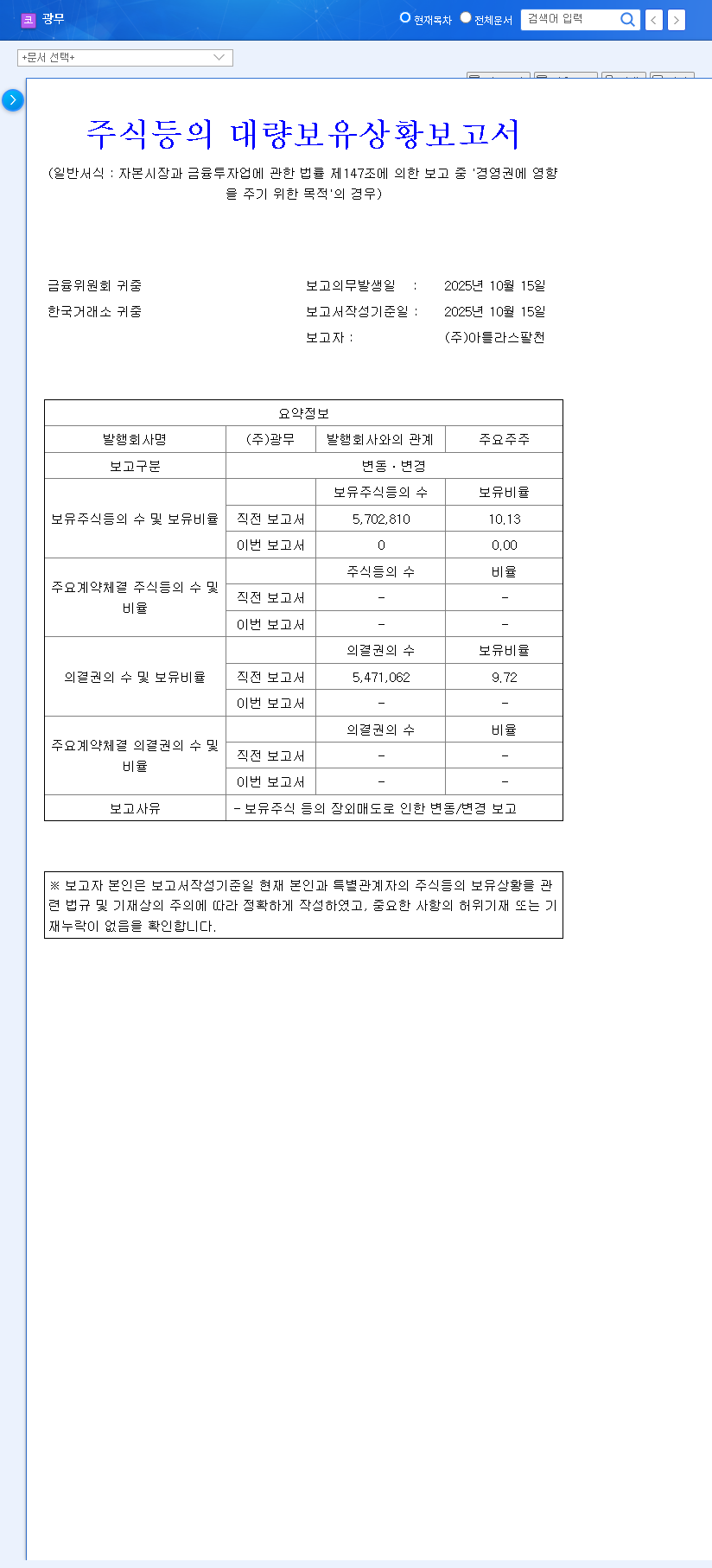
    On October 15, 2025, Kwangmu’s ownership structure was fundamentally altered. Atlaspalcheun Co., Ltd., formerly the largest shareholder with a 10.13% stake, executed an off-market sale of its entire position. This move was detailed in an Official Disclosure (Source). The significance of this sale is amplified by the fact that Atlaspalcheun’s stated purpose for holding the shares was ‘management influence.’ Their complete exit signals a definitive withdrawal from any strategic involvement, creating a power vacuum and fueling market anxiety about the company’s future direction and control.

    When a major shareholder with a stated goal of ‘management influence’ sells every single share, the market interprets it as a vote of no confidence. This creates immediate and severe management uncertainty that can paralyze strategic decision-making.

    Impact Analysis: A Two-Fold Crisis for Kwangmu (029480)

    Short-Term Shockwaves: Financial Strain and Market Jitters

    The immediate fallout from the Kwangmu major shareholder sale is likely to be negative. The leadership void directly impacts investor sentiment and operational stability. Compounding this issue is Kwangmu’s precarious financial health. The 2025 semi-annual report revealed alarming figures: over 16 billion KRW in outstanding convertible bonds and 18.7 billion KRW in current liabilities, against a mere 1.83 billion KRW in cash. This ownership change could exacerbate liquidity pressure, making it harder to manage debt and fund operations. Furthermore, with a 40% drop in semi-annual revenue and zero income from its secondary battery materials venture, the company’s fundamentals are already weak. The absence of a clear leader will only hinder recovery efforts.

    Mid-to-Long-Term Outlook: All Eyes on the New Leadership

    Kwangmu’s future now hinges entirely on the identity and intentions of the new controlling entity. The long-term trajectory will be determined by several factors: Will the new shareholder be a strategic partner with a vision for growth, or a financial player seeking short-term gains? A new, competent management team could aggressively restructure the failing business portfolio, potentially salvaging the secondary battery business or pivoting to new growth areas. However, if the new ownership fails to present a credible turnaround plan, the company’s existing NI/SI businesses, already facing stiff competition, will likely continue their decline. For a deeper understanding of corporate turnarounds, investors can review case studies from authoritative business journals.

    Investor Action Plan: Navigating the Uncertainty

    Given the high level of risk, a cautious and vigilant approach is essential. The negative signals from weak fundamentals and the shareholder exodus are likely to create significant downward stock price impact in the near term. Investors should postpone any major decisions until there is clarity on the following critical points:

    • Identity and Vision of the New Major Shareholder: Who acquired the shares? What is their track record, management philosophy, and strategic plan for Kwangmu?
    • Tangible Business Restructuring Plans: Are there concrete proposals to revitalize the secondary battery business or develop new, viable revenue streams?
    • Commitment to Financial Health: How will the new leadership address the looming debt from convertible bonds and secure the necessary liquidity to ensure operational stability? For more on this, read our guide on evaluating corporate financial statements.

    Frequently Asked Questions (FAQ)

    Why is the Kwangmu major shareholder sale so significant?

    It is significant because the departing shareholder, Atlaspalcheun Co., Ltd., held its stake with the explicit purpose of ‘management influence.’ Their complete exit is not just a sale; it’s a withdrawal of strategic participation, which creates a critical leadership vacuum and deepens management uncertainty.

    How will this event affect Kwangmu’s stock price?

    In the short term, the stock price impact is expected to be negative. The combination of poor financial fundamentals and high-profile ownership uncertainty is a powerful deterrent for investors, likely leading to increased selling pressure and a decline in share value.

    What is the recommended approach for Kwangmu investors now?

    Extreme caution is advised. Investors should closely monitor all company disclosures and market news for information about the new major shareholder and their plans. Until a credible and transparent path forward is announced, making new investments or increasing positions carries a very high degree of risk.

    (029480) Kwangmu Major Shareholder Sale (029480): An In-Depth Investor Analysis 관련 이미지
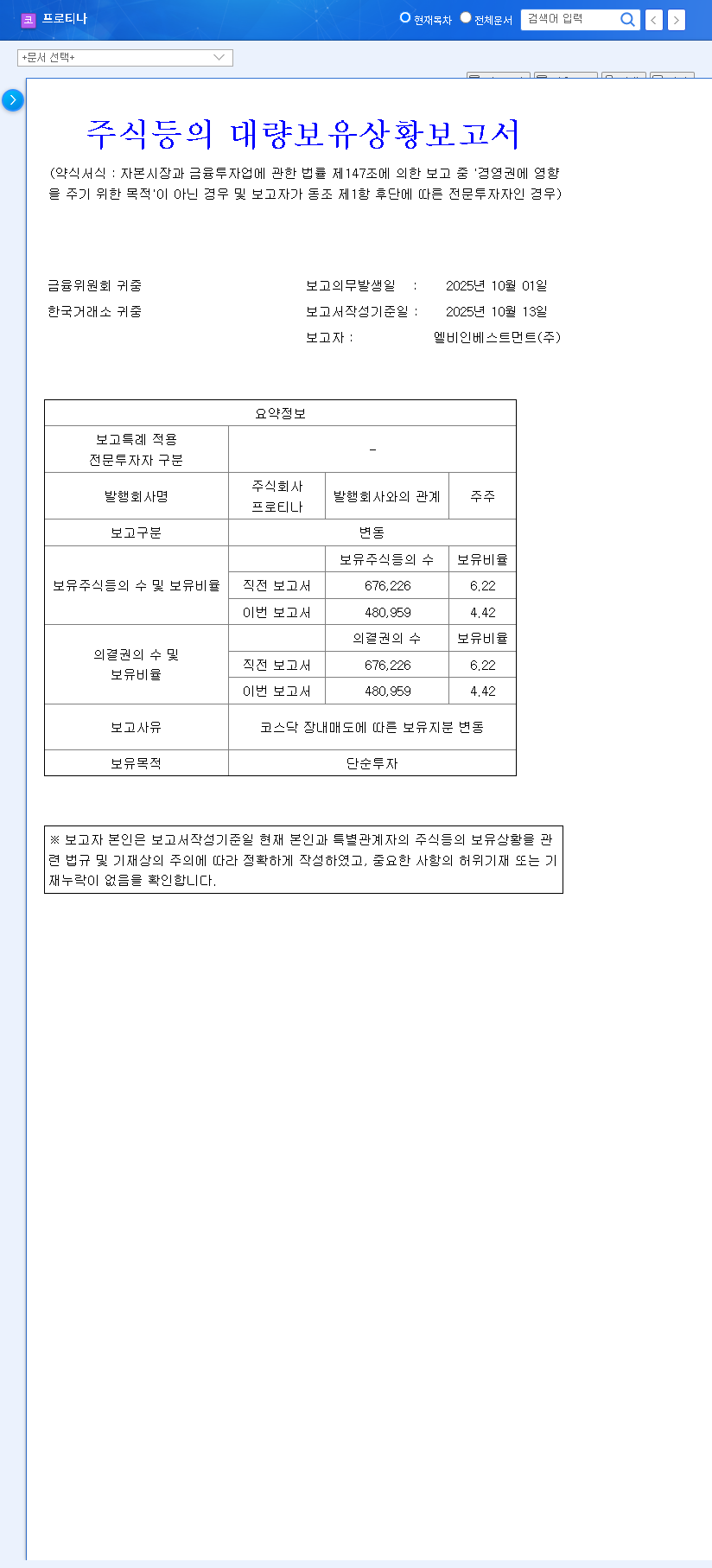
  • (468530) PROTEINA Stock Analysis: VC Share Sale Sparks Concern – What Investors Must Know

    (468530) PROTEINA Stock Analysis: VC Share Sale Sparks Concern – What Investors Must Know

    News of a significant share sale has sent ripples through the investment community, putting the spotlight directly on PROTEINA stock (KOSDAQ: 468530). A recent public disclosure revealed that major venture capital (VC) shareholders, including the LB Next Unicorn Fund, have offloaded a substantial portion of their holdings. This move has triggered short-term volatility and raised critical questions: Is this a red flag regarding PROTEINA’s future, or a standard VC profit-taking maneuver? This comprehensive analysis delves into the event, the company’s core fundamentals, and provides actionable strategies for investors navigating the uncertainty surrounding PROTEINA stock.

    The Catalyst: A Major Shareholder Sells PROTEINA Stock

    On October 13, 2025, PROTEINA CO.,LTD. filed a mandatory disclosure detailing a significant change in its major shareholder structure. The report confirmed that LB Next Unicorn Fund and its affiliate, LB Promising Venture Industry Fund, had reduced their combined stake through open market sales on the KOSDAQ. You can view the Official Disclosure (DART) for complete details. This event is a pivotal moment for anyone following PROTEINA stock.

    Key Details of the Transaction

    • Selling Entities: LB Next Unicorn Fund & LB Promising Venture Industry Fund
    • Holdings Before Sale: 6.22%
    • Holdings After Sale: 4.42%
    • Total Stake Reduced: 1.80%
    • Reason Provided: Change in holdings due to KOSDAQ open market sale

    This type of sale, known as a venture capital exit, is a common part of the investment lifecycle. VCs invest in early-stage companies with the goal of eventually selling their stake for a significant return. However, the timing and size of the exit can be interpreted by the market as a signal about the company’s prospects, often leading to increased selling pressure.

    Under the Hood: PROTEINA’s Corporate Fundamentals

    To understand the long-term outlook for PROTEINA stock, we must look beyond the recent sale and examine the company’s core business and financial health. PROTEINA is a biotech firm specializing in new drug development solutions built upon its proprietary protein-protein interaction (PPI) analysis technology.

    Technology and Growth vs. Profitability Hurdles

    PROTEINA’s recent performance showcases a classic dilemma for high-growth tech companies. On one hand, its technology is gaining traction. The SPID Platform System saw domestic sales surge 165.7%, and its service revenue streams are diversifying. This indicates strong market demand for its innovative solutions. On the other hand, the company remains unprofitable, recording an operating loss of KRW 3.973 billion in the first half of 2025. This is primarily due to aggressive R&D spending, which equated to 134% of sales—a clear sign the company is prioritizing future innovation over current profits. This is a common strategy for similar tech-exempt IPO companies we’ve analyzed.

    As a tech-exempt IPO, the market has priced in initial losses. The key long-term driver for PROTEINA stock will be its ability to translate its world-class R&D into commercially viable products and achieve profitability.

    Impact Analysis: What Does This Mean for Investors?

    The impact of the LB Next Unicorn Fund’s sale can be viewed through two distinct lenses: short-term market mechanics and long-term fundamental value.

    Short-Term: Heightened Volatility and Negative Sentiment

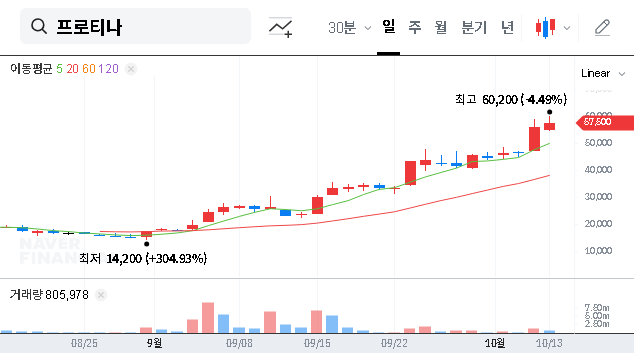
    In the immediate term, the sale is likely to exert downward pressure on the PROTEINA stock price. An increased supply of shares on the market (a 1.80% stake is not insignificant) combined with negative investor sentiment can create a challenging environment. Traders may see this as a bearish signal, leading to further selling.

    Mid-to-Long-Term: A Focus on Intrinsic Value

    The long-term picture is more nuanced. The critical question is the *reason* for the sale. Was it a simple act of portfolio management to realize profits, a common practice explained well in this guide to venture capital? Or was it driven by a loss of faith in PROTEINA’s future? If it’s the former, the company’s intrinsic value—its innovative PPI technology and growth potential in the drug development market—remains unchanged. A temporary price dip could even be seen as a buying opportunity for those with a long-term bullish thesis.

    Investor Action Plan & Strategic Outlook

    Given the current situation, a one-size-fits-all approach is not advisable. Your strategy should align with your investment horizon and risk tolerance.

    • For Short-Term Traders: Caution is key. It may be prudent to wait for the selling pressure to subside and for the stock price to find a new support level before considering an entry.
    • For Long-Term Investors: This event could present an opportunity. If you believe in PROTEINA’s technology and long-term vision, a price correction may offer a more attractive entry point. Your focus should be on monitoring the company’s progress towards profitability and the commercialization of its R&D pipeline.

    Moving forward, investors should watch for any follow-up communication from PROTEINA’s investor relations team. A clear explanation of their path to profitability and updates on their business plan for 2026 will be crucial for restoring market confidence.

    Frequently Asked Questions (FAQ)

    Q1: Why is the PROTEINA stock price falling?

    A1: The primary reason for the recent downward pressure is the disclosure that a major shareholder, the venture capital firm LB Next Unicorn Fund, sold a 1.80% stake in the company. This can weaken investor sentiment and increase the supply of shares in the market.

    Q2: Is the share sale a sign of fundamental problems at PROTEINA?

    A2: Not necessarily. Venture capital funds typically exit their investments after a certain period to realize profits for their own investors. While it can be perceived negatively, it doesn’t automatically mean there are new, underlying problems with PROTEINA’s technology or business prospects.

    Q3: What are PROTEINA’s main strengths?

    A3: PROTEINA’s core strength is its innovative protein-protein interaction (PPI) analysis technology, which is critical for modern drug development. This is evidenced by growing sales of its SPID Platform System and its strong R&D pipeline, backed by numerous patents.

    (468530) PROTEINA Stock Analysis: VC Share Sale Sparks Concern – What Investors Must Know 관련 이미지