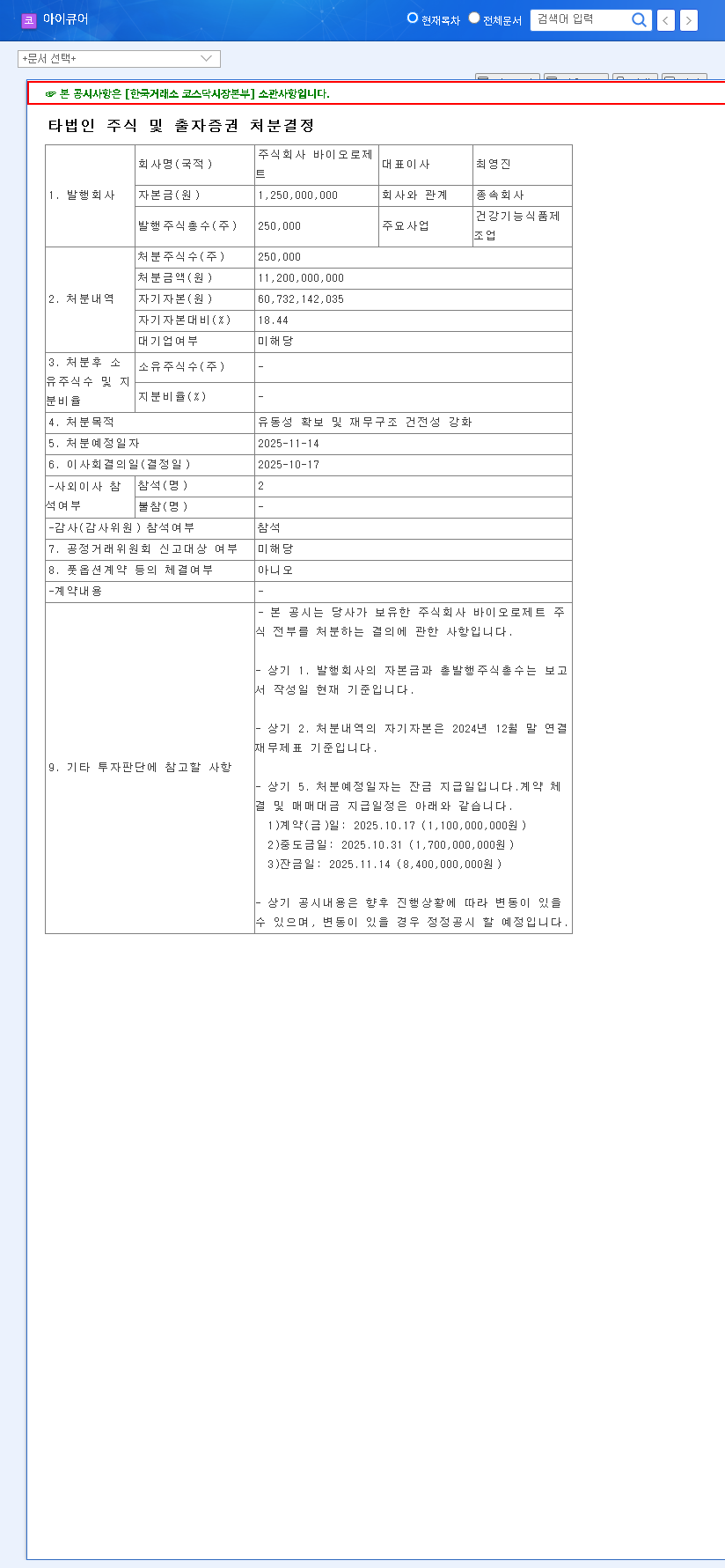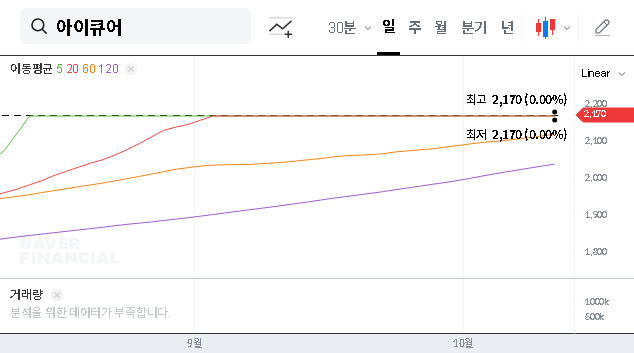
In a significant strategic move, Icure Pharmaceutical Incorporation has announced the complete divestment of its stake in Bioroget, a prominent health functional food manufacturer. The decision to sell the Icure Pharmaceutical Bioroget stake, valued at ₩11.2 billion, has sent ripples through the investment community, raising critical questions about the company’s financial health and long-term growth strategy. Is this a savvy maneuver to bolster the balance sheet and refocus on core operations, or does it represent the forfeiture of a valuable future growth engine? This analysis will provide a comprehensive breakdown for investors.
This article delves into the specifics of the disposition, explores the strategic rationale behind it, and weighs the potential benefits against the inherent risks. We will provide a clear, data-driven perspective to help you make informed decisions regarding Icure Pharmaceutical stock and its future trajectory.
The Details of the Disposition
According to the official filing on October 17, 2025, Icure Pharmaceutical will dispose of its entire 18.44% equity in Bioroget for ₩11.2 billion. The transaction, scheduled to be finalized by November 14, 2025, will reduce the company’s holding to zero. This move is not merely a financial transaction but a definitive statement about the company’s portfolio priorities moving forward. For full transparency, the Official Disclosure provides granular details of the sale agreement.
The core objectives cited for the sale of the Icure Pharmaceutical Bioroget stake are twofold: securing immediate liquidity and reinforcing the company’s overall financial structure.
Analyzing the Strategic Rationale
1. Immediate Financial Fortification
The injection of ₩11.2 billion in cash provides immediate relief and flexibility. In the capital-intensive pharmaceutical industry, maintaining a robust cash position is paramount for funding ongoing research and development (R&D), managing operational costs, and servicing debt. This liquidity can be used to:
- •Reduce short-term debt and lower interest expenses, thereby improving net income.
- •Fund crucial clinical trials or accelerate the development of promising drug candidates in their pipeline.
- •Provide a buffer against market volatility and unforeseen economic headwinds.
2. A Pivot to Core Competencies
Divesting from a non-core asset like a health food manufacturer allows Icure to streamline its operations and concentrate resources on its primary mission: pharmaceutical innovation. This corporate asset disposition signals a strategic pivot, enabling management to focus exclusively on drug development, manufacturing, and commercialization. This enhanced focus can lead to greater operational efficiency and potentially faster progress in their core business areas, a factor that seasoned investors often view favorably. For more on this, you can read about evaluating biotech company strategies in our related guide.
Risks and Investor Considerations
While the benefits are clear, a prudent investor must also weigh the potential downsides of this decision.
The Loss of a Potential Growth Engine
The global health and wellness market is expanding rapidly. By selling its stake in Bioroget, Icure Pharmaceutical is stepping away from this lucrative sector. If Bioroget was positioned for significant growth, this sale could be viewed in hindsight as a missed opportunity for diversification and long-term revenue generation. The key question is whether the capital gained from the sale can be deployed in their core pharma business to generate a higher return than what Bioroget was projected to deliver.
Valuation and Market Perception
The market’s perception of the ₩11.2 billion sale price is critical. Was this a fair valuation for an 18.44% stake? If the market perceives the sale as undervalued, it could raise concerns about management’s negotiation capabilities or suggest a sense of desperation for cash. Conversely, a favorable price would reinforce confidence in the leadership’s financial acumen. Investors should monitor analyst reports and market commentary, such as those from reputable financial news outlets like Reuters, to gauge the consensus on the transaction’s fairness.
Actionable Insights for Investors
Given this significant corporate development, investors should adopt a proactive and analytical approach.
- •Analyze Fund Utilization: Watch for subsequent announcements from Icure regarding how the proceeds will be used. A clear, strategic plan for reinvestment into R&D or debt reduction is a positive sign.
- •Review Financial Statements: In the upcoming quarterly reports, look for improvements in key metrics like the debt-to-equity ratio, cash on hand, and R&D spending.
- •Monitor Stock Performance: Observe the stock’s price movement and trading volume in the weeks following the disposition. Significant volatility may present risks, while stability could indicate market approval of the move.
Conclusion: A Calculated Risk for a Focused Future
Icure Pharmaceutical’s decision to sell its Bioroget stake is a classic example of a strategic trade-off. The company is exchanging a non-core asset with potential growth for immediate financial strength and a sharper focus on its primary pharmaceutical mission. The short-term benefits of improved liquidity and financial stability are undeniable.
The long-term success of this move, however, will be determined by how effectively management deploys the newly acquired capital. For investors, this is a pivotal moment that requires careful monitoring. The disposition of the Icure Pharmaceutical Bioroget stake is not an end, but the beginning of a new chapter. Prudent analysis of the company’s subsequent actions will be key to navigating the opportunities and risks that lie ahead.