Tag: Share Buyback

  • (183190) ASIA CEMENT CO.,LTD. Share Retirement: A 2025 Stock Analysis & Outlook

    (183190) ASIA CEMENT CO.,LTD. Share Retirement: A 2025 Stock Analysis & Outlook

    The recent announcement regarding the ASIA CEMENT CO.,LTD. share retirement has sent ripples through the investment community. In a strategic move to bolster shareholder value amidst a turbulent construction market, the company plans to retire ₩5 billion in treasury shares. This decision, while seemingly a standard corporate action, carries significant weight in the current economic climate. For investors holding or considering Asia Cement stock, understanding the nuances of this move is critical for navigating what comes next. This comprehensive analysis will dissect the decision, evaluate its impact on the company’s fundamentals, and provide a strategic outlook for investors.

    The Core Announcement: A ₩5 Billion Share Buyback

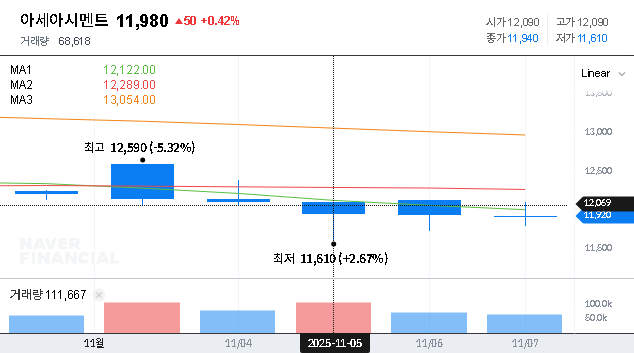
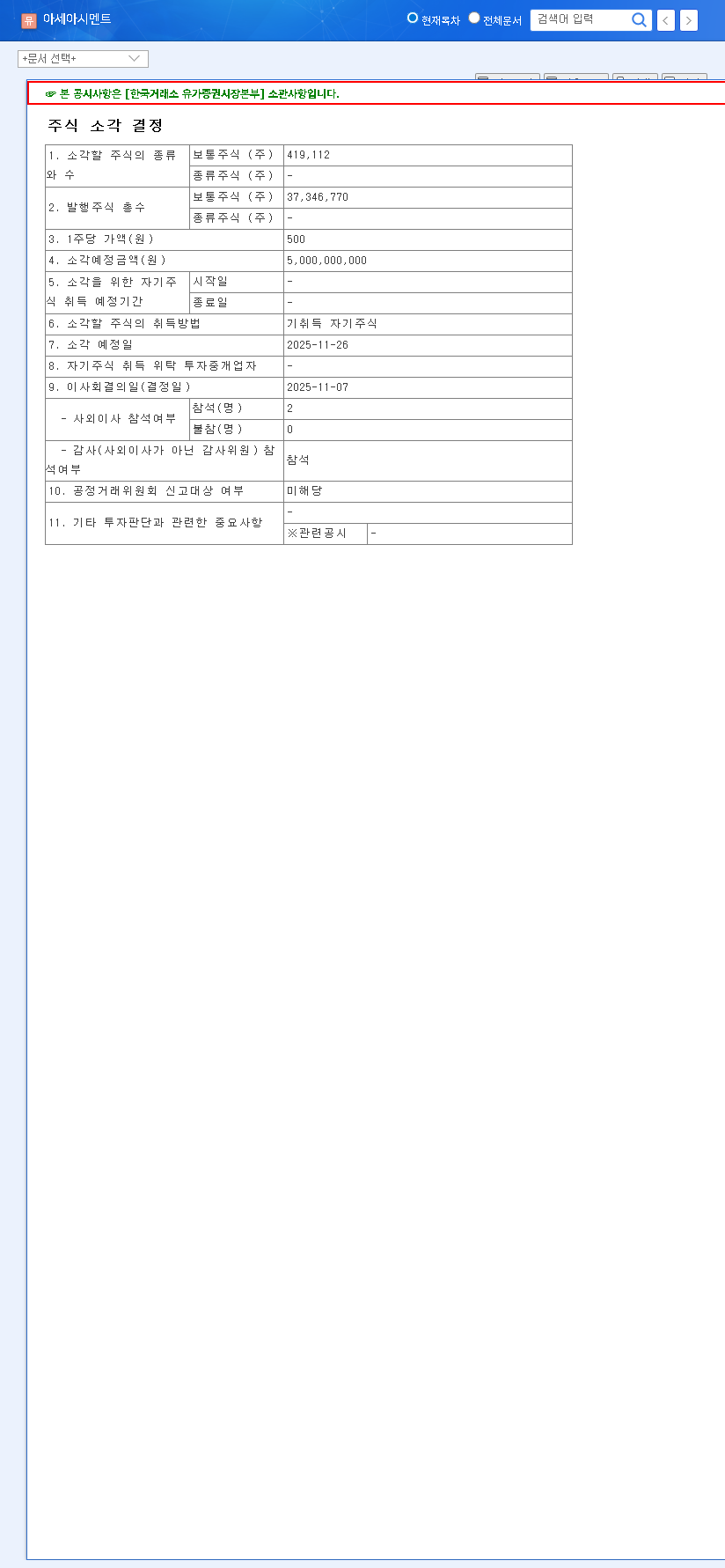
    On November 7, 2025, ASIA CEMENT CO.,LTD. (Market Cap: ₩444.4 billion) formally disclosed its resolution to retire a substantial portion of its existing treasury shares. This move is a clear signal of the management’s confidence and commitment to its shareholders. The key details are as follows:

    ASIA CEMENT CO.,LTD. will retire 419,112 common shares, with an approximate value of ₩5 billion. This represents 1.12% of the company’s total market capitalization. The retirement is scheduled for completion by November 26, 2025. – Official Disclosure (DART)

    By reducing the total number of outstanding shares, the value of each remaining share theoretically increases. This action directly impacts metrics like Earnings Per Share (EPS) and is often interpreted by the market as a bullish signal, suggesting the company believes its stock is undervalued.

    Deep Dive Analysis: Fundamentals and Market Headwinds

    Company Financial Health & Competitive Strengths

    The H1 2025 report painted a challenging picture, with revenue and profit declining due to a significant slump in the construction sector and growing risks from real estate project financing (PF). However, ASIA CEMENT is not without its strengths. The company boasts several competitive advantages, including ownership of high-quality limestone mines, ongoing development of eco-friendly cement products, and a strong reputation solidified by its role in major projects like the Lotte World Tower. Financially, the company maintains a stable position with an improving debt-to-equity ratio and robust cash holdings of ₩123.1 billion.

    Impact of the ASIA CEMENT CO.,LTD. Share Retirement

    The ₩5 billion expenditure for this retirement represents only 4.06% of the company’s cash reserves, indicating a minimal financial strain. The expected positive impacts are multifaceted:

    • Enhanced Shareholder Value: The primary goal is to increase per-share metrics like EPS, which directly benefits existing shareholders and can attract new investment. It’s a powerful statement of confidence in a difficult market.
    • Improved Financial Ratios: Reducing the number of shares in circulation can have a positive, albeit minor, cosmetic effect on key financial ratios like Return on Equity (ROE), making the company appear more efficient.
    • Positive Market Signaling: This action communicates to the market that management believes the company’s intrinsic value is higher than its current stock price, which can build investor trust and provide price support.

    Macroeconomic and Industry Pressures

    Despite the positive corporate action, external factors remain a significant concern. The overarching cement industry outlook is tied to the health of the construction market, which is currently weak. For a broader perspective on global economic trends impacting commodities, sources like Bloomberg’s Market Analysis provide valuable context. Key factors to monitor include volatile international oil and coal prices, which directly affect production costs, and persistently high interest rates, which impact borrowing and investment. While the share retirement is a plus, these macroeconomic headwinds cannot be ignored.

    Outlook and Strategic Investment Thesis

    Short-Term vs. Long-Term Perspective

    In the short term, the share retirement is likely to improve investor sentiment and create a floor for the stock price, providing downside protection. However, a major price surge is unlikely until the fundamental issues within the construction market begin to resolve. The long-term performance of Asia Cement stock hinges on a recovery in construction, stable raw material costs, and the successful execution of its diversification and eco-friendly product strategies. For more information, you might be interested in our deep dive into the South Korean construction sector.

    Actionable Plan for Investors

    When considering an investment, it’s crucial to weigh the company’s proactive shareholder policies against the challenging market backdrop. Here are key points to consider:

    • Acknowledge the Positive: The share retirement is an unambiguous positive for shareholder returns and demonstrates prudent capital allocation.
    • Evaluate the Risks: The construction slump and commodity price volatility are real and significant risks that directly impact profitability. A comprehensive investment decision must account for these factors.
    • Monitor Key Indicators: Watch for signs of a turnaround, such as an increase in new construction orders, government-led SOC (Social Overhead Capital) investment, or a stabilization of energy prices. These will be the true catalysts for long-term growth.

    Disclaimer: This analysis is for informational purposes only and is based on publicly available data. Investment decisions should be made based on your own research and risk tolerance.
    (183190) ASIA CEMENT CO.,LTD. Share Retirement: A 2025 Stock Analysis & Outlook 관련 이미지
  • (052330) KORTEK Q3 2025 Earnings Analysis: A Deep Dive into the Turnaround & Stock Outlook

    (052330) KORTEK Q3 2025 Earnings Analysis: A Deep Dive into the Turnaround & Stock Outlook

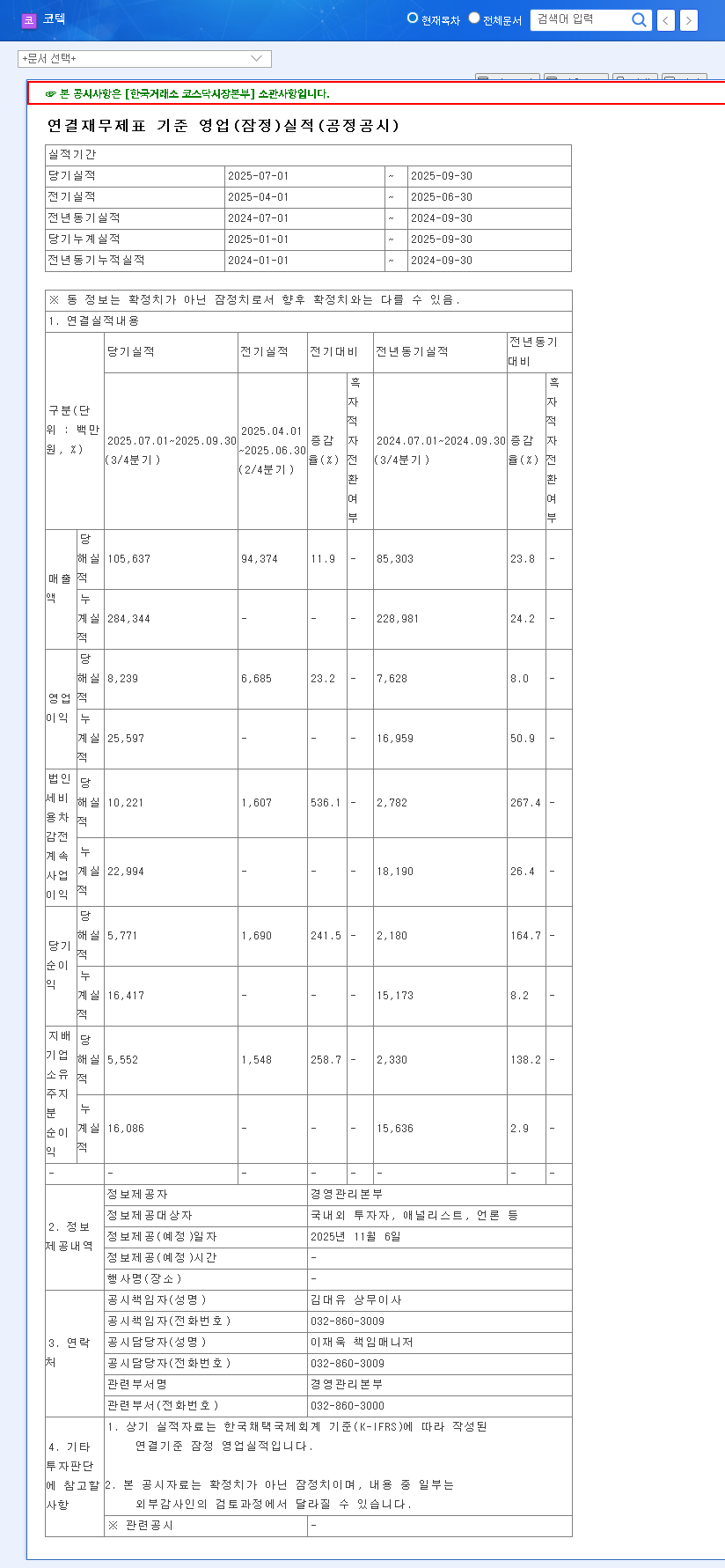
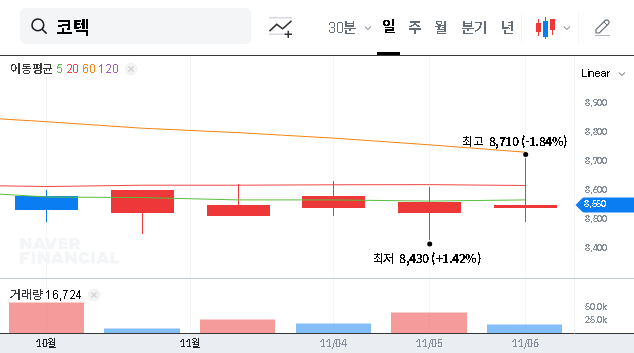
    The release of the KORTEK Q3 2025 earnings report on November 6, 2025, has sent significant ripples through the investment community. Display technology specialist KORTEK CORPORATION (KORTEK) unveiled preliminary figures that suggest more than just a solid quarter; they point towards a potential, long-awaited KORTEK turnaround. With notable growth in both revenue and net profit, investors are now closely evaluating whether the company has successfully navigated its recent challenges to forge a new path toward sustainable growth. This comprehensive KORTEK stock analysis will dissect the latest financial data, explore the company’s underlying strengths, and weigh the potential risks to provide a clear outlook for investors.

    Breaking Down the KORTEK Q3 2025 Earnings Report

    KORTEK’s preliminary Q3 results show a marked improvement over a stagnant second quarter, indicating a clear recovery trend. The numbers themselves tell a compelling story of resurgence and operational strength. You can view the complete filing in the Official Disclosure on DART.

    Key Financial Highlights

    • Revenue: Reached KRW 105.6 billion, a significant jump of 11.87% quarter-over-quarter and an impressive 23.79% year-over-year.
    • Operating Profit: Grew to KRW 8.2 billion, marking a 22.39% increase from the previous quarter, though the margin improvement was less pronounced than revenue growth.
    • Net Income: Soared to KRW 5.6 billion. This substantial quarter-over-quarter increase is the strongest signal of a financial turnaround and a significant improvement from the previous year.

    This robust KORTEK financial performance overcomes the lackluster Q2 results (Revenue KRW 94.4B, Operating Profit KRW 6.7B) and establishes a positive momentum heading into the final quarter of the year.

    The Pillars Supporting KORTEK’s Turnaround

    This positive performance isn’t accidental. It’s built on a foundation of market dominance, strategic financial management, and a commitment to shareholders.

    1. Decades of Dominance in Casino Gaming Monitors

    KORTEK’s core business is its global leadership in casino gaming monitors, a position it has held for an astounding 23 consecutive years. This market dominance provides a stable and predictable revenue base. Furthermore, the industry is experiencing powerful tailwinds, including regulatory easing and major integrated resort investments in emerging markets like the UAE, Japan, and Thailand. These developments are poised to directly fuel demand for KORTEK’s primary products, underpinning future growth.

    2. Enhancing Shareholder Value Through Buybacks

    The company’s execution of a KRW 8 billion share buyback program earlier in 2025 sends a powerful message. This move not only provides downside support for the KORTEK stock price but also signals management’s confidence in the company’s intrinsic value and future prospects. Such shareholder-friendly actions are crucial for improving investor sentiment and trust.

    KORTEK’s ability to surge its 2024 operating profit by 391% despite a revenue dip showcases a level of cost management efficiency that is now fueling its 2025 recovery.

    Proceed with Caution: Potential Risks and Headwinds

    Despite the encouraging KORTEK Q3 2025 earnings, prudent investors must consider the potential risks that could impact the company’s trajectory. For a broader view on market risks, expert analysis from platforms like Bloomberg can provide valuable context.

    Global Macroeconomic Volatility

    As a major exporter, KORTEK is highly susceptible to global economic shifts:

    • Exchange Rate Fluctuations: With significant exposure to the USD and EUR, a 10% change in exchange rates can impact pre-tax net income by approximately KRW 9.5 billion. Managing this currency risk is paramount.
    • Interest Rate Sensitivity: A 1% change in interest rates could affect pre-tax net income by KRW 0.2 billion. Shifting monetary policies in the US, Europe, and Korea could influence borrowing costs.

    Internal Business Challenges

    Investors should also monitor the limited improvement in operating profit margin, which could hint at rising costs or competitive pressure. Additionally, the persistent sluggishness in the PID (Public Information Display) business needs to be addressed to ensure healthy diversification and reduce reliance on the core casino segment. For more on this, see our guide to analyzing tech company business segments.

    Frequently Asked Questions (FAQ)

    Q1: What were the key takeaways from KORTEK’s Q3 2025 earnings?

    A1: The main takeaway is the strong signal of a business turnaround. KORTEK reported significant year-over-year revenue growth of 23.79% to KRW 105.6 billion and a substantial quarter-over-quarter jump in net income, indicating a sharp recovery.

    Q2: What is the primary driver of KORTEK’s business?

    A2: KORTEK’s core business is its world-leading casino gaming monitor segment, where it has held the #1 market share for 23 years. Growth is driven by global casino industry expansion and major resort investments.

    Q3: What are the main risks for anyone performing a KORTEK stock analysis?

    A3: The key risks include its high sensitivity to global exchange rate fluctuations, limited growth in operating profit margins relative to revenue, and the underperformance of its secondary PID business segment.

    Q4: What is the overall investment outlook for KORTEK stock?

    A4: The outlook is cautiously optimistic. While the Q3 earnings are very positive, investors should continue to monitor the sustainability of growth, profitability trends, and macroeconomic factors in upcoming quarters before making long-term investment decisions.

    (052330) KORTEK Q3 2025 Earnings Analysis: A Deep Dive into the Turnaround & Stock Outlook 관련 이미지
  • (030520) HANCOM INC. Share Buyback: A Deep Dive for Investors on Stock Value & AI Future

    (030520) HANCOM INC. Share Buyback: A Deep Dive for Investors on Stock Value & AI Future

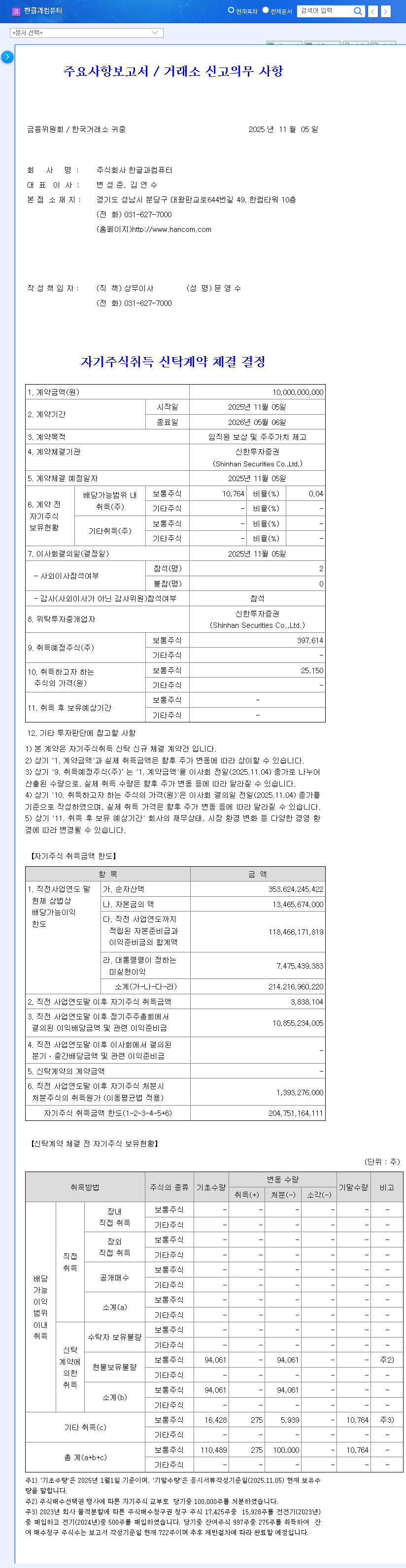
    The recent announcement of the HANCOM INC. share buyback has sent ripples through the investment community. With a commitment of KRW 10 billion, the company signals a strong belief in its own value. But for savvy investors, this move raises critical questions: Is this a genuine effort to boost shareholder value, or a strategic maneuver to distract from underlying business challenges? This comprehensive analysis will explore the full context of this decision, examining its potential impact on HANCOM INC. stock amidst a challenging pivot to the competitive AI/SaaS market.

    We’ll delve into the company’s fundamentals, the macroeconomic headwinds it faces, and provide a clear, actionable outlook for current and prospective investors. Understanding the nuances behind this buyback is key to making an informed decision.

    The KRW 10 Billion HANCOM INC. Share Buyback Explained

    On November 5, 2025, HANCOM INC. (한글과컴퓨터) publicly disclosed its plan to enter into a KRW 10 billion share buyback trust agreement with Shinhan Investment Corp. This figure represents approximately 1.64% of the company’s market capitalization. According to the Official Disclosure, the stated purpose is twofold: to enhance shareholder value and to fund compensation for executives and employees. The buyback is scheduled to occur over a six-month period, from November 5, 2025, to May 6, 2026.

    A share repurchase program, or buyback, reduces the number of shares in circulation. This can have a positive effect on key financial metrics like Earnings Per Share (EPS) and can signal to the market that management believes the stock is currently undervalued. For investors, it’s often seen as a bullish sign of corporate confidence.

    A Deep Dive into HANCOM’s Corporate Health

    While the buyback is positive news, a sustainable rise in HANCOM INC. stock depends on the company’s underlying fundamentals. A closer look at its recent semi-annual report reveals a company in the midst of a significant, and challenging, transformation.

    Revenue Pressures and the AI/SaaS Pivot

    The most glaring concern is a sharp 51.7% year-on-year decline in consolidated revenue. This drop is attributed to stiff competition in its traditional office software market and a broader industry shift towards cloud-based solutions, which has reduced sales of installed software. To counter this, HANCOM is aggressively moving into the AI/SaaS market with products like ‘Hancom Docs AI’. However, gaining traction in a field dominated by global giants is a monumental task. While these initiatives are crucial for long-term survival, their contribution to short-term revenue is not yet significant.

    Profitability and Financial Risks

    On a brighter note, the company achieved a consolidated net profit of KRW 21.601 billion, a 54.3% increase year-on-year, indicating successful cost-management and profitability in other sectors. However, this is set against a backdrop of rising financial risk. An increase in borrowings and convertible bonds in a high-interest-rate environment, as often reported by financial news outlets like Bloomberg, could place a strain on future earnings. Balancing shareholder returns with necessary investments and debt servicing will be a critical test for management.

    The core challenge for HANCOM is clear: Can the company successfully transition its business model to a recurring revenue SaaS structure before its legacy software profits erode completely? The HANCOM INC. share buyback buys time and goodwill, but it doesn’t solve this fundamental issue.

    Investor Outlook: A Neutral Stance with Key Monitors

    Given the conflicting signals—a positive shareholder action against a backdrop of fundamental business challenges—a neutral investment opinion is warranted. The share buyback may provide a short-term lift to the stock price, but long-term appreciation is contingent on the successful execution of its AI and SaaS strategy. For a more detailed look at financial metrics, investors can review our guide on how to analyze tech company financials.

    Investors should adopt a cautious but watchful approach. The following points are critical to monitor in the coming quarters:

    Key Takeaways & Monitoring Checklist for Investors

    • AI & SaaS Business Traction: Watch for key metrics like user acquisition numbers, subscription growth rates, and customer churn for new AI-powered services. This is the ultimate indicator of a successful pivot.
    • Quarterly Earnings Reports: Scrutinize future financial statements for a stabilization or reversal of the revenue decline. Look for margin improvements and commentary on the SaaS transition.
    • Share Buyback Execution: Monitor the stock’s trading volume and price action during the buyback period. A lack of positive response could indicate deep investor skepticism.
    • Macroeconomic Factors: Keep an eye on interest rates and currency exchange rates. A challenging economic environment could further hamper growth and increase borrowing costs.

    Disclaimer: This analysis is for informational purposes only and is not intended as investment advice. All investment decisions should be made based on an individual’s own research and risk tolerance.
    (030520) HANCOM INC. Share Buyback: A Deep Dive for Investors on Stock Value & AI Future 관련 이미지
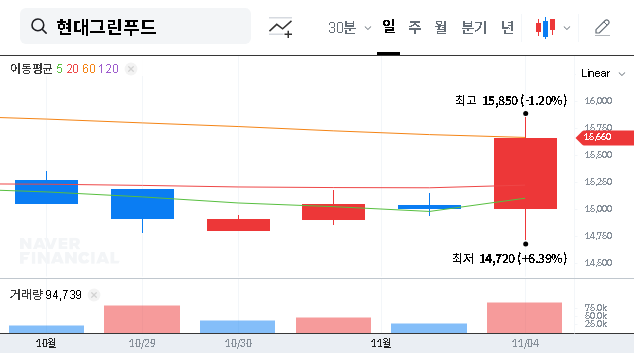
  • (453340) Hyundai Green Food Share Buyback: A KRW 5 Billion Boost to Shareholder Value | In-Depth Investor Analysis

    (453340) Hyundai Green Food Share Buyback: A KRW 5 Billion Boost to Shareholder Value | In-Depth Investor Analysis

    In a significant move to enhance shareholder value, HYUNDAI GREEN FOOD CO., LTD has announced a substantial KRW 5 billion treasury share buyback and subsequent cancellation. This strategic decision is more than a simple financial adjustment; it’s a powerful signal of the company’s confidence in its future growth and a firm commitment to its investors. For those holding or considering an investment in Hyundai Green Food stock, this development warrants a closer look. This in-depth analysis will explore the details of the share cancellation, its underlying motivations, and the potential impact on the company’s stock price and overall investment appeal.

    This isn’t just a financial transaction; it’s a clear message from management that enhancing shareholder value is a top priority and a core part of the company’s long-term strategy.

    Unpacking the KRW 5 Billion Treasury Share Cancellation

    Hyundai Green Food’s board of directors has officially approved the cancellation of its own treasury shares, a move detailed in their public filing. Here are the crucial facts investors need to know:

    • Company: HYUNDAI GREEN FOOD CO., LTD
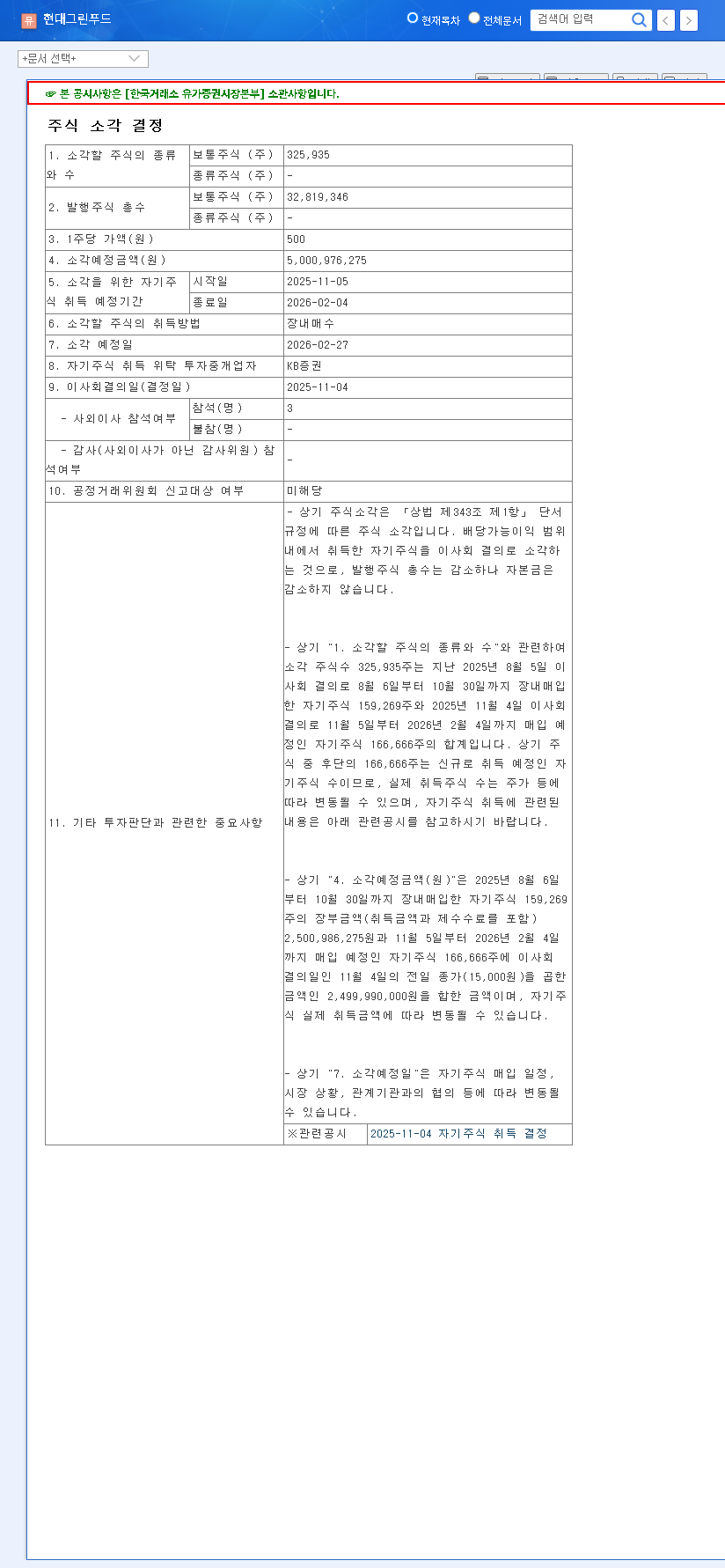
    • Event: Decision to cancel 325,935 common treasury shares.
    • Planned Cancellation Amount: Approximately KRW 5 billion (1.02% of market cap).
    • Share Proportion: Represents 0.72% of total outstanding shares.
    • Disclosure Date: November 4, 2025.
    • Scheduled Cancellation Date: February 27, 2026.

    The complete details were made public in the company’s filing. You can view the Official Disclosure on the DART system for a comprehensive record. This move is a clear execution of the company’s stated goal to improve shareholder returns.

    Why This Hyundai Green Food Share Buyback Matters

    A company buying back and canceling its own stock is one of the most direct ways to return value to its shareholders. By reducing the number of shares in circulation, the company increases the ownership stake of each remaining shareholder. This has several positive knock-on effects.

    Robust Fundamentals and Growth Initiatives

    This decision is not being made in a vacuum. It is supported by the company’s solid financial health. The H1 2025 report showed strong sales of KRW 1.127 trillion and an operating profit of KRW 63.1 billion. While facing industry-wide margin pressures from rising costs, Hyundai Green Food is proactively diversifying its revenue streams through new growth engines, including an expansion into the health functional food sector and strategic investments in overseas operations. This performance builds on trends seen in previous quarters. Read our full analysis of Hyundai’s Q3 earnings report here.

    Direct Impact on Per-Share Value

    The most immediate consequence of the Hyundai Green Food treasury share cancellation is an increase in key per-share metrics. With fewer shares outstanding, the company’s total earnings are divided among a smaller number, which mathematically increases the Earnings Per Share (EPS), a critical indicator used by analysts to assess a company’s profitability. This can make the stock appear more attractive from a valuation standpoint and may lead to an improved Price-to-Earnings (P/E) ratio.

    Strategic Playbook for Investors

    Given the positive implications of the share cancellation, coupled with solid fundamentals and growth potential, we are issuing a ‘Buy’ recommendation with a mid-to-long-term perspective.

    Key Investment Thesis: Why Buy?

    • Focus on Shareholder Value: This proactive move demonstrates a management team that is aligned with shareholder interests.
    • Enhanced Per-Share Metrics: The reduction in outstanding shares will mechanically boost EPS and overall per-share value, enhancing investment attractiveness.
    • Growth Synergy: The combination of a strong balance sheet, new business investments, and shareholder-friendly policies creates a powerful synergy for future growth.
    • Positive Market Sentiment: Share buybacks are often interpreted as a sign that management believes its stock is undervalued, which can significantly boost investor confidence.

    Navigating Potential Risks and Headwinds

    While the outlook is positive, savvy investors must always consider potential risks. Prudent decision-making involves weighing the pros against the cons:

    • Execution Timeline: The cancellation is scheduled for February 2026. The extended timeline means the impact will be gradual, and unforeseen market events could alter the situation.
    • Macroeconomic Pressures: Persistent challenges from raw material price inflation, currency fluctuations, and changes in interest rates could impact profitability.
    • Competitive Landscape: The food and distribution industry is highly competitive, and the success of new ventures is not guaranteed.

    In conclusion, the KRW 5 billion cancellation is a significant and positive catalyst for Hyundai Green Food. It reinforces the company’s financial stability and dedication to its investors. While short-term market volatility is always a possibility, this strategic action substantially brightens the mid-to-long-term investment outlook for the company. As always, investors should align this information with their personal financial goals and risk tolerance.

    (453340) Hyundai Green Food Share Buyback: A KRW 5 Billion Boost to Shareholder Value | In-Depth Investor Analysis 관련 이미지
  • (453340) HYUNDAI GREEN FOOD Share Buyback: An Investor’s Deep Dive Analysis

    (453340) HYUNDAI GREEN FOOD Share Buyback: An Investor’s Deep Dive Analysis

    The recent HYUNDAI GREEN FOOD share buyback announcement on November 4, 2025, represents a significant corporate action that demands investor attention. Such decisions are more than just financial transactions; they are powerful signals about a company’s health, management’s confidence, and its commitment to shareholder value. This strategic move to repurchase 166,666 common shares offers a window into the company’s future trajectory and its approach to capital allocation.

    For savvy investors, understanding the nuances of this share buyback is crucial. Why did management choose this moment? How will reducing the number of outstanding shares impact key financial metrics like Earnings Per Share (EPS)? And most importantly, what does this mean for the stock’s long-term prospects? This analysis will deconstruct the decision, explore its market implications, and provide a clear action plan for current and potential shareholders.

    Event Overview: The Share Buyback Decision

    On November 4, 2025, HYUNDAI GREEN FOOD CO., LTD disclosed a pivotal ‘Report on Major Matters (Decision on Share Buyback)’, signaling a direct move to bolster investor returns. The core details of this announcement, sourced from the Official Disclosure, are summarized below:

    • Company: HYUNDAI GREEN FOOD CO., LTD (Market Cap: 514 billion KRW)
    • Shares to Acquire: 166,666 common shares
    • Total Value: 2.5 billion KRW (approx. 0.51% of Market Cap)
    • Acquisition Method: Open market purchase (KOSPI)
    • Stated Purpose: Enhancing shareholder value through acquisition and cancellation of treasury stock.

    The key phrase here is “acquisition and cancellation.” Unlike buybacks where shares are held as treasury stock for future use, cancellation permanently reduces the share count, making each remaining share more valuable. This demonstrates a strong, direct commitment to enhancing shareholder equity.

    Comprehensive Investment Analysis of the Buyback

    A corporate share repurchase program can be viewed through multiple lenses. It’s a financial tool, a market signal, and a reflection of management’s strategy. Below, we break down the impact on fundamentals and investor sentiment.

    A share buyback, especially one coupled with cancellation, is one of the most direct ways a company can return capital to its shareholders, signaling confidence that the best investment it can make is in itself.

    Positive Catalyst: Boosting Shareholder Value & Confidence

    The primary benefits of the HYUNDAI GREEN FOOD share buyback are clear and shareholder-focused:

    • Accretive to Per-Share Metrics: By removing shares from the market, both Earnings Per Share (EPS) and Book Value Per Share (BPS) automatically increase. This enhances the fundamental valuation of each share without any change in the company’s underlying business performance.
    • Signal of Undervaluation: A buyback often implies that the company’s management believes its stock is trading below its intrinsic value. This acts as a powerful vote of confidence that can attract new value-oriented investors.
    • Stock Price Support: The act of purchasing shares on the open market creates additional demand, which can help stabilize a falling price or provide upward momentum. This is a common tactic used by companies to support their stock during periods of market volatility, a strategy often discussed by leading financial outlets like Bloomberg.

    Neutral Considerations: Scale and Core Business Focus

    While positive, investors should maintain a balanced perspective. The immediate impact may be moderated by several factors:

    • Limited Scale: The 2.5 billion KRW buyback is approximately 0.51% of the company’s market cap. While beneficial, this scale is unlikely to fundamentally reshape the company’s financial structure on its own. The true value lies in its potential continuation as part of a larger, long-term capital return program.
    • Primacy of Fundamentals: Ultimately, HYUNDAI GREEN FOOD’s long-term success hinges on the performance of its core food service, distribution, and health food businesses. This buyback is a financial supplement, not a substitute for operational excellence and growth. For deeper insights, investors might explore related topics like our guide to Analyzing Food Sector Financials.

    Conclusion: Investor Takeaway & Action Plan

    The HYUNDAI GREEN FOOD share buyback is an unequivocally positive signal for investors, reinforcing a shareholder-friendly management philosophy. It provides a short-term catalyst for the stock and improves key per-share metrics. Our investment opinion is “Positive” from a short-to-medium-term perspective.

    Recommended Investor Actions:

    • Monitor Execution: Track the progress of the open market purchases to ensure the company follows through on its commitment in a timely manner.
    • Watch for Future Policies: This event is most powerful if it marks the continuation of a trend. Look for announcements of further buybacks, dividend increases, or other shareholder return initiatives in future earnings calls and reports.
    • Analyze Core Business Health: Continue to scrutinize revenue growth, profit margins, and market share within HYUNDAI GREEN FOOD’s primary business segments. Strong fundamentals will ultimately drive long-term stock appreciation.

    Disclaimer: This analysis is based on publicly available information as of November 4, 2025. Investment decisions should be made based on individual research and risk tolerance.
    (453340) HYUNDAI GREEN FOOD Share Buyback: An Investor's Deep Dive Analysis 관련 이미지
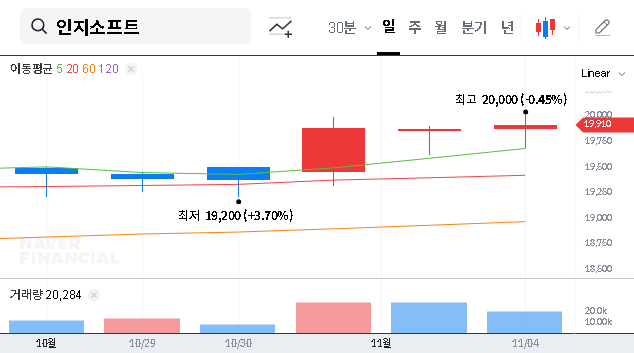
  • (100030) Inzisoft Share Buyback (100030): An Expert Analysis of Stock Impact & 2025 Investment Strategy

    (100030) Inzisoft Share Buyback (100030): An Expert Analysis of Stock Impact & 2025 Investment Strategy

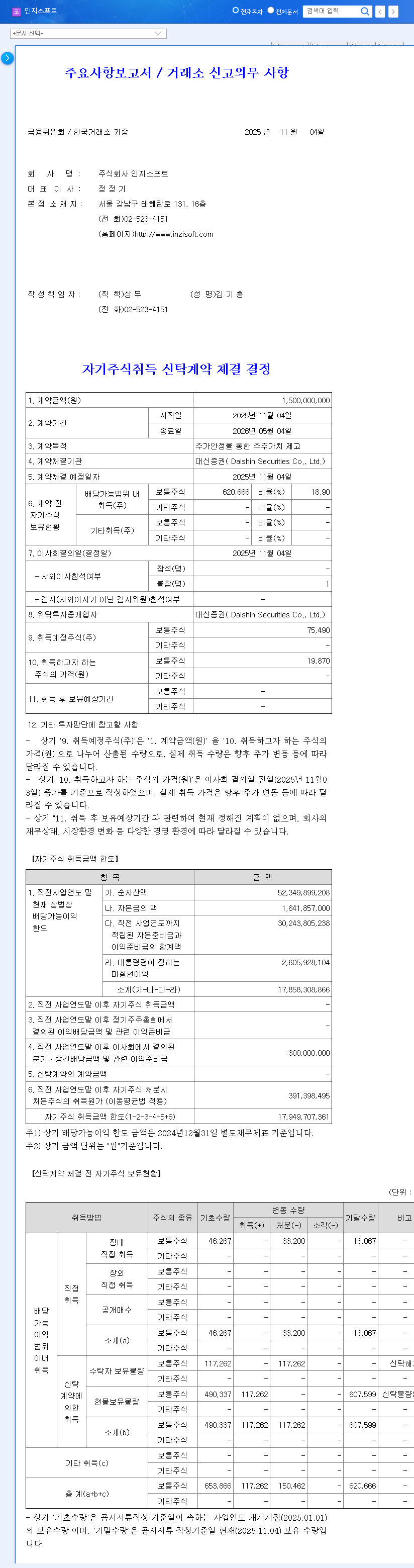
    The recent announcement of the Inzisoft share buyback has generated significant buzz among investors. Inzisoft Co., Ltd. (100030) has committed 1.5 billion KRW to repurchase its own shares, a move representing 2.3% of its market capitalization. This decision raises critical questions: What does this mean for the Inzisoft stock price, and how should investors adjust their strategy?

    This comprehensive analysis delves into the mechanics, motivations, and potential market impact of Inzisoft’s buyback program. We will explore the company’s current financial health, its promising growth drivers, and the underlying risks that warrant caution. By understanding these factors, you can develop a more informed investment thesis for Inzisoft (100030).

    Understanding the Inzisoft Share Buyback Details

    On November 4, 2025, Inzisoft finalized a trust agreement with Daishin Securities to execute a share buyback valued at 1.5 billion KRW. The stated goal is explicit: ‘enhance shareholder value through stock price stabilization.’ This program is set to run for six months, concluding on May 4, 2026. This action is a classic corporate finance maneuver designed to signal confidence to the market and support the stock price. You can view the Official Disclosure (Source: DART) for precise details.

    A share buyback, also known as a share repurchase, is when a company buys back its own shares from the marketplace. This reduces the number of outstanding shares, which can increase earnings per share (EPS) and, often, the market value of the remaining shares.

    Company Fundamentals: The Bull vs. Bear Case

    Positive Factors: Growth and Stability

    Inzisoft’s decision is backed by strong underlying fundamentals. The company’s performance in the first half of 2025 was impressive, showcasing a clear turnaround and a solid foundation for future growth.

    • Strong Performance: Sales surged 24.2% year-over-year to 5.22 billion KRW, while operating profit swung to a healthy 663 million KRW. This is largely due to the accelerating digital transformation within the financial sector, a core market for Inzisoft.
    • Future Growth Engines: The company is not resting on its laurels. It’s actively investing in high-growth areas like AI Optical Character Recognition (AI OCR), deep learning solutions, and its cloud-based Software as a Service (SaaS) platform, ‘Q-service’. This strategic shift to a recurring revenue model with SaaS is a significant catalyst for long-term shareholder value.
    • Financial Resilience: A low debt-to-equity ratio of just 24.57% combined with growing liquid assets provides a sturdy financial base, enabling investments and shareholder-friendly actions like this buyback.

    Cautionary Factors: Potential Risks to Monitor

    While the outlook is promising, prudent investors must also consider potential headwinds that could impact the Inzisoft stock performance.

    • Profit Quality: A notable portion of net income comes from financial asset valuation gains. This introduces volatility, as profits are tied to market fluctuations rather than purely operational success.
    • Litigation Overhang: With three major lawsuits pending, there is a tangible risk of adverse financial impacts or reputational damage depending on the outcomes.
    • Working Capital: An increase in accounts receivable and contract assets could signal a growing burden on working capital, which needs to be managed effectively.

    Market Impact and Investment Outlook

    A share buyback is generally perceived positively. In the short term, it creates a new source of demand for the stock, providing downside protection and potentially boosting the price. It signals to investors that management believes the stock is undervalued. For more on the mechanics, you can read this guide on How Share Repurchases Work from an authoritative source.

    However, the long-term trajectory of the Inzisoft stock will not be determined by this buyback alone. The program doesn’t fundamentally change the company’s business operations. Sustained growth will depend on the successful execution of its new business ventures, particularly in the AI and SaaS domains. Investors should view the buyback as a supportive factor, not the sole reason for investment. The real story lies in the company’s ability to convert its growth initiatives into consistent profits, a topic we covered in our last quarterly earnings review.

    Final Verdict: An Action Plan for Investors

    The Inzisoft share buyback is a positive development that reinforces a bullish short-term outlook. However, a medium-to-long-term investment requires ongoing diligence. Key monitoring points include:

    • New Business Traction: Track the adoption rate and revenue generation from the AI OCR and SaaS (Q-service) platforms.
    • Profitability Metrics: Monitor operating margins to ensure growth is translating to the bottom line, independent of financial asset gains.
    • Legal Updates: Stay informed on the progress of the pending litigation and any potential financial provisions.

    By combining the positive signal of the share buyback with a thorough analysis of these fundamental drivers, investors can make a well-rounded and strategic decision regarding Inzisoft (100030).

    (100030) Inzisoft Share Buyback (100030): An Expert Analysis of Stock Impact & 2025 Investment Strategy 관련 이미지
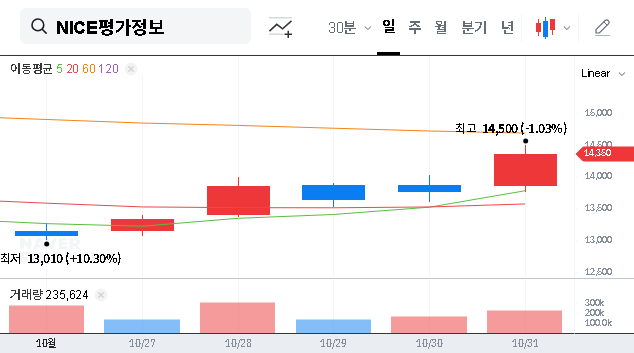
  • (030190) NICE Information Service Share Buyback: A Deep Dive for Investors (2025 Analysis)

    (030190) NICE Information Service Share Buyback: A Deep Dive for Investors (2025 Analysis)

    The recent NICE Information Service share buyback announcement of 5 billion KRW has sent ripples through the investor community. For shareholders of NICE Information Service Co., Ltd. (NICE평가정보), this is a pivotal moment that raises critical questions: Is this a signal of undervalued stock? How will it impact future performance? This move is more than just a financial transaction; it’s a strategic declaration about the company’s confidence in its future and its commitment to shareholder value.

    In this comprehensive analysis, we will dissect the implications of this event, evaluate the company’s core fundamentals, and provide a clear, strategic roadmap for investors. Whether you’re considering a new position or re-evaluating an existing one in NICE Information Service stock, this guide will provide the clarity needed for your next decision.

    Unpacking the 5 Billion KRW Buyback Announcement

    The Official Details: A Move for Stability

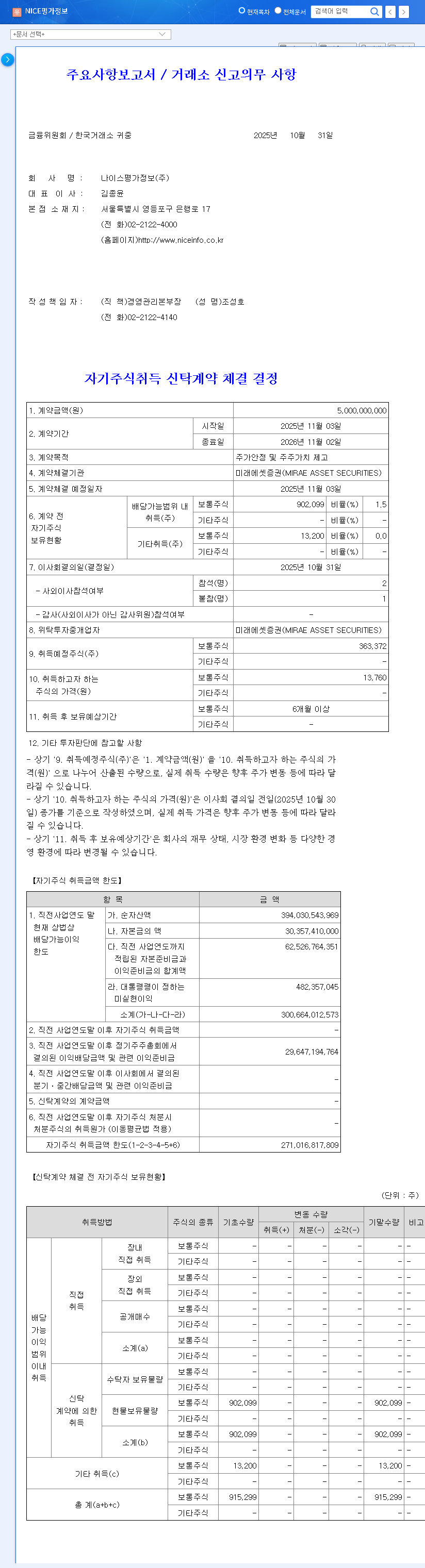
    On October 31, 2025, NICE Information Service Co., Ltd. formalized a 5 billion KRW share buyback trust agreement with Mirae Asset Securities. This represents approximately 0.61% of its market capitalization and is explicitly designed to stabilize the share price and enhance overall shareholder value. The agreement is set for a one-year period, from November 3, 2025, to November 2, 2026. For complete transparency, you can view the Official Disclosure (DART report).

    A share buyback often serves as a powerful signal from management that they believe the company’s stock is undervalued in the current market, suggesting confidence in its long-term prospects.

    In-depth Fundamental Analysis: Present and Future

    Beyond the buyback, the long-term health of NICE Information Service stock depends on its underlying business strength and future growth drivers.

    Core Strengths & Growth Catalysts

    • Dominant Market Position: The company’s personal credit information (CB) business is anchored by the largest credit information database in Korea, creating a significant competitive moat.
    • Strategic Diversification: With a MyData business license, NICE is poised to capitalize on the data economy. It is actively expanding into high-growth areas like loan brokerage and cloud computing to diversify its revenue streams.
    • Exceptional Financial Health: As of H1 2025, the company boasts a very low adjusted debt ratio of 18.89% and a 0% capital funding ratio (no net debt), indicating strong liquidity and minimal short-term financial risk.
    • Commitment to Shareholder Value: This buyback, along with past actions like treasury stock retirement, demonstrates a consistent focus on returning value to shareholders.

    Potential Headwinds and Investor Risks

    • New Venture Profitability: The MyData sector is highly competitive, and achieving significant profitability may be a long-term challenge.
    • Economic Sensitivity: The company’s big data and digital advertising businesses are vulnerable to budget cuts during economic downturns.
    • Litigation Uncertainty: Four ongoing lawsuits present a potential, albeit unquantified, financial risk that could impact future earnings and investor sentiment.

    Impact Analysis: What This Means for Stock Price

    While a share buyback is almost always seen as a positive, its actual impact can be nuanced. The 5 billion KRW figure, while substantial, is modest relative to the company’s total market cap. Therefore, its primary effect is likely to be stabilization and sentiment improvement rather than a dramatic, immediate price surge.

    The buyback provides a crucial support level for the stock, potentially preventing further declines and building a base for future growth. More importantly, it bridges the gap until the market can see concrete results from its expected earnings turnaround in 2024 and 2025. Sustained appreciation will ultimately depend on the company delivering on its growth promises.

    Strategic Investor Action Plan

    For the Short-Term Investor

    In the short term, investors should view the NICE Information Service share buyback as a defensive measure. Expect reduced volatility and a potential floor under the stock price. It’s an opportune time to observe the market’s reaction and wait for consolidation, rather than chasing a sharp rally that may not materialize.

    For the Mid- to Long-Term Investor

    Long-term success hinges on fundamental business performance. Investors should focus on key performance indicators such as the successful monetization of the MyData platform, growth in new business segments, and a clear path to resolving outstanding litigation. Continuous analysis of the company’s core competitive advantages is critical. To learn more, read our guide on How to Analyze Company Fundamentals.

    The Bottom Line

    This share buyback is a strong, positive signal from NICE Information Service. It reinforces the company’s sound financial footing and commitment to its investors. While it may not be a catalyst for explosive short-term growth, it provides a valuable layer of stability and confidence as the company navigates its transition towards a more diversified, data-driven future.

    (030190) NICE Information Service Share Buyback: A Deep Dive for Investors (2025 Analysis) 관련 이미지
  • (032850) BITComputer Share Buyback: A Deep Dive for Investors on Stock Price & Value

    (032850) BITComputer Share Buyback: A Deep Dive for Investors on Stock Price & Value

    KOSDAQ-listed company BITComputer has made a significant move, announcing a major BITComputer share buyback program that has captured the attention of investors. The decision to acquire ₩1 billion in treasury shares is a clear signal of the management’s confidence in the company’s future and its commitment to delivering value. But for current and potential investors, the critical question remains: What does this strategic maneuver mean for the BITComputer stock price and long-term shareholder returns? This in-depth analysis will explore the decision’s background, the company’s fundamental health, and provide a clear action plan for investors.

    The ₩1 Billion Treasury Share Acquisition: Key Details

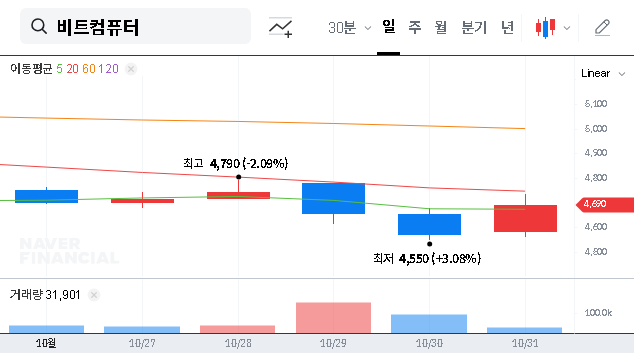
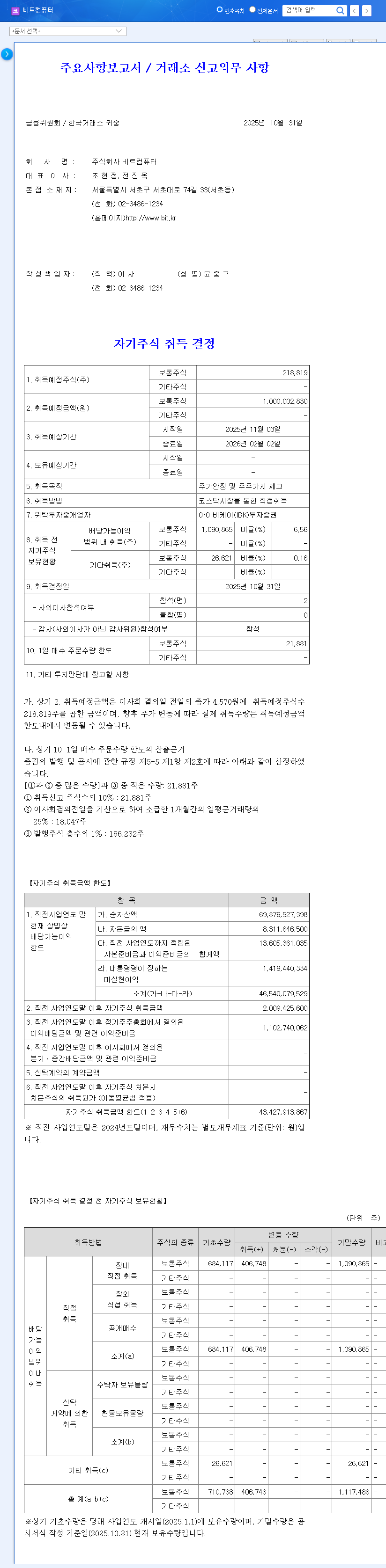
    On October 31, 2025, BITComputer formally announced its plan to directly purchase 218,819 of its own shares from the KOSDAQ market, an investment valued at approximately ₩1 billion. This represents 1.32% of the company’s total market capitalization. According to the company’s public filing, the primary objectives are to stabilize the BITComputer stock price and enhance overall shareholder value. This is often a defensive and value-affirming move, suggesting that the company’s leadership believes its shares are currently undervalued by the market. You can view the complete announcement in the Official Disclosure on DART.

    A share buyback, also known as a share repurchase, is when a company buys its own outstanding shares to reduce the number of shares available on the open market. This typically increases the earnings per share and, in theory, the market value of the remaining shares. For more details, see this explanation from Investopedia.

    Analyzing BITComputer’s Fundamentals

    A share buyback is only as credible as the company’s underlying financial health. Fortunately, BITComputer stands on a solid foundation, driven by a robust business structure and stable financial performance.

    Robust Business Structure and Growth Drivers

    The company’s revenue streams are well-diversified, with a clear core business providing stability:

    • Medical Information Business (80.73%): As the market leader in this segment, this division is the company’s cash cow, providing a consistent and reliable revenue base.
    • IT Education & Digital Healthcare (12.05% combined): These segments are showing consistent growth, diversifying the company’s portfolio and tapping into expanding markets.
    • New Business Initiatives: BITComputer is actively investing in future growth engines, including AI-based healthcare solutions and lifelong education platforms, positioning itself for long-term relevance.

    Stable Financial Status (H1 2025 Data)

    While H1 2025 revenue saw a year-over-year decrease to ₩16.8 billion, the company’s profitability remains strong. Net profit actually increased by 1.44% to ₩3.85 billion, showcasing efficient management and the resilience of its core medical information business. Furthermore, with total assets of ₩80.9 billion against liabilities of just ₩9.03 billion, the company boasts a very healthy balance sheet and a stable debt ratio. A significant year-over-year improvement in operating cash flow further reinforces the company’s financial stability and its ability to fund this BITComputer share buyback without taking on unnecessary risk.

    Potential Impacts and Limiting Factors

    Positive Catalysts for Shareholder Value

    • Improved Investor Sentiment: This shareholder-friendly policy sends a powerful message to the market, potentially attracting new investors and increasing confidence among existing ones.
    • Stock Price Support: By reducing the number of available shares, the buyback can create a floor for the stock price and mitigate downward pressure during market volatility.
    • Increased Earnings Per Share (EPS): With fewer shares outstanding, the company’s earnings are divided among a smaller pool, which mathematically increases EPS and can make the stock appear more attractive.

    Potential Headwinds and Considerations

    Despite the positive outlook, investors should remain pragmatic. The recent revenue decline, although offset by profitability, requires monitoring. Macroeconomic factors, such as interest rate fluctuations, could also impact market sentiment. Most importantly, the buyback’s size (1.32% of market cap) is modest. While beneficial, it may not be large enough to trigger a dramatic, short-term surge in the stock price on its own. The long-term success will still depend on the performance of its new business ventures and trends within the broader KOSDAQ technology sector.

    Overall Opinion and Investor Action Plan

    The BITComputer share buyback is a strategically sound decision that should be viewed positively by investors. It underscores the management’s belief in the company’s intrinsic value and provides a solid foundation for stock price stability. Our investment opinion is a firm ‘Hold’. This reflects the balance between the buyback’s positive impact and the need to monitor revenue trends and the successful execution of new growth strategies.

    Future Monitoring Points

    • Buyback Completion: Monitor the completion date and any announcements of further shareholder return policies.
    • New Business Performance: Watch for concrete results and revenue generation from the digital healthcare and AI solution ventures.
    • Competitive Landscape: Keep an eye on the medical information and IT education markets for any shifts in competition.
    • Macroeconomic Trends: Pay attention to how interest rates and other economic variables impact company performance and market sentiment.

    (032850) BITComputer Share Buyback: A Deep Dive for Investors on Stock Price & Value 관련 이미지
  • (072020) CHOONG ANG VACCINE LABORATORY Share Buyback: An In-Depth Investment Analysis

    (072020) CHOONG ANG VACCINE LABORATORY Share Buyback: An In-Depth Investment Analysis

    The recent announcement of the CHOONG ANG VACCINE LABORATORY share buyback has sent ripples through the investment community. The company has committed to acquiring KRW 1 billion of its own shares, a strategic decision widely seen as a move to bolster stock price and deliver greater shareholder value. For investors, this raises critical questions: Is this a sign of deep-seated confidence from management? And what does it mean for the company’s future stock performance?

    This comprehensive analysis provides a detailed look into the share buyback, a thorough review of CAVAC’s current fundamentals, and a clear investment thesis. Whether you’re a current shareholder or considering a new position, this guide will provide the insights you need to make an informed decision.

    What is a Share Buyback and Why Does It Matter?

    A share buyback, or stock repurchase, is when a company buys its own outstanding shares from the open market. This action reduces the number of shares in circulation, which can have several positive effects. Primarily, it often signals that the company’s management believes the stock is undervalued. By decreasing the share count, a buyback can also increase earnings per share (EPS), a key metric used by investors to assess profitability. As authoritative financial sources explain, this can make the stock appear more attractive and drive up its price.

    The KRW 1 Billion CAVAC Share Buyback Explained

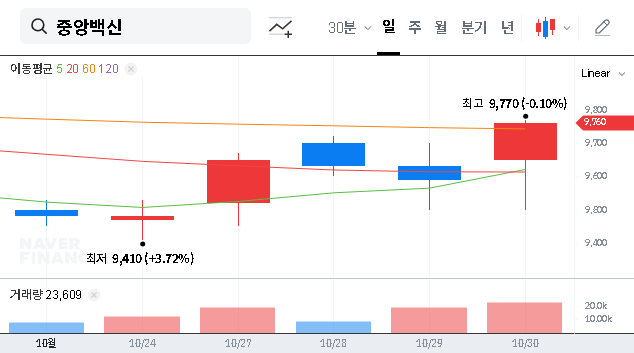
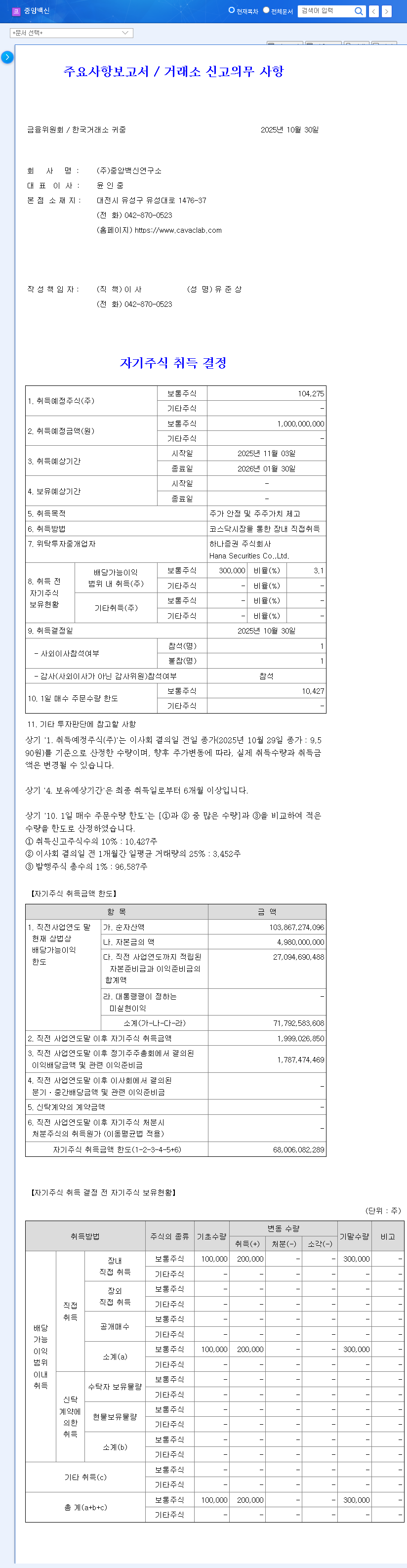
    On October 30, 2025, CHOONG ANG VACCINE LABORATORY (CAVAC) formally announced its plan to acquire KRW 1 billion of its treasury stock. This figure represents approximately 1.08% of the total shares outstanding and will be executed via direct purchases on the KOSDAQ exchange. The company has explicitly stated that the objectives are stock price stabilization and enhancement of shareholder value. This transparent communication is a strong positive indicator for the market.

    For complete transparency, investors can review the Official Disclosure (DART Report), which provides the full regulatory details of this strategic financial decision.

    In-Depth Fundamental Analysis: A Healthy Core

    A share buyback is only as valuable as the underlying company. A closer look at CAVAC’s fundamentals, based on its 2025 semi-annual report, reveals a company with a solid foundation but also specific challenges to monitor. For those new to this, we recommend reading our guide on fundamental analysis for beginners.

    Key Strengths Driving Growth

    • Robust Revenue Growth: H1 2025 revenue grew by 7% year-over-year to KRW 25.288 billion, with a remarkable 4,783% surge in service revenue indicating new, successful business ventures.
    • Commitment to Innovation: The company maintains a healthy R&D expenditure of 5.4% of revenue, fueling critical projects like the African Swine Fever vaccine.
    • Global Market Expansion: With agents in 20 countries and new entries into China and Brazil, CAVAC is diversifying its income streams and reducing dependency on any single market.
    • Financial Stability: A low debt-to-equity ratio of 19.6% and a projected operating profit margin of nearly 12% showcase strong financial management.

    Potential Headwinds and Risks

    • Revenue Concentration: Declines in specific vaccine lines (swine, cattle) show a vulnerability to shifting livestock market dynamics and competition.
    • Production Efficiency: The VIAL LINE’s low utilization rate of 32.9% is a point of concern that requires strategic improvement to maximize asset returns.
    • Currency Exposure: A heavy reliance on imported raw materials means that a stronger US dollar or Euro could squeeze profit margins due to higher costs.

    Analyzing the Buyback’s Impact

    The CHOONG ANG VACCINE LABORATORY share buyback is expected to have a multi-faceted impact. In the short term, it creates a positive psychological effect, signaling management’s confidence and improving overall investor sentiment. This can lead to increased buying pressure and a near-term boost in the stock price. Over the long term, the reduction in shares outstanding will make each remaining share more valuable, potentially leading to sustained appreciation if the company continues to execute on its growth strategies.

    Final Verdict and Investment Strategy

    Our analysis concludes that the share buyback is a significant positive catalyst for CHOONG ANG VACCINE LABORATORY. This move, supported by improving revenues, a commitment to R&D, and sound financial health, paints an optimistic picture for the company’s future and enhances its investment appeal.

    Recommended Investment Opinion: BUY. The combination of a shareholder-friendly action like the share buyback and a solid fundamental outlook warrants a positive rating. However, investors should remain mindful of macroeconomic volatility and consider a staggered buying approach to mitigate risk.

    For long-term success, investors should monitor progress in diversifying the product portfolio and improving production facility utilization. These factors will be key to unlocking the company’s full value potential beyond the immediate effects of the buyback.

    Frequently Asked Questions (FAQ)

    What is the scale of the announced share buyback?

    CHOONG ANG VACCINE LABORATORY will acquire KRW 1 billion of its own stock, which is 1.08% of the total outstanding shares, purchased directly from the KOSDAQ market.

    What is the primary goal of this share buyback?

    The company’s stated goals are stock price stabilization and the enhancement of shareholder value. This is a direct signal to the market of management’s confidence in the company’s prospects.

    What are the main risks for investors?

    Key risks include revenue volatility in specific product categories, low utilization of certain production facilities, and exposure to currency fluctuations from raw material imports. External macroeconomic factors like interest rates and oil prices also pose indirect risks.

    (072020) CHOONG ANG VACCINE LABORATORY Share Buyback: An In-Depth Investment Analysis 관련 이미지
  • (175330) JB Financial Group Share Buyback & H1 2025 Earnings: A Deep Dive for Investors

    (175330) JB Financial Group Share Buyback & H1 2025 Earnings: A Deep Dive for Investors

    In a significant move for investors, JB Financial Group has released its H1 2025 earnings report, showcasing stable profitability, and simultaneously announced a substantial KRW 40 billion share buyback program. These developments raise critical questions: What do they signal about the company’s confidence? And how should investors position themselves in light of this news? This comprehensive analysis will break down the financial performance, explore the strategic implications of the share buyback, and provide a clear outlook on what’s next for JB Financial Group’s stock.

    This report moves beyond the headlines, offering actionable insights by dissecting the fundamental drivers and potential risks facing JB Financial Group. We aim to equip you with the knowledge needed to make informed investment decisions.

    Unpacking the H1 2025 Financial Performance

    JB Financial Group reported a consolidated net profit of KRW 370.4 billion for the first half of 2025. While this represents a marginal 0.1% year-over-year increase, the stability in a challenging macroeconomic environment is noteworthy. The overall performance was a mixed bag across its key subsidiaries, reflecting different market exposures and operational focuses.

    Subsidiary Performance Breakdown

    • Jeonbuk Bank: Posted a healthy net profit of KRW 116.6 billion, up 3.4%, demonstrating resilient growth.
    • Gwangju Bank: Saw a 7.9% decrease in net profit to KRW 148.4 billion, largely attributed to headwinds from a slowing real estate market and increased household loan risks.
    • JB Woori Capital: Continued its strong trajectory with a 6.6% profit increase to KRW 131.7 billion.
    • PPCBank (Cambodia): Contributed KRW 25.0 billion, highlighting the value of its international diversification.

    The Group’s fundamentals remain robust, with an industry-leading Return on Equity (ROE) of 13.1% and a low Cost-to-Income Ratio (CIR) of 35.8%. The Common Equity Tier 1 (CET1) Ratio stands at a stable 12.40%, indicating solid capital adequacy. For a detailed breakdown, you can view the Official Disclosure on the DART system.

    The KRW 40 Billion Share Buyback: A Signal of Confidence

    Perhaps the most significant news for investors is the decision to execute a KRW 40 billion JB Financial Group share buyback. This move, representing nearly 1% of the company’s market capitalization, is a powerful tool for enhancing shareholder value. A share buyback reduces the number of shares outstanding, which can increase key metrics like Earnings Per Share (EPS) and often leads to a higher stock price due to improved supply-demand dynamics.

    This action is widely interpreted as a signal from management that they believe the company’s stock is undervalued. By investing its own capital to repurchase shares, the board demonstrates strong confidence in the firm’s future prospects and financial stability. The buyback is scheduled to run from October 29, 2025, to February 3, 2026.

    Future Outlook: Opportunities and Risks

    While the buyback and stable earnings paint a positive picture, a balanced investment thesis requires examining both the potential upsides and the challenges ahead. Investors should stay informed by following broader market analysis from sources like Reuters Financial News.

    Key Investment Opportunities

    • Enhanced Shareholder Returns: The aggressive share buyback signals a commitment to returning capital to shareholders, which is highly attractive to investors.
    • Strong Profitability Metrics: High ROE and ROA relative to peers indicate efficient and profitable operations.
    • Digital Transformation: Ongoing investments in MyData services and fintech partnerships (e.g., Toss Bank) position the group for future growth in the digital banking landscape.

    Potential Headwinds to Monitor

    • Subsidiary Performance: The slowdown at Gwangju Bank needs to be watched closely, as prolonged weakness could drag down group results.
    • Asset Quality: The rising Non-Performing Loan (NPL) ratio at JB Woori Capital (2.71%) requires careful risk management to prevent further deterioration.
    • Macroeconomic Pressures: High inflation, interest rate volatility, and currency fluctuations pose risks to the entire banking sector’s profitability and credit quality.

    Conclusion: An Investor’s Action Plan

    The overall investment outlook for JB Financial Group appears positive, anchored by solid fundamentals and a strong commitment to shareholder value via the share buyback. The short-term impact of the buyback is likely to be supportive of the stock price.

    For the mid-to-long term, success will depend on the company’s ability to navigate the identified risks. Investors should monitor the performance recovery at Gwangju Bank, asset quality trends at JB Woori Capital, and the progress of its digital initiatives. For those looking to learn more about this sector, our guide on How to Analyze Bank Stocks provides valuable context. Ultimately, while JB Financial Group presents a compelling case, diligent monitoring of these key variables is essential for any investment strategy.

    Disclaimer: This analysis is for informational purposes only and does not constitute financial advice. All investment decisions should be made based on your own research and discretion.

    (175330) JB Financial Group Share Buyback & H1 2025 Earnings: A Deep Dive for Investors 관련 이미지