Tag: Share Buyback

  • (138040) MERITZ FINANCIAL GROUP Shareholder Return: A 50% Policy Analysis for Investors

    (138040) MERITZ FINANCIAL GROUP Shareholder Return: A 50% Policy Analysis for Investors

    The new MERITZ FINANCIAL GROUP shareholder return policy has sent a clear and powerful message to the market. In an era of economic uncertainty, the company’s commitment to a robust, long-term strategy for enhancing investor value is a significant development. This article provides a comprehensive analysis of this ambitious policy, its foundation in the company’s strong fundamentals, and what it means for current and potential investors.

    We will delve into the mechanics of the plan, the strategic choice of share buybacks over dividends, and the potential impacts on the company’s stock performance. This is a must-read for anyone evaluating MERITZ FINANCIAL GROUP stock as a long-term investment.

    Breaking Down the Landmark Shareholder Return Policy

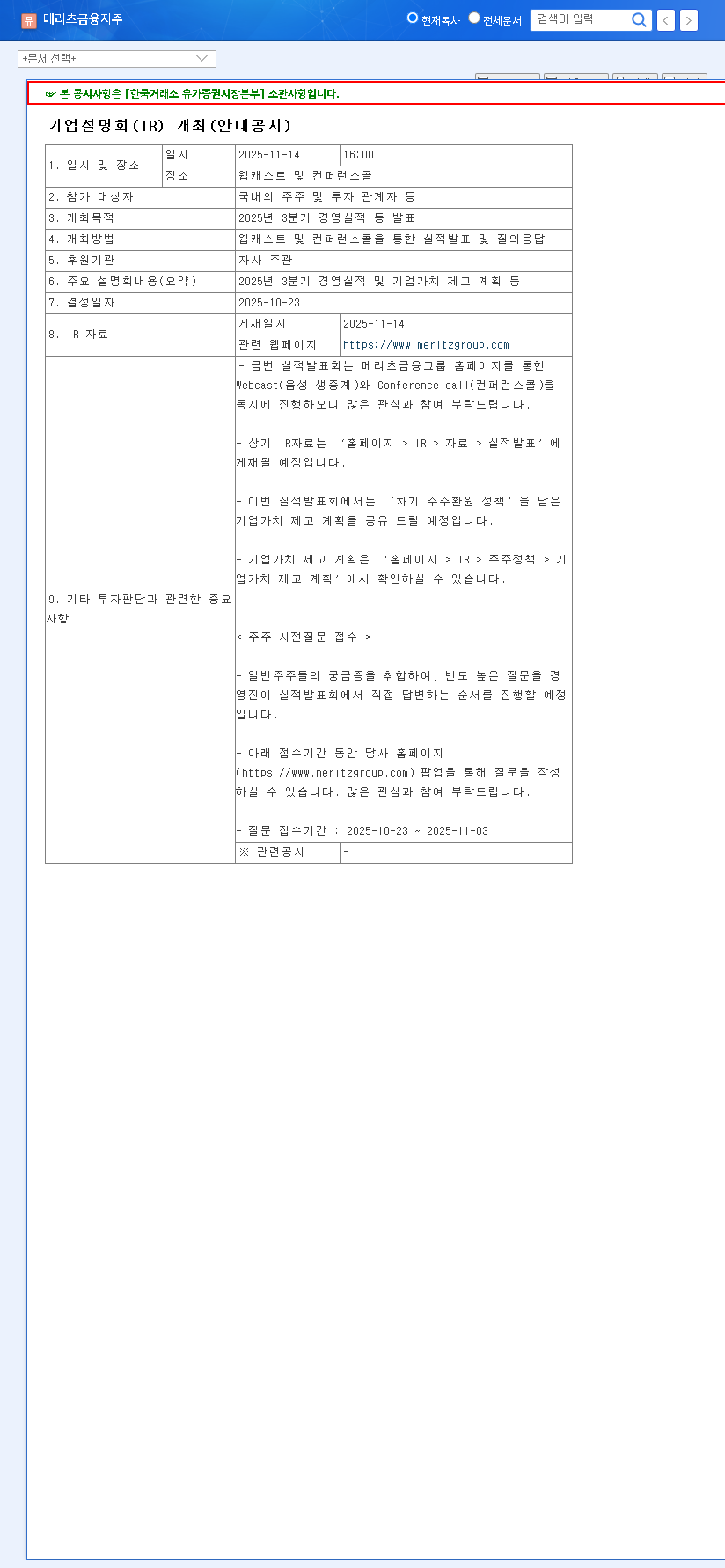
    On November 14, 2025, MERITZ FINANCIAL GROUP INC. announced its mid-term shareholder return policy for the fiscal years 2026 through 2028. This isn’t just a minor adjustment; it’s a foundational commitment to its shareholders. According to the Official Disclosure, the plan is designed to be both aggressive and transparent.

    The core of the policy is a pledge to maintain a 50% shareholder return ratio of its consolidated net profit for three consecutive fiscal years. This return will be executed through a combination of dividends and, primarily, share buybacks and cancellations.

    Key Pillars of the Policy:

    • Aggressive Return Ratio: A 50% total payout ratio is a significant commitment, signaling management’s confidence in sustained profitability.
    • Strategic Focus on Buybacks: The emphasis on share buybacks indicates a belief that the company’s stock is a superior investment, aiming to directly increase earnings per share (EPS) and intrinsic value.
    • Built-in Flexibility: The policy allows for exceeding the 50% target during periods of severe stock undervaluation and falling below it if a major, value-accretive M&A opportunity arises.
    • Enhanced Transparency: MERITZ FINANCIAL GROUP will disclose its corporate value enhancement plans and implementation status quarterly, fostering unparalleled trust with the investment community.

    The Foundation: Industry-Leading Profitability

    An ambitious shareholder return policy is only credible if backed by strong, consistent financial performance. MERITZ FINANCIAL GROUP’s specialized non-banking portfolio, encompassing insurance, securities, and credit finance, provides this stable foundation. As of Q3 2025, the company reported a consolidated net profit of KRW 2.0267 trillion, showcasing its robust earnings power.

    The performance of its key subsidiaries underscores this strength. Meritz Fire & Marine maintains a healthy solvency ratio of 242.7%, while Meritz Securities boasts a net capital ratio of 1,146.3%. This financial stability is crucial, as it ensures the company can fund its growth initiatives while simultaneously executing a significant capital return program. This isn’t just a promise; it’s a plan built on a bedrock of proven profitability and sound financial health, which you can compare with other financial sector trends.

    Analyzing the Impact on Investor Value

    Positive Catalysts for MERITZ Stock

    The direct impact of this policy on investor value is expected to be multifaceted and overwhelmingly positive. The commitment provides long-term predictability, attracting investors who value stable returns. Furthermore, the focus on share buybacks and cancellations directly reduces the number of shares outstanding. This mechanically increases earnings per share (EPS), a key metric used in stock valuation. This efficient capital allocation can unlock significant stock price appreciation over the policy’s three-year term and beyond, serving as a powerful momentum driver.

    Potential Risks and Considerations

    While the outlook is strong, investors must remain aware of external factors. Broader market volatility and interest rate fluctuations, as reported by sources like Reuters, can impact the entire financial services industry. These macroeconomic headwinds could affect investment returns and asset valuations. Additionally, the success of the strategy hinges on the continued efficiency of capital allocation. Investors should monitor whether share buybacks consistently represent the best use of capital compared to other growth opportunities. The policy’s flexibility, while prudent, means that a large M&A deal could temporarily reduce the return ratio, a scenario that would require clear and transparent communication from management.

    Strategic Outlook and Investor Action Plan

    The announcement of the MERITZ FINANCIAL GROUP shareholder return plan provides a compelling investment thesis. For those considering this financial group stock, here is a strategic approach:

    • Adopt a Long-Term View: This is a three-year policy. Its full benefits will compound over time. View the company through the lens of this long-term commitment to enhancing shareholder value rather than short-term market noise.
    • Monitor Quarterly Reports: Pay close attention to the company’s quarterly disclosures on the implementation of its value enhancement plan. Track the progress of share buybacks and assess management’s commentary on capital allocation.
    • Benchmark Against Peers: Compare MERITZ’s 50% return policy and its execution against competitors in the financial sector. This will provide context on whether the company is truly a leader in shareholder-friendly practices.

    In conclusion, MERITZ FINANCIAL GROUP INC. has drawn a clear line in the sand, prioritizing tangible returns to its owners. This well-defined, transparent, and aggressive shareholder return policy, backed by solid fundamentals, positions the company as an attractive opportunity for investors seeking both stability and growth.
    (138040) MERITZ FINANCIAL GROUP Shareholder Return: A 50% Policy Analysis for Investors 관련 이미지
  • (053260) KEUM KANG STEEL’s ₩2B Share Buyback: An In-Depth Analysis for Investors

    (053260) KEUM KANG STEEL’s ₩2B Share Buyback: An In-Depth Analysis for Investors

    In a volatile market, investors are keenly watching for signs of corporate confidence and shareholder-friendly actions. A significant KEUM KANG STEEL share buyback announcement has captured the market’s attention, signaling a pivotal moment for the company and its stakeholders. On November 14, 2025, KEUM KANG STEEL CO., LTD. committed to a ₩2 billion trust agreement, a move designed to bolster stock prices and reinforce investor protection. This deep-dive analysis will unpack the specifics of this agreement, evaluate the company’s underlying fundamentals, and provide a strategic outlook for current and potential investors.

    We will explore how this buyback fits into the broader context of a challenging steel industry and what it truly means for the long-term corporate value of KEUM KANG STEEL.

    The ₩2 Billion Share Buyback Agreement: Key Details

    KEUM KANG STEEL’s board has decisively moved to inject confidence into the market by finalizing a substantial share repurchase plan. This action is often interpreted as management’s belief that the current KEUM KANG STEEL stock is undervalued. Here are the crucial details of the agreement:

    • Contract Value: ₩2 billion (approximately $1.5 million USD)
    • Contract Period: November 15, 2025, to November 15, 2026 (One full year)
    • Contracting Partner: Daishin Securities
    • Stated Purpose: Stock price stabilization and robust investor protection.
    • Official Source: Details of this agreement can be verified via the Official Disclosure on DART.

    This buyback represents approximately 2.58% of the company’s total market capitalization, a significant figure that underscores the seriousness of this initiative. For a deeper understanding of the mechanics and implications of such corporate actions, you can read more about stock repurchase strategies on high-authority financial education sites.

    In-depth Analysis of KEUM KANG STEEL’s Financial Health

    A share buyback is only as credible as the financial foundation it’s built upon. A look at KEUM KANG STEEL’s fundamentals as of Q3 2025 reveals a company with a strong defensive posture but notable challenges that require strategic navigation.

    Strengths and Shareholder-Friendly History

    The company exhibits robust financial health, characterized by a low debt-to-equity ratio of just 17.44% and significant liquidity. This strong balance sheet provides the stability needed to weather economic storms and fund initiatives like the current KEUM KANG STEEL share buyback. Furthermore, the company has a proven track record of prioritizing shareholder returns, evidenced by 23 consecutive years of dividend payouts and an existing treasury stock ownership of around 16%.

    Challenges and Market Headwinds

    Despite its strengths, KEUM KANG STEEL is not immune to market pressures. The company’s business is 100% domestic, which insulates it from direct currency exchange risks but makes it highly dependent on the health of the South Korean economy. The global economic slowdown and geopolitical tensions have suppressed the steel market, impacting sales. Moreover, its investment and agricultural segments (Keum Kang Ecotergy) have been underperforming, creating a drag on overall profitability. These factors are critical to consider when performing a complete steel industry analysis for investment purposes.

    While the share buyback offers a short-term psychological boost, long-term appreciation of the KEUM KANG STEEL stock will ultimately depend on fundamental improvements and a broader recovery in the steel sector.

    Impact of the Share Buyback on Stock Price and Corporate Value

    The immediate market reaction to a share buyback announcement is typically positive. By reducing the number of outstanding shares, a buyback can increase Earnings Per Share (EPS) and send a powerful message about future prospects.

    Short-Term and Long-Term Effects

    In the short term, the active purchasing of shares can create a price floor, stabilizing the stock and improving investor sentiment. The substantial size of this buyback (2.58% of market cap) amplifies this effect. Over the long term, the impact is more nuanced. While the buyback itself doesn’t change core business operations, combining it with the existing 16% treasury stock opens up strategic possibilities for enhancing corporate value, such as future dividend increases, bonus issues, or strategic M&A activity.

    Strategic Recommendations for Investors

    For those considering an investment in KEUM KANG STEEL, a multi-faceted approach is recommended. The share buyback is a positive catalyst, but it should be viewed alongside other critical variables.

    • Monitor Buyback Execution: Keep a close eye on the actual pace and volume of share repurchases over the one-year contract period. This will be the clearest indicator of the company’s commitment.
    • Track Industry Recovery: The company’s fortunes are tied to the steel industry. Watch for improvements in key demand sectors like automotive, construction, and appliances, as well as trends in global steel prices.
    • Assess New Business Performance: Look for tangible signs of a turnaround or a clear strategic plan for the underperforming investment and agricultural segments. These are crucial for long-term, diversified growth.
    • Analyze Macroeconomic Factors: Pay attention to interest rate policies and currency fluctuations, as these can indirectly but significantly impact net income and borrowing costs.

    In conclusion, the KEUM KANG STEEL share buyback is a strong, positive step towards enhancing shareholder value and reflects management confidence. However, savvy investors will balance this optimism by closely monitoring the company’s fundamental performance and the broader market recovery to make well-informed decisions.

    (053260) KEUM KANG STEEL's ₩2B Share Buyback: An In-Depth Analysis for Investors 관련 이미지
  • (056190) SFA Engineering Corporation Stock Analysis: Share Buyback & Growth Outlook

    (056190) SFA Engineering Corporation Stock Analysis: Share Buyback & Growth Outlook

    SFA Engineering Corporation is making headlines with a strategic ₩10 billion share buyback, a move signaling deep confidence in its own value and future trajectory. For investors, this action is more than just a financial maneuver; it’s a compelling reason to take a closer look at the company’s robust fundamentals, particularly in the high-growth sectors of smart factory solutions and semiconductor packaging. This comprehensive analysis will explore the implications of the SFA Engineering share buyback, dissect its core business strengths, and provide a detailed investment outlook for SFA stock.

    We will unpack the key drivers behind SFA’s profitability, from its leadership in the secondary battery industry to the untapped potential within its semiconductor subsidiary. By examining financial health, market trends, and strategic acquisitions, this article offers a clear perspective on what makes SFA Engineering Corporation a company to watch.

    The ₩10 Billion Share Buyback: A Signal of Strength

    SFA Engineering Corporation has officially committed to acquiring ₩10 billion of its own shares. This program, managed through a trust agreement with NH Investment & Securities, is set to run from November 14, 2025, to November 13, 2026. This buyback represents approximately 1.15% of the company’s market capitalization and serves two primary goals: stabilizing the stock price and enhancing overall shareholder value. You can view the Official Disclosure for complete details.

    A share buyback often indicates that a company’s management believes its stock is undervalued. It’s a powerful statement of confidence in future earnings and a direct method of returning value to shareholders by increasing the earnings per share.

    This strategic capital allocation is a clear message to the market. By reducing the number of outstanding shares, SFA Engineering not only provides support for its stock price but also signals that its internal valuation is higher than its current market price, suggesting strong prospects for future performance.

    Analyzing SFA’s Core Growth Engines

    The decision for this share buyback is firmly rooted in SFA Engineering Corporation’s solid business performance and promising outlook across its primary divisions.

    Dominance in Smart Factory Solutions

    The smart factory solutions business is a cornerstone of SFA’s success. The Q3 2025 report revealed a significant turnaround, with the company achieving sales of ₩1.2374 trillion and an operating profit of ₩76.9 billion. This recovery is heavily driven by the booming secondary battery industry, where SFA provides critical automation and logistics systems. The company is solidifying its market leadership through:

    • Portfolio Expansion: The strategic acquisition of CIS Co., Ltd. is set to create powerful synergies, further expanding SFA’s capabilities and profit margins in the secondary battery equipment market.
    • Technological Leadership: With heavy investment in AI, Big Data, and predictive maintenance under its ‘NEO’ brand, SFA is positioning itself at the forefront of Industry 4.0 innovation. Learn more about the future of automation from authoritative sources like Gartner’s analysis of hyperautomation.

    The Untapped Potential of Semiconductor Packaging

    Through its subsidiary, SFA Semiconductor, the company is a key player in a critical part of the tech supply chain. This division provides advanced packaging solutions to major global semiconductor firms. As chips become smaller and more powerful, the demand for sophisticated packaging technologies like flip-chip and wafer-level bumping is exploding. SFA Semiconductor is well-positioned to capture this growth, making it a valuable, and perhaps underestimated, asset in the SFA Engineering Corporation portfolio.

    Investment Outlook & Strategy

    Considering the SFA Engineering share buyback and its strong business fundamentals, the investment outlook appears positive. However, a balanced strategy requires acknowledging both the catalysts and potential risks.

    Key Growth Catalysts

    • Short-Term Boost: The share buyback is expected to provide immediate positive momentum and improve investor sentiment.
    • Market Expansion: Continued growth in the EV/secondary battery and advanced semiconductor markets are powerful tailwinds.
    • Synergy Realization: Successful integration of CIS Co., Ltd. could unlock significant new revenue streams and operational efficiencies.

    Potential Risks to Consider

    While the outlook is strong, investors should remain aware of external factors. For further reading, you can explore our guide on navigating tech stock volatility.

    • Macroeconomic Headwinds: Global economic slowdowns or persistent high-interest rates could impact capital investment and financing costs.
    • Competitive Landscape: The smart factory and semiconductor industries are highly competitive, requiring continuous innovation and R&D investment.
    • Execution Risk: The ultimate success depends on the flawless execution of its strategic initiatives, including the integration of acquisitions.

    SFA Engineering Investment FAQ

    Q1: What is the main significance of the SFA Engineering share buyback?

    The ₩10 billion share buyback is a key part of an active shareholder return policy. It signals management’s belief that the stock is undervalued and reflects strong confidence in future performance, aiming to stabilize the price and boost shareholder value.

    Q2: What are SFA Engineering’s core businesses and their growth potential?

    SFA’s core businesses are smart factory solutions and semiconductor packaging. The smart factory division is thriving on the growth of the secondary battery industry, while the semiconductor division is set to benefit from the expansion of the advanced packaging market.

    Q3: What long-term factors will influence SFA Engineering’s stock price?

    Long-term value will be driven by the continued growth of the smart factory market, SFA’s technological competitiveness in AI and Big Data, and the successful generation of synergies from the CIS Co., Ltd. acquisition. Continuous R&D is also crucial.

    Disclaimer: This article is for informational purposes only and does not constitute financial advice. All investment decisions should be made with the consultation of a qualified professional.

    (056190) SFA Engineering Corporation Stock Analysis: Share Buyback & Growth Outlook 관련 이미지
  • (402340) SK Square Share Buyback: A ₩100B Strategy for Shareholder Value

    (402340) SK Square Share Buyback: A ₩100B Strategy for Shareholder Value

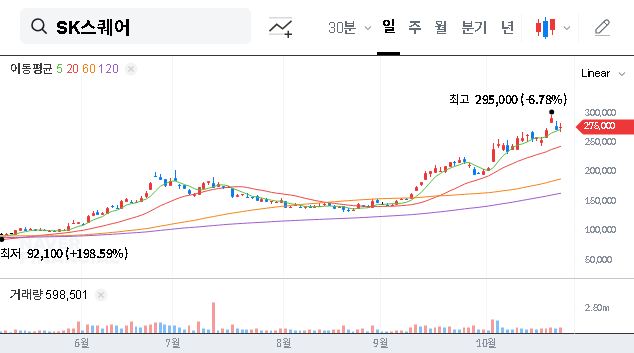
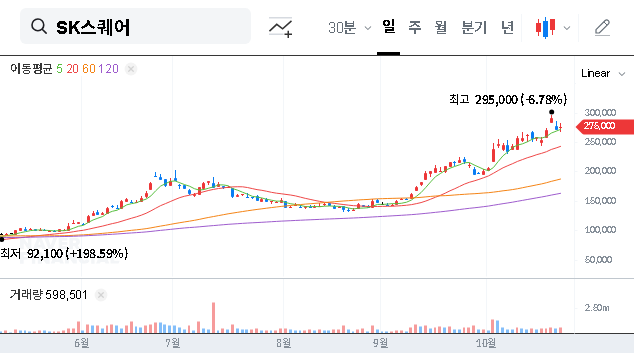
    The recent SK Square share buyback announcement has captured significant market attention. On November 14, 2025, the leading Korean investment firm unveiled a plan for a ₩100 billion treasury share acquisition, a move that signals more than just a short-term stock price boost. This strategic decision is deeply rooted in enhancing long-term shareholder value, motivating its workforce, and solidifying its path toward future growth, all backed by exceptionally strong company fundamentals.

    This comprehensive analysis will explore the profound implications of this share buyback on SK Square’s stock and its overall corporate valuation. We’ll examine the company’s recent Q3 earnings, the pivotal role of SK Hynix, and provide actionable insights for investors looking to understand the true value proposition behind SK Square’s decisive action.

    Unpacking the ₩100 Billion SK Square Share Buyback

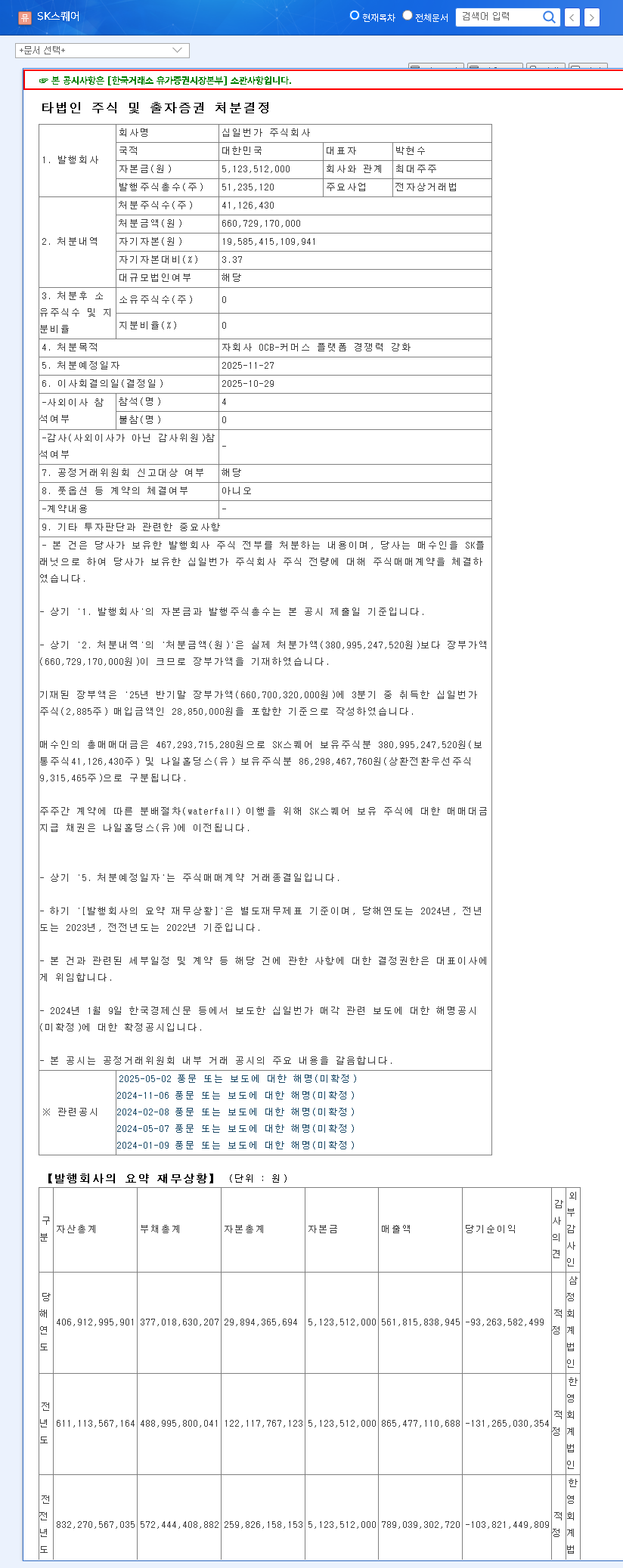
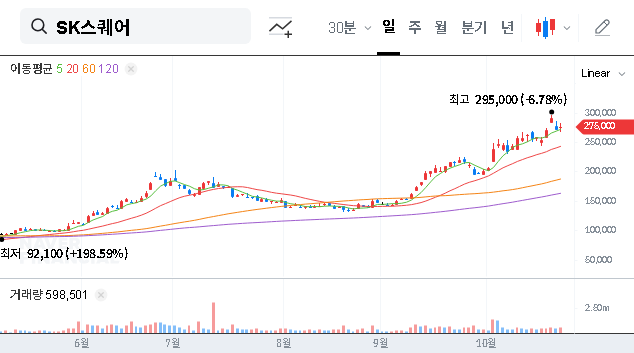
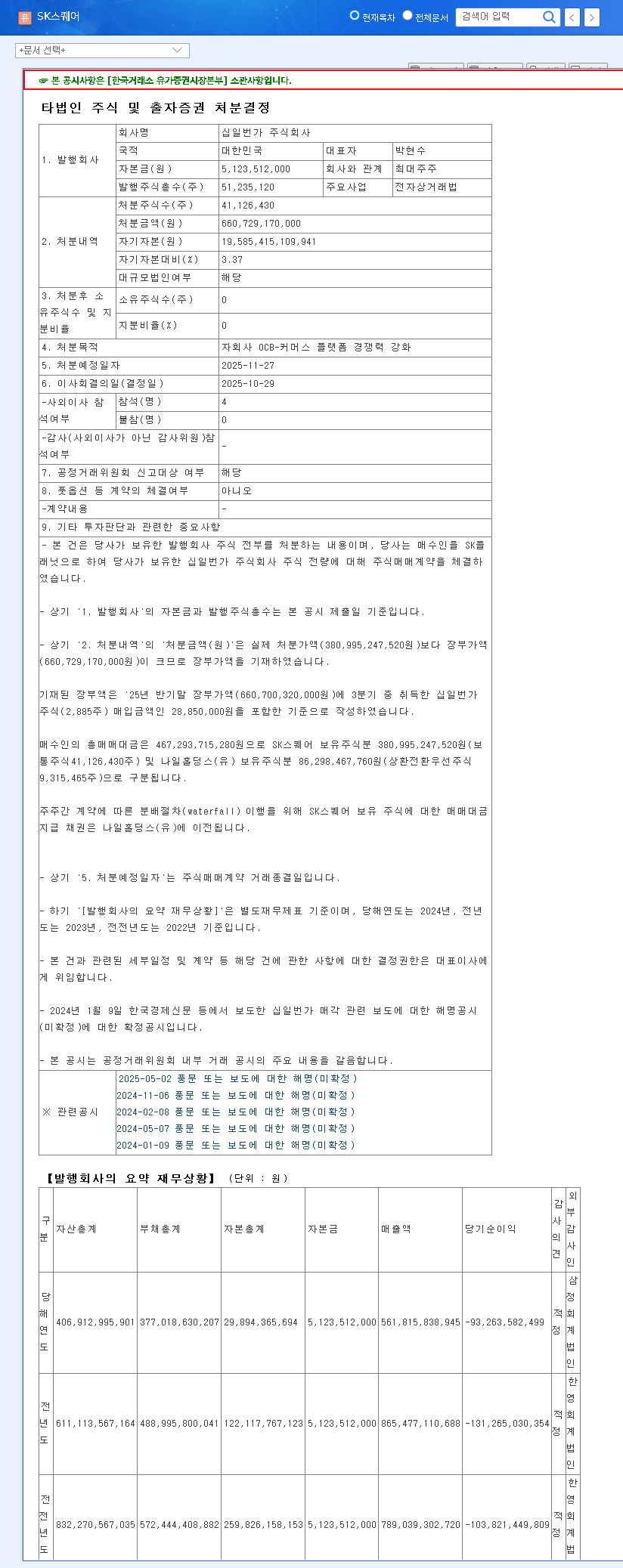
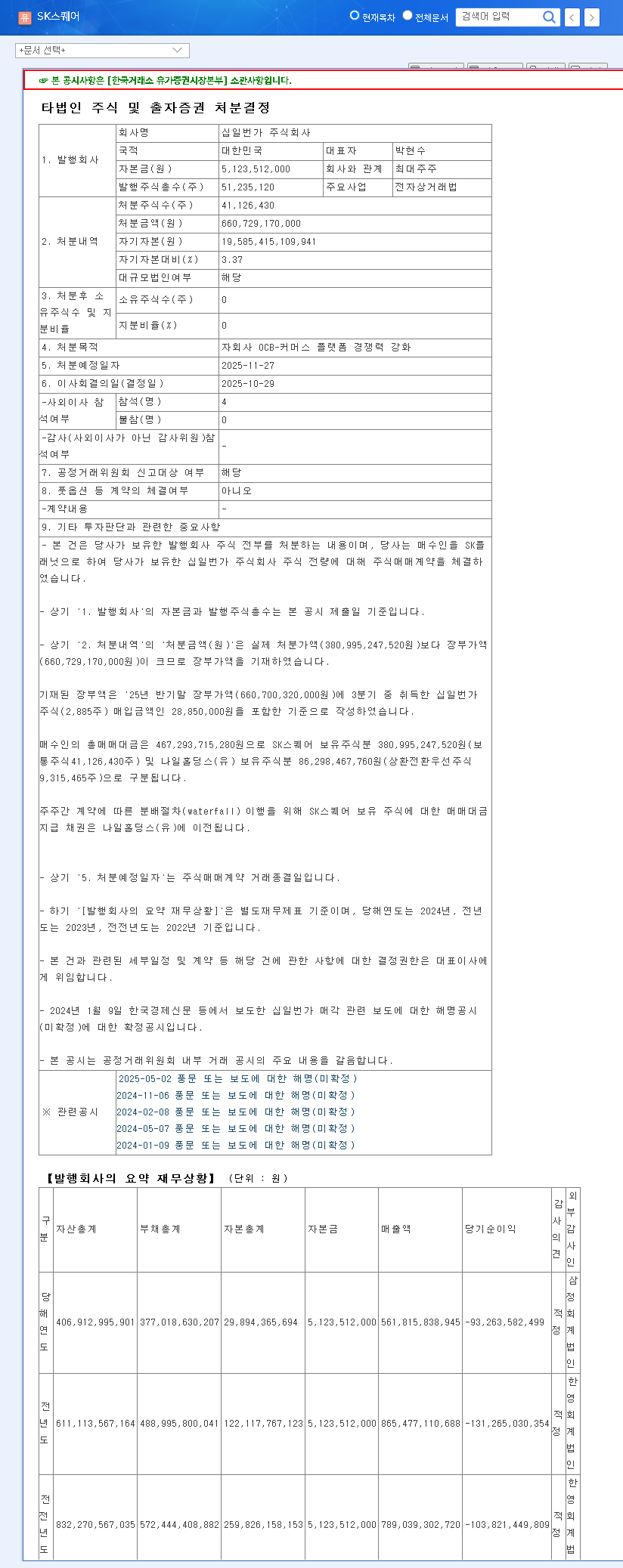
    On November 13, 2025, SK Square’s board of directors greenlit the direct market acquisition of 310,077 common shares, a transaction valued at approximately ₩100 billion. This figure represents about 0.23% of the company’s market capitalization. The official rationale, as detailed in its public filing, is twofold: to robustly enhance shareholder value and to fund employee stock compensation programs. The full details of this strategic move are available in the company’s Official Disclosure (Source: DART). This announcement is a clear and powerful statement of the company’s confidence in its own valuation and future prospects.

    This isn’t just a financial maneuver; it’s a strategic message to the market that SK Square believes its stock is undervalued and is committed to delivering tangible returns to its shareholders.

    The Strategic Rationale: Why This Buyback Matters Now

    SK Square’s decision is underpinned by a foundation of stellar financial performance and strategic foresight. The company’s Q3 2025 consolidated results were exceptionally strong, with profitability seeing a significant uplift. This success is not accidental but the result of several key factors.

    The SK Hynix Factor: An Engine of Growth

    The remarkable performance of subsidiary SK Hynix is a primary driver of SK Square’s value. SK Hynix has masterfully capitalized on the booming demand for AI servers and strengthened its competitive edge in the high-bandwidth memory (HBM) market. This directly translates to robust consolidated results and bolsters SK Square’s investment portfolio value. To understand this sector better, you can read our guide on investing in AI and semiconductor trends.

    Impeccable Financial Health

    A large-scale share buyback is only possible with a rock-solid balance sheet. SK Square boasts exceptional financial soundness. With a consolidated debt-to-equity ratio of a mere 9.60% and a separate ratio of just 0.1007%, the company operates with minimal leverage. This financial stability not only de-risks the company against macroeconomic headwinds but also provides the flexibility to execute value-enhancing strategies like this treasury share acquisition.

    Expected Impact on SK Square Stock and Shareholder Value

    The ₩100 billion investment is poised to create a ripple effect, benefiting both the company and its investors in several ways.

    • Immediate Shareholder Value Accretion: By reducing the number of outstanding shares, the company automatically increases its Earnings Per Share (EPS). This makes each remaining share more valuable and is a direct return to shareholders.
    • Positive Market Sentiment & Price Support: A significant buyback signals strong insider confidence, which can attract new investors and provide a stable floor for the stock price, especially in volatile markets, as noted by leading market analysts at platforms like Reuters.
    • Enhanced Employee Motivation: Tying the buyback to employee stock compensation aligns the interests of the staff with those of shareholders, fostering a culture of ownership and a shared commitment to long-term growth.

    Investor Takeaway: A Long-Term Opportunity?

    The SK Square share buyback is a compelling, positive signal for current and potential investors. It showcases a management team dedicated to maximizing shareholder returns, backed by the financial muscle to do so. The synergistic growth from SK Hynix’s performance and ongoing portfolio optimizations at subsidiaries like 11st and Tmap Mobility paint a promising picture for long-term value creation.

    However, prudent investors should continue to monitor key performance indicators. The sustained profitability of SK Hynix, progress in the business restructuring efforts, and the macroeconomic environment remain crucial factors. Given the company’s strong fundamentals and clear growth strategy, a long-term investment perspective appears most prudent. This share buyback could very well be the catalyst that triggers a significant re-evaluation of SK Square’s intrinsic value in the market.

    Frequently Asked Questions

    What is the main goal of the SK Square share buyback?

    The primary goals are to enhance long-term shareholder value by increasing Earnings Per Share (EPS) and to provide stock-based compensation to employees, aligning their incentives with corporate growth.

    How does SK Hynix’s performance affect SK Square?

    As a key subsidiary, SK Hynix’s strong performance, particularly in the AI server and HBM memory markets, significantly boosts SK Square’s consolidated earnings and overall investment portfolio value, providing the financial strength for initiatives like this share buyback.

    Is SK Square financially stable enough for this buyback?

    Absolutely. SK Square exhibits exceptional financial health with a very low consolidated debt-to-equity ratio of 9.60%. This stability provides a strong foundation for executing a ₩100 billion share buyback without compromising its financial integrity.

    (402340) SK Square Share Buyback: A ₩100B Strategy for Shareholder Value 관련 이미지
  • (007980) TP Inc. Share Buyback (007980): A Complete 2025-2026 Investor’s Guide

    (007980) TP Inc. Share Buyback (007980): A Complete 2025-2026 Investor’s Guide

    TP Inc. (007980) has announced a significant TP Inc. share buyback program, committing ₩3 billion to repurchase its own stock. This move has caught the attention of investors who are now analyzing its potential impact on stock price and long-term shareholder value. This comprehensive guide will break down the details of the buyback, evaluate the company’s current financial health, explore potential market effects, and provide a strategic action plan for current and prospective investors.

    Understanding the ₩3 Billion TP Inc. Share Buyback

    The Official Announcement and Key Details

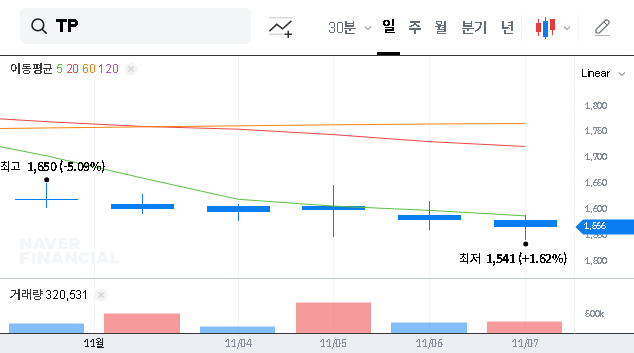
    On November 13, 2025, TP Inc. formally disclosed its plan to execute a share repurchase program. The company entered into a trust agreement with NH Investment & Securities to acquire ₩3 billion of its own shares. This figure represents a notable 3.37% of its market capitalization (approx. ₩91.4 billion at the time of announcement). The buyback is scheduled to occur over a six-month period, from November 13, 2025, to May 12, 2026. For complete transparency, you can view the Official Disclosure (DART Report).

    What Is a Share Buyback and Why Does It Matter?

    A share buyback, or stock repurchase, is a corporate action where a company buys back its own shares from the marketplace. This reduces the number of outstanding shares, which can have several positive effects:

    • Increased Earnings Per Share (EPS): With fewer shares in circulation, the company’s net income is divided among a smaller pool, mathematically increasing the EPS.
    • Signal of Confidence: It signals that management believes the stock is undervalued, expressing confidence in the company’s future prospects.
    • Shareholder Value: By creating upward pressure on the stock price and improving financial metrics, it directly aims to enhance shareholder value.

    Financial Health: The Foundation for the Buyback

    A company can only confidently execute a buyback if its financial position is strong. An analysis of TP Inc.’s Q3 FY54 report reveals a resilient and strategically managed enterprise.

    TP Inc.’s decision reflects not just a shareholder return policy, but deep-seated confidence in its diversified business model and robust financial management, even amidst challenges in its core apparel sector.

    Diversification as a Strength

    While the legacy apparel manufacturing division has faced headwinds, TP Inc. has successfully cultivated other revenue streams. Growth in its down, rentals, rice flour, and bedding segments has created a stable performance base. This diversification showcases a forward-thinking strategy to mitigate risks associated with any single market and strengthen its overall profit structure. For more on diversification strategies, see this guide from Investopedia.

    Proactive Financial Management

    The company’s financial health appears solid. Despite a slight increase in its consolidated debt ratio, TP Inc. has proactively managed its balance sheet by issuing hybrid bonds to expand its capital base. Furthermore, an improvement in operating cash flow points to strong financial flexibility and the capacity for continued investment. These are all positive indicators that the ₩3 billion buyback is a financially prudent move, not a strain on resources.

    Market Outlook and Investor Action Plan

    The TP Inc. share buyback is expected to provide a short-term boost to investor sentiment and create a floor for the TP Inc. stock price. However, long-term performance will depend on both internal execution and external macroeconomic factors.

    Navigating Macroeconomic Risks

    Investors must remain aware of broader economic trends that could affect TP Inc.’s profitability:

    • Currency & Interest Rates: A rising KRW/USD exchange rate and higher interest rates in Korea and the U.S. can increase borrowing costs and impact earnings from overseas operations.
    • Commodity Prices: As a manufacturer, fluctuations in raw material prices (e.g., oil, cotton) and logistics costs (e.g., Baltic Dry Index) can squeeze profit margins.

    A Strategic Approach for Investors

    A cautious but optimistic approach is warranted. This buyback is a positive signal, but long-term success hinges on fundamental business performance. Consider the following actions:

    • Monitor Buyback Execution: Track the progress of the share repurchase. Consistent buying demonstrates commitment.
    • Scrutinize Financial Reports: Pay close attention to upcoming quarterly reports. Look for a recovery in the apparel segment and continued growth in diversified businesses. Check out our guide on reading financial statements.
    • Adopt a Long-Term View: Base your investment thesis on the company’s ability to enhance its core competitiveness, not on short-term price movements fueled by the buyback.

    Disclaimer: This article is for informational purposes only and does not constitute investment advice. All investment decisions are the sole responsibility of the investor.

  • (402340) SK Square Share Buyback: KRW 100B Move to Boost Shareholder Value | Q3 2025 Analysis

    (402340) SK Square Share Buyback: KRW 100B Move to Boost Shareholder Value | Q3 2025 Analysis

    SK Square Co., Ltd. has made a significant move that has captured the market’s attention: a massive SK Square share buyback program valued at KRW 100 billion. Announced on November 13, 2025, this strategic decision is far more than a simple financial transaction. It’s a powerful statement about the company’s confidence in its future and a direct commitment to enhancing SK Square shareholder value. For investors, this raises critical questions: What financial strengths underpin this decision, and what does it signal for the future of SK Square stock?

    This comprehensive SK Square analysis will delve into the company’s robust Q3 2025 performance, dissect its diverse portfolio, and evaluate the macroeconomic landscape to provide a clear perspective on the implications of this major share repurchase. Whether you’re a current shareholder or considering an investment, this is the essential information you need to navigate what’s next.

    The KRW 100 Billion Commitment: A Closer Look

    Following a board resolution, SK Square officially announced its plan to acquire 310,077 of its own common shares directly from the market, an investment totaling KRW 100 billion. The stated objectives are twofold: to directly enhance shareholder returns and to secure shares for employee stock compensation programs. You can view the complete filing here: Official Disclosure (DART).

    This share buyback is a strong signal to the market of our unwavering commitment to shareholder returns and our profound confidence in the company’s long-term growth trajectory.

    Financial Underpinnings: The Solid SK Square Q3 Performance

    This bold move is backed by an impressive financial performance in the first three quarters of 2025. The company’s cumulative results demonstrate significant year-over-year profit growth and a marked improvement in financial stability.

    Key Q3 2025 Cumulative Financials:

    • Operating Revenue: KRW 1,217.29 billion
    • Operating Profit: KRW 569.89 billion
    • Net Profit: KRW 554.17 billion
    • Debt Ratio: A healthy 9.60%, showcasing improved financial soundness.

    A significant portion of this success is attributed to the stellar performance of portfolio cornerstone SK Hynix, which is capitalizing on the booming AI semiconductor market. This strong financial position provides the necessary cash flow to execute the share buyback without compromising operational investments.

    Portfolio Analysis: A Mixed Bag of Results

    SK Square’s strength lies in its diverse portfolio, though performance varies across its subsidiaries. Understanding these dynamics is key to a complete SK Square analysis.

    Highlights and Headwinds:

    • SK Hynix: Continues to be the primary profit driver, benefiting from high demand in the AI sector. For more details, you can read our deep dive into SK Hynix’s AI dominance.
    • TMAP Mobility: Despite an operating loss, its growth as a data-driven AI mobility platform is promising, with its Data & Solutions segment growing over 45%.
    • 11st & One Store: These platforms face significant profitability challenges due to fierce competition in the e-commerce and app store markets, respectively. Turning these businesses around remains a key structural challenge.

    Ripple Effects of the SK Square Share Buyback

    A share buyback, also known as a share repurchase, is when a company buys its own outstanding shares to reduce the number of shares available on the open market. According to authoritative financial sources, this action typically has several positive effects.

    Immediate Market Impact:

    • Increased Earnings Per Share (EPS): With fewer shares outstanding, the company’s earnings per share automatically increase, making the stock appear more valuable.
    • Stock Price Support: The act of buying creates demand, which can support the stock price and provide a buffer against market downturns.
    • Improved Investor Sentiment: It signals that management believes the stock is undervalued and is confident in the company’s financial health, boosting investor trust.

    Investor Outlook and Strategic Considerations

    The SK Square share buyback is a clear positive catalyst for the stock in the short term. It provides price support and reinforces a narrative of financial strength and shareholder-friendly management. However, long-term investors must look beyond this immediate boost.

    The ultimate appreciation of SK Square stock will depend on the company’s ability to solve its structural challenges. This includes successfully navigating the intense competition faced by 11st and One Store, identifying new growth engines, and continuing to wisely manage its investment portfolio amidst fluctuating macroeconomic conditions like interest rates and currency exchange rates.

    In conclusion, while the KRW 100 billion buyback provides a strong tailwind, prudent investors should continue to monitor the fundamental performance of SK Square’s core and developing subsidiaries as the true measure of its enduring value.

    Disclaimer: This article is for informational purposes only and is based on publicly available information. It does not constitute financial advice. Investment decisions should be made based on an individual’s own judgment and thorough research.

    (402340) SK Square Share Buyback: KRW 100B Move to Boost Shareholder Value | Q3 2025 Analysis 관련 이미지
  • (402340) SK Square Share Buyback: A KRW 100B Strategy for Shareholder Value

    (402340) SK Square Share Buyback: A KRW 100B Strategy for Shareholder Value

    SK Square has made a significant market announcement regarding a KRW 100 billion SK Square share buyback, a strategic move designed to bolster stock prices, enhance shareholder value, and incentivize employees. This decision signals strong confidence from management and has caught the attention of investors. But what does this massive capital allocation truly mean for the company’s trajectory and for those holding its stock? This comprehensive analysis will explore the intricate details behind the decision, from the company’s financial fundamentals to the turbulent market conditions and the long-term investment outlook.

    The Landmark Announcement: A KRW 100 Billion Commitment

    On November 13, 2025, SK Square officially disclosed its plan to acquire KRW 100 billion of its own shares. The stated purpose is twofold: to directly increase shareholder value and to fund employee stock compensation programs. This isn’t merely a financial transaction; it’s a powerful statement from the investment-focused company about its commitment to its own valuation and fostering shared growth with its stakeholders. For official confirmation, you can view the Official Disclosure on DART.

    A share buyback, also known as a share repurchase, is a crucial corporate action. By reducing the number of shares outstanding, a company can increase its earnings per share (EPS), often leading to a higher stock price. It’s a direct way to return value to shareholders. For more on this, see this comprehensive guide from Investopedia.

    Why Now? Analyzing the Financial and Market Context

    Robust Fundamentals: A Look at SK Square’s Financial Health

    This bold move is underpinned by SK Square’s solid financial foundation. The key consolidated financial indicators for Q3 2025 paint a picture of strength despite some revenue headwinds:

    • Surging Operating Profit: A remarkable 151.1% year-over-year increase, reaching KRW 5,698,935 million, primarily driven by equity method gains from investments in associates.
    • Growing Asset Base: Total assets expanded by 24% to KRW 27,254,204 million, showcasing significant growth in corporate scale.
    • Rock-Solid Financial Structure: The debt-to-equity ratio remains exceptionally stable at 9.60%, indicating minimal financial risk and high solvency.

    While the core investment business remains a stable profit engine, performance across subsidiaries is mixed. Commerce platform 11st, for instance, still shows an operating loss but has achieved a crucial turnaround in its open market segment, a positive sign for future profitability. This financial stability provides the necessary firepower for the SK Square share buyback without compromising future investments.

    Navigating a Challenging Market Environment

    The decision also comes amidst significant external pressures. Persistent macroeconomic uncertainty, including recession fears and inflation, creates a volatile backdrop. Furthermore, intensified competition in e-commerce and the rapid acceleration of AI and digital transformation demand strategic agility. In this context, the share buyback can be seen as a defensive-yet-offensive move: stabilizing the SK Square stock price while signaling deep-seated confidence in its long-term strategy to navigate these challenges.

    Impact Analysis: Opportunities and Risks for Investors

    The Upside: Potential Benefits of the Buyback

    • Enhanced Per-Share Metrics: By reducing the share count, both Earnings Per Share (EPS) and Book Value Per Share (BPS) can increase, making the stock more attractive on paper.
    • Powerful Undervaluation Signal: It communicates to the market that management believes the stock is currently trading below its true intrinsic value, boosting investor confidence.
    • Increased Employee Alignment: Using repurchased shares for compensation aligns employee interests with those of shareholders, fostering a culture of long-term growth and commitment.

    Considerations and Potential Risks

    While the buyback is a net positive, a prudent investment analysis requires acknowledging potential risks. The immediate positive market reaction may not be sustainable if not supported by fundamental performance improvements in core and subsidiary businesses. A share buyback alone cannot prop up a stock price indefinitely. True, long-term shareholder value creation will depend on the performance of its portfolio companies, such as SK Hynix, and the successful turnaround of its platform businesses. You can read more about our analysis of SK Square’s portfolio companies here.

    Investment Outlook and Key Takeaways

    Our overall assessment is a cautious but optimistic ‘Neutral’. The SK Square share buyback is a clear positive catalyst, signaling financial strength and a commitment to shareholders. However, the underperformance of some subsidiaries and prevailing macroeconomic uncertainties warrant careful monitoring.

    Investors should keep a close watch on the following key areas moving forward:

    • Subsidiary Profitability: Are platforms like 11st and SK Planet demonstrating a clear path to profitability?
    • Core Investment Performance: How are major holdings like SK Hynix performing, and what new investments are being made?
    • Market Reaction Post-Buyback: Does the stock price hold its gains, or does it fade after the initial excitement?

    (402340) SK Square Share Buyback: A KRW 100B Strategy for Shareholder Value 관련 이미지
  • (002200) KOREA EXPORT PACKAGING Share Buyback: A Deep Dive Analysis for Investors

    The recent KOREA EXPORT PACKAGING share buyback announcement of 3 Billion KRW has captured the attention of investors. This strategic move, coming on the heels of a challenging semi-annual report showing decreased revenue and an operating loss, raises a critical question: Is this a genuine commitment to shareholder value enhancement or a temporary measure to boost a flagging stock price? This deep-dive analysis will dissect the announcement, explore the company’s current corporate fundamentals, and provide a clear perspective on what investors should monitor next.

    The Announcement: A 3 Billion KRW Commitment

    On November 13, 2025, KOREA EXPORT PACKAGING INDUSTRIAL CO.,LTD formally disclosed its decision to enter into a trust agreement for a share repurchase program valued at 3 billion KRW. This figure is significant, representing approximately 2.5% of its total market capitalization of 119.4 billion KRW. The stated objectives are clear: achieve stock price stabilization and bolster shareholder value. The buyback will be managed by Mirae Asset Securities over a six-month period, from November 14, 2025, to May 13, 2026. For complete transparency, investors can view the Official Disclosure (DART).

    A share buyback of this scale is often interpreted by the market as a strong signal from management that they believe the company’s stock is currently undervalued relative to its long-term intrinsic worth.

    Unpacking the Fundamentals: Why Now?

    The timing of the KOREA EXPORT PACKAGING share buyback is directly linked to the company’s recent performance, as detailed in its 69th semi-annual report. A thorough examination of these fundamentals is essential to understanding the complete picture.

    Core Business and Strategic Shifts

    The company’s primary operations are in the manufacturing and sale of corrugated base paper and boxes—a cornerstone of the logistics and e-commerce sectors. It also maintains diversified interests in real estate and waste treatment. Notably, a recent strategic pivot includes adding e-commerce retail to its business objectives, signaling a search for new growth avenues in a rapidly digitizing economy. This move, while still in its nascent stages, could provide future upside if executed effectively.

    H1 2025 Financial Performance: A Mixed Bag

    The latest financial report revealed several challenges:

    • Declining Revenue: Consolidated revenue fell by 2.97% year-on-year to 145.67 billion KRW, primarily due to falling corrugated box prices and weaker consumer demand amid an economic slowdown.
    • Operating Loss: The company posted an operating loss of 364 million KRW. This shift to a deficit was driven by the revenue decline combined with rising selling, general, and administrative (SG&A) expenses.
    • Financial Stability: On a positive note, the company’s financial health remains robust. A decrease in total liabilities led to a stable debt-to-equity ratio of just 19.74%, indicating a low level of financial risk. This provides a solid foundation from which to navigate current headwinds. For more on this, you can read our guide on understanding key financial ratios.

    Navigating External Headwinds

    The corrugated packaging industry is sensitive to macroeconomic factors. Adverse KRW/USD and KRW/EUR exchange rates can inflate the cost of imported raw materials. While there are signs of stabilizing interest rates globally, uncertainty remains a key risk. According to global economic reports, supply chain pressures and fluctuating raw material prices continue to challenge manufacturers worldwide.

    Market Impact and Investor Outlook

    The share buyback can be viewed through two lenses: the short-term market reaction and the long-term fundamental implications.

    The Bull Case: Confidence and Value Creation

    The optimistic view is that this buyback will successfully achieve stock price stabilization by creating consistent demand for the shares. It demonstrates management’s confidence in the company’s long-term prospects, particularly its integrated production system and the potential growth from e-commerce and the increasing demand for sustainable packaging. In the mid-to-long term, if coupled with genuine operational improvements, this action could lead to a significant positive re-evaluation of the stock.

    The Bear Case: A Temporary Fix?

    The primary risk is that the buyback’s effect could be short-lived if not supported by a turnaround in the company’s core profitability. If revenue continues to decline and operating margins remain negative, the capital used for the buyback might be seen as a missed opportunity for reinvestment in the business. The market will be watching closely to see if this is followed by concrete steps to cut costs and drive top-line growth.

    Action Plan for Prudent Investors

    For investors considering KOREA EXPORT PACKAGING, the share buyback is a positive signal, but due diligence is paramount. Long-term investment success will depend on tangible improvements in the company’s corporate fundamentals.

    • Monitor Buyback Execution: Track the daily and weekly progress of the share repurchase program to gauge its immediate impact on trading volume and price support.
    • Scrutinize Future Earnings: The next quarterly and semi-annual reports are critical. Look for a reversal in the operating loss and any signs of revenue growth, particularly from the new e-commerce initiatives.
    • Watch Industry Trends: Keep an eye on raw material costs (like old paper and pulp), shipping indices, and overall consumer demand, as these will directly influence the company’s profitability.

    In conclusion, the KOREA EXPORT PACKAGING share buyback is a welcome move for shareholder value enhancement in a challenging period. It provides short-term support and signals management’s optimism. However, sustainable appreciation in the company’s value will ultimately be driven by fundamental performance. Cautious and informed monitoring is the best path forward for investors.

  • (122990) WiSoL Share Buyback: In-Depth Analysis of the ₩6.5B Move & Stock Impact

    (122990) WiSoL Share Buyback: In-Depth Analysis of the ₩6.5B Move & Stock Impact

    In a significant move capturing market attention, WiSoL Co., LTD. recently announced a substantial ₩6.5 billion WiSoL share buyback and cancellation. This decision comes at a critical juncture, as the company grappled with a notable performance decline in the first half of 2025. The key question for investors is whether this action is a powerful signal of renewed commitment to enhancing shareholder value and a catalyst for a stock price rebound, or if it will prove to be a temporary boost to market sentiment without addressing core issues.

    This comprehensive analysis will explore the key details of the WiSoL share buyback, provide a thorough fundamental analysis of the company’s current health, and dissect the potential impacts on its stock price and future prospects to help investors make more informed decisions.

    Breaking Down the ₩6.5 Billion WiSoL Share Buyback

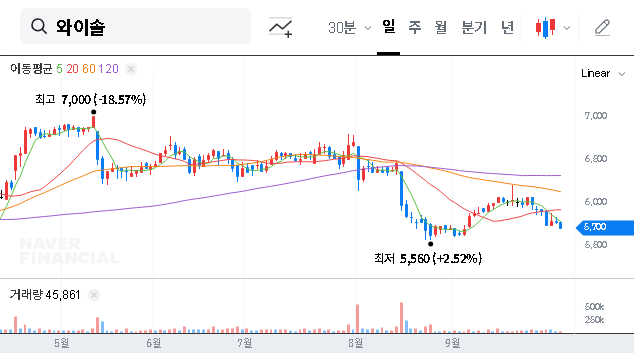
    On November 12, 2025, WiSoL Co., LTD. formally announced its decision to acquire and subsequently cancel 1,032,452 of its own common shares. This transaction is valued at approximately ₩6.5 billion, a figure that represents a significant 4.21% of its total market capitalization (₩155.8 billion at the time of announcement). According to the Official Disclosure filed with DART, the shares are scheduled to be acquired through on-market purchases by November 18, 2025, before their official cancellation. This aggressive move is often interpreted as a company’s management believing its stock is undervalued.

    WiSoL Fundamental Analysis: A Look Under the Hood

    To understand the context of the buyback, a deep dive into WiSoL’s fundamentals is crucial. WiSoL specializes in RF Front-end modules, critical components for 5G communication and smart devices. While the long-term industry trend is favorable, the company’s H1 2025 report painted a challenging picture.

    Current Financial Performance

    • Revenue & Profitability Decline: Consolidated revenue for the first half of 2025 fell by 19.9% year-on-year to ₩163.379 billion. More alarmingly, the company posted an operating loss of ₩32.558 billion, a stark indicator of deteriorating profitability.
    • Inventory Challenges: A major contributor to the losses was a significant ₩37.96 billion inventory valuation loss, suggesting issues with demand forecasting or a slowdown in the smartphone market, particularly from its Chinese subsidiary.
    • Financial Health Metrics: On a positive note, the debt-to-equity ratio improved to a healthy 12.1%. However, cash flow from operating activities saw a decrease, highlighting the operational pressures.

    Strategic Diversification and Market Environment

    WiSoL is not standing still. The company is actively diversifying into high-growth areas like automotive electronics (전장) and the NB-IoT market. Achieving the IATF16949 quality management certification is a crucial step, opening doors to supply components to major global automakers. However, macroeconomic headwinds, such as fluctuations in the KRW/USD exchange rate, continue to pose a risk for an export-reliant business like WiSoL.

    While the WiSoL share buyback is a strong vote of confidence from management, its long-term success is entirely dependent on the company’s ability to navigate short-term performance issues and execute its diversification strategy effectively.

    Implications for WiSoL Stock and Shareholder Value

    A share buyback of this magnitude has several direct and indirect consequences for investors and the market’s perception of WiSoL stock.

    The Positive Signal

    • Enhanced Per-Share Metrics: By reducing the number of outstanding shares, the buyback will automatically increase key metrics like Earnings Per Share (EPS) and Book Value Per Share (BPS), directly boosting shareholder value on paper.
    • Improved Market Sentiment: The decision demonstrates a strong commitment to shareholder returns and management’s belief in the company’s intrinsic value, which can provide a much-needed positive catalyst for investor confidence.

    Points of Caution

    While positive, the buyback’s impact must be weighed against the company’s operational reality. Critics may argue that the effect could be temporary without a fundamental turnaround in performance. The ₩6.5 billion could have been used for R&D, strategic acquisitions, or shoring up working capital. The sustainability of any stock price rally will depend on tangible business improvements, not just financial engineering. For more analysis on similar companies, you can see our report on Top 5G Component Stocks to Watch.

    Conclusion: A Long-Term Perspective is Essential

    The WiSoL share buyback is undoubtedly a positive event for shareholders in the short term. It provides a clear signal of management’s confidence and directly enhances per-share value. However, investors should view this as one piece of a much larger puzzle.

    The ultimate trajectory of WiSoL stock will be determined by its ability to resolve its inventory issues, return to profitability, and successfully expand into new markets. Therefore, a prudent investment strategy involves treating the buyback as a short-term momentum driver while closely monitoring the company’s fundamental progress in the coming quarters. Look for signs of improving operational efficiency and new contracts in their diversified business segments before committing to a long-term position.

    (122990) WiSoL Share Buyback: In-Depth Analysis of the ₩6.5B Move & Stock Impact 관련 이미지
  • (352700) CNTUS Share Buyback Analysis (2025): A Deep Dive into Stock Price Impact & Shareholder Value

    (352700) CNTUS Share Buyback Analysis (2025): A Deep Dive into Stock Price Impact & Shareholder Value

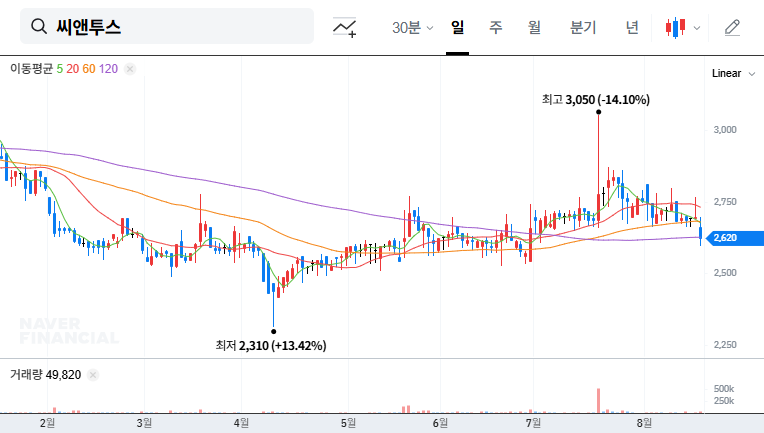
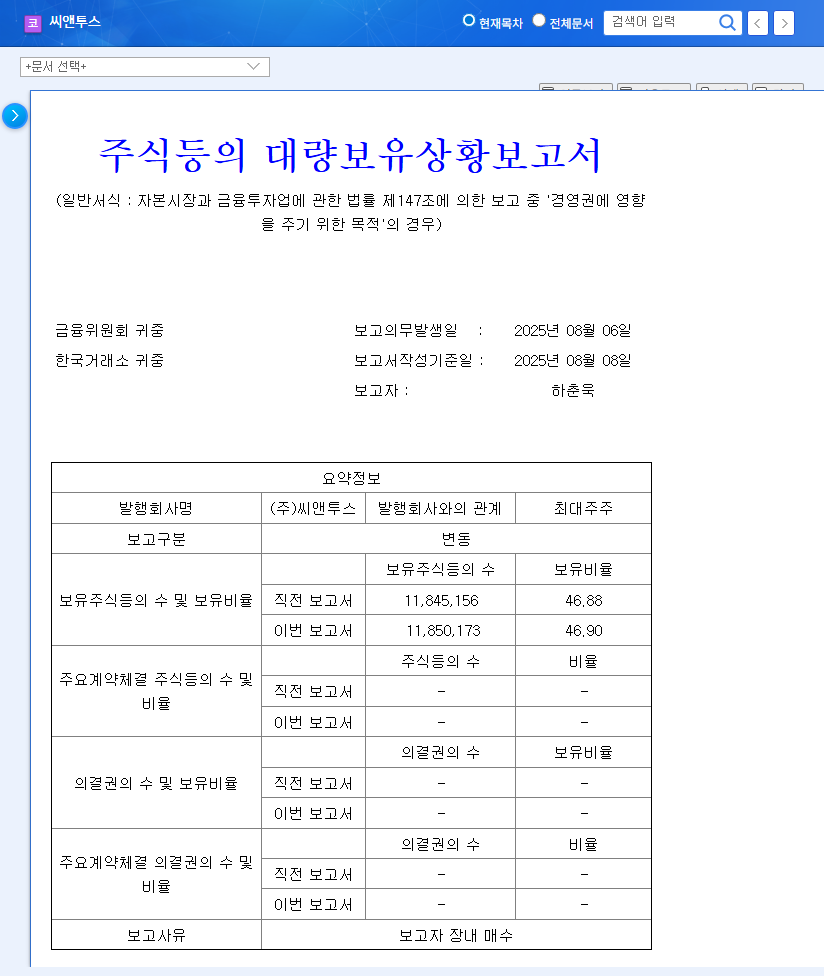
    When a company announces a major stock buyback, investors take notice. But what does it really signal? Is it a genuine vote of confidence in future growth, or a short-term maneuver to prop up a flagging stock price? This is the central question following the recent news of the CNTUS share buyback. The company, CNTUS Co., Ltd, has committed to acquiring KRW 2 billion of its own shares, a move that demands a thorough and insightful analysis. This article breaks down the announcement, dives deep into CNTUS fundamentals, evaluates the potential impact on the CNTUS stock price, and provides a clear, actionable investment strategy for current and prospective shareholders.

    The Announcement: A KRW 2 Billion Commitment to Shareholders

    On November 11, 2025, CNTUS Co., Ltd (352700) made a significant move by filing a material disclosure for the acquisition of treasury shares. This isn’t just procedural; it’s a strategic decision with clear objectives: to enhance shareholder value and stabilize the company’s stock price. The plan involves the direct acquisition of 904,977 common shares from the KOSDAQ market over a three-month period, concluding on February 10, 2026. This transparent action is detailed in the company’s Official Disclosure (DART), providing full transparency to the market. For more background on what a share repurchase entails, you can read this guide from Investopedia.

    CNTUS Fundamentals: Why a Buyback Now?

    A share buyback rarely happens in a vacuum. It is often a signal from management that they believe the market is undervaluing their company’s intrinsic worth and future prospects. To understand this move, we must examine the core CNTUS fundamentals.

    The Bull Case: Growth Engines and Financial Health

    CNTUS is not merely relying on its existing operations. The company is actively cultivating new revenue streams that could become significant growth drivers.

    • Innovative New Businesses: Aggressive expansion into high-potential sectors using flash-spun nonwovens (medical, industrial), electropositive water filters, and the high-value PLLA material localization project signal a forward-looking strategy.
    • Stable Core Operations: The company’s Air Solution and Water Solution businesses provide a reliable revenue foundation, with brand recognition and overseas expansion creating a solid buffer.
    • Strengthening Financials: Key metrics show positive momentum. A decreasing debt-to-equity ratio, a return to operating profitability, and growth in net income all point towards improved financial discipline and stability.

    The Bear Case: Potential Headwinds

    Despite the optimism, a comprehensive CNTUS investment analysis must also consider the risks that could challenge continued growth.

    • Revenue Contraction: A recent year-over-year decline in consolidated revenue puts pressure on the new business ventures to deliver results quickly.
    • Macroeconomic Volatility: The business is exposed to fluctuations in raw material prices (like polypropylene) and foreign exchange rates, which can impact margins.
    • Customer Concentration: A high dependency on a few major customers is a persistent risk, highlighting the need for strategic diversification of the client base.

    “The CNTUS share buyback is a classic management signal. They’re telling the market, ‘We believe in our long-term strategy, and we think our stock is a bargain.’ The key for investors is to determine if the company’s growth pipeline can overcome the existing revenue headwinds.”

    Investor Action Plan & Strategy

    The decision to buy back shares is a clear positive for shareholder sentiment. However, a prudent investment strategy must balance this short-term catalyst with a long-term view of the company’s performance. For a deeper look at their recent performance, you can read our full analysis of CNTUS’s Q3 earnings report.

    Recommended Investment Approach

    • Short-Term Catalyst: The buyback provides a support level for the stock and could create positive momentum. Traders might capitalize on the improved sentiment over the three-month acquisition period.
    • Long-Term Value: True, sustainable appreciation in the CNTUS stock price will be driven by results. Long-term investors should focus on execution, specifically the revenue growth from new business segments.
    • Active Risk Monitoring: Keep a close watch on the risk factors. Any significant spike in raw material costs or a failure to diversify the customer base could undermine the positive thesis.

    Frequently Asked Questions (FAQ)

    What is the primary motivation for the CNTUS share buyback?

    The main goals are to enhance shareholder value and achieve stock price stabilization. It signals management’s belief that the stock is currently undervalued and represents their commitment to returning capital to investors.

    How will the buyback affect the CNTUS stock price?

    In the short term, the buyback is expected to provide price support and improve investor sentiment by creating demand for the shares. However, long-term growth will depend on the company’s ability to execute its business strategy and deliver strong financial results.

    What are the key growth areas for CNTUS?

    CNTUS is focusing on new business segments with high growth potential, including flash-spun nonwovens for diverse industrial applications, electropositive water filters, and the localization of high-value PLLA materials. These are expected to drive future revenue and profitability.

    (352700) CNTUS Share Buyback Analysis (2025): A Deep Dive into Stock Price Impact & Shareholder Value 관련 이미지
    (352700) CNTUS Share Buyback Analysis (2025): A Deep Dive into Stock Price Impact & Shareholder Value 관련 이미지