Tag: Seoul Semiconductor

  • (092190) SEOUL VIOSYS IR 2025: A Deep-Dive Analysis for Investors | Stock & Growth Outlook

    (092190) SEOUL VIOSYS IR 2025: A Deep-Dive Analysis for Investors | Stock & Growth Outlook

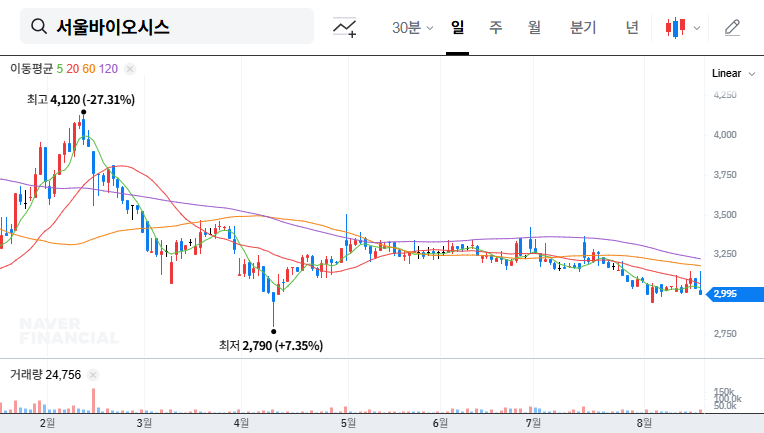
    The upcoming SEOUL VIOSYS IR conference, scheduled for November 14, 2025, is poised to be a pivotal moment for the company and its investors. In a climate of global economic uncertainty and a slowdown in IT demand, this event transcends a standard earnings report. It represents a critical juncture that will heavily influence the company’s trajectory and shape investor confidence for the foreseeable future. This comprehensive analysis will dissect the challenges, opportunities, and key performance indicators that stakeholders must monitor to make informed decisions.

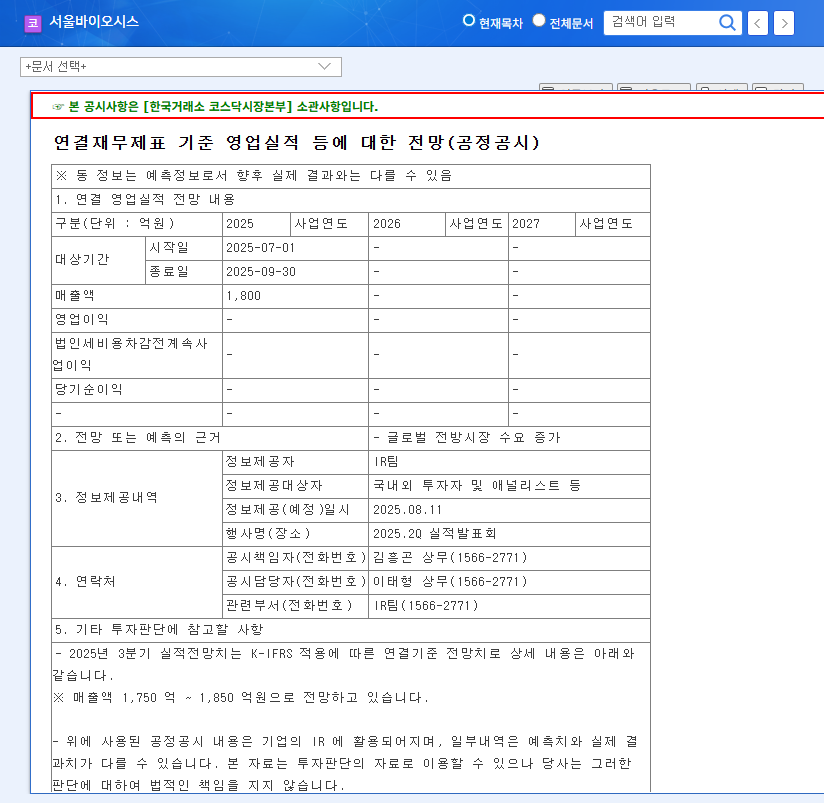
    This report draws upon publicly available data, including the company’s Official Disclosure on DART, to provide a balanced perspective on Seoul Viosys’s current standing and future prospects.

    The Dual Narrative: Challenges vs. Opportunities

    Seoul Viosys is navigating a complex market. On one hand, it faces significant headwinds from the semiconductor industry’s cyclical downturn and fierce competition. On the other, its deep-rooted technological expertise and strategic investments in next-generation technologies present a compelling case for long-term growth. Understanding this duality is key to evaluating the information presented at the upcoming SEOUL VIOSYS IR.

    Current Headwinds and Key Challenges

    Investors must acknowledge the hurdles the company is actively working to overcome. These issues will likely be central topics of discussion during the IR conference.

    • Financial Performance: A notable revenue decline and expanding operating losses in the first half of 2025 highlight the impact of the industry slump.
    • Inventory Management: A persistent high level of inventory has led to a lower turnover ratio, directly pressuring profitability and cash flow.
    • Cost Pressures: Rising non-operating financial costs, including foreign exchange losses and interest expenses, are eroding net income.
    • Macroeconomic Factors: The broader economic environment, including inflation, interest rate hikes, and geopolitical instability, continues to pose a significant risk.

    Long-Term Growth Catalysts

    Despite short-term difficulties, Seoul Viosys possesses fundamental strengths that form the basis of a bullish long-term outlook. These are the company’s core pillars of potential recovery and growth.

    • Unmatched IP Portfolio: With over 7,000 patents, the company holds a formidable competitive advantage in core technologies like WICOP and SunLike.
    • Future-Facing Technologies: Strategic investments in high-growth sectors such as Micro LED, UV LED, and VCSEL are crucial for future revenue streams. The Micro LED market, in particular, is forecasted for explosive growth in automotive displays, AR/VR devices, and luxury televisions. For more on this, see our complete guide to next-gen display technologies.
    • Strategic Synergy: A strong relationship with parent company Seoul Semiconductor and a global R&D network provide a stable foundation for innovation and market access.

    The central question for investors is not whether Seoul Viosys has potential, but when and how that potential will translate into tangible financial performance. This IR is the first major opportunity to find concrete answers.

    Investor Checklist: Key Questions for the SEOUL VIOSYS IR

    Astute investors should approach the IR call with a clear set of questions. The quality of the management’s answers will be telling. Focus on data-driven responses over vague promises. A deep understanding of key financial metrics is essential for this analysis.

    • Q3 Performance & Q4 Outlook: Beyond the headline numbers, what are the underlying drivers? Is the Q4 revenue outlook conservative or optimistic, and what are the justifications?
    • New Business Roadmap: Request specific timelines, target markets, and estimated revenue contribution for Micro LED, UV LED, and VCSEL. When will these ventures become meaningful contributors to the bottom line?
    • Operational Efficiency Plan: What concrete steps are being taken to reduce the inventory burden, cut non-operating costs, and improve overall financial health?
    • Macroeconomic Strategy: How is the company hedging against currency fluctuations and preparing for a prolonged high-interest-rate environment?

    Investment Outlook: The Bull vs. Bear Case

    The Bull Case (Optimistic Scenario)

    If the SEOUL VIOSYS IR delivers better-than-expected Q3 results, a strong Q4 forecast, and a clear, aggressive roadmap for new business monetization, investor confidence could be significantly restored. This could trigger a stock price rebound as the market begins to price in future growth from Micro LED and other ventures, seeing the current valuation as an attractive entry point.

    The Bear Case (Pessimistic Scenario)

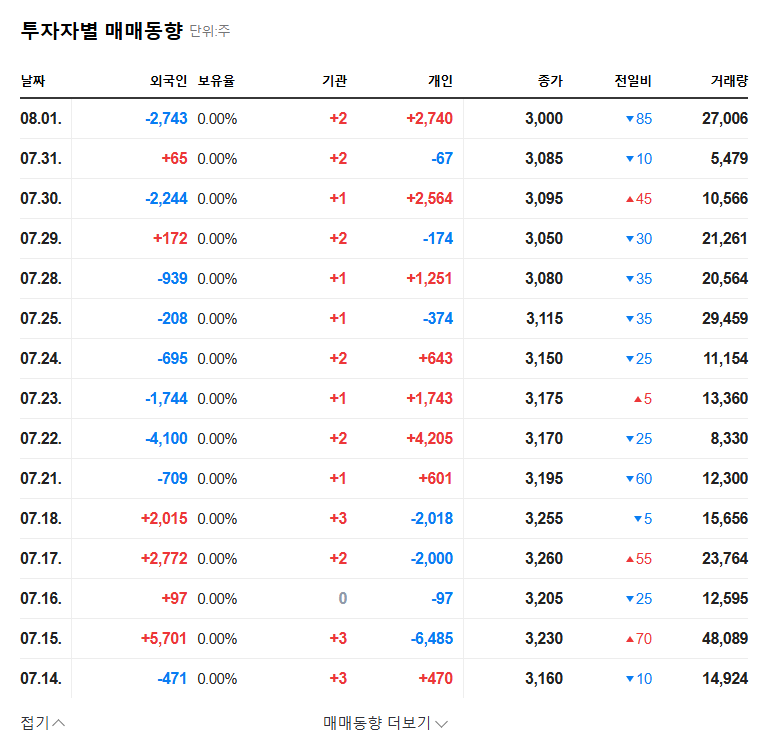
    Conversely, if Q3 results miss expectations, the Q4 outlook is weak, and the new business strategy remains vague, it could deepen concerns about the company’s ability to navigate the downturn. This would likely lead to further downward pressure on the Seoul Viosys stock as investors lose patience waiting for a turnaround.

    Conclusion and Final Thoughts

    The SEOUL VIOSYS IR on November 14, 2025, is more than a quarterly update; it’s a litmus test for the company’s resilience and strategic vision. While short-term stock volatility is almost certain, long-term investors should focus on whether management presents a credible plan to bridge the gap between its current performance and its vast technological potential. Careful, critical analysis of the information presented will be paramount for any Seoul Viosys investment decision.
    (092190) SEOUL VIOSYS IR 2025: A Deep-Dive Analysis for Investors | Stock & Growth Outlook 관련 이미지
    (092190) SEOUL VIOSYS IR 2025: A Deep-Dive Analysis for Investors | Stock & Growth Outlook 관련 이미지
  • Seoul Semiconductor’s Q2 2025 Earnings Shock: Analysis and Outlook for Investors

    1. What Happened?

    Seoul Semiconductor reported preliminary Q2 2025 results with revenue of KRW 251.5 billion (-6% YoY), operating loss of KRW 7.8 billion (turning to a loss), and net loss of KRW 24.7 billion (turning to a loss). These figures fell significantly short of market expectations, resulting in an earnings shock.

    2. Why Did This Happen?

    The main reasons for the decline in performance include decreased sales, increased selling, general and administrative expenses (SG&A), and increased financial expenses. The rise in the KRW/USD exchange rate also had a negative impact. Notably, both operating and net income turned to losses, significantly below expectations.

    3. What’s Next?

    Short-Term Outlook:

    • The earnings shock and weakened investor sentiment are expected to put downward pressure on the stock price.
    • Concerns about exchange rate volatility and financial soundness are likely to persist.

    Long-Term Outlook:

    • The company’s solid technology and patent portfolio still offer long-term growth potential.
    • The stock price decline could present an attractive entry point for long-term investors (provided earnings recover).

    4. What Should Investors Do?

    Short-term Investors: Caution is advised before increasing investment. It’s best to make investment decisions after confirming the trend of earnings improvement.

    Long-term Investors: If you believe in Seoul Semiconductor’s technology and growth potential, the current stock price decline could be seen as a buying opportunity. However, it’s crucial to monitor the earnings turnaround in the second half of 2025 and beyond. Closely monitor key indicators such as exchange rate trends, R&D investment performance, earnings improvement in the second half, and valuation in case of a stock price decline.

    Frequently Asked Questions

    What are the main reasons for Seoul Semiconductor’s poor performance in Q2 2025?

    The main reasons are decreased sales, increased SG&A expenses, increased financial expenses, and the rise in the KRW/USD exchange rate.

    Should I invest in Seoul Semiconductor?

    Short-term investors should exercise caution, while long-term investors should consider investing after confirming earnings recovery. While the company’s technology and growth potential are valid, the current uncertainties should be considered.

    What is the outlook for Seoul Semiconductor’s stock price?

    Negative impacts are expected to dominate in the short term, but the stock’s direction will depend on earnings recovery in the long term. Continuous monitoring of key indicators is important.

  • Seoul Semiconductor H1 2025 Earnings: Continued Losses, But Future Growth Potential?

    1. Seoul Semiconductor H1 2025 Earnings: Key Highlights

    Seoul Semiconductor reported revenue of KRW 251.5 billion, an operating loss of KRW 7.8 billion, and a net loss of KRW 24.7 billion for H1 2025. Despite exceeding revenue expectations, the company remained unprofitable, failing to maintain the momentum from its Q4 2024 return to profitability.

    2. Reasons for the Weak Performance: Macroeconomic and Industry Headwinds

    The global economic downturn and weakening demand in the LED industry are the primary culprits behind Seoul Semiconductor’s struggles. Declining demand across IT, automotive, and lighting markets, coupled with intensifying competition, has significantly impacted profitability. The LED industry, in particular, faces heightened short-term uncertainty.

    3. Future Growth Drivers: Next-Gen Technologies and Market Expansion

    However, the future isn’t entirely bleak for Seoul Semiconductor. Its differentiated technologies, such as WICOP and SunLike, provide a competitive edge in emerging markets like Mini LED, Micro LED, and automotive headlamps. Furthermore, growth in the automotive LED market and increasing demand for health-focused and eco-friendly lighting present new opportunities.

    4. Investment Strategy: A Wait-and-See Approach with Close Monitoring

    The current stock price reflects the recent weak performance. Given the macroeconomic uncertainty and intensified industry competition, a wait-and-see approach is recommended, with close monitoring of performance improvements and new business developments. The visibility of success in the automotive and high-end lighting markets will be crucial for investment decisions. Investors should closely monitor the company’s IR activities and upcoming quarterly earnings releases.

    How did Seoul Semiconductor perform in H1 2025?

    Seoul Semiconductor reported revenue of KRW 251.5 billion, an operating loss of KRW 7.8 billion, and a net loss of KRW 24.7 billion in the first half of 2025. The company experienced declining sales and continued losses compared to the same period last year.

    What are the reasons for the weak performance?

    The global economic downturn, weakening demand in the LED industry, and intensifying competition are considered the primary factors contributing to the weak performance. Declining demand across IT, automotive, and lighting markets has negatively impacted the company’s results.

    What is the future growth potential of Seoul Semiconductor?

    Seoul Semiconductor has growth potential in emerging markets like Mini LED, Micro LED, and automotive headlamps, driven by its differentiated technologies such as WICOP and SunLike. Growth in the automotive LED market and increasing demand for health-focused and eco-friendly lighting are also positive factors.

    What investment strategy should investors consider?

    Given the current stock price reflects the recent weak performance, a wait-and-see approach is recommended, with close monitoring of performance improvements and new business developments. The visibility of success in the automotive and high-end lighting markets should be a key factor in investment decisions.

  • Seoul Semiconductor (092190) Q2 2025 Earnings Analysis: Continued Losses, Future Growth Potential Key

    1. Seoul Semiconductor’s Q2 Performance: What Happened?

    Seoul Semiconductor’s Q2 2025 revenue reached ₩188.1 billion, a 0.1% decrease YoY but a 12.1% increase QoQ. However, operating income remained negative at ₩-0.9 billion, with net income also showing a loss at ₩-3.6 billion.

    2. Reasons for Underperformance: Why the Continued Losses?

    The main factors contributing to the operating loss are high financial costs and increased selling, general, and administrative expenses. Declining revenue trends and a lack of tangible returns on R&D investment are also contributing factors.

    3. Future Growth Drivers and Opportunities: Is There Potential for a Rebound?

    • Continued investment in future growth drivers like Micro LED, UV LED, and VCSEL.
    • Leading market share in the UV LED market and strong technological competitiveness.
    • Potential for synergy with related companies.

    4. Action Plan for Investors: What Should You Do?

    In the short term, investors should be aware of potential stock price volatility due to weak earnings. A long-term perspective requires careful monitoring of profitability improvements, financial stabilization, and new business performance to formulate an effective investment strategy.

    Frequently Asked Questions

    What are Seoul Semiconductor’s main businesses?

    Seoul Semiconductor specializes in LED chips, developing and manufacturing various products from general lighting LEDs to UV LEDs, Micro LEDs, and VCSELs.

    What are the main reasons for the poor Q2 performance?

    High financial costs, increased SG&A expenses, and a lack of tangible returns on R&D investments are the primary factors behind the weak performance.

    What are Seoul Semiconductor’s future growth drivers?

    Micro LED, UV LED, and VCSEL businesses are considered key future growth drivers, with high growth potential anticipated in the Micro LED market.

  • Seoul Semiconductor Forecasts Q3 2025 Revenue Rebound: Profitability Remains Uncertain

    1. Seoul Semiconductor’s Q3 2025 Earnings Announcement: Key Highlights

    On August 12, 2025, Seoul Semiconductor projected revenue of KRW 260 billion for Q3. This represents an 8.7% increase compared to Q1’s KRW 239.2 billion. However, both operating and net income figures remain undisclosed.

    2. Positive vs. Negative Factors: A Balanced Analysis

    Positive Factors:

    • – Potential for a second consecutive quarter of revenue growth

    Negative Factors:

    • – Uncertainty due to undisclosed operating profit
    • – Continued operating losses in Q1
    • – External headwinds such as high interest rates, inflation, and intensified competition in the LED market

    3. Key Checklist for Investors: Building an Investment Strategy

    Short-Term Investment Strategy:

    • – Make investment decisions after confirming the Q3 earnings release
    • – Prepare for potential increased stock price volatility

    Mid- to Long-Term Investment Strategy:

    • – Confirm whether operating profit turns positive
    • – Monitor the commercialization of next-generation technologies and their contribution to profitability
    • – Consider a dollar-cost averaging strategy in case of stock price decline

    4. Future Outlook: What’s Next for Seoul Semiconductor?

    Seoul Semiconductor’s future hinges on achieving operating profit in Q3, successfully commercializing its next-generation technologies, and navigating the changing macroeconomic environment. Investors should consider these factors comprehensively to make informed investment decisions.

    Frequently Asked Questions

    What is Seoul Semiconductor’s projected revenue for Q3 2025?

    KRW 260 Billion.

    Has the operating profit forecast been released?

    No, the operating profit forecast was not provided in this announcement.

    What are the key points to consider when investing?

    Key considerations include whether the company achieves operating profit, successful commercialization of next-generation technologies, and changes in the macroeconomic environment. It’s important to be mindful of potential short-term stock price volatility and make careful investment decisions.

  • Seoul Semiconductor Stock Forecast: Q1 2025 Earnings Analysis and Investment Strategy

    1. Seoul Semiconductor Q1 2025 Earnings Analysis: Revenue Growth, But Widening Losses

    Seoul Semiconductor reported consolidated revenue of KRW 167.8 billion in Q1 2025, a 13.6% increase year-over-year. However, the company’s operating loss widened to KRW 13.1 billion, primarily attributed to a slump in the LED manufacturing segment.

    2. Reasons for Underperformance: Intensifying LED Market Competition and Profitability Decline

    The underperformance is mainly due to intensifying competition in the LED market and rising raw material costs, leading to decreased profitability. While the Visible LED division is striving to expand market share, the growth in the UV LED segment alone is insufficient to improve overall performance. Investments in future technologies like Micro LED and VCSEL continue, but tangible results are yet to be seen.

    3. Stock Forecast and Investment Strategy: Short-term Decline Likely, Long-term Growth Potential

    In the short term, downward pressure on the stock price is expected due to the widening operating loss and continued decline in sales. However, in the long term, the commercialization of future technologies such as Micro LED and VCSEL will be key to a stock rebound. Investors should closely monitor the company’s profitability improvement strategies and new technology development progress.

    4. Investor Action Plan: Cautious Approach and Continuous Monitoring Required

    • Short-term investors: A cautious approach is necessary until signs of improved earnings and a stock rebound are confirmed.
    • Long-term investors: Continuously monitor the progress of future technology development and changes in market competitiveness.
    Q: What was Seoul Semiconductor’s operating income in Q1 2025?

    A: Seoul Semiconductor recorded an operating loss of KRW 13.1 billion in Q1 2025.

    Q: What is Seoul Semiconductor’s main business?

    A: Seoul Semiconductor is an LED specialized company that develops and manufactures Visible LEDs, UV LEDs, Micro LEDs, and VCSELs.

    Q: What is the outlook for Seoul Semiconductor’s stock price?

    A: Negative in the short term, but it has growth potential in the long term depending on future technology development and business competitiveness enhancement.

  • Seoul Semiconductor’s Q3 2025 Outlook: A Mixed Bag of Growth and Uncertainty

    1. Seoul Semiconductor’s Q3 2025 Outlook: What Happened?

    Seoul Semiconductor forecasts consolidated revenue of KRW 180 billion for Q3 2025, a 7.2% increase compared to Q1 2025. However, the company did not provide guidance for operating or net income.

    2. Reading Between the Lines: Why No Profit Guidance?

    The lack of operating profit guidance, following a KRW 13.1 billion operating loss in Q1, suggests uncertainty about Seoul Semiconductor’s ability to improve profitability. Rising raw material prices, high interest rates, and a challenging macroeconomic environment could continue to pressure margins.

    3. Investor Implications: What Does This Mean for You?

    While the sales growth projection is positive, investors should proceed with caution given the unclear profitability outlook. A thorough review of Q3 earnings, including operating and net income, cost control measures, and new business performance, is crucial before making investment decisions.

    4. Investment Action Plan

    • Short-term investors: Remain cautious until the Q3 earnings release, then assess profitability indicators before investing.
    • Long-term investors: Continuously monitor UV LED market growth, new business success, and cost management and profitability improvement trends.

    Frequently Asked Questions

    What is Seoul Semiconductor’s sales forecast for Q3 2025?

    Seoul Semiconductor projects consolidated revenue of KRW 180 billion for Q3 2025.

    Why wasn’t operating profit guidance provided?

    The lack of guidance likely reflects uncertainty about the company’s ability to improve profitability following a loss in Q1.

    What should investors consider?

    While sales growth is positive, investors should carefully assess profitability before making decisions. Review Q3 earnings, including operating and net income, cost controls, and new business performance.

  • Seoul Semiconductor Q3 Earnings Plunge: What to Expect from the Upcoming IR?

    1. Seoul Semiconductor’s Q3 Earnings: A Deep Dive

    Seoul Semiconductor reported KRW 447.6 billion in revenue, an operating loss of KRW 20.6 billion, and a net loss of KRW 25.7 billion for Q3 2025. Revenue plummeted by over 70% year-over-year, with losses widening significantly.

    2. Unpacking the Factors Behind the Earnings Decline

    The primary drivers of this downturn are the global economic slowdown and the automotive market slump, leading to decreased demand for automotive LED headlamps. Rising raw material prices and labor costs also contributed to the deteriorating profitability. External factors such as the strong Korean Won and rising interest rates further exacerbated the negative impact.

    3. Key Takeaways from the August 12th IR

    The August 12th IR will provide explanations for the Q3 underperformance and outline the company’s future recovery strategy. Investors should pay close attention to the concrete action plans for addressing the automotive market downturn, cost reduction measures, and new market development. Positive guidance and feasible plans exceeding market expectations could create upward momentum for the stock.

    4. Investor Action Plan: Navigating the Uncertainty

    Investors should carefully evaluate the information presented at the IR and conduct further analysis, including competitor performance, market share analysis, and in-depth financial statement review, to inform their investment decisions. Focusing on the company’s long-term fundamentals and growth potential, rather than short-term stock price fluctuations, is crucial.

    Frequently Asked Questions

    What are the main reasons for Seoul Semiconductor’s poor Q3 performance?

    The global economic slowdown, the automotive market downturn leading to reduced demand for automotive LED headlamps, and rising raw material prices are the key factors.

    What should investors focus on during the August 12th IR?

    Investors should pay attention to the explanations for the Q3 underperformance and the company’s future recovery strategy, including plans to address the automotive market challenges, cost reduction measures, and new market development.

    What actions should investors take?

    Investors should carefully evaluate the information from the IR and conduct further analysis to make informed investment decisions based on the company’s long-term fundamentals and growth potential.