Tag: Semiconductor Design

  • (432720) QUALITAS SEMICONDUCTOR’s ₩1B IP License Deal in Europe: An Investor’s Deep Dive

    (432720) QUALITAS SEMICONDUCTOR’s ₩1B IP License Deal in Europe: An Investor’s Deep Dive

    The semiconductor industry is buzzing as QUALITAS SEMICONDUCTOR CO., LTD., a leader in cutting-edge semiconductor Intellectual Property (IP), announces a monumental ₩1 billion IP license contract, marking its strategic entry into the European market. This deal is far more than a revenue boost; it serves as a powerful validation of the company’s advanced technology and lays a critical foundation for future global growth. But what does this mean for investors and the company’s long-term valuation?

    This comprehensive analysis will dissect the contract’s details, explore the strategic implications for the Qualitas Semiconductor stock, and weigh the promising outlook against the company’s current financial challenges to provide a balanced perspective for informed investment decisions.

    The European Breakthrough: Deconstructing the ₩1 Billion Deal

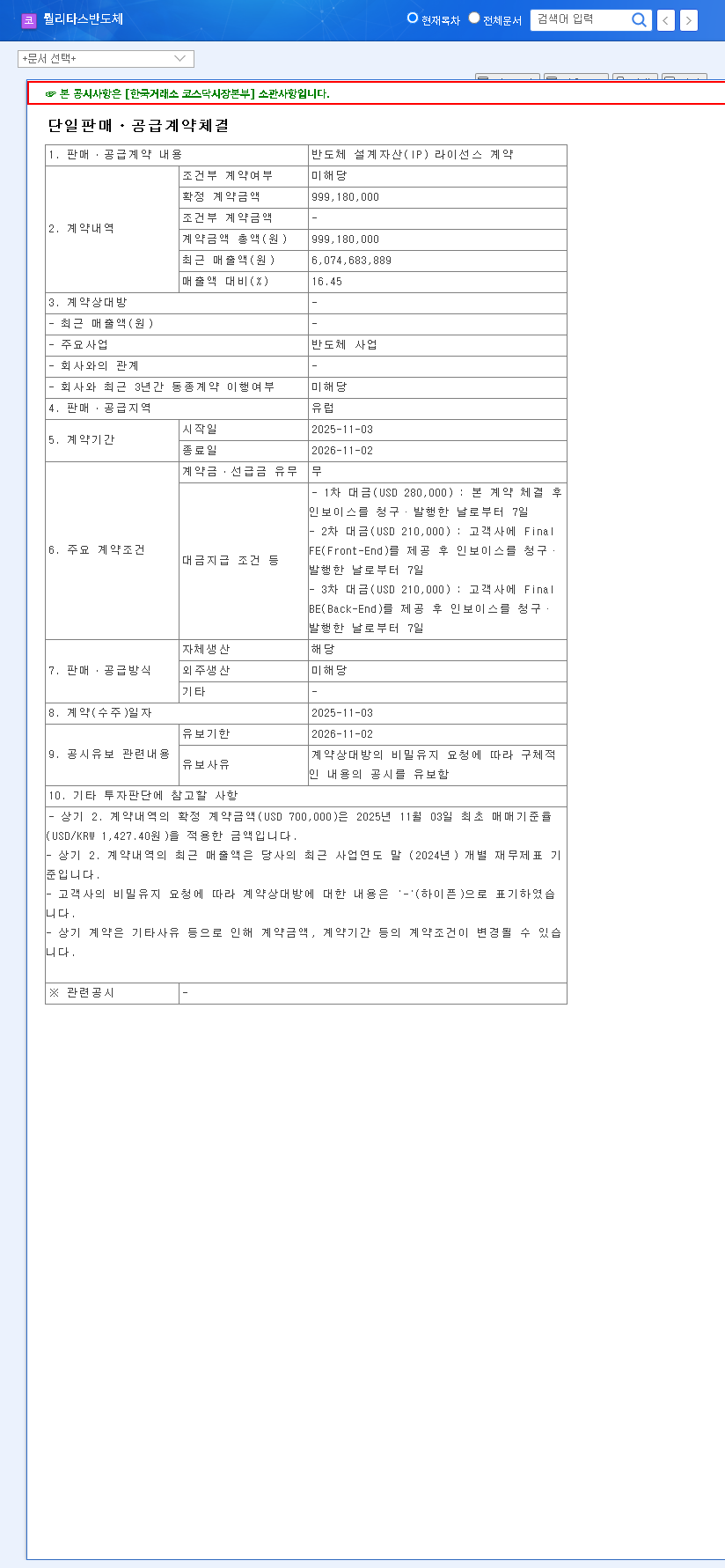
    On November 4, 2025, QUALITAS SEMICONDUCTOR formally announced a significant semiconductor IP license contract valued at ₩1 billion (approximately $750,000 USD) with an as-yet-undisclosed company in Europe. According to the Official Disclosure, the agreement is valid for one year, from November 3, 2025, to November 2, 2026. The magnitude of this single contract cannot be overstated, representing approximately 35.8% of the company’s entire revenue from the first half of 2025.

    Key Contract Details:

    • Contract Type: Single Sale/Supply Contract (Semiconductor IP License)
    • Contract Value: ₩1,000,000,000 KRW
    • Supply Region: Europe
    • Contract Period: Nov 3, 2025 – Nov 2, 2026

    Core Technology & Strategic Impact

    This deal is a victory for QUALITAS SEMICONDUCTOR’s technological prowess. The company specializes in high-speed interconnect IP licensing, which is the critical technology that allows different components within a chip or system to communicate at lightning-fast speeds. This is the digital backbone for high-growth industries like Artificial Intelligence (AI), High-Performance Computing (HPC), and data centers. Their portfolio, featuring standards like MIPI, PCIe, and the emerging Universal Chiplet Interconnect Express (UCIe), positions them at the forefront of innovation.

    Securing a major IP license agreement in the competitive European market is a clear validation of a company’s technology. It signals to investors that the R&D investment is translating into commercially viable and globally recognized products.

    Why the European Market Matters

    Entering the European semiconductor market is a strategic masterstroke. Beyond simple revenue diversification, it opens doors to the region’s massive automotive, industrial, and telecommunications sectors, all of which are undergoing rapid digital transformation. This foothold serves as a launchpad for future IP sales and design service opportunities, reducing the company’s reliance on a concentrated client base.

    The Investor’s Dilemma: Growth vs. Profitability

    Despite the celebratory news, a prudent investor must examine the full financial picture. As of H1 2025, QUALITAS SEMICONDUCTOR reported revenue of ₩2.795 billion but posted an operating loss of ₩11.415 billion. This persistent deficit is largely driven by an aggressive R&D expenditure, which sits at a staggering 421.40% of revenue. While this heavy investment is crucial for maintaining a technological edge in the fast-evolving semiconductor space, it creates a significant drag on short-term profitability.

    A single ₩1 billion contract, while significant, is not a silver bullet for these accumulated losses. The path to profitability will require a series of such wins. Investors should also be mindful of macroeconomic headwinds, such as the global semiconductor market’s recovery pace and currency fluctuations, which are explored in reports from authorities like the Semiconductor Industry Association (SIA).

    Frequently Asked Questions (FAQ)

    What does QUALITAS SEMICONDUCTOR specialize in?

    QUALITAS SEMICONDUCTOR is a specialized semiconductor Intellectual Property (IP) company. They design and license high-speed interconnect technology (e.g., MIPI, PCIe, UCIe) that enables rapid data transfer in advanced electronics for AI, HPC, and automotive applications.

    How significant is this new European contract?

    The ₩1 billion IP license contract is highly significant. It represents about 35.8% of the company’s revenue from the first half of 2025, provides a crucial entry into the strategic European market, and validates the commercial appeal of its technology on a global stage.

    What are the main risks for Qualitas Semiconductor stock investors?

    The primary risk is the company’s current lack of profitability due to high R&D spending. While this new contract is a positive step, sustained revenue growth from multiple new contracts is needed to overcome the operating losses. Investors should monitor the company’s ability to convert its technological lead into consistent financial performance.

    What should investors watch for next?

    Key monitoring points include:

    • Disclosure of the European partner’s identity and potential for follow-on deals.
    • The pace of securing additional contracts in Europe and other new markets.
    • Quarterly financial reports showing a clear trend towards profitability.
    • Progress on turning its R&D investment into tangible, profitable revenue streams.
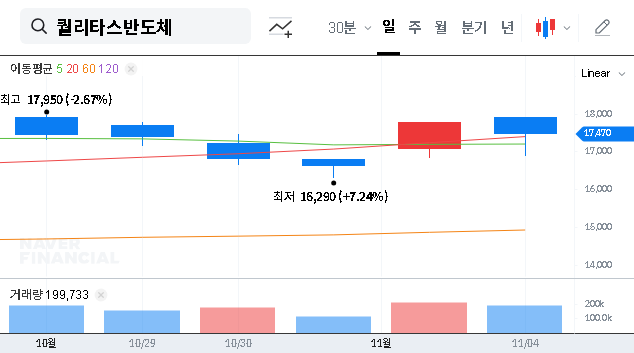
    (432720) QUALITAS SEMICONDUCTOR's ₩1B IP License Deal in Europe: An Investor's Deep Dive 관련 이미지
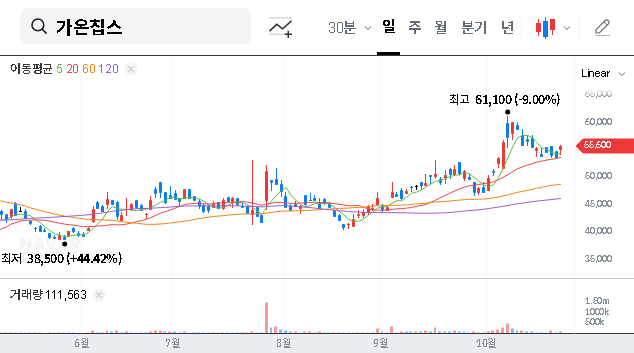
  • (399720) GAONCHIPS Stock Analysis: Deep Dive into the ₩31.8B ASIC Design Contract

    (399720) GAONCHIPS Stock Analysis: Deep Dive into the ₩31.8B ASIC Design Contract

    In a significant development for the semiconductor industry, GAONCHIPS, a premier custom semiconductor (ASIC) design house, has announced a monumental contract valued at ₩31.8 billion. This deal not only underscores the company’s technical leadership in ASIC design but also provides a clear roadmap for its growth trajectory. For investors evaluating GAONCHIPS stock, this news represents a critical inflection point. This comprehensive analysis will explore the contract’s details, its profound impact on GAONCHIPS’s fundamentals, and the strategic investment outlook.

    The Landmark Deal: Deconstructing the ₩31.8 Billion Contract

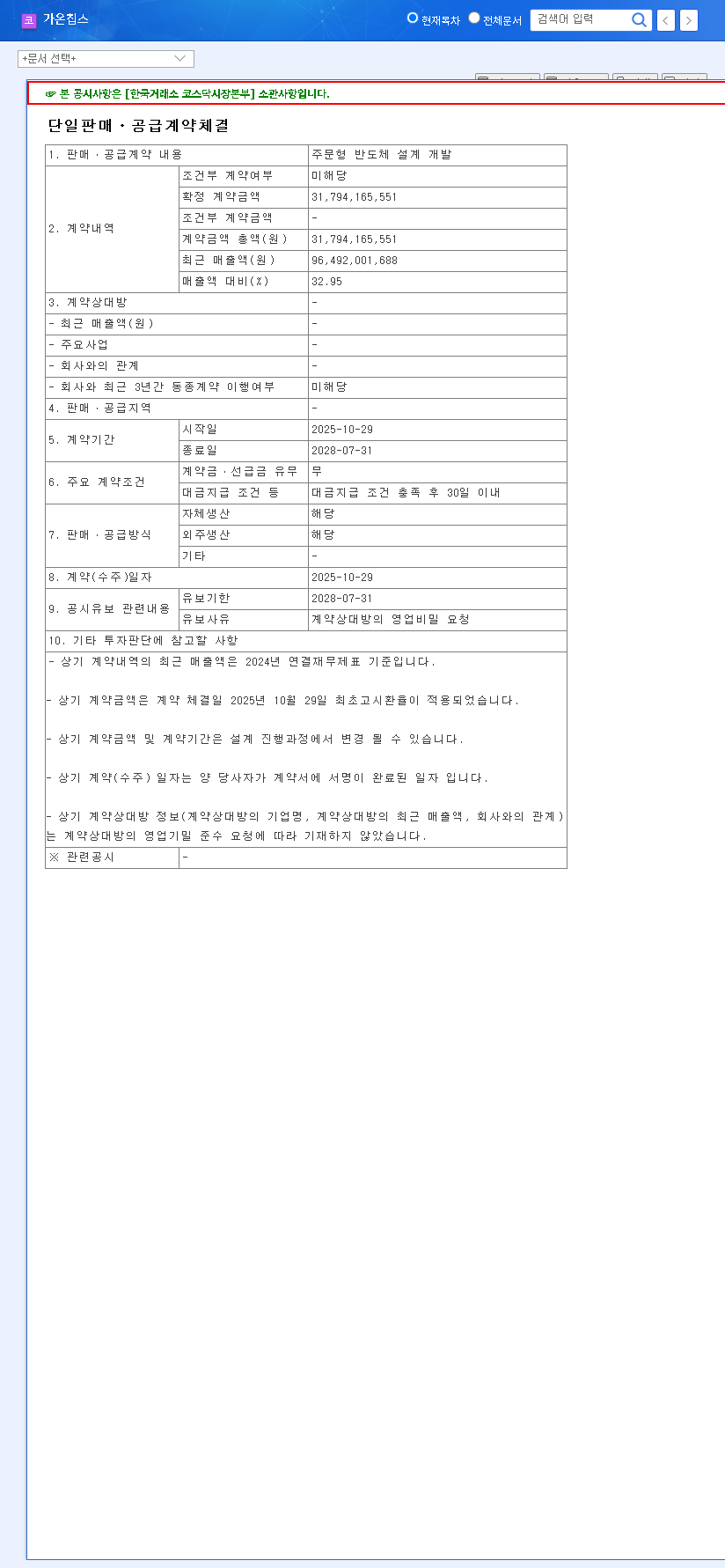
    On October 29, 2025, GAONCHIPS formalized a semiconductor contract for custom ASIC design and development worth ₩31.8 billion. As confirmed by the Official Disclosure on DART, this is not a short-term project. The engagement spans nearly three years, from October 2025 to July 2028, providing exceptional long-term revenue visibility.

    To put the scale into perspective, this single contract represents an astounding 32.95% of the company’s entire 2024 revenue. This immediately establishes a stable foundation for growth and significantly de-risks future revenue projections. While the client remains confidential, the sheer magnitude of the deal signals a partnership with a major player in the tech industry, further validating GAONCHIPS’s market position.

    This contract is more than just a revenue boost; it’s a powerful endorsement of GAONCHIPS’s elite capabilities in the highly competitive and complex world of custom ASIC design.

    Why This is a Game-Changer for GAONCHIPS

    The strategic implications of this deal extend far beyond the balance sheet. It is set to catalyze growth and reinforce the company’s fundamentals in several critical areas.

    A Testament to Technical Excellence in ASIC Design

    Securing a contract of this size is a direct reflection of GAONCHIPS’s technological prowess. The global ASIC market is fiercely competitive, with clients demanding cutting-edge performance, power efficiency, and reliability. This win serves as undeniable proof that GAONCHIPS can deliver complex, high-value solutions, setting a powerful precedent for attracting other Tier-1 clients.

    Fortifying Revenue & Long-Term Stability

    The multi-year nature of this semiconductor contract provides a robust and predictable revenue stream. This stability is invaluable, allowing the company to confidently invest in R&D, talent acquisition, and infrastructure. For investors, this reduces volatility and strengthens the long-term financial model, making the GAONCHIPS stock a more compelling proposition.

    Strategic Diversification and Market Expansion

    While GAONCHIPS has strong existing client relationships, this deal likely signifies either a major expansion with a current partner or the addition of a new anchor client. Both scenarios are positive, as they contribute to revenue diversification and reduce dependency on a small number of customers, thereby mitigating concentration risk.

    Investment Thesis: Analyzing the GAONCHIPS Opportunity

    From an investment perspective, this contract significantly strengthens the bull case for GAONCHIPS. The company is not just executing; it’s accelerating its growth against a backdrop of favorable market trends.

    • Accelerated Financials: The contract is expected to directly bolster revenue and profitability, helping the company achieve its projected 11.93% operating profit margin for 2025 and beyond.
    • Favorable Macro-Environment: Potential interest rate cuts in key markets could lower financing costs and spur investment, while stable logistics costs help protect margins.
    • Strong Industry Tailwinds: The demand for custom ASICs is exploding, driven by AI, IoT, automotive, and data center applications. GAONCHIPS is perfectly positioned to capture this growth.

    Potential Risks to Monitor

    No investment is without risk. While the outlook is bright, prudent investors should keep an eye on potential currency fluctuations, as the contract’s currency terms are undisclosed. However, the company’s projected strong net profit margin of 11.90% provides a substantial cushion to absorb such volatility. Investors should also follow our quarterly semiconductor industry updates for broader market trends.

    Final Verdict: A Strategic Inflection Point

    The ₩31.8 billion ASIC design contract is a watershed moment for GAONCHIPS. It solidifies its financial foundation, validates its technological leadership, and positions it for sustained, long-term growth. For investors with an appetite for high-growth tech, this development turns GAONCHIPS from a company with potential into one with a clear and promising path forward. The key will be to monitor the company’s execution and its ability to build on this monumental win.

    Frequently Asked Questions (FAQ)

    Q1: What is the exact value and nature of the GAONCHIPS contract?

    GAONCHIPS secured a ₩31.8 billion contract for custom semiconductor (ASIC) design and development. The deal is significant, representing 32.95% of its 2024 revenue and spanning nearly three years.

    Q2: How does this contract validate GAONCHIPS’s technical skills?

    Winning a large, multi-year ASIC design contract from a major client is a powerful endorsement of a company’s engineering and design capabilities. It demonstrates the ability to handle complex, high-stakes projects, which enhances its reputation and ability to win future business.

    Q3: What is the long-term investment outlook for GAONCHIPS after this deal?

    The mid-to-long-term investment outlook is highly positive. The deal provides revenue stability, confirms technical leadership, and aligns with strong industry growth trends in AI and custom computing. This makes the GAONCHIPS stock a compelling story for growth-oriented investors.

    (399720) GAONCHIPS Stock Analysis: Deep Dive into the ₩31.8B ASIC Design Contract 관련 이미지
  • Hanwha Vision IR Analysis: Q2 Earnings Turnaround, What’s Next?


    Hanwha Vision IR Analysis: Q2 Earnings Turnaround, What's Next? 대표 차트 이미지


    Hanwha Vision Q2 2025 Earnings: A Turnaround, But Challenges Remain

    Hanwha Vision reported consolidated revenue of KRW 908.9 billion and operating profit of KRW 100.5 billion in the first half of 2025, marking a return to profitability. While the security division’s impressive growth fueled this turnaround, the struggles of the industrial equipment and semiconductor design divisions persist.

    Future Growth Drivers: Security’s Strength and New Ventures

    The security division continues to expand globally, driven by AI and cloud-based solutions. However, improving profitability in the industrial equipment division and achieving profitability in the semiconductor design division are crucial for sustained growth. Hanwha Vision is expected to address these challenges in the upcoming IR.

    Action Plan for Investors: Analyze the IR and Watch the Market

    • Carefully monitor the IR presentation: Pay close attention to Q2 results, growth strategies, and risk management plans.
    • Balance growth potential and risk factors: Objectively assess the security division’s growth alongside the risks in other business segments.
    • Monitor macroeconomic changes: Keep track of how external factors like exchange rate and interest rate fluctuations impact Hanwha Vision.
    • Evaluate the presentation against market expectations: After the IR, consider market reactions and expert analyses to inform your investment decisions.


    FAQ

    How did Hanwha Vision perform in Q2 2025?

    Hanwha Vision reported consolidated revenue of KRW 908.9 billion and operating profit of KRW 100.5 billion in Q2 2025, achieving a turnaround to profitability. The strong performance of the security division was the main driver.

    What are Hanwha Vision’s main business segments?

    Hanwha Vision operates three main business segments: security, industrial equipment, and semiconductor design.

    What should my investment strategy be?

    Carefully analyze the IR presentation, balancing the growth potential of the security division with the risks in the industrial equipment and semiconductor design divisions. It’s crucial to monitor macroeconomic changes and evaluate the presentation against market expectations.


    Hanwha Vision IR Analysis: Q2 Earnings Turnaround, What's Next? 관련 이미지
    Hanwha Vision IR Analysis: Q2 Earnings Turnaround, What's Next? 관련 이미지


  • Hanwha Vision IR Analysis: Q2 2025 Earnings and Future Growth Strategies

    1. Hanwha Vision Q2 2025 Earnings: A Mixed Bag

    Hanwha Vision reported solid growth in its security solutions segment, achieving KRW 1.2133 trillion in revenue, a 51.37% increase year-over-year. The strong export ratio of 87% underscores the company’s global competitiveness. However, the industrial equipment segment, despite generating KRW 229.9 billion in revenue, recorded an operating loss of KRW 19.3 billion, signaling the need for improved profitability. Earnings per share (EPS) also declined year-over-year to (240) KRW.

    2. Growth Drivers and Future Strategies: AI and Global Expansion

    Hanwha Vision is focusing on differentiated security solutions integrating AI and IoT technologies, with positive results in North American and European markets. The recent supply contract with SK Hynix for HBM equipment offers a potential turnaround for the industrial equipment segment. In the semiconductor design sector, the company continues R&D in image processing SoC and NPU design, focusing on future growth engines, notably the commercialization of the WN9 SoC.

    3. Investment Considerations: Macroeconomic Factors and Competitive Landscape

    Investors should carefully monitor the impact of macroeconomic factors such as fluctuations in foreign exchange rates, interest rates, and oil prices on Hanwha Vision’s performance. The intensifying competition in the Chinese market and increased investment and competition in the semiconductor and machine tool sectors also warrant close analysis. Prudent investment decisions should be based on a thorough assessment of the IR presentation, stock price movements, and a long-term value perspective.

    4. Investor Action Plan: Analyze IR Data and Assess Long-Term Value

    • Carefully analyze the IR presentation to identify key takeaways.
    • Assess growth drivers in the security segment and profitability improvement strategies for the industrial equipment segment.
    • Continuously monitor changes in the macroeconomic environment.
    • Evaluate long-term value rather than reacting to short-term stock price fluctuations.
    • Pay close attention to the potential turnaround in the industrial equipment segment.
    Q: What are Hanwha Vision’s main business segments?

    A: Hanwha Vision operates primarily in security solutions, industrial equipment, and semiconductor design.

    Q: How did Hanwha Vision perform in the first half of 2025?

    A: While the security solutions segment showed robust growth, the industrial equipment segment needs to improve profitability. See the main article for further details.

    Q: What are the key factors to consider when investing in Hanwha Vision?

    A: Key considerations include macroeconomic factors, the competitive landscape, and the potential for a turnaround in the industrial equipment segment.