Tag: Secondary Battery

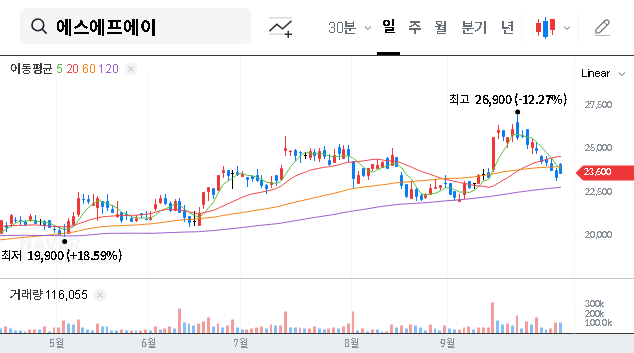
  • (056190) SFA Engineering Corporation Stock Analysis: Share Buyback & Growth Outlook

    (056190) SFA Engineering Corporation Stock Analysis: Share Buyback & Growth Outlook

    SFA Engineering Corporation is making headlines with a strategic ₩10 billion share buyback, a move signaling deep confidence in its own value and future trajectory. For investors, this action is more than just a financial maneuver; it’s a compelling reason to take a closer look at the company’s robust fundamentals, particularly in the high-growth sectors of smart factory solutions and semiconductor packaging. This comprehensive analysis will explore the implications of the SFA Engineering share buyback, dissect its core business strengths, and provide a detailed investment outlook for SFA stock.

    We will unpack the key drivers behind SFA’s profitability, from its leadership in the secondary battery industry to the untapped potential within its semiconductor subsidiary. By examining financial health, market trends, and strategic acquisitions, this article offers a clear perspective on what makes SFA Engineering Corporation a company to watch.

    The ₩10 Billion Share Buyback: A Signal of Strength

    SFA Engineering Corporation has officially committed to acquiring ₩10 billion of its own shares. This program, managed through a trust agreement with NH Investment & Securities, is set to run from November 14, 2025, to November 13, 2026. This buyback represents approximately 1.15% of the company’s market capitalization and serves two primary goals: stabilizing the stock price and enhancing overall shareholder value. You can view the Official Disclosure for complete details.

    A share buyback often indicates that a company’s management believes its stock is undervalued. It’s a powerful statement of confidence in future earnings and a direct method of returning value to shareholders by increasing the earnings per share.

    This strategic capital allocation is a clear message to the market. By reducing the number of outstanding shares, SFA Engineering not only provides support for its stock price but also signals that its internal valuation is higher than its current market price, suggesting strong prospects for future performance.

    Analyzing SFA’s Core Growth Engines

    The decision for this share buyback is firmly rooted in SFA Engineering Corporation’s solid business performance and promising outlook across its primary divisions.

    Dominance in Smart Factory Solutions

    The smart factory solutions business is a cornerstone of SFA’s success. The Q3 2025 report revealed a significant turnaround, with the company achieving sales of ₩1.2374 trillion and an operating profit of ₩76.9 billion. This recovery is heavily driven by the booming secondary battery industry, where SFA provides critical automation and logistics systems. The company is solidifying its market leadership through:

    • Portfolio Expansion: The strategic acquisition of CIS Co., Ltd. is set to create powerful synergies, further expanding SFA’s capabilities and profit margins in the secondary battery equipment market.
    • Technological Leadership: With heavy investment in AI, Big Data, and predictive maintenance under its ‘NEO’ brand, SFA is positioning itself at the forefront of Industry 4.0 innovation. Learn more about the future of automation from authoritative sources like Gartner’s analysis of hyperautomation.

    The Untapped Potential of Semiconductor Packaging

    Through its subsidiary, SFA Semiconductor, the company is a key player in a critical part of the tech supply chain. This division provides advanced packaging solutions to major global semiconductor firms. As chips become smaller and more powerful, the demand for sophisticated packaging technologies like flip-chip and wafer-level bumping is exploding. SFA Semiconductor is well-positioned to capture this growth, making it a valuable, and perhaps underestimated, asset in the SFA Engineering Corporation portfolio.

    Investment Outlook & Strategy

    Considering the SFA Engineering share buyback and its strong business fundamentals, the investment outlook appears positive. However, a balanced strategy requires acknowledging both the catalysts and potential risks.

    Key Growth Catalysts

    • Short-Term Boost: The share buyback is expected to provide immediate positive momentum and improve investor sentiment.
    • Market Expansion: Continued growth in the EV/secondary battery and advanced semiconductor markets are powerful tailwinds.
    • Synergy Realization: Successful integration of CIS Co., Ltd. could unlock significant new revenue streams and operational efficiencies.

    Potential Risks to Consider

    While the outlook is strong, investors should remain aware of external factors. For further reading, you can explore our guide on navigating tech stock volatility.

    • Macroeconomic Headwinds: Global economic slowdowns or persistent high-interest rates could impact capital investment and financing costs.
    • Competitive Landscape: The smart factory and semiconductor industries are highly competitive, requiring continuous innovation and R&D investment.
    • Execution Risk: The ultimate success depends on the flawless execution of its strategic initiatives, including the integration of acquisitions.

    SFA Engineering Investment FAQ

    Q1: What is the main significance of the SFA Engineering share buyback?

    The ₩10 billion share buyback is a key part of an active shareholder return policy. It signals management’s belief that the stock is undervalued and reflects strong confidence in future performance, aiming to stabilize the price and boost shareholder value.

    Q2: What are SFA Engineering’s core businesses and their growth potential?

    SFA’s core businesses are smart factory solutions and semiconductor packaging. The smart factory division is thriving on the growth of the secondary battery industry, while the semiconductor division is set to benefit from the expansion of the advanced packaging market.

    Q3: What long-term factors will influence SFA Engineering’s stock price?

    Long-term value will be driven by the continued growth of the smart factory market, SFA’s technological competitiveness in AI and Big Data, and the successful generation of synergies from the CIS Co., Ltd. acquisition. Continuous R&D is also crucial.

    Disclaimer: This article is for informational purposes only and does not constitute financial advice. All investment decisions should be made with the consultation of a qualified professional.
    (056190) SFA Engineering Corporation Stock Analysis: Share Buyback & Growth Outlook 관련 이미지
  • (348370) Enchem Co., Ltd. (348370) Q3 2025 IR Preview: A Deep Dive into Risks & Growth

    (348370) Enchem Co., Ltd. (348370) Q3 2025 IR Preview: A Deep Dive into Risks & Growth

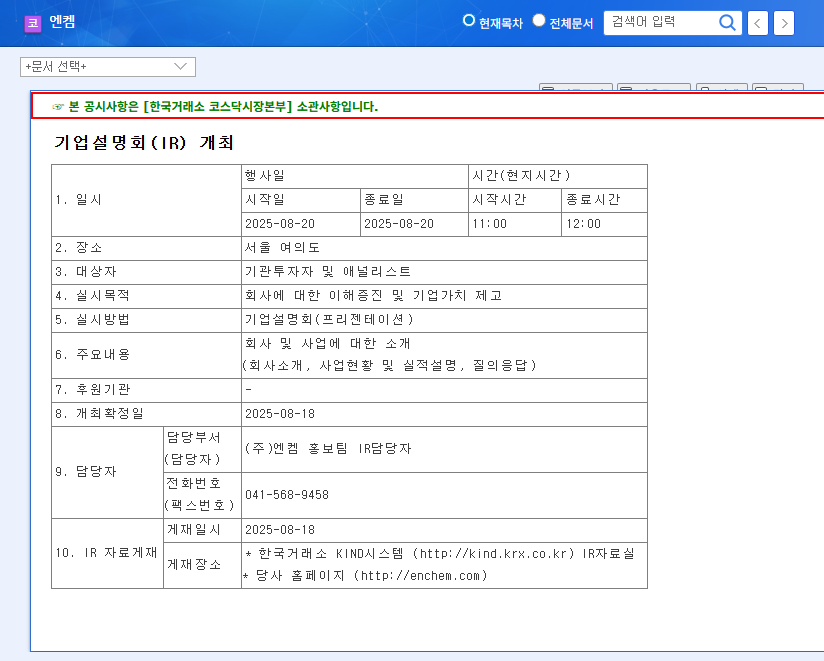
    All eyes in the electric vehicle (EV) supply chain are turning to Enchem Co., Ltd. (348370) as its critical Q3 2025 Investor Relations (IR) call approaches on Monday, November 17, 2025, at 10:30 AM KST. As a pivotal manufacturer of electrolytes for EV batteries, Enchem stands at a crossroads. On one hand, it rides the powerful wave of global EV adoption; on the other, it grapples with significant operational and financial headwinds. This upcoming Enchem Co., Ltd. IR is far more than a routine earnings report—it’s a referendum on the company’s ability to navigate its challenges and capitalize on its immense potential. This comprehensive Enchem stock analysis will dissect the key factors investors must scrutinize.

    Who is Enchem and Why Does It Matter?

    Enchem Co., Ltd. is a specialized chemical company that produces a critical component for lithium-ion batteries: the electrolyte. Think of the electrolyte as the circulatory system of a battery, the medium that allows lithium ions to flow between the anode and cathode, enabling the battery to charge and discharge. Without high-quality electrolytes, the performance, safety, and lifespan of an EV battery are severely compromised. Positioned as a key supplier in the secondary battery market, Enchem’s health is a bellwether for the broader EV industry. However, the company’s journey has been marked by volatility, making a deep understanding of its fundamentals essential for any potential investor.

    The core question for the market is straightforward: Can Enchem translate its strategic position in the booming electrolyte market into sustainable profitability and financial stability? The Q3 2025 IR must provide clear answers.

    The Bull Case: Unpacking Enchem’s Growth Opportunities

    Despite the concerns, powerful tailwinds support a positive outlook for Enchem. Investors bullish on the company are focused on several key catalysts that could drive significant value creation.

    1. Explosive EV Market Expansion

    The primary driver is the relentless growth of the global EV market. According to reports from industry analysts like BloombergNEF, EV sales are projected to continue their steep upward trajectory. Every EV sold requires a large battery, and every battery requires an electrolyte. This secular trend provides a massive and expanding total addressable market for Enchem’s core products.

    2. Strategic Localization and Global Footprint

    Enchem has intelligently established manufacturing facilities in key automotive hubs, including Korea, China, Europe (Poland), and the United States. This localization strategy is a powerful competitive advantage. It reduces shipping costs and logistical risks, helps navigate complex trade policies and tariffs, and positions Enchem as a reliable, local partner for global battery and automotive giants.

    3. Technological Edge and Diversification

    The company is not just a bulk manufacturer; it is investing in next-generation technology. The development of high-voltage, long-life electrolyte additives is crucial for creating batteries that charge faster and last longer. Furthermore, its venture into the N-Methyl-2-pyrrolidone (NMP) recycling business opens up a new, high-margin revenue stream and aligns with the growing demand for sustainable, circular economy solutions in the battery industry.

    The Bear Case: Analyzing Key Risks and Headwinds

    A thorough Enchem stock analysis must also weigh the significant risks that have suppressed investor confidence. Management’s ability to address these points during the Enchem Co., Ltd. IR will be paramount.

    • Low Factory Utilization: The most pressing concern is the chronically low utilization rate of its global factories. Aggressive capacity expansion (CapEx) is only beneficial if that capacity is used. Low utilization crushes profitability by increasing the burden of fixed costs (depreciation, maintenance, labor) on each unit produced.
    • High Debt and Financial Strain: To fund its expansion, Enchem has relied heavily on debt, including issuing convertible bonds. This has resulted in a high debt-to-equity ratio and soaring financial costs (interest payments), which eat directly into net income. You can learn more by reading our guide to analyzing corporate debt.
    • Macroeconomic Volatility: With a high proportion of transactions in USD and EUR, Enchem is highly exposed to foreign exchange rate fluctuations. A strong Korean Won can significantly impact revenue and profitability when foreign earnings are repatriated.
    • Intense Competition: The electrolyte market is becoming increasingly competitive, with large Chinese players often competing aggressively on price. Enchem must continuously innovate to maintain its technological edge and justify its pricing.

    Investor’s Game Plan for the Enchem IR

    This Q3 earnings call is management’s opportunity to restore confidence. Investors should listen for clear, data-driven answers, not just optimistic rhetoric. Focus on the following key areas:

    Key Questions for Management

    • What is the specific, actionable plan to increase factory utilization rates in North America and Europe in Q4 2025 and 2026?
    • What is the pathway to profitability? Can you provide a timeline or key milestones for achieving positive operating income?
    • Are there concrete plans to reduce the debt ratio and manage the burden of interest costs?
    • What are the early results and revenue projections for the NMP recycling business?

    For complete transparency, investors are encouraged to review the company’s official filings. The primary source documents provide the most accurate financial data for due diligence. You can view the Official Disclosure via DART.

    In conclusion, the outcome of the Enchem Q3 2025 IR will be a major determinant of the stock’s direction. A report that demonstrates tangible progress in improving utilization and profitability could trigger a significant re-rating of the stock. Conversely, a lack of clear answers or further signs of financial strain could lead to continued downward pressure. Investors should be prepared for either scenario.

    (348370) Enchem Co., Ltd. (348370) Q3 2025 IR Preview: A Deep Dive into Risks & Growth 관련 이미지
    (348370) Enchem Co., Ltd. (348370) Q3 2025 IR Preview: A Deep Dive into Risks & Growth 관련 이미지
  • (393970) DAEJIN ADVANCED MATERIALS Inc. Stock (393970): Deep Dive Analysis After Kolon’s 9.4% Sale

    (393970) DAEJIN ADVANCED MATERIALS Inc. Stock (393970): Deep Dive Analysis After Kolon’s 9.4% Sale

    An in-depth analysis of DAEJIN ADVANCED MATERIALS Inc. stock (393970) has become critical following a major market event. A significant institutional investor, Kolon Investment, has divested a substantial portion of its holdings, sending ripples through the investment community. This move raises urgent questions: Is this a sign of underlying trouble, or simply a strategic portfolio adjustment? For current and potential investors, understanding the context behind this sale is paramount.

    This comprehensive article breaks down the event, performs a deep dive into the company’s current financial health and business fundamentals, and provides a clear, actionable investment thesis to help you navigate the uncertainty surrounding DAEJIN ADVANCED MATERIALS Inc. stock.

    The Catalyst: Kolon Investment’s Major Block Sale

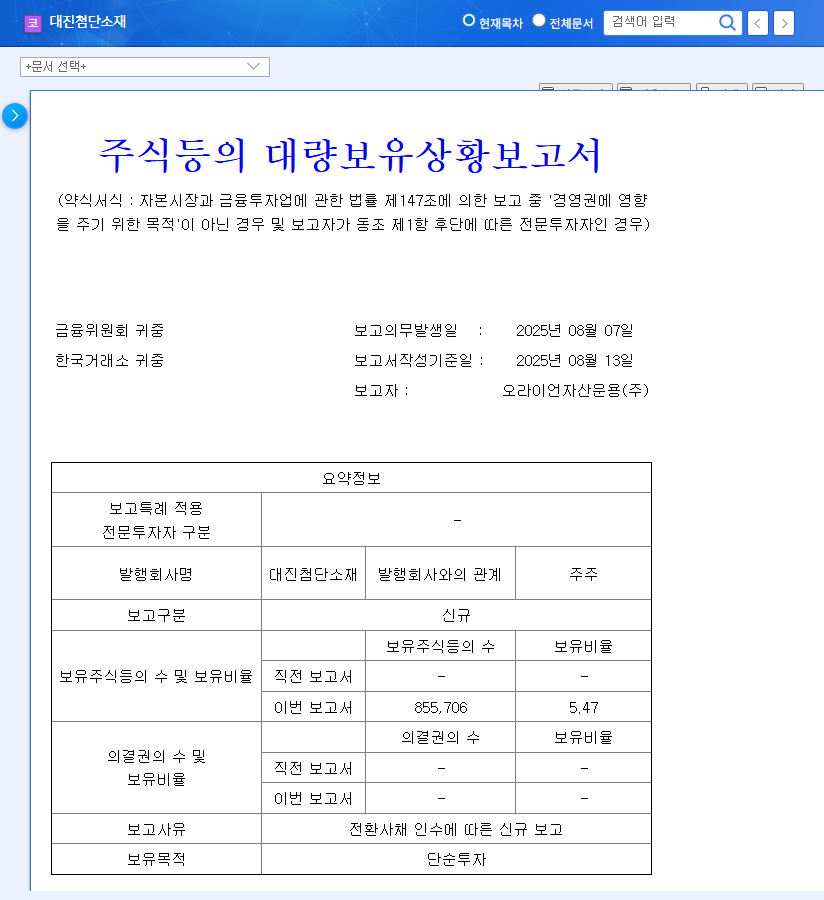
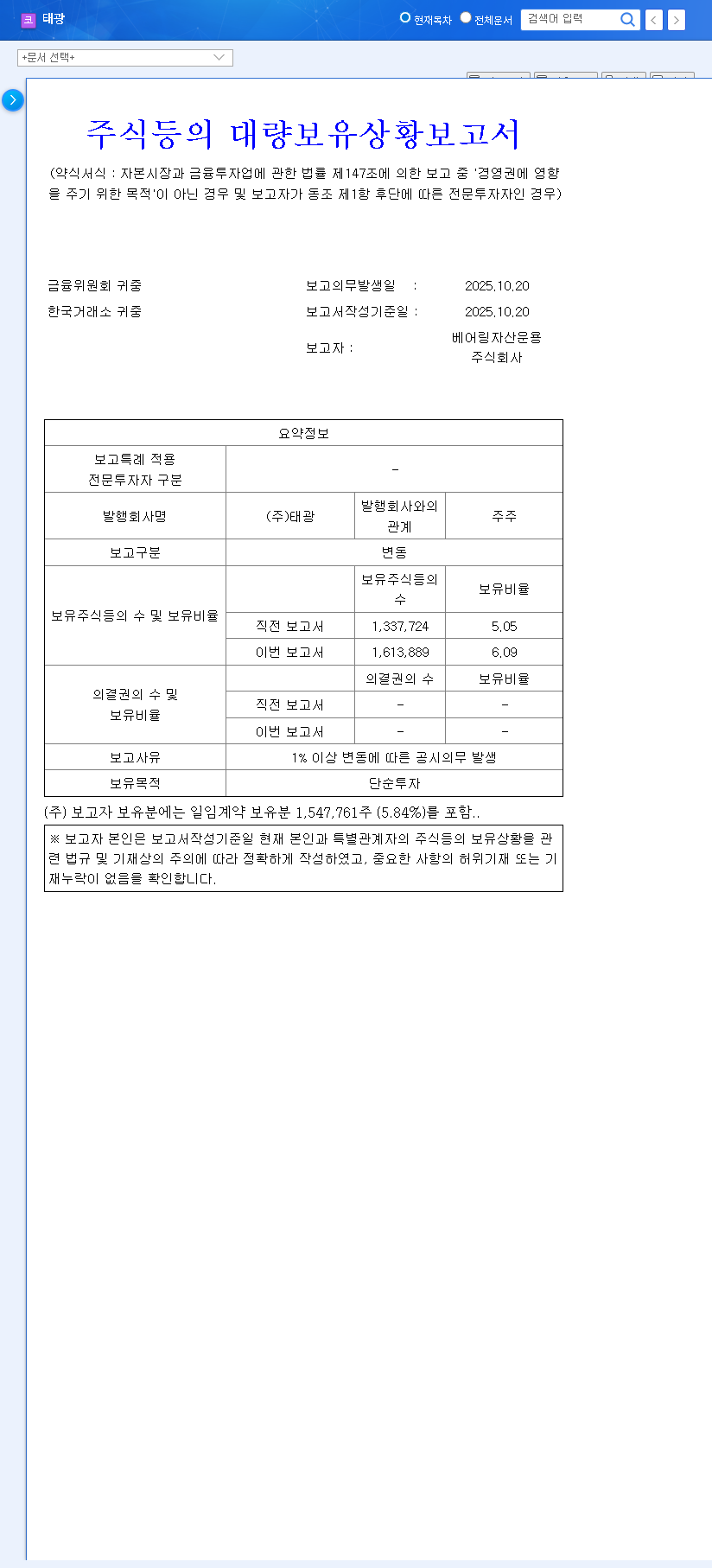
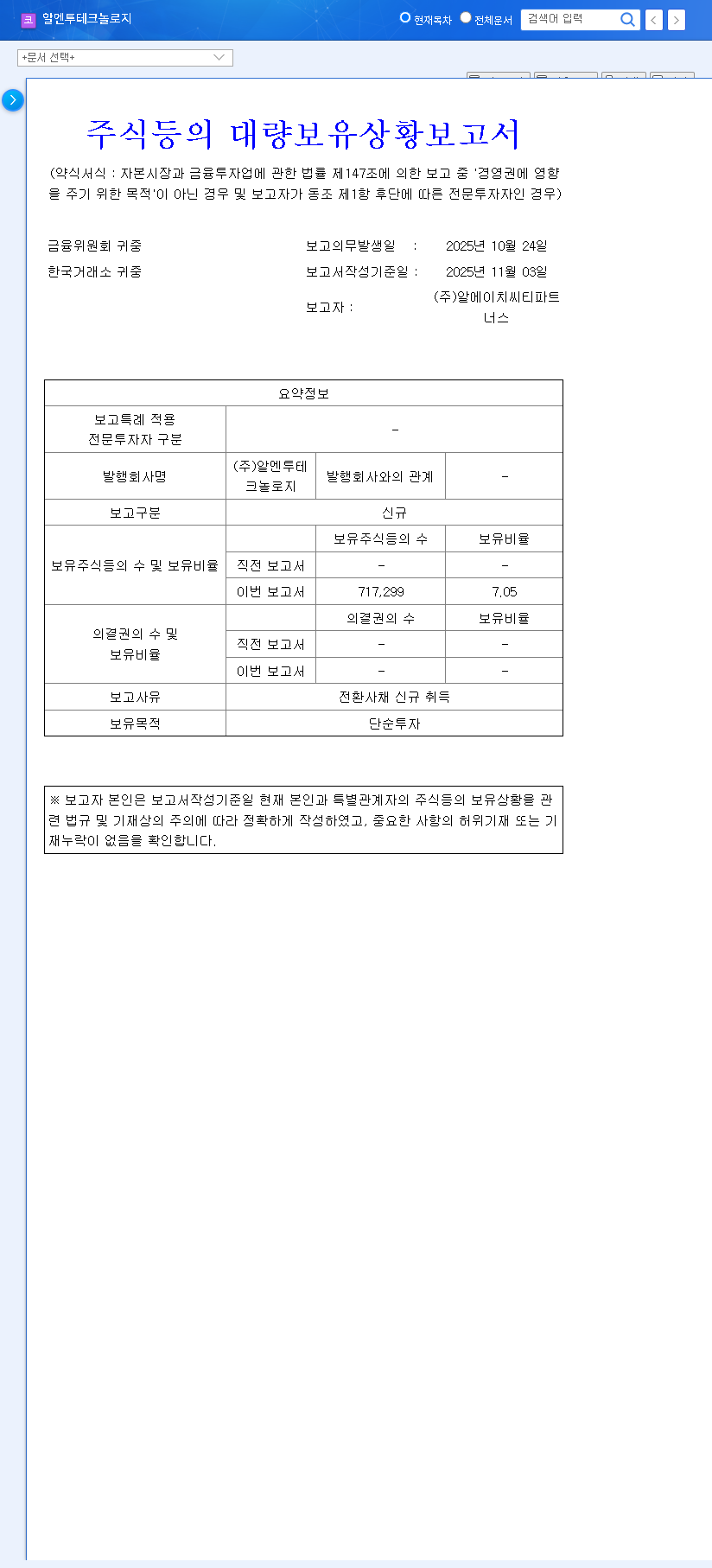
    On November 13, 2025, a mandatory disclosure confirmed that Kolon Investment executed a large-scale sale of its shares in DAEJIN ADVANCED MATERIALS Inc. The official filing, known as a ‘Report on the Status of Large Shareholdings,’ detailed a significant reduction in their position. The official disclosure can be reviewed directly on DART (Source).

    This wasn’t a minor trim. Kolon Investment offloaded 917,050 shares, slashing their stake from 13.96% down to just 4.53%—a decrease of approximately 9.43 percentage points.

    While the stated reason for the sale was a ‘simple investment purpose’—often used to signify profit-taking or portfolio rebalancing—the sheer size of the sale by a major institutional holder is a material event that warrants close scrutiny.

    Deep Dive: Analyzing DAEJIN ADVANCED MATERIALS Inc. (393970) Fundamentals

    To understand the potential long-term trajectory of the DAEJIN ADVANCED MATERIALS Inc. stock, we must look beyond this single event and assess the health of the underlying business.

    Core Business Under Pressure

    The company’s primary revenue comes from materials used in secondary battery processes and automotive parts. Unfortunately, this segment has faced severe headwinds. In the first half of 2025, revenue from this division plummeted by a staggering 63.7% year-over-year. This is largely attributed to a market phenomenon known as the ‘chasm’ in the electric vehicle (EV) industry, where growth temporarily slows as the market transitions from early adopters to the more pragmatic mainstream consumer, compounded by a challenging macroeconomic environment.

    The Future Bet: Carbon Nanotube (CNT) Technology

    DAEJIN is pinning its future growth on its Carbon Nanotube (CNT) business. CNTs are advanced materials with exceptional strength and conductivity, making them highly valuable for next-generation batteries and other high-tech applications. While the company is actively pursuing technology acquisition and global expansion in this area, it’s crucial to note that tangible sales results from the CNT division are still minimal. It remains a promising but currently unproven growth engine.

    Financial Red Flags: A Look at the Numbers

    The 2025 semi-annual report paints a concerning financial picture:

    • Worsening Profitability: The company posted an operating loss of 3.4 billion KRW and a net loss of 10.5 billion KRW, a sharp reversal into deficit.
    • Rising Debt: Total debt increased by 27.5%, with a notable rise in short-term borrowings and convertible bonds, increasing financial risk.
    • Negative Cash Flow: Operating cash flow was a deeply negative -22.6 billion KRW, indicating the core business is burning through cash rather than generating it.

    Investment Outlook and Strategic Plan

    Given the block sale and the weak fundamentals, how should investors approach the 393970 stock analysis?

    Short-Term Impact: Expect Volatility

    The immediate consequence of Kolon’s sale will likely be significant downward pressure on the stock price. The large influx of shares can create an oversupply, and the negative signal sent by a major investor exiting can erode market confidence. Short-term traders should exercise extreme caution, as volatility is expected to be high.

    Mid-to-Long-Term Outlook: All Eyes on Recovery

    Over the long run, this single sale will become a footnote. The future of DAEJIN ADVANCED MATERIALS Inc. stock will be determined by its ability to execute a turnaround. Key catalysts to watch for are:

    • A recovery in the secondary battery and automotive markets.
    • Meaningful revenue generation from the CNT business.
    • Tangible steps to improve the company’s financial structure and reduce debt.

    For context on market cycles, it’s helpful for investors to understand the risks and rewards of evaluating technology growth stocks during downturns.

    Conclusion: A ‘Conservative’ Investment Opinion

    Taking all factors into account—the major block sale by Kolon Investment, the severe downturn in core business revenue, and the precarious financial situation—our overall investment opinion on DAEJIN ADVANCED MATERIALS Inc. stock is ‘Conservative.’ The combination of external selling pressure and internal fundamental weakness creates a high-risk environment. Investors should wait for clear, sustained signs of a fundamental business recovery before considering a significant position. Monitoring macroeconomic factors is also crucial; for a broader view, resources like Reuters’ global market analysis can provide valuable context.

    (393970) DAEJIN ADVANCED MATERIALS Inc. Stock (393970): Deep Dive Analysis After Kolon's 9.4% Sale 관련 이미지
    (393970) DAEJIN ADVANCED MATERIALS Inc. Stock (393970): Deep Dive Analysis After Kolon's 9.4% Sale 관련 이미지
  • (023160) T. K. CORPORATION IR Analysis (2025): Stock Value, HYTC Battery Growth & Investment Outlook

    (023160) T. K. CORPORATION IR Analysis (2025): Stock Value, HYTC Battery Growth & Investment Outlook

    The upcoming T. K. CORPORATION IR (Investor Relations) conference on November 17, 2025, is poised to be a pivotal moment for investors. As a global leader in plant fittings, T. K. CORPORATION is navigating a complex landscape, balancing its robust core operations against recent performance declines and the crucial task of scaling its new growth engine: the secondary battery business. This comprehensive T. K. CORPORATION stock analysis will dissect the company’s financial health, competitive advantages, and the immense potential of its subsidiary, HYTC, providing you with the critical insights needed to make an informed investment decision. The information presented is based on public data, including the company’s Official Disclosure.

    Event Overview: What to Expect from the T. K. CORPORATION IR

    Scheduled for 9:00 AM on November 17, 2025, this IR event is more than a routine update. With a market capitalization of KRW 658.5 billion, the company aims to transparently communicate its performance and strategic direction. Given the current lack of specific brokerage reports, this conference represents a significant opportunity for management to shape the market narrative and investor expectations directly.

    This IR is a critical juncture. Investors will be keenly listening for a clear roadmap on how T. K. CORPORATION plans to enhance profitability in its secondary battery segment while reinforcing the stability of its core business.

    Analyzing the Dual Engines of Growth

    The Bedrock: Dominance in the Plant Fitting Market

    T. K. CORPORATION’s primary business is the manufacture and sale of plant fittings—essential components for national key industries like energy and petrochemicals. This foundation provides a stable, recurring revenue stream built on decades of expertise and a formidable market position.

    • Oligopolistic Market: The company operates within a global oligopoly, characterized by high technological barriers to entry, which insulates it from excessive competition.
    • Export Powerhouse: With exports making up 83.1% of its 2024 revenue, the company boasts a global market share of 58.34%, far surpassing domestic rivals and providing a natural hedge against raw material cost fluctuations. For more details, you can read our analysis of the global plant equipment market.
    • Financial Resilience: A high proportion of exports allows the company to effectively manage exchange rate risks and navigate volatile raw material prices.

    The Future: HYTC and the Secondary Battery Boom

    The most anticipated part of the T. K. CORPORATION IR will be the update on its KOSDAQ-listed subsidiary, ‘HYTC’. This venture, focused on secondary battery equipment parts and Slitter manufacturing, is the company’s bet on the future of energy.

    The HYTC secondary battery business is positioned in a market with explosive growth potential, driven by the global transition to electric vehicles (EVs) and energy storage systems (ESS). According to authoritative industry reports, this sector is projected to grow exponentially over the next decade. However, this potential comes with challenges. HYTC recorded an operating loss in H1 2025, highlighting the urgent need for a clear strategy to improve profitability. Investors will be looking for concrete plans on technology development, customer acquisition, and cost management to turn this growth engine into a profitable one.

    Financial Health and Investor Value

    Despite recent performance dips, T. K. CORPORATION’s financial foundation remains exceptionally strong. As of H1 2025, its debt-to-equity ratio stood at a mere 9.07%, signaling remarkable financial stability and low risk. This robust balance sheet provides the company with the flexibility to invest in growth areas like HYTC without taking on undue leverage. Furthermore, the company maintains a shareholder-friendly policy, with a history of consistent dividend payments, offering a degree of stability for income-focused investors.

    Investment Outlook & Action Plan

    Our current investment opinion is Neutral, pending the outcomes of the IR. The company presents a compelling blend of a stable, cash-generating core business and a high-growth venture. However, the uncertainties surrounding the profitability of the secondary battery segment and broader macroeconomic headwinds (e.g., interest rates) warrant a cautious approach.

    Key Points for Investors to Monitor Post-IR:

    • HYTC’s Profitability Roadmap: Look for specific, measurable plans and timelines for achieving profitability in the secondary battery division.
    • Core Business Order Book: Assess management’s outlook on order trends and the recovery timeline for the plant fitting business.
    • Capital Allocation Strategy: Understand the company’s plans for future investments, R&D spending, and potential fundraising.
    • Macroeconomic Impact Management: Evaluate the strategies in place to mitigate risks from fluctuating exchange rates and interest rates.

    In conclusion, the T. K. CORPORATION IR is a must-watch event. A compelling presentation of a clear growth strategy and financial outlook could provide significant positive momentum for the stock. Conversely, a failure to address key concerns could deepen investor uncertainty. Careful analysis of the information presented will be paramount to determining the true investment value of T. K. CORPORATION.

    (023160) T. K. CORPORATION IR Analysis (2025): Stock Value, HYTC Battery Growth & Investment Outlook 관련 이미지
  • (086520) In-Depth ECOPRO Stock Analysis (2025): H1 Report, Shareholding & Investment Strategy

    (086520) In-Depth ECOPRO Stock Analysis (2025): H1 Report, Shareholding & Investment Strategy

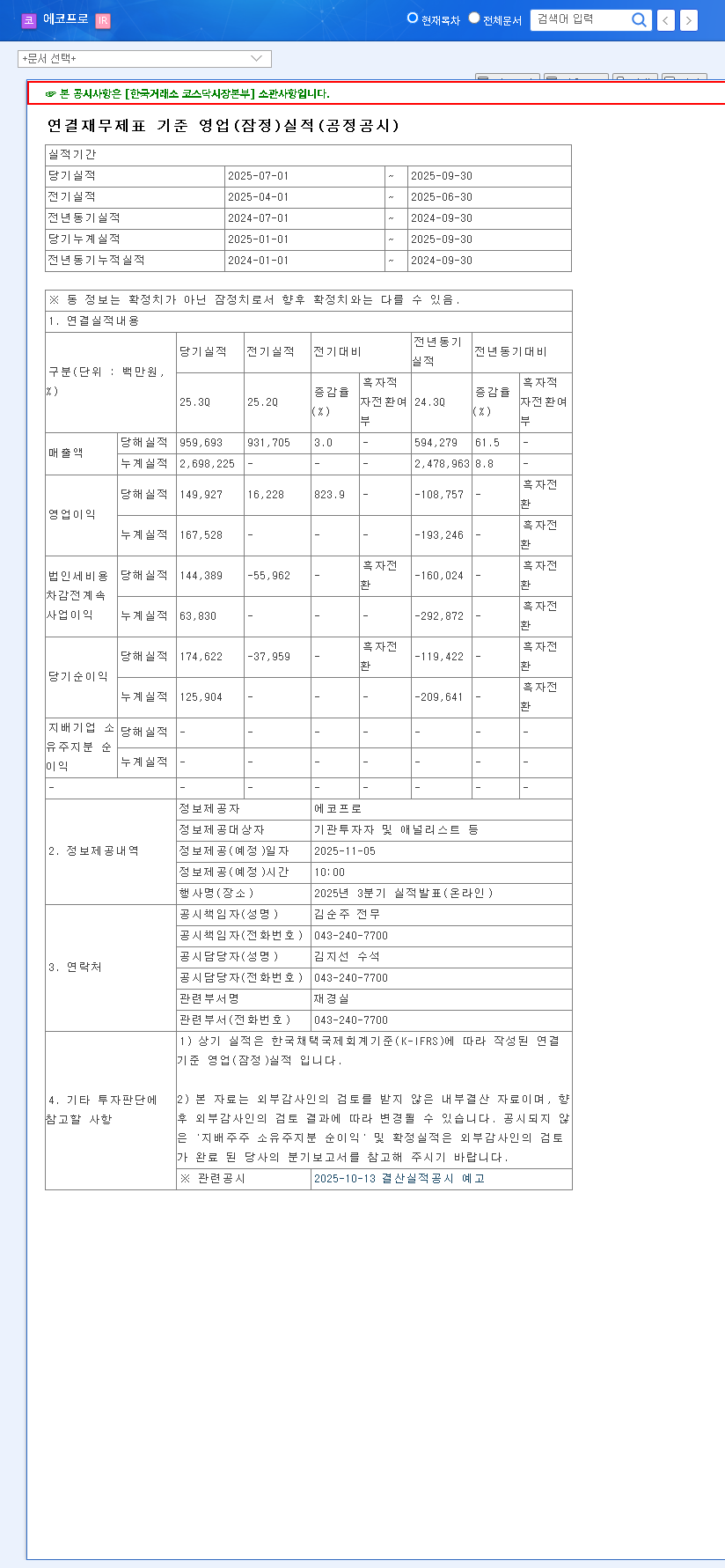
    In the dynamic world of battery materials, ECOPRO CO.,LTD (에코프로) stands as a titan, drawing intense scrutiny from investors. This comprehensive ECOPRO stock analysis delves into the critical H1 2025 report and a pivotal major shareholding disclosure. We aim to dissect these events to uncover the company’s true growth trajectory, financial health, and provide a clear investment strategy for navigating the market ahead. What do these disclosures signal for the company’s future, and how should investors position themselves?

    Decoding the Latest ECOPRO Disclosures

    Chairman Lee’s Major Shareholding Report: A Closer Look

    On November 13, 2025, a key disclosure emerged concerning Chairman Lee Dong-chae’s major shareholding. While his stake remained unchanged at 25.58%, signaling continued management stability, the report’s nuances are what matter. The filing, available in the Official Disclosure (Source), highlighted two key events:

    • Change in Stock-Backed Loan Terms: While Chairman Lee’s ownership is stable, the adjustment of his loan terms could imply several scenarios, such as refinancing for better interest rates or altered collateral requirements. This is a crucial area for investors to monitor for signs of financial pressure or strategic capital management.
    • Minor Sale by a Related Party: A related party, Ms. Kang Ye-ji, sold a small total of 225 shares. While insignificant in volume, such sales can sometimes be interpreted by the market as a subtle negative signal, warranting observation but not immediate alarm.

    In the short term, these events are unlikely to trigger major stock price volatility. The stable majority ownership provides a buffer against control shifts. However, the long-term implications of the loan terms will be a key factor in assessing the chairman’s financial flexibility.

    Fundamental Strength: An ECOPRO Stock Analysis Deep Dive

    Aggressive Expansion in a Booming Market

    Beyond the disclosures, ECOPRO’s H1 2025 report paints a picture of robust fundamental health. As a holding company, its growth is propelled by its battery materials and environmental divisions. Aggressive capital expenditure by subsidiaries like ECOPRO BM and ECOPRO Materials is expanding production capacity to meet soaring global demand for electric vehicles and energy storage solutions. This strategic investment is reflected in the tangible asset growth to KRW 4.3602 trillion, positioning ECOPRO to capture a larger share of this expanding market.

    Financial Fortitude: Key Metrics & Projections

    The company’s financial structure shows significant improvement and a promising outlook. Key indicators from the report highlight a strengthened balance sheet and a powerful earnings rebound on the horizon.

    • Dramatically Improved Debt Ratio: The Debt-to-Equity ratio fell from a high of 166.40% at the end of 2022 to a much healthier 38.67% by the end of 2024.
    • Strengthened Balance Sheet: As of H1 2025, total equity stands at KRW 4.0654 trillion against total liabilities of KRW 4.7854 trillion, showcasing a stable financial base for future growth.
    • Secured Supply Chains: Proactive investments to secure raw materials like lithium and nickel enhance resilience against geopolitical risks and price fluctuations.

    Perhaps the most compelling metric is the revenue forecast. After a dip in 2024, revenue is projected to surge to KRW 1.0162 trillion in 2025, with operating and net profits expected to turn positive and expand significantly. This signals a powerful operational turnaround.

    Market Dynamics & The ECOPRO Investment Strategy

    Macroeconomic Tailwinds and Headwinds

    ECOPRO’s performance is intrinsically linked to the global economic climate. A weaker Korean Won enhances export competitiveness, boosting KRW-converted revenues. Furthermore, anticipated interest rate cuts in the US and Korea could lower financing costs and spur investment sentiment. Investors should keep an eye on these trends, as well as the competitive pressures within the battery sector. For more context, you can review this report on the global EV market or our internal guide on investing in the battery sector.

    Investment Outlook: A Balanced View

    Considering all factors, the ECOPRO investment strategy should be approached with a mid-to-long-term perspective. The company’s fundamentals are strong and improving, and its market positioning is excellent.

    • The Bull Case: The explosive growth of the secondary battery market, combined with ECOPRO’s aggressive capacity expansion and fortified financial health, presents a compelling case for significant long-term value appreciation.
    • The Bear Case: Risks remain, including a potential global economic slowdown, intensifying competition from other material suppliers, raw material price volatility, and geopolitical tensions that could disrupt supply chains.

    Our recommendation is to look past short-term market noise. A strategy of staggered purchases or a long-term holding approach seems most prudent. This allows investors to build a position while monitoring the macroeconomic landscape and competitive dynamics.

    Frequently Asked Questions (FAQ)

    What was the key takeaway from the major shareholding report?

    The main takeaway is management stability. Chairman Lee Dong-chae’s stake remains unchanged, though changes to his stock-backed loan and a minor sale by a related party warrant ongoing observation.

    How strong are ECOPRO’s current fundamentals?

    Based on the H1 2025 report, fundamentals are very strong. The company is expanding capacity, securing supply chains, and has significantly improved its debt-to-equity ratio. A major rebound in revenue and profitability is expected for 2025.

    What is the recommended investment strategy for ECOPRO stock?

    A mid-to-long-term approach is advised. Focus on the company’s strong growth potential within the battery industry rather than short-term price swings. Consider staggered purchases to build a position over time.

    Disclaimer: This report is based on publicly available information and constitutes an analysis, not direct investment advice. All investment decisions are the sole responsibility of the individual.

    (086520) In-Depth ECOPRO Stock Analysis (2025): H1 Report, Shareholding & Investment Strategy 관련 이미지
  • (010130) KOREA ZINC INC Stock Analysis: Youngpoong’s Stake Increase & Merger Impact

    (010130) KOREA ZINC INC Stock Analysis: Youngpoong’s Stake Increase & Merger Impact

    The corporate landscape for KOREA ZINC INC has experienced a significant shift, capturing the attention of investors and market analysts alike. A recent move by Youngpoong to substantially increase its ownership stake signals a potential new era for the company, raising critical questions about management control, strategic direction, and the possibility of a large-scale merger. This detailed analysis unpacks the event, examines the fundamental health of Korea Zinc, and provides a strategic outlook for stakeholders navigating this evolving situation.

    A Major Power Shift: Youngpoong Solidifies Control

    Dissecting the Official Disclosure

    On November 12, 2025, a pivotal filing revealed a major change in the ownership structure of KOREA ZINC INC. The reporting entity, Youngpoong, confirmed it had increased its stake from 41.25% to a commanding 44.24%. This increase resulted from a combination of a merger agreement conclusion by a special related party, open market purchases, and the inclusion of new related parties. The company left no room for ambiguity regarding its intentions.

    The explicitly stated purpose for this substantial increase in shareholding is to exert ‘management influence,’ signaling a clear intent to steer the future of KOREA ZINC INC. Full details can be reviewed in the Official Disclosure (DART).

    This move is more than just a numbers game; it represents a consolidation of power that could dramatically reshape Korea Zinc’s governance and long-term business strategy. The mention of a ‘merger agreement’ in the filing has particularly fueled speculation about a deeper integration between the two entities.

    A Deep Dive into KOREA ZINC INC’s Fundamentals

    Pioneering New Growth Frontiers

    KOREA ZINC INC has been proactively diversifying beyond its core non-ferrous metal smelting business to build a sustainable future. These initiatives are crucial for its long-term valuation.

    • Renewable Energy & Hydrogen: Investments in green energy projects, particularly in Australia, align with global ESG trends and open up new, sustainable revenue streams.
    • Secondary Battery Materials: The company is capitalizing on the EV boom by expanding its nickel sulfate and electrolytic copper foil businesses, securing long-term supply contracts to ensure stability.
    • Resource Recycling: With growing environmental regulations, its steel dust and e-waste recycling operations are becoming increasingly vital and profitable.

    Navigating the Volatile Non-Ferrous Metals Market

    The company’s core business remains tied to the global commodities cycle. Performance in the first half of 2025 was a mixed bag, with zinc and lead prices facing headwinds from a global economic slowdown. Conversely, precious metals like gold and silver saw price increases due to safe-haven demand. Investors can track these trends on high-authority platforms like the London Metal Exchange for real-time data. Korea Zinc’s reliance on long-term contracts helps mitigate some of this volatility, ensuring more predictable revenue streams.

    Financial Health Check: A Mixed But Improving Picture

    As of mid-2025, Korea Zinc’s financials showed impressive top-line growth, with sales revenue hitting KRW 7.6582 trillion (a 41.3% increase), driven by strong metal prices and its burgeoning battery materials segment. However, operating profit declined by 27.2% to KRW 530 billion, pressured by lower nickel prices and the high costs of new business investments. On a positive note, the company’s balance sheet is strengthening, with equity rising and liabilities decreasing, indicating an improving overall financial structure.

    What Youngpoong’s Move Means for Investors

    Balancing Opportunity and Risk

    Youngpoong’s strengthened control presents both potential upsides and downsides for investors in KOREA ZINC INC.

    • Positive Aspects: The end of management disputes could lead to greater stability and faster, more decisive strategic execution. If a merger proceeds, it could unlock significant synergies, enhancing competitiveness and efficiency in the non-ferrous metals market.
    • Potential Risks: A dominant controlling shareholder could potentially weaken the representation of minority shareholders. Furthermore, the path to a merger is fraught with regulatory hurdles and requires shareholder approval, introducing significant uncertainty and potential stock price volatility.

    Formulating an Investment Strategy for Korea Zinc Stock

    For those invested in or considering a position in KOREA ZINC INC, a nuanced approach is required. In the short term, the news is likely to be perceived positively, but volatility is expected as more details about the merger emerge. A prudent strategy may be to observe market reactions rather than engaging in speculative short-term trades.

    From a long-term perspective, the focus should be on the fundamental value created by Korea Zinc’s diversification efforts and the potential synergies of a merger. It is crucial to monitor key external risks, including foreign exchange fluctuations (especially USD and AUD), interest rate changes, and ongoing management-related legal matters. For more on this topic, consider reading our guide on analyzing corporate governance in emerging markets. Continuous monitoring of Youngpoong’s disclosures and Korea Zinc’s segmental performance will be paramount for making informed investment decisions.

    (010130) KOREA ZINC INC Stock Analysis: Youngpoong's Stake Increase & Merger Impact 관련 이미지
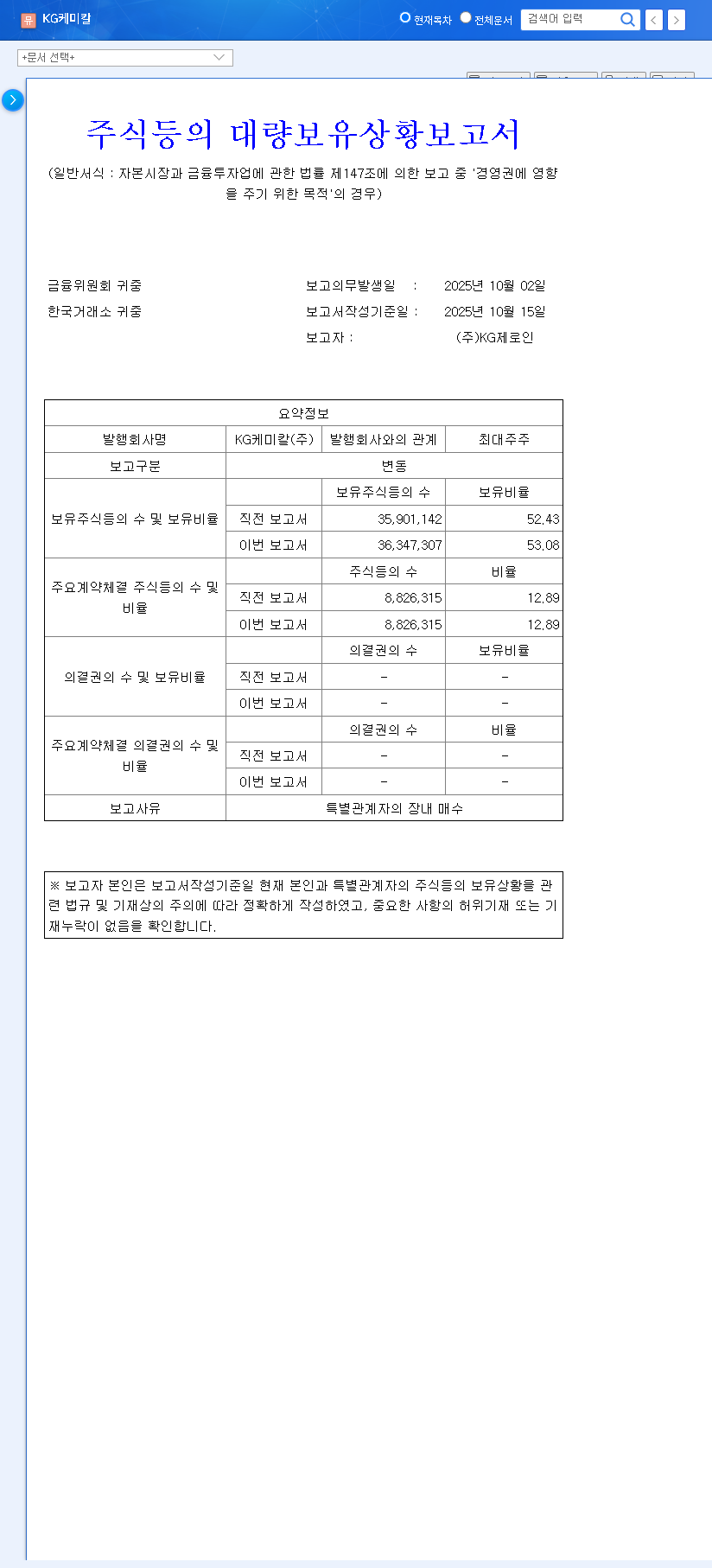
  • (001390) KG Chemical Q3 2025 Earnings Analysis: Growth vs. Profitability

    (001390) KG Chemical Q3 2025 Earnings Analysis: Growth vs. Profitability

    The latest KG Chemical Corporation Q3 2025 earnings report has sent a complex set of signals to investors and market analysts. On one hand, the company showcases impressive top-line revenue growth, suggesting strong market demand and operational scale. On the other, mounting profitability pressures cast a shadow over this growth, raising crucial questions about its sustainability and the company’s future outlook. This comprehensive KG Chemical analysis will dissect the preliminary results, explore the underlying factors, and outline a potential KG Chemical investment strategy for navigating the current landscape.

    Despite a robust 14.7% year-over-year revenue surge, KG Chemical’s profitability is feeling the squeeze from external economic pressures. This dichotomy forms the central challenge for the company and a key consideration for investors.

    KG Chemical Q3 2025 Earnings: The Official Figures

    According to the company’s preliminary consolidated results, KG Chemical Corporation reported sales revenue of KRW 2,462.6 billion, an operating profit of KRW 90.2 billion, and a net profit of KRW 17.8 billion. The official filing can be viewed here: Official Disclosure. While the sales revenue marked a significant 14.7% increase year-over-year, both operating and net profits saw a decline, signaling an erosion in KG Chemical profitability.

    Deep Dive Analysis: The ‘Why’ Behind the Numbers

    To understand the full picture, we must look beyond the headline numbers and examine the fundamental, market, and macroeconomic factors at play.

    1. Company Fundamentals: A Story of Growth and Cost

    The revenue increase to KRW 2,462.6 billion from KRW 2,146.2 billion in Q3 2024 is a testament to the growth across KG Chemical’s diverse business segments. However, the operating profit figure is nuanced. While a significant jump from KRW 7.2 billion in Q3 2024, this is largely due to a low base effect. When compared to more recent quarters in 2025 (Q1: KRW 106.6 billion, Q2: KRW 78.9 billion), the improvement appears limited, especially considering the sales growth. Key pressures on profitability include:

    • Rising Raw Material Prices: Global supply chain issues and inflation have driven up input costs.
    • Increased Logistics Costs: Volatility in shipping and freight rates has added to the cost burden.
    • Higher Financial Expenses: Aggressive interest rate hikes by central banks have increased the cost of borrowing.

    On a positive note, the company’s financial health remains stable. A gradually decreasing debt-to-equity ratio and a rising current ratio suggest a sound financial foundation despite the profit headwinds. For more details on these metrics, you can read our guide on How to Analyze a Company’s Balance Sheet.

    2. Macroeconomic Headwinds

    The external environment is a major contributor to the current profitability squeeze. The depreciation of the Korean Won against the US Dollar increases the cost of imported raw materials. Concurrently, persistently high interest rates, a global trend detailed by sources like Reuters Financial News, directly inflate the interest burden on corporate debt. Furthermore, volatility in the Baltic Dry Index (BDI), a key indicator of shipping costs, creates uncertainty and can directly impact logistics expenses, a critical variable for a chemicals corporation.

    3. Shareholder Initiatives & New Business Horizons

    In a move to bolster investor confidence, KG Chemical has focused on enhancing shareholder value. The retirement of treasury stock is a significant positive, as it increases earnings per share (EPS) and signals management’s confidence in the company’s value. There is also growing pressure from minority shareholders for improved corporate governance and stronger return policies. This external push is raising expectations for strategic shifts, particularly towards high-growth areas like the secondary battery materials market, which could become a long-term growth driver for the KG Chemical stock.

    Strategic Outlook and Investment Considerations

    The analysis of the KG Chemical Corporation Q3 2025 earnings reveals a company at a crossroads. It has strong fundamentals in revenue and financial stability but faces significant external threats to its profitability.

    Investor Action Plan

    A prudent KG Chemical investment strategy should be grounded in monitoring the company’s ability to navigate these challenges. Key areas to watch include:

    • Cost Management Execution: Scrutinize future earnings reports for improvements in gross and operating margins. Look for specific management commentary on cost-cutting measures and operational efficiency gains.
    • New Business Progress: Track announcements and capital allocation related to new ventures, especially in the secondary battery sector. Tangible progress here could significantly alter the long-term valuation of the stock.
    • Shareholder Return Policies: Beyond the current stock retirement, watch for changes in dividend policies or further buyback programs as indicators of shareholder-friendly governance.
    • Macroeconomic Response: Assess how effectively management adapts to changes in interest rates, currency fluctuations, and raw material pricing.

    Disclaimer: This report is based on publicly available information. Investment decisions carry risk and should be made based on individual research and discretion.

    (001390) KG Chemical Q3 2025 Earnings Analysis: Growth vs. Profitability 관련 이미지
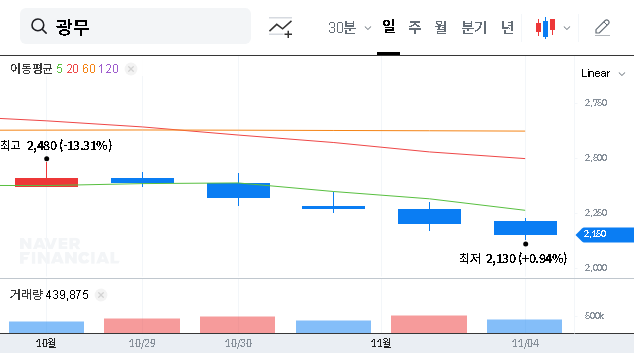
  • (029480) Kwangmu Management Dispute (029480): Injunction Dismissed, But Is the Stock a Buy? In-Depth Analysis

    (029480) Kwangmu Management Dispute (029480): Injunction Dismissed, But Is the Stock a Buy? In-Depth Analysis

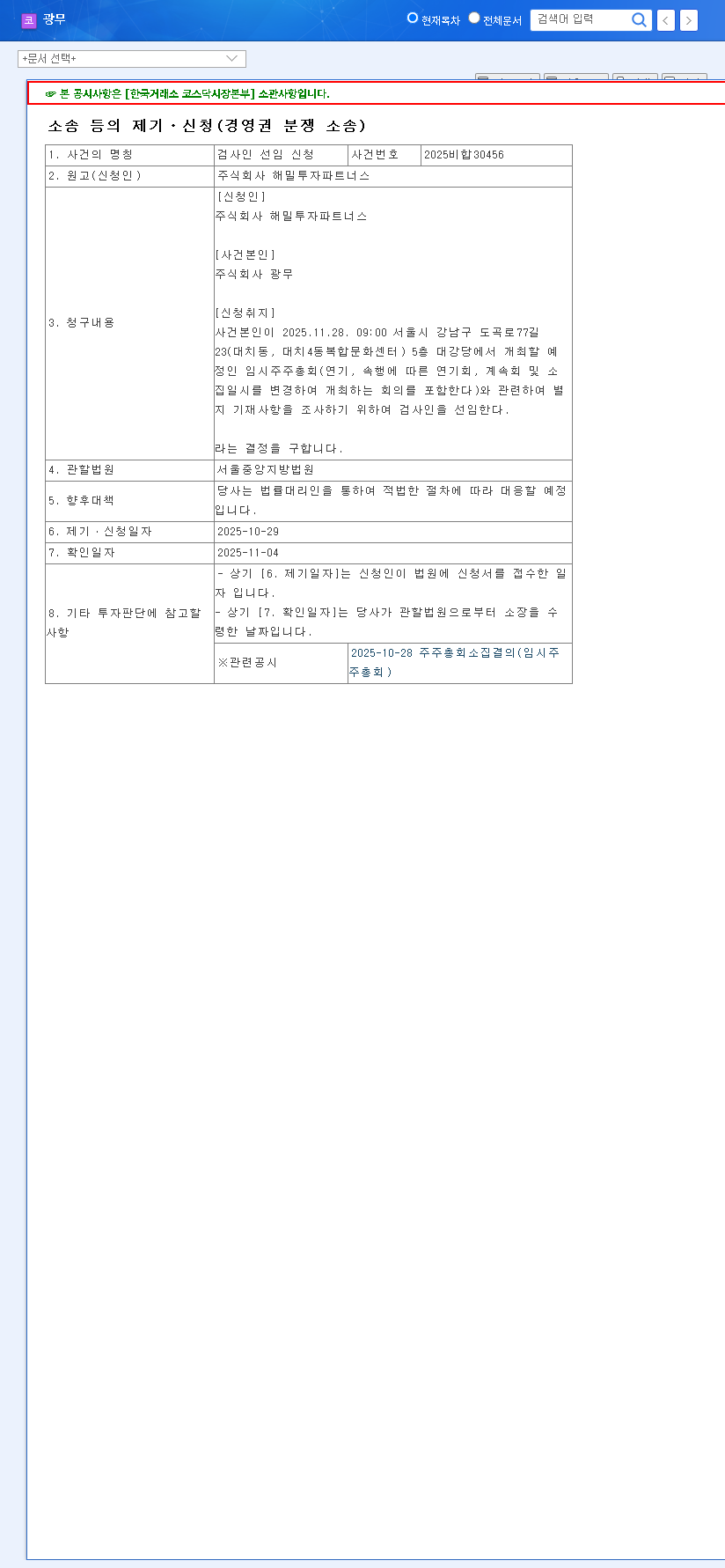
    The ongoing Kwangmu management dispute has been a source of significant uncertainty for investors. While a recent court decision provided a moment of relief, a deeper look into the company’s fundamentals reveals a far more complex picture. On November 12, 2025, the Seoul Central District Court’s dismissal of a provisional injunction against an extraordinary general meeting has seemingly stabilized the leadership situation, but this legal victory may only be a temporary reprieve from much more significant underlying challenges facing Kwangmu Co.,Ltd. (029480).

    This in-depth analysis unpacks the court’s decision, scrutinizes Kwangmu’s alarming H1 2025 financial report, and provides a strategic outlook for current and potential investors. Is this a turning point for the Kwangmu Co.,Ltd. stock, or just a pause before further turbulence?

    The Provisional Injunction Dismissal: A Short-Term Win

    The core of the recent news revolves around the dismissal of a provisional injunction application. Filed by previous major shareholders, the injunction sought to block an extraordinary general meeting, a common tactic in management rights disputes. According to the Official Disclosure (DART), the court dismissed all applications, effectively siding with the current management. In the short term, this is a positive development. It removes immediate legal uncertainty, which often weighs heavily on stock prices, and allows the current leadership to operate without the imminent threat of being ousted. This can restore a degree of investor confidence and provide a stable environment for management to focus on operational strategy.

    While the legal battle has paused, the war for Kwangmu’s financial survival is just beginning. The court’s decision clears the air, but the company’s balance sheet is clouded by severe underperformance.

    Beyond the Courtroom: Kwangmu’s Fundamental Crisis

    The relief from the Kwangmu management dispute is quickly overshadowed by the grim reality presented in the company’s H1 2025 report. The financial data paints a picture of a company in distress, facing challenges far greater than boardroom politics.

    Alarming Financial Health and Profitability Collapse

    While the company’s debt ratio improved significantly, this is a minor point in the face of a catastrophic decline in core operations. Key indicators reveal deep-seated problems:

    • Revenue Plunge: Revenue plummeted by 40.3% year-on-year to just KRW 3.9 billion. This is a clear sign of failing business segments.
    • Widening Losses: The company swung to an operating loss of KRW 2.2 billion, and the net loss ballooned to a staggering KRW 27.4 billion.
    • Cash Burn: Operating cash flow was a negative KRW 14.7 billion, indicating the company is burning through cash just to sustain its operations.

    The Failed Promise of the Kwangmu Secondary Battery Business

    Perhaps the most concerning data point is that the Kwangmu secondary battery material business—once touted as a key future growth engine—recorded zero revenue in the first half of 2025. This suggests a complete stall in progress, raising serious questions about the viability of the venture and management’s ability to execute on its strategic pivots. For investors who bought into the growth story, this is a major red flag. To learn more about the sector’s challenges, investors can read about current secondary battery market trends.

    Investor Outlook: Navigating Uncertainty for Stock 029480

    Given this complex backdrop, investors must weigh the short-term legal stability against the long-term fundamental weaknesses. The change in the largest shareholder to Hyupjin Co., Ltd. adds another layer of uncertainty. Will the new major shareholder inject capital and a viable turnaround strategy, or will this lead to further instability?

    The downward trend of the stock price, coupled with macroeconomic headwinds like interest rate hikes and volatile raw material prices as reported by sources like Bloomberg, creates a high-risk environment. The positive impact of the injunction dismissal is likely to be fleeting unless management can deliver a concrete and convincing plan for a fundamental turnaround.

    Key Factors for Investors to Monitor:

    • Q3 & Q4 Performance: Any sign of revenue recovery or loss mitigation in upcoming quarterly reports will be critical.
    • New Shareholder Strategy: Announcements from Hyupjin Co., Ltd. regarding their plans for Kwangmu.
    • Secondary Battery Business Updates: Any news, partnerships, or developments related to reviving this stalled business segment.
    • Potential for Future Disputes: While this injunction was dismissed, the underlying conflicts of the Kwangmu management dispute could resurface.

    In conclusion, the dismissal of the provisional injunction is a minor positive event in a sea of fundamental concerns. The direct impact on Kwangmu’s long-term corporate value is expected to be minimal. Prudent investors should view the Kwangmu Co.,Ltd. stock (029480) with extreme caution, demanding tangible evidence of a business turnaround before considering it a viable investment.

    (029480) Kwangmu Management Dispute (029480): Injunction Dismissed, But Is the Stock a Buy? In-Depth Analysis 관련 이미지
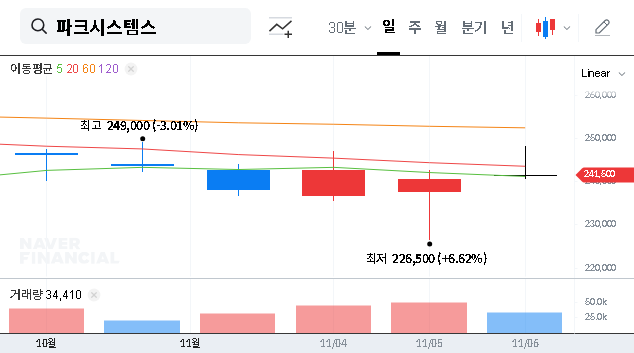
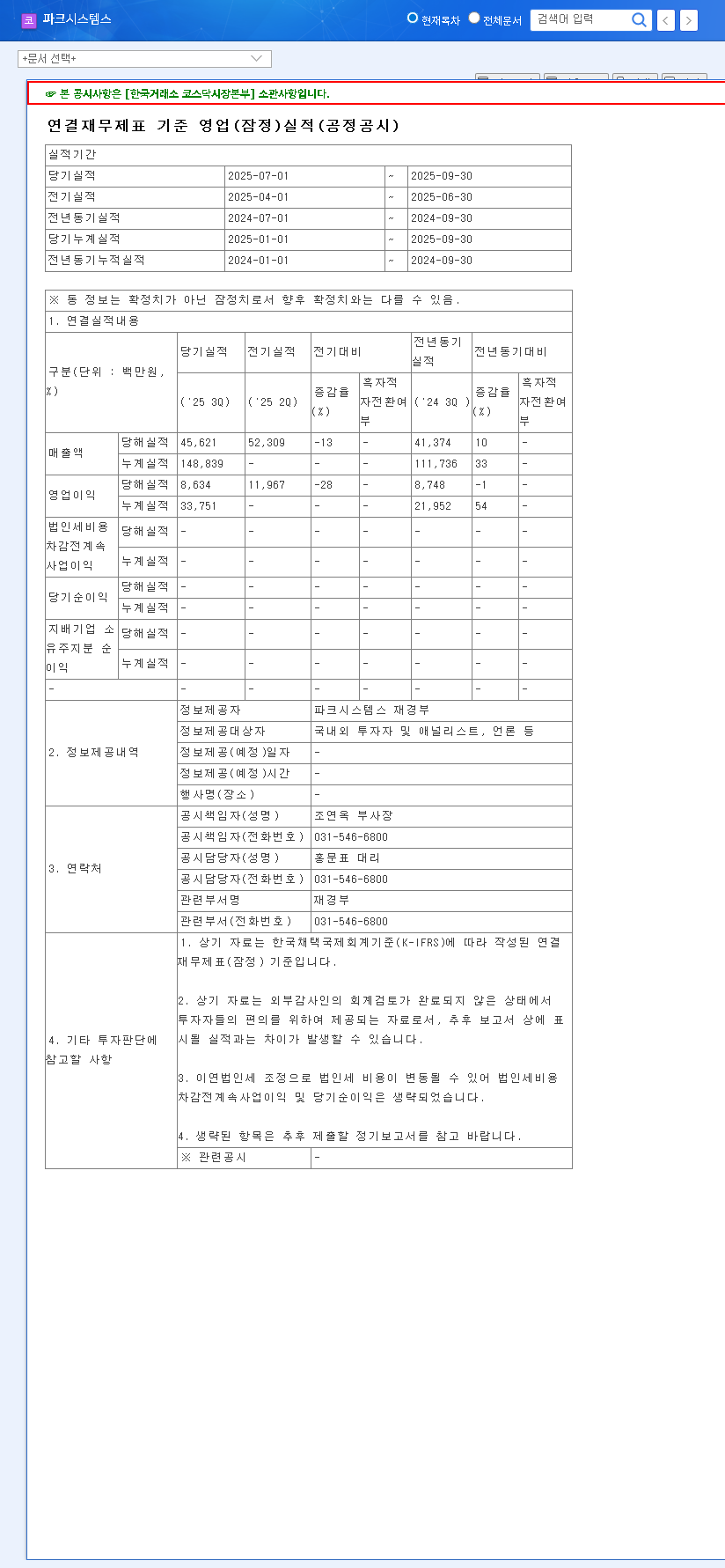
  • (140860) Park Systems Corp. Delisting from KOSPI: A Strategic Move for the AFM Leader

    (140860) Park Systems Corp. Delisting from KOSPI: A Strategic Move for the AFM Leader

    The recent announcement of the Park Systems Corp. delisting from the KOSPI market has sent ripples through the industry. On September 27, 2023, the world-renowned leader in Atomic Force Microscope (AFM) technology declared its intent for a voluntary delisting, a strategic decision that has prompted widespread discussion among investors and market analysts. While such a move might initially raise concerns, a deeper analysis reveals a calculated strategy aimed at long-term growth and innovation, unconstrained by short-term market pressures.

    This comprehensive overview unpacks the motivations behind this pivotal decision, examines the company’s formidable financial health, explores its deep-rooted dominance in the AFM market, and outlines the ambitious vision that will guide Park Systems Corp. into its next chapter as a private entity.

    The Rationale Behind the KOSPI Delisting

    The official reason cited by Park Systems Corp. for the delisting was a careful consideration of “overall current market conditions.” This can be interpreted as a proactive measure to prioritize intrinsic value over public market valuation, which can be subject to volatility and external pressures. For a company focused on deep-tech R&D and long-cycle product development, operating as a private entity offers significant advantages, including greater strategic flexibility, reduced administrative and compliance costs, and the ability to focus on long-term objectives without the quarterly scrutiny of public investors.

    Robust Financials: A Foundation of Strength

    Contrary to what a delisting might suggest, Park Systems Corp.’s decision is not born from financial distress. In fact, the company’s Q2 2023 performance was exceptionally strong, underscoring its robust operational health and sustained growth trajectory. This financial stability is a key pillar supporting the Park Systems Corp. delisting strategy.

    Key Q2 2023 Financial Highlights:
    Consolidated Revenue: KRW 36.3 billion (a 22% increase year-over-year)
    Operating Profit: KRW 11.3 billion (a remarkable 43% increase year-over-year)

    These impressive figures are driven by the company’s two core revenue streams: its flagship Atomic Force Microscope (AFM) division, which accounted for KRW 22.6 billion, and its specialized equipment for high-growth industrial sectors like semiconductors and displays, which contributed KRW 13.7 billion. This demonstrates that the company’s technological leadership directly translates into powerful financial performance.

    Unrivaled Dominance in the Atomic Force Microscope Market

    Park Systems Corp. is not just a player in the AFM space; it is a global leader whose technology sets the industry standard. An Atomic Force Microscope is a cutting-edge instrument used for imaging, measuring, and manipulating matter at the nanoscale. Its importance cannot be overstated in advanced industries where precision is paramount.

    As technologies like semiconductors push the boundaries of miniaturization and new materials are developed for next-generation batteries and displays, the demand for Park Systems’ precision measurement capabilities is exploding. The company’s technological moat, built on decades of innovation, is its greatest asset and a powerful engine for future growth. You can explore our internal guide on the future of nanoscale manufacturing to learn more.

    Charting the Future: Strategy After the Park Systems Corp. Delisting

    The Park Systems Corp. delisting is a forward-looking action, a strategic pivot designed to accelerate growth and solidify its market leadership. The company’s post-delisting vision, as outlined in their Official Disclosure, is clear and focuses on enhancing core competencies.

    • Intensified R&D Investment: Freed from public market constraints, the company will double down on research and development to maintain its significant technological lead and pioneer next-generation AFM solutions.
    • Aggressive Business Expansion: Park Systems plans to aggressively expand its market share in existing sectors while actively exploring new applications for its technology in emerging fields.
    • Deepened Client Collaboration: The company will strengthen its partnerships with key clients, providing highly customized solutions to co-develop the technologies that will shape the future of advanced manufacturing.

    Frequently Asked Questions

    Why did Park Systems Corp. choose to delist from the KOSPI market?

    The company stated the decision was a strategic response to current market conditions, allowing it to focus on long-term value creation and technological innovation without the pressures of short-term public market performance.

    Does the delisting indicate financial problems?

    No, quite the opposite. Park Systems Corp. reported outstanding financial results for Q2 2023, with 22% revenue growth and 43% operating profit growth year-over-year, demonstrating a position of significant financial strength.

    What is Park Systems Corp.’s core business strength?

    The company’s core strength lies in its unparalleled technological expertise in the Atomic Force Microscope (AFM) market, which provides essential precision measurement tools for advanced industries like semiconductors, displays, and secondary batteries.

    In conclusion, the Park Systems Corp. delisting should not be viewed as a retreat, but as a strategic repositioning. By going private, this financially robust and technologically dominant company is positioning itself for a new era of focused innovation and sustained global leadership in the critical field of nanotechnology.

    (140860) Park Systems Corp. Delisting from KOSPI: A Strategic Move for the AFM Leader 관련 이미지
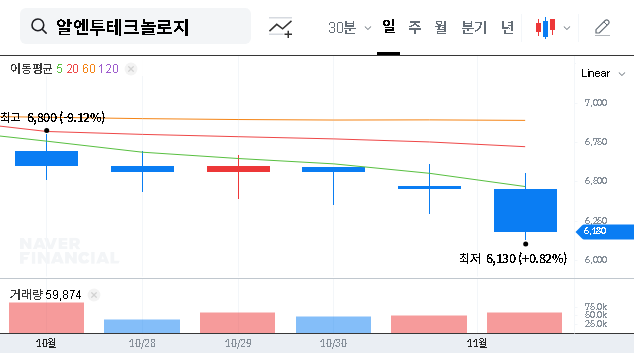
  • (148250) RN2 Technologies Capital Increase: A Deep Dive Analysis for Investors

    (148250) RN2 Technologies Capital Increase: A Deep Dive Analysis for Investors

    The recent RN2 Technologies capital increase has sent ripples through the investment community. The company recently announced a substantial KRW 11 billion fundraising initiative, positioning itself at a critical juncture. For investors, this raises a pivotal question: is this a strategic masterstroke to fuel next-generation growth, or will the resulting share dilution exert downward pressure on the stock? This comprehensive RN2 Technologies analysis will dissect the implications of this financial move, exploring its impact on the company’s ventures into secondary batteries, 6G communication, and power semiconductors to provide you with the insights needed for an informed decision.

    The Anatomy of the Capital Injection

    On November 10, 2025, RN2 Technologies formalized its plan for a third-party allotment capital increase, securing significant funding for its future endeavors. The full details of this financial event were disclosed in an official filing (Official Disclosure). Here are the essential details:

    • Total Funding: Approximately KRW 11 billion.
    • Shares Issued: 1,797,385 new common shares.
    • Issue Price: KRW 6,120 per share.
    • Primary Investor: Newjin No. 1 Fund.
    • Key Dates: Payment is scheduled for November 26, 2025, with the new shares expected to be listed on December 12, 2025.

    This move is designed to inject vital capital directly into the company, bypassing public offerings to partner with a strategic investor. The participation of ‘Newjin No. 1 Fund’ can be seen as a vote of confidence in the company’s long-term vision and growth trajectory.

    Deep Dive: The Impact of the RN2 Technologies Capital Increase

    A Company at a Crossroads: Growth vs. Profitability

    RN2 Technologies’ recent performance paints a picture of a company in transition. While sales grew an impressive 36.4% year-on-year to KRW 9.168 billion in the first half of 2025, the company recorded an operating deficit of KRW 1.046 billion. This loss is not from a lack of demand but rather a strategic decision to heavily invest in R&D and new business initiatives, coupled with a temporary slowdown in the 5G market. This capital increase is therefore a proactive measure to fortify its financial foundation and aggressively pursue its high-growth ambitions without being constrained by short-term profitability pressures.

    The core challenge for RN2 is balancing the short-term stock dilution against the long-term, transformative potential of its investments in next-generation technologies.

    Fueling the Future: Where is the Money Going?

    The KRW 11 billion is earmarked for what the company believes are its key future growth drivers. These sectors are not just promising; they are set to redefine global industry:

    • Secondary Batteries & E-Mobility: The company is targeting critical components like electrolyte materials for all-solid-state batteries—a holy grail for creating safer, more energy-dense power sources for electric vehicles. Success here could position RN2 as a key supplier in the booming EV market. For more on market trends, see our guide to investing in emerging technologies.
    • 6G Communication Technology: Building on its 5G expertise, RN2 is investing in the infrastructure for 6G. This next wave of connectivity promises to enable the Internet of Things (IoT), autonomous vehicles, and artificial intelligence on an unprecedented scale, a market valued in the trillions.
    • Power Semiconductor Substrates: These components are vital for managing power efficiently in EVs and data centers. As the world electrifies, the demand for advanced heat-dissipating substrates is soaring, as noted by industry analysts at firms like Gartner.

    Investor Strategy: Navigating the Road Ahead

    The RN2 Technologies capital increase presents both opportunities and risks. A prudent investment strategy requires a clear understanding of both sides of the coin.

    The Short-Term View: Caution Advised

    The issuance of nearly 1.8 million new shares represents a dilution of approximately 19% for existing shareholders. This increase in supply can create short-term downward pressure on the RN2 Technologies stock price, especially around the listing date of December 12, 2025. Traders should monitor price action and volume closely during this period for signs of absorption or further selling.

    The Long-Term View: A Bet on Execution

    For long-term investors, the focus should be on the company’s ability to execute its strategic vision. The capital provides the necessary runway. The key will be translating these funds into tangible results: securing patents, signing pilot projects, or landing supply agreements in their target sectors. The success of the RN2 Technologies stock over the next 2-3 years will depend almost entirely on the progress made in these new ventures.

    Frequently Asked Questions

    What is the size of the capital increase?

    RN2 Technologies is raising approximately KRW 11 billion by issuing 1,797,385 new common shares.

    What are RN2 Technologies’ new business areas?

    The company is focusing on high-growth sectors: secondary battery materials (all-solid-state electrolytes), 6G communication technology, and power semiconductor heat dissipation substrates.

    What is the short-term risk for the stock price?

    The primary short-term risk is share dilution. The new shares increase the total outstanding amount by about 19%, which could lead to downward price pressure as the market absorbs the new supply.

    In conclusion, this capital increase is a bold, forward-looking move for RN2 Technologies. It’s an investment in a potentially transformative future. While investors must navigate the immediate challenges of stock dilution, the long-term prize is significant if the company can successfully innovate and capture market share in these next-generation industries.

    (148250) RN2 Technologies Capital Increase: A Deep Dive Analysis for Investors 관련 이미지