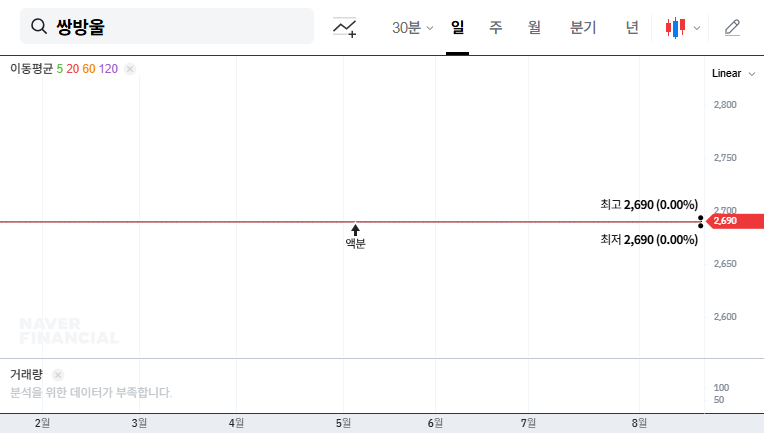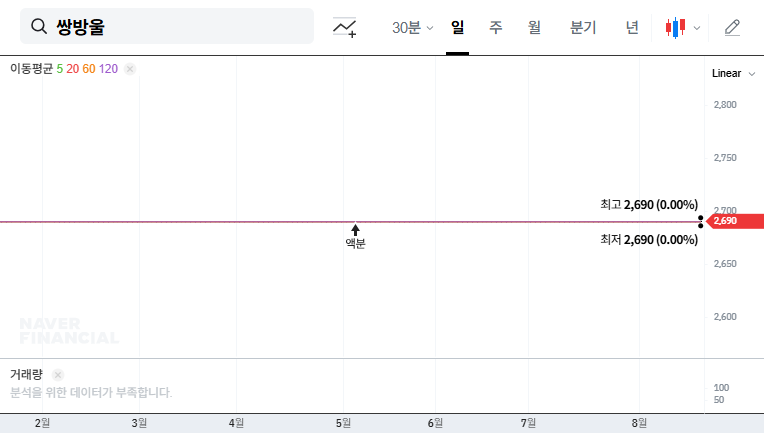
The ongoing SBW delisting crisis has reached a critical boiling point, leaving investors of Ssangbangwool (SBW) in a precarious position. Following the court’s dismissal of its injunction to halt the delisting process, the company’s immediate appeal signals a desperate, final stand. This comprehensive analysis will unpack the layers of this corporate crisis, from the dire financial health and severe operational risks to the complete erosion of market trust. For anyone holding SBW stock or considering its future, this guide provides essential clarity and a stark, urgent action plan.
We will delve into the specific reasons behind the delisting decision, examine the alarming financial figures, and assess the likelihood of the company’s survival. The situation demands immediate attention, as the risk of total investment loss is now higher than ever.
The Latest Development: A Legal Battle on Life Support
On November 13, 2025, SBW formally announced its immediate appeal against the court’s decision to dismiss its injunction. This legal maneuver is a direct response to the Seoul Southern District Court’s refusal to suspend the Korea Exchange’s delisting order. The original delisting decision, issued on February 11, 2025, was triggered by serious allegations of embezzlement and breach of trust involving former executives. This appeal represents the company’s last-ditch effort to remain on the stock exchange. You can view the Official Disclosure on DART for more details. However, legal experts suggest the probability of overturning the decision at this stage is extremely low, meaning the SBW delisting crisis is likely entering its final, decisive phase.
With legal avenues narrowing and financials in a freefall, SBW is facing an existential threat. The core issue is not just poor performance but a fundamental breakdown in corporate governance and trust, making a recovery highly improbable.
Urgent Financial Analysis: A Company in Distress
A close look at SBW’s fundamentals reveals a company teetering on the brink of collapse. The numbers paint a grim picture that goes far beyond temporary setbacks, indicating deep-rooted structural problems. For more context on how markets react to such events, see analyses from authoritative sources like Reuters on corporate governance failures.
1. Severe Financial Deterioration
- •Expanding Losses: For the 2024 fiscal year, SBW reported a consolidated operating loss of approximately KRW 2.29 billion and a staggering net loss of KRW 10.33 billion. This isn’t a one-off event but a continuation of a trend of widening deficits, showing the business is fundamentally unprofitable.
- •Deep Capital Impairment: The company’s financial stability is shattered, with an accumulated deficit of approximately KRW 165.89 billion in retained earnings. This severe capital impairment means its equity has been significantly eroded by sustained losses.
- •Unrecovered Embezzled Funds: A sum of KRW 8.481 billion from the embezzlement and breach of trust scandal remains unrecovered, acting as a direct drain on the company’s already scarce resources.
2. Operational & Reputational Risks
- •Eroded Credibility: A fine for dishonest disclosure related to its mask business has severely damaged the company’s reputation for transparency. This loss of trust makes it difficult to attract partners, customers, and investors.
- •Declining Core Business: While the Try/mask segment showed a minor increase, sales in retail and overseas operations have fallen, pointing to a loss of competitiveness and market share.
- •Credit Downgrade: The company’s credit rating has been lowered to BB-, a sub-investment grade that will make it incredibly difficult and expensive to secure future funding, effectively cutting off a vital financial lifeline.
Investor Action Plan: Navigating the SBW Delisting Crisis
Given the overwhelming negative factors, the investment outlook for SBW is rated as ‘Very Negative.’ The path to recovery is virtually non-existent, and the primary risk is the total and permanent loss of invested capital. New investments in SBW stock should be avoided at all costs. For existing shareholders, the focus must shift from hope for recovery to aggressive loss mitigation. To learn more about managing high-risk assets, you can read our guide on understanding portfolio risk.
Urgent Recommendations for SBW Investors
- •Investment Opinion: IMMEDIATE SELL. The probability of delisting is exceptionally high. Holding onto shares in the hope of a miraculous turnaround is a high-risk gamble with a very low chance of success. Selling now, even at a significant loss, is the most prudent strategy to prevent a complete wipeout.
- •Cease Further Monitoring: The company’s fundamentals are broken. Continuing to spend time and resources tracking SBW news is unlikely to yield any positive outcomes. It’s time to reallocate your focus and capital to more viable investments.
- •Consider Legal Options (with caution): While investors could explore legal action to recover funds, the success rate for such cases against a financially insolvent company is historically very low. This path should only be considered after consulting with a legal professional and weighing the potential costs against the slim chance of recovery.
In conclusion, the SBW delisting crisis is not a temporary downturn but a terminal event for the company as a publicly-traded entity. The combination of financial ruin, legal condemnation, and a complete loss of trust creates an insurmountable challenge. The time for decisive, protective action is now.