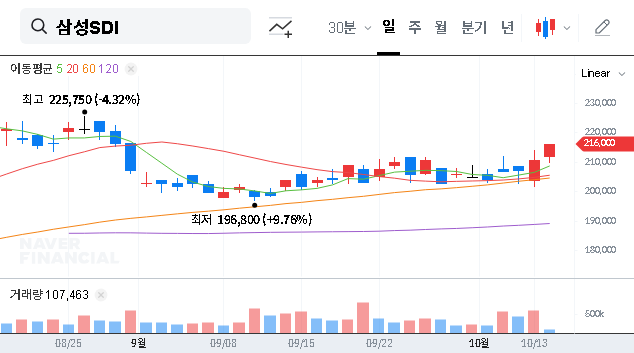
The latest SAMSUNG SDI Q3 earnings report for 2025 sent a wave of concern through the market. With revenue falling short of expectations and a surprising shift to an operating loss, investors are understandably cautious. However, a deeper dive into the numbers reveals a more nuanced picture, including a positive net profit and a clear strategy for long-term dominance in the EV battery market.
This comprehensive analysis unpacks the critical details behind the Q3 performance, evaluates the company’s strategic investments, and provides a forward-looking perspective for anyone considering an investment in Samsung SDI stock. Let’s dissect the challenges and uncover the significant opportunities that lie ahead.
Breaking Down the SAMSUNG SDI Q3 Earnings Report
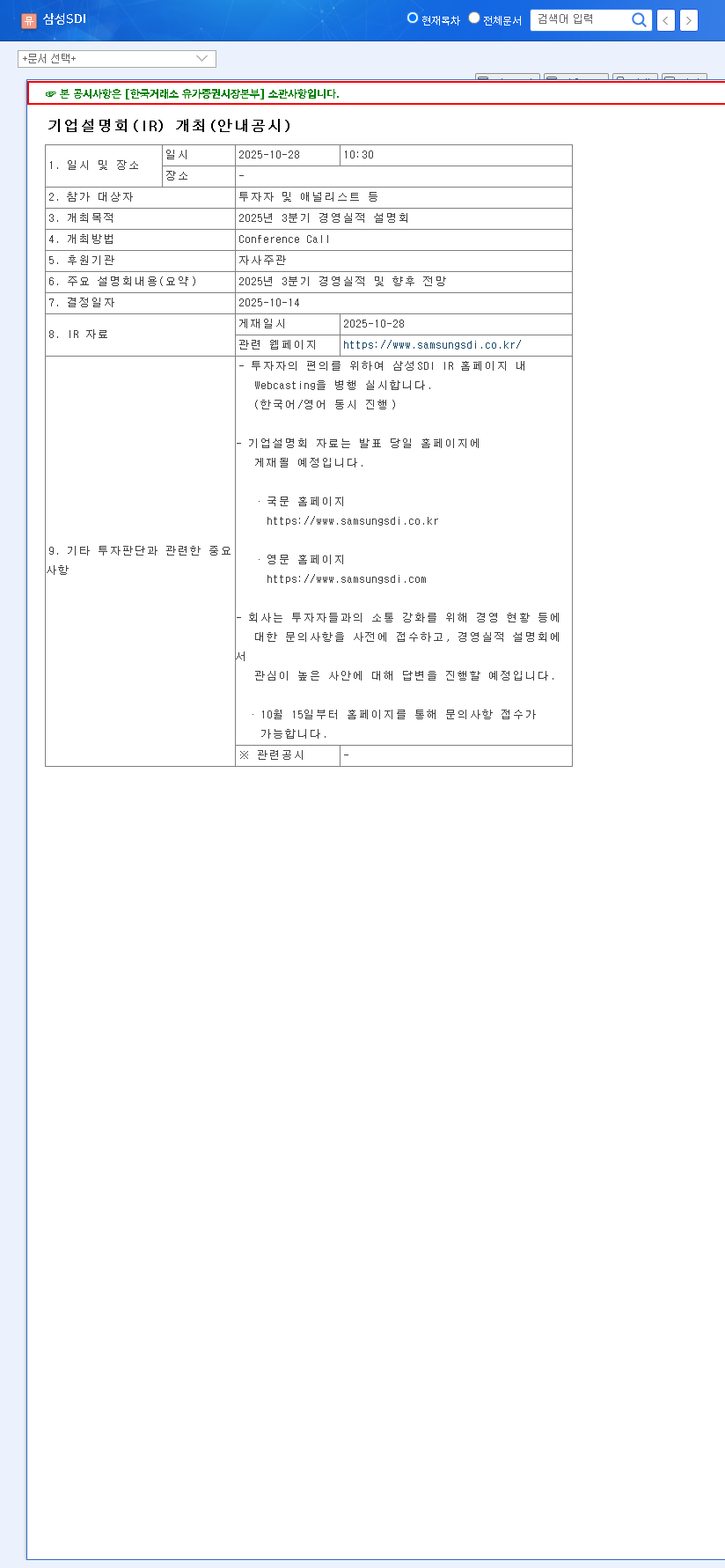
On October 28, 2025, SAMSUNG SDI CO.,LTD (KRX: 006400) released its provisional third-quarter operating results, which immediately caught the attention of analysts. The key financial indicators presented a mixed, and largely challenging, picture when compared to market consensus. You can view the full filing here: (Official Disclosure).
Key Financial Metrics vs. Market Expectations
- •Revenue: KRW 3,051.8 billion, which was 6% below the market’s expectation of KRW 3,242.3 billion.
- •Operating Profit: A loss of KRW -591.3 billion, a significant deviation from the anticipated loss of KRW -341.5 billion.
- •Net Profit: A surprising positive turn to KRW 47.9 billion, comfortably beating the consensus forecast of a KRW -170.5 billion loss.
The Driving Forces Behind the Performance Slump
The underperformance wasn’t caused by a single issue, but rather a confluence of macroeconomic pressures and strategic, forward-looking expenditures. Understanding these factors is key to any Samsung SDI investment thesis.
1. Revenue Headwinds and Market Softness
The 4.0% year-on-year revenue decrease stemmed from both the Energy Solution and Electronic Materials divisions. A global economic slowdown has tempered the previously explosive growth in the global EV market, leading major automakers to adjust production plans. This, combined with weakened demand for power tools and other IT devices, directly impacted sales volumes. The Electronic Materials division, while benefiting from AI semiconductor demand, couldn’t fully offset the volatility from inventory adjustments by its major customers.
2. The High Cost of Future Growth
The shift to an operating loss was driven by two primary factors: the reduced revenue increasing the burden of fixed costs, and a massive, deliberate increase in spending. Samsung SDI invested a colossal KRW 1.84 trillion in the first half of the year for capacity expansion. Furthermore, R&D expenses soared to 11.1% of revenue. While these investments weigh heavily on short-term profitability, they are essential for developing next-generation battery technologies (like the 4680 cell) and securing long-term market leadership. For more on industry trends, see this analysis of the EV battery market.
Despite the short-term pain reflected in the Q3 operating loss, Samsung SDI’s aggressive investment in R&D and capacity is a clear signal of its commitment to capturing future growth and technological superiority.
Future Outlook: Strategy, Competition, and Market Position
While the Q3 report was challenging, Samsung SDI’s long-term growth story remains intact, underpinned by strategic partnerships and a focus on innovation.
Strengthening Key Alliances
Collaboration is central to Samsung SDI’s strategy. The definitive joint venture agreement with General Motors (GM) is a monumental step in solidifying its footprint in the crucial North American market. Similarly, the MOU with Hyundai Motor/Kia to co-develop specialized batteries for robotics opens up an entirely new and promising avenue for growth beyond the traditional EV space. These partnerships not only secure future demand but also de-risk capital-intensive expansion projects.
Key Observation Points for Investors
Moving forward, investors should monitor several key variables that will influence the trajectory of Samsung SDI stock:
- •Q4 Earnings and 2026 Outlook: Watch for signs of improved performance as customer inventory adjustments ease and seasonal effects kick in.
- •EV Market Re-acceleration: Any signs of renewed vigor in the EV market will be a powerful tailwind for the entire battery sector.
- •R&D Milestones: Progress reports on next-generation battery technologies, especially the mass production of 4680 cells, will be critical validation of the current investment strategy.
- •Competitive Landscape: Keep an eye on the pricing policies and technological announcements from key competitors in China and Europe.
Frequently Asked Questions (FAQ)
Q1: Why did SAMSUNG SDI’s Q3 earnings miss market expectations?
The miss was due to a mix of a global economic slowdown impacting EV and IT demand, intensified competition, and significant, planned increases in facility and R&D investments, which raised short-term costs.
Q2: Is the company’s large-scale investment a good or bad sign?
In the short term, it negatively impacted operating profit. However, for a long-term Samsung SDI investment, it is a very positive sign. These expenditures are crucial for building future capacity and developing next-gen technology to maintain a competitive edge.
Q3: What is the long-term outlook for Samsung SDI stock?
The long-term outlook remains strong. The structural growth of the battery industry is undeniable. Samsung SDI’s technological leadership, strong customer partnerships (like GM and Hyundai), and focus on innovation position it well to capitalize on the eventual recovery and continued expansion of the EV and energy storage markets.