Tag: Robot Stocks

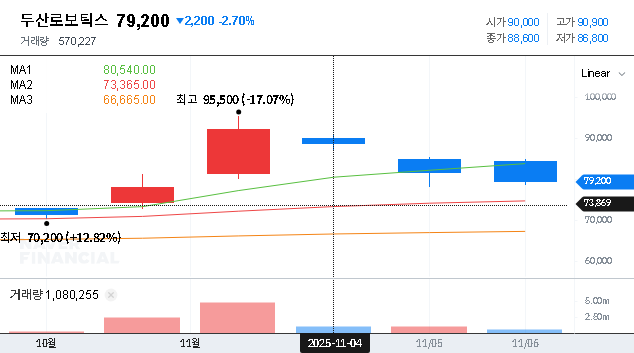
  • (454910) Doosan Robotics Inc. Earnings Analysis (Q3 2025): A Deep Dive for Investors

    (454910) Doosan Robotics Inc. Earnings Analysis (Q3 2025): A Deep Dive for Investors

    The latest Doosan Robotics Inc. earnings report for Q3 2025 has landed, painting a complex picture for investors. As a key player in the burgeoning collaborative robot market, the company’s performance is a critical barometer for the industry’s health. While top-line revenue shows signs of recovery, persistent operating losses raise pivotal questions about the company’s path to profitability. Are these simply the ‘growing pains’ of an ambitious tech leader, or do they signal a deeper crisis?

    This comprehensive analysis dissects the Doosan Robotics Q3 2025 results, examining corporate fundamentals, macroeconomic headwinds, and the competitive landscape. We will provide a clear-eyed view of the challenges and opportunities ahead, offering actionable insights for anyone considering a robotics investment.

    Unpacking the Q3 2025 Earnings Report

    On November 6, 2025, Doosan Robotics Inc. released its provisional consolidated earnings, which can be viewed in the Official Disclosure on DART. The headline figures present a mixed narrative:

    • Revenue: 10.2 billion KRW. A notable increase from the previous quarter and on par with the prior year’s performance.
    • Operating Income: -15.3 billion KRW. The loss margin slightly improved from Q2, but remains a significant concern.
    • Net Income: -12.9 billion KRW.

    While the sequential revenue rebound offers a glimmer of hope, the substantial bottom-line losses underscore the urgent need for a sustainable profitability strategy. The market’s reaction will likely hinge on whether these figures are interpreted as a temporary setback or a systemic weakness in the company’s business model.

    The core challenge for Doosan Robotics isn’t just revenue growth; it’s converting that growth into profit. The Q3 2025 results clearly indicate that the path to profitability remains the company’s most critical journey.

    The Anatomy of ‘Growing Pains’: Why Profits Remain Elusive

    Several key factors contribute to the current financial state of Doosan Robotics Inc., blending strategic long-term investments with short-term operational pressures.

    1. Aggressive R&D Investment

    The robotics industry is fiercely competitive, and maintaining a technological edge is non-negotiable. Doosan’s high R&D spending (32% of sales in H1) is a direct investment in future growth, funding innovations in AI, machine vision, and software platforms. While this spending is essential for long-term dominance, it heavily pressures short-term profitability. Investors must view this as a necessary cost of competition in a high-tech field.

    2. Global Market Expansion Costs

    Establishing a foothold in key international markets is crucial for growth. Doosan’s strategy of setting up branches in the United States and Europe is a forward-thinking move to capture a larger share of the global collaborative robot market. However, this expansion comes with significant upfront costs in logistics, marketing, and personnel. The return on these investments will likely materialize over several quarters, not immediately.

    3. Inventory and Operational Efficiency

    A high inventory level and a low inventory turnover ratio are red flags noted in previous reports. This suggests a potential mismatch between production and sales, leading to increased carrying costs and capital being tied up in unsold goods. Improving inventory management is a critical operational lever the company must pull to enhance profitability. Efficient supply chain management is just as important as innovation for long-term success. For more on this topic, see our guide on evaluating tech company fundamentals.

    Market Outlook and Investment Strategy

    Despite the profitability hurdles, the external environment offers significant tailwinds. The global collaborative robot market is projected to grow at a staggering CAGR of 36%, according to industry reports from sources like MarketsandMarkets. This explosive growth provides a massive opportunity for established players like Doosan Robotics Inc.

    However, macroeconomic factors such as currency fluctuations, rising logistics costs, and shifting interest rate environments introduce volatility. Investors should weigh the immense market potential against these short-term risks.

    Investor Action Plan: A ‘Cautious Watch’ Approach

    Given the current landscape, a ‘Cautious Watch’ stance on Doosan Robotics stock is prudent. The short-term stock price may face downward pressure as the market digests these losses. Before committing capital, investors should look for tangible evidence of a turnaround. Key metrics to monitor include:

    • Profitability Improvements: Look for a steady reduction in operating losses and an improving gross profit margin. This is more critical than revenue growth alone.
    • Operational Efficiency: Monitor inventory turnover ratios and announcements regarding supply chain optimizations.
    • Overseas Performance: Watch for announcements of significant client wins or milestone revenue figures from the US and European markets.
    • Success of Solutions Business: Track the adoption rate of recurring revenue models, such as software subscriptions and integrated solutions like DR.Presso.

    In conclusion, the Doosan Robotics Inc. earnings for Q3 2025 highlight a company at a crossroads. It possesses the technology and market opportunity for phenomenal long-term growth, but it must prove it can build a profitable and sustainable business. Cautious observation and a focus on qualitative operational improvements are the most sensible strategies for investors today.

    (454910) Doosan Robotics Inc. Earnings Analysis (Q3 2025): A Deep Dive for Investors 관련 이미지
  • (117730) T-Robotics Convertible Bond: A Deep Dive on Share Dilution & Investment Strategy

    (117730) T-Robotics Convertible Bond: A Deep Dive on Share Dilution & Investment Strategy

    The upcoming T-Robotics convertible bond conversion is a pivotal event for investors in T-Robotics co., Ltd. (117730). With the company navigating sluggish performance, the exercise of conversion rights for nearly 470,000 shares presents a classic conflict: the immediate risk of share dilution versus the long-term potential for a healthier financial structure. This comprehensive analysis unpacks the event’s mechanics, examines the company’s current financial state, and provides a strategic roadmap for investors to navigate the potential volatility.

    Understanding the T-Robotics convertible bond event isn’t just about the numbers; it’s about weighing short-term market pressure against the company’s long-term strategic financial adjustments. Prudent investors will look beyond the immediate dilution.

    Deep Dive into the T-Robotics Convertible Bond Event

    On October 27, 2025, T-Robotics is set to issue approximately 470,000 new shares. This action stems from the exercise of conversion rights attached to its convertible bonds. For context, a convertible bond is a type of debt security that the holder can convert into a specified number of a company’s shares. While it allows companies to raise capital at a lower interest rate, the conversion can lead to an increased number of shares outstanding, a phenomenon known as share dilution.

    Key Details of the Conversion

    • Event Trigger Date: October 27, 2025
    • Shares to be Issued: 469,941 shares, representing a 2.36% share dilution effect.
    • Conversion Price: 8,767 KRW
    • Reference Stock Price: 14,710 KRW (as of October 27, 2024)
    • Actual Conversion Dates: November 6 and November 11, 2025

    The most critical factor here is the substantial discount. The conversion price of 8,767 KRW is significantly lower than the current market price. This creates a powerful incentive for bondholders to convert their debt into equity and potentially sell the newly acquired shares for an immediate profit, leading to increased selling pressure on the 117730 stock.

    A Company Under Pressure: T-Robotics Financial Analysis

    The timing of this conversion is crucial, as it coincides with a period of financial weakness for T-Robotics, as revealed in its H1 2025 report.

    1. Weak H1 2025 Performance

    The company’s performance has raised concerns. Consolidated revenue fell 14.2% year-over-year to 23.64 billion KRW, largely due to declining sales in its vacuum robot and autonomous logistics robot segments. More alarmingly, T-Robotics posted an operating loss of 0.73 billion KRW and a staggering net loss of 17.23 billion KRW. A significant portion of this net loss (15.77 billion KRW) was attributed to non-cash derivative liability valuation losses related to its convertible bonds, reflecting market volatility and the bonds’ terms.

    2. Deteriorating Financial Structure

    The balance sheet tells a similar story. Total liabilities have swelled by 9.9%, while total equity has plummeted by 33.5%. This has caused the debt-to-equity ratio to surge from a manageable 142.8% to a precarious 247.1%. Such a high ratio indicates significant financial risk and can make it harder for the company to secure future financing. For a deeper understanding of these metrics, you might want to review our guide on how to analyze a company’s financial health.

    Strategic Investor Playbook for the 117730 Stock

    Given the dual pressures of T-Robotics share dilution and underlying financial weakness, investors need a clear strategy.

    Short-Term Approach (High Risk)

    In the short term, the supply overhang from the newly converted shares will likely exert downward pressure on the stock price. Traders should be cautious. A phased buying strategy on significant dips could be considered, but only after the market shows signs of absorbing the new supply. Waiting until after the conversion dates of November 6 and 11, 2025, to assess the price action is a prudent move.

    Mid-to-Long-Term Perspective (Fundamental Focus)

    The long-term outlook for the T-Robotics investment strategy depends entirely on fundamental improvements. The conversion’s positive side effect is that debt is swapped for equity, which will automatically lower the high debt-to-equity ratio and improve the balance sheet. Long-term investors should focus on:

    • Revenue Recovery: Can the company reignite growth in its vacuum and autonomous robot segments?
    • Path to Profitability: Watch for improvements in operating margins and a reduction in net losses in subsequent quarterly reports.
    • Macroeconomic Tailwinds: Monitor factors like interest rates and currency exchange rates, which can impact manufacturing costs and export profitability.

    Conclusion: Navigating the T-Robotics Conversion

    The T-Robotics convertible bond conversion is a double-edged sword. It presents a clear short-term headwind due to share dilution, amplified by the company’s weak financial footing. However, it also offers a necessary step toward deleveraging and strengthening the financial structure for the long haul. Cautious, well-informed decision-making based on a thorough analysis of upcoming earnings reports and market conditions will be paramount for any investor considering the 117730 stock. For complete transparency, investors should review the Official Disclosure (Source: DART) regarding this event.

    (117730) T-Robotics Convertible Bond: A Deep Dive on Share Dilution & Investment Strategy 관련 이미지
  • (270660) EVERYBOT Inc. Shareholding Analysis: Is 34.19% a Threat to Management Control?

    (270660) EVERYBOT Inc. Shareholding Analysis: Is 34.19% a Threat to Management Control?

    A recent update on EVERYBOT Inc. shareholding has captured the attention of the investment community. While the major shareholder’s stake saw a minor decrease, the underlying details reveal important signals about the company’s stability, executive actions, and potential future direction. For investors, understanding these nuances is critical to navigating the stock’s trajectory.

    This comprehensive investor analysis unpacks the official large shareholder report filed on October 16, 2025. We will explore the reasons behind the change, its direct impact on EVERYBOT management control, and provide a strategic outlook for current and potential shareholders. The official filing can be viewed here: Official Disclosure (Source).

    Key Details from the EVERYBOT Shareholder Report

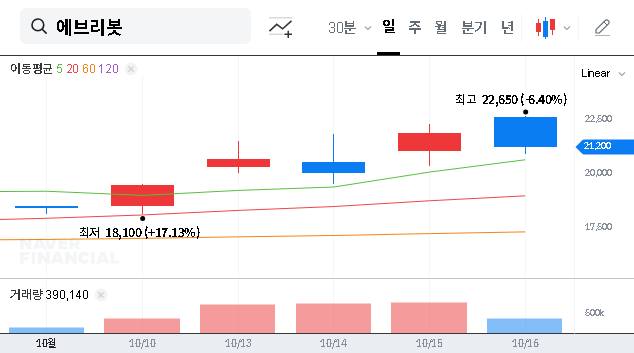
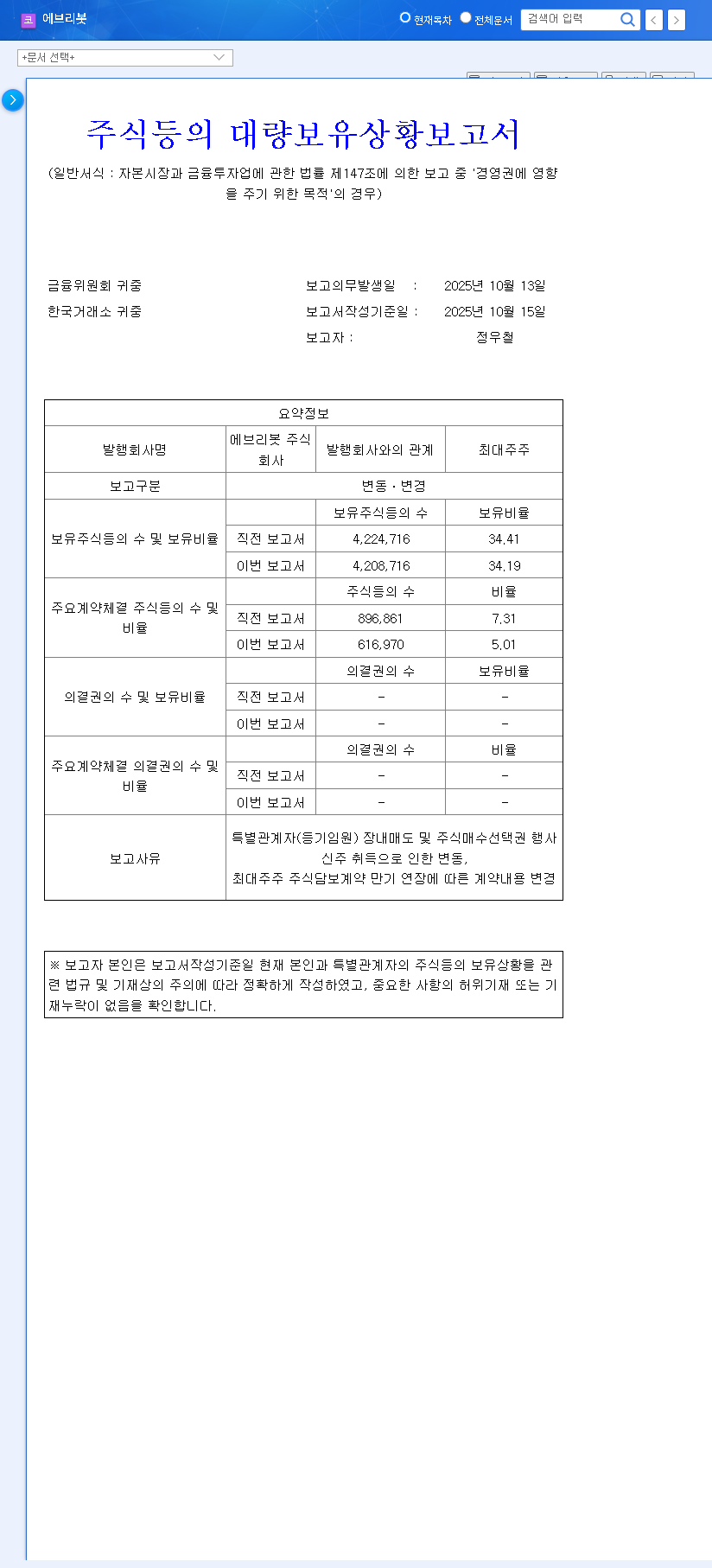
    On October 16, 2025, with a market capitalization of KRW 260.6 billion, EVERYBOT Inc. released its mandatory Large Shareholding Status Report. The headline figures show a seemingly minor adjustment, but the story is in the details:

    • Previous Shareholding: 34.41%
    • New Shareholding: 34.19%
    • Net Change: A decrease of 0.22 percentage points.

    This change was not a single event but a combination of three distinct actions, each with its own implications.

    Analyzing the Three Core Reasons for the Shift

    To perform a thorough EVERYBOT stock analysis, we must dissect each contributing factor.

    1. On-Market Sale by a Registered Executive

    Mr. Hwang Min-soo, a special related party and executive, sold 15,999 common shares. While insider selling can sometimes be a red flag, the relatively small size of this sale suggests it’s likely for personal financial planning or liquidity rather than a loss of faith in the company. However, the market often reacts cautiously to any insider sales, making it a point to monitor.

    2. New Share Acquisition via Stock Options

    The exercise of stock options introduces new shares into the market. This is beneficial for the company as it brings in capital. However, for existing shareholders, it can lead to share dilution, where the value of each individual share decreases because the total number of shares has increased. The report lacked specifics on volume and price, making a precise calculation of the dilution effect difficult at this stage.

    3. Maturity Extension of a Stock Pledge Agreement

    The major shareholder extended a stock pledge agreement. This means shares are used as collateral for a loan. Extending the agreement suggests financial stability and the ability to meet obligations, which is a positive signal. It reinforces their long-term commitment. Yet, the specific terms (like interest rates or collateral ratios) are unknown and represent a potential risk if financial conditions were to change.

    While the headline change in the EVERYBOT Inc. shareholding is minimal, the combination of an executive sale, share dilution, and a stable pledge agreement creates a complex but cautiously optimistic picture for management control.

    Impact on Management Control and Market Sentiment

    The most critical question is whether this shift weakens the primary shareholder’s grip on the company.

    Assessing EVERYBOT Management Control

    A 34.19% stake is a formidable position. In most publicly traded companies, this is more than sufficient to maintain effective management control and direct corporate strategy. The report’s explicit statement that the holding purpose is ‘management influence’ further solidifies this intent. There is no immediate threat. However, continuous dilution or further sales by related parties could slowly erode this position, potentially opening the door to activist investors in the long run. For more context, you can read about how shareholding structures affect corporate governance on our blog.

    Short-Term vs. Long-Term Market Reaction

    In the short term, the news might create minor selling pressure due to dilution fears and the executive sale. However, the impact is expected to be muted. The long-term outlook depends more on the company’s fundamental performance—its financial health, innovation in the robotics sector, and overall market position—than on this minor shareholding adjustment.

    Investor Checklist: Your Next Steps

    Based on this large shareholder report, here are actionable recommendations for investors:

    • Focus on Fundamentals: Look beyond this report. Analyze EVERYBOT’s latest financial statements, revenue growth, and profitability. Is the core business strong?
    • Monitor Future Disclosures: Pay close attention to future filings for details on the stock option exercise price and the renewed terms of the pledge agreement. This will provide a clearer risk profile.
    • Analyze the Competitive Landscape: Understand where EVERYBOT stands in the broader consumer robotics industry. Who are its main competitors, and what are its unique advantages?
    • Watch for Insider Trends: While this one sale is minor, a pattern of continued selling by multiple insiders would be a more significant warning sign.

    In conclusion, the recent update on EVERYBOT Inc. shareholding does not signal a major disruption. Management control remains secure. For the discerning investor, this event is simply one piece of a much larger puzzle, underscoring the need for continuous, fundamentals-based research rather than a reaction to isolated news.

    (270660) EVERYBOT Inc. Shareholding Analysis: Is 34.19% a Threat to Management Control? 관련 이미지
  • (117730) T-Robotics Convertible Bond Conversion: A Deep Dive for Investors on Stock Impact & Dilution

    (117730) T-Robotics Convertible Bond Conversion: A Deep Dive for Investors on Stock Impact & Dilution

    Investors in T-Robotics co., Ltd. are closely watching the recent announcement of a large-scale T-Robotics convertible bond conversion. With nearly a million new shares set to enter the market, questions about stock dilution and the future of the company’s stock price are paramount. This detailed robotics stock analysis will break down the event, explore the underlying financial pressures, and provide a clear action plan for investors navigating this complex situation.

    Our goal is to equip you with the insights needed to make informed decisions, moving beyond the headlines to understand both the immediate risks and potential long-term opportunities tied to this significant financial maneuver.

    The Announcement: Unpacking the T-Robotics Convertible Bond Conversion

    On October 13, 2025, T-Robotics officially disclosed a major convertible bond conversion exercise. According to the Official Disclosure (DART Report), the key figures are:

    • New Shares Issued: 994,634
    • Percentage of Market Cap: 5.30% of total outstanding shares
    • Conversion Price: 8,767 KRW per share
    • Listing Date: October 24, 2025

    The conversion price is significantly below the current market price of 13,550 KRW, making conversion attractive for bondholders. But for existing shareholders, this influx of new shares raises immediate concerns about stock dilution, a concept we will explore further. For a general overview, you can learn more about how convertible bonds work on Investopedia.

    Why Now? Analyzing T-Robotics’ Financial Situation

    This move doesn’t happen in a vacuum. A look at the company’s H1 2025 report reveals a company facing significant financial headwinds. This conversion appears to be less a strategic growth initiative and more an unavoidable choice to secure liquidity.

    Deteriorating Financial Health

    The company’s operating profit and net income have swung to a significant deficit. This is driven by falling sales and rising costs. The most alarming metric is the debt-to-equity ratio, which has ballooned to a staggering 247.1%. This indicates that the company relies heavily on debt to finance its assets, posing a substantial risk to its financial stability.

    Revenue Slump and Market Challenges

    While the vacuum robot divisions saw minor declines, a major drop in sales from the autonomous mobile robot (AMR) division has crippled overall revenue. This is directly tied to reduced investment in the secondary battery and logistics automation markets. Furthermore, macroeconomic pressures like a rising exchange rate and higher interest rates are squeezing profit margins by increasing import and borrowing costs.

    This convertible bond conversion is a classic response to mounting financial pressure. While it provides immediate cash relief, it essentially kicks the can down the road. The core issue for T-Robotics remains operational: can they fix the profitability issues, especially in their key AMR division?

    Stock Price Impact: Short-Term Pain vs. Long-Term Gain

    Short-Term: The Inevitable Stock Dilution

    The most immediate consequence is stock dilution. When 994,634 new shares are created, the ownership stake of every existing shareholder is reduced. This increase in supply, especially when not tied to positive company performance, almost always puts downward pressure on the stock price. Given the company’s poor financial health, investor sentiment is already weak, and this event is likely to exacerbate it.

    Mid-to-Long-Term: Two Divergent Paths

    The long-term outlook for T-Robotics stock is less certain and depends entirely on how the management utilizes this financial lifeline.

    • The Bull Case (Positive): If the capital is used effectively to stabilize operations, invest in R&D for the AMR division, and pay down high-interest debt, this could mark a crucial turning point. An improved financial structure could restore investor confidence and set the stage for future growth.
    • The Bear Case (Negative): If the company fails to improve profitability, the new capital will only be a temporary patch. The underlying business issues will remain, and the unconverted bonds will continue to represent a potential overhang, threatening future dilution and keeping a lid on the stock price.

    Action Plan & Key Indicators for Investors

    A cautious and vigilant approach is required. Rather than making rash decisions, investors should monitor these critical areas:

    • Financial Soundness: Track the debt-to-equity ratio in subsequent quarterly reports. Is the company making a genuine effort to de-leverage its balance sheet?
    • Profitability Turnaround: Look for concrete signs of recovery in the AMR division. Are new contracts being signed? Are margins improving? Actual operational performance is the only true long-term catalyst.
    • Investor Communication: Pay attention to company press releases and investor calls. Transparent communication about fund usage and recovery strategies is crucial for rebuilding trust.

    Ultimately, your decision should align with your personal risk tolerance. For more on this, review our comprehensive guide to analyzing robotics stocks.

    Frequently Asked Questions

    Q1: What is the T-Robotics convertible bond conversion?

    It is an event where holders of T-Robotics’ convertible bonds exchange their bonds for company stock. In this case, 994,634 new shares of T-Robotics stock will be created and listed on October 24, 2025.

    Q2: How will this impact the T-Robotics stock price immediately?

    The immediate impact is likely negative. The increase in the number of shares causes stock dilution, which typically puts downward pressure on the share price, especially when the company is in a poor financial state.

    Q3: What should investors focus on now?

    Investors should look past short-term price movements and focus on the company’s fundamental ability to improve profitability and restore its financial health. The execution of its business strategy, particularly for the struggling AMR division, is paramount.

    (117730) T-Robotics Convertible Bond Conversion: A Deep Dive for Investors on Stock Impact & Dilution 관련 이미지
  • (381620) Xenics Robotics Stock (381620): Deep Dive Analysis of CEO Share Sale & Future Outlook

    (381620) Xenics Robotics Stock (381620): Deep Dive Analysis of CEO Share Sale & Future Outlook

    The performance of Xenics Robotics stock (381620) has recently come under intense scrutiny following a public disclosure about changes in major shareholder equity. When a CEO and related insiders reduce their holdings, it sends ripples through the market, forcing investors to question whether it’s a routine portfolio adjustment or a warning sign about the company’s future. This comprehensive analysis will dissect the disclosure, evaluate the company’s fundamentals, and provide a clear strategic roadmap for current and potential investors.

    We’ll explore the short-term market sentiment, the long-term implications for the Xenics Robotics stock outlook, and how macroeconomic factors play into this complex equation. Let’s delve into the critical investment points for this pivotal robotics company.

    The Catalyst: Unpacking the Shareholder Stake Reduction

    Details of the Shareholding Change

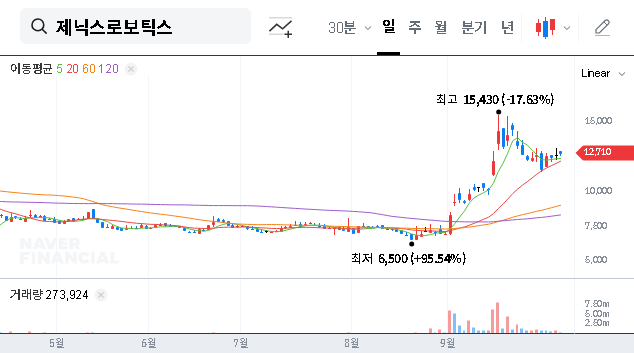
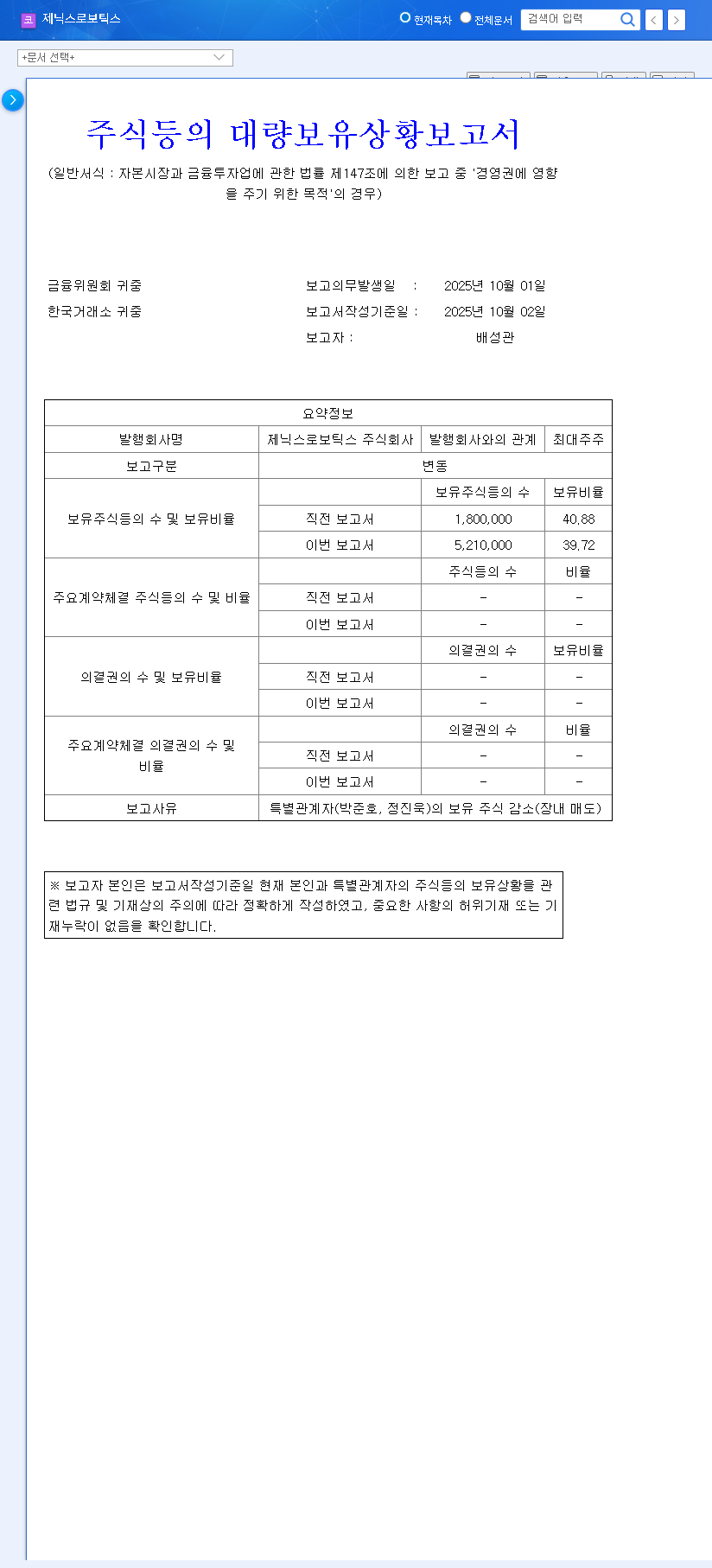
    On October 2, 2025, Xenics Robotics filed its ‘Report on Major Shareholder Status,’ a document that caught the market’s attention. According to the Official Disclosure, the combined shareholding of CEO Bae Seong-gwan and related parties decreased by 1.16 percentage points, falling from 40.88% to 39.72%. The stated purpose for holding the shares remains ‘management influence,’ which makes any reduction particularly noteworthy.

    The reduction was attributed to open market sales by two related individuals: Park Jun-ho (selling 5,588 shares) and Jung Jin-wook (selling 7,130 shares). While these individual amounts aren’t massive, the collective action from insiders raises immediate questions about their confidence in the company’s near-term prospects.

    Current State of Xenics Robotics: A Fundamental Review

    Performance Challenges vs. Financial Stability

    A thorough 381620 stock analysis reveals a company at a crossroads. The first half of 2025 painted a challenging picture:

    • Declining Revenue: Sales revenue was 12.58 billion KRW, a steep 59.1% decrease year-over-year, largely due to reduced facility investment from key clients.
    • Operating Loss: The company swung to an operating deficit of 4.45 billion KRW, pressured by rising costs and falling orders in its main Stocker and AGV/AMR business segments.

    However, beneath these top-line struggles lies a foundation of remarkable financial health. With a debt-to-equity ratio of just 14.5% and a current ratio of 440.2%, the company’s balance sheet is very stable. This financial prudence gives management significant runway to navigate the current downturn and invest in future growth.

    The core challenge for Xenics Robotics is bridging the gap between its current performance slump and its promising long-term potential in a high-growth industry.

    Securing Future Growth Engines

    Management is not standing still. The company is actively pursuing growth through strategic initiatives like establishing a U.S. subsidiary to tap into overseas markets and continuing R&D investment in next-generation technologies, including AI-powered outdoor logistics robots. The global smart factory and logistics automation market is expanding rapidly, a trend confirmed by numerous industry reports. Xenics Robotics is well-positioned to capture this growth, provided it can execute its strategy effectively.

    Investment Strategy for Xenics Robotics Stock

    The CEO shareholding reduction is a critical data point that cannot be ignored. It introduces short-term uncertainty and may signal a lack of confidence from those who know the company best. However, it’s essential to weigh this against the company’s solid financial footing and long-term market opportunity.

    Guidance for Short-Term Traders

    For those with a shorter time horizon, caution is paramount. The insider sales create a potential supply overhang and negative sentiment that could depress the Xenics Robotics stock price in the coming weeks and months. Key actions include:

    • Monitoring for any further insider selling disclosures.
    • Watching for signs of a technical breakdown below key support levels.
    • Treating the stock as highly volatile until the market digests this news.

    Guidance for Long-Term Investors

    Long-term investors should look past the immediate noise and focus on fundamental execution. The key question is whether the current performance dip is a temporary cyclical issue or a sign of deeper structural problems. A successful Xenics Robotics investment from this point will depend on:

    • Turnaround Evidence: Seeing a clear recovery in order books and revenue in upcoming quarterly reports.
    • Strategic Progress: Tangible results from the U.S. subsidiary and advancements in R&D projects.
    • Management Communication: Clear and transparent communication from leadership about their strategy to restore growth and shareholder value.

    Understanding the broader sector is also key. For more context, you can review our complete guide to investing in robotics stocks.

    Frequently Asked Questions

    What was the exact change in CEO and insider shareholding?

    The combined stake of CEO Bae Seong-gwan and related parties decreased by 1.16%, from 40.88% to 39.72%, due to open market sales by two associates.

    How is this affecting the Xenics Robotics stock price now?

    In the short term, this news can create negative pressure on the stock due to concerns about insider confidence and an increase in the supply of shares on the market. Increased volatility and investor caution are expected.

    Is Xenics Robotics financially stable despite poor performance?

    Yes. Despite recent revenue declines and an operating loss, the company maintains a very strong and stable financial structure with a low debt-to-equity ratio (14.5%) and high liquidity (440.2% current ratio).

    (381620) Xenics Robotics Stock (381620): Deep Dive Analysis of CEO Share Sale & Future Outlook 관련 이미지