Tag: Retail

  • (071840) LOTTE Himart Q3 Earnings Analysis (071840): Profit Turnaround & Future Outlook

    (071840) LOTTE Himart Q3 Earnings Analysis (071840): Profit Turnaround & Future Outlook

    The latest LOTTE Himart Q3 earnings report for 2025 has sent a complex but cautiously optimistic signal to the market. While the Korean electronics retailer (KRX: 071840) faced persistent revenue headwinds, a significant turnaround to operating profit has caught the attention of investors. This performance isn’t just a set of numbers; it’s a story of strategic adjustments in a fiercely competitive Korean retail sector and a saturated home appliance market.

    Can LOTTE Himart build on this newfound profitability for sustainable growth, or are the underlying market challenges too great? This comprehensive LOTTE Himart analysis will dissect the Q3 results, evaluate the company’s strategic position, and identify the critical watchpoints for the future.

    Breaking Down the LOTTE Himart Q3 Earnings Report

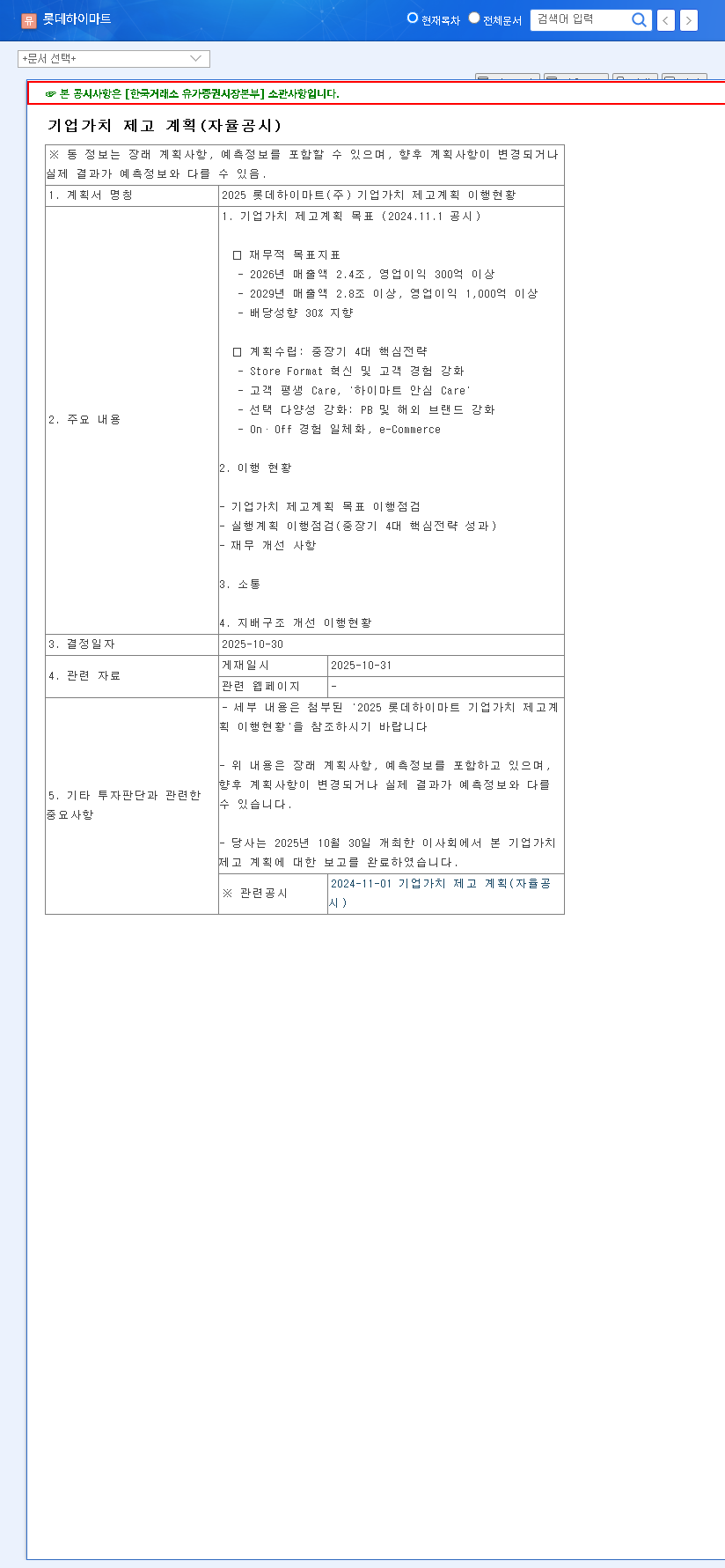
    On October 31, 2025, LOTTE Himart released its preliminary Q3 operating results, which presented a mixed bag of outcomes when compared to market consensus. According to the Official Disclosure, the key figures were as follows:

    • Revenue: KRW 652.5 billion, falling 6.0% short of the KRW 695.4 billion estimate.
    • Operating Profit: KRW 19.0 billion, a narrow 4.0% miss compared to the KRW 19.7 billion estimate, but a crucial return to profitability from an H1 loss.
    • Net Income: KRW 14.2 billion, a significant outperformance, beating the KRW 11.8 billion estimate by over 20%.

    The primary takeaway is the successful pivot from an operating loss in the first half of the year. This suggests that internal cost-control measures and efficiency improvements are beginning to bear fruit, even as top-line growth remains a significant challenge.

    While revenue sluggishness is a concern, the impressive turnaround in operating and net income demonstrates a newfound resilience and a focus on financial discipline that could redefine the company’s trajectory.

    Strategic Analysis: Navigating a Turbulent Market

    LOTTE Himart’s Q3 performance is the result of a complex interplay between internal strategy and external pressures. A deeper 071840 stock analysis requires understanding these dynamics.

    Internal Strengths and Financial Health

    The company’s core strengths remain its extensive nationwide store network and a wide product assortment. Differentiated offerings like the ‘Himart Ansim Care Service’ and an expanding OMNI channel strategy provide a competitive edge over purely online players. Financially, the debt-to-equity ratio of 106.78% is within a manageable range. However, a notable increase in inventory assets to KRW 1.91 trillion signals a potential risk. This could indicate slowing sales or a need for more efficient inventory management, a key factor to watch as it directly impacts cash flow and profitability.

    External Pressures and Market Headwinds

    The home appliance market in South Korea is mature and highly susceptible to macroeconomic conditions. Persistently high interest rates and inflation have dampened consumer sentiment, directly impacting big-ticket purchases. Furthermore, competition is relentless, not just from traditional rivals but also from dominant e-commerce platforms. Macroeconomic factors, including a high Won/Dollar exchange rate (hovering around KRW 1,300), increase the cost of imported goods and components, squeezing margins. According to global market analysts, these consumer spending headwinds are expected to persist into the next year.

    Future Outlook & Key Investor Watchpoints

    While the Q3 return to profitability is a positive development, the path forward requires careful navigation. Investors should monitor the following key areas to gauge the sustainability of this recovery:

    • Inventory Turnover Ratio: The current ratio of 3.9% is declining. An improvement here would signal stronger sales and more efficient management, freeing up capital and reducing carrying costs.
    • New Business Contribution: Monitor the revenue and profit contribution from new ventures like franchise operations and private-label PC manufacturing. Successful integration of these businesses is crucial for long-term growth.
    • Gross Profit Margin: As revenue remains under pressure, maintaining or improving gross margins through strategic pricing, product mix, and cost control will be essential for bottom-line health.
    • Macroeconomic Indicators: Keep an eye on South Korea’s consumer sentiment index, interest rate policies, and the KRW/USD exchange rate, as these will directly impact both sales and costs.

    In conclusion, the LOTTE Himart Q3 earnings mark a potential turning point. The company has demonstrated its ability to adapt and control costs in a difficult environment. However, the true test lies in reviving top-line growth and effectively managing inventory. The future trajectory of 071840 stock will depend on how successfully management can build upon this quarter’s profitability while navigating the persistent challenges in the broader market.
    (071840) LOTTE Himart Q3 Earnings Analysis (071840): Profit Turnaround & Future Outlook 관련 이미지
  • (069960) Hyundai Department Store Stock Analysis: Will a Major Shareholder Stake Increase Boost its Outlook?

    (069960) Hyundai Department Store Stock Analysis: Will a Major Shareholder Stake Increase Boost its Outlook?

    The market is buzzing with the latest news surrounding the Hyundai Department Store stock, as its largest shareholder, Hyundai GF Holdings, has increased its stake. This move has investors asking a critical question: Is this a signal of renewed confidence and a precursor to a stock price surge, or a minor adjustment with little long-term impact? This comprehensive Hyundai Department Store analysis will dissect the event, evaluate the company’s core fundamentals, and explore the macroeconomic landscape to provide a clear investor outlook.

    We will delve into the strategic intent behind this decision, the health of its diverse business segments, and the external pressures that could shape its future. For anyone considering an investment, understanding these interconnected factors is paramount.

    The Shareholder Move: A Closer Look

    What Exactly Happened?

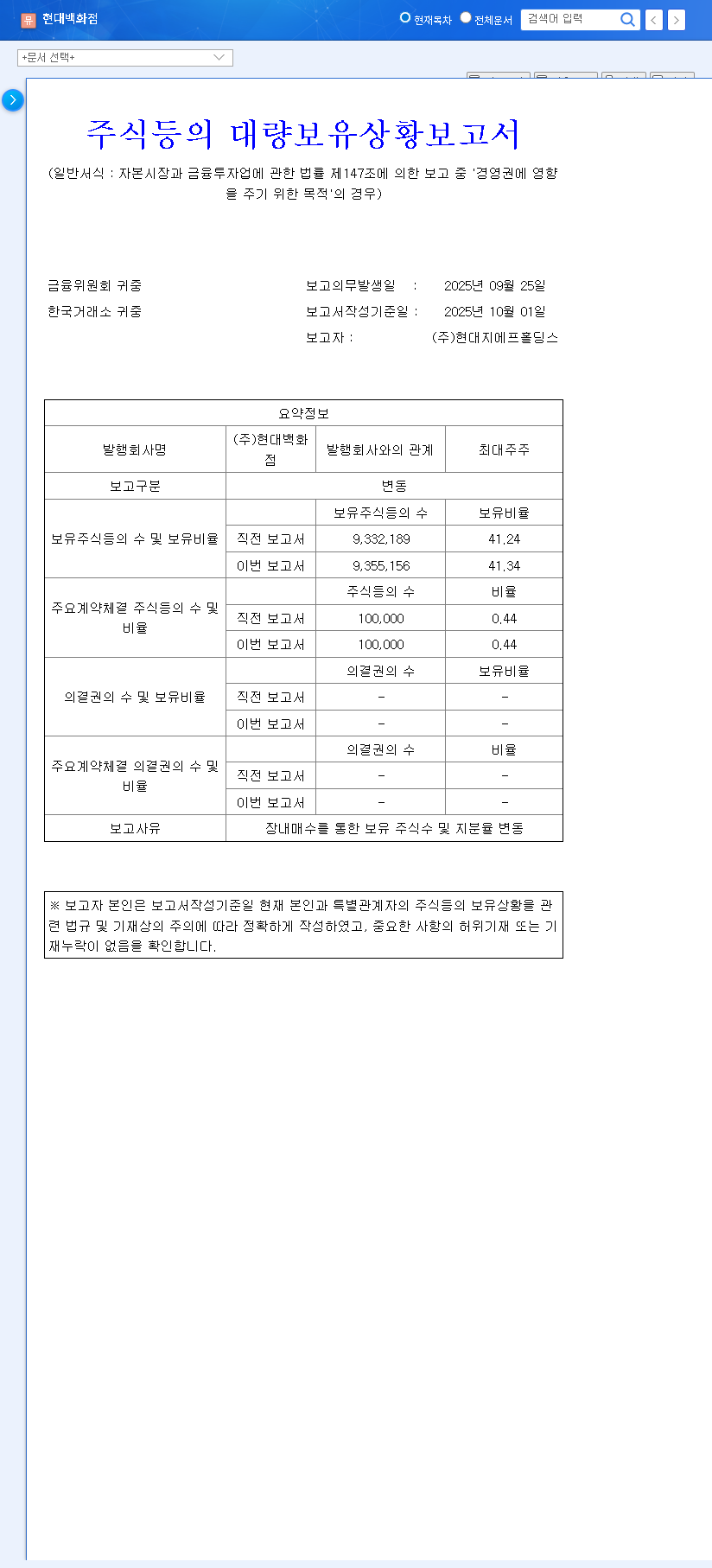
    Hyundai GF Holdings Co., Ltd. formally announced an acquisition of additional shares in Hyundai Department Store. According to the public filing, this transaction increased their total ownership by 0.1 percentage points, from 41.24% to 41.34%. While seemingly small, the stated purpose of ‘Influence over Management Rights’ is a clear declaration of intent. You can view the Official Disclosure on DART for complete details.

    The Strategic Rationale: Why Increase the Stake Now?

    This move is widely interpreted as a strategic maneuver by Hyundai GF Holdings to reinforce its control and signal a long-term commitment to the company’s value. In a competitive retail environment, a stable and decisive management structure is crucial for executing ambitious growth plans, such as new store openings or digital transformations. This act serves to reassure the market that leadership is consolidated and focused on sustainable growth rather than short-term financial gains.

    This stake increase, though minor in percentage, is a significant symbolic vote of confidence from the parent company, aiming to stabilize management and steer the company towards long-term value creation.

    Fundamental Analysis of Hyundai Department Store

    To truly understand the investor outlook, we must look beyond a single event and analyze the company’s operational health. Hyundai Department Store is a multi-faceted business with distinct strengths and challenges across its segments.

    Strengths and Weaknesses

    • Robust Core Business: The department store division remains the company’s anchor, contributing over 52% of consolidated revenue. It has demonstrated resilience and continues to be a powerful engine for profitability.
    • Successful Turnaround (Zinus): The furniture subsidiary, Zinus, has successfully transitioned back to profitability, demonstrating effective business restructuring and operational improvements. This diversification provides a healthy buffer for the overall portfolio.
    • Duty-Free Segment Struggles: A significant headwind is the underperforming duty-free segment. It faces intense competition and high operating costs, which have been a drag on overall profitability. A clear strategy for improving this division is essential for future growth.
    • Solid Financial Health: The company maintains a healthy debt-to-equity ratio of 78.94%. However, increased investment has slightly raised the net borrowing ratio, and exposure to foreign exchange risk requires careful management.

    Market Impact and Hyundai Department Store Stock Outlook

    The key question for investors is how this news translates into stock performance. The impact can be viewed from both a short-term and long-term perspective.

    Short-Term Sentiment vs. Long-Term Value

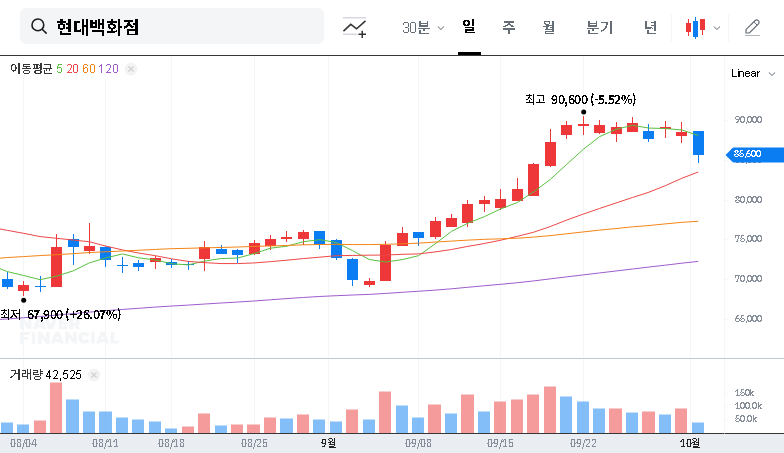
    In the short term, the stake increase is a positive signal that could boost investor confidence. However, given the marginal 0.1% change, it is unlikely to be a catalyst for a major, immediate rally in the Hyundai Department Store stock price. The long-term trajectory will depend entirely on the company’s ability to capitalize on its stable management. If this leads to better strategies—especially in turning around the duty-free business—the positive impact on fundamental value will eventually be reflected in the stock price. For a broader view on market trends, investors often consult sources like Bloomberg’s market analysis.

    Navigating Macroeconomic Headwinds

    No company operates in a vacuum. Several macroeconomic variables present both risks and opportunities for Hyundai Department Store.

    • Interest Rates: With benchmark rates holding steady in both the U.S. and South Korea, borrowing costs are stable. However, any future hikes could dampen consumer spending on discretionary and luxury goods, impacting department store sales.
    • Exchange Rates: A volatile KRW/USD exchange rate can be a double-edged sword. A weaker won makes imported goods more expensive but could attract more foreign tourists to its duty-free shops, potentially boosting that segment.
    • Logistics Costs: Rising global freight indices signal increasing pressure on supply chain costs. This could squeeze margins on imported products sold across its retail platforms. For more on this, see our analysis of the Korean retail sector.

    Investor Strategy and Final Recommendations

    Considering all factors, the recent stake increase by Hyundai GF Holdings is a net positive, but it is not a standalone reason to invest. The long-term success of the Hyundai Department Store stock hinges on sustained fundamental improvements.

    Short-Term Approach

    The immediate impact is limited. A wait-and-see or phased buying strategy is advisable. Aggressively buying based on this news alone carries unnecessary risk.

    Long-Term Perspective

    Investors should focus on key performance indicators: sustained growth in the core department store segment, a clear path to profitability for the duty-free business, and the continued success of Zinus. The company’s ability to manage macroeconomic risks will also be critical. The stabilized management should, in theory, provide the foundation to tackle these challenges effectively.

    (069960) Hyundai Department Store Stock Analysis: Will a Major Shareholder Stake Increase Boost its Outlook? 관련 이미지
  • GS Announces Dividend Increase: A Good Investment Opportunity?

    1. What happened at GS?

    GS announced that it will distribute at least 40% of its average net profit (excluding non-recurring gains) based on separate financial statements for the past three years as dividends from 2025 to 2027. Furthermore, it guarantees a minimum dividend per share (DPS) of KRW 2,000, providing stable dividend income to shareholders.

    2. Why the dividend increase?

    GS recently experienced a significant decrease in net profit due to deteriorating profitability in the energy sector. The announcement of the dividend increase policy in this situation is interpreted as a strategy to defend against falling stock prices and regain investor confidence by enhancing shareholder value.

    3. How should you invest in GS?

    While GS’s dividend increase is a positive sign for shareholders, there are several factors to consider before making an investment decision.

    • Earnings Improvement: The source of dividends ultimately comes from the company’s earnings. The recovery of GS’s energy sector performance is key to the sustainability of dividends.
    • Macroeconomic Environment: External factors such as international oil price volatility and interest rate hikes can affect GS’s performance.
    • Competitor Comparison: Objectively evaluate GS’s investment attractiveness compared to other energy/retail companies.

    4. Investor Action Plan

    Investors considering investing in GS should develop the following action plan:

    • Monitor future earnings announcements and check the net profit trend and dividend payment amount.
    • Monitor energy market trends and macroeconomic indicators to adjust investment strategies for GS.
    • Continuously analyze GS’s business diversification strategy and new business performance.

    Frequently Asked Questions

    What is GS’s minimum dividend?

    GS is scheduled to pay a minimum dividend of KRW 2,000 per share.

    When will the dividends be paid?

    The specific dividend payment schedule can be confirmed through future public announcements.

    Is there a possibility that GS’s dividend policy will change?

    GS’s dividend policy may change depending on its management situation or changes in the external environment.

  • E-mart Q1 2025 Earnings Shock: Fundamental Crisis and Investment Strategies

    1. E-mart Q1 2025 Performance: What Happened?

    E-mart reported KRW 70.39 trillion in revenue (down 3% YoY), KRW 21.6 billion in operating profit (down 86.4% YoY), and a net loss of KRW 52.3 billion for Q1 2025. All figures missed market consensus, triggering an “earnings shock.”

    2. What Caused the Underperformance?

    External factors include macroeconomic uncertainties such as the rising USD/KRW exchange rate, increasing international oil prices, and the possibility of interest rate hikes. Internal factors include weakened consumer sentiment, intensified competition in the retail market, and sluggish performance in some business segments.

    3. Impact on Fundamentals?

    This underperformance is expected to negatively impact E-mart’s fundamentals. Continuous sales decline and worsening profitability could lead to weakened investor confidence.

    4. What Should Investors Do?

    Investors should carefully review the upcoming detailed earnings report and the company’s business strategies. It’s crucial to be mindful of short-term stock volatility and make prudent investment decisions with a long-term perspective. Investors should watch E-mart’s strategies to strengthen its core business competitiveness, improve cost efficiency, and identify new growth engines.

    Frequently Asked Questions

    What are the main reasons for E-mart’s poor performance in Q1 2025?

    A combination of factors, including macroeconomic uncertainty (exchange rates, oil prices, interest rates), weakening consumer sentiment, intensified competition, and underperformance in some business segments.

    How will these earnings affect E-mart’s stock price?

    The earnings are likely to negatively impact the stock price in the short term. However, the mid-to-long-term impact will depend on the company’s future strategies and earnings improvements.

    What should investors keep in mind?

    Carefully examine the detailed earnings report and company strategies, be cautious of short-term stock volatility, and make well-informed investment decisions.

  • GS Holdings (078930) Q1 2025 Earnings Disappoint: Can August IR Spark a Turnaround?

    1. GS Q1 2025 Earnings: What Went Wrong?

    GS Holdings’ Q1 2025 operating profit and net income declined by 21.3% and 38.6% year-on-year, respectively. The energy sector underperformed due to volatility in international oil and LNG prices, coupled with declining electricity market prices. The investment segment also reported weak results, with declines in refining margins and the hotel and tourism business particularly notable.

    2. Positive Factors: Retail Growth and Future Investments

    Despite the challenging macroeconomic environment, GS Retail’s convenience store and supermarket businesses demonstrated robust growth, driven by the increasing number of single and two-person households and the growing trend of proximity shopping. GS Holdings also continues to invest in future growth drivers such as renewable energy and electric vehicle charging infrastructure, enhancing its long-term growth potential.

    3. August 18th IR: Key Takeaways to Watch

    The IR meeting on August 18th is crucial for management to address the Q1 underperformance and outline a clear path to recovery. Investors should pay close attention to the following:

    • • Strategies to improve profitability in core business segments
    • • Roadmap and progress of new business investments
    • • Strategies to navigate macroeconomic headwinds

    4. Investor Action Plan: Adapt Your Strategy Based on IR Outcomes

    Investors should carefully analyze the information presented during the IR and adjust their investment strategies accordingly. GS Holdings’ stock price could experience significant volatility depending on management’s explanations and future outlook. Pay particular attention to the concrete results of new business investments and the feasibility of the proposed recovery plan.

    Frequently Asked Questions (FAQ)

    What were the main reasons for GS Holdings’ poor Q1 2025 performance?

    The underperformance was primarily driven by weakness in the energy sector and the investment segment. Factors included volatility in international oil and LNG prices, declining electricity market prices, lower refining margins, and weakness in the hotel and tourism business.

    What is the outlook for GS Holdings?

    Key factors influencing GS Holdings’ future fundamentals and stock price include continued growth in the retail segment, recovery in the energy business, tangible results from new business investments, and effective navigation of the macroeconomic environment. The management’s strategy and vision presented during the August IR will be crucial.

    What are the key risks for investors in GS Holdings?

    High debt levels and exposure to external factors represent key risks. Investors should carefully evaluate management’s commitment to improving performance, the concrete implementation plans, and the strategies for mitigating macroeconomic headwinds during the IR.

  • GS Stock Forecast: Q2 2025 Earnings Call Key Analysis (Aug 14th)

    1. GS Q1 2025 Earnings: Energy Sector Weakness, Retail Sector Resilience

    GS recorded sales of KRW 6.2388 trillion (up 2.2% YoY) in Q1 2025, but operating profit declined to KRW 800.2 billion (down 21.5% YoY). The decline was primarily due to poor performance in the GS Energy resource development division. While the retail sector (GS Retail) saw sales growth, profitability declined due to weak home shopping performance and increased costs. However, the expansion of renewable energy projects is a positive sign.

    2. Key Points to Watch in GS’s Q2 Earnings Call on August 14th

    The key points to watch during GS’s Q2 earnings call on August 14th are the energy sector’s recovery and the retail sector’s profitability improvement strategy. It’s crucial to observe how GS performs in Q2 amidst declining international oil prices and the trend of interest rate cuts. Announcements regarding investment plans in renewable energy projects are also highly anticipated.

    3. GS Investment Strategy: Fundamental Analysis and Key Investment Points

    • Strengths: Diversified business portfolio, growth potential in renewable energy, stable financial structure
    • Weaknesses: Volatility in energy sector earnings, challenges in retail sector profitability improvement
    • Investment Strategy: Closely analyze the Q2 earnings call, evaluate valuation attractiveness, identify long-term growth drivers, and monitor the macroeconomic environment

    GS currently shows an undervalued valuation, but the future direction of the stock price will depend on whether earnings improve. Therefore, continuous monitoring of Q2 earnings call results and changes in macroeconomic indicators is crucial.

    4. Action Plan for Investors

    Investors should carefully review GS’s Q2 earnings announcement and make investment decisions based on a comprehensive assessment of management’s business strategies and risk management capabilities. Particular attention should be paid to the recovery of the energy sector and the growth potential of renewable energy projects.

    Frequently Asked Questions

    What are GS’s main businesses?

    GS has a diversified business portfolio including energy, retail, and trade. Key affiliates include GS Caltex, GS Retail, and GS Global.

    What is the outlook for GS’s Q2 earnings?

    Market attention is focused on whether GS’s earnings will improve after the sluggish performance in Q1. The recovery of the energy sector is a particularly important point to watch.

    What should investors be aware of when investing in GS stock?

    GS is sensitive to the macroeconomic environment. It’s important to monitor changes in macroeconomic indicators such as oil prices, exchange rates, and interest rates when making investment decisions.

  • Lotte Shopping (023530) Q1 2025 Earnings Disappoint: Can the Upcoming IR Spark a Turnaround?

    1. Lotte Shopping Q1 2025 Earnings Analysis: What Went Wrong?

    Lotte Shopping’s Q1 2025 consolidated earnings showed a significant decline, with revenue at KRW 3.4567 trillion and operating profit at KRW 148.2 billion. This drop reflects the combined impact of weakened consumer spending, high interest rates, and fierce competition. The decline in sales from department stores and discount stores, coupled with operating losses in electronics and cinema businesses, is particularly concerning.

    • Weak Sales: Core businesses like department stores and discount stores struggled.
    • Declining Profitability: Electronics and cinema businesses reported operating losses.
    • Financial Burden: High debt-to-equity ratio and foreign exchange risk related to foreign currency debt.

    2. August 11th IR: Key Points to Watch

    The August 11th IR is a critical event that will provide insights into Lotte Shopping’s future direction. Investors should focus on the following key aspects:

    • Analysis of Q1 Underperformance and Future Strategies: Clear solutions to address the challenges of increased competition and weakened consumer sentiment are crucial.
    • Strategies to Strengthen Core Business Competitiveness: Plans to enhance department store premium strategies, improve online-offline synergy for discount stores, and boost e-commerce profitability will be key.
    • New Growth Engine Plans: Specific roadmaps for identifying and investing in new growth drivers are needed.
    • Financial Restructuring Plans: Clear explanations of plans for debt reduction and improving financial soundness are necessary.

    3. Investment Strategies for Lotte Shopping

    Investing in Lotte Shopping requires a long-term perspective rather than focusing on short-term performance. Carefully analyze the company’s vision and strategies presented during the IR and consider the following factors before making investment decisions:

    • Structural Improvement: Focus on long-term competitiveness rather than short-term rebound.
    • Digital Transformation Strategy: Evaluate strategies to strengthen online competitiveness and create online-offline synergies.
    • Financial Health: Examine efforts to reduce debt and ensure stable financial structure.

    FAQ

    Q: What were the main causes of Lotte Shopping’s weak performance in Q1 2025?

    A: The decline was attributed to a combination of factors, including weakened consumer sentiment, sustained high interest rates, and intensified competition in the retail market.

    Q: What should investors pay attention to during Lotte Shopping’s IR on August 11th?

    A: Key areas to watch include explanations for the Q1 underperformance and clear strategies for future profitability and growth. Investors should specifically look for details on strengthening core business competitiveness, new growth engines, and financial restructuring plans.

    Q: What factors should be considered when investing in Lotte Shopping?

    A: Investors should prioritize the company’s ability to achieve fundamental structural improvements and execute long-term growth strategies, rather than focusing solely on short-term stock price fluctuations. Key considerations include structural reforms, digital transformation strategy, and financial health.

  • POSBANK Acquires Surein: Diversification or Risk?

    What Happened?

    POSBANK announced the acquisition of Surein, an electronics wholesale and retail company. The merger date is October 14, 2025, and the new stock listing date is November 4, 2025.

    Why the Merger?

    POSBANK aims to diversify its portfolio beyond POS and KIOSK systems, seeking new growth engines. Leveraging Surein’s retail network, they plan to expand their market share and reach new customers.

    What are the Potential Outcomes?

    Positive Impacts

    • Increased Revenue and Profitability: Surein’s KRW 2.5 billion net profit in 2025 is expected to significantly contribute to POSBANK’s profitability.
    • Business Diversification: Reduced reliance on the POS and KIOSK markets and diversified risk, ensuring long-term growth stability.
    • Market Expansion: Access to Surein’s retail network enables new customer acquisition and market share growth.

    Potential Risks

    • Merger Costs: Unexpected expenses may arise during the merger process.
    • Culture Clash: Potential integration challenges due to cultural differences between the two companies.
    • Uncertainty of Surein’s Business: Future growth of Surein is uncertain and may become a burden if synergies are not realized.
    • Financial Burden: Potential increase in POSBANK’s debt ratio.

    Investor Action Plan

    Investors should monitor post-merger synergies, macroeconomic risks like fluctuations in raw material prices and exchange rates, and the success of new ventures. Analysis of Surein’s recent performance and projected financial statements of the merged entity is crucial.

    Frequently Asked Questions

    How will the Surein acquisition impact POSBANK’s stock price?

    The merger has both positive and negative potential impacts, making it difficult to predict its effect on stock price with certainty. Market reaction and post-merger performance will significantly influence stock volatility.

    How will POSBANK’s business strategy change after the merger?

    POSBANK is expected to focus on business diversification and market expansion by leveraging Surein’s retail network. Synergy strategies with existing businesses will be crucial.

    What should investors pay attention to?

    Investors should carefully monitor post-merger synergies, macroeconomic changes, and the success of new businesses. Analysis of Surein’s recent performance and the merged entity’s projected financial statements is essential.