Tag: Renewable Energy

  • DASCO Acquires SolEco: Investment Opportunity or Risk? Key Analysis and Investment Strategy

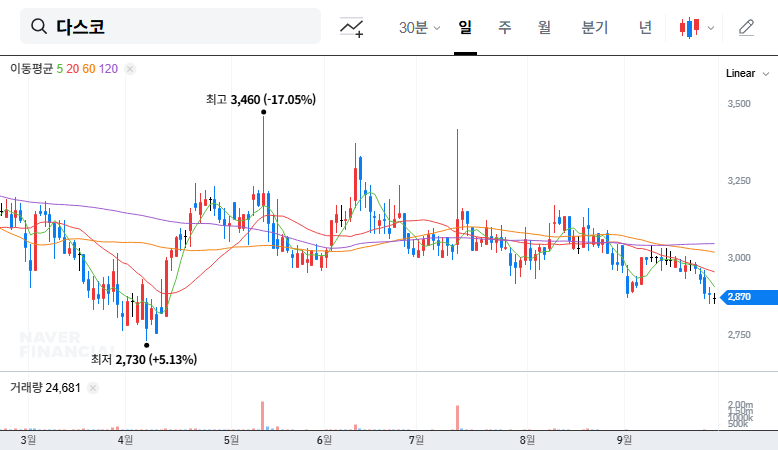
    DASCO Acquires SolEco: Investment Opportunity or Risk? Key Analysis and Investment Strategy 대표 차트 이미지

    1. DASCO-SolEco Merger: What’s Happening?

    DASCO announced on September 24, 2025, its plan to acquire its subsidiary, SolEco. SolEco, a manufacturer of floating structures and supplier of construction materials, will be fully absorbed by DASCO. The primary goal of this merger is to strengthen DASCO’s renewable energy business, specifically in the floating solar power sector. The merger date is set for November 29, 2025, and DASCO’s stock is currently halted from trading.

    2. Why Merge? Analyzing Synergies and Risks

    DASCO aims to secure SolEco’s floating solar buoy technology and create synergies within its renewable energy business segment to secure future growth engines. The merger is also expected to increase operational efficiency by eliminating overlapping functions and reducing costs. However, SolEco’s weak performance (sales of 3.7 billion KRW and a net loss of 2.4 billion KRW in the first half of 2024) could burden DASCO’s financial health post-merger. The uncertainties surrounding the merger process and the actual realization of synergy effects also require careful consideration.

    3. DASCO’s Business Status and Future Prospects

    DASCO operates in SOC, energy, building materials, and steel businesses. While the SOC business has returned to profitability, the energy and building materials sectors are recording losses. The steel business remains profitable but faces challenges due to intensified competition. DASCO is seeking diversification through new business ventures, but its R&D investment ratio is relatively low.

    4. Action Plan for Investors

    While this merger can be viewed positively in the long term, short-term risks exist. Investors should consider various factors before making investment decisions, including SolEco’s post-merger profitability, the performance improvement of DASCO’s existing businesses, changes in financial structure after the merger, and the macroeconomic and market conditions. The potential for short-term stock price volatility should also be noted.

    What is the purpose of the merger between DASCO and SolEco?

    DASCO is acquiring SolEco to enhance its competitiveness and create synergies within its renewable energy business, particularly in the floating solar power sector.

    What are the risks associated with the merger?

    Key risk factors include SolEco’s poor financial performance, uncertainties surrounding the merger process, and the potential failure to achieve synergy effects.

    What precautions should investors take?

    Investors should consider various factors, including SolEco’s profitability after the merger, the performance of DASCO’s existing business, and changes in financial structure post-merger. They should also be aware of potential short-term stock price volatility.

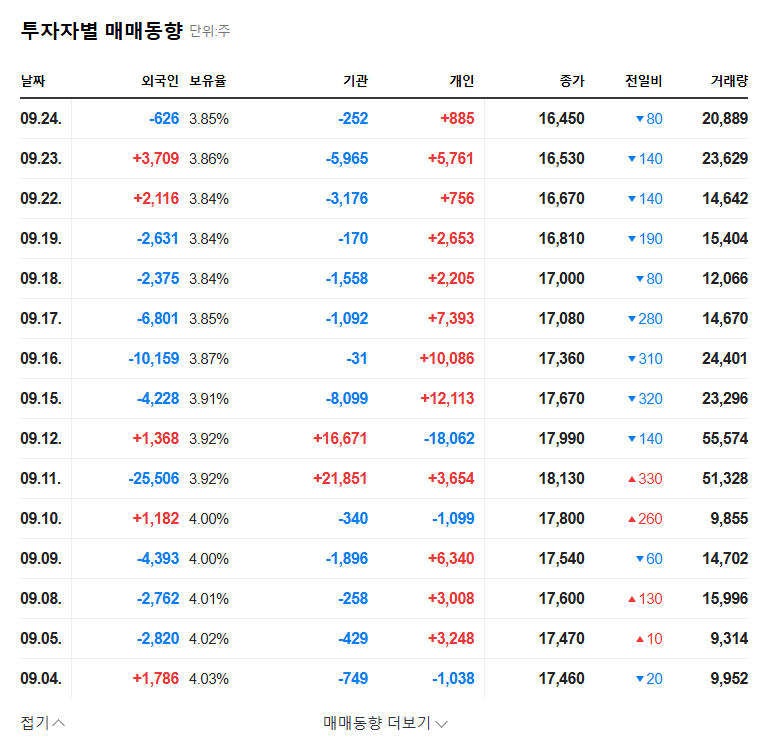
    DASCO Acquires SolEco: Investment Opportunity or Risk? Key Analysis and Investment Strategy 관련 이미지
    DASCO Acquires SolEco: Investment Opportunity or Risk? Key Analysis and Investment Strategy 관련 이미지
  • Daesung Finetec Enters Theme Park Business: Opportunities and Risks


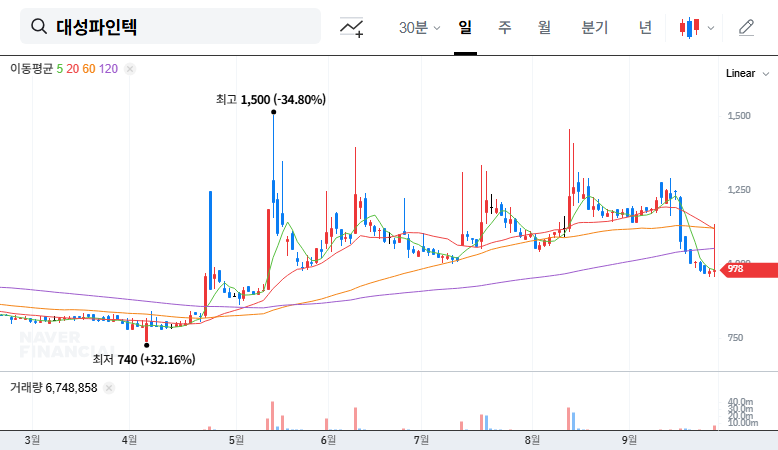
    Daesung Finetec Enters Theme Park Business: Opportunities and Risks 대표 차트 이미지


    1. Why is Daesung Finetec Entering the Theme Park Business?

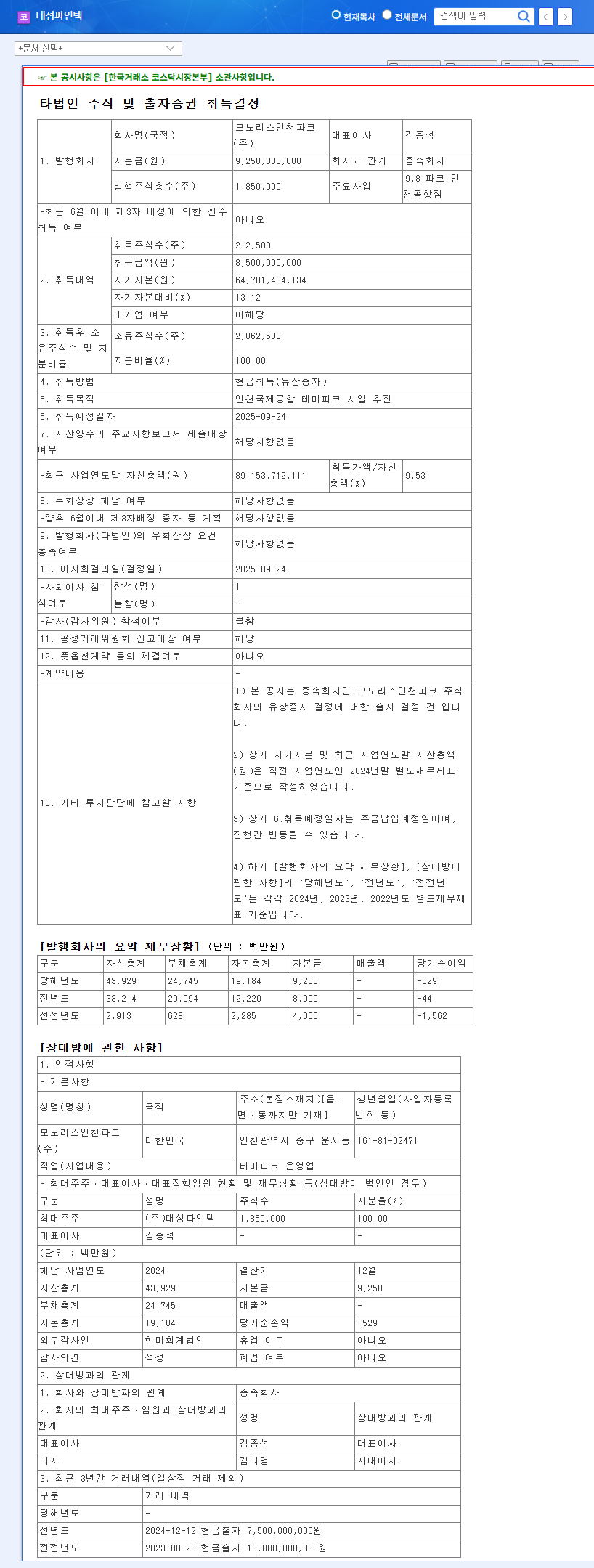
    Daesung Finetec is entering the Incheon International Airport theme park business to overcome the sluggish performance of its existing Fine Blanking and renewable energy businesses and secure new growth engines. Through the acquisition of Monolith Incheon Park, the company aims to diversify its business portfolio by entering the high-growth potential market of airport resorts and theme parks, anticipating synergy with its renewable energy business.

    2. Opportunities and Risks: Bright Future vs. Financial Burden

    Entering the theme park business presents both positive and negative aspects. The positive aspects include securing new growth drivers, expectations for future growth, and business relevance. However, negative aspects include increased financial burden, business uncertainty, and the dispersion of management resources. The 8.5 billion won investment could especially strain the financial soundness of Daesung Finetec, given its current trend of increasing debt.

    3. Key Checkpoints for Investors

    • Business Plan Specificity: Carefully review the detailed theme park business plan, projected profits, and investment recovery period.
    • Financial Soundness: Evaluate financial risks by reviewing the financing methods and debt management plan.
    • Synergy Effects: Analyze the potential for synergy with existing businesses and confirm the maintenance of competitiveness in core businesses.
    • Macroeconomic Variables: Continuously monitor the impact of macroeconomic changes, such as interest rates and exchange rates, on the business.

    4. Conclusion: Prudent Investment Decisions Are Necessary

    Daesung Finetec’s entry into the theme park business presents a growth opportunity but also carries financial risks. Investors should make prudent investment decisions after comprehensively considering the business plan’s specificity, financial soundness, synergy effects, and macroeconomic changes.


    Frequently Asked Questions (FAQ)

    What is the purpose of Daesung Finetec’s entry into the theme park business?

    To overcome the sluggish performance of existing businesses and secure new growth drivers. The company aims to diversify its business portfolio by leveraging the location of Incheon International Airport and expects synergy with its renewable energy business.

    What are the financial risks of this investment?

    The 8.5 billion won investment could strain Daesung Finetec’s financial structure. Careful review of the financing and operation plan is necessary, considering the current trend of increasing debt.

    What should investors be aware of?

    Investors should make prudent investment decisions after comprehensively considering the business plan’s specificity, financing plan, synergy with existing businesses, and macroeconomic changes.


    Daesung Finetec Enters Theme Park Business: Opportunities and Risks 관련 이미지


  • Kumyang Green Power Share Transfer: Succession or Investment Opportunity?


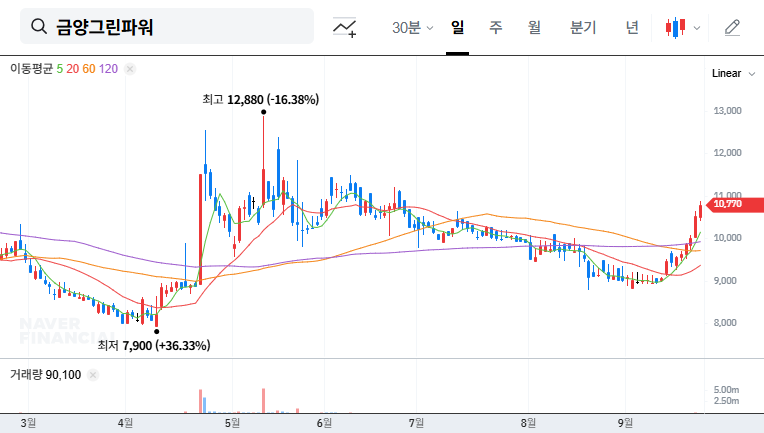
    Kumyang Green Power Share Transfer: Succession or Investment Opportunity? 대표 차트 이미지


    1. Kumyang Green Power Share Transfer: What Happened?

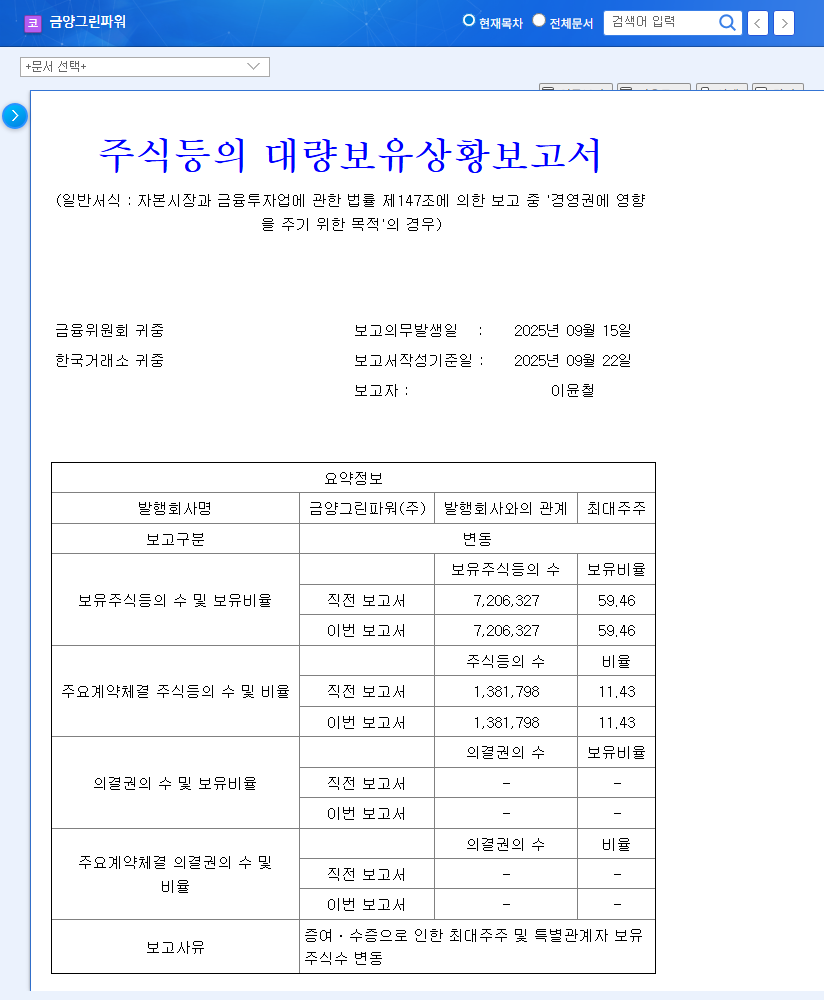
    Lee Yoon-chul transferred a total of 1,513,120 shares to his children. While this reduced his individual stake, the total stake held by related parties remains unchanged at 59.46%, ensuring no impact on management control. However, this could signal the beginning of a long-term succession plan.

    2. Why the Transfer?: Analyzing the Background and Implications

    This transfer is interpreted as a strategy for inheritance tax reduction and management succession. By transferring shares in advance, potential tax burdens during future inheritance can be mitigated. Distributing shares among his children could also aim to secure stable management control.

    3. Impact on Stock Price

    Short-term: The transfer itself has no direct impact on the company’s fundamentals, so significant stock price fluctuations are unlikely. However, market concerns regarding gift taxes and potential future share sales may arise.

    Long-term: The children’s participation in management is a key variable. Active involvement and innovative strategies to secure new growth engines could have a positive impact. Conversely, focusing on profit-taking through share sales could negatively affect the stock price.

    4. Investor Action Plan

    • Short-term investors: Closely monitor market reactions and any issues related to share sales.
    • Long-term investors: Focus on the new shareholders’ willingness to participate in management, announced business plans, and Kumyang Green Power’s fundamental improvements.

    5. The Future of Kumyang Green Power

    Kumyang Green Power has growth potential through its expansion into renewable energy, but currently faces challenges like sluggish performance and deteriorating financial health. This share transfer can be seen as the first step in management succession, and the capabilities of the new management and the company’s efforts to improve performance will determine its future value.


    Kumyang Green Power Share Transfer: FAQs

    Q: What are Kumyang Green Power’s main businesses?

    A: Kumyang Green Power is a comprehensive construction company based on electrical, instrumentation, civil engineering, and construction businesses, expanding into renewable energy businesses such as wind power, solar power, and fuel cells.

    Q: What is the short-term impact of this share transfer on the stock price?

    A: In the short term, there is no direct impact on the company’s fundamentals, so stock price volatility is expected to be minimal. However, the market may be interested in gift-related taxes and the possibility of future share sales.

    Q: What should I focus on from a long-term investment perspective?

    A: Pay close attention to the willingness of the recipients to participate in management, their business plans, and the company’s performance improvements. The capabilities of the new management and innovative strategies will determine the company’s long-term growth.


    Kumyang Green Power Share Transfer: Succession or Investment Opportunity? 관련 이미지
    Kumyang Green Power Share Transfer: Succession or Investment Opportunity? 관련 이미지


  • CS Wind Secures $42M Wind Tower Supply Contract with Vestas, Expanding US Presence


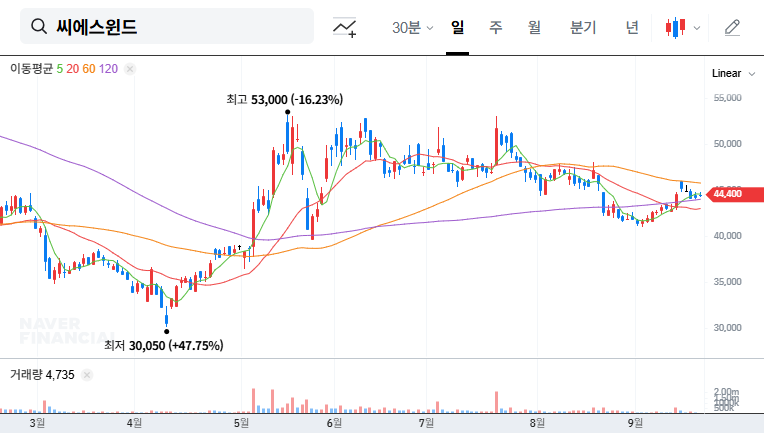
    CS Wind Secures $42M Wind Tower Supply Contract with Vestas, Expanding US Presence 대표 차트 이미지


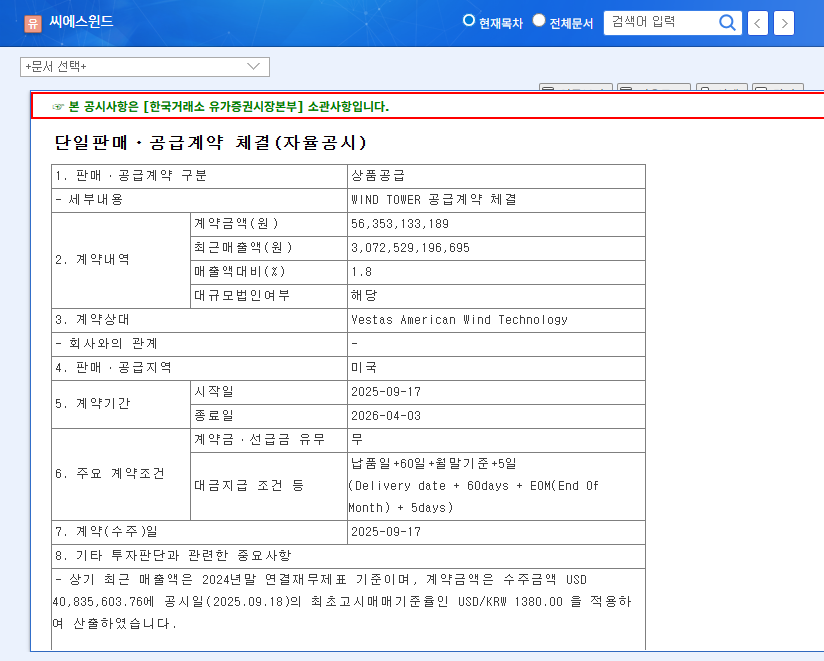
    CS Wind Inks $42M Supply Deal with Vestas

    CS Wind will supply wind towers to Vestas American Wind Technology for a period of approximately six months, starting from September 17, 2025, and ending on April 3, 2026. The contract is valued at $42 million, representing 1.8% of CS Wind’s revenue in the most recent fiscal year.

    Contract Significance: US Market Expansion and Growth Momentum

    • Revenue Growth and Stable Foundation: This contract will not only contribute to short-term revenue growth but also strengthen CS Wind’s presence in the US wind market, securing long-term growth momentum.
    • Global Customer Acquisition and Enhanced Credibility: The continued partnership with Vestas, a global leader in wind turbine manufacturing, validates CS Wind’s technological prowess and reliability.
    • Synergy between Onshore and Offshore Wind Businesses: The onshore wind tower supply contract provides a stable revenue base and is expected to accelerate growth through synergy with the expansion of the offshore wind business.

    CS Wind from an Investment Perspective: Opportunities and Risks

    • Positive Factors:
      • Growth of the global wind market, particularly the expansion of the US wind power market driven by the IRA policy.
      • Securing growth potential through business diversification by entering the offshore wind business.
    • Potential Risks:
      • Volatility in raw material prices and exchange rates.
      • High debt-to-equity ratio.
      • Possibility of changes in US policies.

    Investment Strategy: A Medium to Long-Term Approach

    While there may be short-term stock price volatility, CS Wind is expected to benefit from the growth of the global wind market, making it a potential investment consideration from a medium to long-term perspective. However, continuous monitoring of potential risk factors such as raw material prices, exchange rate fluctuations, and debt-to-equity ratio is necessary.


    Frequently Asked Questions

    How much will this contract contribute to CS Wind’s revenue?

    $42 million, representing 1.8% of its revenue in the most recent fiscal year.

    What is CS Wind’s main business?

    Manufacturing and supplying wind towers, as well as offshore wind substructure business.

    What are the key points to consider when investing?

    Investors should consider factors such as fluctuations in raw material prices and exchange rates, high debt-to-equity ratio, and potential changes in US policies.


    CS Wind Secures $42M Wind Tower Supply Contract with Vestas, Expanding US Presence 관련 이미지
    CS Wind Secures $42M Wind Tower Supply Contract with Vestas, Expanding US Presence 관련 이미지


  • Daesung FineTec’s 7 Billion KRW Convertible Bond Issuance: Opportunity or Risk?


    Daesung FineTec's 7 Billion KRW Convertible Bond Issuance: Opportunity or Risk? 대표 차트 이미지


    Daesung FineTec’s Convertible Bond Issuance: What Happened?

    Daesung FineTec will issue its third unregistered, unsecured private convertible bonds worth 7 billion KRW. The conversion price is 1,253 KRW, with a coupon rate of 0% and a maturity rate of 5.0%. Conversion requests can be made starting September 18, 2026. The main investors are AOne Asset Management affiliated funds.

    Why Issue Convertible Bonds?: Background and Objectives

    Daesung FineTec plans to secure operating funds through this convertible bond issuance and invest in business expansion and R&D. This is interpreted as an attempt to alleviate short-term liquidity burdens and secure long-term growth engines.

    Impact of the Convertible Bond Issuance: Opportunities and Risks

    • Positive Impacts:
      • Securing Short-Term Liquidity
      • Investment in Business Expansion and R&D
      • Potential Capital Increase Effect
    • Negative Impacts:
      • Increased Debt Ratio and Financial Burden
      • Possibility of Stock Dilution
      • Deterioration of Investor Sentiment Due to Poor Performance
      • Interest Rate Fluctuation Risk

    Investor Action Plan: What to Watch

    Investors should closely monitor the following:

    • Fund Usage Plans and Implementation Results
    • Progress of the Monolith Merger and Synergy Effects
    • Whether the Fine Blanking Business Unit Improves Performance
    • Growth and Profitability of the Renewable Energy Business
    • Impact of Exchange Rate and Interest Rate Fluctuations

    Daesung FineTec’s future business strategies and performance improvement will be crucial factors in investment decisions.


    Frequently Asked Questions (FAQ)

    What are convertible bonds?

    Convertible bonds are issued as debt but give the holder the right to convert them into shares of the issuing company’s stock after a predetermined period. Investors can receive bond interest or convert to stock to aim for capital gains.

    What are Daesung FineTec’s main businesses?

    Daesung FineTec operates in automotive parts manufacturing (Fine Blanking) and renewable energy. Fine Blanking is a technology that produces parts using precision dies.

    How will this convertible bond issuance affect the stock price?

    In the short term, expectations for funding may positively influence the stock price. However, in the long term, the potential for stock dilution due to the conversion of convertible bonds into shares could negatively impact the price.


    Daesung FineTec's 7 Billion KRW Convertible Bond Issuance: Opportunity or Risk? 관련 이미지
    Daesung FineTec's 7 Billion KRW Convertible Bond Issuance: Opportunity or Risk? 관련 이미지


  • GNC Energy Announces ₩14.7B Treasury Stock Disposal: Investment Analysis and Outlook

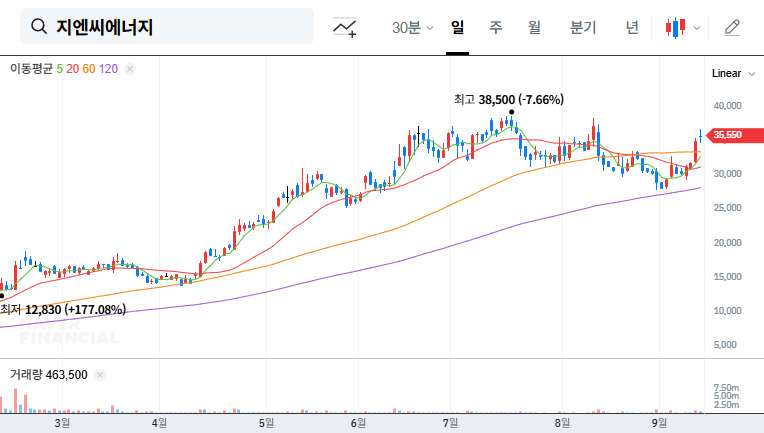
    GNC Energy Announces ₩14.7B Treasury Stock Disposal: Investment Analysis and Outlook 대표 차트 이미지

    1. The Treasury Stock Disposal: What Happened?

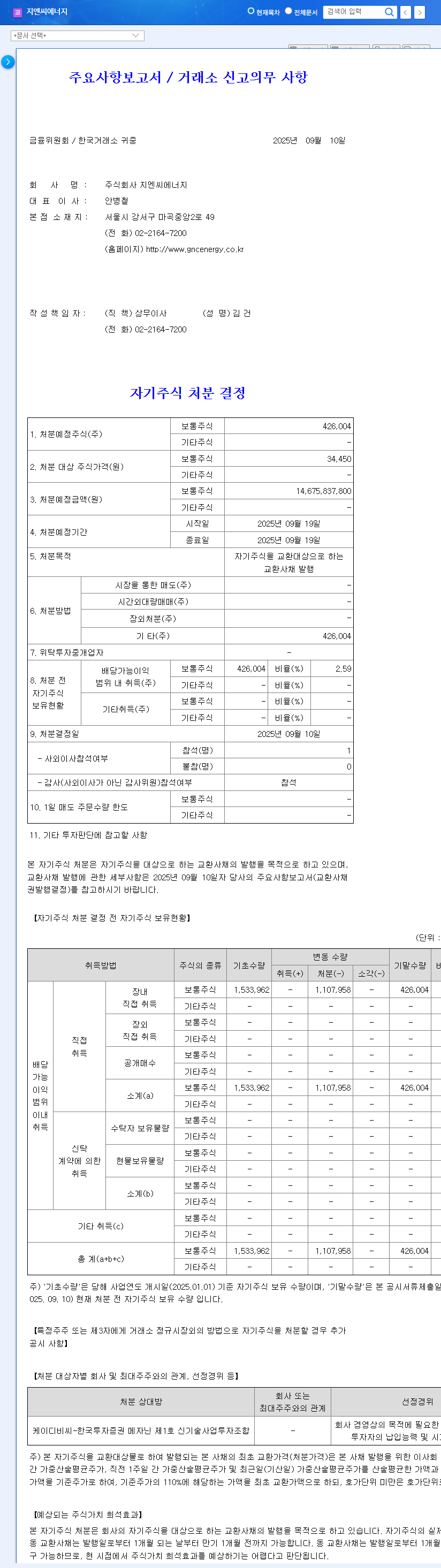
    On September 10, 2025, GNC Energy decided to dispose of 426,004 treasury shares, equivalent to ₩14.7 billion. This decision aims to raise capital for the issuance of convertible bonds.

    2. Why Dispose of Treasury Stock? – A Strategy for Growth

    GNC Energy is actively pursuing business diversification and overseas expansion, including investments in a power plant in Papua New Guinea and the acquisition of a stake in Kwani Energy. The company is also accelerating investments in new businesses such as fuel cell power generation and edge data center construction. This treasury stock disposal is primarily intended to secure the necessary funding for these growth strategies.

    3. Impact on Corporate Value

    • Positive Effects:
      • Securing funds for new business investments and strengthening growth momentum
      • Potential for improving financial structure through convertible bond issuance (depending on issuance conditions)
      • Minimizing dilution of shareholder value compared to rights offerings
    • Potential Risks:
      • Possible increase in financial burden depending on the terms of convertible bond issuance
      • Short-term stock price volatility

    4. Key Investment Takeaways

    Investors should closely monitor the specific terms of the forthcoming convertible bonds (conversion price, maturity, interest rate, etc.), the company’s plans for utilizing the raised capital, and the actual business performance. While the company’s long-term growth potential is positive, investment decisions should be made prudently.

    Does treasury stock disposal negatively affect stock prices?

    Generally, treasury stock disposal can increase the number of shares outstanding in the market, potentially leading to a decline in stock price. However, in the case of GNC Energy, the purpose of securing investment funds for growth can be interpreted positively. Market reaction will likely depend on the terms of the convertible bond issuance and future business prospects.

    What are convertible bonds?

    Convertible bonds are bonds that give the holder the right to convert them into shares of the issuing company’s stock. Investors can receive bond interest until maturity or convert the bonds into stock within a specified period to seek capital gains.

    What is GNC Energy’s business outlook?

    GNC Energy maintains a positive business outlook thanks to its diversified portfolio in emergency/standby generators, biogas power generation, and fuel cell power generation, along with the growth of the renewable energy market and government policy support. If the investments fueled by this funding are successful, further growth can be expected.

    GNC Energy Announces ₩14.7B Treasury Stock Disposal: Investment Analysis and Outlook 관련 이미지
    GNC Energy Announces ₩14.7B Treasury Stock Disposal: Investment Analysis and Outlook 관련 이미지
  • APTON Rights Offering: Opportunity or Risk? Key Analysis for Investors


    APTON Rights Offering: Opportunity or Risk? Key Analysis for Investors 대표 차트 이미지


    1. What is APTON’s Rights Offering?

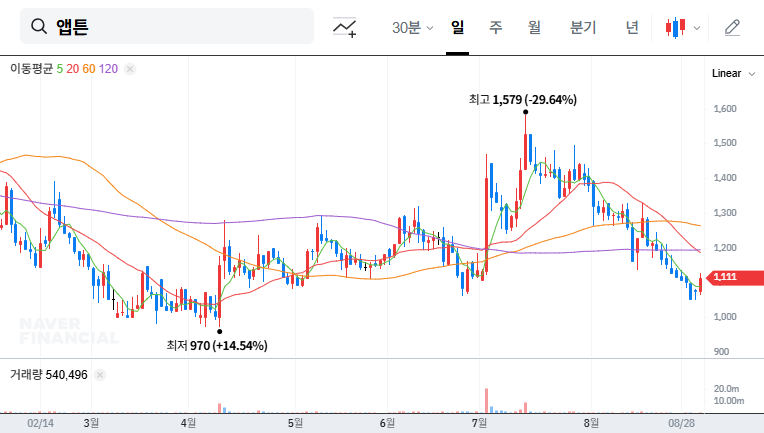
    APTON plans to raise capital by issuing 21,000,000 new shares, targeting a listing date of June 19, 2026. The proceeds will primarily fund investments in new businesses, including lithium production and the development of treatments for brain diseases.

    2. Why the Rights Offering?

    Facing challenges in its renewable energy business, APTON is diversifying into lithium production, brain disease treatments, and virtual asset investments to secure future growth engines. The rights offering is a strategic decision to secure the necessary funding for these ambitious ventures.

    3. Opportunities and Risks of the Rights Offering

    • Opportunities:
      • Securing funds for new business investments, strengthening growth momentum.
      • Potential for improved financial structure.
    • Risks:
      • Potential stock dilution (approximately 11%) and subsequent share price decline.
      • Short-term downward pressure on stock price.
      • Uncertainty surrounding the effective utilization of the raised capital.

    4. What Should Investors Do?

    Experts acknowledge the growth potential of APTON’s new businesses but advise caution due to high uncertainties and financial burdens. Investors should carefully consider the progress of new businesses, technological advancements, financial health, and macroeconomic conditions before making investment decisions. The current investment recommendation is ‘Watchful Observation’.


    FAQ

    What is the purpose of APTON’s rights offering?

    The primary purpose is to raise capital for investments in new businesses, including lithium production and the development of treatments for brain diseases.

    How will the rights offering affect the stock price?

    While there may be downward pressure on the stock price in the short term, there’s potential for long-term gains depending on the success of the new businesses.

    What should investors be cautious about?

    Investors should carefully consider the inherent uncertainties of new ventures, financial burdens, and macroeconomic conditions before making any investment decisions.


    APTON Rights Offering: Opportunity or Risk? Key Analysis for Investors 관련 이미지
    APTON Rights Offering: Opportunity or Risk? Key Analysis for Investors 관련 이미지


  • DAWONSYS Secures $600M Nuclear Fusion Contract: Investment Opportunity Analysis (September 2025)


    DAWONSYS Secures $600M Nuclear Fusion Contract: Investment Opportunity Analysis (September 2025) 대표 차트 이미지


    DAWONSYS’ $600M Contract: What’s it about?

    DAWONSYS signed a contract with the National Fusion Research Institute (NFRI) of Korea for the development and manufacturing of high-voltage power supplies for the ITER (International Thermonuclear Experimental Reactor) electron cyclotron. This substantial contract, representing approximately 30% of DAWONSYS’s revenue, will run from September 2025 to April 2035.

    Why is this Contract Significant?

    • Validation of Core Technology: Participation in the globally renowned ITER project validates DAWONSYS’s technological prowess in high-voltage power supply systems.
    • Revenue Growth and Stability: The long-term contract ensures a stable revenue stream and secures a future growth engine in the burgeoning field of nuclear fusion energy.
    • Business Diversification: It strengthens the nuclear fusion business segment, diversifying DAWONSYS’s portfolio beyond its existing railway business and enhancing overall stability.

    What Should Investors Consider?

    • Long-term Contract Nature: Revenue will be recognized over the contract period. Hence, a long-term investment approach is recommended rather than expecting short-term gains.
    • Profitability and Exchange Rate Fluctuations: Managing profitability and mitigating risks associated with exchange rate fluctuations are crucial in long-term projects.

    Investment Action Plan

    This contract reinforces DAWONSYS’ positive growth narrative within the expanding nuclear fusion industry. Investors should consider the company’s long-term growth potential, technological competitiveness, and financial soundness for informed investment decisions rather than reacting to short-term stock price fluctuations.


    FAQ

    What is the ITER Project?

    ITER (International Thermonuclear Experimental Reactor) is a collaborative international research project aiming to demonstrate the feasibility of nuclear fusion energy for commercial use.

    Will this contract positively impact DAWONSYS’ stock price?

    A positive long-term impact is expected, but short-term price fluctuations may vary depending on market conditions.

    What is nuclear fusion energy?

    Nuclear fusion energy replicates the sun’s energy production process by merging atomic nuclei, promising a clean and safe energy source for the future.


    DAWONSYS Secures $600M Nuclear Fusion Contract: Investment Opportunity Analysis (September 2025) 관련 이미지
    DAWONSYS Secures $600M Nuclear Fusion Contract: Investment Opportunity Analysis (September 2025) 관련 이미지


  • Davolink’s Q1 2025 Financial Crisis: A Deep Dive and Investor Alert

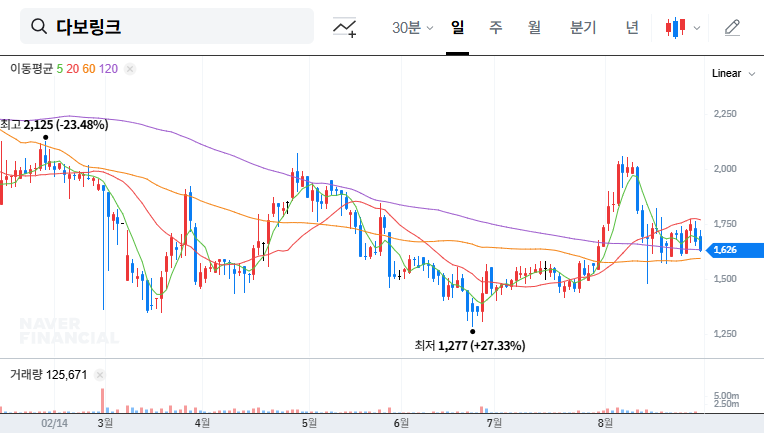
    Davolink's Q1 2025 Financial Crisis: A Deep Dive and Investor Alert 대표 차트 이미지

    1. What’s Happening at Davolink?

    Davolink’s Q1 2025 performance can be summarized in one phrase: financial crisis. The debt-to-equity ratio has skyrocketed to 546.35%, accompanied by a ₩15.1 billion operating loss. Adding to the woes is a staggering ₩296.6 billion loss from derivatives.

    2. Why the Decline?

    The primary culprits are failed derivative investments and increased debt from convertible bond issuance. The underperformance of their core network solutions business further exacerbated the situation. While new business ventures hold long-term potential, they currently add to the financial strain.

    3. What’s Next for Davolink?

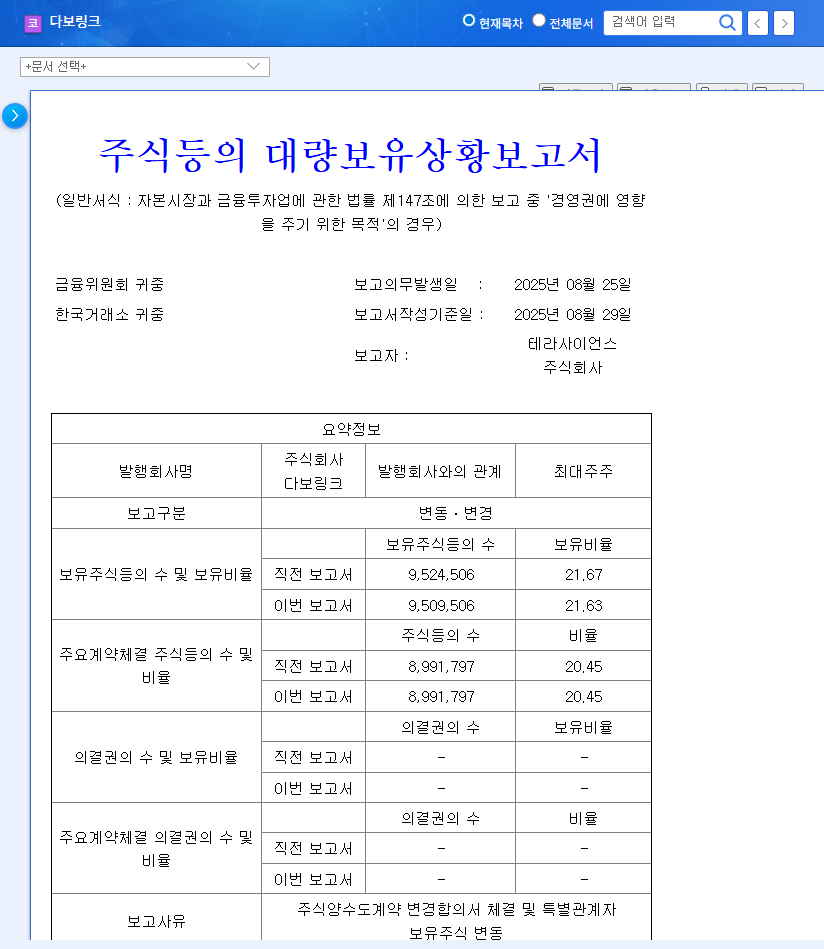
    Davolink faces the daunting task of restructuring its finances and revitalizing its core business. While Terascience’s minor stake adjustments are not expected to have a significant immediate impact, continued monitoring is essential. The future stock price hinges on the company’s ability to address these fundamental issues.

    4. Investor Action Plan

    • Scrutinize financial restructuring plans: Carefully evaluate debt reduction and capital raising strategies.
    • Assess the likelihood of operational recovery: Analyze the effectiveness of revenue growth and cost-cutting initiatives.
    • Evaluate derivative risk management: Understand the potential for further losses and the company’s risk mitigation plans.
    • Monitor new business performance: Track the concrete results and financial contributions of new ventures.
    What is Davolink’s main business?

    Davolink specializes in network solutions. They are currently pursuing new ventures in superconductors, generators, and renewable energy.

    Why did Davolink’s Q1 2025 earnings decline?

    The decline is primarily attributed to losses from derivative investments, increased debt from convertible bond issuances, and weakness in their core business.

    Should I invest in Davolink?

    Davolink is currently facing a serious financial crisis. Before making any investment decisions, thoroughly evaluate their financial restructuring plans, the potential for operational recovery, and their derivative risk management strategies.

    Davolink's Q1 2025 Financial Crisis: A Deep Dive and Investor Alert 관련 이미지
    Davolink's Q1 2025 Financial Crisis: A Deep Dive and Investor Alert 관련 이미지
  • Kolon Global Secures $89M Wind Power Contract: Investment Implications

    Kolon Global Secures $89M Wind Power Contract: Investment Implications 대표 차트 이미지

    1. What’s the $89M Deal About?

    Kolon Global signed an EPC (Engineering, Procurement, and Construction) contract with Yeongdeok Wind Power Co., Ltd. for the first phase of the Yeongdeok Wind Power Repowering Project. The contract is valued at KRW 118.1 billion, representing 4.05% of Kolon Global’s revenue, highlighting its commitment to expanding its renewable energy business.

    2. Why is This Contract Important?

    This contract is expected to positively impact Kolon Global in several ways.

    • Increased Revenue and Profit: The $89 million contract will directly contribute to improved financial performance.
    • Strengthened Renewable Energy Competitiveness: The experience gained in wind power EPC will serve as a valuable reference for securing similar projects in the future.
    • Portfolio Diversification: Expanding into renewable energy diversifies Kolon Global’s portfolio beyond construction, enhancing stability.

    While potential risks exist, such as contract duration, profit margins, and raw material price fluctuations, the South Korean government’s support for renewable energy and carbon neutrality goals further amplify Kolon Global’s growth potential.

    3. What Should Investors Do?

    This contract could provide short-term momentum for Kolon Global’s stock price. However, a neutral approach is recommended, considering the macroeconomic environment and inherent risks in the construction industry. A comprehensive evaluation of the current stock price, future market outlook, and Kolon Global’s financial health is crucial before making any investment decisions.

    Frequently Asked Questions

    What is the value of this contract?

    KRW 118.1 Billion, which is approximately $89 Million USD and represents 4.05% of Kolon Global’s revenue.

    What are the benefits of this contract for Kolon Global?

    Increased revenue and profit, strengthened renewable energy competitiveness, and portfolio diversification.

    What precautions should investors take?

    Carefully consider contract terms, project progress, and macroeconomic conditions.

    Kolon Global Secures $89M Wind Power Contract: Investment Implications 관련 이미지
    Kolon Global Secures $89M Wind Power Contract: Investment Implications 관련 이미지