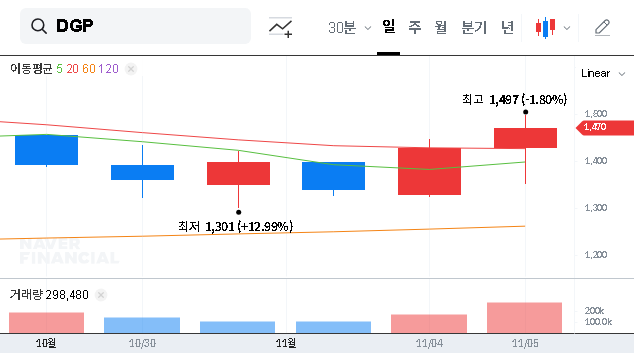
The recent announcement of the DGP Co.,Ltd. rebranding to ‘Agent AI’ has sent ripples through the investment community. This pivotal move begs a critical question: is this a genuine AI transformation designed to secure future growth, or a superficial rebranding to generate market hype amidst financial turmoil? For investors, understanding the nuances of this shift is paramount to making an informed decision.
This comprehensive analysis will dissect the Agent AI rebranding, evaluate the company’s precarious financial health, weigh the potential opportunities against the significant risks, and provide a clear investor outlook. We will explore whether DGP’s pivot can truly turn its current challenges into a prosperous future in the competitive AI landscape.
From Green Energy to Artificial Intelligence: DGP’s Strategic Pivot
Scheduled for a shareholders’ meeting on November 5, 2025, the proposed name change from DGP to ‘Agent AI’ signals a fundamental shift in corporate strategy. Historically, DGP Co.,Ltd. has been rooted in the renewable energy sector, with ambitious investments in green hydrogen, electric vehicle (EV) chargers, and Energy Storage Systems (ESS). The company even expanded its charter to include urban air mobility and secondary battery manufacturing, painting a picture of a forward-thinking green-tech enterprise.
However, this rebranding moves the company’s core identity towards AI. The stated purpose is to capture new growth engines in a booming industry, but this radical change raises questions about its connection to the company’s existing expertise and operations.
Financial Health: A Foundation Under Pressure
Before evaluating the future, we must examine the present. DGP’s financial situation is a critical component of this stock analysis. Despite its growth-oriented investments, the company is navigating significant financial headwinds.
Key Financial Concerns
- •Declining Performance: The company has experienced a persistent decline in revenue and ongoing operating losses, indicating core business challenges.
- •High Debt Ratio: Aggressive investments have increased the financial burden, resulting in a high debt ratio that could limit future flexibility.
- •Litigation Risks: Multiple ongoing lawsuits present a material risk, with uncertain outcomes that could further impact corporate value and stability.
These factors create a high-stakes environment where the success of the AI transformation is not just desirable, but potentially essential for survival.
A new name promises a new future, but true transformation is measured in performance, not press releases. For Agent AI, the path forward requires tangible results to overcome existing financial realities.
Analyzing the Agent AI Rebranding: Pros and Cons
Potential Upsides
- •Enhanced Corporate Image: The ‘Agent AI’ name aligns the company with the high-growth, innovative AI sector, potentially attracting new investors and talent.
- •Synergy with Core Business: There is a credible opportunity to integrate AI with its renewable energy roots. AI-driven energy grid management, predictive maintenance for EV chargers, and smart ESS optimization could create a powerful competitive advantage. Check out our article on innovations in smart grid technology for more context.
- •Clear Strategic Direction: The rebranding clarifies its future focus, signaling a decisive move away from past limitations and towards a new chapter of growth.
Significant Risks and Headwinds
- •Execution Risk: A name change is easy; building a profitable AI business is not. Without a concrete roadmap and tangible results, the market’s initial enthusiasm will likely vanish.
- •Intense Competition: The AI industry is notoriously competitive, dominated by tech giants and well-funded startups. As noted by industry experts at TechCrunch, securing a unique market position will be a monumental task.
- •Brand Dilution: The name ‘Agent AI’ may dilute the company’s established, albeit struggling, identity in the renewable energy sector, potentially alienating existing partners and investors.
Investor Outlook: A Checklist for Due Diligence
The Agent AI rebranding presents a high-risk, high-reward scenario. While short-term stock price volatility is expected, long-term success hinges on fundamental performance. Prudent investors should demand clarity on the following points:
- •Concrete AI Roadmap: What specific AI products or services will be developed? What is the revenue model and timeline for profitability?
- •Financial Improvement Plan: How will the company manage its debt and improve cash flow while funding new AI ventures?
- •Synergy Strategy: How exactly will AI enhance the existing renewable energy assets to create value that competitors cannot replicate?
- •Leadership and Talent: Does the company have the AI talent and leadership expertise required to compete and innovate in this new sector?
Investors should closely monitor company announcements and financial reports following the rebranding. The company’s own filings provide the most direct information. Source: Official Disclosure (DART Report).
Frequently Asked Questions (FAQ)
Q1: What does the ‘Agent AI’ name signify for DGP Co.,Ltd.?
A1: ‘Agent AI’ signals a decisive strategic shift towards the artificial intelligence sector. It’s an attempt to redefine the company’s identity around a high-growth industry, moving beyond its renewable energy origins to pursue new, technology-driven revenue streams.
Q2: How might this rebranding impact DGP’s stock price?
A2: In the short term, such announcements often cause stock price volatility driven by speculation. However, the long-term stock analysis and price trend will be dictated by fundamental factors: the successful execution of its AI strategy, tangible revenue generation, and a marked improvement in its overall financial health.
Q3: What are the key financial challenges facing the company?
A3: The company is currently grappling with several financial issues, including declining revenues, persistent operating losses, a high debt-to-equity ratio, and the financial uncertainty stemming from multiple active lawsuits. These challenges create a difficult backdrop for an expensive and ambitious pivot into a new industry.