Tag: Real Estate Rental

  • (010780) IS DONGSEO Merger with Busan Blue Coast: A Deep Dive for Investors (KOSPI: 010780)

    (010780) IS DONGSEO Merger with Busan Blue Coast: A Deep Dive for Investors (KOSPI: 010780)

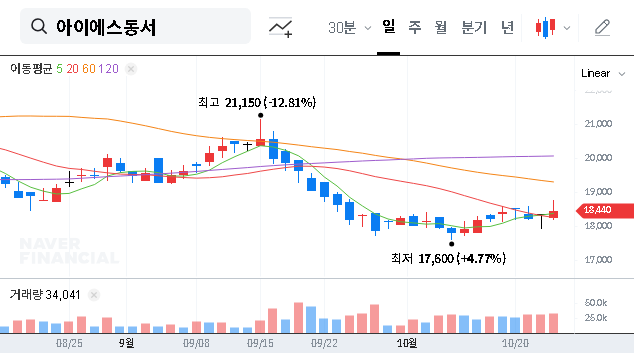
    The recent announcement of the IS DONGSEO merger with its wholly-owned subsidiary, Busan Blue Coast, has sent ripples through the investment community. For stakeholders in IS DONGSEO CO., LTD. (KOSPI: 010780), this strategic move is more than a simple corporate restructuring; it’s a pivotal decision that could reshape the company’s financial landscape and long-term shareholder value. While the stated goal is to enhance management efficiency, a deeper analysis reveals a multi-faceted strategy aimed at streamlining operations, absorbing losses, and potentially unlocking new value from underperforming assets. This comprehensive guide will break down the merger’s details, analyze its potential impacts, and provide a clear roadmap for investors.

    The Core Details of the Merger Announcement

    What Exactly is Happening?

    On October 23, 2025, IS DONGSEO’s board of directors resolved to absorb Busan Blue Coast in an absorption merger. This means IS DONGSEO will continue as the surviving company, while Busan Blue Coast will be dissolved. The subsidiary, primarily involved in the real estate rental business, has been a financial drag, recently reporting a loss of 200 million KRW in both sales and net income. The official disclosure provides further specifics on the timeline and procedure. You can view the full details in the Official Disclosure (DART).

    • Merger Decision Date: October 23, 2025
    • Effective Merger Date: January 1, 2026
    • Deadline for Opposition: November 21, 2025
    • Subsidiary Business: Real estate rental

    The Strategic Rationale: Beyond Efficiency

    The official reason cited is to enhance management efficiency. By folding a wholly-owned subsidiary into the parent company, IS DONGSEO can eliminate redundant administrative functions, simplify its corporate structure, and speed up decision-making. However, the strategic value likely runs deeper. Absorbing a loss-making entity allows for direct control over its assets and liabilities, enabling more effective financial management and tax loss harvesting. It also paves the way for IS DONGSEO’s core construction and development divisions to potentially re-evaluate and re-purpose the real estate assets previously held by Busan Blue Coast.

    “This move isn’t just about cutting costs. It’s about strategic repositioning. By taking direct control of Busan Blue Coast’s assets, IS DONGSEO has the opportunity to unlock latent value that was inaccessible under the previous structure, potentially turning a financial drain into a future growth engine.”

    Potential Impacts of the IS DONGSEO Merger

    For investors tracking KOSPI: 010780, understanding both the potential upsides and the inherent risks of this merger is crucial for making informed decisions. The effects will likely be felt across operational, financial, and strategic domains.

    Potential Positive Outcomes

    • Streamlined Operations: The primary goal of increased management efficiency should lead to reduced overhead and a more agile corporate structure.
    • Synergy and Asset Optimization: Integrating Busan Blue Coast’s real estate portfolio with IS DONGSEO’s development expertise could create new revenue streams or enhance the value of existing properties. This is a key area affecting future shareholder value.
    • Improved Financial Transparency: A simplified corporate structure makes financial analysis easier for investors and analysts, which can improve market confidence over the long term. You can compare this to our previous analysis of IS DONGSEO’s quarterly earnings.

    Potential Risks and Considerations

    • Integration Challenges: Merging systems, processes, and personnel, even from a small subsidiary, can create unforeseen operational friction and distract management from core business activities.
    • Merger Costs: The process will incur one-time costs related to legal, accounting, and administrative fees, which could impact short-term earnings.
    • Negative Market Perception: In the short term, the market might view the absorption of a loss-making entity as a negative signal, potentially creating downward pressure on the stock price.

    Investor’s Checklist: What to Monitor Next

    To fully grasp the long-term impact of the IS DONGSEO merger, investors must look beyond the initial announcement. For those new to this type of corporate action, it can be helpful to review a general overview from a reputable source, like Investopedia’s guide on corporate mergers. Keep a close watch on the following key developments:

    • Merger Ratio & Share Exchange Details: This is the most critical piece of information, as it directly determines the impact on existing shareholder value. This data must be scrutinized once released.
    • Analyst Reports & Market Consensus: Monitor reports from financial analysts to gauge how the professional market is interpreting the merger’s strategic value.
    • Post-Merger Financial Projections: Look for any updated guidance or financial statements from IS DONGSEO that reflect the consolidated entity.
    • Asset Redevelopment Plans: Any concrete plans released by the company on how it intends to utilize the former assets of Busan Blue Coast will be a strong indicator of future synergy realization.

    (010780) IS DONGSEO Merger with Busan Blue Coast: A Deep Dive for Investors (KOSPI: 010780) 관련 이미지
  • Korea Alcohol Industrial Co., Ltd. Q2 2025 Earnings Analysis: A Turning Point?

    1. What Happened? Q2 2025 Earnings Release

    Korea Alcohol Industrial Co., Ltd. released its Q2 2025 earnings on August 18, 2025. The market closely watched this announcement following a two-year trend of declining sales and operating profit.

    2. Why Did This Happen? Analyzing the Decline

    The company’s recent struggles stem from falling chemical prices in the manufacturing division and reduced revenue in the US real estate rental segment. Global competition and volatility in the US real estate market have also contributed to the decline.

    • Manufacturing Division: While holding a stable position in the ethyl alcohol and ethyl acetate markets, the company faces challenges from fluctuating raw material prices and intensifying competition.
    • Real Estate Rental Division: Volatility in the US real estate market and potential increases in office vacancy rates pose significant risks.

    3. What’s Next? Outlook and Investment Strategy

    The Q2 earnings release is a pivotal event for Korea Alcohol Industrial Co., Ltd.’s short-term stock performance. The outlook hinges on several key factors:

    • Sales and operating profit improvement
    • Performance of high-value-added businesses (e.g., electronic materials)
    • US real estate business strategy
    • R&D achievements and new business investment plans

    A clear vision for fundamental recovery and future growth strategies could restore investor confidence and drive positive momentum. Conversely, continued underperformance or increased macroeconomic uncertainty could exert downward pressure on the stock price.

    4. Investor Action Plan

    Investors should carefully review the Q2 earnings details, focusing on the key factors outlined above, and assess the company’s growth potential. Pay particular attention to the growth prospects of the high-value-added business segment and risk management strategies for the US real estate business.

    Q: What are the main businesses of Korea Alcohol Industrial Co., Ltd.?

    A: Korea Alcohol Industrial Co., Ltd. operates in the manufacturing of ethyl alcohol and ethyl acetate, as well as in the US real estate rental business.

    Q: How did Korea Alcohol Industrial Co., Ltd. perform in Q2 2025?

    A: Please refer to the official IR materials for detailed financial figures. This analysis provides key insights and interpretations.

    Q: What is the investment outlook for Korea Alcohol Industrial Co., Ltd.?

    A: Investors should carefully consider the Q2 earnings release and the key factors discussed, assessing the company’s growth potential before making investment decisions.

  • Haesung Industrial H1 2025 Earnings: A Mixed Bag for Investors

    1. Haesung Industrial H1 2025 Earnings: What Happened?

    Haesung Industrial reported revenue of KRW 568 billion and operating profit of KRW 5.2 billion for H1 2025. While both figures exceeded market expectations, the company swung to a net loss of KRW 4 billion. Compared to Q1 2025, revenue saw a slight increase, but both operating profit and net income declined.

    2. Decoding the Performance: Why These Results?

    The primary drivers behind this performance are the weak performance of subsidiaries and fluctuating profitability. Keyang Electric’s struggles in the power tools market and losses in its automotive parts segment significantly impacted the overall results. Conversely, Haesung DS showed potential for future growth, benefiting from the expanding automotive semiconductor market.

    3. Key Takeaways for Investors: What Does This Mean?

    • Strengths: Stable rental income from real estate holdings, Haesung DS’s growth potential.
    • Weaknesses: High debt-to-equity ratio (93.33%), Keyang Electric’s underperformance, vulnerability to raw material price fluctuations.
    • Opportunities: Growth in the automotive semiconductor market, potential stabilization of raw material prices.
    • Threats: Intensifying competition, possibility of interest rate hikes.

    In the short term, a cautious approach is advised, paying close attention to market volatility. A mid-to-long-term perspective requires careful monitoring of subsidiary performance improvements, debt reduction, and the development of new growth engines.

    4. Investment Strategy Recommendations: Investor Action Plan

    • Short-Term Strategy: Consider market reaction to the earnings release, investor sentiment, and macroeconomic indicators before making investment decisions.
    • Mid-to-Long-Term Strategy: Monitor the company’s efforts to improve profitability, strengthen its financial position, and secure business synergies and new growth drivers, taking a long-term perspective on investment.

    Frequently Asked Questions

    What are Haesung Industrial’s main businesses?

    Haesung Industrial’s core businesses are real estate rental/management and holding company operations. It owns various subsidiaries, including Korea Paper Manufacturing, Keyang Electric, and Haesung DS.

    What is the most important takeaway from these earnings?

    While revenue and operating profit beat expectations, the swing to a net loss is a key concern. The underperformance of subsidiaries and fluctuating profitability are identified as the primary causes.

    What are the investment risks associated with Haesung Industrial?

    Key investment risks include a high debt-to-equity ratio, the underperformance of Keyang Electric, and vulnerability to fluctuations in raw material prices.