Tag: Real Estate Investment

  • (004960) HANSHIN CONSTRUCTION Secures ₩160B Namyangju Wangsuk Public Housing Project: Stock Outlook & In-Depth Analysis

    (004960) HANSHIN CONSTRUCTION Secures ₩160B Namyangju Wangsuk Public Housing Project: Stock Outlook & In-Depth Analysis

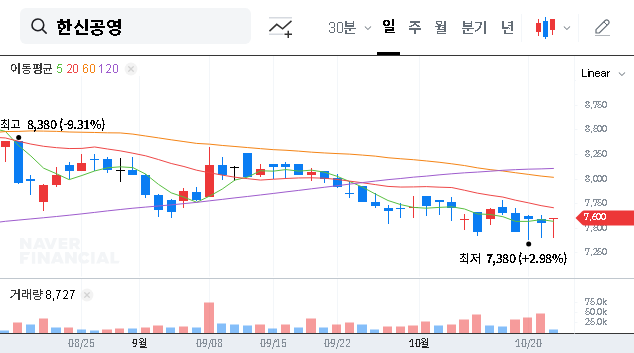
    In a significant development for the South Korean construction sector, HANSHIN CONSTRUCTION CO., LTD. has officially secured a major ₩160 billion public housing construction contract with the Korea Land and Housing Corporation (LH). This pivotal agreement for the Namyangju Wangsuk Public Housing Project is set to bolster the company’s order backlog and provides a clear runway for future revenue. For investors, this news warrants a closer look at the company’s performance metrics and its potential stock outlook.

    This comprehensive analysis will dissect the details of this large-scale construction contract, evaluate the multifaceted financial implications, and provide a balanced view of both the opportunities and risks involved. We will explore how this project could shape HANSHIN CONSTRUCTION’s trajectory in the coming years and what it means for stakeholders.

    A Landmark Deal: The ₩160 Billion Namyangju Wangsuk Project

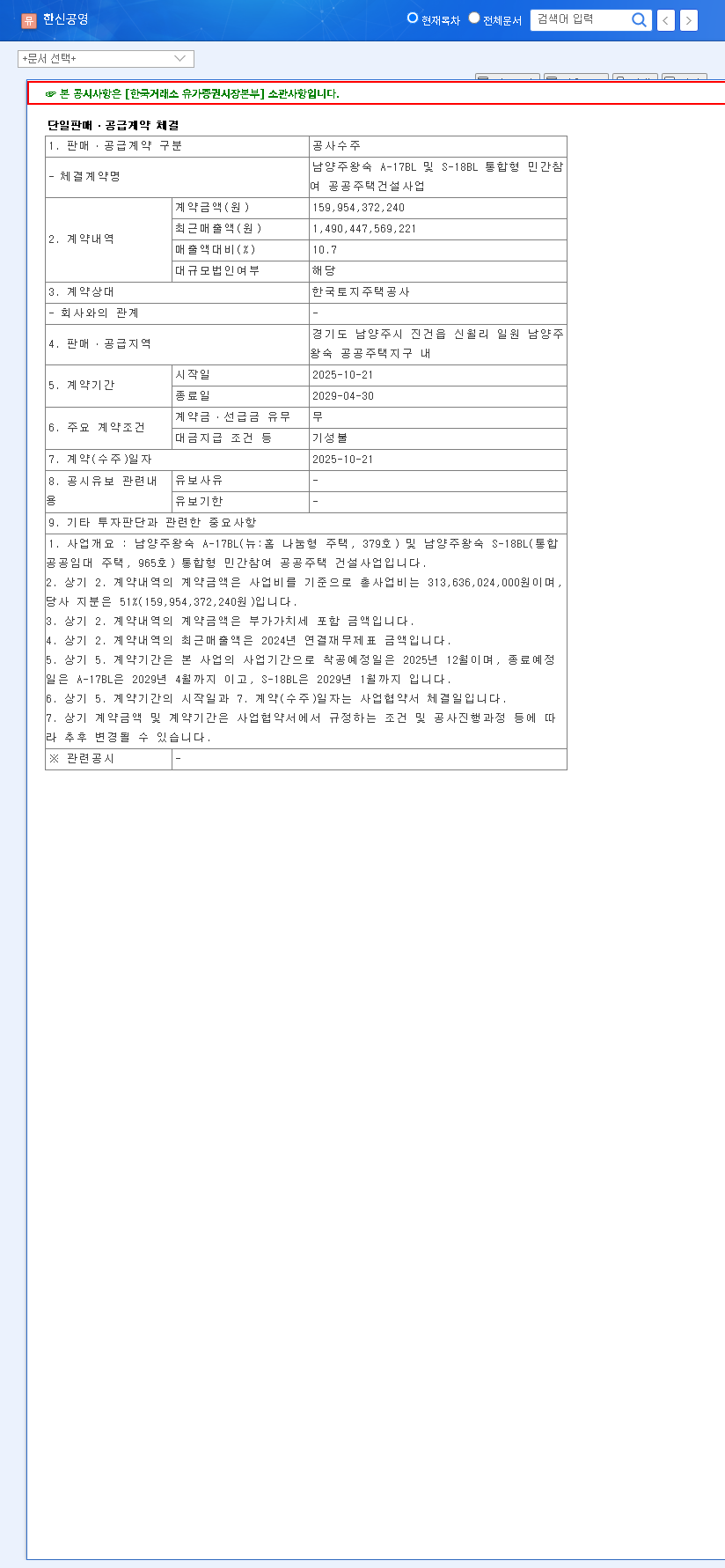
    On October 21, 2025, HANSHIN CONSTRUCTION formally announced the contract for the ‘Namyangju Wangsuk A-17BL & S-18BL Integrated Private Participation Public Housing Construction Project’. This is not just another project; its scale, representing 10.7% of the company’s recent annual revenue, marks it as a cornerstone for future stability. The details, confirmed in the company’s Official Disclosure, paint a clear picture of its significance.

    Key Contract Specifications

    • Client: Korea Land and Housing Corporation (LH), the nation’s premier public housing provider, adding a layer of credibility and payment security.
    • Total Value: ₩160 billion, a substantial sum that will be recognized as revenue over the project’s lifecycle.
    • Project Type: A ‘Private Participation Public Housing Project’, which blends private sector efficiency with public sector objectives, a model gaining traction for large-scale urban development.
    • Duration: A long-term engagement from October 2025 to April 2029, providing excellent revenue visibility for nearly four years.

    Financial Impact and Stock Outlook for HANSHIN CONSTRUCTION

    This major order is poised to create ripples across HANSHIN CONSTRUCTION’s financial statements and influence its market valuation. A balanced analysis requires examining both the positive catalysts and the potential headwinds.

    Bullish Case: Catalysts for Growth and Stability

    The direct benefit is a fortified revenue stream. This long-term construction contract provides a predictable source of income, shielding the company from short-term market volatility. Furthermore, successfully executing a high-profile project for LH enhances HANSHIN CONSTRUCTION’s reputation, potentially opening doors to future public-private partnerships and solidifying its position as a reliable industry leader. This improved business stability is a key factor that can positively influence its stock outlook.

    Bearish Case: Potential Risks and Headwinds

    While the top-line benefits are clear, prudent investors must consider the risks to profitability. The most significant threat is the volatility of raw material prices. Over a multi-year construction period, unforeseen spikes in the cost of steel, cement, and other essential materials could erode profit margins. Additionally, the construction industry is susceptible to delays from regulatory hurdles, labor disputes, or supply chain disruptions, which can lead to costly overruns.

    “Securing a large government contract is a clear positive for HANSHIN CONSTRUCTION’s revenue pipeline. However, the market will be keenly watching their ability to manage costs and protect margins in the face of macroeconomic uncertainty and inflation.”

    Broader Market Context and Strategic Positioning

    The South Korean government continues to prioritize the development of public housing to stabilize the real estate market and provide affordable living options. This policy focus creates a favorable environment for construction firms with proven track records in public projects. By winning the Namyangju Wangsuk Public Housing Project, HANSHIN CONSTRUCTION demonstrates its competitiveness in this key market segment. For more on sector-wide trends, investors may find it useful to review reports on the South Korean construction industry outlook. This win positions the company favorably against competitors and highlights its expertise in navigating complex, large-scale developments.

    Frequently Asked Questions (FAQ)

    Q1: What is the core nature of this HANSHIN CONSTRUCTION contract?

    A1: It is a ₩160 billion agreement with the Korea Land and Housing Corporation (LH) to build the Namyangju Wangsuk Public Housing Project, a significant undertaking that makes up over 10% of the company’s recent yearly revenue.

    Q2: How will this impact HANSHIN CONSTRUCTION’s revenue?

    A2: The contract is expected to provide a stable and predictable revenue stream for approximately 3.5 years, contributing directly to long-term performance growth and financial stability.

    Q3: What are the primary risk factors for this project?

    A3: The key risks include rising raw material costs, potential construction delays leading to cost overruns, intense market competition, and broader housing market volatility influenced by economic factors like interest rates.

    Q4: What should investors research further?

    A4: For a complete picture, investors should analyze recent brokerage reports, review the company’s financial health (e.g., debt levels, cash flow), and monitor macroeconomic trends affecting the housing market. Authoritative sources like the Bank of Korea’s economic outlook can provide valuable context.
    (004960) HANSHIN CONSTRUCTION Secures ₩160B Namyangju Wangsuk Public Housing Project: Stock Outlook & In-Depth Analysis 관련 이미지
  • (013580) KYE-RYONG CONSTRUCTION (013580) Business Suspension: A 2025 Investor’s Guide

    (013580) KYE-RYONG CONSTRUCTION (013580) Business Suspension: A 2025 Investor’s Guide

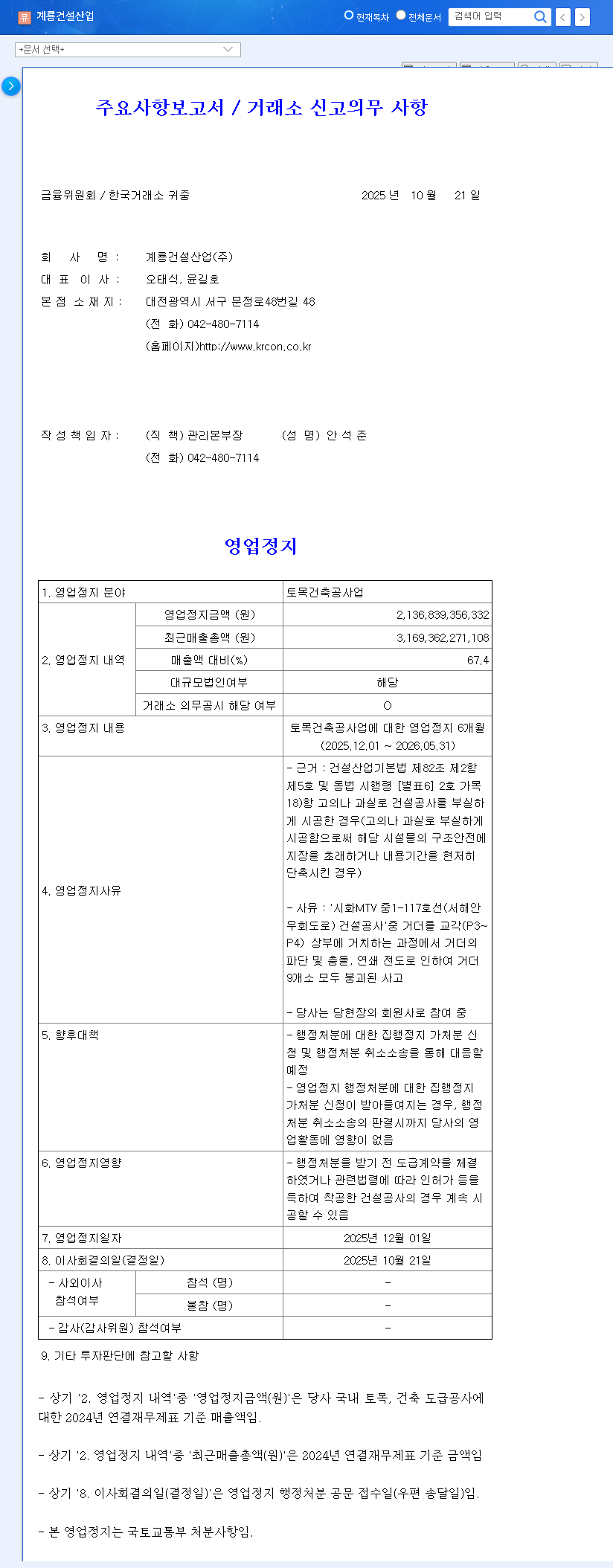
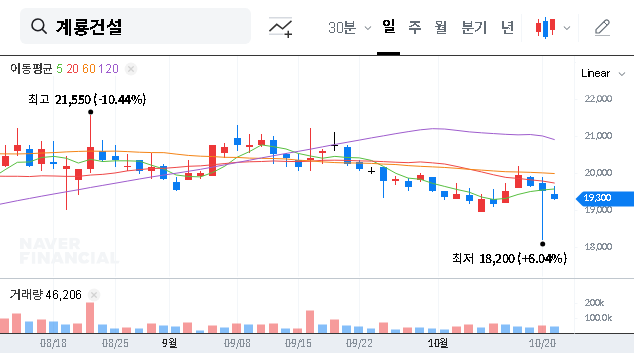
    The recent news regarding the KYE-RYONG CONSTRUCTION business suspension has sent significant shockwaves through the investment community. For stakeholders in KYE-RYONG CONSTRUCTION INDUSTRIAL CO.,LTD (KRX: 013580), this development represents a critical juncture that demands careful analysis and strategic foresight. An administrative disposition threatens to halt the company’s core civil engineering and construction operations for a full six months, potentially erasing a segment that accounts for over two-thirds of its total revenue. This comprehensive guide will break down the situation, explore the potential outcomes, and provide a clear roadmap for investors navigating this period of uncertainty.

    The Administrative Disposition: What We Know

    According to the company’s Official Disclosure filed with DART, the details of the suspension are stark. The civil engineering and construction business faces a mandatory shutdown scheduled from December 1, 2025, to May 31, 2026. The financial magnitude of this halt is staggering, impacting operations valued at approximately 2.137 trillion KRW. This figure represents a massive 67.4% of Kye-Ryong Construction’s most recently reported sales, highlighting the severe threat this poses to the company’s financial stability and market position.

    Kye-Ryong Construction’s Legal Counter-Offensive

    In response, Kye-Ryong’s management has outlined a decisive two-pronged legal strategy to fight the disposition. The success or failure of these measures will be the primary determinant of the Kye-Ryong Construction stock performance in the coming months.

    1. Application for Injunctive Relief

    The company’s immediate priority is to file for an injunction. If the court grants this request, the business suspension order will be temporarily stayed, allowing operations to continue normally while the main legal battle unfolds. This is a critical first step to prevent immediate operational and financial damage.

    2. Administrative Disposition Annulment Lawsuit

    Concurrently, the company will pursue a full lawsuit to have the administrative disposition annulled entirely. This is the long-term solution they are seeking. However, such legal proceedings are often lengthy and their outcomes are never guaranteed, creating a prolonged period of uncertainty for investors.

    If the injunction is denied, the 6-month suspension becomes a reality. This would trigger immediate and severe consequences, including a drastic revenue shortfall, a halt to new project bids, and significant challenges in fulfilling existing contracts. The downward pressure on the stock price would be immense.

    Investor Playbook: Key Metrics and Risks to Monitor

    Navigating this situation requires diligent monitoring of several key factors. Investors should remain hyper-aware of legal developments, financial health indicators, and market sentiment. For a deeper dive into sector-specific metrics, you can review our guide on How to Analyze Construction Sector Stocks.

    • Outcome of the Injunction: This is the most critical short-term catalyst. A favorable ruling provides breathing room, while a denial confirms the market’s worst fears. Monitor legal news sources closely for this announcement.
    • Financial Health & Liquidity: Scrutinize the company’s upcoming quarterly reports. Pay close attention to cash flow statements, debt levels, and current assets. Can the company withstand a significant revenue shock if the suspension proceeds?
    • Credit Rating Agency Actions: A business suspension of this magnitude could trigger a credit rating downgrade, increasing borrowing costs and further straining finances. Watch for reports from agencies like Moody’s or S&P.
    • Market & Analyst Sentiment: Keep an eye on analyst ratings and price target revisions from major financial institutions. As noted by industry experts at authoritative sources like Reuters, institutional sentiment is a powerful market driver.

    Frequently Asked Questions (FAQ)

    What exactly is the administrative disposition against Kye-Ryong?

    It is a 6-month suspension of business activities for the company’s civil engineering and construction division, affecting operations worth 2.137 trillion KRW, or 67.4% of total company revenue.

    What happens if the company’s injunction is granted?

    If the injunction is granted, the suspension order is paused. The company can continue its business operations as normal until a final verdict is reached in the main annulment lawsuit, though the underlying legal risk remains.

    What is the biggest risk for investors right now?

    The primary risk is legal uncertainty. The outcome of the court proceedings is the single most important variable. A negative outcome would severely impact the company’s revenue, profitability, and stock valuation.

    In conclusion, the KYE-RYONG CONSTRUCTION business suspension presents a high-stakes scenario. While the company’s legal strategy offers a path to mitigate the damage, the situation is fraught with risk. Investors must exercise extreme caution, stay informed on the key metrics outlined above, and be prepared to react to new information as it becomes available.

    (013580) KYE-RYONG CONSTRUCTION (013580) Business Suspension: A 2025 Investor's Guide 관련 이미지
  • (000540) Heungkuk Fire & Marine Insurance REIT Investment: A Deep Dive Analysis

    (000540) Heungkuk Fire & Marine Insurance REIT Investment: A Deep Dive Analysis

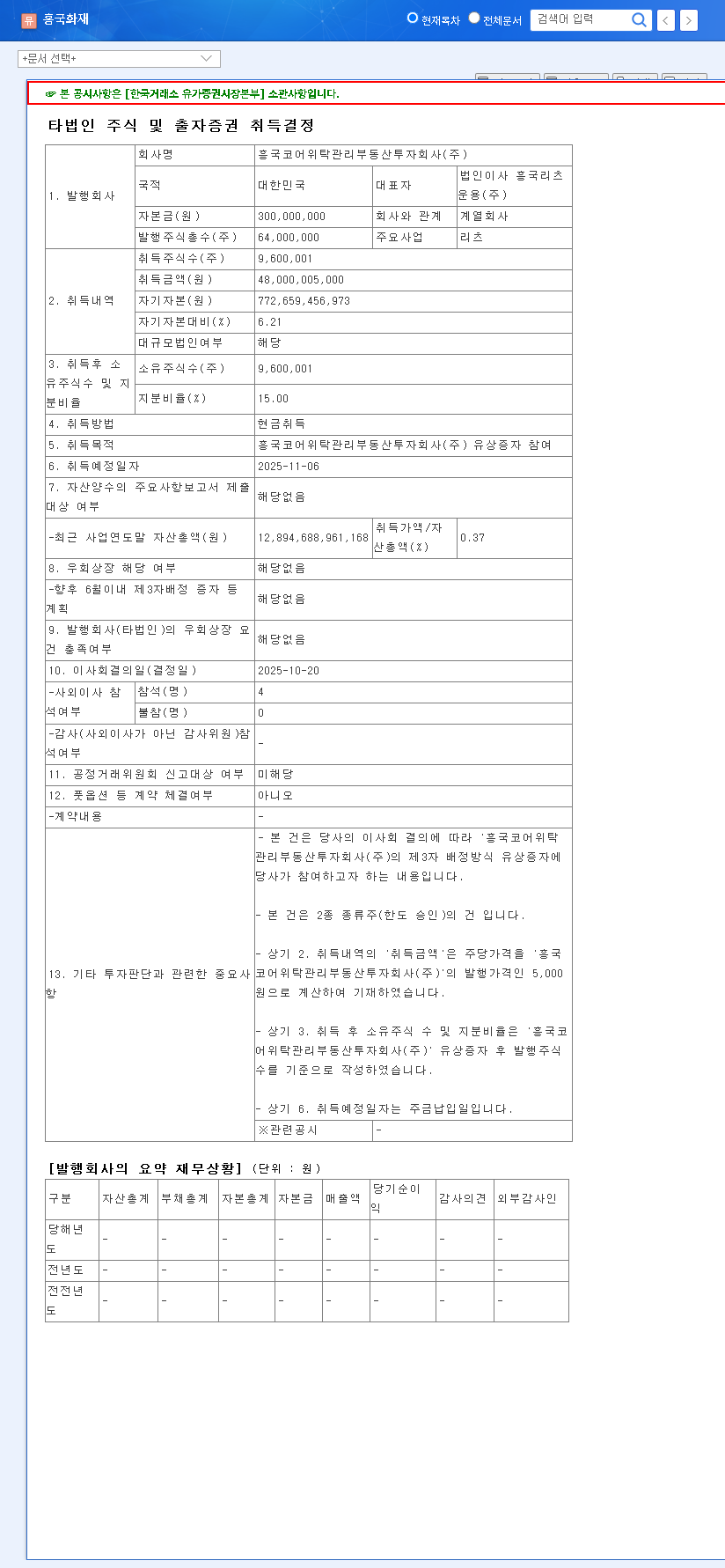
    The recent announcement of the Heungkuk Fire & Marine Insurance REIT investment has sent ripples through the South Korean financial market. With a staggering KRW 48 billion committed to acquiring a 15% stake in Heungkuk Core Wealth Management Real Estate Investment Trust (REIT), stakeholders are keenly observing. This strategic maneuver raises a pivotal question: is this a calculated step towards robust diversification and new growth engines, or does it introduce significant risks that investors should carefully scrutinize? This comprehensive analysis will dissect the deal, explore its implications, and provide a clear roadmap for investors navigating this evolving landscape.

    We will delve into the core objectives behind this acquisition, the potential financial and business impacts, the inherent risks associated with the real estate market, and what this means for the future of Heungkuk Fire & Marine Insurance.

    The Landmark KRW 48 Billion Deal Explained

    On October 20, 2025, Heungkuk Fire & Marine Insurance formally announced its decision to acquire shares in another corporation, with the transaction scheduled for completion by November 6, 2025. The target of this substantial investment is the Heungkuk Core Wealth Management Real Estate Investment Trust. The total acquisition amount is a significant KRW 48 billion, which will grant the insurance firm a 15.00% stake in the REIT. This figure represents 6.21% of Heungkuk Fire’s total capital, underscoring the strategic importance of the move. For official details, you can view the Official Disclosure on DART.

    Key Transaction Details:

    • Target Company: Heungkuk Core Wealth Management Real Estate Investment Trust
    • Acquisition Amount: KRW 48 billion
    • Post-acquisition Stake: 15.00%
    • Acquisition Method: Cash Acquisition (via a rights issue)
    • Expected Date: November 06, 2025

    Strategic Rationale: Why This REIT Investment Matters

    This Heungkuk Fire & Marine Insurance REIT investment is not merely a financial transaction; it’s a strategic pivot. The primary motivation is to participate in the rights issue of Heungkuk Core REIT, which is widely believed to be an affiliate of the broader Heungkuk Financial Group. This move is driven by several compelling long-term objectives.

    By venturing into the real estate sector, Heungkuk Fire aims to build a more resilient and diversified business model, capable of withstanding the cyclical pressures of the traditional insurance market.

    Objectives of the Heungkuk Core REIT Acquisition

    • Business Diversification: The core objective is to reduce dependency on the highly competitive and regulated insurance industry. This move into real estate provides an alternative revenue stream that is not directly correlated with insurance market cycles.
    • New Revenue Streams: REITs offer returns through both stable rental income (dividends) and potential capital appreciation of the underlying properties. This provides Heungkuk Fire with access to predictable cash flows and long-term growth potential. Interested in learning more? You can read our guide on how REITs generate value for investors.
    • Group Synergy: As a likely affiliate, this investment can unlock significant synergies within the Heungkuk Financial Group. This could manifest as cross-selling financial products (e.g., insurance bundled with real estate financing), sharing market intelligence, and optimizing capital allocation across the group.

    Investor Alert: Potential Risks to Monitor

    While the strategic benefits are clear, this investment is not without its risks. Investors must maintain a cautious and informed perspective by considering the following potential headwinds.

    • Real Estate Market Volatility: The performance of Heungkuk Core REIT is directly tied to the health of the real estate market. Factors such as rising interest rates, economic recessions, or adverse government policies could negatively impact property values and rental income, potentially leading to investment losses. For a global perspective, reports from outlets like Bloomberg’s Real Estate section offer valuable context.
    • Operational Performance Uncertainty: The success of the investment hinges on the REIT’s management team’s ability to acquire and operate properties effectively. Poor investment choices or inefficient management could lead to lower-than-expected returns.
    • Short-Term Liquidity Impact: The KRW 48 billion cash outflow will reduce Heungkuk Fire’s liquid assets. While not expected to cripple its financial stability, it could constrain its ability to respond to unexpected opportunities or challenges in the short term.
    • Governance and Transparency: Any issues with the transparency or corporate governance structure of the REIT could pose risks, potentially affecting fund recovery and causing reputational damage.

    Conclusion: A Calculated Risk for Future Growth

    The Heungkuk Fire & Marine Insurance REIT investment is a bold and strategic move that signals a clear intention to diversify and future-proof its business model. The potential for new revenue streams, enhanced capital efficiency, and group-wide synergies is significant. However, investors must balance this optimism with a realistic understanding of the risks, particularly the volatility of the real estate market. Continuous monitoring of the REIT’s performance, market conditions, and the realization of promised synergies will be crucial in determining the long-term success of this landmark acquisition.

    Frequently Asked Questions (FAQ)

    Q1: What is Heungkuk Core Wealth Management Real Estate Investment Trust?

    It is a REIT (Real Estate Investment Trust), a company that owns and typically operates income-producing real estate. It is strongly presumed to be an affiliate of the Heungkuk Financial Group in South Korea.

    Q2: What are the primary financial implications of this investment for Heungkuk Fire?

    The main implication is a KRW 48 billion cash outflow, which may affect short-term liquidity. In the long term, it has the potential to generate stable dividend income and capital gains, though investment losses are also possible if the real estate market falters.

    Q3: Why is Heungkuk Fire making this investment?

    The primary objectives are to diversify its business beyond the traditional insurance sector, discover new and stable revenue streams from real estate, and potentially create synergistic value within its financial group.

    Q4: What are the main risks for investors to watch?

    Key risks include volatility in the broader real estate market, the specific operational performance of the REIT, potential short-term liquidity constraints for Heungkuk Fire, and any governance issues within the target company.

    (000540) Heungkuk Fire & Marine Insurance REIT Investment: A Deep Dive Analysis 관련 이미지
  • (404990) Shinhan Seobu T&D REIT Asset Sale: An In-Depth Investment Analysis

    (404990) Shinhan Seobu T&D REIT Asset Sale: An In-Depth Investment Analysis

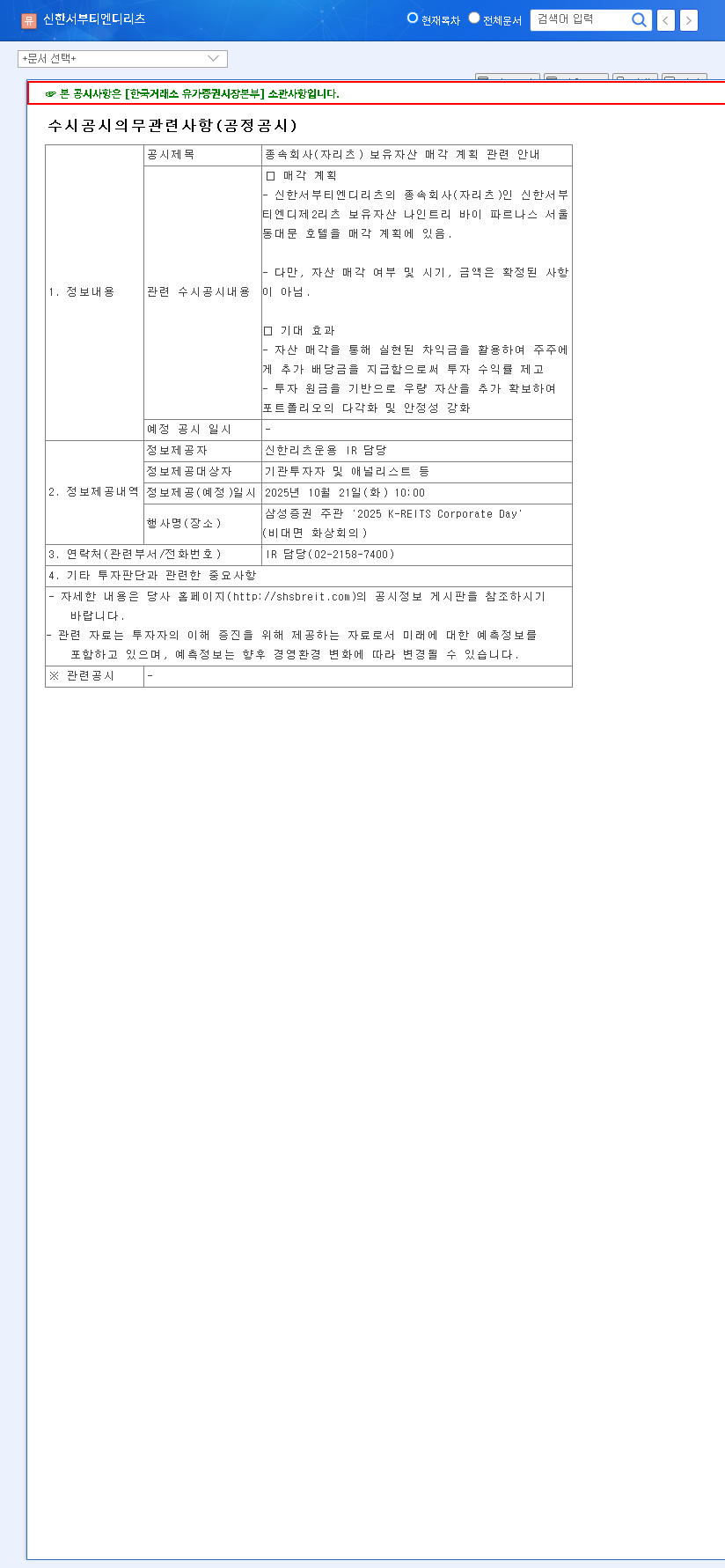
    Investors in Shinhan Seobu T&D REIT are closely watching recent developments following a significant disclosure. The REIT’s subsidiary has announced a potential plan to sell a key asset, the ‘Nine Tree by Parnas Seoul Dongdaemun Hotel,’ sparking both optimism and concern within the market. This move could signal a strategic pivot, but it also introduces a layer of uncertainty that requires careful consideration.

    This in-depth REIT investment analysis will unpack the implications of this potential REIT asset sale. We’ll explore the rationale behind the decision, weigh the potential financial upside against the inherent risks, and provide a clear action plan for current and prospective investors to navigate this pivotal moment for Shinhan Seobu T&D REIT.

    The Proposed Asset Sale: What We Know

    Shinhan Seobu T&D REIT, a notable player in the Korean REITs market with a market capitalization of approximately KRW 196.7 billion, has communicated via its subsidiary, Shinhan Seobu T&D REIT 2, its intention to explore the sale of the ‘Nine Tree by Parnas Seoul Dongdaemun Hotel’. This was formally announced in an official disclosure filed on October 20, 2025.

    It is critical for investors to understand that as of now, the sale’s final confirmation, timing, and price are not yet determined. This uncertainty is the primary factor driving market speculation. You can view the Official Disclosure (Source) for direct information.

    The Bull Case: Potential Opportunities for Shinhan Seobu T&D REIT

    If the sale is executed successfully, it could unlock significant value for the REIT and its shareholders. The management’s likely goal is to optimize the portfolio for long-term growth and stability.

    1. Enhanced Shareholder Returns

    The primary benefit from a successful asset sale is the potential for a special dividend. Capital gains realized from selling the hotel above its book value could be distributed directly to shareholders, providing a substantial boost to investor returns beyond the regular quarterly distributions. This is a common strategy for REITs to reward their investors after a profitable divestment.

    2. Strategic Portfolio Repositioning

    The proceeds can be redeployed to acquire new, high-quality assets that align better with the REIT’s future strategy. This could mean diversifying into different real estate sectors like logistics, data centers, or prime office spaces, potentially offering more stable income streams or higher growth potential. This strategic pivot could strengthen the overall quality and resilience of the Shinhan Seobu T&D REIT portfolio.

    3. Improved Financial Health

    A significant cash injection from the REIT asset sale could be used to pay down existing debt. Deleveraging improves the REIT’s balance sheet, reduces interest expenses, and lowers its overall risk profile. A stronger financial structure can lead to better credit ratings and more favorable borrowing terms for future acquisitions, creating a virtuous cycle of growth.

    The Bear Case: Key Risks and Uncertainties

    While the upside is attractive, investors must remain pragmatic and consider the significant hurdles and risks associated with this transaction. The path from announcement to a successful closing is fraught with potential challenges.

    • Execution Risk: The most immediate risk is the high level of uncertainty. The deal is not final. Negotiations could stall, a suitable buyer may not be found, or the final price could be substantially lower than market expectations, leading to investor disappointment.
    • Market Conditions: The hotel and commercial real estate markets are cyclical and sensitive to economic factors like interest rates, tourism trends, and overall economic health. A downturn in the market could negatively impact the valuation of the Nine Tree Hotel sale.
    • Reinvestment Risk (Opportunity Cost): Even if the sale is successful, the challenge shifts to effectively deploying the capital. If management fails to find and acquire new assets that generate returns equal to or greater than the hotel, the REIT’s overall performance could suffer. Leaving cash uninvested for too long can drag down returns. For a broader view, investors can review reports from major real estate services like CBRE or JLL.

    Investor Action Plan and Strategy

    Given the balance of opportunity and risk, a prudent, research-driven approach is essential. Here are the recommended steps for investors.

    1. Conduct Deeper Due Diligence

    Investors should research the estimated market value of the Dongdaemun hotel and analyze the REIT’s overall financial health, including its debt-to-equity ratio and portfolio composition. Understanding the foundation of the company is key. Our guide on how to analyze REITs can provide a helpful framework.

    2. Monitor for Key Updates

    Stay vigilant for further disclosures from Shinhan Seobu T&D REIT. The market will likely remain in a ‘wait-and-see’ mode until concrete details about the sale price, buyer, and timeline are released. Be prepared to re-evaluate your investment thesis as new information becomes available.

    3. Review Your Risk Management Strategy

    Consider how this uncertainty fits within your overall portfolio. Ensure your investments are properly diversified. It’s crucial to have pre-defined strategies for different scenarios, whether the sale is highly successful, moderately successful, or fails to materialize.

    In conclusion, the proposed asset sale represents a significant strategic inflection point for Shinhan Seobu T&D REIT. While it holds the promise of unlocking value and fueling future growth, the path is uncertain. A patient and informed approach will be an investor’s greatest asset in the coming months.

    (404990) Shinhan Seobu T&D REIT Asset Sale: An In-Depth Investment Analysis 관련 이미지
  • (105840) WOOJIN INC Real Estate Acquisition: An ₩18B Gangnam Bet & Stock Analysis (105840)

    (105840) WOOJIN INC Real Estate Acquisition: An ₩18B Gangnam Bet & Stock Analysis (105840)

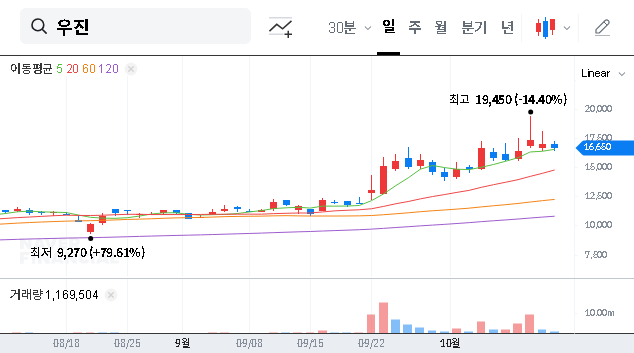
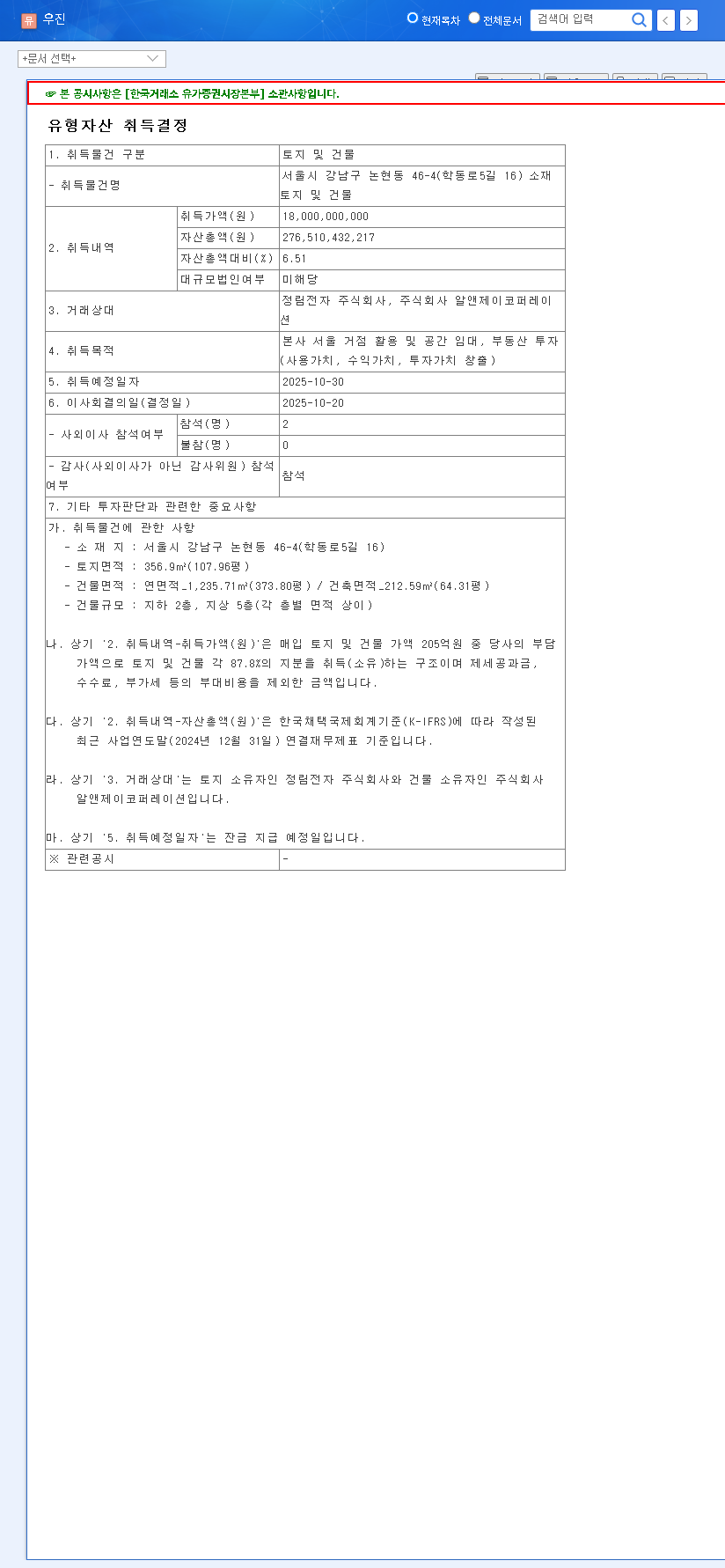
    The recent WOOJIN INC real estate acquisition has captured the attention of the market. The KOSPI-listed company (105840) has committed a substantial ₩18 billion to purchase prime tangible assets in Seoul’s prestigious Gangnam district. This move is far more than a simple line item on a balance sheet; it’s a strategic pivot that could redefine WOOJIN’s corporate trajectory, influence its stock performance, and significantly alter its long-term enterprise value. This comprehensive analysis will dissect the acquisition’s details, strategic rationale, financial implications, and the crucial risk factors investors must consider.

    We will delve into the core motivations behind this significant Gangnam real estate investment and what it signals about the company’s future ambitions. For any investor tracking WOOJIN INC stock, understanding the nuances of this decision is paramount.

    The Core Deal: A ₩18 Billion Gangnam Footprint

    According to the company’s public filing, WOOJIN INC finalized its decision to acquire land and an accompanying building in Nonhyeon-dong, Gangnam-gu, Seoul. The transaction, valued at ₩18 billion, represents a significant 6.51% of the company’s total assets. The acquisition from Jeonglim Electronics Co., Ltd. and R&J Corporation is slated for completion by October 30, 2025. This information is corroborated by the official disclosure filed with the Financial Supervisory Service (Source: DART), lending full transparency to the transaction’s specifics.

    Strategic Rationale: More Than Just Bricks and Mortar

    WOOJIN INC has articulated a multi-faceted strategy for this acquisition, signaling a sophisticated approach to asset management and corporate growth. The objectives extend beyond simple capital appreciation.

    Establishing a Premier Seoul Headquarters

    A Gangnam address carries immense prestige and strategic value. By establishing a new headquarters in this central business hub, WOOJIN aims to elevate its corporate image, attract top-tier talent, and enhance its networking capabilities with key partners and clients. A portion of the space may also be leased, creating an immediate revenue stream.

    A Diversified Investment Portfolio

    This move diversifies WOOJIN’s asset base into premium real estate. Historically, Gangnam property has been a robust store of value, often outpacing inflation and providing long-term capital gains. This aligns with a prudent strategy of de-risking from market-specific operational volatility. For more on market trends, investors often consult analysis from institutions like the Korea Real Estate Board.

    The acquisition is designed to create a trinity of value: Use Value from improved operational efficiency, Revenue Value from rental income, and Investment Value from long-term asset appreciation.

    Analyzing the Impact on WOOJIN INC’s Stock and Financials

    The WOOJIN INC real estate acquisition will ripple through its financial statements and strategic positioning, creating both opportunities and challenges that investors must carefully weigh.

    Direct Financial Implications

    • Liquidity and Cash Flow: An immediate ₩18 billion cash outflow will test the company’s short-term liquidity. The financing method—whether from cash reserves, debt, or an equity offering—is a critical detail that will determine the impact on net profit and cash flow through interest expenses or dilution.
    • Balance Sheet Transformation: The company’s balance sheet will see a significant increase in tangible assets (Property, Plant, and Equipment), boosting the total asset base and potentially improving its book value per share.
    • New Revenue & Cost Centers: Potential rental income will add a new, stable revenue line. Conversely, new costs such as property taxes, maintenance, insurance, and depreciation will be introduced to the income statement.

    Investor’s Checklist: Risks & Monitoring Points

    While the strategic vision is compelling, prudent investors must monitor the associated risks to make informed decisions about KOSPI 105840.

    • Real Estate Market Volatility: A downturn in the Seoul real estate market, driven by interest rate hikes or economic recession, could negate expected capital gains and even lead to an asset value decline.
    • Funding and Interest Burden: If financed through debt, rising interest rates could impose a significant burden on profitability. The specifics of the funding plan are the most critical piece of information to monitor.
    • Operational Execution: The success of generating rental income depends on market demand and effective property management. Failure to achieve target occupancy rates could undermine the investment’s financial rationale.
    • Synergy with Core Business: Investors should watch for evidence that the new headquarters is genuinely enhancing business operations, such as new partnerships or improved sales performance. Learn more about how to analyze corporate strategy in our related guide.

    Conclusion: A Calculated Risk for Future Growth

    WOOJIN INC’s ₩18 billion Gangnam real estate investment is a bold, forward-looking move. It has the potential to strengthen the company’s brand, create new revenue streams, and build long-term shareholder value through asset appreciation. However, the success of this venture is not guaranteed. It hinges on stable real estate markets, prudent financial management of the acquisition cost, and effective execution of its multi-faceted strategy. For investors, this marks a pivotal moment that demands close and continuous monitoring. The successful integration of this asset could indeed be a catalyst for a positive re-rating of the WOOJIN enterprise value and its stock price.

    (105840) WOOJIN INC Real Estate Acquisition: An ₩18B Gangnam Bet & Stock Analysis (105840) 관련 이미지
  • (383800) LX Holdings’ ₩512B Gwanghwamun Building Acquisition: An Investor’s Deep Dive

    (383800) LX Holdings’ ₩512B Gwanghwamun Building Acquisition: An Investor’s Deep Dive

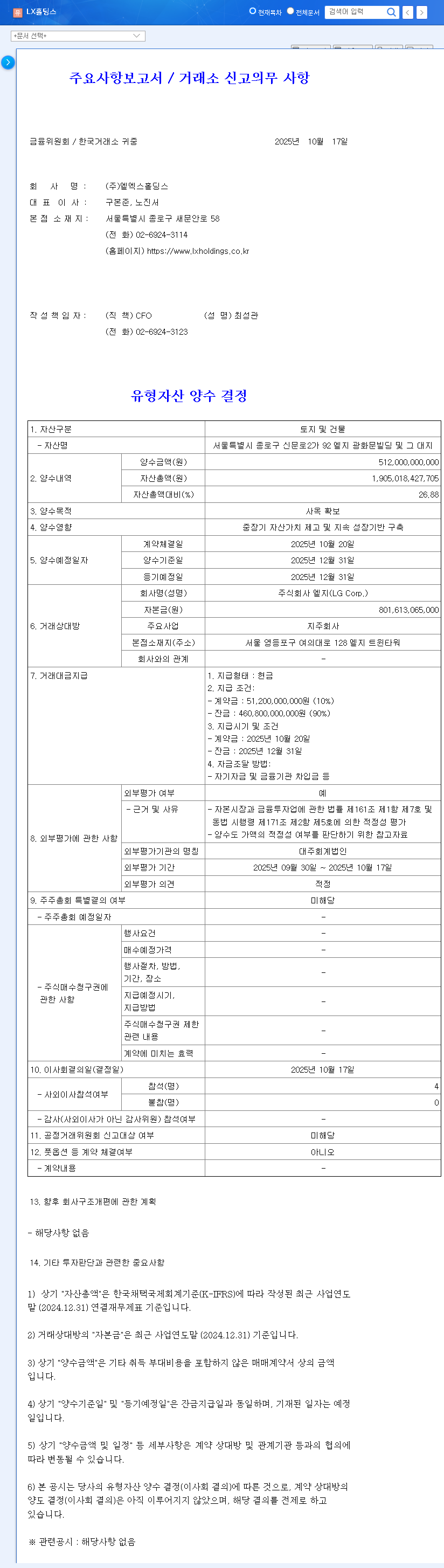
    The announcement of the LX Holdings Gwanghwamun Building acquisition for a staggering ₩512 billion (approx. $380 million USD) has ignited intense discussion across financial markets. This landmark deal, representing nearly 27% of the company’s total assets, is far more than a simple real estate transaction; it’s a bold strategic maneuver that could redefine LX Holdings’ future. As a pivotal investment, it presents a compelling mix of immense opportunity and significant financial exposure.

    While securing a prestigious headquarters in Seoul’s core business district promises long-term benefits, the sheer scale of the capital outlay raises critical questions. Will this move catalyze growth and enhance shareholder value, or will the financial burden constrain the company’s agility in the short term? This analysis provides a comprehensive deep dive into the deal’s mechanics, strategic rationale, potential upsides, and inherent risks for investors.

    Deconstructing the Landmark Deal

    The Core Details of the Acquisition

    On October 27, 2023, LX Holdings formalized its intent to acquire the ‘LG Gwanghwamun Building’ and its underlying land from LG Corp. The official transaction details, as outlined in the public disclosure, paint a picture of a carefully structured, high-value transfer.

    • Asset: The LG Gwanghwamun Building, a prime commercial property in Seoul’s central business district.
    • Purchase Price: ₩512 billion, paid in cash.
    • Payment Schedule: A 10% down payment (₩51.2B) by Oct 20, 2025, with the 90% balance (₩460.8B) due by Dec 31, 2025.
    • Funding Sources: A combination of existing corporate funds and new borrowings from financial institutions.

    The complete financial filing can be reviewed in the Official Disclosure (DART), which provides the authoritative source for this transaction.

    This acquisition is a strategic declaration. By securing a flagship asset in Gwanghwamun, LX Holdings is not just buying an office; it’s investing in brand prestige, operational synergy, and long-term financial stability.

    Strategic Analysis: Opportunity vs. Risk

    The Potential Upside: A Foundation for Growth

    The rationale behind the LX Holdings Gwanghwamun Building acquisition is multi-faceted. Consolidating various group entities under one roof is expected to dramatically enhance management efficiency, breaking down silos, reducing rental expenses, and fostering a more unified corporate culture. This physical integration can accelerate decision-making and boost employee morale. Furthermore, owning prime Seoul commercial real estate provides a stable, tangible asset anticipated to appreciate over time, strengthening the company’s balance sheet. This move provides a solid foundation for future expansion and talent acquisition, signaling stability and ambition to the market. For more on market trends, see the latest reports from authoritative sources like Bloomberg’s real estate analysis.

    The Inherent Risks: A Financial Tightrope

    The primary concern is the immense financial burden. Mobilizing ₩512 billion will significantly impact LX Holdings’ liquidity and debt profile. The vague funding plan of ‘self-funds and borrowings’ leaves investors questioning the cost of capital and the terms of future loans. A rise in interest rates could make this debt significantly more expensive. Moreover, the Seoul commercial real estate market, while stable, is not immune to macroeconomic headwinds. A downturn could lead to asset value depreciation, undermining one of the key justifications for the purchase. Finally, the transition from renter to owner introduces new operational costs, including property taxes, maintenance, and management fees, which will impact cash flow.

    Investor Action Plan & Key Questions

    For those invested in or watching LX Holdings, this is a critical juncture. A proactive and analytical approach is necessary. Investors should prioritize monitoring the following key areas as more information becomes available.

    What is the detailed funding strategy?

    Scrutinize upcoming announcements for specifics on the debt-to-equity ratio for this purchase. Understanding the interest rates and repayment schedules is crucial to assessing the long-term financial impact. A heavily leveraged deal increases risk significantly.

    How will this impact operational cash flow?

    Investors should look for pro-forma financial statements that project the impact of new operating costs (taxes, maintenance) against the savings from eliminated rent. A clear, positive net effect on cash flow would be a strong bullish signal. You can compare this to our analysis of LX Holdings’ Q3 financials.

    What is the company’s broader capital allocation plan?

    This large investment in LX Holdings real estate raises questions about opportunity cost. How does this acquisition fit within the company’s overall growth strategy? Will it limit their ability to invest in R&D, M&A, or other core business ventures? A clear articulation from management is needed.

    Conclusion: A Calculated Gamble on the Future

    The LX Holdings Gwanghwamun Building acquisition is a defining moment for the company. It’s a calculated gamble that trades short-term financial flexibility for long-term strategic advantages. While the potential for enhanced efficiency and asset appreciation is undeniable, the financial risks are substantial. Prudent investors will maintain a watchful eye, demanding clarity on funding and strategy as this monumental chapter in LX Holdings’ story unfolds.

    (383800) LX Holdings' ₩512B Gwanghwamun Building Acquisition: An Investor's Deep Dive 관련 이미지
  • (400760) NH All-One REIT September 2025 Report: An Expert Analysis for Investors

    (400760) NH All-One REIT September 2025 Report: An Expert Analysis for Investors

    The latest monthly report from NH All-One REIT has been released, and for savvy investors, this is more than just a routine update. While many may overlook these regular disclosures, they contain a wealth of information that can signal future performance and illuminate the underlying value of the real estate investment trust. This comprehensive analysis will guide you through the report’s key takeaways, its potential impact on stock price, and a strategic action plan for your portfolio.

    Understanding the nuances of a REIT monthly report is a critical skill for anyone serious about real estate investing. Let’s delve into what this latest disclosure from NH All-One REIT truly means.

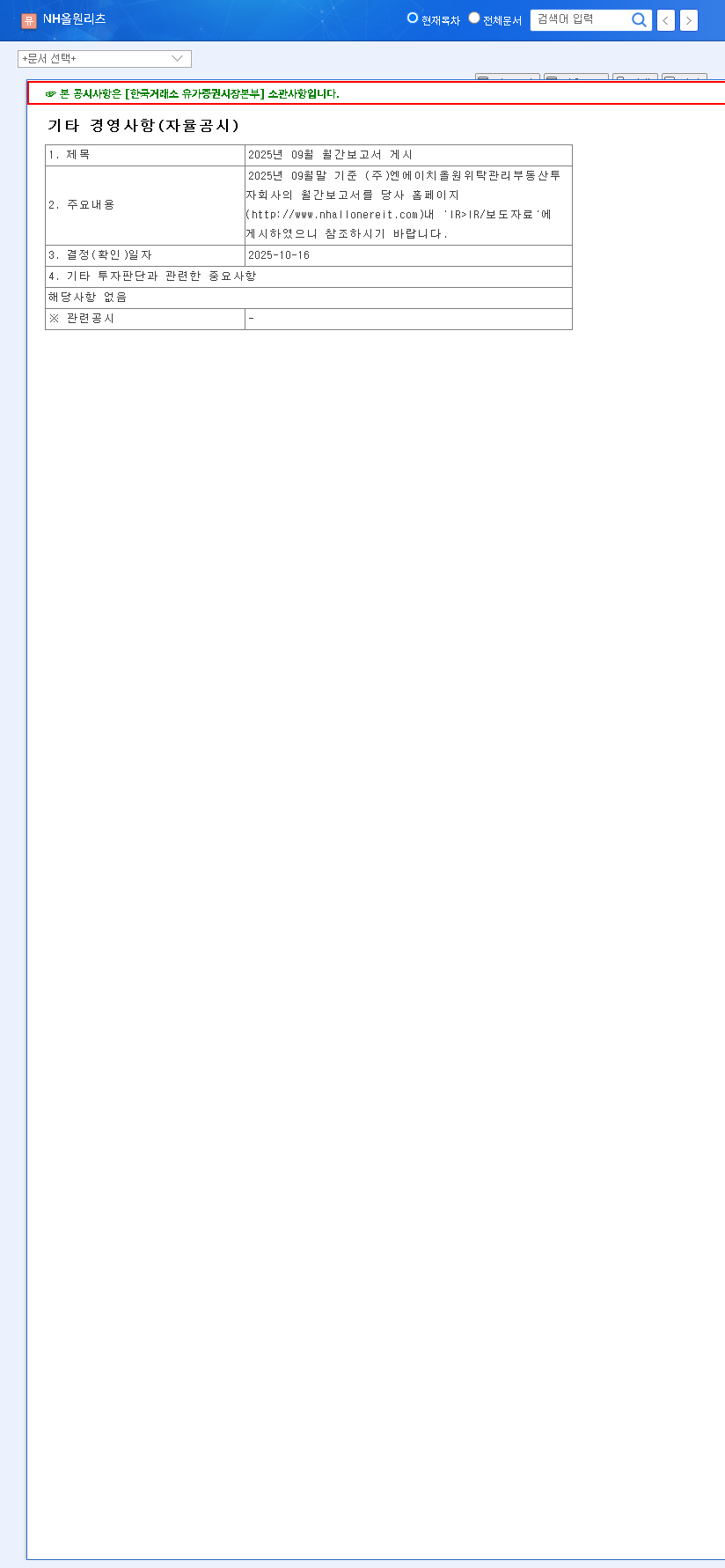
    Overview of the Disclosure

    On October 16, 2025, NH All-One REIT Co., Ltd., a significant player in the market with a capitalization of KRW 186.8 billion, fulfilled its investor relations duty by posting its September 2025 Monthly Report. This was filed under ‘Other Management Matters (Voluntary Disclosure)’ and serves as a vital channel for transparent communication with stakeholders. You can view the official filing directly from the source. (Official Disclosure). While the initial announcement is procedural, the contents within the report are what determine its real significance.

    For a real estate investment trust, transparency isn’t just good practice—it’s the foundation of investor confidence. These monthly reports are the building blocks of a thorough due diligence process.

    Analyzing the Impact on NH All-One REIT Stock Price

    The market’s reaction to this report will unfold on two different timelines: the immediate short-term and the more telling mid-to-long term. Understanding both is key to a successful REIT investment strategy.

    Short-Term Impact: Likely Neutral, Barring Surprises

    Because this is a scheduled, routine disclosure, the act of publishing the report itself is unlikely to cause significant stock price volatility. The market has already priced in the expectation of this information. However, the short-term reaction could shift from neutral to negative if the report contains unexpected negative data, such as a sudden drop in portfolio occupancy rates or a major tenant default. Conversely, a surprise acquisition or better-than-expected rental growth could provide a modest, temporary lift.

    Mid-to-Long-Term Impact: All in the Details

    The true investment thesis for NH All-One REIT is built on the long-term trends revealed in these reports. The data within provides a clear view of the company’s fundamental health and growth trajectory. Key metrics to scrutinize include:

    • Portfolio Health: Look at occupancy rates, rental income trends, and weighted average lease expiry (WALE). A high and stable occupancy rate is the lifeblood of any successful REIT.
    • Financial Soundness: Analyze the debt-to-equity ratio, interest coverage, and any changes in liabilities. A manageable debt load is crucial for navigating different economic cycles.
    • Profitability and Dividends: Examine the Funds From Operations (FFO) and Adjusted Funds From Operations (AFFO). These are better profitability indicators for a real estate investment trust than standard net income and directly impact the sustainability of dividends.
    • Future Strategy: The report may contain commentary on future acquisitions, dispositions, or development plans. This provides insight into the management’s strategy for growth and value creation.

    Investor Action Plan: How to Use This Report

    Don’t just acknowledge the disclosure—use it as a strategic tool. Here is a practical action plan for investors in NH All-One REIT:

    • Perform a Trend Analysis: Compare the data in the September 2025 report to the reports from previous months and quarters. Are occupancy rates improving or declining? Is debt increasing? Identifying trends is far more powerful than looking at a single data point.
    • Benchmark Against Competitors: How do NH All-One REIT’s key metrics stack up against its peers in the industry? This relative analysis helps determine if the company is a market leader or a laggard.
    • Consult External Resources: Supplement your analysis with reports from financial analysts and news from reputable sources. For a deeper understanding of REIT metrics, resources like Investopedia’s guide to REIT analysis can be invaluable.
    • Re-evaluate Your Thesis: Does the information in the report support or contradict your original investment thesis for NH All-One REIT? If you need to brush up on the basics, review our comprehensive guide to REIT investing.

    In conclusion, the release of the September 2025 Monthly Report is a pivotal moment for current and prospective investors in NH All-One REIT. By moving beyond the surface-level announcement and conducting a thorough, data-driven analysis, you can make more informed, confident, and ultimately more profitable investment decisions.

    (400760) NH All-One REIT September 2025 Report: An Expert Analysis for Investors 관련 이미지
  • (094800) Maps Realty 1 Investment Analysis: What Mirae Asset’s Increased Stake Means for 094800 Stock

    (094800) Maps Realty 1 Investment Analysis: What Mirae Asset’s Increased Stake Means for 094800 Stock

    Recent institutional movements surrounding Maps Realty 1 (094800) have captured significant market attention. Mirae Asset Global Investments, a major player in Korea’s asset management landscape, recently disclosed an increased stake in the company. This move, while officially labeled a ‘simple investment,’ raises critical questions for current and potential investors: What does this signal for the stock’s future, and how should you position your portfolio in response?

    This comprehensive analysis breaks down the implications of Mirae Asset’s filing, examines the core fundamentals of Maps Realty 1, and evaluates the broader macroeconomic environment to provide a clear, actionable guide for your investment strategy.

    Decoding Mirae Asset’s Increased Stake in Maps Realty 1

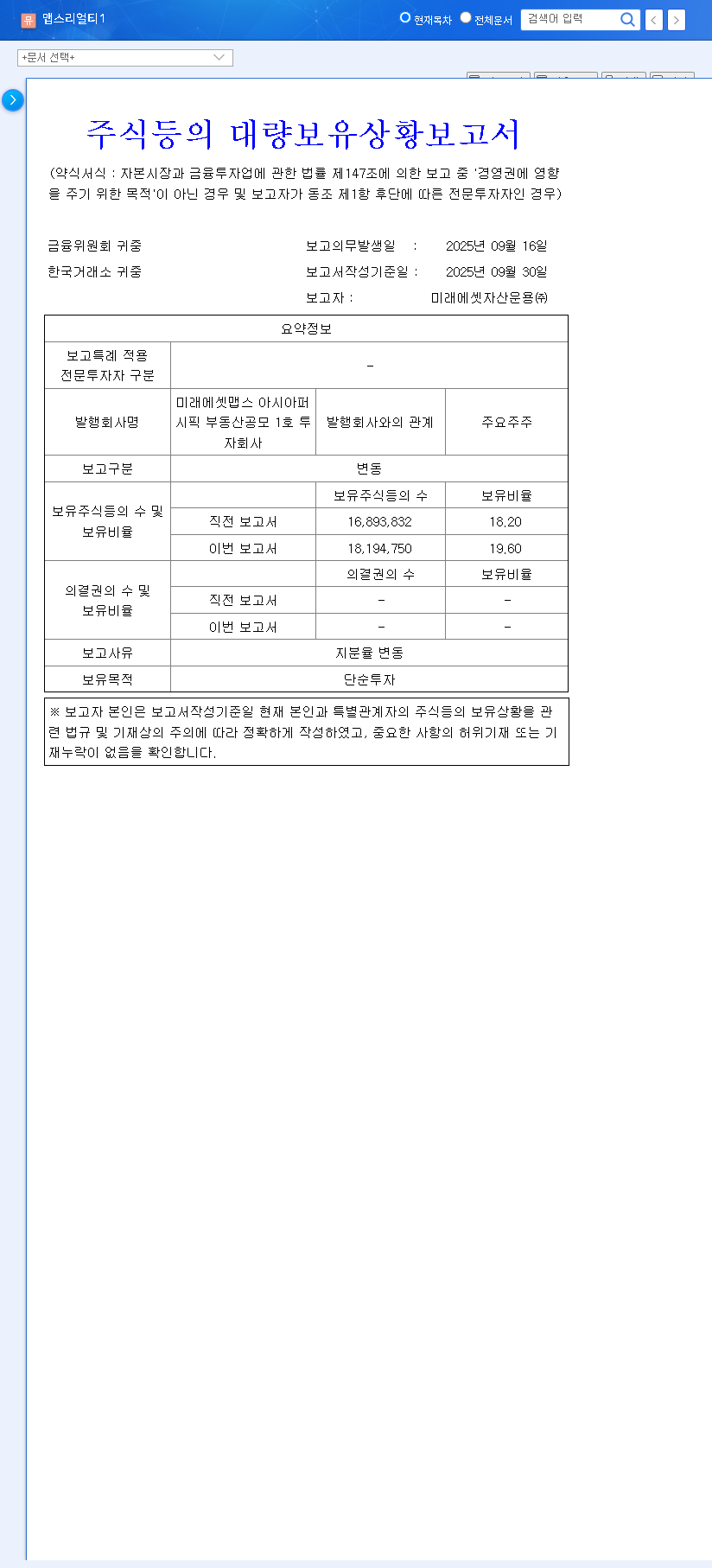
    Mirae Asset Global Investments has officially increased its holding in Maps Realty 1 from 18.20% to 19.60%, marking a notable 1.40%p increase. The transaction was detailed in a ‘Large Shareholding Status Report (Simplified),’ which can be viewed in the Official Disclosure. The stated purpose is ‘simple investment,’ primarily driven by adjustments related to the creation and redemption of their Exchange Traded Funds (ETFs).

    While ‘simple investment’ implies no intent to influence management, the sheer volume of institutional buying can create significant short-term demand and serves as a powerful market signal about the perceived value of the underlying asset.

    Short-Term vs. Long-Term Stock Price Implications

    Short-Term: A Positive Demand Shock

    In the immediate term, this news is generally positive for the Maps Realty 1 investment outlook. Here’s why:

    • Institutional Confidence: A major asset manager increasing its stake acts as a vote of confidence, which can attract retail investors and other funds.
    • ETF Mechanics: As Mirae Asset creates more units of ETFs that hold Maps Realty 1, they must buy shares of the underlying stock, creating direct upward pressure on the price.
    • Market Sentiment: News of significant buying can improve overall sentiment and temporarily lift the stock price, though the ‘simple investment’ clause may temper expectations of a dramatic rally.

    Long-Term: Fundamentals and Macroeconomics Take Center Stage

    Over the long run, a single institutional move is less important than the company’s intrinsic health and the economic climate. Sustained institutional interest can enhance credibility, but the stock’s trajectory will ultimately depend on core performance. This is particularly true for real estate investments, which are sensitive to broader economic shifts. To learn more about this sector, you can review our guide to investing in real estate securities.

    Fundamental Analysis of Maps Realty 1 (094800)

    Price Volatility and Trading Volume

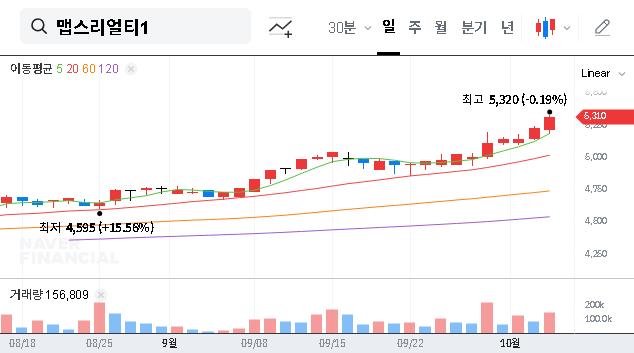
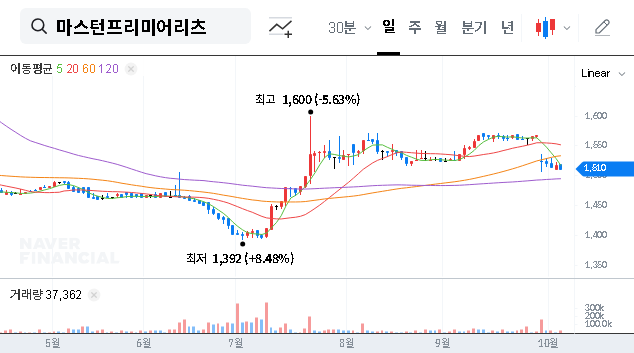
    Historically, Maps Realty 1’s stock has shown significant volatility. While it has recently found a stable range, trading volume remains relatively low, spiking primarily during periods of sharp price movement. This pattern suggests that the stock can be susceptible to large swings based on news events or shifts in market sentiment, rather than consistent, high-volume trading. The low foreign ownership, which has trended downwards over the past few years, further indicates a primary reliance on domestic investor interest.

    Key Macroeconomic Pressures

    Several macroeconomic indicators present potential headwinds for any real estate investment, including Maps Realty 1:

    • High Exchange Rates: Persistently high KRW/USD and KRW/EUR rates can increase the cost burden for companies with international operations or foreign-denominated debt, potentially leading to foreign exchange losses.
    • Interest Rate Environment: While benchmark interest rates may be decreasing, this is often a response to a slowing global economy, as noted by sources like Bloomberg’s economic analysis. A slowdown could negatively impact rental income and property valuations, affecting the company’s bottom line.
    • Safe-Haven Asset Demand: Rising gold prices indicate a flight to safety among investors, suggesting underlying anxiety about economic stability, which could impact riskier assets like equities.

    A Smart Investor’s Action Plan

    Given the conflicting signals, a prudent approach is necessary. Rather than making a rash decision based solely on Mirae Asset’s move, investors should adopt a multi-faceted strategy:

    • For Short-Term Traders: The institutional buying creates a potential short-term trading opportunity. However, be mindful of the stock’s volatility and the ‘simple investment’ label, which could cap the upside. Set clear entry and exit points.
    • For Long-Term Investors: This news should be just one data point. The primary focus should remain on Maps Realty 1’s financial reports, occupancy rates, debt levels, and management strategy. Monitor how the company navigates the macroeconomic challenges outlined above.
    • Monitor Institutional Flow: Keep an eye on future disclosures. Is this a one-time ETF adjustment, or does it represent the start of a trend of increasing institutional ownership? Consistent buying would be a much stronger long-term bullish signal.

    Ultimately, investment decisions should align with your personal risk tolerance and financial goals. This analysis is intended to provide a comprehensive framework for making your own informed judgment on Maps Realty 1.

    (094800) Maps Realty 1 Investment Analysis: What Mirae Asset's Increased Stake Means for 094800 Stock 관련 이미지
  • (357430) Maston Premier REIT (357430) Analysis: A Deep Dive into the 2025 Report & Profit Turnaround

    (357430) Maston Premier REIT (357430) Analysis: A Deep Dive into the 2025 Report & Profit Turnaround

    Maston Premier REIT (357430) Analysis: Decoding the Path to Profitability

    This comprehensive Maston Premier REIT analysis delves into the recently released September 2025 monthly report, offering investors a critical opportunity to re-evaluate the company’s fundamentals. As a prominent externally managed real estate investment trust (REIT) on Korea’s KOSPI, Maston Premier REIT (357430) has captured market attention with its recent financial turnaround. The pivotal question remains: is this newfound profitability sustainable?

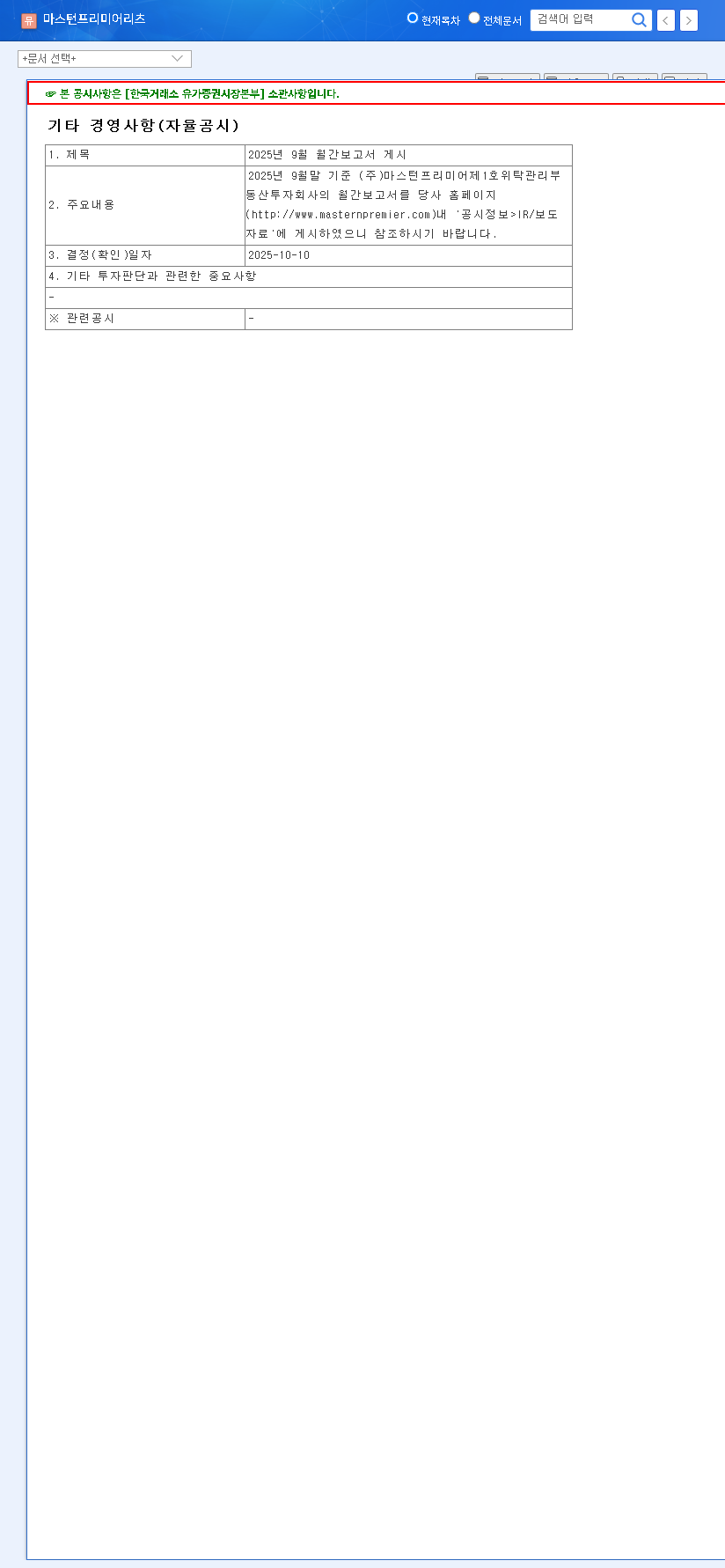
    On October 10, 2025, the company published its latest operational and financial data. This report is a crucial piece of the puzzle for any current or prospective investor. You can view the complete filing directly from the source. (Official Disclosure: Click to view DART report). We will dissect this information, examining asset stability, macroeconomic impacts, and the strategic outlook to guide your investment decisions.

    Core Fundamentals: Assets and Financial Health

    Understanding the foundation of Maston Premier REIT requires a close look at its high-quality asset portfolio and its recent financial performance, which signals a significant positive shift.

    A Premier International Asset Portfolio

    Established in February 2020 and listed in May 2022, the REIT generates rental income from a diversified portfolio of prime international properties. The stability of these assets is central to its investment appeal.

    • Crystal Park Office (France): A Grade-A office building in a core European market, ensuring access to high-quality tenants and resilient rental demand.
    • Incheon Hangdong Smart Logistics Center (Korea): Strategically located in a primary logistics hub, capitalizing on the sustained growth of e-commerce and supply chain modernization in Korea.
    • Amazon Logistics Center (France): A critical logistics facility leased to a global e-commerce giant, providing long-term, stable cash flow and a blue-chip tenant profile.

    Decoding the Financial Turnaround (H1 2025)

    The most compelling development is the company’s return to profitability. As of June 2025, Maston Premier REIT reported a consolidated net income profit of KRW 0.654 billion. This shift is crucial, turning the Earnings Per Share (EPS) positive to KRW 21.4. This isn’t just an accounting entry; it’s a strong indicator of the REIT’s capacity to secure and potentially increase future dividend payments. With total assets of KRW 152.846 billion against total liabilities of KRW 52.857 billion, the REIT maintains a robust and stable financial structure, providing a solid foundation for growth.

    The successful profit turnaround in H1 2025 is a testament to the portfolio’s resilience and management’s strategy. The key challenge now is navigating the complex macroeconomic environment to sustain this momentum.

    Macroeconomic Factors: Risks & Opportunities

    No REIT investment analysis is complete without considering the broader economic landscape. Fluctuations in interest rates, exchange rates, and bond yields present a complex set of challenges and potential benefits.

    • Interest Rate Environment: Rising benchmark rates can increase borrowing costs for REITs. However, this may be offset by rising rental income from European assets and the REIT’s relatively low borrowing costs, mitigating the negative impact on net operating income.
    • Exchange Rate Volatility: A strong Euro positively impacts the KRW-equivalent value of its French assets and rental income. Conversely, it increases the burden of foreign currency debt. Effective currency hedging strategies are crucial to managing this dual-edged sword.
    • National Bond Yields: REITs are often seen as an alternative to bonds. Stable or declining government bond yields help maintain the attractiveness of the dividend yield offered by Maston Premier REIT, drawing in income-focused investors.

    Action Plan and Strategic Outlook for Investors

    Given the positive momentum balanced by external uncertainties, a prudent and well-researched approach is recommended. While the turnaround is promising, investors should maintain a Neutral stance while closely monitoring key performance indicators.

    Recommendations for Prudent Investment

    • Scrutinize the Monthly Report: Go beyond the headline profit number. Analyze operational metrics like occupancy rates, lease durations, and Net Operating Income (NOI) to gauge the true health of the asset portfolio.
    • Monitor Macro-Trends: Keep a close watch on central bank policies in both Europe and Korea, as well as EUR/KRW exchange rate trends. These external factors will significantly influence performance.
    • Adopt a Long-Term View: Avoid short-term, event-driven trading. Base your investment in Maston Premier REIT on its long-term potential for asset value appreciation and stable dividend income. For more on this, read our guide on evaluating long-term REIT investments.

    Key Questions Answered

    What are Maston Premier REIT’s main investment assets?

    Maston Premier REIT invests in prime office and logistics assets, including the Crystal Park office in France, the Incheon Hangdong Smart Logistics Center in Korea, and an Amazon Logistics Center in France, to generate stable rental income.

    What are the REIT’s recent financial results?

    For the first half of 2025, the company achieved a significant turnaround to profitability, reporting a net income of KRW 0.654 billion. This resulted in a positive Earnings Per Share (EPS) of KRW 21.4.

    How stable is Maston Premier REIT’s dividend policy?

    The company has a strong track record, having paid dividends for 10 consecutive periods since its listing. It maintains a stable dividend policy, with an average dividend yield of 3.43% over the past three years.

    Disclaimer: This content is for informational purposes only and is based on publicly available report information. It should not be construed as financial advice. Investors are solely responsible for their investment decisions.

    (357430) Maston Premier REIT (357430) Analysis: A Deep Dive into the 2025 Report & Profit Turnaround 관련 이미지
  • (448730) Samsung FN REIT Analysis: Unpacking the September 2025 Report & Your Investment Strategy

    (448730) Samsung FN REIT Analysis: Unpacking the September 2025 Report & Your Investment Strategy

    The latest monthly report for the Samsung FN REIT has been released, and for investors, this isn’t just another financial update—it’s a critical roadmap. As of September 2025, the real estate investment trust stands at a crossroads, balancing a portfolio of prime assets against the persistent headwinds of a high-interest-rate environment. This comprehensive Samsung FN REIT analysis will dissect the report’s findings, evaluate the underlying risks and opportunities, and provide a clear, strategic action plan for navigating your investment moving forward.

    The report, officially published on October 10, 2025, serves as a vital tool for transparency, offering a direct look into the fund’s operational health and financial stability. For those following the concerns raised in the July business report, this update provides crucial continuity and insight. You can view the full document directly from the source: Official Disclosure.

    Deep Dive: Analyzing Samsung FN REIT’s Strengths

    At its core, the investment appeal of Samsung FN REIT is built on a foundation of stability and quality. These are not just abstract concepts; they are tangible assets and agreements that generate consistent returns for shareholders.

    Rock-Solid Rental Income & Premier Assets

    The REIT’s primary strength lies in its predictable cash flow, secured by long-term lease agreements with tenants boasting high credit ratings, such as Samsung Life Insurance, S1, and Hanwha Systems. This is further supported by a portfolio of prime commercial real estate, including:

    • Daechi Tower & S1 Building: Located in Seoul’s prestigious Gangnam and central business districts, these properties command high rental rates and benefit from perennial demand.
    • Pangyo Office: Situated in Korea’s ‘Silicon Valley,’ this asset caters to a thriving tech industry, ensuring high occupancy and growth potential.
    • Zero Vacancy Rate: As of the last report, a 0% vacancy rate is a powerful testament to the quality of the assets and the stability of the tenant base, directly supporting consistent dividend payouts.

    Unpacking the Risks: Navigating the Headwinds

    While the strengths are compelling, savvy investors must scrutinize the challenges outlined in the Samsung FN REIT report. The current macroeconomic climate, defined by elevated interest rates, casts a significant shadow over the REIT’s financial structure.

    The Weight of Debt and Interest Rate Sensitivity

    The fund’s high debt ratio and accumulated deficits remain a primary concern. A significant portion of its borrowings is subject to floating interest rates, making its profitability highly sensitive to central bank policies. As global financial institutions maintain a hawkish stance to curb inflation, this exposure becomes a critical risk factor. For more context on global interest rate trends, you can refer to analysis from authoritative sources like Reuters Financial News.

    The report highlights a crucial sensitivity: a 100-basis-point (1%) change in interest rates is projected to impact the REIT’s net income by approximately KRW 1.075 billion. This direct correlation underscores the vulnerability of its bottom line.

    Furthermore, while the reliance on Samsung Group affiliates as major tenants ensures stability, it also introduces a concentration risk. Any significant shift in the Samsung Group’s corporate strategy or financial health could have a cascading effect on the REIT.

    Your Strategic Investment Action Plan

    A successful REIT investment strategy requires more than a passive approach. Based on the September report, here are actionable steps to consider:

    • Monitor Debt & Interest Expense Trends: Scrutinize any changes in the total debt load and the interest expense line item compared to the July report. Look for signs of proactive debt management or interest rate hedging strategies, which would be a strong positive signal.
    • Track Lease Renewals and Vacancy: While currently at 0%, keep an eye on upcoming lease expiration dates. Successful renewals at favorable terms are key to maintaining income stability. Any increase in vacancy, however small, would be a red flag.
    • Assess Asset Valuations: Note any revaluation of the underlying properties. A downturn in the broader real estate market could lead to a decrease in the REIT’s net asset value (NAV), impacting its share price.
    • Contextualize Your Portfolio: Consider how this real estate investment trust fits within your overall portfolio. For a deeper understanding of how REITs work, you might find our Beginner’s Guide to REIT Investing helpful.

    Conclusion: The Path Forward for Investors

    The September 2025 monthly report for Samsung FN REIT confirms a dual reality: a high-quality, stable asset base grappling with significant macroeconomic pressures. The long-term appeal of its prime real estate portfolio is undeniable. However, the short-to-medium-term outlook is heavily dependent on management’s ability to navigate interest rate volatility and manage its debt profile effectively. By diligently analyzing the key indicators in this and future reports, investors can make informed, cold-headed decisions that align with their financial goals and risk tolerance.

    (448730) Samsung FN REIT Analysis: Unpacking the September 2025 Report & Your Investment Strategy 관련 이미지