Tag: Q3 2025 Earnings

  • (102710) ENF Technology Q3 2025 Earnings: In-Depth Analysis for Investors

    (102710) ENF Technology Q3 2025 Earnings: In-Depth Analysis for Investors

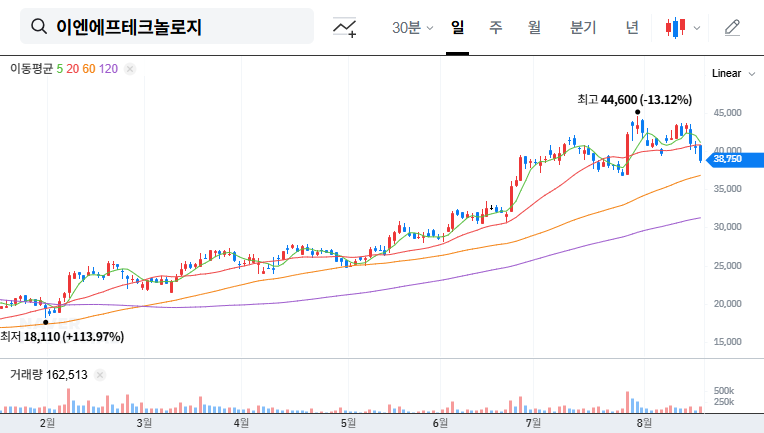
    The release of the ENF Technology Q3 2025 earnings report on November 12, 2025, has sent ripples through the investor community, offering a critical look into the health and trajectory of this key player in the semiconductor materials sector. For investors tracking ENF Technology stock (이엔에프테크놀로지), this announcement is more than just numbers; it’s a barometer for industry trends and a roadmap for future growth potential. This deep-dive analysis will dissect the core financial highlights, evaluate the potential impact on the stock price, and outline a strategic approach for current and prospective investors.

    ENF Technology’s impressive profitability and strengthened financial position in Q3 signal robust operational efficiency and a solid foundation for capitalizing on the recovering semiconductor market.

    Core Financial Highlights from the ENF Technology Q3 2025 Earnings Report

    The official Q3 2025 management performance announcement IR, available via the Official Disclosure (DART), paints a picture of a company on a strong upward trajectory. Let’s break down the key fundamentals that are capturing investor attention.

    Exceptional Profitability and Revenue Growth

    ENF Technology reported cumulative revenue of KRW 494.1 billion and a substantial operating profit of KRW 66.9 billion. The standout metric, however, is the remarkable 53.0% year-on-year increase in net profit. This significant jump in profitability suggests not only strong sales but also enhanced operational efficiency and effective cost management, which are crucial indicators of a well-managed semiconductor materials company.

    Fortified Financial Stability

    A company’s ability to weather economic storms and fund future growth is reflected in its balance sheet. ENF Technology has significantly strengthened its financial health:

    • Reduced Debt: The debt-to-equity ratio improved to 64.7%, indicating lower financial risk and greater leverage for strategic initiatives.
    • Increased Liquidity: Cash and cash equivalents surged by 67.2%, providing ample capital for R&D, potential acquisitions, and operational flexibility.

    Growth Catalysts and Market Position

    Beyond the numbers, the true potential of an ENF Technology investment lies in its strategic positioning and technological edge. The company is poised to benefit from several powerful market tailwinds.

    Dominance in Critical Materials

    ENF Technology’s core competency is in high-growth raw materials for photoresists—a critical component in the semiconductor and display manufacturing process. As chip designs become more complex and display technology like OLED becomes more widespread, the demand for these specialized chemicals is set to soar. Continuous R&D investment ensures the company maintains its technological leadership in this niche but vital segment. For more on market trends, see this analysis of the global semiconductor industry.

    Favorable Macro-Economic Environment

    Several market forces are converging to create a positive environment for the company. The ongoing recovery of the global semiconductor industry, coupled with the expansion of the OLED market, provides a strong demand foundation. Furthermore, the strategic trend towards domestic material localization in key manufacturing hubs strengthens ENF Technology’s market position against foreign competitors.

    Investment Analysis: Opportunities vs. Risks

    A prudent ENF Technology investment strategy requires a balanced view of both the potential upside and the inherent risks. The strong Q3 2025 earnings provide a bullish case, but savvy investors must also weigh the potential headwinds.

    The Bull Case (Potential Positives)

    • Strong Investor Sentiment: Stellar performance and high net profit growth can significantly boost market confidence, potentially driving stock price appreciation.
    • Future Growth Narrative: Clear articulation of growth plans in next-generation displays and battery materials could lead to a positive re-evaluation of the company’s long-term potential. Learn more about evaluating growth stocks in our guide.
    • Shareholder-Friendly Policies: Any announcements regarding dividends or share buybacks could act as a further catalyst for the stock.

    The Bear Case (Potential Risks)

    • Macroeconomic Volatility: The Q3 report noted an increase in financial costs to KRW 11.2 billion, highlighting sensitivity to interest rate changes. Exchange rate fluctuations can also impact raw material import costs.
    • Industry Cyclicality: The company’s fortunes are closely tied to the cyclical semiconductor and display industries. A downturn in these sectors would inevitably impact performance.
    • Competitive Pressures: The special chemicals market is highly competitive. ENF must continuously innovate to maintain its technological and price advantages.

    Conclusion: A Compelling but Cautious Outlook

    The ENF Technology Q3 2025 earnings report undeniably confirms the company’s positive fundamentals and robust financial health. The impressive profit growth and strong market positioning present a compelling investment case. However, investors should proceed with a strategic mindset, closely monitoring management’s plans for risk mitigation and diversification into new growth areas. The key will be whether the company can translate its current success into a sustainable long-term growth story amidst a dynamic and competitive global market.

    Disclaimer: This analysis is for informational purposes only and is based on publicly available information. It does not constitute financial advice. The ultimate responsibility for investment decisions rests with the individual investor.
    (102710) ENF Technology Q3 2025 Earnings: In-Depth Analysis for Investors 관련 이미지
    (102710) ENF Technology Q3 2025 Earnings: In-Depth Analysis for Investors 관련 이미지
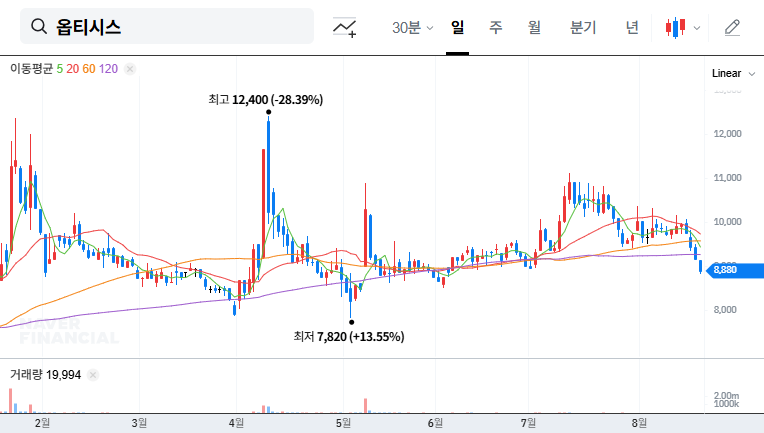
  • (109080) OPTICIS Q3 2025 Earnings Analysis: Deep Dive into the Numbers & Future Outlook

    (109080) OPTICIS Q3 2025 Earnings Analysis: Deep Dive into the Numbers & Future Outlook

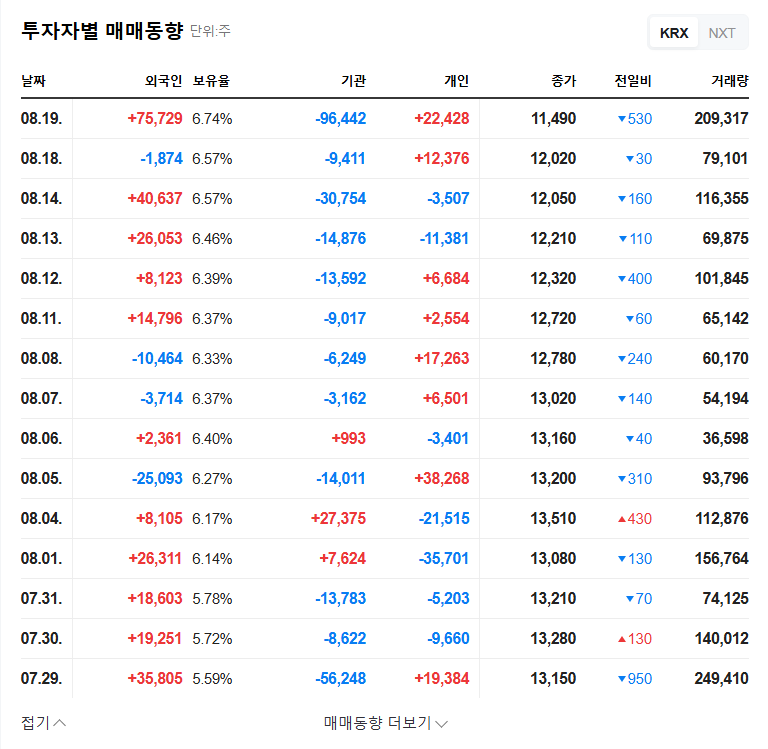
    The latest OPTICIS Q3 2025 earnings report has sparked considerable discussion among investors. The preliminary figures indicate a sequential slowdown, raising questions about the company’s robust growth trajectory. Is this a temporary hiccup, a sign of ‘growth pains’ in a volatile market, or the beginning of a more significant trend? This in-depth OPTICIS stock analysis will dissect the preliminary earnings, evaluate the company’s core fundamentals, and provide a strategic outlook for investors.

    Dissecting the OPTICIS Q3 2025 Preliminary Earnings Report

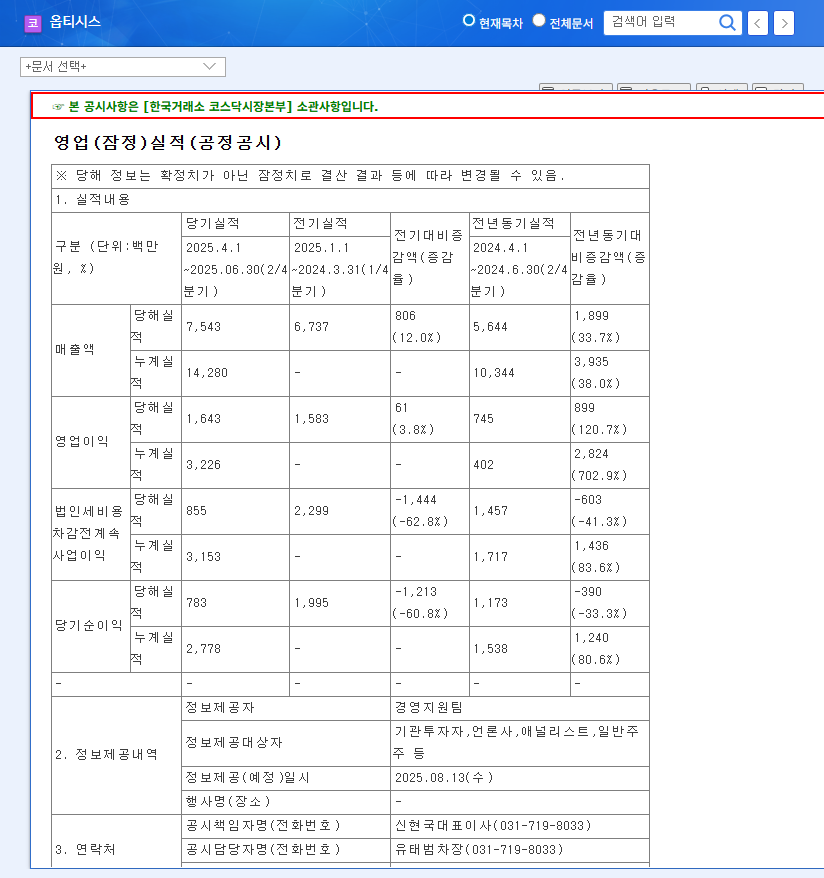
    On November 13, 2025, OPTICIS CO., LTD. released its preliminary financial results for the third quarter. The headline numbers, when compared to the strong performance in Q2 2025, show a noticeable contraction. The full details can be reviewed in the company’s Official Disclosure on the DART system.

    Key Financial Metrics (Q3 2025)

    • Revenue: KRW 5.1 billion (down from KRW 7.5 billion in Q2 2025)
    • Operating Profit: KRW 0.7 billion (down from KRW 1.6 billion in Q2 2025)
    • Net Income: KRW 1.3 billion (up from KRW 0.8 billion in Q2 2025)

    The sharp decrease in both revenue and operating profit is the primary concern for investors. However, the surprising increase in net income suggests that non-operating factors, such as gains from financial assets, played a significant role during the quarter. This divergence warrants a closer look beyond the top-line figures.

    While the quarter-over-quarter slowdown may cause short-term market apprehension, it’s crucial to weigh this against the company’s formidable financial health and long-term technological advantages.

    Core Strengths: Why OPTICIS Remains a Compelling Story

    Despite the Q3 dip, the foundational strengths of OPTICIS have not changed. A comprehensive OPTICIS stock analysis must consider these long-term value drivers, which provide a buffer against temporary market headwinds.

    Exceptional Financial Stability

    Based on its H1 2025 report, OPTICIS maintains a fortress-like balance sheet. A debt-to-equity ratio of just 7.07% and a current ratio exceeding 1,000% demonstrate outstanding financial soundness and liquidity. This stability allows the company to navigate economic downturns and continue investing in R&D without financial strain.

    Leading Technology in High-Growth Sectors

    OPTICIS is a key player in the high-speed optical transmission market, a critical technology for several expanding industries. With an export ratio of 78%, its global competitiveness is proven. The company’s proprietary technologies, including VCSEL, high-speed optical circuits, and advanced packaging, are protected by 65 intellectual property rights. This technological moat is crucial as demand surges in markets such as:

    • 4K/8K Displays: The core market where high-bandwidth video transmission is essential.
    • Medical Imaging: For high-resolution, real-time data transfer in operating rooms and diagnostics.
    • Automotive & Railway: Growing demand for reliable data links in advanced driver-assistance systems (ADAS) and transportation control.

    The company’s commitment to innovation is evident in its R&D spending, which accounts for over 9% of revenue. For a deeper look at the underlying technology, see our complete guide to optical transmission solutions.

    Investor Action Plan & Future Outlook

    The market’s reaction to the OPTICIS Q3 2025 earnings may create short-term price volatility. However, savvy investors should look beyond the immediate numbers and focus on the strategic picture. This report offers a chance to re-evaluate a long-term position.

    Key Indicators to Monitor Moving Forward

    • Q4 Guidance and Performance: The most critical question is whether Q3 was an anomaly. Watch closely for management commentary and the Q4 report to see if growth momentum is restored.
    • New Market Penetration: Track announcements and progress related to new contracts or design wins in the medical, automotive, or industrial sectors. These are key drivers for diversification and future growth.
    • Macroeconomic Factors: As a major exporter, OPTICIS is sensitive to currency fluctuations. The current depreciation of the Won could be a tailwind, but global high-interest rates and economic uncertainty remain risks, as noted by global economic analysts.

    In conclusion, while the Q3 preliminary earnings were underwhelming, they do not invalidate the long-term investment thesis for OPTICIS. The company’s superior financial health, technological leadership, and exposure to growing markets provide a strong foundation. Prudent investors should use this period to conduct thorough due diligence rather than making reactive decisions.

    (109080) OPTICIS Q3 2025 Earnings Analysis: Deep Dive into the Numbers & Future Outlook 관련 이미지
    (109080) OPTICIS Q3 2025 Earnings Analysis: Deep Dive into the Numbers & Future Outlook 관련 이미지
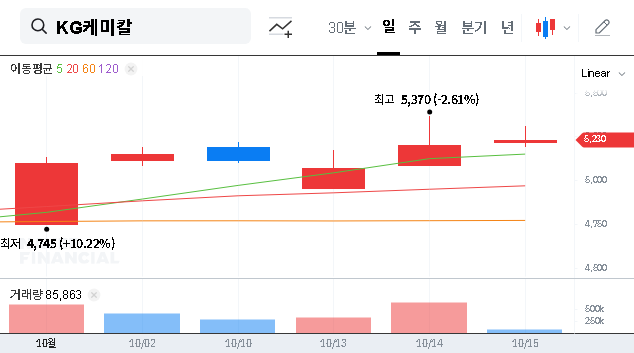
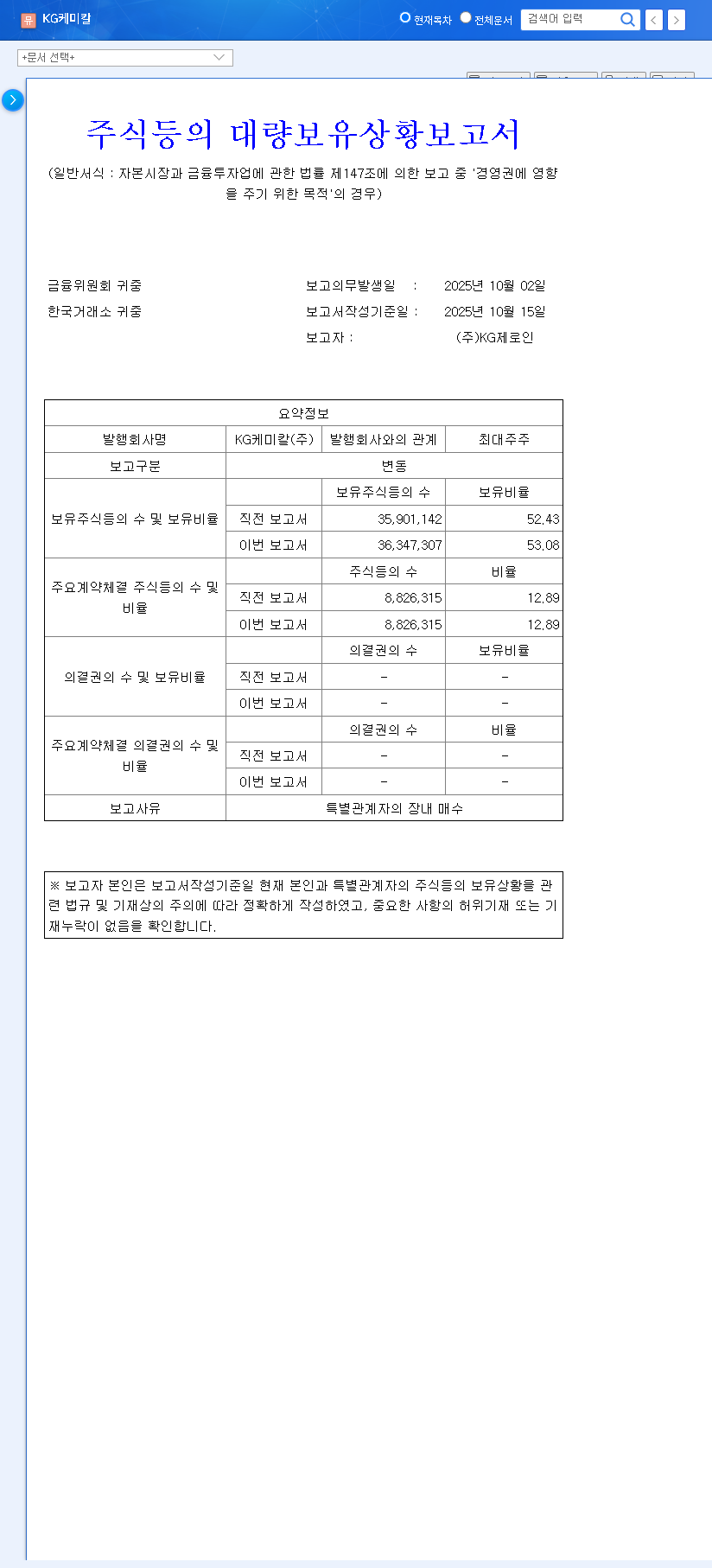
  • (001390) KG Chemical Q3 2025 Earnings Analysis: Growth vs. Profitability

    (001390) KG Chemical Q3 2025 Earnings Analysis: Growth vs. Profitability

    The latest KG Chemical Corporation Q3 2025 earnings report has sent a complex set of signals to investors and market analysts. On one hand, the company showcases impressive top-line revenue growth, suggesting strong market demand and operational scale. On the other, mounting profitability pressures cast a shadow over this growth, raising crucial questions about its sustainability and the company’s future outlook. This comprehensive KG Chemical analysis will dissect the preliminary results, explore the underlying factors, and outline a potential KG Chemical investment strategy for navigating the current landscape.

    Despite a robust 14.7% year-over-year revenue surge, KG Chemical’s profitability is feeling the squeeze from external economic pressures. This dichotomy forms the central challenge for the company and a key consideration for investors.

    KG Chemical Q3 2025 Earnings: The Official Figures

    According to the company’s preliminary consolidated results, KG Chemical Corporation reported sales revenue of KRW 2,462.6 billion, an operating profit of KRW 90.2 billion, and a net profit of KRW 17.8 billion. The official filing can be viewed here: Official Disclosure. While the sales revenue marked a significant 14.7% increase year-over-year, both operating and net profits saw a decline, signaling an erosion in KG Chemical profitability.

    Deep Dive Analysis: The ‘Why’ Behind the Numbers

    To understand the full picture, we must look beyond the headline numbers and examine the fundamental, market, and macroeconomic factors at play.

    1. Company Fundamentals: A Story of Growth and Cost

    The revenue increase to KRW 2,462.6 billion from KRW 2,146.2 billion in Q3 2024 is a testament to the growth across KG Chemical’s diverse business segments. However, the operating profit figure is nuanced. While a significant jump from KRW 7.2 billion in Q3 2024, this is largely due to a low base effect. When compared to more recent quarters in 2025 (Q1: KRW 106.6 billion, Q2: KRW 78.9 billion), the improvement appears limited, especially considering the sales growth. Key pressures on profitability include:

    • Rising Raw Material Prices: Global supply chain issues and inflation have driven up input costs.
    • Increased Logistics Costs: Volatility in shipping and freight rates has added to the cost burden.
    • Higher Financial Expenses: Aggressive interest rate hikes by central banks have increased the cost of borrowing.

    On a positive note, the company’s financial health remains stable. A gradually decreasing debt-to-equity ratio and a rising current ratio suggest a sound financial foundation despite the profit headwinds. For more details on these metrics, you can read our guide on How to Analyze a Company’s Balance Sheet.

    2. Macroeconomic Headwinds

    The external environment is a major contributor to the current profitability squeeze. The depreciation of the Korean Won against the US Dollar increases the cost of imported raw materials. Concurrently, persistently high interest rates, a global trend detailed by sources like Reuters Financial News, directly inflate the interest burden on corporate debt. Furthermore, volatility in the Baltic Dry Index (BDI), a key indicator of shipping costs, creates uncertainty and can directly impact logistics expenses, a critical variable for a chemicals corporation.

    3. Shareholder Initiatives & New Business Horizons

    In a move to bolster investor confidence, KG Chemical has focused on enhancing shareholder value. The retirement of treasury stock is a significant positive, as it increases earnings per share (EPS) and signals management’s confidence in the company’s value. There is also growing pressure from minority shareholders for improved corporate governance and stronger return policies. This external push is raising expectations for strategic shifts, particularly towards high-growth areas like the secondary battery materials market, which could become a long-term growth driver for the KG Chemical stock.

    Strategic Outlook and Investment Considerations

    The analysis of the KG Chemical Corporation Q3 2025 earnings reveals a company at a crossroads. It has strong fundamentals in revenue and financial stability but faces significant external threats to its profitability.

    Investor Action Plan

    A prudent KG Chemical investment strategy should be grounded in monitoring the company’s ability to navigate these challenges. Key areas to watch include:

    • Cost Management Execution: Scrutinize future earnings reports for improvements in gross and operating margins. Look for specific management commentary on cost-cutting measures and operational efficiency gains.
    • New Business Progress: Track announcements and capital allocation related to new ventures, especially in the secondary battery sector. Tangible progress here could significantly alter the long-term valuation of the stock.
    • Shareholder Return Policies: Beyond the current stock retirement, watch for changes in dividend policies or further buyback programs as indicators of shareholder-friendly governance.
    • Macroeconomic Response: Assess how effectively management adapts to changes in interest rates, currency fluctuations, and raw material pricing.

    Disclaimer: This report is based on publicly available information. Investment decisions carry risk and should be made based on individual research and discretion.

    (001390) KG Chemical Q3 2025 Earnings Analysis: Growth vs. Profitability 관련 이미지
  • (035900) JYP Entertainment Q3 2025 Earnings: A Deep Dive into the ‘Earnings Shock’ & Future Stock Outlook

    (035900) JYP Entertainment Q3 2025 Earnings: A Deep Dive into the ‘Earnings Shock’ & Future Stock Outlook

    The JYP Entertainment Q3 2025 earnings report, released November 12, 2025, has sent ripples through the market. While the K-POP giant managed to slightly surpass revenue expectations, a significant shortfall in profitability has labeled the quarter an ‘earnings shock.’ This has left many investors questioning the company’s short-term trajectory and the health of the broader K-POP album market.

    This comprehensive analysis will dissect the official figures, explore the root causes of the performance dip, and evaluate whether JYP Entertainment’s robust financial health and long-term growth strategies can overcome the current headwinds. We will provide a clear outlook for investors navigating the potential volatility ahead.

    Decoding the JYP Entertainment Q3 2025 Earnings Report

    The preliminary numbers, when compared against market consensus, paint a stark picture of profitability challenges. While top-line revenue showed resilience, the bottom-line figures were a clear disappointment. You can view the full filing directly from the Official Disclosure (DART).

    • Revenue: KRW 232.6 billion (2% above market estimate of KRW 227.3 billion)
    • Operating Profit: KRW 40.8 billion (21% below market estimate of KRW 51.7 billion)
    • Net Profit: KRW 27.1 billion (31% below market estimate of KRW 39.5 billion)

    The significant misses in operating profit (21%) and net profit (31%) are the primary drivers of the ‘JYP earnings shock’ narrative. This kind of deviation from expectations can erode investor confidence and trigger short-term stock price corrections as the market recalibrates its valuation models.

    The Core Issue: A Contraction in the Album Market

    A Closer Look at the Album Business Decline

    The primary culprit for the disappointing profitability was a sharp contraction in the high-margin album business. Data from the H1 2025 report already signaled this trend, with album segment revenue plummeting by 63.1% year-over-year to KRW 77.63 billion. This decline continued into Q3, exerting significant pressure on overall profit margins. The decrease reflects a potential normalization of the massive physical album sales boom seen in the post-pandemic era, a trend affecting the entire K-POP market.

    Is This an Industry-Wide Trend?

    While specific to JYP’s artist release schedule, this slowdown isn’t happening in a vacuum. Industry analysts have been watching for signs of ‘peak physical’ as consumer spending habits shift and the novelty of collecting wanes. According to a recent Reuters report on global music consumption, while streaming continues its robust growth, the physical media market is facing new challenges. This context is crucial for investors performing a JYP stock analysis, as it distinguishes company-specific issues from broader market trends.

    While quarterly earnings can be volatile, a company’s true value is often revealed in its balance sheet and long-term strategic vision. JYP’s financial stability provides a crucial buffer against short-term market turbulence.

    Beyond the Headlines: JYP’s Enduring Financial Strength

    Despite the Q3 stumble, JYP Entertainment’s underlying financial health remains exceptionally strong. This financial fortress provides the resources to weather storms and invest in future growth drivers.

    • Robust Cash Position: Cash and cash equivalents stood at an impressive KRW 206.4 billion as of H1 2025.
    • Excellent Financial Stability: Total equity surpassed KRW 570 billion, with the debt-to-equity ratio improving to a very low 0.37x.
    • Improved Cash Flow: Cash flow from operating activities surged to KRW 18.07 billion, indicating high efficiency in managing assets.

    Charting the Future: JYP’s Long-Term Growth Catalysts

    The key to a positive long-term JYP investor relations narrative lies in the company’s ability to diversify away from its reliance on physical album sales. The strategy is twofold: deepening IP monetization and aggressive global expansion.

    Diversification Through IP Licensing and New Ventures

    Leveraging the powerful intellectual property of artists like Stray Kids, TWICE, and ITZY is paramount. This goes beyond merchandise and includes brand collaborations, character licensing, and digital content. Exploring the K-POP IP licensing business model reveals a high-margin revenue stream that can effectively offset album market volatility.

    Global Expansion and Localization Strategy

    JYP’s ‘Globalization by Localization’ strategy continues to bear fruit. The success of NiziU in Japan and the highly anticipated debut of VCHA from the A2K project in the U.S. are prime examples. These localized groups cultivate dedicated fanbases in major music markets, creating diverse and resilient revenue streams from concerts, local endorsements, and streaming.

    Strategic Outlook for JYP Investors

    In light of the JYP Entertainment Q3 2025 earnings, a nuanced approach is required. While short-term caution is warranted due to negative sentiment, the long-term thesis may remain intact if key growth drivers perform.

    • Short-Term: Expect potential stock price weakness. A conservative, wait-and-see approach may be prudent until the market digests the news.
    • Mid-to-Long-Term: Monitor the performance of new artist debuts (like VCHA), the growth rate of the IP/licensing revenue segment, and the profitability of global concert tours. These are the catalysts that can fuel the next leg of growth.
    • Risk Management: Keep an eye on macroeconomic factors, such as exchange rate fluctuations, which can impact international earnings.

    In conclusion, this ‘earnings shock’ serves as a critical stress test for JYP Entertainment. While painful in the short term, it forces a focus on the more sustainable, long-term value drivers of IP monetization and global fandom growth. The company’s pristine balance sheet gives it the time and resources to execute this strategic pivot.

    (035900) JYP Entertainment Q3 2025 Earnings: A Deep Dive into the 'Earnings Shock' & Future Stock Outlook 관련 이미지
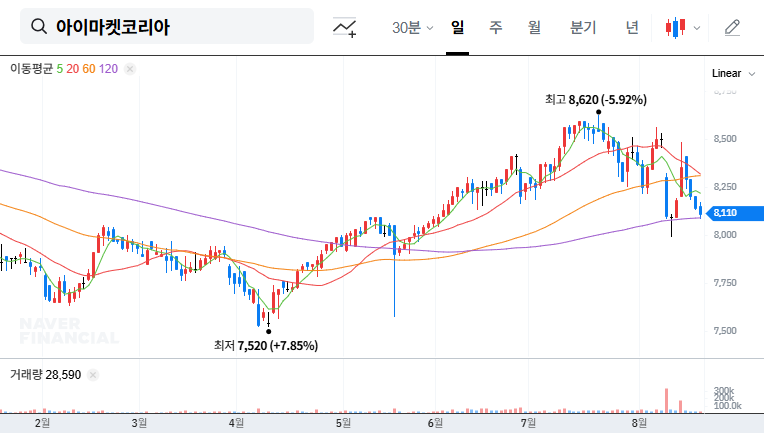
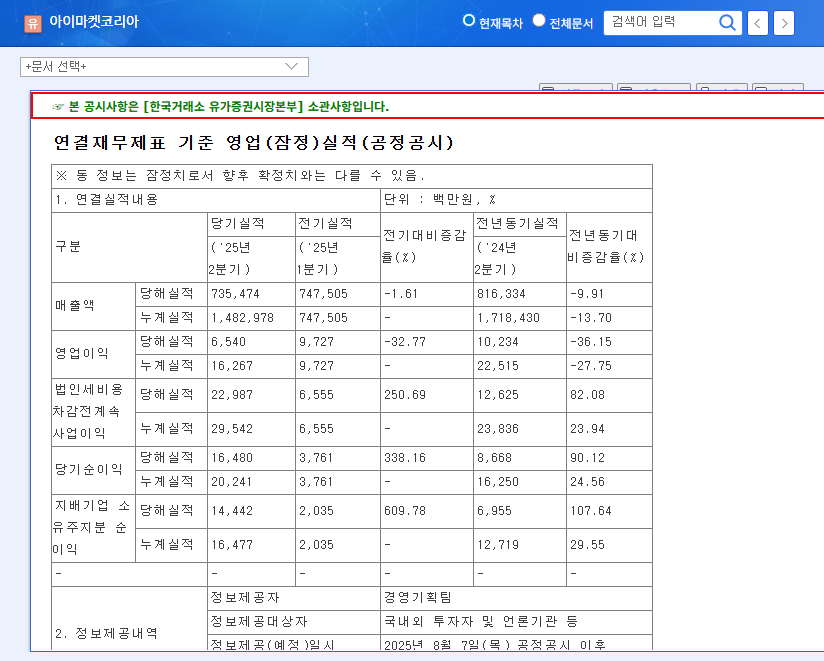
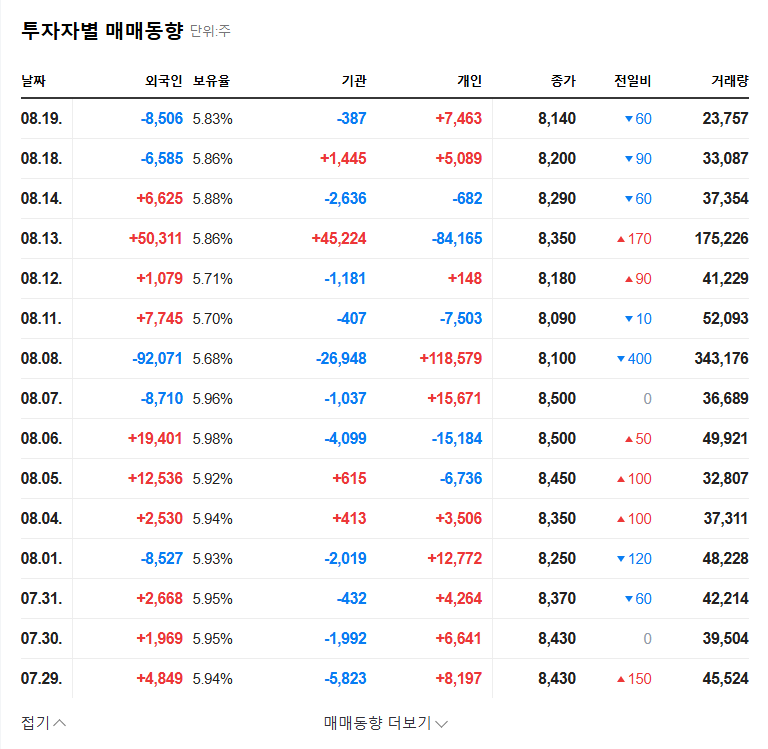
  • (122900) iMarketKorea Q3 2025 Earnings Analysis: Revenue Up, But Net Loss Raises Concerns

    (122900) iMarketKorea Q3 2025 Earnings Analysis: Revenue Up, But Net Loss Raises Concerns

    This detailed iMarketKorea financial analysis breaks down the recently announced iMarketKorea Inc. Q3 2025 earnings. While initial headlines point to a slight revenue rebound, a closer inspection reveals underlying weaknesses, including a concerning shift to a net loss. For investors, this creates a complex picture: Is this a temporary setback or a sign of deeper structural issues? We will dissect the numbers, explore the key drivers, and provide a clear outlook on what this means for your investment strategy.

    iMarketKorea Q3 2025 Financials at a Glance

    On November 12, 2025, iMarketKorea released its provisional consolidated financial results. The official filing provides the complete data (Source: Official Disclosure). Here are the most critical figures:

    • Revenue: KRW 764 billion. This marks a slight increase from the previous quarter, suggesting some stabilization in demand.
    • Operating Profit: KRW 8.2 billion. An improvement from Q2, indicating successful cost management or operational efficiency gains.
    • Net Income: KRW -0.1 billion. The most alarming metric, as the company swung from a profit to a net loss, erasing the optimism from the top-line recovery.

    The core challenge for iMarketKorea is clear: despite stabilizing revenue, the company’s cost structure and financial burdens are preventing top-line growth from reaching the bottom line.

    The Contradiction: Unpacking the Net Loss

    The swing to a net loss despite revenue and operating profit improvements is the central story of the iMarketKorea Q3 2025 results. This discrepancy stems from several non-operating factors that are eroding profitability.

    The Burden of High Costs and Debt

    The primary culprits are high fixed costs and a heavy debt load. While the company’s efforts to improve operating profit are commendable, they are being overwhelmed by factors outside of core operations. These include:

    • High Fixed Cost Base: A significant portion of iMarketKorea’s expenses are fixed, meaning they don’t decrease with lower sales volumes. This makes it challenging to reach the break-even point during periods of slow growth.
    • Soaring Financial Costs: With a high debt ratio, the company is particularly vulnerable to rising interest rates. Increased interest expenses are directly subtracting from potential profits. For more on this, you can review global interest rate trends from sources like Reuters.
    • Non-Operating Expenses: One-time costs, potential foreign exchange losses due to KRW/USD volatility, and other non-core expenses have likely contributed to the negative net income.

    Macroeconomic and Sector-Specific Headwinds

    The company’s B2B industrial e-commerce segment is highly sensitive to the broader economic cycle. A slowdown in industrial activity directly impacts revenue, and the Q3 numbers suggest this segment is still struggling to gain momentum. Conversely, the pharmaceutical and medical supplies wholesale business has been a source of stability. This division benefits from inelastic demand driven by structural trends like an aging population, providing a crucial buffer against volatility in other areas.

    Investor Risks: Bonds, Shares, and Dilution

    Beyond the income statement, the balance sheet presents potential risks for the iMarketKorea stock. The existence of exchangeable bonds is a key concern. These bonds can be converted into company shares in the future, which could lead to share dilution, reducing the value of existing shares. While the company’s holdings of treasury stock can be used for price stabilization, the portion allocated to these exchangeable bonds creates a long-term overhang on the market, potentially capping share price appreciation.

    Investment Thesis & Future Outlook

    The iMarketKorea Inc. Q3 2025 earnings report calls for a cautious but watchful investment approach. The slight revenue recovery is a positive sign, but the net loss demonstrates that the path to sustainable profitability is fraught with challenges. The future valuation of iMarketKorea will hinge on its ability to address these core issues.

    Key Factors to Monitor in Coming Quarters:

    • Revenue Growth Sustainability: Can the company build on the Q3 recovery, especially in its core industrial B2B segment?
    • Path to Net Profitability: Watch for concrete strategies to manage financial costs and reduce the impact of non-operating expenses.
    • Debt Management: Any announcements regarding debt reduction or refinancing will be critical for long-term financial health.
    • Strategic Initiatives: Look for plans related to business reorganization, securing new growth drivers, or improving cost efficiency.

    Investors should closely analyze the company’s next earnings report and any strategic updates before making significant iMarketKorea investment decisions. The current situation presents a mix of recovery potential and significant financial risk.

    (122900) iMarketKorea Q3 2025 Earnings Analysis: Revenue Up, But Net Loss Raises Concerns 관련 이미지
    (122900) iMarketKorea Q3 2025 Earnings Analysis: Revenue Up, But Net Loss Raises Concerns 관련 이미지
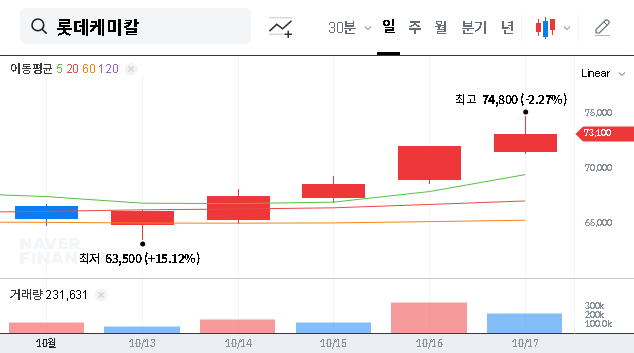
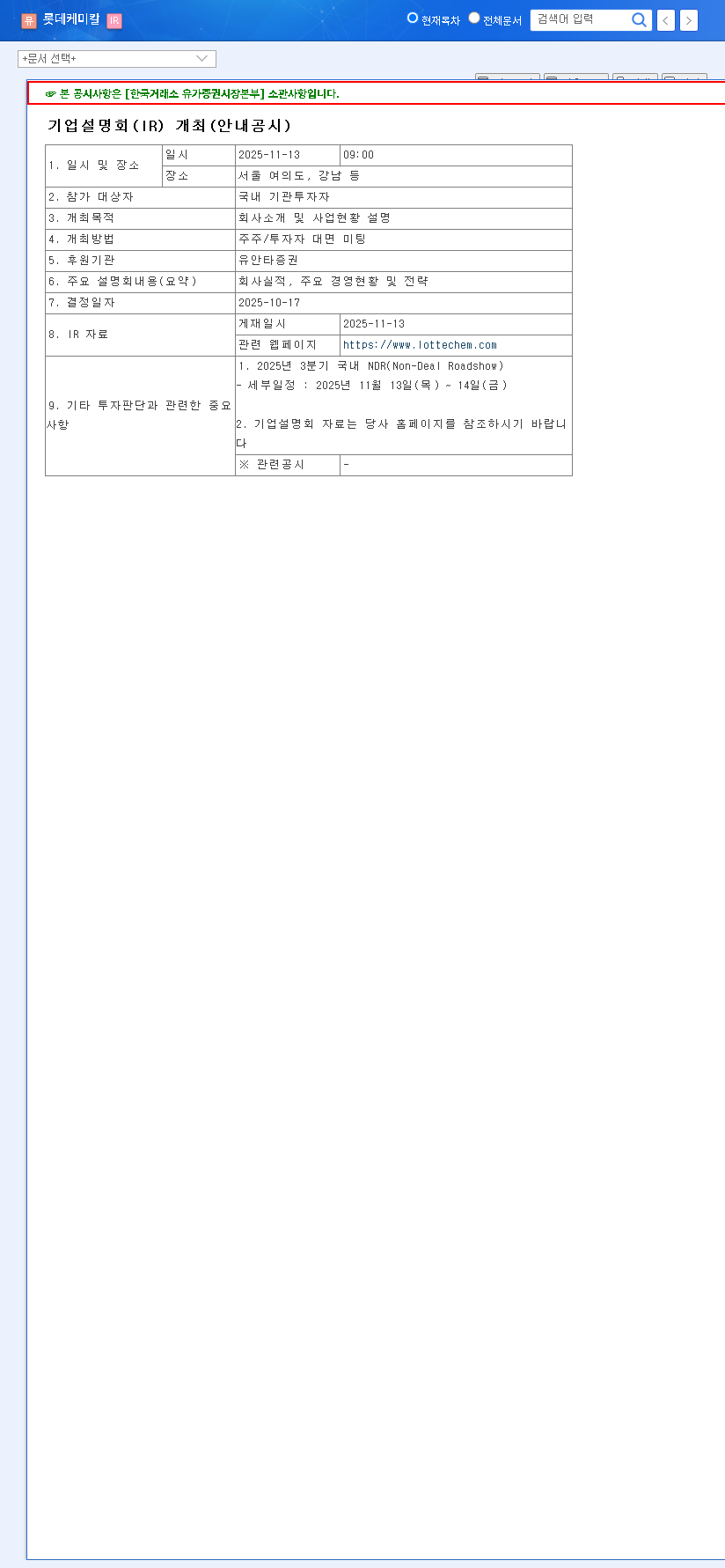
  • (011170) LOTTE CHEMICAL Q3 2025 Earnings Analysis: In-Depth Review & Stock Outlook

    (011170) LOTTE CHEMICAL Q3 2025 Earnings Analysis: In-Depth Review & Stock Outlook

    This comprehensive LOTTE CHEMICAL CORPORATION Q3 2025 earnings analysis provides a detailed look into the company’s performance amidst a challenging global economic landscape. While facing headwinds in its core business, the petrochemical giant is showing signs of resilience and strategic growth in new sectors, offering a complex but intriguing picture for investors. We will dissect the financial results, explore the underlying causes, and provide an outlook on the future of LOTTE CHEMICAL’s stock and corporate value.

    Despite posting another operating loss, LOTTE CHEMICAL’s Q3 2025 results beat market expectations on net profit and showed a notable revenue increase. This signals potential stabilization and highlights the growing importance of its battery materials division.

    Detailed Q3 2025 Financial Performance Breakdown

    LOTTE CHEMICAL CORPORATION’s preliminary earnings for the third quarter of 2025 paint a picture of a company navigating turbulence with strategic resolve. The official figures, as per the company’s disclosure (Source), were largely in line with market consensus, but the details reveal critical trends.

    Key Financials vs. Market Expectations

    • Revenue: Achieved KRW 4,786.1 billion, landing squarely within the market expectation of KRW 4,553.0 billion (±5%). This represents a significant 14.0% increase from the previous quarter, suggesting a rebound in product prices or a recovery in demand.
    • Operating Profit: Posted a loss of KRW -132.6 billion, slightly better than the market’s expected loss of KRW -133.6 billion. While still in the red, the narrowing loss indicates that cost control measures and operational efficiencies are beginning to take effect.
    • Net Profit: Reported a loss of KRW -118.0 billion, significantly outperforming the market’s expectation of a KRW -159.8 billion loss. This strong beat suggests the absence of one-off impairment charges seen in previous quarters and potentially favorable non-operating income factors, such as currency exchange gains.

    Segment Deep Dive: Contrasting Fortunes

    The overall numbers mask a divergence in performance between LOTTE CHEMICAL’s legacy and growth divisions. Understanding this split is key to any credible LOTTE CHEMICAL analysis.

    Basic Chemicals: A Persistent Headwind

    The Basic Chemicals business continues to be the primary drag on profitability. The global petrochemical industry outlook remains clouded by weak demand from key markets like China and Europe. While lower naphtha prices (due to softer oil prices) have provided some cost relief, the benefit has been offset by depressed selling prices for core products. The struggle to improve cracker spreads continues to compress margins, making a return to profitability in this segment a key challenge for 2026.

    Battery Materials: The Bright Spot of Growth

    In stark contrast, the Battery Materials business, led by LOTTE Energy Materials, is a significant growth engine. The relentless global push towards electrification is fueling robust demand for electric vehicles (EVs) and energy storage systems (ESS). This directly benefits the demand for Elecfoil, a high-end copper foil essential for lithium-ion batteries. The company’s strategic focus on expanding production capacity and securing new clients in the EV supply chain is paying dividends and providing a crucial offset to the weakness in basic chemicals.

    Future Outlook & Investor Strategy

    Looking ahead, the trajectory of LOTTE CHEMICAL’s stock will be determined by its ability to execute on several key fronts. Investors should monitor these factors closely when evaluating the company’s long-term value.

    Pivotal Factors for Corporate Value

    • Basic Chemicals Turnaround: Achieving break-even and eventually profitability in this segment is paramount. This hinges on a recovery in global demand and the success of internal efforts to improve efficiency and shift towards higher-value-added products.
    • Battery Materials Momentum: Continued execution on capacity expansion and maintaining technological leadership in the copper foil market will be critical to capturing the full potential of the EV boom.
    • New Business Commercialization: The market will be looking for tangible results from investments in future-forward areas like hydrogen energy and plastics recycling. Progress here could lead to a significant re-rating of the company’s valuation.
    • Financial Discipline: Effective management of debt and currency risk in a volatile macroeconomic environment will be essential for maintaining financial stability and funding future growth.

    Frequently Asked Questions (FAQ)

    Q1: Did LOTTE CHEMICAL’s Q3 2025 earnings meet market expectations?

    Yes, for the most part. Revenue was in line with expectations, and while the company posted an operating loss, it was slightly smaller than anticipated. The most significant positive surprise was the net profit, which was substantially better than market forecasts, indicating good control over non-operating expenses.

    Q2: What are the main growth drivers for LOTTE CHEMICAL?

    The primary growth engine is the battery materials business, specifically through its subsidiary LOTTE Energy Materials, which capitalizes on the expanding EV market. Additionally, long-term growth is expected from strategic investments into new sectors like hydrogen energy and advanced recycling.

    Q3: What factors will most influence LOTTE CHEMICAL CORPORATION’s stock price?

    Key factors include a cyclical recovery in the basic chemicals division, sustained high growth in the battery materials segment, tangible progress in its new business ventures, and adept management of macroeconomic risks like interest rates and currency fluctuations. For a deeper dive, you can read our full analysis of chemical industry stocks.

    (011170) LOTTE CHEMICAL Q3 2025 Earnings Analysis: In-Depth Review & Stock Outlook 관련 이미지
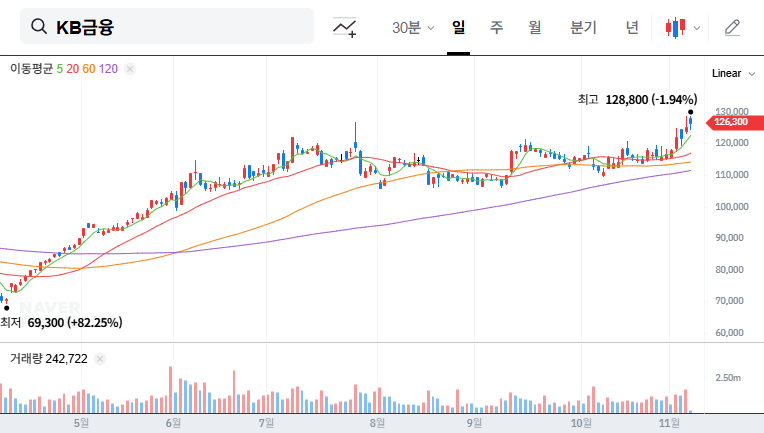
  • (105560) KB Financial Group Inc. Q3 2025 Earnings: A Deep Dive Analysis for Investors

    (105560) KB Financial Group Inc. Q3 2025 Earnings: A Deep Dive Analysis for Investors

    The upcoming KB Financial Group Inc. Q3 2025 earnings announcement is a pivotal event for investors navigating the dynamic financial landscape. Scheduled for November 20, 2025, during the ‘Miami Corporate 2025’ Investor Relations (IR) conference hosted by Daiwa Securities, this report will offer critical insights into the company’s health, strategy, and future trajectory. For those considering a KB Financial Group investment, this is a moment of truth. This in-depth analysis will dissect the key expectations, underlying fundamentals, and macroeconomic factors that will shape investor sentiment and the company’s stock performance.

    We’ll explore the company’s robust financial position, its strategic push into digital innovation and ESG, and the potential risks and rewards tied to this significant corporate disclosure. Will KB Financial Group Inc. fortify investor confidence and set a positive tone for the coming year? Let’s delve into the key takeaways.

    What to Expect from the Q3 2025 Earnings IR

    The ‘Miami Corporate 2025’ IR event is far more than a routine financial update. It is a strategic platform for KB Financial Group Inc. to communicate directly with global investors. The agenda will center on two primary areas: the disclosure of Q3 2025 financial performance and a detailed discussion on the company’s strategies for navigating prevailing market concerns. Investors should pay close attention to management’s commentary on projected figures for the end of 2025, which have shown some variability compared to historical performance. A clear explanation for these projections, including an estimated revenue of 1,016, a net profit of 34, and an ROE of 2.02%, will be crucial for market confidence. For official details, refer to the Official Disclosure (DART).

    A Deep Dive into KB Financial Group’s Fundamentals

    A thorough KB Financial stock analysis must begin with its core financial health. As of its H1 2025 report, the group continues to demonstrate industry-leading soundness, providing a stable foundation for growth and resilience.

    Unwavering Financial Strength

    • Exceptional Capital Adequacy: With a BIS total capital ratio of 16.36%, KB Financial significantly exceeds regulatory requirements. This high ratio signals a robust ability to absorb economic shocks and maintain stability.
    • Stable Asset Quality: A low non-performing loan (NPL) ratio of just 1.09% showcases the effectiveness of its conservative lending practices and sophisticated risk management framework.
    • Abundant Liquidity: A KRW liquidity ratio of 366.19% provides a substantial cushion, reinforcing market confidence in its capacity to meet short-term obligations without stress.

    KB Financial Group’s strong fundamentals provide a critical buffer against market volatility, but investors will be keen to see how these translate into forward-looking growth during the Q3 2025 earnings call.

    Strategic Pillars: Profitability, Digital, and ESG

    Beyond its stable base, KB Financial is actively pursuing future growth through a multi-pronged strategy focused on diversifying income streams and embracing modern business practices.

    Expanding Profitability Beyond Banking

    While the core banking sector provides steady interest income, the real story lies in the expansion of non-interest income. The growing contributions from its securities, insurance, and credit card divisions highlight a successful diversification strategy. This balanced business portfolio not only creates new revenue streams but also enhances resilience against economic cycles. The H1 2025 Return on Equity (ROE) of 12.01% marks a significant year-over-year improvement, underscoring the success of this approach.

    Accelerating Digital Transformation and ESG Leadership

    KB Financial is firmly focused on the future. The company is accelerating its digital transformation by enhancing non-face-to-face channels like the KB Star Banking app and integrating advanced technologies like AI and cloud computing. These initiatives are designed to improve customer experience and bolster long-term competitiveness. Simultaneously, its commitment to Environmental, Social, and Governance (ESG) principles is earning positive recognition, which can enhance corporate value and attract a wider base of socially conscious investors. You can learn more about how financial institutions are evolving at leading publications like Bloomberg.

    Navigating Macroeconomic Headwinds

    No financial institution operates in a vacuum. The current macroeconomic environment presents a complex mix of challenges and opportunities that will undoubtedly influence the KB Financial Group Inc. Q3 2025 earnings results and outlook.

    • Interest Rate Fluctuations: While potential rate cuts could stimulate loan demand, they may also compress Net Interest Margins (NIM) and raise concerns about rising credit delinquencies.
    • Exchange Rate Volatility: An unstable KRW/USD exchange rate poses risks to foreign exchange management and profits from overseas operations.
    • Global Economic Indicators: Factors like international oil prices and US Treasury yields create ripple effects, influencing inflation, market sentiment, and the performance of interest-rate-sensitive assets.

    Investor Takeaway and Action Plan

    From a long-term investment perspective, KB Financial Group Inc. presents a compelling case built on solid fundamentals, a diversified business model, and strategic investments in future growth drivers. However, the upcoming IR event is a critical checkpoint. Investors should monitor the outcomes closely, paying attention to the quality of the Q3 earnings, management’s outlook, and the clarity of their responses during the Q&A session.

    A positive and transparent presentation could reinforce confidence and provide a catalyst for its stock price. Conversely, any failure to address market concerns or a weaker-than-expected earnings report could lead to short-term volatility. For those invested in this space, it’s wise to compare this performance with the broader outlook for the Korean banking sector. A prudent approach involves weighing the IR results against the company’s demonstrated long-term strengths before making any investment decisions.

    (105560) KB Financial Group Inc. Q3 2025 Earnings: A Deep Dive Analysis for Investors 관련 이미지
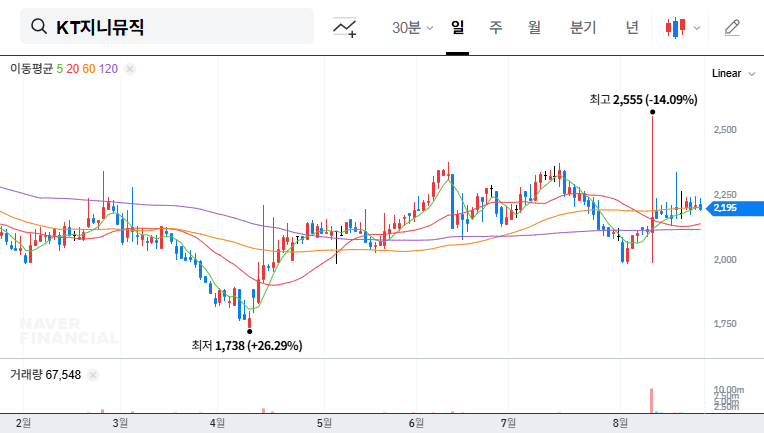
  • (043610) KT GENIE MUSIC CORPORATION Q3 2025 Earnings: Stock Analysis & Investment Strategy

    (043610) KT GENIE MUSIC CORPORATION Q3 2025 Earnings: Stock Analysis & Investment Strategy

    The latest financial report from KT GENIE MUSIC CORPORATION has sent a clear signal to the market: a powerful recovery is underway. After a challenging period, the company’s Q3 2025 preliminary earnings reveal a significant turnaround, largely fueled by the phenomenal growth of its book content division, Millie’s Library. This comprehensive analysis will break down the numbers, explore the fundamental drivers, and outline a strategic investment strategy for investors eyeing KT GENIE MUSIC stock.

    We will delve into the core business segments, assess the financial health, and weigh the macroeconomic factors influencing the company’s future. Whether you are a current shareholder or considering a new position, this report provides the critical insights needed to navigate your next move.

    Dissecting the Q3 2025 Earnings Report

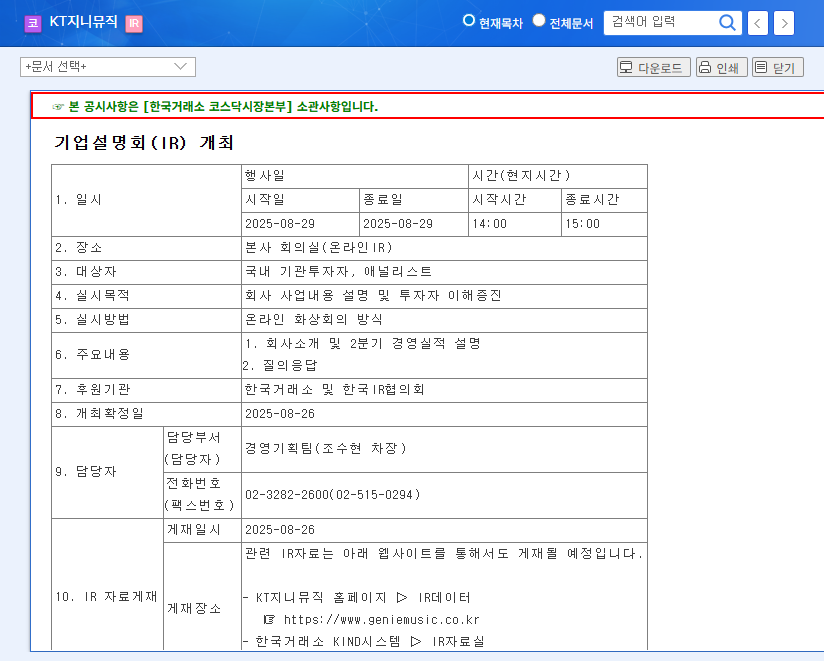
    KT GENIE MUSIC CORPORATION announced a notable improvement in its overall performance, a welcome sign after a significant loss in late 2024. The Q3 figures, detailed in the Official Disclosure (DART), showcase a clear rebound. Here are the key financial highlights:

    • Revenue: KRW 83 billion, marking a 12.9% increase quarter-over-quarter (QoQ) and a 3.5% increase year-over-year (YoY).
    • Operating Profit: KRW 5.7 billion, a 14% rise QoQ and a significant swing from a loss to profitability YoY.
    • Net Profit: KRW 2.3 billion. While this shows a decrease QoQ, it maintains profitability and represents a major turnaround from the net loss in the same period last year.

    These numbers confirm a sustained recovery throughout 2025, culminating in a robust Q3 performance that sets a positive tone for the future.

    The explosive growth of Millie’s Library isn’t just a footnote in the earnings report; it’s the central narrative driving KT GENIE MUSIC CORPORATION’s entire recovery story and reshaping its business portfolio.

    Fundamental Analysis: A Tale of Two Segments

    The company’s overall health is a story of divergence. To craft an effective investment strategy, one must understand the contrasting performance of its primary business units.

    1. The Growth Engine: KT Millie’s Library

    The book content business, Millie’s Library, is unequivocally the star of the show. Its high growth and impressive profitability have served as the primary catalyst for the company’s improved financial standing. This success is built on strong content competitiveness and brand recognition, which have fostered stable subscriber growth in the burgeoning digital literature market. As this segment matures, it provides a crucial and reliable revenue stream that balances volatility elsewhere in the portfolio.

    2. The Core Challenge: The Music Business

    Conversely, the traditional music business faces significant headwinds. The segment is battling a declining revenue trend and a thin operating profit margin of just 12.5%. This makes profitability improvement an urgent priority. The primary challenge is intensified competition from global giants like YouTube Music, which has eroded market share and pressured pricing. For a deeper understanding of market dynamics, you can explore reports from industry authorities like the IFPI (International Federation of the Phonographic Industry). Revitalizing this core business is the most critical task for ensuring long-term, balanced growth for KT GENIE MUSIC CORPORATION.

    Strategic Investment Outlook for KT GENIE MUSIC Stock

    While the Q3 recovery is promising, a cautious and strategic approach is essential for investing in KT GENIE MUSIC CORPORATION. Investors should monitor several key areas before making decisions. For more foundational knowledge, consider our guide on how to evaluate tech and media stocks.

    Key Factors to Monitor:

    • Sustained Momentum: Can the company maintain this positive trend into Q4 2025 and beyond? Watch for concrete results from efforts to improve profitability in the music segment.
    • Millie’s Library Trajectory: Assess the durability of its growth. Are subscriber numbers still climbing? How is the company managing potential risks like user churn and content acquisition costs?
    • Music Business Turnaround Plan: Look for a clear, actionable strategy to regain market share and boost margins in the music division. This is the most significant variable for long-term value creation.
    • Macroeconomic Resilience: Keep an eye on how interest rate and exchange rate fluctuations affect the company’s financial costs, as its stable debt-to-equity ratio (38.67%) could be tested in a volatile environment.

    Frequently Asked Questions (FAQ)

    What drove KT GENIE MUSIC CORPORATION’s Q3 2025 recovery?

    The primary driver was the exceptional growth and high profitability of its book content subsidiary, KT Millie’s Library. This segment has become the company’s key growth engine, offsetting weaknesses in other areas.

    What challenges does the music business face?

    The music segment is struggling with declining revenue and a low operating profit margin. This is mainly due to intense competition from global streaming services, which has made improving profitability an urgent task.

    What is the best investment strategy for KT GENIE MUSIC stock?

    A long-term, cautious perspective is recommended. Investors should focus on the sustained growth of Millie’s Library and look for tangible proof of a turnaround in the core music business before committing significant capital. Reacting to short-term results alone is not a prudent investment strategy.

    (043610) KT GENIE MUSIC CORPORATION Q3 2025 Earnings: Stock Analysis & Investment Strategy 관련 이미지
    (043610) KT GENIE MUSIC CORPORATION Q3 2025 Earnings: Stock Analysis & Investment Strategy 관련 이미지
  • (001250) GS Global Corp. Q3 2025 Earnings Analysis: A Deep Dive into Profitability and Future Outlook

    (001250) GS Global Corp. Q3 2025 Earnings Analysis: A Deep Dive into Profitability and Future Outlook

    The initial GS Global Corp. Q3 2025 earnings report has sent a complex but intriguing signal to the market. In a climate of global economic headwinds and geopolitical tension, the company has managed a notable turnaround to profitability, even as its top-line revenue experienced a significant decline. This paradoxical result raises critical questions: What strategic maneuvers fueled this financial shift? And what does this performance indicate for the company’s long-term stability and value for investors? This comprehensive analysis will dissect the official figures, explore the underlying factors, and provide a clear outlook on what lies ahead for GS Global Corp.

    GS Global’s Q3 2025 performance highlights a critical transition: prioritizing operational efficiency and profitability over sheer revenue growth in a challenging macroeconomic environment.

    Unpacking the Q3 2025 Financials

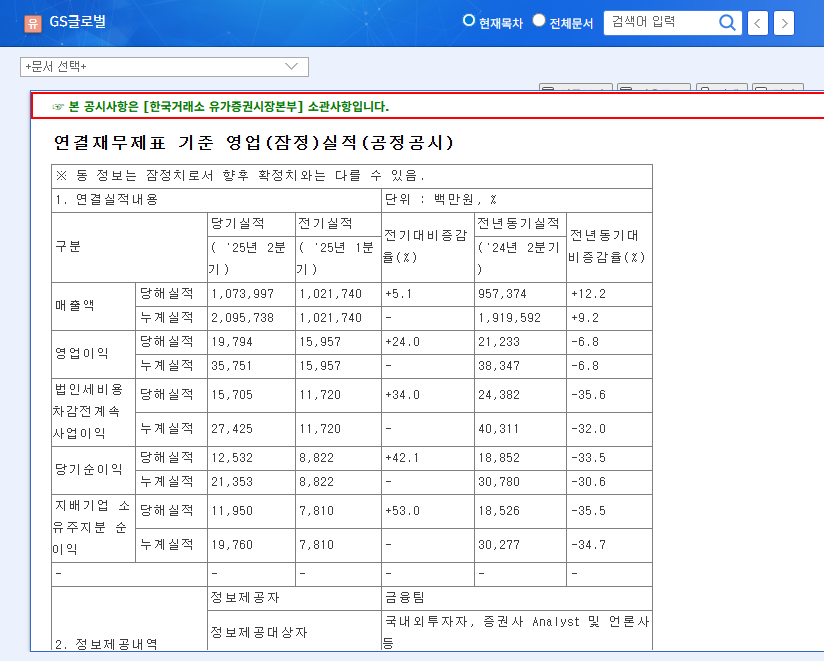
    GS Global Corp. unveiled its preliminary key indicators for the third quarter of 2025, confirming a successful return to positive operating profit and net income. While this is a positive sign of a sustained profitability drive, the absolute figures, when compared year-over-year, tell a more nuanced story. The data, sourced from the official disclosure (Source: DART), reveals a steeper decline in profit than in revenue, underscoring the ongoing need for rigorous cost management.

    Key Performance Indicators (KPIs)

    • Revenue: KRW 945.8 billion (down 10.4% YoY, 12.0% QoQ)
    • Operating Profit: KRW 6.5 billion (down 73.6% YoY, 67.2% QoQ)
    • Net Income: KRW 1.0 billion (down 94.1% YoY, 92.0% QoQ)
    • Operating Profit Margin: 0.69% (a decrease of 1.64%p YoY)

    In-depth Corporate Financial Analysis

    The contrast between falling revenue and rising profitability isn’t magic; it’s the result of deliberate strategic choices and varying performance across the company’s diverse portfolio. This corporate financial analysis points to a business in a state of calculated transition.

    1. A Story of Two Business Segments

    The overall numbers are heavily influenced by a divergence in segmental performance. The legacy trade and distribution arm, which constitutes the bulk of revenue, is feeling the direct impact of the global economic slowdown. Weakened demand for core commodities like steel and petrochemicals has predictably squeezed sales. Conversely, the company’s strategic pivot toward new growth engines—such as offshore wind power substructures and EV import/distribution—is likely beginning to bear fruit, contributing higher-margin profits that, while not enough to lift total revenue, have significantly bolstered the bottom line.

    2. Financial Discipline and External Pressures

    A proactive approach to financial management is evident. The company’s debt ratio improved to 116.97% by the end of H1 2025, a positive indicator of strengthening fiscal health. However, external variables remain a potent force. The high volatility of the KRW/USD exchange rate can create significant swings in foreign currency-related gains and losses, a critical factor for a global trading company. On a brighter note, the stabilization of interest rates by major central banks offers a reprieve, potentially lowering the financial burden associated with corporate debt.

    Market Outlook and Investor Action Plan

    Looking forward, the investment outlook for GS Global depends on its ability to navigate a complex market while capitalizing on emerging trends. Investors should monitor several key areas outlined in the GS Global Corp. Q3 2025 earnings data and beyond.

    • New Business Monetization: The most crucial indicator for future growth will be the tangible revenue contribution and profitability margins from the new energy and EV ventures. Look for these to be broken out in future reports.
    • Core Business Resilience: While new businesses grow, the core trade/distribution segment must stabilize. Investors should evaluate strategies for market share recovery and efficiency improvements in this area. You can learn more by reading our analysis of the global shipping industry.
    • Foreign Exchange Risk Management: Given the KRW/USD volatility, the company’s hedging strategies and their effectiveness will be paramount. A well-managed forex strategy can protect profits from unpredictable market swings.
    • Continued Financial Prudence: Monitoring the debt ratio and cash flow statements is essential. Sustained financial discipline is key to weathering economic uncertainty and funding new growth initiatives.

    Conclusion

    The GS Global Corp. Q3 2025 earnings report paints a picture of a company at a strategic crossroads. It is successfully navigating a downturn by focusing on operational efficiency and the cultivation of new, high-potential business lines. While the decline in revenue and significant YoY drop in profit figures warrant caution, the return to profitability demonstrates resilience. The future investment value of GS Global Corp. will be determined by its success in transforming its new ventures from promising initiatives into powerful, revenue-generating engines of growth.

    Disclaimer: This analysis is based on preliminary data. Investment decisions should be made after careful consideration and consultation with a financial advisor. The final responsibility for all investment decisions rests with the investor.

    (001250) GS Global Corp. Q3 2025 Earnings Analysis: A Deep Dive into Profitability and Future Outlook 관련 이미지
    (001250) GS Global Corp. Q3 2025 Earnings Analysis: A Deep Dive into Profitability and Future Outlook 관련 이미지
  • (036460) KoreaGasCorporation Q3 2025 Earnings: Profit Soars Despite Revenue Dip | In-Depth Analysis (036460)

    (036460) KoreaGasCorporation Q3 2025 Earnings: Profit Soars Despite Revenue Dip | In-Depth Analysis (036460)

    The latest KoreaGasCorporation Q3 2025 earnings report presents a fascinating paradox for investors. While top-line revenue missed market forecasts, the company delivered a surprising and robust beat on both operating and net profit. This detailed KOGAS earnings analysis unpacks the numbers, explores the underlying macroeconomic factors, and provides a forward-looking perspective on what this means for the 036460 stock.

    Is this impressive profitability a sign of fundamental strength and masterful cost control, or a temporary anomaly driven by favorable external conditions? Let’s dive deep into the official data, sourced directly from the company’s disclosure. You can view the full filing here: Official Disclosure.

    Q3 2025 Financial Snapshot: The Tale of Two Lines

    The preliminary earnings report for the period ending September 30, 2025, revealed a complex but ultimately encouraging financial picture for Korea Gas Corporation.

    The Revenue Headwind

    Total revenue came in at KRW 6.37 trillion, which was a significant 14.0% below the market consensus of KRW 7.43 trillion. This decline is not an isolated event but continues a trend seen throughout 2025. The primary drivers for this shortfall include a general economic slowdown impacting industrial energy demand and shifting consumption patterns both domestically and globally. This highlights the company’s sensitivity to broader economic cycles, a key factor for any Korea Gas Corporation investment thesis.

    The Profitability Surprise

    Despite the revenue challenge, KOGAS demonstrated remarkable resilience on the bottom line:

    • Operating Profit: Reached KRW 389 billion, a staggering 20.1% above market expectations. This points to highly effective cost management strategies and operational efficiencies being successfully implemented.
    • Net Profit: An even more dramatic outperformance, hitting KRW 87 billion, which is 182% higher than the consensus estimate. This was fueled by the strong operating profit and further boosted by non-operating factors, such as favorable foreign exchange movements or profits from asset sales.

    The key takeaway from the KoreaGasCorporation Q3 2025 earnings is the company’s ability to protect and expand its profit margins even when facing top-line pressure, signaling strong internal financial controls.

    Macroeconomic Factors at Play

    As a major energy importer, KOGAS’s performance is intrinsically linked to global macroeconomic trends. In Q3, several indicators played in its favor. A relatively stable KRW/USD exchange rate helped manage LNG import costs, while moderate WTI crude oil prices provided further relief. According to the International Energy Agency (IEA), global gas markets have been stabilizing, which benefits large-scale buyers like KOGAS. However, rising shipping costs, reflected in tanker indices, pose a potential future risk to this stability.

    SWOT Analysis: Strengths, Risks, and Future Outlook

    A balanced energy sector analysis requires looking at both the tailwinds and headwinds facing the company.

    Bull Case (Strengths & Opportunities)

    • Market Dominance: As the sole domestic LNG wholesaler, KOGAS enjoys a stable, foundational business.
    • Proven Profitability: The Q3 results prove the management’s ability to navigate cost pressures effectively.
    • Hydrogen Pivot: Aggressive investment in hydrogen energy represents a massive long-term growth driver, aligning with global decarbonization trends. For more on this, read our deep dive into Korea’s hydrogen economy.

    Bear Case (Risks & Threats)

    • Revenue Erosion: The persistent decline in revenue cannot be ignored. A prolonged economic downturn could further impact sales volume.
    • Macro Volatility: The company remains highly exposed to fluctuations in currency exchange rates and global energy prices.
    • Regulatory Landscape: The global energy transition and stricter carbon-neutral policies could pose long-term structural challenges to the natural gas business.

    Investment Opinion: Cautiously Optimistic (Neutral)

    Given the conflicting signals—strong profitability versus weak revenue—a ‘Neutral’ stance remains prudent. The KoreaGasCorporation Q3 2025 earnings demonstrate excellent operational management, but the macroeconomic and industry-wide headwinds cannot be discounted.

    Investors should closely monitor the upcoming Q4 results to see if the profit momentum can be sustained. Furthermore, tangible progress and monetization milestones in the company’s hydrogen ventures will be critical for unlocking long-term value. While KOGAS has a solid foundation, its future success will depend on its agility in a rapidly evolving energy market.

    (036460) KoreaGasCorporation Q3 2025 Earnings: Profit Soars Despite Revenue Dip | In-Depth Analysis (036460) 관련 이미지