Tag: Profitability Decline

  • (161890) KOLMAR KOREA Q3 2025 Earnings Analysis: Revenue Soars, But Profitability Questions Linger

    (161890) KOLMAR KOREA Q3 2025 Earnings Analysis: Revenue Soars, But Profitability Questions Linger

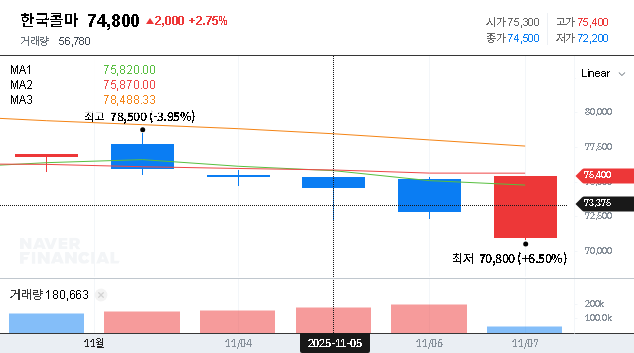
    KOLMAR KOREA Co., Ltd. has released its much-anticipated Q3 2025 earnings report, revealing a narrative of impressive top-line growth set against a backdrop of tightening profitability. With consolidated revenue climbing robustly, the company continues to demonstrate its market strength. However, for discerning investors, the story lies deeper within the numbers. This detailed KOLMAR KOREA Q3 2025 earnings analysis will unpack the performance drivers, dissect the financial health, and outline the critical questions that need answers during the upcoming Investor Relations (IR) session.

    While revenue growth signals strong market demand, the slight compression in operating margin is the central theme for investors heading into the company’s Q3 IR call. Understanding the strategy to navigate this is key.

    Unpacking the Q3 2025 Financial Performance

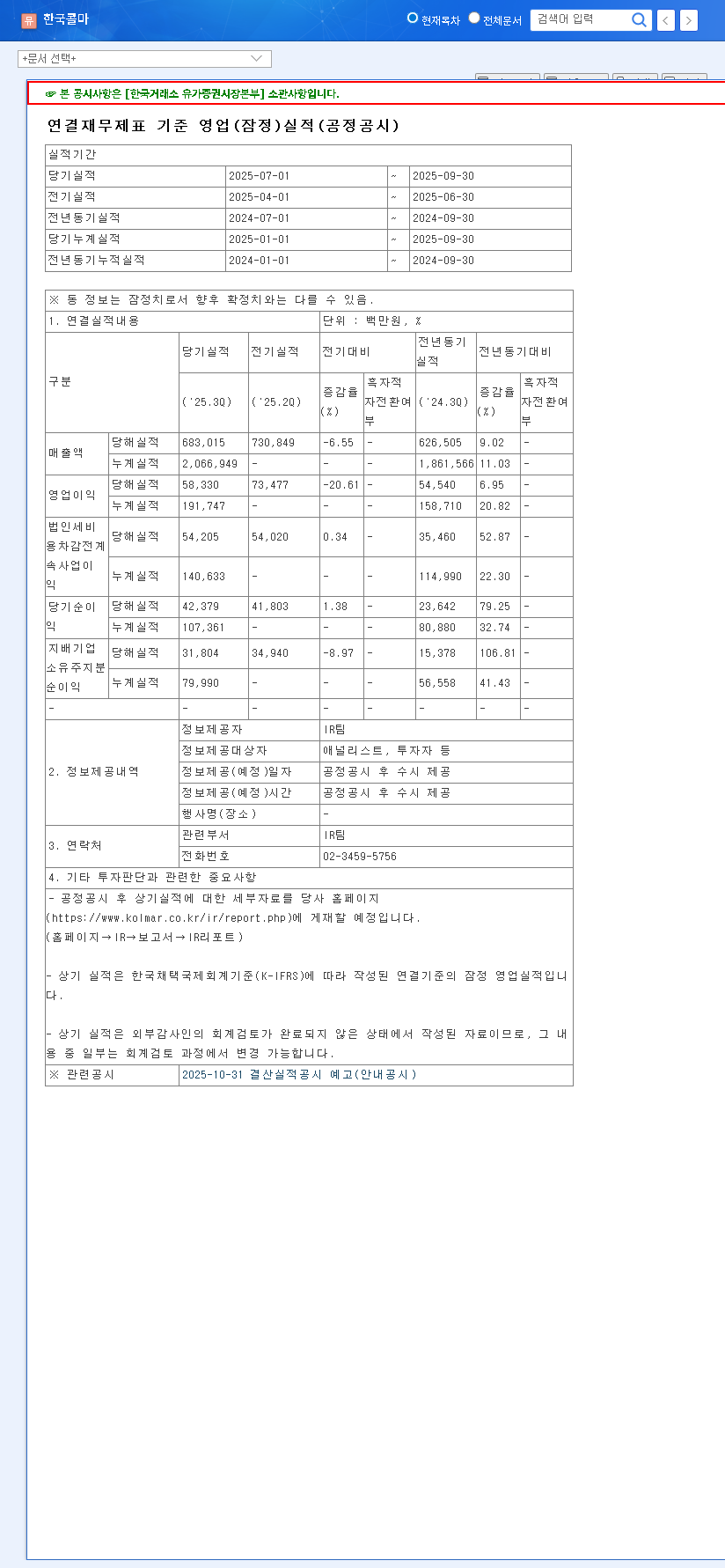
    KOLMAR KOREA reported a strong quarter, with consolidated revenue reaching KRW 2.067 trillion, a significant 10.57% increase year-on-year. This growth showcases the company’s resilient position in its core markets. However, a closer look reveals a more nuanced picture.

    Operating profit saw a marginal increase of 1.0% to KRW 191.7 billion, causing the operating profit margin to dip slightly to 9.28%. Net profit, on the other hand, jumped by 15.3% to KRW 107.4 billion, largely buoyed by non-recurring gains, including the disposal of investment assets. For a complete breakdown of the financial data, investors can refer to the Official Disclosure filed with DART.

    Deep Dive: Business Segment Drivers & Challenges

    Cosmetics Division (41.73% of Revenue)

    The engine of KOLMAR KOREA’s growth remains its Cosmetics business. Capitalizing on the enduring global K-beauty trend, the company’s advanced Original Design Manufacturing (ODM) technology and reputation for quality have fueled exceptional performance. The basic skincare segment, in particular, has shown remarkable growth, solidifying the company’s leadership in this high-demand area.

    Pharmaceutical Division (34.58% of Revenue)

    The Pharmaceutical business continues to be a powerful contributor, largely thanks to the blockbuster success of ‘K-CAB,’ a new drug for gastroesophageal reflux disease. The consistent and strong sales of this flagship product have significantly bolstered the division’s performance. Looking ahead, the company is making substantial R&D investments to identify and develop the next wave of growth drivers, dubbed the ‘Post K-CAB’ pipeline.

    The Profitability Puzzle: Why Margins Are Under Pressure

    Despite the healthy revenue figures from the KOLMAR KOREA Q3 2025 earnings, the slight decline in operating margin is a critical point of analysis. This compression is not due to a single issue but a convergence of several external and internal factors.

    • Rising Input Costs: Global macroeconomic trends, such as volatile international oil prices, have directly led to higher raw material costs, squeezing margins.
    • Strategic R&D Investment: To secure its future, KOLMAR KOREA is heavily investing in research and development. While the R&D expenditure ratio remains stable at 5.28% of revenue, this necessary spending impacts short-term profitability.
    • Global Expansion Costs: As the company expands its international footprint, increased operating expenses from overseas subsidiaries have also contributed to the pressure on profitability.

    Navigating these macroeconomic headwinds is crucial. Factors like currency fluctuations and interest rate hikes, as reported by authoritative sources like Bloomberg, present ongoing risks that demand proactive management.

    The Upcoming IR: Key Topics for Investors

    The upcoming Investor Relations session is a pivotal moment for management to address these concerns and build confidence. Investors should pay close attention to the following areas:

    Potential Positive Catalysts

    • A clear, data-backed strategy for improving profitability and managing costs.
    • A convincing roadmap for the ‘Post K-CAB’ pharmaceutical pipeline and other future growth engines.
    • Updates on ESG initiatives, such as eco-friendly packaging, which appeal to long-term institutional investors.

    Potential Red Flags to Monitor

    • Vague or insufficient explanations for the decline in operating profit margin.
    • A lack of a concrete plan for mitigating macroeconomic risks like currency volatility.
    • Evasive answers during the investor Q&A session.

    Investment Strategy & Outlook

    The KOLMAR KOREA Q3 2025 earnings demonstrate a company with strong fundamentals and core competitiveness. The key to unlocking further value lies in management’s ability to articulate and execute a clear strategy for profitability enhancement. For investors, a long-term perspective is advisable, focusing on the company’s powerful market position in cosmetics and pharmaceuticals. Analyzing the upcoming IR content will be crucial for making informed decisions. For more context on the sector, you can read our Guide to Investing in K-Beauty Stocks.

    Frequently Asked Questions (FAQ)

    What were KOLMAR KOREA’s key Q3 2025 results?

    KOLMAR KOREA reported Q3 2025 revenue of KRW 2.067 trillion, a 10.57% year-on-year increase. However, the operating profit margin saw a slight decline to 9.28% due to rising costs.

    Which business segments drove revenue growth?

    Growth was primarily driven by the Cosmetics business, leveraging the global K-beauty trend, and the Pharmaceutical business, powered by strong sales of its ‘K-CAB’ drug.

    Why did KOLMAR KOREA’s profitability decline slightly?

    The margin compression was due to a combination of factors, including higher raw material prices, increased strategic R&D spending for future growth, and higher operational costs from overseas expansion.

    What are the main risks for KOLMAR KOREA investors?

    Key risks include macroeconomic volatility (exchange rates, interest rates), sustained high raw material costs, and intensifying competition in both the cosmetics and pharmaceutical markets.
    (161890) KOLMAR KOREA Q3 2025 Earnings Analysis: Revenue Soars, But Profitability Questions Linger 관련 이미지
  • (005830) DB INSURANCE CO.,LTD Earnings Analysis (Q3 2025): A Deep Dive into Profitability & Stock Outlook

    (005830) DB INSURANCE CO.,LTD Earnings Analysis (Q3 2025): A Deep Dive into Profitability & Stock Outlook

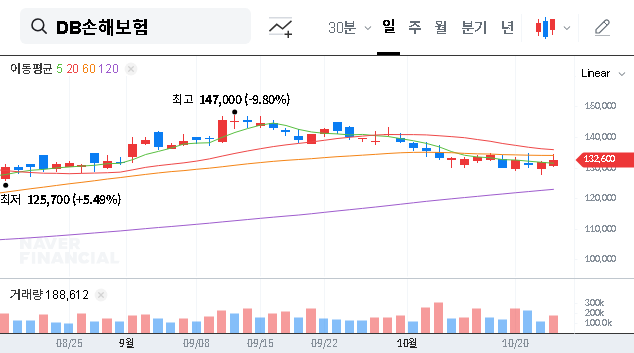
    The latest DB INSURANCE CO.,LTD earnings report for Q3 2025 sent a significant shockwave through the market, revealing a concerning downturn that missed analyst consensus by a wide margin. This performance raises critical questions about the company’s fundamental health and the mounting headwinds facing the entire South Korean insurance sector. For investors, understanding the nuances of this report is key to navigating the path forward.

    This comprehensive DB Insurance analysis unpacks the provisional results, examines the underlying causes for the sharp decline in profitability, and explores the potential impact on the DB Insurance stock value. We will delve into financial trends, macroeconomic pressures, and the strategic imperatives the company must address to regain investor confidence.

    DB Insurance Q3 2025: Deconstructing the Earnings Shock

    DB INSURANCE CO.,LTD reported a stark financial performance for the third quarter of 2025. The official figures were: revenue of KRW 4,700.1 billion, operating profit of KRW 403.2 billion, and net profit of KRW 293.0 billion. These numbers fell dramatically short of market expectations, which had forecasted an operating profit of KRW 546.4 billion and a net profit of KRW 407.5 billion—representing a staggering miss of 26% and 28%, respectively. These figures are based on the company’s official filing. Source: Official DART Disclosure.

    An Alarming Quarterly Decline

    A quarter-over-quarter comparison reveals an even more alarming acceleration of this decline, indicating that the issue extends beyond seasonal fluctuations.

    • Revenue: Decreased by 29.6% from Q2 2025 (KRW 6,679.1 billion).
    • Operating Profit: Plummeted by 49.5% from Q2 2025 (KRW 798.5 billion).
    • Net Profit: Collapsed by 55.1% from Q2 2025 (KRW 652.3 billion).

    This severe drop in DB Insurance profitability points to systemic issues and a challenging operational environment that is rapidly eroding the company’s bottom line.

    “The DB Insurance earnings miss is a canary in the coal mine. It reflects not only company-specific issues in loss ratio management but also the harsh reality of a low-yield macroeconomic environment. Insurers can no longer rely on traditional investment strategies to prop up their bottom line.” – Financial Analyst Quote

    Core Reasons Behind the Profitability Crisis

    The underperformance is not a singular event but a result of compounding internal weaknesses and external macroeconomic pressures.

    1. Persistent Deterioration of Financial Health

    Key performance indicators show a continuous downward trend. Projections for the end of 2024 and 2025 suggest further fundamental weakening, with a projected Price-to-Earnings (P/E) ratio of 418.53 indicating a potentially overvalued stock relative to its earning power. Furthermore, the Return on Equity (ROE) has cratered from 23.01% in December 2022 to a projected 0.13% in December 2024, signaling a severe collapse in profitability.

    2. A Challenging Macroeconomic Environment

    Global economic conditions are creating significant headwinds for the insurance industry, a trend discussed by leading financial outlets like Reuters.

    • Low-Interest Rates: Rate cuts and freezes in major economies suppress government bond yields, directly harming the investment returns that insurance companies rely on from their vast asset portfolios.
    • Exchange Rate Volatility: Elevated won/dollar and won/euro exchange rates introduce unpredictability into overseas investments, creating potential for significant foreign exchange losses that impact the bottom line.
    • Global Slowdown: Declining indicators like crude oil prices and shipping indices suggest a looming global economic slowdown. This can reduce demand for insurance products, particularly in the commercial sector, putting further pressure on growth. For more details, you can read our analysis of the South Korean insurance market.

    Impact on Investors and Shareholder Value

    This poor earnings report has immediate and long-term consequences for investors. The significant miss erodes confidence and raises fundamental doubts about the company’s earnings generation capabilities. This is likely to exert strong downward pressure on the DB Insurance stock price. Moreover, persistent unprofitability could force the company to reconsider its dividend policy and other shareholder return programs, potentially leading to long-term impairment of shareholder value.

    The Path Forward: A Strategic Action Plan

    To overcome this crisis, DB INSURANCE CO.,LTD requires a decisive and multi-faceted strategy. Investors should closely monitor the company’s actions in these key areas:

    • Strengthen Core Business: This involves refining the product portfolio to meet modern demands, enhancing loss ratio management through better risk assessment, and accelerating digital transformation to optimize sales channels.
    • Diversify Investment Strategy: The company must look beyond traditional bonds and diversify into alternative investments like infrastructure, private equity, and real estate to secure more stable and higher yields in a low-interest-rate world.
    • Maximize Operational Efficiency: A thorough review of operational costs is necessary to eliminate inefficiencies and improve the expense ratio, directly contributing to profitability.
    • Rebuild Trust with Transparency: Management must communicate clearly and openly about the causes of this poor performance and present a concrete, actionable recovery plan to the market.

    The DB Insurance Q3 2025 report is a critical turning point. The company’s ability to execute a robust turnaround strategy will determine its future trajectory and its value to shareholders.

    (005830) DB INSURANCE CO.,LTD Earnings Analysis (Q3 2025): A Deep Dive into Profitability & Stock Outlook 관련 이미지
  • (001390) KG Chemical Q3 2025 Earnings Analysis: Growth vs. Profitability

    (001390) KG Chemical Q3 2025 Earnings Analysis: Growth vs. Profitability

    The latest KG Chemical Corporation Q3 2025 earnings report has sent a complex set of signals to investors and market analysts. On one hand, the company showcases impressive top-line revenue growth, suggesting strong market demand and operational scale. On the other, mounting profitability pressures cast a shadow over this growth, raising crucial questions about its sustainability and the company’s future outlook. This comprehensive KG Chemical analysis will dissect the preliminary results, explore the underlying factors, and outline a potential KG Chemical investment strategy for navigating the current landscape.

    Despite a robust 14.7% year-over-year revenue surge, KG Chemical’s profitability is feeling the squeeze from external economic pressures. This dichotomy forms the central challenge for the company and a key consideration for investors.

    KG Chemical Q3 2025 Earnings: The Official Figures

    According to the company’s preliminary consolidated results, KG Chemical Corporation reported sales revenue of KRW 2,462.6 billion, an operating profit of KRW 90.2 billion, and a net profit of KRW 17.8 billion. The official filing can be viewed here: Official Disclosure. While the sales revenue marked a significant 14.7% increase year-over-year, both operating and net profits saw a decline, signaling an erosion in KG Chemical profitability.

    Deep Dive Analysis: The ‘Why’ Behind the Numbers

    To understand the full picture, we must look beyond the headline numbers and examine the fundamental, market, and macroeconomic factors at play.

    1. Company Fundamentals: A Story of Growth and Cost

    The revenue increase to KRW 2,462.6 billion from KRW 2,146.2 billion in Q3 2024 is a testament to the growth across KG Chemical’s diverse business segments. However, the operating profit figure is nuanced. While a significant jump from KRW 7.2 billion in Q3 2024, this is largely due to a low base effect. When compared to more recent quarters in 2025 (Q1: KRW 106.6 billion, Q2: KRW 78.9 billion), the improvement appears limited, especially considering the sales growth. Key pressures on profitability include:

    • Rising Raw Material Prices: Global supply chain issues and inflation have driven up input costs.
    • Increased Logistics Costs: Volatility in shipping and freight rates has added to the cost burden.
    • Higher Financial Expenses: Aggressive interest rate hikes by central banks have increased the cost of borrowing.

    On a positive note, the company’s financial health remains stable. A gradually decreasing debt-to-equity ratio and a rising current ratio suggest a sound financial foundation despite the profit headwinds. For more details on these metrics, you can read our guide on How to Analyze a Company’s Balance Sheet.

    2. Macroeconomic Headwinds

    The external environment is a major contributor to the current profitability squeeze. The depreciation of the Korean Won against the US Dollar increases the cost of imported raw materials. Concurrently, persistently high interest rates, a global trend detailed by sources like Reuters Financial News, directly inflate the interest burden on corporate debt. Furthermore, volatility in the Baltic Dry Index (BDI), a key indicator of shipping costs, creates uncertainty and can directly impact logistics expenses, a critical variable for a chemicals corporation.

    3. Shareholder Initiatives & New Business Horizons

    In a move to bolster investor confidence, KG Chemical has focused on enhancing shareholder value. The retirement of treasury stock is a significant positive, as it increases earnings per share (EPS) and signals management’s confidence in the company’s value. There is also growing pressure from minority shareholders for improved corporate governance and stronger return policies. This external push is raising expectations for strategic shifts, particularly towards high-growth areas like the secondary battery materials market, which could become a long-term growth driver for the KG Chemical stock.

    Strategic Outlook and Investment Considerations

    The analysis of the KG Chemical Corporation Q3 2025 earnings reveals a company at a crossroads. It has strong fundamentals in revenue and financial stability but faces significant external threats to its profitability.

    Investor Action Plan

    A prudent KG Chemical investment strategy should be grounded in monitoring the company’s ability to navigate these challenges. Key areas to watch include:

    • Cost Management Execution: Scrutinize future earnings reports for improvements in gross and operating margins. Look for specific management commentary on cost-cutting measures and operational efficiency gains.
    • New Business Progress: Track announcements and capital allocation related to new ventures, especially in the secondary battery sector. Tangible progress here could significantly alter the long-term valuation of the stock.
    • Shareholder Return Policies: Beyond the current stock retirement, watch for changes in dividend policies or further buyback programs as indicators of shareholder-friendly governance.
    • Macroeconomic Response: Assess how effectively management adapts to changes in interest rates, currency fluctuations, and raw material pricing.

    Disclaimer: This report is based on publicly available information. Investment decisions carry risk and should be made based on individual research and discretion.

    (001390) KG Chemical Q3 2025 Earnings Analysis: Growth vs. Profitability 관련 이미지
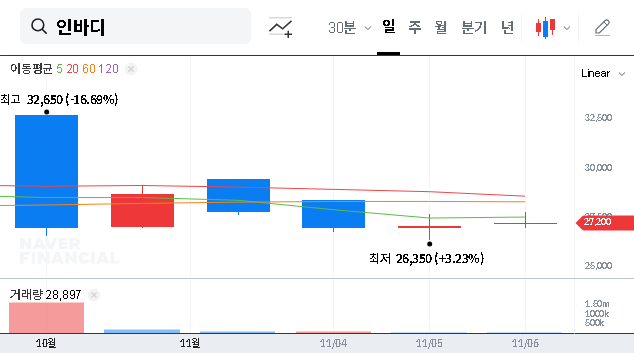
  • (041830) InBody Co., Ltd. (041830) Earnings Analysis Q3 2025: Navigating the Mixed Signals for Investors

    (041830) InBody Co., Ltd. (041830) Earnings Analysis Q3 2025: Navigating the Mixed Signals for Investors

    The latest InBody Co., Ltd. earnings report for Q3 2025 presents a complex scenario for investors. The global leader in body composition analysis delivered strong revenue that surpassed market expectations, a testament to its growing global footprint. However, a simultaneous miss on operating profit has introduced a note of caution, leaving many to wonder about the future trajectory of InBody stock. Is this a temporary hurdle in a long-term growth story, or does it signal underlying challenges that warrant a closer look?

    This comprehensive InBody earnings analysis will dissect the preliminary Q3 2025 figures, evaluate the company’s fundamental strengths and weaknesses, and provide a clear outlook on what these results mean for your investment strategy. We will explore the factors driving both the revenue growth and the profitability pressures to provide a balanced view.

    InBody Q3 2025 Earnings: The Official Numbers

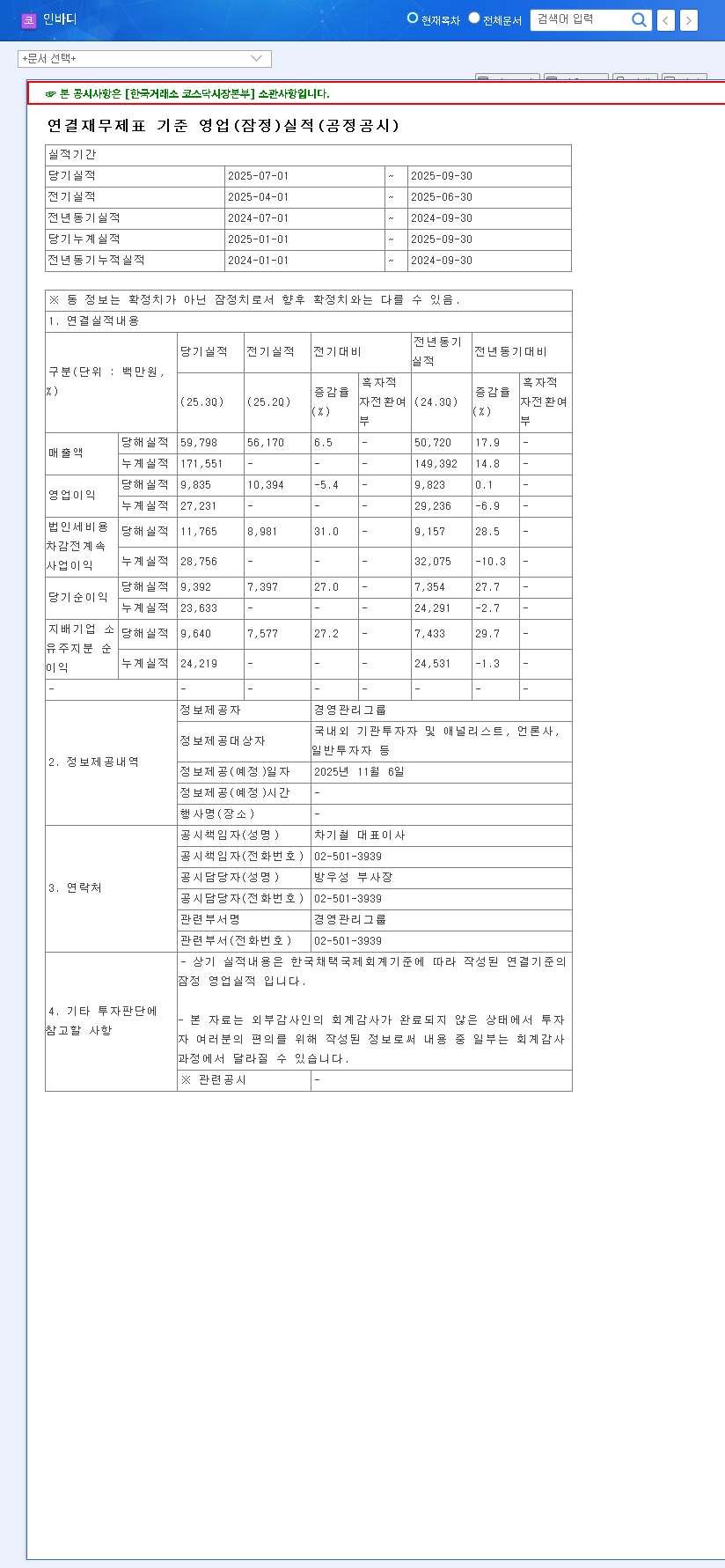
    On November 6, 2025, InBody Co., Ltd. (041830) released its preliminary consolidated earnings for the third quarter. The official disclosure, available via the DART system, provides the foundational data for our analysis (Source). Here are the key metrics compared to market consensus:

    • Revenue: KRW 59.8 billion, a 5% beat against the expected KRW 57.1 billion.
    • Operating Profit: KRW 9.8 billion, a slight miss compared to the forecasted KRW 9.9 billion.
    • Net Profit: KRW 9.6 billion (no consensus estimate was available for comparison).

    The strong revenue performance signals continued, robust demand for InBody’s products worldwide. However, the operating profit miss, while minor, is the focal point for investors as it raises questions about cost control and margin pressure.

    Fundamental Analysis: The Pillars and Cracks in InBody’s Foundation

    To understand the 041830 earnings report fully, we must look beyond a single quarter and analyze the company’s underlying fundamentals, drawing from its H1 2025 performance and long-term trends.

    Positive Drivers: Why InBody Remains a Market Leader

    • Global Demand & Dominance: With over 82% of sales originating overseas, InBody has successfully cemented itself as a global standard. This geographic diversification provides a buffer against regional economic downturns.
    • Financial Fortress: A remarkably low debt-to-equity ratio of just 11.56% gives the company immense financial stability and flexibility to navigate challenges or seize opportunities.
    • Innovation Engine: A consistent R&D investment of nearly 7.7% of revenue fuels its technological edge in the competitive body composition analysis market, keeping it ahead of competitors.
    • Expanding Horizons: Strategic diversification into home-use devices opens up a vast new consumer market, complementing its traditional stronghold in professional settings like gyms and hospitals.

    Headwinds & Risk Factors to Monitor

    The Q3 profit miss was not an isolated event. It magnifies concerns that were already present in the first half of the year.

    “While top-line growth is impressive, the market is now shifting its focus to profitability. The key question for InBody is whether they can translate strong sales into stronger earnings amidst rising costs.”

    • Profitability Squeeze: The primary concern is eroding profitability. Rising selling, general, and administrative (SG&A) expenses and a higher cost of goods sold are compressing margins. Investors need to see a clear strategy to manage these costs.
    • Inventory Management: A low inventory turnover ratio (1.3x) suggests that products are sitting on shelves for too long. This ties up capital, increases holding costs, and poses a risk if demand patterns shift.
    • Macroeconomic Pressures: As a global company, InBody is highly exposed to currency fluctuations and rising interest rates. A strong Korean Won or continued rate hikes globally could negatively impact future InBody Co., Ltd. earnings. For more on this, see analysis from authoritative financial news sources.

    Investment Outlook: ‘Hold’ with Cautious Optimism

    Considering the conflicting data points, a ‘Hold’ recommendation for InBody stock is prudent. The company’s strong revenue growth and market leadership are undeniable positives. However, the persistent profitability challenges cannot be ignored and are likely to cause short-term stock price volatility.

    Key Points for Investors to Watch

    The path forward for InBody stock will be determined by the company’s ability to address its current challenges. Keep a close eye on the following in upcoming reports:

    • Margin Improvement: Look for specific commentary and results showing improved control over SG&A and COGS in the Q4 and full-year 2025 earnings announcements.
    • Inventory Efficiency: Any improvement in the inventory turnover ratio will be a strong positive signal that management is effectively optimizing its supply chain.
    • Regional Sales Performance: Pay attention to the breakdown of sales across key markets like the US, Europe, and Asia to ensure growth drivers remain intact.

    In conclusion, while the Q3 2025 InBody Co., Ltd. earnings report was mixed, the company’s long-term growth story remains plausible. The immediate priority must be a tangible improvement in profitability to restore full investor confidence.

    Disclaimer: This analysis is for informational purposes only and does not constitute investment advice. All investment decisions should be made based on your own research and risk tolerance.

    (041830) InBody Co., Ltd. (041830) Earnings Analysis Q3 2025: Navigating the Mixed Signals for Investors 관련 이미지
  • (344820) KCC GLASS Corporation Q3 2025 Earnings: In-Depth Analysis & Stock Outlook

    (344820) KCC GLASS Corporation Q3 2025 Earnings: In-Depth Analysis & Stock Outlook

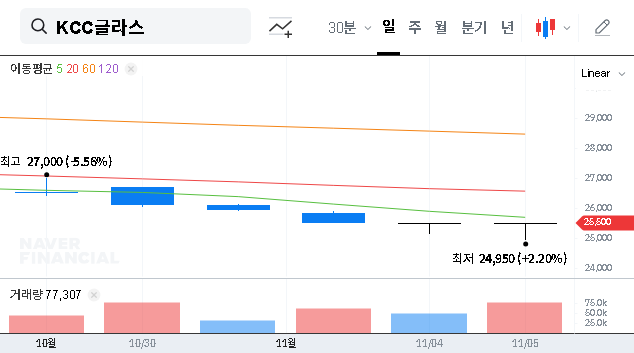
    The latest KCC GLASS Corporation Q3 2025 earnings report, released on November 5, 2025, has sent mixed signals to the market. While the company grapples with persistent losses and a challenging macroeconomic environment, a slight outperformance in operating profit against bleak forecasts offers a sliver of hope. For investors evaluating KCC GLASS Corporation stock, this report demands a nuanced interpretation. This in-depth analysis unpacks the critical figures, explores the underlying causes, and provides a clear investment outlook for the road ahead.

    Facing a downturn in the domestic construction market and escalating raw material costs, the company’s path to profitability is fraught with challenges. We will examine the performance of its core segments, assess its financial health, and identify the key catalysts and risks that investors must monitor closely.

    KCC GLASS Corporation Q3 2025 Earnings: The Headline Figures

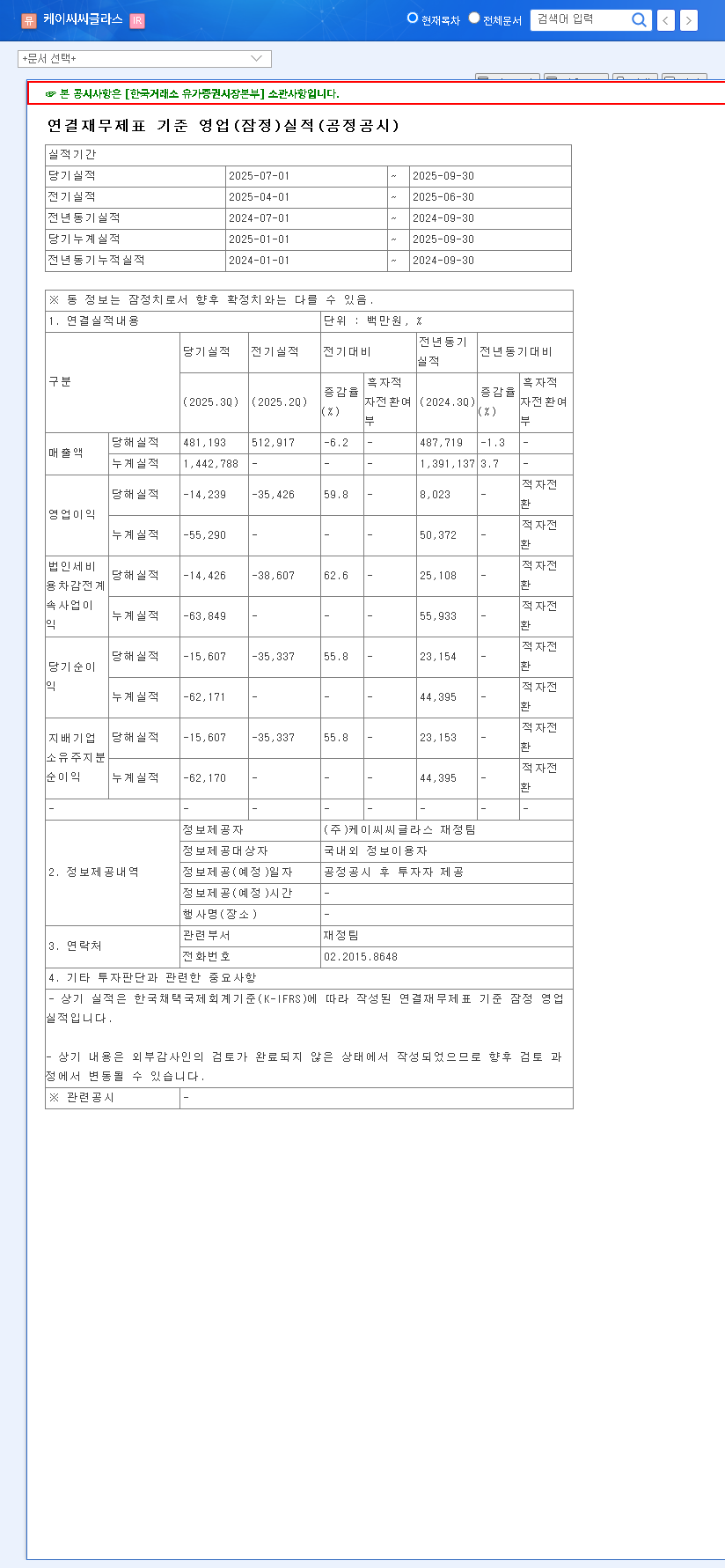
    The provisional third-quarter KCC financial report presented a complex picture. Here’s a breakdown of the key performance indicators compared to market consensus, based on the Official Disclosure:

    • Revenue: KRW 481.2 billion, falling 3% short of the market expectation of KRW 497.7 billion.
    • Operating Profit: A loss of KRW -14.2 billion, which, while negative, was 10% better than the forecasted loss of KRW -15.8 billion.
    • Net Profit: A significant loss of KRW -15.6 billion, confirming a shift into the red for the bottom line.

    The revenue miss highlights the ongoing demand weakness, particularly from the construction sector. However, the better-than-feared operating loss suggests that some internal cost control measures may be starting to take effect, or that the market’s pessimism was slightly overblown. Nevertheless, the overarching theme remains one of financial pressure.

    Fundamental Analysis: Why is Profitability Worsening?

    The Q3 results are not an anomaly but a continuation of a trend seen in the first half of 2025, where the company recorded a company-wide operating loss of KRW 41.1 billion. The core issues are multifaceted, stemming from both internal segment dynamics and external market forces.

    The Glass Segment: Hit by Construction Slump

    The primary drag on performance is the glass division. A slowdown in domestic construction and real estate development has directly reduced demand for architectural glass. This has been compounded by increased price competition from low-cost imports, squeezing margins and leading to an expanded operating loss for the segment. This is a critical area for any KCC investment analysis.

    Interior & Distribution: A Story of Unprofitable Growth

    Conversely, the interior and distribution segments saw impressive revenue growth of nearly 22%. However, this growth came at a steep price, with operating profit in this division falling by over 45%. This indicates that the company is spending heavily to capture market share in a fiercely competitive environment, with increased marketing costs and investments eroding profitability.

    The core dilemma for KCC GLASS Corporation is balancing top-line growth in its interior segment with the urgent need to stabilize its core glass business and restore overall profitability in a high-cost, low-demand environment.

    Macroeconomic and Financial Headwinds

    The company’s performance is intrinsically linked to broader economic trends. High interest rates, set by the Bank of Korea at 2.50%, increase the financing costs for KCC’s substantial liabilities (KRW 948.8 billion as of H1 2025) and dampen construction activity. Furthermore, as noted by leading financial analysts at Reuters, global supply chain pressures and volatile energy prices directly impact raw material costs for glass manufacturing. The high KRW/USD exchange rate (1,444.00) is a double-edged sword: it helps export competitiveness but inflates the cost of imported raw materials.

    A crucial variable for future growth is the performance of its overseas operations, particularly the new plant in Indonesia. Stabilizing this facility and expanding export sales could provide a much-needed buffer against domestic market weakness. For more on this, you can read our analysis on the global manufacturing outlook.

    Investment Strategy and Key Considerations

    Given the KCC GLASS Corporation Q3 2025 earnings, our investment opinion remains ‘Neutral.’ The persistent losses and revenue miss are likely to weigh on the stock price in the short term. However, long-term investors should watch for signs of a turnaround. Positive catalysts could emerge from a recovery in the construction market or clear evidence that the company’s cost-cutting and efficiency strategies are yielding tangible results.

    Investor Action Plan: What to Monitor

    • Construction Market Indicators: Closely track housing starts, construction permits, and real estate market sentiment in South Korea.
    • Profit Margin Trends: Look for sequential improvement in operating and net profit margins in subsequent quarterly reports.
    • Overseas Performance: Monitor news related to the Indonesian plant’s production levels, efficiency, and export sales figures.
    • Management Commentary: Pay attention to the company’s forward-looking statements on cost management, debt reduction, and strategic priorities.

    (344820) KCC GLASS Corporation Q3 2025 Earnings: In-Depth Analysis & Stock Outlook 관련 이미지
  • (145720) DENTIUM Q3 2025 IR: A Deep Dive Investment Analysis for Investors

    (145720) DENTIUM Q3 2025 IR: A Deep Dive Investment Analysis for Investors

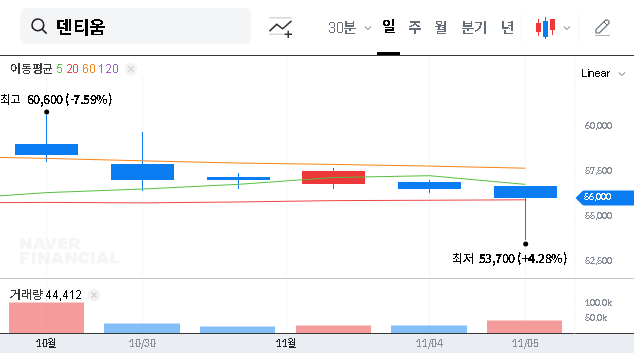
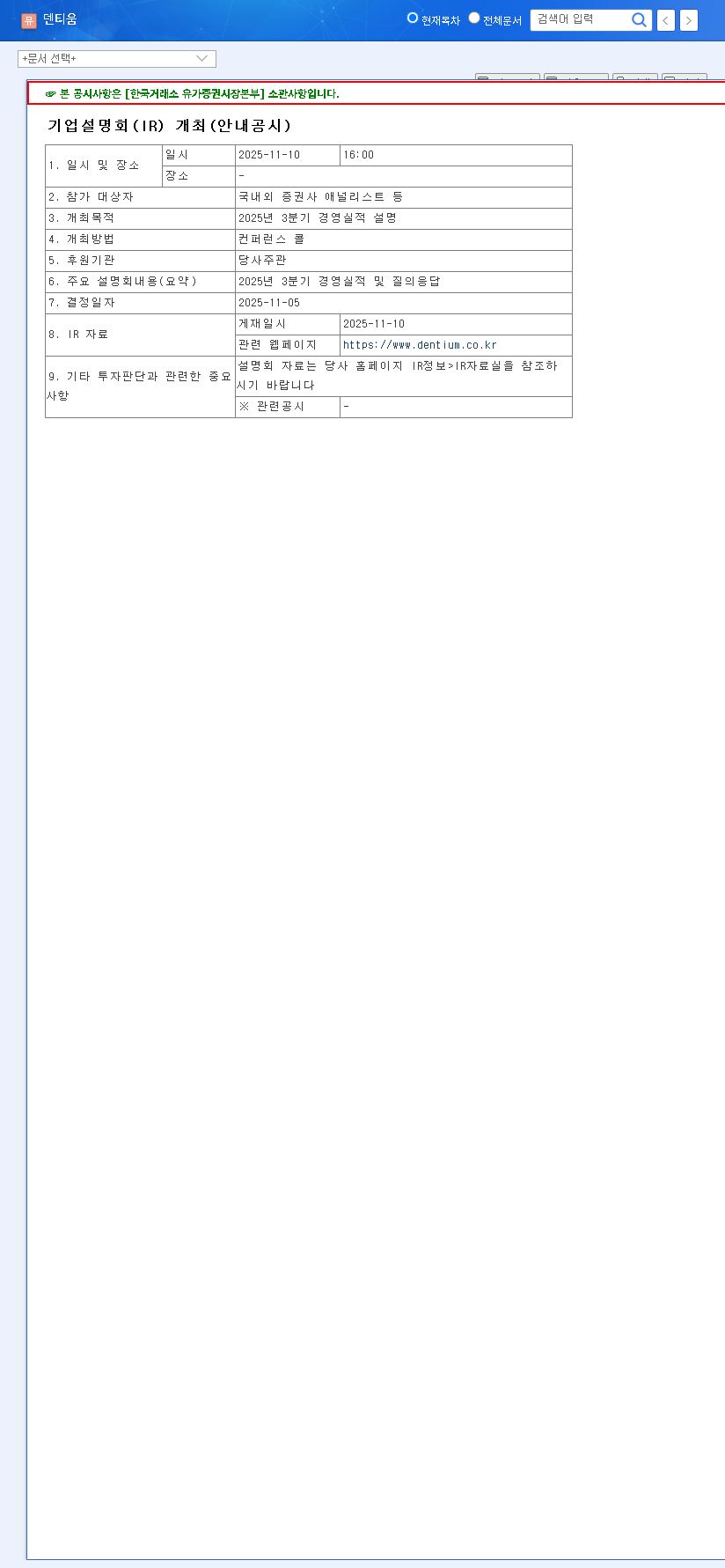
    The upcoming DENTIUM Q3 2025 IR, scheduled for November 10, 2025, is more than just a financial update; it’s a critical inflection point for the company and its investors. As a leading force in the global dental implant market, DENTIUM is navigating a complex landscape of declining profitability, significant debt, and currency fluctuations. This event will be the leadership’s chance to restore confidence and outline a clear path forward. This comprehensive DENTIUM investment analysis will break down the company’s fundamentals, the key challenges, potential growth catalysts, and the essential questions investors should be asking. This crucial information is based on the company’s official filings. (Official Disclosure)

    A Look Under the Hood: DENTIUM’s Core Fundamentals

    To understand the significance of the upcoming IR, we must first assess DENTIUM’s foundational strengths and weaknesses as of the first half of 2025.

    Market Position and Global Reach

    With a market capitalization of 619.9 billion KRW, DENTIUM is a heavyweight in the dental industry. Its business is built on several key pillars:

    • Core Business Focus: Dental implants are the lifeblood of the company, accounting for 88% of total revenue. This focus is augmented by sales of digital equipment like CBCT scanners (2%) and biomaterials (10%), positioning DENTIUM as a comprehensive ‘Total Solution’ provider.
    • Export-Driven Growth: While holding a strong #2 position in its domestic Korean market (approx. 20% share), the company’s future is global. A staggering 80% of its revenue originates from overseas sales across a network spanning over 70 countries.
    • Chinese Market Powerhouse: DENTIUM has a particularly strong foothold in the Chinese market, a region projected for 20% average annual growth. Its established local network there is a significant competitive advantage. More details can be found in our analysis of trends in the Asian dental market.

    Financial Health Snapshot (H1 2025)

    The DENTIUM financials paint a mixed picture that sets the stage for the Q3 IR:

    • Revenue vs. Profit: Revenue saw modest growth to 159.087 billion KRW, but operating profit fell to 25.124 billion KRW, signaling a troubling decline in profitability.
    • Debt Burden: While the debt-to-equity ratio is a manageable 60.39%, the absolute value of borrowings is high at 265.153 billion KRW. This poses a significant risk of increased financial costs in a rising interest rate environment.
    • Currency Exposure: With significant transactions in USD, EUR, and CNH, DENTIUM is highly exposed to foreign exchange volatility. A mere 10% change in exchange rates could swing profits or losses by over 16 billion KRW.

    Navigating Headwinds: Key Challenges for DENTIUM Stock

    The DENTIUM Q3 2025 IR must directly address the structural issues that have been weighing on investor sentiment and the DENTIUM stock price.

    The core challenge for DENTIUM isn’t its top-line growth, but its ability to convert that revenue into sustainable profit while managing significant financial and currency risks. The Q3 IR is a referendum on management’s strategy to solve this puzzle.

    If the sluggish performance seen in Q2 was due to temporary factors, the market may react positively. However, if the IR reveals deeper, structural problems—such as persistently high raw material costs or increased SG&A expenses from new ventures—the negative impact could be prolonged. The uncertainty around the new Solid Oxide Fuel Cell (SOFC) business, which requires heavy initial investment, further complicates the profitability outlook.

    Charting the Future: DENTIUM’s Growth Engines

    Despite the challenges, DENTIUM has powerful growth levers. The global dental implant market is expanding, driven by aging populations and the rise of digital dentistry. As a major player, DENTIUM is well-positioned to capitalize on this trend. According to market analysis from sources like Bloomberg, this sector shows robust long-term potential.

    Key Points to Watch in the IR Presentation

    • Q3 Performance Metrics: Is there a demonstrable recovery from Q2? The key metric will be sales volume and margin recovery in the Chinese market.
    • Profitability Strategy: Investors need a clear, credible plan to combat declining operating margins. This could include cost-cutting measures, price adjustments, or a shift toward higher-value products.
    • SOFC Business Roadmap: Vague promises are not enough. The company must provide specific timelines, investment details, and realistic profit generation forecasts for this new venture.
    • FX Risk Management: A transparent explanation of the company’s hedging strategies and other measures to mitigate currency risk is non-negotiable.

    Conclusion & Investment Strategy

    The DENTIUM Q3 2025 IR is a pivotal event that will likely dictate the stock’s direction for the coming months. The investment decision hinges on the clarity and credibility of the information presented.

    Positive Scenario (Bull Case): If DENTIUM reports strong Q3 results, particularly from overseas markets, and provides a convincing strategy for margin improvement and risk management, the stock could see significant upward momentum.

    Negative Scenario (Bear Case): If Q3 performance remains weak and management fails to offer clear solutions to the pressing challenges, investor confidence will likely erode, putting downward pressure on the stock price.

    Ultimately, a cautious approach is warranted. Investors should scrutinize the IR announcements, focusing on management’s ability to control costs, navigate global markets, and execute on the promise of its new ventures.

    Frequently Asked Questions (FAQ)

    Q1: What are the main risks for DENTIUM investors?

    The key risks are declining profitability, a high debt load that could become more expensive if interest rates rise, and significant exposure to foreign exchange rate volatility due to its large percentage of overseas sales.

    Q2: What is DENTIUM’s position in the dental implant market?

    DENTIUM is a major global player, holding the #2 market share in South Korea and generating 80% of its revenue from international sales. It is particularly strong in the high-growth Chinese market.

    Q3: What is the SOFC business and why is it important?

    The SOFC (Solid Oxide Fuel Cell) business is DENTIUM’s venture into a new high-tech energy sector to secure future growth. However, it requires significant upfront investment and its path to profitability is a key point of uncertainty that investors will be watching closely during the Q3 2025 IR.

    (145720) DENTIUM Q3 2025 IR: A Deep Dive Investment Analysis for Investors 관련 이미지
  • (483650) d’Alba Global Earnings Shock (483650): Deep Dive Analysis & 2025 Stock Strategy

    (483650) d’Alba Global Earnings Shock (483650): Deep Dive Analysis & 2025 Stock Strategy

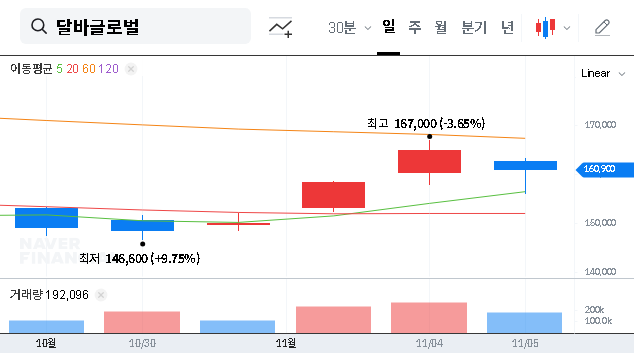
    The latest d’Alba Global earnings report for Q3 2025 has sent a wave of concern through the investment community. For a company celebrated for its premium vegan beauty brand ‘d’Alba’ and its impressive growth trajectory, the preliminary figures were a significant disappointment. Investors are now grappling with critical questions: Was this a temporary setback or a sign of deeper issues? And what is the most prudent d’Alba investment strategy moving forward? This deep-dive analysis unpacks the numbers, explores the underlying causes, and provides a clear roadmap for evaluating the future of d’Alba Global stock.

    Deconstructing the d’Alba Global Earnings Shock

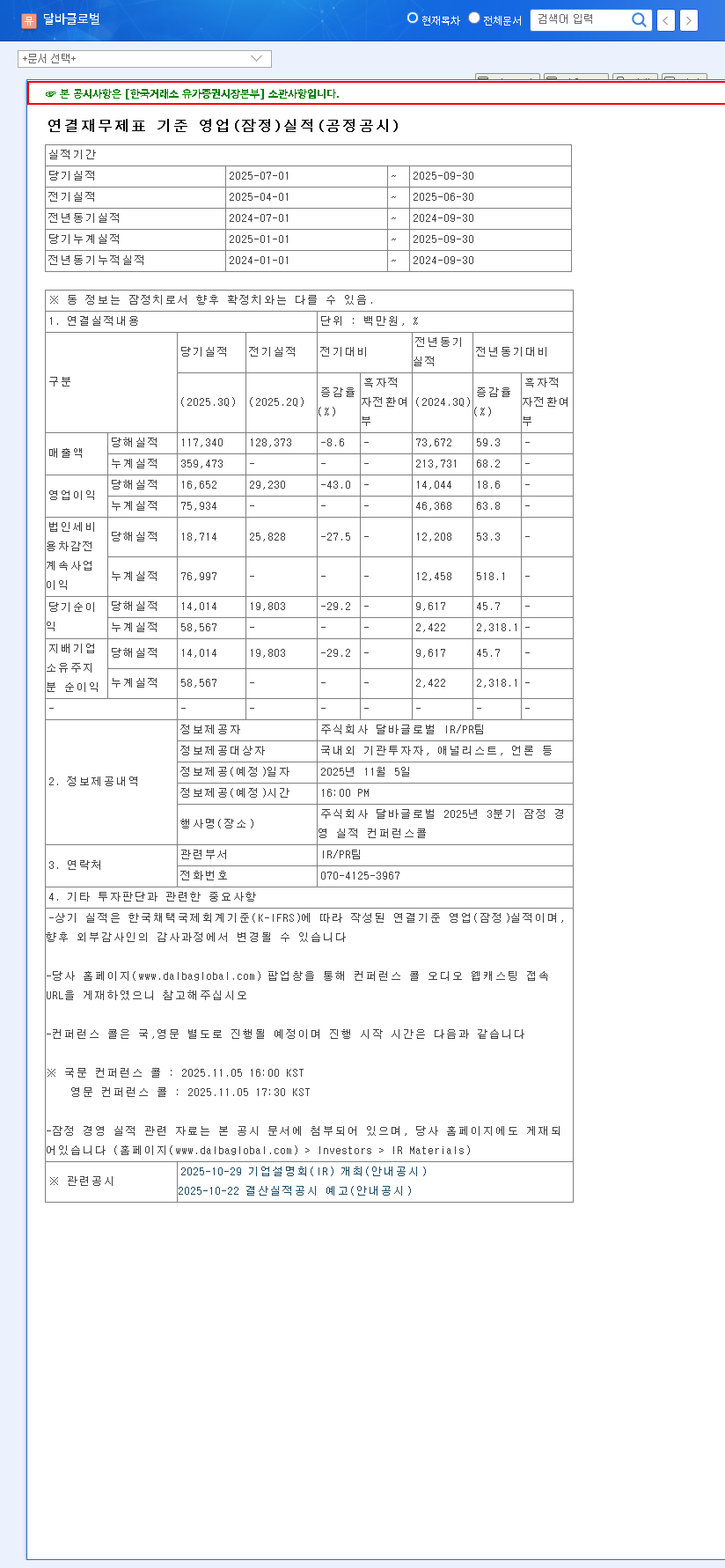
    The preliminary Q3 results, released on November 5, 2025, fell alarmingly short of consensus expectations, particularly on the profitability front. The official figures paint a stark picture, which you can verify in the company’s Official Disclosure. Let’s examine the key metrics:

    • Revenue: KRW 117.3 billion, missing market expectations by 5.0%.
    • Operating Profit: KRW 16.7 billion, a staggering 31.0% below expectations.
    • Net Profit: KRW 14.0 billion, an even more dramatic 44.0% miss.

    While a revenue miss is concerning, the severe underperformance in operating and net profit points to a significant erosion of the company’s profitability. This is the core issue that has rattled investor confidence and demands a closer look.

    The Alarming Plunge in Profit Margins

    To understand the severity, we must compare this quarter to past performance. In the first half of 2025, d’Alba Global was a model of profitability, boasting an operating profit margin of 24.48%. In Q3, that figure collapsed to just 14.24%. Similarly, the net profit margin fell from 18.38% to 11.94%. This isn’t just a minor fluctuation; it suggests a fundamental shift in the company’s cost structure or pricing power. The quarter-over-quarter revenue also declined by 8.6%, indicating that the growth engine is sputtering, at least temporarily.

    The Q3 results reveal a dual threat: slowing top-line growth combined with rapidly deteriorating bottom-line profitability. This combination is a significant red flag for any growth-oriented company.

    Balancing Strengths Against Market Headwinds

    Before this report, the investment thesis for 483650 stock analysis was built on solid fundamentals. It’s crucial to weigh these enduring strengths against the new macroeconomic challenges.

    Enduring Company Strengths

    • Strategic Diversification: Management has wisely expanded beyond cosmetics into health foods (‘Veganery’) and beauty devices, which could provide new, resilient revenue streams. You can read more about this trend in our analysis of the K-beauty market.
    • Global Footprint: Aggressive expansion into international markets remains a primary growth lever, reducing dependency on the domestic market.
    • Financial Stability: A low debt-to-equity ratio of 25.41% (as of H1 2025) means the company is not over-leveraged and has the financial health to weather downturns.

    Mounting Macroeconomic Pressures

    Unfortunately, d’Alba Global operates in a challenging global environment. Several external factors are likely contributing to the margin compression:

    • Currency & Commodity Costs: A rising KRW/USD exchange rate and higher oil prices (WTI $60.43) directly increase the cost of imported raw materials and manufacturing.
    • Logistics Expenses: A surge in international shipping indices means higher costs to get products to its global customers.
    • Interest Rate Environment: As reported by sources like Bloomberg, rising US 10-Year Treasury yields typically lead to investor risk aversion, which disproportionately affects growth stocks like d’Alba Global.

    The Investor’s Action Plan: A Cautious Path Forward

    Given the negative sentiment surrounding the d’Alba Global earnings, a reactive decision could be costly. A prudent and strategic approach is required. The stock price will likely face significant downward pressure in the short term. For long-term investors, the focus should be on verification and patience.

    Key Actions for Investors:

    • Analyze the Q4 Outlook: Pay close attention to management’s guidance for the upcoming quarter during their next earnings call. Are they providing a concrete plan to restore margins?
    • Scrutinize New Ventures: Demand clear data on the performance of the ‘Veganery’ and beauty device segments. Are they contributing meaningfully to revenue and, more importantly, profit?
    • Monitor Macro Indicators: Keep an eye on the macroeconomic factors mentioned above. A stabilization or reversal in these trends could provide a tailwind for the company.
    • Adopt a ‘Wait and See’ Stance: Avoid making hasty buys or sells. The prudent move is to wait for Q4 results and 2026 guidance to confirm whether the company can navigate these challenges and reignite its growth story.

    In conclusion, while d’Alba Global’s long-term potential from diversification and global expansion remains, the Q3 earnings have introduced serious profitability concerns. The path forward for investors is to demand evidence of a turnaround before committing further capital. The narrative has shifted from pure growth to one of resilience and margin recovery.

    Disclaimer: This report is based on the provided information and analysis; the final responsibility for investment decisions rests with the investor.

    (483650) d'Alba Global Earnings Shock (483650): Deep Dive Analysis & 2025 Stock Strategy 관련 이미지
  • (090850) HYUNDAI EZWEL Q3 2025 Earnings Analysis: Revenue Holds, But Profit Plummets | Stock Impact

    (090850) HYUNDAI EZWEL Q3 2025 Earnings Analysis: Revenue Holds, But Profit Plummets | Stock Impact

    The latest HYUNDAI EZWEL Q3 2025 earnings report presents a complex and potentially concerning picture for investors. While the company (KRX: 090850) managed to maintain robust top-line revenue, a dramatic quarter-over-quarter drop in operating and net profits has sounded alarms about its underlying profitability. This detailed analysis will dissect the provisional earnings, explore the company’s fundamental health, and evaluate the potential impact on HYUNDAI EZWEL stock in both the short and long term.

    Is this a temporary hiccup caused by short-term costs, or does it signal a more persistent erosion of profitability in its core business? For current and prospective investors, understanding the nuances of this report is critical for making informed decisions.

    Dissecting the HYUNDAI EZWEL Q3 2025 Earnings Report

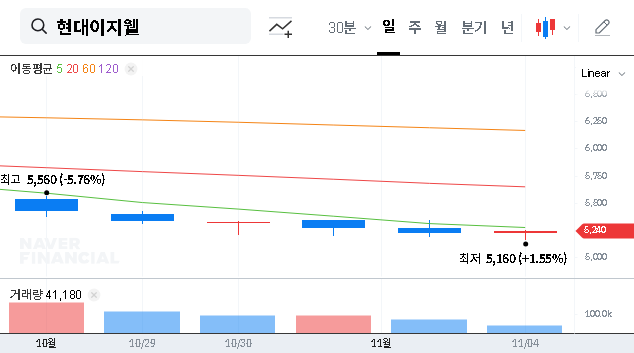
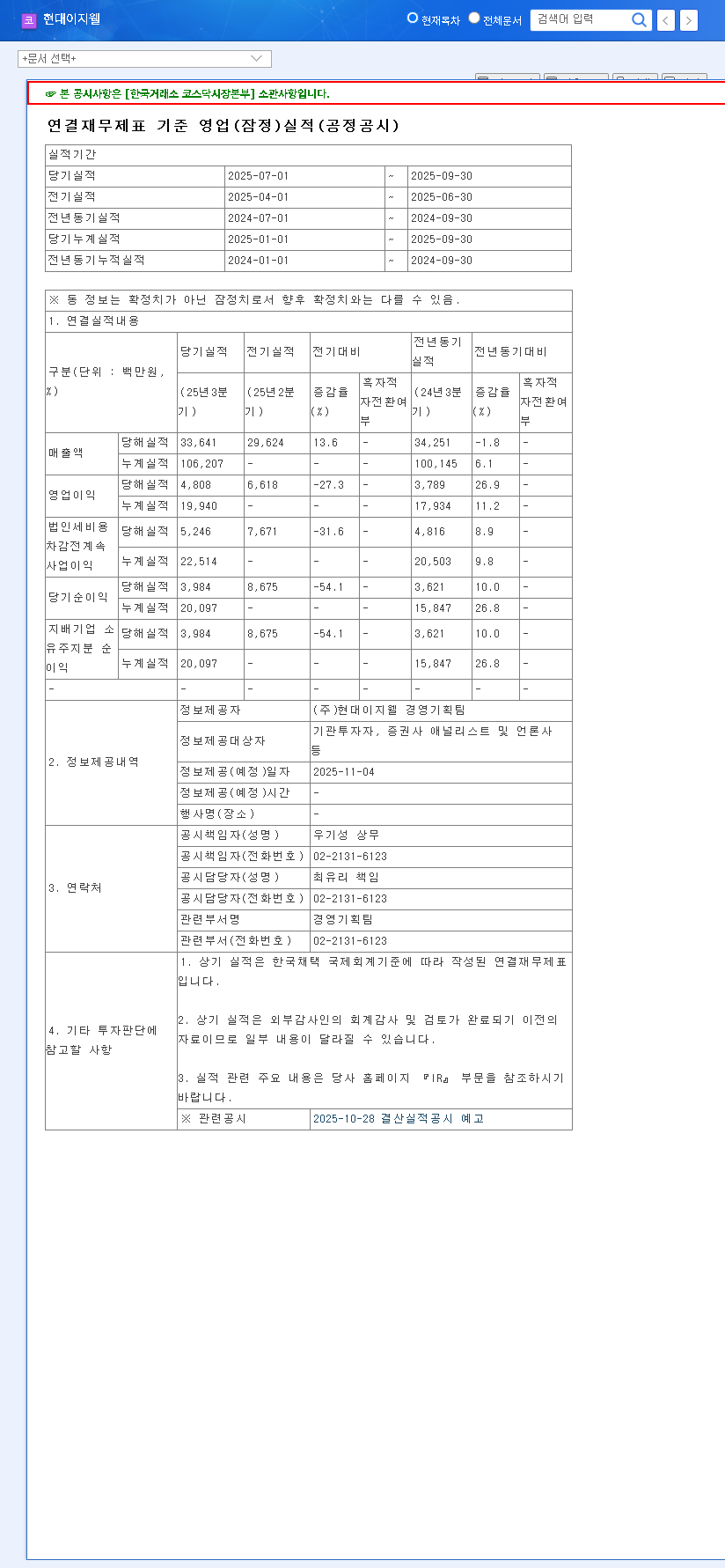
    On November 4, 2025, HYUNDAI EZWEL announced its provisional consolidated financial results for the third quarter. The official figures, as filed with the regulator, can be reviewed in the (Official Disclosure). The headline numbers were as follows:

    • Revenue: 33.6 billion KRW
    • Operating Profit: 4.8 billion KRW
    • Net Profit: 4.0 billion KRW

    While revenue saw a healthy 13.5% increase from Q2 2025 (29.6 billion KRW), the profitability metrics tell a different story. Operating profit plummeted by 27.3% from Q2’s 6.6 billion KRW, and net profit saw a staggering 54% decline from 8.7 billion KRW. The most alarming figure is the operating profit margin, which compressed from a robust 22.3% in Q2 to just 14.3% in Q3. This raises immediate questions about rising operational costs, pricing pressures, or a shift in the sales mix towards lower-margin services.

    The sharp contraction in the operating profit margin is the central concern of the Q3 report. It suggests that for every dollar of sales, the company is keeping significantly less as profit, a trend that can quickly erode shareholder value if it continues.

    Fundamentals: A Leader Facing Headwinds

    HYUNDAI EZWEL holds a dominant position in South Korea’s selective welfare service market, with an estimated 50% market share. This service allows employees of client companies to choose from a variety of benefits (e.g., leisure, self-development, health) via a dedicated platform. This leadership provides a stable revenue base. However, a deeper look at the company’s HYUNDAI EZWEL financial analysis reveals both strengths and weaknesses.

    Key Financial Health Indicators (as of H1 2025)

    • Profitability Trend: On a half-year basis, profitability was improving. However, the H1 net profit was artificially inflated by a one-time 27.93 billion KRW corporate tax refund from a subsidiary, which masks underlying operational performance.
    • Debt-to-Equity Ratio: At 121.3%, the ratio is high. While it has improved year-over-year, high leverage poses a significant risk in a rising interest rate environment, as it increases the cost of servicing debt. For more on this, see our guide on Understanding Key Financial Ratios.
    • Growth Initiatives: The company is actively pursuing new growth areas, such as meal welfare services, and is committed to ESG management. The success of these ventures is crucial for its long-term trajectory.

    Impact on HYUNDAI EZWEL Stock Price

    Short-Term Outlook: Expect Volatility

    The market typically reacts negatively to profit margin compression. The sharp decline in operating profit, despite solid revenue, is likely to weaken investor sentiment. Without a clear explanation for the increased costs, investors may assume the worst, leading to short-term selling pressure on HYUNDAI EZWEL stock. The lack of a clear consensus from analysts means the stock could be more volatile as the market digests this new information.

    Mid-to-Long-Term Considerations

    The long-term value of HYUNDAI EZWEL hinges on whether the Q3 issues are transient or structural. Investors should monitor several key areas:

    • Profitability Recovery: Can the company restore its operating margins in Q4 and beyond? The full earnings report should provide clues about the cost structure.
    • New Business Traction: Are new ventures like meal welfare services contributing meaningfully to revenue and, more importantly, to profit?
    • Macroeconomic Resilience: The global economic climate, including interest rates and inflation, impacts corporate spending on benefits. As discussed by sources like Bloomberg, a downturn could slow growth.
    • Debt Management: Active efforts to reduce the high debt-to-equity ratio will be crucial to de-risking the company’s financial profile.

    Conclusion: A Cautious Approach Recommended

    The HYUNDAI EZWEL Q3 2025 earnings report is a classic case of the headline number (revenue) masking underlying weakness (profitability). While its market leadership provides a moat, the significant drop in margins cannot be ignored. A prudent investment strategy is warranted. Investors should await the detailed Q3 report to understand the specific drivers of the profit decline before making any significant moves. The company’s ability to address these cost pressures and execute on its growth strategy will determine its long-term success.

    Frequently Asked Questions (FAQ)

    Q1: What were HYUNDAI EZWEL’s key Q3 2025 results?
    HYUNDAI EZWEL reported Q3 revenue of 33.6B KRW, operating profit of 4.8B KRW, and net profit of 4.0B KRW. While revenue grew from Q2, profits fell sharply, with the operating margin decreasing from 22.3% to 14.3%.

    Q2: Why did operating profit decrease so much?
    The provisional report doesn’t specify reasons, but potential causes include a surge in operating costs (e.g., marketing, labor), investments in new businesses that are not yet profitable, or a shift in sales to lower-margin products/services. The detailed report is needed for a full explanation.

    Q3: Is HYUNDAI EZWEL still a good long-term investment?
    Its market leadership is a strong positive. However, long-term potential now depends on whether the Q3 profitability issue is a one-off event. Investors must see a clear path to margin recovery and successful growth in new ventures before confidence can be fully restored.

    Q4: What are the main financial risks for the company?
    The primary risks are its high debt-to-equity ratio (121.3%), which makes it vulnerable to interest rate hikes, and the now-demonstrated volatility in its profitability. Failure to manage costs and debt could hinder future growth.

    (090850) HYUNDAI EZWEL Q3 2025 Earnings Analysis: Revenue Holds, But Profit Plummets | Stock Impact 관련 이미지
  • (032620) UBCARE Q3 2025 Earnings: A Deep Dive into Profitability Challenges & Future Outlook

    (032620) UBCARE Q3 2025 Earnings: A Deep Dive into Profitability Challenges & Future Outlook

    The latest UBCARE Q3 2025 earnings report has sent ripples through the investment community, painting a complex picture of a company at a crossroads. While UBCARE CO., LTD. (유비케어) managed to post a slight increase in revenue, a notable decline in operating and net profits has raised significant questions about its underlying financial health and future trajectory. This analysis will provide a comprehensive breakdown of the report, diagnose the core causes of this profitability squeeze, and offer a forward-looking perspective for investors.

    We will explore how strategic investments in AI and digital healthcare are weighing on short-term results and what the current macroeconomic climate means for the company’s path forward. This deep dive offers the essential UBCARE stock analysis needed to navigate the challenges and opportunities ahead.

    Breaking Down the UBCARE Q3 2025 Earnings Report

    According to the preliminary operating results, UBCARE’s financial performance for the third quarter of 2025 reveals a critical disconnect between top-line growth and bottom-line results. These figures, released in their official corporate filing (Source: Official DART Disclosure), lay out the core numbers:

    • Revenue: KRW 50.6 billion (a slight increase quarter-over-quarter)
    • Operating Profit: KRW 3 billion (a significant decrease)
    • Net Profit: KRW 1.9 billion (a notable decline)

    The trend is concerning. After a brief recovery in profitability in late 2024, the downward slide has resumed in 2025. The most alarming signal is the drop in operating profit despite higher revenues, pointing toward fundamental issues in cost structure or business segment performance.

    Unpacking the Core Reasons for Profitability Deterioration

    Several factors are converging to erode UBCARE’s margins. Understanding them is key to assessing the company’s ability to orchestrate a turnaround.

    1. Margin Compression and Rising SG&A Costs

    The preliminary operating profit margin stands at a low 5.93%. This is a direct result of two pressures: declining sales in the lower-margin distribution business and a simultaneous increase in Selling, General, and Administrative (SG&A) expenses. These expenses often include crucial investments in marketing, R&D personnel, and administrative overhead. The inability to translate higher revenue into higher profit suggests that cost controls are not keeping pace with growth, or the revenue mix is shifting towards less profitable activities.

    2. Financial Complexities from Subsidiary Investments

    Corporate structuring has introduced new financial variables. The consolidation of Vivbros Co., Ltd. has increased intangible assets (goodwill) on UBCARE’s balance sheet. While this reflects the value of the acquisition, it also carries future risk. Goodwill must be tested for impairment annually, and if its value is deemed to have decreased, it can lead to significant write-downs that hurt net income. The deconsolidation of Crener Healthcom Co., Ltd. further complicates year-over-year comparisons, making a clear analysis of UBCARE profitability more challenging.

    3. The Lag Between Innovation Investment and Monetization

    UBCARE is commendably investing in future growth engines like AI-powered contact centers and advanced digital healthcare platforms. However, these ambitious projects require substantial upfront capital and operational expenditure. Currently, these investments are a drag on profitability without contributing meaningfully to revenue. This highlights a classic growth-stage dilemma: the immediate need for profit versus the long-term imperative to innovate. The market is now keenly watching for a clear strategy to monetize these technological advancements.

    UBCARE finds itself at a critical juncture: balancing long-term innovation with the immediate need for improved cost control and profitability. The path to monetizing its advanced digital healthcare solutions is now under intense scrutiny.

    Investor Outlook: Navigating the Path Forward

    Given the challenges highlighted in the UBCARE Q3 2025 earnings, investors should adopt a cautious and analytical approach. In the short term, the disappointing results may exert downward pressure on the stock price. The long-term trajectory, however, will be defined by management’s ability to execute on several key fronts.

    Key Areas for Investor Scrutiny

    • Profitability Improvement Strategy: Look for concrete plans to enhance cost efficiency, particularly in the distribution segment, and to rein in SG&A growth.
    • Monetization Milestones: The company must demonstrate tangible progress in turning its AI and digital health investments into revenue streams. This aligns with broader trends in the Korean digital healthcare market, where profitability is becoming a key differentiator.
    • Transparent Communication: Proactive and clear communication from management regarding these challenges and their strategic solutions will be crucial for restoring market confidence. Investors can gain further context by reading reports on the global digital health market from authoritative sources like reputable business analysts.

    In conclusion, while UBCARE holds a strong position in a promising industry, its current profitability issues are a significant hurdle. The Q3 2025 results serve as a wake-up call. The company’s future success, and its stock’s performance, will depend entirely on its ability to navigate these operational and financial challenges while proving the long-term value of its technological bets.

    (032620) UBCARE Q3 2025 Earnings: A Deep Dive into Profitability Challenges & Future Outlook 관련 이미지
  • (037950) ELCOMTEC (037950) Earnings Analysis: Q3 2025 Results & Future Stock Outlook

    (037950) ELCOMTEC (037950) Earnings Analysis: Q3 2025 Results & Future Stock Outlook

    This comprehensive ELCOMTEC (037950) earnings analysis delves into the company’s startling preliminary report for Q3 2025, which sent ripples of concern through the market. With a dramatic year-on-year plunge in both revenue and operating profit, investors are left questioning the company’s trajectory. Can ELCOMTEC navigate these turbulent waters, address the slump in its core mobile components business, and pivot towards a sustainable future? We will explore the financial data, dissect the underlying causes, and evaluate the ELCOMTEC future outlook to provide clarity for your investment decisions.

    The company’s performance highlights a critical juncture, where strategic shifts are no longer optional but essential for survival and growth. Let’s examine the facts and figures to understand the full picture.

    Unpacking the Shocking ELCOMTEC Q3 2025 Results

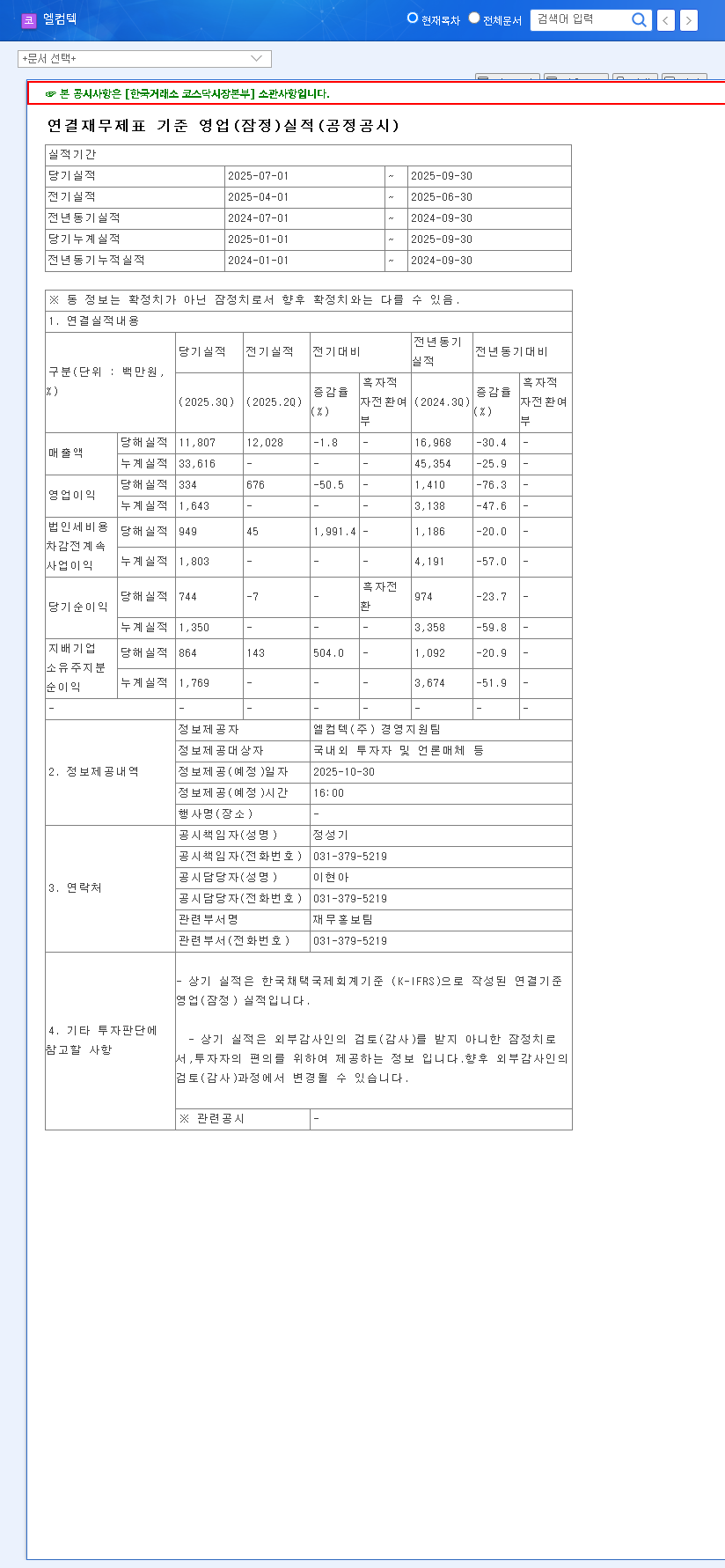
    ELCOMTEC CO.,LTD’s preliminary consolidated financial results for the third quarter of 2025 were a significant blow to investor confidence. The numbers paint a stark picture of deteriorating profitability and operational challenges. According to the official filing (Source: DART), the key financial indicators are as follows:

    • Revenue: 11.8 billion KRW, a sharp 30.6% decrease year-on-year (YoY).
    • Operating Profit: 0.3 billion KRW, a staggering 78.6% collapse YoY.
    • Operating Profit Margin: Plummeted from 8.24% in the previous year to just 2.54%.

    This near-80% freefall in operating profit is the most alarming figure, signaling a severe erosion of the company’s core earning power. This trend isn’t isolated to one quarter; revenue has been stagnating around the 10 billion KRW mark for three consecutive quarters, with profits in a steady decline.

    Why the Underperformance? An In-Depth Analysis

    A combination of internal business struggles and external economic pressures contributed to these disappointing ELCOMTEC Q3 2025 results.

    1. Weakness in the Core Mobile Components Business

    The primary driver of the decline is the persistent slump in ELCOMTEC’s main business segment: mobile phone camera lenses. A global slowdown in smartphone sales, coupled with ferocious price competition from international rivals, has squeezed margins and reduced sales volumes. While the EMS (Electronics Manufacturing Services) components segment provided some stability, it was nowhere near enough to offset the steep decline in the core business. This over-reliance on a single, volatile market is a fundamental weakness.

    2. Concerns Over ELCOMTEC’s Financial Health

    Beyond the top-line numbers, a look at the balance sheet raises further questions. An increase in inventory suggests that products are not selling as quickly, which can tie up capital and lead to future write-downs. Efficient inventory management is now a critical issue. If the sales slump continues, this inventory burden could further strain the company’s ELCOMTEC financial health.

    3. Unfavorable Macroeconomic Headwinds

    The global economic environment has been unforgiving. Key factors impacting ELCOMTEC include:

    • Exchange Rate Volatility: A strengthening Korean Won (KRW) against the US Dollar (USD) can erode the price competitiveness of exports and reduce overseas profits when converted back to KRW.
    • Rising Interest Rates: As central banks globally hike rates to combat inflation, corporate borrowing costs increase, which can stifle investment and growth, as noted in many authoritative economic reports.
    • Commodity Prices: Fluctuations in the prices of raw materials can directly impact production costs, putting further pressure on already thin margins.

    ELCOMTEC stands at a crossroads, where a stagnant core business meets a harsh economic climate. The path forward demands more than just stability—it requires radical innovation and flawless execution.

    Investment Strategy & ELCOMTEC Future Outlook

    For any potential or current investor, a thorough ELCOMTEC stock analysis is essential. The company’s future hinges on its ability to execute a successful turnaround. The most critical element of this strategy is the diversification into the mold and injection business, where the company is targeting ambitious 50% growth. This new venture is positioned as the primary growth engine to offset the decline in mobile components.

    Investors should closely monitor the following key areas:

    • New Business Performance: Are there tangible results from the mold and injection business? Look for concrete increases in revenue and its contribution to the bottom line in upcoming quarterly reports.
    • Profitability Improvements: Is management implementing effective cost-cutting measures? Watch for any recovery in the operating profit margin.
    • Financial Health Metrics: Keep an eye on inventory turnover rates and debt levels. The company must demonstrate a clear plan to manage these financial risks. For more on this, see our guide to analyzing tech stock balance sheets.

    In conclusion, ELCOMTEC is in a precarious position. The Q3 2025 earnings shock underscores an urgent need for a fundamental business overhaul. While the pivot to a new growth engine is promising, the execution risk is high. A cautious and vigilant approach is strongly recommended for anyone considering an investment.

    Frequently Asked Questions (FAQ)

    Q1: What were the main takeaways from ELCOMTEC’s Q3 2025 earnings?

    A1: The key takeaways were a severe decline in profitability, with operating profit down 78.6% YoY to 0.3 billion KRW, and revenue falling 30.6% to 11.8 billion KRW. This highlights significant struggles in its core business.

    Q2: What is causing ELCOMTEC’s poor performance?

    A2: The poor performance stems from a combination of a weak smartphone market impacting its main camera lens business, intense competition, and a challenging macroeconomic environment with rising interest rates and unfavorable exchange rates.

    Q3: What is ELCOMTEC’s plan for future growth?

    A3: ELCOMTEC is pinning its hopes on business diversification, specifically its mold and injection business, which it considers a new primary growth engine. The success of this division is crucial to the company’s overall future outlook.

    (037950) ELCOMTEC (037950) Earnings Analysis: Q3 2025 Results & Future Stock Outlook 관련 이미지