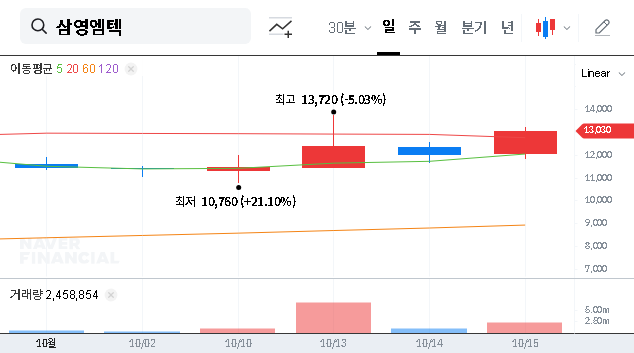
Tag: PMI

  • (000150) DOOSAN SK Siltron Acquisition: A Deep Dive for Investors (2025 Analysis)

    (000150) DOOSAN SK Siltron Acquisition: A Deep Dive for Investors (2025 Analysis)

    The potential DOOSAN SK Siltron acquisition represents one of the most significant strategic moves in the South Korean market, signaling a potential pivot for the industrial giant into the heart of the high-tech semiconductor industry. In October 2025, reports surfaced that DOOSAN CO., LTD was actively considering acquiring SK Siltron, a global leader in semiconductor silicon wafers. This monumental deal could redefine DOOSAN’s future, but it comes with a complex web of opportunities and risks. This comprehensive analysis will unpack the strategic rationale, financial implications, and critical factors that investors must monitor as this semiconductor M&A story unfolds.

    The Official Stance: What We Know So Far

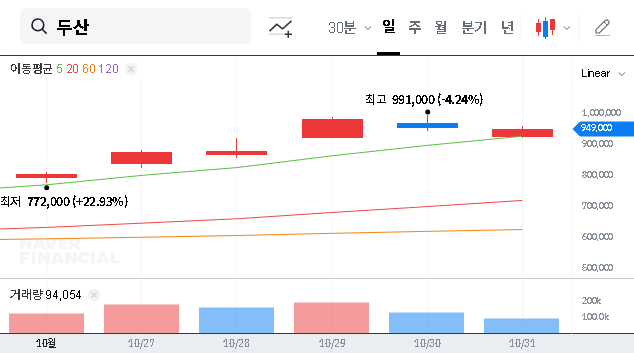
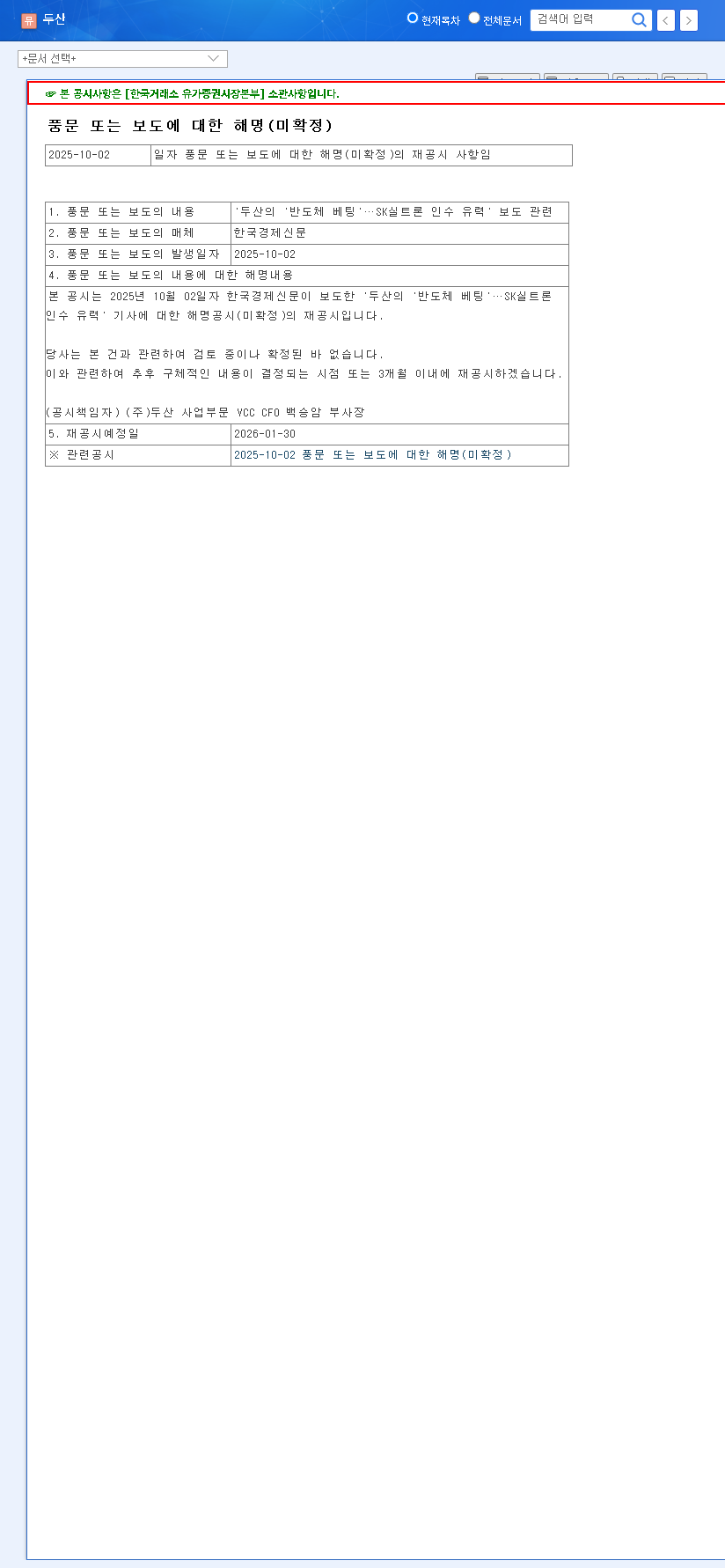
    The speculation began in earnest on October 2, 2025, when the Korea Economic Daily reported that a DOOSAN acquisition of SK Siltron was highly probable. The market reacted swiftly, prompting DOOSAN to respond. On October 31, 2025, the company issued a clarifying statement, confirming that the matter was ‘currently under review and not yet confirmed.’ This carefully worded disclosure, which you can view in the Official Disclosure (DART), effectively moved the rumor from speculation to a tangible possibility. DOOSAN has committed to a follow-up announcement within three months, placing this major M&A event squarely on the market’s radar.

    The Strategic Prize: Why Acquiring SK Siltron is a Game-Changer

    The market’s intense focus on this deal is for good reason. SK Siltron is not just any company; it is a premier manufacturer of silicon wafers, the foundational material upon which virtually all semiconductors are built. In an era defined by the global race for chip supremacy, controlling a key part of the supply chain is a massive strategic advantage. For a deeper understanding of the market dynamics, you can review industry analysis from sources like leading technology market reports.

    This isn’t just a diversification play; it’s a bid for relevance in the Fourth Industrial Revolution. Acquiring SK Siltron would transform DOOSAN from an industrial powerhouse into a critical player in the global technology ecosystem.

    A Pivot to High-Tech Growth Engines

    If the DOOSAN SK Siltron acquisition proceeds, it would mark a historic shift. It would allow DOOSAN to:

    • Secure Future Growth: Break away from the cyclical nature of heavy industries and tap into the sustained, high-growth trajectory of the semiconductor market.
    • Internalize Core Technology: Gain control over a critical component in the tech supply chain, ensuring stability and strengthening its overall technological competitiveness. For more information, you might be interested in our article on Understanding the Semiconductor Supply Chain.
    • Expand Global Influence: Elevate DOOSAN’s brand and market position from a regional industrial leader to a global technology materials supplier.

    In-Depth Analysis: Weighing the Opportunities and Risks

    While the strategic upside is clear, the path is fraught with significant challenges. A balanced investor analysis requires a sober look at both sides of the coin.

    The Upside: Potential for Massive Growth and Synergy

    A successful acquisition would bring substantial benefits. SK Siltron is a highly profitable company with a stable revenue stream. Integrating it into the DOOSAN portfolio would immediately boost profitability and improve the conglomerate’s overall financial structure. Furthermore, potential synergies exist with other DOOSAN affiliates in areas like advanced materials, energy solutions for fabrication plants, and precision engineering, which could enhance long-term growth prospects. The company’s recent share buyback program also signals a commitment to shareholder value, which could complement this growth-oriented M&A.

    The Downside: Significant Financial and Integration Hurdles

    The risks associated with this semiconductor M&A are considerable and must not be underestimated.

    • High Acquisition Cost: Acquiring a prize asset like SK Siltron will command a premium price, potentially straining DOOSAN’s balance sheet, increasing its debt-to-equity ratio, and leading to higher interest expenses.
    • Post-Merger Integration (PMI) Risks: The corporate cultures of a traditional heavy-industry conglomerate and a fast-paced technology materials company are vastly different. A failed or inefficient integration could destroy value and prevent synergies from materializing.
    • Market Volatility: The semiconductor industry is famously cyclical and hyper-competitive. DOOSAN would be entering a market with rapid technological shifts and entrenched global players, requiring continuous and substantial R&D investment.
    • Macroeconomic Headwinds: High interest rates and currency volatility (won/dollar) create an unfavorable environment for large-scale, debt-financed acquisitions, potentially increasing the final cost and financial burden.

    Investor Playbook: Key Factors to Watch

    For investors tracking the DOOSAN SK Siltron acquisition, a wait-and-see approach is prudent. Hasty decisions are ill-advised. Instead, focus on the concrete details that will emerge in DOOSAN’s upcoming disclosures. The stock price is likely to remain volatile, reacting to every new piece of information.

    Your Monitoring Checklist:

    • Deal Structure: Will DOOSAN acquire alone or via a consortium? How will the deal be financed (cash, debt, equity)?
    • Valuation: What is the final acquisition price and how does it compare to SK Siltron’s valuation metrics?
    • Financial Impact: What is the pro-forma impact on DOOSAN’s debt levels, credit rating, and earnings per share?
    • Synergy & PMI Plan: Does management present a credible and detailed plan for integration and synergy realization?

    This potential deal is a defining moment for DOOSAN. A successful execution could unlock immense value, while a misstep could prove costly for years to come. Diligent monitoring of the facts is the best course of action for any serious investor.
    (000150) DOOSAN SK Siltron Acquisition: A Deep Dive for Investors (2025 Analysis) 관련 이미지
  • (004250) NPC NSC Merger Analysis 2026: Stock Impact & Investment Strategy

    (004250) NPC NSC Merger Analysis 2026: Stock Impact & Investment Strategy

    The recent announcement of the NPC NSC merger has sent ripples through the market. National Plastic Company Limited (NPC), a major player in the industry, has declared its intent to absorb its subsidiary, NSC, in a strategic move set for early 2026. For investors, this corporate action presents a critical question: is this a catalyst for growth and enhanced shareholder value, or a harbinger of short-term volatility and risk? This comprehensive corporate absorption analysis will dissect the merger’s background, evaluate NPC’s current financial health, and provide a clear NPC investment strategy for navigating the path ahead.

    By understanding the nuances of this merger, investors can move beyond speculation and make data-driven decisions regarding their position in National Plastic Company Limited stock.

    Deconstructing the NPC NSC Merger

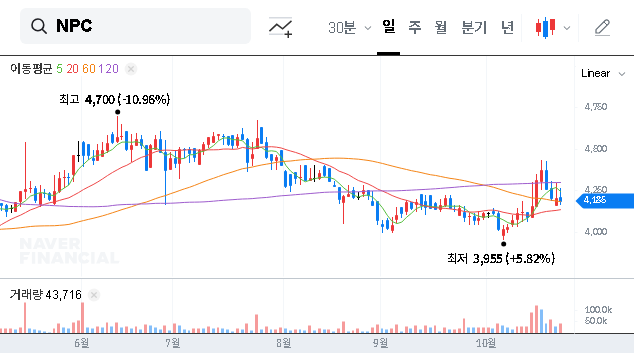
    On October 29, 2025, NPC formally announced its decision to merge with and absorb its subsidiary, NSC. According to the Official Disclosure, NPC will be the surviving entity, and NSC will be dissolved upon the merger’s effective date of January 2, 2026. The stated purpose is to streamline operations, enhance management efficiency, and create powerful synergies that strengthen NPC’s market position. This move is designed to simplify decision-making and eliminate redundant administrative functions, ultimately aiming for a more agile and competitive organization.

    Financial Health & Market Context

    NPC’s Challenging Fundamentals

    The decision for this corporate absorption analysis comes at a challenging time for NPC. A look at the company’s recent performance reveals key pressures:

    • Declining Profitability: In the first half of 2025, consolidated revenue fell by 10.8% year-over-year, with operating profit dropping 11.8%. These figures reflect domestic economic headwinds and reduced cargo volumes, impacting the core business.
    • Strategic Investments: NPC is investing heavily in long-term growth through eco-friendly initiatives like recycled plastics. While crucial for future competitiveness, these ventures increase short-term costs and can weigh on immediate profitability.
    • Financial Standing: Although total debt has risen, the company’s capital soundness is stable. However, an increase in borrowings warrants careful monitoring by investors. For more context on evaluating corporate debt, resources from authoritative sites like Bloomberg can be highly valuable.

    Impact Analysis: Opportunities vs. Risks

    Any merger presents a double-edged sword. For investors considering their NPC investment strategy, weighing the potential upside against the inherent risks is paramount.

    Potential Positive Impacts (The Upside)

    • Streamlined Operations: The primary goal is enhanced efficiency. A unified structure allows for faster decision-making, consolidated supply chains, and a single, focused marketing strategy.
    • Business Synergy: Integrating NSC’s synthetic resin business with NPC’s core operations could unlock new efficiencies and cross-selling opportunities, bolstering overall market competitiveness.
    • Optimized Resources: Merging allows for better allocation of capital, R&D funding, and human resources, directing them towards the most profitable ventures.

    Potential Negative Impacts & Risks (The Downside)

    • Integration Challenges: Post-merger integration (PMI) is complex and costly. Combining corporate cultures, IT systems, and operational processes can lead to unforeseen disruptions and expenses.
    • Limited Financial Uplift: NSC’s financial contribution is modest (revenue of KRW 6.2 billion, net income KRW 0). Therefore, the merger is unlikely to provide an immediate, significant boost to NPC’s bottom line.
    • Stock Price Volatility: The National Plastic Company Limited stock will likely experience heightened volatility around key merger dates, such as shareholder meetings and appraisal rights exercises.

    An Actionable NPC Investment Strategy

    The NPC NSC merger is fundamentally a long-term strategic play. While immediate financial gains are improbable, the potential for a leaner, more efficient company is the key attraction. Investors should adopt a nuanced approach. To learn more about company valuation techniques during such events, you might find our guide on how to analyze M&A deals helpful.

    Short-Term (3-6 Months)

    The short-term outlook is dominated by uncertainty. A conservative or ‘wait-and-see’ approach is advisable. Monitor stock price movements closely and watch for market sentiment regarding the merger terms. Any significant negative reaction could present short-term downside risk.

    Mid- to Long-Term (1-3 Years)

    The long-term success hinges on execution. Key performance indicators to watch include improved profit margins, successful integration of business units, and tangible returns from the eco-friendly investments. If NPC can demonstrate that the merger is creating real synergistic value, a positive re-rating of the stock could occur. A positive investment decision is only prudent once concrete evidence of successful integration and business strengthening emerges.

    (004250) NPC NSC Merger Analysis 2026: Stock Impact & Investment Strategy 관련 이미지
  • (054540) SAMYOUNG M-TEK Acquires Dong-Ah Hwasung: An In-Depth ₩133.3B Deal Analysis for Investors

    (054540) SAMYOUNG M-TEK Acquires Dong-Ah Hwasung: An In-Depth ₩133.3B Deal Analysis for Investors

    In a move that has captured significant market attention, SAMYOUNG M-TEK C0. LTD. has announced a transformative deal that will reshape its future. The SAMYOUNG M-TEK acquisition of a controlling stake in Dong-Ah Hwasung Co., Ltd. for ₩133.3 billion is a bold strategy aimed at securing new engines for growth through business diversification. This massive investment, representing nearly 180% of the company’s capital, introduces both immense opportunity and considerable risk.

    For investors, understanding the nuances of this corporate M&A is critical. Will this strategic pivot unlock shareholder value, or will the financial burden and integration challenges weigh on performance? This comprehensive analysis provides an in-depth look at the deal, its potential impacts, and a clear-eyed strategy for investors.

    Overview of the Landmark Deal

    On October 15, 2025, SAMYOUNG M-TEK formally disclosed its intent to purchase a significant stake in Dong-Ah Hwasung. This move marks the company’s most aggressive step yet into new industrial territory. The core details, as outlined in the Official Disclosure, are as follows:

    • Acquisition Target: Dong-Ah Hwasung Co., Ltd., a leading manufacturer of industrial special rubber parts.
    • Acquisition Size: A 43.50% controlling stake for ₩133.3 billion.
    • Funding Source: A combination of existing corporate funds and new borrowings.
    • Value vs. Capital: The investment is valued at a substantial 179.59% of SAMYOUNG M-TEK’s own capital.

    Strategic Rationale: A Deeper Look at Business Diversification

    Why Acquire Dong-Ah Hwasung?

    The primary driver for the SAMYOUNG M-TEK acquisition is clear: strategic business diversification. By entering the industrial special rubber parts market, the company aims to reduce its dependency on its current core operations. This sector is crucial for various industries, including automotive, electronics, and construction, providing a potentially stable and broad customer base. This move is a calculated hedge against industry-specific downturns and a bid to build a more resilient, multi-faceted enterprise for the long term.

    The goal is not just to acquire a new company, but to integrate capabilities. If successful, the synergy between SAMYOUNG M-TEK’s manufacturing expertise and Dong-Ah Hwasung’s material science could unlock new product lines and expand market share for both entities.

    Analyzing the Financials and Market Reaction

    The Weight of a ₩133.3 Billion Price Tag

    The sheer scale of the investment—179.59% of capital—cannot be overstated. This level of financial leverage immediately introduces risk. A significant portion of the funding will come from borrowings, which will increase SAMYOUNG M-TEK’s debt-to-equity ratio and add interest expenses to its income statement. While this demonstrates confidence and financial capacity, it also reduces the company’s buffer against future economic headwinds. The success of this corporate M&A hinges on Dong-Ah Hwasung generating sufficient cash flow to service this new debt and deliver a return on investment.

    Potential Opportunities vs. Inherent Risks

    The Upside: Charting a Path to New Growth

    • New Growth Engine: Establishes a foothold in a stable, essential industry, creating a new long-term revenue stream.
    • Synergy Effects: Potential for cross-selling, shared R&D, and operational efficiencies that boost the bottom line.
    • Market Repositioning: Transforms SAMYOUNG M-TEK into a more diversified industrial player, potentially attracting a new class of investors.

    The Downside: Navigating Potential Pitfalls

    • Financial Burden: Increased debt and interest payments could strain cash flow, especially if the new business underperforms.
    • Post-Merger Integration (PMI) Risk: Merging corporate cultures, IT systems, and operational processes is complex. Failure here is a primary cause of M&A disappointment.
    • Market Volatility: The uncertainty surrounding the deal’s execution could lead to short-term stock price fluctuations.

    Investor Strategy: Key Questions to Monitor

    Prudent investors should move beyond the headline and focus on the execution. Your stock analysis should center on how management navigates the coming months. For more on this topic, review our guide on how to evaluate corporate mergers. Keep a close watch on the following:

    • What are the specific terms (interest rate, maturity) of the financing?
    • How strong are Dong-Ah Hwasung’s historical profitability and growth prospects?
    • Has management released a clear, detailed PMI strategy?
    • How will the company’s key financial metrics (debt ratio, cash flow) change in the upcoming quarterly reports?

    According to authoritative financial analysis from Reuters, the success of large-scale corporate M&A often depends more on the post-deal integration than the initial strategic fit.

    Conclusion: A Bold Move Requiring Flawless Execution

    The SAMYOUNG M-TEK acquisition of Dong-Ah Hwasung is a defining moment for the company. It is a strategically sound move to diversify and build long-term resilience. However, the path forward is laden with financial and operational challenges. Success is not guaranteed and will depend entirely on management’s ability to integrate the new business efficiently and realize the promised synergies. For investors, this is a time for cautious optimism and diligent monitoring.

    (054540) SAMYOUNG M-TEK Acquires Dong-Ah Hwasung: An In-Depth ₩133.3B Deal Analysis for Investors 관련 이미지
  • Taekwang Industry Bids for Aekyung: Diversification or Overreach?

    1. What’s Happening? Taekwang Bids for Aekyung

    Taekwang Industry’s consortium has submitted a final bid for the acquisition of Aekyung. The final decision is expected within the next three months.

    2. Why the Acquisition? Growth and Diversification

    Taekwang aims to reduce its reliance on the petrochemical industry and secure new growth engines. Acquiring Aekyung allows them to diversify into the beauty and household goods market, creating a more robust and stable revenue stream.

    3. What are the Potential Outcomes? Opportunities and Risks

    • Opportunities:
      • Stable revenue generation through diversification
      • New growth opportunities in the beauty and household goods market
    • Risks:
      • Financial burden of the approximately 1.5 trillion KRW investment
      • Uncertainties and potential difficulties in post-merger integration (PMI)
      • Increased market competition and potential legal issues

    4. What Should Investors Do? Careful Analysis and Prudent Investment

    Taekwang’s bid for Aekyung presents both opportunities and risks. Investors should carefully consider the following factors before making any investment decisions:

    • Taekwang’s financing plan and financial health
    • Post-merger integration (PMI) strategy and risk management plan
    • Outcome of legal disputes related to treasury stocks and the impact of macroeconomic factors

    Frequently Asked Questions

    Why is Taekwang Industry trying to acquire Aekyung?

    Taekwang is seeking to diversify its business portfolio and reduce its dependence on the petrochemical industry. The acquisition of Aekyung provides an entry point into the beauty and household goods market, offering new growth opportunities.

    What are the main risks associated with the Aekyung acquisition?

    The significant financial burden of the acquisition, uncertainties surrounding post-merger integration (PMI), and increased market competition are key risks.

    What should investors consider?

    Investors should carefully evaluate Taekwang’s financing plan, PMI strategy, legal disputes, and macroeconomic factors before making any investment decisions.

  • Comico Acquires Micoceramics: Strengthening Grip on Semiconductor Market

    Comico Acquires Micoceramics: What Happened?

    Comico acquired a 62.6% stake in Micoceramics, a manufacturer of ceramic components for semiconductor equipment, for 30.1 billion won. This acquisition makes Micoceramics a subsidiary of Comico and strengthens Comico’s vertical integration in the semiconductor components business.

    Background and Objectives: Why Micoceramics?

    Comico aims to strengthen its core component supply chain and secure cost competitiveness through this acquisition. Additionally, they plan to internalize Micoceramics’ technology to gain a competitive edge and explore new business opportunities. The growth of the semiconductor industry, driven by increasing demand for high-performance memory like HBM, makes this acquisition even more promising.

    Acquisition Impact Analysis: What Changes for Comico?

    • Positive Impacts:
      • Business synergy and vertical integration
      • Increased sales and profitability
      • Strengthened competitive advantage
      • Technology acquisition and new business opportunities
    • Negative Impacts and Risks:
      • Financial burden of acquisition cost
      • Post-merger integration (PMI) risks
      • Uncertainty surrounding Micoceramics’ financial status and business outlook
      • Need for prioritization between existing and new businesses

    Investor Action Plan: How to Make Investment Decisions?

    Experts currently have a ‘Hold’ rating on Comico following the Micoceramics acquisition. While the long-term growth potential is high, careful investment decisions are necessary considering the financial burden, PMI risks, and market conditions. Continuous monitoring of Micoceramics’ performance, PMI success, and semiconductor market trends is crucial for adjusting investment strategies.

    Frequently Asked Questions

    How will the Micoceramics acquisition affect Comico’s stock price?

    While short-term uncertainty exists, the acquisition is expected to have a positive long-term impact. Stock price volatility may increase depending on the post-merger integration process and synergy creation.

    Is Comico’s financial status secure?

    The 30.1 billion won acquisition cost can be a burden for Comico, but it is considered manageable. However, unexpected situations such as poor performance by Micoceramics could negatively impact its financial soundness.

    What precautions should investors take?

    Investors should carefully review Micoceramics’ detailed financial information and business plans, the acquisition financing method, and the possibility of a slowdown in the overall semiconductor industry. Continuous monitoring of PMI success and market conditions is also essential.