Tag: Phase 1 Clinical Trial

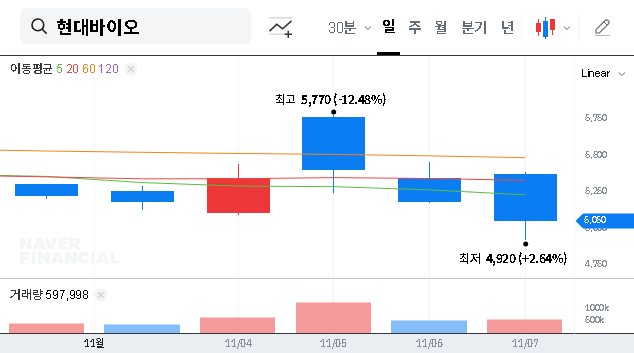
  • (048410) HYUNDAI BIOSCIENCE CP-PCA07: In-Depth Analysis of the Prostate Cancer Drug Phase 1 Trial

    (048410) HYUNDAI BIOSCIENCE CP-PCA07: In-Depth Analysis of the Prostate Cancer Drug Phase 1 Trial

    The latest development surrounding HYUNDAI BIOSCIENCE CP-PCA07, a novel prostate cancer drug, has captured significant attention from the investment community. The recent approval for an amendment to its Phase 1 clinical trial plan is a critical milestone, offering valuable insights into the company’s R&D capabilities and signaling a potentially powerful new growth engine. This in-depth analysis will break down the specifics of the trial, evaluate the company’s strategic position, and provide a clear outlook for investors monitoring this promising biotech venture.

    Understanding the Milestone: CP-PCA07 Phase 1 Approval

    On November 7, 2025, HYUNDAI BIOSCIENCE announced it had received regulatory approval for an amended Phase 1 clinical trial plan for its prostate cancer drug, CP-PCA07. This crucial study focuses on patients with castration-resistant prostate cancer (CRPC), a form of the disease that continues to progress despite hormone therapy. According to the Official Disclosure, the trial employs a combination therapy approach, pairing CP-PCA07 with Enzalutamide, a standard-of-care anti-androgen medication.

    Primary Objectives of the Phase 1 Clinical Trial

    The core goals of this early-stage trial are fundamental to the drug’s future development. Researchers aim to establish safety and dosing parameters, which are essential before advancing to larger, more complex trials. The key objectives include:

    • Maximum Tolerated Dose (MTD): Determining the highest dose of CP-PCA07 that can be administered without causing unacceptable side effects.
    • Dose Limiting Toxicity (DLT): Identifying potential severe side effects that would prevent further dose increases.
    • Recommended Phase 2 Dose (RP2D): Establishing the optimal dose to be used in subsequent Phase 2 efficacy trials.

    Success in this phase is not about curing the disease but about proving the drug is safe enough to move forward, a critical hurdle in the long journey of pharmaceutical development. For more information on prostate cancer, authoritative sources like the National Cancer Institute provide extensive resources.

    Why This Development Bolsters the HYUNDAI BIOSCIENCE Investment Case

    This clinical trial approval doesn’t exist in a vacuum. It arrives amidst several other positive developments that collectively strengthen the company’s fundamentals and long-term potential.

    • Enhanced Credibility: The company recently corrected a past accounting error in its R&D cost reporting, a move that significantly improves the transparency and credibility of its financial information.
    • Improved Financial Health: A recent capital increase secured 85.8 billion KRW, allowing for the full repayment of short-term debt. This financial fortification provides a stable runway for sustained R&D investments.
    • Expanding Drug Pipeline: The progression of HYUNDAI BIOSCIENCE CP-PCA07 adds another high-potential asset to a pipeline that already includes a COVID-19 treatment (CP-COV03) and a pancreatic cancer therapy (POLYTAXEL). Diversification is key to mitigating risk in the biotech sector.
    • Validated Technology: The core formulation technology, patented by partner CNPharm and licensed exclusively to HYUNDAI BIOSCIENCE, serves as an indirect validation of the company’s competitive technological edge.

    Investor Outlook: A Balanced Perspective

    Given the high uncertainty and long timeline of drug development, a long-term perspective is crucial. Focus on clinical progress and tangible outcomes rather than short-term market fluctuations.

    Potential Positives

    The advancement of the HYUNDAI BIOSCIENCE CP-PCA07 trial is a clear positive. It signals pipeline progression, boosts investor confidence, and, if successful, could unlock a significant revenue stream in the multi-billion dollar prostate cancer treatment market. Each successful step de-risks the asset and adds tangible value to the company.

    Risks and Considerations

    Investors must remain pragmatic. Drug development is inherently risky, with a high failure rate. This is only a Phase 1 clinical trial, meaning commercialization is still many years and several successful trials away. Furthermore, macroeconomic factors like high interest rates can increase fundraising costs and dampen investor sentiment across the biotech sector. For a deeper understanding of these market forces, you can read our guide on Navigating Biotech Investments.

    Frequently Asked Questions

    What is the significance of the approved HYUNDAI BIOSCIENCE trial?

    HYUNDAI BIOSCIENCE received approval for an amended Phase 1 clinical trial of its prostate cancer drug, CP-PCA07. It’s a safety and dosage study for patients with castration-resistant prostate cancer, a critical first step toward potential commercialization.

    How does this approval impact the company’s outlook?

    The approval is a positive catalyst. It validates their R&D progress, expands their clinical pipeline, and can improve investor sentiment. Long-term, a successful drug could become a major revenue driver.

    What should investors consider before investing?

    Investors should adopt a long-term view. Key considerations include the inherent risks and high failure rates of clinical trials, the extended timeline to market, and broader macroeconomic factors affecting the biotech industry.

    In conclusion, the approval of the amended Phase 1 trial for HYUNDAI BIOSCIENCE CP-PCA07 is a tangible and encouraging step forward. Paired with a strengthened financial position and a growing pipeline, the company is building a compelling growth story. However, a prudent investment strategy requires continuous monitoring of clinical data and a clear-eyed view of the associated risks.

    (048410) HYUNDAI BIOSCIENCE CP-PCA07: In-Depth Analysis of the Prostate Cancer Drug Phase 1 Trial 관련 이미지
  • (214370) CAREGEN CG-P5: A Breakthrough in Age-related Macular Degeneration Treatment?

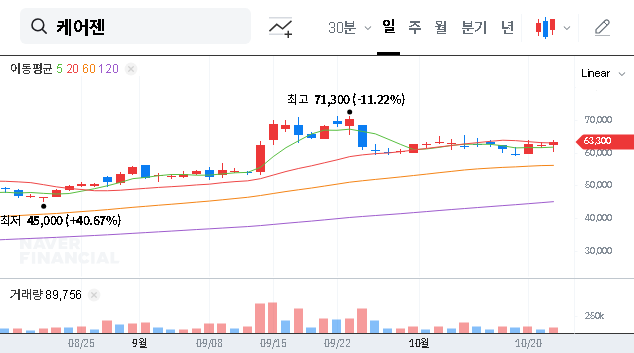
    (214370) CAREGEN CG-P5: A Breakthrough in Age-related Macular Degeneration Treatment?

    The biopharmaceutical landscape is buzzing with news from CAREGEN CO., LTD., which has achieved a significant milestone. The company recently announced it has secured U.S. Food and Drug Administration (FDA) Phase 1 Investigational New Drug (IND) approval for CAREGEN CG-P5, a pioneering peptide candidate designed as an innovative Age-related Macular Degeneration treatment. This approval marks a pivotal step forward for both the company and for patients suffering from this debilitating condition.

    This official FDA IND approval allows CAREGEN to initiate Phase 1 clinical trials in the United States, focusing on the safety and tolerability of its novel wAMD eye drops. But what does this mean for investors, patients, and the future of eye care? Let’s delve into a comprehensive analysis of this development. This milestone was officially confirmed in a public filing (Source: DART Official Disclosure).

    Understanding the Target: Wet Age-related Macular Degeneration (wAMD)

    Wet Age-related Macular Degeneration (wAMD) is a leading cause of severe, irreversible vision loss in people over age 60. It occurs when abnormal blood vessels grow under the macula—the part of the retina responsible for sharp, central vision. These vessels can leak blood and fluid, damaging the macula and leading to rapid vision decline. Current standard treatments often involve regular, invasive injections directly into the eye, which can be uncomfortable and burdensome for patients. You can learn more about this condition from authoritative sources like the National Eye Institute.

    The development of a non-invasive treatment like the CAREGEN CG-P5 eye drops could revolutionize the standard of care for millions, improving both treatment outcomes and quality of life.

    The Promise of CAREGEN CG-P5: A Clinical Deep Dive

    The FDA IND approval for CG-P5 is not just a procedural step; it’s a validation of CAREGEN’s robust preclinical data and its innovative peptide technology. The upcoming Phase 1 trial is designed to be a multi-center, randomized, double-blind, placebo/active comparator study—the gold standard for clinical research. Its primary goal is to meticulously evaluate the safety and tolerability of the wAMD eye drops in human subjects.

    Key Strengths and Opportunities

    • Market Disruption: Entering the multi-billion dollar macular degeneration market with a patient-friendly eye drop formulation offers a significant competitive advantage over painful injections.
    • Technological Validation: This approval reinforces CAREGEN’s leadership in peptide synthesis and development, a core strength that underpins its broader pipeline of peptide-based therapeutics.
    • Future Growth Engine: The progression of a core asset like CG-P5 into the clinical phase signals the maturation of CAREGEN’s biopharmaceutical business, promising a powerful new revenue stream upon successful commercialization.

    Potential Risks and Investor Considerations

    While the news is overwhelmingly positive, prudent investors must remain aware of the inherent risks in drug development.

    • Clinical Uncertainty: Phase 1 focuses on safety, not efficacy. The path through Phase 2 and 3 trials is long, expensive, and uncertain. The possibility of trial failure is a constant risk.
    • Competitive Landscape: The Age-related Macular Degeneration treatment market is dominated by established global pharmaceutical giants. CAREGEN will need a clear differentiation strategy to capture market share.
    • Financial & Market Factors: Substantial R&D funding will be required for subsequent phases. Additionally, as a company with significant international sales, CAREGEN is exposed to exchange rate volatility that can impact profitability.

    Strategic Outlook and Final Thoughts

    The IND approval for CAREGEN CG-P5 is a landmark achievement. It represents a tangible step toward launching a potentially transformative Age-related Macular Degeneration treatment. This development solidifies CAREGEN’s long-term growth narrative and highlights its potential as a key player in the peptide drug space.

    However, the journey from a Phase 1 trial to a commercial product is a marathon, not a sprint. Investors and industry watchers should closely monitor upcoming clinical data, the progress of other pipeline assets, and broader market conditions. The success of CG-P5 could indeed mark a new horizon for wAMD treatment, and this first step is a promising beacon of that future.

    Frequently Asked Questions (FAQ)

    Q1: What is CAREGEN CG-P5?
    A1: CG-P5 is an innovative peptide-based drug candidate developed by CAREGEN. It is formulated as an eye drop for the treatment of wet Age-related Macular Degeneration (wAMD), aiming to provide a non-invasive alternative to current injection-based therapies.

    Q2: What is the significance of the US FDA Phase 1 IND approval?
    A2: This approval is a critical regulatory milestone that allows CAREGEN to begin clinical trials in humans in the United States. It signifies that the FDA has reviewed preclinical data and deemed the drug candidate safe enough to proceed with testing in patients, marking the formal start of the clinical development journey.

    Q3: What should investors monitor moving forward?
    A3: Investors should pay close attention to the results of the Phase 1 safety and tolerability study. Beyond CG-P5, monitoring the progress of CAREGEN’s other pipelines, its global sales performance, and macroeconomic factors like exchange rates will provide a comprehensive view of the company’s health and potential.

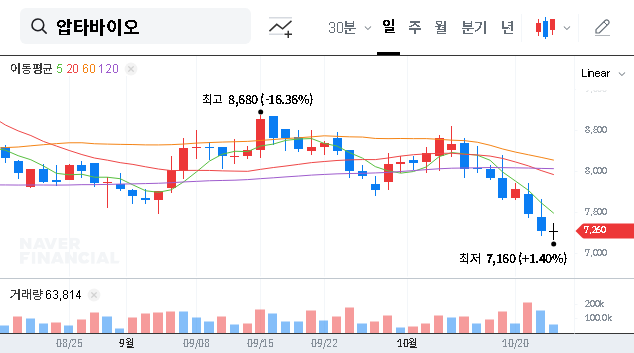
  • (293780) Aptabio Therapeutics ABF-101: A Breakthrough in Age-related Macular Degeneration Treatment?

    (293780) Aptabio Therapeutics ABF-101: A Breakthrough in Age-related Macular Degeneration Treatment?

    The quest for an effective Age-related Macular Degeneration treatment has a new contender. On October 23, 2025, Aptabio Therapeutics Inc. announced a landmark achievement: its investigational drug, Aptabio Therapeutics ABF-101, has received U.S. Food and Drug Administration (FDA) Phase 1 Investigational New Drug (IND) approval. This critical milestone, detailed in their Official Disclosure, clears the path for human clinical trials, igniting hope for patients and placing a spotlight on the company’s future.

    This IND approval isn’t just a procedural step; it’s a validation of extensive preclinical research and a pivotal moment for investors. In this analysis, we will delve into the significance of the FDA IND approval, the potential of this new AMD drug, and the crucial opportunities and risks that savvy individuals involved in biotech investing must consider.

    Understanding the Milestone: ABF-101 Clinical Trial Overview

    The FDA’s IND approval formally allows Aptabio to transition ABF-101 from laboratory and animal studies to human testing. This initial phase is designed to assess the drug’s safety, tolerability, and how it’s processed by the human body (pharmacokinetics). It represents the first major hurdle in a long and complex development journey.

    Phase 1 Trial Details

    • Trial Name: A Phase 1 Study to Assess Safety, Tolerability, and Pharmacokinetics of Orally Administered ABF-101
    • Target Disease: Age-related Macular Degeneration (AMD)
    • Trial Locations: United States, South Korea
    • Primary Goals: Evaluate safety, tolerability, and pharmacokinetics in healthy volunteers and later in AMD patients.
    • Design: A multicenter trial with a randomized, double-blind, placebo-controlled single ascending dose study (Part A) and an open-label, multiple ascending dose study (Part B).

    Why This Could Be a Game-Changer for AMD Treatment

    Age-related Macular Degeneration is a leading cause of severe, irreversible vision loss in people over age 60, as detailed by the National Eye Institute. It affects the macula, the part of the retina responsible for sharp, central vision. Current treatments, primarily injections into the eye, can be burdensome for patients. The development of an oral AMD drug like ABF-101 could revolutionize the market by offering a less invasive, more convenient option.

    “The IND approval for Aptabio Therapeutics ABF-101 is not just a corporate win; it’s a beacon of hope. An effective oral therapy for AMD would represent one of the most significant advancements in ophthalmology in decades, addressing a profound unmet medical need for millions worldwide.”

    This approval validates Aptabio’s underlying technology and significantly raises market expectations. For a clinical-stage biotech firm, such validation is crucial for attracting capital, forming partnerships, and building long-term corporate value. Success with this Age-related Macular Degeneration treatment could generate substantial future revenue and solidify Aptabio’s position in the ophthalmology space.

    Navigating the Inherent Risks of Biotech Investing

    While the news is overwhelmingly positive, seasoned investors understand that the path of drug development is fraught with uncertainty. The journey from a Phase 1 IND to market approval is long and has a high rate of attrition. Understanding these risks is fundamental to any sound biotech investing strategy, which you can learn more about in our guide to evaluating clinical-stage companies.

    Key Considerations for Investors

    • Clinical Trial Uncertainty: Phase 1 focuses on safety. Unexpected adverse events can halt development entirely. Success in Phase 1 does not guarantee efficacy in later, larger Phase 2 and 3 trials.
    • Capital Intensive Process: Clinical trials are extraordinarily expensive. Aptabio’s ability to fund subsequent, more costly phases without excessive shareholder dilution will be a critical factor to monitor.
    • Competitive Landscape: The AMD market is a major focus for global pharmaceutical giants. ABF-101 will need to demonstrate a clear competitive advantage in safety, efficacy, or administration to capture market share.
    • Market Volatility: Biotech stocks are notoriously volatile and highly sensitive to clinical data releases, regulatory news, and market sentiment. Any discrepancy between expectations and results can cause significant price swings.

    The Road Ahead: What to Monitor Next

    The FDA IND approval for Aptabio Therapeutics ABF-101 is a powerful catalyst. However, prudent investors should base their decisions on continuous monitoring of key developments. The focus now shifts from preclinical promise to real-world human data. Pay close attention to company announcements regarding trial enrollment progress and, most importantly, the top-line data readout from the Phase 1 study. This initial data will provide the first glimpse into ABF-101’s potential as a future Age-related Macular Degeneration treatment and set the stage for the company’s next chapter.

    (293780) Aptabio Therapeutics ABF-101: A Breakthrough in Age-related Macular Degeneration Treatment? 관련 이미지