Tag: Pharmaceuticals

  • (161890) KOLMAR KOREA Q3 2025 Earnings Analysis: Revenue Soars, But Profitability Questions Linger

    (161890) KOLMAR KOREA Q3 2025 Earnings Analysis: Revenue Soars, But Profitability Questions Linger

    KOLMAR KOREA Co., Ltd. has released its much-anticipated Q3 2025 earnings report, revealing a narrative of impressive top-line growth set against a backdrop of tightening profitability. With consolidated revenue climbing robustly, the company continues to demonstrate its market strength. However, for discerning investors, the story lies deeper within the numbers. This detailed KOLMAR KOREA Q3 2025 earnings analysis will unpack the performance drivers, dissect the financial health, and outline the critical questions that need answers during the upcoming Investor Relations (IR) session.

    While revenue growth signals strong market demand, the slight compression in operating margin is the central theme for investors heading into the company’s Q3 IR call. Understanding the strategy to navigate this is key.

    Unpacking the Q3 2025 Financial Performance

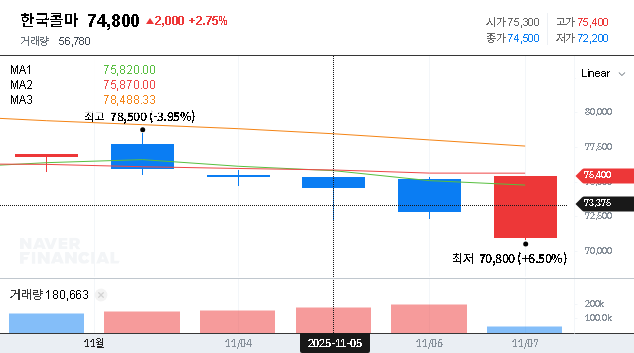
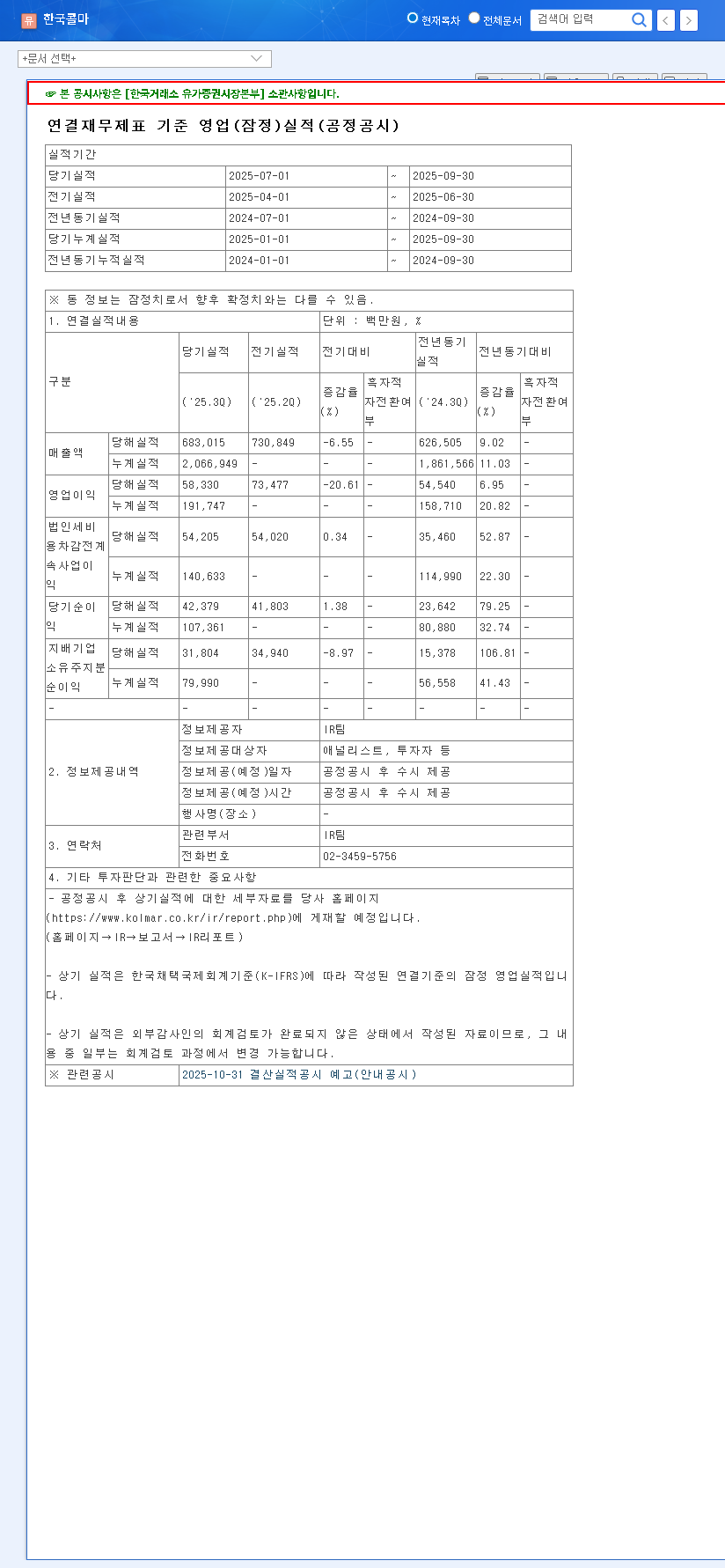
    KOLMAR KOREA reported a strong quarter, with consolidated revenue reaching KRW 2.067 trillion, a significant 10.57% increase year-on-year. This growth showcases the company’s resilient position in its core markets. However, a closer look reveals a more nuanced picture.

    Operating profit saw a marginal increase of 1.0% to KRW 191.7 billion, causing the operating profit margin to dip slightly to 9.28%. Net profit, on the other hand, jumped by 15.3% to KRW 107.4 billion, largely buoyed by non-recurring gains, including the disposal of investment assets. For a complete breakdown of the financial data, investors can refer to the Official Disclosure filed with DART.

    Deep Dive: Business Segment Drivers & Challenges

    Cosmetics Division (41.73% of Revenue)

    The engine of KOLMAR KOREA’s growth remains its Cosmetics business. Capitalizing on the enduring global K-beauty trend, the company’s advanced Original Design Manufacturing (ODM) technology and reputation for quality have fueled exceptional performance. The basic skincare segment, in particular, has shown remarkable growth, solidifying the company’s leadership in this high-demand area.

    Pharmaceutical Division (34.58% of Revenue)

    The Pharmaceutical business continues to be a powerful contributor, largely thanks to the blockbuster success of ‘K-CAB,’ a new drug for gastroesophageal reflux disease. The consistent and strong sales of this flagship product have significantly bolstered the division’s performance. Looking ahead, the company is making substantial R&D investments to identify and develop the next wave of growth drivers, dubbed the ‘Post K-CAB’ pipeline.

    The Profitability Puzzle: Why Margins Are Under Pressure

    Despite the healthy revenue figures from the KOLMAR KOREA Q3 2025 earnings, the slight decline in operating margin is a critical point of analysis. This compression is not due to a single issue but a convergence of several external and internal factors.

    • Rising Input Costs: Global macroeconomic trends, such as volatile international oil prices, have directly led to higher raw material costs, squeezing margins.
    • Strategic R&D Investment: To secure its future, KOLMAR KOREA is heavily investing in research and development. While the R&D expenditure ratio remains stable at 5.28% of revenue, this necessary spending impacts short-term profitability.
    • Global Expansion Costs: As the company expands its international footprint, increased operating expenses from overseas subsidiaries have also contributed to the pressure on profitability.

    Navigating these macroeconomic headwinds is crucial. Factors like currency fluctuations and interest rate hikes, as reported by authoritative sources like Bloomberg, present ongoing risks that demand proactive management.

    The Upcoming IR: Key Topics for Investors

    The upcoming Investor Relations session is a pivotal moment for management to address these concerns and build confidence. Investors should pay close attention to the following areas:

    Potential Positive Catalysts

    • A clear, data-backed strategy for improving profitability and managing costs.
    • A convincing roadmap for the ‘Post K-CAB’ pharmaceutical pipeline and other future growth engines.
    • Updates on ESG initiatives, such as eco-friendly packaging, which appeal to long-term institutional investors.

    Potential Red Flags to Monitor

    • Vague or insufficient explanations for the decline in operating profit margin.
    • A lack of a concrete plan for mitigating macroeconomic risks like currency volatility.
    • Evasive answers during the investor Q&A session.

    Investment Strategy & Outlook

    The KOLMAR KOREA Q3 2025 earnings demonstrate a company with strong fundamentals and core competitiveness. The key to unlocking further value lies in management’s ability to articulate and execute a clear strategy for profitability enhancement. For investors, a long-term perspective is advisable, focusing on the company’s powerful market position in cosmetics and pharmaceuticals. Analyzing the upcoming IR content will be crucial for making informed decisions. For more context on the sector, you can read our Guide to Investing in K-Beauty Stocks.

    Frequently Asked Questions (FAQ)

    What were KOLMAR KOREA’s key Q3 2025 results?

    KOLMAR KOREA reported Q3 2025 revenue of KRW 2.067 trillion, a 10.57% year-on-year increase. However, the operating profit margin saw a slight decline to 9.28% due to rising costs.

    Which business segments drove revenue growth?

    Growth was primarily driven by the Cosmetics business, leveraging the global K-beauty trend, and the Pharmaceutical business, powered by strong sales of its ‘K-CAB’ drug.

    Why did KOLMAR KOREA’s profitability decline slightly?

    The margin compression was due to a combination of factors, including higher raw material prices, increased strategic R&D spending for future growth, and higher operational costs from overseas expansion.

    What are the main risks for KOLMAR KOREA investors?

    Key risks include macroeconomic volatility (exchange rates, interest rates), sustained high raw material costs, and intensifying competition in both the cosmetics and pharmaceutical markets.
    (161890) KOLMAR KOREA Q3 2025 Earnings Analysis: Revenue Soars, But Profitability Questions Linger 관련 이미지
  • (299170) WSI Co., Ltd. (299170) Major Shareholder Stake Change: In-Depth Analysis & Stock Impact

    (299170) WSI Co., Ltd. (299170) Major Shareholder Stake Change: In-Depth Analysis & Stock Impact

    A recent disclosure surrounding the WSI Co., Ltd. major shareholder stake change has caught the attention of the market. On November 13, 2025, a filing revealed a shift in the equity held by CEO Park Jeong-seop, a move that, while seemingly minor, can send significant ripples through a company’s stock valuation and perceived stability. For investors tracking WSI Co., Ltd. (299170), especially as it ventures into new growth areas like medical robotics, understanding the nuances of this event is crucial for making informed decisions. This comprehensive analysis will explore the specifics of the change, its potential impact on the WSI stock price, and the strategic considerations for investors moving forward.

    The Specifics of the Stake Change Disclosure

    The core of the event lies in a routine but critical regulatory filing. According to the Official Disclosure on DART, the reporting representative, CEO Park Jeong-seop, confirmed a change in his controlling stake with the stated purpose of influencing management. This was not a single transaction but a series of market activities.

    Key Transaction Details: The major shareholder’s consolidated stake shifted from 51.46% to 50.54%, a net decrease of 0.92%. This resulted from Mr. Park Jae-yong selling 60,000 shares and Mr. Ahn Jin-soo purchasing 7,310 shares in open market transactions between October and November 2025.

    While the overall stake reduction is less than one percent, the key takeaway is that the majority ownership, a critical threshold for absolute management control, remains intact. However, the sale of a substantial 60,000-share block by an insider is what requires deeper analysis.

    Why a Major Shareholder’s Move Matters

    In stock market analysis, the actions of major shareholders and top executives are often seen as powerful signals. This is particularly true when the stated purpose is to influence management control. The sale of shares by an insider can be interpreted in several ways, from simple portfolio diversification to a potential lack of confidence in the company’s short-term prospects. For a company like WSI, which is at a pivotal point of expanding from medical distribution into higher-growth sectors like pharmaceutical R&D and medical robotics, any hint of instability can make investors nervous. This WSI Co., Ltd. major shareholder stake change forces the market to weigh the company’s ambitious growth story against the actions of its key stakeholders.

    WSI Company Analysis: A Tale of Two Narratives

    To understand the potential impact, we must look at the company’s current fundamental health, which presents a mix of compelling growth factors and notable risks.

    • Positive Momentum: WSI is actively pursuing business diversification. The acquisition of IntroBiopharma signals a serious move into pharmaceutical manufacturing, creating potential synergies with its existing distribution network. Furthermore, its foray into medical robot development, including an MOU with China’s Shenjian Teker, opens up a high-potential market. A significant positive is the company’s return to operating profit in Q1 2025, suggesting that cost-control measures and new business lines are beginning to bear fruit.
    • Underlying Risks: The balance sheet reveals financial headwinds. With total borrowings of over 22 billion KRW and a net loss in Q1 2025 driven by derivative valuation losses on convertible bonds, the company’s financial structure is a point of concern. These financial instruments can introduce earnings volatility tied to interest rates and currency fluctuations. Moreover, the success of new ventures like medical robots is far from guaranteed, facing technological hurdles, regulatory approvals, and intense market competition. This duality is a key part of any 299170 company analysis.

    Potential Market Reaction and Stock Price Impact

    The market’s reaction will likely be multifaceted. The disclosure of a major shareholder selling shares typically exerts short-term downward pressure on a stock. The 60,000-share sale is not insignificant and could be perceived as a negative signal, potentially creating an overhang on the WSI stock price. Investors will be watching closely for any follow-up sales from Mr. Park Jae-yong, as this would amplify concerns.

    However, the fact that a majority stake is maintained provides a strong counter-narrative against fears of immediate management instability. The long-term trajectory of the WSI stock price will ultimately depend on a different set of factors: the successful execution of its new business ventures and a tangible improvement in its financial health. Investors can learn more about these principles in our complete guide to fundamental analysis.

    A Prudent WSI Investment Strategy

    Given the blend of positive long-term potential and short-term event-driven risks, a cautious and watchful approach is warranted. The current situation is not a clear buy or sell signal but a call for diligent monitoring.

    • Monitor Insider Activity: Keep a close eye on DART filings for any further changes in shareholdings by key insiders. Stability in the majority stake is paramount.
    • Track Fundamental Progress: Scrutinize upcoming quarterly reports for evidence that the IntroBiopharma acquisition is boosting revenues and for updates on the medical robot development timeline. Look for improvements in the company’s debt levels.
    • Consider Macro Factors: Be aware of macroeconomic trends. As an authoritative source like the Bank of Korea often reports, changes in interest rates and currency exchange rates can directly impact WSI’s financial costs and profitability.

    In conclusion, the WSI Co., Ltd. major shareholder stake change is a noteworthy event that adds a layer of uncertainty. However, it should be viewed within the broader context of the company’s strategic transformation. A prudent WSI investment strategy should prioritize the company’s long-term growth fundamentals over short-term market noise triggered by this disclosure.

    (299170) WSI Co., Ltd. (299170) Major Shareholder Stake Change: In-Depth Analysis & Stock Impact 관련 이미지
  • (161890) KOLMAR KOREA IR Analysis: Q3 Earnings & Investment Outlook for 2025

    (161890) KOLMAR KOREA IR Analysis: Q3 Earnings & Investment Outlook for 2025

    The upcoming KOLMAR KOREA IR session, scheduled for the Macquarie Korea Conference 2025, represents a pivotal moment for investors. On November 13, 2025, KOLMAR KOREA CO.,LTD (161890) will not only present its Q3 2025 earnings but also outline its strategic vision. This event is a critical juncture for evaluating the company’s trajectory and presents a significant opportunity for a potential KOLMAR KOREA investment. This analysis will dissect the company’s fundamental strengths, growth engines, and the macroeconomic factors that investors must consider.

    The session details are confirmed and available for public review via the company’s Official Disclosure on DART, ensuring transparency for all market participants.

    Deconstructing KOLMAR KOREA’s Growth Engines

    KOLMAR KOREA’s resilience and potential are built upon a diversified and robust business model. Based on its H1 2025 performance, the company is not just maintaining its market position but actively cultivating future growth across three core pillars.

    Cosmetics ODM: The K-Beauty Powerhouse (55.62% of Sales)

    As the engine of the company, the Cosmetics Original Development Manufacturing (ODM) division continues to dominate. Growth is fueled by expanding its footprint in both domestic and international markets, backed by significant R&D investments. Key catalysts include securing contracts with high-end luxury brands and pioneering new technologies, exemplified by the opening of its ‘Color Atelier’ and winning an IDEA Gold award. This innovation solidifies its leadership in the competitive K-beauty space.

    Pharmaceuticals: A Pipeline for Long-Term Value (33.90% of Sales)

    The pharmaceutical arm, particularly through its affiliate HK inno.N Co., Ltd., is a critical long-term growth driver. The global market expansion of its flagship drug, ‘K-CAB,’ is accelerating. Furthermore, the clinical progress of its new drug pipelines, including promising GLP-1R agonists for metabolic diseases, positions KOLMAR KOREA to capitalize on major global health trends and enhance its long-term growth potential.

    Packaging (Yonwoo Co., Ltd.): Sustainable Synergy (9.70% of Sales)

    The strategic acquisition of Yonwoo Co., Ltd. has successfully fortified KOLMAR KOREA’s value chain. This integration creates powerful synergies, and a strong focus on developing eco-friendly packaging materials provides a significant tailwind. As ESG (Environmental, Social, and Governance) factors become increasingly important, this commitment enhances the company’s brand image and appeal to socially conscious investors.

    With its diversified portfolio and a clear commitment to innovation, Kolmar Korea’s upcoming IR is less of a report and more of a roadmap to future value creation. The synergy between its core businesses presents a compelling investment thesis.

    Financial Health & Macroeconomic Outlook

    A strong business model must be supported by a solid financial structure. KOLMAR KOREA demonstrates both, though it operates within a complex global economic environment. Investors should consider these factors in their 161890 stock analysis.

    Robust Financials & R&D Commitment

    • Sustained Growth: H1 2025 saw consolidated sales of KRW 1.38 trillion and an operating profit of KRW 133.4 billion, reflecting healthy year-on-year growth and improved margins.
    • Sound Balance Sheet: The company maintains manageable debt levels, with a debt-to-equity ratio of 109.95%, indicating financial stability.
    • Innovation Investment: A significant R&D investment of KRW 71.1 billion (5.08% of sales) underscores its commitment to future-proofing its technological edge.

    Navigating Global Headwinds and Tailwinds

    The global market presents both opportunities and risks. A rising KRW/USD exchange rate can boost export revenues, but volatility is a constant threat. While rising interest rates may increase borrowing costs, KOLMAR’s stable cash flow provides a buffer. For more context on these trends, investors often consult authoritative macroeconomic reports. The key is how management articulates its strategy to mitigate these risks during the KOLMAR KOREA IR event.

    Key Questions for the Investor Relations Event

    Investors should listen closely for answers to these critical questions during the Q&A session to gauge the company’s future direction and solidify their KOLMAR KOREA investment thesis.

    • Overseas Expansion: What are the specific, actionable strategies for increasing market share in North America and Europe for the cosmetics division?
    • Pharma Pipeline Progress: What are the updated timelines and expected milestones for the clinical trials of key new drugs, particularly the GLP-1R agonists?
    • ESG Achievements: Beyond developing eco-friendly materials, what quantifiable progress has been made in improving the company’s overall ESG rating?
    • Capital Allocation: How does the company plan to allocate capital in the coming year between R&D, strategic acquisitions, and returning value to shareholders?

    Final Recommendation

    KOLMAR KOREA stands on solid ground with a well-balanced business portfolio poised for future growth. The Macquarie Korea Conference 2025 is a prime opportunity for management to reinforce investor confidence and potentially trigger a positive re-evaluation of the company’s stock. Investors are advised to monitor the KOLMAR KOREA Q3 earnings results and the strategic details revealed. A compelling presentation could affirm that KOLMAR KOREA is not just a stable company, but a dynamic growth story in the making. For further reading, see our analysis on the broader K-beauty industry trends.

    (161890) KOLMAR KOREA IR Analysis: Q3 Earnings & Investment Outlook for 2025 관련 이미지
  • (003220) Daewon Pharmaceutical IR Analysis: Can New Drug Pipeline DW-4421 Rescue 2025 Earnings?

    (003220) Daewon Pharmaceutical IR Analysis: Can New Drug Pipeline DW-4421 Rescue 2025 Earnings?

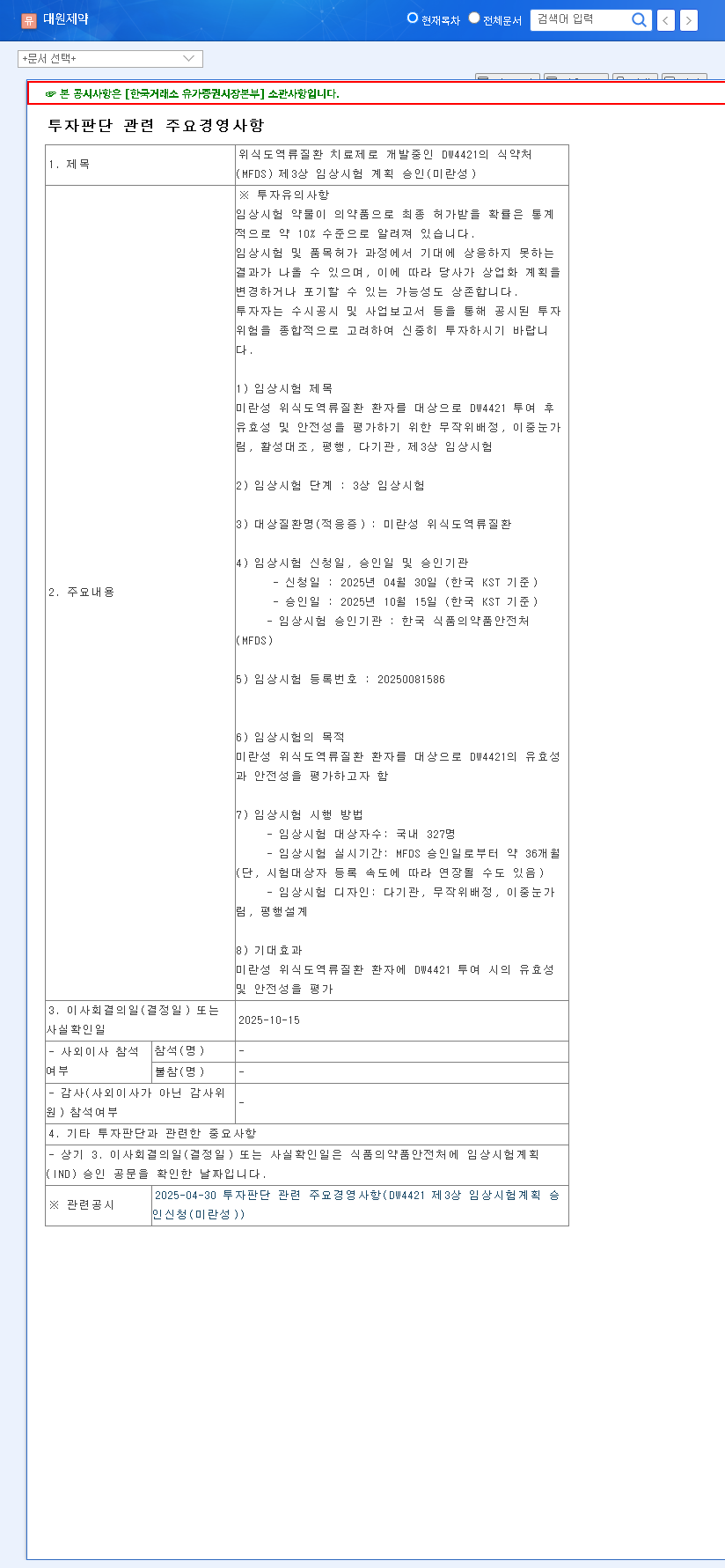
    Daewon Pharmaceutical (DAEWON PHARMACEUTICAL CO.,LTD) faces a pivotal moment. Following a shocking decline in profitability in the first half of 2025, the company is set to hold a crucial Corporate Briefing (IR) for institutional investors on November 17th. This event is more than a standard financial update; it’s a critical opportunity for management to address widespread investor anxiety and chart a new course for growth. The central question is whether the promise of its new drug pipeline, spearheaded by DW-4421, can overshadow the current financial turmoil.

    This comprehensive analysis dissects the key factors shaping Daewon Pharmaceutical’s present challenges and future potential. We will delve into the root causes of the earnings slump, evaluate the significance of the upcoming Daewon Pharmaceutical IR, and assess the true value of its R&D pipeline to provide investors with a clear, actionable perspective.

    Unpacking the 2025 Earnings Shock

    The H1 2025 financial results for Daewon Pharmaceutical presented a paradox: while consolidated revenue saw a minor increase of 1.7% to 301.688 billion KRW, profitability fell off a cliff. This divergence signals deep-seated operational and market-related issues that demand scrutiny.

    The Core of the Problem: Profitability Collapse

    • Operating Profit Plunge: A staggering 71.7% year-over-year decline to 7.998 billion KRW. This was primarily driven by a 20.3% production volume decrease for cornerstone products like Pelubi and Codewon Forte.
    • Net Profit Annihilation: An 84.5% drop to just 1.396 billion KRW, underscoring the severity of the financial strain and raising red flags for investors.
    • Cosmetics Segment Drag: The company’s diversification efforts have faltered, with the cosmetics division revenue collapsing by 51.2%, significantly weighing down the consolidated results.

    With profitability in freefall despite stable revenue, the upcoming Daewon Pharmaceutical IR must provide a convincing narrative that goes beyond surface-level explanations and offers a concrete, data-backed recovery strategy.

    The New Drug Pipeline: A Beacon of Hope?

    Amid the bleak financial performance, Daewon Pharmaceutical’s consistent investment in research and development stands out as a positive signal. The R&D-to-sales ratio has edged up to 8.21%, indicating a firm commitment to securing future growth engines. The crown jewel of this effort is the gastrointestinal drug candidate, DW-4421.

    Having reached the Phase 3 Investigational New Drug (IND) application stage, DW-4421 is nearing the final hurdle before potential commercialization. A successful Phase 3 trial, a process rigorously overseen by regulatory bodies like the FDA in the United States, could be a transformative catalyst for the company. It represents a potential multi-billion KRW revenue stream that could not only offset the decline in legacy products but also significantly re-rate the company’s valuation in the market.

    Investor Focus for the Upcoming Daewon Pharmaceutical IR

    The November 17th briefing is a make-or-break event. Investors will be looking for transparent answers and a clear vision. The success of the IR will hinge on management’s ability to address these critical areas:

    Key Questions and Expectations

    • Profit Recovery Roadmap: What specific, actionable steps are being taken to reverse the margin compression and revive the production of key pharmaceuticals?
    • DW-4421 Commercialization Strategy: Beyond the clinical trial status, what is the detailed timeline, target market, and go-to-market strategy for DW-4421?
    • Financial Discipline: How does the company plan to manage its rising debt-to-equity ratio (now 110.2%) and the associated interest burden in a challenging macroeconomic environment?
    • Diversification Strategy Review: What are the plans for the underperforming cosmetics and health food segments? Will there be a restructuring or a strategic pivot?

    Comprehensive Assessment and Investor Takeaway

    Currently, a “Neutral” stance on Daewon Pharmaceutical is prudent. The severe short-term headwinds from the Daewon Pharmaceutical earnings report cannot be ignored. However, the long-term potential encapsulated in the new drug pipeline provides a compelling reason to remain watchful.

    Investors should closely monitor the IR for a detailed Q3 analysis and a realistic outlook for Q4 and 2026. The company’s ability to articulate a clear strategy for improving its financial structure will be just as important as the updates on DW-4421. For further details on the company’s official filing, please refer to the Official Disclosure on DART. The outcome of this IR, combined with subsequent market reaction, will determine if the investment thesis can be upgraded. For more background, you can review our previous coverage of Daewon’s Q1 results.

    The management’s communication style—whether it is confident and transparent or defensive and vague—will be a critical intangible factor in rebuilding trust. The investment opinion will be re-evaluated based on the substance and clarity of the information presented.

    (003220) Daewon Pharmaceutical IR Analysis: Can New Drug Pipeline DW-4421 Rescue 2025 Earnings? 관련 이미지
  • (298380) ABL Bio’s $2.6B Grabody-B Deal with Eli Lilly: An In-Depth Analysis

    (298380) ABL Bio’s $2.6B Grabody-B Deal with Eli Lilly: An In-Depth Analysis

    In a move sending shockwaves through the global biopharmaceutical industry, South Korea’s ABL Bio Inc. has secured a monumental technology transfer and co-development agreement with pharma giant Eli Lilly and Company. This partnership, centered on the innovative ABL Bio Grabody-B platform, represents one of the most significant biotech licensing agreements in recent history, validating ABL Bio’s cutting-edge science and signaling a new era for brain disease therapeutics.

    This comprehensive analysis will dissect the layers of this landmark deal, explore the science behind the Grabody-B platform, evaluate the financial implications for investors monitoring ABL Bio stock, and provide a balanced outlook on the opportunities and risks that lie ahead.

    Breaking Down the Landmark ABL Bio Eli Lilly Deal

    The agreement grants Eli Lilly exclusive worldwide rights to develop and commercialize multiple undisclosed drug candidates using ABL Bio’s Grabody-B platform. This isn’t just a sale of a single drug candidate; it’s a profound endorsement of ABL Bio’s core technology, a platform designed to solve one of medicine’s most persistent challenges.

    The total potential value of the deal is an astounding USD $2.602 billion. This includes an upfront payment of $40 million, with up to $2.562 billion in future milestone payments contingent on development, regulatory, and commercial success, plus tiered royalties on net sales.

    Key Terms of the Agreement

    • Total Potential Value: Up to $2.602 billion (approx. 3.8 trillion KRW).
    • Upfront Payment: $40 million, securing immediate non-refundable capital.
    • Milestone Payments: Up to $2.562 billion tied to specific clinical, regulatory, and sales achievements.
    • Royalties: A tiered percentage of net sales upon successful commercialization.
    • Official Disclosure: The complete details can be reviewed in the official DART filing.

    The Science: What is the ABL Bio Grabody-B Platform?

    To grasp the significance of this deal, one must understand the central challenge in treating neurodegenerative diseases like Alzheimer’s or Parkinson’s: the blood-brain barrier (BBB). This highly selective, protective membrane shields the brain from toxins but also blocks over 98% of potential therapeutic drugs from reaching their intended targets. This obstacle has been a primary cause of failure in developing treatments for central nervous system (CNS) disorders.

    The ABL Bio Grabody-B platform is a novel bispecific antibody technology designed to overcome this barrier. It acts like a molecular ‘Trojan horse,’ binding to a specific receptor on the BBB to be actively transported across, carrying its therapeutic payload directly into the brain. Eli Lilly’s investment validates this innovative approach to blood-brain barrier technology, suggesting high confidence in its potential to unlock a new frontier of effective CNS treatments.

    Financial Impact and Future Outlook

    For a development-stage biotech company like ABL Bio, this deal is transformative. The infusion of non-dilutive capital provides a massive financial runway, de-risks the company’s financial profile, and fuels its ambitious R&D pipeline beyond the Grabody-B platform, including its Grabody-T oncology platform.

    Positive Catalysts for ABL Bio Stock

    • Enhanced Credibility: A partnership with a top-tier pharmaceutical leader like Eli Lilly provides unparalleled third-party validation, which can attract further investment and partnerships.
    • Accelerated Development: With Eli Lilly’s vast resources and clinical expertise, the drug candidates utilizing Grabody-B have a significantly higher probability of navigating the complex path to market.
    • Long-Term Revenue Stream: Successful commercialization would create a sustainable, high-margin royalty stream, transforming ABL Bio into a profitable enterprise.

    Potential Risks and Considerations

    Despite the immense optimism, investors must remain pragmatic. The majority of the deal’s value is tied to milestones that are years away and dependent on successful clinical outcomes. This follows a trend we’ve seen in other major partnerships; you can read our analysis of other major biotech deals for more context.

    • Clinical Trial Risk: Drug development is inherently risky. Any setbacks or failures in clinical trials for the partnered candidates could prevent future milestone payments.
    • Long Timelines: The journey from pre-clinical development to market approval is long and arduous. Patience will be key for investors.
    • Currency Fluctuations: As payments are denominated in USD, fluctuations in the KRW/USD exchange rate can impact the reported value of revenues in ABL Bio’s financial statements.

    Investor Takeaway: A Paradigm Shift for ABL Bio

    The ABL Bio Eli Lilly deal is more than just a financial windfall; it is a strategic inflection point that elevates the company to the global stage. It validates the commercial potential of the ABL Bio Grabody-B platform and provides the resources to unlock its full value. While inherent risks of biotech investing remain, this partnership significantly de-risks the company’s future and creates a clear path toward long-term value creation. Investors should closely monitor the clinical progress of the Lilly-partnered programs as the primary catalyst for realizing the full potential of this historic agreement.

    (298380) ABL Bio's $2.6B Grabody-B Deal with Eli Lilly: An In-Depth Analysis 관련 이미지
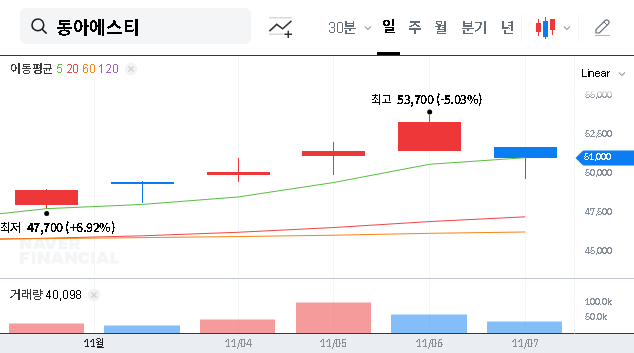
  • (170900) DONG-A ST DA-5221 Phase 3 Trial Success: A New Era for Type 2 Diabetes Treatment?

    (170900) DONG-A ST DA-5221 Phase 3 Trial Success: A New Era for Type 2 Diabetes Treatment?

    In a significant development for the pharmaceutical industry, DONG-A ST has announced overwhelmingly positive top-line results from its pivotal DA-5221 Phase 3 trial. This breakthrough for its self-developed Type 2 diabetes combination therapy, DA-5221, has sent ripples through the market, fueling speculation about the company’s future growth and its impact on the competitive landscape of Type 2 diabetes treatment. This in-depth analysis will explore the clinical data, evaluate DONG-A ST’s fundamentals, and provide a comprehensive outlook for investors and industry observers.

    The successful outcome of the DA-5221 Phase 3 trial is not just a scientific milestone; it’s a strategic catalyst poised to reshape DONG-A ST’s market position and enhance its pipeline valuation significantly.

    Unpacking the DA-5221 Phase 3 Trial Results

    On November 10, 2025, DONG-A ST released compelling data that confirmed the efficacy and safety of DA-5221. The trial, which targeted patients whose Type 2 diabetes was inadequately controlled by existing medications, met its primary endpoints with high statistical significance. According to the Official Disclosure, the results are a clear indicator of the drug’s potential.

    Key Efficacy and Safety Highlights

    The cornerstone of the trial’s success lies in its primary endpoint: the change in Glycated Hemoglobin (HbA1c) levels from baseline. HbA1c is a critical long-term marker for blood glucose control, making its reduction a key goal in modern diabetes management. The study demonstrated a clinically meaningful and statistically significant reduction in HbA1c.

    • Superior Glycemic Control: The DA-5221 treatment groups showed a placebo-adjusted HbA1c reduction of up to 0.77 percentage points (p<0.0001), a powerful indicator of the drug's effectiveness.
    • Favorable Safety Profile: The majority of adverse events were mild in nature, with no serious adverse drug reactions reported, positioning DA-5221 as a potentially safe option for long-term use.
    • Next Steps: DONG-A ST plans to initiate a 52-week extension study to gather long-term safety and efficacy data before submitting a new drug application to Korea’s Ministry of Food and Drug Safety (MFDS).

    Corporate Health: DONG-A ST’s Strong Fundamentals

    The success of the DA-5221 Phase 3 trial is amplified by DONG-A ST’s solid corporate foundation. The company has demonstrated consistent growth and a strategic commitment to innovation, making it well-positioned to capitalize on this clinical victory. A look at the company’s financials reveals a robust and forward-looking strategy. For more details, investors might review DONG-A ST’s complete R&D pipeline.

    Strengths and Strategic Initiatives

    • Revenue Growth: Sales reached 376.1 billion KRW, a 14.7% year-over-year increase, driven by strong performance from key products like ‘Grotropin’.
    • R&D Commitment: The company maintains heavy investment in metabolic diseases, including diabetes and obesity, signaling a clear strategy to secure future growth engines.
    • Global Expansion: Overseas business grew by over 25%, indicating a successful international strategy that can be leveraged for the new DONG-A ST diabetes drug.
    • Financial Stability: A manageable debt-to-equity ratio of 99.57% provides the financial resilience needed to navigate the final stages of drug approval and commercialization.

    Market Impact and Investor Outlook

    The positive clinical data is expected to create significant stock price momentum and lead to a re-evaluation of DONG-A ST’s entire R&D pipeline. Upon approval, DA-5221 will enter the highly competitive but lucrative global market for Type 2 diabetes treatment. This success also opens doors for high-value technology transfers and licensing-out opportunities in major markets like the U.S. and Europe.

    Actionable Insights for Investors

    While the news is overwhelmingly positive, a prudent investment strategy is crucial. The journey from successful trial to market-leading product involves navigating regulatory hurdles and competitive pressures. Investors should anticipate a positive short-term reaction for the DONG-A ST stock but must monitor several key factors moving forward:

    • The final data from the 52-week extension study.
    • The timeline and outcome of the MFDS product approval application.
    • Any news regarding partnerships for overseas commercialization.
    • Broader macroeconomic trends impacting the biotech sector.

    In conclusion, DONG-A ST’s achievement with the DA-5221 Phase 3 trial marks a pivotal moment for the company. It validates their R&D strategy, strengthens their financial outlook, and offers new hope for millions of patients with Type 2 diabetes. The path ahead requires careful execution, but the foundation for substantial future growth has been firmly established.

    (170900) DONG-A ST DA-5221 Phase 3 Trial Success: A New Era for Type 2 Diabetes Treatment? 관련 이미지
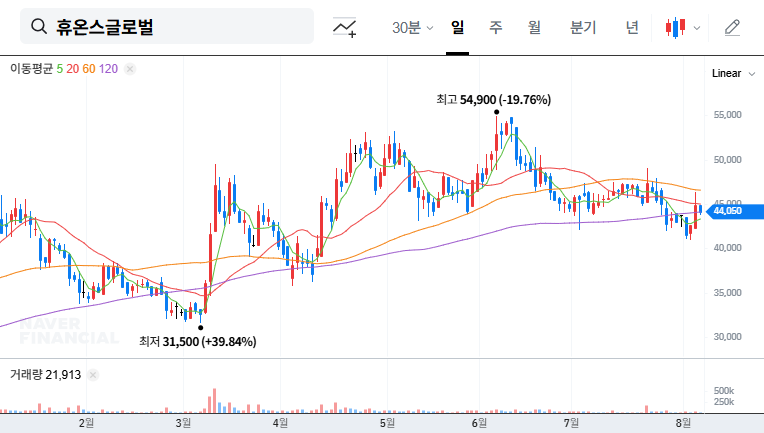
  • (084110) Huons Global Quarterly Dividend: 2025 Stock Analysis & Strategy

    (084110) Huons Global Quarterly Dividend: 2025 Stock Analysis & Strategy

    For investors navigating the stock market, a company’s commitment to shareholder returns is a critical signal. The recent announcement of the Huons Global quarterly dividend for Q3 2025 has captured significant attention, offering a window into the company’s financial stability and strategic priorities. This isn’t just a simple payout; it’s a statement of confidence and a key piece of the puzzle for anyone considering an investment.

    This comprehensive analysis will dissect the Huons Global quarterly dividend, exploring the company’s underlying fundamentals, the broader market environment, and the tangible impact on its stock price. We’ll provide a clear, actionable investment strategy to help you make an informed decision about Huons Global’s role in your portfolio.

    The Q3 2025 Dividend Announcement: Key Details

    On November 10, 2025, Huons Global Co., Ltd. officially declared its decision to issue a cash dividend of KRW 550 per common share for the third quarter. This move aligns with the company’s shareholder return policy and provides a tangible benefit to its investors.

    • Dividend Amount: KRW 550 per common share.
    • Dividend Yield: Approximately 0.93% based on the stock price at the time of announcement.
    • Record Date: November 25, 2025.
    • Payment Date: December 12, 2025.

    This decision underscores the company’s commitment to delivering shareholder value consistently. For official verification, investors can refer to the Official Disclosure on the DART system.

    Why Now? A Deep Dive into Huons Global’s Fundamentals

    A dividend announcement is never made in a vacuum. It reflects the leadership’s confidence in the company’s financial standing and future prospects. Let’s examine the core strengths and challenges facing Huons Global.

    Robust Corporate Fundamentals

    • Stable Holding Company: A reliable foundation of cash flow is generated from brand royalties, management consulting, and other stable income streams.
    • Subsidiary Growth Engines: Key subsidiaries like Huons (pharmaceuticals), Humedix (fillers), and Huons Meditech (medical devices) are demonstrating strong market performance. The 2024 acquisition of PanGen is set to unlock new growth in the high-potential biosimilar and CDMO sectors.
    • R&D and Global Expansion: Continuous investment in research and development, coupled with strategic expansion into markets like China and Southeast Asia, positions the company for long-term, sustainable growth.

    Financial Health Check-Up

    While the fundamentals are strong, a comprehensive Huons Global stock analysis requires a look at the numbers. As of H1 2025, consolidated revenue saw a slight increase, but operating profit declined due to rising costs and strategic investments. While the debt-to-equity ratio has improved, managing financial burdens from borrowings and convertible bonds remains a key focus, especially in a climate of rising interest rates. The company’s operating cash flow is robust, but cash outflows for investments are also increasing—a sign of growth that requires careful management.

    Despite short-term financial pressures, Huons Global’s commitment to its quarterly dividend signals long-term confidence in its growth trajectory and dedication to shareholder value.

    Market Impact: What This Dividend Means for Investors

    The ripple effects of this dividend decision will be felt by different types of investors in various ways.

    Effect on Stock Price

    In the short term, the dividend is likely to have a positive impact, attracting income-focused investors and reinforcing market confidence. However, while consistent dividends are a mark of stability, a yield of 0.93% is modest. Therefore, the mid-to-long-term stock performance will hinge less on the dividend itself and more on the successful execution of the company’s growth strategies. The market will be watching closely to see if the growth from subsidiaries like PanGen materializes as projected by analysts at major outlets like Bloomberg.

    Impact on Investor Segments

    • For Dividend Investors: This is a clear positive signal of reliable, recurring income.
    • For Growth Investors: The impact is more neutral. The key takeaway is that management feels confident enough in future cash flows to return capital to shareholders while still funding growth initiatives.

    Your Smart Investment Strategy for Huons Global

    The Huons Global quarterly dividend is a positive development, but it’s just one data point. A prudent investment strategy requires a holistic view. While the dividend provides a floor of stability, the true upside potential lies in the company’s ability to execute its growth plans and improve profitability.

    Key Monitoring Points for Investors:

    • Growth Strategy Execution: Track the performance of the PanGen acquisition, progress in overseas markets, and advancements in the R&D pipeline.
    • Financial Health Management: Monitor reports for improvements in the financial structure, including debt repayment and management of convertible bonds.
    • Market Adaptability: Assess how the company responds to macroeconomic shifts like changes in interest rates and raw material prices. For more insights, you can review our guide on advanced stock analysis techniques.

    [Disclaimer] This analysis is based on publicly available information and is for informational purposes only. It does not constitute investment advice. All investment decisions should be made based on your own research and risk tolerance.

    (084110) Huons Global Quarterly Dividend: 2025 Stock Analysis & Strategy 관련 이미지
    (084110) Huons Global Quarterly Dividend: 2025 Stock Analysis & Strategy 관련 이미지
  • (243070) HUONS CO., LTD. (243070) Stock Analysis: Treasury Share Disposal & EB Impact

    (243070) HUONS CO., LTD. (243070) Stock Analysis: Treasury Share Disposal & EB Impact

    An important strategic decision from HUONS CO., LTD. (243070) has caught the attention of the market. The pharmaceutical leader recently announced the disposal of treasury shares to facilitate an Exchangeable Bond (EB) issuance, a move signaling a pivotal moment for the company’s financial future. For current and potential investors, this development raises critical questions: Is this a sign of strength or a defensive maneuver? How will this impact the HUONS stock price in the short and long term? This comprehensive HUONS stock analysis will dissect the announcement, evaluate the company’s underlying financial health, and provide a clear action plan for investors.

    This isn’t just a financial transaction; it’s a strategic message from HUONS’ management about their plans for future growth and capital management. Understanding the nuances is key to making an informed investment decision.

    The Core Announcement: A Breakdown

    On November 10, 2025, HUONS CO., LTD. formally disclosed its plan to dispose of 220,317 of its own common shares, commonly known as treasury shares. This block of shares, valued at approximately KRW 7.1 billion, represents 1.84% of the total issued shares. According to the Official Disclosure on DART, these shares will not be sold on the open market. Instead, they will serve as the underlying asset for the issuance of Exchangeable Bonds (EBs). This method allows the company to raise capital by essentially loaning out its treasury stock, giving bondholders the option to exchange their bonds for shares at a later date.

    What are Exchangeable Bonds?

    Unlike convertible bonds, which convert into new shares and dilute existing shareholders, Exchangeable Bonds convert into existing shares—in this case, the company’s treasury stock. This is a crucial distinction. For investors, it means the total number of outstanding shares doesn’t necessarily increase. For a deeper dive into the mechanics of these financial instruments, resources like Investopedia offer excellent explanations. The key takeaway for HUONS CO., LTD. is that this is a less dilutive way to raise funds compared to other options.

    Analyzing Huons’ Financial Health & Strategic Rationale

    This fundraising move doesn’t happen in a vacuum. It’s a direct response to the company’s current financial position and its ambitions for growth. A closer look reveals a mix of strong fundamentals and emerging challenges.

    Strengths: The Foundation for Growth

    • Diversified Revenue: Huons has shown balanced growth across its professional pharmaceuticals and its beauty/wellness divisions, preventing over-reliance on a single market segment.
    • Steady CMO Business: The Contract Manufacturing Organization (CMO) business provides a stable and predictable revenue stream, which is a significant asset in the volatile biotech industry.
    • Strategic Acquisitions: The company is actively pursuing new growth engines, as seen with its acquisition of PanGen, demonstrating a forward-looking strategy.

    Weaknesses: The Pressure Points

    • Declining Profitability: The most significant concern is the sharp drop in the operating profit margin, which fell from over 16% in 2022 to under 5% in 2024. This indicates rising costs are outpacing revenue growth.
    • High Cost Structure: Heavy R&D spending and financial costs from existing debt are weighing on the bottom line, making fresh, flexible capital essential.
    • Liquidity Questions: While the debt-to-equity ratio has improved, it remains over 100%. More alarmingly, the current ratio’s decline to 37.91% in 2024 raises questions about short-term financial flexibility.

    Impact on HUONS Stock (243070) and Investment Strategy

    The HUONS treasury share disposal and EB issuance will have multifaceted effects. In the short term, the release of treasury shares into the market via EBs could create a supply overhang, potentially putting mild pressure on the stock price. However, this is often counteracted by the market’s positive interpretation of a company securing capital for growth.

    The long-term outlook for the HUONS stock depends entirely on how effectively this new capital is deployed. If the funds are used to accelerate R&D, launch profitable new products, or make value-accretive acquisitions, the stock price will likely see significant appreciation. Conversely, if the funds are used merely to cover operational shortfalls without addressing the core profitability issues, it could be a negative signal. For more on this, consider reading our Guide to Biotech Company Valuations.

    Action Plan for HUONS Investors

    Navigating this period requires diligence. Investors should focus on the following key areas:

    • Analyze the EB Terms: Once published, scrutinize the conversion price, maturity date, and interest rate. A high conversion price is favorable for current shareholders.
    • Monitor Fund Allocation: Watch for company announcements regarding the specific use of the KRW 7.1 billion. Are the funds earmarked for high-ROI projects?
    • Track Profitability Metrics: Pay close attention to the next few quarterly earnings reports. Look for signs that the operating margin is stabilizing or improving.
    • Assess Macro Environment: Keep an eye on exchange rates (KRW/USD) and raw material costs, as these can indirectly impact Huons’ bottom line.

    In conclusion, the decision by HUONS CO., LTD. is a calculated risk to bolster its financial position and fuel future growth. While it highlights some underlying financial pressures, it is also a proactive step. For investors, this is a time for careful monitoring rather than immediate alarm. The successful execution of the company’s strategy in the coming months will ultimately determine the long-term value of HUONS stock.

    (243070) HUONS CO., LTD. (243070) Stock Analysis: Treasury Share Disposal & EB Impact 관련 이미지
    (243070) HUONS CO., LTD. (243070) Stock Analysis: Treasury Share Disposal & EB Impact 관련 이미지
  • (243070) HUONS Convertible Bond: 2025 Deep Dive for Investors & Stock Impact Analysis

    (243070) HUONS Convertible Bond: 2025 Deep Dive for Investors & Stock Impact Analysis

    HUONS CO., LTD. (243070) has captured the market’s attention with its recent announcement of a significant private placement. The decision to issue a HUONS convertible bond (CB) worth 7.1 billion KRW is a strategic financial maneuver aimed at securing capital for future growth. For current and potential investors, this raises critical questions: What does this fundraising mean for the company’s trajectory? And more importantly, how will it impact the HUONS stock price and long-term value?

    This comprehensive analysis will dissect the intricacies of the HUONS CB issuance. We will delve into the company’s current financial health, explore the potential market repercussions, and provide a clear, actionable investment outlook to help you navigate this development with confidence. For a deeper look at company filings, you can view the Official Disclosure on DART.

    The Details: What is the HUONS Convertible Bond?

    On November 10, 2025, HUONS confirmed its plan to raise 7.1 billion KRW through a private convertible bond offering. A convertible bond is a hybrid security that starts as debt but includes an option for the bondholder to convert it into a predetermined number of the company’s common shares. This method of HUONS fundraising is often used by companies to secure capital at a lower interest rate than traditional loans.

    Key Issuance Terms

    • Issuance Amount: 7.1 billion KRW
    • Subscriber: J&Alpha Co., Ltd. (a professional investment firm)
    • Conversion Price: 32,002 KRW
    • Conversion Period: December 25, 2025, to October 25, 2030

    A crucial detail is the conversion price of 32,002 KRW, which represents a significant 13.1% premium over the stock’s price of 28,300 KRW at the time of the announcement. This premium is a strong indicator of confidence from both the issuer and the investor, suggesting a shared belief that the company’s stock value will appreciate in the future.

    Why Now? A Look at HUONS’ Financial Health

    To understand the timing of this HUONS convertible bond, we must analyze the company’s recent performance and strategic priorities based on its H1 2025 report. While revenue shows steady growth, profitability presents a more complex picture.

    Fundamental Strengths and Weaknesses

    • Stable Sales: H1 sales grew 1.73% year-over-year to 301.866 billion KRW, demonstrating a resilient business foundation.
    • Profitability Challenge: Operating profit (-29.5%) and net profit (-35.2%) declined, primarily due to increased R&D spending, new subsidiary costs, and higher SG&A expenses. Improving margins is a key short-term objective.
    • Future Growth Initiatives: The company is actively expanding its portfolio through acquisitions like PanGen Co., Ltd., and by increasing its FDA-approved items for the U.S. market. For more on market trends, see our latest pharmaceutical industry analysis.
    • Stronger Balance Sheet: The debt-to-equity ratio has improved to 63.64%, indicating enhanced financial stability.

    This capital raise appears designed to fuel growth initiatives while the core business works to improve profitability. The funds will likely be allocated to high-potential R&D projects and facility investments that can drive long-term value.

    Potential Stock Price Impact: A Double-Edged Sword

    The issuance of a convertible bond can influence a company’s stock price in several ways, creating both opportunities and risks for investors.

    The key determinant of the bond’s impact will be how effectively HUONS deploys the new capital. Successful investment in growth engines will lead to value creation, while inefficient use could simply increase the company’s debt burden.

    The Bull Case (Positive Factors)

    If the 7.1 billion KRW is invested effectively, leading to successful new product launches or market expansion, it can significantly enhance long-term corporate value and drive the HUONS stock price higher. The investment by a professional firm like J&Alpha Co., Ltd. also serves as a vote of confidence, signaling that external experts see untapped potential in HUONS. This can attract more institutional and retail investors, as noted by sources like Bloomberg.

    The Bear Case (Negative Factors)

    The primary risk is share dilution. If the stock price rises above 32,002 KRW and bondholders convert their debt to equity, the number of outstanding shares will increase. This can place downward pressure on the stock price in the short term as the market absorbs the new supply. Furthermore, if the company fails to generate returns from its investments and the stock languishes below the conversion price, the bond will remain as debt, increasing financial leverage and interest expenses.

    Conclusion & Investment Outlook: Hold and Monitor

    Considering all factors, our HUONS investment analysis leads to a ‘Hold’ rating. The HUONS CB issuance is a forward-looking strategic move, but the company’s current profitability challenges and the potential for future share dilution warrant a cautious approach.

    Key Monitoring Points for Investors:

    • Capital Deployment: Watch for announcements on how the 7.1 billion KRW is being utilized. Are there new R&D breakthroughs or successful market entries?
    • Profitability Recovery: Scrutinize the next few quarterly earnings reports for signs of margin improvement and cost control.
    • Stock Price vs. Conversion Price: Track the stock’s performance relative to the 32,002 KRW conversion price, as this will dictate the likelihood and timing of potential dilution.

    Investors should wait for clear evidence that the capital is generating tangible results and that profitability is on an upward trend before increasing their position.

    (243070) HUONS Convertible Bond: 2025 Deep Dive for Investors & Stock Impact Analysis 관련 이미지
    (243070) HUONS Convertible Bond: 2025 Deep Dive for Investors & Stock Impact Analysis 관련 이미지
  • (299170) WSI Co., Ltd. (299170) Stock Analysis: Inside Life Asset Management’s Major Share Sale

    (299170) WSI Co., Ltd. (299170) Stock Analysis: Inside Life Asset Management’s Major Share Sale

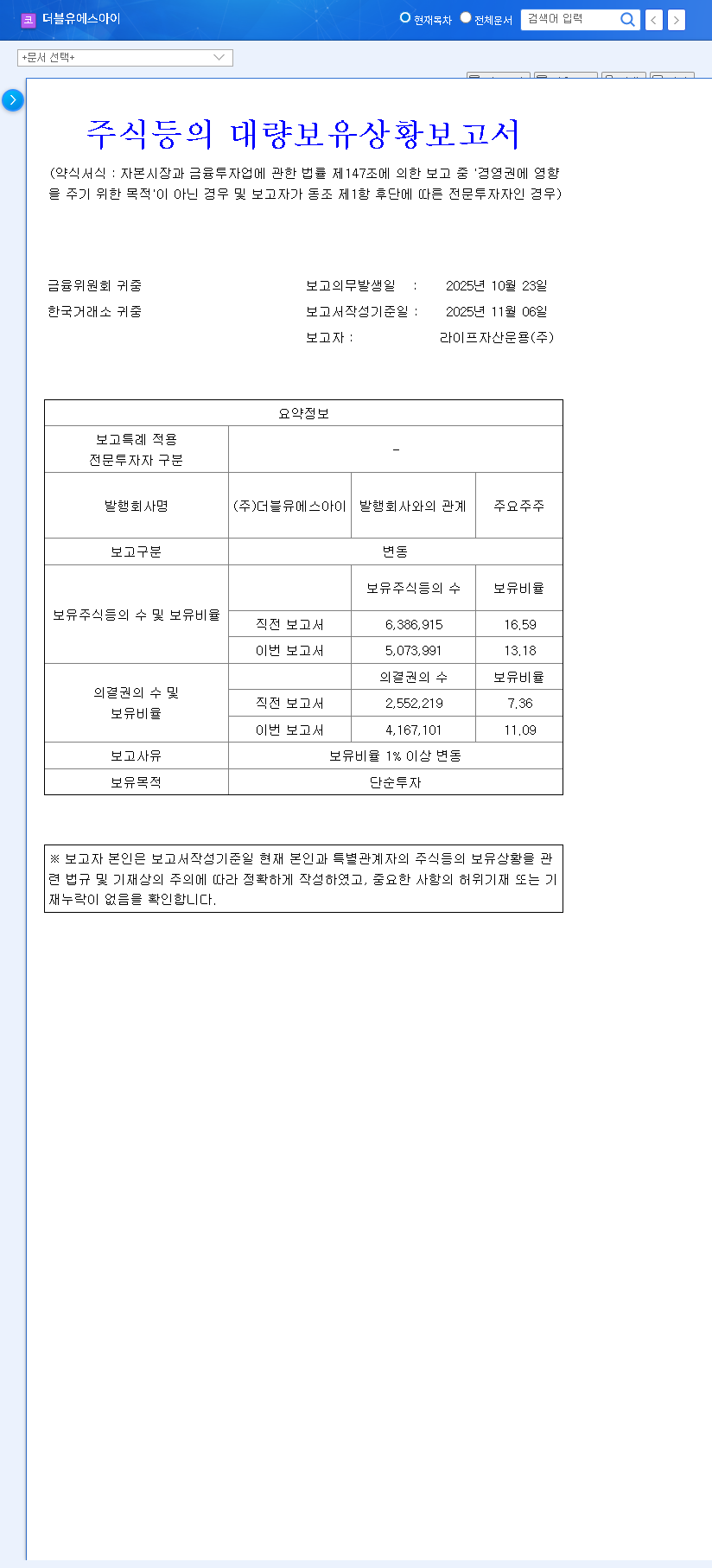
    The recent WSI Co., Ltd. share sale by Life Asset Management, a major institutional investor, has sent ripples through the market, raising critical questions for current and potential investors. This disclosure, detailing a significant reduction in their holdings of WSI (299170), warrants a thorough WSI stock analysis. Why would an institution divest from a company with promising revenue growth? What does this move signal about WSI’s underlying financial health and future prospects? This article provides a comprehensive breakdown of the event, its potential impact, and a strategic roadmap for navigating the resulting market volatility.

    We will dissect WSI’s fundamentals—both the impressive growth story and the concerning profitability challenges—within the context of a volatile macroeconomic environment. By understanding all facets of this situation, investors can make more informed decisions about their position in WSI Co., Ltd.

    The Catalyst: Life Asset Management’s Divestment

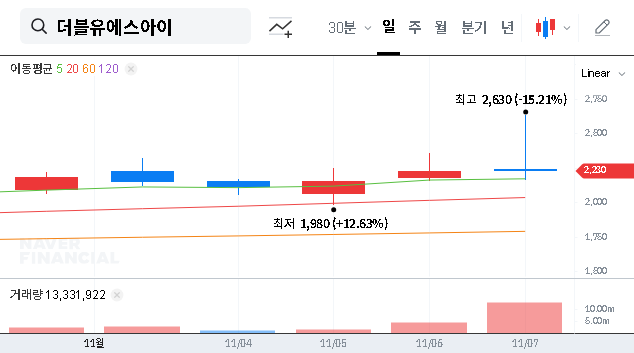
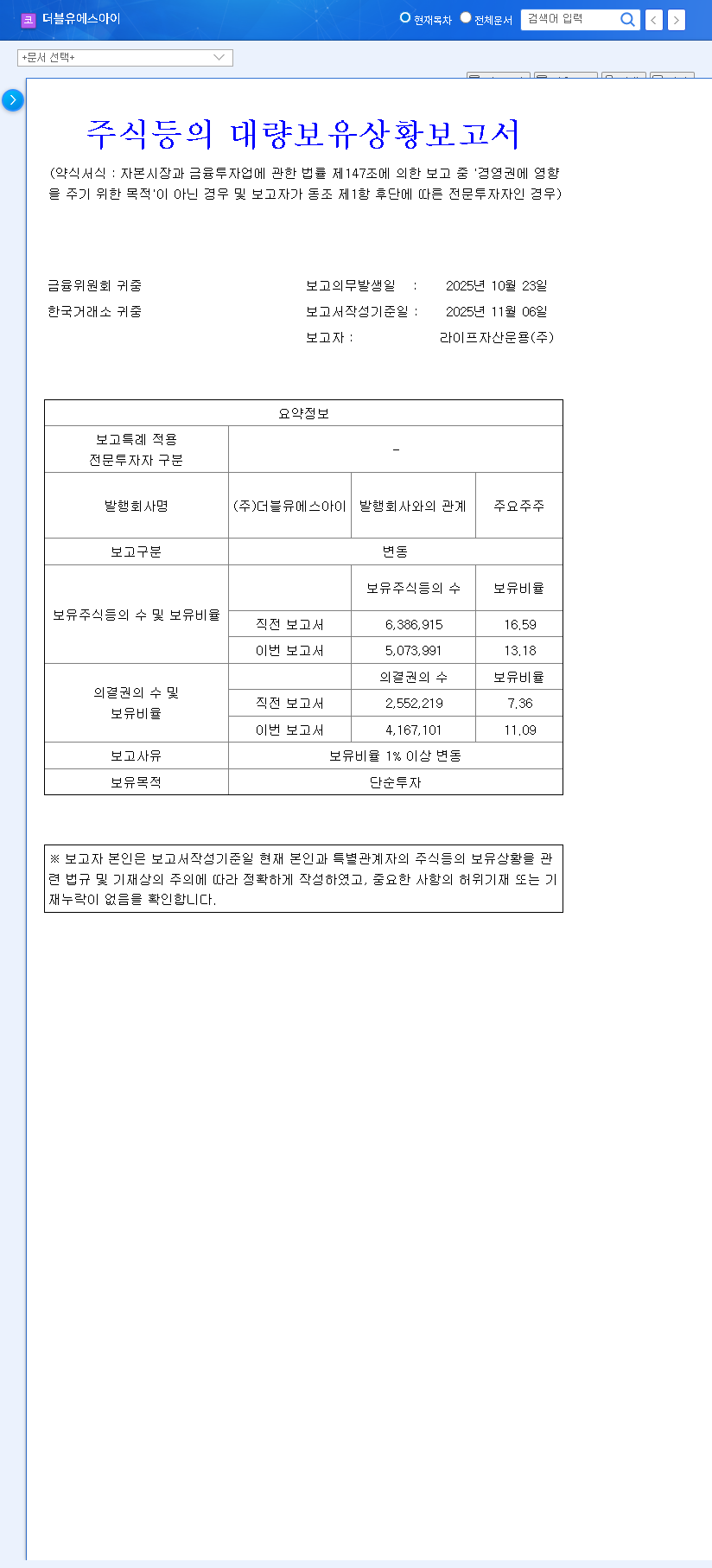
    On November 7, 2025, the market took note of an important filing concerning WSI Co., Ltd. (299170). The ‘Report on the Status of Large Shareholdings (Simplified)’ revealed that Life Asset Management sold approximately 1.03 million shares of WSI. This transaction reduced their significant stake from 16.59% down to 13.18%. For investors, a large-scale sale by a sophisticated institutional player initially holding for ‘simple investment’ purposes is a significant red flag that demands closer inspection. You can view the Official Disclosure here.

    Institutional sell-offs are often interpreted by the market as a leading indicator of underlying issues or a shift in confidence regarding a company’s short-term growth trajectory.

    Analyzing the ‘Why’: WSI’s Financial Landscape

    To understand the rationale behind the WSI Co., Ltd. share sale, we must look at the company’s dual narrative of rapid expansion clashing with profitability pressures and macroeconomic headwinds.

    The Bull Case: Impressive Growth and Diversification

    On the surface, WSI’s growth story is compelling. The company is actively and successfully diversifying its business model beyond its core distribution services.

    • Strategic Expansion: WSI is making calculated moves into high-growth areas like pharmaceutical manufacturing (via the IntroBiopharma acquisition) and medical robotics with its ‘U-Bot’ technology. This signals a strong focus on securing future revenue streams.
    • Robust Revenue Growth: A staggering 60% year-on-year revenue increase in Q1 2025 to KRW 25.808 billion is a testament to the success of these expansion efforts, particularly the integration of IntroBiopharma.

    The Bear Case: Profitability and Financial Health Concerns

    However, beneath the impressive top-line growth, signs of strain are emerging, which likely contributed to Life Asset Management’s decision.

    • Margin Compression: Operating profit grew by only 16.7%, lagging far behind the 60% revenue growth. This indicates that the cost of expansion and rising financial costs (KRW 4.195 billion from convertible bonds) are eating into profits.
    • Net Loss & Weak Cash Flow: The company posted a net loss of KRW 2.438 billion and saw its operating cash flow turn negative. This is a critical concern, as it suggests WSI is burning through cash despite higher sales. For more on this, see our guide to analyzing cash flow statements.
    • Macroeconomic Pressures: A rising USD/KRW exchange rate, sustained high interest rates, and volatile oil prices create a challenging operating environment, increasing import, logistics, and borrowing costs.

    Future Outlook: Navigating Short-Term Turbulence

    The immediate consequence of the WSI Co., Ltd. share sale is likely to be negative investor sentiment for WSI. The market may interpret Life Asset Management’s move as a vote of no confidence in WSI’s ability to manage its short-term financial burdens, overshadowing its long-term growth narrative.

    This could lead to increased downward pressure on the WSI 299170 stock price as other investors may follow suit or adopt a wait-and-see approach. The risk of further sales from the remaining 13.18% stake held by Life Asset Management creates an overhang on the stock. Understanding institutional investor behavior is key; you can learn more from authoritative sources like Investopedia’s analysis of institutional selling.

    Investor Action Plan & Key Monitorables

    Given the heightened uncertainty, a cautious and disciplined approach is warranted. Before making any investment decisions regarding WSI 299170, investors should closely monitor the following key areas:

    • Continued Institutional Flow: Keep a close watch on any further disclosures from Life Asset Management or other major shareholders. Continued selling could signal deeper issues.
    • Upcoming Earnings Reports: The next quarterly report is crucial. Look for tangible evidence of improved profitability, better cost controls, and a return to positive operating cash flow.
    • Business Plan Execution: Monitor progress reports on the integration of IntroBiopharma and the market adoption of the ‘U-Bot’ system. Real-world success in these new ventures is key to justifying the company’s long-term value.

    In conclusion, while the WSI Co., Ltd. share sale by a major institution is a significant headwind causing short-term concern, the company’s long-term growth initiatives remain intact. The path to stock price recovery will depend on WSI’s ability to translate its revenue growth into sustainable profit and manage its financial health effectively in a challenging economic climate.

    (299170) WSI Co., Ltd. (299170) Stock Analysis: Inside Life Asset Management's Major Share Sale 관련 이미지