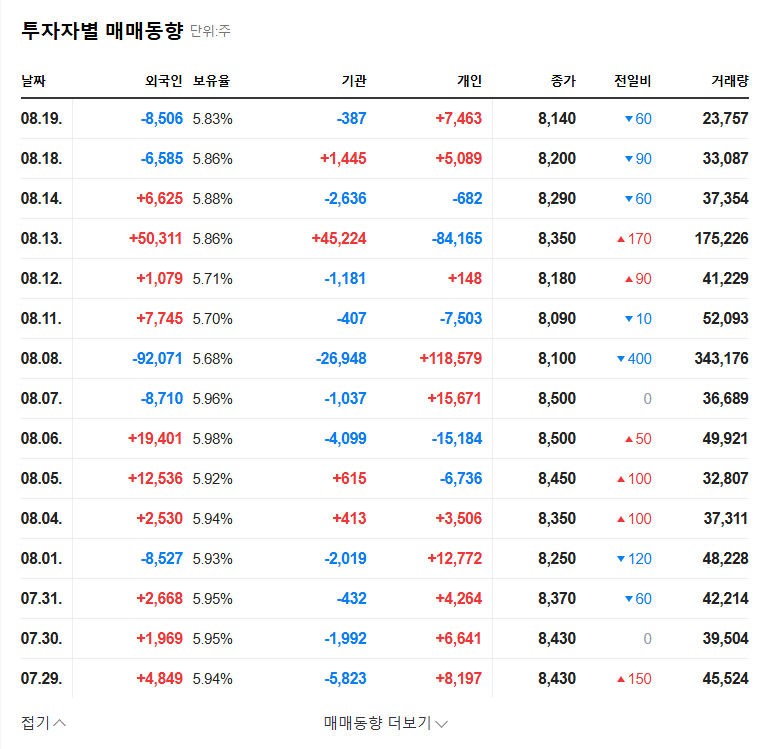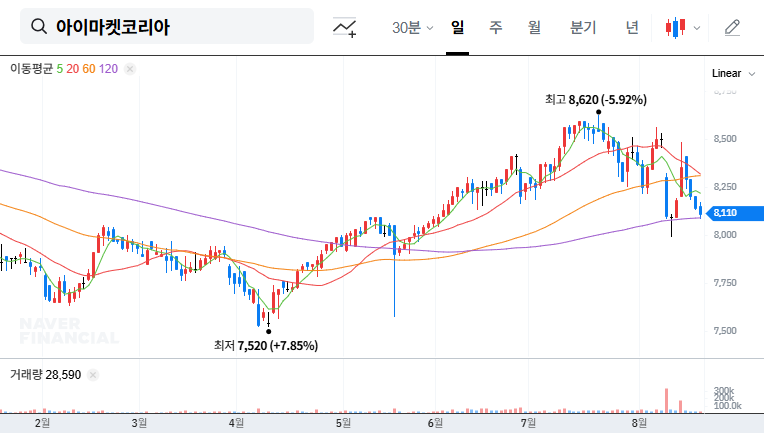
This detailed iMarketKorea financial analysis breaks down the recently announced iMarketKorea Inc. Q3 2025 earnings. While initial headlines point to a slight revenue rebound, a closer inspection reveals underlying weaknesses, including a concerning shift to a net loss. For investors, this creates a complex picture: Is this a temporary setback or a sign of deeper structural issues? We will dissect the numbers, explore the key drivers, and provide a clear outlook on what this means for your investment strategy.
iMarketKorea Q3 2025 Financials at a Glance
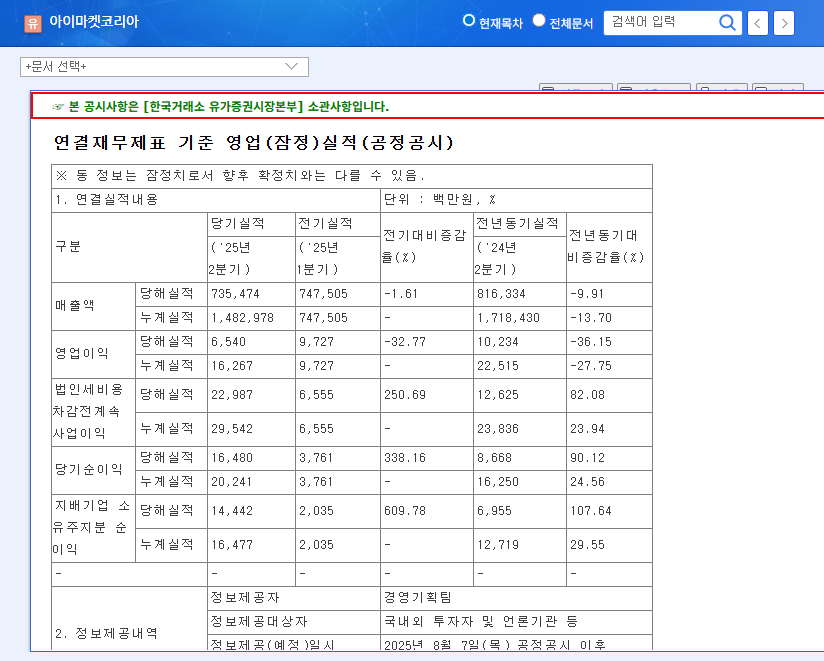
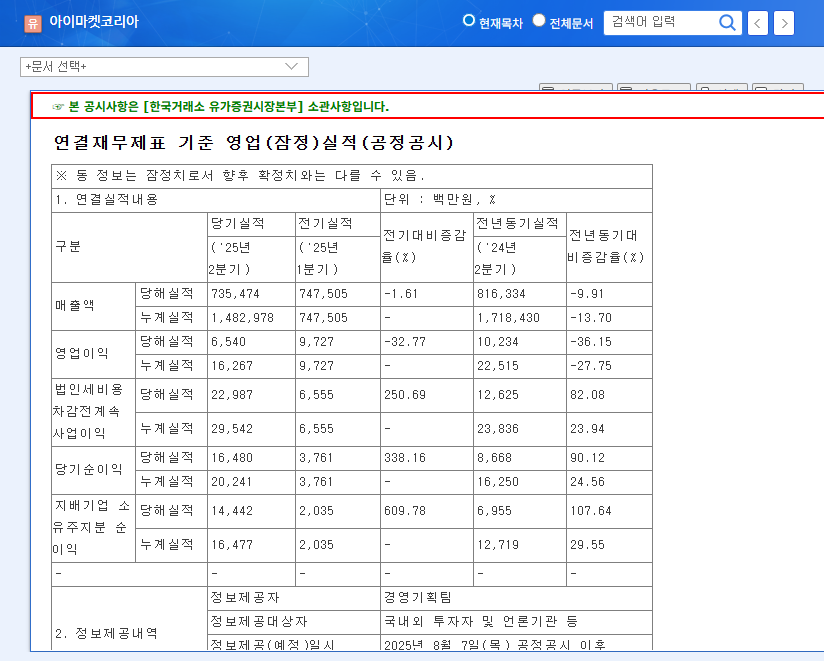
On November 12, 2025, iMarketKorea released its provisional consolidated financial results. The official filing provides the complete data (Source: Official Disclosure). Here are the most critical figures:
- •Revenue: KRW 764 billion. This marks a slight increase from the previous quarter, suggesting some stabilization in demand.
- •Operating Profit: KRW 8.2 billion. An improvement from Q2, indicating successful cost management or operational efficiency gains.
- •Net Income: KRW -0.1 billion. The most alarming metric, as the company swung from a profit to a net loss, erasing the optimism from the top-line recovery.
The core challenge for iMarketKorea is clear: despite stabilizing revenue, the company’s cost structure and financial burdens are preventing top-line growth from reaching the bottom line.
The Contradiction: Unpacking the Net Loss
The swing to a net loss despite revenue and operating profit improvements is the central story of the iMarketKorea Q3 2025 results. This discrepancy stems from several non-operating factors that are eroding profitability.
The Burden of High Costs and Debt
The primary culprits are high fixed costs and a heavy debt load. While the company’s efforts to improve operating profit are commendable, they are being overwhelmed by factors outside of core operations. These include:
- •High Fixed Cost Base: A significant portion of iMarketKorea’s expenses are fixed, meaning they don’t decrease with lower sales volumes. This makes it challenging to reach the break-even point during periods of slow growth.
- •Soaring Financial Costs: With a high debt ratio, the company is particularly vulnerable to rising interest rates. Increased interest expenses are directly subtracting from potential profits. For more on this, you can review global interest rate trends from sources like Reuters.
- •Non-Operating Expenses: One-time costs, potential foreign exchange losses due to KRW/USD volatility, and other non-core expenses have likely contributed to the negative net income.
Macroeconomic and Sector-Specific Headwinds
The company’s B2B industrial e-commerce segment is highly sensitive to the broader economic cycle. A slowdown in industrial activity directly impacts revenue, and the Q3 numbers suggest this segment is still struggling to gain momentum. Conversely, the pharmaceutical and medical supplies wholesale business has been a source of stability. This division benefits from inelastic demand driven by structural trends like an aging population, providing a crucial buffer against volatility in other areas.
Investor Risks: Bonds, Shares, and Dilution
Beyond the income statement, the balance sheet presents potential risks for the iMarketKorea stock. The existence of exchangeable bonds is a key concern. These bonds can be converted into company shares in the future, which could lead to share dilution, reducing the value of existing shares. While the company’s holdings of treasury stock can be used for price stabilization, the portion allocated to these exchangeable bonds creates a long-term overhang on the market, potentially capping share price appreciation.
Investment Thesis & Future Outlook
The iMarketKorea Inc. Q3 2025 earnings report calls for a cautious but watchful investment approach. The slight revenue recovery is a positive sign, but the net loss demonstrates that the path to sustainable profitability is fraught with challenges. The future valuation of iMarketKorea will hinge on its ability to address these core issues.
Key Factors to Monitor in Coming Quarters:
- •Revenue Growth Sustainability: Can the company build on the Q3 recovery, especially in its core industrial B2B segment?
- •Path to Net Profitability: Watch for concrete strategies to manage financial costs and reduce the impact of non-operating expenses.
- •Debt Management: Any announcements regarding debt reduction or refinancing will be critical for long-term financial health.
- •Strategic Initiatives: Look for plans related to business reorganization, securing new growth drivers, or improving cost efficiency.
Investors should closely analyze the company’s next earnings report and any strategic updates before making significant iMarketKorea investment decisions. The current situation presents a mix of recovery potential and significant financial risk.