Tag: Pharmaceutical Stocks

  • (003850) Boryung Corporation Q3 Earnings Analysis (2025): Deep Dive into Financials & Stock Forecast

    (003850) Boryung Corporation Q3 Earnings Analysis (2025): Deep Dive into Financials & Stock Forecast

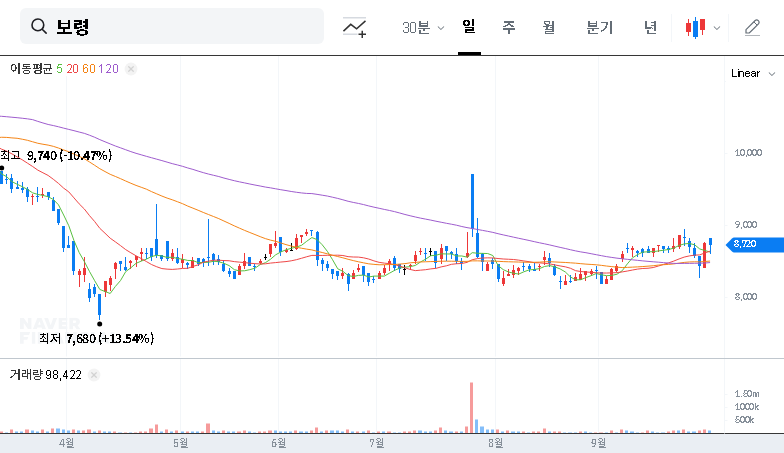
    Boryung Corporation (KRX: 003850) has just released its preliminary Q3 2025 financial results, signaling a powerful recovery and capturing the attention of investors. The latest Boryung Corporation Q3 earnings report reveals a significant upswing from the previous quarter, raising crucial questions about the company’s fundamental strength and future trajectory. Is this a sustainable turnaround or a temporary boost? This comprehensive analysis will dissect the numbers, explore the core drivers, and provide a strategic action plan for current and prospective investors.

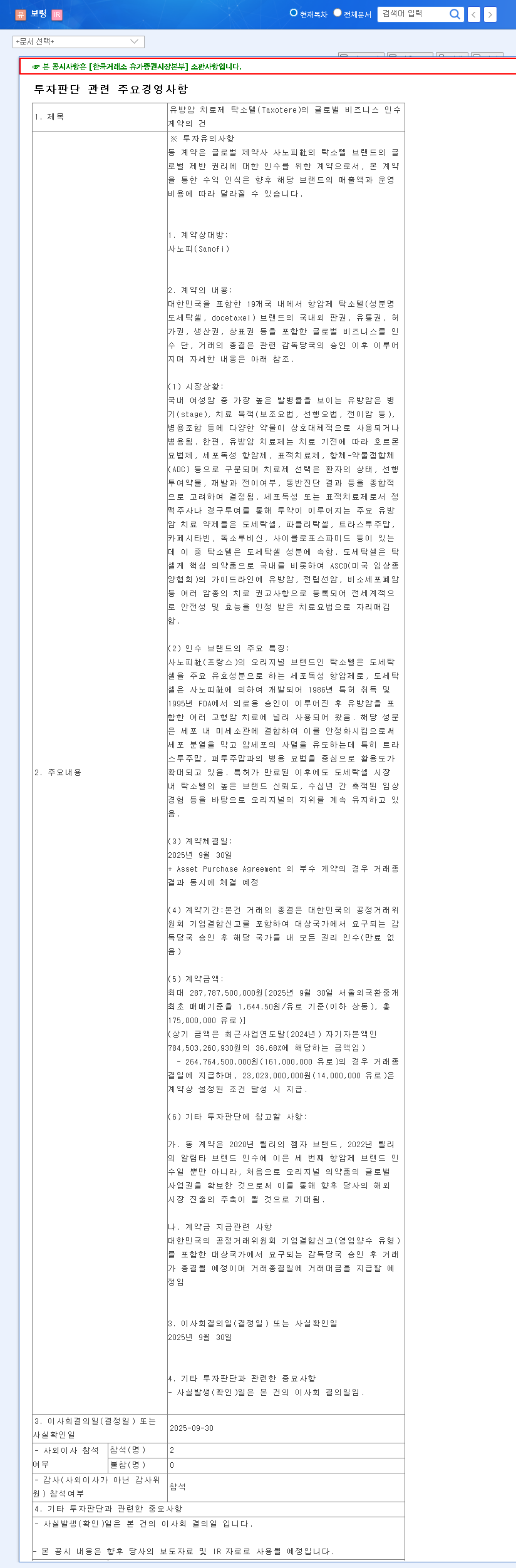
    On October 28, 2025, the company announced its consolidated preliminary earnings, showcasing impressive growth across key metrics. The official disclosure, available via Korea’s DART system (Source), confirms the preliminary figures and provides a basis for our deep dive.

    Boryung’s Q3 Preliminary Earnings: A Stunning Rebound

    The headline figures from the Q3 2025 report are a clear indicator of positive momentum. Compared to a sluggish Q2, Boryung has demonstrated remarkable resilience and growth. Here are the key highlights:

    • Sales Revenue: 280 billion KRW, an increase of 11.3% from Q2’s 251.5 billion KRW.
    • Operating Profit: 29.4 billion KRW, a solid 15.7% jump from Q2’s 25.4 billion KRW.
    • Net Profit: 34 billion KRW, a staggering 282% surge from Q2’s 8.9 billion KRW.

    The most striking figure is the 282% quarter-over-quarter surge in net profit. This massive leap suggests that Boryung’s strategic initiatives in portfolio optimization and profitability enhancement are beginning to yield substantial results.

    While these numbers are impressive on their own, it’s important to note that a direct comparison against market consensus (analyst expectations) is not yet available. The market’s full reaction will crystallize once these results are weighed against anticipated performance, a crucial factor for any Boryung stock analysis.

    Key Drivers Behind the Strong Performance

    Boryung’s robust Q3 performance isn’t accidental. It stems from a multi-pronged strategy focused on strengthening core competencies and optimizing business structures. Let’s explore the primary catalysts.

    1. Dominance in the Pharmaceutical Business

    The pharmaceutical segment remains Boryung’s primary growth engine. The strategic focus on high-margin, high-growth product lines has been particularly effective. The continued expansion of the Kanarb family of hypertension drugs and significant progress in the oncology pipeline are driving sales and reinforcing the company’s market position. Furthermore, the company’s R&D capabilities, highlighted by its EU-GMP acquisition, are bolstering its manufacturing competitiveness and opening doors for its CDMO (Contract Development and Manufacturing Organization) business.

    2. Consumer Healthcare Optimization

    While the first half of the year saw challenges in the over-the-counter (OTC) market, Boryung’s efforts to optimize its Consumer Healthcare business are paying dividends. By re-evaluating its product portfolio and focusing on core, profitable lines, the company is enhancing operational efficiency. This structural improvement is creating a more resilient foundation for long-term, sustainable growth in a competitive market.

    Macroeconomic Winds and Market Outlook

    No company operates in a vacuum. Broader economic trends significantly influence Boryung’s financial results. Key factors include exchange rate fluctuations, which can impact export competitiveness, and interest rate trends, which affect financing costs. The sustained growth of global pharmaceutical markets, driven by aging populations and an increase in chronic diseases, provides a favorable tailwind. For more on market trends, industry reports from authorities like Pharma Intelligence can offer valuable context. Boryung’s proactive expansion into overseas markets positions it well to capitalize on these global opportunities.

    Investor Action Plan: What to Monitor Now

    The strong Boryung Corporation Q3 earnings report is a positive signal, but savvy investors must look beyond the headlines. For those invested or considering an investment, here are the critical factors to monitor to assess the company’s long-term value. If you’re new to this sector, consider reviewing our guide to investing in pharmaceutical stocks.

    • Sustained Pharma Growth: Keep a close eye on sales figures for the Kanarb family and any updates on clinical trials and commercialization within the oncology pipeline.
    • Consumer Healthcare Turnaround: Look for tangible signs of performance improvement, such as new product launches and margin expansion in the CHC segment.
    • Shareholder-Friendly Policies: Confirm that actions like the recent treasury stock cancellation translate into sustained shareholder value and improved earnings per share (EPS).
    • Analyst Consensus Comparison: Once released, compare the final 003850 earnings report against analyst forecasts to gauge the market’s surprise and potential reaction.

    In conclusion, Boryung Corporation’s Q3 results suggest a company with improving fundamentals and a clear strategy for growth. While short-term stock price movement may be volatile, the long-term outlook appears promising. A careful review of upcoming finalized earnings and strategic updates will be essential for making an informed investment decision.
    (003850) Boryung Corporation Q3 Earnings Analysis (2025): Deep Dive into Financials & Stock Forecast 관련 이미지
    (003850) Boryung Corporation Q3 Earnings Analysis (2025): Deep Dive into Financials & Stock Forecast 관련 이미지
  • (003220) DAEWON PHARMACEUTICAL DW4421: Phase 3 Hope vs. Financial Headwinds | Investor Analysis

    (003220) DAEWON PHARMACEUTICAL DW4421: Phase 3 Hope vs. Financial Headwinds | Investor Analysis

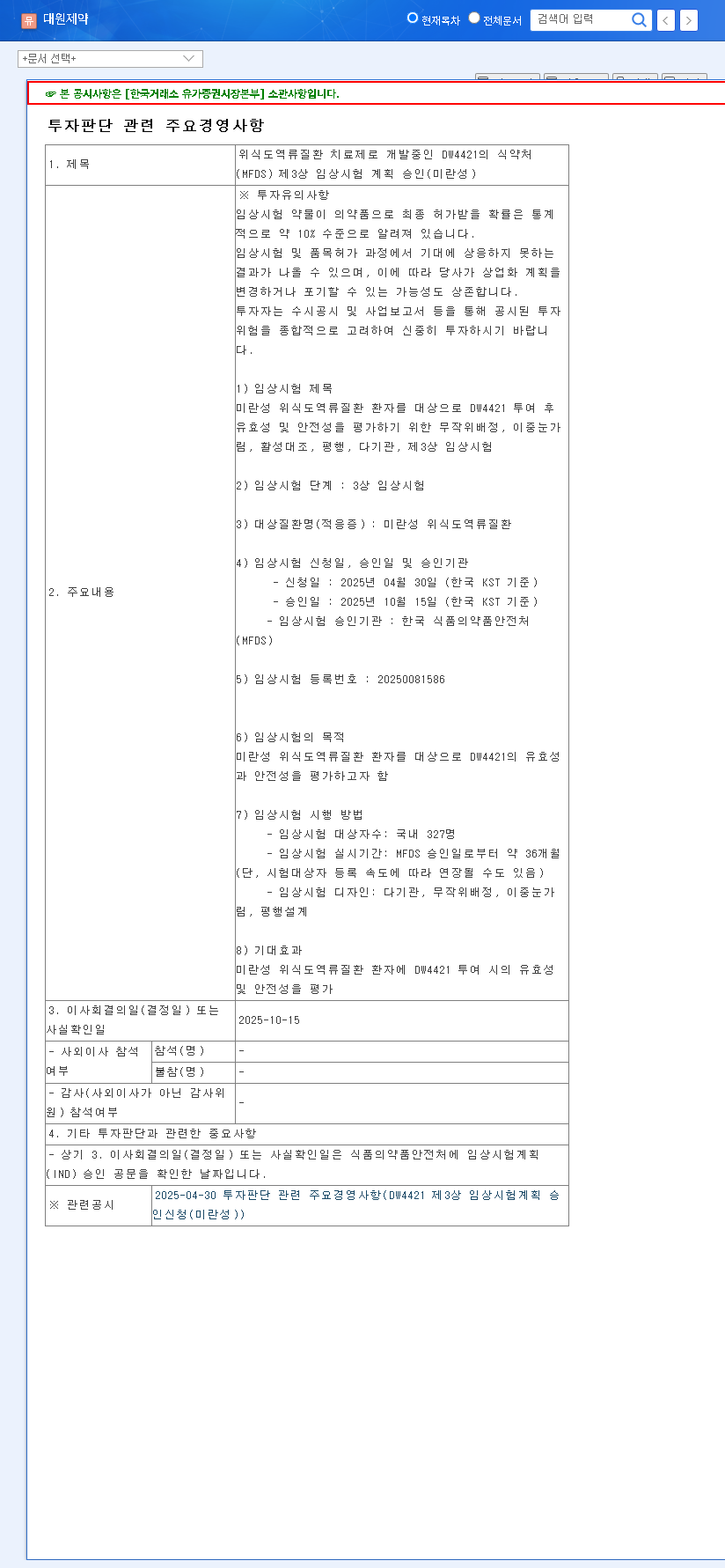
    The latest news on DAEWON PHARMACEUTICAL DW4421 presents a classic dilemma for investors: a promising clinical milestone set against a backdrop of troubling financial performance. The company recently announced it received approval from the Ministry of Food and Drug Safety (MFDS) for its Phase 3 clinical trial of DW4421, a novel drug for non-erosive gastroesophageal reflux disease (GERD). While this signals a potentially lucrative future, it comes at a time when the company’s H1 2025 profitability has significantly declined. This analysis will dissect the potential of the DW4421 Phase 3 trial, weigh it against the current financial realities, and provide a strategic outlook for investors considering DAEWON PHARMACEUTICAL stock.

    A Major Milestone: The DW4421 Phase 3 Trial Explained

    The approval to commence a Phase 3 trial is a critical step in any drug’s journey to market. For DAEWON PHARMACEUTICAL, this advancement for DW4421 represents the culmination of years of research and significant investment. It validates their R&D capabilities and moves them one giant leap closer to potentially launching a major new growth engine. The official announcement, as filed, provides the foundational details of this development. (Source: Official Disclosure).

    Targeting a Significant Unmet Need: Non-Erosive GERD (NERD)

    DW4421 is designed to treat non-erosive gastroesophageal reflux disease, often referred to as NERD. This is the most common form of GERD, where patients suffer from classic symptoms like heartburn and acid regurgitation but show no visible damage to the esophagus during an endoscopy. Because there is no physical erosion to heal, treatment focuses on symptom control, an area where many patients remain unsatisfied with current options. For a deeper understanding of GERD, authoritative sources like the Mayo Clinic offer extensive patient resources.

    NERD constitutes up to 70% of all GERD cases, representing a massive patient population and a significant market opportunity for a novel, effective non-erosive GERD treatment. Success in this area could redefine the standard of care.

    Key Details of the DW4421 Clinical Trial

    • Target Disease: Non-erosive Gastroesophageal Reflux Disease (NERD)
    • Trial Phase: Phase 3 (Final pre-market approval stage)
    • Patient Enrollment: 324 subjects across South Korea
    • Estimated Timeline: Approximately 36 months
    • Primary Goal: To conclusively evaluate the efficacy and safety of DW4421 compared to a placebo or existing standard of care.

    The Financial Reality: Analyzing H1 2025 Performance

    Despite the optimism surrounding the DW4421 Phase 3 trial, DAEWON PHARMACEUTICAL’s H1 2025 financial report paints a concerning picture. While consolidated revenue saw a minor increase of 1.7% to KRW 301.688 billion, profitability metrics fell sharply. Operating profit dropped by a staggering 42.4%, and net profit plummeted by 79.7%. This divergence between top-line growth and bottom-line results demands careful scrutiny.

    Unpacking the Decline in Profitability

    • Rising R&D Costs: Ambitious projects like the DAEWON PHARMACEUTICAL DW4421 trial are incredibly expensive, directly impacting profitability in the short term.
    • Increased SG&A Expenses: Higher selling, general, and administrative costs due to intensified marketing efforts and market competition have squeezed margins.
    • Subsidiary Underperformance: Poor financial results from consolidated subsidiaries weighed down the company’s overall performance.
    • Higher Financial Costs: A rising interest rate environment has increased the burden of debt financing.

    Investor Verdict: A Cautious ‘Hold’

    The Phase 3 trial for DAEWON PHARMACEUTICAL DW4421 is undoubtedly a significant long-term catalyst. However, the path is fraught with risk. Historically, the probability of a drug successfully navigating Phase 3 trials and gaining final approval is low. This high-risk, high-reward scenario, combined with the company’s current financial weakness, makes an aggressive ‘Buy’ recommendation premature. Conversely, the potential upside from a successful GERD drug trial is too substantial to warrant a ‘Sell’ recommendation.

    Therefore, a ‘Hold’ or ‘Watch’ stance is the most prudent approach. Investors should closely monitor the company’s progress on both the clinical and financial fronts before committing new capital. For more insights on evaluating clinical-stage companies, you can review our Guide to Investing in Pharmaceutical Stocks.

    Key Factors to Monitor Moving Forward

    • Any interim data or updates from the DW4421 Phase 3 trial.
    • Quarterly financial reports focusing on margin improvement and cost control.
    • Changes in the company’s overall financial health, particularly its debt-to-equity ratio.
    • Competitive landscape developments within the GERD treatment market.

    Final investment decisions should always be made after conducting personal due diligence. This analysis is based on publicly available information and is intended for informational purposes only.

    (003220) DAEWON PHARMACEUTICAL DW4421: Phase 3 Hope vs. Financial Headwinds | Investor Analysis 관련 이미지
  • (086450) DongKook Pharmaceutical Stock Analysis (2025): A Deep Dive into the VIP Sell-Off

    (086450) DongKook Pharmaceutical Stock Analysis (2025): A Deep Dive into the VIP Sell-Off

    A significant institutional sell-off can send ripples through the market, leaving investors to question the future of a company. This is the exact scenario facing DongKook Pharmaceutical stock after VIP Asset Management, a major institutional investor, drastically reduced its stake. This move has understandably raised concerns, but it also prompts a critical question: Is this a red flag signaling fundamental weakness, or a golden opportunity to invest at a more attractive valuation? This comprehensive DongKook Pharmaceutical stock analysis will dissect the event, evaluate the company’s core fundamentals, and provide a clear, actionable investment outlook for 2025 and beyond.

    The Catalyst: Unpacking the VIP Asset Management Sell-Off

    On October 27, 2025, market participants took notice as VIP Asset Management filed a mandatory disclosure revealing a substantial change in its holdings of DongKook Pharmaceutical Co., Ltd. The report detailed a significant ownership reduction of 1.90 percentage points, taking their stake from 7.71% down to 4.81%. This disposition involved the market sale of 170,051 shares between October 21 and October 24, 2025. Such a large-scale sale by a respected asset manager is a material event that warrants close scrutiny. For full transparency, you can view the Official Disclosure (DART).

    Why the Sudden Move? Potential Reasons Behind the Stake Reduction

    An institutional sell-off is rarely based on a single factor. It’s typically a calculated decision stemming from a combination of company-specific performance, portfolio strategy, and broader market conditions.

    1. Concerns Over Recent Corporate Fundamentals

    The most immediate concern is the company’s recent performance. DongKook Pharmaceutical’s first-half 2025 report revealed a revenue of 442.2 billion KRW, a sharp 45.6% decrease year-over-year. This downturn was primarily linked to sluggish exports in its intravenous fluid sector. Such a significant revenue drop could have been a key trigger for VIP Asset Management’s decision, signaling short-term growth challenges.

    2. Strategic Portfolio Rebalancing

    It’s also crucial to consider that the sale might be less about DongKook Pharmaceutical’s failures and more about VIP’s internal strategy. Asset managers constantly rebalance their portfolios to lock in profits, manage risk, or reallocate capital to sectors they believe have higher growth potential. The VIP Asset Management sell-off could simply be a prudent move to adjust their exposure within the healthcare industry.

    3. Macroeconomic Headwinds

    The broader economic climate cannot be ignored. Rising interest rates in major economies, as reported by sources like Reuters, increase borrowing costs and can dampen corporate investment. Furthermore, volatility in the USD/KRW and EUR/KRW exchange rates directly impacts the profitability of DongKook’s overseas operations, adding another layer of risk to the investment thesis.

    “For investors, the key is to separate the signal from the noise. Is the VIP sell-off a predictive signal of long-term decline, or is it market noise that creates an entry point for those focused on the underlying value?”

    Deep Dive: DongKook Pharmaceutical Stock Fundamentals

    To form a sound investment opinion, we must look past the headline event and analyze the core business segments and financial health of DongKook Pharmaceutical.

    Business Segment Performance

    • Over-the-Counter (OTC) Drugs: This remains a fortress for the company. Iconic brands like ‘Insadol’ and ‘Madecassol’ boast powerful brand equity and a loyal customer base, providing a stable revenue stream.
    • Ethical (Prescription) Drugs: While the intravenous fluid sector is currently a pain point, the company is actively pursuing growth through new drug development. Recovery in this segment is a key catalyst to watch.
    • Healthcare Division: The ‘Centellian24’ cosmetics brand is the star performer, showing robust growth and acting as a primary driver towards the company’s ambitious goal of 1 trillion KRW in total sales.

    Financial Health & R&D Investment

    Financially, the company maintains a solid foundation with consistently increasing total equity. However, there are yellow flags: rising accounts receivable and inventories could put pressure on cash flow. Despite the revenue downturn, DongKook has commendably maintained its investment in R&D. This commitment to innovation is a crucial positive sign, demonstrating a focus on securing future growth engines, a key topic in our guide to pharmaceutical stock investing.

    Investment Outlook & Final Verdict (Hold)

    Considering the short-term headwinds from the institutional sell-off and weak H1 2025 earnings, immediate upward momentum for DongKook Pharmaceutical stock seems unlikely. However, the company’s long-term potential remains intact due to its diversified business, strong brands, and R&D pipeline. Therefore, a ‘Hold’ rating is appropriate.

    • Positive Factors: Dominant OTC brands, high-growth healthcare division, continuous R&D investment, and sound financial base.
    • Negative Factors: Weakened investor sentiment, H1 revenue decline, potential cash flow pressures, and macroeconomic uncertainty.

    Investors should closely monitor H2 2025 earnings for a recovery in the intravenous fluid sector, track any further stake changes by VIP Asset Management, and watch for progress in the company’s R&D pipeline.

    (086450) DongKook Pharmaceutical Stock Analysis (2025): A Deep Dive into the VIP Sell-Off 관련 이미지
    (086450) DongKook Pharmaceutical Stock Analysis (2025): A Deep Dive into the VIP Sell-Off 관련 이미지
  • (005500) In-Depth SAMJIN PHARMACEUTICAL Stock Analysis: Decoding the Latest Shareholding Disclosure

    A recent disclosure from SAMJIN PHARMACEUTICAL CO.,LTD has captured the attention of the investment community, detailing CEO Choi Seung-joo’s unwavering stake and a curious, minor share transaction. The official report, filed on October 24, 2025, cited a ‘change in major contract terms,’ sparking speculation about the company’s future direction. This deep-dive analysis unpacks the implications of these developments for SAMJIN PHARMACEUTICAL, examining its management stability, fundamental health, and stock outlook amidst a challenging macroeconomic landscape.

    Investors can review the complete filing directly from the source for full transparency. Official Disclosure: Click to view the DART report.

    Deconstructing the Shareholding Disclosure

    The core of the recent market chatter revolves around the ‘Report on the Status of Large Shareholdings.’ Let’s dissect the two main components and what they signal for the company.

    CEO Choi Seung-joo’s Unchanged 9.90% Stake

    CEO Choi Seung-joo confirmed his stake remains at 9.90%, held for the stated purpose of ‘management influence.’ This is a significant indicator of leadership stability. For investors, a steady hand at the helm suggests a consistent long-term vision and reduces the risk of abrupt strategic shifts, providing a foundation of predictability for SAMJIN PHARMACEUTICAL in the near term.

    The Mystery of the 12,000 Share Transaction

    A seemingly minor transaction involved Song Hae-gang and Song Hae-seong selling a combined 12,000 shares to Choi Ji-yoon. While the volume is too small to impact market dynamics, the reported reason—’change in major contract terms’—is what raises eyebrows. This phrasing could hint at several possibilities, from adjustments in shareholder agreements to groundwork for future strategic partnerships or licensing deals. This warrants close monitoring of subsequent announcements from the company.

    While the CEO’s stable ownership provides comfort, the ambiguity surrounding the ‘change in major contract terms’ introduces a layer of uncertainty that the market will be keen to resolve.

    Fundamental Health Check: A SAMJIN PHARMACEUTICAL Analysis

    Beyond the disclosure, a company’s underlying fundamentals provide the true long-term picture. Based on the 2025 semi-annual report, here’s where SAMJIN PHARMACEUTICAL stands.

    Financial Performance Snapshot (H1 2025)

    • Revenue: KRW 145.47 billion, a modest 1.5% year-over-year increase.
    • Operating Profit: KRW 12.79 billion, down 3.6% due to rising selling and administrative costs.
    • Net Income: KRW 8.401 billion, a sharp 69.9% decrease, largely skewed by a one-off tax refund in the previous year.
    • Profitability: An operating profit margin of 8.8% highlights a clear need for efficiency improvements.

    Future Growth Engines & Financial Soundness

    Despite margin pressures, the company’s commitment to the future is evident. R&D spending stands at an impressive 11.59% of sales, funding a promising pipeline that includes an in-licensed Alzheimer’s treatment (AR1001). This level of investment is crucial for long-term growth in the competitive pharmaceutical sector. For a deeper understanding of industry R&D cycles, investors can review resources from authoritative bodies like the Pharmaceutical Research and Manufacturers of America (PhRMA). Financially, the company’s debt-to-equity ratio of 66.2% remains sound, providing a stable base for these growth initiatives.

    Market Outlook & Investor Strategy

    The stock’s performance will likely be influenced by a confluence of internal developments and external macroeconomic pressures.

    Navigating Macroeconomic Headwinds

    Two major external risks loom over SAMJIN PHARMACEUTICAL:

    • Currency Volatility: A rising KRW/USD and KRW/EUR exchange rate increases the cost of importing raw materials and servicing foreign currency debt, directly threatening profitability.
    • High-Interest Rates: Sustained high rates in Korea and the U.S. elevate borrowing costs for funding R&D and capital expenditures, while also dampening overall investor sentiment in growth-oriented sectors.

    Key Monitoring Points for Investors

    Moving forward, investors should focus on several key areas. For more on valuation metrics, you might want to read our guide on How to Value Pharmaceutical Stocks.

    • Clarification on Contract Terms: Any follow-up disclosures explaining the ‘change in major contract terms’ will be a primary stock catalyst.
    • Profitability Improvements: Future earnings reports must show a clear path to improving operating and net profit margins.
    • R&D Progress: Watch for clinical trial updates and progress reports on the new drug pipeline, especially the Alzheimer’s treatment.

    Frequently Asked Questions (FAQ)

    Q1: Did CEO Choi Seung-joo sell any of his SAMJIN PHARMACEUTICAL shares?
    No, the disclosure confirmed that CEO Choi Seung-joo maintained his 9.90% stake, signaling continuity in management control for the short term.

    Q2: What is the significance of the 12,000 share transaction?
    The transaction volume itself is negligible. Its importance comes from the stated reason: a ‘change in major contract terms,’ which hints at potential underlying strategic shifts that are not yet public.

    Q3: Is SAMJIN PHARMACEUTICAL financially healthy?
    The company shows modest revenue growth but faces profitability challenges due to rising costs. However, its debt levels are manageable, and it is investing heavily in R&D, which is a positive sign for future growth.

    Disclaimer: This content is for informational purposes only and is based on publicly available information. It should not be construed as financial advice. All investment decisions should be made at the investor’s own discretion and responsibility.

  • (317450) MYUNGIN PHARM.CO., LTD (317450) Stock Analysis: Shareholder Stake Hits 73.81% – An Investor’s Guide

    (317450) MYUNGIN PHARM.CO., LTD (317450) Stock Analysis: Shareholder Stake Hits 73.81% – An Investor’s Guide

    In a significant development for the newly listed MYUNGIN PHARM.CO., LTD (317450), the company has confirmed a massive consolidation of its major shareholder stake. With controlling parties now holding over 73% of the company, this move signals a powerful commitment to long-term management stability. But for investors, this event presents a complex picture filled with both opportunity and potential risk.

    This comprehensive stock analysis will dissect the implications of this shareholding change, offering a deep dive into MYUNGIN PHARM.CO., LTD’s robust financial health, the surrounding market environment, and a balanced view of the pros and cons. We provide an essential investment guide for anyone considering this KOSPI newcomer.

    The Event: Major Shareholder Stake Climbs to 73.81%

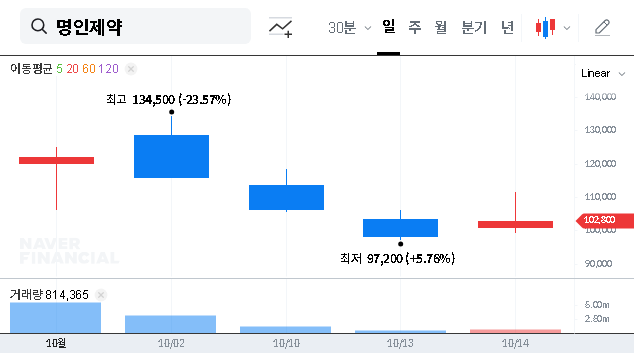
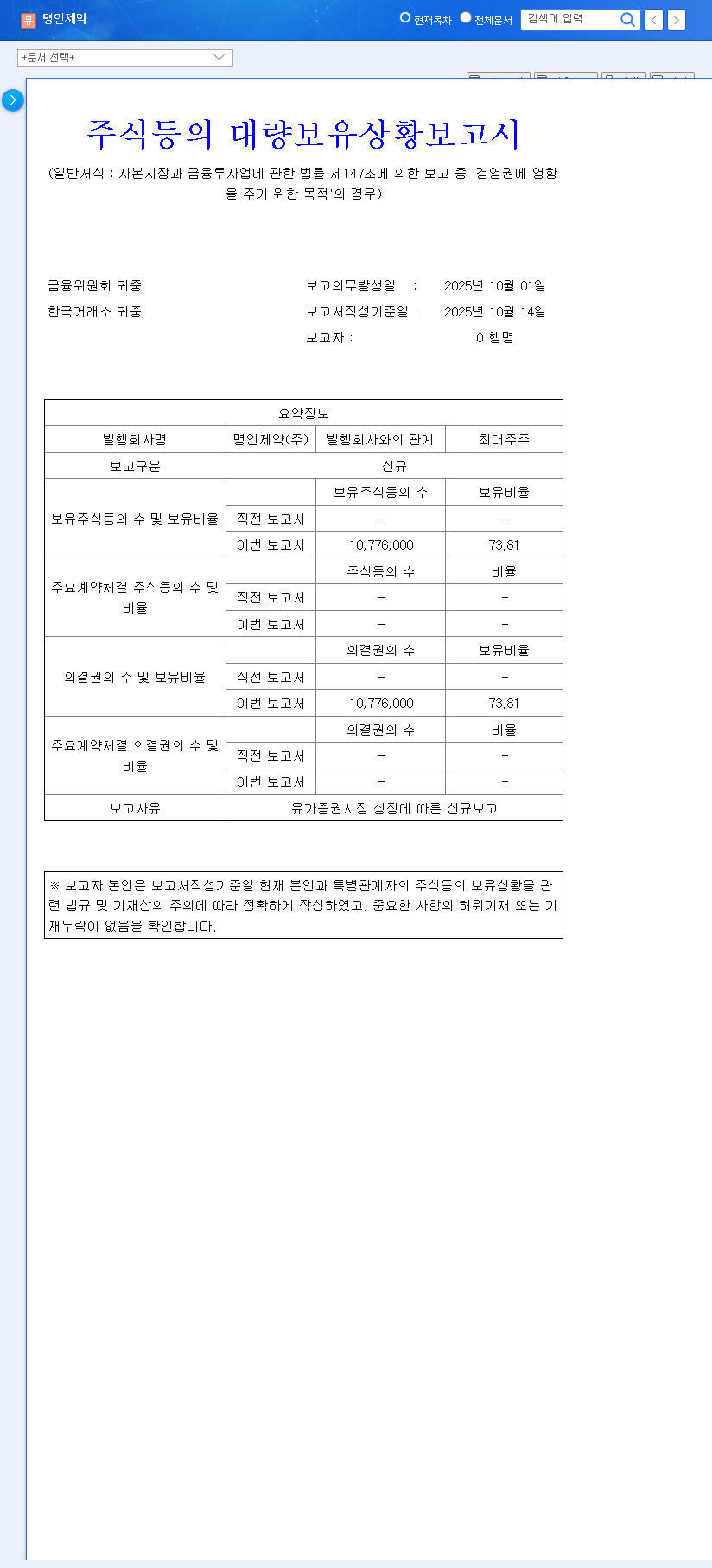
    On October 14, 2025, following its debut on the KOSPI market, MYUNGIN PHARM.CO., LTD filed a ‘Report on Major Shareholdings’. The filing’s core revelation is that controlling shareholder Lee Haeng-myung and related parties have solidified their control, securing a commanding 73.81% stake in the company. The full details can be reviewed in the Official Disclosure (DART).

    The shares were primarily acquired via gift/grant, a crucial detail suggesting a strategic move for long-term succession planning and control consolidation rather than a market purchase. The stated purpose was explicit: to influence management control.

    Breakdown of Key Holdings:

    • Lee Haeng-myung: 7,428,000 shares
    • Lee Sun-young: 1,130,000 shares
    • Lee Ja-young: 1,170,000 shares
    • Myungin Multicultural Scholarship Foundation: 500,000 shares

    Financial Deep Dive: A Foundation of Strength

    This consolidation of control is built upon an exceptionally strong financial base. The 2024 audit report, which received an ‘unqualified opinion,’ paints a picture of a healthy and growing enterprise.

    With double-digit revenue growth and a fortress-like balance sheet, MYUNGIN PHARM’s fundamentals provide a compelling backdrop to the recent shareholder developments.

    Key Financial Metrics (2024 vs. 2023):

    • Robust Growth: Consolidated revenue hit KRW 269.4 billion (up 11.18% YoY) with operating profit rising to KRW 92.7 billion (up 10.93% YoY), showcasing the strength of its core pharmaceutical sales.
    • Exceptional Financial Soundness: The company boasts a near-zero debt-to-equity ratio of just 9.38%, a figure that signals immense stability and low financial risk. For context, you can learn more about this crucial metric from authoritative sources like Investopedia.
    • Net Income Anomaly: Despite strong operations, net income saw a 7.85% decrease. This was not due to poor performance but rather a significant surge in non-operating expenses, specifically large-scale charitable contributions.

    Analysis: The Two Sides of High Shareholder Control

    A high shareholder stake is a double-edged sword. It offers unparalleled stability but introduces unique risks that investors must carefully weigh.

    Positive Impacts for Investors

    • Enhanced Management Stability: With over 73% control, leadership can execute long-term strategies, such as major R&D projects, without pressure from short-term market fluctuations or activist investors.
    • Positive Market Signal: This consolidation, timed with the new listing, acts as a vote of confidence from the core leadership, which can generate positive short-term momentum.
    • Improved Corporate Image: The stake held by the Myungin Multicultural Scholarship Foundation boosts the company’s Corporate Social Responsibility (CSR) profile, potentially attracting ESG-focused investors.

    Potential Risks & Considerations

    • Reduced Share Liquidity: With less than 27% of shares available for public trading (the ‘free float’), trading volume may be low. This can lead to higher price volatility, as even small trades can have an outsized impact on the stock price.
    • Long-Term Tax Implications: The massive stake held by the CEO could create future inheritance or gift tax liabilities. These often necessitate selling large blocks of shares, which can put downward pressure on the stock price.
    • Focus on Fundamentals: The ownership change itself doesn’t create value. Long-term appreciation will still hinge on revenue growth, new drug development, and navigating the market. For more on sector trends, read our Guide to the Korean Pharmaceutical Market.

    Investor Action Plan & Recommendation

    Given the coexisting positive signals and potential risks, a prudent and neutral approach is advised for MYUNGIN PHARM.CO., LTD. This is a stock for the watchlist, not an impulsive buy.

    • Monitor Fundamentals: Keep a close eye on quarterly earnings reports to ensure the company maintains its growth trajectory.
    • Prepare for Volatility: If you decide to invest, be mindful of the low liquidity. Consider using limit orders to manage entry and exit points effectively.
    • Analyze Profitability Drivers: Assess future charitable contribution policies to understand their recurring impact on net income and overall profitability.

    Investment Recommendation: Neutral. While the company’s financial health is excellent and management stability is secured, the risks associated with low liquidity warrant a period of observation before committing capital. The true long-term value will be proven through sustained performance, not just ownership structure.

    (317450) MYUNGIN PHARM.CO., LTD (317450) Stock Analysis: Shareholder Stake Hits 73.81% - An Investor's Guide 관련 이미지
  • (195940) HK inno.N Stock Analysis: NPS Sells Shares, But Is K-CAB’s Growth Unstoppable?

    (195940) HK inno.N Stock Analysis: NPS Sells Shares, But Is K-CAB’s Growth Unstoppable?

    The recent disclosure of Korea’s National Pension Service (NPS) reducing its stake in HK inno.N has sent ripples through the investment community. When a major institutional player trims its position, it naturally raises questions: Is this a vote of no confidence, or a routine portfolio adjustment? This comprehensive analysis dives deep into the NPS’s decision, evaluating the robust fundamentals of HK inno.N and the immense global potential of its flagship drug, K-CAB, to provide a clear, strategic outlook for investors.

    We will dissect the market implications, weigh the macroeconomic factors, and ultimately determine if this moment represents a hidden risk or a strategic buying opportunity for those with a long-term vision for HK inno.N stock.

    The NPS Stake Reduction: What We Know

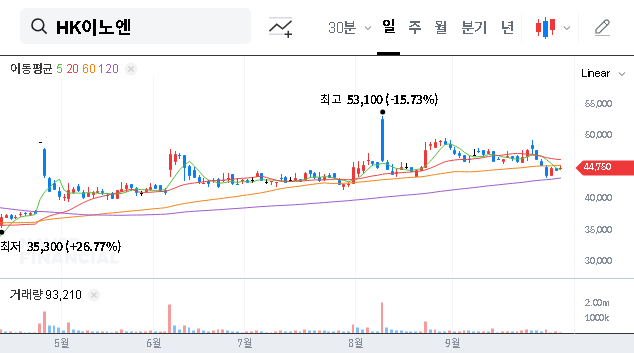
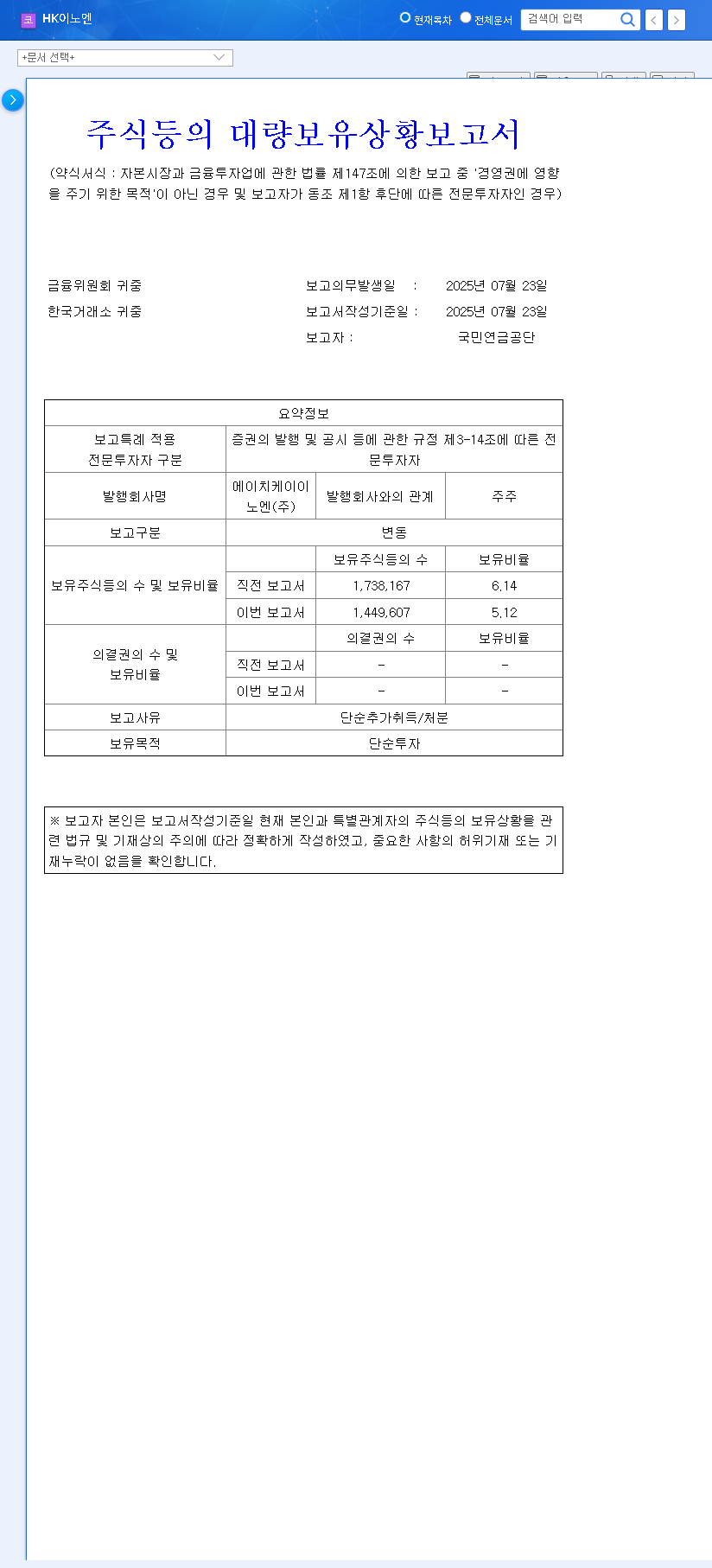
    On October 1, 2025, the National Pension Service officially reported a change in its equity holding in HK inno.N. According to the filing, the NPS stake decreased from 6.14% to 5.12%, a reduction of 1.02 percentage points. The official reason cited for this change was a ‘simple additional acquisition/disposition’ with the holding purpose listed as ‘simple investment’. You can view the Official Disclosure on DART for complete details.

    While the term ‘simple investment’ may seem vague, it typically indicates that the decision was not driven by a negative outlook on the company’s core business. Instead, it often points towards broader fund management strategies, such as:

    • Portfolio Rebalancing: Adjusting asset allocation across different sectors to maintain a target mix.
    • Profit-Taking: Selling a portion of a position that has performed well to realize gains.
    • Liquidity Management: Freeing up capital for other investment opportunities.

    Therefore, while the sale is noteworthy, a deeper HK inno.N analysis of the company’s intrinsic value is required before drawing any conclusions.

    Core Strength: K-CAB’s Unwavering Global Expansion

    The primary pillar of HK inno.N‘s long-term value proposition is undeniably K-CAB (Tegoprazan), its groundbreaking treatment for gastroesophageal reflux disease (GERD). As a potassium-competitive acid blocker (P-CAB), K-CAB offers significant advantages over older proton pump inhibitors (PPIs), including rapid onset of action and efficacy regardless of food intake. For more on the science, you can review literature on P-CAB mechanisms from authoritative medical journals.

    The global expansion of K-CAB is not just a plan; it’s a rapidly unfolding reality. This expansion is the single most important factor for investors to watch, far outweighing short-term institutional trading.

    The company is aggressively pursuing international markets, with licensing agreements and launches in numerous countries, including China, Mexico, Indonesia, and across Southeast Asia. Each new market entry unlocks substantial revenue streams and solidifies K-CAB‘s position as a future blockbuster drug, underpinning the core growth narrative for HK inno.N.

    A Balanced View: Fundamentals and Headwinds

    Beyond its star product, a comprehensive HK inno.N analysis reveals a company with solid fundamentals, though not without its challenges.

    Positive Factors

    • Diverse ETC Portfolio: Beyond K-CAB, the company boasts a stable of reliable Ethical Drug (ETC) products, including intravenous solutions and Lovazet, which provide consistent revenue and cash flow.
    • Strong Financial Health: With a low debt-to-equity ratio (around 46%) and healthy capital reserves, HK inno.N is well-positioned to weather economic volatility and fund its own growth initiatives.
    • R&D Pipeline: Sustained investment in research and development is crucial for long-term competitiveness in the pharmaceutical industry, and the company remains committed to building its pipeline of future drugs. Learn more about our pharmaceutical market trend analysis.

    Risks to Monitor

    • H&B Division Performance: The Health & Beauty (H&B) segment has shown signs of underperformance, which can drag on overall short-term results. Improving competitiveness in this crowded market is a key challenge.
    • Macroeconomic Pressures: Rising raw material costs, global logistics challenges, and higher interest rates can compress profit margins for any manufacturing-based company, including HK inno.N.
    • Regulatory Headwinds: Policies such as drug price reductions can directly impact the revenue and profitability of the core ETC division, creating short-term uncertainty.

    Strategic Outlook for Investors

    The sale of shares by the National Pension Service is best viewed as short-term market noise rather than a fundamental shift in the company’s outlook. The core investment thesis for HK inno.N remains intact and is firmly anchored to the global success of K-CAB.

    For savvy investors, any temporary stock price weakness resulting from this news could be considered a strategic opportunity. The key is to maintain a long-term perspective, focusing on the company’s ability to execute its global expansion strategy and manage its operational costs effectively. Continuously monitoring K-CAB‘s international sales figures, progress in the R&D pipeline, and improvements in the H&B segment will be crucial for making informed decisions.

    Disclaimer: This analysis is for informational purposes only and does not constitute investment advice. Investors are responsible for their own decisions.

    (195940) HK inno.N Stock Analysis: NPS Sells Shares, But Is K-CAB's Growth Unstoppable? 관련 이미지
  • (016580) Whanin Pharmaceutical Stock Forecast (016580): In-Depth Analysis of NPS Stake Sale

    (016580) Whanin Pharmaceutical Stock Forecast (016580): In-Depth Analysis of NPS Stake Sale

    The recent news that the National Pension Service (NPS) has sold a portion of its holdings has sent ripples through the investment community, raising questions about the future of Whanin Pharmaceutical stock. When a major institutional investor reduces its stake, it can trigger concerns about downward price pressure and a shift in market sentiment. Is this a simple portfolio rebalancing, or does it signal a deeper change in the company’s outlook? This in-depth analysis will explore the full context to help investors make informed decisions.

    We will delve into the specifics of the NPS sale, examine the robust fundamentals of Whanin Pharmaceutical, and consider the broader market factors to provide a clear, long-term perspective on the company’s intrinsic value.

    The Catalyst: Deconstructing the NPS Stake Sale

    A formal disclosure recently confirmed that the National Pension Service (NPS), a significant shareholder, has reduced its position in Whanin Pharmaceutical (016580). Understanding the details of this event is the first step in a proper analysis.

    Event Details and Official Source

    • Event: NPS submitted a Simplified Report on Large Shareholdings.
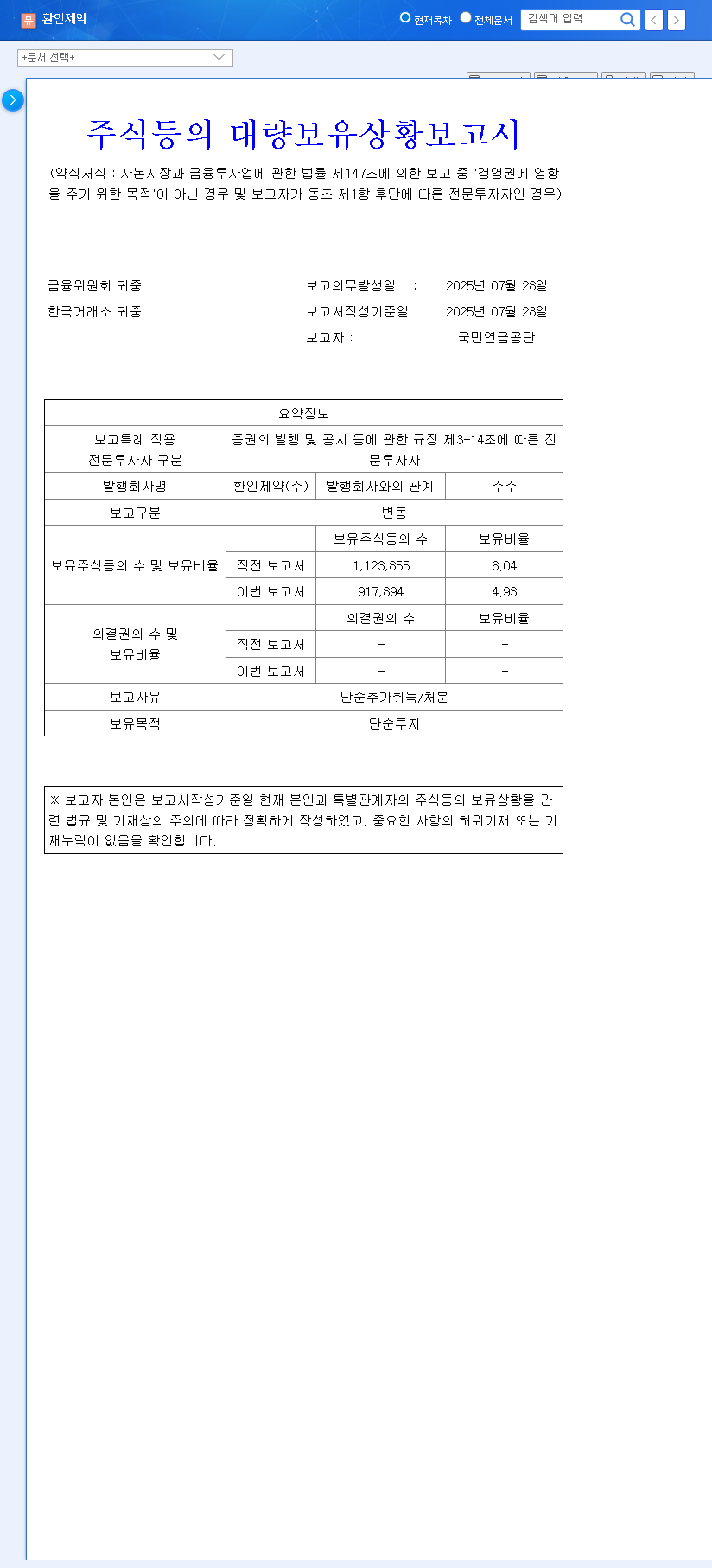
    • Details: The NPS stake decreased from 6.04% to 4.93%, a reduction of 1.11 percentage points.
    • Stated Purpose: The official reason for the sale is listed as ‘Simple Investment’.
    • Official Disclosure: The complete details can be verified directly from the regulatory filing. (Source: DART)

    Typically, the sale of shares by an influential body like the NPS can create short-term selling pressure as the market absorbs the new supply. This can temporarily dampen the Whanin Pharmaceutical stock forecast, irrespective of the company’s underlying health.

    Evaluating Whanin Pharmaceutical’s Fundamentals

    To determine if the NPS sale is a red flag, we must look past the immediate market noise and analyze the company’s core business and financial stability. Whanin Pharmaceutical’s fundamentals remain a key pillar for its long-term valuation.

    Core Business Strength and Financial Health

    Whanin Pharmaceutical is a dominant player in the pharmaceutical industry, with a particularly high market share in the neuropsychiatric drug sector. This specialization provides a strong competitive moat. A review of its 2024 business report highlights several key points:

    • Financial Stability: The company boasts a consolidated debt-to-equity ratio of just 12.95%. This exceptionally low figure indicates a very stable and resilient financial structure, minimizing risks from interest rate fluctuations.
    • Sales Growth: Revenue increased by 12.7% year-over-year in 2024, demonstrating consistent demand for its products and strong market positioning.
    • Profitability Context: While operating and net income saw a decrease, this was attributed to increased costs and capital expenditures. This often suggests a company is in an investment phase, sacrificing short-term profits for long-term growth and innovation.

    The NPS sale appears to be a matter of portfolio management rather than a verdict on Whanin’s strong fundamentals. The market’s short-term reaction often overlooks underlying financial health and long-term growth drivers like R&D pipelines.

    Outlook: Short-Term Headwinds vs. Long-Term Potential

    The key question for investors is how to weigh the short-term supply pressure against the company’s long-term growth prospects. The evidence suggests that while the Whanin Pharmaceutical stock price may face temporary volatility, the core value proposition remains intact.

    Key Drivers for Future Growth

    The future trajectory of the 016580 stock analysis will depend less on institutional trading and more on these fundamental drivers:

    • Core Business Competitiveness: Continued dominance in the neuropsychiatric drug market provides a stable revenue base. For more on sector trends, you can read our deep dive into the 2024 pharmaceutical market.
    • New Ventures: Expansion into new areas, such as animal pharmaceuticals, offers promising avenues for diversification and revenue growth.
    • R&D Pipeline: The progress of new drug developments, like WID-RGC20, represents significant upside potential that could unlock substantial future value.

    Investor Strategy and Final Takeaway

    For savvy investors, separating signal from noise is crucial. The NPS stake reduction is primarily noise—a short-term event that does not alter the company’s fundamental story. Institutional selling can be driven by many factors, including risk management and sector allocation strategies, as noted by leading financial publications like Bloomberg.

    Actionable Advice for Investors

    Rather than reacting to short-term price movements, a rational approach is to focus on the company’s intrinsic value. Monitor the progress of its business expansion, profitability improvements, and R&D milestones. The recent dip could even present a buying opportunity for those with a long-term investment horizon who believe in the company’s core strengths. The current market reaction to the NPS stake sale is not a sufficient reason to alter a positive long-term investment thesis on Whanin Pharmaceutical stock.

    Disclaimer: This content is for informational purposes only and does not constitute financial advice. All investment decisions should be made based on your own research and judgment.

    (016580) Whanin Pharmaceutical Stock Forecast (016580): In-Depth Analysis of NPS Stake Sale 관련 이미지
  • Korea United Pharm’s $696M Contract Termination: What Investors Need to Know

    Korea United Pharm's $696M Contract Termination: What Investors Need to Know 대표 차트 이미지

    1. Background and Scale of the Contract Termination

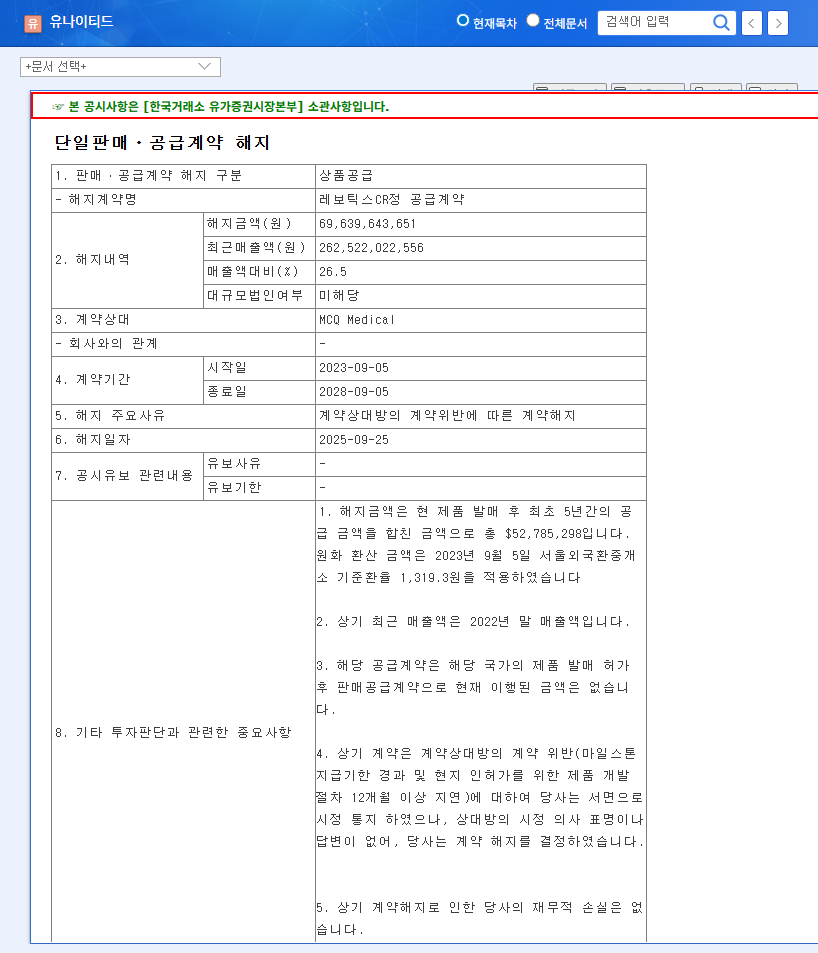
    The supply contract for LevoticsCR tablets was terminated due to a breach of contract by MCQ Medical. This will result in an estimated ₩696 billion revenue loss for Korea United Pharm, exceeding its estimated 2024 revenue.

    2. Impact Analysis of the Termination

    This termination will directly impact sales and profitability, and it is expected to create downward pressure on stock prices, increase uncertainty in future earnings forecasts, and alter the competitive landscape in overseas markets. The current high-interest rate environment may also exacerbate financial health concerns.

    3. Korea United Pharm’s Fundamentals and Growth Potential

    Korea United Pharm has shown robust growth, exporting to over 40 countries based on major modified new drugs such as SilostanCR, ArtMac CombiGel, and GastinCR. Its high R&D investment ratio and diverse new drug development pipeline are considered future growth drivers. However, recent declines in semi-annual sales and EPS trends, along with an increase in debt ratio, are causes for concern.

    4. Action Plan for Investors

    While a short-term stock price decline seems inevitable, Korea United Pharm has the potential to overcome this crisis based on its R&D capabilities and existing product portfolio. Investors should note the following:

    • Monitor the company’s announcements regarding plans to address the revenue gap and carefully review its overseas business diversification strategy and financial soundness management plan.
    • Re-evaluate the company’s fundamentals and growth potential from a long-term perspective and establish an appropriate investment strategy.

    Frequently Asked Questions

    What is the main reason for the contract termination?

    The primary reason is MCQ Medical’s breach of contract. Refer to the official announcement for further details.

    What is the expected impact of the termination on the stock price?

    Downward pressure on the stock price is anticipated in the short term. The loss of 26.5% of revenue could send a negative signal to the market.

    What is the future outlook for Korea United Pharm?

    While challenges are expected in the short term, there is a possibility of recovery based on their strong R&D pipeline and existing product portfolio.

    Korea United Pharm's $696M Contract Termination: What Investors Need to Know 관련 이미지
    Korea United Pharm's $696M Contract Termination: What Investors Need to Know 관련 이미지
  • Daewoong Pharmaceutical’s Fexuclue Approved in China: Investment Outlook (September 2025)

    Daewoong Pharmaceutical's Fexuclue Approved in China: Investment Outlook (September 2025) 대표 차트 이미지

    1. What Happened?

    Daewoong Pharmaceutical’s Fexuclue has been granted marketing authorization by the National Medical Products Administration (NMPA) of China. While the company also released its 2024 business report (amended), the amendments primarily clarified existing information, with minimal direct impact on fundamentals.

    2. Why Does It Matter?

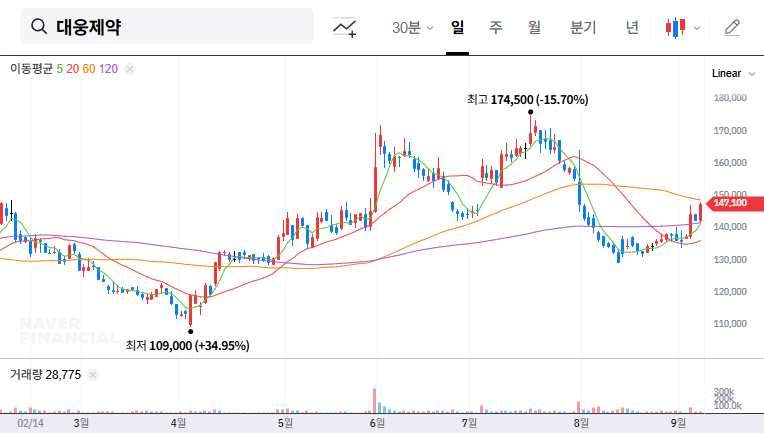
    China represents the second largest pharmaceutical market globally. Fexuclue’s entry into China presents a significant opportunity for Daewoong to boost sales and expand its global presence. As a P-CAB inhibitor with superior efficacy compared to existing PPIs, Fexuclue is expected to offer a new treatment option for Chinese patients suffering from gastroesophageal reflux disease. This also validates Daewoong’s R&D capabilities and could pave the way for further expansion into other global markets.

    3. What’s Next?

    Positive Scenario: If Fexuclue successfully establishes itself in the Chinese market, Daewoong’s sales and operating profit are likely to experience substantial growth. This could serve as a powerful catalyst for a rise in stock price.

    • Short-term: Positive investor sentiment and stock price appreciation are anticipated.
    • Long-term: Transformation into a global pharmaceutical company and increased corporate value are expected.

    Considerations: Potential risk factors include intensified competition within the Chinese market, changes in local regulations, and the effectiveness of Daewoong’s marketing strategies. Fluctuations in exchange rates and rising interest rates are also factors to consider.

    4. What Should Investors Do?

    While Fexuclue’s entry into China is positive, investors should carefully consider the following factors before making investment decisions:

    • Fexuclue’s sales performance and market share trends in China
    • Competitive landscape and Daewoong’s marketing strategies
    • Global market expansion strategy and the progress of R&D pipelines
    • Impact of changes in the macroeconomic environment

    Thorough analysis is crucial for identifying investment opportunities and managing risks.

    Frequently Asked Questions

    When will Fexuclue be launched in China?

    The exact launch date has not yet been announced. Investors should monitor relevant news and official announcements from Daewoong Pharmaceutical.

    How much is Fexuclue expected to sell in China?

    Considering the market size and Fexuclue’s efficacy, substantial sales are expected. However, precise predictions are difficult due to various factors such as competition and marketing strategies.

    How will Fexuclue’s entry into China affect the stock price?

    While a positive short-term impact is likely, the long-term stock price trend will depend on Fexuclue’s actual sales performance, the success of the global market expansion strategy, and changes in the macroeconomic environment.

    Daewoong Pharmaceutical's Fexuclue Approved in China: Investment Outlook (September 2025) 관련 이미지
  • Daewoong Pharmaceutical (069620): Q2 2025 Earnings Beat Expectations – Key Analysis & Investment Strategy

    1. Daewoong Pharmaceutical’s Q2 2025 Performance: What Happened?

    On August 14, 2025, Daewoong Pharmaceutical announced its Q2 2025 preliminary earnings. Revenue reached ₩405.4 billion, operating profit ₩57.8 billion, and net income ₩40.1 billion. This represents a year-on-year increase of 5%, 12%, and 7% respectively, surpassing market forecasts.

    2. Behind the Strong Performance: Key Growth Drivers

    This strong performance is attributed to robust domestic and international sales of key products and efficient cost management. The high export ratio of specific products demonstrates Daewoong’s global competitiveness. Furthermore, the company has secured future growth drivers, including new overseas export contracts and a joint development agreement for depot injections. The rise in the KRW/USD exchange rate also positively impacted Daewoong’s export business.

    3. Investment Strategy: What’s Next?

    While Daewoong’s future looks promising, investors should remain aware of certain factors. The success of new drug pipeline development and external factors like exchange rate fluctuations require continuous monitoring. Key considerations for investors include:

    • Monitoring new drug pipeline and export contracts
    • Managing exchange rate and interest rate volatility
    • Analyzing market share and competitive landscape for key products
    • Assessing improvements in financial health (debt ratio, ROE)

    Frequently Asked Questions

    Q: What were Daewoong Pharmaceutical’s key achievements in Q2 2025?

    A: The company exceeded market expectations with revenue of ₩405.4B and operating profit of ₩57.8B. Strong sales of key products and efficient cost management were major contributors.

    Q: What are Daewoong Pharmaceutical’s main growth drivers?

    A: Key growth drivers include robust domestic and international sales, new overseas export contracts, and a joint development agreement for depot injections. The favorable KRW/USD exchange rate also contributed.

    Q: What should investors be aware of?

    A: Investors should monitor the success of new drug pipeline development, exchange rate volatility, and changes in the competitive landscape.