Tag: Paper Industry

  • (002310) ASIA PAPER MANUFACTURING CO.,LTD Stock Cancellation (002310): An Investor’s Deep Dive Analysis

    (002310) ASIA PAPER MANUFACTURING CO.,LTD Stock Cancellation (002310): An Investor’s Deep Dive Analysis

    The recent announcement of the ASIA PAPER MANUFACTURING CO.,LTD stock cancellation has sent ripples through the investment community. The company (KOSPI: 002310) plans to cancel 8.6 billion KRW in treasury shares, a significant move that comes amidst a challenging period of declining revenue and profitability. For investors, the critical question is whether this is a genuine, strategic effort to bolster shareholder value or a defensive maneuver to manage a crisis. This comprehensive analysis will dissect the decision, examine the company’s underlying fundamentals, and provide clear insights to help you navigate your investment strategy concerning ASIA PAPER MANUFACTURING CO.,LTD.

    While the cancellation of treasury shares is a positive signal for shareholder returns, it must be weighed against the company’s fundamental performance and the significant headwinds facing the paper industry.

    The Core Details of the Stock Cancellation

    On November 14, 2025, ASIA PAPER MANUFACTURING CO.,LTD formally disclosed its decision to cancel 1,150,000 of its common shares. These are treasury shares—stock that the company had previously repurchased from the open market. The total value of this cancellation is approximately 8.6 billion KRW, which accounts for 2.76% of its market capitalization. The official cancellation is scheduled for December 3, 2025. By removing these shares from the total outstanding count, the company aims to increase the value of each remaining share. You can view the Official Disclosure on the DART system for complete details.

    Analyzing the Financial Backdrop: Why Now?

    This decision to enhance shareholder value was not made in a vacuum. The company’s recent financial performance reveals significant challenges that provide crucial context for this strategic move.

    Worsening Profitability and Revenue Decline

    The cumulative results for Q3 2025 painted a bleak picture. Year-over-year, revenue dropped by 4.44%, while operating profit and net income plummeted by 9.54% and 11.46%, respectively. The primary culprit was a significant sales decrease in the paper division, which constitutes over half of the company’s revenue. This downturn highlights structural issues within its core business segment.

    Raw Material and Pricing Pressures

    While stable pulp prices offer some relief, the company has struggled to pass rising raw material costs onto its customers through higher selling prices. This margin squeeze is a persistent threat to profitability. Furthermore, the volatility of waste paper prices, a key input, introduces additional risk. Investors should monitor commodity market trends closely, as detailed in reports from sources like Reuters Business.

    Strained Financial Health

    The company’s consolidated debt-to-equity ratio exceeds 100%, and short-term borrowings are on the rise. This indicates a need for careful financial management. A major upcoming capital expenditure is the new corrugated board factory in Cheongju. While this investment is a potential long-term growth driver targeting the booming e-commerce packaging market, it will place a considerable financial burden on the company in the short term.

    Impact of the 002310 Treasury Shares Cancellation

    Understanding the implications of this move is key for investors. While the immediate stock price impact may be limited, the long-term effects are more nuanced.

    • Enhanced Per-Share Metrics: By reducing the number of outstanding shares, key metrics like Earnings Per Share (EPS) and Book Value Per Share (BPS) automatically increase. This can make the stock appear more attractive on a valuation basis.
    • Positive Signal to the Market: The act of cancelling shares, especially during a downturn, signals management’s confidence in the company’s long-term prospects and its commitment to rewarding shareholders.
    • Tapping into Corrugated Board Growth: The cancellation may also serve to focus investor attention on future growth areas, such as the corrugated board market, which benefits from the sustained rise of e-commerce and demand for sustainable packaging.

    Investment Thesis: Key Factors to Monitor

    The ASIA PAPER MANUFACTURING CO.,LTD stock cancellation is a positive gesture, but it doesn’t erase the underlying business risks. A prudent investment approach requires careful monitoring of several factors.

    Path to Performance Improvement

    Ultimately, sustainable stock price growth will depend on fundamental business improvement. Watch for signs of stabilization in the paper division, improved pricing power, and a clear timeline for when the new Cheongju factory will begin contributing to the bottom line. Learning how to analyze industrial sector stocks can provide a valuable framework for this evaluation.

    Macroeconomic Headwinds

    External factors remain a major threat. A rising KRW/USD exchange rate can increase the cost of imported raw materials. Fluctuations in oil prices impact energy and logistics costs. A broader economic downturn could dampen demand across both the paper and corrugated board segments. Investors must remain vigilant about these macroeconomic indicators.

    Conclusion: A Cautious Long-Term Play

    In summary, ASIA PAPER MANUFACTURING CO.,LTD’s decision to cancel treasury shares is a commendable step towards enhancing shareholder value. However, it should be viewed as one piece of a much larger and more complex puzzle. Rather than expecting a short-term price jump, investors should adopt a medium-to-long-term perspective, focusing on whether the company can successfully navigate its current challenges, stabilize its financials, and capitalize on the growth opportunities in the corrugated board industry. The road ahead requires a significant operational turnaround, and success is far from guaranteed.
    (002310) ASIA PAPER MANUFACTURING CO.,LTD Stock Cancellation (002310): An Investor's Deep Dive Analysis 관련 이미지
  • (002030) ASIA HOLDINGS CO.,LTD Stock Cancellation (2025): An Investor’s Deep Dive

    (002030) ASIA HOLDINGS CO.,LTD Stock Cancellation (2025): An Investor’s Deep Dive

    In a significant move for investors, ASIA HOLDINGS CO.,LTD (아세아) has announced a 4 billion KRW stock cancellation. This decision to retire treasury shares comes amidst challenging market conditions and raises critical questions for current and potential shareholders. What does this maneuver truly signal about the company’s confidence and future? This comprehensive analysis explores the implications of the ASIA HOLDINGS CO.,LTD stock cancellation, from potential short-term share price benefits to the underlying fundamental health of the company, providing strategic insights for your investment portfolio.

    The 4 Billion Won Treasury Share Cancellation Explained

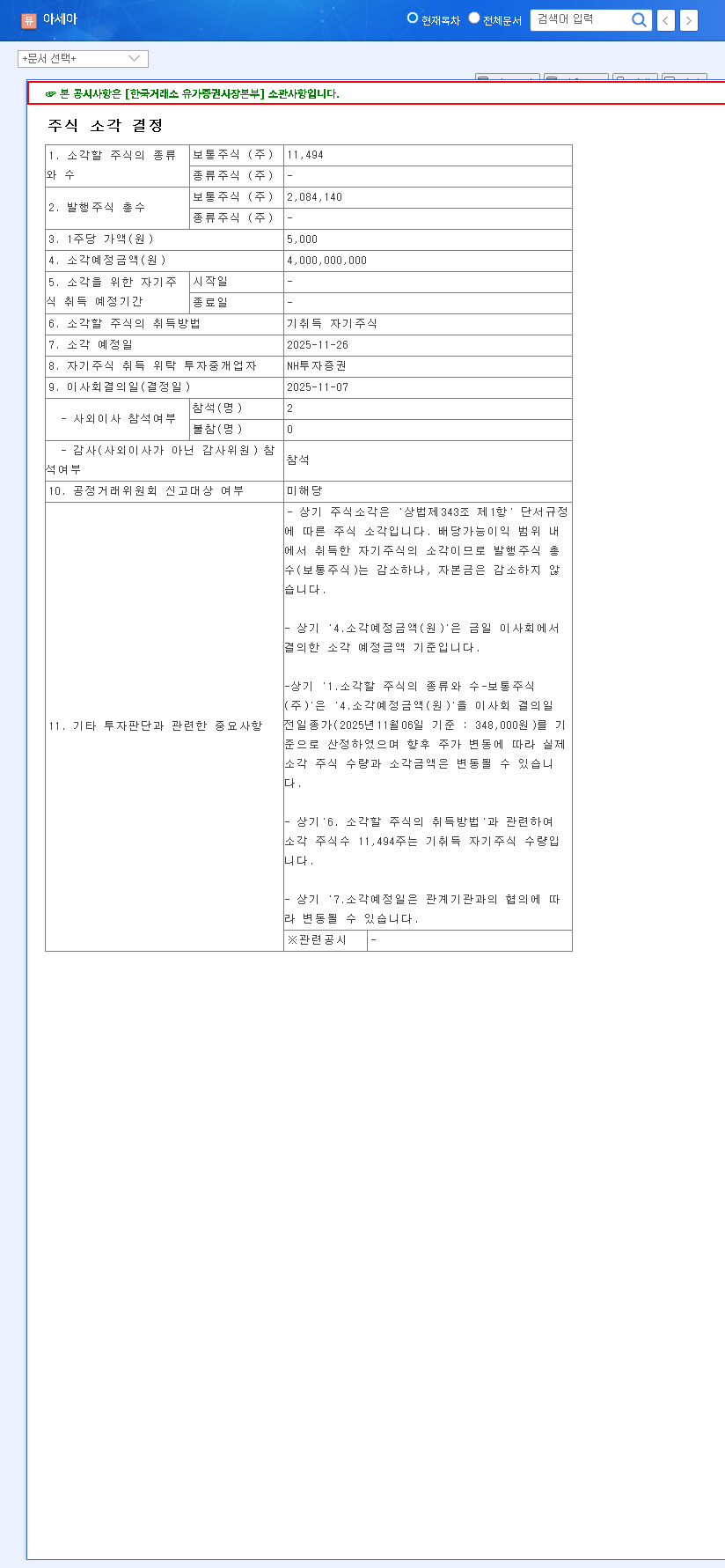
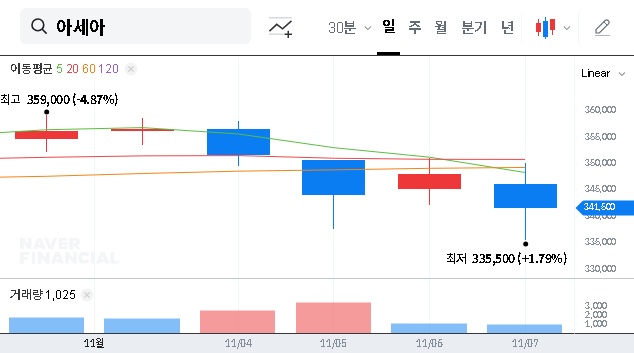
    On November 7, 2025, ASIA HOLDINGS CO.,LTD formally announced its resolution to cancel 11,494 of its common treasury shares. This transaction, valued at approximately 4 billion KRW, is slated for completion on November 26, 2025. While this represents a modest 0.55% of the company’s 712.8 billion KRW market capitalization, the strategic timing and intent behind the move warrant a closer look. A treasury share cancellation is essentially a company buying back its own stock from the open market and then permanently retiring it, reducing the total number of shares outstanding. The official disclosure for this event can be found on DART, Korea’s electronic disclosure system (Source).

    Context: Unpacking the Company’s Current Landscape

    To fully grasp the significance of the stock cancellation, we must analyze the fundamental and market pressures ASIA HOLDINGS CO.,LTD is currently facing. The decision is not just about shareholder value; it’s a strategic response to a complex business environment.

    Underperforming Business Segments

    The first half of 2025 painted a challenging picture. The company reported sales of 935.4 billion KRW (an 8.1% decrease YoY) and an operating profit of 76.7 billion KRW (a sharp 33.8% decrease YoY). This downturn is not isolated to one area but stems from headwinds across its core operations:

    • Construction Market Downturn: The cement business has been significantly impacted, with low production utilization rates at ASIA Cement (58.8%) and Halla Cement (48.3%) directly hitting sales and profitability.
    • Paper Industry Stagnation: Weakening demand, rising raw material costs, and an industry-wide slowdown have squeezed margins in the paper division.
    • Cost and Currency Volatility: Fluctuations in raw material prices and foreign exchange rates have created significant cost-side pressure on the company’s core businesses.
    • Diversified Business Headwinds: Other ventures, including Wooshin Venture Investment and the Gyeongju World theme park, have also faced performance impacts due to changing investment climates and external factors.

    Potential Impact of the Stock Cancellation

    This treasury stock cancellation can create several ripples, affecting both stock valuation metrics and investor perception. Understanding these potential outcomes is key for any ASIA HOLDINGS CO.,LTD investment strategy.

    The Bull Case: Enhancing Shareholder Value

    • Boost to Per-Share Metrics: By reducing the number of outstanding shares, the company mechanically increases its Earnings Per Share (EPS) and Book Value Per Share (BPS), making the stock appear more valuable on paper.
    • Increased Scarcity and Stability: A smaller float (the number of shares available for public trading) can increase the scarcity of the stock, potentially supporting the price and reducing volatility during market swings.
    • Signal of Confidence: This action is a classic shareholder-friendly policy. It signals to the market that management believes the stock is undervalued and is committed to returning value to its investors.

    The Bear Case: Limitations and Realities

    Despite the positives, investors should remain grounded. The cancellation’s scale (0.55% of market cap) is not substantial enough to single-handedly drive a massive price surge. Its direct impact may be limited and quickly priced in by the market. Furthermore, it represents a 4 billion KRW cash outflow, which, while manageable for the company, is still capital that could have been used for other growth initiatives. A deeper look into analyzing corporate financial health can provide more context.

    While a positive signal, this stock cancellation is a tool, not a magic bullet. True long-term value will be driven by a fundamental recovery in ASIA HOLDINGS CO.,LTD’s core business operations.

    Strategic Investment Approaches for ASIA HOLDINGS CO.,LTD

    Given this complex backdrop, a one-size-fits-all investment strategy is ill-advised. Investors should tailor their approach based on their time horizon and risk tolerance.

    For the Short-Term Trader

    The announcement may create positive short-term momentum. Traders could capitalize on this sentiment, but it’s crucial to monitor trading volumes and price action closely. A strategy based solely on this news is risky without watching for signs of genuine improvement in the company’s quarterly reports.

    For the Long-Term Investor

    Long-term investors should view the stock cancellation as a minor positive in a much larger story. The key drivers for sustainable price appreciation lie in the recovery of the construction and paper markets. A patient, value-oriented approach is necessary. Watch for signs of stabilizing raw material prices and improving profit margins before committing significant capital.

    Conclusion: A Cautious but Optimistic Outlook

    The ASIA HOLDINGS CO.,LTD stock cancellation is a commendable step towards enhancing shareholder value and demonstrates management’s proactive stance. It provides a welcome, albeit small, tailwind for the stock. However, investors must weigh this against the significant macroeconomic and industry-specific headwinds the company faces. The path to sustained growth will be paved by fundamental business improvements, not just financial engineering. Therefore, a prudent, well-researched, and cautious investment approach is the most sensible path forward.

    Frequently Asked Questions (FAQ)

    Q1: What is a treasury stock cancellation?

    A1: It’s when a company uses its cash to repurchase its own shares and then officially cancels them. This reduces the total number of shares in existence, which can increase metrics like Earnings Per Share (EPS) and signal management’s confidence in the company’s value.

    Q2: Why is ASIA HOLDINGS CO.,LTD doing this now?

    A2: The move is likely a strategic effort to boost investor confidence and support the stock price during a period of underperformance in its core cement and paper businesses, which are facing market downturns and cost pressures.

    Q3: Will this stock cancellation guarantee the stock price goes up?

    A3: No, it does not guarantee a price increase. While it is a positive factor that can create short-term momentum, the long-term stock performance will depend more heavily on the company’s ability to improve its financial results and navigate the challenging economic environment.

    (002030) ASIA HOLDINGS CO.,LTD Stock Cancellation (2025): An Investor's Deep Dive 관련 이미지
  • (002030) Asea Interim Dividend 2025: A Deep-Dive Analysis for Investors

    (002030) Asea Interim Dividend 2025: A Deep-Dive Analysis for Investors

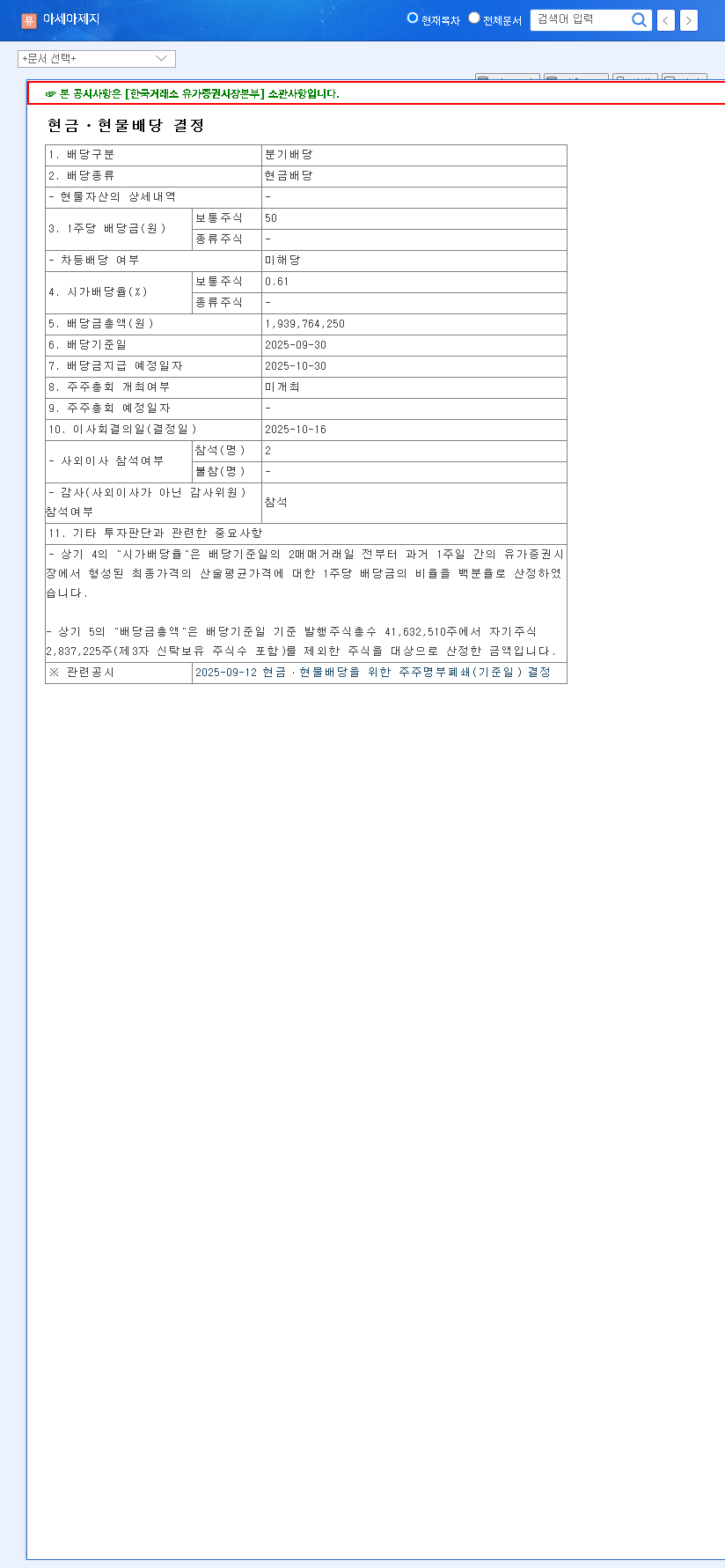
    The recent announcement of the Asea interim dividend for 2025 has captured significant attention in the market. While on the surface it appears to be a routine shareholder return, this decision by ASIA HOLDINGS CO.,LTD (Asea) offers a crucial window into the company’s financial resilience, its commitment to shareholders, and its strategic direction amid a challenging economic landscape. For discerning investors, this is more than just a payout; it’s a key data point for evaluating Asea’s stock potential.

    How will this dividend impact Asea’s stock price? Is it a sign of underlying strength or a strategic move to maintain investor confidence during a downturn? This comprehensive analysis delves into the specifics of the dividend, the company’s fundamentals, and the broader macroeconomic factors to provide a clear investment perspective.

    A dividend is a tangible return on investment, but its true value lies in the story it tells about a company’s health and future prospects. Asea’s latest move warrants a closer look.

    Deconstructing the Asea Interim Dividend Announcement

    On November 7, 2025, Asea’s board officially declared its plan for a cash and in-kind interim dividend, signaling a direct move to enhance shareholder value. An interim dividend, paid before the annual general meeting, often reflects a company’s confidence in its current and near-term profitability. Here are the critical details from the announcement:

    • Event Type: Cash and In-kind Interim Dividend Decision
    • Dividend Per Share: KRW 630 per common share
    • Dividend Yield: A modest 0.18% (based on the price of KRW 348,000 at the time of announcement)
    • Record Date: October 31, 2025
    • Expected Payment Date: November 14, 2025
    • Source: Official Disclosure (DART)

    Financial Health: The Story Behind the Numbers

    To truly understand this Asea interim dividend, we must look beyond the announcement and into the company’s financial engine. The 2025 semi-annual report reveals a mixed but intriguing picture.

    Navigating Performance Headwinds

    In the first half of 2025, Asea faced notable challenges. Consolidated operating revenue fell to KRW 935.372 billion, with operating profit also declining to KRW 76.651 billion year-over-year. This dip was primarily driven by external pressures, including reduced domestic cement demand from a slowing construction sector, lower paper selling prices, and escalating raw material and logistics costs. These are industry-wide issues, which you can read more about in our deep dive on the South Korean materials industry.

    Emerging Green Shoots of Profitability

    Despite the revenue slump, Asea demonstrated impressive operational efficiency. Key profitability metrics showed marked improvement:

    • Improved Margins: The operating profit margin (8.38%) and net profit margin (7.09%) both improved, suggesting successful cost control measures or a favorable shift in product mix.
    • ROE Recovery: Return on Equity (ROE) rebounded significantly from -10.26% to a positive 5.11%, a crucial indicator of renewed value generation for shareholders.
    • Financial Stability: A stable debt ratio of 63.09% and consistently positive operating cash flow confirm the company’s solid financial footing, enabling it to confidently issue dividends.
    • Shareholder Commitment: This dividend follows the recent cancellation of 15,444 treasury shares, reinforcing a pattern of shareholder-friendly actions.

    Market Impact and Macroeconomic Context

    The decision to issue a dividend doesn’t happen in a vacuum. Broader economic trends, such as those reported by outlets like Reuters, play a significant role. The high KRW/USD exchange rate (around 1,449.00) and rising interest rates create a complex environment. A strong dollar increases the cost of imported raw materials for Asea, squeezing margins. However, the dividend can also be seen as a statement of confidence, assuring investors that the company can navigate this turbulence.

    The key tension for investors is interpreting the low 0.18% yield. Is it disappointingly small, or is it a prudent move that balances shareholder returns with the need to retain capital for reinvestment in a tough market? The latter suggests a focus on sustainable, long-term growth over a short-term stock price bump.

    Investor Action Plan & Strategic Outlook

    Given this detailed Asea stock analysis, how should investors proceed? The Asea interim dividend is a positive but minor piece of a much larger puzzle. Long-term success will hinge on fundamental business performance.

    Key Monitoring Points for Asea Investment:

    • Industry Recovery: Watch for signs of a rebound in the domestic construction and paper industries. This is the primary catalyst for Asea’s top-line growth.
    • Capital Efficiency: Keep an eye on ROE trends and management’s strategy to improve capital allocation, especially concerning the high proportion of intangible assets.
    • Macroeconomic Indicators: Monitor the KRW/USD exchange rate, interest rate policies, and commodity prices, as these directly impact Asea’s profitability.

    Conclusion: While the 2025 Asea interim dividend is a welcome gesture of shareholder return, it should not be the sole basis for an investment decision. It confirms the company’s stable cash flow but has a limited direct impact due to its low yield. Prudent investors should focus on the company’s ability to navigate industry headwinds and improve its core business performance as the true drivers of long-term value.

    Disclaimer: This analysis is for informational purposes only and does not constitute investment advice. All investment decisions should be made based on your own research and risk tolerance.

    (002030) Asea Interim Dividend 2025: A Deep-Dive Analysis for Investors 관련 이미지
  • (213500) Hansol Paper (213500) Q3 2025 Earnings Shock: Deep Dive Analysis & Investor Guide

    (213500) Hansol Paper (213500) Q3 2025 Earnings Shock: Deep Dive Analysis & Investor Guide

    The latest Hansol Paper Q3 2025 earnings report sent shockwaves through the market, revealing a significant deficit where analysts had expected a profit. This wasn’t just a minor miss; it was a deep plunge that raises critical questions about the company’s structural health and future trajectory. For investors holding or considering Hansol Paper (213500) stock, this moment calls for a meticulous analysis beyond the headline numbers. This comprehensive guide will dissect the performance, explore the underlying causes, and provide an actionable investment strategy based on a thorough Hansol Paper stock analysis.

    Unpacking the Q3 2025 Earnings Shock

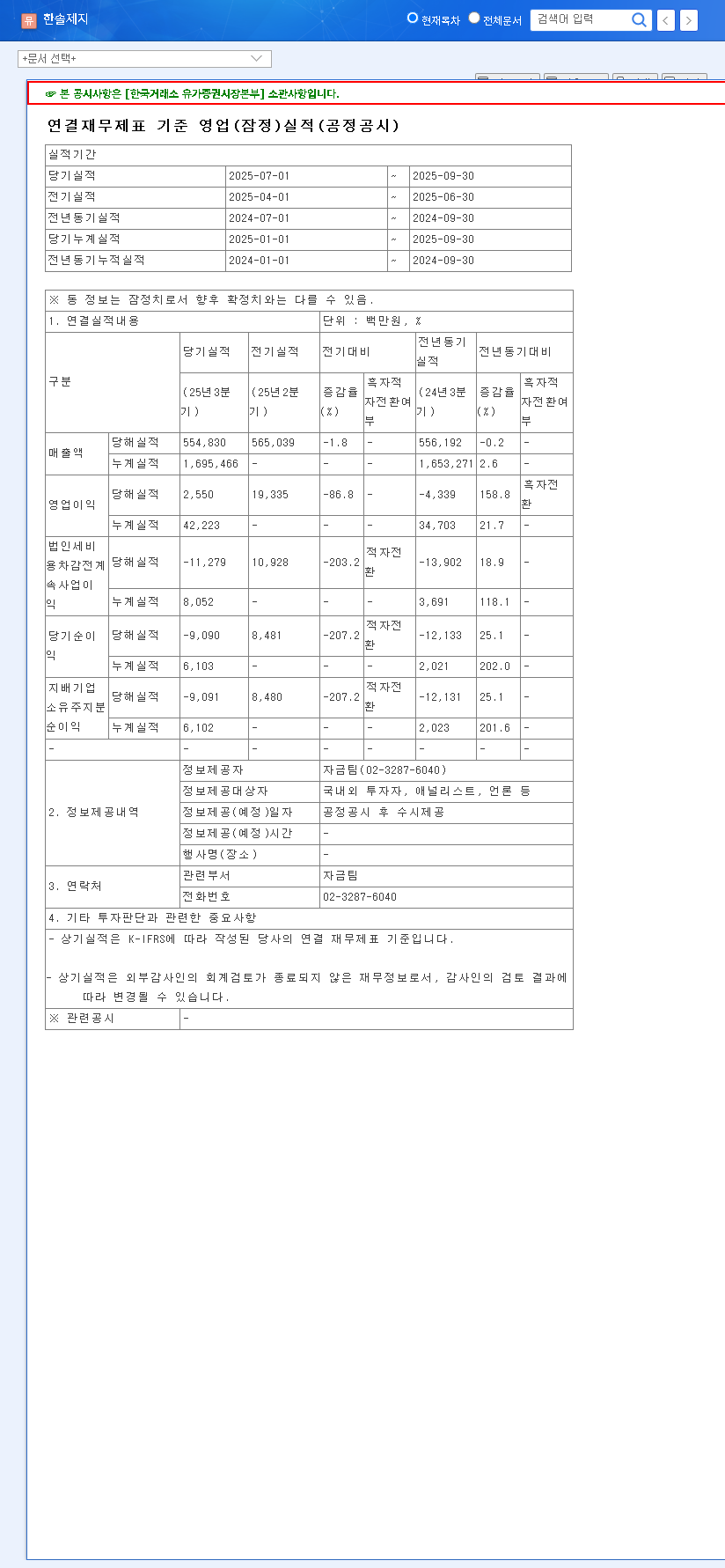
    On October 30, 2025, Hansol Paper’s financial release starkly contrasted with market consensus. While revenue showed modest outperformance, the profitability metrics told a completely different, more alarming story.

    • Revenue: KRW 554.8 billion (Slightly beating the KRW 549.2 billion expectation by 1%)
    • Operating Profit: KRW 2.6 billion (A staggering 83% miss from the expected KRW 15.5 billion)
    • Net Income: KRW -9.1 billion (A massive 221% deficit against an expected profit of KRW 7.5 billion)

    The swing from an expected profit to a significant net loss indicates that the issues at play are more than temporary headwinds. They point towards deep-seated structural challenges that demand investor attention.

    Root Cause Analysis: Why Did Hansol Paper Falter?

    The disconnect between revenue and profit suggests a severe margin squeeze. This was not caused by a single factor, but a confluence of internal pressures, market dynamics, and corporate governance questions.

    Segment-by-Segment Performance Breakdown

    A closer look at the company’s core divisions reveals a widespread struggle:

    • Industrial & Printing Paper: Despite lower pulp costs, a global economic slowdown suppressed demand in developed markets. This led to aggressive price competition, eroding selling prices and neutralizing any cost benefits.
    • Specialty & Thermal Paper: While this segment has been a consistent performer, the overall market deterioration limited its ability to defend profitability, failing to offset the steep declines elsewhere.
    • New Ventures (Eco-friendly Packaging): While strategically vital for future growth, these new business lines are still in a nascent phase. Their contribution to the bottom line remains limited and could not cushion the blow from the core business underperformance. For more on this trend, see our guide to sustainable packaging solutions.

    Corporate Governance Red Flags

    Adding to the operational woes, a recent correction to public disclosures regarding executive compensation has raised concerns about management transparency. The omission of Chairman Cho Dong-gil’s compensation, detailed in the Official Disclosure (Source: DART), can erode investor confidence and may lead to a higher risk premium being assigned to the stock.

    When operational performance falters, investor scrutiny on corporate governance intensifies. Transparency is not just a best practice; it’s a critical component of a company’s valuation and long-term stability.

    Future Outlook and Investment Strategy

    The disappointing Hansol Paper Q3 2025 earnings create significant uncertainty. Investors must navigate both short-term market reactions and the company’s long-term strategic viability.

    Short-Term: Navigating the Volatility

    In the immediate aftermath, the stock will likely face significant downward pressure. The market will be laser-focused on the upcoming Q4 report and any guidance for 2026. Any sign of continued margin erosion could trigger further sell-offs. The key short-term catalyst will be a clear and credible plan from management to restore profitability.

    Mid-to-Long-Term: The Path to Recovery

    Recovery hinges on two pillars: operational efficiency and strategic diversification. While positive macroeconomic shifts like falling oil prices and stabilizing shipping costs provide some relief, they cannot fix internal issues. The success of the company’s pivot to high-growth areas like eco-friendly packaging will be the ultimate determinant of long-term value creation. This requires not just investment but flawless execution.

    Investor Action Plan: A Conservative Approach is Warranted

    Given the severity of the earnings miss and the underlying structural concerns, a cautious and defensive stance is prudent. Before considering a new or increased position, investors should closely monitor the following checkpoints:

    • Profitability Metrics: Watch for a tangible recovery in operating profit and net income margins in subsequent quarters.
    • Management Actions: Look for decisive cost-cutting measures, improved pricing strategies, and enhanced transparency from leadership.
    • New Business Growth: Assess the revenue growth and path to profitability for the eco-friendly packaging and new materials segments.
    • Industry Trends: Monitor paper demand and pricing dynamics. For a deeper understanding of market analysis, resources like Investopedia offer excellent guides on fundamental analysis.

    In conclusion, this detailed 213500 earnings report analysis suggests that a ‘wait-and-see’ approach is the most logical strategy. The risks currently outweigh the potential rewards until there is clear evidence of a fundamental turnaround.

    (213500) Hansol Paper (213500) Q3 2025 Earnings Shock: Deep Dive Analysis & Investor Guide 관련 이미지
  • Young Poong Paper Announces Rights Offering: Opportunity or Risk? An In-Depth Analysis for Investors


    Young Poong Paper Announces Rights Offering: Opportunity or Risk? An In-Depth Analysis for Investors 대표 차트 이미지


    What Happened? Young Poong Paper Announces Rights Offering

    Young Poong Paper announced a third-party allocation rights offering of 12,035,010 shares (22% of total outstanding shares) on September 4, 2025. The payment date is September 26, the new share listing date is October 24, and the main investor is BNM Partnership.

    What’s the Purpose and Background of the Rights Offering?

    Young Poong Paper has faced challenges with declining sales and operating losses in the first half of the year. The funds secured through this rights offering are expected to be used for financial restructuring, operating funds, and investment in new drone-related businesses. This strategic decision can be seen as an attempt to secure financial stability and seek new growth engines, particularly within the paper industry’s challenging environment of rising wastepaper prices and stricter government regulations.

    What are the Impacts of the Rights Offering?

    • Positive Impacts: Improved financial structure, securing momentum for new business ventures.
    • Negative Impacts: Concerns about share dilution (offering price of 914 won, 22% offering ratio), potential negative market sentiment.
    • Neutral Impacts: Changes in subsidiaries, macroeconomic variables (interest rates, exchange rates, raw material prices).

    What Should Investors Do?

    Investors should closely monitor the following:

    • Monitoring the execution plan for the funds raised and the performance of new business investments.
    • Checking future earnings announcements for sales recovery and improvement in profitability.
    • Preparing for short-term stock price volatility and evaluating the long-term corporate value.
    • Understanding the competitive landscape of the paper industry and the volatility of raw material prices.

    In conclusion, while Young Poong Paper’s rights offering presents potential for long-term growth, caution is warranted regarding short-term stock price fluctuations. Investors should monitor the company’s subsequent announcements and market conditions to make informed investment decisions.


    Frequently Asked Questions (FAQ)

    What is a rights offering?

    A rights offering is a way for a company to raise capital by issuing new shares. Existing shareholders and new investors can purchase these shares.

    What is the purpose of Young Poong Paper’s rights offering?

    This rights offering aims to raise funds for financial restructuring, secure operating funds, and invest in new businesses, specifically drone-related projects.

    How does a rights offering affect stock prices?

    Generally, a rights offering can lead to share dilution due to the increased number of shares, potentially causing a short-term decline in stock price.

    What should investors be aware of?

    Investors should carefully consider the company’s plans for utilizing the raised funds, future earnings trends, the competitive market environment, and be prepared for potential short-term stock price volatility.


    Young Poong Paper Announces Rights Offering: Opportunity or Risk? An In-Depth Analysis for Investors 관련 이미지
    Young Poong Paper Announces Rights Offering: Opportunity or Risk? An In-Depth Analysis for Investors 관련 이미지


  • Hanchang Paper Stock Forecast: Is Rhinos Asset Management’s Investment a Turning Point?

    1. What Happened? Rhinos Asset Management’s Investment in Hanchang Paper

    Rhinos Asset Management acquired a 6.77% stake in Hanchang Paper through the acquisition of convertible bonds, stating its purpose as ‘simple investment.’ Convertible bonds can be converted into stocks in the future, meaning this investment represents a new inflow of funds for Hanchang Paper.

    2. Why the Investment? Expectations and Concerns

    • Positive Aspects: Improved financial structure through fundraising, increased credibility due to institutional investment, and expectations for future growth potential.
    • Negative Aspects: Potential dilution of existing shareholders’ equity upon conversion of convertible bonds, and uncertainty about short-term stock price increase due to poor Q1 earnings.

    3. So What Happens Next? The Future of Hanchang Paper

    While Rhinos Asset Management’s investment can provide positive momentum in the short term, more effort is needed to address Hanchang Paper’s fundamental problems. Continuous monitoring of earnings improvement, the effects of facility investment, and the paper industry outlook is necessary.

    4. What Should Investors Do? Action Plan

    It’s crucial for investors to focus on confirming the company’s fundamental improvements from a mid- to long-term perspective, rather than being swayed by short-term stock price fluctuations. Investment decisions should be made cautiously, considering the possibility of convertible bond conversion and the potential dilution of shareholder value.

    Frequently Asked Questions

    What is the purpose of Rhinos Asset Management’s investment?

    It has been disclosed as a ‘simple investment.’ However, the possibility of future management participation cannot be ruled out.

    What are convertible bonds?

    These are bonds that can be converted into stocks under certain conditions. Upon conversion, the value of existing shareholders’ equity may be diluted.

    What is the outlook for Hanchang Paper?

    While this investment is a positive sign, earnings improvement remains key. Careful analysis is required before investing.

  • Kookil Paper’s Delisting Crisis Averted: What Investors Need to Know

    1. What Happened?

    On July 18, 2025, the Korea Exchange decided to maintain the listing of Kookil Paper. Trading will resume on July 21.

    2. Why Was the Listing Maintained?

    Kookil Paper has shown improved management performance since the end of its rehabilitation proceedings, including increased sales and a return to profitability in operating and net income. This positive performance likely influenced the decision to maintain its listing.

    3. What’s Next?

    • Positive Factors:
      • Improved investor sentiment and potential stock price increase
      • Increased ease of fundraising for growth
      • Enhanced corporate credibility
    • Negative Factors:
      • Delays in graphene commercialization
      • Volatility in raw material prices and continued high interest rates
      • Need for financial burden alleviation

    Key Variables: Successful commercialization of graphene, stabilization of raw material prices, success of business diversification strategy

    4. What Should Investors Do?

    While there is potential for a short-term stock price increase, long-term investment hinges on Kookil Paper’s fundamental improvement. Investors should carefully monitor the progress of the graphene business, efforts to improve the financial structure, and changes in the market environment before making investment decisions. Staying updated on information related to graphene commercialization is particularly important.

    Frequently Asked Questions

    What is Kookil Paper’s main business?

    Kookil Paper is a paper manufacturer producing specialty and industrial paper. They are currently pursuing diversification into the graphene business.

    What should investors be aware of when investing in Kookil Paper?

    Investors should consider the uncertainties surrounding the graphene business, the volatility of raw material prices, and the company’s financial stability.

    What is the outlook for Kookil Paper’s stock price?

    While there is potential for a short-term increase, the long-term outlook depends on fundamental improvements, such as successful commercialization of graphene.