Tag: North American Market

  • (024880) KPF Stock Cancellation: A Deep Dive into Boosting Shareholder Value & Investment Strategy

    (024880) KPF Stock Cancellation: A Deep Dive into Boosting Shareholder Value & Investment Strategy

    The recent announcement of a large-scale KPF stock cancellation has captured the attention of the market. But what does this corporate action truly signify for current and prospective investors? This move, often seen as a bullish signal, goes beyond mere accounting to reflect a company’s confidence in its future and commitment to its shareholders. This analysis will delve into the specifics of KPF’s decision, dissect the company’s underlying financial health, and provide a clear outlook on what this means for your investment strategy.

    The Details of the KPF Stock Cancellation

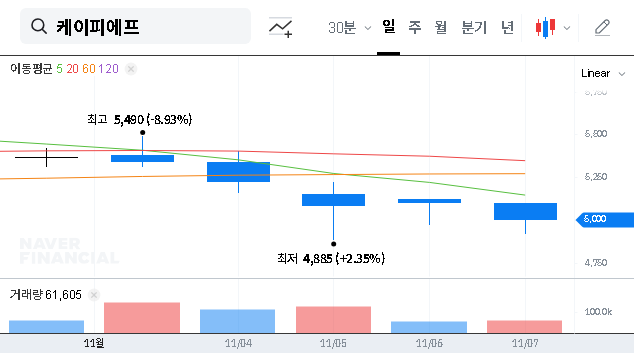
    KPF (케이피에프) formally announced its strategic decision to cancel a significant number of its own shares. As detailed in the Official Disclosure filed on November 14, 2025, the key details are as follows:

    • Shares to be Cancelled: 666,206 common shares.
    • Total Value: Approximately 3.1 billion KRW, utilizing treasury shares previously acquired by the company.
    • Scheduled Cancellation Date: November 24, 2025.

    This process, also known as treasury stock retirement, permanently removes these shares from circulation. Unlike a simple buyback where shares can be reissued, a cancellation reduces the total outstanding share count, creating a direct and lasting impact on key financial metrics.

    Why Cancel Shares? The Impact on Shareholder Value

    A stock cancellation is a powerful tool in a company’s financial arsenal. It is often interpreted by the market as a sign that the management believes its stock is undervalued. By reducing the supply of shares, the value of the remaining shares is theoretically increased. For a deeper understanding, you can learn more about stock buybacks and cancellations from authoritative financial sources. For KPF, this move is expected to deliver several key benefits:

    • Increased Earnings Per Share (EPS): With fewer shares to divide the net income among, the EPS automatically increases, making the stock appear more profitable and attractive to investors.
    • Enhanced Shareholder Value: The principle of scarcity applies. A smaller pool of outstanding shares means each share represents a larger ownership stake in the company, potentially driving up the stock price.
    • Positive Market Signaling: This action signals management’s confidence in the company’s financial stability and future earnings potential. It is a tangible commitment to a robust KPF shareholder value policy.

    A Closer Look at KPF’s Financial Analysis

    To understand the context of the stock cancellation, we must perform a thorough KPF financial analysis based on its Q3 2025 results. The decision wasn’t made in a vacuum but against a backdrop of mixed financial signals.

    Areas of Concern

    The company faced some headwinds. Consolidated revenue saw a slight year-on-year decrease of 3.5% to 568.77 billion KRW, with operating profit also dipping by 3.6% to 33.31 billion KRW. These figures were primarily influenced by reduced sales in the marine cable segment and volatility in raw material costs. Furthermore, while the debt-to-equity ratio has improved, it remains relatively high at 133.4%, indicating a need for continued financial discipline.

    Positive Growth Indicators

    Conversely, there are strong positive signals. KPF’s cash flow from operating activities showed a remarkable improvement, soaring to 40.69 billion KRW. This demonstrates a robust recovery in the company’s core ability to generate cash. Strategically, KPF is strengthening its global footprint by establishing TMC Texas Inc., a move aimed at penetrating the lucrative North American market. This, combined with the stock cancellation, points to a proactive strategy focused on long-term growth and investor confidence.

    In this context, the KPF stock cancellation appears to be a strategic move to signal strength and reward shareholders amidst a period of operational transition and strategic investment.

    Investor Outlook and Action Plan

    For investors, this news presents a complex but largely positive picture. The immediate effects of improved EPS and enhanced shareholder value could provide a short-term boost to the stock. However, a sustainable increase in value depends on the company’s ability to address its fundamental challenges.

    Key factors to monitor include:

    • Fundamental Profitability: The price appreciation from the cancellation will only be sustained if KPF improves its core profitability and manages risks like market competition and shipbuilding industry fluctuations.
    • Success of Growth Initiatives: The performance of the new U.S. entity and efforts to strengthen the fastener and automotive parts businesses will be critical indicators of long-term success.

    In conclusion, while the KPF stock cancellation is a highly positive signal of management’s commitment to shareholder returns, investors should base their decisions on a comprehensive review of the company’s long-term growth strategy and its progress in improving fundamental profitability. A deeper understanding of how to analyze a company’s financial statements will be invaluable. This event should be seen as one important piece of a much larger investment puzzle.

    (024880) KPF Stock Cancellation: A Deep Dive into Boosting Shareholder Value & Investment Strategy 관련 이미지
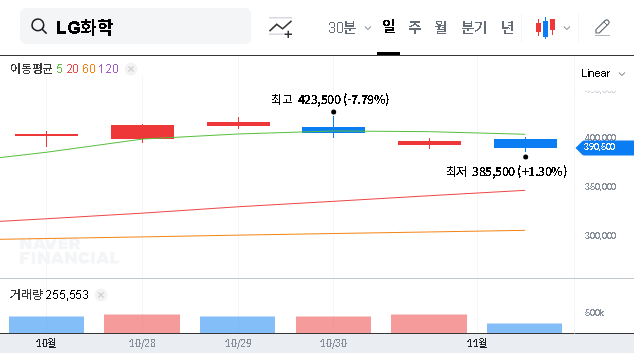
  • (051910) LG Chem’s $2.8B Cathode Material Deal: Deep Dive & Stock Analysis

    (051910) LG Chem’s $2.8B Cathode Material Deal: Deep Dive & Stock Analysis

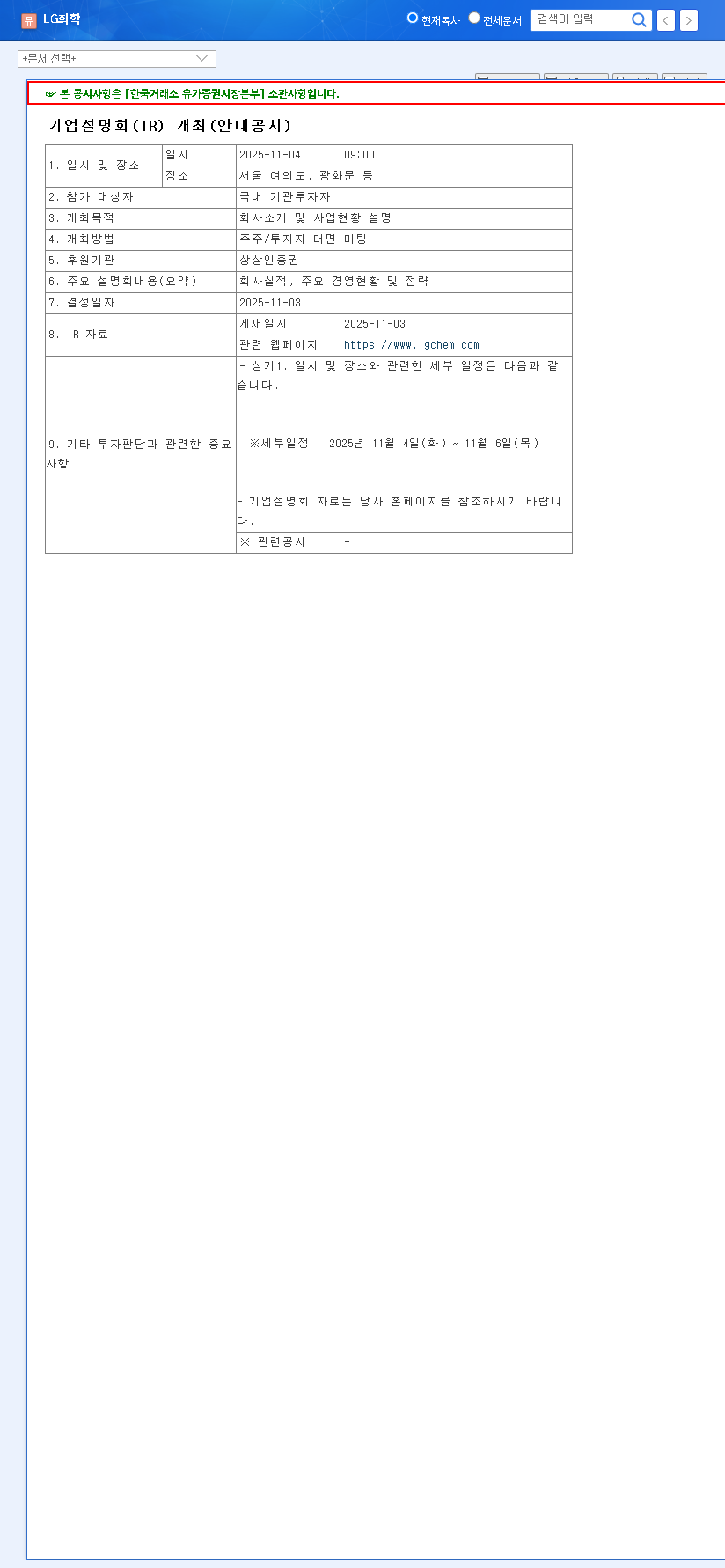
    In a landmark move signaling the surging demand in the electric vehicle sector, LG CHEM LTD has secured a monumental ₩3.76 trillion (approximately $2.8 billion) supply contract for its advanced LG Chem cathode material in the North American market. This deal is not just a figure on a balance sheet; it’s a strategic masterstroke that solidifies the company’s foothold in a critical region and underscores its technological prowess in the competitive EV battery space. As the global transition to electric mobility accelerates, this contract provides a clear window into LG Chem’s future trajectory and presents compelling questions for investors.

    This analysis will dissect the profound implications of this agreement. We’ll explore how it enhances LG Chem’s fundamentals, accelerates its North American strategy—especially in light of the Inflation Reduction Act (IRA)—and what it means for the future of LG Chem stock. For investors, understanding the nuances of this deal is key to navigating the opportunities and risks ahead.

    Breaking Down the $2.8 Billion Agreement

    On November 13, 2025, LG Chem officially announced a mid-to-long-term supply contract for its high-performance EV cathode materials with a major U.S.-based customer. According to the Official Disclosure, the contract is valued at ₩3.76 trillion ($2.8 billion) and will run from November 15, 2025, to July 31, 2029. The sheer scale of this deal is impressive, representing 7.69% of the company’s revenue from the first half of 2025, guaranteeing a stable and substantial revenue stream for its Advanced Materials division for nearly four years.

    This isn’t just a sale; it’s a strategic partnership. By locking in a long-term deal in North America, LG Chem de-risks its future revenue while perfectly aligning with geopolitical tailwinds like the IRA, which incentivizes localized supply chains.

    Strategic Importance: Why This Deal Matters

    The significance of this contract extends far beyond its monetary value. It touches upon market positioning, technological validation, and long-term growth for the entire company.

    Dominating the North American EV Market

    The North American EV market is one of the fastest-growing in the world, a trend massively amplified by government incentives. This contract firmly plants LG Chem’s flag in this lucrative territory. It not only secures a key customer but also serves as a powerful validation of its LG Chem cathode material technology, paving the way for further expansion and potentially new local production facilities. This move is critical for building a resilient supply chain, a topic further explored in our deep dive into the EV battery supply chain.

    Technological Leadership in Cathode Materials

    Cathodes are the most critical and expensive component of an EV battery, directly determining its performance, range, and cost. LG Chem has been heavily investing in its proprietary precursor process, which reportedly enhances performance while being more cost-effective and environmentally friendly. This deal confirms that their R&D efforts are paying off, giving them a competitive edge in a market where innovation is paramount. According to a recent International Energy Agency report, continuous improvements in battery chemistry are essential for meeting global EV adoption targets.

    Investor Outlook: Opportunities & Risks

    For those holding or considering LG Chem stock, this development warrants a fresh look at the company’s valuation and long-term potential.

    The Bull Case: A Re-rating on the Horizon?

    • Revenue Stability: A guaranteed $2.8 billion pipeline reduces earnings volatility and provides a solid foundation for the Advanced Materials division.
    • Improved Profitability: Long-term contracts and economies of scale can lead to higher production efficiency and more stable margins, shielding the company from some raw material price fluctuations.
    • Positive Market Sentiment: Such a significant win is likely to trigger upward revisions in earnings forecasts from brokerage firms, potentially boosting the stock price in the short to medium term.

    Key Risks to Monitor

    Despite the overwhelmingly positive news, prudent investors must remain aware of potential headwinds.

    • Petrochemical Drag: The company’s legacy petrochemical business has faced headwinds. Investors should watch if the growth in advanced materials is strong enough to offset weakness elsewhere.
    • Macroeconomic Factors: Fluctuations in raw material costs (like lithium and nickel), currency exchange rates, and global economic health can still impact profitability over the contract’s term.
    • Dependency on LG Energy Solution: While diversifying, LG Chem’s performance remains closely tied to its affiliate, LG Energy Solution. Continued success in securing third-party customers is vital for balanced growth.

    Conclusion: A Catalyst for Growth

    LG Chem’s $2.8 billion cathode material supply deal is a watershed moment, confirming its status as a premier player in the global EV battery supply chain. It provides a stable, long-term revenue stream, deepens its penetration into the vital North American market, and validates its technological leadership. While investors must keep an eye on broader market risks and the performance of other business segments, this contract is a powerful catalyst that significantly strengthens the investment thesis for LG Chem. It signals a clear acceleration of its growth trajectory, firmly powered by the electric vehicle revolution.

    (051910) LG Chem's $2.8B Cathode Material Deal: Deep Dive & Stock Analysis 관련 이미지
  • (004020) HYUNDAI STEEL COMPANY Q3 2025 Earnings: Analysis, Outlook & Investor Guide

    (004020) HYUNDAI STEEL COMPANY Q3 2025 Earnings: Analysis, Outlook & Investor Guide

    The latest financial release from HYUNDAI STEEL COMPANY has sent ripples through the investment community. The Q3 2025 earnings report revealed figures that fell short of market expectations, sparking immediate concerns about the company’s short-term health. However, a deeper analysis suggests that beneath this temporary setback lies a foundation for significant long-term growth and strategic repositioning.

    This comprehensive guide will dissect the Hyundai Steel earnings for Q3 2025, explore the complex factors contributing to the results, and provide a clear-eyed view of the full-year outlook and the powerful growth drivers shaping its future. For investors, understanding this context is crucial for navigating the current volatility and making informed decisions about Hyundai Steel stock.

    Q3 2025 Earnings: The Numbers and The Shock

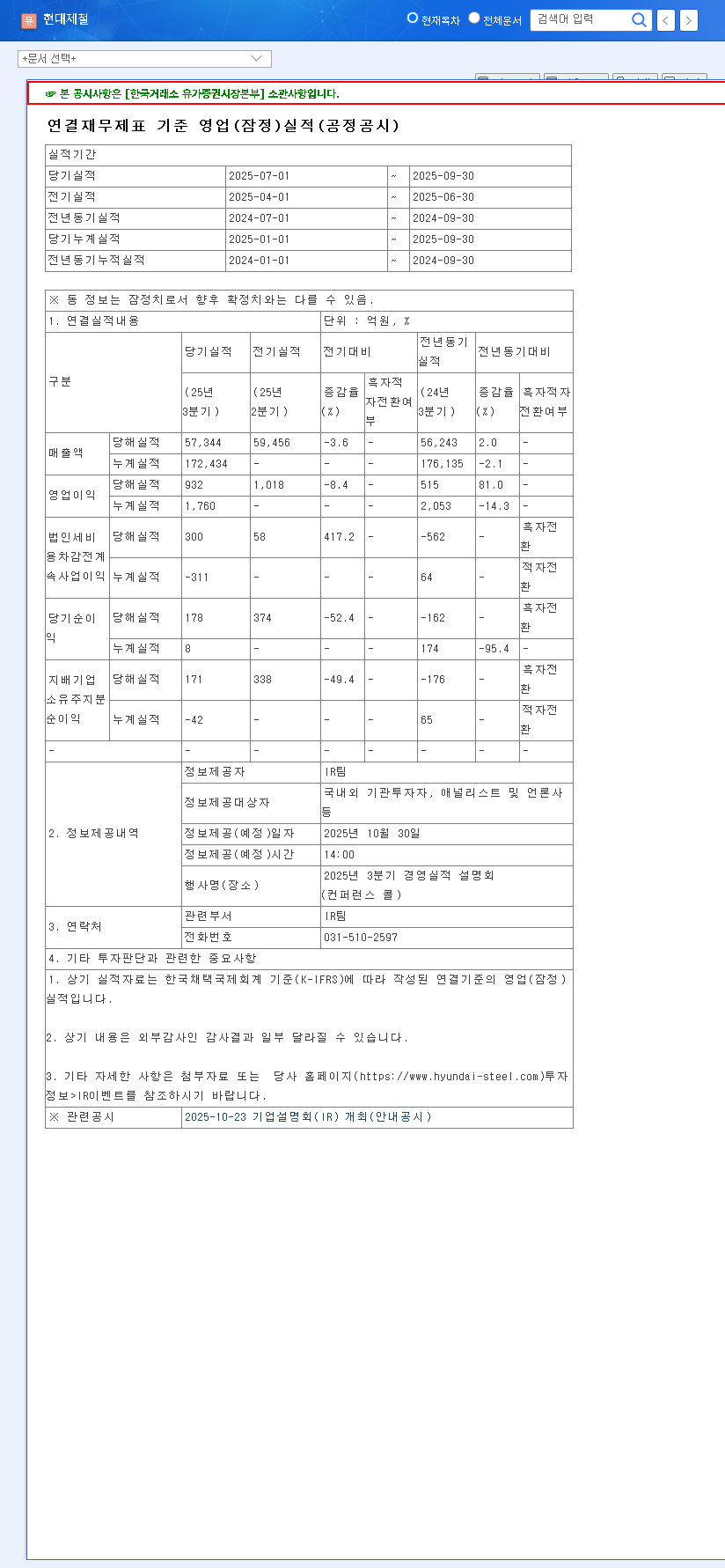
    HYUNDAI STEEL COMPANY announced its preliminary Q3 2025 results, which presented a mixed but ultimately disappointing picture when measured against market consensus. These figures, detailed in their Official Disclosure, require careful examination.

    • Revenue: Reached KRW 5,734.4 billion. While this marked a 1.95% year-on-year increase, it was -0.64% below the market’s expectation of KRW 5,771.5 billion.
    • Operating Profit: Showed a significant 80.97% year-on-year jump to KRW 93.2 billion, but still missed the consensus of KRW 102.9 billion by -9.43%.
    • Net Profit: The most significant deviation occurred here. The company turned profitable year-on-year with KRW 17.1 billion, but this was a staggering -55.47% below the market’s forecast of KRW 38.4 billion.

    The dramatic miss on net profit delivered a pronounced earnings shock, signaling deeper issues with profitability and cost management during the quarter.

    Factors Behind the Underperformance

    The Q3 earnings slump wasn’t caused by a single issue, but a convergence of challenging internal and external pressures. Understanding these headwinds is key to evaluating the steel market outlook and its impact on the company.

    Global and Macroeconomic Pressures

    A general economic slowdown across major global markets dampened demand for steel products, a trend exacerbated by anticipated cuts in China’s crude steel production. According to World Steel Association reports, this has created a challenging environment for all major producers. Furthermore, volatile raw material prices and an unfavorable USD/KRW exchange rate significantly increased import and logistics costs, squeezing profit margins.

    Strategic Investments and Segment Weakness

    A major contributor to the financial pressure is the ongoing construction of a new electric arc furnace in the United States. This strategic, long-term investment carries a substantial upfront cost burden that is currently impacting quarterly earnings. Compounding this, the company’s flat steel segment, a critical part of its business, experienced a sharp decline in profitability, which was the primary driver behind the significant net profit miss.

    While the Q3 2025 numbers are a cause for caution, they largely reflect short-term costs for long-term strategic gains. The real story lies in the company’s pivot towards high-value markets and sustainable technology.

    Full-Year Outlook and Long-Term Growth Engines

    Despite the quarterly setback, the forecast for HYUNDAI STEEL COMPANY for the full year 2025 and beyond contains several powerful catalysts for growth. This is where investors should focus their attention.

    Projected Rebound and Shareholder Value

    The full-year 2025 operating profit is projected to reach KRW 333.9 billion, with net profit at KRW 333.1 billion—a vast improvement over 2024. This optimism is based on an expected recovery in the steel market and the initial benefits from new investments beginning to materialize. Expected Earnings Per Share (EPS) of KRW 3,776 and Book Value Per Share (BPS) of KRW 69,600 signal a strong potential for enhanced shareholder value.

    Strategic Growth Initiatives

    • North American Foothold: The new U.S. electric arc furnace is more than just a factory; it’s a strategic entry into the lucrative North American market, positioning the company to benefit from trends in reshoring and demand for locally sourced materials.
    • High-Value Product Mix: A focus on expanding sales of premium products like low-carbon steel for green construction and ultra-high-strength plates for the electric vehicle (EV) industry will secure higher margins and new growth engines.
    • Future-Proof Technology: Investments in next-generation tech, such as hydrogen reduction steelmaking, are vital for long-term competitiveness and meeting increasingly stringent environmental regulations.
    • ESG Leadership: Strong Environmental, Social, and Governance (ESG) performance, highlighted by accolades like the CDP ‘Carbon Management Sector Honors’, enhances corporate value and attracts a modern class of investors.

    Investor Action Plan: A Long-Term Perspective

    Given the disappointing Hyundai Steel Q3 2025 results, a knee-jerk reaction might be to sell. However, a more prudent approach involves looking past the immediate noise. Investors should consider the full picture by focusing on the company’s long-term trajectory and fundamental strengths, which you can compare with our comprehensive analysis of the 2025 steel industry trends.

    The key is to weigh the current downside risks against the substantial long-term growth potential. Closely monitor progress on the North American expansion, the adoption rate of high-value products, and the broader macroeconomic environment. While short-term volatility is likely, the strategic initiatives underway at HYUNDAI STEEL COMPANY could position it for significant success in the years to come.

    (004020) HYUNDAI STEEL COMPANY Q3 2025 Earnings: Analysis, Outlook & Investor Guide 관련 이미지
  • (098070) HANTECH Heat Exchanger Deal (KRW 24.8B): A Deep Dive for Investors | HANTECH Stock Analysis

    (098070) HANTECH Heat Exchanger Deal (KRW 24.8B): A Deep Dive for Investors | HANTECH Stock Analysis

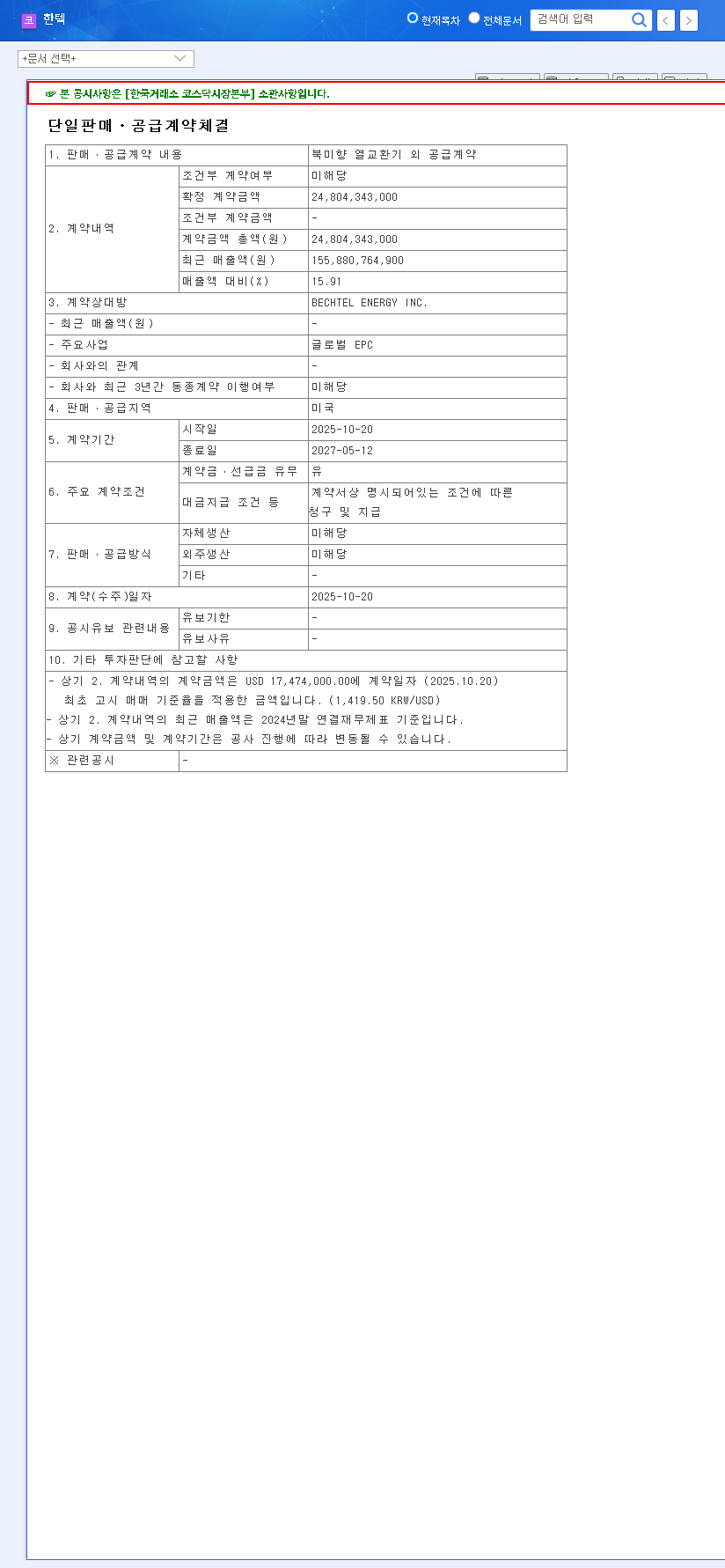
    In a significant development for the industrial manufacturing sector, HANTECH LTD. (한텍, Stock Code: 098070) has electrified the market with the announcement of a landmark HANTECH heat exchanger deal. The company has secured a colossal contract with global engineering and construction titan, BECHTEL ENERGY INC. This deal, valued at KRW 24.8 billion (approximately $18.4 million USD), is not just a number on a balance sheet; it represents a strategic pivot and a potential catalyst for the HANTECH stock price and its long-term growth trajectory.

    This comprehensive analysis will delve into the intricacies of this agreement, exploring its profound implications for HANTECH’s financial health, its ambitious entry into the competitive North American market, and the critical risks that savvy investors must consider. Our goal is to equip you with the insights needed to evaluate HANTECH’s investment potential accurately.

    Unpacking the Landmark HANTECH Heat Exchanger Deal

    On October 21, 2025, HANTECH formally announced the supply contract for a North American heat exchanger and related industrial components. The client, BECHTEL ENERGY INC., is a world-renowned leader in the EPC (Engineering, Procurement, and Construction) industry, adding immense credibility to the partnership. The total contract value is a substantial KRW 24.8 billion, a figure that represents a remarkable 15.91% of HANTECH’s most recent annual sales revenue. The project is scheduled to run for approximately 18 months, from October 20, 2025, to May 12, 2027. Full details can be verified in the Official Disclosure (DART Report).

    The Key Players: A Closer Look at HANTECH and BECHTEL

    HANTECH LTD.

    HANTECH LTD. is a specialized South Korean company known for its high-quality industrial equipment, including pressure vessels, towers, and heat exchangers. With a reputation for technological excellence and reliable manufacturing, HANTECH has primarily served the domestic and Asian markets. This deal signals a bold and strategic move to globalize its operations.

    BECHTEL ENERGY INC.

    BECHTEL is one of the most respected engineering, construction, and project management companies in the world. Securing a contract with a firm of this caliber is a powerful endorsement of HANTECH’s capabilities. It validates their quality standards and manufacturing processes on a global stage, potentially opening doors to future collaborations and projects.

    This isn’t just a sales contract; it’s a strategic partnership that validates HANTECH’s technology and provides a critical foothold in the lucrative and expansive North American industrial market.

    Strategic Importance: Why This Deal is a Game-Changer

    The positive implications of this HANTECH heat exchanger deal extend far beyond the immediate revenue boost. It is set to strengthen the company’s fundamentals for mid-to-long-term growth.

    • Securing Growth Drivers: The KRW 24.8 billion injection provides a stable, predictable revenue stream, fueling expansion and future investments in R&D and production capacity.
    • Customer Diversification: Partnering with a premier global EPC firm like BECHTEL diversifies HANTECH’s customer base away from regional concentration, reducing geopolitical and economic risks.
    • Strengthened Business Portfolio: Successfully executing this large-scale North American heat exchanger project fortifies HANTECH’s core business and establishes a crucial track record in a high-growth overseas market, which is critical for future bids. We explore similar trends in our annual review of the global manufacturing sector.
    • Potential Stock Price Appreciation: Large-scale, high-profile contract announcements often act as a powerful positive catalyst for investor sentiment, which could drive short-to-medium-term appreciation for the HANTECH stock.

    A Balanced View: Navigating Potential Risks and Headwinds

    Despite the overwhelmingly positive outlook, a prudent investment strategy requires a thorough examination of potential risks. Experts advise caution and careful monitoring of the following factors:

    • US Market Entry Risks: The United States presents a complex operating environment. HANTECH must navigate unique local regulations, potential tariffs, complex logistics, and fluctuating labor costs. Failure to manage these could erode profitability.
    • Contract Execution Risks: A large, long-term contract demands meticulous project management. Any production disruptions, quality control failures, or delivery delays could lead to penalties and damage the company’s newfound reputation.
    • Profitability Uncertainty: The headline value is impressive, but final profitability hinges on managing costs. Volatility in raw material prices (like steel and specialty alloys) and adverse currency exchange rate fluctuations (KRW vs. USD) pose significant threats. For more on this, investors can consult reports from authoritative financial news sources.

    Final Verdict: A Bullish Signal with Caveats

    The KRW 24.8 billion HANTECH heat exchanger deal with BECHTEL is unequivocally a major victory for the company. It promises substantial revenue, enhances corporate credibility, and forges a path into the lucrative North American market. For investors, this news serves as a strong bullish signal about the company’s capabilities and ambition.

    However, the path to realizing the full value of this contract is lined with operational and economic challenges. Success will depend on HANTECH’s ability to execute flawlessly and manage external risks adeptly. Continuous monitoring of the company’s quarterly reports, progress disclosures, and the broader US economic environment is essential. This opportunity could indeed mark an inflection point for HANTECH LTD., but as always, diligent analysis remains the cornerstone of a successful investment.

    (098070) HANTECH Heat Exchanger Deal (KRW 24.8B): A Deep Dive for Investors | HANTECH Stock Analysis 관련 이미지
  • (149980) Hironic Synerjet Deal: A Deep Dive Stock Analysis for Investors

    (149980) Hironic Synerjet Deal: A Deep Dive Stock Analysis for Investors

    The groundbreaking Hironic Synerjet supply contract for the North American market is capturing significant investor attention. Hironic Co., Ltd, an emerging leader in the global aesthetic medical device industry, has announced a deal poised to fundamentally reshape its growth trajectory. This isn’t just another contract; it’s a monumental agreement valued at an astonishing 153.1% of the company’s recent sales revenue.

    This in-depth Hironic stock analysis will unpack the full implications of this development. We will explore the contract’s specifics, its strategic importance, the company’s underlying fundamentals, and the potential risks every investor must consider. By understanding these factors, you can formulate a confident and informed Hironic investment strategy.

    The Landmark Deal: Hironic Synerjet Enters North America

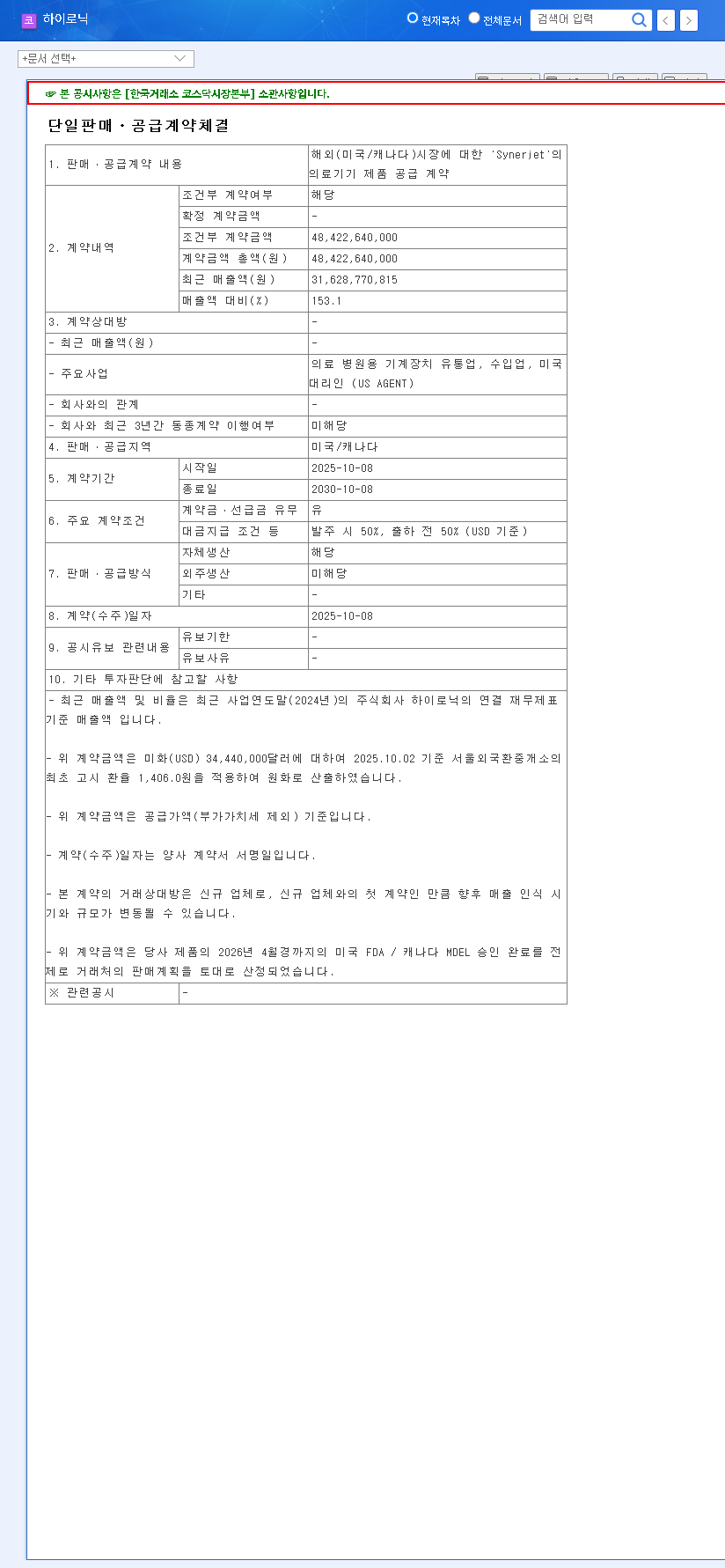
    On October 10, 2025, Hironic Co., Ltd disclosed a five-year single-sales and supply agreement to bring its flagship medical device, ‘Synerjet’, to the US and Canadian markets. The contract, effective from October 8, 2025, to October 8, 2030, is remarkable for its sheer scale. As detailed in the Official Disclosure, its value represents 153.1% of Hironic’s recent annual sales revenue, signaling a massive future contribution to the company’s top line. ‘Synerjet’ has already seen successful commercialization in Europe, the Middle East, and Southeast Asia, but this new agreement marks its most significant market entry to date.

    Why This Contract is a Game-Changer

    Unlocking the World’s Largest Aesthetic Market

    Entering the Synerjet North America market is more than a revenue boost; it’s a strategic masterstroke. The US and Canada represent one of the largest and most lucrative aesthetic medical device markets globally. Establishing a strong foothold here will dramatically enhance Hironic’s global brand awareness and open doors for further product diversification. This 5-year agreement provides a stable foundation for predictable revenue, which is highly valued by investors and analysts. According to industry market reports, this sector is projected for double-digit growth, and Hironic is now perfectly positioned to capture a piece of it.

    A Testament to R&D and Technological Leadership

    This deal is a direct result of Hironic’s unwavering commitment to innovation. The company consistently maintains a technological edge with its High-Intensity Focused Ultrasound (HIFU) product lines. This is backed by a substantial R&D expenditure, which accounts for an impressive 10.13% of its sales revenue. Such a high level of investment in technology is a key differentiator and was undoubtedly a critical factor in securing the landmark Hironic Synerjet agreement.

    The sheer scale of this contract—equivalent to over 150% of annual sales—clearly demonstrates Hironic’s future growth potential and acts as a powerful catalyst capable of propelling the company to a new level.

    Hironic Stock Analysis: Balancing Opportunity and Risk

    While the market has historically reacted positively to Hironic’s large-scale announcements, a prudent investor must weigh the tremendous opportunity against underlying fundamental challenges. For more on this, see our guide on evaluating medical technology stocks.

    Key Risk Factors to Monitor

    To maximize the positive effects of this contract, Hironic must address several fundamental issues:

    • Profitability Headwinds: In the first half of 2025, while revenue saw a slight increase, operating profit declined due to rising SG&A expenses. A significant increase in other non-operating expenses also led to a drop in net profit, which requires a clear strategy to rectify.
    • Subsidiary Performance: The net loss recorded by subsidiary Hironic Korea Co., Ltd could be a drag on consolidated financials, demanding efficient management and a turnaround plan.
    • Accounting Transparency: A history of a qualified audit opinion due to inventory scope limitations means investors will be closely monitoring the company’s efforts to enhance its internal control systems and build trust.
    • Macroeconomic Pressures: Global volatility, including fluctuating exchange rates (USD/KRW) and rising interest rates, could impact both export revenues and import costs, requiring proactive financial management.

    Investor Action Plan and Final Verdict

    Despite the risks, the supply contract for the Hironic Synerjet is an overwhelmingly positive event that fortifies the company’s long-term growth potential. Based on the securing of future growth drivers and a stable revenue base, our investment opinion is a confident “Buy”, with the recommendation to monitor the following points closely.

    Future Observation Points:

    • Tangible sales performance of ‘Synerjet’ in the North American market.
    • Demonstrable improvement in profitability trends in late 2025 and 2026.
    • Progress in enhancing accounting transparency and strengthening internal controls.
    • Additional growth momentum from other global markets.

    (149980) Hironic Synerjet Deal: A Deep Dive Stock Analysis for Investors 관련 이미지
  • Faber9’s Q2 Earnings Miss: Key Factors for Future Growth

    1. What Happened? : H1 2025 Earnings Analysis

    Faber9 recorded sales of KRW 68.538 billion in the first half of 2025, but posted a net loss of KRW 442 million due to foreign exchange losses and derivative transaction losses. Q2 results, in particular, added to concerns with declining sales and a net loss. While the digital signage division has become a major business, accounting for 25% of total sales, overall profitability improvement remains an urgent task.

    2. Why Did This Happen? : Reasons for the Sluggish Performance

    The main causes of the net loss are foreign exchange fluctuations and derivative-related losses. The high debt ratio (110.04%) also reveals a structure vulnerable to interest rate fluctuations. Furthermore, high dependence on specific customers such as Samsung Electronics and losses from related party transactions are pointed out as risk factors.

    3. What’s Next? : Future Outlook and Key Variables

    Faber9 aims to secure new growth engines by entering the North American market. Aluminum processing technology and continuous R&D investment are also strengths. However, securing financial soundness, managing foreign exchange risk, and diversifying the business portfolio will be key variables for future growth. In particular, whether the company can overcome the sluggish Q2 performance and successfully enter the North American market is expected to be a major watershed.

    4. What Should Investors Do? : Investment Strategy Recommendations

    • • Investors should continuously monitor financial soundness indicators (debt ratio, interest coverage ratio, etc.) and overseas business performance.
    • • Attention should also be paid to the growth and profitability of new businesses and trends in raw material prices and freight rates.
    • • It is important to continuously check the company’s ability to respond to changes in the external environment, such as intensifying exchange rate fluctuations, rising interest rates, and intensifying competition.

    FAQ

    What is Faber9’s main business?

    Faber9 specializes in precision processing and surface treatment of aluminum alloys, producing various products such as TV exteriors, digital signage, medical devices, automotive parts, and home appliances.

    How was Faber9’s performance in the first half of 2025?

    While sales reached KRW 68.538 billion, the company recorded a net loss of KRW 442 million due to foreign exchange losses and derivative transaction losses.

    Who are Faber9’s main customers?

    Faber9 has secured global companies such as Samsung Electronics and GE as major customers.

    What is the outlook for Faber9?

    Faber9 has growth potential based on its entry into the North American market and technological capabilities, but improving financial soundness and profitability are key challenges.

  • Gaon Cable’s 2025 Half-Year Report: A Future Powered by Green Energy, but with Financial Risks?

    1. Gaon Cable’s 2025 Half-Year Report: What Happened?

    Gaon Cable recorded sales of KRW 1.2825 trillion (a decrease year-on-year) and operating profit of KRW 45.1 billion (similar year-on-year) in the first half of 2025. Despite the sluggish performance of the power business unit, growth in the special cable business unit offset this, maintaining management efficiency. The gradual upward trend in sales and operating profit since the second half of 2024 is a positive sign.

    2. Key Growth Drivers: Why Pay Attention?

    • Entry into the Green Energy Business: Gaon Cable has secured future growth engines by entering the solar and offshore wind power businesses. High growth potential can be expected in conjunction with the government’s renewable energy policies.
    • Expansion into the North American Market: By securing 100% stake in its US subsidiary, Gaon Cable demonstrates its commitment to expanding overseas markets. This is expected to contribute to long-term sales growth and diversification of revenue streams.
    • Growth of the Special Cable Business Unit: This unit is offsetting the sluggish performance of the power business unit and creating a stable revenue structure.

    3. Investment Considerations: What are the Risks?

    Despite Gaon Cable’s growth potential, there are risk factors to consider when investing.

    • Increased Financial Leverage: Due to increased borrowing for business expansion and investment, the debt-to-equity ratio (177.68%) and net debt-to-equity ratio (156.24%) have risen. Managing financial soundness is a critical task.
    • Volatility in Raw Material Prices and Exchange Rates: Fluctuations in copper prices and the USD exchange rate can directly impact profitability.
    • Intensifying Competition: Competition in the cable industry is expected to continue to intensify. Securing competitiveness in quality, delivery, and technology is crucial.

    4. Action Plan for Investors

    • Monitor New Business Performance: Continuously check the specific performance and revenue contribution of the solar and offshore wind power businesses.
    • Check North American Market Entry Performance: Pay attention to the visible achievements and profitability improvement of Gaon Cable’s entry into the North American market.
    • Monitor Financial Soundness Management: Monitor efforts to manage debt ratios and alleviate interest expense burdens.
    What is Gaon Cable’s main business?

    Gaon Cable manufactures various types of wires and cables, including power lines, communication cables, and special cables.

    What were Gaon Cable’s financial results for the first half of 2025?

    Gaon Cable recorded sales of KRW 1.2825 trillion and operating profit of KRW 45.1 billion in the first half of 2025.

    What is Gaon Cable’s future growth strategy?

    Gaon Cable is pursuing sustainable growth through initiatives such as entering the green energy business and expanding into the North American market.

  • Sungwoo H1 2025 Earnings Shock: Can 4680 Battery Turn the Tide?

    1. Sungwoo Q2 Earnings: Behind the Shock

    Sungwoo reported KRW 20.8 billion in revenue, KRW -1.3 billion in operating profit, and KRW -1.8 billion in net profit for Q2 2025. These figures significantly missed market forecasts. The primary reason is a 66.3% drop in sales of secondary battery components (Topcap Ass’y). This decline is attributed to a combination of factors, including a global economic slowdown, increased market competition, and customer inventory adjustments. Growing inventory levels and slower turnover rates further contributed to the profit decline.

    2. Positive Signals: Automotive Electronics and New Growth Drivers

    Despite the disappointing results, there are positive signals. Sungwoo’s automotive electronics business saw a 68.6% increase in sales, driven by the accelerating transition to electric vehicles. Furthermore, the company has completed development of next-generation 4680 cylindrical battery components and is preparing for mass production. Sungwoo also plans to enter the North American market, leveraging the opportunities presented by the US Inflation Reduction Act (IRA). The successful realization of these growth drivers could lead to a turnaround in performance.

    3. Investment Considerations: Balancing Uncertainty and Growth Potential

    Investors considering Sungwoo should carefully evaluate the following factors:

    • 4680 Battery Production and Order Intake: Market acceptance of the new product is crucial for earnings recovery.
    • Inventory Management and Capacity Utilization: Monitor the company’s ability to reduce inventory burdens and improve production efficiency.
    • Sustainable Growth of Automotive Electronics: Assess growth prospects in line with the expanding EV market.
    • North American Market Entry Strategy and Results: Track the impact of IRA-related policy changes and monitor market entry progress.

    Frequently Asked Questions

    Why did Sungwoo’s Q2 2025 earnings disappoint?

    A combination of factors contributed to the weak performance, including a sharp decline in sales of secondary battery components, a global economic slowdown, increased market competition, customer inventory adjustments, and growing inventory burdens.

    What is the outlook for Sungwoo’s future growth?

    Positive factors include the mass production of 4680 cylindrical battery components, North American market entry, and growth in the automotive electronics business. However, market conditions and competitive landscape changes create uncertainties.

    What should investors be cautious about when considering Sungwoo?

    Investors should closely monitor the market acceptance of 4680 battery components, inventory management, the sustainable growth of the automotive electronics business, and the success of the North American market entry.

  • EcoPlastic Settles Wage Lawsuit: Impact on Stock Price and Investment Strategy

    1. EcoPlastic’s Wage Lawsuit Settlement: What Happened?

    EcoPlastic has settled its wage lawsuit after reaching an agreement with the plaintiffs. This puts an end to the prolonged legal battle and associated uncertainties.

    2. Why is the Settlement Significant?

    The settlement is expected to have several positive effects on EcoPlastic. Financially, it avoids the anticipated legal expenses, preserving financial soundness. Furthermore, removing the uncertainty surrounding the lawsuit should help restore investor confidence and positively impact future investment attraction and funding. Improved labor relations may also lead to enhanced productivity.

    3. Stock Price Outlook and Investment Strategy: How Should Investors Respond?

    In the short term, a positive impact on the stock price is expected immediately following the announcement, although the market may have already factored in some expectations. The long-term stock outlook hinges on the company’s fundamentals, including future performance, the automotive market outlook, and particularly the success of its entry into the North American electric vehicle market. Investors should consider these factors comprehensively when formulating their investment strategies.

    • Investor Action Plan:
      • Review the details of the settlement agreement.
      • Analyze the company’s performance improvement plan and North American market entry strategy.
      • Monitor external variables such as raw material prices and exchange rate fluctuations.

    Frequently Asked Questions

    How does the settlement affect EcoPlastic’s financial status?

    By avoiding legal costs and restoring investor confidence, the settlement is expected to positively impact EcoPlastic’s financial health.

    What will happen to EcoPlastic’s stock price after the settlement?

    A positive impact is expected in the short term, but the long-term stock price will depend on the company’s fundamentals and market conditions.

    What should investors pay attention to?

    Investors should carefully analyze the settlement details, performance improvement plans, North American market entry strategy, and continuously monitor external variables.

  • Soluz Advanced Materials Q1 2025 Earnings Disappoint: What’s Next?

    1. What Happened? Q1 2025 Earnings Breakdown

    Soluz Advanced Materials’ Q1 2025 earnings missed market expectations. The primary culprit was the underperformance of the battery foil division, driven by a combination of factors, including decreased demand in European and Asian markets, rising raw material prices, and increased competition. The OLED/advanced materials division also suffered from the slowdown in the Chinese market. The strengthening of the Korean Won against the US Dollar and Euro further exacerbated the decline in profitability.

    2. Why Did This Happen? Underlying Causes and Macroeconomic Analysis

    The company’s struggles cannot be attributed solely to internal factors. The uncertain global economic outlook, rising interest rates, and volatile raw material prices significantly impacted business performance. The company is particularly vulnerable to fluctuations in raw material prices and exchange rates, requiring ongoing monitoring. The slowdown in the Chinese economy is also negatively affecting the OLED business segment.

    3. What’s Next? Key Takeaways from the Upcoming IR Meeting

    The upcoming IR meeting will be crucial for Soluz Advanced Materials to address the Q1 underperformance and outline its future growth strategy. Investors will be looking for specific details on the progress of the Canadian battery foil plant construction, the North American market entry strategy, and the company’s mid- to long-term growth roadmap. Furthermore, the company’s risk management strategy for exchange rate and raw material price fluctuations, as well as its inventory management plans, will be key areas of focus.

    4. What Should Investors Do? Investment Strategies and Considerations

    Investors should avoid overreacting to short-term setbacks and maintain a long-term perspective. Carefully analyzing the information presented in the IR meeting and evaluating the company’s growth potential and risk management capabilities will be crucial. Continuously monitoring additional information, such as competitor performance, market share trends, and the progress of the Canadian plant construction, will inform investment decisions. This analysis is not investment advice, and investment decisions and their consequences remain the responsibility of the investor.

    What are Soluz Advanced Materials’ main businesses?

    Soluz Advanced Materials produces advanced materials such as battery foils, OLED materials, copper foils, and printed circuit boards. They are particularly focused on the battery foil business, a key component of electric vehicle batteries.

    What were the main reasons for the poor performance in Q1 2025?

    The main factors were the underperformance of the battery foil business, rising raw material prices, and unfavorable exchange rates. A combination of decreased demand for battery foils due to slowing growth in the EV and ESS markets, rising prices of raw materials like copper, and the strengthening of the Korean Won against the US Dollar and Euro contributed to the decline.

    What is Soluz Advanced Materials’ future investment strategy?

    The company plans to pursue mid- to long-term growth by entering the North American market through the construction of a battery foil plant in Canada, expanding into the ESS market, and increasing investment in research and development. They also plan to strengthen their risk management strategy related to exchange rate and raw material price fluctuations.