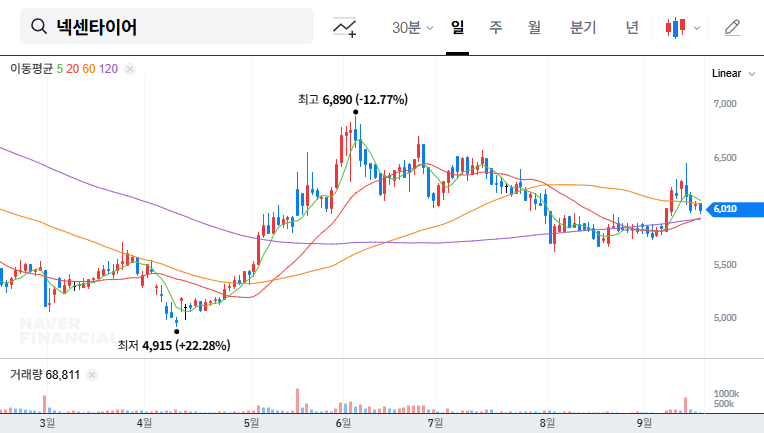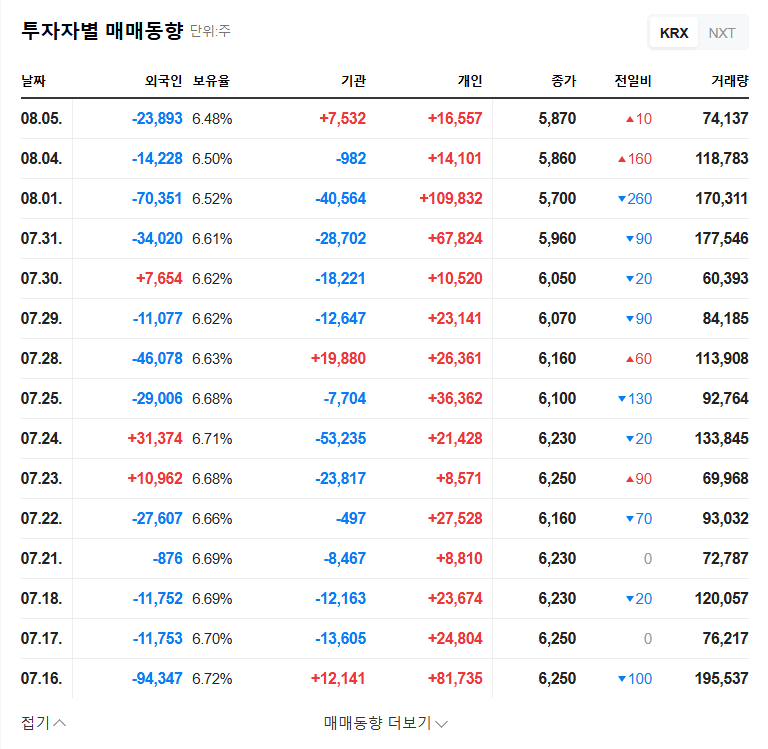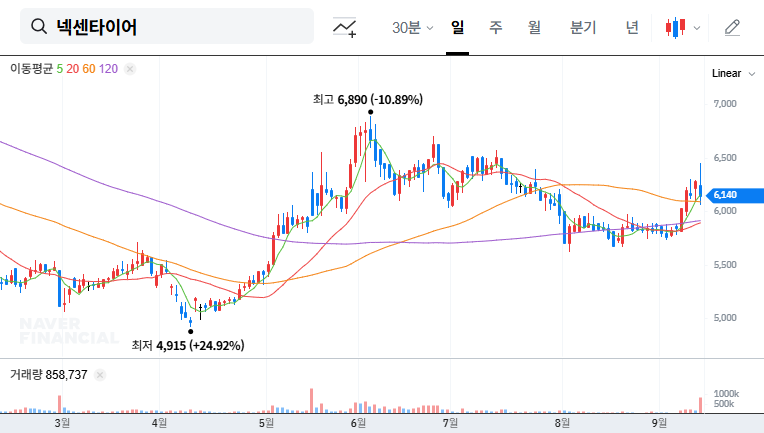
Tag: Nexen Tire

  • (002350) NEXEN TIRE IR Q3 2025: A Complete Investor Analysis & Stock Price Outlook

    (002350) NEXEN TIRE IR Q3 2025: A Complete Investor Analysis & Stock Price Outlook

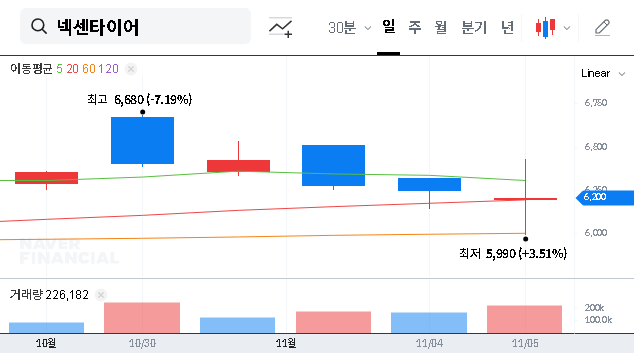
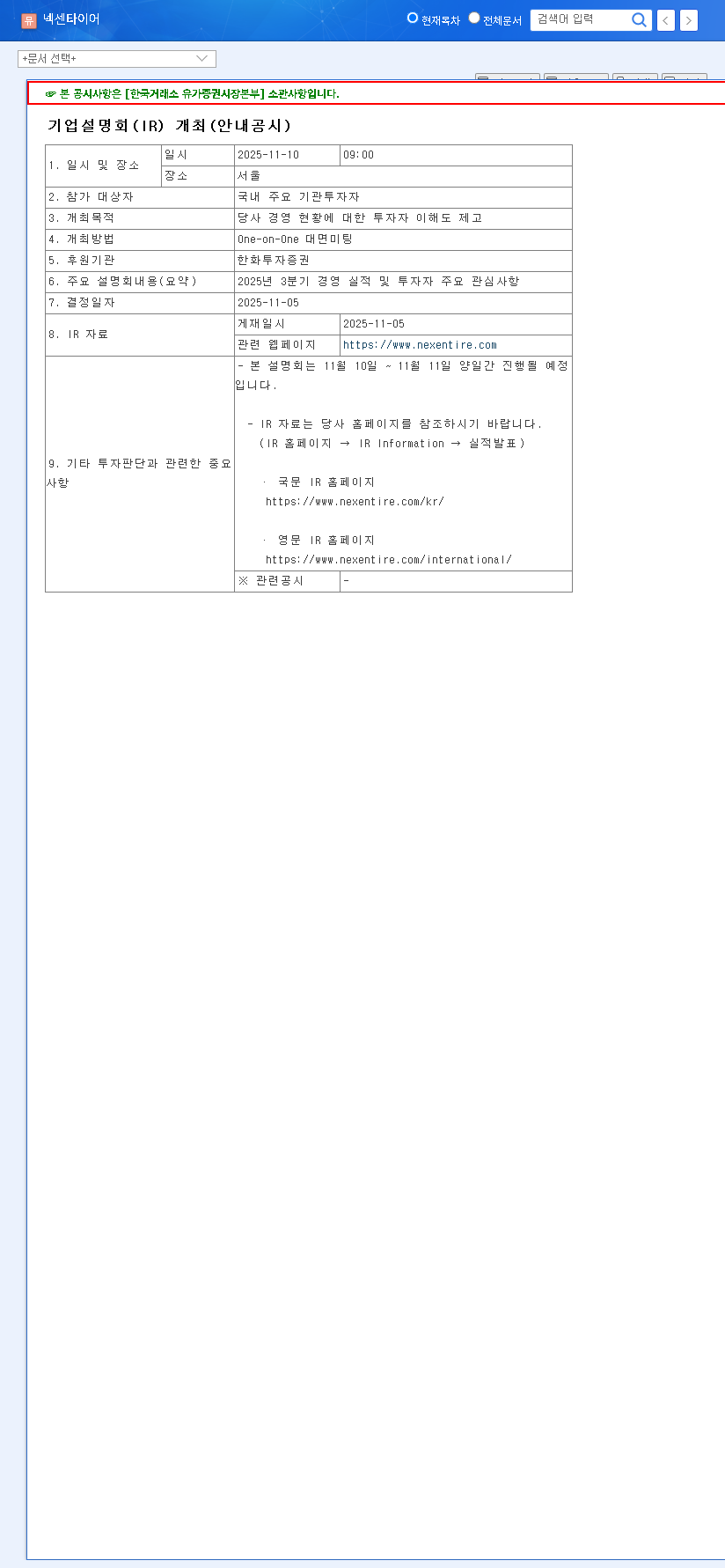
    The upcoming NEXEN TIRE IR event on November 17, 2025, is a pivotal moment for investors. This event is far more than a routine earnings call; it represents a critical opportunity for the company to detail its Q3 2025 performance, outline future growth strategies, and directly address market concerns. For stakeholders, understanding the nuances of this presentation is key to anticipating the direction of the NEXEN TIRE stock price and making informed investment decisions. This comprehensive investor analysis will dissect the company’s fundamentals, the macroeconomic landscape, and the potential outcomes of the IR, providing a clear roadmap for what to watch.

    Investors should closely monitor the Q3 2025 results and the company’s forward-looking statements on EV tire development and global production capacity, as these will be major drivers of future valuation.

    NEXEN TIRE’s Current Financial Health: A Deep Dive

    Before the NEXEN TIRE IR event, it’s essential to evaluate the company’s existing foundation. As of the first half of 2025, NEXEN TIRE has demonstrated a robust and positive trajectory, laying a solid groundwork for future growth. Understanding these fundamentals provides the necessary context for interpreting the NEXEN TIRE Q3 2025 earnings report.

    Key Fundamental Strengths

    • Impressive Revenue Growth: The company reported a significant 9.3% year-over-year revenue increase, reaching KRW 1.5759 trillion. This was coupled with an operating profit of KRW 83.3 billion, showcasing strong performance in the core tire business.
    • Global Production Expansion: The completion of the second-phase expansion of its Czech Republic plant enhances its global manufacturing footprint. This move is crucial for market adaptability and increasing overseas production, a key competitive advantage.
    • Future-Focused R&D: Heavy investment in developing specialized EV tires and using AI for new pattern creation positions NEXEN TIRE at the forefront of automotive trends, securing long-term technological competitiveness.
    • Stable Financial Structure: With a sound debt-to-equity ratio of 45.19%, the company maintains excellent financial health and stable management of its liabilities.

    Navigating Macroeconomic Headwinds

    While NEXEN TIRE’s fundamentals are strong, its performance is invariably linked to the broader economic environment. The upcoming tire stock outlook will be heavily influenced by how the company plans to navigate several external challenges. For a broader perspective on global economic trends, investors can consult authoritative sources like Reuters Business.

    • Raw Material Volatility: The prices of natural rubber and carbon black are notoriously volatile, directly impacting profit margins.
    • Currency Fluctuations: As a global exporter, NEXEN is exposed to exchange rate risks. A key point in the IR will be their hedging and risk management strategies.
    • Rising Interest Rates: Increased borrowing costs could put pressure on profitability, making debt management a critical topic for discussion.
    • Logistics Costs: Global shipping rates remain a factor that can influence both procurement and distribution expenses.

    Potential Impact of the NEXEN TIRE IR on Stock Price

    The IR event can swing investor sentiment in either direction. A transparent, confident, and forward-looking presentation could significantly boost the NEXEN TIRE stock price. Conversely, any ambiguity or failure to address concerns could have a negative effect.

    Positive Catalysts to Watch For

    If NEXEN TIRE’s Q3 2025 earnings meet or exceed market consensus and the management provides a clear vision, the stock is likely to react positively. Key catalysts include strong profitability metrics, concrete progress in the EV tire segment, and an optimistic outlook for global sales, particularly from the expanded European facility. Check out our deep dive into the global tire market for more context.

    Potential Risks and Concerns

    Investors should be cautious of several potential red flags. An earnings miss would be the most immediate concern. Additionally, any uncertainty regarding past US anti-dumping duties could resurface and dampen sentiment. Vague answers on managing macroeconomic risks or a downbeat forecast due to a potential global economic slowdown could also lead to a stock price decline. For full transparency, investors should review the company’s Official Disclosure on the DART system.

    Investor Action Plan & Key Questions

    This NEXEN TIRE IR is an actionable intelligence event. To make the most of it, focus on the following key areas during the presentation and Q&A session:

    What were the specific drivers behind Q3 revenue and profit figures?

    Look beyond the headline numbers. Understand which regions and product lines are over-performing or under-performing. This will provide insight into the health of the core business.

    What is the updated timeline and sales forecast for new EV tires?

    The EV market is a primary growth engine. Vague promises are not enough; look for concrete data, partnership announcements, and specific sales targets that can be tracked.

    How is the company managing cost inflation and supply chain risks?

    A clear and convincing strategy for managing raw material costs, currency volatility, and logistics is a hallmark of a well-managed company. This demonstrates foresight and resilience.

    What is the current status of the US anti-dumping duty issue?

    This is a lingering risk factor. A transparent update on the situation and the company’s mitigation strategy is crucial for building investor confidence and removing uncertainty that could weigh on the stock.
    (002350) NEXEN TIRE IR Q3 2025: A Complete Investor Analysis & Stock Price Outlook 관련 이미지
  • (005720) NEXEN CORPORATION Stock: Deep Dive on IBK Capital’s 5.72% Stake & Future Outlook

    (005720) NEXEN CORPORATION Stock: Deep Dive on IBK Capital’s 5.72% Stake & Future Outlook

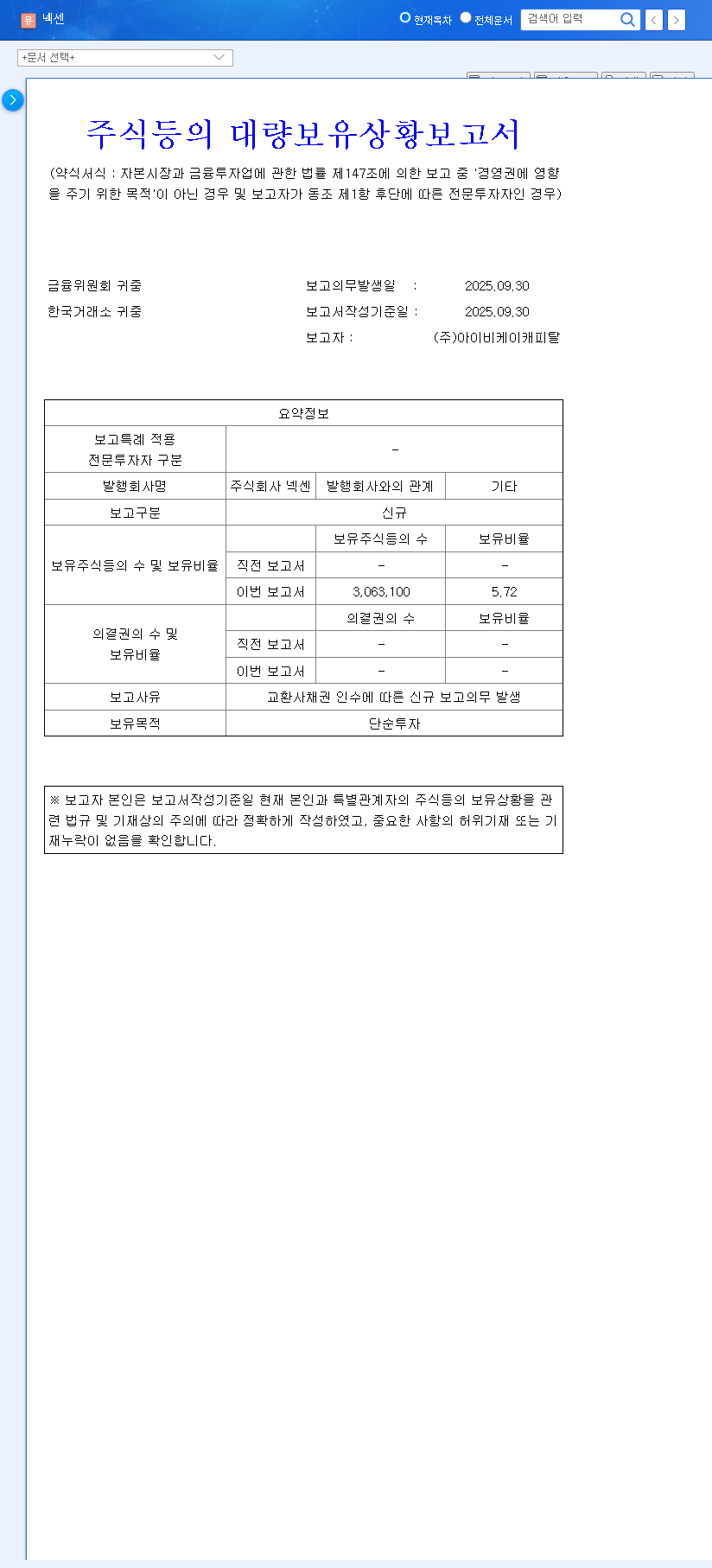
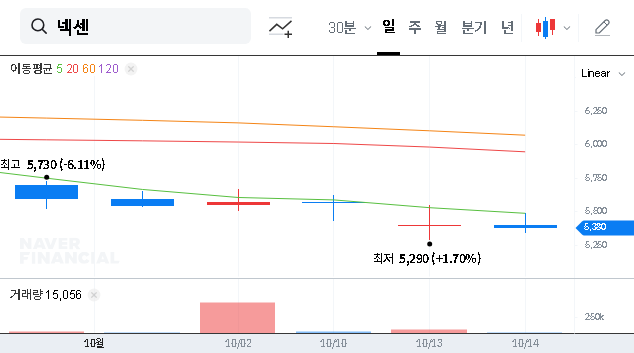
    The market is buzzing about NEXEN CORPORATION stock after a significant filing revealed a major new stakeholder. Investment associations led by IBK Capital have acquired exchangeable bonds (EBs), effectively securing a 5.72% stake in the company. This move has ignited speculation among investors: Is this a vote of confidence in Nexen’s future, or a complex financial maneuver with hidden risks?

    This comprehensive analysis will dissect the Nexen major shareholding report, evaluate the company’s current fundamentals, and explore the direct and indirect implications of this pivotal event. For anyone holding or considering an investment in NEXEN CORPORATION, this deep dive provides the crucial insights needed to navigate what comes next.

    Unpacking the IBK Capital Nexen Investment

    On October 14, 2025, a mandatory filing provided a clear picture of the transaction. This wasn’t a direct purchase of shares on the open market, but a strategic acquisition of exchangeable bonds. These are debt instruments that can be converted into common stock at a later date, giving the holder potential equity upside.

    Key Details from the Report:

    • Reporting Party: A consortium including IBK Capital and affiliated New Technology Investment Funds.
    • Holding Purpose: Officially stated as ‘Simple Investment’.
    • Post-Report Stake: 5.72%, representing 3,063,098 potential shares held via EBs.
    • Official Source: The complete details can be reviewed in the Official Disclosure on DART.

    The acquisition of Nexen exchangeable bonds is a sophisticated move. It allows IBK Capital to participate in Nexen’s potential growth while offering more downside protection than a direct equity investment. For a deeper understanding of these financial instruments, you can read this guide from a high-authority financial education site like Investopedia.

    The ‘Why’ Behind the Investment: A Tale of Two Businesses

    At first glance, the timing of IBK Capital’s investment seems counterintuitive. Nexen’s core business, tire manufacturing via its subsidiary Nexen Tire, has faced headwinds. So, why invest now?

    Core Business Challenges

    The 2025 half-year report highlights a slowdown in revenue and profitability, primarily due to a sluggish global economy impacting automobile demand. While the company’s financial structure remains stable with a manageable debt-to-equity ratio of 127.7%, the core tire business is under pressure from volatile raw material prices and fluctuating exchange rates. These factors present an ongoing risk to the company’s bottom line.

    The Strategic Pivot: New Growth Engines

    This is likely where IBK Capital’s interest lies. NEXEN CORPORATION is actively exploring a strategic diversification by establishing its own Venture Capital (VC) firm. This initiative is aimed at investing in new technologies to secure long-term growth drivers beyond the cyclical automotive industry. This forward-looking strategy suggests a transformation from a traditional manufacturing holding company into a more dynamic investment entity.

    IBK Capital’s investment is likely a calculated bet not on Nexen’s present performance, but on the potential of its strategic pivot into technology and venture capital, signaling confidence in its future vision.

    Impact on NEXEN Stock Price and Future Prospects

    The arrival of a major institutional investor will have both short-term and long-term effects on the Nexen stock price.

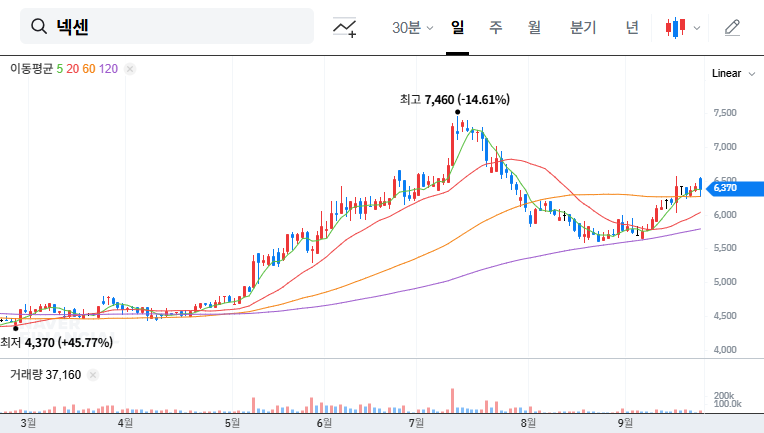
    • Short-Term Volatility: The news itself can attract speculative interest, causing price fluctuations. However, the primary short-term risk is the ‘supply overhang.’ The potential conversion of 3 million shares from the EBs could introduce a large supply of stock to the market, which could place downward pressure on the price if not managed carefully.
    • Long-Term Confidence: The investment serves as a strong external validation of Nexen’s new business strategy. It suggests that sophisticated investors see significant upside in the company’s diversification plans. This can boost overall market confidence and support the stock price in the long run, provided the company executes its plans successfully. For more on this, check out our guide on how institutional investment affects stock prices.

    Investor Action Plan: What to Watch For

    For current and prospective investors in NEXEN CORPORATION stock, a wait-and-see approach combined with diligent monitoring is essential. The future trajectory depends on the interplay of its legacy business recovery and new venture success.

    Key Monitoring Points:

    • Fundamental Performance: Keep a close eye on quarterly earnings. Is the core tire business stabilizing or improving? Any recovery here would provide a solid foundation for growth.
    • New Business Visibility: Watch for concrete announcements regarding the VC firm’s establishment, its investment strategy, and its first acquisitions. Tangible progress is key to sustaining investor confidence.
    • EB Conversion Status: Monitor filings for any news on the conversion of the exchangeable bonds. Understanding the timing and volume of potential new shares is crucial for anticipating market impact.
    • Macroeconomic Indicators: Global economic trends, auto sales data, and raw material costs will continue to heavily influence Nexen’s core operations.

    Ultimately, the IBK Capital Nexen deal is a catalyst that forces a re-evaluation of the company. While the short-term is clouded by fundamental weaknesses and supply risks, the long-term narrative is now enriched with the promise of strategic transformation and high-growth potential.

    (005720) NEXEN CORPORATION Stock: Deep Dive on IBK Capital's 5.72% Stake & Future Outlook 관련 이미지
  • NEXEN’s Treasury Stock Disposal: Impact on Stock Price (September 2025 Analysis)


    NEXEN's Treasury Stock Disposal: Impact on Stock Price (September 2025 Analysis) 대표 차트 이미지


    1. What is NEXEN’s Treasury Stock Disposal?

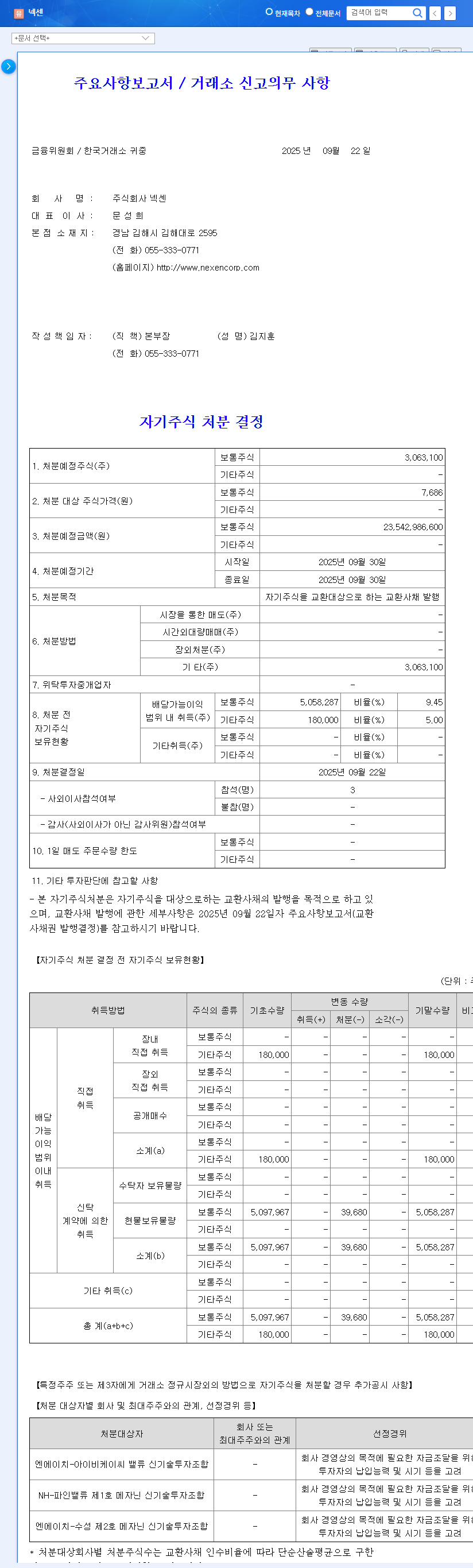
    NEXEN decided to dispose of 3,063,100 treasury shares on September 22, 2025. This is for the issuance of exchangeable bonds, and is expected to raise approximately 23.5 billion KRW.

    2. Why is NEXEN Disposing of Treasury Stock?

    NEXEN plans to use the funds raised through this treasury stock disposal for investments in securing future growth engines. This aligns with the growth strategies outlined in the 2025 semi-annual report, such as strengthening the global competitiveness of NEXEN Tire and investing in new technology businesses. The decision to issue exchangeable bonds is likely due to its lower impact on the financial structure compared to issuing new shares or borrowing.

    3. How Will the Disposal Impact the Stock Price?

    In the short term, the stock price may experience increased volatility due to the coexistence of positive signals (investment fund secured) and negative signals (potential equity dilution). In the long term, the stock’s direction will depend on how efficiently the raised funds are used and whether they generate tangible results. Successful investments are expected to positively impact the stock price by increasing the company’s value.

    4. What Should Investors Do?

    • Growth potential: Analyze NEXEN’s growth strategy and investment plans to assess the likelihood of success.
    • Equity dilution: Consider the possibility of exchangeable bonds converting into common stock and the resulting dilution effect.
    • Macroeconomic environment: Analyze the impact of macroeconomic variables such as exchange rates and interest rates on NEXEN’s business.
    • Market reaction: Continuously monitor the terms of the exchangeable bond issuance and the market’s reaction.


    Frequently Asked Questions (FAQ)

    What is the purpose of NEXEN’s treasury stock disposal?

    To raise funds for investment in future growth engines through the issuance of exchangeable bonds.

    Can the disposal of treasury stock negatively affect the stock price?

    There are concerns about potential equity dilution if the exchangeable bonds are converted to common stock. However, the current disposal size is limited to 5.72% of the total outstanding shares.

    How will the raised funds be used?

    The funds will be used for investments aimed at securing future growth engines, such as strengthening NEXEN Tire’s global competitiveness and investing in new technology businesses.

    What should investors be aware of?

    It is important to make investment decisions considering NEXEN’s growth strategy, the possibility of equity dilution, the macroeconomic environment, and market reactions.


    NEXEN's Treasury Stock Disposal: Impact on Stock Price (September 2025 Analysis) 관련 이미지
    NEXEN's Treasury Stock Disposal: Impact on Stock Price (September 2025 Analysis) 관련 이미지


  • Nexen Tire IR Analysis: Securing Growth Momentum in the EV Era? (September 2025)


    Nexen Tire IR Analysis: Securing Growth Momentum in the EV Era? (September 2025) 대표 차트 이미지


    1. Nexen Tire IR: What Was Discussed?

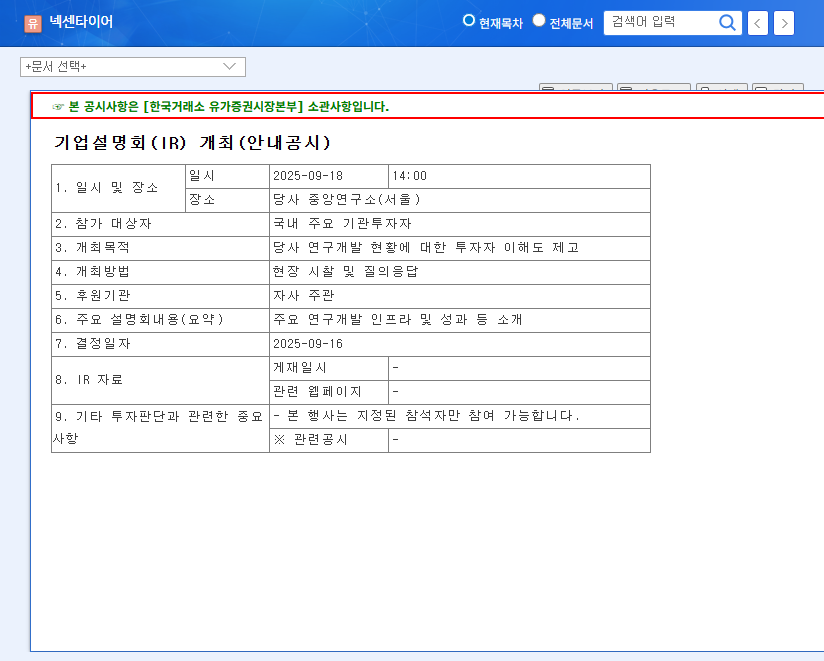
    Nexen Tire held an IR session on September 18, 2025, aiming to enhance investor understanding of the company’s R&D status. Key R&D infrastructure and achievements were presented, with a particular focus on EV-specific tires and eco-friendly material development.

    2. Why Pay Attention to Nexen Tire?

    • Solid Growth: As of H1 2025, Nexen Tire recorded improved performance compared to the same period of the previous year, with sales of KRW 1.5759 trillion and operating profit of KRW 83.3 billion (operating profit margin of 5.29%).
    • Securing Future Growth Drivers: The company has established a foundation for sustainable growth through the expansion of its global sales network, stabilization of its European plant operations, and increased supply to premium car manufacturers.
    • Increased R&D Investment: Nexen Tire is focusing on securing future competitiveness through continuous R&D investment at approximately 2.9% of sales, particularly in the development of EV-specific tires and eco-friendly materials.
    • Stable Financial Structure: The company maintains a stable capital ratio with a net debt-to-equity ratio of 45.19%.

    3. Key Investment Takeaways

    Positive Factors:

    • Expected benefits from the growth of the EV and eco-friendly tire market
    • Market expansion based on a global sales network and European production base
    • Strengthened technological competitiveness through continuous R&D investment

    Risk Factors:

    • Continued uncertainty regarding US anti-dumping duties
    • Possibility of deteriorated export profitability due to exchange rate fluctuations
    • Increased burden of raw material price increases and logistics costs
    • Intensified competition in technology development and new product launches compared to competitors

    Investment Action Plan: Carefully review the IR presentation and continuously monitor changes in the macroeconomic environment and the company’s performance trends when making investment decisions.


    FAQ

    What are Nexen Tire’s main business segments?

    Nexen Tire’s core business segment is the tire segment (99.77% share). The non-tire segment, including transportation and storage, generates stable profits, while the mold segment requires profitability improvement.

    What is Nexen Tire’s R&D investment status?

    Nexen Tire consistently invests approximately 2.9% of its sales in R&D, focusing on the development of EV-specific tires and eco-friendly materials.

    What is the outlook for Nexen Tire’s stock price?

    While this IR event could have a positive impact, the stock price may fluctuate depending on market conditions and the content of the announcement. It is crucial to thoroughly review the IR materials and subsequent earnings announcements.


    Nexen Tire IR Analysis: Securing Growth Momentum in the EV Era? (September 2025) 관련 이미지
    Nexen Tire IR Analysis: Securing Growth Momentum in the EV Era? (September 2025) 관련 이미지


  • Nexen Tire: VIP Asset Management Acquires 5% Stake – Investment Strategy and Stock Outlook


    Nexen Tire: VIP Asset Management Acquires 5% Stake - Investment Strategy and Stock Outlook 대표 차트 이미지


    VIP Asset Management Acquires 5% of Nexen Tire: What Happened?

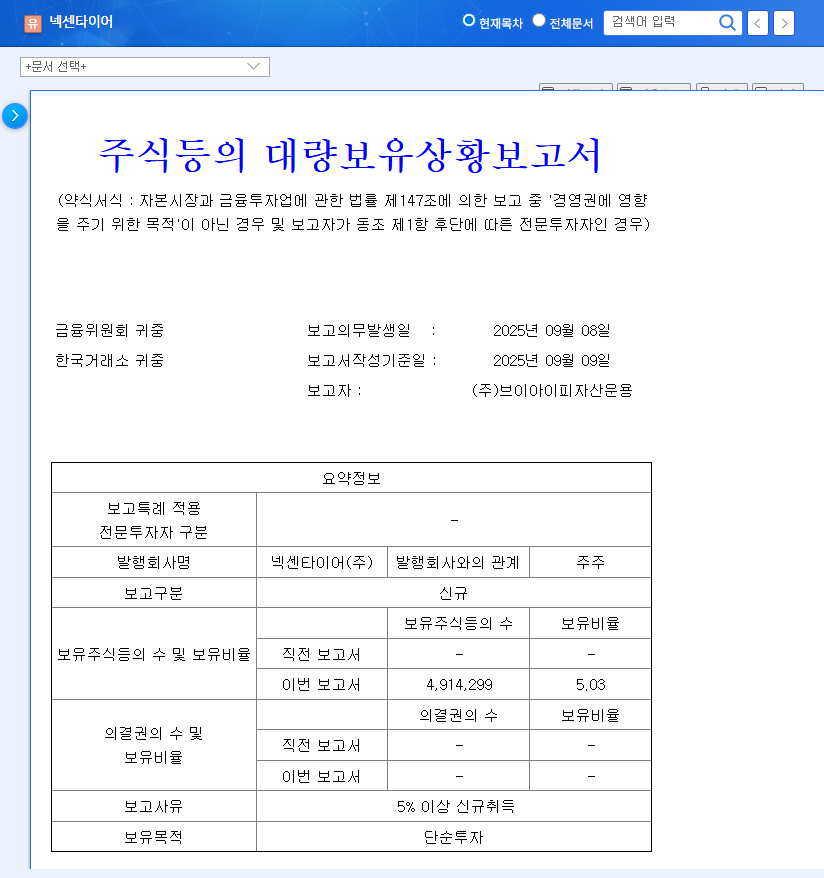
    On September 10, 2025, VIP Asset Management disclosed its acquisition of a 5.03% stake in Nexen Tire through a ‘Large Holding Report (Simplified)’. This signifies that VIP Asset Management has secured a stake that allows them to participate in Nexen Tire’s decision-making process as a major shareholder.

    Investment Background and Purpose: Why Nexen Tire?

    While VIP Asset Management stated the purpose as a simple investment, this suggests a positive assessment of Nexen Tire’s growth potential and future value. Nexen Tire is focusing on global market expansion through the expansion of its European plant and the development of future technologies such as electric vehicle tires, suggesting strong long-term growth potential.

    Market Impact and Investment Strategy: What Should Investors Do?

    This stake acquisition could have a positive impact on Nexen Tire’s stock price in the short term. However, risk factors such as raw material price volatility, exchange rate fluctuations, and a global economic slowdown should also be considered.

    • Fundamental Monitoring: Analyze sales growth, European market performance, and the impact of risk factors.
    • Shareholder Action Monitoring: Check the possibility of VIP Asset Management’s future participation in management.
    • Macroeconomic Indicator Monitoring: Monitor fluctuations in interest rates, exchange rates, and oil prices.
    • R&D Performance Check: Monitor the launch of new products like EV tires and check on technological competitiveness.

    Nexen Tire’s Future Growth Potential?

    Nexen Tire has both positive and negative aspects. While sales growth, improved profitability, expansion of global production bases, and R&D investment are positive factors, raw material price volatility, exchange rate risks, high debt ratio, and intensifying competition require attention. VIP Asset Management’s stake acquisition can be interpreted as a positive signal, but Nexen Tire’s long-term growth depends on continuous fundamental improvement and risk management efforts.


    Frequently Asked Questions

    What does VIP Asset Management’s investment in Nexen Tire mean?

    VIP Asset Management has decided to invest in Nexen Tire, positively evaluating its growth potential. This can increase market interest in Nexen Tire and have a positive impact on its stock price.

    What are the key points to consider when investing in Nexen Tire?

    External factors like raw material price fluctuations, exchange rate movements, and a global economic slowdown, as well as financial factors such as a high debt-to-equity ratio should be considered.

    What is the outlook for Nexen Tire’s future growth?

    Nexen Tire has great growth potential, such as expanding into the global market and developing electric vehicle tires, but managing risk factors and continuous fundamental improvement are crucial.

    What investment strategies should investors consider?

    It’s crucial to continuously monitor Nexen Tire’s fundamentals, shareholder actions, and macroeconomic indicators and make investment decisions from a long-term perspective.


    Nexen Tire: VIP Asset Management Acquires 5% Stake - Investment Strategy and Stock Outlook 관련 이미지
    Nexen Tire: VIP Asset Management Acquires 5% Stake - Investment Strategy and Stock Outlook 관련 이미지


  • Nexen Tire Investor Relations (IR) Analysis: What’s the Outlook for H2 2025?


    Nexen Tire Investor Relations (IR) Analysis: What's the Outlook for H2 2025? 대표 차트 이미지


    1. What’s Happening with Nexen Tire?

    Nexen Tire achieved consolidated revenue of KRW 1.5759 trillion in the first half of 2025, a 9.3% increase year-on-year. Strengthened global sales networks and expanded premium OE supply have contributed to continued sales growth, with operating profit also improving to KRW 83.3 billion. However, the operating profit margin remains low at 5.29%.

    2. Why is Nexen Tire Important?

    The global tire market is expected to grow steadily due to emerging market growth and the expansion of the electric vehicle market, but competition is also intensifying. Uncertainties in the external environment, such as rising raw material prices, increasing logistics costs, exchange rate fluctuations, and US market risks, could continue to weigh on Nexen Tire’s profitability. In this context, Nexen Tire is focusing on securing future growth engines, such as electric vehicle tires, through expanded R&D investment while maintaining a solid financial structure.

    3. Key Takeaways from the September 11th IR

    This IR will provide insights into Nexen Tire’s growth strategies and future vision. Key areas of interest include profitability improvement strategies, electric vehicle tire development status, global market strategies, exchange rate and interest rate volatility response strategies, and US market risk mitigation strategies. The information presented at the IR can significantly impact investor sentiment and stock prices.

    4. What Should Investors Do?

    • Carefully analyze the IR content: Evaluate management’s vision and risk management capabilities through the presentation and Q&A session.
    • Maintain a long-term perspective: Consider Nexen Tire’s long-term growth potential without being swayed by short-term stock price fluctuations.
    • Consult expert opinions: Refer to expert analysis and advice before making investment decisions.


    FAQ

    When is the Nexen Tire IR meeting?

    It is scheduled for September 11, 2025, at 2:20 PM.

    What will be presented at the IR?

    The first half of 2025 business performance, future growth strategies, and key risk management plans will be presented.

    How can I participate in the IR?

    You can find participation details on the Nexen Tire IR website or through public disclosures.


    Nexen Tire Investor Relations (IR) Analysis: What's the Outlook for H2 2025? 관련 이미지
    Nexen Tire Investor Relations (IR) Analysis: What's the Outlook for H2 2025? 관련 이미지


  • Nexen Tire (005720) Q2 2025 Earnings Analysis: Revenue Growth, but Profit Decline. What’s Next?

    1. Nexen’s Q2 Performance: A Tale of Two Metrics

    Nexen Tire reported consolidated revenue of KRW 1.77 trillion and operating profit of KRW 99.1 billion for Q2 2025. While revenue increased year-over-year, operating profit declined. Preliminary figures for Q2 show revenue at KRW 904.7 billion, operating profit at KRW 50.2 billion, and net profit at KRW 23.6 billion.

    2. Decoding the Profit Decline: The Cost Conundrum

    The primary culprit behind the declining operating profit, despite revenue growth, is rising costs. Increases in selling, general, and administrative expenses (SG&A), along with financial expenses, are key factors. The importance of cost management, particularly related to overseas operations and financial instruments, is highlighted. Externally, factors like a weaker Korean Won impacting import costs and rising interest rates contributing to higher financial expenses played a role.

    3. Nexen’s Future Growth Engines: VC Investments and Shareholder Value

    Nexen is exploring ventures into VC/startup investments, seeking new avenues for future growth. The company is also focusing on enhancing shareholder value through share buybacks. These efforts are expected to contribute positively to long-term corporate value.

    4. Investor Action Plan: Careful Monitoring and Analysis

    • Short-term: Monitor cost management improvements and strategies to address fluctuations in exchange rates and raw material prices.
    • Long-term: Focus on the successful integration of new business ventures and Nexen’s ability to secure future technological competitiveness, particularly in eco-friendly tires.

    Nexen’s future stock performance hinges on the interplay of these factors. Continuous monitoring and thorough analysis are crucial for informed investment decisions.

    Frequently Asked Questions

    What were Nexen’s Q2 2025 revenue and operating profit?

    Nexen reported consolidated revenue of KRW 1.77 trillion and operating profit of KRW 99.1 billion. Preliminary figures show revenue at KRW 904.7 billion, operating profit at KRW 50.2 billion, and net profit at KRW 23.6 billion.

    Why did Nexen’s operating profit decline?

    Increased SG&A and financial expenses are the primary reasons. External factors such as a weaker Won and rising interest rates also contributed.

    What is the outlook for Nexen?

    Revenue growth is positive, but cost management is a key variable. New business ventures and development of eco-friendly tire technology are expected to drive future growth.

  • Nexen Tire Q2 Earnings Announcement: Investment Strategies and Outlook

    1. Nexen Tire Q2 Earnings: Key Focus Areas

    On August 11, 2025, Nexen Tire will hold its investor relations (IR) meeting to announce Q2 2025 earnings and address key investor concerns. The following points are expected to be in the spotlight:

    • Q2 Performance: Revenue growth sustainability, operating profit margin, impact of US anti-dumping tariffs
    • Future Growth Drivers: R&D investment plans and achievements in EV tires, eco-friendly tires, and the impact of European plant expansion
    • Key Risk Management: Strategies to address raw material price fluctuations, currency exchange rate volatility, and US anti-dumping duties

    2. Nexen Tire Fundamental Analysis and Outlook

    Nexen Tire achieved revenue growth in Q1, but operating profit slightly decreased due to higher raw material prices and increased R&D investment. Securing cost competitiveness and exploring new markets are crucial for future growth. Positive factors include growing demand for EV tires and stable operations at the European plant. However, rising raw material prices and US anti-dumping duties remain ongoing risk factors.

    3. Nexen Tire Investment Strategy: Key Considerations

    Investors considering Nexen Tire should carefully analyze the following:

    • IR Presentation Analysis: Go beyond the numbers and analyze management’s Q&A session for insights into the company’s strategies and risk mitigation plans.
    • Macroeconomic Monitoring: Stay informed about fluctuations in raw material prices, exchange rates, interest rates, and other macroeconomic indicators.
    • Competitor Analysis: Compare Nexen Tire’s fundamentals and market responsiveness against competitors to assess its investment attractiveness.

    Frequently Asked Questions

    How will the US anti-dumping duties impact Nexen Tire?

    The duties will likely increase Nexen Tire’s selling prices in the US market, potentially weakening its price competitiveness and leading to decreased export volumes. Nexen Tire will need to adjust its pricing strategy and diversify its production and distribution strategies.

    What are Nexen Tire’s future growth drivers?

    Nexen Tire is focusing on growth in the EV and high-performance tire markets, increasing its R&D investments in these areas. It is also expanding its global production capacity through the European plant and seeking growth opportunities by entering emerging markets.

    What are key considerations when investing in Nexen Tire?

    Investors should consider the IR presentation details, macroeconomic trends, and competitor analysis. Careful consideration of factors like raw material price volatility, exchange rate fluctuations, and US market risks is essential for sound investment decisions.

  • Nexen Tire Q2 Earnings Announcement: Key IR Insights and Investment Strategies

    1. Nexen Tire Q2 IR: What Happened?

    Nexen Tire held its Q2 2025 earnings announcement and investor relations (IR) meeting on August 4th, addressing its financial performance and key issues. The company was expected to provide updates on the factors that impacted its Q1 performance, including rising raw material prices, exchange rate fluctuations, and the underperformance of its non-tire segment, as well as its strategies to address these challenges.

    2. Why the Q1 Slump?

    Despite increased sales, Nexen Tire’s operating profit declined in Q1 2025 due to several factors:

    • Rising Raw Material Prices: Increasing costs of natural and synthetic rubber significantly impacted profitability.
    • Exchange Rate Fluctuations: A stronger won against the dollar and euro negatively affected earnings.
    • Non-tire Segment Underperformance: Weak performance in the non-tire segment contributed to the overall decline in profitability.

    3. Key IR Insights and Investment Strategies

    Investors should focus on the following key aspects of the Q2 earnings announcement and future outlook:

    • Q2 Performance: Assess whether the impact of raw material prices and exchange rate fluctuations persisted in Q2 and whether the non-tire segment showed signs of improvement.
    • Future Strategies: Pay close attention to Nexen Tire’s mid-to-long-term growth strategies, particularly its plans for eco-friendly technology development and global production expansion.
    • Risk Management: Evaluate Nexen Tire’s strategies for managing external risks such as raw material price volatility, exchange rate fluctuations, global economic slowdown, and geopolitical risks.

    4. Action Plan for Investors

    Before making any investment decisions, thoroughly review the IR materials and consider all external factors. Short-term investments carry higher volatility; therefore, it’s crucial to evaluate Nexen Tire’s growth potential from a long-term perspective.

    Frequently Asked Questions

    When was Nexen Tire’s Q2 2025 earnings announcement?

    The Q2 2025 earnings announcement took place on August 4, 2025.

    What were the main reasons for the Q1 earnings decline?

    Rising raw material prices, exchange rate fluctuations, and the underperformance of the non-tire segment were the primary factors.

    What should investors consider before investing?

    Investors should carefully review the IR materials and consider external factors such as the global economic slowdown and geopolitical risks. Short-term investments are risky, and a long-term perspective is recommended.

  • Nexen Tire Q2 2025 Earnings: Below Expectations, What’s Next?

    1. Nexen Tire Q2 2025 Earnings: Key Highlights

    Nexen Tire reported sales of KRW 804.7 billion, operating profit of KRW 42.6 billion, and net income of KRW 19.2 billion for Q2 2025. While sales increased year-over-year, both operating profit and net income missed expectations. The significant decline in net income raises concerns about profitability.

    2. Reasons for the Decline: Multiple Headwinds

    • Rising Raw Material Prices: Increased raw material costs due to rising international crude oil prices.
    • Exchange Rate Fluctuations: A stronger KRW against the euro negatively impacted profitability.
    • Global Economic Slowdown Concerns: Potential slowdown in the US and European economies leading to decreased demand.
    • US Anti-Dumping Duty Uncertainty: Disruptions to US market sales strategies.
    • Non-tire Business Segment Slump: Continued decline in profitability.

    3. Nexen Tire Future Outlook: Navigating Uncertainty

    The short-term outlook remains challenging due to raw material prices, exchange rate fluctuations, and global economic slowdown concerns. However, long-term growth potential exists through expansion into the electric vehicle tire market, improving cost competitiveness, and enhancing profitability in the non-tire business segment.

    4. Investor Action Plan: Careful Analysis and Prudent Approach

    Investors should carefully consider both the short-term challenges and long-term growth potential. A thorough analysis of Nexen Tire’s cost management improvements, profitability enhancements in the non-tire segment, and risk management strategies is crucial for making informed investment decisions.

    Frequently Asked Questions

    Q: What was the biggest factor contributing to Nexen Tire’s disappointing Q2 earnings?

    A: While a combination of factors, including rising raw material prices, exchange rate fluctuations, and global economic slowdown concerns, contributed to the decline, the rising raw material prices and exchange rate fluctuations had the most significant impact.

    Q: What is the outlook for Nexen Tire?

    A: The short-term outlook is challenging, but long-term growth potential exists through expansion into the electric vehicle tire market and improvements in cost competitiveness.

    Q: Should I invest in Nexen Tire?

    A: Investment decisions are ultimately up to individual investors, but it is crucial to carefully consider both the short-term challenges and long-term growth potential. A thorough analysis of Nexen Tire’s cost management improvements, profitability enhancements in the non-tire segment, and risk management strategies is recommended before making any investment decisions.