Tag: Neurotherapeutics

  • APTON’s Warrant Exercise: What Does it Mean for Investors? 🚨 Key Analysis and Future Outlook


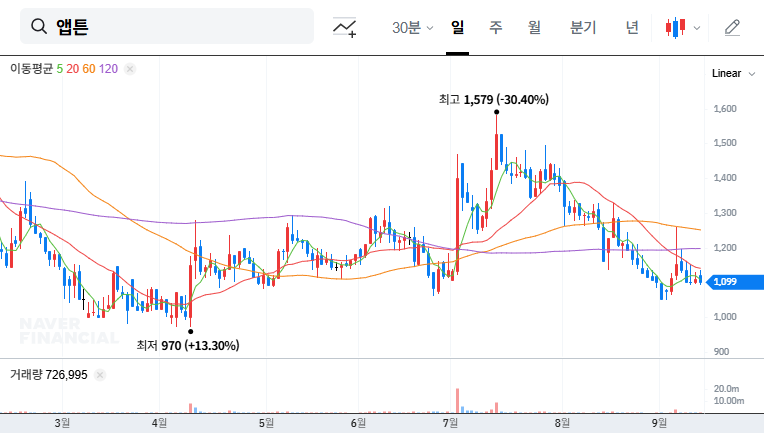
    APTON's Warrant Exercise: What Does it Mean for Investors? 🚨 Key Analysis and Future Outlook 대표 차트 이미지


    What Happened? APTON’s Warrant Exercise Explained

    APTON announced on September 10th the exercise of warrants for 2.51 million shares, with the new shares expected to be listed on September 25th. This represents approximately 1.3% of the current outstanding shares.

    Why Does it Matter? Impact on Investors

    • Short-term downside: Concerns about overhang (potential for large sell-offs) and stock dilution due to the listing of new shares could put downward pressure on the stock price in the short term.
    • Potential long-term upside?: If the funds raised from the warrant exercise are used for new business development and this event is interpreted as a sign of progress, it could be positive in the long run. However, overhang concerns are currently greater.
    • No capital inflow: This warrant exercise does not bring any capital inflow to the company, only a dilution effect for existing shareholders.

    What Should Investors Do? Investment Strategy

    The investment recommendation remains Hold. However, investors should be wary of short-term stock price volatility. If considering a new investment, closely monitor the performance of new businesses such as lithium and neurotherapeutics, as well as improvements in financial soundness.

    What’s Next for APTON? Future Outlook

    • Short-term: Stock price weakness is expected due to selling pressure and dilution from the warrant exercise.
    • Mid-to-long term: The key to a stock rebound will be the visibility of results from new businesses (lithium, neurotherapeutics) and improvements in financial health.


    FAQ

    What is a warrant?

    A warrant gives the holder the right to buy a company’s stock at a specific price (the exercise price) on or before a certain date.

    What is an overhang issue?

    It refers to a large number of potential shares available for sale, which can suppress stock price increases. When new shares are issued due to warrant exercises, there’s a higher likelihood of selling pressure for profit-taking, creating overhang concerns.

    What is stock dilution?

    It’s the decrease in existing shareholders’ ownership percentage of a company as a result of the issuance of new shares. An increased number of total shares outstanding can decrease earnings per share (EPS), negatively impacting the stock price.
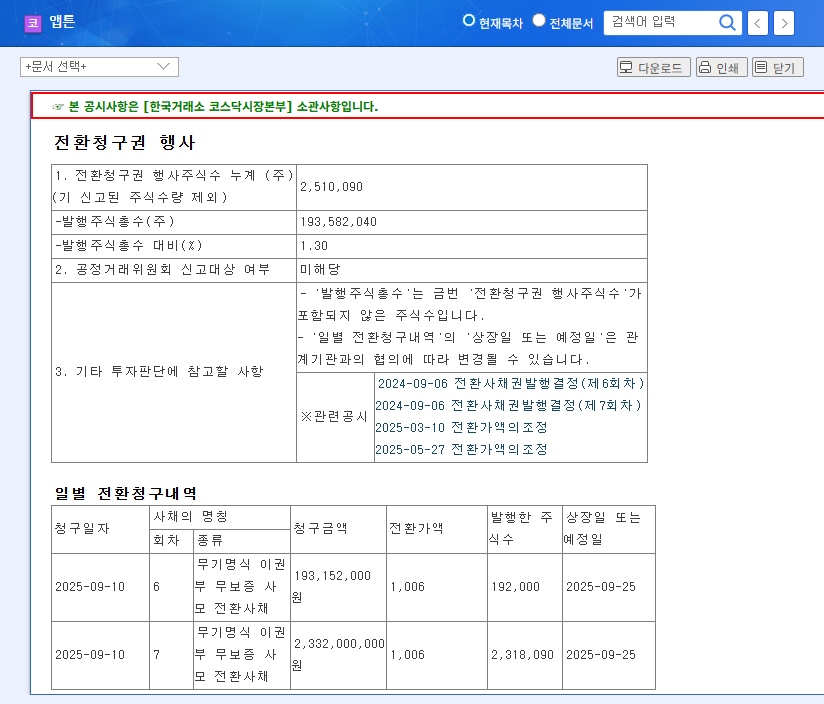



    APTON's Warrant Exercise: What Does it Mean for Investors? 🚨 Key Analysis and Future Outlook 관련 이미지
    APTON's Warrant Exercise: What Does it Mean for Investors? 🚨 Key Analysis and Future Outlook 관련 이미지


  • Apt NeuroScience: A Deep Dive into Arumdricoperation’s Divestment

    1. What Happened?

    Arumdricoperation’s stake in Apt NeuroScience decreased from 35% to 30.87% due to a convertible bond (CB) transfer agreement and price adjustment. Specifically, a transfer agreement for 6CB resulted in the sale of 5,964,215 shares worth of convertible bonds.

    2. Why the Divestment?

    While no official explanation has been released, the CB transfer agreement suggests a potential investment recovery strategy or portfolio adjustment by Arumdricoperation. The price adjustment likely reflects fluctuations in Apt NeuroScience’s stock price.

    3. What’s Next for Apt NeuroScience?

    • Positive Aspects: Reduced potential stock dilution and expectations of improved financial structure.
    • Negative Aspects: Potential negative investor sentiment due to the departure of a major shareholder.

    The long-term outlook hinges on the success of Apt NeuroScience’s lithium and neurotherapeutics ventures. While the company is actively investing in these new businesses, ongoing poor performance and high debt-to-equity ratio remain risk factors.

    4. What Should Investors Do?

    Investors should closely monitor the details of the divestment, the performance of Apt NeuroScience’s new businesses, and improvements in its financial health. A long-term investment perspective is recommended, rather than reacting to short-term stock price volatility.

    How will Arumdricoperation’s divestment affect Apt NeuroScience’s stock price?

    In the short term, there’s a possibility of a price drop due to negative investor sentiment. However, the reduced potential for stock dilution could be a positive factor. The long-term impact depends on Apt NeuroScience’s performance in its new ventures and its financial health.

    What is the outlook for Apt NeuroScience’s lithium business?

    While the company is actively investing in the lithium business, including securing DLE technology and establishing a US subsidiary, there are risk factors such as securing brine resources, commercialization verification, and technological maturity.

    Should I invest in Apt NeuroScience?

    This information is not investment advice, and investment decisions are the sole responsibility of the investor. Consider Apt NeuroScience’s performance, financial health, and market conditions before making any investment decisions.

  • Apt NeuroScience Announces New Sales Contracts: Analyzing the Impact

    1. Decoding the July 31st Announcement

    While Apt NeuroScience disclosed the signing of multiple sales and supply contracts, details regarding the counterparties and contract values remain undisclosed. This lack of transparency makes it difficult to assess the immediate financial impact. However, given the company’s recent struggles, it could be interpreted as a positive development.

    2. Apt NeuroScience: A Look at the Business

    Existing Business (Renewable Energy): Facing headwinds due to rising raw material costs and high interest rates. Short-term prospects for revenue growth appear limited.

    New Ventures (Lithium and Neurotherapeutics): The lithium business is still in its pilot phase, while the neurotherapeutics venture faces inherent risks associated with drug development. Long-term growth potential exists, but uncertainty remains high.

    3. Macroeconomic Factors: The Bigger Picture

    High interest rates, volatile commodity prices, and fluctuating exchange rates all impact Apt NeuroScience’s business. The current high-interest-rate environment poses a significant challenge to both existing and new ventures.

    4. Investor Action Plan: Navigating the Uncertainty

    Short-term investments carry significant risk. A long-term perspective is crucial, with close monitoring of the progress of new ventures, particularly the lithium pilot plant and clinical trials for neurotherapeutics.

    Frequently Asked Questions

    Is this contract announcement good news for Apt NeuroScience?

    While the lack of specific details makes it difficult to say for certain, it could be a positive sign given the company’s recent performance.

    What are Apt NeuroScience’s new business ventures?

    The company is developing a lithium business and pursuing neurotherapeutic drug development. Both ventures have long-term potential, but significant uncertainty remains.

    What should investors be aware of?

    Consider the company’s financial risks, including high debt and the current high-interest-rate environment. Short-term investments should be approached with caution, and long-term investors should closely monitor the progress of the company’s new ventures.

  • Aptn (formerly Apt NeuroScience) Rebrands: Unveiling the Investment Implications

    1. What’s Happening with Aptn?

    On July 25, 2025, Apt NeuroScience officially changed its name to Aptn. The company cited new business pursuits as the primary reason. This suggests a potential shift from their current focus on renewable energy, lithium, and neurotherapeutics.

    2. Understanding Aptn’s Business Model

    • 2.1 Renewable Energy: Facing headwinds due to the economic downturn and increased competition. Existing backlog offers some cushion, but securing new contracts is crucial.
    • 2.2 Lithium: The growing EV market presents opportunities, but the business is in its early stages, posing significant investment risks. Synergy with their geothermal operations is a key factor to watch.
    • 2.3 Neurotherapeutics: The aging population offers a growing market, but clinical success and navigating competition are major hurdles.
    • 2.4 Financials: Revenue has grown, but profitability has declined. Improving financial health is a pressing concern.

    3. Why the Name Change Matters

    The rebranding signifies a strategic pivot, likely an attempt to overcome struggles in existing businesses and capitalize on new opportunities. The success of these new ventures will be critical for Aptn’s future.

    4. Key Investment Considerations

    Investors should carefully analyze the specifics of the new ventures, Aptn’s competitive landscape, and macroeconomic factors like interest rates, exchange rates, and oil prices. The company’s relationship with the Chinese market also warrants close scrutiny.

    5. Investor Action Plan

    Investing in Aptn requires caution. Thoroughly research the new business details, competitive strategy, and risk management plans before making any decisions. Ongoing monitoring and information gathering are essential.

    Why did Aptn change its name?

    The name change reflects the company’s pursuit of new business ventures.

    What are Aptn’s main business areas?

    Aptn operates in renewable energy, lithium, and neurotherapeutics, with new ventures on the horizon.

    What are the key risks of investing in Aptn?

    Investors should consider the uncertainty surrounding the new businesses, challenges in existing operations, and macroeconomic factors.