Tag: MK Electron

  • MK Electron’s Treasury Stock Disposal: Opportunity or Risk? Investment Strategies Unveiled


    MK Electron's Treasury Stock Disposal: Opportunity or Risk? Investment Strategies Unveiled 대표 차트 이미지


    1. MK Electron’s KRW 10.7 Billion Treasury Stock Disposal: What’s Happening?

    On September 2, 2025, MK Electron announced its decision to dispose of 1,162,805 shares of treasury stock, equivalent to approximately KRW 10.7 billion. The purpose is to raise funds through the issuance of private exchangeable bonds and improve its financial structure.

    2. Why the Treasury Stock Disposal?

    The aim is to raise capital and improve financial health through the issuance of private exchangeable bonds. The funds are expected to be utilized for securing new growth engines, strengthening financial soundness, and expanding R&D investments.

    3. What’s the Impact on Stock Price? Investor Action Plan

    • Short-term impact: Dilution effects due to increased outstanding shares are possible, but the clear fundraising purpose suggests limited volatility.
    • Long-term impact: Efficient use of the funds can contribute to increased corporate value.
    • Investor action plan: Carefully consider the planned use of funds, dilution effects, and market conditions before making investment decisions. Closely monitor the performance of their new business, especially secondary battery materials, and the improvement of their financial soundness.

    4. Assessing MK Electron’s Fundamentals

    • Positive factors: No. 1 global market share in bonding wire, securing new growth engines (secondary battery materials, etc.), technological competitiveness, strengthened ESG management.
    • Considerations: Fluctuations in sales and profitability, high debt-to-equity ratio, negative operating cash flow, macroeconomic uncertainty.

    5. Market and Economic Outlook

    While the outlook for the semiconductor and secondary battery markets is positive, volatility in interest rates, exchange rates, and raw material prices pose risks.


    Frequently Asked Questions (FAQ)

    What is the purpose of MK Electron’s treasury stock disposal?

    The purpose is to raise funds through the issuance of private exchangeable bonds and improve the company’s financial structure.

    How will the treasury stock disposal affect the stock price?

    In the short term, there may be dilution effects due to the increase in outstanding shares. However, the long-term impact will depend on how the raised funds are utilized, which could positively or negatively affect the stock price.

    What are the key investment points for MK Electron?

    Key investment points include their leading global market share in bonding wire and securing new growth engines like secondary battery materials. However, investors should also consider the risks related to financial soundness and macroeconomic changes.

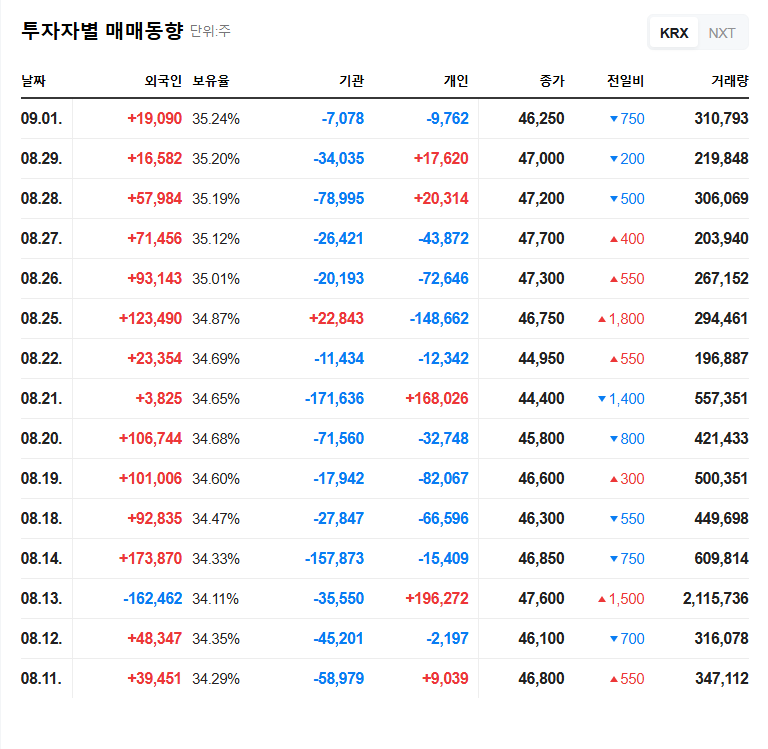
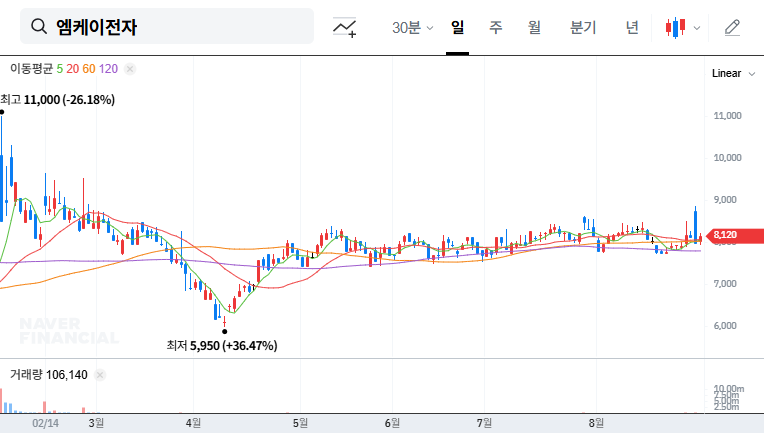
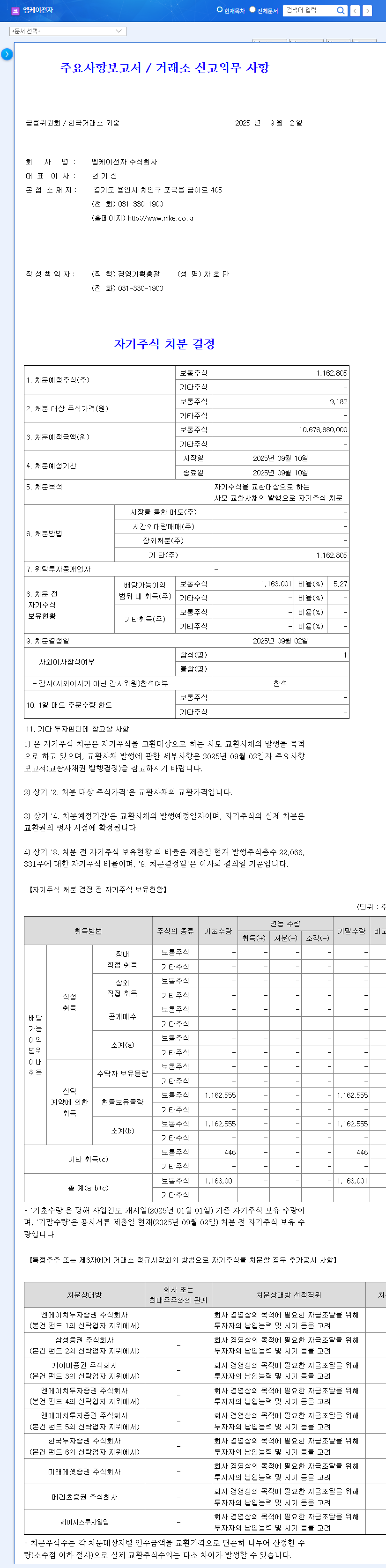


    MK Electron's Treasury Stock Disposal: Opportunity or Risk? Investment Strategies Unveiled 관련 이미지
    MK Electron's Treasury Stock Disposal: Opportunity or Risk? Investment Strategies Unveiled 관련 이미지


  • MK Electron Issues ₩10.7B Convertible Bonds: Impact on Financials and Stock Price?


    MK Electron Issues ₩10.7B Convertible Bonds: Impact on Financials and Stock Price? 대표 차트 이미지


    1. MK Electron Issues ₩10.7B Convertible Bonds: What’s Happening?

    MK Electron announced on September 2, 2025, the issuance of ₩10.7 billion in convertible bonds. These bonds will be issued privately, with a conversion price of ₩9,182 and a maturity rate of 2.0%. Key investors include Paros Multi Private Equity Trust No. 3 and others.

    2. Why the Convertible Bond Issuance?

    This bond issuance serves two main purposes. First, it aims to improve MK Electron’s financial structure, given its high debt-to-equity ratio. Second, it seeks to secure funds for investments in new businesses, such as secondary battery materials.

    3. What Does This Mean for Investors?

    • Positive Aspects: Enhanced financial stability, potential for increased corporate value through securing new growth engines.
    • Negative Aspects: Potential dilution of share value due to the conversion price being lower than the current stock price, potential increase in interest burden due to rising interest rates.

    MK Electron is leveraging its strong position in the bonding wire market to expand into new businesses. However, the sluggish performance in the first half of 2025 is a point of caution for investors.

    4. Investor Action Plan!

    Investors should consider the following factors when making investment decisions:

    • Recovery of the semiconductor industry
    • Performance of new businesses
    • Trends in financial structure improvement
    • Stock price volatility


    FAQ

    What are MK Electron’s main businesses?

    MK Electron specializes in semiconductor post-processing materials (bonding wires, solder balls). They are also venturing into new businesses like solder paste, test materials, and secondary battery materials (silicon anode materials).


    What are convertible bonds?

    Convertible bonds are bonds that can be converted into the issuing company’s stock after a certain period.


    How will this convertible bond issuance affect the stock price?

    In the short term, there are concerns about the dilution of share value. However, in the long term, improved financial structure and securing new growth engines can lead to stock price increases. However, stock price volatility may increase depending on various factors like the semiconductor industry and the performance of new businesses.


    MK Electron Issues ₩10.7B Convertible Bonds: Impact on Financials and Stock Price? 관련 이미지
    MK Electron Issues ₩10.7B Convertible Bonds: Impact on Financials and Stock Price? 관련 이미지


  • MK Electron IR Analysis: Assessing Growth Potential for H2 2025 (feat. Investment Implications)

    1. Key IR Takeaways: What did MK Electron Announce?

    MK Electron attributed its weak H1 2025 performance to the global semiconductor market slowdown, rising raw material prices, and exchange rate volatility. However, they emphasized the steady demand for bonding wire, the growth potential of HBM and automotive semiconductors, and the emerging secondary battery materials business, raising expectations for future earnings improvement.

    2. Why Pay Attention to MK Electron?

    MK Electron holds a strong competitive position in the bonding wire market and is poised to benefit from growth in high-value-added packaging for HBM and automotive semiconductors. Furthermore, their entry into the secondary battery materials market will likely contribute to long-term growth.

    3. MK Electron’s Outlook: What’s Next?

    MK Electron plans to focus on cost reduction and new business expansion to improve performance in the second half of 2025. Continued profitability in the financial business segment could contribute to maintaining a net profit surplus. However, the company’s high debt-to-equity ratio remains a concern, particularly with potential interest rate fluctuations.

    4. Action Plan for Investors

    • Scrutinize the IR Presentation: Carefully examine the H2 2025 business outlook, new business performance, and cost management strategies.
    • Monitor Macroeconomic Factors: Keep a close eye on how changes in interest rates, exchange rates, and raw material prices impact MK Electron’s performance.
    • Verify Fundamental Improvement: Track sales and operating profit recovery trends and the success of new business ventures.

    Frequently Asked Questions

    What are MK Electron’s main businesses?

    MK Electron primarily manufactures bonding wire used in semiconductor packaging. They have also expanded into the secondary battery materials business.

    How was MK Electron’s performance in H1 2025?

    Sales and operating profit decreased year-over-year due to the global semiconductor market slowdown. However, improved profitability in the financial business segment led to a net profit turnaround.

    What are the key risks for investing in MK Electron?

    Investors should be aware of the company’s high debt-to-equity ratio and potential earnings volatility due to macroeconomic factors.

  • MK Electron (033160) H1 2025 Earnings: A Glimmer of Hope Amidst Challenges?

    1. What Happened at MK Electron?

    MK Electron’s revenue for H1 2025 declined by 37.5% year-on-year to KRW 475.5 billion, with operating profit margin dropping significantly to 2.21%. The company was directly impacted by the global semiconductor market downturn. Declines in sales of bonding wires and solder balls, by 37.1% and 41.2% respectively, were the main contributors.

    2. Why is MK Electron Facing These Challenges?

    The semiconductor industry downturn is the primary reason for MK Electron’s weak performance. The high debt-to-equity ratio (148.81%) also raises concerns about financial stability. Rising raw material prices and exchange rate volatility are additional burdens on profitability.

    3. So, What’s Next for MK Electron?

    On the positive side, the company returned to profitability in Q2 and has growth potential in new businesses (eco-friendly materials, secondary battery materials). However, the semiconductor market recovery, the actual performance of new businesses, and improvements in financial structure will determine the company’s future success. The current high P/E ratio of 43.3x and low P/B ratio of 0.53x reflect the market’s uncertainty.

    4. What Should Investors Do?

    • Avoid overreacting to short-term stock price fluctuations and consider investing from a mid-to-long-term perspective.
    • Continuously monitor the timing of the semiconductor market recovery, the performance of new businesses, and improvements in the financial structure.
    • Examine the company’s risk management efforts and strategies for responding to changes in the external environment.
    How was MK Electron’s Q2 2025 performance?

    MK Electron reported a return to profitability in Q2 2025, with revenue of KRW 336.1 billion, operating profit of KRW 11.7 billion, and net profit of KRW 6.2 billion.

    What are MK Electron’s main businesses?

    MK Electron’s core business is semiconductor materials, including bonding wires and solder balls. The company is also expanding into new businesses such as eco-friendly materials and secondary battery materials.

    What are the key investment considerations for MK Electron?

    Investors should consider the high debt-to-equity ratio, semiconductor market volatility, and uncertainty surrounding new businesses. Fluctuations in raw material prices and exchange rates are also important factors.