Tag: MINI

  • (067990) DEUTSCH MOTORS INC. Stock Analysis (067990): Shareholder Stake & H1 2025 Outlook

    (067990) DEUTSCH MOTORS INC. Stock Analysis (067990): Shareholder Stake & H1 2025 Outlook

    This comprehensive DEUTSCH MOTORS INC. stock analysis delves into the recent news that has captured investor attention: a significant increase in a major shareholder’s stake. Announced on November 11, 2025, this move signals strong internal confidence. But does it align with the company’s fundamental health? We will dissect the H1 2025 financial report for DEUTSCH MOTORS INC. (067990), evaluate its strategic position, and provide a clear investment outlook for potential and current shareholders.

    From recovering profits to a high debt ratio, the picture is complex. Let’s explore whether this insider vote of confidence is a true catalyst for growth or merely a show of stability amidst underlying financial pressures.

    Major Shareholder Increases Stake: A Vote of Confidence?

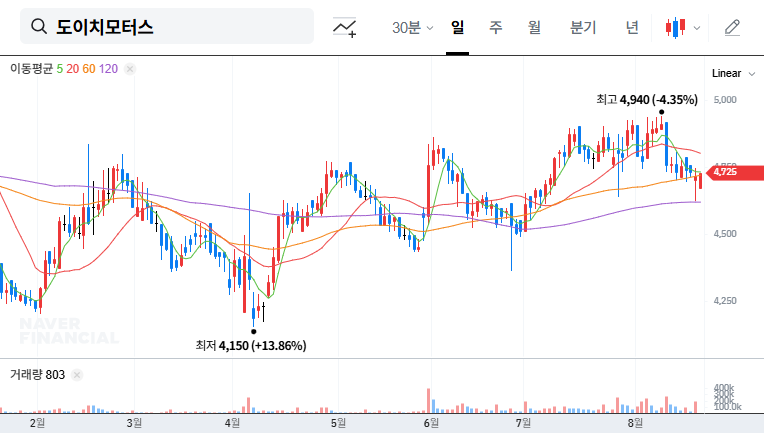
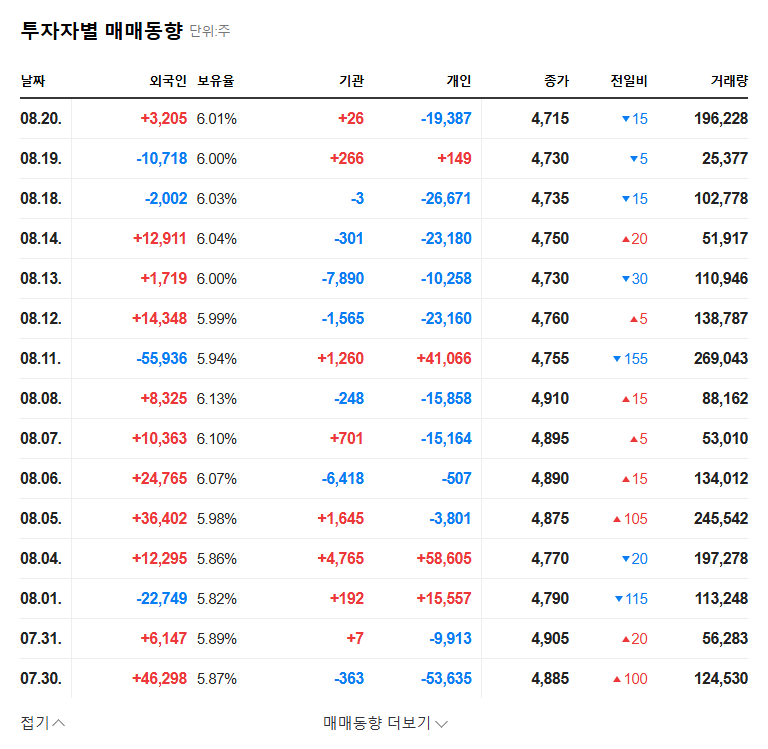
    The central event is the disclosure filed on November 11, 2025. According to the Official Disclosure (Source: DART), representative Kwon Oh-soo and related party Kwon Hyuk-min executed a net purchase of 100,205 shares on the open market. This transaction increased their collective ownership from 38.54% to 38.90%. While a 0.36 percentage point increase may seem small, such insider buying is often interpreted by the market as a powerful signal of leadership’s belief in the company’s long-term value and a strategic move to solidify management control against external pressures.

    An insider purchase, especially by key leadership, is one of the strongest indicators of bullish sentiment. It suggests that those with the most information believe the stock is undervalued and poised for future growth.

    Deep Dive: Deutsch Motors H1 2025 Financial Health

    To understand the context of the Deutsch Motors shareholder increase, we must perform a thorough fundamental analysis of the company’s recent performance.

    Business Model & Revenue Streams

    Deutsch Motors has built a resilient and diversified business ecosystem centered around the premium automotive market. This model creates multiple touchpoints with customers, enhancing long-term value.

    • Core Automotive Sales: The primary revenue driver is the sale of new BMW and MINI vehicles, which positions the company in the lucrative premium segment.
    • After-Sales (AS) Services: High-margin maintenance and repair services provide a stable, recurring revenue stream that is less susceptible to economic cycles.
    • Certified Used Cars (BPS): The BMW Premium Selection business captures value from the secondary market, a crucial component of a full-lifecycle automotive strategy.
    • Synergistic Subsidiaries: Deutsch Autoworld (real estate development) and Deutsch Financial (auto financing/leasing) create a powerful ecosystem that captures additional revenue from the value chain.

    H1 2025 Performance: A Story of Recovery

    The H1 2025 report reveals a promising turnaround after a challenging 2024. Revenue held strong at KRW 1.233 trillion, demonstrating resilience despite a slight dip in new vehicle sales. More importantly, profitability metrics showed significant improvement. Operating profit recovered to KRW 21.67 billion, and net profit swung from a loss in the previous year to a gain of KRW 1.14 billion. This recovery suggests effective cost management and strengthening margins in its subsidiary businesses, a key positive for the overall Deutsch Motors investment outlook.

    Financial Structure: The High-Debt Challenge

    The primary risk factor in this 067990 stock analysis is the company’s financial leverage. The consolidated debt-to-equity ratio stood at a high 329.17% at the end of H1 2025. While common for companies with large capital financing arms like Deutsch Financial, this level of debt makes the company vulnerable to interest rate hikes and economic downturns. Its BBB-/Stable credit rating reflects this balance: a capable business with underlying financial risks. For more on market trends, investors often consult sources like Bloomberg’s automotive sector analysis.

    Investment Thesis & Action Plan

    The major shareholder’s increased stake, combined with the H1 2025 performance recovery, paints a cautiously optimistic picture. It suggests management stability and a potential turnaround story. However, the high debt and macroeconomic uncertainties cannot be ignored.

    Therefore, a ‘Neutral’ but ‘Positive Watch’ stance is recommended. The positive momentum could drive short-term stock performance, but long-term success hinges on management’s ability to deleverage and sustain profitability. Investors interested in this sector may also want to read our guide to analyzing automotive stocks.

    Key Factors to Monitor Moving Forward:

    • Q3 & Q4 2025 Earnings: Look for continued momentum in operating profit and net income to confirm the recovery is sustainable.
    • Debt Reduction Strategy: Watch for any official announcements or balance sheet changes indicating a clear plan to improve the company’s financial soundness.
    • Imported Car Market Trends: Monitor luxury and EV segment demand, as these are key growth areas for Deutsch Motors’ core BMW/MINI brands.
    (067990) DEUTSCH MOTORS INC. Stock Analysis (067990): Shareholder Stake & H1 2025 Outlook 관련 이미지
  • Deutsch Motors Q2 2025 Earnings: Recovery Amidst Underlying Concerns?

    1. Deutsch Motors Q2 Performance: What Happened?

    Deutsch Motors reported KRW 654.8 billion in revenue, KRW 13.7 billion in operating profit, and KRW 2.8 billion in net profit for Q2 2025. While revenue increased compared to Q4 2024, both operating and net profit decreased. Compared to Q1 2025, revenue increased, but operating and net profit decreased.

    2. Analyzing the Drivers: Why These Results?

    Positive Factors:

    • Strong domestic market presence of BMW and MINI brands
    • Steady growth in auto financing business
    • Sales recovery compared to Q4 2024
    • Return to profitability on a consolidated net income basis

    Negative Factors:

    • Overall downturn in the import car market
    • Increased financing costs due to rising interest rates
    • High debt-to-equity ratio (329.17%)
    • Increased volatility in foreign exchange rates

    3. Deutsch Motors’ Future: What Lies Ahead?

    Deutsch Motors holds growth potential, grounded in its core BMW and MINI sales and its financing business. However, the high debt ratio and market uncertainties pose persistent risks. Future improvements hinge on increasing operating profit margin, improving financial structure, and strengthening new car sales strategies.

    4. Action Plan for Investors: What Should You Do?

    Investors should closely monitor Deutsch Motors’ future earnings trends, new car sales strategies, financial health of its financing arm, and its strategies for managing foreign exchange and interest rate fluctuations. A cautious, long-term investment approach is advised.

    Frequently Asked Questions

    What are Deutsch Motors’ main businesses?

    Deutsch Motors primarily sells and services new BMW and MINI vehicles and certified pre-owned cars. Through subsidiaries, they are also involved in real estate development, auto financing and leasing, and financial brokerage.

    What are the key takeaways from Deutsch Motors’ Q2 earnings?

    While revenue increased compared to the previous quarter, operating and net profit declined. High debt levels and market uncertainty remain key risks.

    What should investors consider when evaluating Deutsch Motors?

    Investors should carefully monitor future earnings trends, new car sales strategies, the financial health of the financing division, and the company’s strategies for managing foreign exchange and interest rate fluctuations. A cautious, long-term perspective is recommended.

  • Kolon Mobility Group Q2 2025 Earnings Analysis: Continued Recovery, But Potential Risks Remain?

    1. Q2 Earnings: What Happened?

    Kolon Mobility Group reported consolidated revenue of KRW 590.3 billion, operating profit of KRW 9.1 billion, and net income of KRW 2.4 billion for Q2 2025. This represents a 5.58% increase in revenue and a 15.19% increase in operating profit compared to the same period last year. The clear recovery trend following the slump in the second half of 2024 is particularly encouraging.

    2. Drivers of Improvement: Why the Positive Results?

    • Strong sales of key brands including BMW, Volvo, Audi, and MINI
    • Steady growth in the after-sales service segment
    • Ongoing efforts to improve profitability

    3. Potential Risks: What to Watch Out For?

    It’s important to acknowledge the challenges. Kolon Mobility Group still carries a high debt-to-equity ratio (284% as of Q1 2025). Potential economic slowdown, foreign exchange volatility, and the need to adapt to the rapidly growing eco-friendly vehicle market are key factors to consider.

    4. Investor Action Plan: What Should You Do?

    In the short term, the positive earnings momentum is expected to have a positive impact on the stock price. However, for a long-term investment perspective, investors should carefully monitor the following:

    • Continued improvement in profitability and financial structure
    • Success of new car lineup enhancements and eco-friendly vehicle strategy
    • Effective cost management and marketing strategies
    Q: What was Kolon Mobility Group’s revenue in Q2 2025?

    A: Kolon Mobility Group’s consolidated revenue in Q2 2025 was KRW 590.3 billion.

    Q: What are Kolon Mobility Group’s main brands?

    A: Their main brands include BMW, Volvo, Audi, and MINI.

    Q: What is the outlook for Kolon Mobility Group’s stock price?

    A: The short-term outlook is positive, but the long-term outlook depends on factors like profitability improvement, financial restructuring, and their eco-friendly vehicle strategy.

  • Deutsch Motors Q2 2025 Earnings Analysis: Back to Black, but What’s Next?

    1. Deutsch Motors Q2 2025 Earnings: Key Figures at a Glance

    Deutsch Motors reported revenue of KRW 652.9 billion, operating profit of KRW 13.7 billion, and net profit of KRW 4.1 billion in Q2 2025. Both revenue and operating profit increased compared to Q1, with net profit swinging back into the black.

    2. Drivers of the Turnaround: What Fueled the Improved Performance?

    • Seasonality: Q2 is traditionally a strong quarter for the auto market.
    • Recovering Consumer Sentiment: Consumer sentiment, which was weak in Q1, appears to have recovered somewhat.
    • Solid BMW/MINI Sales: Despite a general decline in the import car market, BMW/MINI sales remained robust.
    • Contribution from Deutsch Auto World and Deutsch Financial: Stable rental income from Deutsch Auto World and Deutsch Financial’s overseas expansion strategy positively impacted performance.

    3. Potential Headwinds: External Factors and Risk Analysis

    • Interest Rate Volatility: Fluctuations in US, European, and Korean interest rates could impact Deutsch Motors’ debt burden and consumer sentiment.
    • Rising Oil Prices: Increasing oil prices could lead to higher vehicle operating costs, dampening consumer sentiment.
    • Exchange Rate Fluctuations: Changes in the KRW/USD and KRW/EUR exchange rates affect import car pricing and profitability.

    4. Action Plan for Investors: Areas Requiring Further Analysis

    While this earnings release is a positive sign, further analysis is needed before making investment decisions.

    • Individual subsidiary performance data
    • BMW/MINI market share trends
    • Key financial indicators for Q2 2025

    A comprehensive review of this information is crucial for developing an effective investment strategy.

    What were Deutsch Motors’ Q2 2025 earnings?

    They reported revenue of KRW 652.9 billion, operating profit of KRW 13.7 billion, and net profit of KRW 4.1 billion.

    What were the main factors behind the return to profit in Q2?

    Key factors include seasonality, recovering consumer sentiment, solid BMW/MINI sales, and contributions from Deutsch Auto World and Deutsch Financial.

    What should investors consider when evaluating Deutsch Motors?

    Investors should consider external factors such as interest rate volatility, rising oil prices, and exchange rate fluctuations, as well as subsidiary performance, market share trends, and key financial indicators.