Tag: Medical IT

  • (071200) INFINITT Healthcare Substantive Review: 2025 Investor’s Guide to Stock (071200) Uncertainty

    (071200) INFINITT Healthcare Substantive Review: 2025 Investor’s Guide to Stock (071200) Uncertainty

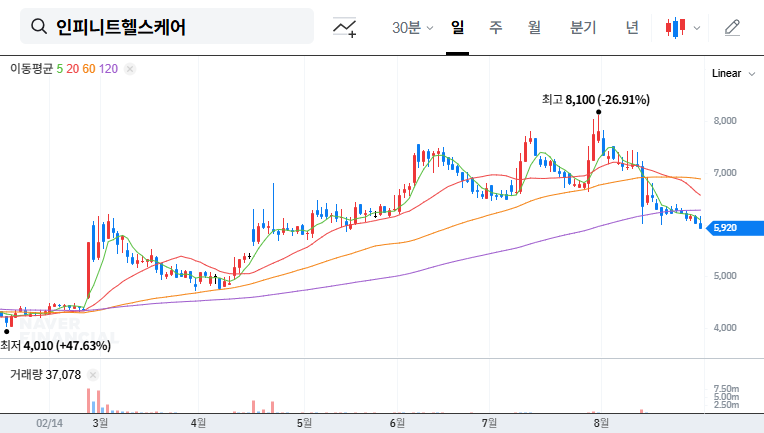
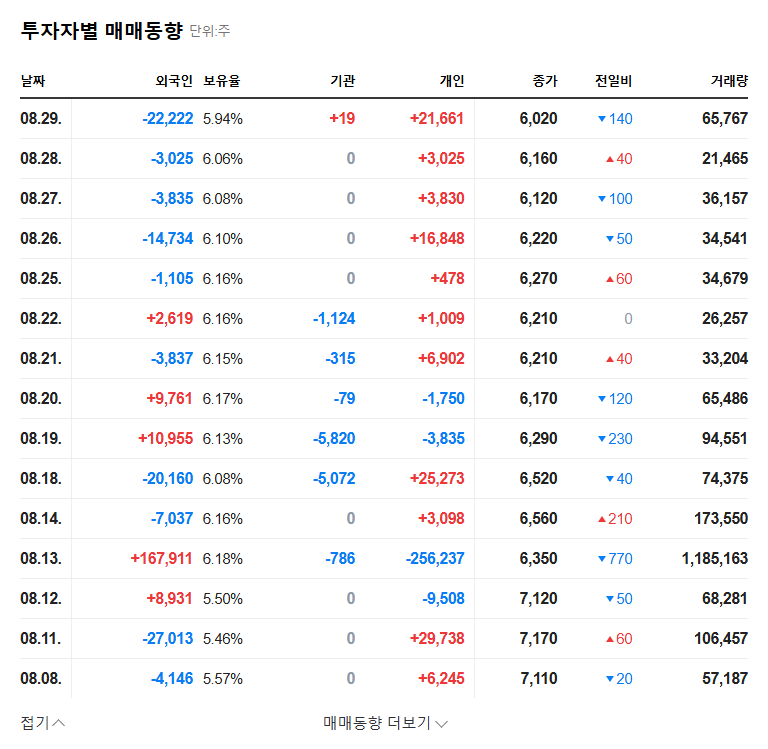
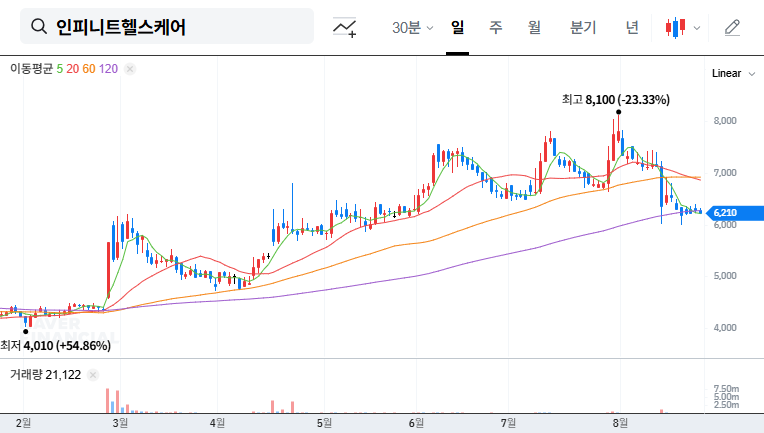
    Investors in the medical IT sector are on high alert following a critical announcement regarding INFINITT Healthcare Co., Ltd. (071200). The decision by the Korea Exchange to extend the INFINITT Healthcare substantive review period has introduced a significant layer of uncertainty, leaving many to question the stock’s future. This extension, announced on November 7, 2025, is more than a procedural delay; it’s a pivotal event that could redefine the company’s trajectory and impact shareholder value profoundly.

    This comprehensive guide provides an in-depth analysis of the situation. We will dissect the implications of the review extension, evaluate INFINITT Healthcare’s core fundamentals, explore potential market scenarios, and offer a strategic roadmap for investors navigating this challenging period.

    The Core Issue: Substantive Review Extension Explained

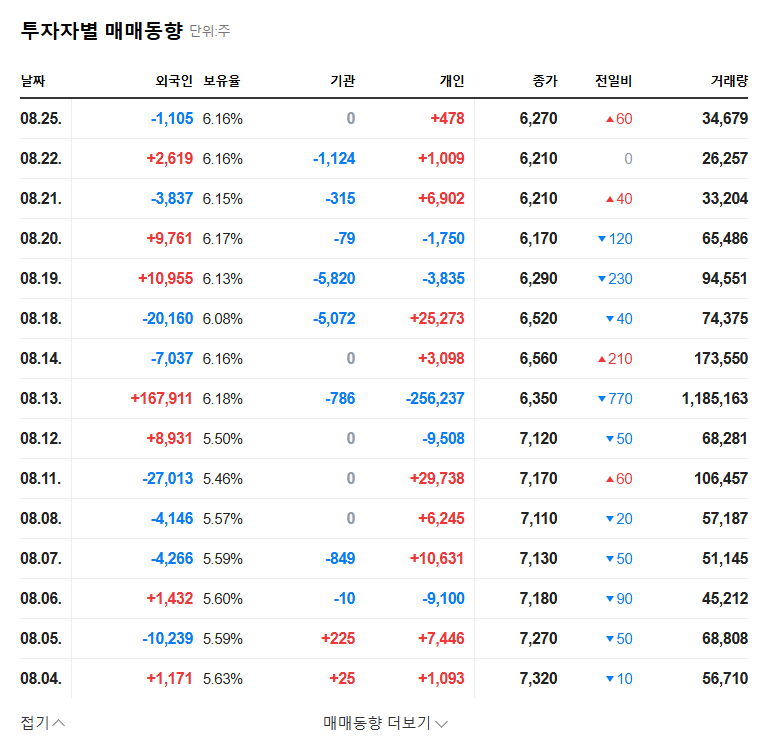
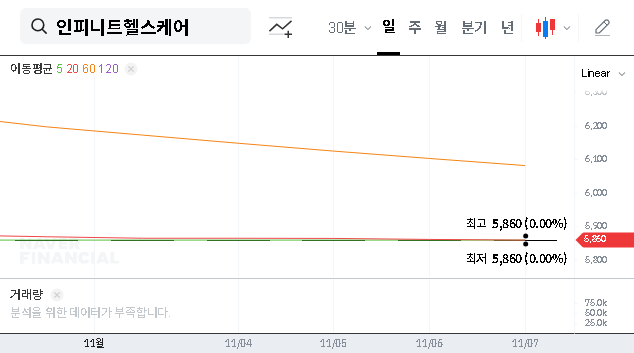
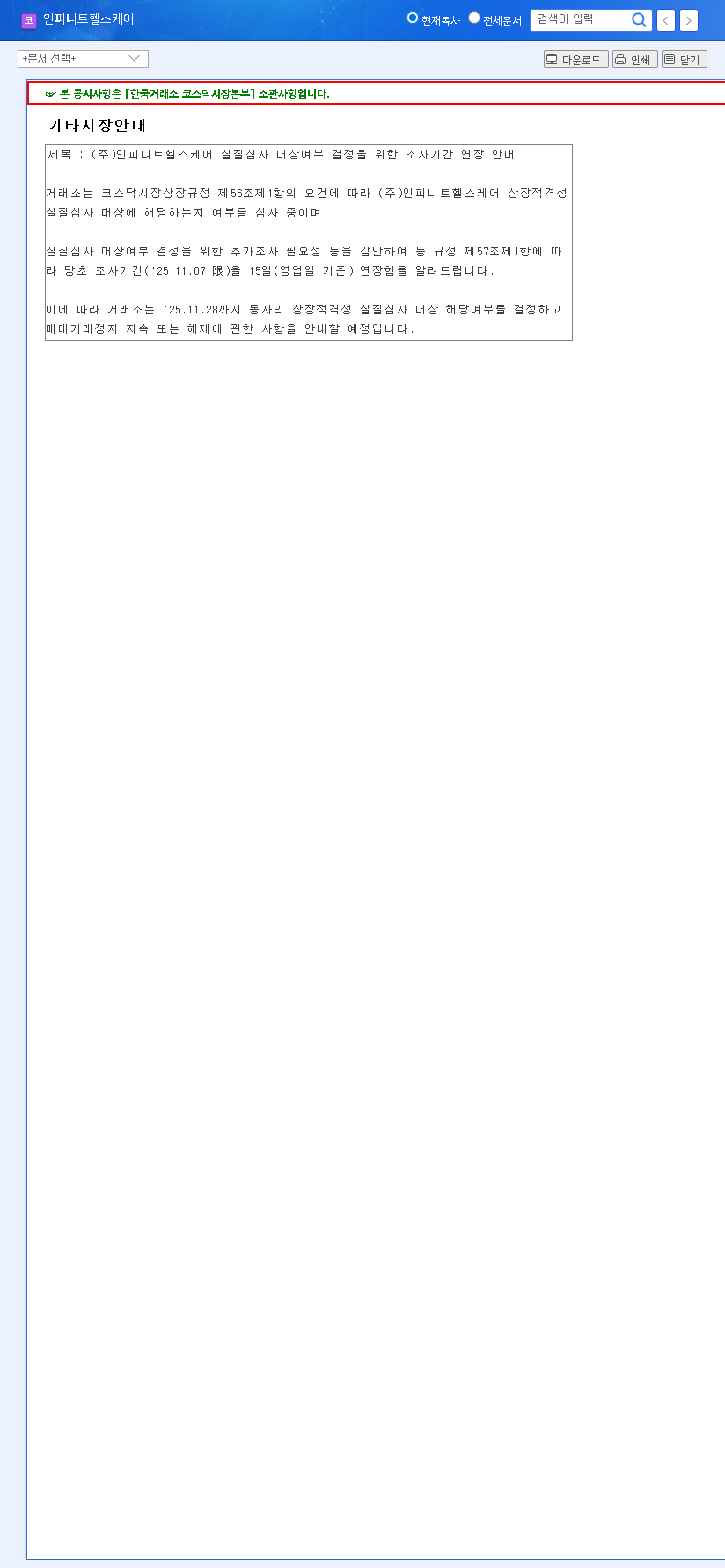
    On November 7, 2025, the Korea Exchange officially disclosed a 15-business day extension for determining INFINITT Healthcare’s eligibility for a substantive listing review. The new deadline for a decision on its listing status and the ongoing trading halt is now November 28, 2025. This postponement prolongs the trading suspension of INFINITT Healthcare stock, effectively locking investor capital and fueling market anxiety. The official disclosure can be viewed directly on the DART system, Korea’s corporate filing repository (Source).

    A substantive review is a rigorous process initiated by a stock exchange to determine if a listed company still meets the criteria for public trading, often triggered by significant financial distress, governance issues, or other red flags. The extension implies that regulators require more time to assess complex information before making a final verdict.

    Fundamental Analysis: The State of INFINITT Healthcare

    Despite the current regulatory overhang, it’s crucial to analyze the company’s underlying business. INFINITT Healthcare has long been a respected name in the medical imaging and information solutions space. However, a balanced view reveals both significant strengths and pressing risks.

    Core Strengths and Opportunities

    • Global Market Leadership: The company has a powerful global footprint, consistently ranking #1 in PACS (Picture Archiving and Communication System) by KLAS Research for 12 consecutive years, a testament to its technological prowess.
    • Future-Focused R&D: Significant investment in next-generation technologies like AI-driven diagnostics and big data analytics positions it to capitalize on the digital transformation of healthcare.
    • Stable Financial Structure: Historically, the company has maintained a low debt-to-equity ratio, indicating a generally healthy balance sheet and prudent financial management.

    Key Risks and Headwinds

    • Deteriorating Profitability: A notable decrease in operating revenue and a shift to a net loss in the first half of 2025 are major concerns that likely triggered the review.
    • Internal Governance Issues: Ongoing management rights disputes with minority shareholders, including legal injunctions, signal internal instability that can distract from core business operations.
    • Macroeconomic Pressures: Like any global company, it is exposed to volatility in exchange rates and interest rates, which can impact earnings and investment plans. For more on this, see analysis from authoritative sources like Reuters on global economic trends.

    Navigating the INFINITT Healthcare Substantive Review: Key Scenarios

    The outcome of the review will dictate the future of INFINITT Healthcare stock. Investors should prepare for two primary scenarios, each with vastly different implications.

    Positive Scenario: Listing is Maintained

    If the Korea Exchange concludes that the company meets listing requirements, the trading halt will be lifted. This outcome would immediately resolve the cloud of uncertainty, likely triggering a significant short-term rebound in the stock price as trapped capital is released. The market’s focus would then shift back to the company’s strong fundamentals and growth potential in the AI medical space, potentially leading to a positive re-evaluation.

    Negative Scenario: Delisting or Administrative Designation

    Conversely, a negative outcome—such as a delisting order or designation as an administrative stock—would be catastrophic for current shareholders. This would lead to a severe decline in stock value and make liquidation of shares extremely difficult. Such a decision would indicate that the regulators found the financial or governance issues to be insurmountable in the near term.

    A Prudent Investment Strategy

    Given the binary nature of the upcoming decision, a highly cautious and defensive strategy is warranted. Aggressive new investments are ill-advised until the regulatory uncertainty is fully resolved.

    • Monitor Disclosures: Pay meticulous attention to official announcements from both the Korea Exchange and INFINITT Healthcare. The final decision by November 28, 2025, is the single most important catalyst.
    • Re-evaluate Post-Decision: Do not act on speculation. Once a decision is made, thoroughly re-analyze the company’s updated financial health and strategic plans before committing capital. Learning how to analyze company fundamentals is key.
    • Adopt a Conservative Stance: For now, observation is the best strategy. The risk of a negative outcome is significant, and preserving capital should be the primary objective until there is clarity.

    Disclaimer: This analysis is for informational purposes only and is based on publicly available data as of November 7, 2025. All investment decisions and their consequences are the sole responsibility of the individual investor.
    (071200) INFINITT Healthcare Substantive Review: 2025 Investor's Guide to Stock (071200) Uncertainty 관련 이미지
  • (221800) U2BIO Stock Analysis: What CEO Lee Jae-woong’s 19% Stake Means for Investors

    (221800) U2BIO Stock Analysis: What CEO Lee Jae-woong’s 19% Stake Means for Investors

    A significant development at U2BIO CO., LTD. (221800) is capturing the market’s attention, signaling a potential shift in the company’s trajectory. The core of this development is CEO Lee Jae-woong’s decision to increase his personal stake in the company. This move prompts a critical question for current and potential investors: Is this a sign of deepening commitment to steer U2BIO towards stability and growth, or are there underlying risks to consider? This comprehensive U2BIO analysis will dissect the event, evaluate the company’s fundamentals, and provide a clear outlook for investors.

    The Catalyst: CEO Lee Jae-woong’s Strategic Stake Increase

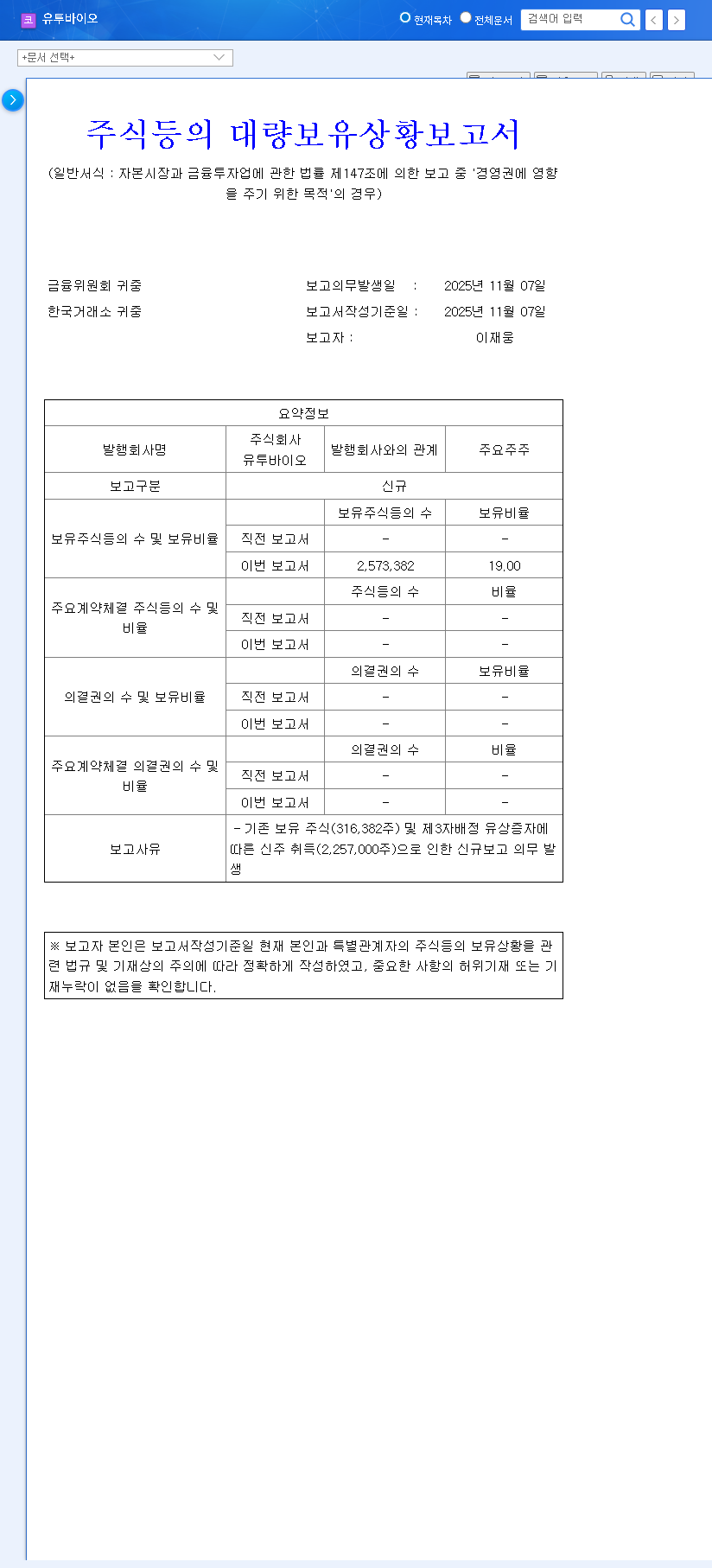
    On November 8, 2025, it was confirmed that CEO Lee Jae-woong substantially increased his ownership in U2BIO. Through a third-party allocation rights issue, he acquired an additional 2.25 million shares, elevating his total stake to a commanding 19.00%. According to the Official Disclosure, the primary purpose of this holding is to exert influence over management. This is not merely a financial transaction; it’s a powerful statement of intent. The move is widely interpreted as a strategic effort to solidify management control, signal unwavering confidence in U2BIO’s long-term vision, and steer the company through its current challenges and towards future opportunities.

    A Fundamental Deep Dive into U2BIO

    To understand the full impact of the CEO’s move, we must look beyond the headlines and into the core business and financial health of U2BIO.

    Business Model & Future Growth Engines

    U2BIO’s foundation lies in two key areas: in-vitro diagnostics (IVD) services and medical IT solutions. While general diagnostic testing forms the bulk of its revenue, the company’s future value is pinned on its innovative growth ventures. These include:

    • U2Biome: A promising venture into gut microbiome analysis, a rapidly expanding field in personalized medicine that could unlock significant new revenue streams.
    • CRO Services: Expanding into pharmaceutical clinical services (Contract Research Organization) diversifies U2BIO’s offerings and taps into the massive pharmaceutical R&D market. For more information, you can check out our guide to investing in CRO companies.

    The company’s strength in IT/BT convergence provides a competitive edge, but this potential is weighed down by significant financial hurdles.

    Financial Health: A Tale of Growth and Risk

    While revenue has shown consistent year-over-year growth, profitability remains a major concern. High research & development (R&D) and selling, general & administrative (SG&A) expenses have led to persistent operating losses. The capital infusion from the rights issue is crucial, but several red flags require careful consideration by investors.

    A critical risk for U2BIO is its customer concentration, with approximately 84.6% of revenue dependent on a single client, ‘Company A.’ This over-reliance creates significant vulnerability and underscores the urgent need for diversification.

    Furthermore, negative operating cash flow raises questions about the company’s ability to generate cash internally. The debt-to-equity ratio has also been climbing, increasing from 69.90% in 2022 to 84.85% in 2024, signaling rising financial leverage that must be monitored.

    Analyzing the Impact for U2BIO Stock Investors

    CEO Lee Jae-woong’s move to consolidate control can be viewed through several lenses, each with positive and negative implications for U2BIO stock.

    The Bull Case: Stability and Strategic Focus

    The primary positive takeaway is management stability. A committed CEO with significant skin in the game is more likely to make decisions aligned with long-term value creation. This can foster a stable operating environment, which is attractive to investors. The capital raised also provides the necessary fuel to fund the promising R&D in U2Biome and CRO services, potentially accelerating the path to profitability and improving the company’s financial structure.

    The Bear Case: Performance Must Follow

    However, a stronger grip on control does not automatically guarantee success. If the increased stake fails to translate into tangible performance improvements—such as improved profitability, successful new product launches, and crucial customer diversification—the initial positive sentiment could quickly fade. The market will be watching closely for execution, not just promises. While details are limited, a third-party allocation can also lead to share dilution for existing investors, a factor that must be weighed.

    Investment Outlook and Strategic Takeaways

    For those considering an investment in U2BIO, the strategy should be nuanced and keyed to specific time horizons.

    Short-Term Strategy

    The news may trigger a short-term positive reaction in the U2BIO stock price, driven by sentiment around management’s confidence. However, traders should remain cautious and watch for tangible follow-through. The key is to monitor for any announcements regarding new client contracts or significant progress in the growth ventures.

    Mid- to Long-Term Strategy

    Long-term success hinges entirely on fundamental improvements. Investors should focus on the following key performance indicators in subsequent quarterly reports:

    • Revenue Diversification: Any reduction in the revenue share from ‘Company A’ is a major positive sign.
    • Path to Profitability: A clear trend of narrowing operating losses and improving margins.
    • New Business Traction: Tangible revenue or major milestones from the U2Biome and CRO divisions.

    In conclusion, CEO Lee Jae-woong’s increased stake is a bullish signal of leadership’s commitment, but it is the start of a chapter, not the end. The onus is now on the management to execute its growth strategy and address the company’s fundamental weaknesses. For investors, this makes U2BIO a story of ‘show me, don’t tell me’—one that requires diligent monitoring.

    [Disclaimer] This analysis is for informational purposes only and is based on publicly available data. It does not constitute investment advice. The ultimate responsibility for investment decisions rests with the individual investor.

    (221800) U2BIO Stock Analysis: What CEO Lee Jae-woong's 19% Stake Means for Investors 관련 이미지
  • Infinitt Healthcare: Potential Management Dispute? Analyzing the Impact of Shareholder Registry Inspection Request

    Infinitt Healthcare: Potential Management Dispute? Analyzing the Impact of Shareholder Registry Inspection Request 대표 차트 이미지

    What Happened?

    Several shareholders filed a request with the court for inspection and copying of the shareholder registry. While the company stated its willingness to provide the registry, it argued that the request for a preliminary injunction, bypassing standard procedures, was unnecessary.

    Why Did This Happen?

    The request for registry inspection can be interpreted as a precursor to a management dispute. Shareholders are likely attempting to secure the registry as a preparatory step for participating in management. Recent performance issues (net loss of ₩73 million) and issues such as amendments to the articles of incorporation may have fueled shareholder discontent.

    What’s Next?

    In the short term, increased stock volatility and a decline in investor sentiment are expected. In the long term, there are potential positives such as improved corporate governance and increased management transparency. However, if the dispute is prolonged, there are concerns about a decline in focus on core business and increased costs.

    • Positive Aspects: Enhanced corporate governance transparency, protection of shareholder rights
    • Negative Aspects: Increased management uncertainty, downward pressure on stock price, increased litigation costs

    What Should Investors Do?

    Investors should proceed with caution. Closely monitor the company’s disclosures and developments, and make investment decisions from a long-term perspective, unfazed by short-term stock fluctuations. While considering Infinitt Healthcare’s core business competitiveness and the growth potential of the healthcare market, it is crucial to adjust investment strategies based on the outcome of the management dispute.

    Frequently Asked Questions

    What is a request for inspection of the shareholder registry?

    The shareholder registry is a document that records the status of a company’s shareholder composition. Shareholders can request to inspect and copy the registry for purposes such as participating in management.

    What is a management dispute?

    A management dispute refers to a conflict that arises between shareholders over the control of a company. Shareholders may attempt to replace management through the exercise of voting rights at the general meeting of shareholders.

    What is the investment outlook for Infinitt Healthcare?

    While the growth potential of the healthcare market is high, uncertainty exists due to the management dispute. Investors should carefully monitor the situation before making investment decisions.

    Infinitt Healthcare: Potential Management Dispute? Analyzing the Impact of Shareholder Registry Inspection Request 관련 이미지
    Infinitt Healthcare: Potential Management Dispute? Analyzing the Impact of Shareholder Registry Inspection Request 관련 이미지
  • Infinitt Healthcare Faces Lawsuit: What Investors Need to Know

    Infinitt Healthcare Faces Lawsuit: What Investors Need to Know 대표 차트 이미지

    What Happened?: Management Dispute Lawsuit Filed

    Infinitt Healthcare is being sued by eight minority shareholders who are seeking to invalidate resolutions passed at a shareholders’ meeting and are demanding monetary compensation. The dispute centers around amendments to the articles of incorporation and the dismissal of an auditor, both of which occurred at the extraordinary general meeting held on June 23, 2025. The plaintiffs argue that these resolutions are unlawful and are seeking a court ruling.

    Why Does it Matter?: Increased Uncertainty and Potential Impact on Company Value

    This lawsuit increases management uncertainty, potentially negatively impacting the company’s value. In the short term, increased stock volatility and weakened investor sentiment are expected. Long-term consequences could include disruptions to business plans, damage to the company’s image, and increased financial burden. These factors, combined with existing concerns such as slowing performance in the first half of 2025, exchange rate volatility, and a tax audit, could amplify the negative impact.

    What Should Investors Do?: Action Plan

    Investors should carefully assess the current situation and maintain a conservative perspective. Closely monitor the lawsuit’s progress and outcome, and pay attention to the company’s response. Furthermore, it’s crucial to continually evaluate the company’s fundamentals, independent of the lawsuit risks.

    • Monitor the lawsuit’s outcome and the company’s response.
    • Pay close attention to the court’s decision regarding the validity of the shareholders’ meeting resolutions and the monetary compensation claims.
    • Demand transparent and proactive communication from the company’s management.
    • Continuously evaluate the company’s fundamentals, including the growth of its medical IT business, the market penetration of new solutions, and the recovery of overseas markets.

    Frequently Asked Questions

    What is the key issue in this lawsuit?

    The legality of the amendments to the articles of incorporation and the dismissal of an auditor, both decided at the extraordinary general meeting on June 23, 2025.

    How might the lawsuit’s outcome affect the stock price?

    The stock price could experience increased volatility depending on the outcome, and a negative ruling could lead to a decline in company value.

    How should investors respond?

    Investors should closely monitor the progress of the lawsuit and the company’s response, maintaining a conservative investment strategy.

    Infinitt Healthcare Faces Lawsuit: What Investors Need to Know 관련 이미지
    Infinitt Healthcare Faces Lawsuit: What Investors Need to Know 관련 이미지
  • Infinite Healthcare: Dividend Announcement Amidst Plunging Profits – What Should Investors Do?

    1. What Happened? : Plunging Profits and Dividend Announcement

    Infinite Healthcare announced shocking H1 2025 results: revenue of ₩50.292 billion (a 50.46% YoY decrease), a 70% drop in operating profit, and a net loss. Simultaneously, they announced a dividend, potentially interpreted as an effort to enhance shareholder value. However, the sustainability of these dividends is questionable given the poor performance.

    2. Why Did This Happen? : Increased Competition and Business Response Capabilities

    While expanding into promising areas like medical imaging software and AI-based solutions, Infinite Healthcare seems to be struggling with intensified competition and insufficient business response capabilities. On the positive side, their financial health remains sound. However, continued decline in profitability could negatively impact this.

    3. What’s Next? : Uncertainty and Opportunity Coexist

    Infinite Healthcare has the potential to rebound if it achieves success in its AI solutions and new business areas. However, uncertainties remain, including potential management disputes and foreign exchange risk. Current market conditions and the macroeconomic environment (exchange rates, interest rates, oil prices, etc.) can also influence the company’s performance.

    4. What Should Investors Do? : A Cautious Approach is Necessary

    In the short term, the dividend announcement may positively impact the stock price, but it is unlikely to reverse the declining performance trend. In the medium to long term, a turnaround is possible, but careful monitoring of future earnings announcements is crucial to assess sales recovery and profitability improvement. Investors should make cautious investment decisions while observing issues related to management disputes, the performance of new businesses, and the company’s information disclosure and communication efforts.

    How was Infinite Healthcare’s performance in the first half of 2025?

    Revenue was ₩50.292 billion (down 50.46% YoY), operating profit decreased by 70%, and net profit turned to a loss.

    What are the reasons for the poor performance?

    The analysis suggests a combination of factors, including increased competition, inadequate business response capabilities, and external environmental factors.

    Should I invest in Infinite Healthcare?

    Extreme caution is advised at this time. Closely monitoring future earnings announcements and changes in management is crucial.

  • Solbon (035610) Investment Analysis: Declining 2025 Half-Year Earnings, Future Growth Drivers?

    1. Solbon (035610) 2025 Half-Year Earnings Analysis: What Caused the Decline in Sales?

    Solbon’s consolidated revenue for the first half of 2025 was KRW 65.001 billion, a 46.7% decrease compared to the same period last year. Operating profit and net income also decreased by 42.1% and significantly, respectively, showing deteriorating profitability. While the preliminary second-quarter earnings improved compared to the previous quarter, discrepancies with the half-year report necessitate further verification.

    2. Solbon’s Core Business: Medical IT and Investment Business

    Solbon focuses on investment and leasing businesses, with its medical IT business through its subsidiary Infinitt Healthcare being the core. Infinitt Healthcare is securing future growth engines by developing AI-based diagnostic support systems. However, the volatility of the investment business and losses from investments in affiliated companies are acting as risk factors.

    3. Market Conditions and Solbon’s Future

    Uncertainties in the macroeconomic environment, such as high interest rates and the rise in the KRW/USD exchange rate, are increasing the volatility of Solbon’s investment asset value. While the growth potential of the medical IT market is positive, preparations for external factors like intensifying competition and regulatory changes are necessary.

    4. Action Plan for Investors

    While Solbon has growth potential in the medical IT field, its sluggish performance and market volatility are factors to consider when investing. If considering an investment, closely monitor the following:

    • ▶ Discrepancies between the 2025 half-year report and Q2 preliminary earnings
    • ▶ Growth of the medical IT business segment and efforts to develop new businesses
    • ▶ Volatility of investment asset value and investment performance of affiliated companies
    • ▶ Impact of exchange rate fluctuations on performance

    Frequently Asked Questions

    What are Solbon’s main businesses?

    Solbon’s main businesses are investment, leasing, and medical IT through its subsidiary Infinitt Healthcare.

    How was Solbon’s performance in the first half of 2025?

    Both sales and operating profit decreased compared to the same period last year. See the article for details.

    What are the key considerations when investing in Solbon?

    Investors should consider risk factors such as volatility of investment assets and losses from investments in affiliated companies.

  • EZCaretech (099750) Q1 2025 Earnings Analysis: Growing Pains or A Real Crisis?

    1. What Happened? Q1 2025 Earnings Breakdown

    EZCaretech’s Q1 2025 revenue reached 15.924 billion KRW, a 17.26% decrease year-over-year. Operating profit plummeted by 81.58% to 111 million KRW. Declining sales to major domestic hospitals and a sharp drop in overseas revenue are cited as the primary culprits. The 51.91% plunge in overseas sales is particularly worrisome.

    2. Why the Decline? Unpacking the Underperformance

    The revenue decline stems primarily from fewer projects with large domestic hospitals and struggles in the overseas market. The drop in operating profit was largely driven by increased SG&A expenses (up 36.09%) due to new business investments, increased R&D spending, and personnel expansion. However, the significant discrepancy between the standalone operating profit and the consolidated figure (11.132 billion KRW) warrants further investigation.

    3. What’s Next? Future Outlook and Investment Considerations

    While short-term downward pressure on the stock price is likely, the 11.93% growth in the SM (operation and maintenance) segment is a positive sign. In the mid-to-long term, R&D investments in new solutions and securing competitiveness in the cloud HIS market are expected to drive growth. The company also needs to overcome declining sales and improve profitability through successful overseas market penetration and new business ventures. Investors should closely monitor overseas market recovery, new business performance, cost efficiency improvements, and efforts to reduce reliance on major clients.

    4. What Should Investors Do? Action Plan

    Despite short-term challenges, EZCaretech retains long-term growth potential. However, investors should carefully consider the uncertainties in the overseas market, dependence on major clients, and the effectiveness of R&D investments before making any decisions. Continuously monitoring future earnings releases and the performance of key business segments is crucial for adjusting investment strategies.

    Frequently Asked Questions

    What is EZCaretech’s core business?

    EZCaretech provides medical IT solutions, including Hospital Information Systems (HIS), Electronic Medical Records (EMR), and Picture Archiving and Communication Systems (PACS).

    Why were the Q1 earnings disappointing?

    The primary reasons include declining sales to large domestic hospitals, struggles in the overseas market, and increased SG&A expenses due to R&D investment.

    What are EZCaretech’s future growth drivers?

    R&D investments focused on AI, big data, and cloud-based solutions to adapt to future changes in the healthcare environment are considered key growth drivers.

  • Infinitt Healthcare (071200) Q1 2025 Earnings Analysis: Net Loss and Investment Strategies

    1. What Happened? Q1 2025 Earnings Overview

    Infinitt Healthcare recorded consolidated revenue of KRW 24.516 billion, operating profit of KRW 2.846 billion, and a net loss of KRW 1.026 billion in Q1 2025. Compared to the same period last year, both revenue and operating profit decreased significantly, with the company swinging to a net loss. The sharp decline in software sales was a major contributor to the overall poor performance.

    2. Why Did This Happen? Analyzing the Decline

    The primary factors contributing to the decline include a sharp drop in software sales, a global economic slowdown, increased competition, and rising R&D costs. Ongoing litigation also poses a potential risk to the company’s financial health and reputation.

    3. What’s Next? Assessing the Impact

    • Negative Impacts: Significant decline in earnings, net loss, negative investor sentiment, litigation risk
    • Positive/Neutral Impacts: Stable financial structure, potential future growth drivers (AI, digital pathology solutions), global business presence

    4. What Should Investors Do? Investment Strategies

    Infinitt Healthcare’s fundamentals appear vulnerable. Investors should carefully consider the following factors before making investment decisions.

    • Management’s recovery strategy
    • Litigation risk management and information disclosure
    • Acceleration of new business performance
    • Cost efficiency and strengthening financial soundness
    • Market and industry trends

    Frequently Asked Questions

    How did Infinitt Healthcare perform in Q1 2025?

    Infinitt Healthcare reported a net loss of KRW 1.026 billion in Q1 2025, with revenue and operating profit declining significantly compared to the same period last year.

    What are the main reasons for the decline?

    The primary factors include a sharp drop in software sales, a global economic slowdown, increased competition, and rising R&D costs.

    What should investors consider?

    Investors should carefully assess the management’s recovery plan, litigation risks, new business performance, and overall market trends.

  • Infinitt Healthcare: Lawsuit Dismissal Eases Management Risks and Impacts Investment Strategy

    1. What Happened?

    On August 12, 2025, the Seoul Southern District Court dismissed the application for convening a temporary shareholders’ meeting for Infinitt Healthcare. The court ruled that the motions raised by the applicants had already been discussed or had become impracticable, and the claims regarding defects in proxy voting were insufficient to justify convening another meeting.

    2. Why Does It Matter?

    This ruling is a positive sign, reducing the potential for a management dispute. Decreased management uncertainty can positively influence investor sentiment. However, active shareholder activism requires ongoing attention in terms of corporate transparency and enhancing shareholder value.

    3. What’s Next?

    In the short term, the resolution of uncertainty could positively impact the stock price, but careful monitoring of fundamental risk factors such as the weak Q1 earnings is necessary. In the medium to long term, investors should monitor fundamental improvements, shareholder activism trends, and the company’s response to changes in the macroeconomic environment.

    4. What Should Investors Do?

    • Short-term investors: Pay attention to stock price movements following the reduction in management uncertainty, but continuously monitor fundamental risk factors.
    • Mid- to long-term investors: Develop investment strategies based on a thorough analysis of fundamental improvements, shareholder activism trends, and changes in the macroeconomic environment.

    Frequently Asked Questions

    How will this ruling affect Infinitt Healthcare’s stock price?

    In the short term, resolving the uncertainty could have a positive impact, but the mid- to long-term stock price trend depends on fundamental improvements.

    Is there a possibility of continued shareholder activism?

    Although the lawsuit was dismissed, the shareholders’ demands have not been fully addressed, so the possibility of continued shareholder activism cannot be ruled out.

    Should I invest in Infinitt Healthcare?

    Investment decisions should be based on individual judgment, but investors should consider fundamental analysis, shareholder activism trends, and the macroeconomic environment before investing.

  • Solbon Acquires 50% Stake in Infinitt Healthcare: A Play for Management Control? Future Stock Outlook Analyzed

    Solbon’s Acquisition of Infinitt Healthcare Stake: What Happened?

    Solbon recently acquired additional shares of Infinitt Healthcare, increasing its stake to 50.29% and strengthening its influence over the company’s management. This move is interpreted as a strategic step towards taking control.

    Background and Future Outlook: Why? And What’s Next?

    Despite recent underperformance, Infinitt Healthcare holds growth potential with consistent R&D investment and global market expansion. Solbon’s involvement could lead to improved management efficiency and increased investment, potentially driving positive change. However, potential negative impacts such as management disputes and short-term performance decline must also be considered. The current macroeconomic environment (exchange rate fluctuations, interest rate hikes, etc.) and increasing competition in the medical IT industry are also key variables.

    Action Plan for Investors

    Investors should make informed decisions by comprehensively considering Solbon’s management strategy, the possibility of management disputes, and changes in the macroeconomic and industrial environment. Continuous monitoring of Infinitt Healthcare’s management strategy changes and performance improvements following Solbon’s involvement is crucial.

    How will Solbon’s acquisition of Infinitt Healthcare’s stake affect the stock price?

    Solbon’s stake acquisition may increase stock price volatility in the short term. The long-term impact will depend on Solbon’s management strategy and whether it can improve Infinitt’s performance.

    What is the outlook for Infinitt Healthcare’s future performance?

    Despite recent underperformance, improvements can be expected through Solbon’s management involvement, R&D investments, and expansion into overseas markets. However, uncertainties remain due to the macroeconomic environment and intensifying competition.