Tag: Medical Devices

  • Interojo’s Rights Offering: Opportunity or Risk? Key Analysis and Investment Strategies


    Interojo's Rights Offering: Opportunity or Risk? Key Analysis and Investment Strategies 대표 차트 이미지


    1. What’s Happening with Interojo’s Rights Offering?

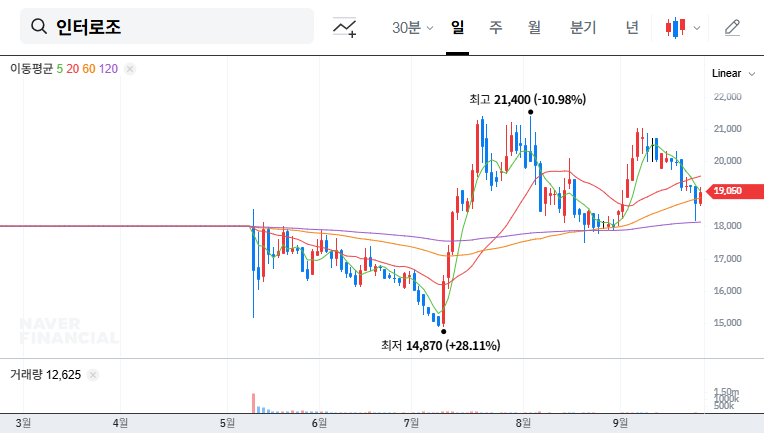
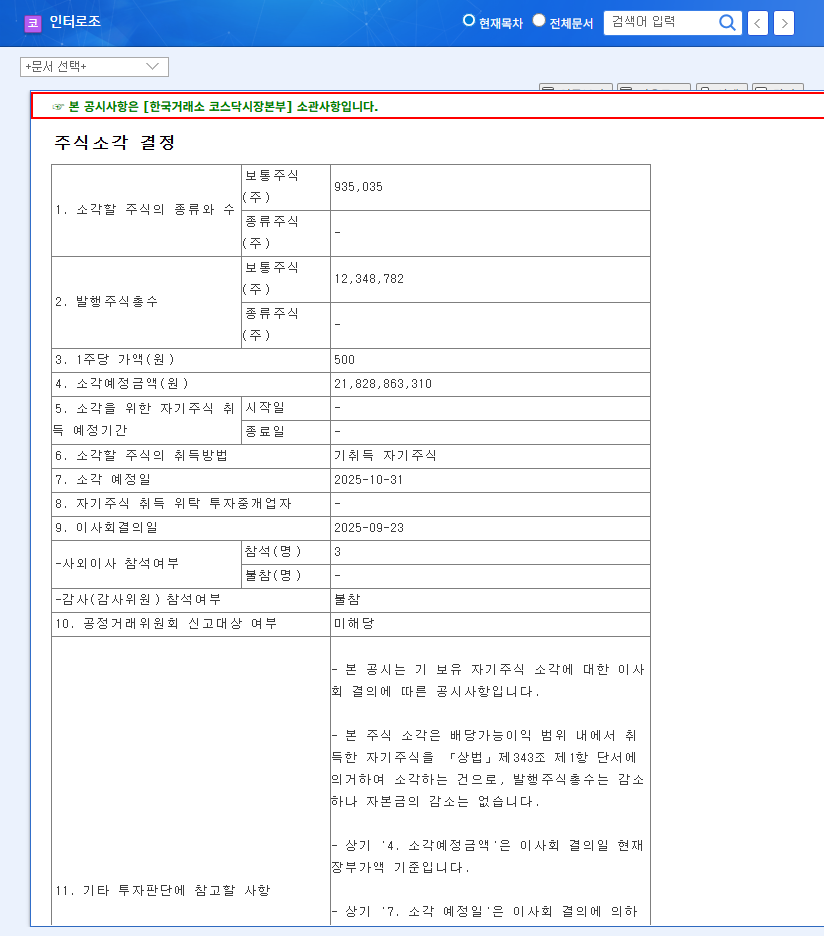
    Interojo announced a rights offering on September 23, 2025. They will issue 1,493,428 new shares at ₩20,088 per share, representing a 12% increase. The main investor is Stick Prism Co., Ltd., and the payment date is October 1, 2025.

    2. Why the Rights Offering?

    Interojo plans to use the funds from this rights offering to expand production capacity, increase R&D investment, explore overseas markets, and secure future growth engines. They also anticipate improvements in their financial structure.

    3. Rights Offering: Opportunity or Risk?

    3.1 Positive Impacts

    • Improved Financial Structure and Investment Resources
    • Enhanced Growth Potential
    • Increased Market Confidence

    3.2 Negative Impacts (Short-term)

    • Concerns about Share Dilution
    • Burden of Participation for Existing Shareholders
    • Uncertainty Regarding Fund Utilization Plans

    4. What Investment Strategies Should Be Considered?

    4.1 Short-term Investment Strategies

    • Observation and Information Gathering
    • Stock Price Impact Analysis

    4.2 Mid- to Long-term Investment Strategies

    • Monitoring the Execution of Growth Strategies
    • Checking for Improvements in Financial Health
    • Monitoring Fundamental Improvements and Market Environment Changes


    FAQ

    What is the purpose of Interojo’s rights offering?

    To secure investment resources for expanding production capacity, increasing R&D investment, exploring overseas markets, and securing future growth engines, as well as improving the financial structure.

    How will the rights offering affect the stock price?

    In the short term, there is a possibility of share dilution due to the increase in the number of shares. However, in the long term, stock price increases can be expected depending on the company’s growth.

    What should investors be aware of?

    It is important to make investment decisions by comprehensively considering the company’s plans for utilizing the rights offering funds, market conditions, and the company’s fundamentals.



    Interojo's Rights Offering: Opportunity or Risk? Key Analysis and Investment Strategies 관련 이미지
    Interojo's Rights Offering: Opportunity or Risk? Key Analysis and Investment Strategies 관련 이미지


  • HuVitz Share Buyback: Investment Strategy Analysis (Effective Oct 1, 2025)


    HuVitz Share Buyback: Investment Strategy Analysis (Effective Oct 1, 2025) 대표 차트 이미지


    HuVitz Announces 5.8 Billion KRW Share Buyback (Effective October 1, 2025)

    HuVitz has decided to repurchase and retire 673,508 shares, equivalent to 5.8 billion KRW. The cancellation date is scheduled for October 1, 2025. This represents approximately 5.06% of the company’s market capitalization.

    Why the Share Buyback?

    While no official announcement has been made regarding the rationale, share buybacks are typically used to enhance shareholder value and improve investor sentiment. Reducing the number of outstanding shares increases earnings per share (EPS) and book value per share (BPS), and is generally perceived as a positive signal of returning value to shareholders.

    How Will the Buyback Impact Stock Price?

    Positive Impacts

    • Increased Shareholder Value: Higher EPS and BPS are expected.
    • Improved Investor Sentiment: Seen as a positive step towards returning value to shareholders.
    • Improved Financial Structure: Increased capital efficiency (indirect effect).

    Negative Impacts and Considerations

    • Cash Outflow: 5.8 billion KRW outflow (however, considered minimal given current cash reserves).
    • Potential Conflict with Existing Investment Plans: Requires careful review of funding for future growth initiatives (however, negative impact is unlikely).
    • Stock Price Volatility: Potential for short-term gains followed by market-driven volatility.

    HuVitz Fundamental Analysis (2025 Semi-Annual Report)

    Revenue: 59.021 billion KRW (Slight increase YoY) – Driven by strong performance in ophthalmic diagnostic devices and lens processing equipment, and global distribution network expansion.

    Operating Income: 5.128 billion KRW (Decrease YoY) – Impacted by increased R&D and marketing expenses.

    Net Income: 1.313 billion KRW (Significant decrease YoY)

    Financial Health: Debt-to-equity ratio of 47.99% (Improved), short-term borrowings of 68.853 billion KRW (Requires liquidity management).

    Investment Strategy

    Short-Term: The share buyback is a positive signal, suggesting potential for short-term price appreciation. Monitor market reaction leading up to the October 1st effective date.

    Long-Term: Consider the overall fundamentals, including the growth potential of the ophthalmic medical device market and the outcomes of R&D investments. The buyback is expected to have a positive impact on long-term investor sentiment.


    FAQ

    When will the HuVitz share buyback take place?

    It is scheduled for October 1, 2025.

    What is the size of the share buyback?

    It involves 673,508 common shares, approximately 5.8 billion KRW.

    What is the impact of the share buyback on the stock price?

    Generally, a positive impact can be expected, including increased Earnings Per Share (EPS) and Book Value Per Share (BPS), as well as improved investor sentiment. However, the possibility of short-term cash outflow and increased stock price volatility due to market conditions should also be considered.


    HuVitz Share Buyback: Investment Strategy Analysis (Effective Oct 1, 2025) 관련 이미지
    HuVitz Share Buyback: Investment Strategy Analysis (Effective Oct 1, 2025) 관련 이미지


  • Dongkook Life Science IR Analysis: Q2 2025 Earnings and Investment Opportunities


    Dongkook Life Science IR Analysis: Q2 2025 Earnings and Investment Opportunities 대표 차트 이미지


    1. Dongkook Life Science IR: What’s Happening?

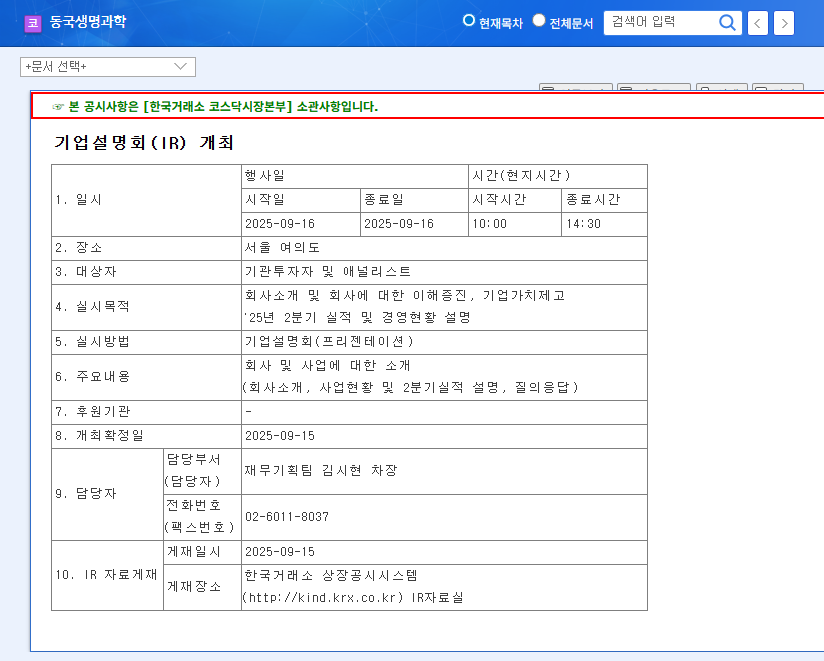
    Dongkook Life Science will hold an IR meeting on September 16th at 10:00 AM to announce its Q2 2025 earnings and management performance. The presentation will cover the results of their contrast media business, medical equipment distribution (MEMD) business, and future growth strategies.

    2. Why is it Important?

    Recent declines in operating profit and regulatory issues concerning raw materials have raised concerns among investors. This IR meeting is a crucial opportunity for the company to address these concerns, provide clarity on its financial performance, and reassure investors about its growth potential.

    3. Key IR Analysis and Investment Implications

    • Operating Profit Decline and Improvement Plans: Investors should look for concrete plans to improve profitability, such as cost reduction and efficiency measures.
    • Addressing Regulatory Issues: Clear explanations and preventative measures regarding the raw material regulatory issues are essential.
    • New Pipelines and R&D Achievements: Updates on the development and commercialization potential of new pipelines, such as the Alzheimer’s diagnostic MRI contrast agent, will be key.
    • Business Portfolio Synergy: The company should address how it plans to leverage synergies between its contrast media and MEMD businesses to drive growth.
    • Impact of Exchange Rates and Interest Rates: The company’s strategies for managing the impact of currency fluctuations and rising interest rates are important to consider.

    4. Investor Action Plan

    Investors should carefully analyze the information presented in the IR meeting to reassess Dongkook Life Science’s future earnings and growth prospects. Pay close attention to whether management’s explanations adequately address investor concerns and instill confidence in the company’s future. A comprehensive evaluation of the IR presentation and market reaction is crucial for making informed investment decisions.


    Frequently Asked Questions (FAQ)

    What are Dongkook Life Science’s main businesses?

    Dongkook Life Science specializes in contrast media, producing and selling essential products for diagnostic imaging. They also operate a medical equipment distribution (MEMD) business.

    What are the key takeaways to watch for in this IR meeting?

    Key points include Q2 earnings (revenue, operating profit, net income), reasons for the decline in operating profit and plans for improvement, response to raw material regulatory issues, new pipeline development status, and the impact of exchange rates and interest rates.

    What are Dongkook Life Science’s future growth drivers?

    Future growth drivers include the development of new pipelines, such as the Alzheimer’s diagnostic MRI contrast agent, and creating synergy between the contrast media and MEMD businesses.


    Dongkook Life Science IR Analysis: Q2 2025 Earnings and Investment Opportunities 관련 이미지
    Dongkook Life Science IR Analysis: Q2 2025 Earnings and Investment Opportunities 관련 이미지


  • L&K Biomed’s Warrant Exercise: Impact Analysis and Investment Strategies


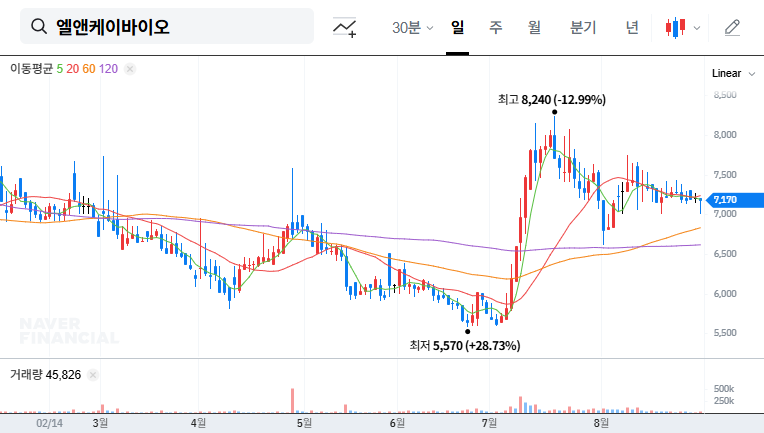
    L&K Biomed's Warrant Exercise: Impact Analysis and Investment Strategies 대표 차트 이미지


    Understanding L&K Bio’s Warrant Exercise

    L&K Bio announced on September 8, 2025, the exercise of warrants for 397,173 shares, representing 1.97% of its total outstanding shares. The exercise price is ₩6,371, and these shares are scheduled to be listed on September 29 and August 29, 2025, respectively. Warrants give the holder the right to convert them into shares under specific conditions, leading to an increase in the total number of L&K Bio’s outstanding shares.

    Impact on Stock Price

    • Short-Term Impact: The increased number of shares could lead to a dilution effect, potentially lowering the stock price. The current stock price (₩9,220) is higher than the exercise price (₩6,371), increasing the likelihood of profit-taking and potentially creating downward pressure.
    • Long-Term Impact: The decrease in convertible bond liabilities is positive for the company’s financial structure. L&K Bio’s strong fundamentals (revenue growth, return to profitability, new business ventures) could drive long-term growth.

    Key Investment Considerations

    • Timing of the listing of the new shares and overall market conditions
    • Spread between the current stock price and the warrant exercise price
    • Changes in L&K Bio’s fundamentals (earnings, new business performance)
    • Macroeconomic environment (interest rates, exchange rates)

    Investment Strategies for L&K Bio

    Given the potential for short-term volatility, a cautious approach is recommended. Long-term investors who believe in L&K Bio’s fundamentals and growth potential might consider any short-term price dips as buying opportunities. However, a thorough assessment of the factors mentioned above is crucial before making any investment decisions.


    FAQ

    What is a warrant exercise?

    A warrant exercise is when the holder of a warrant chooses to convert it into shares of the underlying company’s stock.

    Is a warrant exercise always bad for the stock price?

    Not necessarily. While the increased number of shares can cause short-term dilution, it can also improve the company’s financial structure in the long run.

    Is it a good time to invest in L&K Bio?

    The decision to invest is ultimately yours. Carefully consider both the short-term volatility and the long-term growth potential. Thoroughly analyze the company’s fundamentals, market conditions, and other relevant factors.


    L&K Biomed's Warrant Exercise: Impact Analysis and Investment Strategies 관련 이미지
    L&K Biomed's Warrant Exercise: Impact Analysis and Investment Strategies 관련 이미지


  • Private Equity Invests in Dae Sung High-Tech: What’s Next for the Stock? (5.95% Stake Acquisition)

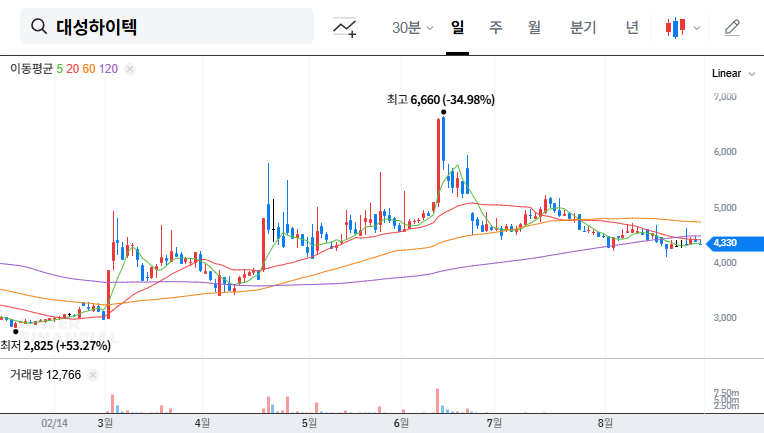
    Private Equity Invests in Dae Sung High-Tech: What's Next for the Stock? (5.95% Stake Acquisition) 대표 차트 이미지

    1. What Happened?

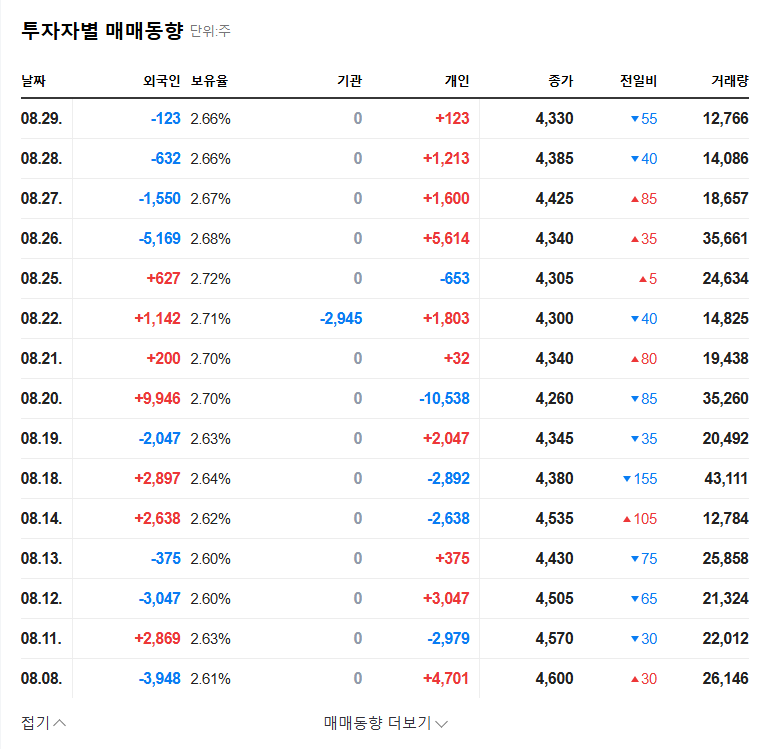
    Pulp Project No. 1 Private Equity Fund acquired 372,776 common shares and call options on convertible bonds of Dae Sung High-Tech, securing a 5.95% stake. This move could signify more than just a passive investment and has drawn considerable market attention to the company’s future trajectory.

    2. Why the Investment?

    Dae Sung High-Tech boasts a solid order backlog and is pursuing new business ventures in high-growth sectors like electric vehicles, defense, and medical devices. The growth potential of the defense sector, particularly with production slated to begin in the second half of 2025, likely served as a key investment driver.

    3. What Does This Mean for the Stock Price?

    • Positive Impacts: Increased investor interest, potential stock price momentum, expectations of management improvements, and strengthened growth drivers for new businesses.
    • Potential Risks: Short-term profit-taking, dilution effects from CB conversion, and potential clashes in management strategy.

    While short-term stock price momentum is anticipated, challenges like high debt-to-equity ratio and declining profitability must also be considered.

    4. What Should Investors Do?

    While private equity investment can be a positive catalyst, blind faith is not advisable. Investors should carefully evaluate the company’s fundamentals, the private equity fund’s investment strategy, and future earnings prospects before making any investment decisions. Closely monitor the Q3 earnings announcement, performance in the defense sector, and disclosures related to convertible bonds.

    Frequently Asked Questions

    What is Pulp Project No. 1 Private Equity Fund?

    This report does not provide detailed information about the private equity fund. Further research is recommended.

    What are Dae Sung High-Tech’s main businesses?

    Dae Sung High-Tech’s core businesses include precision parts, Swiss-turn automatic lathes, and compact machining centers. They are also expanding into new sectors such as electric vehicles, defense, and medical devices.

    What are the key investment considerations?

    Investors should consider potential risks such as short-term price volatility, dilution from CB conversion, and potential management conflicts. Thorough analysis of the company’s fundamentals and future business outlook is crucial.

    Private Equity Invests in Dae Sung High-Tech: What's Next for the Stock? (5.95% Stake Acquisition) 관련 이미지
    Private Equity Invests in Dae Sung High-Tech: What's Next for the Stock? (5.95% Stake Acquisition) 관련 이미지
  • Corentec (104540) Stock Forecast: Major Shareholder Divestment – Opportunity or Threat?


    Corentec (104540) Stock Forecast: Major Shareholder Divestment - Opportunity or Threat? 대표 차트 이미지


    What Happened at Corentec?

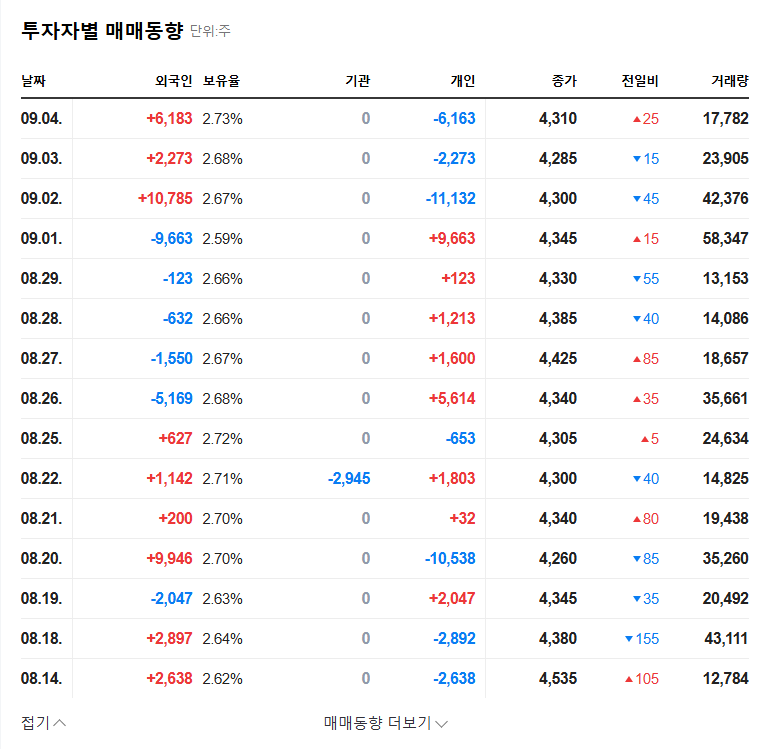
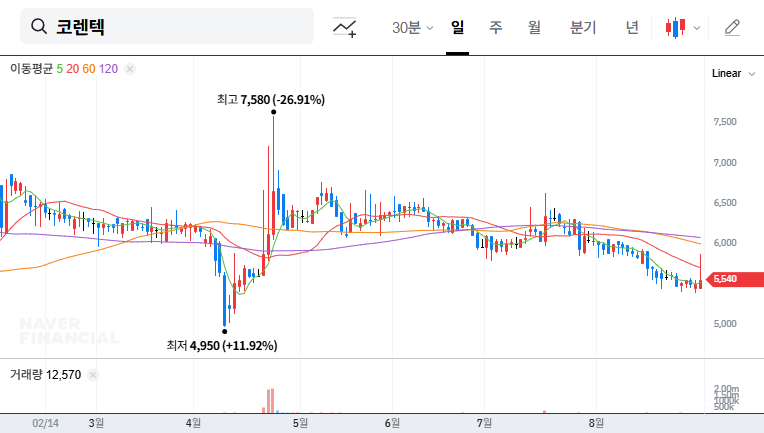
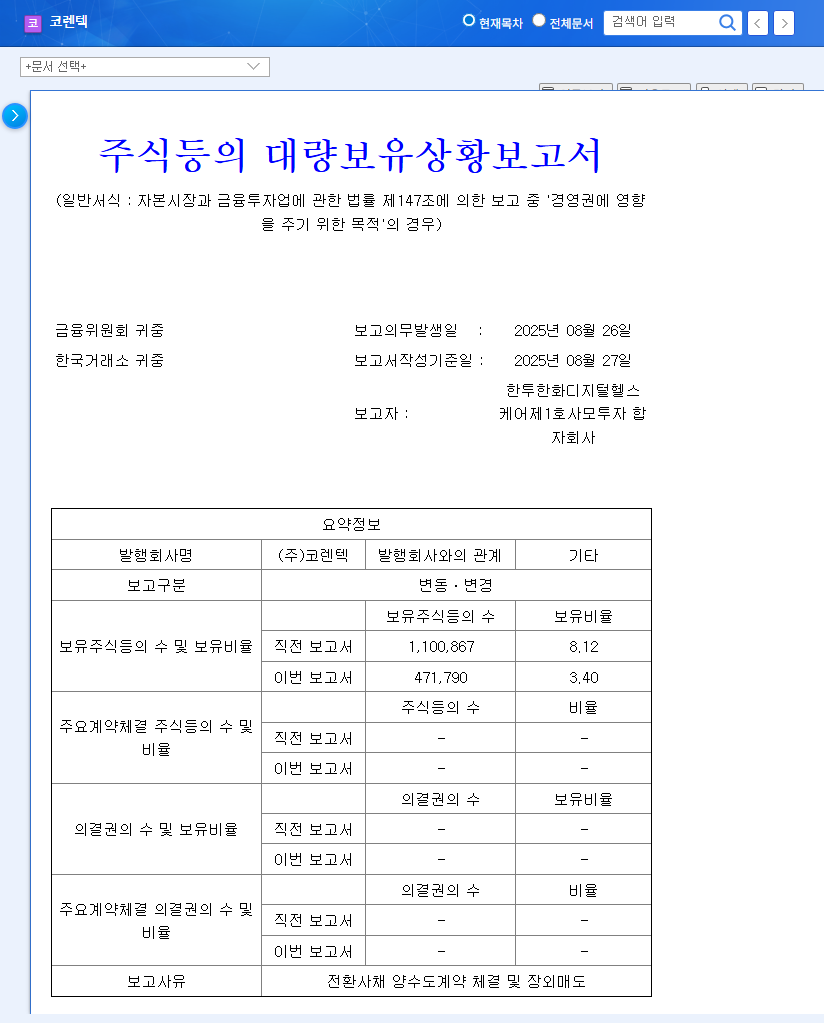
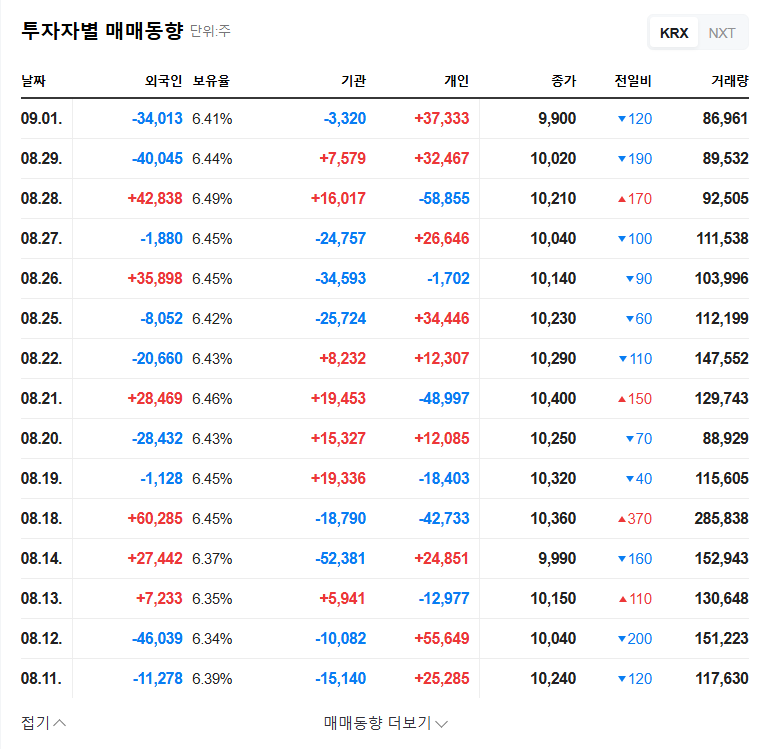
    Hanwha Digital Healthcare Private Equity Fund No. 1 decreased its stake in Corentec from 8.12% to 3.40% through the transfer and over-the-counter sale of convertible bonds. This could put downward pressure on the stock price in the short term.

    Why Does the Divestment Matter?

    Changes in major shareholder stakes significantly influence investor sentiment. A substantial decrease like this triggers heightened sensitivity to the reasons behind it and the future outlook, potentially increasing stock volatility.

    Corentec’s Present and Future

    • Positive Factors: FDA approval, efforts to improve financial structure, and continued R&D investment could serve as long-term growth momentum.
    • Negative Factors: Weak performance in the first half of 2025, exchange rate and interest rate volatility, and macroeconomic uncertainties pose short-term risks.

    What Should Investors Do?

    Short-term investors should be wary of stock volatility. Carefully consider investment decisions while closely monitoring the possibility of further stake changes and market conditions. Long-term investors can focus on Corentec’s growth potential. However, it’s advisable to consider a dollar-cost averaging strategy while continuously monitoring key points such as changes in the macroeconomic environment and performance in overseas markets.


    Frequently Asked Questions

    What is Corentec’s main business?

    Corentec specializes in artificial joints, developing and selling products like artificial hip and knee joints.

    How will this divestment affect the stock price?

    In the short term, it may put downward pressure on the price due to the potential for more shares to be sold. However, the long-term impact depends on the company’s fundamentals and market conditions.

    What should investors consider before investing in Corentec?

    Carefully monitor macroeconomic changes, exchange rate and interest rate fluctuations, and the company’s financial performance. Investment decisions should be made cautiously, considering individual investment goals and risk tolerance.


    Corentec (104540) Stock Forecast: Major Shareholder Divestment - Opportunity or Threat? 관련 이미지
    Corentec (104540) Stock Forecast: Major Shareholder Divestment - Opportunity or Threat? 관련 이미지


  • L&K Bio IR Analysis: Growth Momentum vs. Financial Risks, Investment Opportunity?

    L&K Bio IR Analysis: Growth Momentum vs. Financial Risks, Investment Opportunity? 대표 차트 이미지

    1. L&K Bio’s IR: What was discussed?

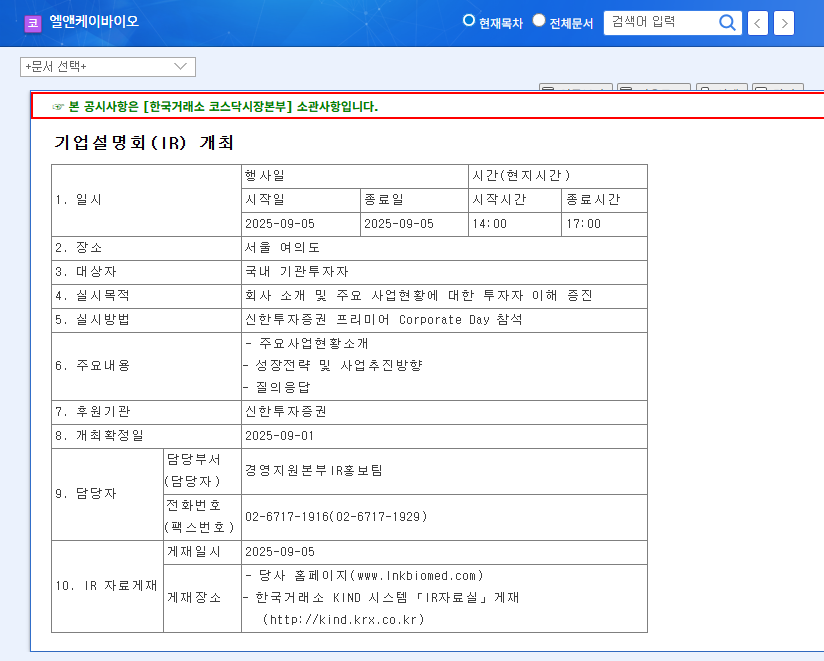
    L&K Bio’s IR meeting on September 5, 2025, covered key business updates including the US market entry plan for its Pectus chest implant, strong overseas revenue growth, and R&D investment status. The company also addressed investor concerns regarding continued net losses, convertible bonds, and raw material price volatility.

    2. Positive vs. Negative Factors: Where lies the investment opportunity?

    2.1. Positive Factors: Growth Momentum

    • Robust revenue growth: 97% of revenue from overseas markets demonstrates global competitiveness, particularly in the Americas, creating synergy expectations for Pectus’ US market entry.
    • New business momentum: FDA approval for Pectus sets the stage for full-scale US market entry, a key driver of future revenue growth.
    • Strong R&D capabilities: Continuous R&D investment reinforces technological competitiveness and fuels new pipeline development.

    2.2. Negative Factors: Challenges to overcome

    • Continued net loss: Increased R&D expenses contribute to the need for improved profitability.
    • High volume of convertible bonds: Potential stock dilution and interest expense burden.
    • Raw material price volatility: Requires effective cost management and supply stabilization strategies.

    3. Post-IR: What should investors do?

    The IR meeting highlighted both L&K Bio’s growth potential and risks. Investors should carefully review the presented plans for profitability improvement, convertible bond management, and new business performance. It’s crucial to monitor subsequent earnings announcements to confirm tangible improvements and assess the company’s strategies for navigating macroeconomic changes.

    Frequently Asked Questions

    What is L&K Bio’s main business?

    L&K Bio develops, manufactures, and sells medical devices, including spinal and chest implants.

    When will Pectus, the chest implant, launch in the US market?

    Pectus is expected to launch in the US market in the second half of 2025.

    What is L&K Bio’s financial status?

    While the company is experiencing robust revenue growth, it continues to report net losses, requiring improvements in profitability. The large volume of convertible bonds also raises concerns about potential stock dilution.

    L&K Bio IR Analysis: Growth Momentum vs. Financial Risks, Investment Opportunity? 관련 이미지
    L&K Bio IR Analysis: Growth Momentum vs. Financial Risks, Investment Opportunity? 관련 이미지
  • DaeSung Hi-Tech’s 59.4 Billion Won Rights Offering: Crisis or Opportunity?

    DaeSung Hi-Tech's 59.4 Billion Won Rights Offering: Crisis or Opportunity? 대표 차트 이미지

    1. What Happened? DaeSung Hi-Tech’s 59.4 Billion Won Rights Offering

    DaeSung Hi-Tech has announced a rights offering to raise 59.4 billion won. They will issue 1,354,707 common shares at 4,429 won per share, representing a 10% increase in outstanding shares. The payment date is September 8, 2025, and the main investor is Pulp Project No. 1 Private Equity Fund.

    2. Why the Rights Offering? Analyzing the Background and Objectives

    While the official purpose hasn’t been disclosed, considering DaeSung Hi-Tech’s current situation, the most likely reasons are investments in new businesses (defense, medical devices, electric vehicle components), strengthening R&D, securing operating funds, and repaying debt. Given the company’s weak first-half performance and high debt-to-equity ratio, improving financial stability is likely a top priority.

    3. What’s Next? Stock Price Outlook and Investment Strategies

    In the short term, there’s a possibility of a stock price decline due to concerns about share dilution from the new issuance. However, the offering price is lower than the market price, which could partially offset the dilution effect. In the medium to long term, if the funds are used effectively for new business investments and financial restructuring, it could lead to increased corporate value and a rebound in the stock price. The key is the success of the new businesses. The visibility of results from high-growth sectors like defense, medical devices, and electric vehicle components will be crucial for driving stock price appreciation.

    • Positive Factors: Private equity investment, growth potential of new businesses
    • Negative Factors: Short-term stock dilution concerns, weak performance and financial instability

    4. What Should Investors Do? Key Checkpoints

    Investors should closely monitor the following:

    • Concrete sales and profit generation from new businesses
    • How the funds are utilized and the improvement in financial health indicators (debt-to-equity ratio, cash flow, etc.)
    • The impact of the economy and industry trends on key business segments, and global macroeconomic variables (interest rates, exchange rates, raw material prices)

    Frequently Asked Questions

    What is the purpose of this rights offering?

    While not officially stated, it is likely for new business investment, R&D, operating funds, and debt repayment.

    How will the rights offering affect the stock price?

    Short-term decline is possible, but long-term growth depends on the success of new ventures.

    What are the key investment considerations?

    Monitor new business performance, financial health improvements, and macroeconomic trends.

    DaeSung Hi-Tech's 59.4 Billion Won Rights Offering: Crisis or Opportunity? 관련 이미지
    DaeSung Hi-Tech's 59.4 Billion Won Rights Offering: Crisis or Opportunity? 관련 이미지
  • Sugentech Raises ₩12.5B Through Treasury Stock Disposal: What’s Next for the Stock?

    Sugentech Raises ₩12.5B Through Treasury Stock Disposal: What's Next for the Stock? 대표 차트 이미지

    1. What Happened?

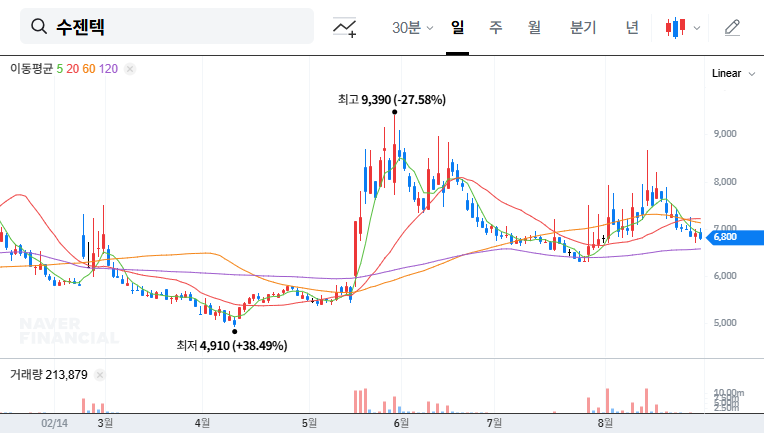
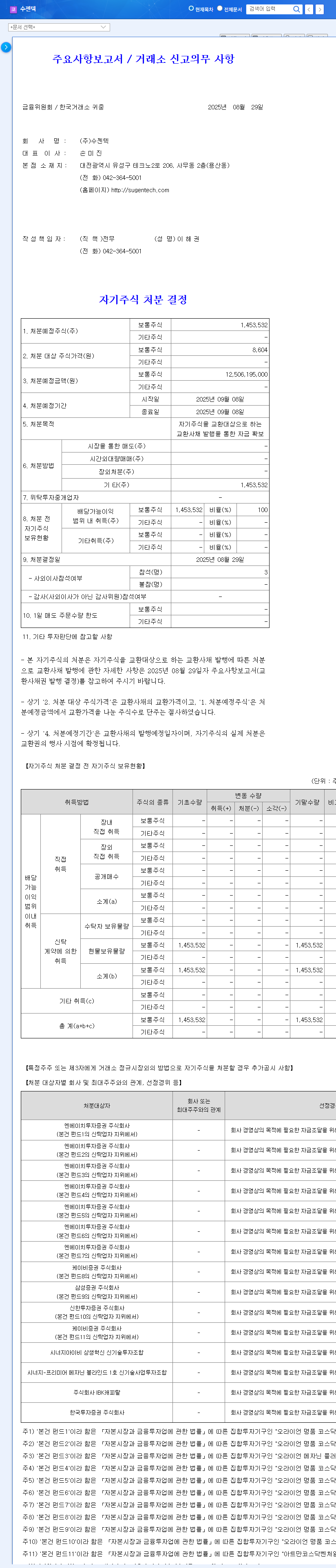
    Sugentech announced on August 29, 2025, its decision to dispose of treasury stock. The company plans to raise ₩12.5 billion by selling 1,453,532 common shares (8.68% of total shares outstanding) to fund convertible bond issuance.

    2. Why the Funding?

    Sugentech recorded weak performance in the first half of 2025, with revenue of ₩5.062 billion and an operating loss of ₩8.86 billion. The decline in sales of COVID-19 diagnostic kits is cited as the main reason. This funding is likely needed for continued R&D investment, new business expansion, and improving financial structure.

    3. What’s the Impact on the Stock Price?

    • Short-term Impact: While increased liquidity is positive, the potential for stock dilution due to convertible bond issuance, combined with the company’s poor performance, could put pressure on the stock price. A wait-and-see approach is expected in the short term.
    • Long-term Impact: If the funds are effectively utilized for growth drivers like R&D and overseas expansion, positive momentum can be expected. However, the efficiency of fund management and earnings improvement will be key to the stock’s future direction.

    4. What Should Investors Do?

    • Closely monitor the specifics of the fund utilization plan, the feasibility of the growth strategy, and trends in earnings improvement.
    • Pay attention to the impact of changes in the macroeconomic environment on Sugentech.
    How will Sugentech’s treasury stock disposal affect its stock price?

    It could put downward pressure on the stock price in the short term, but the long-term impact will depend on how effectively the funds are used.

    How does Sugentech plan to use the funds?

    The funds will be used for R&D investment, new business expansion, and improving the company’s financial structure.

    What is the outlook for Sugentech’s future earnings?

    The company has been experiencing sluggish performance since the decline in COVID-19 diagnostic kit sales, but there is potential for improvement depending on the success of new business ventures.

    Sugentech Raises ₩12.5B Through Treasury Stock Disposal: What's Next for the Stock? 관련 이미지
    Sugentech Raises ₩12.5B Through Treasury Stock Disposal: What's Next for the Stock? 관련 이미지
  • JPI Healthcare: A Turnaround Story After KOSDAQ Listing?

    1. About JPI Healthcare

    JPI Healthcare is a company with over 40 years of experience specializing in X-ray imaging diagnostic systems. Their core business involves developing and manufacturing key components and imaging equipment, supplying to global medical device companies like GE, Siemens, and Philips. With over 80% of their revenue coming from exports, JPI demonstrates a strong global presence.

    2. The Earnings Surprise: What Happened?

    In Q2 2025, JPI Healthcare reported KRW 13 billion in revenue, KRW 1.3 billion in operating profit, and KRW 0.6 billion in net profit, marking a significant return to profitability. This exceeded market expectations and contrasts sharply with the losses recorded over the past three years. The KOSDAQ listing has further contributed to the positive sentiment.

    3. Can JPI Sustain its Profitability?

    • Positive Factors: Solid technology and global partnerships, future growth drivers like next-generation medical imaging devices and AI-based diagnostic solutions.
    • Negative Factors: Past record of losses, foreign exchange risk due to high export reliance, and a debt-to-equity ratio of 87.47%.

    Sustained growth requires maintaining profitability, managing exchange rate fluctuations, and strengthening financial health.

    4. Action Plan for Investors

    • Monitor upcoming earnings reports to confirm sustained profitability.
    • Analyze the impact of exchange rate fluctuations and develop risk management strategies.
    • Assess the company’s efforts to improve its financial health.
    • Follow the company’s investor relations activities to understand its growth strategy.

    Frequently Asked Questions

    What is JPI Healthcare’s main business?

    JPI Healthcare develops and manufactures key components and imaging equipment for X-ray imaging diagnostics.

    What were JPI Healthcare’s Q2 2025 results?

    JPI Healthcare reported KRW 13 billion in revenue, KRW 1.3 billion in operating profit, and KRW 0.6 billion in net profit, achieving profitability.

    What are the key investment considerations?

    Investors should consider the company’s past losses, foreign exchange risk, and debt-to-equity ratio.