Tag: Medical Devices

  • (100120) Vieworks Q3 2025 Earnings Analysis: A Deep Dive into the Shock & Future Outlook

    (100120) Vieworks Q3 2025 Earnings Analysis: A Deep Dive into the Shock & Future Outlook

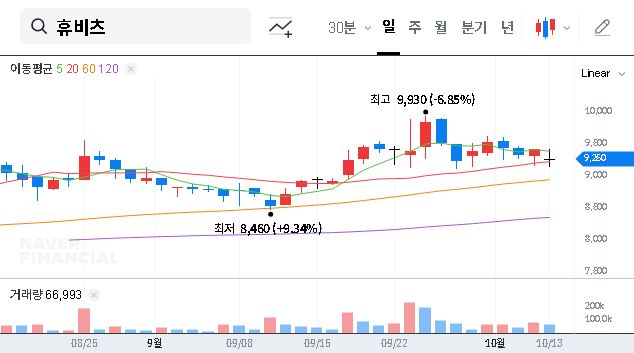
    The recent Vieworks Q3 2025 earnings report sent a significant shockwave through the investment community. Vieworks Co., Ltd., a recognized leader in high-performance digital X-ray detectors and industrial imaging solutions, announced preliminary results that fell dramatically short of market consensus. This unexpected downturn has left many investors questioning the company’s immediate trajectory and long-term health.

    This in-depth Vieworks earnings analysis unpacks the critical numbers, diagnoses the underlying causes of the performance slump, and provides a strategic outlook for investors. We will explore whether this is a temporary setback or a sign of deeper structural issues, helping you formulate an informed strategy for your Vieworks stock position.

    The Q3 2025 Earnings Shock by the Numbers

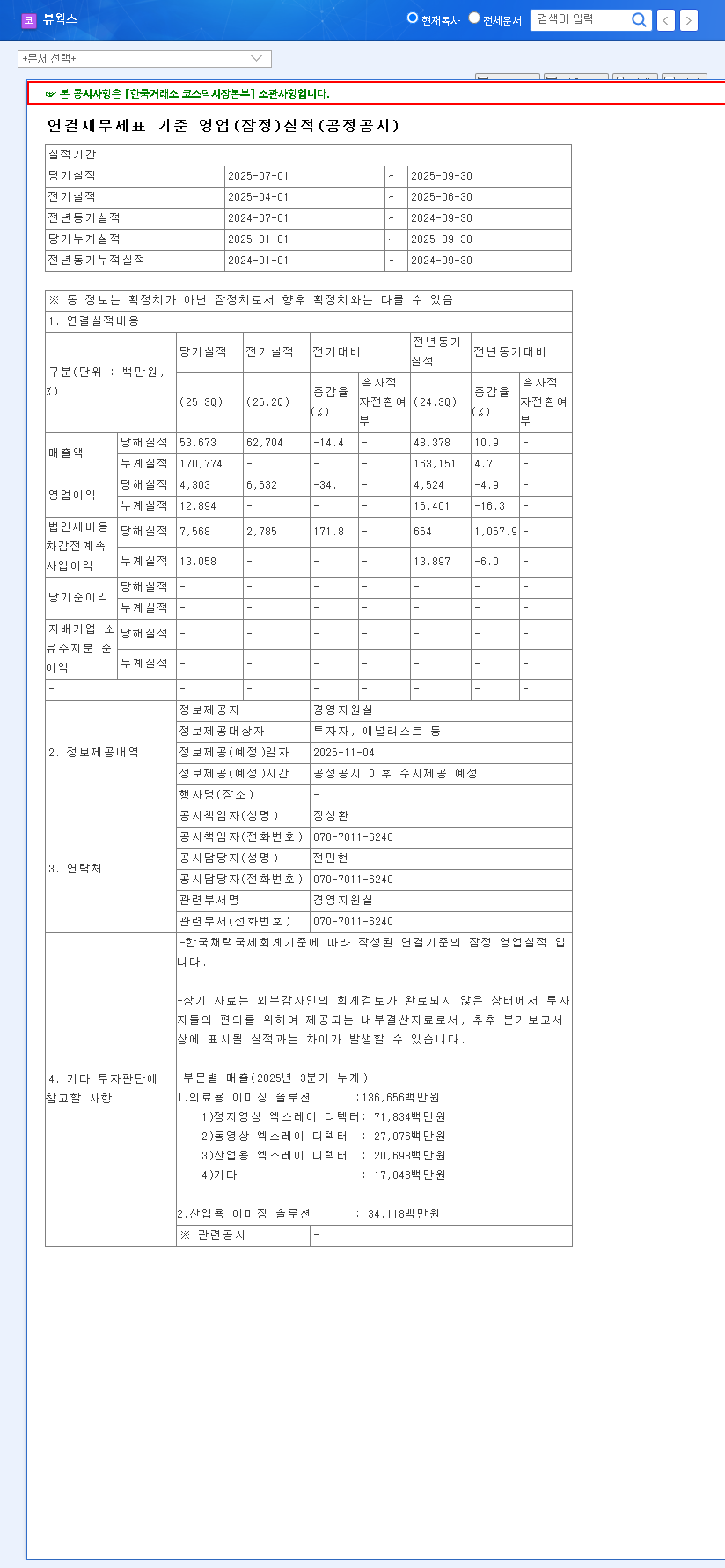
    The preliminary Q3 results revealed a significant disconnect between expectations and reality. According to the Official Disclosure on DART, the key performance indicators were deeply concerning:

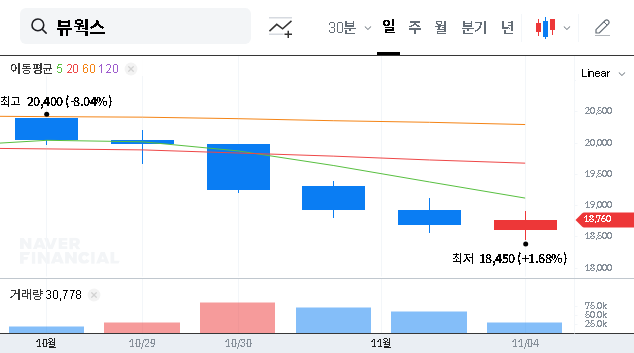
    • Revenue: KRW 53.7 billion, missing the forecast of KRW 55.9 billion by 4%.
    • Operating Profit: KRW 4.3 billion, a staggering 31% below the forecast of KRW 6.2 billion.
    • Net Profit: Significantly underperformed against the projected KRW 5.3 billion (final figure undisclosed).

    The 31% miss on operating profit is the most alarming figure. It signals a severe deterioration in profitability that cannot be ignored and has understandably eroded short-term investor confidence.

    Fundamental Diagnosis: What Went Wrong at Vieworks?

    To understand the future, we must first diagnose the past. Our analysis, combining the semi-annual report with these Q3 results, points to a combination of internal and external pressures impacting the company.

    1. Core Business Slowdown & Intensifying Competition

    The engine of Vieworks’ revenue, its medical imaging segment, is sputtering. In the first half of 2025, sales of static imaging digital X-ray detectors fell by 8%, while dental dynamic detectors dropped by over 15%. This slowdown suggests a combination of market saturation and fierce competition from rivals. While the company’s foray into the high-potential digital pathology market is a promising long-term play, it’s not yet mature enough to offset the decline in its core business. For more on this emerging field, you can read about the latest trends in digital pathology.

    2. Declining Financial Health

    The Q3 earnings miss was foreshadowed by a weakening financial position in H1 2025. The company’s debt ratio climbed from 36.36% to 47.33%, and its net debt ratio more than doubled to 23.13%. This increased financial leverage makes the company more vulnerable to profit slumps and rising interest rates. On a positive note, Vieworks is not cutting back on innovation. The company invested a substantial KRW 13 billion in R&D (11.1% of revenue), a necessary gamble to secure future growth engines and maintain its technological edge in industrial imaging solutions and medical devices.

    3. Macroeconomic Pressures and Volatility

    As a global exporter, Vieworks is highly exposed to macroeconomic trends. While a strong US Dollar and Euro can lead to foreign exchange gains, it also increases the cost of imported raw materials, creating a double-edged sword for profitability. According to market analysis from high-authority sources like Bloomberg, global supply chain costs and interest rate policies continue to create an uncertain environment. On the bright side, falling oil prices and shipping costs could provide some relief by stabilizing production and logistics expenses in the coming quarters.

    Investor Playbook: Navigating the Path Forward

    The short-term outlook for Vieworks stock is undoubtedly challenging. The market will be looking for a clear turnaround story. Investors should monitor the following key areas to assess the company’s recovery potential:

    • Q4 Performance Rebound: Is the Q3 slump an anomaly? Watch the Q4 earnings report closely for signs of stabilization or recovery, particularly in the industrial imaging solutions segment, which has shown recent growth.
    • New Business Traction: Look for concrete evidence of market adoption and revenue generation from new ventures, especially the digital pathology system. Tangible results are needed to shift the growth narrative.
    • R&D Monetization: The heavy investment in R&D must translate into profitable new products. Monitor announcements for technological breakthroughs and product launches that can create new revenue streams.
    • Management’s Strategy: Pay close attention to the company’s official communications. Vieworks needs to articulate a clear, convincing plan to address profitability, manage costs, and navigate competition.

    In conclusion, the Vieworks Q3 2025 earnings miss has rightfully put the company under a microscope. While significant challenges in core markets and financial health exist, its commitment to R&D and diversification into new growth areas provides a potential path to recovery. Cautious and diligent monitoring of the key performance areas outlined above will be essential for any investor looking to navigate this period of uncertainty.
    (100120) Vieworks Q3 2025 Earnings Analysis: A Deep Dive into the Shock & Future Outlook 관련 이미지
  • (303360) PROTIA INC. (303360) Q3 2025 Earnings Report: A Deep Dive for Investors

    (303360) PROTIA INC. (303360) Q3 2025 Earnings Report: A Deep Dive for Investors

    The latest PROTIA INC. earnings report for Q3 2025, announced on November 4, 2025, has sent a clear signal to the market: the company’s growth trajectory is not only strong but accelerating. As a leader in in-vitro diagnostic medical devices, PROTIA INC. (303360) surpassed expectations with a remarkable quarter-over-quarter net profit surge of 62.5%. For investors monitoring the in-vitro diagnostics stock market, this performance warrants a closer look.

    This comprehensive analysis unpacks the key figures from the Q3 2025 report, explores the fundamental drivers of this success, and presents a balanced view of the potential risks and rewards. Whether you are a current shareholder or considering a PROTIA INC. investment, this deep dive provides the critical insights needed to make an informed decision.

    PROTIA INC. Q3 2025 Earnings: The Numbers Don’t Lie

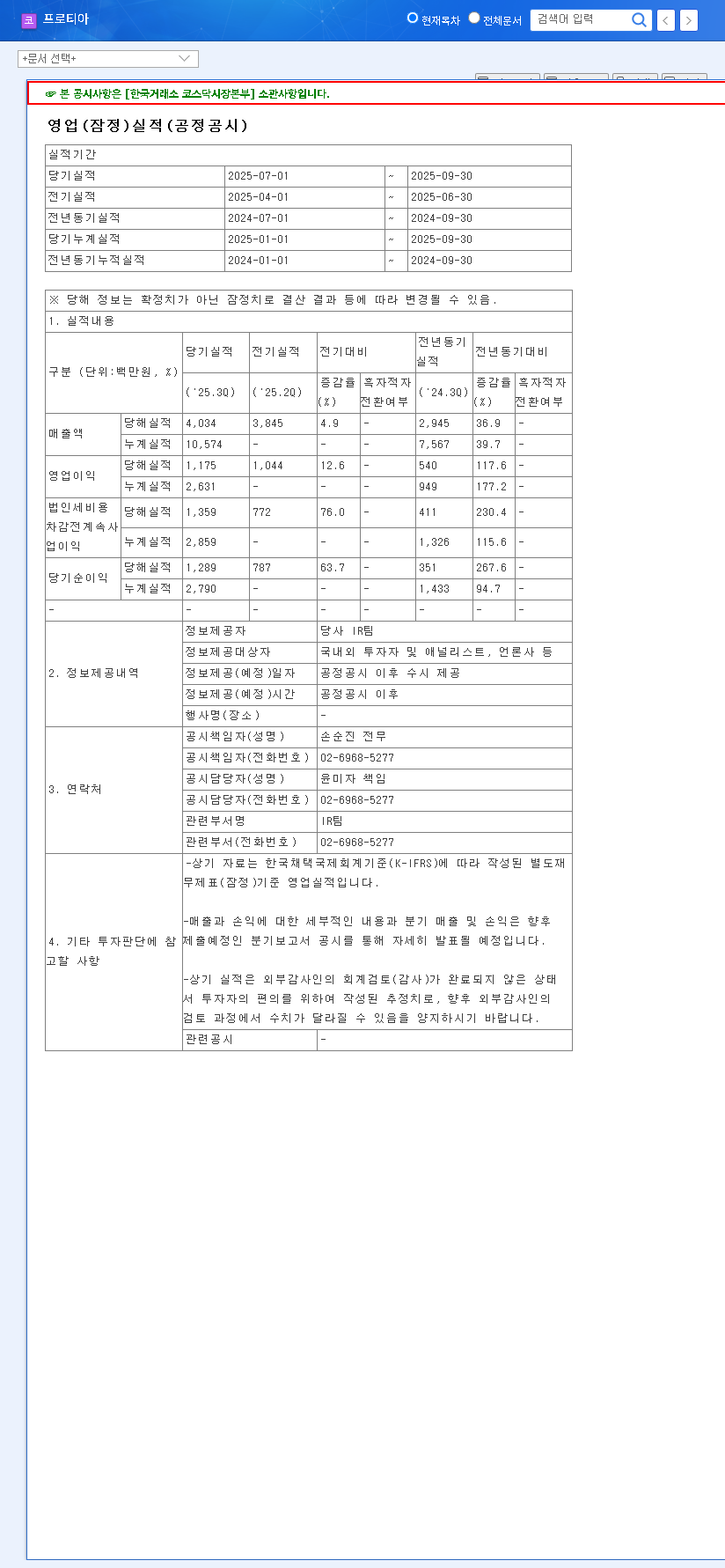
    PROTIA INC. delivered a stellar performance in its provisional Q3 2025 results. The top-line and bottom-line figures paint a picture of robust health and operational efficiency. The full financial details can be reviewed in the Official Disclosure filed with DART.

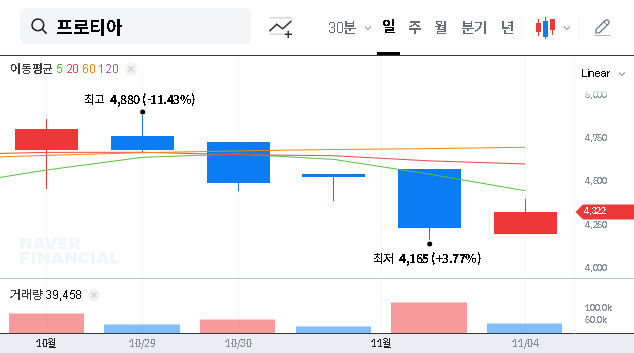
    • Revenue: KRW 4 billion, a healthy 5.26% increase compared to the previous quarter.
    • Operating Profit: KRW 1.2 billion, marking a significant 20% jump quarter-over-quarter.
    • Net Profit: KRW 1.3 billion, an impressive 62.5% surge, showcasing strong profitability.

    This performance builds upon the momentum from the first half of 2025, where the company recorded KRW 6.54 billion in revenue and KRW 1.45 billion in operating profit. The consistency suggests that the company’s strategies are yielding sustainable results.

    The Core Engines Fueling PROTIA INC.’s Growth

    This sustained growth is not accidental. It is the direct result of a multi-pronged strategy focusing on technological leadership, market diversification, and prudent financial management.

    Unrivaled Technological Edge: PLA Technology

    At the heart of PROTIA INC.’s success is its proprietary ‘Parallel Line-type Multiple Diagnostics (PLA)’ technology. This advanced platform allows for highly integrated and sensitive diagnostic testing, particularly in the allergy field. By advancing from 128-line to 192-line product development, PROTIA INC. maintains a significant technological moat, enabling it to analyze a vast number of allergens from a single, small sample. This efficiency and accuracy set a high standard in the industry and are a key draw for clinical partners worldwide.

    Strategic Diversification into High-Growth Areas

    PROTIA INC. is intelligently expanding beyond its core allergy diagnostics to secure future revenue streams. This diversified portfolio includes promising sectors such as animal allergy diagnostics, rapid antibiotic susceptibility testing, autoimmune disease diagnostics, and early cancer detection. This strategy not only mitigates risk but also positions the company to capitalize on several multi-billion dollar healthcare trends.

    Aggressive and Successful Global Expansion

    The Q3 report highlights the success of the company’s international strategy. Overseas sales now constitute 52.0% of total revenue and grew by an astonishing 55.3%. By establishing a presence in 70 countries with over 80 clients and actively securing local certifications and approvals, PROTIA INC. has proven its global competitiveness and built a scalable platform for international growth.

    With a robust balance sheet, a debt-to-equity ratio of just 7.6%, and consistent R&D investment exceeding 20% of revenue, PROTIA INC. is funding its future growth from a position of exceptional financial strength.

    Investment Outlook: Balancing Opportunity and Risk

    While the PROTIA INC. earnings for Q3 are overwhelmingly positive, a prudent investor must weigh these strengths against potential challenges.

    Bullish Signals for Investors

    The strong results confirm a sustained performance turnaround, which could significantly improve market sentiment and lead to upgraded forecasts from financial analysts. The market is now seeing tangible proof that the company’s core technology and expansion strategies are not just theoretical but are translating into real financial gains. This could attract new institutional and retail investors, potentially boosting the PROTIA INC. 303360 stock value.

    Potential Headwinds to Monitor

    Investors should remain mindful of a few key risks. First, the company’s 2024 earnings fell short of initial prospectus forecasts, and it may take several more quarters of consistent delivery to fully rebuild market trust. Second, the in-vitro diagnostics market is fiercely competitive, with large, established players. To learn more, you can read this overview of the competitive diagnostics landscape. Finally, macroeconomic factors, such as global interest rate policies and supply chain stability, can indirectly impact investor sentiment and operating costs, as noted by leading publications like The Wall Street Journal.

    Strategic Takeaway for Your PROTIA INC. Investment

    The PROTIA INC. Q3 2025 earnings are a powerful validation of the company’s technology, strategy, and execution. The growth momentum is undeniable, and its leadership in a high-demand sector is clear. However, a cautious, long-term perspective is advised.

    Investors should celebrate this strong performance while continuing to monitor the company’s ability to consistently meet or exceed expectations. The key to a successful PROTIA INC. investment lies in appreciating its long-term potential while remaining aware of the competitive and macroeconomic risks. Focusing on sustained execution over short-term fluctuations will be paramount.

    Disclaimer: This analysis is for informational purposes only and is based on publicly available data. All investment decisions should be made at the investor’s own discretion and responsibility after consulting with a qualified financial advisor.

    (303360) PROTIA INC. (303360) Q3 2025 Earnings Report: A Deep Dive for Investors 관련 이미지
  • (299170) WSI Convertible Bond Exercise: A Deep Dive into Stock Impact & 2025 Investor Strategy

    (299170) WSI Convertible Bond Exercise: A Deep Dive into Stock Impact & 2025 Investor Strategy

    The recent announcement from WSI Co., Ltd. (WSI, 299170) regarding its latest convertible bond exercise has captured the attention of the investment community. This financial maneuver, while common, can have significant ripple effects on a company’s stock price, shareholder value, and overall financial stability. For investors, understanding the nuances of this event is critical to navigating market uncertainty and making informed decisions.

    This comprehensive analysis will delve into the specifics of the WSI convertible bond exercise, evaluate the company’s current fundamental health, and project the potential short-term and long-term impacts. We will provide a clear, actionable investment strategy to help you understand what this means for the future of WSI’s stock.

    Understanding the WSI Convertible Bond Exercise

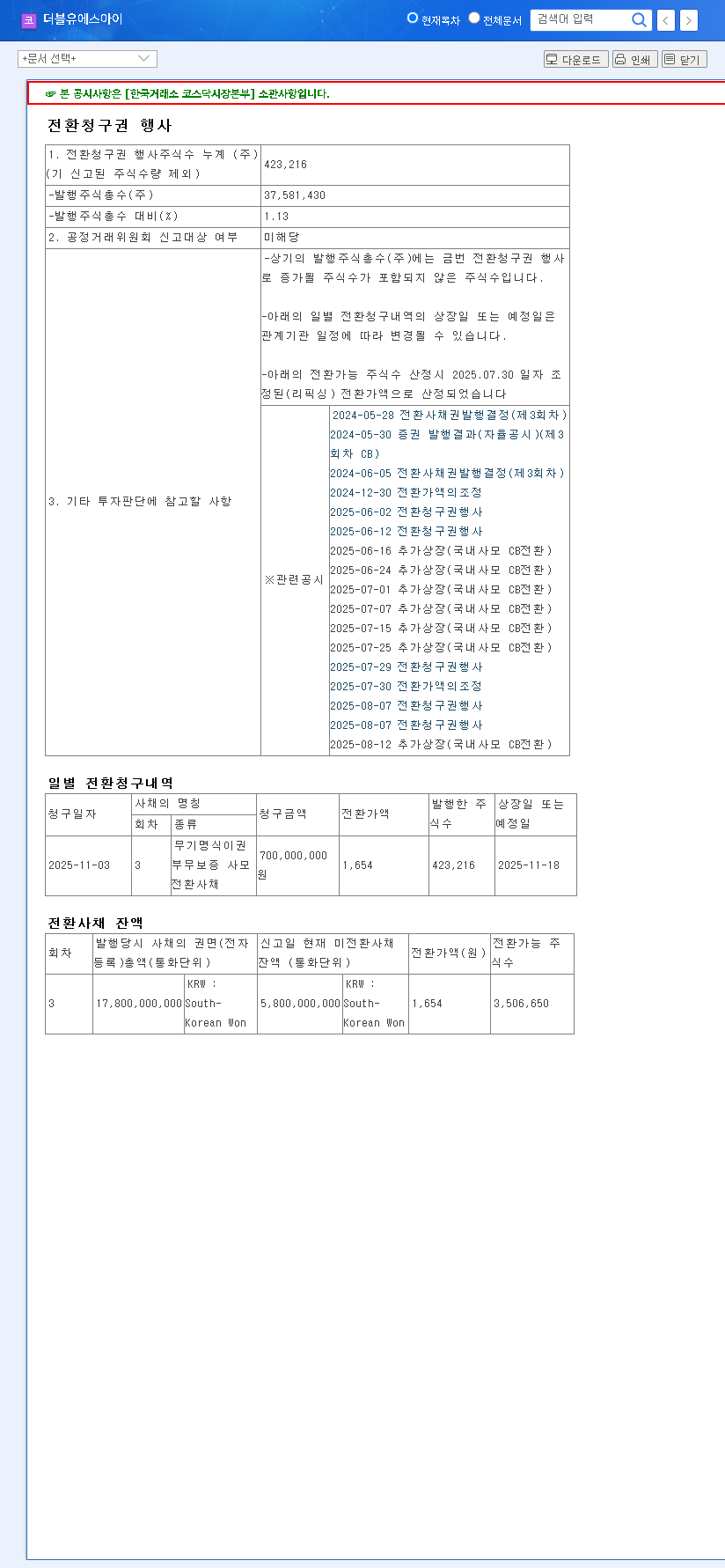
    On November 3, 2025, WSI officially disclosed that holders of its convertible bonds chose to exercise their right to convert debt into equity. In simple terms, investors are swapping their bonds for company shares. For a deeper understanding of the mechanics, you can read more about what convertible bonds are on authoritative financial sites.

    The key details of this specific event, based on the Official Disclosure, are as follows:

    • Total Shares Issued: 423,216 new shares will be listed.
    • Conversion Price: The bonds were converted at a price of KRW 1,654 per share.
    • Market Impact Scale: This volume represents just 1.13% of the current market capitalization, suggesting a limited immediate dilution effect.
    • Listing Date: The new shares are scheduled to begin trading on November 18, 2025.

    This conversion will increase the total number of outstanding shares, which can influence stock price dynamics, especially in the short term.

    WSI Stock Analysis: A Look at the Fundamentals

    To understand the true convertible bond impact, we must look beyond the event itself and conduct a thorough WSI stock analysis. The company is at a crossroads, balancing aggressive expansion with pressing financial challenges.

    Aggressive Expansion into High-Growth Sectors

    WSI is actively investing to secure future revenue streams by diversifying its portfolio. Key initiatives include:

    • Pharmaceuticals: Acquired a stake in Introbiopharma, entering the pharma manufacturing and R&D space.
    • Medical Robotics: Established Easymedibot Co., Ltd. to develop the ‘U-Bot’ surgical assistant robot.
    • Medical Devices: Secured supply contracts for cardiovascular interventional devices and expanded into spinal implant distribution.

    These moves position WSI in lucrative, forward-looking industries. However, such ambitious growth requires significant capital, which leads to the company’s current financial pressures.

    Current WSI Financial Status & Risk Factors

    The company’s 2025 semi-annual report paints a picture of short-term strain. The first half saw a 37.1% year-over-year drop in sales and a 77.4% plunge in operating profit, resulting in a net loss. This is largely attributed to M&A costs, R&D spending, and derivative valuation losses. Furthermore, borrowings have increased to fund this expansion, raising concerns about financial soundness in a high-interest-rate environment. You can learn more about assessing company health in our guide to fundamental analysis.

    The core challenge for WSI is managing its short-term financial burdens while ensuring its long-term growth investments begin to generate returns. The convertible bond exercise is a strategic step in this balancing act.

    Analyzing the Impact of the WSI Convertible Bond Exercise

    This event will have distinct effects in the short and long term.

    Short-Term Outlook: Volatility and Selling Pressure

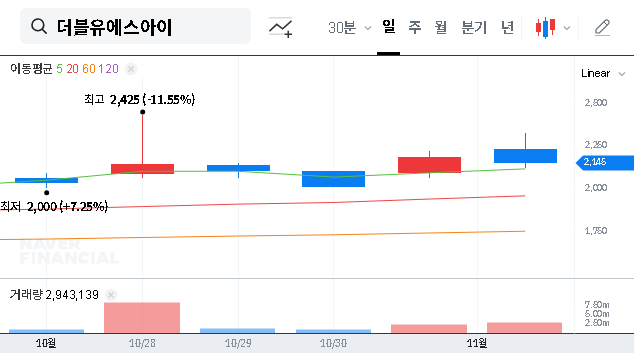
    The most immediate convertible bond impact will likely be increased stock volatility. With the current stock price (KRW 2,145) trading nearly 30% above the conversion price (KRW 1,654), bondholders have a strong incentive to sell their newly acquired shares to lock in profits. This can create a temporary supply-demand imbalance, putting downward pressure on the stock price around the November 18 listing date. The increase in share liquidity could also lead to higher trading volumes.

    Mid- to Long-Term Outlook: A Healthier Balance Sheet

    From a long-term perspective, the WSI convertible bond exercise is a positive development for the company’s financial structure. Key benefits include:

    • Debt Reduction: Converting debt to equity directly lowers the company’s liabilities and reduces its debt-to-equity ratio.
    • Improved Financial Soundness: A stronger balance sheet improves creditworthiness and reduces the burden of interest payments, freeing up cash flow for operations and investment.
    • Limited Dilution: Since the new shares represent only 1.13% of the market cap, the dilution of value for existing shareholders is minimal.

    Investor Strategy & Recommendations

    Considering all factors, investors should adopt a cautious yet watchful approach. The long-term vision is promising, but short-term hurdles are undeniable.

    1. Adopt a Cautious Stance: Acknowledge the risks presented by the recent weak financial performance and the cash burn from expansion before committing capital.

  • 2. Monitor for Performance Turnaround: Pay close attention to upcoming quarterly earnings reports. Look for tangible signs that the company’s investments in pharma and robotics are beginning to translate into revenue and profit growth.

    3. Watch for Further Capital Events: Keep an eye on disclosures for any additional bond exercises or capital increases, as these could further impact the stock’s dynamics.

    4. Plan for Short-Term Volatility: Be prepared for price fluctuations around the new share listing date. This could present a strategic entry point for long-term investors who are confident in the company’s growth story.

    In conclusion, while WSI’s convertible bond exercise signals a positive step towards deleveraging and strengthening its financial foundation, the company’s stock remains a play on future growth. Success hinges on its ability to turn ambitious expansion projects into profitable realities. Continuous monitoring is key.

(299170) WSI Convertible Bond Exercise: A Deep Dive into Stock Impact & 2025 Investor Strategy 관련 이미지
  • (376930) Noul miLab Platform Enters Pakistan: A Deep Dive into the Malaria Diagnosis Deal & Investment Outlook

    (376930) Noul miLab Platform Enters Pakistan: A Deep Dive into the Malaria Diagnosis Deal & Investment Outlook

    The Noul miLab platform is set to make a significant impact on global healthcare, as its parent company, Noul Co., Ltd., has officially secured a landmark exclusive agreement in Pakistan. On October 17, 2025, Noul signed a pivotal supply and distribution deal with Sure Bio Diagnostics & Pharmaceuticals, marking a major strategic push into one of South Asia’s most populous emerging markets. This move is more than just a business transaction; it’s a critical test of Noul’s advanced diagnostic technology and its potential to revolutionize healthcare accessibility, particularly in the field of malaria diagnosis.

    This comprehensive analysis will dissect the fundamentals of Noul Co., Ltd., the profound implications of the Pakistan deal, and the broader market dynamics at play. We will explore the opportunities and risks, offering a prudent investment strategy for those watching this innovative medical device company.

    The Pakistan Deal: A Gateway to Emerging Markets

    The agreement grants Sure Bio Diagnostics & Pharmaceuticals exclusive rights to supply and distribute the Noul miLab platform and its associated product lines across Pakistan for three years. The deal encompasses four key products: the core miLab™ platform, the Malaria Diagnostic Cartridge (Cartridge MAL), SafeFix consumables, and the miLab™ software. This partnership is a strategic entry into a nation of approximately 240 million people, where infectious diseases like malaria remain a significant public health challenge. The successful implementation of this technology could serve as a powerful case study for Noul’s expansion into other developing nations. The full details of the agreement were filed in an Official Disclosure, providing transparency on the venture.

    “This exclusive contract is a crucial stepping stone. It not only opens up a vast new market but also validates the global demand for rapid, accurate, and accessible diagnostic solutions like the Noul miLab platform.”

    Understanding the Noul miLab Platform Technology

    At the heart of this deal is Noul’s innovative technology. The Noul miLab platform is not just another diagnostic device; it’s an all-in-one, decentralized solution designed to bring lab-quality testing to the point of care. Its competitive edge is built on several core technologies:

    • On-Device AI Analysis: The platform uses artificial intelligence to analyze samples directly on the device, reducing the need for highly trained personnel and delivering results in minutes.
    • Solid Staining Technology: Noul has developed a proprietary solid-form reagent technology that simplifies the complex and messy process of traditional slide staining, improving consistency and reducing biohazardous waste.
    • All-in-One Platform: From sample preparation to imaging and analysis, the entire workflow is automated within a single, compact device, making it ideal for remote clinics and resource-limited settings.

    Company Analysis: Strengths, Weaknesses, Opportunities & Threats

    Strengths & Opportunities

    Noul’s primary strength lies in its technological competitiveness, protected by a portfolio of over 112 intellectual property rights. The company has already achieved EU CE certification and product registrations in numerous countries, establishing a foundation for global expansion. The growing global medical device market, particularly in AI-driven healthcare, presents a massive opportunity. According to the World Health Organization, timely and accurate diagnosis is critical for controlling diseases like malaria, creating a strong demand for Noul’s solutions.

    Weaknesses & Threats

    Despite its technological promise, Noul faces significant financial hurdles. The company reported a substantial net loss in the first half of 2025 due to heavy R&D spending and the costs of overseas market entry. The high R&D expense ratio (146.3% of sales) indicates a long-term focus that delays short-term profitability. External threats include exchange rate volatility, geopolitical risks impacting logistics, and the high initial costs of navigating local regulations and competition in new markets like Pakistan.

    Investment Strategy and Concluding Thoughts

    The entry into Pakistan is an undeniably positive catalyst for Noul’s growth story. It offers revenue diversification and enhances the company’s brand recognition. The recurring revenue from consumables and software subscriptions could create a sustainable financial model long-term. For more on this, read our guide on The Future of Diagnostic Technology.

    However, investors must remain cautious. The company’s chronic deficit structure is a fundamental risk not erased by a single contract. The path to profitability in Pakistan is not guaranteed and requires flawless execution. A prudent investment strategy involves:

    • Long-Term Perspective: View this as a long-term play on innovative technology, but be prepared for short-term volatility. Consider a gradual investment approach.
    • Enhanced Monitoring: Closely watch quarterly financial reports, paying special attention to sales figures from the Pakistan market and any changes in the company’s cash burn rate.
    • Risk Management: Keep investment proportions in check and stay informed about Noul’s progress in other international markets, as this will be key to diversifying its revenue base.

    In conclusion, Noul Co., Ltd. represents a high-growth, high-risk opportunity. The success of the Noul miLab platform in Pakistan could be a transformative event, but diligent monitoring of the company’s financial health is essential before making any investment decisions.

  • (460470) IVIM Technology Stock Analysis: Can a Landmark Japan Deal Spark a Turnaround?

    (460470) IVIM Technology Stock Analysis: Can a Landmark Japan Deal Spark a Turnaround?

    Biotech innovator IVIM Technology, Inc. has made headlines by securing a significant supply contract in Japan, a move that could signal a pivotal moment for the company and its investors. This ₩500 million (approx. $370,000 USD) deal for its advanced microscopy systems is more than just a number on a balance sheet; it’s a strategic entry into one of the world’s most sophisticated tech markets. But does this contract have the power to steer IVIM Technology out of its financial difficulties and unlock its long-term potential? This comprehensive analysis delves into the company’s core technology, financial health, and the critical factors investors must consider for the future of IVIM stock.

    A Landmark Deal: IVIM Technology Enters Japan

    On October 27, 2025, IVIM Technology finalized a landmark supply contract for its state-of-the-art live cell microscope systems with Japan’s Neuroscience Inc. The deal, valued at ₩500 million, will be fulfilled by the end of 2025 and accounts for a substantial 14.13% of the company’s total projected revenue for the year. The details of this agreement were confirmed in an Official Disclosure (Source). Securing a partner in Japan is a critical step, providing a foothold for broader global expansion and validating the company’s cutting-edge technology.

    “This contract with Neuroscience Inc. is a powerful proof-of-concept for IVIM Technology’s global strategy. While the immediate financial impact is moderate, the long-term strategic value of penetrating the Japanese market cannot be overstated. It builds credibility and opens doors for future, larger-scale collaborations.”

    Deconstructing IVIM Technology: A Trio of High-Tech Ventures

    To perform a thorough IVIM stock analysis, one must understand its three core business pillars. Each holds unique potential and inherent risks that shape the company’s investment profile.

    Pillar 1: ‘All-in-One’ Live Cell Microscopy

    The company’s flagship product is a revolutionary ‘All-in-One’ live cell microscopy system. This technology enables researchers to visualize cellular and molecular activities in 3D, in real-time, within a living organism. This is a significant leap forward from traditional static imaging, offering invaluable insights for drug discovery and disease research. You can learn more about the fundamentals of live cell imaging from Nature Methods, a leading scientific journal.

    Pillar 2: CRO (Contract Research Organization) Services

    Leveraging its unique imaging platform, IVIM Technology offers CRO services to pharmaceutical and biotech companies. By providing integrated research solutions, they help clients accelerate their R&D pipelines. While this creates a valuable revenue stream, it’s subject to the cyclical nature of R&D spending, leading to potential revenue volatility.

    Pillar 3: The Future: AI-Powered Medical Devices

    As a forward-looking growth engine, IVIM is developing AI-based medical devices. The goal is to use machine learning to analyze the vast amounts of imaging data generated by their microscopes, potentially leading to faster diagnostics and personalized medicine. This venture is promising but remains in an early, capital-intensive stage.

    The Investor’s Dilemma: Analyzing Financial Health

    Despite its technological prowess, the financial landscape for IVIM Technology remains challenging. As of the first half of 2025, the company reported sales of ₩870 million, a decrease year-over-year, alongside a continued operating loss of ₩2.7 billion. These persistent deficits have eroded total equity, raising concerns about long-term profitability.

    On a positive note, the debt-to-equity ratio improved to a healthy 49.01%. However, the stock price has been on a downward trend since its public listing, reflecting market uncertainty. For those new to this sector, understanding the unique financial hurdles is crucial; consider reading our guide on investing in biotech startups for more context.

    Future Outlook: Catalysts and Risks

    Investing in biotech investment opportunities like IVIM Technology requires a balanced view of potential catalysts and significant risks.

    Potential Catalysts (The Bull Case)

    • Global Expansion: Successful execution in Japan could lead to further contracts in other key markets like the US and Europe.
    • Technology Validation: Each new contract with a reputable firm enhances IVIM’s credibility and validates its live cell microscopy platform.
    • AI Milestones: Any positive clinical data or developmental progress in the AI division could significantly improve market sentiment.

    Key Risks (The Bear Case)

    • Profitability Hurdles: The primary challenge is the company’s ability to translate technological wins into sustainable profitability.
    • Cash Burn: High R&D costs for the AI division and continued operating losses pose a risk to financial soundness without further funding or a rapid increase in sales.
    • Market Competition: The microscopy and CRO fields are competitive, with larger, more established players.

    The Final Verdict for Investors

    The contract with Neuroscience Inc. is undeniably a positive step for IVIM Technology. It provides a short-term revenue boost and, more importantly, a long-term strategic foothold. However, investors must look beyond this single event. The core issue remains the company’s path to profitability.

    A cautious but optimistic approach is warranted. Investment decisions should be based on tangible evidence of improving fundamentals, such as a stabilization of CRO revenue, recovery in microscopy sales, and clear progress in the AI venture. This Japan deal could very well be the spark, but investors need to see it ignite a larger fire of sustainable growth before committing significant capital.

    (460470) IVIM Technology Stock Analysis: Can a Landmark Japan Deal Spark a Turnaround? 관련 이미지
    (460470) IVIM Technology Stock Analysis: Can a Landmark Japan Deal Spark a Turnaround? 관련 이미지
  • (290660) NEOFECT Weber Instrument Merger: A Complete Investor Analysis (2026)

    (290660) NEOFECT Weber Instrument Merger: A Complete Investor Analysis (2026)

    The recent announcement of the NEOFECT Weber Instrument merger marks a pivotal moment for both companies and their investors. NEOFECT Co.,Ltd has initiated a strategic acquisition of its subsidiary, Weber Instrument, in a move that signals a significant shift in its operational and growth strategy. This corporate restructuring is far more than an internal shuffle; it’s a calculated decision designed to reshape NEOFECT’s position in the competitive medical device market. For investors, understanding the nuances of this deal—from potential synergies to inherent risks—is crucial for making informed decisions.

    This comprehensive report breaks down the NEOFECT acquisition of Weber Instrument, analyzing the strategic rationale, expected financial outcomes, and critical factors investors must monitor as the merger progresses towards its January 2026 completion date.

    The Merger Unveiled: Key Details of the NEOFECT Acquisition

    NEOFECT has formally announced, through an official disclosure, its plan to absorb Weber Instrument. In this transaction, NEOFECT will be the surviving entity, fully integrating Weber Instrument’s established operations in medical device manufacturing and sales. This move consolidates NEOFECT’s control and streamlines its corporate structure. The Official Disclosure (Source: DART) provides the foundational details of this significant event.

    • Merging Entities: NEOFECT Co.,Ltd (Surviving Company) and Weber Instrument (Disappearing Subsidiary).
    • Primary Goal: To boost management efficiency and fortify business competitiveness.
    • Merger Agreement Date: October 15, 2025.
    • Projected Merger Date: January 1, 2026.
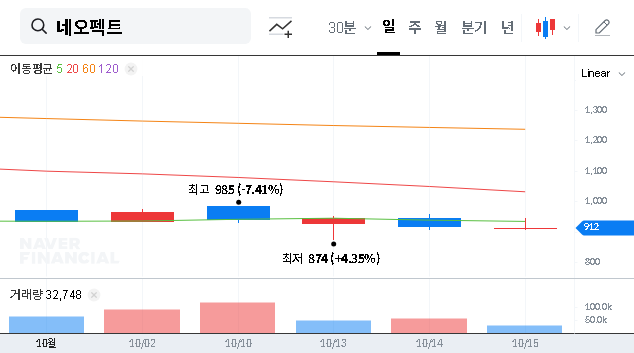
    • Current NEOFECT Stock Status: Trading is currently suspended pending further developments.

    Strategic Rationale: Why This Medical Device Merger Now?

    The timing of the NEOFECT Weber Instrument merger is driven by a clear objective: to create a more agile, efficient, and competitive entity. By absorbing its subsidiary, NEOFECT aims to unlock significant operational synergies and solidify its market standing amidst a rapidly evolving healthcare landscape, a trend seen across the industry according to reports from sources like Bloomberg’s healthcare analysis.

    The core motivation is to enhance management efficiency and strengthen business competitiveness. This full integration is expected to streamline operations, reduce costs, and expand NEOFECT’s product portfolio.

    Key Synergy Drivers

    • Operational Streamlining: Eliminating redundant administrative, marketing, and R&D functions will simplify the decision-making process and significantly cut overhead costs.
    • Portfolio Diversification: Fully absorbing Weber Instrument’s medical device manufacturing expertise allows NEOFECT to broaden its business scope and create a more robust and diverse product lineup.
    • Enhanced Market Position: By internalizing specialized manufacturing and sales talent, NEOFECT can react faster to market demands and build a stronger competitive moat in the global medical device sector. This is a critical component of modern corporate restructuring strategies.

    Potential Impacts: A Balanced View for Investors

    While the long-term vision is optimistic, investors must weigh both the potential upsides and the immediate challenges associated with this merger.

    Positive Outlook (The Upside)

    • Improved Profitability: The combination of increased efficiency and reduced costs is expected to directly contribute to NEOFECT’s bottom line over the long term.
    • Accelerated Growth: The integrated medical device business can serve as a powerful new growth engine, strengthening NEOFECT’s overall market presence.
    • Enhanced Agility: A unified command structure enables swifter, more decisive action in response to market opportunities and threats.

    Risks and Considerations (The Downside)

    • Financial Drag from Losses: Weber Instrument’s net loss of KRW 1.4 billion will be absorbed by NEOFECT, potentially creating a short-term financial burden. A clear turnaround strategy is imperative.
    • Undefined Merger Terms: Crucial details like merger ratios are still pending. These terms will directly influence shareholder value and market perception.
    • Market Volatility: The temporary trading suspension creates liquidity constraints. The reaction of the NEOFECT stock price upon resumption will be a key indicator of market sentiment.
    • Shareholder Approval Risk: The merger is contingent on the outcome of the shareholder meeting. Dissenting voices and the exercise of appraisal rights could introduce complications.

    Investor Action Plan & FAQ

    Given the variables at play, investors should adopt a vigilant and informed approach. Focus on official disclosures and fundamental analysis rather than market speculation.

    Q: What is the main purpose of the NEOFECT Weber Instrument merger?

    A: The primary goal is to improve overall management efficiency and strengthen business competitiveness by fully integrating Weber Instrument’s medical device operations, aiming for cost reduction and portfolio expansion.

    Q: Should I be concerned about Weber Instrument’s net loss?

    A: Yes, the absorption of Weber’s KRW 1.4 billion net loss presents a short-term risk. Investors should look for a clear, detailed strategy from NEOFECT’s management on how they plan to achieve profitability for the integrated unit.

    Q: What specific information should I monitor closely?

    A: Prioritize future announcements on the specific merger ratio, as this directly affects shareholder value. Additionally, monitor the post-merger financial reports of the combined entity and the market’s reaction once NEOFECT stock trading resumes.

    In conclusion, the NEOFECT acquisition of Weber Instrument is a bold strategic play. While it presents a compelling path to long-term growth and enhanced profitability, it is not without its immediate risks. Careful due diligence and continuous monitoring of official communications will be paramount for any investor navigating this corporate evolution.

    (290660) NEOFECT Weber Instrument Merger: A Complete Investor Analysis (2026) 관련 이미지
  • (042520) HANS BIOMED CORPORATION IR: A Deep-Dive Fundamental Analysis & Investment Strategy

    (042520) HANS BIOMED CORPORATION IR: A Deep-Dive Fundamental Analysis & Investment Strategy

    The upcoming HANS BIOMED CORPORATION IR (Investor Relations) event on October 20, 2025, represents a critical crossroads for the company and its investors. With a market capitalization of 234.5 billion KRW, the company is navigating a period of significant financial turbulence. This deep-dive analysis will dissect the company’s current fundamentals, explore the potential outcomes of the IR event, and provide a clear investment strategy for stakeholders looking to make an informed decision.

    The Financial Storm: A Deep-Dive Fundamental Analysis

    A thorough HANS BIOMED fundamental analysis, based on its Q3 fiscal year 2025 report, reveals several significant red flags. These figures, detailed in the company’s Official Disclosure, paint a concerning picture that demands investor scrutiny.

    Key Areas of Concern:

    • Plummeting Sales: Consolidated sales have dropped by a sharp 18.58% year-over-year. The medical device segment, once a key driver, has been hit particularly hard by intensified overseas competition.
    • Deepening Losses: The company posted significant operating and net losses on a separate basis, signaling a severe deterioration in core profitability. While consolidated operating profit showed a slight positive, it’s likely a temporary reprieve against a backdrop of past losses.
    • Worsening Financial Health: The debt-to-equity ratio has climbed to a worrying 108.65%. The addition of new long-term borrowings raises serious questions about liquidity management and long-term financial stability.
    • R&D vs. Reality: While the company maintains a respectable R&D investment ratio, the challenge lies in execution. The success of its Chinese joint venture, ‘Revose’, is fraught with regulatory hurdles that could delay or derail future growth.

    This isn’t just a cyclical downturn; it’s a series of fundamental challenges that management must address head-on. The upcoming IR is their opportunity to present a credible turnaround plan or risk a further erosion of investor confidence.

    A Fork in the Road: Potential Scenarios from the IR Event

    The HANS BIOMED CORPORATION IR can be seen as a double-edged sword. The company’s presentation and subsequent Q&A will either restore faith or confirm investors’ worst fears.

    The Bull Case: A Path to Recovery

    A positive outcome hinges on management’s ability to present a detailed and believable strategy. This would involve a clear roadmap for boosting medical device sales, concrete plans for cost optimization, and a transparent strategy for managing debt. Highlighting the long-term potential of new ventures like ‘Revose’ and ‘ATEMZ’ with tangible progress updates could shift the narrative from crisis to opportunity, potentially stabilizing the HANS BIOMED stock.

    The Bear Case: Deepening Concerns

    Conversely, if the IR event is filled with vague promises and fails to address the core financial issues, it could trigger a significant sell-off. If the outlook presented falls short of market expectations or if answers to tough questions are evasive, it will deepen the perception of a company in decline. External pressures, such as currency fluctuations and market competition, which you can track via sources like Reuters Market Data, could amplify this negative sentiment.

    Your HANS BIOMED Investment Strategy

    Given the high stakes, a prudent and phased HANS BIOMED investment strategy is essential. Rushing into a decision before, during, or after the IR could be costly. For more background, you can review our guide on analyzing biotech stocks.

    Key Checkpoints for the IR:

    • Sales Turnaround: What is the specific, actionable plan to regain market share in medical devices?
    • Profitability Plan: How will the company control costs and improve margins without stifling necessary R&D?
    • Debt Management: What are the concrete steps to reduce the debt ratio and mitigate liquidity risks?
    • Growth Engine Feasibility: What is the realistic timeline and commercialization strategy for new ventures?

    Ultimately, investors should adopt a wait-and-see approach. Analyze the information presented during the IR with a critical eye, evaluate the feasibility of the proposed plans, and monitor the market’s reaction before committing capital. A long-term investment should only be considered if the company demonstrates a clear and credible path back to fundamental health.

    Frequently Asked Questions

    What are HANS BIOMED CORPORATION’s recent fundamentals?

    The company is facing significant headwinds, including declining sales, expanding net losses, deteriorating profitability, and a rising debt-to-equity ratio, raising concerns about its overall financial health.

    When is the HANS BIOMED CORPORATION IR event?

    The Investor Relations event is scheduled for October 20, 2025, at 9:00 AM. It will cover business status, outlook, and a Q&A session.

    What should investors focus on during this IR?

    Investors should focus on concrete strategies for sales recovery, cost structure improvements, debt management, and realistic commercialization timelines for new projects like China’s ‘Revose’.

    (042520) HANS BIOMED CORPORATION IR: A Deep-Dive Fundamental Analysis & Investment Strategy 관련 이미지
  • (065510) Huvitz IR Report Analysis (065510): A Deep Dive for Investors

    (065510) Huvitz IR Report Analysis (065510): A Deep Dive for Investors

    This comprehensive Huvitz IR report analysis offers a deep dive into the strategic positioning of Huvitz Co., Ltd. (065510), a prominent player in the global medical device industry. Following their recent Investor Relations (IR) event on October 14, 2025, investors have been keen to understand the company’s trajectory. This analysis moves beyond surface-level updates to dissect Huvitz’s core fundamentals, future growth engines, and the significant market challenges it faces, empowering you with the insights needed to inform your Huvitz investment strategy.

    Deconstructing Huvitz’s Core Strengths

    The IR event reinforced several of Huvitz’s foundational pillars, which are critical for its long-term stability and Huvitz growth strategy. These strengths form the bedrock upon which the company plans to build its future.

    • Aggressive R&D Investment: With an R&D investment ratio of 19.52% of sales, Huvitz signals a profound commitment to innovation. This isn’t just about maintaining a competitive edge; it’s about pioneering next-generation technologies like Huvitz Optical Coherence Tomography (HOCT), advanced dental equipment, and high-precision intraoral scanners.
    • Diversified Business Portfolio: By strategically expanding beyond its core of ophthalmic medical devices into the dental and 3D printing sectors, Huvitz is building a more resilient business model. This diversification mitigates risk by reducing reliance on a single market and opens up new, lucrative revenue streams.
    • Robust Global Footprint: A vast distribution network covering 114 countries with 138 distributors is a formidable asset. With an export ratio of 90.3%, Huvitz has proven its ability to penetrate and compete in diverse international markets, a key factor for sustained growth.
    • Financial and Governance Stability: A healthy debt-to-equity ratio of 51.51% and substantial cash reserves provide a strong financial cushion. This stability, coupled with a consistent major shareholder, offers investors confidence in the company’s long-term management and operational integrity.

    Navigating Headwinds: Key Concerns for Investors

    Despite its strengths, the IR event also brought several challenges to light. A prudent Huvitz investment approach requires careful consideration of these risks.

    While Huvitz’s long-term vision is compelling, investors must weigh the potential against short-term profitability pressures and macroeconomic uncertainties revealed in this latest IR report.

    Profitability and Market Pressures

    While H1 2025 consolidated sales saw a marginal increase, profitability took a significant hit. This is likely due to a combination of rising raw material costs, supply chain disruptions, and increased operating expenses tied to R&D and global expansion. Investors should monitor future earnings reports for signs of margin recovery.

    Financial and Affiliate-Related Risks

    • Foreign Exchange Volatility: With over 90% of revenue from exports, Huvitz is highly exposed to fluctuations in the USD and EUR. A stronger Korean Won can negatively impact revenue and profit margins when foreign earnings are converted.
    • Affiliate Investment Performance: The reported losses from the investment in Osview Co., Ltd. raise questions about capital allocation efficiency. Investors need clarity on the strategic rationale and future plans for this affiliate to assess its long-term value. According to the Official Disclosure filed on DART, these aspects require careful monitoring.

    The Investor’s Action Plan Post-IR

    This Huvitz IR report analysis serves as a foundation for due diligence. Moving forward, investors should focus on monitoring the tangible outcomes of the company’s strategies:

    • Track New Product Commercialization: Look for concrete progress announcements and sales figures for the new HOCT, dental, and scanner products. Are they meeting development and market-entry timelines?
    • Analyze Profitability Improvement: Scrutinize quarterly reports for evidence of cost control measures, pricing power, and operational efficiencies that can restore and improve profit margins.
    • Assess Risk Management Effectiveness: Evaluate the company’s stated hedging strategies against actual currency movements. How effectively are they mitigating FX risk?

    Ultimately, Huvitz presents a long-term growth story fueled by innovation and global reach. For a broader context on the industry, investors can review market trends from authoritative sources like the World Health Organization’s reports on medical devices. For those new to the sector, understanding the fundamentals is key; our guide on How to Analyze MedTech Stocks can be a valuable starting point. The decision to invest hinges on whether one believes the company’s strategic initiatives can successfully navigate the current headwinds to unlock its full potential.

    (065510) Huvitz IR Report Analysis (065510): A Deep Dive for Investors 관련 이미지
  • (149980) Hironic Synerjet Deal: A Deep Dive Stock Analysis for Investors

    (149980) Hironic Synerjet Deal: A Deep Dive Stock Analysis for Investors

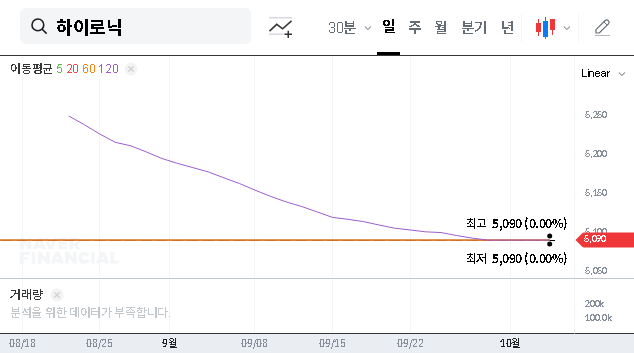
    The groundbreaking Hironic Synerjet supply contract for the North American market is capturing significant investor attention. Hironic Co., Ltd, an emerging leader in the global aesthetic medical device industry, has announced a deal poised to fundamentally reshape its growth trajectory. This isn’t just another contract; it’s a monumental agreement valued at an astonishing 153.1% of the company’s recent sales revenue.

    This in-depth Hironic stock analysis will unpack the full implications of this development. We will explore the contract’s specifics, its strategic importance, the company’s underlying fundamentals, and the potential risks every investor must consider. By understanding these factors, you can formulate a confident and informed Hironic investment strategy.

    The Landmark Deal: Hironic Synerjet Enters North America

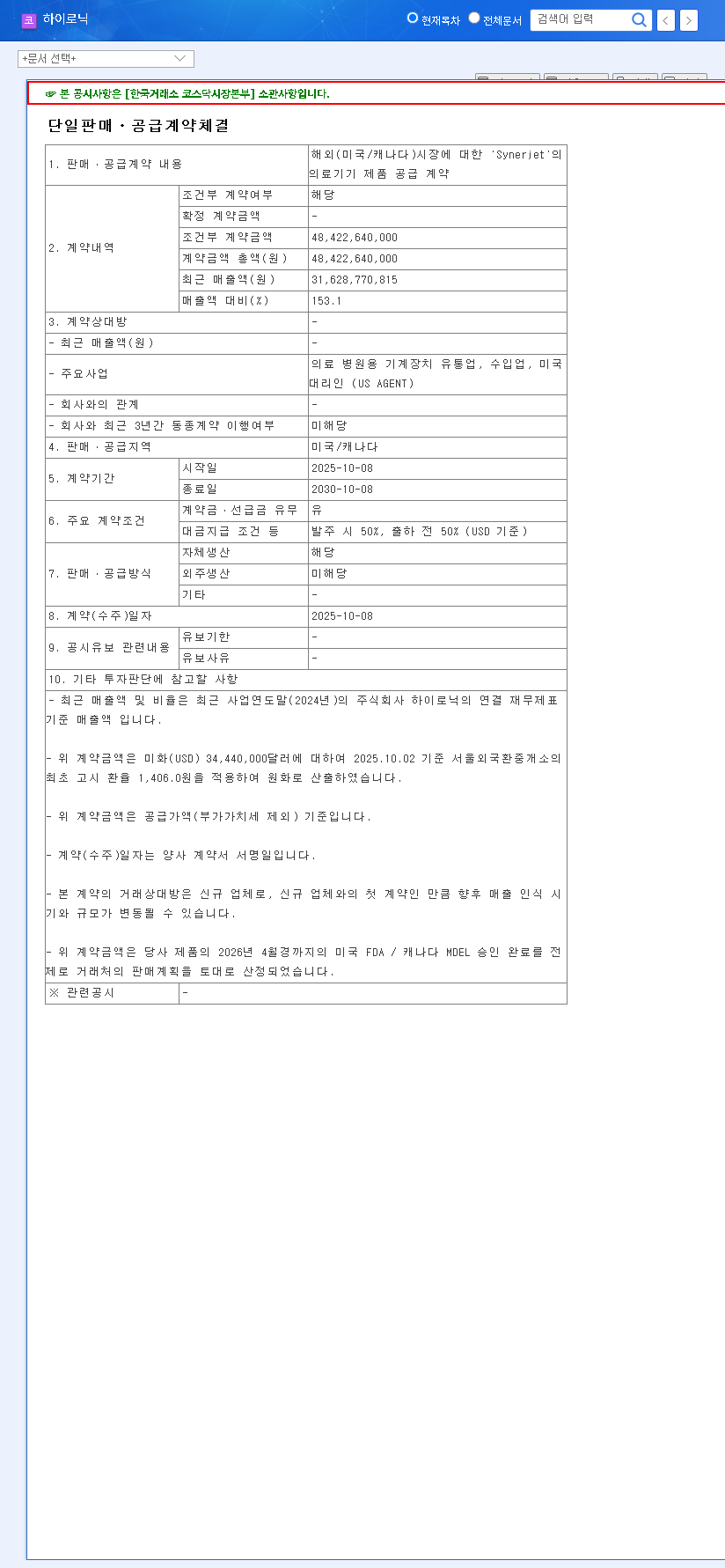
    On October 10, 2025, Hironic Co., Ltd disclosed a five-year single-sales and supply agreement to bring its flagship medical device, ‘Synerjet’, to the US and Canadian markets. The contract, effective from October 8, 2025, to October 8, 2030, is remarkable for its sheer scale. As detailed in the Official Disclosure, its value represents 153.1% of Hironic’s recent annual sales revenue, signaling a massive future contribution to the company’s top line. ‘Synerjet’ has already seen successful commercialization in Europe, the Middle East, and Southeast Asia, but this new agreement marks its most significant market entry to date.

    Why This Contract is a Game-Changer

    Unlocking the World’s Largest Aesthetic Market

    Entering the Synerjet North America market is more than a revenue boost; it’s a strategic masterstroke. The US and Canada represent one of the largest and most lucrative aesthetic medical device markets globally. Establishing a strong foothold here will dramatically enhance Hironic’s global brand awareness and open doors for further product diversification. This 5-year agreement provides a stable foundation for predictable revenue, which is highly valued by investors and analysts. According to industry market reports, this sector is projected for double-digit growth, and Hironic is now perfectly positioned to capture a piece of it.

    A Testament to R&D and Technological Leadership

    This deal is a direct result of Hironic’s unwavering commitment to innovation. The company consistently maintains a technological edge with its High-Intensity Focused Ultrasound (HIFU) product lines. This is backed by a substantial R&D expenditure, which accounts for an impressive 10.13% of its sales revenue. Such a high level of investment in technology is a key differentiator and was undoubtedly a critical factor in securing the landmark Hironic Synerjet agreement.

    The sheer scale of this contract—equivalent to over 150% of annual sales—clearly demonstrates Hironic’s future growth potential and acts as a powerful catalyst capable of propelling the company to a new level.

    Hironic Stock Analysis: Balancing Opportunity and Risk

    While the market has historically reacted positively to Hironic’s large-scale announcements, a prudent investor must weigh the tremendous opportunity against underlying fundamental challenges. For more on this, see our guide on evaluating medical technology stocks.

    Key Risk Factors to Monitor

    To maximize the positive effects of this contract, Hironic must address several fundamental issues:

    • Profitability Headwinds: In the first half of 2025, while revenue saw a slight increase, operating profit declined due to rising SG&A expenses. A significant increase in other non-operating expenses also led to a drop in net profit, which requires a clear strategy to rectify.
    • Subsidiary Performance: The net loss recorded by subsidiary Hironic Korea Co., Ltd could be a drag on consolidated financials, demanding efficient management and a turnaround plan.
    • Accounting Transparency: A history of a qualified audit opinion due to inventory scope limitations means investors will be closely monitoring the company’s efforts to enhance its internal control systems and build trust.
    • Macroeconomic Pressures: Global volatility, including fluctuating exchange rates (USD/KRW) and rising interest rates, could impact both export revenues and import costs, requiring proactive financial management.

    Investor Action Plan and Final Verdict

    Despite the risks, the supply contract for the Hironic Synerjet is an overwhelmingly positive event that fortifies the company’s long-term growth potential. Based on the securing of future growth drivers and a stable revenue base, our investment opinion is a confident “Buy”, with the recommendation to monitor the following points closely.

    Future Observation Points:

    • Tangible sales performance of ‘Synerjet’ in the North American market.
    • Demonstrable improvement in profitability trends in late 2025 and 2026.
    • Progress in enhancing accounting transparency and strengthening internal controls.
    • Additional growth momentum from other global markets.

    (149980) Hironic Synerjet Deal: A Deep Dive Stock Analysis for Investors 관련 이미지
  • (228670) Ray Co., Ltd. Stock Analysis: Navigating the Singapore Government Stake Sale

    (228670) Ray Co., Ltd. Stock Analysis: Navigating the Singapore Government Stake Sale

    The outlook for Ray Co., Ltd. stock has become a hot topic for investors, stirred by a significant stake sale from a major shareholder: the Government of Singapore. Compounded by a challenging performance in the first half of 2025, the market is buzzing with questions. Is this a signal of an impending crisis, or does it unveil a unique buying opportunity for those with a long-term vision? This comprehensive analysis will dissect Ray’s financial health, explore the implications of the Singapore government’s actions, and provide strategic insights to help you navigate this period of uncertainty.
    The Event: Singapore Government Reduces Stake in Ray Co., Ltd.

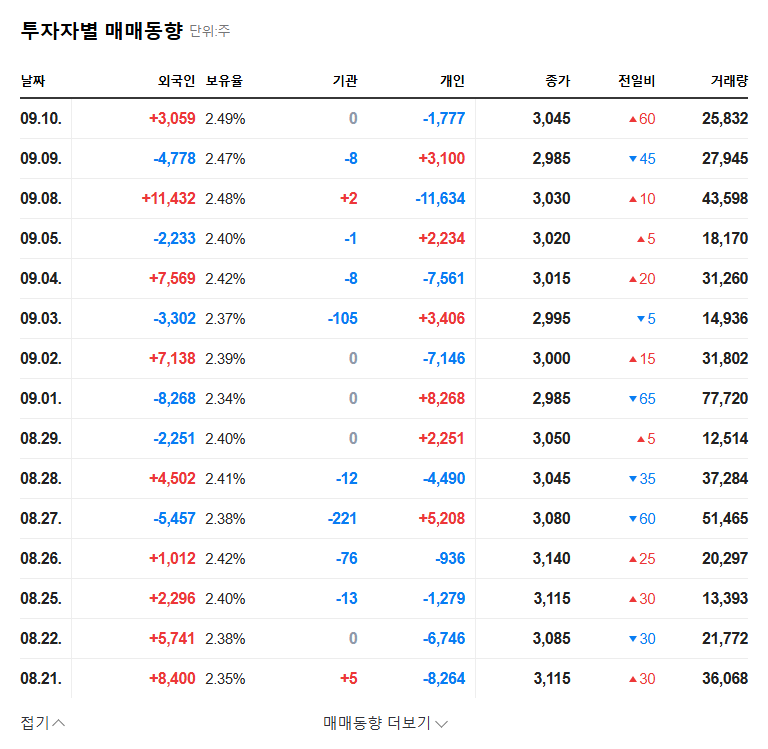
    According to official filings, the Government of Singapore executed a series of open-market sales between September 5 and September 10, 2025. They offloaded a total of 135,331 shares of Ray Co., Ltd. stock, causing their ownership to decrease from 6.015% to 4.869%—a notable drop of 1.146 percentage points. The officially stated reason for this move was for ‘simple investment purposes,’ a common justification for portfolio rebalancing. You can view the Official Disclosure (DART) for precise details. However, when a major institutional shareholder exits, it inevitably sends ripples through the market and raises concerns among retail investors.

    While the sale is framed as a simple portfolio adjustment, its timing, combined with recent performance woes, creates significant short-term headwinds and uncertainty for the Ray Co., Ltd. stock price.

    Deep Dive: Analyzing Ray Co.’s Financial Health and Market Position

    To understand the context of the Singapore government stake sale, we must first conduct a thorough Ray Co stock analysis, weighing its growth drivers against its current challenges.

    Long-Term Growth Drivers (The Bull Case)

    • Global Market Dominance: With an impressive 89% of its sales generated overseas and established bases in 13 countries, Ray Co. has proven global competitiveness. Future growth is anticipated from strategic expansion into high-potential emerging markets.
    • Diversified Product Portfolio: The company is smartly evolving from a focus on digital diagnostic systems to encompass digital therapeutic solutions, clear aligners, and comprehensive dental platforms, securing multiple engines for future revenue.
    • Commitment to Innovation: Significant and continuous investment in R&D, particularly in core technologies like AI-driven platforms and 3D scanning, keeps Ray at the forefront of technological innovation in the dental industry.

    Immediate Headwinds (The Bear Case)

    • Sluggish Recent Performance: H1 2025 revenue was KRW 51.97 billion, a steep 34.8% drop year-over-year. Both operating profit and net income swung to a deficit, reflecting a global economic slowdown, a temporary contraction in the dental market, and rising SG&A/R&D expenses.
    • High Financial Burden: A consolidated debt ratio of 174.3% is concerning. This is exacerbated by a significant amount of convertible bonds and derivative liabilities, which puts a strain on the company’s financial stability.
    • Macroeconomic Sensitivities: Given its high overseas sales, Ray is vulnerable to exchange rate volatility. Furthermore, rising interest rates globally have increased financial costs to KRW 10.13 billion, a 58% year-over-year jump, squeezing margins.

    Stock Price Impact: Short-Term Pain vs. Long-Term Gain?

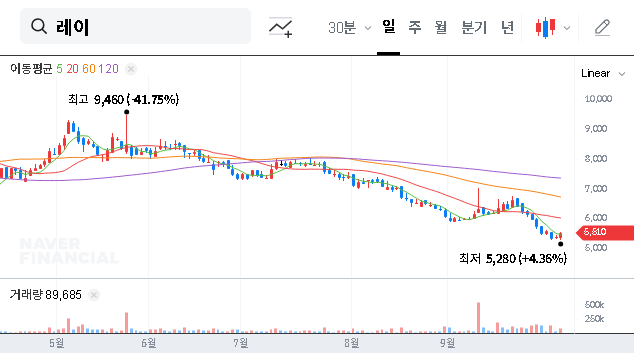
    In the short term, the sale by a major institutional holder is likely to create downward pressure on the Ray Co., Ltd. stock price. This action can weaken investor sentiment, especially when paired with the news of poor H1 performance. However, the mid-to-long-term trajectory will ultimately be dictated by the company’s ability to improve its fundamental performance. If Ray can demonstrate a strong earnings recovery and manage its financial structure more effectively, the impact of this single sale could become a minor footnote in its history. The global dental market is projected for strong growth, according to reports from sources like market research firms, which provides a favorable long-term tailwind for the industry.

    Prudent Investment Strategies for Ray Co., Ltd. Stock

    Given the mix of positive long-term potential and negative short-term signals, investors should adopt a cautious and well-researched approach. For those looking to invest, consider these strategies based on your investment horizon.

    For Short-Term Traders

    A highly conservative stance is recommended. Monitor the stock for signs of stabilization and watch for any further sales from major shareholders. Attempting to trade based on technical support levels is possible but carries significant risk in the current volatile environment.

    For Mid-to-Long-Term Investors

    Your focus should be on fundamental recovery. Closely watch for signs of earnings improvement in the upcoming H2 2025 and 2026 reports. Pay keen attention to the performance of new business ventures and the company’s strategy for managing its financial risks, including debt and currency exposure. Understanding these factors is key to learning how to evaluate medical technology stocks for the long haul. A gradual entry or dollar-cost averaging could be a prudent approach once positive signals emerge.

    In conclusion, while Ray Co., Ltd. possesses promising long-term growth potential within the expanding dental medical device stock sector, it is currently navigating a period of significant challenge. Prudence is advised until the company provides clear evidence of a turnaround in its financial performance.

    Disclaimer: This analysis is for informational purposes only and does not constitute investment advice. All investment decisions should be made based on your own research and risk tolerance.

    (228670) Ray Co., Ltd. Stock Analysis: Navigating the Singapore Government Stake Sale 관련 이미지